IT Strategy: Issues and Practices 3rd Edition (eBook PDF)
IT Strategy: Issues and Practices 3rd Edition (eBook PDF)
IT Strategy: Issues and Practices 3rd Edition (eBook PDF)
IT Strategy: Issues and Practices 3rd Edition (eBook PDF)
IT Strategy: Issues and Practices 3rd Edition (eBook PDF)
1.
IT Strategy: Issuesand Practices 3rd Edition
(eBook PDF) download
https://ebookluna.com/product/it-strategy-issues-and-
practices-3rd-edition-ebook-pdf/
Download full version ebook from https://ebookluna.com
2.
We believe theseproducts will be a great fit for you. Click
the link to download now, or visit ebookluna.com
to discover even more!
(eBook PDF) IT Strategy Issues and PracticesIssues and Practices 3rd
https://ebookluna.com/product/ebook-pdf-it-strategy-issues-and-
practicesissues-and-practices-3rd/
(eBook PDF) IT Strategy & Innovation 4th Edition By James D. McKeen
https://ebookluna.com/product/ebook-pdf-it-strategy-innovation-4th-edition-
by-james-d-mckeen/
(eBook PDF) Classroom Assessment for Student Learning: Doing It Right -
Using It Well 3rd Edition
https://ebookluna.com/product/ebook-pdf-classroom-assessment-for-student-
learning-doing-it-right-using-it-well-3rd-edition/
(eBook PDF) Foundation Design Principles and Practices 3rd Edition
https://ebookluna.com/product/ebook-pdf-foundation-design-principles-and-
practices-3rd-edition/
3.
Bioethics: Principles, Issues,and Cases 3rd Edition (eBook PDF)
https://ebookluna.com/product/bioethics-principles-issues-and-cases-3rd-
edition-ebook-pdf/
(eBook PDF) Corporate Governance: Principles, Policies, and Practices 3rd
Canadian Edition
https://ebookluna.com/product/ebook-pdf-corporate-governance-principles-
policies-and-practices-3rd-canadian-edition/
Own It. Love It. Make It Work.: Two-Book Bundle 1st Edition - eBook PDF
https://ebookluna.com/download/own-it-love-it-make-it-work-two-book-bundle-
business-books-ebook-pdf/
Own It. Love It. Make It Work: Two-Book Bundle 1st edition - eBook PDF
https://ebookluna.com/download/own-it-love-it-make-it-work-two-book-bundle-
ebook-pdf/
(eBook PDF) Reading and Writing About Contemporary Issues 3rd Edition
https://ebookluna.com/product/ebook-pdf-reading-and-writing-about-
contemporary-issues-3rd-edition/
6.
Contents vii
Section II IT Governance 87
Chapter 7 Creating IT Shared Services 88
IT Shared Services: An Overview 89
IT Shared Services: Pros and Cons 92
IT Shared Services: Key Organizational Success Factors 93
Identifying Candidate Services 94
An Integrated Model of IT Shared Services 95
Recommmendations for Creating Effective IT
Shared Services 96
Conclusion 99 • References 99
Chapter 8 A Management Framework for
IT Sourcing 100
A Maturity Model for IT Functions 101
IT Sourcing Options: Theory Versus Practice 105
The “Real” Decision Criteria 109
Decision Criterion #1: Flexibility 109
Decision Criterion #2: Control 109
Decision Criterion #3: Knowledge Enhancement 110
Decision Criterion #4: Business Exigency 110
A Decision Framework for Sourcing IT Functions 111
Identify Your Core IT Functions 111
Create a “Function Sourcing” Profile 111
Evolve Full-Time IT Personnel 113
Encourage Exploration of the Whole Range
of Sourcing Options 114
Combine Sourcing Options Strategically 114
A Management Framework for Successful
Sourcing 115
Develop a Sourcing Strategy 115
Develop a Risk Mitigation Strategy 115
Develop a Governance Strategy 116
Understand the Cost Structures 116
Conclusion 117 • References 117
Chapter 9 The IT Budgeting Process 118
Key Concepts in IT Budgeting 119
The Importance of Budgets 121
The IT Planning and Budget Process 123
7.
viii Contents
Corporate Processes123
IT Processes 125
Assess Actual IT Spending 126
IT Budgeting Practices That Deliver Value 127
Conclusion 128 • References 129
Chapter 10 Managing IT- Based Risk 130
A Holistic View of IT-Based Risk 131
Holistic Risk Management: A Portrait 134
Developing a Risk Management Framework 135
Improving Risk Management Capabilities 138
Conclusion 139 • References 140
Appendix A A Selection of Risk Classification
Schemes 141
Chapter 11 Information Management: The Nexus
of Business and IT 142
Information Management: How Does It Fit? 143
A Framework For IM 145
Stage One: Develop an IM Policy 145
Stage Two: Articulate the Operational
Components 145
Stage Three: Establish Information Stewardship 146
Stage Four: Build Information Standards 147
Issues In IM 148
Culture and Behavior 148
Information Risk Management 149
Information Value 150
Privacy 150
Knowledge Management 151
The Knowing–Doing Gap 151
Getting Started in IM 151
Conclusion 153 • References 154
Appendix A Elements of IM Operations 155
Mini Cases
Building Shared Services at RR Communications 156
Enterprise Architecture at Nationstate Insurance 160
IT Investment at North American Financial 165
8.
Contents ix
Section III IT-Enabled Innovation 169
Chapter 12 Innovation with IT 170
The Need for Innovation: An Historical
Perspective 171
The Need for Innovation Now 171
Understanding Innovation 172
The Value of Innovation 174
Innovation Essentials: Motivation, Support,
and Direction 175
Challenges for IT leaders 177
Facilitating Innovation 179
Conclusion 180 • References 181
Chapter 13 Big Data and Social Computing 182
The Social Media/Big Data Opportunity 183
Delivering Business Value with Big Data 185
Innovating with Big Data 189
Pulling in Two Different Directions: The Challenge
for IT Managers 190
First Steps for IT Leaders 192
Conclusion 193 • References 194
Chapter 14 Improving the Customer Experience:
An IT Perspective 195
Customer Experience and Business value 196
Many Dimensions of Customer Experience 197
The Role of Technology in Customer Experience 199
Customer Experience Essentials for IT 200
First Steps to Improving Customer Experience 203
Conclusion 204 • References 204
Chapter 15 Building Business Intelligence 206
Understanding Business Intelligence 207
The Need for Business Intelligence 208
The Challenge of Business Intelligence 209
The Role of IT in Business Intelligence 211
Improving Business Intelligence 213
Conclusion 216 • References 216
9.
x Contents
Chapter 16Enabling Collaboration with IT 218
Why Collaborate? 219
Characteristics of Collaboration 222
Components of Successful Collaboration 225
The Role of IT in Collaboration 227
First Steps for Facilitating Effective Collaboration 229
Conclusion 231 • References 232
Mini Cases
Innovation at International Foods 234
Consumerization of Technology at IFG 239
CRM at Minitrex 243
Customer Service at Datatronics 246
Section IV
IT Portfolio Development and Management 251
Chapter 17 Application Portfolio Management 252
The Applications Quagmire 253
The Benefits of a Portfolio Perspective 254
Making APM Happen 256
Capability 1: Strategy and Governance 258
Capability 2: Inventory Management 262
Capability 3: Reporting and Rationalization 263
Key Lessons Learned 264
Conclusion 265 • References 265
Appendix A Application Information 266
Chapter 18 Managing IT Demand 270
Understanding IT Demand 271
The Economics of Demand Management 273
Three Tools for Demand management 273
Key Organizational Enablers for Effective Demand
Management 274
Strategic Initiative Management 275
Application Portfolio Management 276
Enterprise Architecture 276
Business–IT Partnership 277
Governance and Transparency 279
Conclusion 281 • References 281
10.
Contents xi
Chapter 19Creating and Evolving a Technology
Roadmap 283
What is a Technology Roadmap? 284
The Benefits of a Technology Roadmap 285
External Benefits (Effectiveness) 285
Internal Benefits (Efficiency) 286
Elements of the Technology Roadmap 286
Activity #1: Guiding Principles 287
Activity #2: Assess Current Technology 288
Activity #3: Analyze Gaps 289
Activity #4: Evaluate Technology
Landscape 290
Activity #5: Describe Future Technology 291
Activity #6: Outline Migration Strategy 292
Activity #7: Establish Governance 292
Practical Steps for Developing a Technology
Roadmap 294
Conclusion 295 • References 295
Appendix A Principles to Guide a Migration
Strategy 296
Chapter 20 Enhancing Development
Productivity 297
The Problem with System Development 298
Trends in System Development 299
Obstacles to Improving System Development
Productivity 302
Improving System Development Productivity: What we
know that Works 304
Next Steps to Improving System Development
Productivity 306
Conclusion 308 • References 308
Chapter 21 Information Delivery: IT’s Evolving Role 310
Information and IT: Why Now? 311
Delivering Value Through Information 312
Effective Information Delivery 316
New Information Skills 316
New Information Roles 317
New Information Practices 317
11.
xii Contents
New InformationStrategies 318
The Future of Information Delivery 319
Conclusion 321 • References 322
Mini Cases
Project Management at MM 324
Working Smarter at Continental Furniture International 328
Managing Technology at Genex Fuels 333
Index 336
12.
Preface
Today, with informationtechnology (IT) driving constant business transformation,
overwhelming organizations with information, enabling 24/7 global operations, and
undermining traditional business models, the challenge for business leaders is not
simply to manage IT, it is to use IT to deliver business value. Whereas until fairly recently,
decisions about IT could be safely delegated to technology specialists after a business
strategy had been developed, IT is now so closely integrated with business that, as one
CIO explained to us, “We can no longer deliver business solutions in our company
without using technology so IT and business strategy must constantly interact with
each other.”
What’s New in This Third Edition?
• Six new chapters focusing on current critical issues in IT management, including
IT shared services; big data and social computing; business intelligence; manag-
ing IT demand; improving the customer experience; and enhancing development
productivity.
• Two significantly revised chapters: on delivering IT functions through different
resourcing options; and innovating with IT.
• Two new mini cases based on real companies and real IT management situations:
Working Smarter at Continental Furniture and Enterprise Architecture at Nationstate
Insurance.
• A revised structure based on reader feedback with six chapters and two mini cases
from the second edition being moved to the Web site.
All too often, in our efforts to prepare future executives to deal effectively with
the issues of IT strategy and management, we lead them into a foreign country where
they encounter a different language, different culture, and different customs. Acronyms
(e.g., SOA, FTP/IP, SDLC, ITIL, ERP), buzzwords (e.g., asymmetric encryption, proxy
servers, agile, enterprise service bus), and the widely adopted practice of abstraction
(e.g., Is a software monitor a person, place, or thing?) present formidable “barriers to
entry” to the technologically uninitiated, but more important, they obscure the impor-
tance of teaching students how to make business decisions about a key organizational
resource. By taking a critical issues perspective, IT Strategy: Issues and Practices treats IT
as a tool to be leveraged to save and/or make money or transform an organization—not
as a study by itself.
As in the first two editions of this book, this third edition combines the experi-
ences and insights of many senior IT managers from leading-edge organizations with
thorough academic research to bring important issues in IT management to life and
demonstrate how IT strategy is put into action in contemporary businesses. This new
edition has been designed around an enhanced set of critical real-world issues in IT
management today, such as innovating with IT, working with big data and social media,
xiii
13.
xiv Preface
enhancing customerexperience, and designing for business intelligence and introduces
students to the challenges of making IT decisions that will have significant impacts on
how businesses function and deliver value to stakeholders.
IT Strategy: Issues and Practices focuses on how IT is changing and will continue to
change organizations as we now know them. However, rather than learning concepts
“free of context,” students are introduced to the complex decisions facing real organi-
zations by means of a number of mini cases. These provide an opportunity to apply
the models/theories/frameworks presented and help students integrate and assimilate
this material. By the end of the book, students will have the confidence and ability to
tackle the tough issues regarding IT management and strategy and a clear understand-
ing of their importance in delivering business value.
Key Features of This Book
• A focus on IT management issues as opposed to technology issues
• Critical IT issues explored within their organizational contexts
• Readily applicable models and frameworks for implementing IT strategies
• Mini cases to animate issues and focus classroom discussions on real-world deci-
sions, enabling problem-based learning
• Proven strategies and best practices from leading-edge organizations
• Useful and practical advice and guidelines for delivering value with IT
• Extensive teaching notes for all mini cases
A Different Approach to Teaching IT Strategy
The real world of IT is one of issues—critical issues—such as the following:
• How do we know if we are getting value from our IT investment?
• How can we innovate with IT?
• What specific IT functions should we seek from external providers?
• How do we build an IT leadership team that is a trusted partner with the business?
• How do we enhance IT capabilities?
• What is IT’s role in creating an intelligent business?
• How can we best take advantage of new technologies, such as big data and social
media, in our business?
• How can we manage IT risk?
However, the majority of management information systems (MIS) textbooks are orga-
nized by system category (e.g., supply chain, customer relationship
management, enterprise
resource planning), by system component (e.g., hardware, software,
networks), by system
function (e.g., marketing, financial, human resources), by
system type (e.g., transactional,
decisional, strategic), or by a combination of these. Unfortunately, such an organization
does not promote an understanding of IT management in practice.
IT Strategy: Issues and Practices tackles the real-world challenges of IT manage-
ment. First, it explores a set of the most important issues facing IT managers today, and
second, it provides a series of mini cases that present these critical IT issues within the
context of real organizations. By focusing the text as well as the mini cases on today’s
critical issues, the book naturally reinforces problem-based learning.
14.
Preface xv
IT Strategy:Issues and Practices includes thirteen mini cases—each based on a real
company presented anonymously.1
Mini cases are not simply abbreviated versions of
standard, full-length business cases. They differ in two significant ways:
1. A horizontal perspective. Unlike standard cases that develop a single issue within
an organizational setting (i.e., a “vertical” slice of organizational life), mini cases
take a “horizontal” slice through a number of coexistent issues. Rather than looking
for a solution to a specific problem, as in a standard case, students analyzing a mini
case must first identify and prioritize the issues embedded within the case. This mim-
ics real life in organizations where the challenge lies in “knowing where to start” as
opposed to “solving a predefined problem.”
2. Highly relevant information. Mini cases are densely written. Unlike standard
cases, which intermix irrelevant information, in a mini case, each sentence exists for
a reason and reflects relevant information. As a result, students must analyze each
case very carefully so as not to miss critical aspects of the situation.
Teaching with mini cases is, thus, very different than teaching with standard cases.
With mini cases, students must determine what is really going on within the organiza-
tion. What first appears as a straightforward “technology” problem may in fact be a
political problem or one of five other “technology” problems. Detective work is, there-
fore, required. The problem identification and prioritization skills needed are essential
skills for future managers to learn for the simple reason that it is not possible for organi-
zations to tackle all of their problems concurrently. Mini cases help teach these skills to
students and can balance the problem-solving skills learned in other classes. Best of all,
detective work is fun and promotes lively classroom discussion.
Toassistinstructors,extensiveteachingnotesareavailableforallminicases.Developed
by the authors and based on “tried and true” in-class experience, these notes include case
summaries, identify the key issues within each case, present ancillary
information about the
company/industry represented in the case, and offer guidelines for organizing the class-
room discussion. Because of the structure of these mini cases and their embedded issues, it
is common for teaching notes to exceed the length of the actual mini case!
This book is most appropriate for MIS courses where the goal is to understand how
IT delivers organizational value. These courses are frequently labeled “IT Strategy” or
“IT Management” and are offered within undergraduate as well as MBA programs. For
undergraduate juniors and seniors in business and commerce programs, this is usually
the “capstone” MIS course. For MBA students, this course may be the compulsory core
course in MIS, or it may be an elective course.
Each chapter and mini case in this book has been thoroughly tested in a variety
of undergraduate, graduate, and executive programs at Queen’s School of Business.2
1
We are unable to identify these leading-edge companies by agreements established as part of our overall
research program (described later).
2
Queen’s School of Business is one of the world’s premier business schools, with a faculty team renowned
for its business experience and academic credentials. The School has earned international recognition for
its innovative approaches to team-based and experiential learning. In addition to its highly acclaimed MBA
programs, Queen’s School of Business is also home to Canada’s most prestigious undergraduate business
program and several outstanding graduate programs. As well, the School is one of the world’s largest and
most respected providers of executive education.
15.
xvi Preface
These materialshave proven highly successful within all programs because we adapt
how the material is presented according to the level of the students. Whereas under-
graduate students “learn” about critical business issues from the book and mini cases
for the first time, graduate students are able to “relate” to these same critical issues
based on their previous business experience. As a result, graduate students are able to
introduce personal experiences into the discussion of these critical IT issues.
Organization of This Book
One of the advantages of an issues-focused structure is that chapters can be approached
in any order because they do not build on one another. Chapter order is immaterial; that
is, one does not need to read the first three chapters to understand the fourth. This pro-
vides an instructor with maximum flexibility to organize a course as he or she sees fit.
Thus, within different courses/programs, the order of topics can be changed to focus on
different IT concepts.
Furthermore, because each mini case includes multiple issues, they, too, can be
used to serve different purposes. For example, the mini case “Building Shared Services
at RR Communications” can be used to focus on issues of governance, organizational
structure, and/or change management just as easily as shared services. The result is a
rich set of instructional materials that lends itself well to a variety of pedagogical appli-
cations, particularly problem-based learning, and that clearly illustrates the reality of IT
strategy in action.
The book is organized into four sections, each emphasizing a key component of
developing and delivering effective IT strategy:
• Section I: Delivering Value with IT is designed to examine the complex ways that
IT and business value are related. Over the past twenty years, researchers and prac-
titioners have come to understand that “business value” can mean many
different
things when applied to IT. Chapter 1 (Developing and Delivering on the IT Value
Proposition) explores these concepts in depth. Unlike the simplistic value propo-
sitions often used when implementing IT in organizations, this
chapter
presents
“value” as a multilayered business construct that must be effectively
managed at
several levels if technology is to achieve the benefits expected. Chapter 2 (Developing
IT Strategy for Business Value) examines the dynamic
interrelationship between
business and IT strategy and looks at the processes and critical
success
factors
used by organizations to ensure that both are well aligned. Chapter 3 (Linking IT
to Business Metrics) discusses new ways of measuring IT’s
effectiveness that pro-
mote closer business–IT alignment and help drive greater business value. Chapter
4 (Building a Strong Relationship with the Business) examines the nature of the
business–IT relationship and the characteristics of an effective relationship that
delivers real value to the enterprise. Chapter 5 (Communicating with Business
Managers) explores the business and interpersonal competencies that IT staff will
need in order to do their jobs effectively over the next five to seven years and what
companies should be doing to develop them. Finally, Chapter 6 (Building Better IT
Leaders from the Bottom Up) tackles the increasing need for improved leadership
skills in all IT staff and examines the expectations of the business for strategic and
innovative guidance from IT.
16.
Preface xvii
In themini cases associated with this section, the concepts of delivering
value with IT are explored in a number of different ways. We see business and
IT
executives at Hefty Hardware grappling with conflicting priorities and per-
spectives and how best to work together to achieve the company’s strategy. In
“Investing in TUFS,” CIO Martin Drysdale watches as all of the work his IT depart-
ment has put into a major new system fails to deliver value. And the “IT Planning
at ModMeters” mini case follows CIO Brian Smith’s efforts to create a strategic
IT plan that will align with business strategy, keep IT running, and not increase
IT’s budget.
• Section II: IT Governance explores key concepts in how the IT organization is
structured and managed to effectively deliver IT products and services to the orga-
nization. Chapter 7 (IT Shared Services) discusses how IT shared services should be
selected, organized, managed, and governed to achieve improved organizational
performance. Chapter 8 (A Management Framework for IT Sourcing) examines
how organizations are choosing to source and deliver different types of IT functions
and presents a framework to guide sourcing decisions. Chapter 9 (The IT Budgeting
Process) describes the “evil twin” of IT strategy, discussing how budgeting mecha-
nisms can significantly undermine effective business strategies and suggesting
practices for addressing this problem while maintaining traditional fiscal account-
ability. Chapter 10 (Managing IT-based Risk) describes how many IT organizations
have been given the responsibility of not only managing risk in their own activities
(i.e., project development, operations, and delivering business strategy) but also
of managing IT-based risk in all company activities (e.g., mobile computing, file
sharing, and online access to information and software) and the need for a holistic
framework to understand and deal with risk effectively. Chapter 11 (Information
Management: The Nexus of Business and IT) describes how new organizational
needs for more useful and integrated information are driving the development of
business-oriented functions within IT that focus specifically on information and
knowledge, as opposed to applications and data.
The mini cases in this section examine the difficulties of managing com-
plex IT issues when they intersect substantially with important business issues.
In “Building Shared Services at RR Communications,” we see an IT organiza-
tion in transition from a traditional divisional structure and governance model
to a more centralized enterprise model, and the long-term challenges experi-
enced by CIO Vince Patton in changing both business and IT practices, includ-
ing information management and delivery, to support this new approach. In
“Enterprise Architecture at Nationstate Insurance,” CIO Jane Denton endeavors
to make IT more flexible and agile, while incorporating new and emerging tech-
nologies into its strategy. In “IT Investment at North American Financial,” we
show the opportunities and challenges involved in prioritizing and resourcing
enterprisewide IT projects and monitoring that anticipated benefits are being
achieved.
• Section III: IT-Enabled Innovation discusses some of the ways technology is
being used to transform organizations. Chapter 12 (Innovation with IT) examines
the nature and importance of innovation with IT and describes a typical inno-
vation life cycle. Chapter 13 (Big Data and Social Computing) discusses how IT
leaders are incorporating big data and social media concepts and technologies
17.
xviii Preface
to successfullydeliver business value in new ways. Chapter 14 (Improving the
Customer Experience: An IT Perspective) explores the IT function’s role in creating
and improving an organization’s customer experiences and the role of technology
in helping companies to understand and learn from their customers’ experiences.
Chapter 15 (Building Business Intelligence) looks at the nature of business intelli-
gence and its relationship to data, information, and knowledge and how IT can be
used to build a more intelligent organization. Chapter 16 (Enabling Collaboration
with IT) identifies the principal forms of collaboration used in organizations, the
primary business drivers involved in them, how their business value is measured,
and the roles of IT and the business in enabling collaboration.
The mini cases in this section focus on the key challenges companies face in
innovating with IT. “Innovation at International Foods” contrasts the need for pro-
cess and control in corporate IT with the strong push to innovate with technology
and the difficulties that ensue from the clash of style and culture. “Consumerization
of Technology at IFG” looks at issues such as “bring your own device” (BYOD) to
the workplace. In “CRM at Minitrex,” we see some of the internal technological and
political conflicts that result from a strategic decision to become more customercen-
tric. Finally, “Customer Service at Datatronics” explores the importance of present-
ing unified, customer-facing IT to customers.
• Section IV: IT Portfolio Development and Management looks at how the IT
function must transform itself to be able to deliver business value effectively in
the future. Chapter 17 (Application Portfolio Management) describes the ongoing
management process of categorizing, assessing, and rationalizing the IT application
portfolio. Chapter 18 (Managing IT Demand) looks at the often neglected issue of
demand management (as opposed to supply management), explores the root causes
of the demand for IT services, and identifies a number of tools and enablers to
facilitate more effective demand management. Chapter 19 (Creating and Evolving
a Technology Roadmap) examines the challenges IT managers face in implement-
ing new infrastructure, technology standards, and types of technology in their real-
world business and technical environments, which is composed of a huge variety of
hardware, software, applications, and other technologies, some of which date back
more than thirty years. Chapter 20 (Enhancing Development Productivity) explores
how system development practices are changing and how managers can create
an environment to promote improved development productivity. And Chapter 21
(Information Delivery: IT’s Evolving Role) examines the fresh challenges IT faces in
managing the exponential growth of data and digital assets; privacy and account-
ability concerns; and new demands for access to information on an anywhere, any-
time basis.
The mini cases associated with this section describe many of these themes
embedded within real organizational contexts. “Project Management at MM” mini
case shows how a top-priority, strategic project can take a wrong turn when proj-
ect management skills are ineffective. “Working Smarter at Continental Furniture”
mini case follows an initiative to improve the company’s analytics so it can reduce
its environmental impact. And in the mini case “Managing Technology at Genex
Fuels,” we see CIO Nick Devlin trying to implement enterprisewide technology for
competitive advantage in an organization that has been limping along with obscure
and outdated systems.
18.
Preface xix
Supplementary Materials
OnlineInstructor Resource Center
The following supplements are available online to adopting instructors:
• PowerPoint Lecture Notes
• Image Library (text art)
• Extensive Teaching Notes for all Mini cases
• Additional chapters including Developing IT Professionalism; IT Sourcing; Master
DataManagement;DevelopingITCapabilities;TheIdentityManagementChallenge;
Social Computing; Managing Perceptions of IT; IT in the New World of Corporate
Governance Reforms; Enhancing Customer Experiences with Technology; Creating
Digital Dashboards; and Managing Electronic Communications.
• Additional mini cases, including IT Leadership at MaxTrade; Creating a Process-Driven
Organization at Ag-Credit; Information Management at Homestyle Hotels; Knowledge
Management at Acme Consulting; Desktop Provisioning at CanCredit; and Leveraging
IT Vendors at SleepSmart.
For detailed descriptions of all of the supplements just listed, please visit http://
www.pearsonhighered.com/mckeen.
CourseSmart eTextbooks Online
CourseSmart is an exciting new choice for students looking to save money. As an alter-
native to purchasing the print textbook, students can purchase an electronic version of
the same content and save up to 50 percent off the suggested list price of the print text.
With a CourseSmart etextbook, students can search the text, make notes online, print
out reading assignments that incorporate lecture notes, and bookmark important pas-
sages for later review. www.coursesmart.com.
The Genesis of This Book
Since 1990 we have been meeting quarterly with a group of senior IT managers from
a number of leading-edge organizations (e.g., Eli Lilly, BMO, Honda, HP, CIBC, IBM,
Sears, Bell Canada, MacDonalds, and Sun Life) to identify and discuss critical IT manage-
ment issues. This focus group represents a wide variety of industry sectors (e.g., retail,
manufacturing, pharmaceutical, banking, telecommunications, insurance, media, food
processing, government, and automotive). Originally, it was established to meet the com-
panies’ needs for well-balanced, thoughtful, yet practical information on emerging IT
management topics, about which little or no research was available. However, we soon
recognized the value of this premise for our own research in the rapidly evolving field
of IT management. As a result, it quickly became a full-scale research program in which
we were able to use the focus group as an “early warning system” to document new IT
management issues, develop case studies around them, and explore more collaborative
approaches to identifying trends, challenges, and effective practices in each topic area.3
3
This now includes best practice case studies, field research in organizations, multidisciplinary qualitative
and quantitative research projects, and participation in numerous CIO research consortia.
19.
xx Preface
As weshared our materials with our business students, we realized that this issues-
based approach resonated strongly with them, and we began to incorporate more of our
research into the classroom. This book is the result of our many years’ work with senior
IT managers, in organizations, and with students in the classroom.
Each issue in this book has been selected collaboratively by the focus group after
debate and discussion. As facilitators, our job has been to keep the group’s focus on IT
management issues, not technology per se. In preparation for each meeting, focus group
members researched the topic within their own organization, often involving a number
of members of their senior IT management team as well as subject matter experts in
the process. To guide them, we provided a series of questions about the issue, although
members are always free to explore it as they see fit. This approach provided both struc-
ture for the ensuing discussion and flexibility for those members whose
organizations
are approaching the issue in a different fashion.
The focus group then met in a full-day session, where the members discussed all
aspects of the issue. Many also shared corporate documents with the group. We facilitated
the discussion, in particular pushing the group to achieve a common understanding of
the dimensions of the issue and seeking examples, best practices, and guidelines for deal-
ing with the challenges involved. Following each session, we wrote a report based on the
discussion, incorporating relevant academic and practitioner materials where these were
available. (Because some topics are “bleeding edge,” there is often little traditional IT
research available on them.)
Each report has three parts:
1. A description of the issue and the challenges it presents for both business and IT
managers
2. Models and concepts derived from the literature to position the issue within a con-
textual framework
3. Near-term strategies (i.e., those that can be implemented immediately) that have
proven successful within organizations for dealing with the specific issue
Each chapter in this book focuses on one of these critical IT issues. We have learned
over the years that the issues themselves vary little across industries and organizations,
even in enterprises with unique IT strategies. However, each organization tackles the
same issue somewhat differently. It is this diversity that provides the richness of insight
in these chapters. Our collaborative research approach is based on our belief that when
dealing with complex and leading-edge issues, “everyone has part of the solution.”
Every focus group, therefore, provides us an opportunity to explore a topic from a
variety of perspectives and to integrate different experiences (both successful and oth-
erwise) so that collectively, a thorough understanding of each issue can be developed
and strategies for how it can be managed most successfully can be identified.
20.
About the Authors
JamesD. McKeen is Professor Emeritus at the Queen’s School of Business. He has been
working in the IT field for many years as a practitioner, researcher, and consultant. In
2011, he was named the “IT Educator of the Year” by ComputerWorld Canada. Jim has
taught at universities in the United Kingdom, France, Germany, and the United States.
His research is widely published in a number of leading journals and he is the coau-
thor (with Heather Smith) of five books on IT management. Their most recent book—IT
Strategy: Issues and Practices (2nd ed.)—was the best-selling business book in Canada
(Globe and Mail, April 2012).
Heather A. Smith has been named the most-published researcher on IT management
issues in two successive studies (2006, 2009). A senior research associate with Queen’s
University School of Business, she is the author of five books, the most recent being IT
Strategy: Issues and Practices (Pearson Prentice Hall, 2012). She is also a senior research
associate with the American Society for Information Management’s Advanced Practices
Council. Aformer senior IT manager, she is codirector of the IT Management Forum and
the CIO Brief, which facilitate interorganizational learning among senior IT executives.
In addition, she consults and collaborates with organizations worldwide.
xxi
blue insoluble varietyis 9·58, and of the gold variety 8·51. The gold
variety passes into ordinary Ag with great ease. This transition may
even be remarked on the filter in those places which have
accidentally not been moistened with water. A simple shock, and
therefore friction of one particle upon another, is enough to convert
the gold variety into normal white silver. Carey Lea sent samples of
the gold variety for a long distance by rail packed in three tubes, in
which the silver occupied about the quarter of their volume; in one
tube only he filled up this space with cotton-wool. It was afterwards
found that the shaking of the particles of Ag had completely
converted it into ordinary white silver, and that only the tube
containing the cotton-wool had preserved the golden variety intact.
The soluble variety of Ag also passes into the ordinary state with
great ease, the heat of conversion being, as Prange showed in 1890,
about +60 calories.
[18 bis] The opinion of the nature of soluble silver given below
was first enunciated in the Journal of the Russian Chemical Society,
February 1, 1890, Vol. XXII., Note 73. This view is, at the present
time, generally accepted, and this silver is frequently known as the
‘colloid’ variety. I may add that Carey Lea observed the solution of
ordinary molecular silver in ammonia without the access of air.
[18 tri] It is, however, noteworthy that ordinary metallic lead has
long been considered soluble in water, that boron has been
repeatedly obtained in a brown solution, and that observations upon
the development of certain bacteria have shown that the latter die in
water which has been for some time in contact with metals. This
seems to indicate the passage of small quantities of metals into
water (however, the formation of peroxide of hydrogen may be
supposed to have some influence in these cases).
[19] Silver suboxide (Ag4O) or argentous oxide is obtained from
argentic citrate by heating it to 100° in a stream of hydrogen. Water
and argentous citrate are then formed, and the latter, although but
slightly soluble in water, gives a reddish-brown solution of colloid
silver (Note 18), and when boiled this solution becomes colourless
23.
and deposits metallicsilver, the argentic salt being again formed.
Wöhler, who discovered this oxide, obtained it as a black precipitate
by adding potassium hydroxide to the above solution of argentous
citrate. With hydrochloric acid the suboxide gives a brown
compound, Ag2Cl. Since the discovery of soluble silver the above
data cannot be regarded as perfectly trustworthy; it is probable that
a mixture of Ag2 and Ag2O was being dealt with, so that the actual
existence of Ag4O is now doubtful, but there can be no doubt as to
the formation of a subchloride, Ag2Cl (see Note 25), corresponding
to the suboxide. The same compound is obtained by the action of
light on the higher chloride. Other acids do not combine with silver
suboxide, but convert it into an argentic salt and metallic silver. In
this respect cuprous oxide presents a certain resemblance to these
suboxides. But copper forms a suboxide of the composition Cu4O,
which is obtained by the action of an alkaline solution of stannous
oxide on cupric hydroxide, and is decomposed by acids into cupric
salts and metallic copper. The problems offered by the suboxides, as
well as by the peroxides, cannot be considered as fully solved.
[19 bis] Silver peroxide, AgO or Ag2O3, is obtained by the
decomposition of a dilute (10 p.c.) solution of silver nitrate by the
action of a galvanic current (Ritter). On the positive pole, where
oxygen is usually evolved in the decomposition of salts, brittle grey
needles with a metallic lustre, which occasionally attain a somewhat
considerable size, are then formed. They are insoluble in water, and
decompose with the evolution of oxygen when they are dried and
heated, especially up to 150°, and, like lead dioxide, barium
peroxide, c., their action is strongly oxidising. When treated with
acids, oxygen is evolved and a salt of the oxide formed. Silver
peroxide absorbs sulphurous anhydride and forms silver sulphate.
Hydrochloric acid evolves chlorine; ammonia reduces the silver, and
is itself oxidised, forming water and gaseous nitrogen. Analyses of
the above-mentioned crystals show that they contain silver nitrate,
peroxide, and water. According to Fisher, they have the composition
24.
4AgO,AgNO3,H2O, and, accordingto Berthelot,
4Ag2O5,2AgNO3,H2O.
[19 tri] According to Carey Lea, however, oxide of silver still
retains water even at 100°, and only parts with it together with the
oxygen. Oxide of silver is used for colouring glass yellow.
[20] The reaction of Pb(OH)2 upon AgHO in the presence of NaHO
leads to the formation of a compound of both oxides, PbOnAg2O,
from which the oxide of lead cannot be removed by alkalies (Wöhler,
Leton). Wöhler, Welch, and others obtained crystalline double salts,
R2AgX3, by the action of strong solutions of RX of the halogen salts
of the alkaline metals upon AgX, where R = Cs, Rb, K.
[20 bis] According to Müller, ferric oxide is reduced by hydrogen
(see Chapter XXII., Note 5) at 295° (into what ?), cupric oxide at
140°, Ni2O3 at 150°; nickelous oxide, NiO, is reduced to the
suboxide, Ni2O, at 195°, and to nickel at 270°; zinc oxide requires
so high a temperature for its reduction that the glass tube in which
Müller conducted the experiment did not stand the heat; antimony
oxide requires a temperature of 215° for its reduction; yellow
mercuric oxide is reduced at 130° and the red oxide at 230°; silver
oxide at 85°, and platinum oxide even at the ordinary temperature.
[20 tri] A silica compound, Ag2OSiO2 is obtained by fusing AgNO3
with silica; this salt is able to decompose with the evolution of
oxygen, leaving Ag + SiO2.
[21] If a solution of a silver salt be precipitated by sodium
hydroxide, and aqueous ammonia is added drop by drop until the
precipitate is completely dissolved, the liquid when evaporated
deposits a violet mass of crystalline silver oxide. If moist silver oxide
be left in a strong solution of ammonia it gives a black mass, which
easily decomposes with a loud explosion, especially when struck.
This black substance is called fulminating silver. Probably this is a
compound like the other compounds of oxides with ammonia, and in
exploding the oxygen of the silver oxide forms water with the
25.
hydrogen of theammonia, which is naturally accompanied by the
evolution of heat and formation of gaseous nitrogen, or, as Raschig
states, fulminating silver contains NAg3 or one of the amides (for
instance, NHAg2 = NH3 + Ag2O - H2O). Fulminating silver is also
formed when potassium hydroxide is added to a solution of silver
nitrate in ammonia. The dangerous explosions which are produced
by this compound render it needful that great care be taken when
salts of silver come into contact with ammonia and alkalis (see
Chapter XVI., Note 26).
[22] So that we here encounter the following phenomena: copper
displaces silver from the solutions of its salts, and silver oxide
displaces copper oxide from cupric salts. Guided by the conceptions
enunciated in Chapter XV., we can account for this in the following
manner: The atomic volume of silver = 10·3, and of copper = 7·2,
of silver oxide = 32, and of copper oxide = 13. A greater contraction
has taken place in the formation of cupric oxide, CuO, than in the
formation of silver oxide, Ag2O, since in the former (13 - 7 = 6) the
volume after combination with the oxygen has increased by very
little, whilst the volume of silver oxide is considerably greater than
that of the metal it contains [32 - (2 × 10·3) = 11·4]. Hence silver
oxide is less compact than cupric oxide, and is therefore less stable;
but, on the other hand, there are greater intervals between the
atoms in silver oxide than in cupric oxide, and therefore silver oxide
is able to give more stable compounds than those of copper oxide.
This is verified by the figures and data of their reactions. It is
impossible to calculate for cupric nitrate, because this salt has not
yet been obtained in an anhydrous state; but the sulphates of both
oxides are known. The specific gravity of copper sulphate in an
anhydrous state is 3·53, and of silver sulphate 5·36; the molecular
volume of the former is 45, and of the latter 58. The group SO3 in
the copper occupies, as it were, a volume 45 - 13 = 32, and in the
silver salt a volume 58 - 32 = 26; hence a smaller contraction has
taken place in the formation of the copper salt from the oxide than
in the formation of the silver salt, and consequently the latter should
26.
be more stablethan the former. Hence silver oxide is able to
decompose the salt of copper oxide, whilst with respect to the
metals both salts have been formed with an almost identical
contraction, since 58 volumes of the silver salt contain 21 volumes
of metal (difference = 37), and 45 volumes of the copper salt
contain 7 volumes of copper (difference = 38). Besides which, it
must be observed that copper oxide displaces iron oxide, just as
silver oxide displaces copper oxide. Silver, copper, and iron, in the
form of oxides, displace each other in the above order, but in the
form of metals in a reverse order (iron, copper, silver). The cause of
this order of the displacement of the oxides lies, amongst other
things, in their composition. They have the composition Ag2O,
Cu2O2, Fe2O3; the oxide containing a less proportion of oxygen
displaces that containing a larger proportion, because the basic
character diminishes with the increase of contained oxygen.
Copper also displaces mercury from its salts. It may here be
remarked that Spring (1888), on leaving a mixture of dry mercurous
chloride and copper for two hours, observed a distinct reduction,
which belongs to the category of those phenomena which
demonstrate the existence of a mobility of parts (i.e. atoms and
molecules) in solid substances.
[22 bis] The reaction of 1 part by weight of AgNO3 requires
(according to Kremers) the following amounts of water: at 0°, 0·82
part, at 19°·5, 0·41 part, at 54°, 0·20 part, at 110°, 0·09 part, and,
according to Tilden, at 125°, 0·0617 part, and at 133°, 0·0515 part.
[22 tri] It may be remarked that the black stain produced by the
reduction of metallic silver disappears under the action of a solution
of mercuric chloride or of potassium cyanide, because these salts act
on finely-divided silver.
[23] Silver chloride is almost perfectly insoluble in water, but is
somewhat soluble in water containing sodium chloride or
hydrochloric acid, or other chlorides, and many salts, in solution.
Thus at 100°, 100 parts of water saturated with sodium chloride
27.
dissolve 0·4 partof silver chloride. Bromide and iodide of silver are
less soluble in this respect, as also in regard to other solvents. It
should be remarked that silver chloride dissolves in solutions of
ammonia, potassium cyanide, and of sodium thiosulphate, Na2S2O3.
Silver bromide is almost perfectly analogous to the chloride, but
silver iodide is nearly insoluble in a solution of ammonia. Silver
chloride even absorbs dry ammonia gas, forming very unstable
ammoniacal compounds. When heated, these compounds (Vol. I. p.
250, Note 8) evolve the ammonia, as they also do under the action
of all acids. Silver chloride enters into double decomposition with
potassium cyanide, forming a soluble double cyanide, which we shall
presently describe; it also forms a soluble double salt, NaAgS2O3,
with sodium thiosulphate.
Silver chloride offers different modifications in the structure of its
molecule, as is seen in the variations in the consistency of the
precipitate, and in the differences in the action of light which
partially decomposes AgCl (see Note 25). Stas and Carey Lea
investigated this subject, which has a particular importance in
photography, because silver bromide also gives photo-salts. There is
still much to be discovered in this respect, since Abney showed that
perfectly dry AgCl placed in a vacuum in the dark is not in the least
acted upon when subsequently exposed to light.
[24] Silver bromide and iodide (which occur as the minerals
bromite and iodite) resemble the chloride in many respects, but the
degree of affinity of silver for iodine is greater than that for chlorine
and bromine, although less heat is evolved (see Note 28 bis). Deville
deduced this fact from a number of experiments. Thus silver
chloride, when treated with hydriodic acid, evolves hydrochloric acid,
and forms silver iodide. Finely-divided silver easily liberates
hydrogen when treated with hydriodic acid; it produces the same
decomposition with hydrochloric acid, but in a considerably less
degree and only on the surface. The difference between silver
chloride and iodide is especially remarkable, since the formation of
the former is attended with a greater contraction than that of the
28.
latter. The volumeof AgCl = 26; of chlorine 27, of silver 10, the sum
= 37, hence a contraction has ensued; and in the formation of silver
iodide an expansion takes place, for the volume of Ag is 10, of I 26,
and of AgI 39 instead of 36 (density, AgCl, 5·59; AgI, 5·67). The
atoms of chlorine have united with the atoms of silver without
moving asunder, whilst the atoms of iodine must have moved apart
in combining with the silver. It is otherwise with respect to the
metal; the distance between its atoms in the metal = 2·2, in silver
chloride = 3·0, and in silver iodide = 3·5; hence its atoms have
moved asunder considerably in both cases. It is also very
remarkable, as Fizeau observed, that the density of silver iodide
increases with a rise of temperature—that is, a contraction takes
place when it is heated and an expansion when it is cooled.
In order to explain the fact that in silver compounds the iodide is
more stable than the chloride and oxide, Professor N. N. Beketoff, in
his ‘Researches on the Phenomena of Substitutions’ (Kharkoff,
1865), proposed the following original hypothesis, which we will give
in almost the words of the author:—In the case of aluminium, the
oxide, Al2O3, is more stable than the chloride, Al2Cl6, and the iodide,
Al2I6. In the oxide the amount of the metal is to the amount of the
element combined with it as 54·8 (Al = 27·3) is to 48, or in the ratio
112 : 100; for the chloride the ratio is = 25 : 100; for the iodide it =
7 : 100. In the case of silver the oxide (ratio = 1350 : 100) is less
stable than the chloride (ratio = 304 : 100), and the iodide (ratio of
the weight of metal to the weight of the halogen = 85 : 100) is the
most stable. From these and similar examples it follows that the
most stable compounds are those in which the weights of the
combined substances are equal. This may be partly explained by the
attraction of similar molecules even after their having passed into
combination with others. This attraction is proportional to the
product of the acting masses. In silver oxide the attraction of Ag2 for
Ag2 = 216 × 216 = 46,656, and the attraction of Ag2 for O = 216 ×
16 = 3,456. The attraction of like molecules thus counteracts the
attraction of the unlike molecules. The former naturally does not
29.
overcome the latter,otherwise there would be a disruption, but it
nevertheless diminishes the stability. In the case of an equality or
proximity of the magnitude of the combining masses, the attraction
of the like parts will counteract the stability of the compound to the
least extent—in other words, with an inequality of the combined
masses, the molecules have an inclination to return to an
elementary state, to decompose, which does not exist to such an
extent where the combined masses are equal. There is, therefore, a
tendency for large masses to combine with large, and for small
masses to combine with small. Hence Ag2O + 2KI gives K2O + 2AgI.
The influence of an equality of masses on the stability is seen
particularly clearly in the effect of a rise of temperature. Argentic,
mercuric, auric and other oxides composed of unequal masses, are
somewhat readily decomposed by heat, whilst the oxides of the
lighter metals (like water) are not so easily decomposed by heat.
Silver chloride and iodide approach the condition of equality, and are
not decomposed by heat. The most stable oxides under the action of
heat are those of magnesium, calcium, silicon, and aluminium, since
they also approach the condition of equality. For the same reason
hydriodic acid decomposes with greater facility than hydrochloric
acid. Chlorine does not act on magnesia or alumina, but it acts on
lime and silver oxide, c. This is partially explained by the fact that
by considering heat as a mode of motion, and knowing that the
atomic heats of the free elements are equal, it must be supposed
that the amount of the motion of atoms (their vis viva) is equal, and
as it is equal to the product of the mass (atomic weight) into the
square of the velocity, it follows that the greater the combining
weight the smaller will be the square of the velocity, and if the
combining weights be nearly equal, then the velocities also will be
nearly equal. Hence the greater the difference between the weights
of the combined atoms the greater will be the difference between
their velocities. The difference between the velocities will increase
with the temperature, and therefore the temperature of
decomposition will be the sooner attained the greater be the original
difference—that is, the greater the difference of the weights of the
30.
combined substances. Thenearer these weights are to each other,
the more analogous the motion of the unlike atoms, and
consequently, the more stable the resultant compound.
The instability of cupric chloride and nitric oxide, the absence of
compounds of fluorine with oxygen, whilst there are compounds of
oxygen with chlorine, the greater stability of the oxygen compounds
of iodine than those of chlorine, the stability of boron nitride, and
the instability of cyanogen, and a number of similar instances,
where, judging from the above argument, one would expect (owing
to the closeness of the atomic weights) a stability, show that
Beketoff's addition to the mechanical theory of chemical phenomena
is still far from sufficient for explaining the true relations of affinities.
Nevertheless, in his mode of explaining the relative stabilities of
compounds, we find an exceedingly interesting treatment of
questions of primary importance. Without such efforts it would be
impossible to generalise the complex data of experimental
knowledge.
Fluoride of silver, AgF, is obtained by dissolving Ag2O or Ag2CO3 in
hydrofluoric acid. It differs from the other halogen salts of silver in
being soluble in water (1 part of salt in 0·55 of water). It crystallises
from its solution in prisms, AgFH2O (Marignac), or AgF2H2O
(Pfaundler), which lose their water in vacuo. Güntz (1891), by
electrolising a saturated solution of Ag2F, obtained polyfluoride of
silver, Ag2F, which is decomposed by water into AgF + Ag. It is also
formed by the action of a strong solution of AgF upon finely-divided
(precipitated) silver.
[24 bis] The changes brought about by the action of light
necessitate distinguishing the photo-salts of silver.
[25] In photography these are called ‘developers.’ The most
common developers are: solutions of ferrous sulphate, pyrogallol,
ferrous oxalate, hydroxylamine, potassium sulphite, hydroquinone
(the last acts particularly well and is very convenient to use), c.
The chemical processes of photography are of great practical and
31.
theoretical interest; butit would be impossible in this work to enter
into this special branch of chemistry, which has as yet been very
little worked out from a theoretical point of view. Nevertheless, we
will pause to consider certain aspects of this subject which are of a
purely chemical interest, and especially the facts concerning
subchloride of silver, Ag2Cl (see Note 19), and the photo-salts (Note
23). There is no doubt that under the action of light, AgCl becomes
darker in colour, decreases in weight, and probably forms a mixture
of AgCl, Ag2Cl, and Ag. But the isolation of the subchloride has only
been recently accomplished by Güntz by means of the Ag2F,
discovered by him (see Note 24). Many chemists (and among them
Hodgkinson) assumed that an oxychloride of silver was formed by
the decomposition of AgCl under the action of light. Carey Lea's
(1889) and A. Richardson's (1891) experiments showed that the
product formed does not, however, contain any oxygen at all, and
the change in colour produced by the action of light upon AgCl is
most probably due to the formation of Ag2Cl. This substance was
isolated by Güntz (1891) by passing HCl over crystals of Ag2F. He
also obtained Ag2I in a similar manner by passing HI, and Ag2S by
passing H2S over Ag2F. Ag2Cl is best prepared by the action of
phosphorus trichloride upon Ag2F. At the temperature of its
formation Ag2Cl has an easily changeable tint, with shades of violet
red to violet black. Under the action of light a similar (isomeric)
substance is obtained, which splits up into AgCl + Ag when heated.
With potassium cyanide Ag2Cl gives Ag + AgCN + KCl, whence it is
possible to calculate the heat of formation of Ag2Cl; it = 29·7, whilst
the heat of formation of AgCl = 29·2—i.e. the reaction 2AgCl =
Ag2Cl + Cl corresponds to an absorption of 28·7 major calories. If
we admit the formation of such a compound by the action of light, it
is evident that the energy of the light is consumed in the above
reaction. Carey Lea (1892) subjected AgCl, AgBr, and AgI to a
pressure (of course in the dark) of 3,000 atmospheres, and to
trituration with water in a mortar, and observed a change of colour
indicating incipient decomposition, which is facilitated under the
32.
action of lightby the molecular currents set up (Lermontoff,
Egoroff). The change of colour of the halogen salts of silver under
the action of light, and their faculty of subsequently giving a visible
photographic image under the action of ‘developers,’ must now be
regarded as connected with the decomposition of AgX, leading to
the formation of Ag2X, and the different tinted photo-salts must be
considered as systems containing such Ag2X's. Carey Lea obtained
photo-salts of this kind not only by the action of light but also in
many other ways, which we will enumerate to prove that they
contain the products of an incomplete combination of Ag with the
halogens, (for the salts Ag2X must be regarded as such). The photo-
salts have been obtained (1) by the imperfect chlorination of silver;
(2) by the incomplete decomposition of Ag2O or Ag2CO3 by
alternately heating and treating with a halogen acid; (3) by the
action of nitric acid or Na2S2O3 upon Ag2Cl; (4) by mixing a solution
of AgNO3 with the hydrates of FeO, MnO and CrO, and precipitating
by HCl; (5) by the action of HCl upon the product obtained by the
reduction of citrate of silver in hydrogen (Note 19), and (6) by the
action of milk sugar upon AgNO3 together with soda and afterwards
acidulating with HCl. All these reactions should lead to the formation
of products of imperfect combination with the halogens and give
photo-salts of a similar diversity of colour to those produced by the
action of developers upon the halogen salts of silver after exposure
to light.
[25 bis] In order to determine when the reaction is at an end, a
few drops of a solution of K2CrO4 are added to the solution of the
chloride. Before all the chlorine is precipitated as AgCl, the
precipitate (after shaking) is white (since Ag2CrO4 with 2RCl gives
2AgCl); but when all the chlorine is thrown down Ag2CrO4 is formed,
which colours the precipitate reddish-brown. In order to obtain
accurate results the liquid should be neutral to litmus.
[25 tri] Silver cyanide, AgCN, is closely analogous to the haloid
salts of silver. It is obtained, in similar manner to silver chloride, by
33.
the addition ofpotassium cyanide to silver nitrate. A white
precipitate is then formed, which is almost insoluble in boiling water.
It is also, like silver chloride, insoluble in dilute acids. However, it is
dissolved when heated with nitric acid, and both hydriodic and
hydrochloric acids act on it, converting it into silver chloride and
iodide. Alkalis, however, do not act on silver cyanide, although they
act on the other haloid salts of silver. Ammonia and solutions of the
cyanides of the alkali metals dissolve silver cyanide, as they do the
chloride. In the latter case double cyanides are formed—for
example, KAgC2N2. This salt is obtained in a crystalline state on
evaporating a solution of silver cyanide in potassium cyanide. It is
much more stable than silver cyanide itself. It has a neutral reaction,
does not change in the air, and does not smell of hydrocyanic acid.
Many acids, in acting on a solution of this double salt, precipitate the
insoluble silver cyanide. Metallic silver dissolves in a solution of
potassium cyanide in the presence of air, with formation of the same
double salt and potassium hydroxide, and when silver chloride
dissolves in potassium cyanide it forms potassium chloride, besides
the salt KAgC2N2. This double salt of silver is used in silver plating.
For this purpose potassium cyanide is added to its solution, as
otherwise silver cyanide, and not metallic silver, is deposited by the
electric current. If two electrodes—one positive (silver) and the
other negative (copper)—be immersed in such a solution, silver will
be deposited upon the latter, and the silver of the positive electrode
will be dissolved by the liquid, which will thus preserve the same
amount of metal in solution as it originally contained. If instead of
the negative electrode a copper object be taken, well cleaned from
all dirt, the silver will be deposited in an even coating; this, indeed,
forms the mode of silver plating by the wet method, which is most
often used in practice. A solution of one part of silver nitrate in 30 to
50 parts of water, and mixed with a sufficient quantity of a solution
of potassium cyanide to redissolve the precipitate of silver cyanide
formed, gives a dull coating of silver, but if twice as much water be
used the same mixture gives a bright coating.
34.
Silver plating inthe wet way has now replaced to a considerable
extent the old process of dry silvering, because this process, which
consists in dissolving silver in mercury and applying the amalgam to
the surface of the objects, and then vaporising the mercury, offers
the great disadvantage of the poisonous mercury fumes. Besides
these, there is another method of silver plating, based on the direct
displacement of silver from its salts by other metals—for example,
by copper. The copper reduces the silver from its compounds, and
the silver separated is deposited upon the copper. Thus a solution of
silver chloride in sodium thiosulphate deposits a coating of silver
upon a strip of copper immersed in it. It is best for this purpose to
take pure silver sulphite. This is prepared by mixing a solution of
silver nitrate with an excess of ammonia, and adding a saturated
solution of sodium sulphite and then alcohol, which precipitates
silver sulphite from the solution. The latter and its solutions are very
easily decomposed by copper. Metallic iron produces the same
decomposition, and iron and steel articles may be very readily silver-
plated by means of the thiosulphate solution of silver chloride.
Indeed, copper and similar metals may even be silver-plated by
means of silver chloride; if the chloride of silver, with a small amount
of acid, be rubbed upon the surface of the copper, the latter
becomes covered with a coating of silver, which it has reduced.
Silver plating is not only applicable to metallic objects, but also to
glass, china, c. Glass is silvered for various purposes—for example,
glass globes silvered internally are used for ornamentation, and have
a mirrored surface. Common looking-glass silvered upon one side
forms a mirror which is better than the ordinary mercury mirrors,
owing to the truer colours of the image due to the whiteness of the
silver. For optical instruments—for example, telescopes—concave
mirrors are now made of silvered glass, which has first been ground
and polished into the required form. The silvering of glass is based
on the fact that silver which is reduced from certain solutions
deposits itself uniformly in a perfectly homogeneous and continuous
but very thin layer, forming a bright reflecting surface. Certain
organic substances have the property of reducing silver in this form.
35.
The best knownamong these are certain aldehydes—for instance,
ordinary acetaldehyde, C2H4O, which easily oxidises in the air and
forms acetic acid, C2H4O2. This oxidation also easily takes place at
the expense of silver oxide, when a certain amount of ammonia is
added to the mixture. The oxide of silver gives up its oxygen to the
aldehyde, and the silver reduced from it is deposited in a metallic
state in a uniform bright coating. The same action is produced by
certain saccharine substances and certain organic acids, such as
tartaric acid, c.
[26] The phenomenon which then takes place is described by Stas
as follows, in a manner which is perfect in its clearness and
accuracy: if silver oxide or carbonate be suspended in water, and an
excess of water saturated with chlorine be added, all the silver is
converted into chloride, just as is the case with oxide or carbonate
of mercury, and the water then contains, besides the excess of
chlorine, only pure hypochlorous acid without the least trace of
chloric or chlorous acid. If a stream of chlorine be passed into water
containing an excess of silver oxide or silver carbonate while the
liquid is continually agitated, the reaction is the same as the
preceding; silver chloride and hypochlorous acid are formed. But this
acid does not long remain in a free state: it gradually acts on the
silver oxide and gives silver hypochlorite, i.e. AgClO. If, after some
time, the current of chlorine be stopped but the shaking continued,
the liquid loses its characteristic odour of hypochlorous acid, while
preserving its energetic decolorising property, because the silver
hypochlorite which is formed is easily soluble in water. In the
presence of an excess of silver oxide this salt can be kept for several
days without decomposition, but it is exceedingly unstable when no
excess of silver oxide or carbonate is present. So long as the
solution of silver hypochlorite is shaken up with the silver oxide, it
preserves its transparency and bleaching property, but directly it is
allowed to stand, and the silver oxide settles, it becomes rapidly
cloudy and deposits large flakes of silver chloride, so that the black
silver oxide which had settled becomes covered with the white
precipitate. The liquid then loses its bleaching properties and
36.
contains silver chlorate,i.e. AgClO3, in solution, which has a slightly
alkaline reaction, owing to the presence of a small amount of
dissolved oxide. In this manner the reactions which are
consecutively accomplished may be expressed by the equations:
6Cl2 + 3Ag2O + 3H2O = 6AgCl + 6HClO;
6HClO + 3Ag2O = 3H2O + 6AgClO;
6AgClO = 4AgCl + 2AgClO3.
Hence, Stas gives the following method for the preparation of
silver chlorate: A slow current of chlorine is caused to act on oxide
of silver, suspended in water which is kept in a state of continual
agitation. The shaking is continued after the supply of chlorine has
been stopped, in order that the free hypochlorous acid should pass
into silver hypochlorite, and the resultant solution of the
hypochlorite is drawn off from the sediment of the excess of silver
oxide. This solution decomposes spontaneously into silver chloride
and chlorate. The pure silver chlorate, AgClO3, does not change
under the action of light. The salt is prepared for further use by
drying it in dry air at 150°. It is necessary during drying to prevent
the access of any organic matter; this is done by filtering the air
through cotton wool, and passing it over a layer of red-hot copper
oxide.
[26 bis] The results given by Stas' determinations have recently
been recalculated and certain corrections have been introduced. We
give in the context the average results of van der Plaats and
Thomsen's calculations, as well as in Table III. neglecting the
doubtful thousandths.
[27] This hypothesis, for the establishment or refutation of which
so many researches have been made, is exceedingly important, and
fully deserves the attention which has been given to it. Indeed, if it
appeared that the atomic weights of all the elements could be
expressed in whole numbers with reference to hydrogen, or if they
at least proved to be commensurable with one another, then it could
be affirmed with confidence that the elements, with all their
37.
diversity, were formedof one material condensed or grouped in
various manners into the stable, and, under known conditions,
undecomposable groups which we call the atoms of the elements. At
first it was supposed that all the elements were nothing else but
condensed hydrogen, but when it appeared that the atomic weights
of the elements could not be expressed in whole numbers in relation
to hydrogen, it was still possible to imagine the existence of a
certain material from which both hydrogen and all the other
elements were formed. If it should transpire that four atoms of this
material form an atom of hydrogen, then the atom of chlorine would
present itself as consisting of 142 atoms of this substance, the
weight of whose atom would be equal to 0·25. But in this case the
atoms of all the elements should be expressed in whole numbers
with respect to the weight of the atom of this original material. Let
us suppose that the atomic weight of this material is equal to unity,
then all the atomic weights should be expressible in whole numbers
relatively to this unit. Thus the atom of one element, let us suppose,
would weigh m, and of another n, but, as both m and n must be
whole numbers, it follows that the atomic weights of all the
elements would be commensurable. But it is sufficient to glance over
the results obtained by Stas, and to be assured of their accuracy,
especially for silver, in order to entirely destroy, or at least strongly
undermine, this attractive hypothesis. We must therefore refuse our
assent to the doctrine of the building up from a single substance of
the elements known to us. This hypothesis is not supported either
by any known transformation (for one element has never been
converted into another element), or by the commensurability of the
atomic weights of the elements. Although the hypothesis of the
formation of all the elements from a single substance (for which
Crookes has suggested the name protyle) is most attractive in its
comprehensiveness, it can neither be denied nor accepted for want
of sufficient data. Marignac endeavoured, however, to overcome
Stas's conclusions as to the incommensurability of the atomic
weights by supposing that in his, as in the determinations of all
other observers, there were unperceived errors which were quite
independent of the mode of observation—for example, silver nitrate
38.
might be supposedto be an unstable substance which changes,
under the heatings, evaporations, and other processes to which it is
subjected in the reactions for the determination of the combining
weight of silver. It might be supposed, for instance, that silver
nitrate contains some impurity which cannot be removed by any
means; it might also be supposed that a portion of the elements of
the nitric acid are disengaged in the evaporation of the solution of
silver nitrate (owing to the decomposing action of water), and in its
fusion, and that we have not to deal with normal silver nitrate, but
with a slightly basic salt, or perhaps an excess of nitric acid which
cannot be removed from the salt. In this case the observed
combining weight will not refer to an actually definite chemical
compound, but to some mixture for which there does not exist any
perfectly exact combining relations. Marignac upholds this
proposition by the fact that the conclusions of Stas and other
observers respecting the combining weights determined with the
greatest exactitude very nearly agree with the proposition of the
commensurability of the atomic weights—for example, the
combining weight of silver was shown to be equal to 107·93, so that
it only differs by 0·08 from the whole number 108, which is
generally accepted for silver. The combining weight of iodine proved
to be equal to 126·85—that is, it differs from 127 by 0·15. The
combining weights of sodium, nitrogen, bromine, chlorine, and
lithium are still nearer to the whole or round numbers which are
generally accepted. But Marignac's proposition will hardly bear
criticism. Indeed if we express the combining weights of the
elements determined by Stas in relation to hydrogen, the
approximation of these weights to whole numbers disappears,
because one part of hydrogen in reality does not combine with 16
parts of oxygen, but with 15·92 parts, and therefore we shall obtain,
taking H = 1, not the above-cited figures, but for silver 107·38, for
bromine 79·55, magnitudes which are still further removed from
whole numbers. Besides which, if Marignac's proposition were true
the combining weight of silver determined by one method—e.g. by
the analysis of silver chlorate combined with the synthesis of silver
chloride—would not agree well with the combining weight
39.
determined by anothermethod—e.g. by means of the analysis of
silver iodate and the synthesis of silver iodide. If in one case a basic
salt could be obtained, in the other case an acid salt might be
obtained. Then the analysis of the acid salt would give different
results from that of the basic salt. Thus Marignac's arguments
cannot serve as a support for the vindication of Prout's hypothesis.
In conclusion, I think it will not be out of place to cite the
following passage from a paper I read before the Chemical Society
of London in 1889 (Appendix II.), referring to the hypothesis of the
complexity of the elements recognised in chemistry, owing to the
fact that many have endeavoured to apply the periodic law to the
justification of this idea ‘dating from a remote antiquity, when it was
found convenient to admit the existence of many gods but only one
matter.’
‘When we try to explain the origin of the idea of a unique primary
matter, we easily trace that, in the absence of deductions from
experiment, it derives its origin from the scientifically philosophical
attempt at discovering some kind of unity in the immense diversity
of individualities which we see around. In classical times such a
tendency could only be satisfied by conceptions about the
immaterial world. As to the material world, our ancestors were
compelled to resort to some hypothesis, and they adopted the idea
of unity in the formative material, because they were not able to
evolve the conception of any other possible unity in order to connect
the multifarious relations of matter. Responding to the same
legitimate scientific tendency, natural science has discovered
throughout the universe a unity of plan, a unity of forces, and a
unity of matter; and the convincing conclusions of modern science
compel every one to admit these kinds of unity. But while we admit
unity in many things, we none the less must also explain the
individuality and the apparent diversity which we cannot fail to trace
everywhere. It was said of old “Give us a fulcrum and it will become
easy to displace the earth.” So also we must say, “Give us something
that is individualised, and the apparent diversity will be easily
understood.” Otherwise, how could unity result in a multitude.
40.
‘After a longand painstaking research, natural science has
discovered the individualities of the chemical elements, and
therefore it is now capable, not only of analysing, but also of
synthesising; it can understand and grasp generality and unity, as
well as the individualised and multifarious. The general and
universal, like time and space, like force and motion, vary uniformly.
The uniform admit of interpolations, revealing every intermediate
phase; but the multitudinous, the individualised—such as ourselves,
or the chemical elements, or the members of a peculiar periodic
function of the elements, or Dalton's multiple proportions—is
characterised in another way. We see in it—side by side with a
general connecting principle—leaps, breaks of continuity, points
which escape from the analysis of the infinitely small—an absence of
complete intermediate links. Chemistry has found an answer to the
question as to the causes of multitudes, and while retaining the
conception of many elements, all submitted to the discipline of a
general law, it offers an escape from the Indian Nirvana—the
absorption in the universal—replacing it by the individualised.
However, the place for individuality is so limited by the all-grasping,
all-powerful universal, that it is merely a point of support for the
understanding of multitude in unity.’
[28] It might be expected from the periodic law and analogies
with the series iron, cobalt, nickel, copper, zinc, that the atomic
weights of the elements of the series osmium, iridium, platinum,
gold, mercury, would rise in this order, and at the time of the
establishment of the periodic law (1869), the determinations of
Berzelius, Rose, and others gave the following values for the atomic
weights: Os = 200, Ir = 197, Pt = 198, Au = 196, Hg = 200. The
fulfilment of the expectations of the periodic law was given in the
first place by the fresh determinations (Seubert, Dittmar, and Arthur)
of the atomic weight of platinum, which proved to be nearly 196, if
O = 16 (as Marignac, Brauner, and others propose); in the second
place, by the fact that Seubert proved that the atomic weight of
osmium is really less than that of platinum, and approximately Os =
191; and, in the third place, by the fact that after the researches of
41.
Krüss, Thorpe, andLaurie there was no doubt that the atomic
weight of gold is greater than that of platinum—namely, nearly 197.
[28 bis] In Chapter XXII., Note 40, we gave the thermal data for
certain of the compounds of copper of the type CuX2; we will now
cite certain data for the cuprous compounds of the type CuX, which
present an analogy to the corresponding compounds AgX and AuX,
some of which were investigated by Thomsen in his classical work,
‘Thermochemische Untersuchungen’ (Vol. iii., 1883). The data are
given in the same manner as in the above-mentioned note:
R = Cu Ag Au
R + Cl +33+29+6
R + Br+25+23 0
R + I +16+14 -6
R + O +41 +6 -?
Thus we see in the first place that gold, which possesses a much
smaller affinity than Ag, evolves far less heat than an equivalent
amount of copper, giving the same compound, and in the second
place that the combination of copper with one atom of oxygen
disengages more heat than its combination with one atom of a
halogen, whilst with silver the reverse is the case. This is connected
with the fact that Cu2O is more stable under the action of heat than
Ag2O.
[29] Heavy atoms and molecules, although they may present
many points of analogy, are more easily isolated; thus C16H32,
although, like C2H4, it combines with Br2, and has a similar
composition, yet reacts with much greater difficulty than C2H4, and
in this it resembles gold; the heavy atoms and molecules are, so to
say, inert, and already saturated by themselves. Gold in its higher
grade of oxidation, Au2O3, presents feeble basic properties and
weakly-developed acid properties, so that this oxide of gold, Au2O3,
may be referred to the class of feeble acid oxides, like platinic oxide.
This is not the case in the highest known oxides of copper and silver.
42.
But in thelower grade of oxidation, aurous oxide, Au2O, gold, like
silver and copper, presents basic properties, although they are not
very pronounced. In this respect it stands very close in its
properties, although not in its types of combination (AuX and AuX3),
to platinum (PtX2 and PtX4) and its analogues.
As yet the general chemical characteristics of gold and its
compounds have not been fully investigated. This is partly due to
the fact that very few researches have been undertaken on the
compounds of this metal, owing to its inaccessibility for working in
large quantities. As the atomic weight of gold is high (Au = 197),
the preparation of its compounds requires that it should be taken in
large quantities, which forms an obstacle to its being fully studied.
Hence the facts concerning the history of this metal are rarely
distinguished by that exactitude with which many facts have been
established concerning other elements more accessible, and long
known in use.
[29 bis] Sonstadt (1872) showed that sea water, besides silver,
always contains gold. Munster (1892) showed that the water of the
Norwegian fiords contains about 5 milligrams of gold per ton (or 5
milliardths)—i.e. a quantity deserving practical attention, and I think
it may be already said that, considering the immeasurable amount of
sea water, in time means will be discovered for profitably extracting
gold from sea water by bringing it into contact with substances
capable of depositing gold upon their surface. The first efforts might
be made upon the extraction of salt from sea water, and as the total
amount of sea water may be taken as about
2,000,000,000,000,000,000 tons, it follows that it contains about
10,000 million tons of gold. The yearly production of gold is about
200 tons for the whole world, of which about one quarter is
extracted in Russia. It is supposed that gold is dissolved in sea water
owing to the presence of iodides, which, under the action of animal
organisms, yield free iodine. It is thought (as Professor Konovaloff
mentions in his work upon ‘The Industries of the United States,’
1894) that iodine facilitates the solution of the gold, and the organic
43.
matter its precipitation.These facts and considerations to a certain
extent explain the distribution of gold in veins or rock fissures,
chiefly filled with quartz, because there is sufficient reason for
supposing that these rocks once formed the ocean bottom. R.
Dentrie, and subsequently Wilkinson, showed that organic matter—
for instance, cork—and pyrites are able to precipitate gold from its
solutions in that metallic form and state in which it occurs in quartz
veins, where (especially in the deeper parts of vein deposits) gold is
frequently found on the surface of pyrites, chiefly arsenical pyrites.
Kazantseff (in Ekaterinburg, 1891) even supposes, from the
distribution of the gold in these pyrites, that it occurred in solution
as a compound of sulphide of gold and sulphide of arsenic when it
penetrated into the veins. It is from such considerations that the
origin of vein and pyritic gold is, at the present time, attributed to
the reaction of solutions of this metal, the remains of which are seen
in the gold still present in sea water.
[30] However, in recent times, especially since about 1870, when
chlorine (either as a solution of the gas or as bleaching powder) and
bromine began to be applied to the extraction of finely-divided gold
from poor ores (previously roasted in order to drive off arsenic and
sulphur, and oxidise the iron), the extraction of gold from quartz and
pyrites, by the wet method, increases from year to year, and begins
to equal the amount extracted from alluvial deposits. Since the
nineties the cyanide process (Chapter XIII., Note 13 bis) has taken
an important place among the wet methods for extracting gold from
its ores. It consists in pouring a dilute solution of cyanide of
potassium (about 500 parts of water and 1 to 4 parts of cyanide of
potassium per 1,000 parts of ore, the amount of cyanide depending
upon the richness of the ore) and a mixture of it with NaCN, (see
Chapter XIII., Note 12) over the crushed ore (which need not be
roasted, whilst roasting is indispensable in the chlorination process,
as otherwise the chlorine is used up in oxidising the sulphur, arsenic,
c.) The gold is dissolved very rapidly even from pyrites, where it
generally occurs on the surface in such fine and adherent particles
that it either cannot be mechanically washed away, or, more
44.
frequently is carriedaway by the stream of water, and cannot be
caught by mechanical means or by the mercury used for catching
the gold in the sluices. Chlorination had already given the possibility
of extracting the finest particles of gold; but the cyanide process
enables such pyrites to be treated as could be scarcely worked by
other means. The treatment of the crushed ore by the KCN is
carried on in simple wooden vats (coated with paraffin or tar) with
the greatest possible rapidity (in order that the KCN solution should
not have time to change) by a method of systematic lixiviation, and
is completed in 10 to 12 hours. The resultant solution of gold,
containing AuK(CN)2, is decomposed either with freshly-made zinc
filings (but when the gold settles on the Zn, the cyanide solution
reacts upon the Zn with the evolution of H2 and formation of
ZnH2O2) or by sodium amalgam prepared at the moment of reaction
by the action of an electric current upon a solution of NaHO poured
into a vessel partially immersed in mercury (the NaCN is renewed
continually by this means). The silver in the ore passes into solution,
together with the gold, as in amalgamation.
[31] But the particles of gold are sometimes so small that a large
amount is lost during the washing. It is then profitable to have
recourse to the extraction by chlorine and KCN (Note 30).
In speaking of the extraction of gold the following remarks may
not be out of place:
In California advantage is taken of water supplied from high
altitudes in order to have a powerful head of water, with which the
rocks are directly washed away, thus avoiding the greater portion of
the mechanical labour required for the exploitation of these
deposits.
The last residues of gold are sometimes extracted from sand by
washing them with mercury, which dissolves the gold. The sand
mixed with water is caused to come into contact with mercury
during the washing. The mercury is then distilled.
45.
Many sulphurous ores,even pyrites, contain a small amount of
gold. Compounds of gold with bismuth, BiAu2, tellurium, AuTe2
(calverite), c., have been found, although rarely.
Among the minerals which accompany gold, and from which the
presence of gold may be expected, we may mention white quartz,
titanic and magnetic iron ores, and also the following, which are of
rarer occurrence: zircon, topaz, garnet, and such like. The
concentrated gold washings first undergo a mechanical treatment,
and the impure gold obtained is treated for pure gold by various
methods. If the gold contain a considerable amount of foreign
metals, especially lead and copper, it is sometimes cupelled, like
silver, so that the oxidisable metals may be absorbed by the cupel in
the form of oxides, but in every case the gold is obtained together
with silver, because the latter metal also is not oxidised. Sometimes
the gold is extracted by means of mercury, that is, by amalgamation
(and the mercury subsequently driven off by distillation), or by
smelting it with lead (which is afterwards removed by oxidation) and
processes like those employed for the extraction of silver, because
gold, like silver, does not oxidise, is dissolved by lead and mercury,
and is non-volatile. If copper or any other metal contain gold and it
be employed as an anode, pure copper will be deposited upon the
cathode, while all the gold will remain at the anode as a slime. This
method often amply repays the whole cost of the process, since it
gives, besides the gold, a pure electrolytic copper.
[31 bis] Schottländer (1893) obtained gold in a soluble colloid
form (the solution is violet) by the action of a mixture of solutions of
cerium acetate and NaHO upon a solution of AuCl3. The gold
separates out from such a solution in exactly the same manner as
Ag does from the solution of colloid silver mentioned above. There
always remains a certain amount of a higher oxide of cerium, CeO2,
in the solution—i.e. the gold is reduced by converting the cerium
into a higher grade of oxidation. Besides which Krüss and Hofmann
showed that sulphide of gold precipitated by the action of H2S upon
a solution of AuKCy2 mixed with HCl easily passes into a colloid
46.
solution after beingproperly washed (like As2S3, CuS, c., Chapter
I., Note 57).
[31 tri] Gold-leaf is used for gilding wood (leather, cardboard, and
suchlike, upon which it is glued by means of varnish, c.), and is
about 0·003 millimetre thick. It is obtained from thin sheets
(weighing at first about ¼ grm. to a square inch), rolled between
gold rollers, by gradually hammering them (in packets of a number
at once) between sheets of moist (but not wet) parchment, and
then, after cutting them into four pieces, between a specially
prepared membrane, which, when at the right degree of moisture,
does not tear or stick together under the blows of the hammer.
[32] The formation of the alloys Cu + Zn, Cu + Sn, Cu + Bi, Cu +
Sb, Pb + Sb, Ag + Pb, Ag + Sn, Au + Zn, Au + Sn, c., is
accompanied by a contraction (and evolution of heat). The
formation of the alloys Fe + Sb, Fe + Pb, Cu + Pb, Pb + Sn, Pb +
Sb, Zn + Sb, Ag + Cu, Au + Cu, Au + Pb, takes place with a certain
increase in volume. With regard to the alloys of gold, it may be
mentioned that gold is only slightly dissolved by mercury (about
0·06 p.c., Dudley, 1890); the remaining portion forms a granular
alloy, whose composition has not been definitely determined.
Aluminium (and silicon) also have the capacity of forming alloys with
gold. The presence of a small amount of aluminium lowers the
melting point of gold considerably (Roberts-Austen, 1892); thus the
addition of 4 p.c. of aluminium lowers it by 14°·28, the addition of
10 p.c. Al by 41°·7. The latter alloy is white. The alloy AuAl2 has a
characteristic purple colour, and its melting point is 32°·5 above that
of gold, which shows it to be a definite compound of the two metals.
The melting points of alloys richer in Al gradually fall to 660°—that
is, below that of aluminium (665°).
Heycock and Neville (1892), in studying the triple alloys of Au, Cd,
and Sn, observed a tendency in the gold to give compounds with
Cd, and by sealing a mixture of Au and Cd in a tube, from which the
air had been exhausted, and heating it, they obtained a grey
crystalline brittle definite alloy AuCd.
47.
[32 bis] Calderon(1892), at the request of some jewellers,
investigated the cause of a peculiar alteration sometimes found on
the surface of dead-gold articles, there appearing brownish and
blackish spots, which widen and alter their form in course of time.
He came to the conclusion that these spots are due to the
appearance and development of peculiar micro-organisms
(Aspergillus niger and Micrococcus cimbareus) on the gold, spores of
which were found in abundance on the cotton-wool in which the
gold articles had been kept.
[33] Stannous chloride as a reducing agent also acts on auric
chloride, and gives a red precipitate known as purple of Cassius.
This substance, which probably contains a mixture or compound of
aurous oxide and tin oxide, is used as a red pigment for china and
glass. Oxalic acid, on heating, reduces metallic gold from its salts,
and this property may be taken advantage of for separating it from
its solutions. The oxidation which then takes place in the presence
of water may be expressed by the following equation: 2AuCl3 +
3C2H2O4 = 2Au + 6HCl + 6CO2. Nearly all organic substances have
a reducing action on gold, and solutions of gold leave a violet stain
on the skin.
Auric chloride, like platinic chloride, is distinguished for its clearly-
developed property of forming double salts. These double salts, as a
rule, belong to the type AuMCl4. The compound of auric chloride
with hydrochloric acid mentioned above evidently belongs to the
same type. The compounds 2KAuCl4,5H2O, NaAuCl4,2H2O,
AuNH4Cl4,H2O, Mg(AuCl4)2,2H2O, and the like are easily crystallised
in well-formed crystals. Wells, Wheeler, and Penfield (1892) obtained
RbAuCl4 (reddish yellow) and CsAuCl4 (golden yellow), and
corresponding bromides (dark coloured). AuBr3 is extremely like the
chloride. Auric cyanide is obtained easily in the form of a double salt
of potassium, KAu(CN)4 by mixing saturated and hot solutions of
potassium cyanide with auric chloride and then cooling.
48.
[34] If ammoniabe added to a solution of auric chloride, it forms
a yellow precipitate of the so-called fulminating gold, which contains
gold, chlorine, hydrogen, nitrogen, and oxygen, but its formula is
not known with certainty. It is probably a sort of ammonio-metallic
compound, Au2O3,4NH3, or amide (like the mercury compound).
This precipitate explodes at 140°, but when left in the presence of
solutions containing ammonia it loses all its chlorine and becomes
non-explosive. In this form the composition Au2O3,2NH3,H2O is
ascribed to it, but this is uncertain. Auric sulphide, Au2S3, is
obtained by the action of hydrogen sulphide on a solution of auric
chloride, and also directly by fusing sulphur with gold. It has an acid
character, and therefore dissolves in sodium and ammonium
sulphides.
[35] Many double salts of suboxide of gold belong to the type AuX
—for instance, the cyanide corresponding to the type AuKX2, like
PtK2X4, with which we became acquainted in the last chapter. We
will enumerate several of the representatives of this class of
compounds. If auric chloride, AuCl3, be mixed with a solution of
sodium thiosulphate, the gold passes into a colourless solution,
which deposits colourless crystals, containing a double thiosulphate
of gold and sodium, which are easily soluble in water but are
precipitated by alcohol. The composition of this salt is
Na3Au(S2O3)2,2H2O. If the sodium thiosulphate be represented as
NaS2O3Na, the double salt in question will be AuNa(S2O3Na)2,2H2O,
according to the type AuNaX2. The solution of this colourless and
easily crystallisable salt has a sweet taste, and the gold is not
separated from it either by ferrous sulphate or oxalic acid. This salt,
which is known as Fordos and Gelis's salt, is used in medicine and
photography. In general, aurous oxide exhibits a distinct inclination
to the formation of similar double salts, as we saw also with PtX2—
for example, it forms similar salts with sulphurous acid. Thus if a
solution of sodium sulphite be gradually added to a solution of oxide
of gold in sodium hydroxide, the precipitate at first formed re-
49.
Welcome to ourwebsite – the ideal destination for book lovers and
knowledge seekers. With a mission to inspire endlessly, we offer a
vast collection of books, ranging from classic literary works to
specialized publications, self-development books, and children's
literature. Each book is a new journey of discovery, expanding
knowledge and enriching the soul of the reade
Our website is not just a platform for buying books, but a bridge
connecting readers to the timeless values of culture and wisdom. With
an elegant, user-friendly interface and an intelligent search system,
we are committed to providing a quick and convenient shopping
experience. Additionally, our special promotions and home delivery
services ensure that you save time and fully enjoy the joy of reading.
Let us accompany you on the journey of exploring knowledge and
personal growth!
ebookluna.com






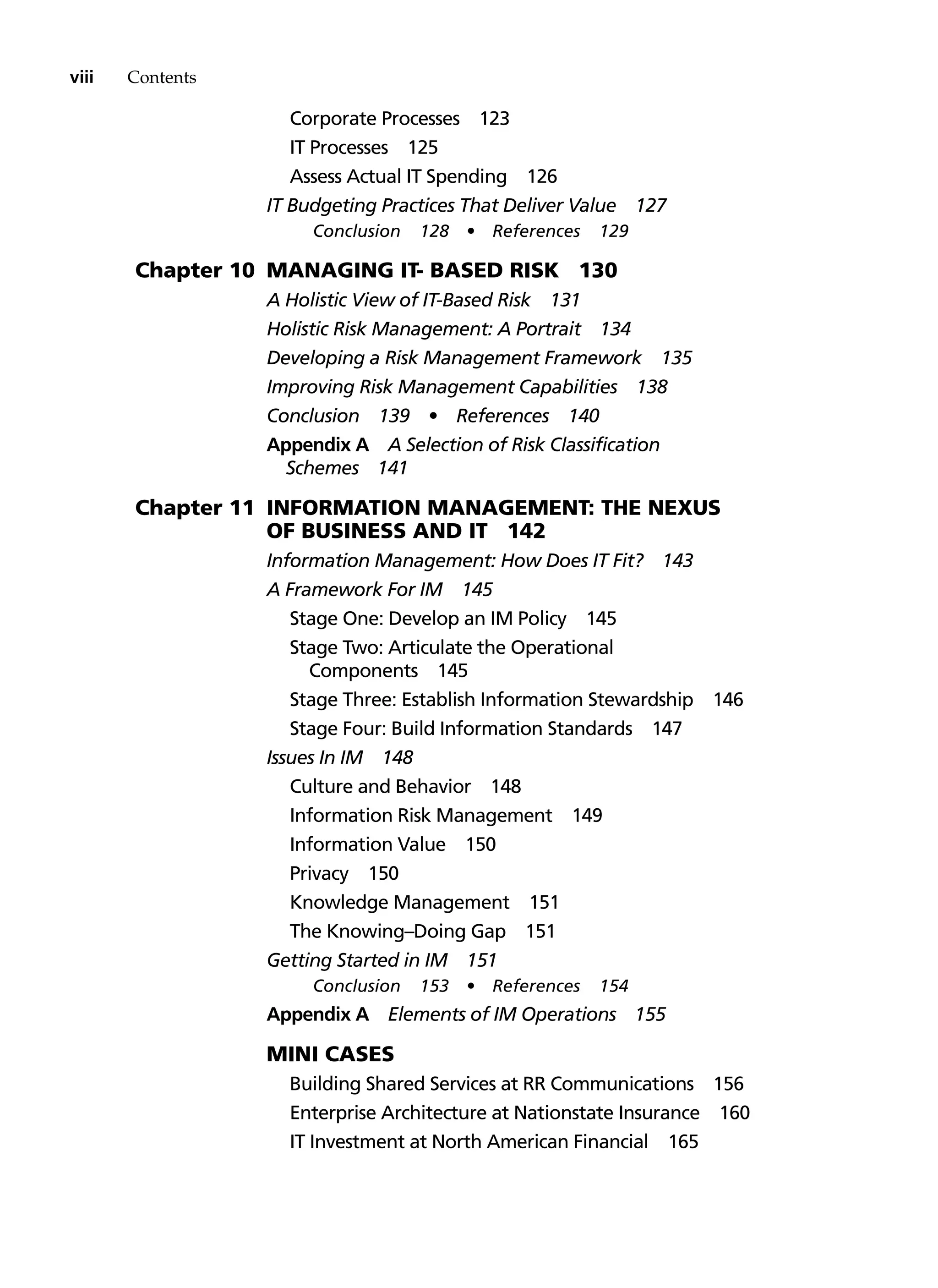
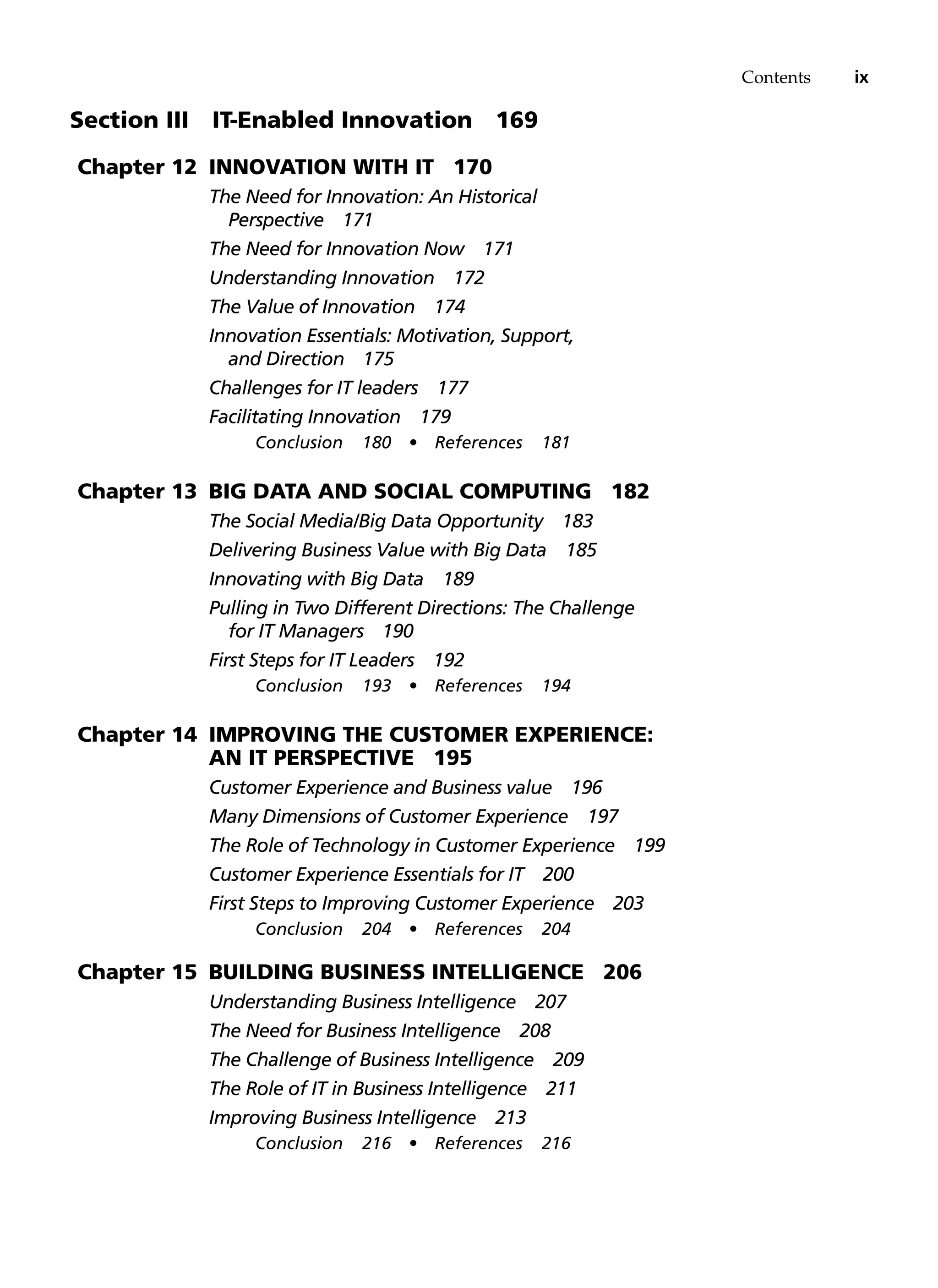
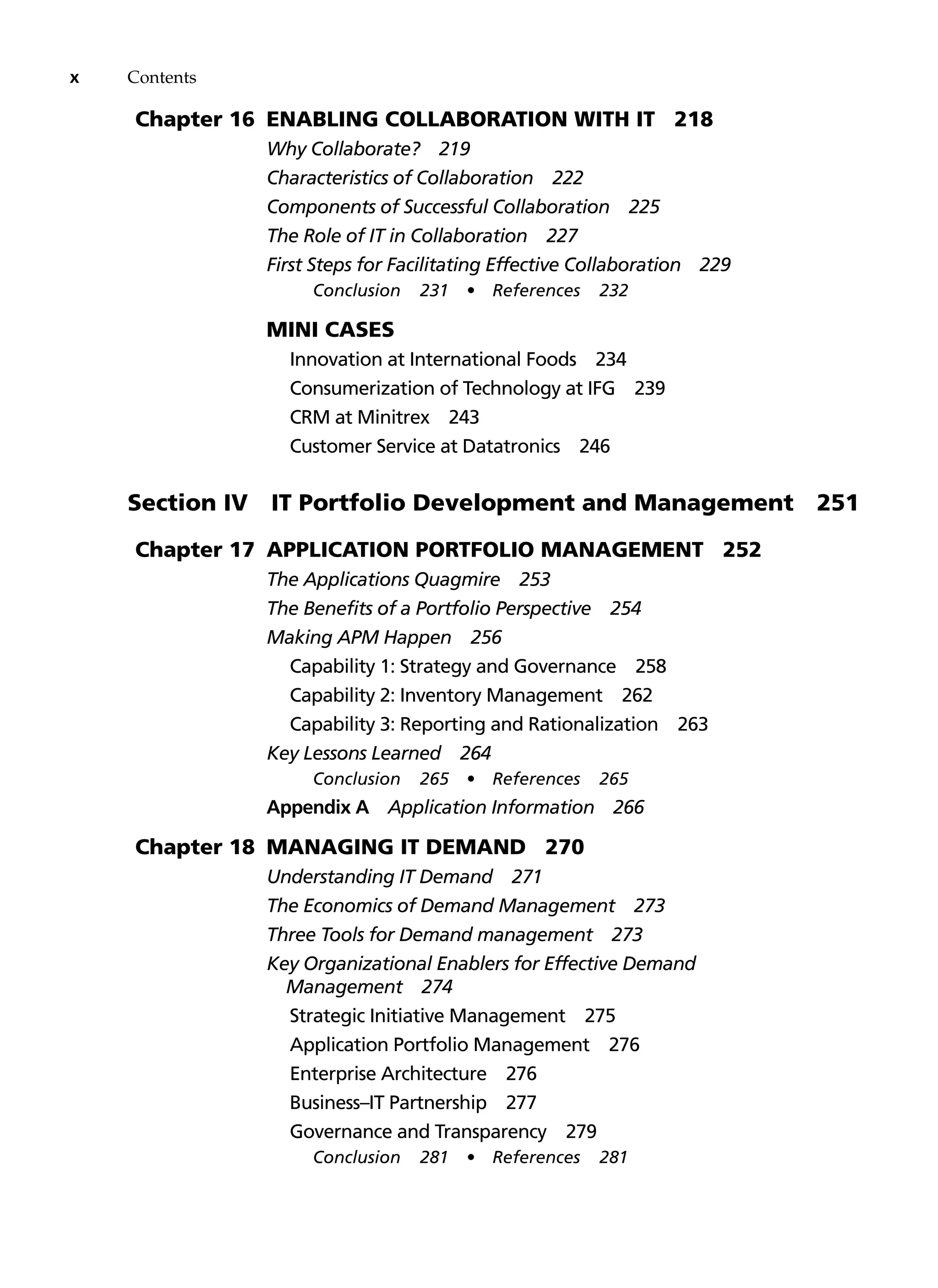
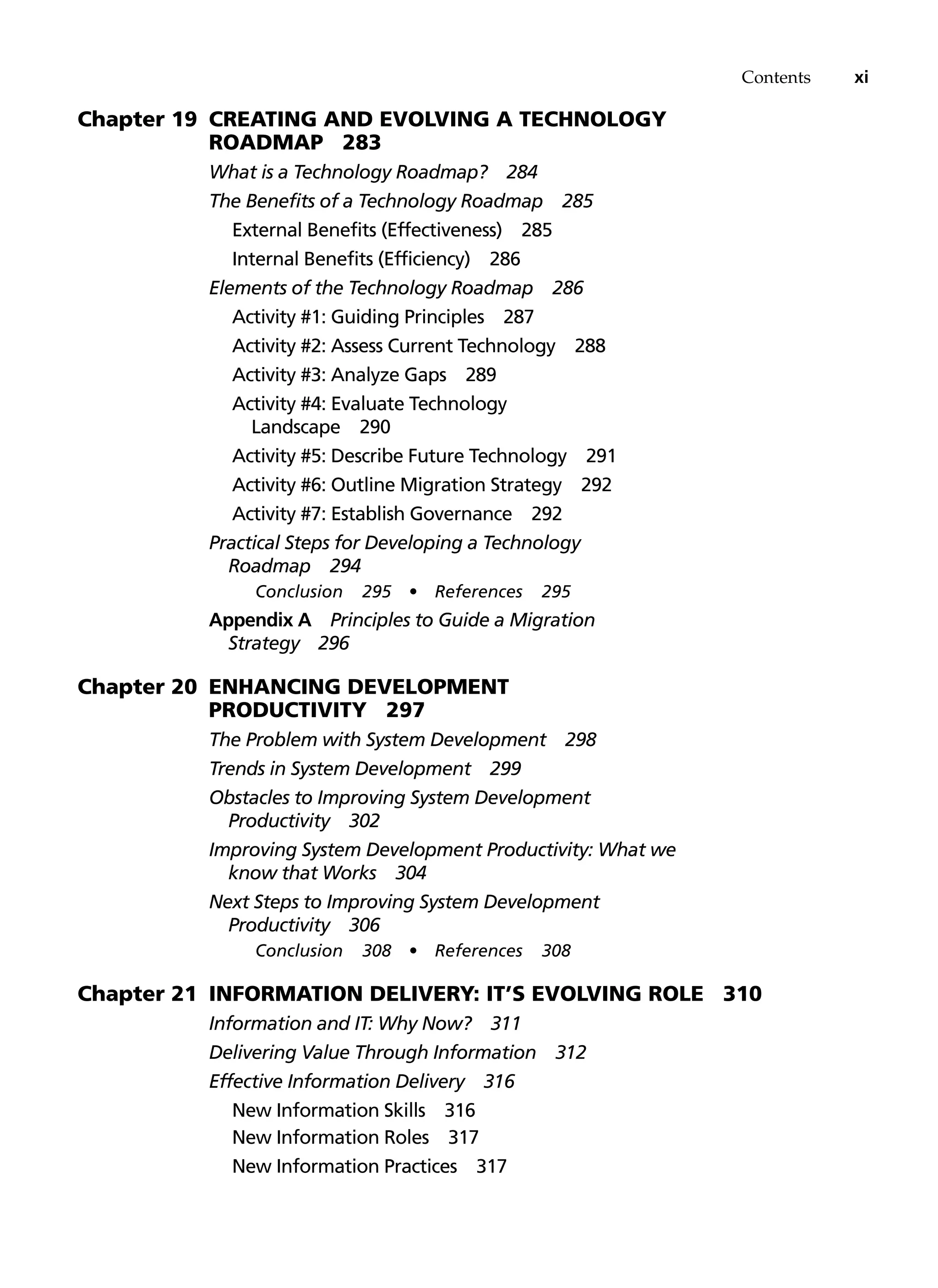




![blue insoluble variety is 9·58, and of the gold variety 8·51. The gold
variety passes into ordinary Ag with great ease. This transition may
even be remarked on the filter in those places which have
accidentally not been moistened with water. A simple shock, and
therefore friction of one particle upon another, is enough to convert
the gold variety into normal white silver. Carey Lea sent samples of
the gold variety for a long distance by rail packed in three tubes, in
which the silver occupied about the quarter of their volume; in one
tube only he filled up this space with cotton-wool. It was afterwards
found that the shaking of the particles of Ag had completely
converted it into ordinary white silver, and that only the tube
containing the cotton-wool had preserved the golden variety intact.
The soluble variety of Ag also passes into the ordinary state with
great ease, the heat of conversion being, as Prange showed in 1890,
about +60 calories.
[18 bis] The opinion of the nature of soluble silver given below
was first enunciated in the Journal of the Russian Chemical Society,
February 1, 1890, Vol. XXII., Note 73. This view is, at the present
time, generally accepted, and this silver is frequently known as the
‘colloid’ variety. I may add that Carey Lea observed the solution of
ordinary molecular silver in ammonia without the access of air.
[18 tri] It is, however, noteworthy that ordinary metallic lead has
long been considered soluble in water, that boron has been
repeatedly obtained in a brown solution, and that observations upon
the development of certain bacteria have shown that the latter die in
water which has been for some time in contact with metals. This
seems to indicate the passage of small quantities of metals into
water (however, the formation of peroxide of hydrogen may be
supposed to have some influence in these cases).
[19] Silver suboxide (Ag4O) or argentous oxide is obtained from
argentic citrate by heating it to 100° in a stream of hydrogen. Water
and argentous citrate are then formed, and the latter, although but
slightly soluble in water, gives a reddish-brown solution of colloid
silver (Note 18), and when boiled this solution becomes colourless](https://image.slidesharecdn.com/16968-250609021253-2c202777/75/IT-Strategy-Issues-and-Practices-3rd-Edition-eBook-PDF-22-2048.jpg)
![and deposits metallic silver, the argentic salt being again formed.
Wöhler, who discovered this oxide, obtained it as a black precipitate
by adding potassium hydroxide to the above solution of argentous
citrate. With hydrochloric acid the suboxide gives a brown
compound, Ag2Cl. Since the discovery of soluble silver the above
data cannot be regarded as perfectly trustworthy; it is probable that
a mixture of Ag2 and Ag2O was being dealt with, so that the actual
existence of Ag4O is now doubtful, but there can be no doubt as to
the formation of a subchloride, Ag2Cl (see Note 25), corresponding
to the suboxide. The same compound is obtained by the action of
light on the higher chloride. Other acids do not combine with silver
suboxide, but convert it into an argentic salt and metallic silver. In
this respect cuprous oxide presents a certain resemblance to these
suboxides. But copper forms a suboxide of the composition Cu4O,
which is obtained by the action of an alkaline solution of stannous
oxide on cupric hydroxide, and is decomposed by acids into cupric
salts and metallic copper. The problems offered by the suboxides, as
well as by the peroxides, cannot be considered as fully solved.
[19 bis] Silver peroxide, AgO or Ag2O3, is obtained by the
decomposition of a dilute (10 p.c.) solution of silver nitrate by the
action of a galvanic current (Ritter). On the positive pole, where
oxygen is usually evolved in the decomposition of salts, brittle grey
needles with a metallic lustre, which occasionally attain a somewhat
considerable size, are then formed. They are insoluble in water, and
decompose with the evolution of oxygen when they are dried and
heated, especially up to 150°, and, like lead dioxide, barium
peroxide, c., their action is strongly oxidising. When treated with
acids, oxygen is evolved and a salt of the oxide formed. Silver
peroxide absorbs sulphurous anhydride and forms silver sulphate.
Hydrochloric acid evolves chlorine; ammonia reduces the silver, and
is itself oxidised, forming water and gaseous nitrogen. Analyses of
the above-mentioned crystals show that they contain silver nitrate,
peroxide, and water. According to Fisher, they have the composition](https://image.slidesharecdn.com/16968-250609021253-2c202777/75/IT-Strategy-Issues-and-Practices-3rd-Edition-eBook-PDF-23-2048.jpg)
![4AgO,AgNO3,H2O, and, according to Berthelot,
4Ag2O5,2AgNO3,H2O.
[19 tri] According to Carey Lea, however, oxide of silver still
retains water even at 100°, and only parts with it together with the
oxygen. Oxide of silver is used for colouring glass yellow.
[20] The reaction of Pb(OH)2 upon AgHO in the presence of NaHO
leads to the formation of a compound of both oxides, PbOnAg2O,
from which the oxide of lead cannot be removed by alkalies (Wöhler,
Leton). Wöhler, Welch, and others obtained crystalline double salts,
R2AgX3, by the action of strong solutions of RX of the halogen salts
of the alkaline metals upon AgX, where R = Cs, Rb, K.
[20 bis] According to Müller, ferric oxide is reduced by hydrogen
(see Chapter XXII., Note 5) at 295° (into what ?), cupric oxide at
140°, Ni2O3 at 150°; nickelous oxide, NiO, is reduced to the
suboxide, Ni2O, at 195°, and to nickel at 270°; zinc oxide requires
so high a temperature for its reduction that the glass tube in which
Müller conducted the experiment did not stand the heat; antimony
oxide requires a temperature of 215° for its reduction; yellow
mercuric oxide is reduced at 130° and the red oxide at 230°; silver
oxide at 85°, and platinum oxide even at the ordinary temperature.
[20 tri] A silica compound, Ag2OSiO2 is obtained by fusing AgNO3
with silica; this salt is able to decompose with the evolution of
oxygen, leaving Ag + SiO2.
[21] If a solution of a silver salt be precipitated by sodium
hydroxide, and aqueous ammonia is added drop by drop until the
precipitate is completely dissolved, the liquid when evaporated
deposits a violet mass of crystalline silver oxide. If moist silver oxide
be left in a strong solution of ammonia it gives a black mass, which
easily decomposes with a loud explosion, especially when struck.
This black substance is called fulminating silver. Probably this is a
compound like the other compounds of oxides with ammonia, and in
exploding the oxygen of the silver oxide forms water with the](https://image.slidesharecdn.com/16968-250609021253-2c202777/75/IT-Strategy-Issues-and-Practices-3rd-Edition-eBook-PDF-24-2048.jpg)
![hydrogen of the ammonia, which is naturally accompanied by the
evolution of heat and formation of gaseous nitrogen, or, as Raschig
states, fulminating silver contains NAg3 or one of the amides (for
instance, NHAg2 = NH3 + Ag2O - H2O). Fulminating silver is also
formed when potassium hydroxide is added to a solution of silver
nitrate in ammonia. The dangerous explosions which are produced
by this compound render it needful that great care be taken when
salts of silver come into contact with ammonia and alkalis (see
Chapter XVI., Note 26).
[22] So that we here encounter the following phenomena: copper
displaces silver from the solutions of its salts, and silver oxide
displaces copper oxide from cupric salts. Guided by the conceptions
enunciated in Chapter XV., we can account for this in the following
manner: The atomic volume of silver = 10·3, and of copper = 7·2,
of silver oxide = 32, and of copper oxide = 13. A greater contraction
has taken place in the formation of cupric oxide, CuO, than in the
formation of silver oxide, Ag2O, since in the former (13 - 7 = 6) the
volume after combination with the oxygen has increased by very
little, whilst the volume of silver oxide is considerably greater than
that of the metal it contains [32 - (2 × 10·3) = 11·4]. Hence silver
oxide is less compact than cupric oxide, and is therefore less stable;
but, on the other hand, there are greater intervals between the
atoms in silver oxide than in cupric oxide, and therefore silver oxide
is able to give more stable compounds than those of copper oxide.
This is verified by the figures and data of their reactions. It is
impossible to calculate for cupric nitrate, because this salt has not
yet been obtained in an anhydrous state; but the sulphates of both
oxides are known. The specific gravity of copper sulphate in an
anhydrous state is 3·53, and of silver sulphate 5·36; the molecular
volume of the former is 45, and of the latter 58. The group SO3 in
the copper occupies, as it were, a volume 45 - 13 = 32, and in the
silver salt a volume 58 - 32 = 26; hence a smaller contraction has
taken place in the formation of the copper salt from the oxide than
in the formation of the silver salt, and consequently the latter should](https://image.slidesharecdn.com/16968-250609021253-2c202777/75/IT-Strategy-Issues-and-Practices-3rd-Edition-eBook-PDF-25-2048.jpg)
![be more stable than the former. Hence silver oxide is able to
decompose the salt of copper oxide, whilst with respect to the
metals both salts have been formed with an almost identical
contraction, since 58 volumes of the silver salt contain 21 volumes
of metal (difference = 37), and 45 volumes of the copper salt
contain 7 volumes of copper (difference = 38). Besides which, it
must be observed that copper oxide displaces iron oxide, just as
silver oxide displaces copper oxide. Silver, copper, and iron, in the
form of oxides, displace each other in the above order, but in the
form of metals in a reverse order (iron, copper, silver). The cause of
this order of the displacement of the oxides lies, amongst other
things, in their composition. They have the composition Ag2O,
Cu2O2, Fe2O3; the oxide containing a less proportion of oxygen
displaces that containing a larger proportion, because the basic
character diminishes with the increase of contained oxygen.
Copper also displaces mercury from its salts. It may here be
remarked that Spring (1888), on leaving a mixture of dry mercurous
chloride and copper for two hours, observed a distinct reduction,
which belongs to the category of those phenomena which
demonstrate the existence of a mobility of parts (i.e. atoms and
molecules) in solid substances.
[22 bis] The reaction of 1 part by weight of AgNO3 requires
(according to Kremers) the following amounts of water: at 0°, 0·82
part, at 19°·5, 0·41 part, at 54°, 0·20 part, at 110°, 0·09 part, and,
according to Tilden, at 125°, 0·0617 part, and at 133°, 0·0515 part.
[22 tri] It may be remarked that the black stain produced by the
reduction of metallic silver disappears under the action of a solution
of mercuric chloride or of potassium cyanide, because these salts act
on finely-divided silver.
[23] Silver chloride is almost perfectly insoluble in water, but is
somewhat soluble in water containing sodium chloride or
hydrochloric acid, or other chlorides, and many salts, in solution.
Thus at 100°, 100 parts of water saturated with sodium chloride](https://image.slidesharecdn.com/16968-250609021253-2c202777/75/IT-Strategy-Issues-and-Practices-3rd-Edition-eBook-PDF-26-2048.jpg)
![dissolve 0·4 part of silver chloride. Bromide and iodide of silver are
less soluble in this respect, as also in regard to other solvents. It
should be remarked that silver chloride dissolves in solutions of
ammonia, potassium cyanide, and of sodium thiosulphate, Na2S2O3.
Silver bromide is almost perfectly analogous to the chloride, but
silver iodide is nearly insoluble in a solution of ammonia. Silver
chloride even absorbs dry ammonia gas, forming very unstable
ammoniacal compounds. When heated, these compounds (Vol. I. p.
250, Note 8) evolve the ammonia, as they also do under the action
of all acids. Silver chloride enters into double decomposition with
potassium cyanide, forming a soluble double cyanide, which we shall
presently describe; it also forms a soluble double salt, NaAgS2O3,
with sodium thiosulphate.
Silver chloride offers different modifications in the structure of its
molecule, as is seen in the variations in the consistency of the
precipitate, and in the differences in the action of light which
partially decomposes AgCl (see Note 25). Stas and Carey Lea
investigated this subject, which has a particular importance in
photography, because silver bromide also gives photo-salts. There is
still much to be discovered in this respect, since Abney showed that
perfectly dry AgCl placed in a vacuum in the dark is not in the least
acted upon when subsequently exposed to light.
[24] Silver bromide and iodide (which occur as the minerals
bromite and iodite) resemble the chloride in many respects, but the
degree of affinity of silver for iodine is greater than that for chlorine
and bromine, although less heat is evolved (see Note 28 bis). Deville
deduced this fact from a number of experiments. Thus silver
chloride, when treated with hydriodic acid, evolves hydrochloric acid,
and forms silver iodide. Finely-divided silver easily liberates
hydrogen when treated with hydriodic acid; it produces the same
decomposition with hydrochloric acid, but in a considerably less
degree and only on the surface. The difference between silver
chloride and iodide is especially remarkable, since the formation of
the former is attended with a greater contraction than that of the](https://image.slidesharecdn.com/16968-250609021253-2c202777/75/IT-Strategy-Issues-and-Practices-3rd-Edition-eBook-PDF-27-2048.jpg)
![combined substances. The nearer these weights are to each other,
the more analogous the motion of the unlike atoms, and
consequently, the more stable the resultant compound.
The instability of cupric chloride and nitric oxide, the absence of
compounds of fluorine with oxygen, whilst there are compounds of
oxygen with chlorine, the greater stability of the oxygen compounds
of iodine than those of chlorine, the stability of boron nitride, and
the instability of cyanogen, and a number of similar instances,
where, judging from the above argument, one would expect (owing
to the closeness of the atomic weights) a stability, show that
Beketoff's addition to the mechanical theory of chemical phenomena
is still far from sufficient for explaining the true relations of affinities.
Nevertheless, in his mode of explaining the relative stabilities of
compounds, we find an exceedingly interesting treatment of
questions of primary importance. Without such efforts it would be
impossible to generalise the complex data of experimental
knowledge.
Fluoride of silver, AgF, is obtained by dissolving Ag2O or Ag2CO3 in
hydrofluoric acid. It differs from the other halogen salts of silver in
being soluble in water (1 part of salt in 0·55 of water). It crystallises
from its solution in prisms, AgFH2O (Marignac), or AgF2H2O
(Pfaundler), which lose their water in vacuo. Güntz (1891), by
electrolising a saturated solution of Ag2F, obtained polyfluoride of
silver, Ag2F, which is decomposed by water into AgF + Ag. It is also
formed by the action of a strong solution of AgF upon finely-divided
(precipitated) silver.
[24 bis] The changes brought about by the action of light
necessitate distinguishing the photo-salts of silver.
[25] In photography these are called ‘developers.’ The most
common developers are: solutions of ferrous sulphate, pyrogallol,
ferrous oxalate, hydroxylamine, potassium sulphite, hydroquinone
(the last acts particularly well and is very convenient to use), c.
The chemical processes of photography are of great practical and](https://image.slidesharecdn.com/16968-250609021253-2c202777/75/IT-Strategy-Issues-and-Practices-3rd-Edition-eBook-PDF-30-2048.jpg)
![action of light by the molecular currents set up (Lermontoff,
Egoroff). The change of colour of the halogen salts of silver under
the action of light, and their faculty of subsequently giving a visible
photographic image under the action of ‘developers,’ must now be
regarded as connected with the decomposition of AgX, leading to
the formation of Ag2X, and the different tinted photo-salts must be
considered as systems containing such Ag2X's. Carey Lea obtained
photo-salts of this kind not only by the action of light but also in
many other ways, which we will enumerate to prove that they
contain the products of an incomplete combination of Ag with the
halogens, (for the salts Ag2X must be regarded as such). The photo-
salts have been obtained (1) by the imperfect chlorination of silver;
(2) by the incomplete decomposition of Ag2O or Ag2CO3 by
alternately heating and treating with a halogen acid; (3) by the
action of nitric acid or Na2S2O3 upon Ag2Cl; (4) by mixing a solution
of AgNO3 with the hydrates of FeO, MnO and CrO, and precipitating
by HCl; (5) by the action of HCl upon the product obtained by the
reduction of citrate of silver in hydrogen (Note 19), and (6) by the
action of milk sugar upon AgNO3 together with soda and afterwards
acidulating with HCl. All these reactions should lead to the formation
of products of imperfect combination with the halogens and give
photo-salts of a similar diversity of colour to those produced by the
action of developers upon the halogen salts of silver after exposure
to light.
[25 bis] In order to determine when the reaction is at an end, a
few drops of a solution of K2CrO4 are added to the solution of the
chloride. Before all the chlorine is precipitated as AgCl, the
precipitate (after shaking) is white (since Ag2CrO4 with 2RCl gives
2AgCl); but when all the chlorine is thrown down Ag2CrO4 is formed,
which colours the precipitate reddish-brown. In order to obtain
accurate results the liquid should be neutral to litmus.
[25 tri] Silver cyanide, AgCN, is closely analogous to the haloid
salts of silver. It is obtained, in similar manner to silver chloride, by](https://image.slidesharecdn.com/16968-250609021253-2c202777/75/IT-Strategy-Issues-and-Practices-3rd-Edition-eBook-PDF-32-2048.jpg)
![The best known among these are certain aldehydes—for instance,
ordinary acetaldehyde, C2H4O, which easily oxidises in the air and
forms acetic acid, C2H4O2. This oxidation also easily takes place at
the expense of silver oxide, when a certain amount of ammonia is
added to the mixture. The oxide of silver gives up its oxygen to the
aldehyde, and the silver reduced from it is deposited in a metallic
state in a uniform bright coating. The same action is produced by
certain saccharine substances and certain organic acids, such as
tartaric acid, c.
[26] The phenomenon which then takes place is described by Stas
as follows, in a manner which is perfect in its clearness and
accuracy: if silver oxide or carbonate be suspended in water, and an
excess of water saturated with chlorine be added, all the silver is
converted into chloride, just as is the case with oxide or carbonate
of mercury, and the water then contains, besides the excess of
chlorine, only pure hypochlorous acid without the least trace of
chloric or chlorous acid. If a stream of chlorine be passed into water
containing an excess of silver oxide or silver carbonate while the
liquid is continually agitated, the reaction is the same as the
preceding; silver chloride and hypochlorous acid are formed. But this
acid does not long remain in a free state: it gradually acts on the
silver oxide and gives silver hypochlorite, i.e. AgClO. If, after some
time, the current of chlorine be stopped but the shaking continued,
the liquid loses its characteristic odour of hypochlorous acid, while
preserving its energetic decolorising property, because the silver
hypochlorite which is formed is easily soluble in water. In the
presence of an excess of silver oxide this salt can be kept for several
days without decomposition, but it is exceedingly unstable when no
excess of silver oxide or carbonate is present. So long as the
solution of silver hypochlorite is shaken up with the silver oxide, it
preserves its transparency and bleaching property, but directly it is
allowed to stand, and the silver oxide settles, it becomes rapidly
cloudy and deposits large flakes of silver chloride, so that the black
silver oxide which had settled becomes covered with the white
precipitate. The liquid then loses its bleaching properties and](https://image.slidesharecdn.com/16968-250609021253-2c202777/75/IT-Strategy-Issues-and-Practices-3rd-Edition-eBook-PDF-35-2048.jpg)
![contains silver chlorate, i.e. AgClO3, in solution, which has a slightly
alkaline reaction, owing to the presence of a small amount of
dissolved oxide. In this manner the reactions which are
consecutively accomplished may be expressed by the equations:
6Cl2 + 3Ag2O + 3H2O = 6AgCl + 6HClO;
6HClO + 3Ag2O = 3H2O + 6AgClO;
6AgClO = 4AgCl + 2AgClO3.
Hence, Stas gives the following method for the preparation of
silver chlorate: A slow current of chlorine is caused to act on oxide
of silver, suspended in water which is kept in a state of continual
agitation. The shaking is continued after the supply of chlorine has
been stopped, in order that the free hypochlorous acid should pass
into silver hypochlorite, and the resultant solution of the
hypochlorite is drawn off from the sediment of the excess of silver
oxide. This solution decomposes spontaneously into silver chloride
and chlorate. The pure silver chlorate, AgClO3, does not change
under the action of light. The salt is prepared for further use by
drying it in dry air at 150°. It is necessary during drying to prevent
the access of any organic matter; this is done by filtering the air
through cotton wool, and passing it over a layer of red-hot copper
oxide.
[26 bis] The results given by Stas' determinations have recently
been recalculated and certain corrections have been introduced. We
give in the context the average results of van der Plaats and
Thomsen's calculations, as well as in Table III. neglecting the
doubtful thousandths.
[27] This hypothesis, for the establishment or refutation of which
so many researches have been made, is exceedingly important, and
fully deserves the attention which has been given to it. Indeed, if it
appeared that the atomic weights of all the elements could be
expressed in whole numbers with reference to hydrogen, or if they
at least proved to be commensurable with one another, then it could
be affirmed with confidence that the elements, with all their](https://image.slidesharecdn.com/16968-250609021253-2c202777/75/IT-Strategy-Issues-and-Practices-3rd-Edition-eBook-PDF-36-2048.jpg)
![‘After a long and painstaking research, natural science has
discovered the individualities of the chemical elements, and
therefore it is now capable, not only of analysing, but also of
synthesising; it can understand and grasp generality and unity, as
well as the individualised and multifarious. The general and
universal, like time and space, like force and motion, vary uniformly.
The uniform admit of interpolations, revealing every intermediate
phase; but the multitudinous, the individualised—such as ourselves,
or the chemical elements, or the members of a peculiar periodic
function of the elements, or Dalton's multiple proportions—is
characterised in another way. We see in it—side by side with a
general connecting principle—leaps, breaks of continuity, points
which escape from the analysis of the infinitely small—an absence of
complete intermediate links. Chemistry has found an answer to the
question as to the causes of multitudes, and while retaining the
conception of many elements, all submitted to the discipline of a
general law, it offers an escape from the Indian Nirvana—the
absorption in the universal—replacing it by the individualised.
However, the place for individuality is so limited by the all-grasping,
all-powerful universal, that it is merely a point of support for the
understanding of multitude in unity.’
[28] It might be expected from the periodic law and analogies
with the series iron, cobalt, nickel, copper, zinc, that the atomic
weights of the elements of the series osmium, iridium, platinum,
gold, mercury, would rise in this order, and at the time of the
establishment of the periodic law (1869), the determinations of
Berzelius, Rose, and others gave the following values for the atomic
weights: Os = 200, Ir = 197, Pt = 198, Au = 196, Hg = 200. The
fulfilment of the expectations of the periodic law was given in the
first place by the fresh determinations (Seubert, Dittmar, and Arthur)
of the atomic weight of platinum, which proved to be nearly 196, if
O = 16 (as Marignac, Brauner, and others propose); in the second
place, by the fact that Seubert proved that the atomic weight of
osmium is really less than that of platinum, and approximately Os =
191; and, in the third place, by the fact that after the researches of](https://image.slidesharecdn.com/16968-250609021253-2c202777/75/IT-Strategy-Issues-and-Practices-3rd-Edition-eBook-PDF-40-2048.jpg)
![Krüss, Thorpe, and Laurie there was no doubt that the atomic
weight of gold is greater than that of platinum—namely, nearly 197.
[28 bis] In Chapter XXII., Note 40, we gave the thermal data for
certain of the compounds of copper of the type CuX2; we will now
cite certain data for the cuprous compounds of the type CuX, which
present an analogy to the corresponding compounds AgX and AuX,
some of which were investigated by Thomsen in his classical work,
‘Thermochemische Untersuchungen’ (Vol. iii., 1883). The data are
given in the same manner as in the above-mentioned note:
R = Cu Ag Au
R + Cl +33+29+6
R + Br+25+23 0
R + I +16+14 -6
R + O +41 +6 -?
Thus we see in the first place that gold, which possesses a much
smaller affinity than Ag, evolves far less heat than an equivalent
amount of copper, giving the same compound, and in the second
place that the combination of copper with one atom of oxygen
disengages more heat than its combination with one atom of a
halogen, whilst with silver the reverse is the case. This is connected
with the fact that Cu2O is more stable under the action of heat than
Ag2O.
[29] Heavy atoms and molecules, although they may present
many points of analogy, are more easily isolated; thus C16H32,
although, like C2H4, it combines with Br2, and has a similar
composition, yet reacts with much greater difficulty than C2H4, and
in this it resembles gold; the heavy atoms and molecules are, so to
say, inert, and already saturated by themselves. Gold in its higher
grade of oxidation, Au2O3, presents feeble basic properties and
weakly-developed acid properties, so that this oxide of gold, Au2O3,
may be referred to the class of feeble acid oxides, like platinic oxide.
This is not the case in the highest known oxides of copper and silver.](https://image.slidesharecdn.com/16968-250609021253-2c202777/75/IT-Strategy-Issues-and-Practices-3rd-Edition-eBook-PDF-41-2048.jpg)
![But in the lower grade of oxidation, aurous oxide, Au2O, gold, like
silver and copper, presents basic properties, although they are not
very pronounced. In this respect it stands very close in its
properties, although not in its types of combination (AuX and AuX3),
to platinum (PtX2 and PtX4) and its analogues.
As yet the general chemical characteristics of gold and its
compounds have not been fully investigated. This is partly due to
the fact that very few researches have been undertaken on the
compounds of this metal, owing to its inaccessibility for working in
large quantities. As the atomic weight of gold is high (Au = 197),
the preparation of its compounds requires that it should be taken in
large quantities, which forms an obstacle to its being fully studied.
Hence the facts concerning the history of this metal are rarely
distinguished by that exactitude with which many facts have been
established concerning other elements more accessible, and long
known in use.
[29 bis] Sonstadt (1872) showed that sea water, besides silver,
always contains gold. Munster (1892) showed that the water of the
Norwegian fiords contains about 5 milligrams of gold per ton (or 5
milliardths)—i.e. a quantity deserving practical attention, and I think
it may be already said that, considering the immeasurable amount of
sea water, in time means will be discovered for profitably extracting
gold from sea water by bringing it into contact with substances
capable of depositing gold upon their surface. The first efforts might
be made upon the extraction of salt from sea water, and as the total
amount of sea water may be taken as about
2,000,000,000,000,000,000 tons, it follows that it contains about
10,000 million tons of gold. The yearly production of gold is about
200 tons for the whole world, of which about one quarter is
extracted in Russia. It is supposed that gold is dissolved in sea water
owing to the presence of iodides, which, under the action of animal
organisms, yield free iodine. It is thought (as Professor Konovaloff
mentions in his work upon ‘The Industries of the United States,’
1894) that iodine facilitates the solution of the gold, and the organic](https://image.slidesharecdn.com/16968-250609021253-2c202777/75/IT-Strategy-Issues-and-Practices-3rd-Edition-eBook-PDF-42-2048.jpg)
![matter its precipitation. These facts and considerations to a certain
extent explain the distribution of gold in veins or rock fissures,
chiefly filled with quartz, because there is sufficient reason for
supposing that these rocks once formed the ocean bottom. R.
Dentrie, and subsequently Wilkinson, showed that organic matter—
for instance, cork—and pyrites are able to precipitate gold from its
solutions in that metallic form and state in which it occurs in quartz
veins, where (especially in the deeper parts of vein deposits) gold is
frequently found on the surface of pyrites, chiefly arsenical pyrites.
Kazantseff (in Ekaterinburg, 1891) even supposes, from the
distribution of the gold in these pyrites, that it occurred in solution
as a compound of sulphide of gold and sulphide of arsenic when it
penetrated into the veins. It is from such considerations that the
origin of vein and pyritic gold is, at the present time, attributed to
the reaction of solutions of this metal, the remains of which are seen
in the gold still present in sea water.
[30] However, in recent times, especially since about 1870, when
chlorine (either as a solution of the gas or as bleaching powder) and
bromine began to be applied to the extraction of finely-divided gold
from poor ores (previously roasted in order to drive off arsenic and
sulphur, and oxidise the iron), the extraction of gold from quartz and
pyrites, by the wet method, increases from year to year, and begins
to equal the amount extracted from alluvial deposits. Since the
nineties the cyanide process (Chapter XIII., Note 13 bis) has taken
an important place among the wet methods for extracting gold from
its ores. It consists in pouring a dilute solution of cyanide of
potassium (about 500 parts of water and 1 to 4 parts of cyanide of
potassium per 1,000 parts of ore, the amount of cyanide depending
upon the richness of the ore) and a mixture of it with NaCN, (see
Chapter XIII., Note 12) over the crushed ore (which need not be
roasted, whilst roasting is indispensable in the chlorination process,
as otherwise the chlorine is used up in oxidising the sulphur, arsenic,
c.) The gold is dissolved very rapidly even from pyrites, where it
generally occurs on the surface in such fine and adherent particles
that it either cannot be mechanically washed away, or, more](https://image.slidesharecdn.com/16968-250609021253-2c202777/75/IT-Strategy-Issues-and-Practices-3rd-Edition-eBook-PDF-43-2048.jpg)
![frequently is carried away by the stream of water, and cannot be
caught by mechanical means or by the mercury used for catching
the gold in the sluices. Chlorination had already given the possibility
of extracting the finest particles of gold; but the cyanide process
enables such pyrites to be treated as could be scarcely worked by
other means. The treatment of the crushed ore by the KCN is
carried on in simple wooden vats (coated with paraffin or tar) with
the greatest possible rapidity (in order that the KCN solution should
not have time to change) by a method of systematic lixiviation, and
is completed in 10 to 12 hours. The resultant solution of gold,
containing AuK(CN)2, is decomposed either with freshly-made zinc
filings (but when the gold settles on the Zn, the cyanide solution
reacts upon the Zn with the evolution of H2 and formation of
ZnH2O2) or by sodium amalgam prepared at the moment of reaction
by the action of an electric current upon a solution of NaHO poured
into a vessel partially immersed in mercury (the NaCN is renewed
continually by this means). The silver in the ore passes into solution,
together with the gold, as in amalgamation.
[31] But the particles of gold are sometimes so small that a large
amount is lost during the washing. It is then profitable to have
recourse to the extraction by chlorine and KCN (Note 30).
In speaking of the extraction of gold the following remarks may
not be out of place:
In California advantage is taken of water supplied from high
altitudes in order to have a powerful head of water, with which the
rocks are directly washed away, thus avoiding the greater portion of
the mechanical labour required for the exploitation of these
deposits.
The last residues of gold are sometimes extracted from sand by
washing them with mercury, which dissolves the gold. The sand
mixed with water is caused to come into contact with mercury
during the washing. The mercury is then distilled.](https://image.slidesharecdn.com/16968-250609021253-2c202777/75/IT-Strategy-Issues-and-Practices-3rd-Edition-eBook-PDF-44-2048.jpg)
![Many sulphurous ores, even pyrites, contain a small amount of
gold. Compounds of gold with bismuth, BiAu2, tellurium, AuTe2
(calverite), c., have been found, although rarely.
Among the minerals which accompany gold, and from which the
presence of gold may be expected, we may mention white quartz,
titanic and magnetic iron ores, and also the following, which are of
rarer occurrence: zircon, topaz, garnet, and such like. The
concentrated gold washings first undergo a mechanical treatment,
and the impure gold obtained is treated for pure gold by various
methods. If the gold contain a considerable amount of foreign
metals, especially lead and copper, it is sometimes cupelled, like
silver, so that the oxidisable metals may be absorbed by the cupel in
the form of oxides, but in every case the gold is obtained together
with silver, because the latter metal also is not oxidised. Sometimes
the gold is extracted by means of mercury, that is, by amalgamation
(and the mercury subsequently driven off by distillation), or by
smelting it with lead (which is afterwards removed by oxidation) and
processes like those employed for the extraction of silver, because
gold, like silver, does not oxidise, is dissolved by lead and mercury,
and is non-volatile. If copper or any other metal contain gold and it
be employed as an anode, pure copper will be deposited upon the
cathode, while all the gold will remain at the anode as a slime. This
method often amply repays the whole cost of the process, since it
gives, besides the gold, a pure electrolytic copper.
[31 bis] Schottländer (1893) obtained gold in a soluble colloid
form (the solution is violet) by the action of a mixture of solutions of
cerium acetate and NaHO upon a solution of AuCl3. The gold
separates out from such a solution in exactly the same manner as
Ag does from the solution of colloid silver mentioned above. There
always remains a certain amount of a higher oxide of cerium, CeO2,
in the solution—i.e. the gold is reduced by converting the cerium
into a higher grade of oxidation. Besides which Krüss and Hofmann
showed that sulphide of gold precipitated by the action of H2S upon
a solution of AuKCy2 mixed with HCl easily passes into a colloid](https://image.slidesharecdn.com/16968-250609021253-2c202777/75/IT-Strategy-Issues-and-Practices-3rd-Edition-eBook-PDF-45-2048.jpg)
![solution after being properly washed (like As2S3, CuS, c., Chapter
I., Note 57).
[31 tri] Gold-leaf is used for gilding wood (leather, cardboard, and
suchlike, upon which it is glued by means of varnish, c.), and is
about 0·003 millimetre thick. It is obtained from thin sheets
(weighing at first about ¼ grm. to a square inch), rolled between
gold rollers, by gradually hammering them (in packets of a number
at once) between sheets of moist (but not wet) parchment, and
then, after cutting them into four pieces, between a specially
prepared membrane, which, when at the right degree of moisture,
does not tear or stick together under the blows of the hammer.
[32] The formation of the alloys Cu + Zn, Cu + Sn, Cu + Bi, Cu +
Sb, Pb + Sb, Ag + Pb, Ag + Sn, Au + Zn, Au + Sn, c., is
accompanied by a contraction (and evolution of heat). The
formation of the alloys Fe + Sb, Fe + Pb, Cu + Pb, Pb + Sn, Pb +
Sb, Zn + Sb, Ag + Cu, Au + Cu, Au + Pb, takes place with a certain
increase in volume. With regard to the alloys of gold, it may be
mentioned that gold is only slightly dissolved by mercury (about
0·06 p.c., Dudley, 1890); the remaining portion forms a granular
alloy, whose composition has not been definitely determined.
Aluminium (and silicon) also have the capacity of forming alloys with
gold. The presence of a small amount of aluminium lowers the
melting point of gold considerably (Roberts-Austen, 1892); thus the
addition of 4 p.c. of aluminium lowers it by 14°·28, the addition of
10 p.c. Al by 41°·7. The latter alloy is white. The alloy AuAl2 has a
characteristic purple colour, and its melting point is 32°·5 above that
of gold, which shows it to be a definite compound of the two metals.
The melting points of alloys richer in Al gradually fall to 660°—that
is, below that of aluminium (665°).
Heycock and Neville (1892), in studying the triple alloys of Au, Cd,
and Sn, observed a tendency in the gold to give compounds with
Cd, and by sealing a mixture of Au and Cd in a tube, from which the
air had been exhausted, and heating it, they obtained a grey
crystalline brittle definite alloy AuCd.](https://image.slidesharecdn.com/16968-250609021253-2c202777/75/IT-Strategy-Issues-and-Practices-3rd-Edition-eBook-PDF-46-2048.jpg)
![[32 bis] Calderon (1892), at the request of some jewellers,
investigated the cause of a peculiar alteration sometimes found on
the surface of dead-gold articles, there appearing brownish and
blackish spots, which widen and alter their form in course of time.
He came to the conclusion that these spots are due to the
appearance and development of peculiar micro-organisms
(Aspergillus niger and Micrococcus cimbareus) on the gold, spores of
which were found in abundance on the cotton-wool in which the
gold articles had been kept.
[33] Stannous chloride as a reducing agent also acts on auric
chloride, and gives a red precipitate known as purple of Cassius.
This substance, which probably contains a mixture or compound of
aurous oxide and tin oxide, is used as a red pigment for china and
glass. Oxalic acid, on heating, reduces metallic gold from its salts,
and this property may be taken advantage of for separating it from
its solutions. The oxidation which then takes place in the presence
of water may be expressed by the following equation: 2AuCl3 +
3C2H2O4 = 2Au + 6HCl + 6CO2. Nearly all organic substances have
a reducing action on gold, and solutions of gold leave a violet stain
on the skin.
Auric chloride, like platinic chloride, is distinguished for its clearly-
developed property of forming double salts. These double salts, as a
rule, belong to the type AuMCl4. The compound of auric chloride
with hydrochloric acid mentioned above evidently belongs to the
same type. The compounds 2KAuCl4,5H2O, NaAuCl4,2H2O,
AuNH4Cl4,H2O, Mg(AuCl4)2,2H2O, and the like are easily crystallised
in well-formed crystals. Wells, Wheeler, and Penfield (1892) obtained
RbAuCl4 (reddish yellow) and CsAuCl4 (golden yellow), and
corresponding bromides (dark coloured). AuBr3 is extremely like the
chloride. Auric cyanide is obtained easily in the form of a double salt
of potassium, KAu(CN)4 by mixing saturated and hot solutions of
potassium cyanide with auric chloride and then cooling.](https://image.slidesharecdn.com/16968-250609021253-2c202777/75/IT-Strategy-Issues-and-Practices-3rd-Edition-eBook-PDF-47-2048.jpg)
![[34] If ammonia be added to a solution of auric chloride, it forms
a yellow precipitate of the so-called fulminating gold, which contains
gold, chlorine, hydrogen, nitrogen, and oxygen, but its formula is
not known with certainty. It is probably a sort of ammonio-metallic
compound, Au2O3,4NH3, or amide (like the mercury compound).
This precipitate explodes at 140°, but when left in the presence of
solutions containing ammonia it loses all its chlorine and becomes
non-explosive. In this form the composition Au2O3,2NH3,H2O is
ascribed to it, but this is uncertain. Auric sulphide, Au2S3, is
obtained by the action of hydrogen sulphide on a solution of auric
chloride, and also directly by fusing sulphur with gold. It has an acid
character, and therefore dissolves in sodium and ammonium
sulphides.
[35] Many double salts of suboxide of gold belong to the type AuX
—for instance, the cyanide corresponding to the type AuKX2, like
PtK2X4, with which we became acquainted in the last chapter. We
will enumerate several of the representatives of this class of
compounds. If auric chloride, AuCl3, be mixed with a solution of
sodium thiosulphate, the gold passes into a colourless solution,
which deposits colourless crystals, containing a double thiosulphate
of gold and sodium, which are easily soluble in water but are
precipitated by alcohol. The composition of this salt is
Na3Au(S2O3)2,2H2O. If the sodium thiosulphate be represented as
NaS2O3Na, the double salt in question will be AuNa(S2O3Na)2,2H2O,
according to the type AuNaX2. The solution of this colourless and
easily crystallisable salt has a sweet taste, and the gold is not
separated from it either by ferrous sulphate or oxalic acid. This salt,
which is known as Fordos and Gelis's salt, is used in medicine and
photography. In general, aurous oxide exhibits a distinct inclination
to the formation of similar double salts, as we saw also with PtX2—
for example, it forms similar salts with sulphurous acid. Thus if a
solution of sodium sulphite be gradually added to a solution of oxide
of gold in sodium hydroxide, the precipitate at first formed re-](https://image.slidesharecdn.com/16968-250609021253-2c202777/75/IT-Strategy-Issues-and-Practices-3rd-Edition-eBook-PDF-48-2048.jpg)