IP Camera
and How Do They
work?
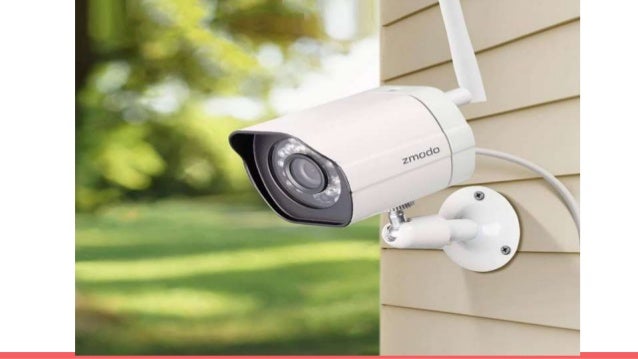
An Internet Protocol camera,known as an IP camera, is a computerized
camera similar to a webcam, which sends and gets information over an
organization or the web. It's not like a standard webcam at all, it's a self-
contained unit with its own IP address that only requires an organizational
association to move images around. The IP camera interfaces with an
organization in the very same manner as some other standard organization
gadget like a PC, tablet or printer.
How Do They Work?
Simple and simple advanced security camera systems require a coax video connection to
send the footage to a Computerized Video Recorder (DVR).In addition, an IP surveillance
camera can send images to a remote association. In particular, IP cameras are associated
with an organization video recorder (NVR) by means of Wi-Fi, an Ethernet link, or USB.
An IP camera captures film in top quality but can be pretty much as high as 16
megapixels, contingent upon the camera model. Every IP camera comes outfitted
with a handling chip, which packs the video film as it is recorded. What's that mean?
All things considered, the higher the camera goal, the more information every video
recording contains. High-goal pictures require more extra room and more transfer
speed for information transmission than lower-quality pictures. To send HD
pictures over an organization, IP cameras should pack the documents, or make the
records more modest, to try not to consume a lot of data transmission. Present day
pressure principles like h.264 and MPEG-4 actually intend that there is either no
drop, or simply a little drop in outline rate and goal when the recording at long last
arrives at your telephone or PC.
How to set up an IP Camera?
Setting up an IP Camera is generally basic compared to cctv camera service,
requiring just an organization association and a little tolerance to site and design the
camera. Most of IP Cameras available can be designed to give live survey, ceaseless
recording, work at a planned time or be set off by a particular occasion.
WHEN SETTING UP AN IP CAMERA THERE ARE THREE NETWORK OPTIONS TO
CHOOSE
A remote organization, or Wi-Fi organization, sends and gets information to a remote modem.
Telephones, PCs, a few TVs, game control centers, and other security gadgets are totally associated
through Wi-Fi, and your IP camera is the same. One method for reviewing an IP camera recording is
by entering its IP address in an internet browser. Remember that the IP address should be static.
Some Internet suppliers supply their clients with dynamic IP that tends to change every once in a
while. You'll need to talk with your supplier about a static IP address to guarantee you can get to your
IP camera.
A wired organization associates an IP camera to the organization through an Ethernet link. This
arrangement is thought of as the most dependable, as there is minimal opportunity for signal
impedance or unapproved access. Expect the quickest information transmission speeds with
Ethernet, as a wired association is significantly more proficient than Wi-Fi.
Here are a few extra advantages of utilizing IP cameras over CCTV cameras:
Two-way sound: A camera proprietor can tune in and address a subject by means of a
speaker on the camera. Some doorbell cameras offer this capacity.
Remote access: Approved clients can see live video film from any cell phone, tablet, or
PC.
Better goal: IP cameras have up to 4x the goal of simple cameras.
Less links and wires: Control over Ethernet supplies power through the Ethernet link,
permitting the camera to work without a committed power supply
Do remote surveillance cameras require the web?
A remote camera should keep a sign and association with your organization to record
and catch film. Assuming that there's an interruption to your association, your remote
surveillance camera can't send the feed to your cell phone.
Conclusion
Remote surveillance cameras are an incredible expansion to your home security
framework, as they offer you day in and day out survey admittance to your home,
regardless of where on earth you are.

Ip camera and how do they work

  • 1.
    IP Camera and HowDo They work?
  • 3.
    An Internet Protocolcamera,known as an IP camera, is a computerized camera similar to a webcam, which sends and gets information over an organization or the web. It's not like a standard webcam at all, it's a self- contained unit with its own IP address that only requires an organizational association to move images around. The IP camera interfaces with an organization in the very same manner as some other standard organization gadget like a PC, tablet or printer.
  • 4.
    How Do TheyWork? Simple and simple advanced security camera systems require a coax video connection to send the footage to a Computerized Video Recorder (DVR).In addition, an IP surveillance camera can send images to a remote association. In particular, IP cameras are associated with an organization video recorder (NVR) by means of Wi-Fi, an Ethernet link, or USB.
  • 5.
    An IP cameracaptures film in top quality but can be pretty much as high as 16 megapixels, contingent upon the camera model. Every IP camera comes outfitted with a handling chip, which packs the video film as it is recorded. What's that mean? All things considered, the higher the camera goal, the more information every video recording contains. High-goal pictures require more extra room and more transfer speed for information transmission than lower-quality pictures. To send HD pictures over an organization, IP cameras should pack the documents, or make the records more modest, to try not to consume a lot of data transmission. Present day pressure principles like h.264 and MPEG-4 actually intend that there is either no drop, or simply a little drop in outline rate and goal when the recording at long last arrives at your telephone or PC.
  • 6.
    How to setup an IP Camera? Setting up an IP Camera is generally basic compared to cctv camera service, requiring just an organization association and a little tolerance to site and design the camera. Most of IP Cameras available can be designed to give live survey, ceaseless recording, work at a planned time or be set off by a particular occasion.
  • 7.
    WHEN SETTING UPAN IP CAMERA THERE ARE THREE NETWORK OPTIONS TO CHOOSE A remote organization, or Wi-Fi organization, sends and gets information to a remote modem. Telephones, PCs, a few TVs, game control centers, and other security gadgets are totally associated through Wi-Fi, and your IP camera is the same. One method for reviewing an IP camera recording is by entering its IP address in an internet browser. Remember that the IP address should be static. Some Internet suppliers supply their clients with dynamic IP that tends to change every once in a while. You'll need to talk with your supplier about a static IP address to guarantee you can get to your IP camera. A wired organization associates an IP camera to the organization through an Ethernet link. This arrangement is thought of as the most dependable, as there is minimal opportunity for signal impedance or unapproved access. Expect the quickest information transmission speeds with Ethernet, as a wired association is significantly more proficient than Wi-Fi.
  • 8.
    Here are afew extra advantages of utilizing IP cameras over CCTV cameras: Two-way sound: A camera proprietor can tune in and address a subject by means of a speaker on the camera. Some doorbell cameras offer this capacity. Remote access: Approved clients can see live video film from any cell phone, tablet, or PC. Better goal: IP cameras have up to 4x the goal of simple cameras. Less links and wires: Control over Ethernet supplies power through the Ethernet link, permitting the camera to work without a committed power supply
  • 9.
    Do remote surveillancecameras require the web? A remote camera should keep a sign and association with your organization to record and catch film. Assuming that there's an interruption to your association, your remote surveillance camera can't send the feed to your cell phone.
  • 10.
    Conclusion Remote surveillance camerasare an incredible expansion to your home security framework, as they offer you day in and day out survey admittance to your home, regardless of where on earth you are.