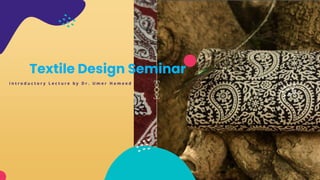
Textile Design Seminar
i n t r o d u c t o r y L e c t u r e b y D r . U m e r H a m e e d
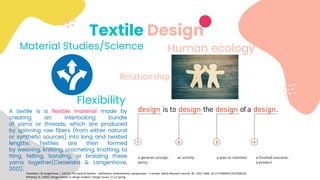
Textile Design
Material Studies/Science
Flexibility
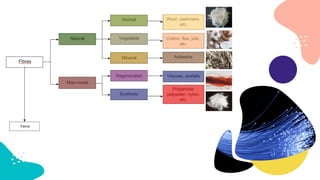
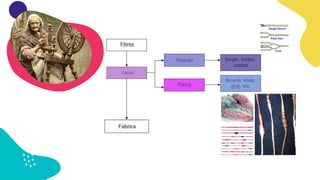
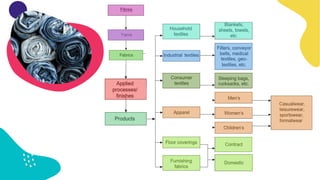
A textile is a flexible material made by
creating an interlocking bundle
of yarns or threads, which are produced
by spinning raw fibers (from either natural
or synthetic sources) into long and twisted
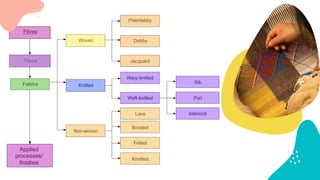
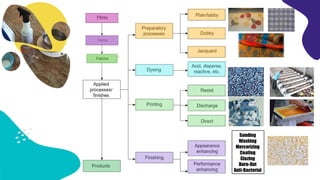
lengths. Textiles are then formed
by weaving, knitting, crocheting, knotting, ta
tting, felting, bonding, or braiding these
yarns together(Ciesielska & Langenhove,
2012).
Ciesielska, I & Langenhove, L. (2012). The hand of textiles – definitions, achievements, perspectives – a review. Textile Research Journal. 82. 1457-1468. 10.1177/0040517512438126.
Whiteley, N. (1995) ‘Design history or design studies?’ Design Issues, 11 (1) Spring.
Human ecology
Relationship
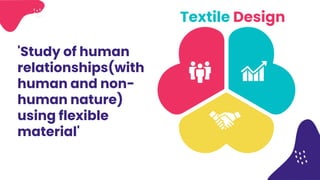
'Study of human
relationships(with
human and non-
human nature)
using flexible
material'
Textile Design
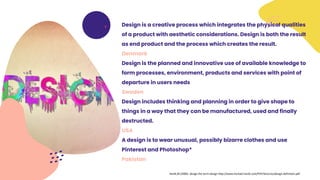
Design is a creative process which integrates the physical qualities
of a product with aesthetic considerations. Design is both the result
as end product and the process which creates the result.
Denmark
Design is the planned and innovative use of available knowledge to
form processes, environment, products and services with point of
departure in users needs
Sweden
Design includes thinking and planning in order to give shape to
things in a way that they can be manufactured, used and finally
destructed.
USA
A design is to wear unusual, possibly bizarre clothes and use
Pinterest and Photoshop*
Pakistan
Hardt,M (2006). design the term design http://www.michael-hardt.com/PDF/lectures/design-definition.pdf
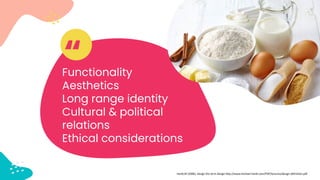
Functionality
Aesthetics
Long range identity
Cultural & political
relations
Ethical considerations
“
Hardt,M (2006). design the term design http://www.michael-hardt.com/PDF/lectures/design-definition.pdf
Michl, Jan. (2017). Review of John Heskett, Design and the Creation of Value. The Design Journal. 20. 1-6. 10.1080/14606925.2017.1350362.
Overview of Textiles
Umer Hameed
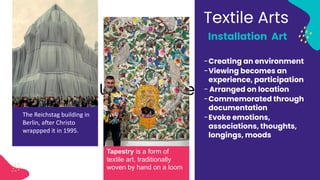
The Reichstag building in
Berlin, after Christo
wrappped it in 1995.
Textile Arts
Installation Art
-Creating an environment
-Viewing becomes an
experience, participation
- Arranged on location
-Commemorated through
documentation
-Evoke emotions,
associations, thoughts,
longings, moods
Tapestry is a form of
textile art, traditionally
woven by hand on a loom
Textile Crafts
Pöllänen, S. (2012). The meaning of craft: Craft makers' descriptions of craft as an occupation. Scandinavian journal of
occupational therapy. 20. 10.3109/11038128.2012.725182.
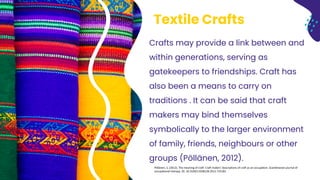
Crafts may provide a link between and
within generations, serving as
gatekeepers to friendships. Craft has
also been a means to carry on
traditions . It can be said that craft
makers may bind themselves
symbolically to the larger environment
of family, friends, neighbours or other
groups (Pöllänen, 2012).
A seminar is a form of academic instruction,
either at an academic institution or offered by
a commercial or professional organization. It
has the function of bringing together small
groups for recurring meetings, focusing each
time on some particular subject, in which
everyone present is requested to participate.
seminar
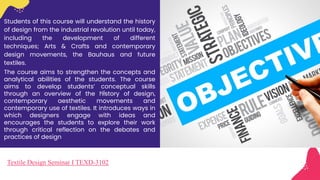
Students of this course will understand the history
of design from the industrial revolution until today,
including the development of different
techniques; Arts & Crafts and contemporary
design movements, the Bauhaus and future
textiles.
The course aims to strengthen the concepts and
analytical abilities of the students. The course
aims to develop students’ conceptual skills
through an overview of the history of design,
contemporary aesthetic movements and
contemporary use of textiles. It introduces ways in
which designers engage with ideas and
encourages the students to explore their work
through critical reflection on the debates and
practices of design
Textile Design Seminar I TEXD-3102
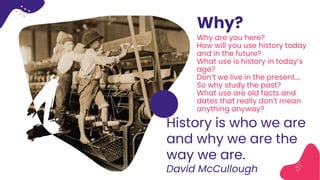
Why?
History is who we are
and why we are the
way we are.
David McCullough
Why are you here?
How will you use history today
and in the future?
What use is history in today’s
age?
Don’t we live in the present….
So why study the past?
What use are old facts and
dates that really don’t mean
anything anyway?
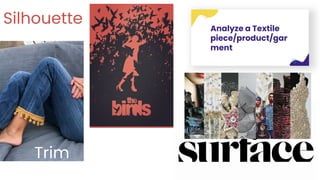
Analyze a Textile
piece/product/gar
ment
Silhouette
Trim
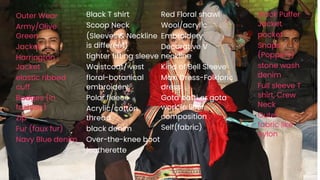
Outer Wear
Army/Olive
Green
Jacket
Harrington
Jacket
elastic ribbed
cuff
Badges (in
fashion)
Zip
Fur (faux fur)
Navy Blue denim
Black Puffer
Jacket
pocket
Snaps
(Poppers)
stone wash
denim
Full sleeve T
shirt, Crew
Neck
Outer
fabric like
nylon
Red Floral shawl
Wool/acrylic
Embroidery
Decorative V
neckline
Kind of Bell Sleeve
Maxi Dress-Folkloric
dress
Gota patti or gota
work in liner
composition
Self(fabric)
Black T shirt
Scoop Neck
(Sleeves & Neckline
is different)
tighter fitting sleeve
Waistcoat/ vest
floral-botanical
embroidery
Polar fleece
Acrylic/cotton
thread
black denim
Over-the-knee boot
leatherette
Welcome to
the Course &
Thank You
umer.hameed@nca.edu.pk

Introduction to Textile Design by Umer Hameed

  • 1.
    Textile Design Seminar in t r o d u c t o r y L e c t u r e b y D r . U m e r H a m e e d
  • 2.
    Textile Design Material Studies/Science Flexibility Atextile is a flexible material made by creating an interlocking bundle of yarns or threads, which are produced by spinning raw fibers (from either natural or synthetic sources) into long and twisted lengths. Textiles are then formed by weaving, knitting, crocheting, knotting, ta tting, felting, bonding, or braiding these yarns together(Ciesielska & Langenhove, 2012). Ciesielska, I & Langenhove, L. (2012). The hand of textiles – definitions, achievements, perspectives – a review. Textile Research Journal. 82. 1457-1468. 10.1177/0040517512438126. Whiteley, N. (1995) ‘Design history or design studies?’ Design Issues, 11 (1) Spring. Human ecology Relationship
  • 3.
    'Study of human relationships(with humanand non- human nature) using flexible material' Textile Design
  • 4.
    Design is acreative process which integrates the physical qualities of a product with aesthetic considerations. Design is both the result as end product and the process which creates the result. Denmark Design is the planned and innovative use of available knowledge to form processes, environment, products and services with point of departure in users needs Sweden Design includes thinking and planning in order to give shape to things in a way that they can be manufactured, used and finally destructed. USA A design is to wear unusual, possibly bizarre clothes and use Pinterest and Photoshop* Pakistan Hardt,M (2006). design the term design http://www.michael-hardt.com/PDF/lectures/design-definition.pdf
  • 5.
    Functionality Aesthetics Long range identity Cultural& political relations Ethical considerations “ Hardt,M (2006). design the term design http://www.michael-hardt.com/PDF/lectures/design-definition.pdf
  • 6.
    Michl, Jan. (2017).Review of John Heskett, Design and the Creation of Value. The Design Journal. 20. 1-6. 10.1080/14606925.2017.1350362.
  • 7.
  • 13.
    Umer Hameed The Reichstagbuilding in Berlin, after Christo wrappped it in 1995. Textile Arts Installation Art -Creating an environment -Viewing becomes an experience, participation - Arranged on location -Commemorated through documentation -Evoke emotions, associations, thoughts, longings, moods Tapestry is a form of textile art, traditionally woven by hand on a loom
  • 14.
    Textile Crafts Pöllänen, S.(2012). The meaning of craft: Craft makers' descriptions of craft as an occupation. Scandinavian journal of occupational therapy. 20. 10.3109/11038128.2012.725182. Crafts may provide a link between and within generations, serving as gatekeepers to friendships. Craft has also been a means to carry on traditions . It can be said that craft makers may bind themselves symbolically to the larger environment of family, friends, neighbours or other groups (Pöllänen, 2012).
  • 15.
    A seminar isa form of academic instruction, either at an academic institution or offered by a commercial or professional organization. It has the function of bringing together small groups for recurring meetings, focusing each time on some particular subject, in which everyone present is requested to participate. seminar
  • 16.
    Students of thiscourse will understand the history of design from the industrial revolution until today, including the development of different techniques; Arts & Crafts and contemporary design movements, the Bauhaus and future textiles. The course aims to strengthen the concepts and analytical abilities of the students. The course aims to develop students’ conceptual skills through an overview of the history of design, contemporary aesthetic movements and contemporary use of textiles. It introduces ways in which designers engage with ideas and encourages the students to explore their work through critical reflection on the debates and practices of design Textile Design Seminar I TEXD-3102
  • 17.
    Why? History is whowe are and why we are the way we are. David McCullough Why are you here? How will you use history today and in the future? What use is history in today’s age? Don’t we live in the present…. So why study the past? What use are old facts and dates that really don’t mean anything anyway?
  • 18.
  • 19.
    Outer Wear Army/Olive Green Jacket Harrington Jacket elastic ribbed cuff Badges(in fashion) Zip Fur (faux fur) Navy Blue denim Black Puffer Jacket pocket Snaps (Poppers) stone wash denim Full sleeve T shirt, Crew Neck Outer fabric like nylon Red Floral shawl Wool/acrylic Embroidery Decorative V neckline Kind of Bell Sleeve Maxi Dress-Folkloric dress Gota patti or gota work in liner composition Self(fabric) Black T shirt Scoop Neck (Sleeves & Neckline is different) tighter fitting sleeve Waistcoat/ vest floral-botanical embroidery Polar fleece Acrylic/cotton thread black denim Over-the-knee boot leatherette
  • 20.
    Welcome to the Course& Thank You umer.hameed@nca.edu.pk