Nutrients
Introduction to Nutrients
Nutrients
 An important aspect of nutrition is the
daily intake of nutrients. Nutrients consist
of various chemical substances in the
food that makes up each person’s diet.
Many nutrients are essential for life, and
an adequate amount of nutrients in the
diet is necessary for providing energy,
building and maintaining body organs,
and for various metabolic processes.
Essential Nutrients
 Nutrients are essential to the human diet if they
meet two characteristics.
 First, omitting the nutrient from the diet leads to
a nutritional deficiency and a decline in some
aspect of health.
 Second, if the omitted nutrient is put back into
the diet, the symptoms of nutritional deficiency
will decline and the individual will return to
normal, barring any permanent damage
caused by its absence.
Nutrient Classification
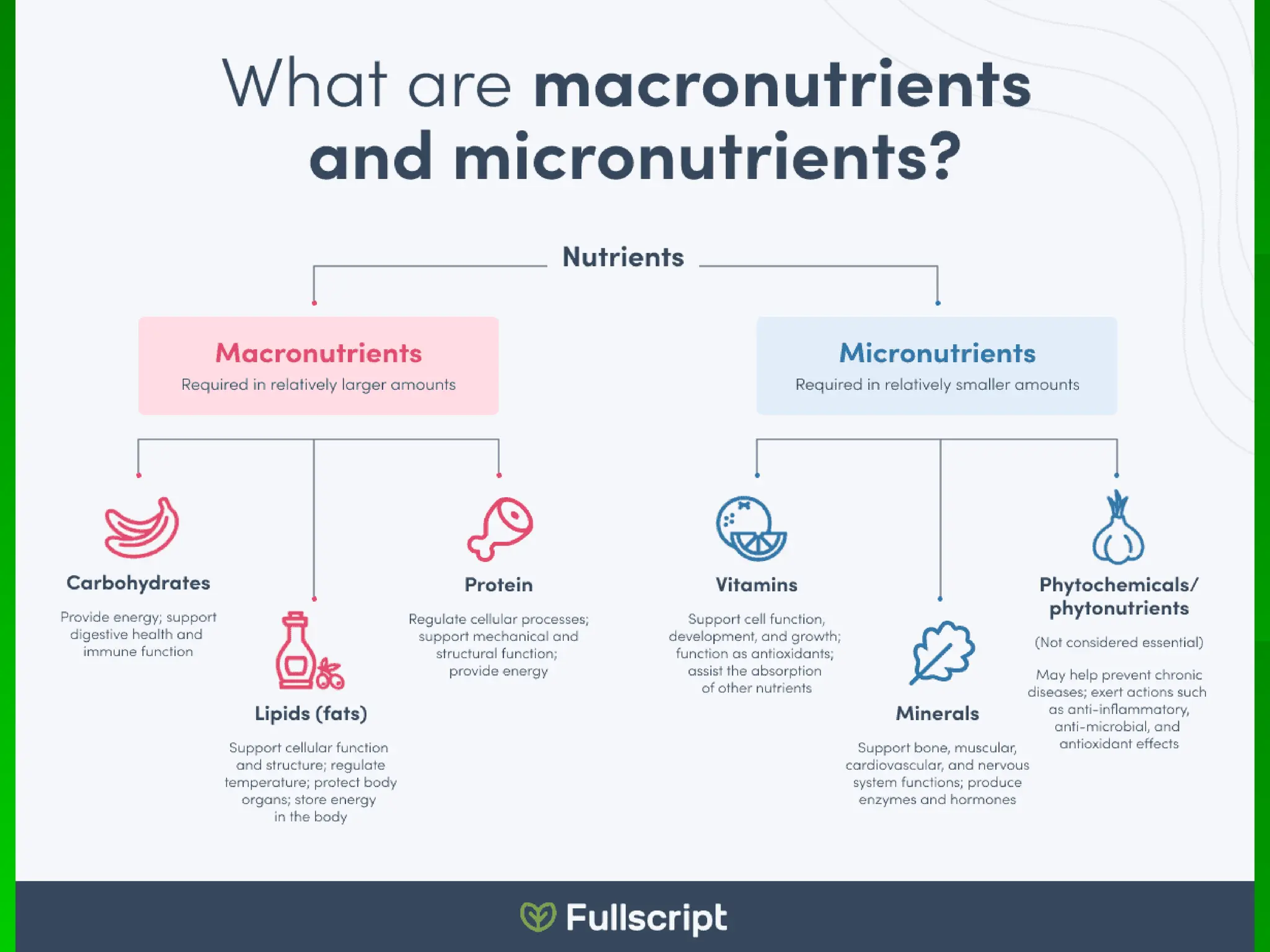
 There are six major classes of nutrients found
in food:
 carbohydrates,
 proteins,
 lipids (fats and oils),
 vitamins (both fat-soluble and water-soluble),
 minerals, and
 Water.
Nutrient Classification
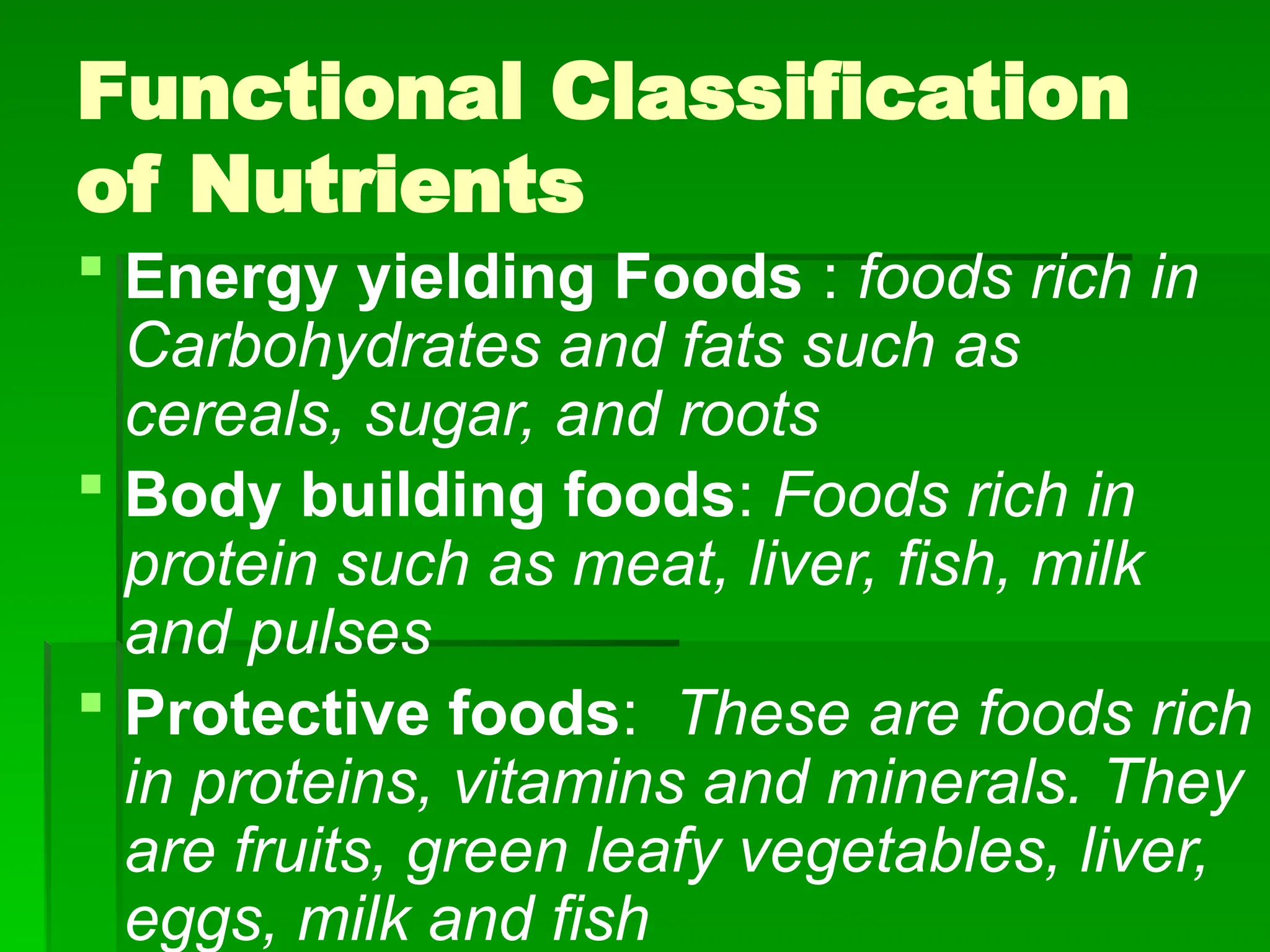
Functional Classification
of Nutrients
 Energy yielding Foods : foods rich in
Carbohydrates and fats such as
cereals, sugar, and roots
 Body building foods: Foods rich in
protein such as meat, liver, fish, milk
and pulses
 Protective foods: These are foods rich
in proteins, vitamins and minerals. They
are fruits, green leafy vegetables, liver,
eggs, milk and fish
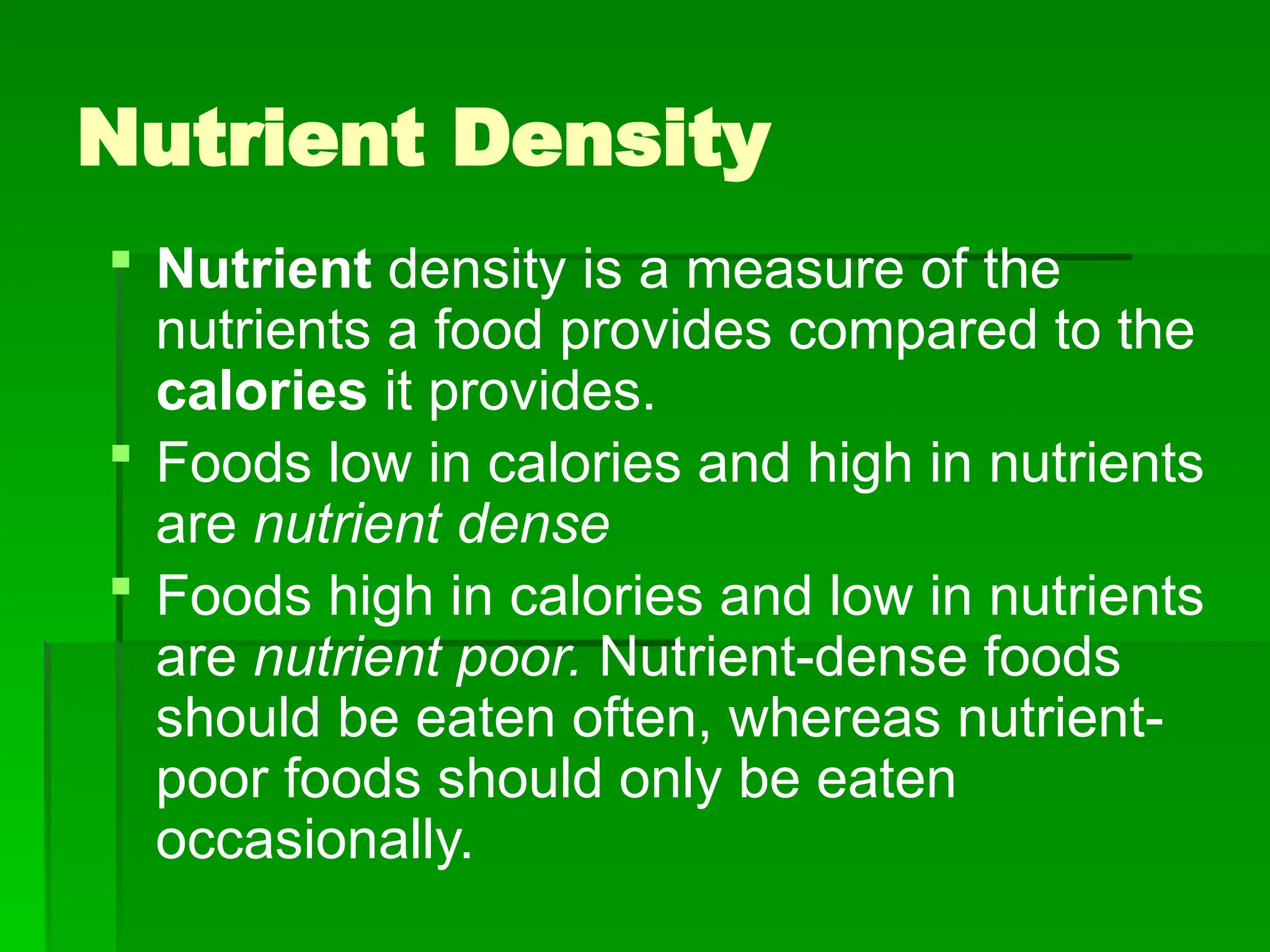
Nutrient Density
 Nutrient density is a measure of the
nutrients a food provides compared to the
calories it provides.
 Foods low in calories and high in nutrients
are nutrient dense
 Foods high in calories and low in nutrients
are nutrient poor. Nutrient-dense foods
should be eaten often, whereas nutrient-
poor foods should only be eaten
occasionally.
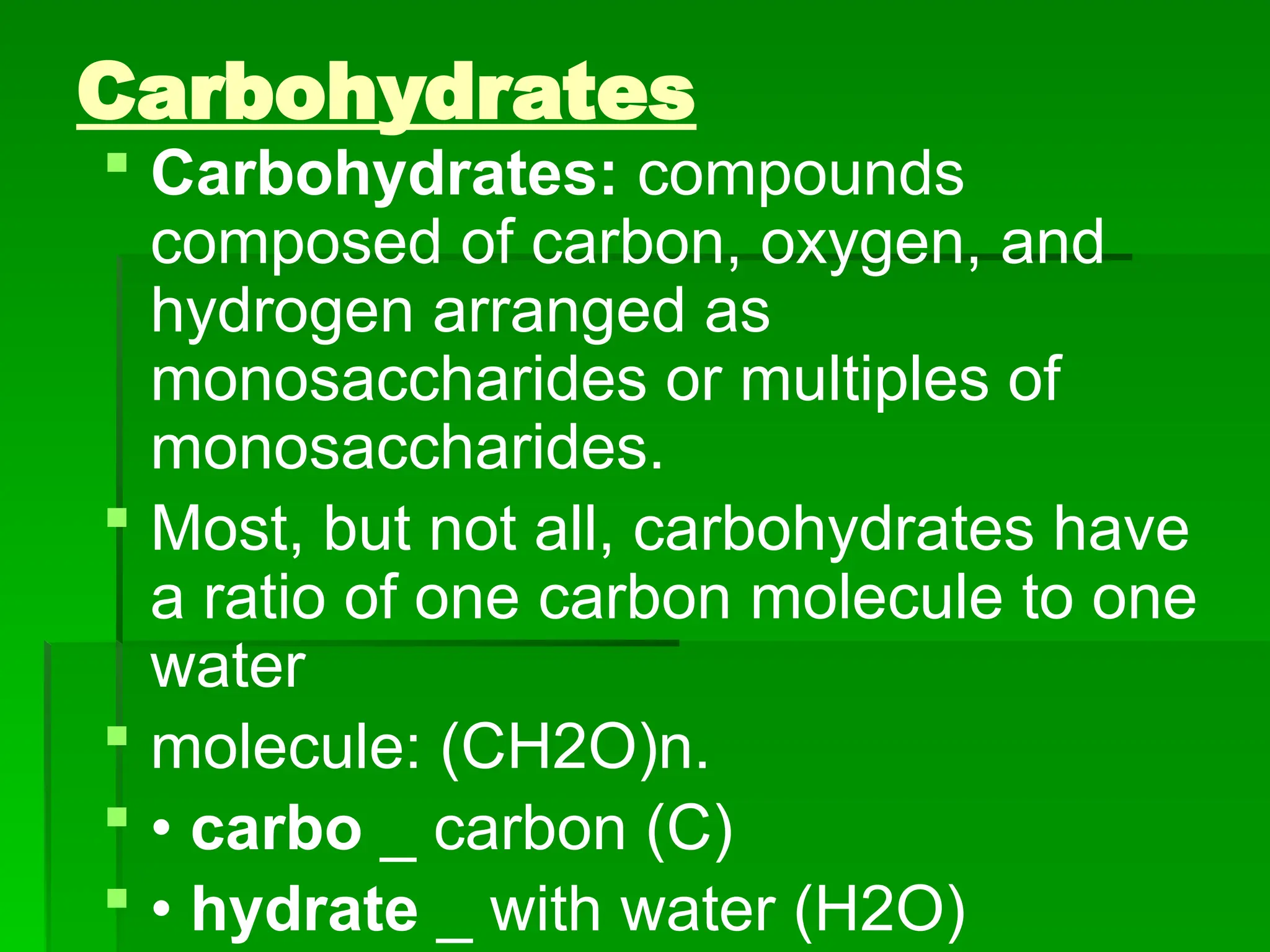
Carbohydrates
 Carbohydrates: compounds
composed of carbon, oxygen, and
hydrogen arranged as
monosaccharides or multiples of
monosaccharides.
 Most, but not all, carbohydrates have
a ratio of one carbon molecule to one
water
 molecule: (CH2O)n.
 • carbo _ carbon (C)
 • hydrate _ with water (H2O)
Energy From CHO
 1 gram of CHO supplies 4 kcal.
 CHO should supply 55-60% of your total
daily kcals.
Classification of
carbohydrates
 simple carbohydrates (sugars):
monosaccharides and disaccharides.
 complex carbohydrates (starches and
fibers): polysaccharides composed of
straight or branched chains of
monosaccharides.
 Carbohydrates are sugar compounds
made by plants when the plants are
exposed to light. This process is called
photosynthesis.
Types of Carbohydrates
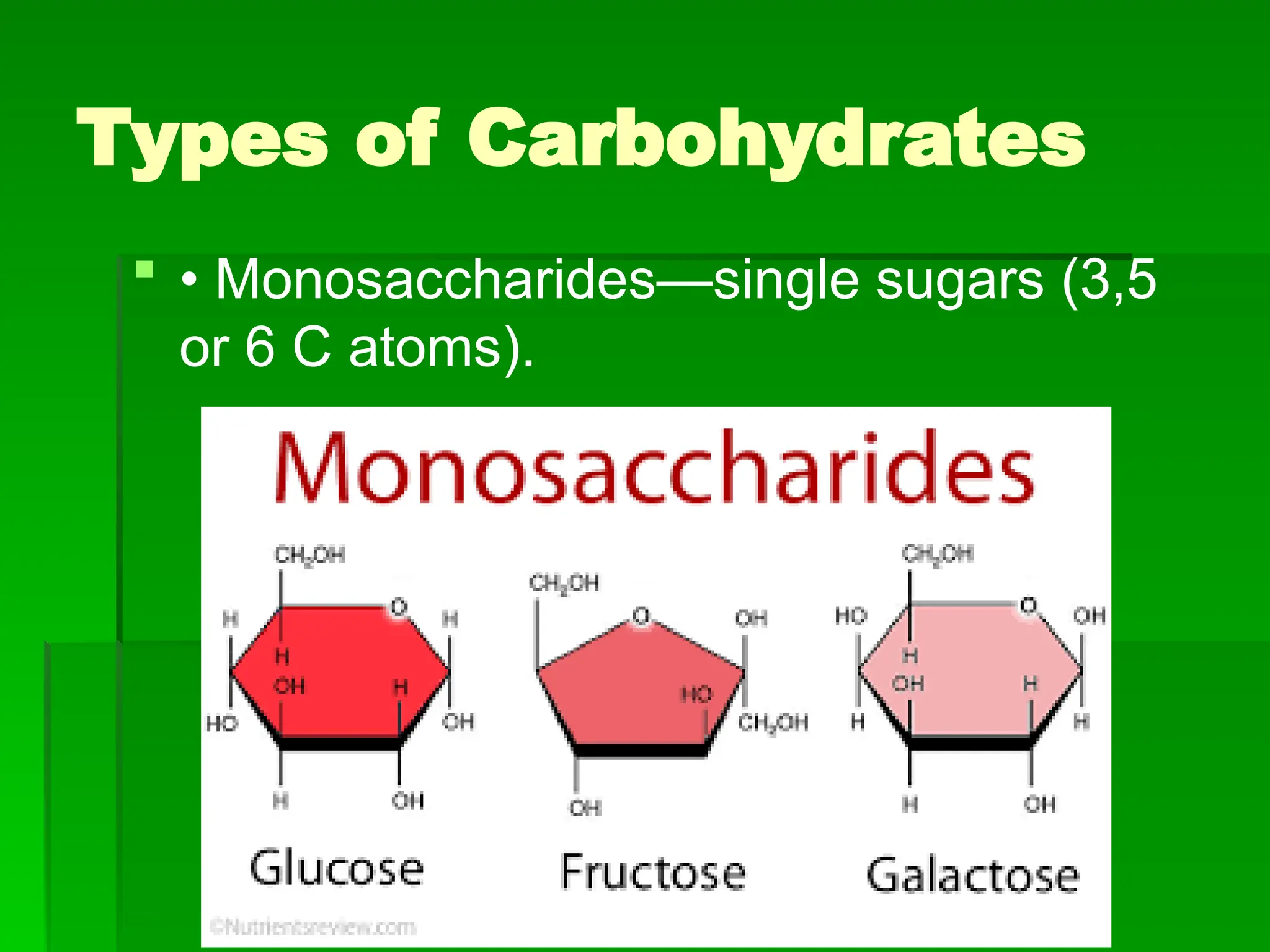
 • Monosaccharides—single sugars (3,5
or 6 C atoms).
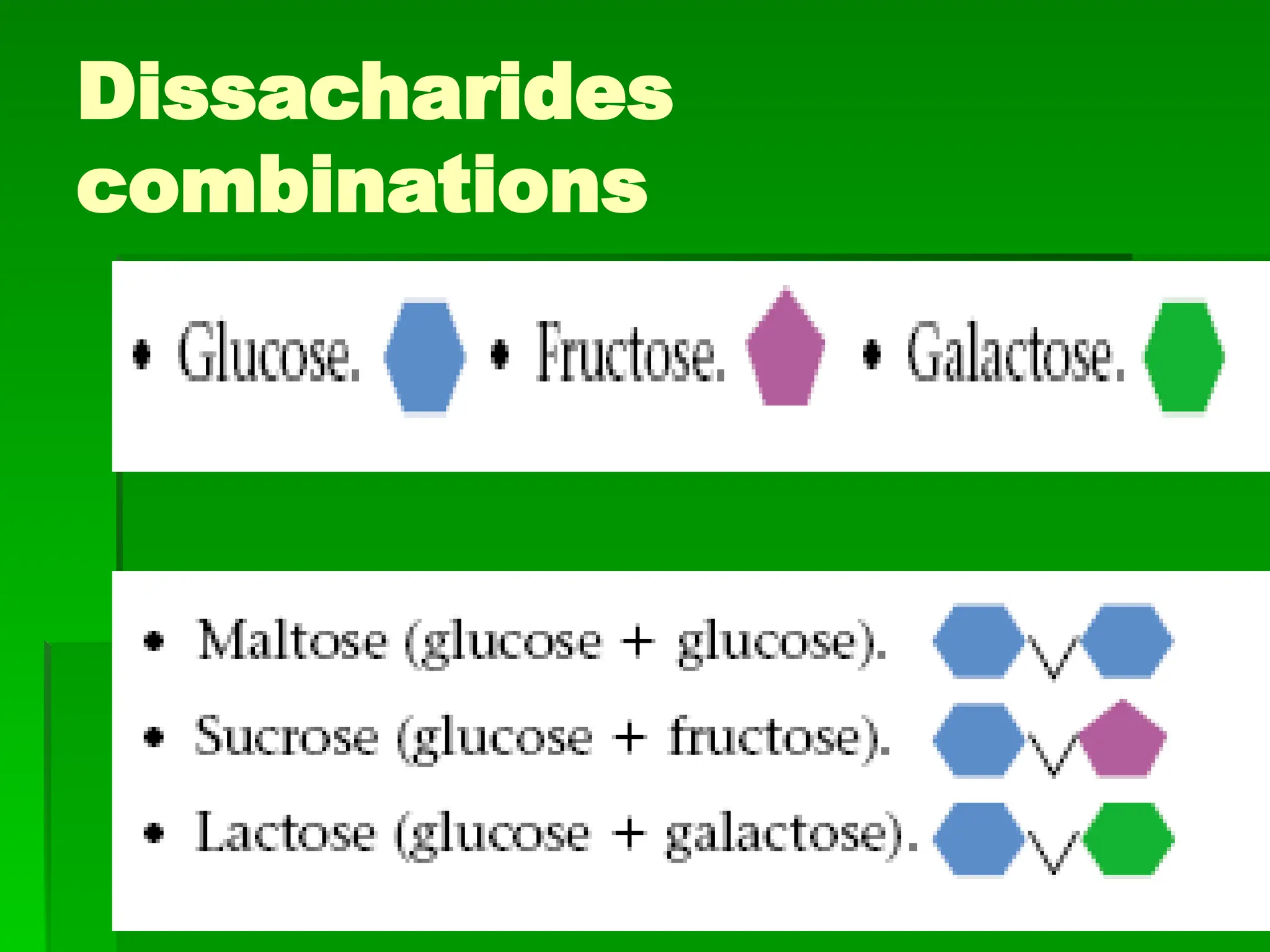
 • Disaccharides—sugars composed
of pairs (two) of monosaccharides.
Dissacharides
combinations
complex carbohydrates
 They are:
 Polysaccharides—large
molecules composed of chains
of monosaccharides (8 or more
subunits).
Sources of carbohydrates :
 Fruits, vegetables, and grains.
Milk and its products contain
carbohydrates.
Meat, fish, poultry - no
carbohydrates
Uses of Carbohydrates
 It protects your muscles.
 It regulates the amount of sugar
circulating in your body.
 It provides nutrients for friendly
bacteria in intestinal tract that
helps in digestion.
 It helps in lowering cholesterol
level and regulate blood pressure.
Fibre
 Dietary fibres are structural components
of plants. The type and amount of fibre
in plants vary from species to species.
 cellulose
 hemicellulose
 lignin
 pectin's
 mucilage's
 gums
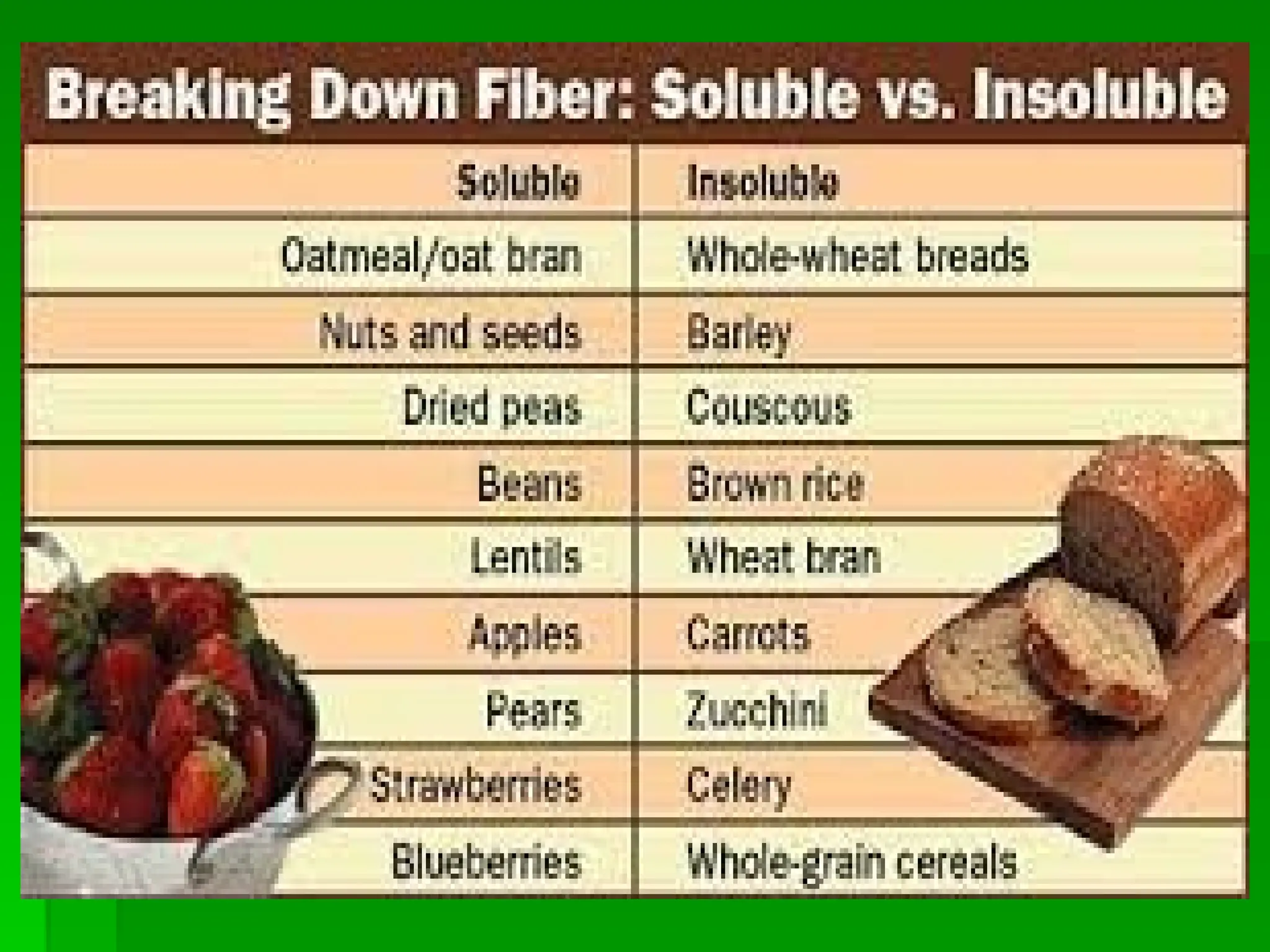
Kinds of dietary fibre
 Soluble fibre :
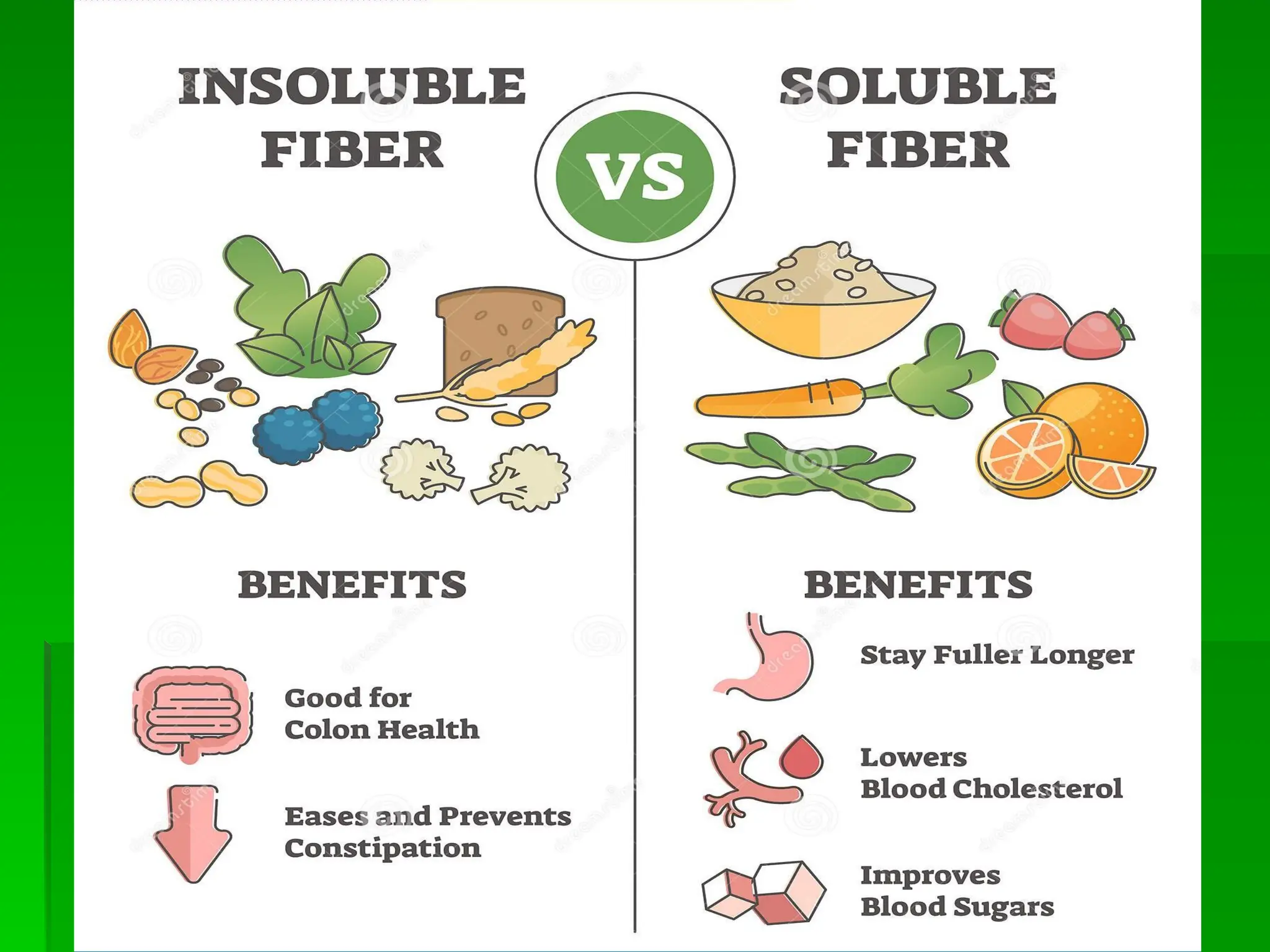
 It forms gel in the presence of
H2O
Insoluble fibre
 It is a natural laxative.
 It absorbs H2O,helps in feel full
after eating
 It stimulates intestinal walls to
contract and relax. This
contraction is called peristalsis .
…
 It helps to prevent digestive
disorders
 It bulks up stools and makes it
softer, reducing risk of
developing hemorrhoids.
Fiber
 Soluble fiber includes, Pectins, gums,
mucilages
 This type of fiber:
 slows the rate at which chyme is released
from the stomach
 Slows the absorption of glucose
 Can help to lower cholesterol levels
 Soluble fiber is found in fruits, citrus
fruits, oat products, beans
Functions of dietary fibre
 In the mouth, fiber stimulates
the flow of saliva.
 In the stomach and small
intestine, fiber dilutes the
contents and delays the
emptying of food and the
absorption of nutrients; this
promotes a feeling of fullness.
 In the large intestine, fiber dilutes
the contents and provides a place
for bacterial growth and digestion.
 The water-holding capacity of
insoluble fiber in the lower
intestine softens the stool and
increases stool size, so that the
process of elimination is easier
and faster.
 In the large intestine, fibre also
acts to bind certain chemicals.
when fiber binds cholesterol-like
compounds, it lowers
cholesterol, a healthy result;
when fiber binds minerals, it
decreases their absorption, a
less desirable result.
Fats and Oils
 Fats and its compounds are
known as lipids. Liquids are
called oils and solids are fats.
A gram of fat contains 9
calories.
Types of fats
 Saturated Fats are solid at room
temperature and are found
primarily in animal foods (red
meats, lard, butter, poultry with
skin, and whole milk dairy
products)
…
 Monounsaturated Fats are liquid
at room temperature and are found
in olive oil, canola oil and peanuts.
 Polyunsaturated Fats are liquid at
room temperature and are found in
fish, corn, wheat, nuts, seeds, and
vegetable oils.
Types of fats
 Trans Fats are created when foods
are manufactured. Currently, food
labels do not list the trans fat content
of a food but if “hydrogenated oils”
are listed under ingredients it
indicates the presence of trans fats.
 The more processed foods you eat,
the greater your trans fat intake.
Trans fats may increase blood
cholesterol.
Uses of Fat
 visible fats:
provides a source of stored
energy
gives shapes to body
cushions the skin
acts as an insulation blanket
that reduces heat loss
Uses of Fat
 invisible fat: This hidden fat,
is part of every cell membrane
is a component of myelin ,
is a shock absorber that
protects the organs
is a constituent of hormones
and other biochemicals
Proteins
 Proteins are organic compounds
that contain carbon, hydrogen,
oxygen, and nitrogen atoms;
some proteins also contain
sulfur.
 Amino acids are the building
blocks of proteins
Energy from Proteins
 1 gram of protein supplies 4 kcal
(the same as CHO).
 Proteins should supply 10-15%
of your total daily kcals.
Classification of Proteins
 Complete proteins (High-
biological-value proteins)
contain all of the essential amino
acids. Complete proteins are
primarily animal proteins, such as
those in meats, poultry, fish, dairy
products, and eggs.
…
 Incomplete proteins (Low-
biological-value proteins) lack
one or more of the essential
amino acids, usually lysine,
methionine, and tryptophan.
Most vegetables are incomplete
proteins.
Functions of Proteins
 Growth and replacement: clotting
factor production, collagen synthesis,
epithelial cell proliferation, fibroblast
proliferation
 Immunity: antibodies, white blood cell
production and migration, cell-
mediated phagocytosis
 Fluid balance: intracellular osmotic
pressure, albumin, maintenance of
blood volume
 Sodium and potassium balance
 Energy source
Vitamins
 Vitamins are organic substances present
in small amounts in many foods. They
are required for carrying out vital
functions of the body and many of them
are involved in the utilization of major
nutrients like proteins, fats and
carbohydrates. Although they are needed
in small amounts, they are essential for
the health and well being of the body.
Classification of vitamins
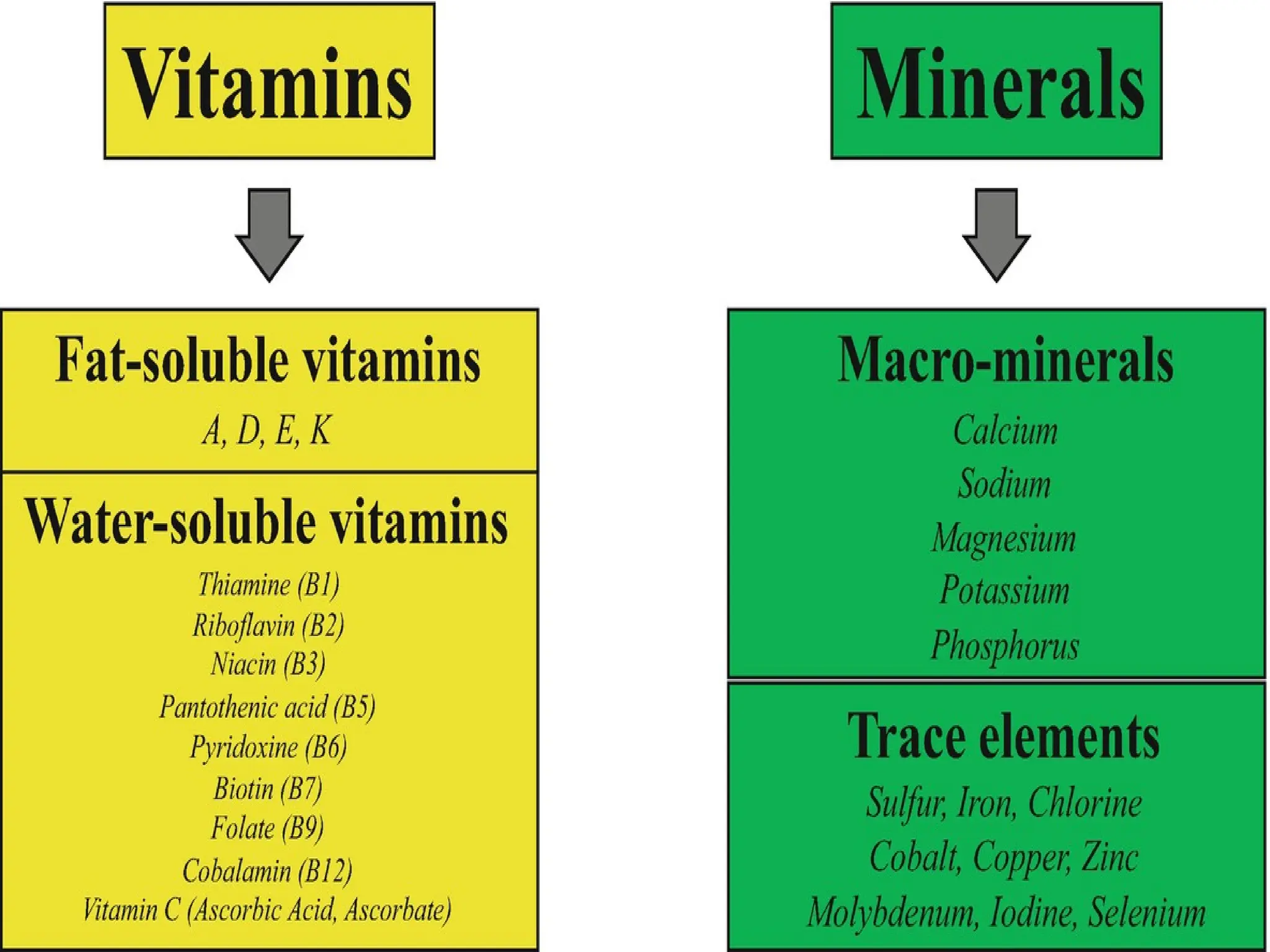
 Fat-soluble vitamins (vitamins A,
D, E, and K) require the presence
of fats for their absorption from
the GI tract and for cellular
metabolism and can be stored for
longer periods of time in the
body’s fatty tissue and the liver.
…
 Watersoluble vitamins (vitamin
C and B-complex vitamins)
require daily ingestion in normal
quantities because these
vitamins are not stored in the
body.
Antioxidants
 Certain vitamins, mineral, and
enzymes are classified as
antioxidants
 a substance that blocks or inhibits
destructive oxidation reactions,
 E.g vitamins C and E, the minerals
selenium and germanium, and the
enzymes catalase and superoxide
dismutase, coenzyme Q10, and
some amino acids.
…
 Antioxidants help to protect the
body from the formation of free
radicals, atoms or groups of
atoms that can cause damage to
cells. Free radicals can impair
the immune system and lead to
infections and certain
degenerative diseases such as
heart disease and cancer.
Minerals
 A large number of minerals are
present in the body. Some of
these form part of body structural
components and some others act
as catalytic agents in many body
reactions.
Classification of Minerals
 Minerals are classified according to their
daily requirement:
 Macro minerals (quantities of 100 mg or
greater), The major macro minerals
required by the body are calcium,
phosphorus, and magnesium
 Microminerals (trace elements,
quantities less than 100 mg).
Microminerals such as copper, fluoride,
iodine, iron, selenium, and zinc play an
essential role in metabolism.
water
 Water is a universal solvent and
is a part of every cell and tissue
in the body. Our body contains
50% to 75 % of water. Water
content depends on how old you
are and how much muscle and
fat you have. Muscle tissue has
more H2O than fat tissue.
Uses of water
 It dissolves other substances and
carries the nutrients and other
materials around the body, making
it possible for every organ to do its
job.
 It helps in easy digestion of food.
 carries waste products out of our
body.
…
 provides a medium in which
biochemical reactions occur.
 sends electrical messages
between the cells.
 regulates body temperature.
 lubricates your moving parts.
Sources of water
 Plain water
 fruits and vegetables
 cheese
 milk products
 cereals
QUIZLET
 A Woman visits X facility and is found to
have diabetes. Which of the following is
likely to be recommended food to include
in her current routine
 A) whole wheat bread
 B)Cheese
 C) Peanuts
 D) Oats
 END OF LECTURE, GOD BLESS

INTRODUCTION TO NUTRIENTS AND ITS FUNCTIONS

  • 1.
  • 2.
    Nutrients  An importantaspect of nutrition is the daily intake of nutrients. Nutrients consist of various chemical substances in the food that makes up each person’s diet. Many nutrients are essential for life, and an adequate amount of nutrients in the diet is necessary for providing energy, building and maintaining body organs, and for various metabolic processes.
  • 3.
    Essential Nutrients  Nutrientsare essential to the human diet if they meet two characteristics.  First, omitting the nutrient from the diet leads to a nutritional deficiency and a decline in some aspect of health.  Second, if the omitted nutrient is put back into the diet, the symptoms of nutritional deficiency will decline and the individual will return to normal, barring any permanent damage caused by its absence.
  • 4.
    Nutrient Classification  Thereare six major classes of nutrients found in food:  carbohydrates,  proteins,  lipids (fats and oils),  vitamins (both fat-soluble and water-soluble),  minerals, and  Water.
  • 5.
  • 6.
    Functional Classification of Nutrients Energy yielding Foods : foods rich in Carbohydrates and fats such as cereals, sugar, and roots  Body building foods: Foods rich in protein such as meat, liver, fish, milk and pulses  Protective foods: These are foods rich in proteins, vitamins and minerals. They are fruits, green leafy vegetables, liver, eggs, milk and fish
  • 7.
    Nutrient Density  Nutrientdensity is a measure of the nutrients a food provides compared to the calories it provides.  Foods low in calories and high in nutrients are nutrient dense  Foods high in calories and low in nutrients are nutrient poor. Nutrient-dense foods should be eaten often, whereas nutrient- poor foods should only be eaten occasionally.
  • 8.
    Carbohydrates  Carbohydrates: compounds composedof carbon, oxygen, and hydrogen arranged as monosaccharides or multiples of monosaccharides.  Most, but not all, carbohydrates have a ratio of one carbon molecule to one water  molecule: (CH2O)n.  • carbo _ carbon (C)  • hydrate _ with water (H2O)
  • 9.
    Energy From CHO 1 gram of CHO supplies 4 kcal.  CHO should supply 55-60% of your total daily kcals.
  • 10.
    Classification of carbohydrates  simplecarbohydrates (sugars): monosaccharides and disaccharides.  complex carbohydrates (starches and fibers): polysaccharides composed of straight or branched chains of monosaccharides.  Carbohydrates are sugar compounds made by plants when the plants are exposed to light. This process is called photosynthesis.
  • 11.
    Types of Carbohydrates • Monosaccharides—single sugars (3,5 or 6 C atoms).
  • 12.
     • Disaccharides—sugarscomposed of pairs (two) of monosaccharides.
  • 13.
  • 14.
    complex carbohydrates  Theyare:  Polysaccharides—large molecules composed of chains of monosaccharides (8 or more subunits).
  • 15.
    Sources of carbohydrates:  Fruits, vegetables, and grains. Milk and its products contain carbohydrates. Meat, fish, poultry - no carbohydrates
  • 16.
    Uses of Carbohydrates It protects your muscles.  It regulates the amount of sugar circulating in your body.  It provides nutrients for friendly bacteria in intestinal tract that helps in digestion.  It helps in lowering cholesterol level and regulate blood pressure.
  • 17.
    Fibre  Dietary fibresare structural components of plants. The type and amount of fibre in plants vary from species to species.  cellulose  hemicellulose  lignin  pectin's  mucilage's  gums
  • 19.
    Kinds of dietaryfibre  Soluble fibre :  It forms gel in the presence of H2O
  • 20.
    Insoluble fibre  Itis a natural laxative.  It absorbs H2O,helps in feel full after eating  It stimulates intestinal walls to contract and relax. This contraction is called peristalsis .
  • 21.
    …  It helpsto prevent digestive disorders  It bulks up stools and makes it softer, reducing risk of developing hemorrhoids.
  • 22.
    Fiber  Soluble fiberincludes, Pectins, gums, mucilages  This type of fiber:  slows the rate at which chyme is released from the stomach  Slows the absorption of glucose  Can help to lower cholesterol levels  Soluble fiber is found in fruits, citrus fruits, oat products, beans
  • 23.
    Functions of dietaryfibre  In the mouth, fiber stimulates the flow of saliva.  In the stomach and small intestine, fiber dilutes the contents and delays the emptying of food and the absorption of nutrients; this promotes a feeling of fullness.
  • 24.
     In thelarge intestine, fiber dilutes the contents and provides a place for bacterial growth and digestion.  The water-holding capacity of insoluble fiber in the lower intestine softens the stool and increases stool size, so that the process of elimination is easier and faster.
  • 25.
     In thelarge intestine, fibre also acts to bind certain chemicals. when fiber binds cholesterol-like compounds, it lowers cholesterol, a healthy result; when fiber binds minerals, it decreases their absorption, a less desirable result.
  • 27.
    Fats and Oils Fats and its compounds are known as lipids. Liquids are called oils and solids are fats. A gram of fat contains 9 calories.
  • 28.
    Types of fats Saturated Fats are solid at room temperature and are found primarily in animal foods (red meats, lard, butter, poultry with skin, and whole milk dairy products)
  • 29.
    …  Monounsaturated Fatsare liquid at room temperature and are found in olive oil, canola oil and peanuts.  Polyunsaturated Fats are liquid at room temperature and are found in fish, corn, wheat, nuts, seeds, and vegetable oils.
  • 30.
    Types of fats Trans Fats are created when foods are manufactured. Currently, food labels do not list the trans fat content of a food but if “hydrogenated oils” are listed under ingredients it indicates the presence of trans fats.  The more processed foods you eat, the greater your trans fat intake. Trans fats may increase blood cholesterol.
  • 31.
    Uses of Fat visible fats: provides a source of stored energy gives shapes to body cushions the skin acts as an insulation blanket that reduces heat loss
  • 32.
    Uses of Fat invisible fat: This hidden fat, is part of every cell membrane is a component of myelin , is a shock absorber that protects the organs is a constituent of hormones and other biochemicals
  • 33.
    Proteins  Proteins areorganic compounds that contain carbon, hydrogen, oxygen, and nitrogen atoms; some proteins also contain sulfur.  Amino acids are the building blocks of proteins
  • 34.
    Energy from Proteins 1 gram of protein supplies 4 kcal (the same as CHO).  Proteins should supply 10-15% of your total daily kcals.
  • 35.
    Classification of Proteins Complete proteins (High- biological-value proteins) contain all of the essential amino acids. Complete proteins are primarily animal proteins, such as those in meats, poultry, fish, dairy products, and eggs.
  • 36.
    …  Incomplete proteins(Low- biological-value proteins) lack one or more of the essential amino acids, usually lysine, methionine, and tryptophan. Most vegetables are incomplete proteins.
  • 37.
    Functions of Proteins Growth and replacement: clotting factor production, collagen synthesis, epithelial cell proliferation, fibroblast proliferation  Immunity: antibodies, white blood cell production and migration, cell- mediated phagocytosis  Fluid balance: intracellular osmotic pressure, albumin, maintenance of blood volume  Sodium and potassium balance  Energy source
  • 39.
    Vitamins  Vitamins areorganic substances present in small amounts in many foods. They are required for carrying out vital functions of the body and many of them are involved in the utilization of major nutrients like proteins, fats and carbohydrates. Although they are needed in small amounts, they are essential for the health and well being of the body.
  • 40.
    Classification of vitamins Fat-soluble vitamins (vitamins A, D, E, and K) require the presence of fats for their absorption from the GI tract and for cellular metabolism and can be stored for longer periods of time in the body’s fatty tissue and the liver.
  • 41.
    …  Watersoluble vitamins(vitamin C and B-complex vitamins) require daily ingestion in normal quantities because these vitamins are not stored in the body.
  • 42.
    Antioxidants  Certain vitamins,mineral, and enzymes are classified as antioxidants  a substance that blocks or inhibits destructive oxidation reactions,  E.g vitamins C and E, the minerals selenium and germanium, and the enzymes catalase and superoxide dismutase, coenzyme Q10, and some amino acids.
  • 43.
    …  Antioxidants helpto protect the body from the formation of free radicals, atoms or groups of atoms that can cause damage to cells. Free radicals can impair the immune system and lead to infections and certain degenerative diseases such as heart disease and cancer.
  • 44.
    Minerals  A largenumber of minerals are present in the body. Some of these form part of body structural components and some others act as catalytic agents in many body reactions.
  • 45.
    Classification of Minerals Minerals are classified according to their daily requirement:  Macro minerals (quantities of 100 mg or greater), The major macro minerals required by the body are calcium, phosphorus, and magnesium  Microminerals (trace elements, quantities less than 100 mg). Microminerals such as copper, fluoride, iodine, iron, selenium, and zinc play an essential role in metabolism.
  • 46.
    water  Water isa universal solvent and is a part of every cell and tissue in the body. Our body contains 50% to 75 % of water. Water content depends on how old you are and how much muscle and fat you have. Muscle tissue has more H2O than fat tissue.
  • 47.
    Uses of water It dissolves other substances and carries the nutrients and other materials around the body, making it possible for every organ to do its job.  It helps in easy digestion of food.  carries waste products out of our body.
  • 48.
    …  provides amedium in which biochemical reactions occur.  sends electrical messages between the cells.  regulates body temperature.  lubricates your moving parts.
  • 49.
    Sources of water Plain water  fruits and vegetables  cheese  milk products  cereals
  • 50.
    QUIZLET  A Womanvisits X facility and is found to have diabetes. Which of the following is likely to be recommended food to include in her current routine  A) whole wheat bread  B)Cheese  C) Peanuts  D) Oats
  • 51.
     END OFLECTURE, GOD BLESS