BOF2805: How to Run a
Successful Open Source
Java EE Project
Philip Durbin and Stephen Kraffmiller
@philipdurbin @sekmiller
1
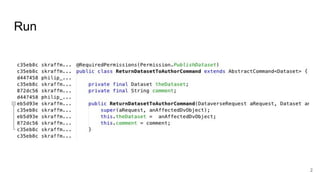
Run
2
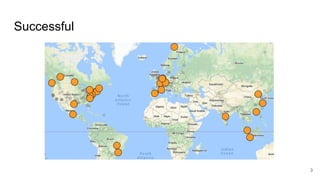
Successful
3
Java EE Project
4
Agenda
build the right thing
presenting your project to the world
culture
encouraging contribution
challenges
5
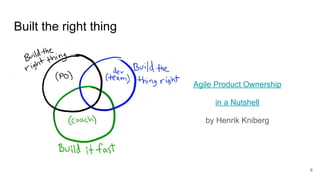
Built the right thing
Agile Product Ownership
in a Nutshell
by Henrik Kniberg
6
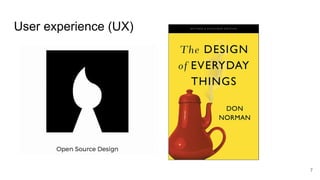
User experience (UX)
7
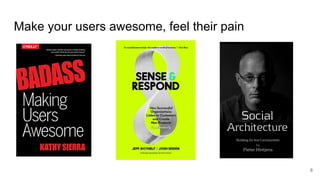
Make your users awesome, feel their pain
8
Project website
9
I'm not dead
10
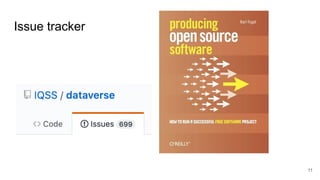
Issue tracker
11
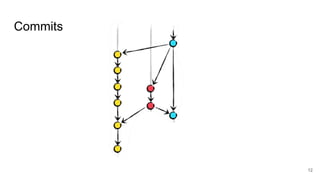
Commits
12
Does the project care about security?
13
Support
14
Documentation
15
Executable Documentation
16
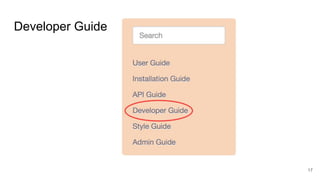
Developer Guide
17
Design the community you want
18
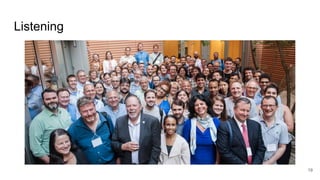
Listening
19
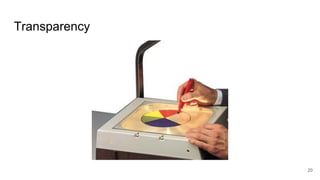
Transparency
20
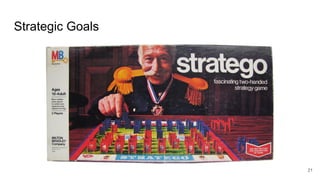
Strategic Goals
21
Public Communication Channels
#myproject
22
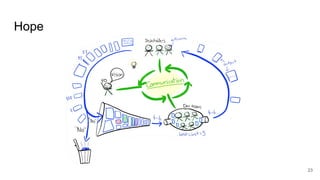
Hope
23
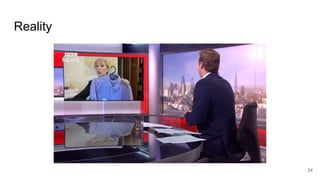
Reality
24
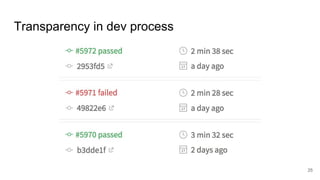
Transparency in dev process
25
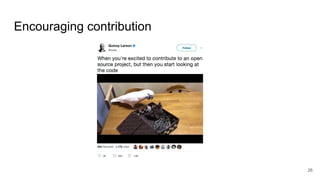
Encouraging contribution
26
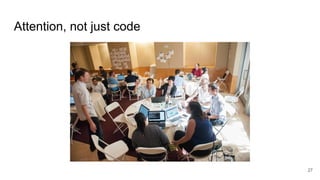
Attention, not just code
27
Everybody makes pull requests
28
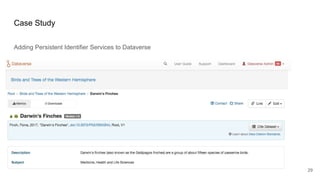
Case Study
Adding Persistent Identifier Services to Dataverse
29
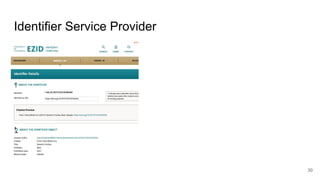
Identifier Service Provider
30
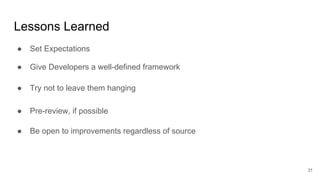
Lessons Learned
● Set Expectations
31
● Give Developers a well-defined framework
● Try not to leave them hanging
● Pre-review, if possible
● Be open to improvements regardless of source
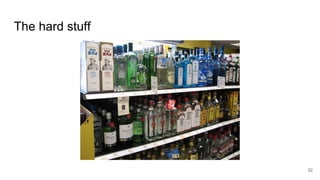
The hard stuff
32
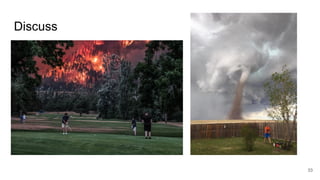
Discuss
33
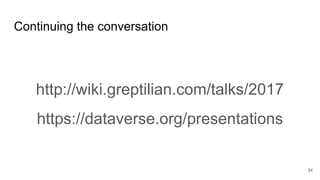
Continuing the conversation
http://wiki.greptilian.com/talks/2017
https://dataverse.org/presentations
34
How​ ​to​ ​Run​ ​a​ ​Successful​ ​Open​ ​Source​ ​Java​ ​EE​ ​Project
Philip​ ​Durbin​ ​and​ ​Stephen​ ​Kraffmiller
JavaOne​ ​2017
Running​ ​an​ ​open​ ​source​ ​Java​ ​EE​ ​project​ ​can​ ​bring​ ​unique​ ​challenges​ ​for​ ​project​ ​managers​ ​and
developers.​ ​Dataverse,​ ​an​ ​open​ ​source​ ​research​ ​data​ ​repository​ ​platform,​ ​developed​ ​in​ ​an
academic​ ​environment,​ ​has​ ​attracted​ ​interest​ ​from​ ​a​ ​growing​ ​number​ ​of​ ​developers​ ​who​ ​need​ ​to
be​ ​brought​ ​up​ ​to​ ​speed​ ​with​ ​technologies​ ​such​ ​as​ ​JSF​ ​and​ ​CDI.​ ​Sysadmins​ ​in​ ​higher​ ​education
have​ ​little​ ​to​ ​no​ ​experience​ ​with​ ​GlassFish.​ ​The​ ​Dataverse​ ​team​ ​at​ ​Harvard​ ​has​ ​over​ ​10​ ​years​ ​of
experience​ ​promoting​ ​and​ ​supporting​ ​the​ ​use​ ​of​ ​Java​ ​EE.​ ​This​ ​talk​ ​will​ ​cover​ ​community
building,​ ​sysadmin​ ​support,​ ​automating​ ​installations,​ ​writing​ ​effective​ ​documentation,
streamlining​ ​open​ ​source​ ​contributions,​ ​juggling​ ​communication​ ​channels,​ ​balancing​ ​priorities
and​ ​more.
● Thanks​ ​for​ ​coming!
● Introduce​ ​Phil,​ ​Steve,​ ​Dataverse,​ ​IQSS,​ ​Harvard
● Title​ ​of​ ​the​ ​talk...​ ​let's​ ​break​ ​this​ ​down.
● Definitions
○ [2]​ ​Run
■ We're​ ​just​ ​developers.
■ Bottom​ ​up,​ ​public​ ​discussion
■ Influence
○ [3]​ ​Successful
■ 10​ ​years​ ​of​ ​steady​ ​growth.
■ More​ ​people​ ​sharing​ ​research​ ​data
■ More​ ​installation​ ​of​ ​Dataverse​ ​(26)
● dataverse.nl,​ ​dataverse.no
● integrations
● contribute​ ​code
○ [4]​ ​Java​ ​EE​ ​project
■ Requires​ ​full​ ​profile
● [5]​ ​Agenda
○ build​ ​the​ ​right​ ​thing
○ presenting​ ​your​ ​project​ ​to​ ​the​ ​world
○ culture
○ encouraging​ ​contribution
○ challenges
● [6]​ ​Build​ ​the​ ​right​ ​thing
○ I​ ​hear​ ​that​ ​you​ ​want​ ​to​ ​build​ ​the​ ​thing​ ​right​ ​but​ ​we​ ​need​ ​to​ ​build​ ​the​ ​right​ ​thing.
■ Agile​ ​Product​ ​Ownership​ ​in​ ​a​ ​Nutshell​ ​-​ ​(
https://www.youtube.com/watch?v=502ILHjX9EE​​ ​)
○ [7]​ ​User​ ​experience​ ​(UX)
■ We​ ​did​ ​a​ ​rewrite.
■ Care​ ​about​ ​the​ ​user​ ​experience
■ Open​ ​Source​ ​Design​ ​from​ ​FOSDEM
■ IT​ ​Academy
○ [8]​ ​Make​ ​users​ ​Badass​ ​(Kathy​ ​Sierra).​ ​Sense​ ​and​ ​Respond
■ Make​ ​your​ ​users​ ​better​ ​at​ ​their​ ​job,​ ​in​ ​our​ ​case,​ ​researchers
■ Sense​ ​and​ ​Respond
■ QUOTE:​ ​"A​ ​good​ ​designer​ ​sympathizes​ ​with​ ​his​ ​users,​ ​feels​ ​their​ ​pain,
and​ ​works​ ​to​ ​relieve​ ​it."​ ​--Pieter​ ​Hintjens​ ​in​ ​Social​ ​Architecture
● [9]​ ​Presenting​ ​your​ ​project​ ​to​ ​the​ ​world
○ Recap:​ ​build​ ​the​ ​right​ ​thing,​ ​care​ ​about​ ​users
○ Project​ ​website
■ What​ ​does​ ​it​ ​do?
● list​ ​of​ ​features.
● Different​ ​features​ ​for​ ​researchers​ ​vs.​ ​curators.
■ What​ ​will​ ​it​ ​do?
● For​ ​potential​ ​users
○ What's​ ​the​ ​roadmap?
○ What​ ​direction​ ​is​ ​the​ ​project​ ​taking?
● For​ ​existing​ ​users...
○ What's​ ​coming​ ​in​ ​the​ ​next​ ​release?
○ What's​ ​in​ ​the​ ​current​ ​sprint?
■ Can​ ​I​ ​influence​ ​what​ ​it​ ​does?
● How​ ​do​ ​I​ ​make​ ​feature​ ​requests?
● Will​ ​bugs​ ​I​ ​find​ ​be​ ​fixed?
● Are​ ​they​ ​open​ ​to​ ​contributions?
■ Who​ ​is​ ​using​ ​this​ ​thing?
● Opt-in​ ​customer​ ​list.
■ [10]​ ​I'm​ ​not​ ​dead.
● What​ ​are​ ​the​ ​signs​ ​of​ ​life?
● [11]​ ​Issue​ ​tracker
○ QUOTE:​ ​"the​ ​higher​ ​the​ ​number​ ​of​ ​bugs​ ​in​ ​the​ ​database,
the​ ​better​ ​the​ ​project​ ​looks"​ ​--​ ​Karl​ ​Fogel​ ​in​ ​Producing
Open​ ​Source​ ​Software
○ Under​ ​a​ ​section​ ​on​ ​evaluating​ ​open​ ​source​ ​projects...
○ QUOTE:​ ​"Look​ ​at​ ​bug​ ​tracker​ ​activity​ ​first."
○ QUOTE:​ ​"The​ ​important​ ​question​ ​is​ ​not​ ​rate​ ​of​ ​resolution,
but​ ​how​ ​the​ ​project​ ​responds​ ​to​ ​and​ ​organizes​ ​the​ ​influx​ ​of
reports."
○ 699​ ​=​ ​#1:​ ​Open​ ​Source​ ​at​ ​Harvard​ ​(
https://github.com/IQSS/open-source-at-harvard​​ ​)
● [12]​ ​Commits
○ QUOTE:​ ​"Whether​ ​or​ ​not​ ​a​ ​project​ ​met​ ​its​ ​most​ ​recent
milestone​ ​is​ ​sometimes​ ​not​ ​as​ ​interesting​ ​as​ ​the​ ​more
fundamental​ ​question​ ​of​ ​whether​ ​it​ ​has​ ​an​ ​active
community​ ​of​ ​developers​ ​around​ ​it."
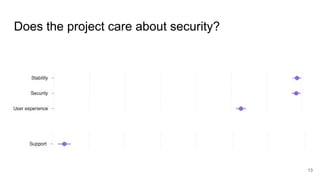
■ [13]​ ​Does​ ​the​ ​project​ ​care​ ​about​ ​security?
● GitHub​ ​survey​ ​on​ ​security​ ​and​ ​stability​ ​(
http://opensourcesurvey.org/2017/​​ ​)
● User​ ​experience​ ​a​ ​distant​ ​third.
● What​ ​are​ ​you​ ​saying​ ​to​ ​the​ ​world​ ​about​ ​security?
● Support​ ​is​ ​last.​ ​Or​ ​is​ ​it?
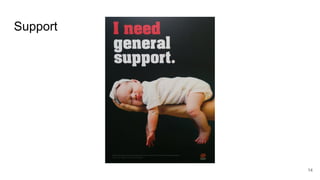
■ [14]​ ​Will​ ​I​ ​get​ ​any​ ​support?
● How​ ​much​ ​support​ ​are​ ​you​ ​offering?
● API​ ​client​ ​libraries​ ​supported​ ​by​ ​the​ ​community.
● Paid​ ​support?
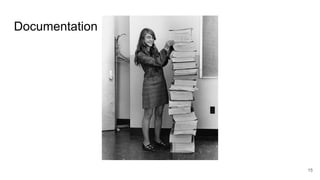
○ [15]​ ​Documentation
■ Margaret​ ​Hamilton​ ​and​ ​her​ ​Apollo​ ​code
■ GitHub​ ​survey,​ ​93​ ​percent​ ​of​ ​people​ ​reported​ ​being​ ​frustrated​ ​with
incomplete​ ​or​ ​confusing​ ​documentation.
■ Article​ ​in​ ​The​ ​Next​ ​Web​ ​by​ ​Matthew​ ​Hughes​ ​with​ ​the​ ​title
■ QUOTE:​ ​"Free​ ​software​ ​is​ ​suffering​ ​because​ ​coders​ ​don't​ ​know​ ​how​ ​to
write​ ​documentation"​ ​(
https://thenextweb.com/dd/2017/06/02/free-software-is-suffering-because-
coders-dont-know-how-to-write-documentation/​​ ​).
■ There's​ ​an​ ​article​ ​by​ ​Jeff​ ​Atwood​ ​of​ ​Stackoverflow​ ​fame​ ​entitled,
■ QUOTE:​ ​"If​ ​it​ ​isn't​ ​documented,​ ​it​ ​doesn't​ ​exist"​ ​(
https://blog.codinghorror.com/if-it-isnt-documented-it-doesnt-exist/​​ ​).
■ Hire​ ​someone
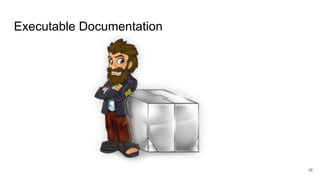
■ [16]​ ​Executable​ ​documentation.
● vagrant​ ​up
● API​ ​tests
■ [17]​ ​6​ ​Guides,​ ​User,​ ​Installation,​ ​Administration,​ ​API,​ ​Dev,​ ​Style
● [18]​ ​Core​ ​values/principles/culture
○ Recap:​ ​build​ ​the​ ​right​ ​thing,​ ​care​ ​about​ ​your​ ​users,​ ​present​ ​your​ ​project​ ​to​ ​the
world,​ ​documentation
○ This​ ​is​ ​a​ ​quote​ ​from​ ​Matthew​ ​Turk​ ​in​ ​paper​ ​called​ ​"How​ ​to​ ​Scale​ ​a​ ​Code​ ​in​ ​the
Human​ ​Dimension"
■ QUOTE:​ ​"You​ ​must​ ​design​ ​the​ ​community​ ​you​ ​want.​ ​This​ ​design​ ​extends
far​ ​beyond​ ​designing​ ​software​ ​and​ ​algorithms;​ ​it​ ​includes​ ​thinking​ ​about
the​ ​diversity​ ​of​ ​contributors​ ​and​ ​community​ ​members,​ ​the​ ​tone​ ​of
discourse​ ​within​ ​the​ ​community,​ ​the​ ​projected​ ​enthusiasm​ ​within​ ​the
project,​ ​and​ ​even​ ​the​ ​congeniality​ ​with​ ​which​ ​feedback​ ​--​ ​especially
critical​ ​feedback​ ​--​ ​is​ ​received."
○ Listening​ ​and​ ​transparency
○ [19]​ ​Listening
■ 3rd​ ​annual​ ​meeting
■ everyone​ ​welcome​ ​next​ ​year!​ ​free!
■ high​ ​bandwidth
■ A​ ​year​ ​and​ ​a​ ​half​ ​of​ ​literally​ ​listening​ ​to​ ​people​ ​on​ ​community​ ​calls
● Take​ ​notes!
■ usability​ ​testing
■ travel​ ​all​ ​over​ ​the​ ​world
■ nuggets
○ [20]​ ​Transparency
■ Exciting​ ​or​ ​scary?
● QUOTE:​ ​"Engineers'​ ​work​ ​is​ ​visible​ ​to​ ​the​ ​public,​ ​and​ ​the​ ​public
will​ ​contribute​ ​and​ ​comment​ ​on​ ​the​ ​work,​ ​and​ ​we're​ ​looking​ ​for
engineers​ ​for​ ​whom​ ​that​ ​sounds​ ​exciting​ ​rather​ ​than​ ​scary."​ ​--​ ​Ned
Batchelder​ ​talking​ ​about​ ​edX​ ​(
https://www.youtube.com/watch?v=niUOnjvG9QA​​ ​).
■ [21]​ ​Strategic​ ​goals
● Strategic​ ​goals​ ​on​ ​the​ ​roadmap.
● Mission.​ ​Pieter​ ​Hintjens​ ​in​ ​Social​ ​Architecture.​ ​ZeroMQ​ ​vs.​ ​Nano
■ [22]​ ​Public​ ​communication
● Channels
○ GitHub​ ​issues
■ Low​ ​friction
■ Pieter​ ​Hinjens​ ​argues​ ​to​ ​use​ ​popular​ ​one
○ Bi​ ​weekly​ ​community​ ​call
■ Take​ ​notes
○ Google​ ​Group​ ​with​ ​public​ ​archives
○ IRC​ ​with​ ​public​ ​logs
● Jeff​ ​Atwood:​ ​Maximize​ ​the​ ​value​ ​of​ ​your​ ​keystrokes​ ​(
https://blog.codinghorror.com/maximizing-the-value-of-your-keystr
okes/​​ ​)
● Karl​ ​Fogel​ ​agrees.​ ​Do​ ​your​ ​work​ ​in​ ​the​ ​open.
■ [23]​ ​Hope:​ ​happy​ ​stakeholders
■ [24]​ ​Reality:​ ​everyone's​ ​busy
■ [25]​ ​Transparency​ ​in​ ​development
● Default​ ​to​ ​open.​ ​Show​ ​code​ ​coverage​ ​with​ ​Travis​ ​rather​ ​than
internal​ ​Jenkins.
● Red​ ​code​ ​coverage​ ​on​ ​README
● Dataverse​ ​case​ ​study​ ​for​ ​open​ ​org​ ​case​ ​(
https://github.com/open-organization-ambassadors/open-org-work
book/issues/6​​ ​)
● [26]​ ​Encouraging​ ​contributors
○ Parrot​ ​and​ ​cat
■ QUOTE:​ ​"When​ ​you're​ ​excited​ ​to​ ​contribute​ ​to​ ​an​ ​open​ ​source​ ​project,
but​ ​then​ ​you​ ​start​ ​looking​ ​at​ ​the​ ​code"​ ​-
https://twitter.com/ossia/status/901794511487152129
○ Friendly
■ QUOTE​ ​"Fill​ ​in​ ​the​ ​blank​ ​..."________​ ​is​ ​an​ ​#opensource​ ​project​ ​notably
friendly​ ​to​ ​new​ ​contributors."?"​ ​-
https://twitter.com/vmbrasseur/status/845782919176056832
○ [27]​ ​Attention
■ QUOTE:​ ​"The​ ​true​ ​currency​ ​of​ ​open​ ​source​ ​projects​ ​is​ ​attention:​ ​people
who​ ​can​ ​see​ ​that​ ​they​ ​are​ ​getting​ ​attention​ ​will​ ​keep​ ​participating,​ ​even​ ​if
not​ ​every​ ​patch​ ​they​ ​submit​ ​lands."​ ​--​ ​Karl​ ​Fogel
○ Not​ ​just​ ​code
■ new​ ​"Help​ ​Wanted:​ ​Code"​ ​label​ ​for​ ​GitHub​ ​issues:
https://groups.google.com/d/msg/dataverse-community/nMdEGUCOyzE/
RtOG3a_HAQAJ
■ Docs​ ​as​ ​a​ ​gateway​ ​toward​ ​making​ ​pull​ ​requests.
■ Types
● Ideas​ ​(feature​ ​requests)
○ Why​ ​wasn't​ ​I​ ​consulted​ ​by​ ​Paul​ ​Ford​ ​(
http://www.ftrain.com/wwic.html​​ ​)
● Usability​ ​testing
● Bug​ ​reports
● Documentation
■ Track​ ​what​ ​the​ ​community​ ​is​ ​working​ ​on​ ​and​ ​check​ ​in​ ​from​ ​time​ ​to​ ​time.
● Assign​ ​issues
● Primary​ ​contact​ ​on​ ​"dev​ ​efforts"
■ [28]​ ​Everyone​ ​makes​ ​pull​ ​requests​ ​(same​ ​process​ ​for​ ​internal​ ​and
external)
● Getting​ ​away​ ​from​ ​the​ ​"we​ ​all​ ​commit​ ​to​ ​trunk"​ ​mentality​ ​from​ ​SVN
and​ ​SourceForge​ ​days.
● Checklist​ ​for​ ​tests,​ ​docs,​ ​deployment​ ​notes
○ [29]​ ​Case​ ​Study:​ ​Steve​ ​on​ ​persistent​ ​IDs
■ [30]​ ​Identifier​ ​Service​ ​Provider
■ [31]​ ​Lessons​ ​Learned
● Set​ ​expectations
● Give​ ​developers​ ​a​ ​well-defined​ ​framework
● Try​ ​not​ ​to​ ​leave​ ​them​ ​hanging.
● Pre-review,​ ​if​ ​possible.
● Be​ ​open​ ​to​ ​improvements​ ​regardless​ ​of​ ​source.
● [32]​ ​The​ ​hard​ ​stuff
○ Theory​ ​vs​ ​practice
○ Challenges
○ Roadmap​ ​(funding)​ ​vs.​ ​community​ ​needs.
■ Sustainability
○ Comments​ ​on​ ​GitHub​ ​issues,​ ​especially​ ​closed​ ​ones.
○ Sometimes​ ​you​ ​aren't​ ​ready​ ​for​ ​pull​ ​requests,​ ​such​ ​as​ ​an​ ​upgrade​ ​to​ ​SolrCloud.
■ QUOTE:​ ​"Every​ ​active​ ​branch​ ​is​ ​a​ ​slight​ ​drain​ ​on​ ​the​ ​community's
attention."
○ Managing​ ​open​ ​source​ ​developers
■ "Supervising​ ​programmers​ ​who​ ​spend​ ​part​ ​or​ ​all​ ​of​ ​their​ ​time​ ​on​ ​open
source​ ​projects​ ​is​ ​more​ ​complex​ ​than​ ​supervising​ ​programmers​ ​on​ ​purely
internal​ ​projects."
● [33]​ ​Discuss
● [34]​ ​Continuing​ ​the​ ​conversation
○ http://wiki.greptilian.com/talks/2017/javaone-how-to-run-an-open-source-project
○ https://dataverse.org/presentations

How to Run a Successful Open Source Java EE Project

  • 1.
    BOF2805: How toRun a Successful Open Source Java EE Project Philip Durbin and Stephen Kraffmiller @philipdurbin @sekmiller 1
  • 2.
  • 3.
  • 4.
  • 5.
    Agenda build the rightthing presenting your project to the world culture encouraging contribution challenges 5
  • 6.
    Built the rightthing Agile Product Ownership in a Nutshell by Henrik Kniberg 6
  • 7.
  • 8.
    Make your usersawesome, feel their pain 8
  • 9.
  • 10.
  • 11.
  • 12.
  • 13.
    Does the projectcare about security? 13
  • 14.
  • 15.
  • 16.
  • 17.
  • 18.
  • 19.
  • 20.
  • 21.
  • 22.
  • 23.
  • 24.
  • 25.
  • 26.
  • 27.
  • 28.
  • 29.
    Case Study Adding PersistentIdentifier Services to Dataverse 29
  • 30.
  • 31.
    Lessons Learned ● SetExpectations 31 ● Give Developers a well-defined framework ● Try not to leave them hanging ● Pre-review, if possible ● Be open to improvements regardless of source
  • 32.
  • 33.
  • 34.
  • 35.
    How​ ​to​ ​Run​​a​ ​Successful​ ​Open​ ​Source​ ​Java​ ​EE​ ​Project Philip​ ​Durbin​ ​and​ ​Stephen​ ​Kraffmiller JavaOne​ ​2017 Running​ ​an​ ​open​ ​source​ ​Java​ ​EE​ ​project​ ​can​ ​bring​ ​unique​ ​challenges​ ​for​ ​project​ ​managers​ ​and developers.​ ​Dataverse,​ ​an​ ​open​ ​source​ ​research​ ​data​ ​repository​ ​platform,​ ​developed​ ​in​ ​an academic​ ​environment,​ ​has​ ​attracted​ ​interest​ ​from​ ​a​ ​growing​ ​number​ ​of​ ​developers​ ​who​ ​need​ ​to be​ ​brought​ ​up​ ​to​ ​speed​ ​with​ ​technologies​ ​such​ ​as​ ​JSF​ ​and​ ​CDI.​ ​Sysadmins​ ​in​ ​higher​ ​education have​ ​little​ ​to​ ​no​ ​experience​ ​with​ ​GlassFish.​ ​The​ ​Dataverse​ ​team​ ​at​ ​Harvard​ ​has​ ​over​ ​10​ ​years​ ​of experience​ ​promoting​ ​and​ ​supporting​ ​the​ ​use​ ​of​ ​Java​ ​EE.​ ​This​ ​talk​ ​will​ ​cover​ ​community building,​ ​sysadmin​ ​support,​ ​automating​ ​installations,​ ​writing​ ​effective​ ​documentation, streamlining​ ​open​ ​source​ ​contributions,​ ​juggling​ ​communication​ ​channels,​ ​balancing​ ​priorities and​ ​more. ● Thanks​ ​for​ ​coming! ● Introduce​ ​Phil,​ ​Steve,​ ​Dataverse,​ ​IQSS,​ ​Harvard ● Title​ ​of​ ​the​ ​talk...​ ​let's​ ​break​ ​this​ ​down.
  • 36.
    ● Definitions ○ [2]​​Run ■ We're​ ​just​ ​developers. ■ Bottom​ ​up,​ ​public​ ​discussion ■ Influence ○ [3]​ ​Successful ■ 10​ ​years​ ​of​ ​steady​ ​growth. ■ More​ ​people​ ​sharing​ ​research​ ​data ■ More​ ​installation​ ​of​ ​Dataverse​ ​(26) ● dataverse.nl,​ ​dataverse.no ● integrations ● contribute​ ​code ○ [4]​ ​Java​ ​EE​ ​project ■ Requires​ ​full​ ​profile ● [5]​ ​Agenda ○ build​ ​the​ ​right​ ​thing ○ presenting​ ​your​ ​project​ ​to​ ​the​ ​world ○ culture ○ encouraging​ ​contribution ○ challenges ● [6]​ ​Build​ ​the​ ​right​ ​thing ○ I​ ​hear​ ​that​ ​you​ ​want​ ​to​ ​build​ ​the​ ​thing​ ​right​ ​but​ ​we​ ​need​ ​to​ ​build​ ​the​ ​right​ ​thing. ■ Agile​ ​Product​ ​Ownership​ ​in​ ​a​ ​Nutshell​ ​-​ ​( https://www.youtube.com/watch?v=502ILHjX9EE​​ ​) ○ [7]​ ​User​ ​experience​ ​(UX) ■ We​ ​did​ ​a​ ​rewrite. ■ Care​ ​about​ ​the​ ​user​ ​experience ■ Open​ ​Source​ ​Design​ ​from​ ​FOSDEM ■ IT​ ​Academy ○ [8]​ ​Make​ ​users​ ​Badass​ ​(Kathy​ ​Sierra).​ ​Sense​ ​and​ ​Respond ■ Make​ ​your​ ​users​ ​better​ ​at​ ​their​ ​job,​ ​in​ ​our​ ​case,​ ​researchers ■ Sense​ ​and​ ​Respond ■ QUOTE:​ ​"A​ ​good​ ​designer​ ​sympathizes​ ​with​ ​his​ ​users,​ ​feels​ ​their​ ​pain, and​ ​works​ ​to​ ​relieve​ ​it."​ ​--Pieter​ ​Hintjens​ ​in​ ​Social​ ​Architecture
  • 37.
    ● [9]​ ​Presenting​​your​ ​project​ ​to​ ​the​ ​world ○ Recap:​ ​build​ ​the​ ​right​ ​thing,​ ​care​ ​about​ ​users ○ Project​ ​website ■ What​ ​does​ ​it​ ​do? ● list​ ​of​ ​features. ● Different​ ​features​ ​for​ ​researchers​ ​vs.​ ​curators. ■ What​ ​will​ ​it​ ​do? ● For​ ​potential​ ​users ○ What's​ ​the​ ​roadmap? ○ What​ ​direction​ ​is​ ​the​ ​project​ ​taking? ● For​ ​existing​ ​users... ○ What's​ ​coming​ ​in​ ​the​ ​next​ ​release? ○ What's​ ​in​ ​the​ ​current​ ​sprint? ■ Can​ ​I​ ​influence​ ​what​ ​it​ ​does? ● How​ ​do​ ​I​ ​make​ ​feature​ ​requests? ● Will​ ​bugs​ ​I​ ​find​ ​be​ ​fixed? ● Are​ ​they​ ​open​ ​to​ ​contributions? ■ Who​ ​is​ ​using​ ​this​ ​thing? ● Opt-in​ ​customer​ ​list.
  • 38.
    ■ [10]​ ​I'm​​not​ ​dead. ● What​ ​are​ ​the​ ​signs​ ​of​ ​life? ● [11]​ ​Issue​ ​tracker ○ QUOTE:​ ​"the​ ​higher​ ​the​ ​number​ ​of​ ​bugs​ ​in​ ​the​ ​database, the​ ​better​ ​the​ ​project​ ​looks"​ ​--​ ​Karl​ ​Fogel​ ​in​ ​Producing Open​ ​Source​ ​Software ○ Under​ ​a​ ​section​ ​on​ ​evaluating​ ​open​ ​source​ ​projects... ○ QUOTE:​ ​"Look​ ​at​ ​bug​ ​tracker​ ​activity​ ​first." ○ QUOTE:​ ​"The​ ​important​ ​question​ ​is​ ​not​ ​rate​ ​of​ ​resolution, but​ ​how​ ​the​ ​project​ ​responds​ ​to​ ​and​ ​organizes​ ​the​ ​influx​ ​of reports." ○ 699​ ​=​ ​#1:​ ​Open​ ​Source​ ​at​ ​Harvard​ ​( https://github.com/IQSS/open-source-at-harvard​​ ​) ● [12]​ ​Commits ○ QUOTE:​ ​"Whether​ ​or​ ​not​ ​a​ ​project​ ​met​ ​its​ ​most​ ​recent milestone​ ​is​ ​sometimes​ ​not​ ​as​ ​interesting​ ​as​ ​the​ ​more fundamental​ ​question​ ​of​ ​whether​ ​it​ ​has​ ​an​ ​active community​ ​of​ ​developers​ ​around​ ​it." ■ [13]​ ​Does​ ​the​ ​project​ ​care​ ​about​ ​security? ● GitHub​ ​survey​ ​on​ ​security​ ​and​ ​stability​ ​( http://opensourcesurvey.org/2017/​​ ​) ● User​ ​experience​ ​a​ ​distant​ ​third. ● What​ ​are​ ​you​ ​saying​ ​to​ ​the​ ​world​ ​about​ ​security? ● Support​ ​is​ ​last.​ ​Or​ ​is​ ​it? ■ [14]​ ​Will​ ​I​ ​get​ ​any​ ​support? ● How​ ​much​ ​support​ ​are​ ​you​ ​offering? ● API​ ​client​ ​libraries​ ​supported​ ​by​ ​the​ ​community. ● Paid​ ​support?
  • 39.
    ○ [15]​ ​Documentation ■Margaret​ ​Hamilton​ ​and​ ​her​ ​Apollo​ ​code ■ GitHub​ ​survey,​ ​93​ ​percent​ ​of​ ​people​ ​reported​ ​being​ ​frustrated​ ​with incomplete​ ​or​ ​confusing​ ​documentation. ■ Article​ ​in​ ​The​ ​Next​ ​Web​ ​by​ ​Matthew​ ​Hughes​ ​with​ ​the​ ​title ■ QUOTE:​ ​"Free​ ​software​ ​is​ ​suffering​ ​because​ ​coders​ ​don't​ ​know​ ​how​ ​to write​ ​documentation"​ ​( https://thenextweb.com/dd/2017/06/02/free-software-is-suffering-because- coders-dont-know-how-to-write-documentation/​​ ​). ■ There's​ ​an​ ​article​ ​by​ ​Jeff​ ​Atwood​ ​of​ ​Stackoverflow​ ​fame​ ​entitled, ■ QUOTE:​ ​"If​ ​it​ ​isn't​ ​documented,​ ​it​ ​doesn't​ ​exist"​ ​( https://blog.codinghorror.com/if-it-isnt-documented-it-doesnt-exist/​​ ​). ■ Hire​ ​someone ■ [16]​ ​Executable​ ​documentation. ● vagrant​ ​up ● API​ ​tests ■ [17]​ ​6​ ​Guides,​ ​User,​ ​Installation,​ ​Administration,​ ​API,​ ​Dev,​ ​Style
  • 40.
    ● [18]​ ​Core​​values/principles/culture ○ Recap:​ ​build​ ​the​ ​right​ ​thing,​ ​care​ ​about​ ​your​ ​users,​ ​present​ ​your​ ​project​ ​to​ ​the world,​ ​documentation ○ This​ ​is​ ​a​ ​quote​ ​from​ ​Matthew​ ​Turk​ ​in​ ​paper​ ​called​ ​"How​ ​to​ ​Scale​ ​a​ ​Code​ ​in​ ​the Human​ ​Dimension" ■ QUOTE:​ ​"You​ ​must​ ​design​ ​the​ ​community​ ​you​ ​want.​ ​This​ ​design​ ​extends far​ ​beyond​ ​designing​ ​software​ ​and​ ​algorithms;​ ​it​ ​includes​ ​thinking​ ​about the​ ​diversity​ ​of​ ​contributors​ ​and​ ​community​ ​members,​ ​the​ ​tone​ ​of discourse​ ​within​ ​the​ ​community,​ ​the​ ​projected​ ​enthusiasm​ ​within​ ​the project,​ ​and​ ​even​ ​the​ ​congeniality​ ​with​ ​which​ ​feedback​ ​--​ ​especially critical​ ​feedback​ ​--​ ​is​ ​received." ○ Listening​ ​and​ ​transparency
  • 41.
    ○ [19]​ ​Listening ■3rd​ ​annual​ ​meeting ■ everyone​ ​welcome​ ​next​ ​year!​ ​free! ■ high​ ​bandwidth ■ A​ ​year​ ​and​ ​a​ ​half​ ​of​ ​literally​ ​listening​ ​to​ ​people​ ​on​ ​community​ ​calls ● Take​ ​notes! ■ usability​ ​testing ■ travel​ ​all​ ​over​ ​the​ ​world ■ nuggets ○ [20]​ ​Transparency ■ Exciting​ ​or​ ​scary? ● QUOTE:​ ​"Engineers'​ ​work​ ​is​ ​visible​ ​to​ ​the​ ​public,​ ​and​ ​the​ ​public will​ ​contribute​ ​and​ ​comment​ ​on​ ​the​ ​work,​ ​and​ ​we're​ ​looking​ ​for engineers​ ​for​ ​whom​ ​that​ ​sounds​ ​exciting​ ​rather​ ​than​ ​scary."​ ​--​ ​Ned Batchelder​ ​talking​ ​about​ ​edX​ ​( https://www.youtube.com/watch?v=niUOnjvG9QA​​ ​). ■ [21]​ ​Strategic​ ​goals ● Strategic​ ​goals​ ​on​ ​the​ ​roadmap. ● Mission.​ ​Pieter​ ​Hintjens​ ​in​ ​Social​ ​Architecture.​ ​ZeroMQ​ ​vs.​ ​Nano ■ [22]​ ​Public​ ​communication ● Channels ○ GitHub​ ​issues ■ Low​ ​friction ■ Pieter​ ​Hinjens​ ​argues​ ​to​ ​use​ ​popular​ ​one ○ Bi​ ​weekly​ ​community​ ​call ■ Take​ ​notes ○ Google​ ​Group​ ​with​ ​public​ ​archives ○ IRC​ ​with​ ​public​ ​logs ● Jeff​ ​Atwood:​ ​Maximize​ ​the​ ​value​ ​of​ ​your​ ​keystrokes​ ​( https://blog.codinghorror.com/maximizing-the-value-of-your-keystr okes/​​ ​) ● Karl​ ​Fogel​ ​agrees.​ ​Do​ ​your​ ​work​ ​in​ ​the​ ​open. ■ [23]​ ​Hope:​ ​happy​ ​stakeholders ■ [24]​ ​Reality:​ ​everyone's​ ​busy ■ [25]​ ​Transparency​ ​in​ ​development ● Default​ ​to​ ​open.​ ​Show​ ​code​ ​coverage​ ​with​ ​Travis​ ​rather​ ​than internal​ ​Jenkins. ● Red​ ​code​ ​coverage​ ​on​ ​README ● Dataverse​ ​case​ ​study​ ​for​ ​open​ ​org​ ​case​ ​( https://github.com/open-organization-ambassadors/open-org-work book/issues/6​​ ​)
  • 42.
    ● [26]​ ​Encouraging​​contributors ○ Parrot​ ​and​ ​cat ■ QUOTE:​ ​"When​ ​you're​ ​excited​ ​to​ ​contribute​ ​to​ ​an​ ​open​ ​source​ ​project, but​ ​then​ ​you​ ​start​ ​looking​ ​at​ ​the​ ​code"​ ​- https://twitter.com/ossia/status/901794511487152129 ○ Friendly ■ QUOTE​ ​"Fill​ ​in​ ​the​ ​blank​ ​..."________​ ​is​ ​an​ ​#opensource​ ​project​ ​notably friendly​ ​to​ ​new​ ​contributors."?"​ ​- https://twitter.com/vmbrasseur/status/845782919176056832 ○ [27]​ ​Attention ■ QUOTE:​ ​"The​ ​true​ ​currency​ ​of​ ​open​ ​source​ ​projects​ ​is​ ​attention:​ ​people who​ ​can​ ​see​ ​that​ ​they​ ​are​ ​getting​ ​attention​ ​will​ ​keep​ ​participating,​ ​even​ ​if not​ ​every​ ​patch​ ​they​ ​submit​ ​lands."​ ​--​ ​Karl​ ​Fogel ○ Not​ ​just​ ​code ■ new​ ​"Help​ ​Wanted:​ ​Code"​ ​label​ ​for​ ​GitHub​ ​issues: https://groups.google.com/d/msg/dataverse-community/nMdEGUCOyzE/ RtOG3a_HAQAJ ■ Docs​ ​as​ ​a​ ​gateway​ ​toward​ ​making​ ​pull​ ​requests. ■ Types ● Ideas​ ​(feature​ ​requests) ○ Why​ ​wasn't​ ​I​ ​consulted​ ​by​ ​Paul​ ​Ford​ ​( http://www.ftrain.com/wwic.html​​ ​) ● Usability​ ​testing ● Bug​ ​reports ● Documentation ■ Track​ ​what​ ​the​ ​community​ ​is​ ​working​ ​on​ ​and​ ​check​ ​in​ ​from​ ​time​ ​to​ ​time. ● Assign​ ​issues ● Primary​ ​contact​ ​on​ ​"dev​ ​efforts" ■ [28]​ ​Everyone​ ​makes​ ​pull​ ​requests​ ​(same​ ​process​ ​for​ ​internal​ ​and external) ● Getting​ ​away​ ​from​ ​the​ ​"we​ ​all​ ​commit​ ​to​ ​trunk"​ ​mentality​ ​from​ ​SVN and​ ​SourceForge​ ​days. ● Checklist​ ​for​ ​tests,​ ​docs,​ ​deployment​ ​notes
  • 43.
    ○ [29]​ ​Case​​Study:​ ​Steve​ ​on​ ​persistent​ ​IDs ■ [30]​ ​Identifier​ ​Service​ ​Provider ■ [31]​ ​Lessons​ ​Learned ● Set​ ​expectations ● Give​ ​developers​ ​a​ ​well-defined​ ​framework ● Try​ ​not​ ​to​ ​leave​ ​them​ ​hanging. ● Pre-review,​ ​if​ ​possible. ● Be​ ​open​ ​to​ ​improvements​ ​regardless​ ​of​ ​source.
  • 44.
    ● [32]​ ​The​​hard​ ​stuff ○ Theory​ ​vs​ ​practice ○ Challenges ○ Roadmap​ ​(funding)​ ​vs.​ ​community​ ​needs. ■ Sustainability ○ Comments​ ​on​ ​GitHub​ ​issues,​ ​especially​ ​closed​ ​ones. ○ Sometimes​ ​you​ ​aren't​ ​ready​ ​for​ ​pull​ ​requests,​ ​such​ ​as​ ​an​ ​upgrade​ ​to​ ​SolrCloud. ■ QUOTE:​ ​"Every​ ​active​ ​branch​ ​is​ ​a​ ​slight​ ​drain​ ​on​ ​the​ ​community's attention." ○ Managing​ ​open​ ​source​ ​developers ■ "Supervising​ ​programmers​ ​who​ ​spend​ ​part​ ​or​ ​all​ ​of​ ​their​ ​time​ ​on​ ​open source​ ​projects​ ​is​ ​more​ ​complex​ ​than​ ​supervising​ ​programmers​ ​on​ ​purely internal​ ​projects." ● [33]​ ​Discuss ● [34]​ ​Continuing​ ​the​ ​conversation ○ http://wiki.greptilian.com/talks/2017/javaone-how-to-run-an-open-source-project ○ https://dataverse.org/presentations