Download to read offline
















![eventMonitor.OccurredEvents.Should().BeEquivalentTo(new[]
{
new
{
EventName = "PropertyChanged",
TimestampUtc = utcNow - 1.Hours(),
Parameters = new object[] { “third”, “first”, 123 }
},
new
{
EventName = "NonConventionalEvent",
TimestampUtc = utcNow,
Parameters = new object[] { "first", 123, "third" }
}
}, o => o.WithStrictOrdering());](https://image.slidesharecdn.com/howtopracticetdd2021-210325095357/75/How-to-Practice-TDD-Without-Shooting-Yourself-in-the-Foot-26-2048.jpg)
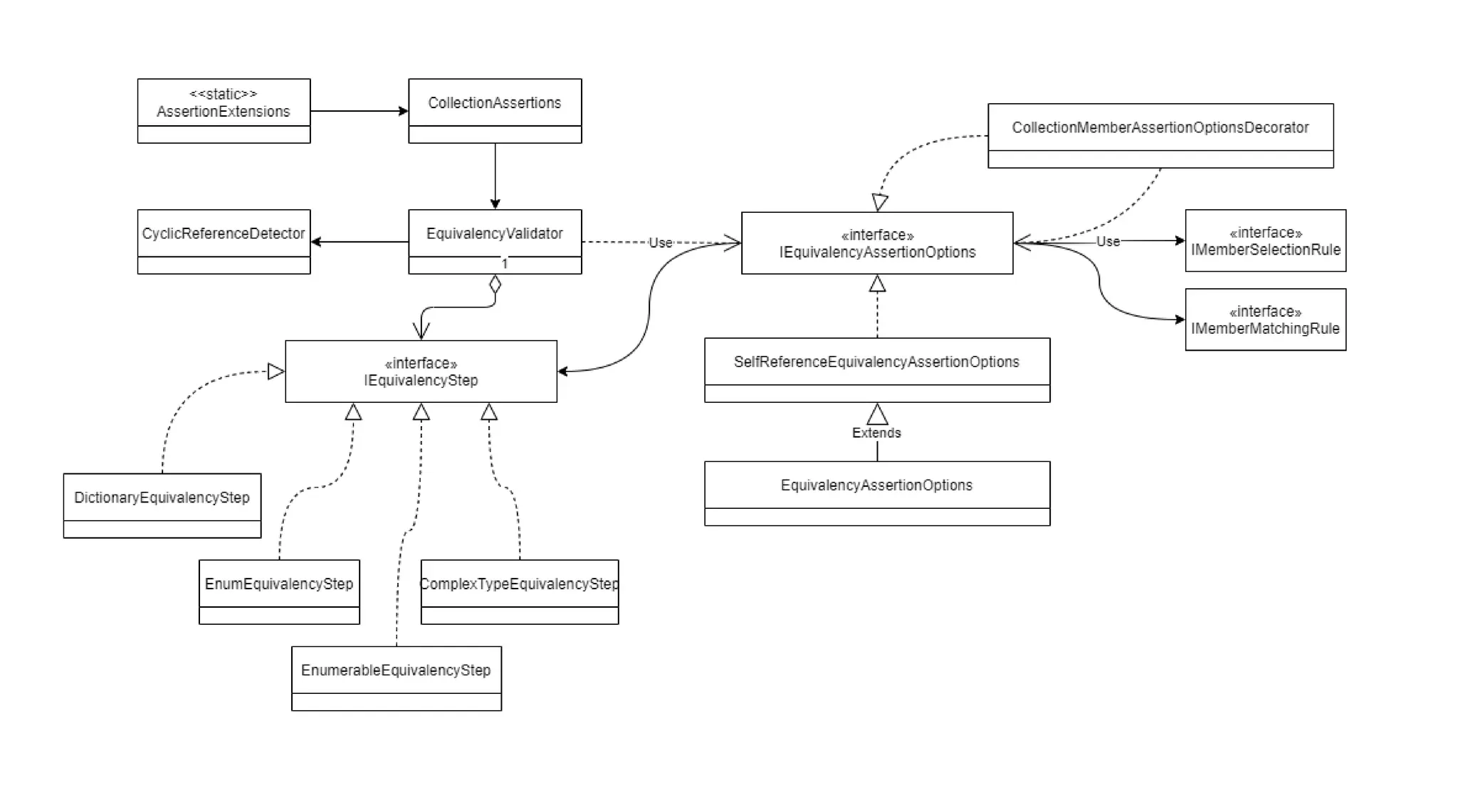
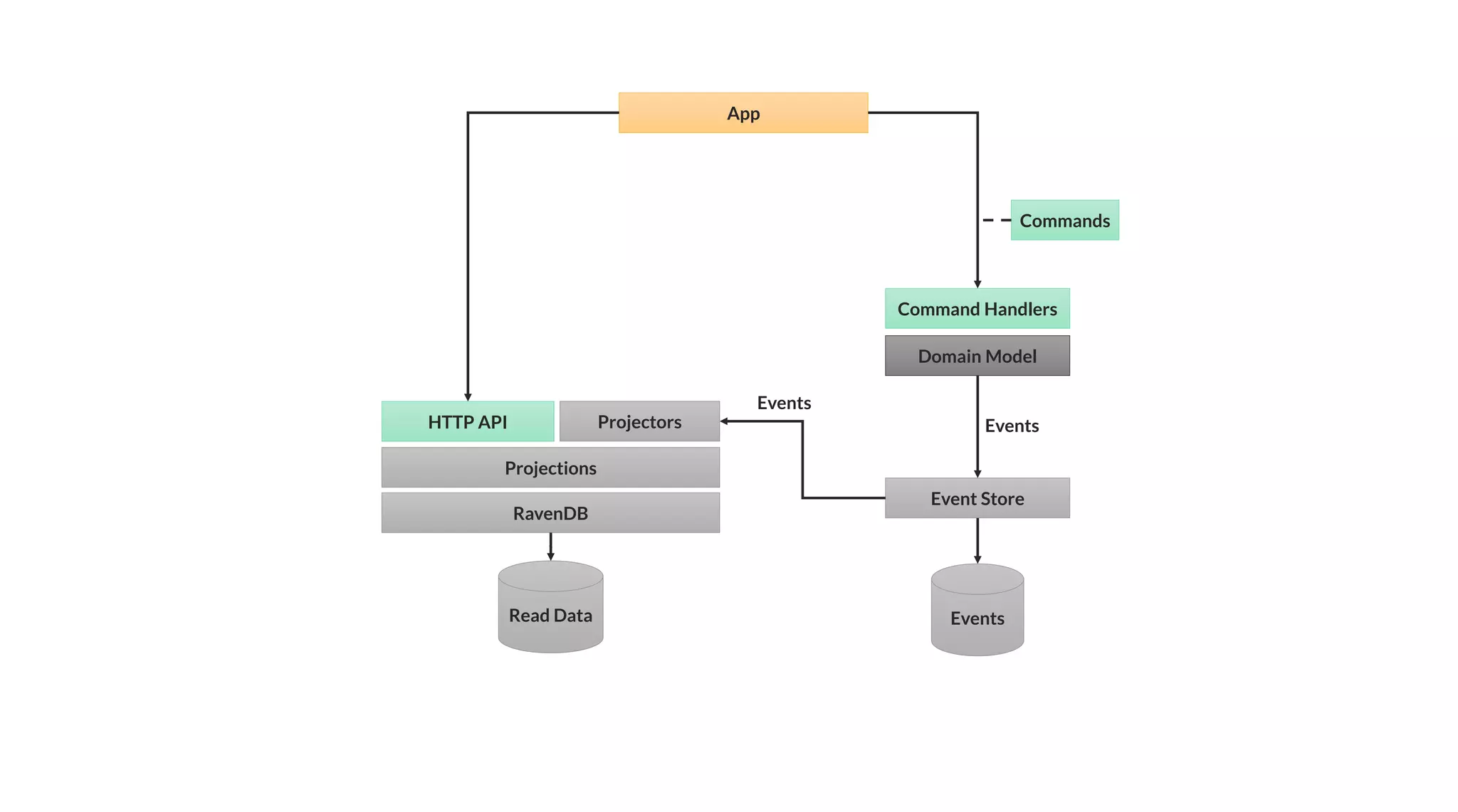

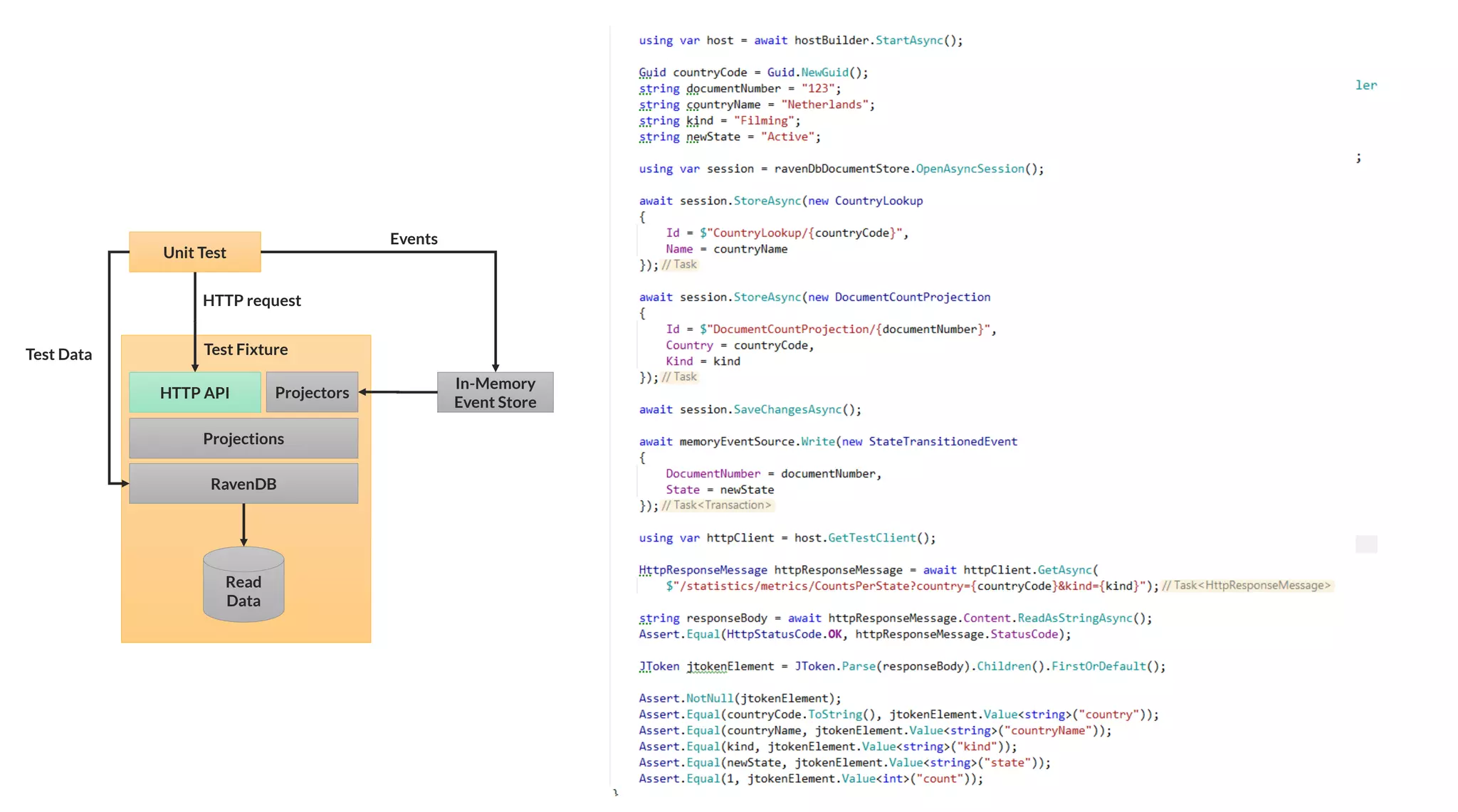
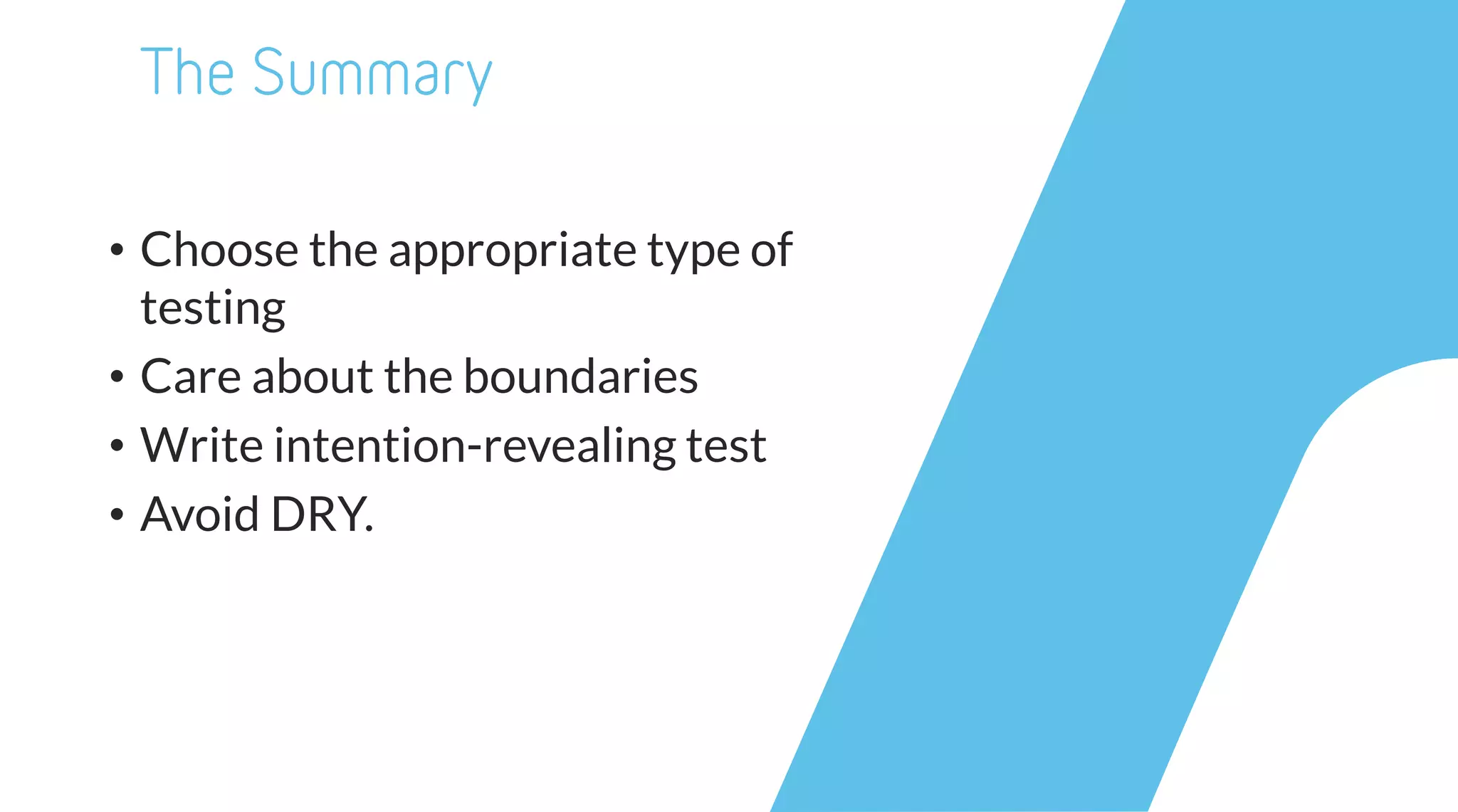

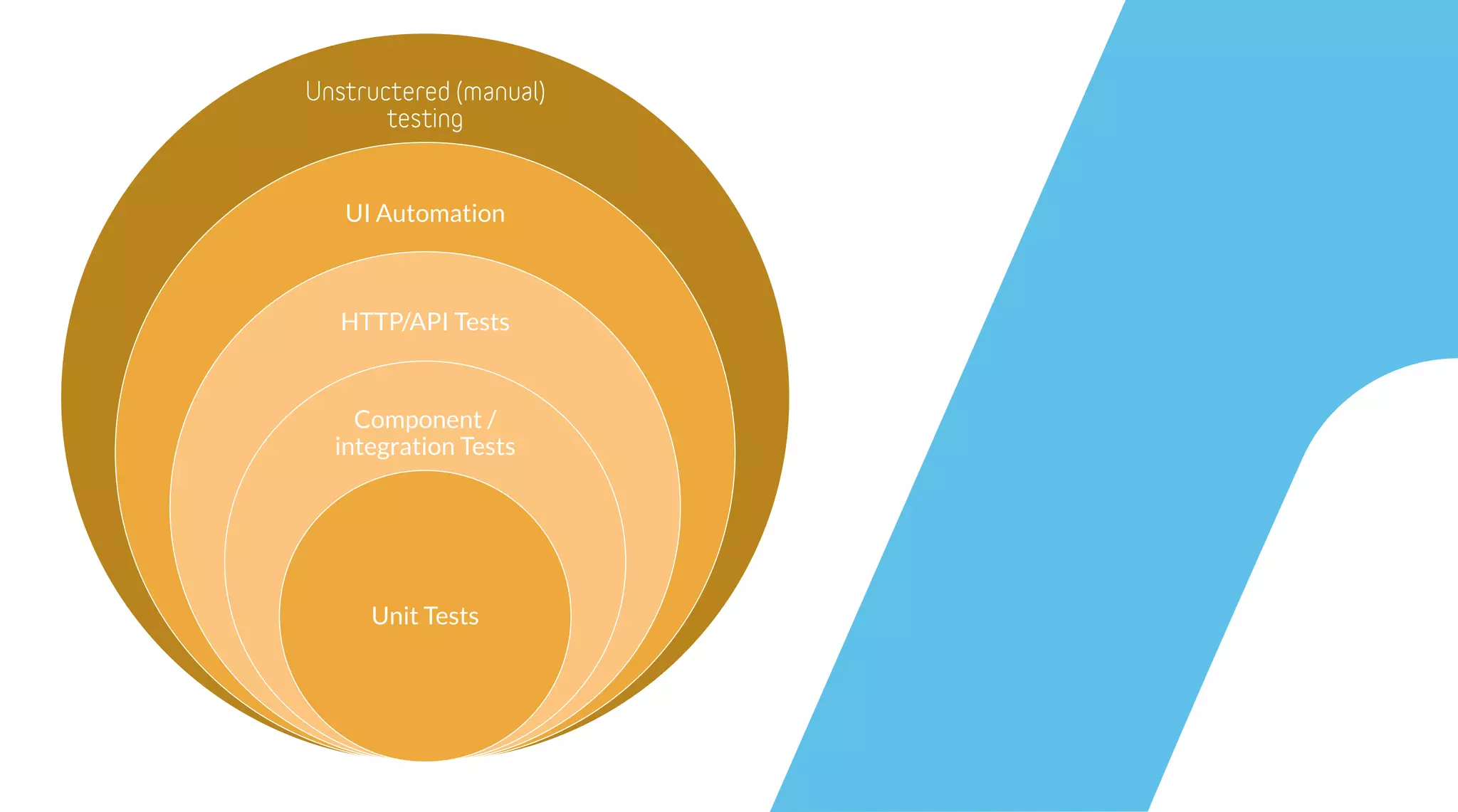
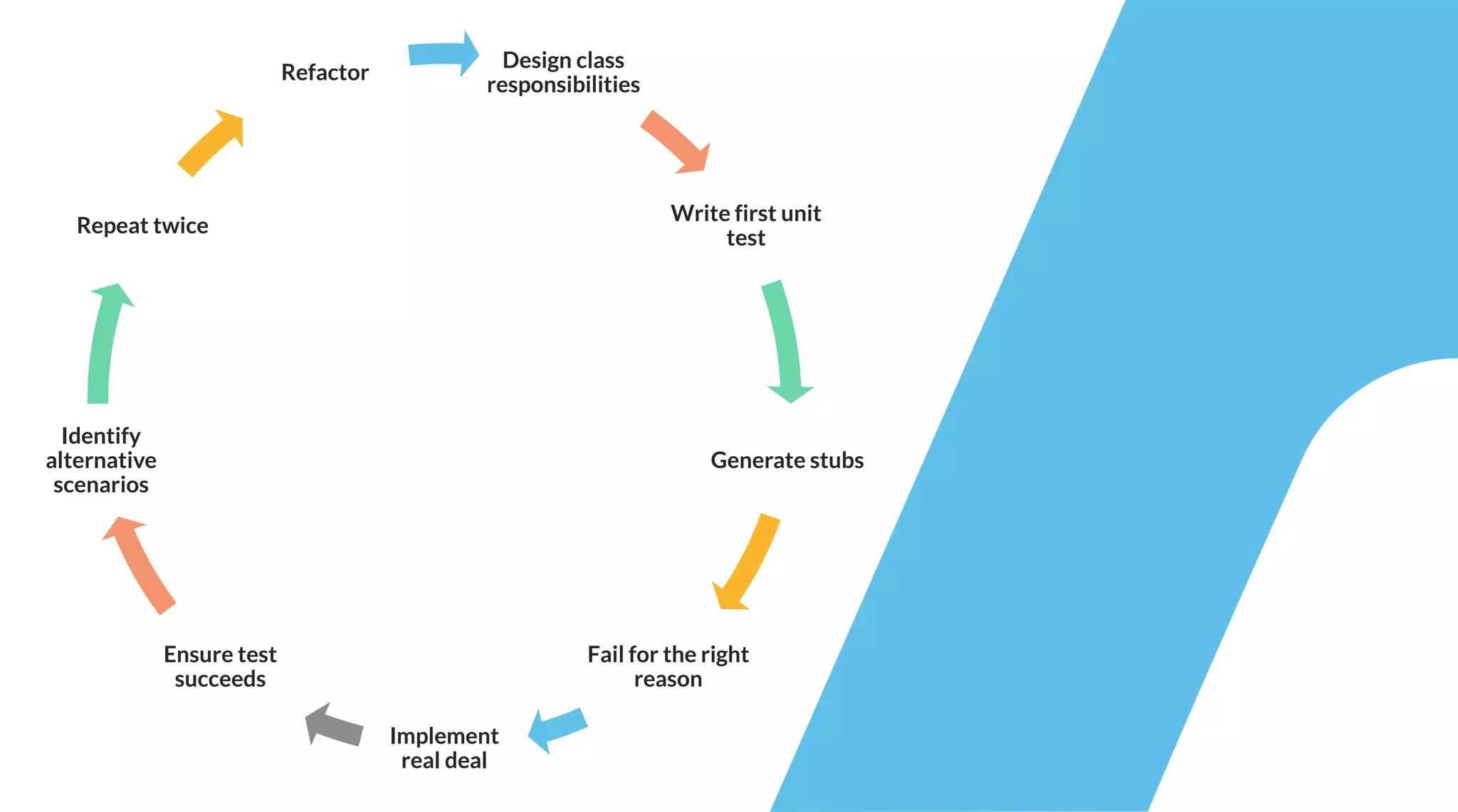
The document outlines principles and practices for efficient software testing, emphasizing speed, flexibility, and clarity in test design. It covers various types of tests, such as UI automation and unit tests, while advocating for careful attention to scope and test boundaries. The author, Dennis Doomen, encourages a focused and structured approach to ensure tests effectively reflect system behavior.


![Coded Agents – with UiPath SDK + LangGraph [Virtual Hands-on Workshop]](https://cdn.slidesharecdn.com/ss_thumbnails/codedagentsdeck-251215155422-5497c599-thumbnail.jpg?width=640&height=640&fit=bounds)


