Hollywood
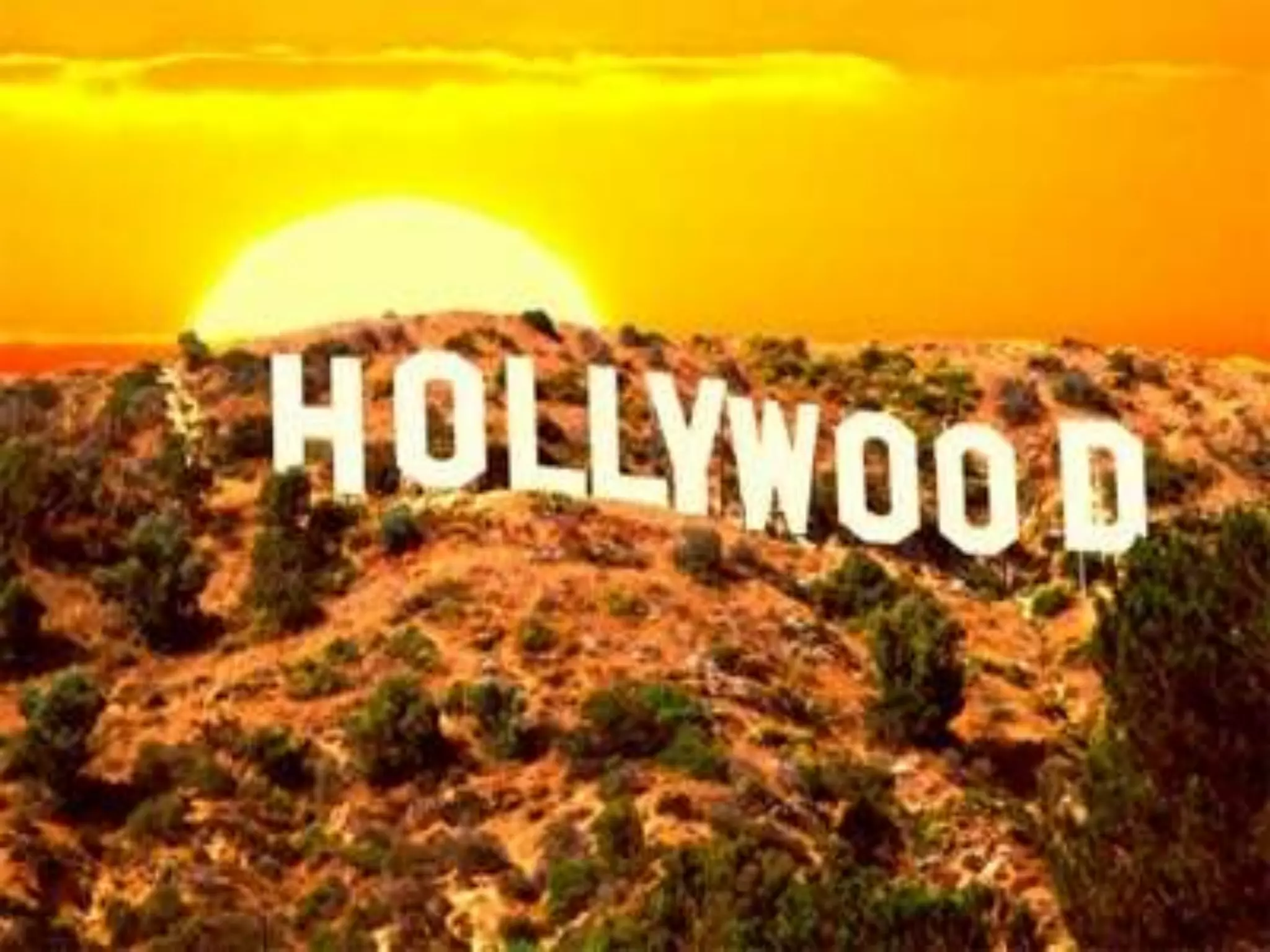
•   Due to its fame and cultural identity as the historical center of movie
    studios and movie stars, the word "Hollywood" is often used as a
    metonymy of American cinema, and is often interchangably used to
    refer to the greater Los Angeles area in general. The nickname
    Tinseltown refers to Hollywood and the movie industry.
• Many historic
  Hollywood theaters
  are used as venues
  and concert stages to
  premiere major
  theatrical releases
  and host the
  Academy Awards. It
  is a popular
  destination for
  nightlife, tourism, and
  is home to the
  Hollywood Walk of
  Fame.
History
• By 1900, the region had a post office,
  newspaper, hotel and two markets, along with a
  population of 500. A single-track streetcar line
  ran down the middle of Prospect Avenue from it,
  but service was infrequent and the trip took two
  hours. The old citrus fruit packing house would
  be converted into a livery stable, improving
  transportation for the inhabitants of Hollywood.
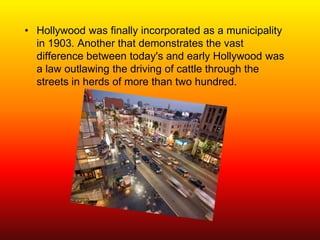
• Hollywood was finally incorporated as a municipality
  in 1903. Another that demonstrates the vast
  difference between today's and early Hollywood was
  a law outlawing the driving of cattle through the
  streets in herds of more than two hundred.
• By 1910, because of an ongoing struggle to
  secure an adequate water supply, the townsmen
  voted for Hollywood to be annexed into the City
  of Los Angeles, as the water system of the
  growing city had opened the Los Angeles
  Aqueduct and was piping water down from the
  Owens River in the Owens Valley.
• Another reason for the vote was that Hollywood
  could have access to drainage through Los
  Angeles sewer system.The name of Prospect
  Avenue was changed to Hollywood Boulevard
  and all the street numbers in the new district
  changed.
Modern Hollywood
• On1947 the first commercial television station
  west of the Mississippi River, KTLA, began
  operating in Hollywood. In December of that
  year, The Public Prosecutor became the first
  network television series to be filmed in
  Hollywood. In the 1950s, music recording
  studios and offices began moving into
  Hollywood.
• Much of the movie industry remained in
  Hollywood, although the district's outward
  appearance changed.
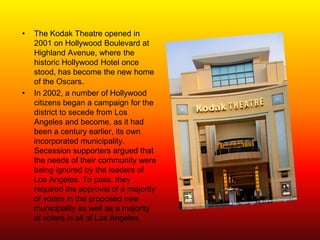
•   The Kodak Theatre opened in
    2001 on Hollywood Boulevard at
    Highland Avenue, where the
    historic Hollywood Hotel once
    stood, has become the new home
    of the Oscars.
•   In 2002, a number of Hollywood
    citizens began a campaign for the
    district to secede from Los
    Angeles and become, as it had
    been a century earlier, its own
    incorporated municipality.
    Secession supporters argued that
    the needs of their community were
    being ignored by the leaders of
    Los Angeles. To pass, they
    required the approval of a majority
    of voters in the proposed new
    municipality as well as a majority
    of voters in all of Los Angeles.
Hollywood walk of fame
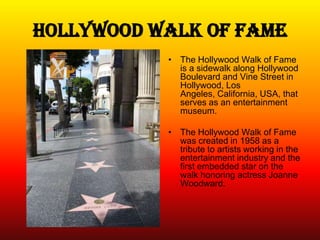
           • The Hollywood Walk of Fame
             is a sidewalk along Hollywood
             Boulevard and Vine Street in
             Hollywood, Los
             Angeles, California, USA, that
             serves as an entertainment
             museum.

           • The Hollywood Walk of Fame
             was created in 1958 as a
             tribute to artists working in the
             entertainment industry and the
             first embedded star on the
             walk honoring actress Joanne
             Woodward.
•   The Walk of Fame runs west on Hollywood Boulevard from Gower Avenue
    to La Brea Avenue and south to north on Vine Street between Yucca Street
    and Sunset Boulevard. The Walk of Fame is nearly a three-and-a-half-(3
    1/2)-mile (5.6 km) round-trip walk. Locations of specific stars are
    permanent, except when occasionally relocated for nearby construction or
    other reasons.
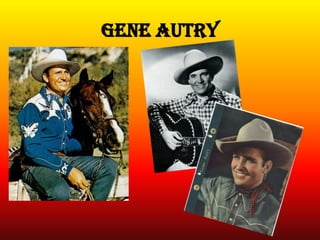
GENE AUTRY
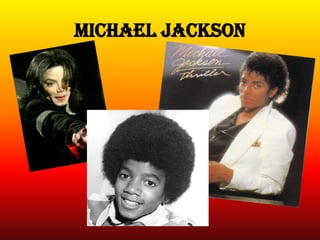
Michael Jackson
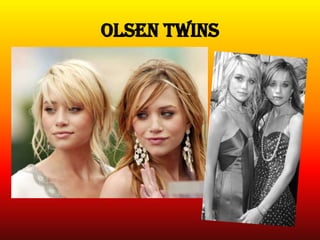
OLSEN TWINS
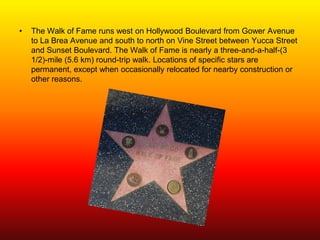
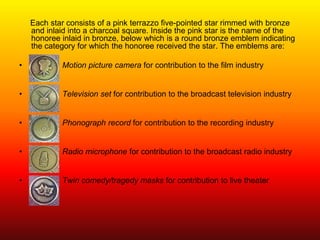
Each star consists of a pink terrazzo five-pointed star rimmed with bronze
    and inlaid into a charcoal square. Inside the pink star is the name of the
    honoree inlaid in bronze, below which is a round bronze emblem indicating
    the category for which the honoree received the star. The emblems are:

•           Motion picture camera for contribution to the film industry


•           Television set for contribution to the broadcast television industry


•           Phonograph record for contribution to the recording industry


•           Radio microphone for contribution to the broadcast radio industry


•           Twin comedy/tragedy masks for contribution to live theater

How To Make A Film Pwp

  • 2.
    Hollywood • Due to its fame and cultural identity as the historical center of movie studios and movie stars, the word "Hollywood" is often used as a metonymy of American cinema, and is often interchangably used to refer to the greater Los Angeles area in general. The nickname Tinseltown refers to Hollywood and the movie industry.
  • 3.
    • Many historic Hollywood theaters are used as venues and concert stages to premiere major theatrical releases and host the Academy Awards. It is a popular destination for nightlife, tourism, and is home to the Hollywood Walk of Fame.
  • 4.
    History • By 1900,the region had a post office, newspaper, hotel and two markets, along with a population of 500. A single-track streetcar line ran down the middle of Prospect Avenue from it, but service was infrequent and the trip took two hours. The old citrus fruit packing house would be converted into a livery stable, improving transportation for the inhabitants of Hollywood.
  • 5.
    • Hollywood wasfinally incorporated as a municipality in 1903. Another that demonstrates the vast difference between today's and early Hollywood was a law outlawing the driving of cattle through the streets in herds of more than two hundred.
  • 6.
    • By 1910,because of an ongoing struggle to secure an adequate water supply, the townsmen voted for Hollywood to be annexed into the City of Los Angeles, as the water system of the growing city had opened the Los Angeles Aqueduct and was piping water down from the Owens River in the Owens Valley. • Another reason for the vote was that Hollywood could have access to drainage through Los Angeles sewer system.The name of Prospect Avenue was changed to Hollywood Boulevard and all the street numbers in the new district changed.
  • 7.
    Modern Hollywood • On1947the first commercial television station west of the Mississippi River, KTLA, began operating in Hollywood. In December of that year, The Public Prosecutor became the first network television series to be filmed in Hollywood. In the 1950s, music recording studios and offices began moving into Hollywood. • Much of the movie industry remained in Hollywood, although the district's outward appearance changed.
  • 8.
    The Kodak Theatre opened in 2001 on Hollywood Boulevard at Highland Avenue, where the historic Hollywood Hotel once stood, has become the new home of the Oscars. • In 2002, a number of Hollywood citizens began a campaign for the district to secede from Los Angeles and become, as it had been a century earlier, its own incorporated municipality. Secession supporters argued that the needs of their community were being ignored by the leaders of Los Angeles. To pass, they required the approval of a majority of voters in the proposed new municipality as well as a majority of voters in all of Los Angeles.
  • 9.
    Hollywood walk offame • The Hollywood Walk of Fame is a sidewalk along Hollywood Boulevard and Vine Street in Hollywood, Los Angeles, California, USA, that serves as an entertainment museum. • The Hollywood Walk of Fame was created in 1958 as a tribute to artists working in the entertainment industry and the first embedded star on the walk honoring actress Joanne Woodward.
  • 10.
    The Walk of Fame runs west on Hollywood Boulevard from Gower Avenue to La Brea Avenue and south to north on Vine Street between Yucca Street and Sunset Boulevard. The Walk of Fame is nearly a three-and-a-half-(3 1/2)-mile (5.6 km) round-trip walk. Locations of specific stars are permanent, except when occasionally relocated for nearby construction or other reasons.
  • 11.
  • 12.
  • 13.
  • 14.
    Each star consistsof a pink terrazzo five-pointed star rimmed with bronze and inlaid into a charcoal square. Inside the pink star is the name of the honoree inlaid in bronze, below which is a round bronze emblem indicating the category for which the honoree received the star. The emblems are: • Motion picture camera for contribution to the film industry • Television set for contribution to the broadcast television industry • Phonograph record for contribution to the recording industry • Radio microphone for contribution to the broadcast radio industry • Twin comedy/tragedy masks for contribution to live theater