BRITISH HOLIDAYS
• Every nation and every country has its own traditions
  and customs. Traditions make a nation special. Some
  of them are very old and many people remember
  them, others are part of people’s life. Some British
  customs and traditions are known all over the world.
  From Scotland to Cornwall, Britain is full of customs
  and traditions. A lot of them have a very long history.
  Some of them are funny and some are strange. But
  they all are interesting. They all are part of the British
  way of life.
  English traditions can be classified into several
  groups: traditions concerning the Englishmen’s private
  life (child’s birth, wedding, marriage, wedding
  anniversary); which are connected with families
  incomes; state traditions; national holidays, religious
  holidays, public festivals, traditional ceremonies.
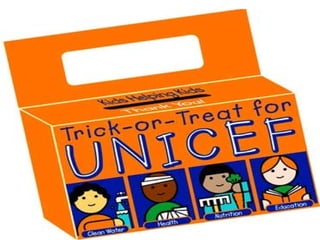
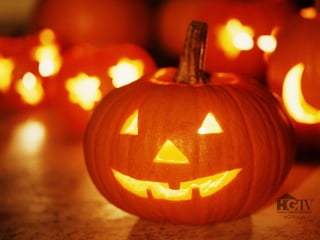
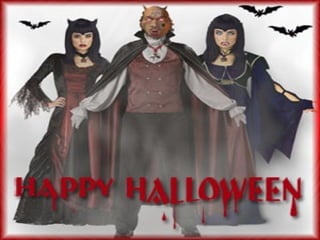
• Halloween (a shortening of All Hallows’
  Evening), also known as Hallowe'en or All
  Hallows' Eve, is a yearly holiday
  observed around the world on October 31, the
  night before All Saints' Day . Typical festive
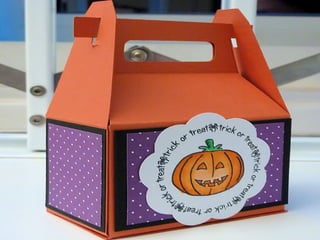
  Halloween activities include trick-or-treating,
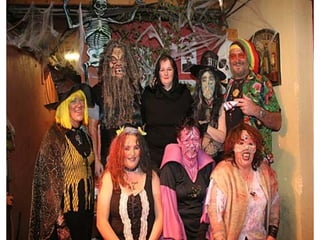
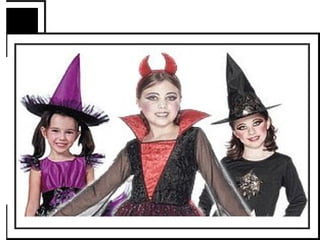
  attending costume parties, carving
  jack-o'-lanterns, lighting bonfires, visiting
  haunted attractions, playing pranks, telling
  scary stories, watching horror films, as well as
  the religious observances of praying, fasting
   and attending church services.
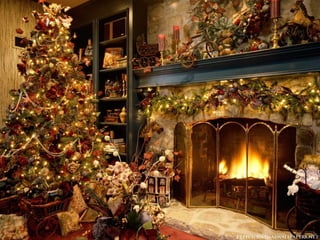
Christmas
Christmas or Christmas Day is an annual
 commemoration of the birth of Jesus Christ
 , celebrated generally on December 25 as a
 religious and cultural holiday by billions of
 peoplearound the world. The original date of
 the celebration in Eastern Christianity was
 January 6, and that is still the date of the
 celebration for theArmenian Apostolic Church
  and in Armenia, where it is a public holiday.
Christmas (Surb Tsnund)
Armenians celebrate this day as a major Christian
  religious holiday, together with the Epiphany (baptism)
  and attend church services in their neighborhoods.
  Part of the ritual is the “Blessing of Water, when water
  is blessed with the holy chrism symbolic of Christ’s
  baptism.

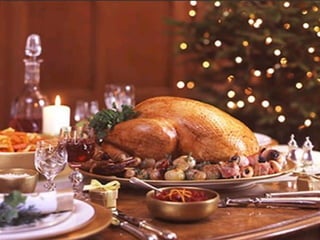
  The most beautiful and meaningful parts of the holiday
  occur at home and in church. Many families go to
  church on Christmas Eve and Christmas morning.
  Then they sit down to enjoy a traditional Christmas
  dinner. According to tradition, the main dish is fish and
  rice prepared with butter. Wine is served with dinner.
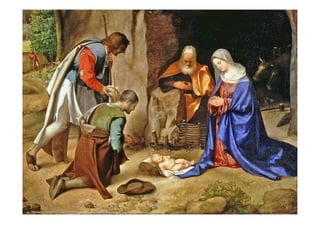
• Jesus was born to Mary, assisted by her
  husband Joseph, in the city of Bethlehem.
• According to popular tradition, the birth
  took place in a stable, surrounded by farm
  animals. Mary wrapped him in clothes and
  placed him in a manger, because there
  was no guest room available for them" .
• Shepherds from the fields surrounding
  Bethlehem were told of the birth by an
  angel, and were the first to see the child.
• New Year's Day is observed on January 1, the first
  day of the year on the modern Gregorian calendar as
  well as the Julian calendar used in ancient Rome.
  With most countries using the Gregorian calendar as
  their main calendar, New Year's Day is the closest
  thing to being the world's only truly global public
  holiday, often celebrated with fireworks at the stroke
  of midnightas the new year starts. All over the
  world, people welcome the new year for it is one of
  the oldest of all holidays. Most New Year
  celebrations focus on family and friends. It is a time
  to reflect on the past and envision a future, perhaps,
  in a world where people live together in harmony.
• For ages, New Year in Armenia is celebrated
  on the 21st of March. New Year in Armenia
  also marks the beginning of spring and the
  birthday of the mythical God Vahangn.
  Armenian New Year is characterized by huge
  feasts, merriment and also to celebrate the
  sweet season of spring.
  However, during the 18th Century in Armenia,
  January 1st was accepted as the beginning of
  the New Year. But many regions in Armenia
  like Suni, Artzah and Udik, continues to
  celebrate New Year on Navasardi .
  Gradually at the end of the 20th century all
  Armenians adopted the January 1 st as the
  official first day of the New Year.
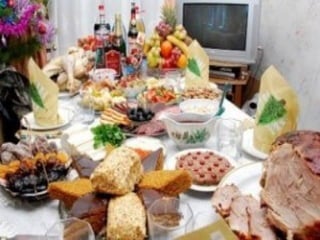
• One of the most important Armenian New Year table
  "accessories" is the pork leg (Khozi bud, Խոզի բուդ), but
  some families also use turkey, little pig or some fish.
• Other traditional things for the table are meat snacks
  (ershik, basturma, sujukh etc), various salads
  -"olivier", chicken breast with nuts or mushrooms and
  other), …

  On the table you can find pastry (mostly eastern ones
  - with sweet honey syrup and nuts, since they can stay
  eatable longer because there's no milk cream), fruits
  various nuts (pistachio, hazelnuts, almonds, walnuts,
  etc...), and the sweet sudjukh - walnuts, threaded and
  soaked in thick syrup of grape or mulberry juice. Dried
  sweet snacks from all kinds of fruits (sometimes also
  vegetables) is also a must-have for the table.
• Valentine's Day is celebrated in the memory of
  Saint Valentine, the Christian martyr who gave
  his life in the honor of love. King Claudius
  decapitated Saint Valentine in 269 A.D. for
  performing illegal marriages of Roman soldiers.
  Almost two centuries later, in 496 A.D., Pope
  Gelasius resolved to honor this sacrifice by
  observing February 14 as a feast day, without
  little thought or idea on the kind of
  consequence it would have on the entire world
  1,500 years later. Today, Saint Valentine has
  come to be regarded as the patron of love, and
  Valentine's Day.
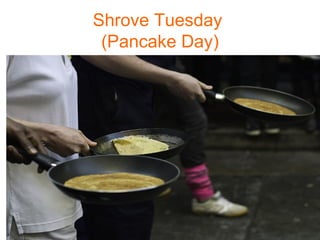
Shrove Tuesday
 (Pancake Day)
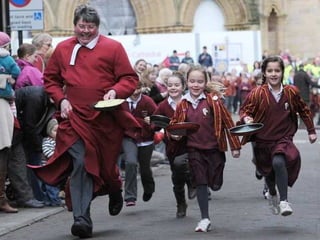
• Some town also hold pancake races on that
  day. The tradition is said to have originated
  when a housewife fromOlney was so busy
  making pancakes that she forgot the time until
  she heard the church bells ringing for the
  service. She raced out of the house to church
  while still carrying her frying pan and pancake.
  The pancake race remains a relatively common
  festive tradition in the UK, and England in
  particular, even today. Participants with frying
  pans race through the streets tossing pancakes
  into the air, catching them in the pan while
  running.
LENT
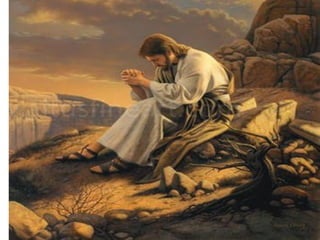
• Lent is traditionally described as lasting for forty
  days, in commemoration of the forty days which
  Jesus spent fasting in the desert before the
  beginning of his public ministry, where he endured
  temptation by The traditional purpose of Lent is the
  penitential preparation of the believer—through
  prayer and self-denial.
• During Lent, many of the faithful commit to fasting
   or giving up certain types of luxuries as a form of
  penitence. /ապաշխարանք /.Many Roman Catholic and
  some Protestant churches bare their altars of
  candles, flowers, and other devotional offerings.
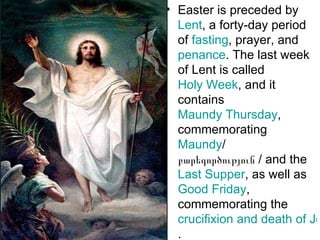
• Easter is preceded by
  Lent, a forty-day period
  of fasting, prayer, and
  penance. The last week
  of Lent is called
  Holy Week, and it
  contains
  Maundy Thursday,
  commemorating
  Maundy/
  բարեգործություն / and the
  Last Supper, as well as
  Good Friday,
  commemorating the
  crucifixion and death of Je
  .
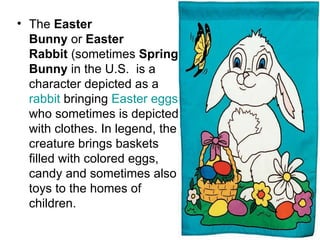
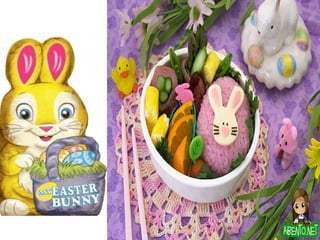
• The Easter
  Bunny or Easter
  Rabbit (sometimes Spring
  Bunny in the U.S. is a
  character depicted as a
  rabbit bringing Easter eggs,
  who sometimes is depicted
  with clothes. In legend, the
  creature brings baskets
  filled with colored eggs,
  candy and sometimes also
  toys to the homes of
  children.
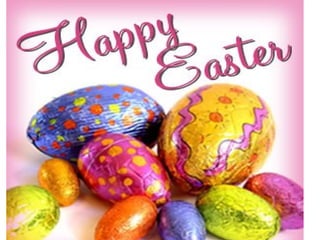
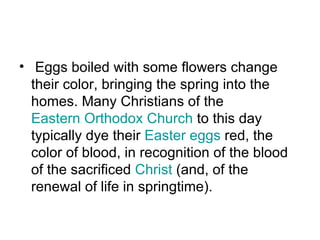
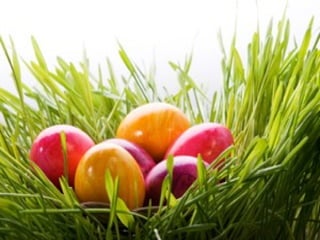
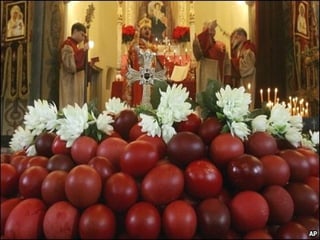
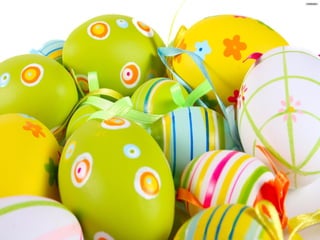
• Eggs boiled with some flowers change
  their color, bringing the spring into the
  homes. Many Christians of the
  Eastern Orthodox Church to this day
  typically dye their Easter eggs red, the
  color of blood, in recognition of the blood
  of the sacrificed Christ (and, of the
  renewal of life in springtime).
• Easter (Zatik) is the favourite and the most anticipated
  holiday in the Christian world. Everybody greets each
  other on this day: “Christ has raisen"-“Blessed is the
  resurrection of Christ". During the Lenten fasting
  season of 40 days before Easter, Armenian families
  put lentils or other sprouting grains on a tray covered
  with a thin layer of cotton, and keep it in a light place
  of the house until Easter when sprouts appear. These
  green sprouts, symbolizing spring and awakening of
  nature, are the “grass" on which people place colored
  eggs to decorate the Easter table. “When Christ was
  crucified, his mother took some eggs and bread
  wrapped in the shawl. When the Mother saw her Son
  crucified and his arms bleeding, she cried. The
  Mother’s tears and Son’s blood dropping on the shawl
  colored the eggs and bread. Then the Mother put the
  shawl on her head. Since that day people began
  coloring eggs red on Easter day and women began
  wearing shawls when visiting church.
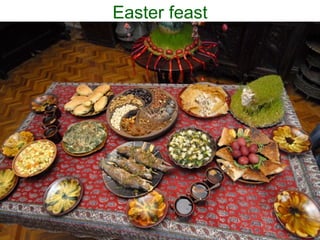
Easter feast
In Armenia the meals associated with Easter are fish,
rice, verdures. Fish is usually whether fried or boiled.
Rice is usually made with raisins and dried fruits and
is served with fried lavish .Fried verdures are the
necessary components of traditional table.They are
called “Panjar” or “Jingyal”. They are served whether
fried with eggs or in pastry, which is more common in
Kharabakh and is called “Jingyalov huts”. It’s very
tasty!!Eggs are eaten rolled in lavash with lots of
verdures mainly tarragon, which is also an Armenian
verdure with mild menthol taste. Red wine is the main
beverage on Easter table.
APRIL FOOL’S DAY
April Fools' Day is celebrated in different
 countries on April 1 every year.
 Sometimes referred to as All Fools' Day,
 April 1 is not a national holiday, but is
 widely recognized and celebrated as a
 day when people play practical jokes on
 each other.
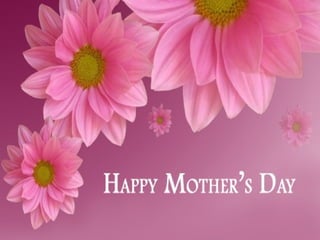
MOTHER’S Day
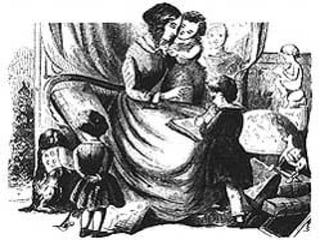
• Mother's Day is a celebration honouring
  mothers and celebrating motherhood,
  maternal bonds and the influence of
  mothers in society. It is celebrated on
  various days in many parts of the world,
  yet most commonly in March, April, or
  May.In the Great Britain it is celebrated on
  the Fourth Sunday in Lent .This year it
  was on the March 18.
• In the US, Mother's Day is not connected with
  any older celebrations of Motherhood.
  However, in some other countries and cultures,
  other celebrations of Motherhood have become
  known as Mother's Day (for example, in the UK
   flowers and gifts were traditionally brought to
  mothers onMothering Sunday, and this date is
  now called Mother's Day in the UK) or the date
  of Mother's.
Holidays and customs

Holidays and customs

  • 1.
  • 2.
    • Every nationand every country has its own traditions and customs. Traditions make a nation special. Some of them are very old and many people remember them, others are part of people’s life. Some British customs and traditions are known all over the world. From Scotland to Cornwall, Britain is full of customs and traditions. A lot of them have a very long history. Some of them are funny and some are strange. But they all are interesting. They all are part of the British way of life. English traditions can be classified into several groups: traditions concerning the Englishmen’s private life (child’s birth, wedding, marriage, wedding anniversary); which are connected with families incomes; state traditions; national holidays, religious holidays, public festivals, traditional ceremonies.
  • 4.
    • Halloween (ashortening of All Hallows’ Evening), also known as Hallowe'en or All Hallows' Eve, is a yearly holiday observed around the world on October 31, the night before All Saints' Day . Typical festive Halloween activities include trick-or-treating, attending costume parties, carving jack-o'-lanterns, lighting bonfires, visiting haunted attractions, playing pranks, telling scary stories, watching horror films, as well as the religious observances of praying, fasting and attending church services.
  • 12.
    Christmas Christmas or ChristmasDay is an annual commemoration of the birth of Jesus Christ , celebrated generally on December 25 as a religious and cultural holiday by billions of peoplearound the world. The original date of the celebration in Eastern Christianity was January 6, and that is still the date of the celebration for theArmenian Apostolic Church and in Armenia, where it is a public holiday.
  • 13.
    Christmas (Surb Tsnund) Armenianscelebrate this day as a major Christian religious holiday, together with the Epiphany (baptism) and attend church services in their neighborhoods. Part of the ritual is the “Blessing of Water, when water is blessed with the holy chrism symbolic of Christ’s baptism. The most beautiful and meaningful parts of the holiday occur at home and in church. Many families go to church on Christmas Eve and Christmas morning. Then they sit down to enjoy a traditional Christmas dinner. According to tradition, the main dish is fish and rice prepared with butter. Wine is served with dinner.
  • 15.
    • Jesus wasborn to Mary, assisted by her husband Joseph, in the city of Bethlehem. • According to popular tradition, the birth took place in a stable, surrounded by farm animals. Mary wrapped him in clothes and placed him in a manger, because there was no guest room available for them" . • Shepherds from the fields surrounding Bethlehem were told of the birth by an angel, and were the first to see the child.
  • 22.
    • New Year'sDay is observed on January 1, the first day of the year on the modern Gregorian calendar as well as the Julian calendar used in ancient Rome. With most countries using the Gregorian calendar as their main calendar, New Year's Day is the closest thing to being the world's only truly global public holiday, often celebrated with fireworks at the stroke of midnightas the new year starts. All over the world, people welcome the new year for it is one of the oldest of all holidays. Most New Year celebrations focus on family and friends. It is a time to reflect on the past and envision a future, perhaps, in a world where people live together in harmony.
  • 23.
    • For ages,New Year in Armenia is celebrated on the 21st of March. New Year in Armenia also marks the beginning of spring and the birthday of the mythical God Vahangn. Armenian New Year is characterized by huge feasts, merriment and also to celebrate the sweet season of spring. However, during the 18th Century in Armenia, January 1st was accepted as the beginning of the New Year. But many regions in Armenia like Suni, Artzah and Udik, continues to celebrate New Year on Navasardi . Gradually at the end of the 20th century all Armenians adopted the January 1 st as the official first day of the New Year.
  • 25.
    • One ofthe most important Armenian New Year table "accessories" is the pork leg (Khozi bud, Խոզի բուդ), but some families also use turkey, little pig or some fish. • Other traditional things for the table are meat snacks (ershik, basturma, sujukh etc), various salads -"olivier", chicken breast with nuts or mushrooms and other), … On the table you can find pastry (mostly eastern ones - with sweet honey syrup and nuts, since they can stay eatable longer because there's no milk cream), fruits various nuts (pistachio, hazelnuts, almonds, walnuts, etc...), and the sweet sudjukh - walnuts, threaded and soaked in thick syrup of grape or mulberry juice. Dried sweet snacks from all kinds of fruits (sometimes also vegetables) is also a must-have for the table.
  • 27.
    • Valentine's Dayis celebrated in the memory of Saint Valentine, the Christian martyr who gave his life in the honor of love. King Claudius decapitated Saint Valentine in 269 A.D. for performing illegal marriages of Roman soldiers. Almost two centuries later, in 496 A.D., Pope Gelasius resolved to honor this sacrifice by observing February 14 as a feast day, without little thought or idea on the kind of consequence it would have on the entire world 1,500 years later. Today, Saint Valentine has come to be regarded as the patron of love, and Valentine's Day.
  • 28.
  • 29.
    • Some townalso hold pancake races on that day. The tradition is said to have originated when a housewife fromOlney was so busy making pancakes that she forgot the time until she heard the church bells ringing for the service. She raced out of the house to church while still carrying her frying pan and pancake. The pancake race remains a relatively common festive tradition in the UK, and England in particular, even today. Participants with frying pans race through the streets tossing pancakes into the air, catching them in the pan while running.
  • 31.
    LENT • Lent istraditionally described as lasting for forty days, in commemoration of the forty days which Jesus spent fasting in the desert before the beginning of his public ministry, where he endured temptation by The traditional purpose of Lent is the penitential preparation of the believer—through prayer and self-denial. • During Lent, many of the faithful commit to fasting or giving up certain types of luxuries as a form of penitence. /ապաշխարանք /.Many Roman Catholic and some Protestant churches bare their altars of candles, flowers, and other devotional offerings.
  • 34.
    • Easter ispreceded by Lent, a forty-day period of fasting, prayer, and penance. The last week of Lent is called Holy Week, and it contains Maundy Thursday, commemorating Maundy/ բարեգործություն / and the Last Supper, as well as Good Friday, commemorating the crucifixion and death of Je .
  • 41.
    • The Easter Bunny or Easter Rabbit (sometimes Spring Bunny in the U.S. is a character depicted as a rabbit bringing Easter eggs, who sometimes is depicted with clothes. In legend, the creature brings baskets filled with colored eggs, candy and sometimes also toys to the homes of children.
  • 42.
    • Eggs boiledwith some flowers change their color, bringing the spring into the homes. Many Christians of the Eastern Orthodox Church to this day typically dye their Easter eggs red, the color of blood, in recognition of the blood of the sacrificed Christ (and, of the renewal of life in springtime).
  • 45.
    • Easter (Zatik)is the favourite and the most anticipated holiday in the Christian world. Everybody greets each other on this day: “Christ has raisen"-“Blessed is the resurrection of Christ". During the Lenten fasting season of 40 days before Easter, Armenian families put lentils or other sprouting grains on a tray covered with a thin layer of cotton, and keep it in a light place of the house until Easter when sprouts appear. These green sprouts, symbolizing spring and awakening of nature, are the “grass" on which people place colored eggs to decorate the Easter table. “When Christ was crucified, his mother took some eggs and bread wrapped in the shawl. When the Mother saw her Son crucified and his arms bleeding, she cried. The Mother’s tears and Son’s blood dropping on the shawl colored the eggs and bread. Then the Mother put the shawl on her head. Since that day people began coloring eggs red on Easter day and women began wearing shawls when visiting church.
  • 47.
  • 48.
    In Armenia themeals associated with Easter are fish, rice, verdures. Fish is usually whether fried or boiled. Rice is usually made with raisins and dried fruits and is served with fried lavish .Fried verdures are the necessary components of traditional table.They are called “Panjar” or “Jingyal”. They are served whether fried with eggs or in pastry, which is more common in Kharabakh and is called “Jingyalov huts”. It’s very tasty!!Eggs are eaten rolled in lavash with lots of verdures mainly tarragon, which is also an Armenian verdure with mild menthol taste. Red wine is the main beverage on Easter table.
  • 49.
    APRIL FOOL’S DAY AprilFools' Day is celebrated in different countries on April 1 every year. Sometimes referred to as All Fools' Day, April 1 is not a national holiday, but is widely recognized and celebrated as a day when people play practical jokes on each other.
  • 51.
    MOTHER’S Day • Mother'sDay is a celebration honouring mothers and celebrating motherhood, maternal bonds and the influence of mothers in society. It is celebrated on various days in many parts of the world, yet most commonly in March, April, or May.In the Great Britain it is celebrated on the Fourth Sunday in Lent .This year it was on the March 18.
  • 53.
    • In theUS, Mother's Day is not connected with any older celebrations of Motherhood. However, in some other countries and cultures, other celebrations of Motherhood have become known as Mother's Day (for example, in the UK flowers and gifts were traditionally brought to mothers onMothering Sunday, and this date is now called Mother's Day in the UK) or the date of Mother's.