


Managing Your 
Relationship With Your 
Cellphone
Learning Targets 
1. I will examine how I use my cell phone. 
2. I will identify skills to help others and myself 
manage cell phone use. 
3. I will learn about nomophobia. 
4. I will consider the impact of my cell phone 
use on myself and others. 
5. I will evaluate the impact of cell phones on 
my academics.
Raise your hand if you . . . . 
1. . . have a cell phone? 
2. . . have a smartphone? 
3. . . use your phone to send text messages or check email. 
4. . . use your phone to check Twitter? 
5. . . use your phone to check Facebook? 
6. . . use your phone to check Snapchat? 
7. . . use your phone as an alarm clock? 
8. . . check your phone for messages while you are sleeping
How often do you do the following? 
1. Use my phone to make a phone call. 
2. Check my phone for messages? 
3. Send or receive a text message? 
4. Send or receive an email? 
5. Go to a social networking site? 
Several times an hour 
Once an hour 
Several times a day 
Once a day 
Several times a week
Let’s talk! 
1. The video is named, “I forgot my phone.” 
a. Is this an appropriate title? Explain. 
1. Artists often use hyperbole - or exaggeration - to 
make their point. 
a. What point or message is the director making? 
1. Some students said it is NOT exaggerated but 
realistically shows how people use cell phones. 
a. What do you think?
Let’s talk! 
1. Pick ONE memorable scene from the video. 
a. As a group decide how the main character 
SHOULD have called her friends out on 
their behavior. 
b. What techniques do you and your friends 
use to prevent these types of situations? 
Identify ONE way and be prepared to share 
with the group.
Let’s talk! 
1. The director - who is also the main 
character - seems to be arguing that our 
use of cellphone are making us LESS 
connected with people around us. 
a. What do you think? Do our cellphones 
make us MORE connected or LESS 
connected?
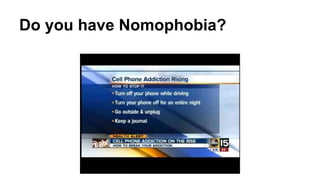
Do you have Nomophobia?
Do you have Nomophobia? 
1. Have you ever gone somewhere and needed to go back 
home because you realized you forgot your cell phone? 
2. Can you touch your phone just by reaching out your 
hand right now? 
3. Do you leave your phone turned on at night? (Putting it 
on silent doesn’t count…) 
4. Is your smartphone the first thing you check after 
waking up in the morning?
Do you have Nomophobia? 
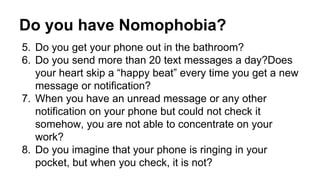
5. Do you get your phone out in the bathroom? 
6. Do you send more than 20 text messages a day?Does 
your heart skip a “happy beat” every time you get a new 
message or notification? 
7. When you have an unread message or any other 
notification on your phone but could not check it 
somehow, you are not able to concentrate on your 
work? 
8. Do you imagine that your phone is ringing in your 
pocket, but when you check, it is not?
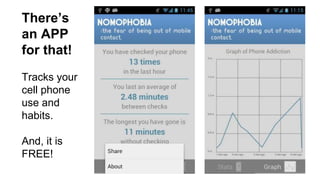
There’s 
an APP 
for that! 
Tracks your 
cell phone 
use and 
habits. 
And, it is 
FREE!
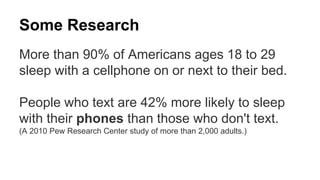
Some Research 
More than 90% of Americans ages 18 to 29 
sleep with a cellphone on or next to their bed. 
People who text are 42% more likely to sleep 
with their phones than those who don't text. 
(A 2010 Pew Research Center study of more than 2,000 adults.)
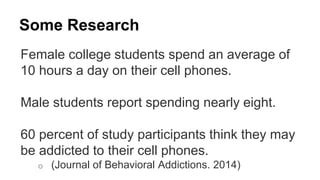
Some Research 
Female college students spend an average of 
10 hours a day on their cell phones. 
Male students report spending nearly eight. 
60 percent of study participants think they may 
be addicted to their cell phones. 
o (Journal of Behavioral Addictions. 2014)
Some Research 
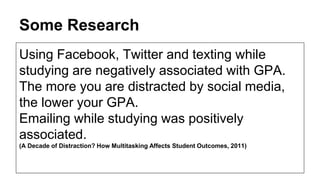
Using Facebook, Twitter and texting while 
studying are negatively associated with GPA. 
The more you are distracted by social media, 
the lower your GPA. 
Emailing while studying was positively 
associated. 
(A Decade of Distraction? How Multitasking Affects Student Outcomes, 2011)
Look Up or Can We 
Autocorrect Humanity? 
CHALLENGE STUDENT CHOICE
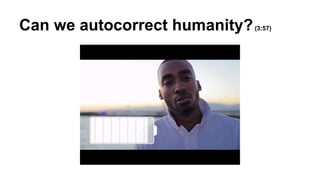
Can we autocorrect humanity?(3:57)
Look Up (4:57 min)
Conclusions 
1. What is your relationship with technology and your cell 
phone? Is it healthy or unhealthy? 
2. What do we think about how we use cell phones? 
3. Do cell phones help our relationships or hurt them? 
4. If cell phones maybe hurting our relationships with 
people, how are cell phones hurting our relationship 
with learning? 
5. How do cell phones impact our effectiveness as 
students?
Be here and now.(1:00 min)

Managing Your Relationship With Your Cellphone: A Primer for High School Students.

  • 1.
    Managing Your RelationshipWith Your Cellphone
  • 2.
    Learning Targets 1.I will examine how I use my cell phone. 2. I will identify skills to help others and myself manage cell phone use. 3. I will learn about nomophobia. 4. I will consider the impact of my cell phone use on myself and others. 5. I will evaluate the impact of cell phones on my academics.
  • 3.
    Raise your handif you . . . . 1. . . have a cell phone? 2. . . have a smartphone? 3. . . use your phone to send text messages or check email. 4. . . use your phone to check Twitter? 5. . . use your phone to check Facebook? 6. . . use your phone to check Snapchat? 7. . . use your phone as an alarm clock? 8. . . check your phone for messages while you are sleeping
  • 4.
    How often doyou do the following? 1. Use my phone to make a phone call. 2. Check my phone for messages? 3. Send or receive a text message? 4. Send or receive an email? 5. Go to a social networking site? Several times an hour Once an hour Several times a day Once a day Several times a week
  • 6.
    Let’s talk! 1.The video is named, “I forgot my phone.” a. Is this an appropriate title? Explain. 1. Artists often use hyperbole - or exaggeration - to make their point. a. What point or message is the director making? 1. Some students said it is NOT exaggerated but realistically shows how people use cell phones. a. What do you think?
  • 7.
    Let’s talk! 1.Pick ONE memorable scene from the video. a. As a group decide how the main character SHOULD have called her friends out on their behavior. b. What techniques do you and your friends use to prevent these types of situations? Identify ONE way and be prepared to share with the group.
  • 8.
    Let’s talk! 1.The director - who is also the main character - seems to be arguing that our use of cellphone are making us LESS connected with people around us. a. What do you think? Do our cellphones make us MORE connected or LESS connected?
  • 9.
    Do you haveNomophobia?
  • 10.
    Do you haveNomophobia? 1. Have you ever gone somewhere and needed to go back home because you realized you forgot your cell phone? 2. Can you touch your phone just by reaching out your hand right now? 3. Do you leave your phone turned on at night? (Putting it on silent doesn’t count…) 4. Is your smartphone the first thing you check after waking up in the morning?
  • 11.
    Do you haveNomophobia? 5. Do you get your phone out in the bathroom? 6. Do you send more than 20 text messages a day?Does your heart skip a “happy beat” every time you get a new message or notification? 7. When you have an unread message or any other notification on your phone but could not check it somehow, you are not able to concentrate on your work? 8. Do you imagine that your phone is ringing in your pocket, but when you check, it is not?
  • 12.
    There’s an APP for that! Tracks your cell phone use and habits. And, it is FREE!
  • 13.
    Some Research Morethan 90% of Americans ages 18 to 29 sleep with a cellphone on or next to their bed. People who text are 42% more likely to sleep with their phones than those who don't text. (A 2010 Pew Research Center study of more than 2,000 adults.)
  • 14.
    Some Research Femalecollege students spend an average of 10 hours a day on their cell phones. Male students report spending nearly eight. 60 percent of study participants think they may be addicted to their cell phones. o (Journal of Behavioral Addictions. 2014)
  • 15.
    Some Research UsingFacebook, Twitter and texting while studying are negatively associated with GPA. The more you are distracted by social media, the lower your GPA. Emailing while studying was positively associated. (A Decade of Distraction? How Multitasking Affects Student Outcomes, 2011)
  • 16.
    Look Up orCan We Autocorrect Humanity? CHALLENGE STUDENT CHOICE
  • 17.
    Can we autocorrecthumanity?(3:57)
  • 18.
  • 19.
    Conclusions 1. Whatis your relationship with technology and your cell phone? Is it healthy or unhealthy? 2. What do we think about how we use cell phones? 3. Do cell phones help our relationships or hurt them? 4. If cell phones maybe hurting our relationships with people, how are cell phones hurting our relationship with learning? 5. How do cell phones impact our effectiveness as students?
  • 20.
    Be here andnow.(1:00 min)