stepping
catching
hopping
swaying
throwing
twisting
sliding
skipping
rotating
leaping
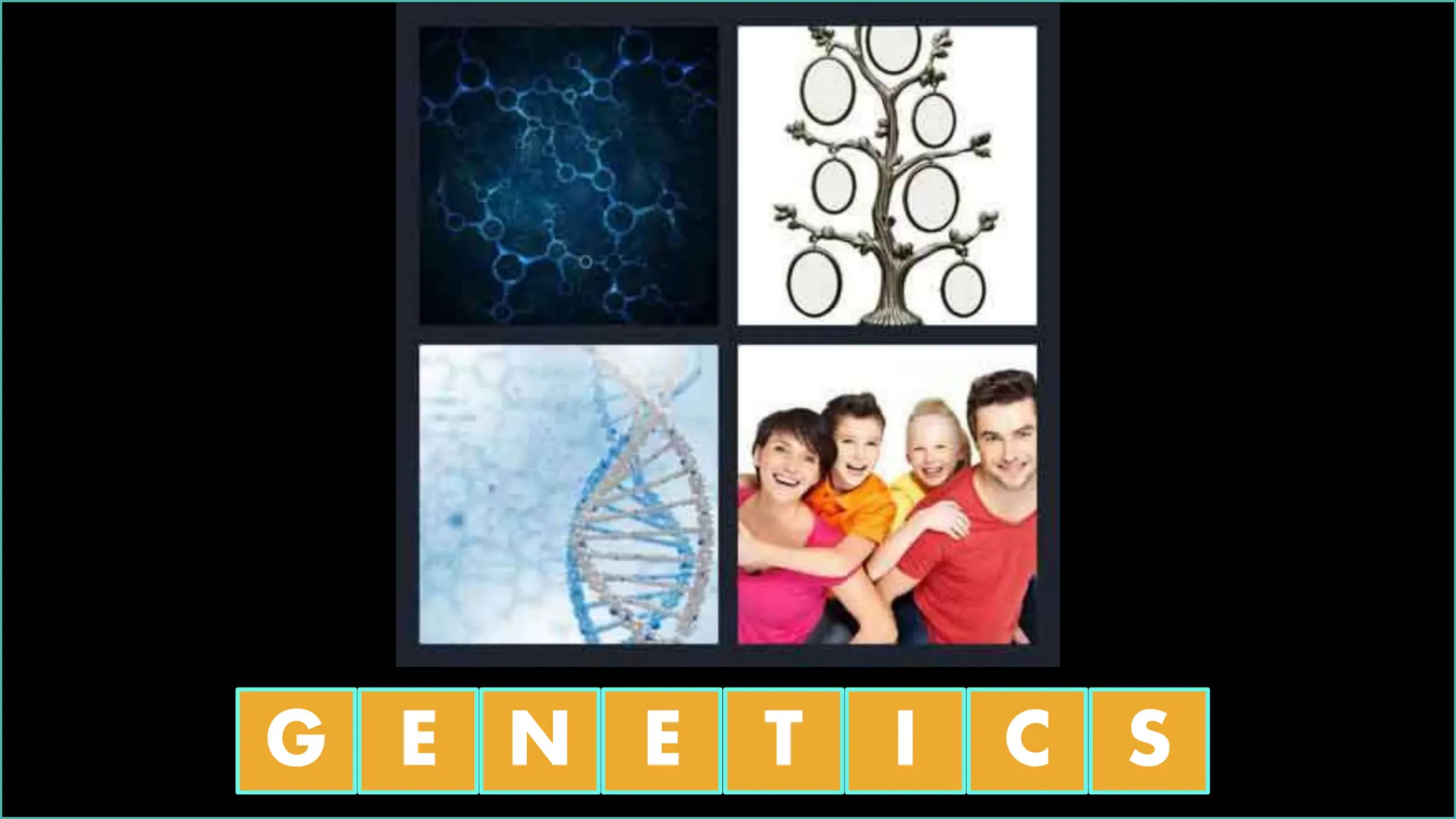
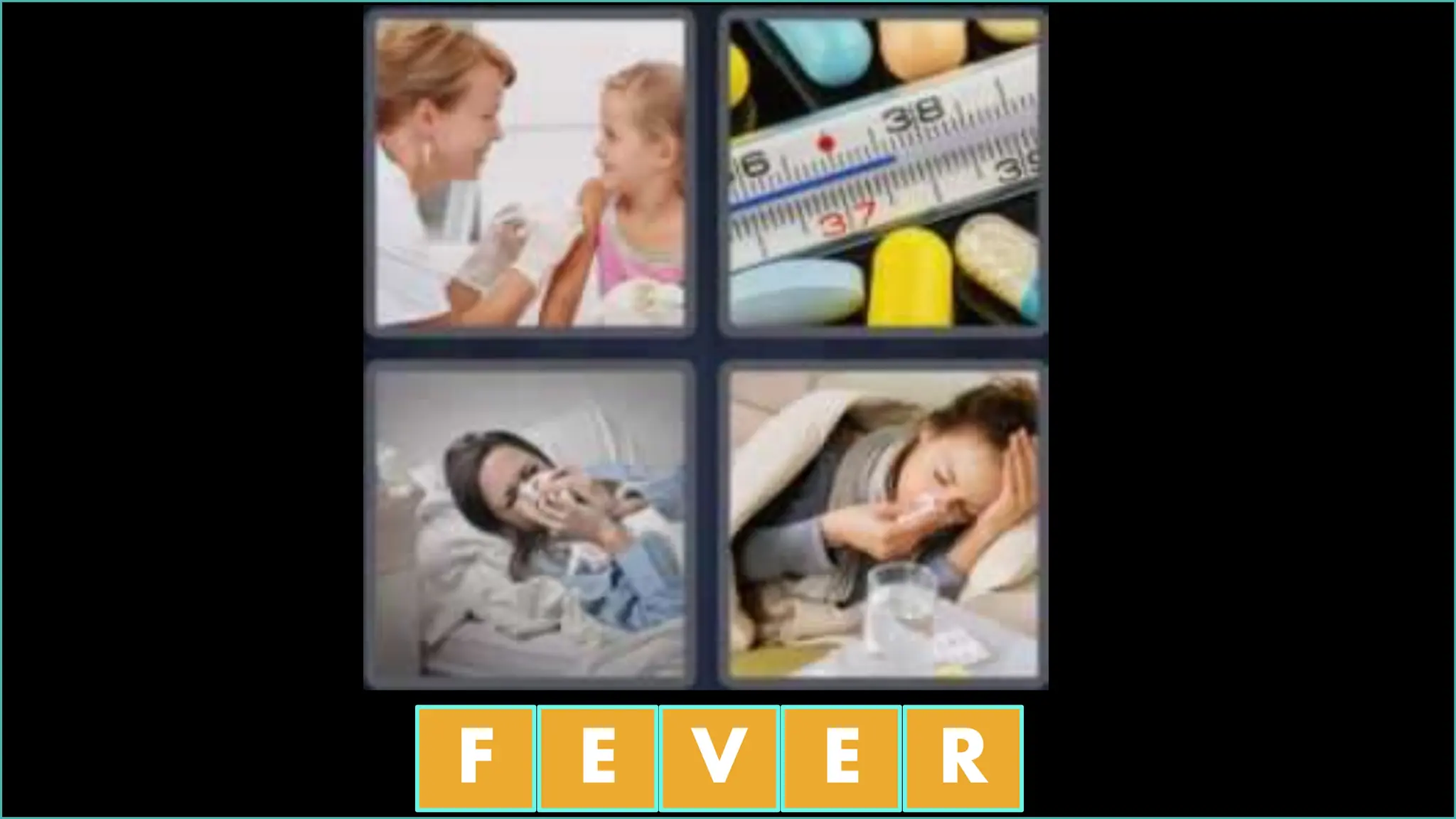
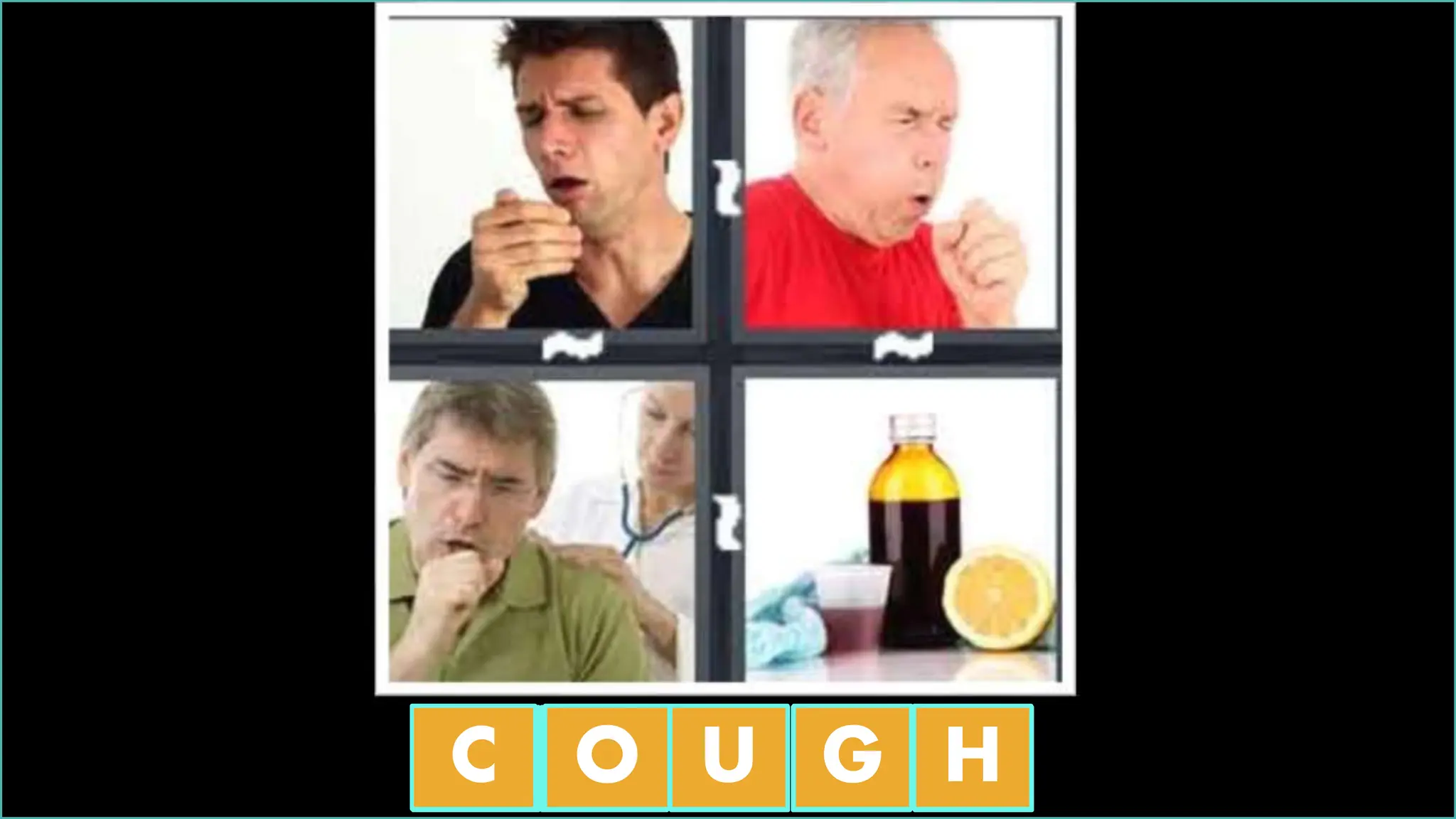
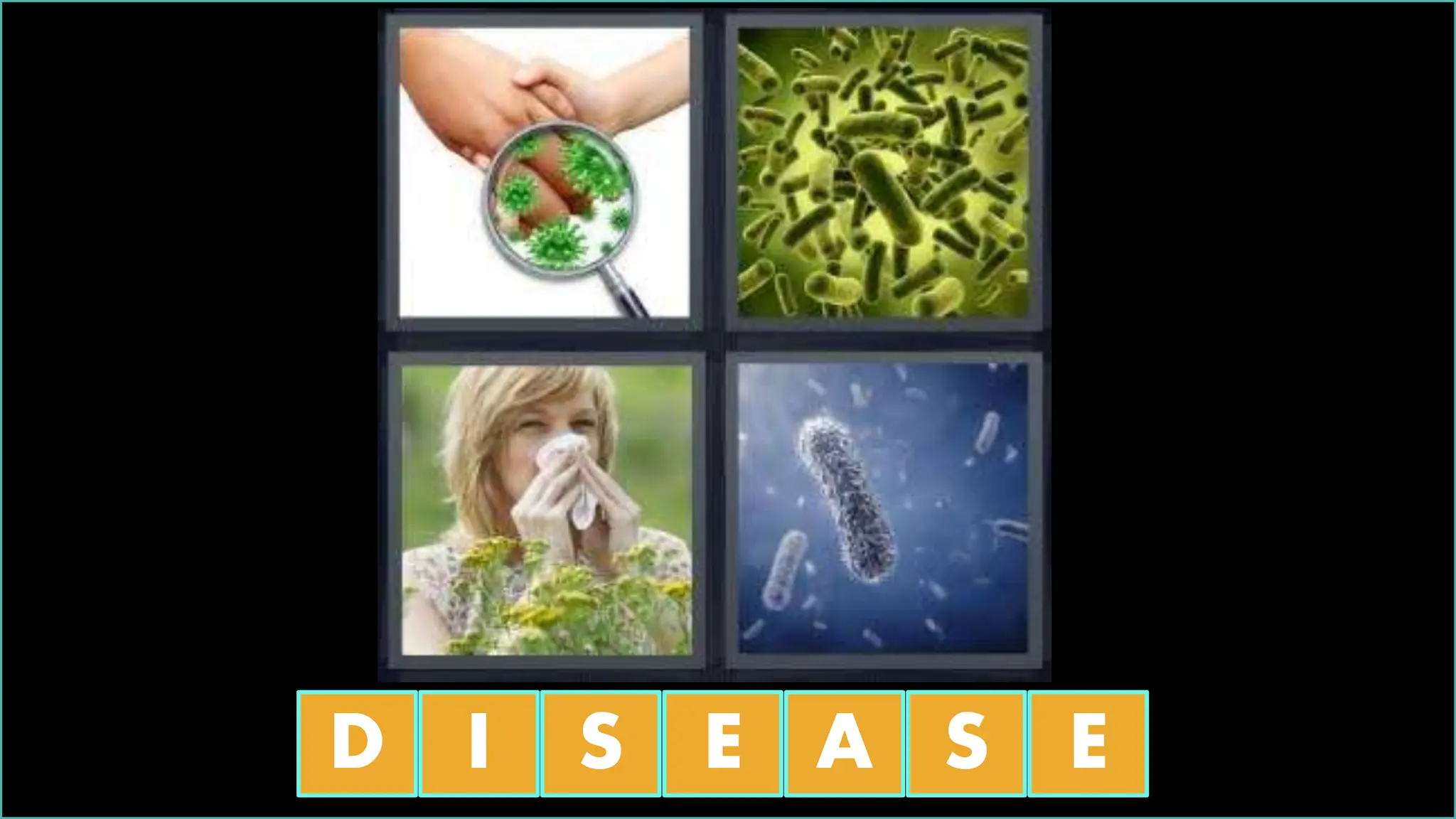
Direction: Four images are
shown below. Each of the
image have something in
common. Using the clue,
guess the theme of the
images.
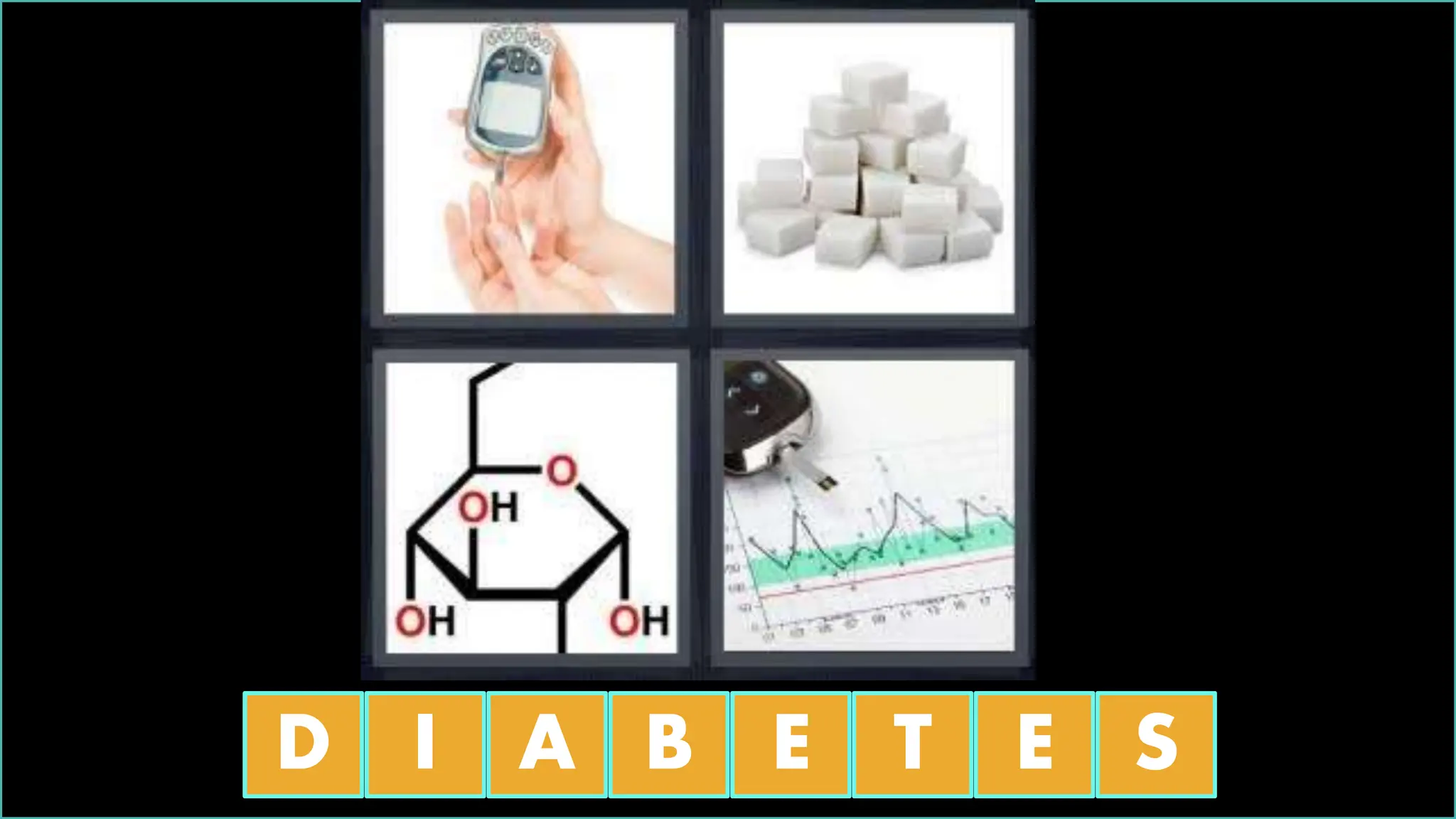
_ I E
A _ _ _ S
D I E
A B T E S
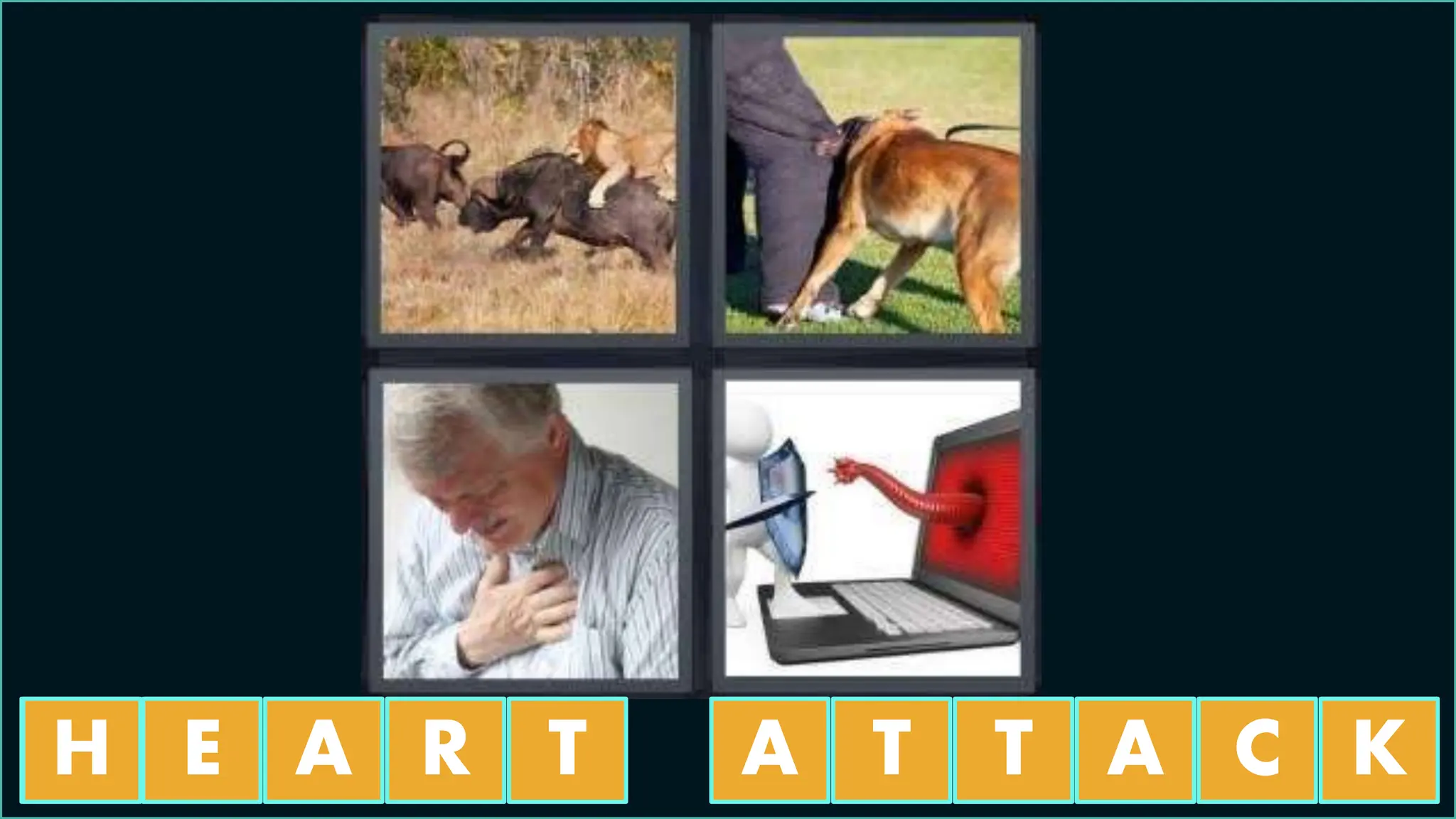
_ E T
A _ A _ T _ C _
H E T
A R A T T A C K
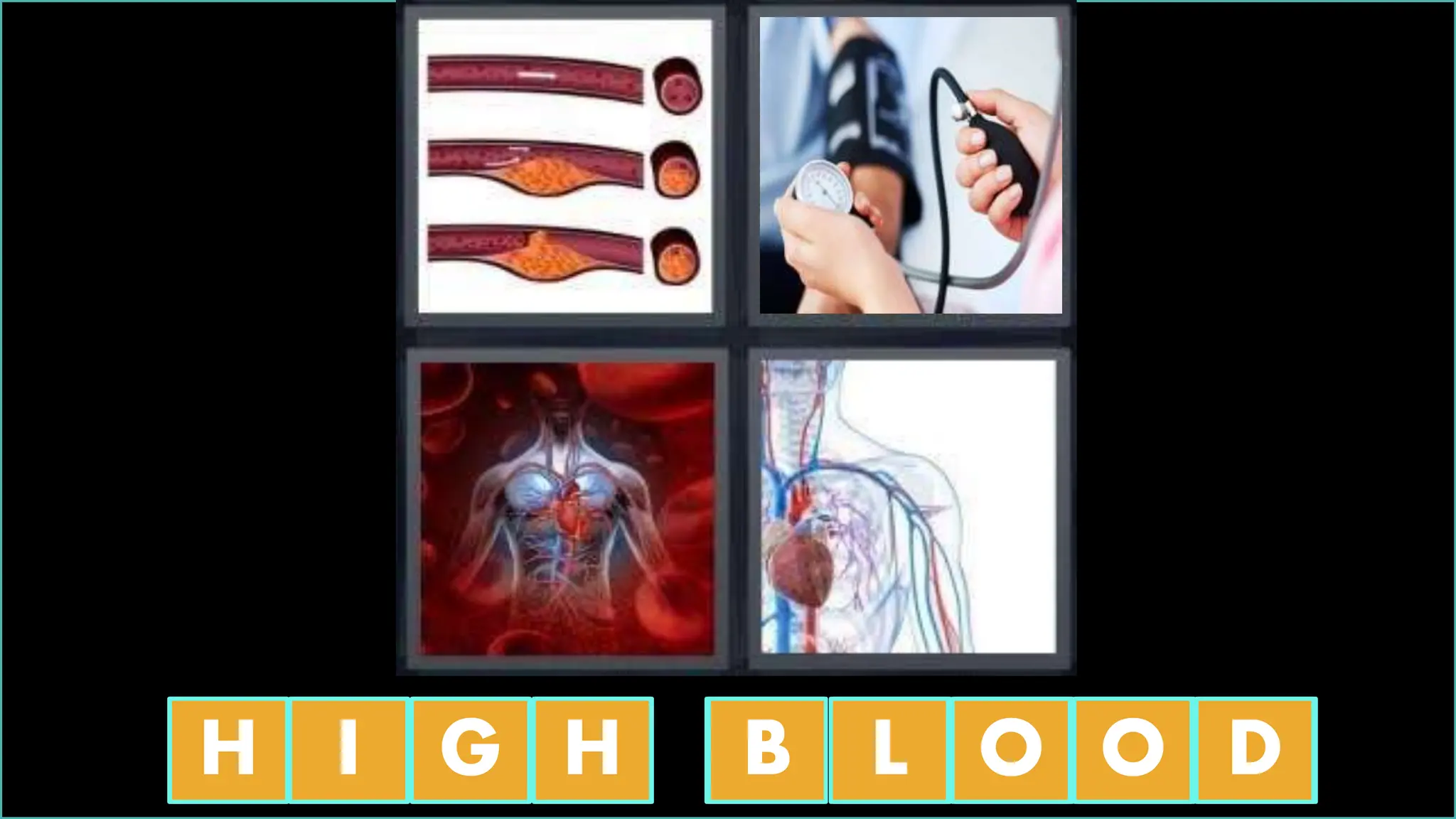
H _ _ H B _ O _ _
H I G H B L O O D
_ L _
_ E G _
A L R
L E G Y
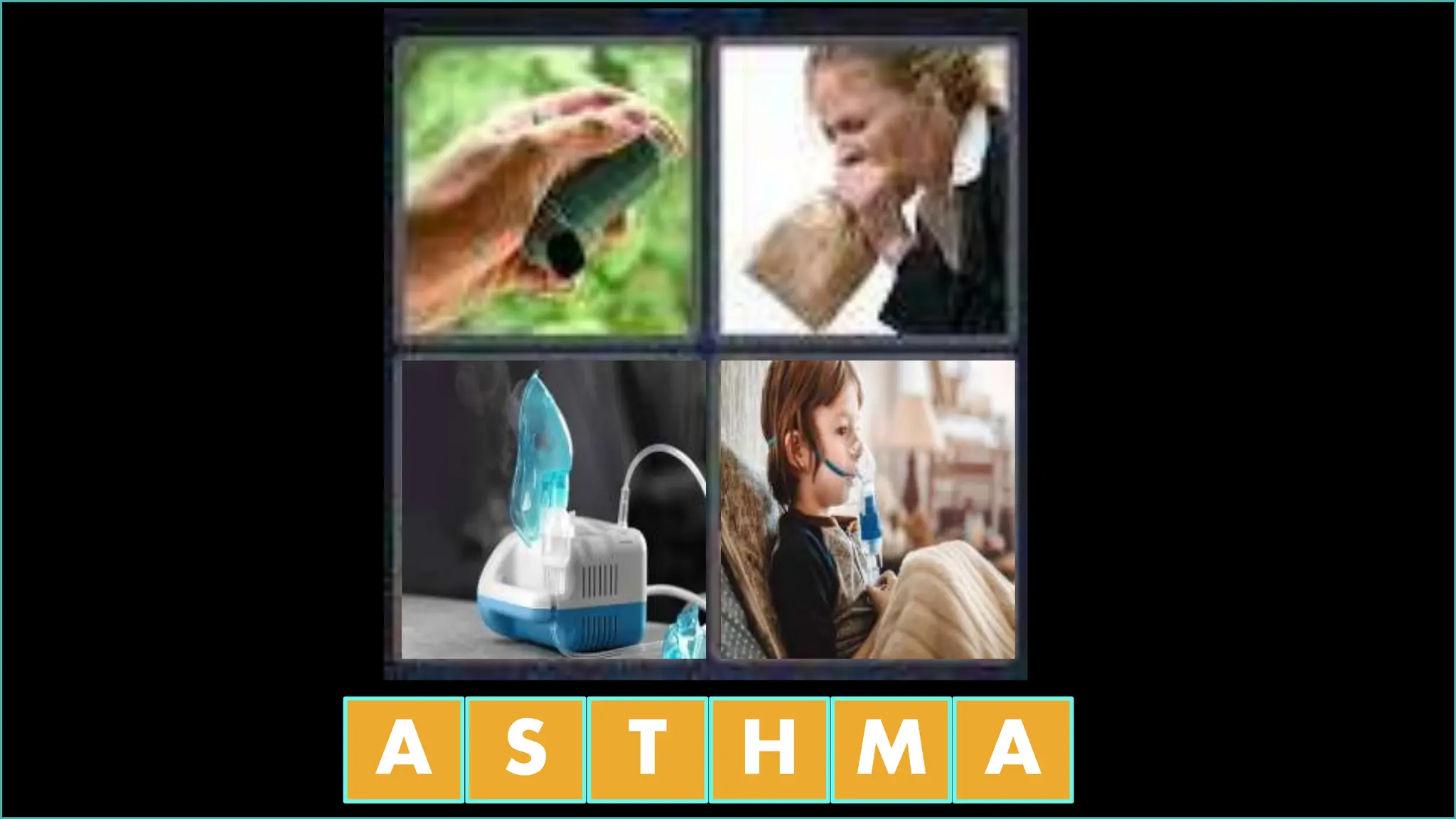
_ S _
_ H A
A S M
T H A
G _ T
N _ _ C _
G E T
N E I C S
_ E R
_ _
F E R
V E
I _
_ U
V I S
R U
_ O _
_ G
C O H
U G
D _ A
S _ _ E
D I A
S E S E
The Nature of
the Common
Non-Communicable
Diseases
What is DISEASE?
Disease is any harmful
deviation from the normal
structural or functional state
of an organism, generally
associated with certain
signs and symptoms.
Two Categories of
Disease
- It is caused by pathogens (virus,
bacteria, fungi etc.), which are
disease-causing organisms and can
be transmitted from one person to
another, or from animals to people.
COMMUNICABLE
DISEASE
 generally are long-lasting and progress
slowly.
 These diseases cannot be transmitted from
one person to another.
 It can arise from environmental exposures,
lifestyle, or from genetically determined
abnormalities.
 Examples include diabetes, heart attack,
cancer, stroke, asthma etc.
NON-COMMUNICABLE
DISEASE
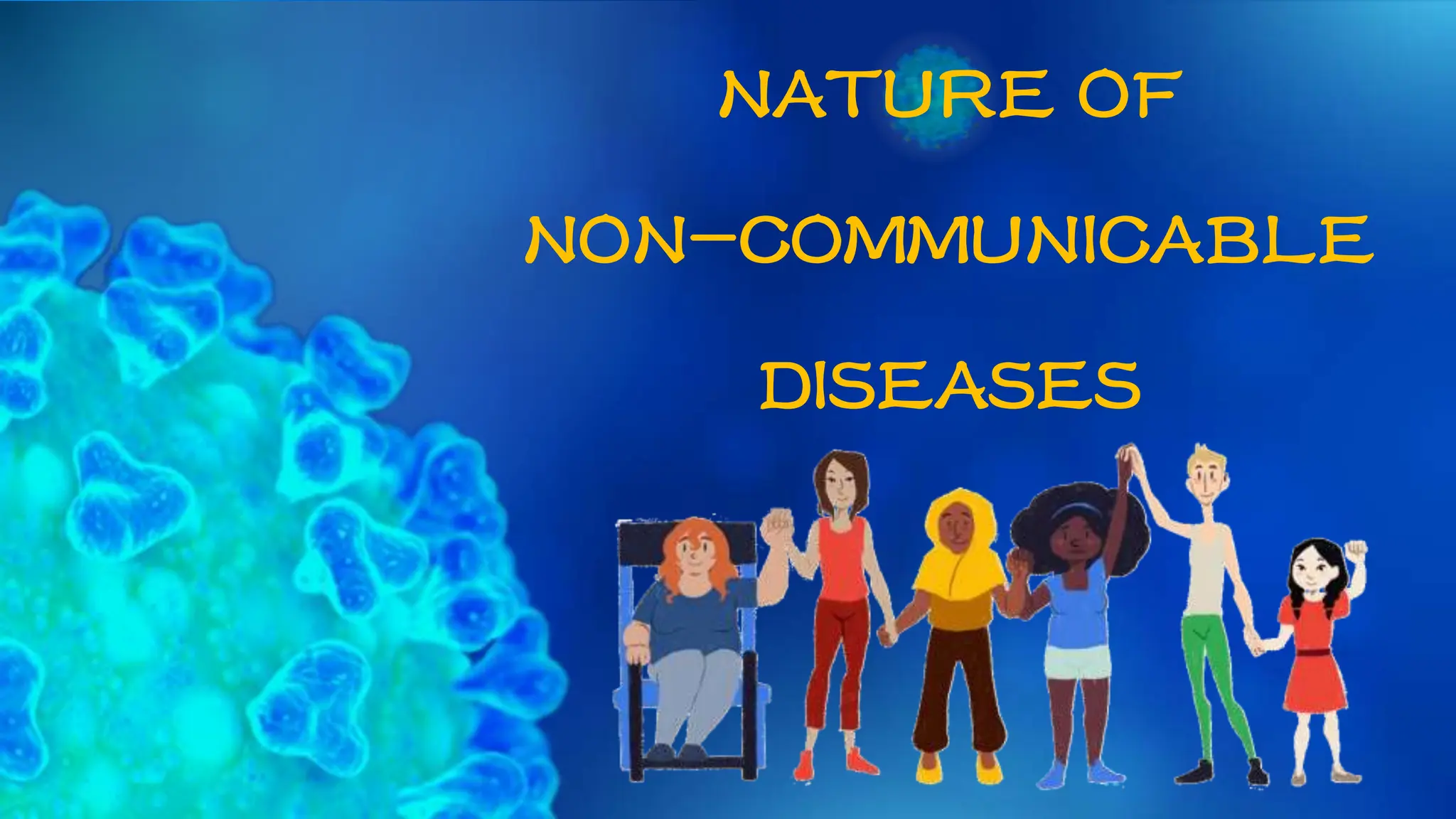
NATURE OF
NON-COMMUNICABLE
DISEASES
Some common
Non-Communicable
Diseases and their
symptoms
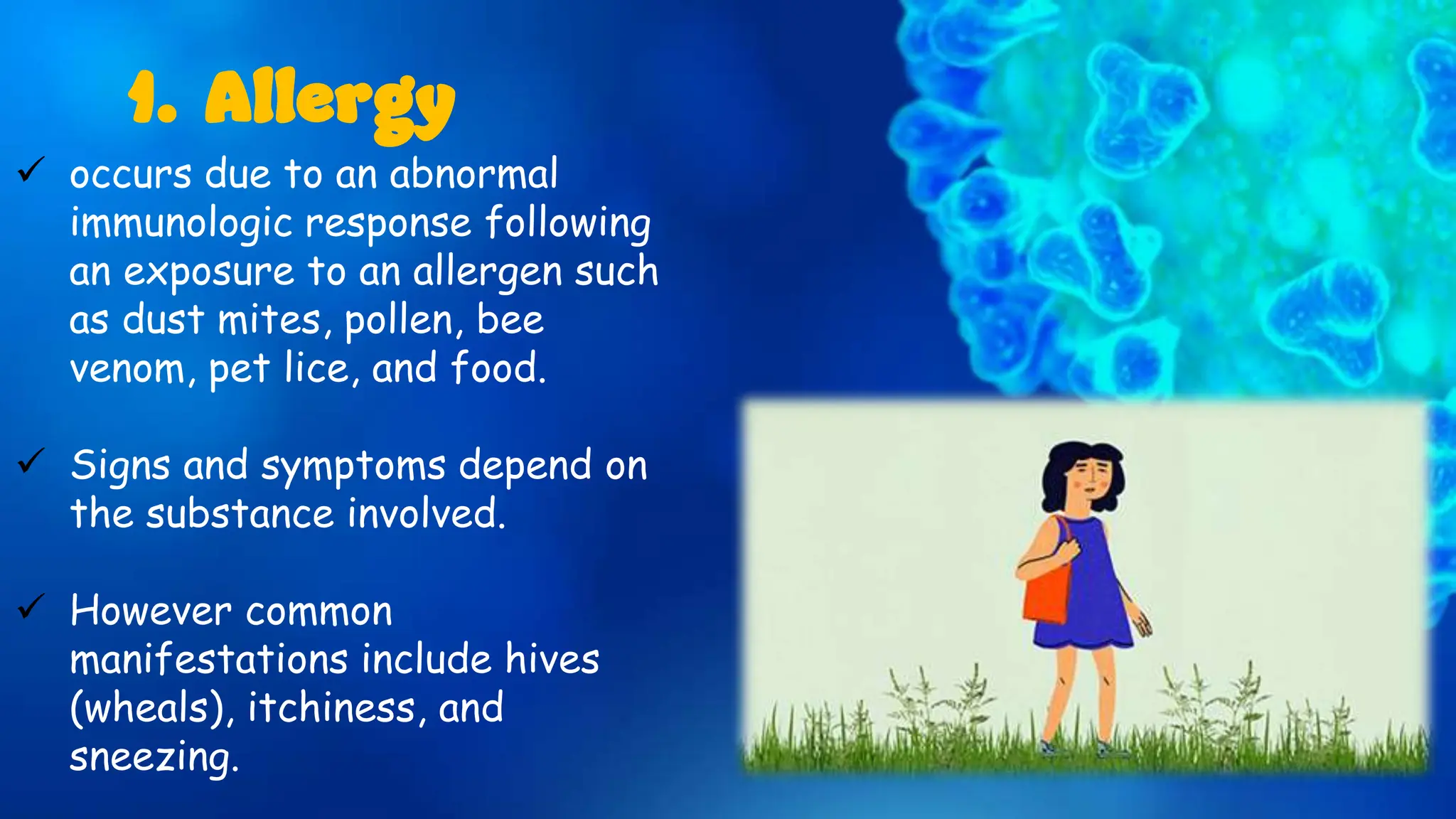
 occurs due to an abnormal
immunologic response following
an exposure to an allergen such
as dust mites, pollen, bee
venom, pet lice, and food.
 Signs and symptoms depend on
the substance involved.
 However common
manifestations include hives
(wheals), itchiness, and
sneezing.
1. Allergy
• Tingling in the mouth.
• Swelling of the lips, tongue, face, or
throat.
• Hives (an outbreak of swollen, pale
red bumps or plaques (wheals) on the
skin).
• Anaphylaxis (causes your immune
system to release a flood of chemicals
that can cause you to go into shock).
Symptoms:
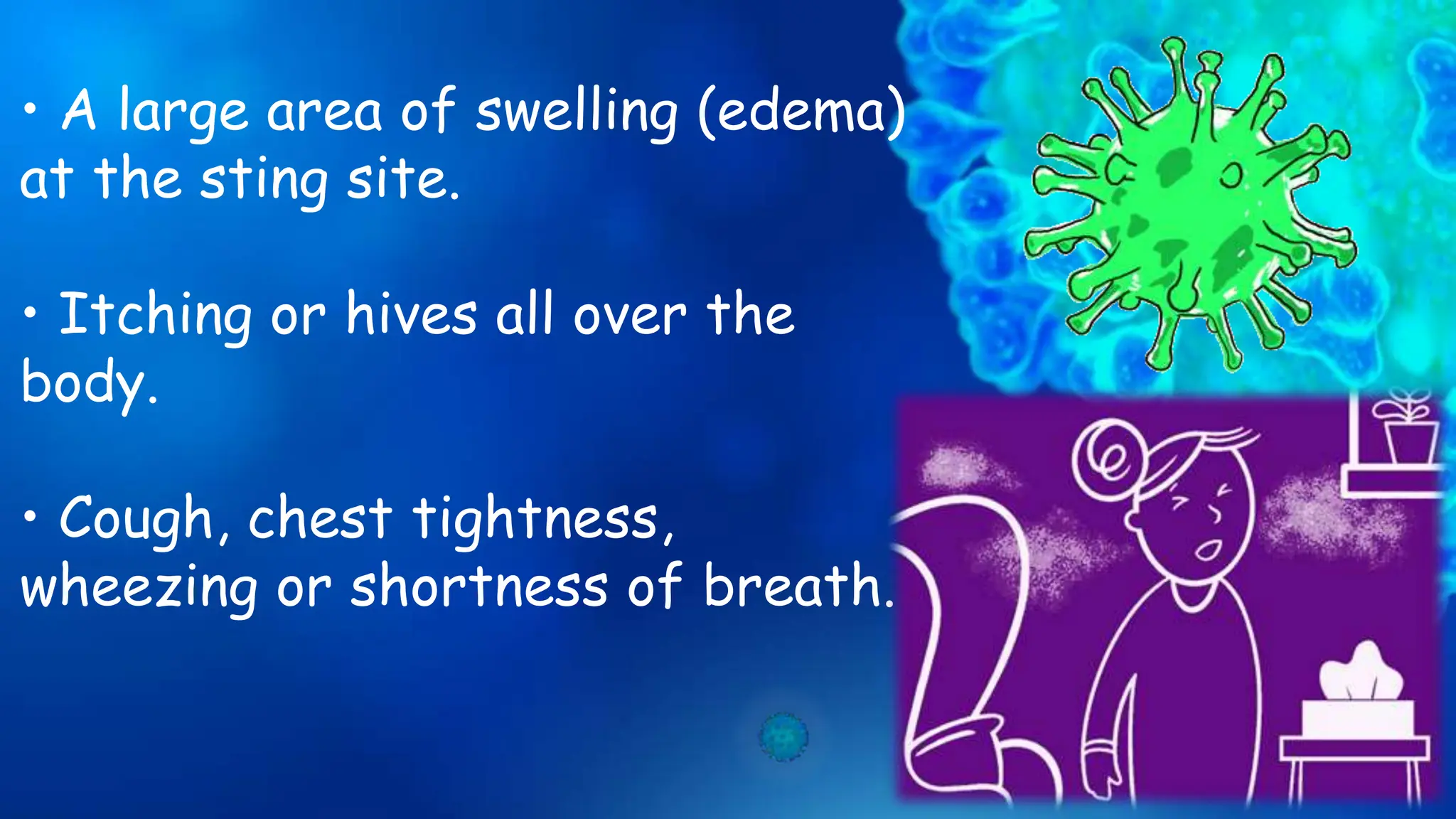
• A large area of swelling (edema)
at the sting site.
• Itching or hives all over the
body.
• Cough, chest tightness,
wheezing or shortness of breath.
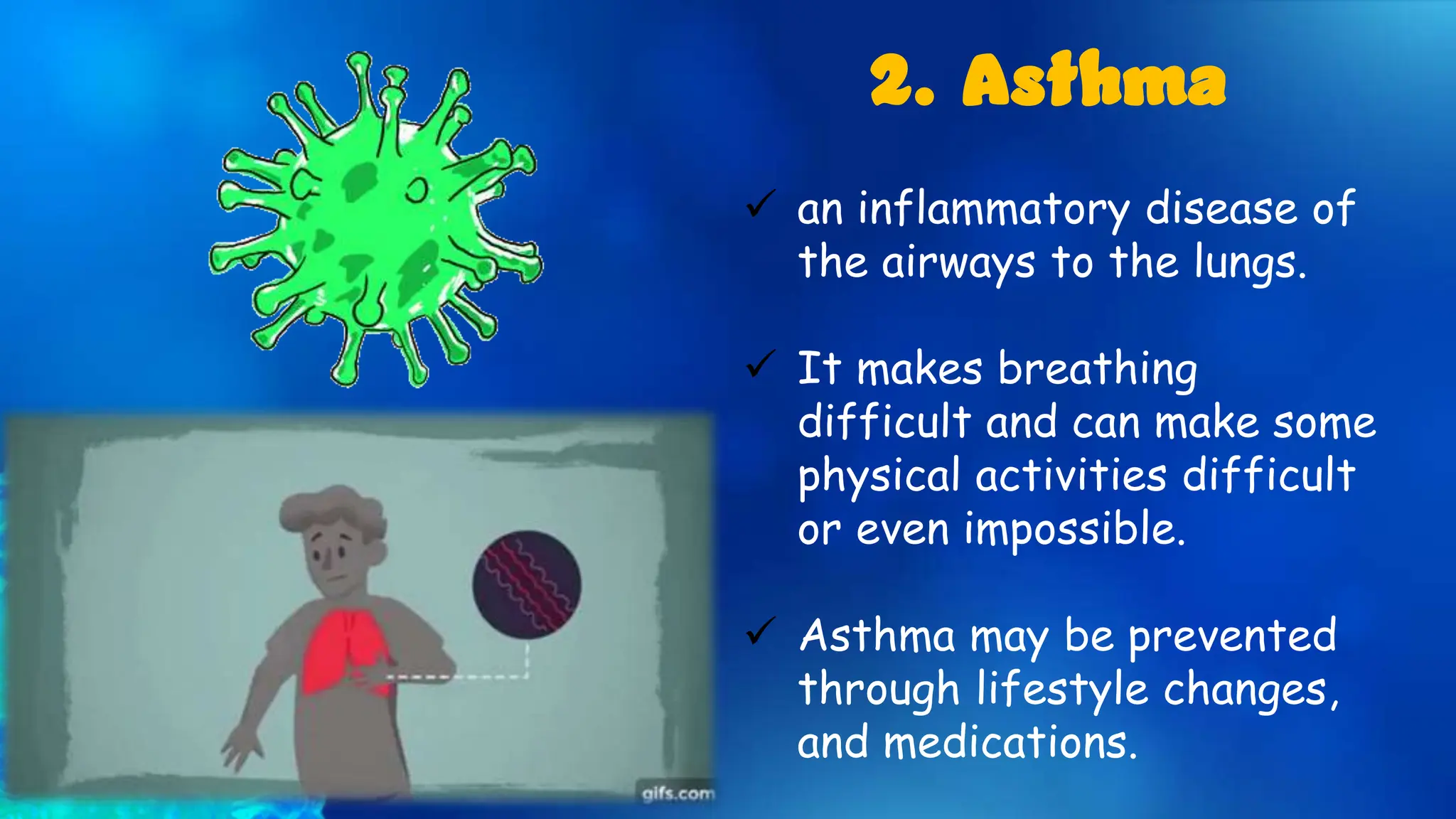
 an inflammatory disease of
the airways to the lungs.
 It makes breathing
difficult and can make some
physical activities difficult
or even impossible.
 Asthma may be prevented
through lifestyle changes,
and medications.
2. Asthma
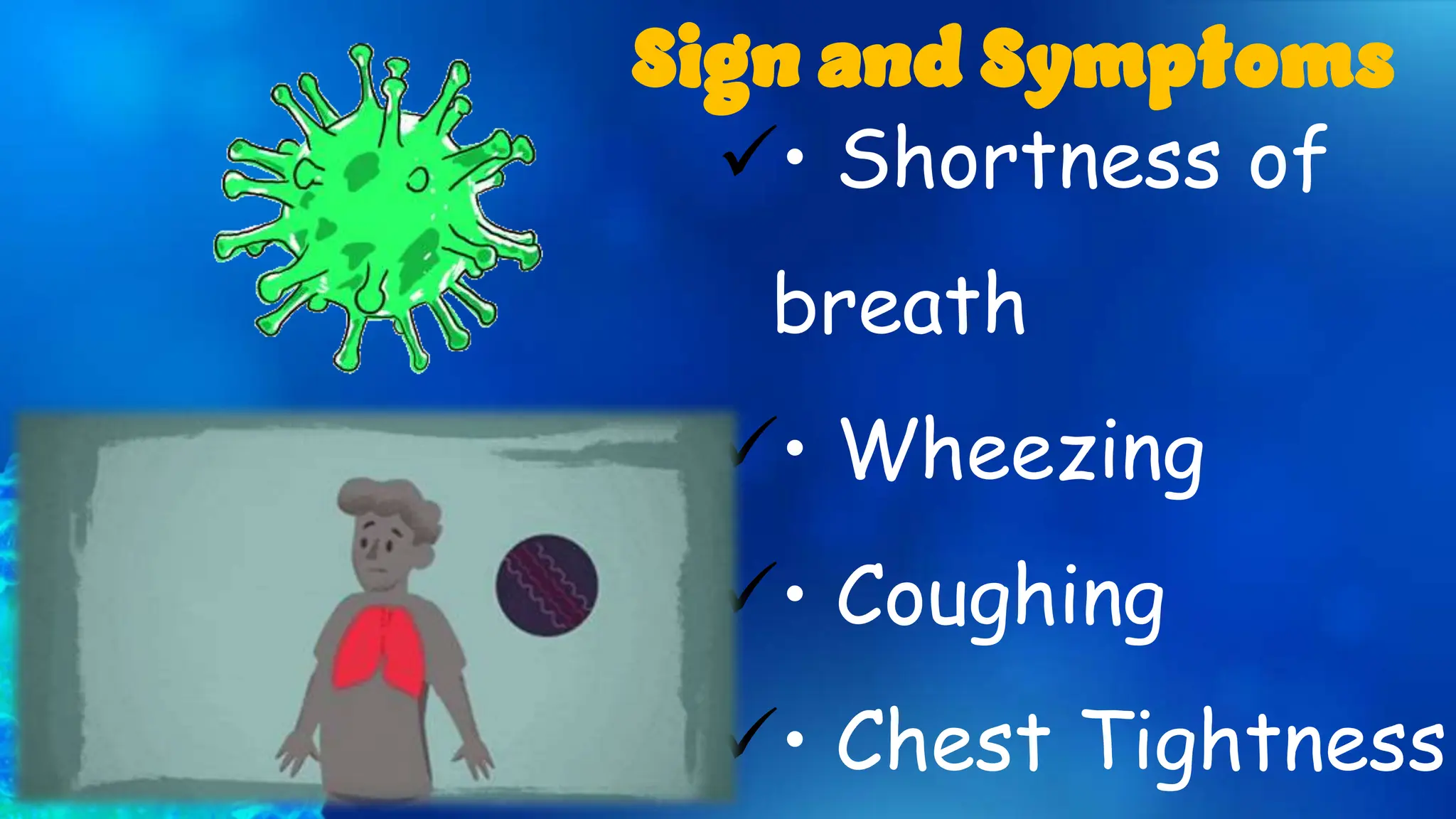
• Shortness of
breath
• Wheezing
• Coughing
• Chest Tightness
Sign and Symptoms
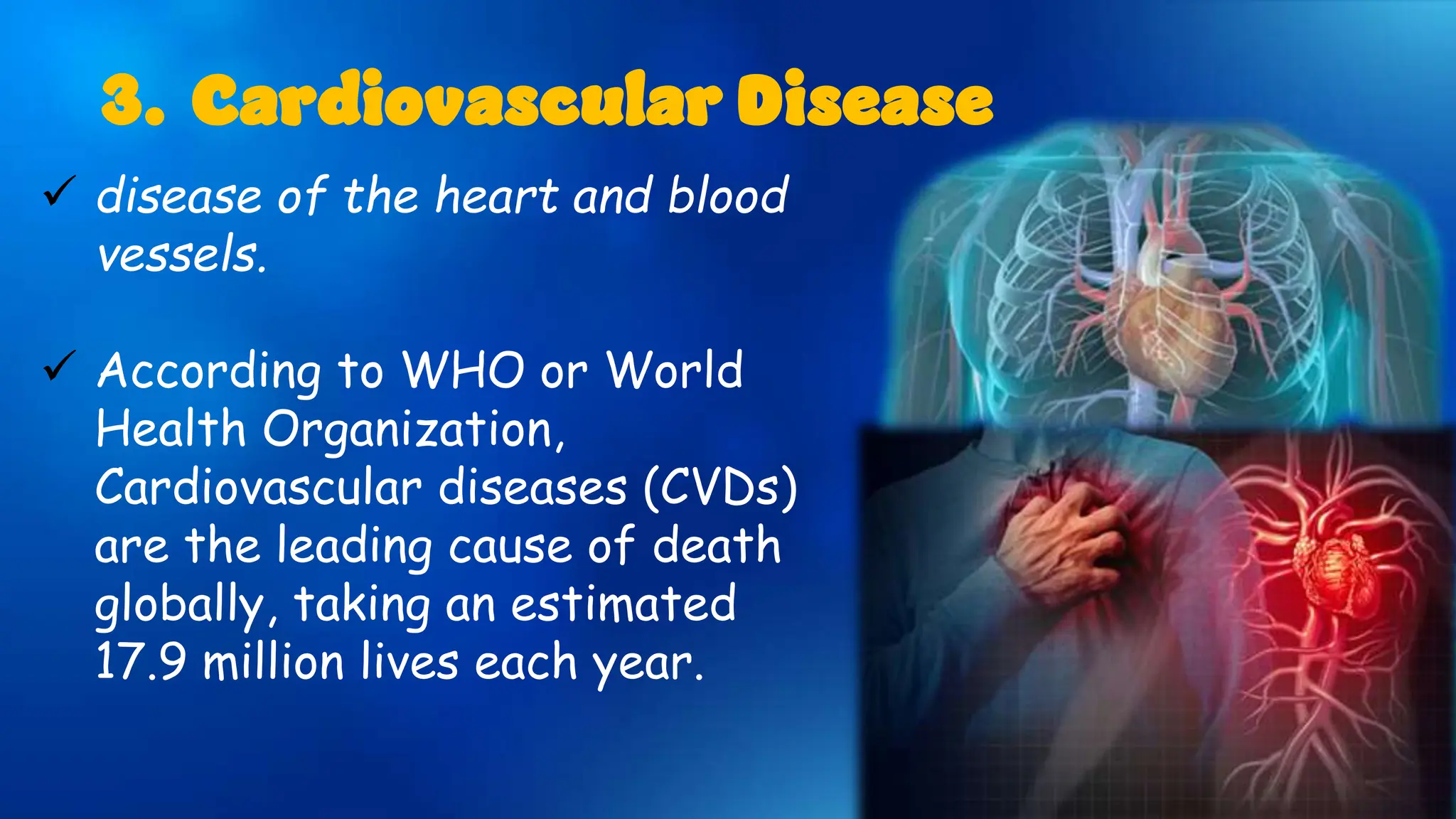
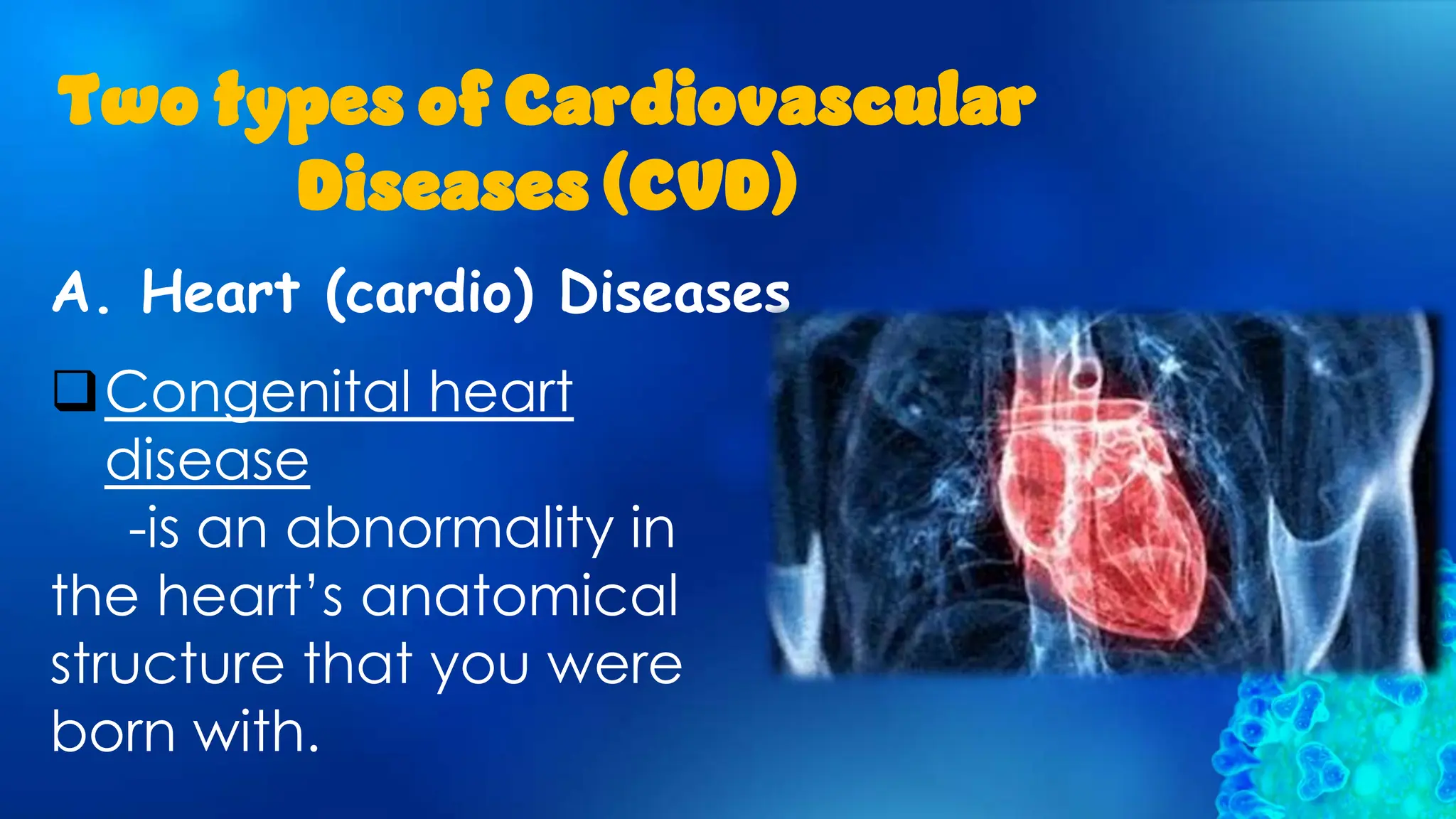
 disease of the heart and blood
vessels.
 According to WHO or World
Health Organization,
Cardiovascular diseases (CVDs)
are the leading cause of death
globally, taking an estimated
17.9 million lives each year.
3. Cardiovascular Disease
A. Heart (cardio) Diseases
Two types of Cardiovascular
Diseases (CVD)
Congenital heart
disease
-is an abnormality in
the heart’s anatomical
structure that you were
born with.
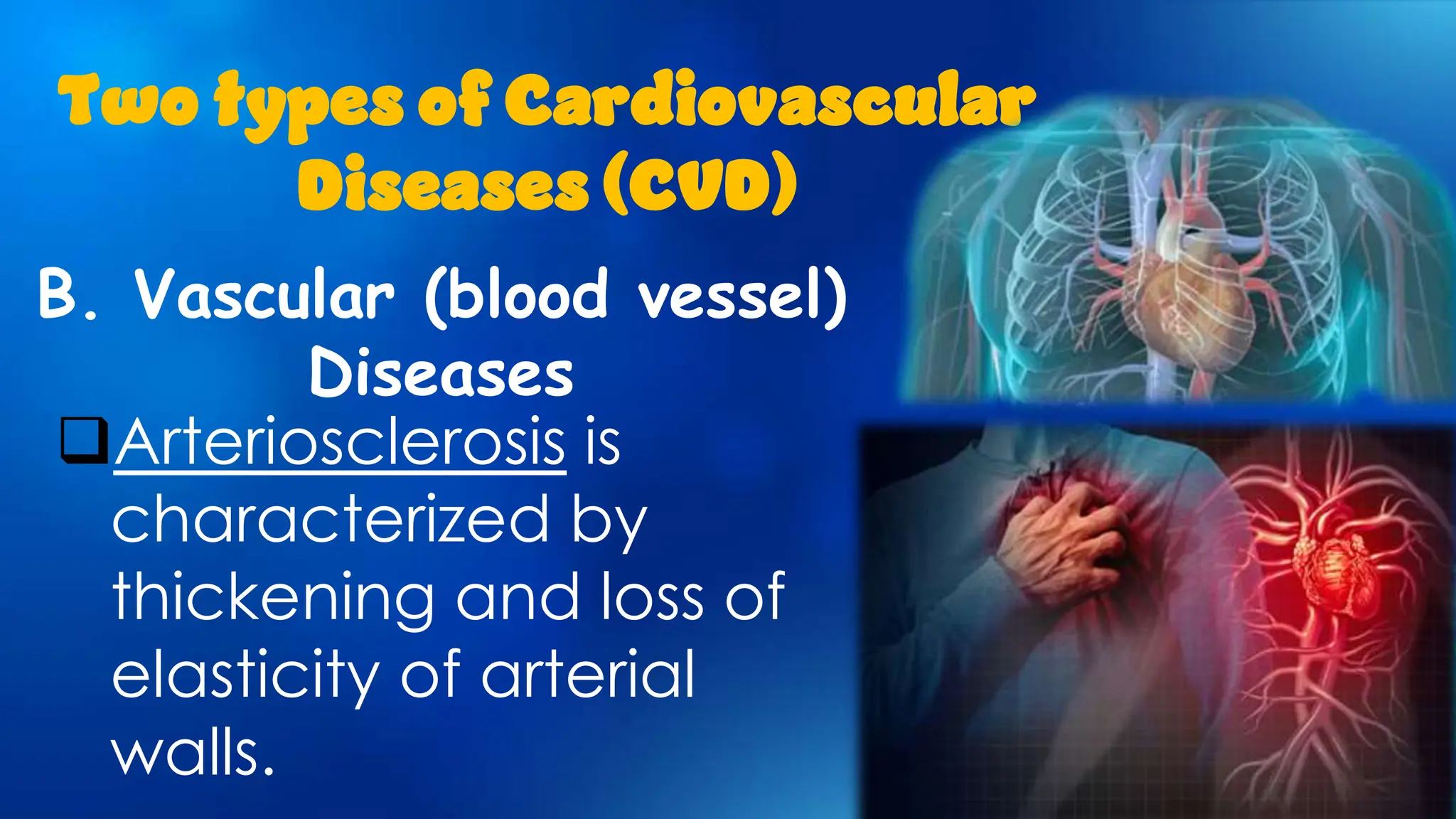
B. Vascular (blood vessel)
Diseases
Two types of Cardiovascular
Diseases (CVD)
Arteriosclerosis is
characterized by
thickening and loss of
elasticity of arterial
walls.
Signs and Symptoms
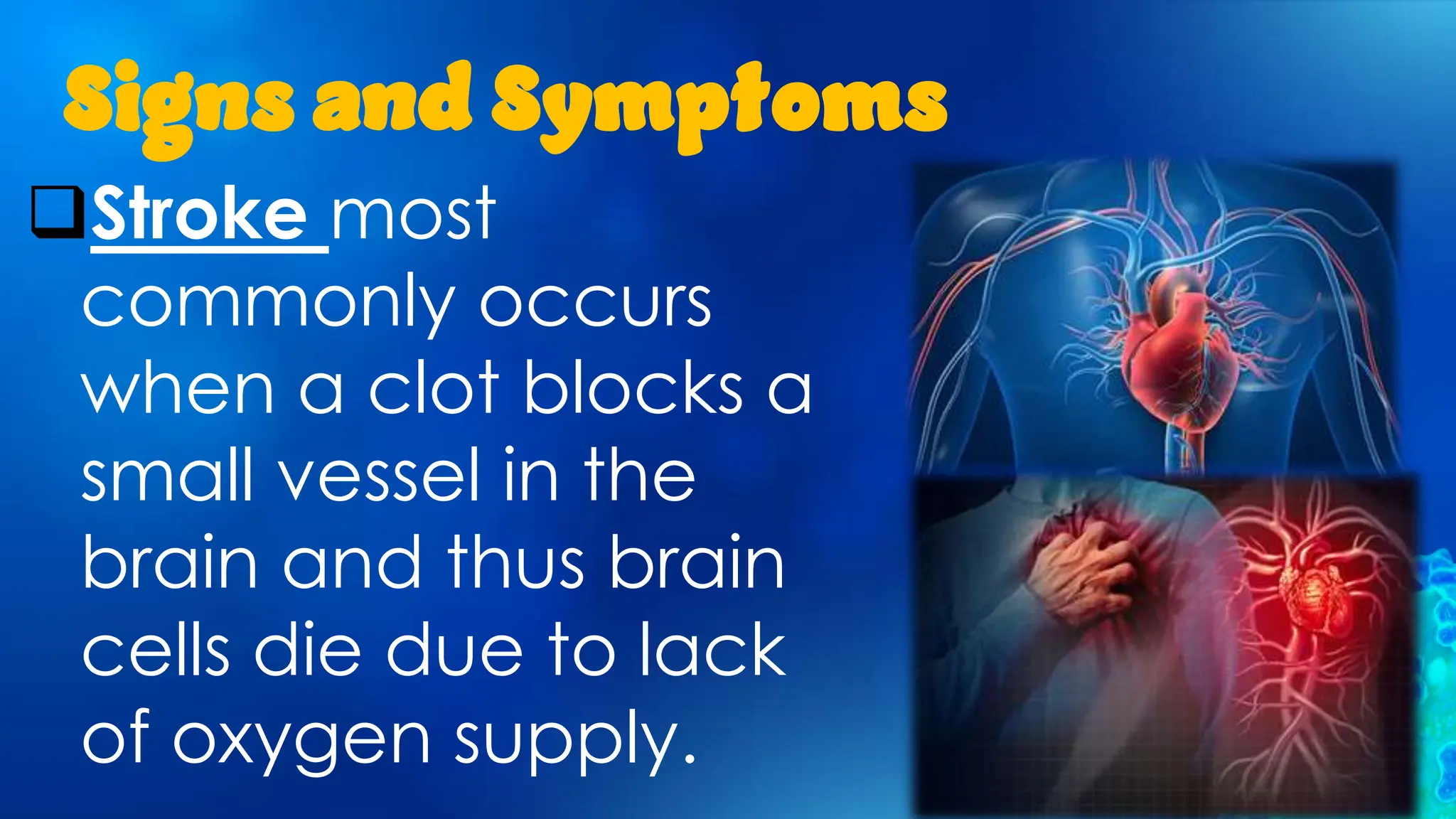
Stroke most
commonly occurs
when a clot blocks a
small vessel in the
brain and thus brain
cells die due to lack
of oxygen supply.
Signs & Symptoms
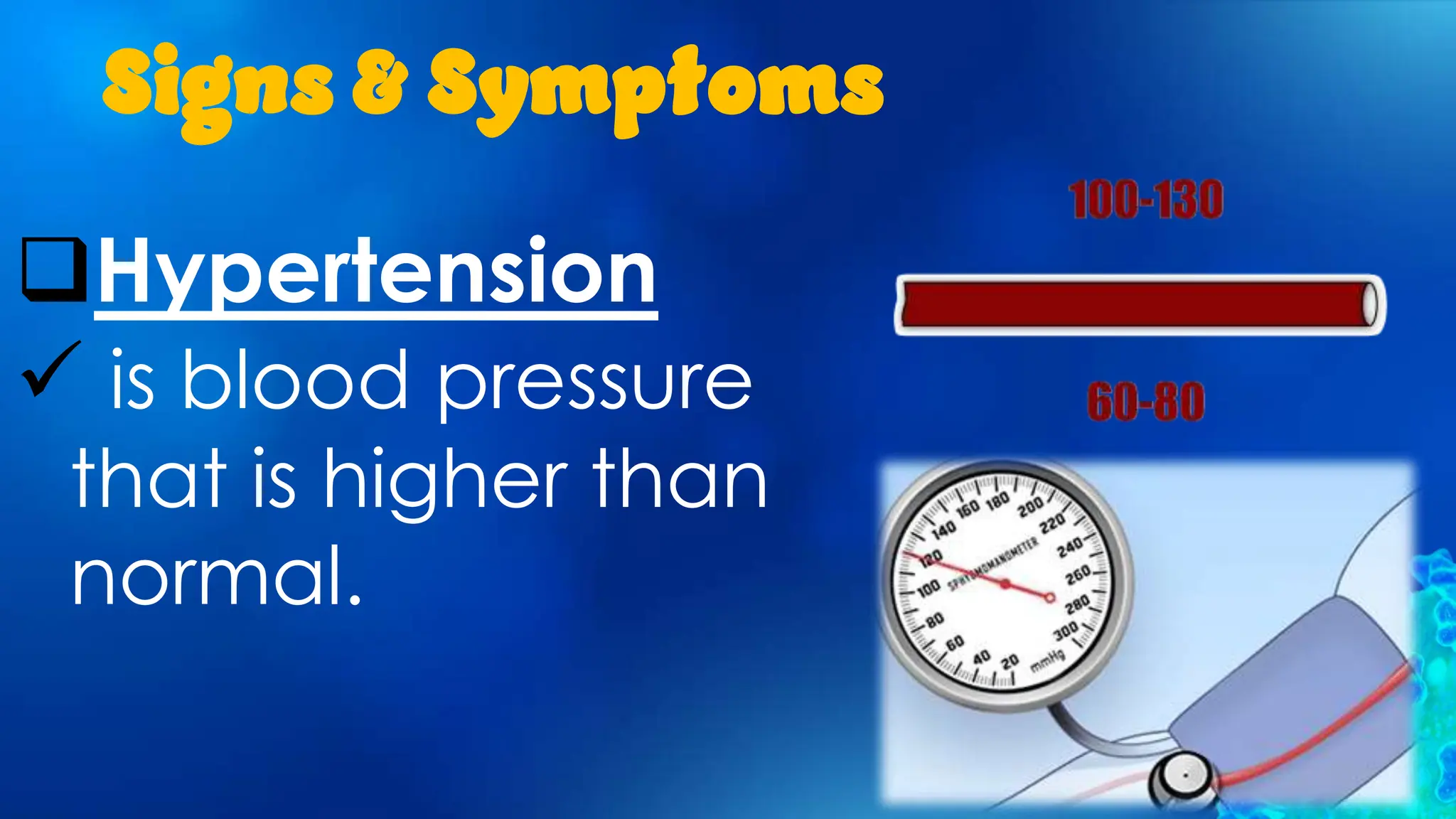
Hypertension
 is blood pressure
that is higher than
normal.
Signs & Symptoms
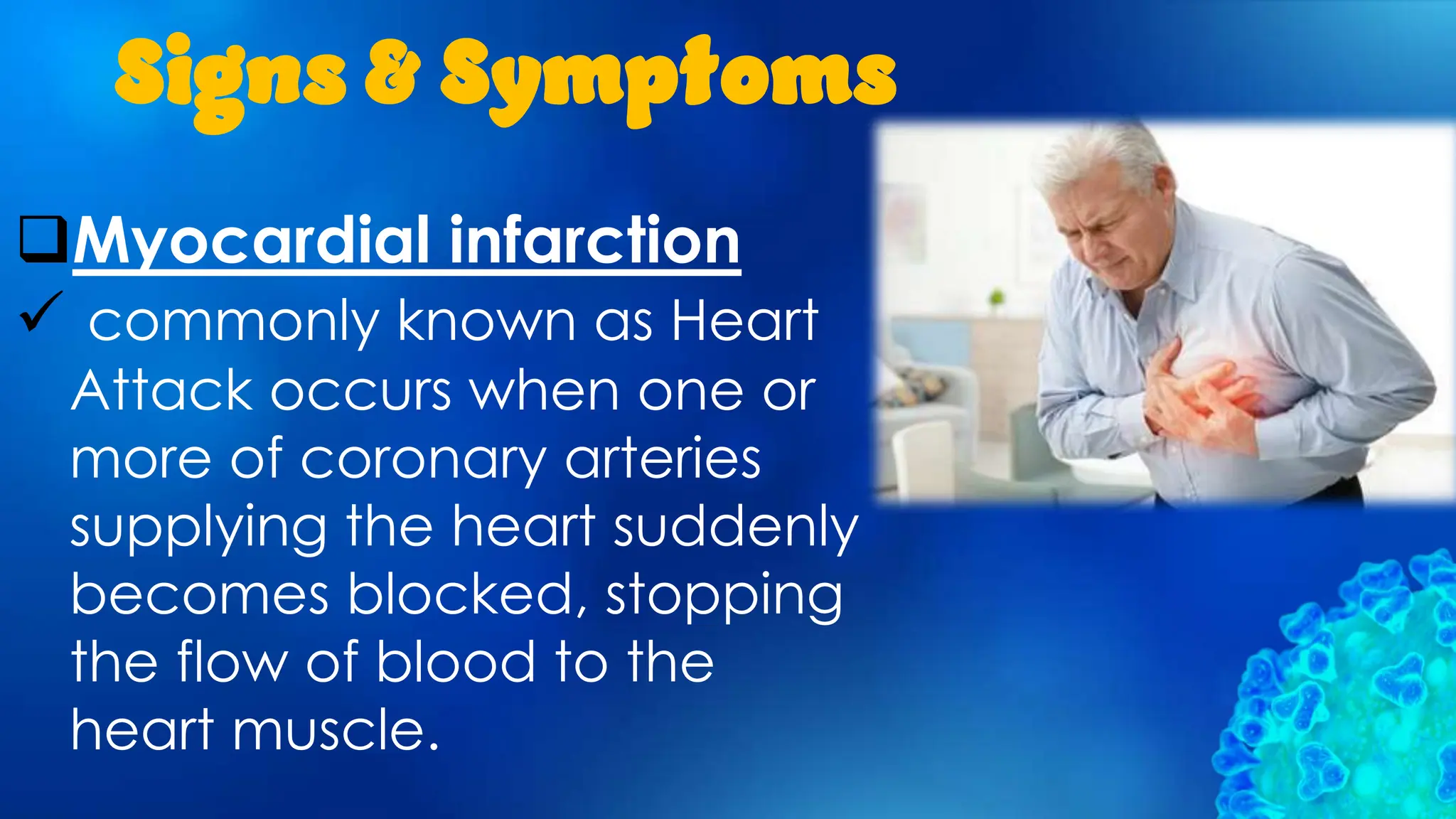
Myocardial infarction
 commonly known as Heart
Attack occurs when one or
more of coronary arteries
supplying the heart suddenly
becomes blocked, stopping
the flow of blood to the
heart muscle.
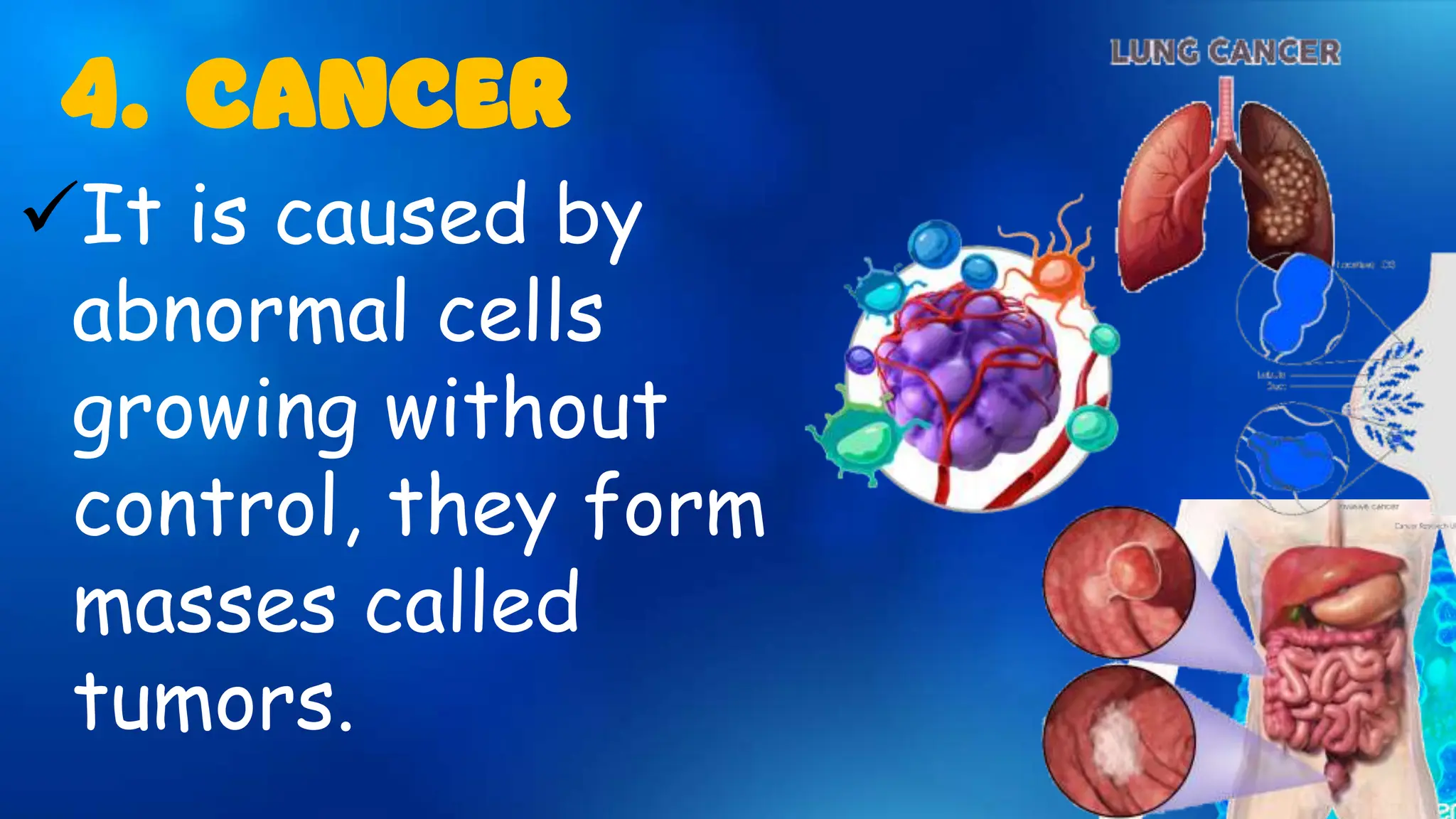
It is caused by
abnormal cells
growing without
control, they form
masses called
tumors.
4. CANCER
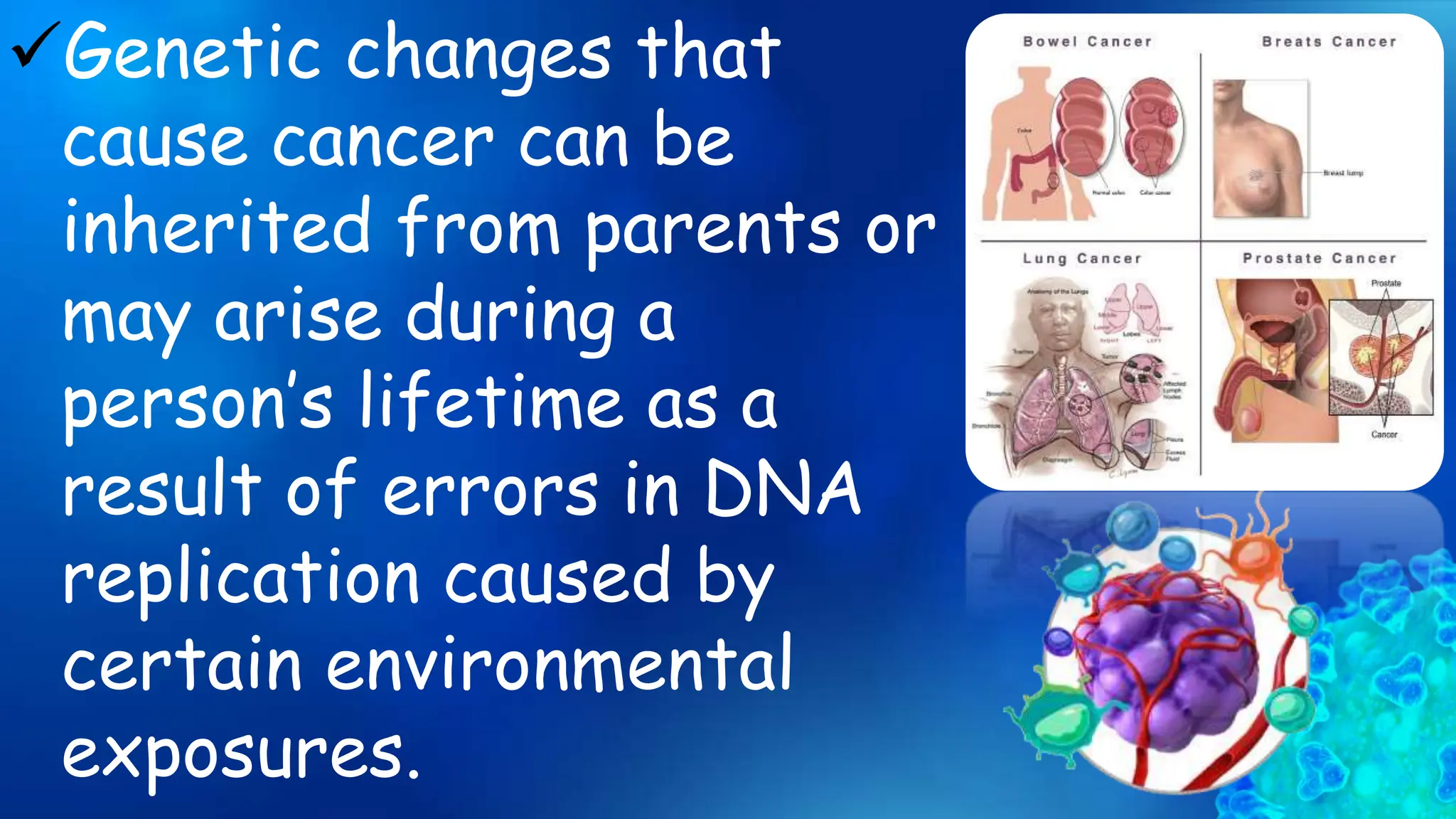
Genetic changes that
cause cancer can be
inherited from parents or
may arise during a
person’s lifetime as a
result of errors in DNA
replication caused by
certain environmental
exposures.
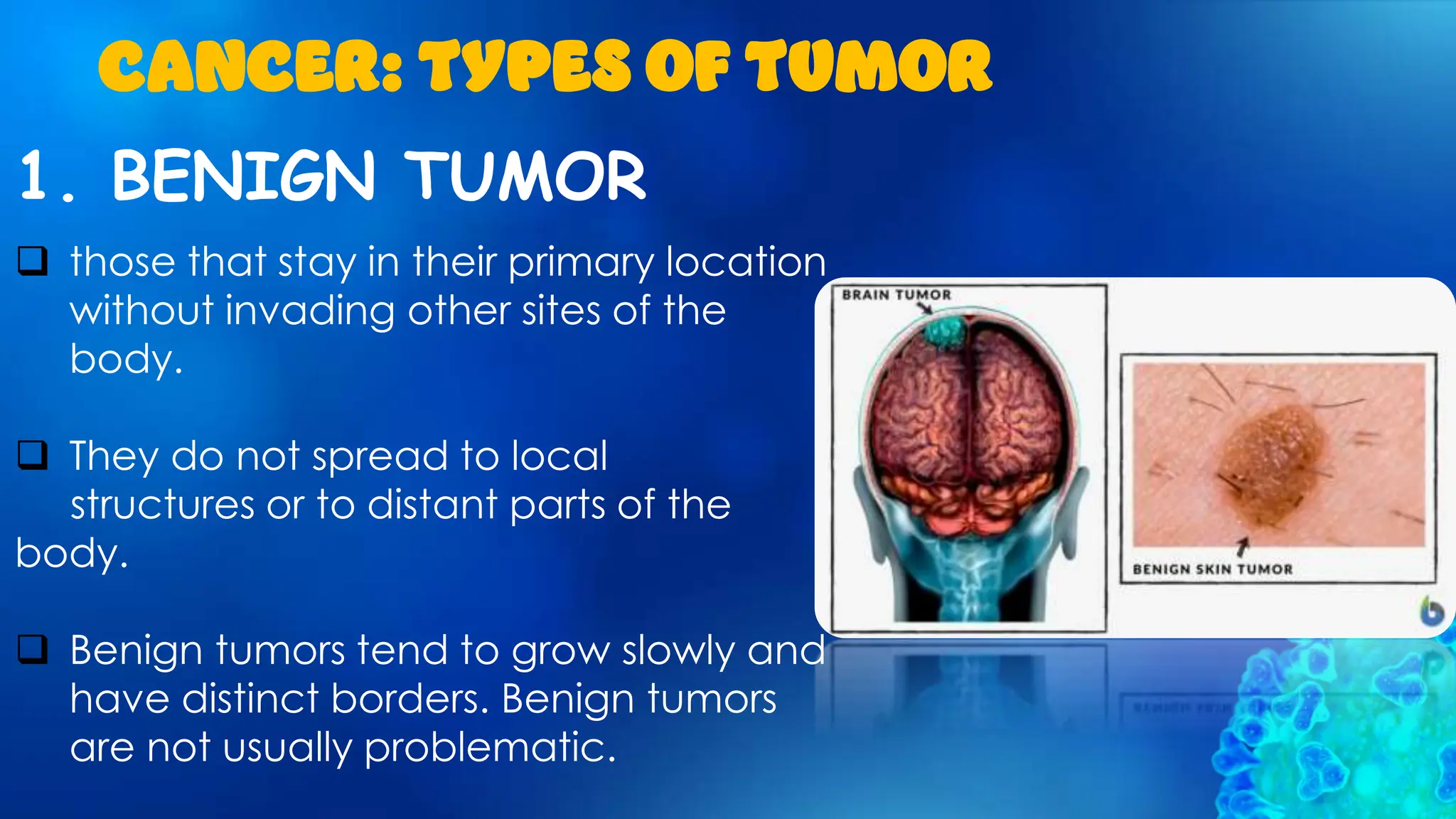
1. BENIGN TUMOR
CANCER: TYPES OF TUMOR
 those that stay in their primary location
without invading other sites of the
body.
 They do not spread to local
structures or to distant parts of the
body.
 Benign tumors tend to grow slowly and
have distinct borders. Benign tumors
are not usually problematic.
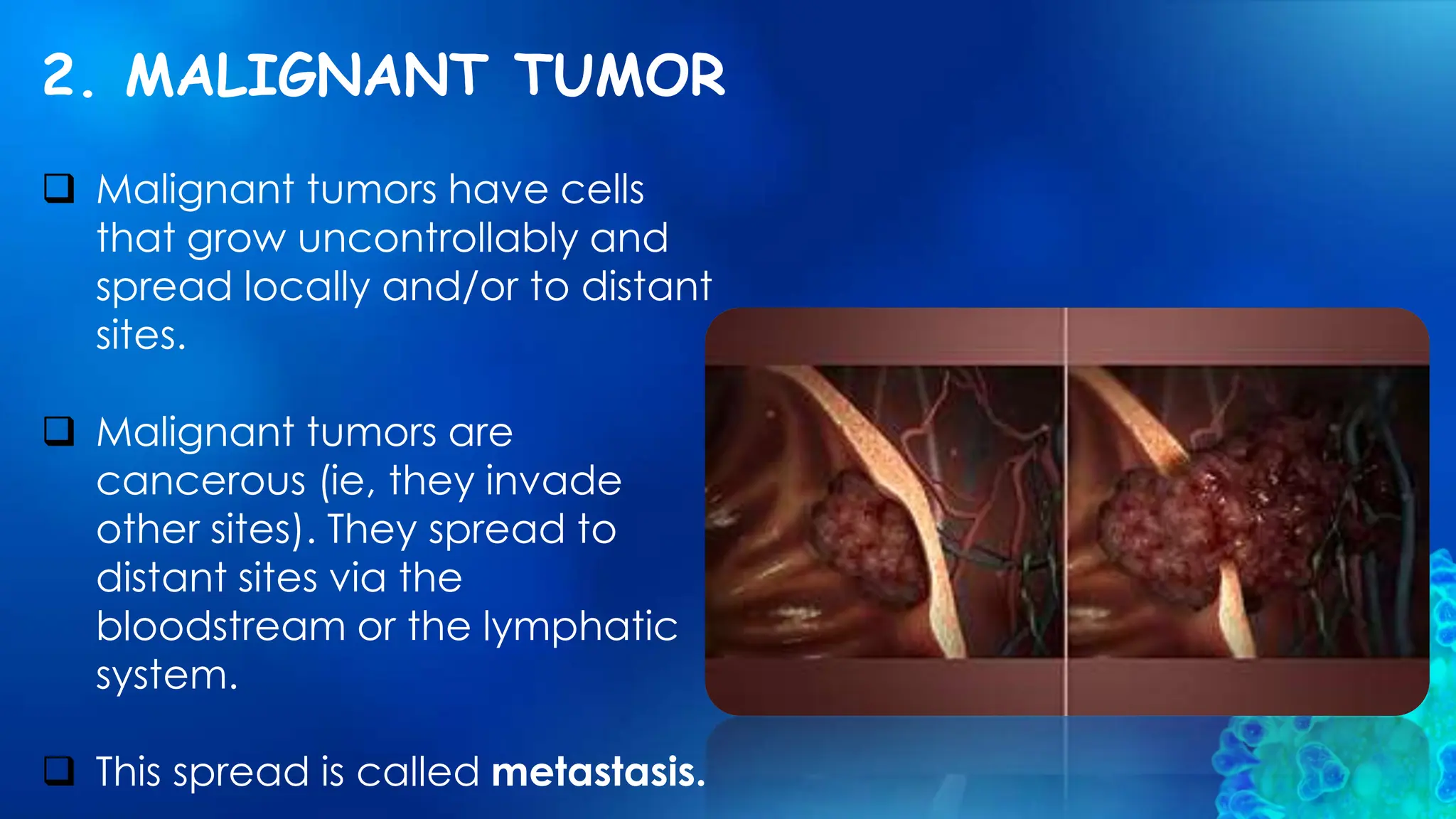
2. MALIGNANT TUMOR
 Malignant tumors have cells
that grow uncontrollably and
spread locally and/or to distant
sites.
 Malignant tumors are
cancerous (ie, they invade
other sites). They spread to
distant sites via the
bloodstream or the lymphatic
system.
 This spread is called metastasis.
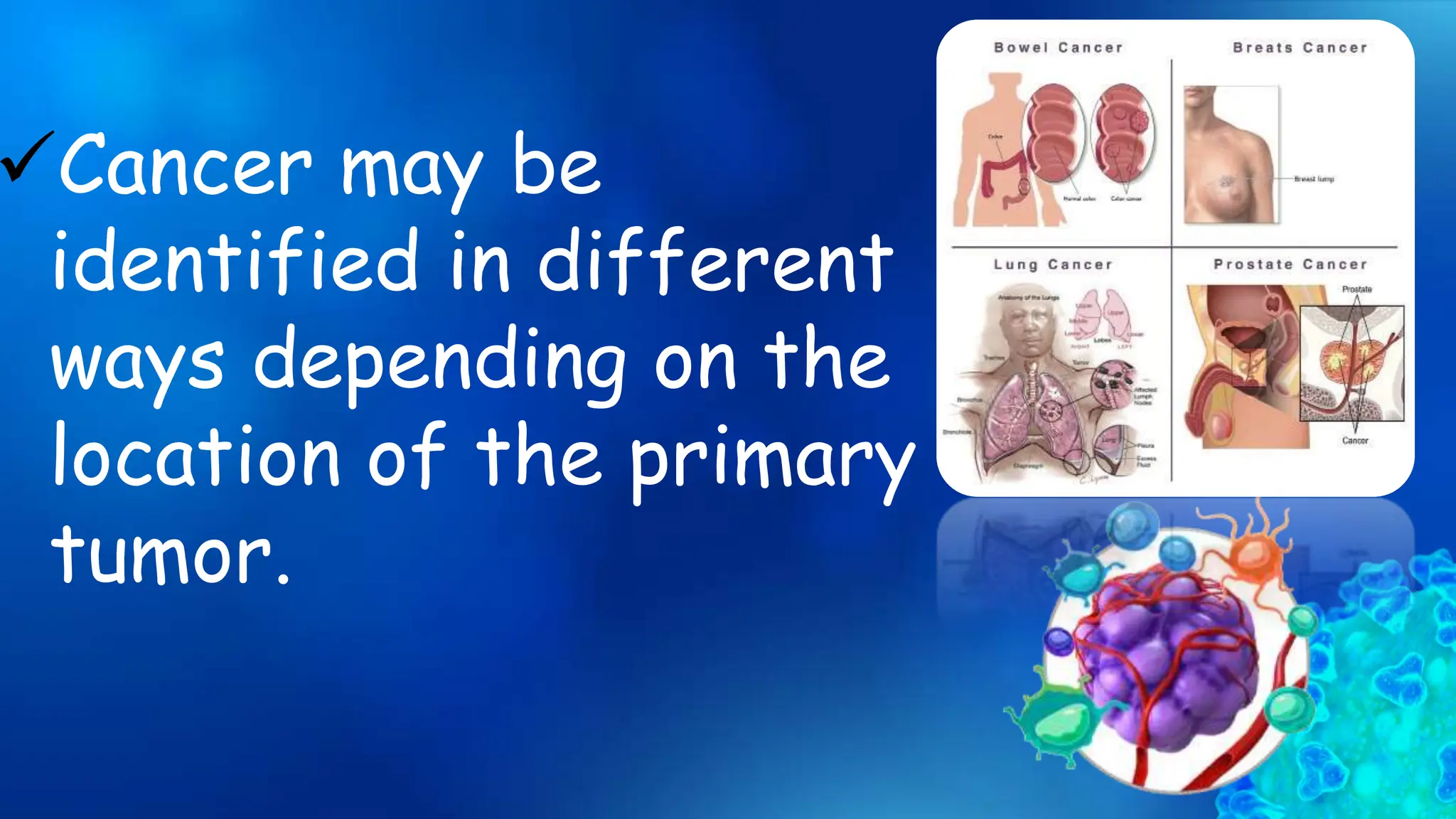
Cancer may be
identified in different
ways depending on the
location of the primary
tumor.
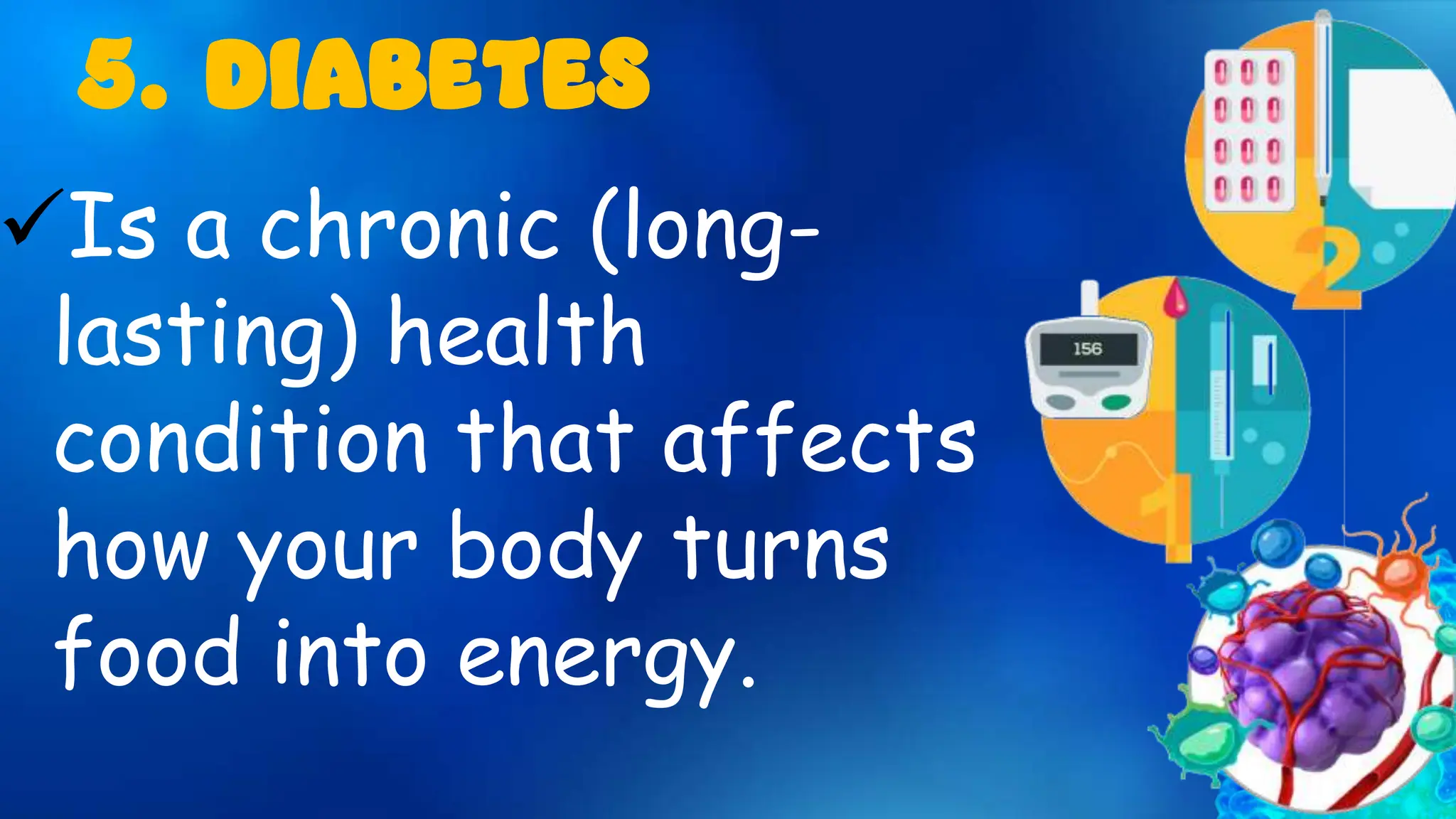
Is a chronic (long-
lasting) health
condition that affects
how your body turns
food into energy.
5. DIABETES
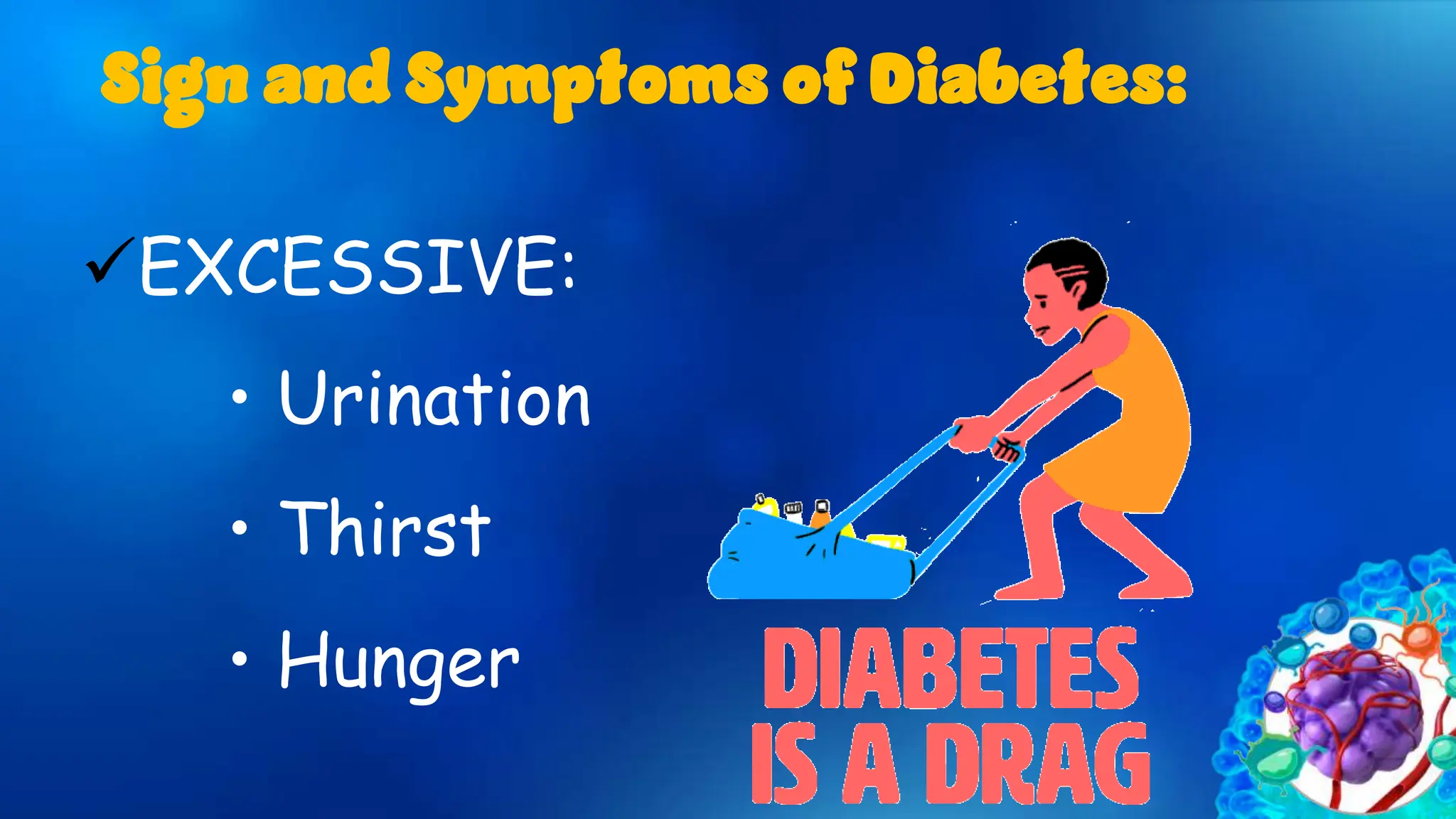
EXCESSIVE:
• Urination
• Thirst
• Hunger
Sign and Symptoms of Diabetes:
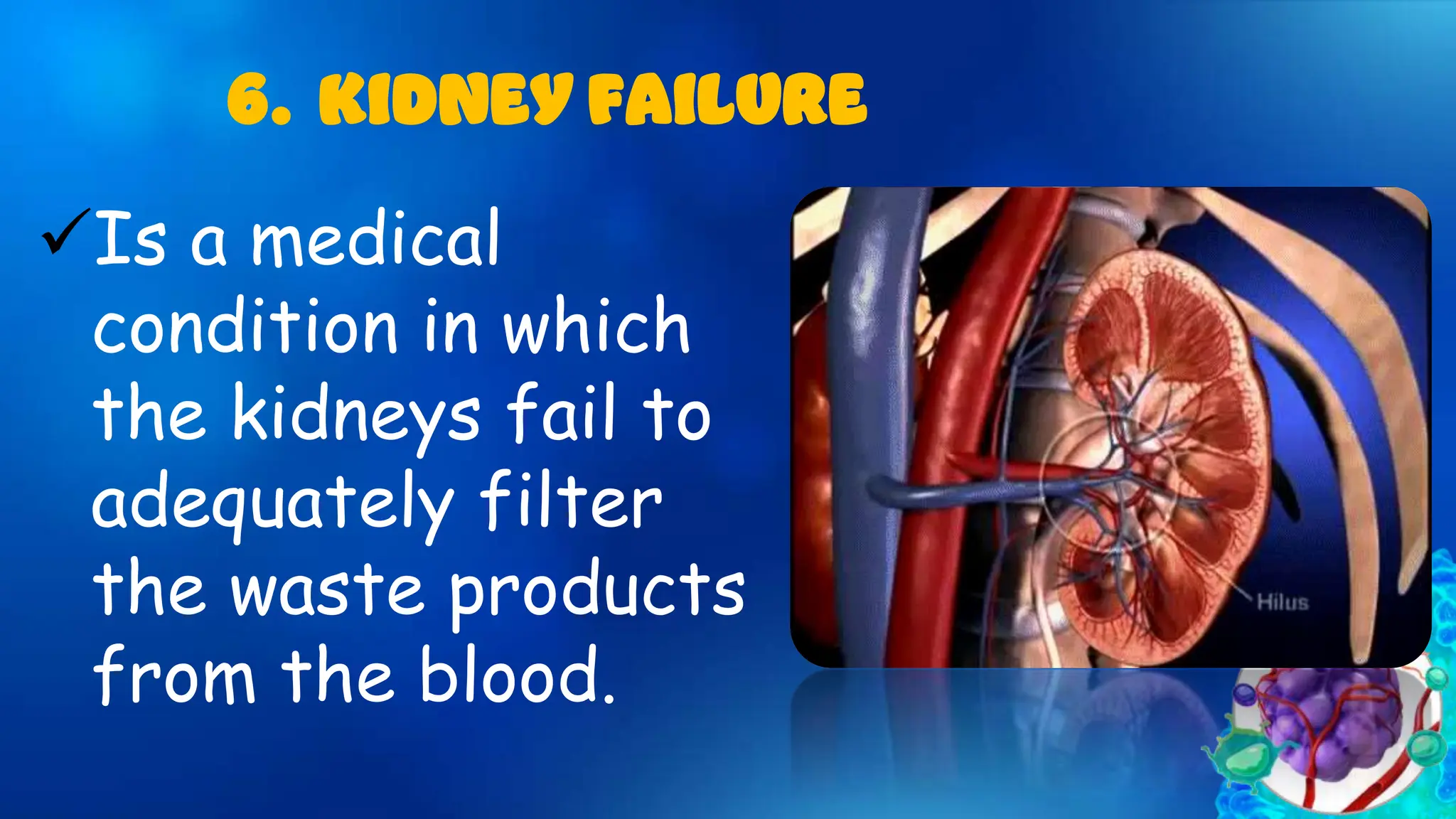
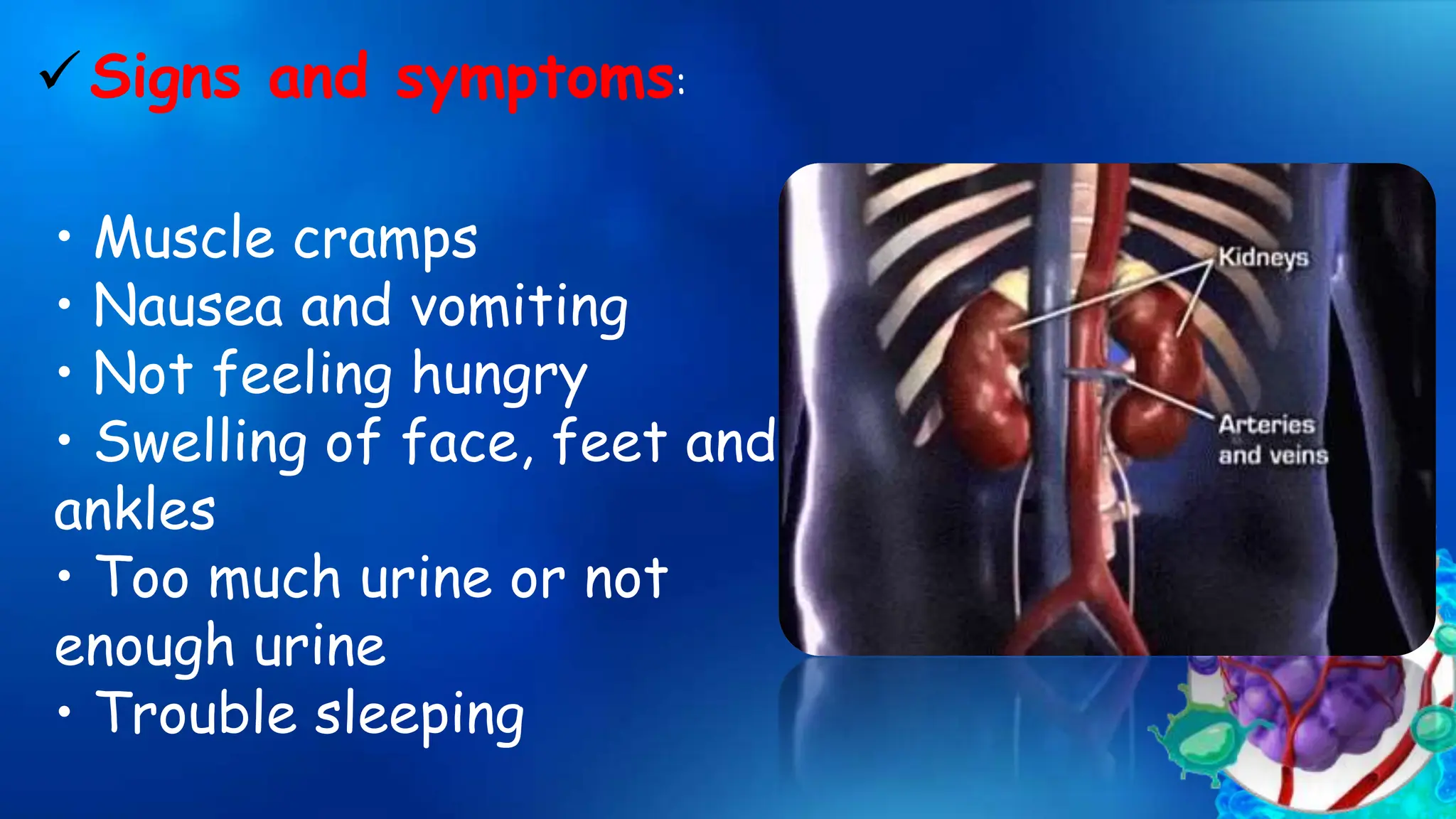
Is a medical
condition in which
the kidneys fail to
adequately filter
the waste products
from the blood.
6. KIDNEY FAILURE
Signs and symptoms:
• Muscle cramps
• Nausea and vomiting
• Not feeling hungry
• Swelling of face, feet and
ankles
• Too much urine or not
enough urine
• Trouble sleeping
Write an essay in 1 whole sheet paper by
answering the following questions:
-end-
Prepared by:
MA. JOSSA V. FERRER
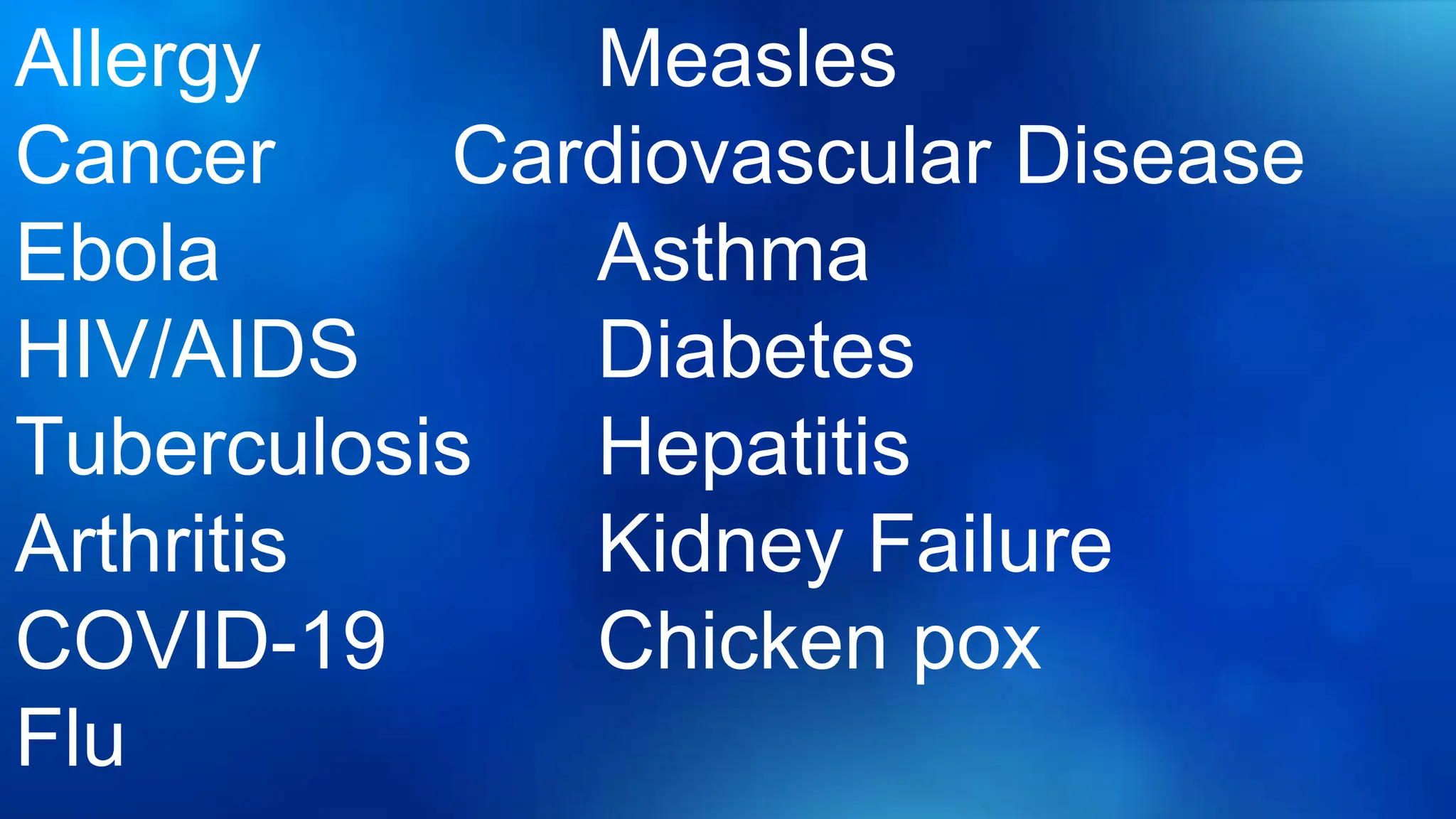
Allergy Measles
Cancer Cardiovascular Disease
Ebola Asthma
HIV/AIDS Diabetes
Tuberculosis Hepatitis
Arthritis Kidney Failure
COVID-19 Chicken pox
Flu
Complete Me
Direction: Fill in the table below with the
appropriate information about non-
communicable diseases.
Be guided by the headings in each column.
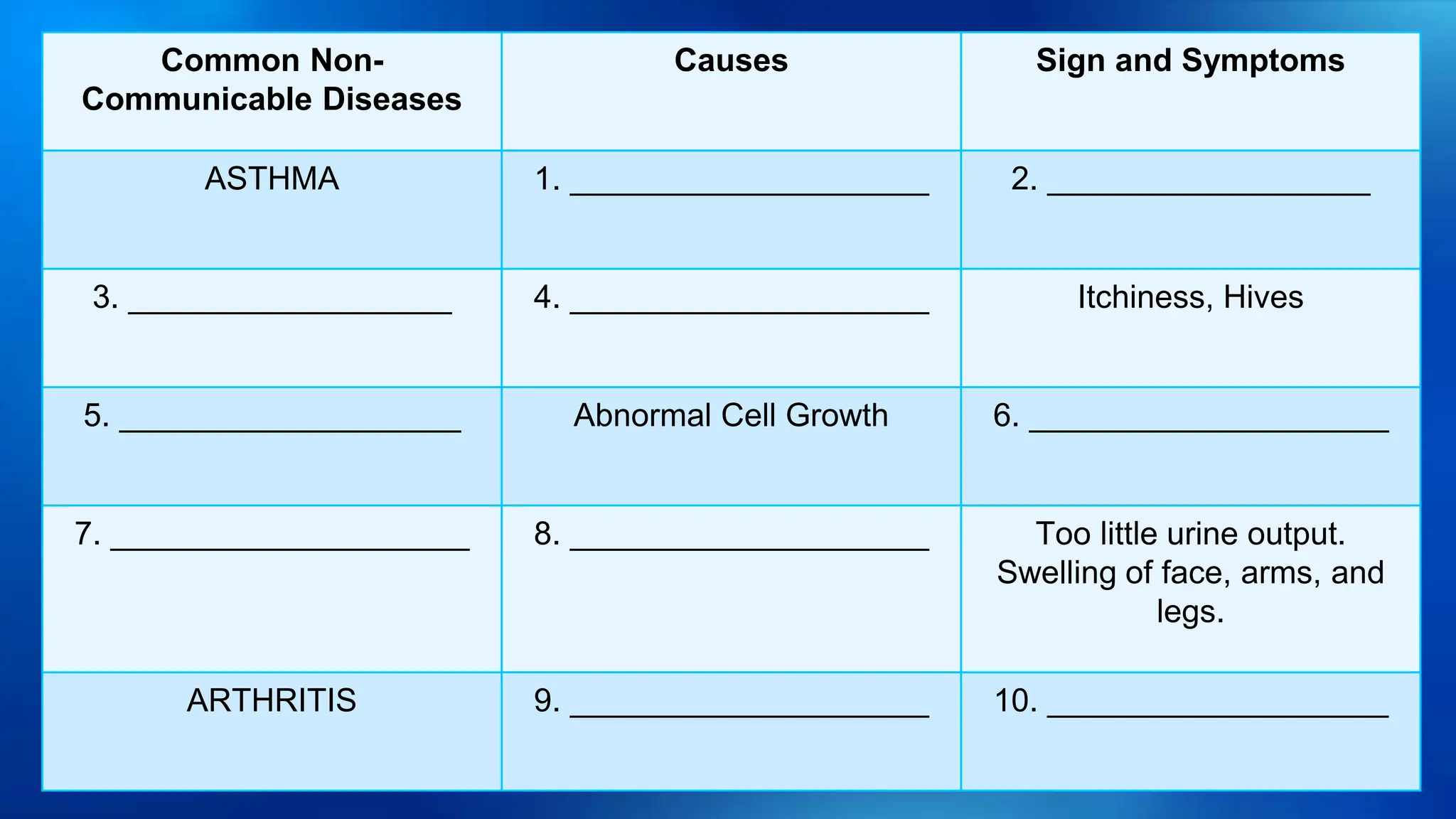
Common Non-
Communicable Diseases
Causes Sign and Symptoms
ASTHMA 1. ____________________ 2. __________________
3. __________________ 4. ____________________ Itchiness, Hives
5. ___________________ Abnormal Cell Growth 6. ____________________
7. ____________________ 8. ____________________ Too little urine output.
Swelling of face, arms, and
legs.
ARTHRITIS 9. ____________________ 10. ___________________
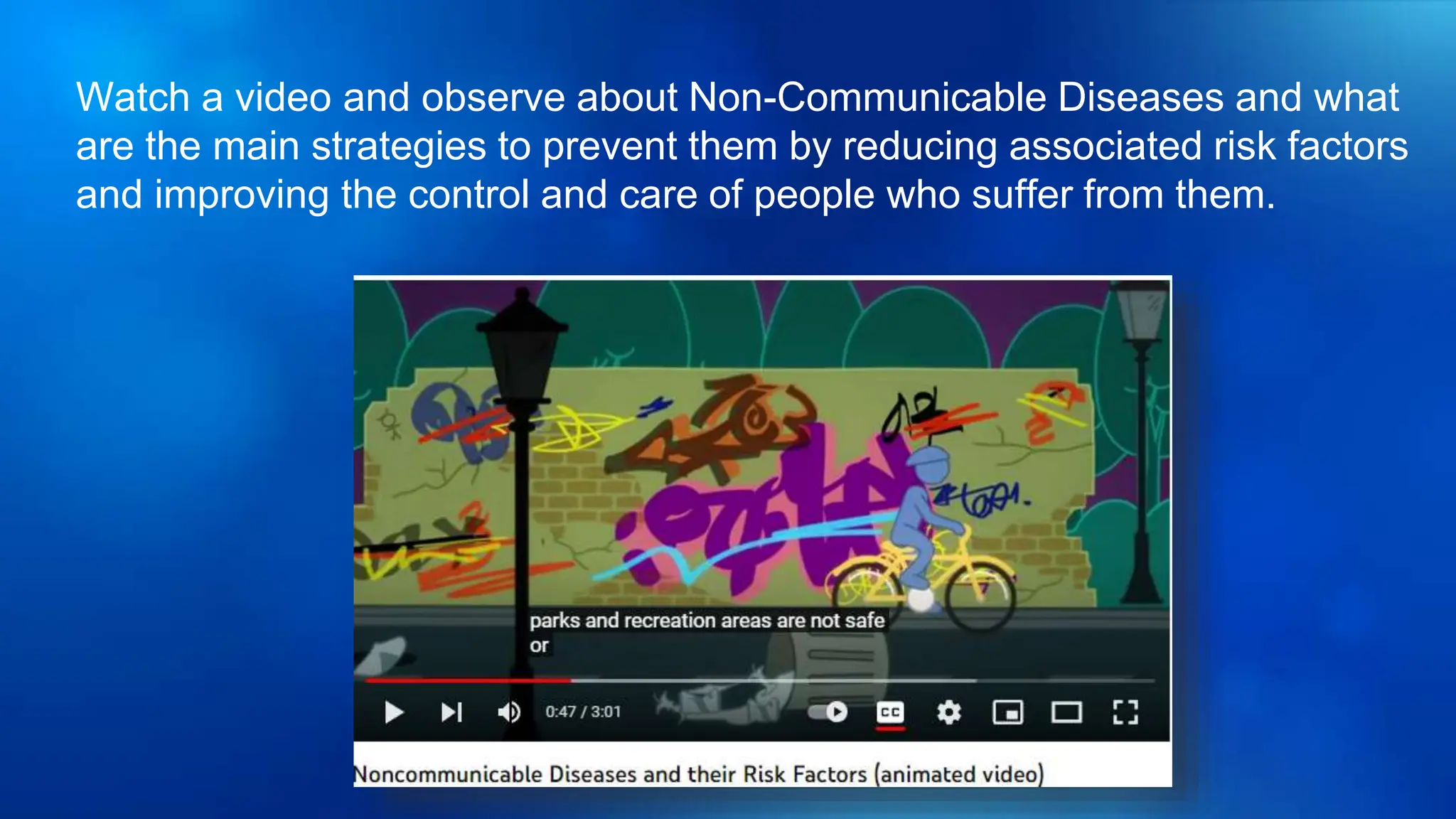
Watch a video and observe about Non-Communicable Diseases and what
are the main strategies to prevent them by reducing associated risk factors
and improving the control and care of people who suffer from them.
.
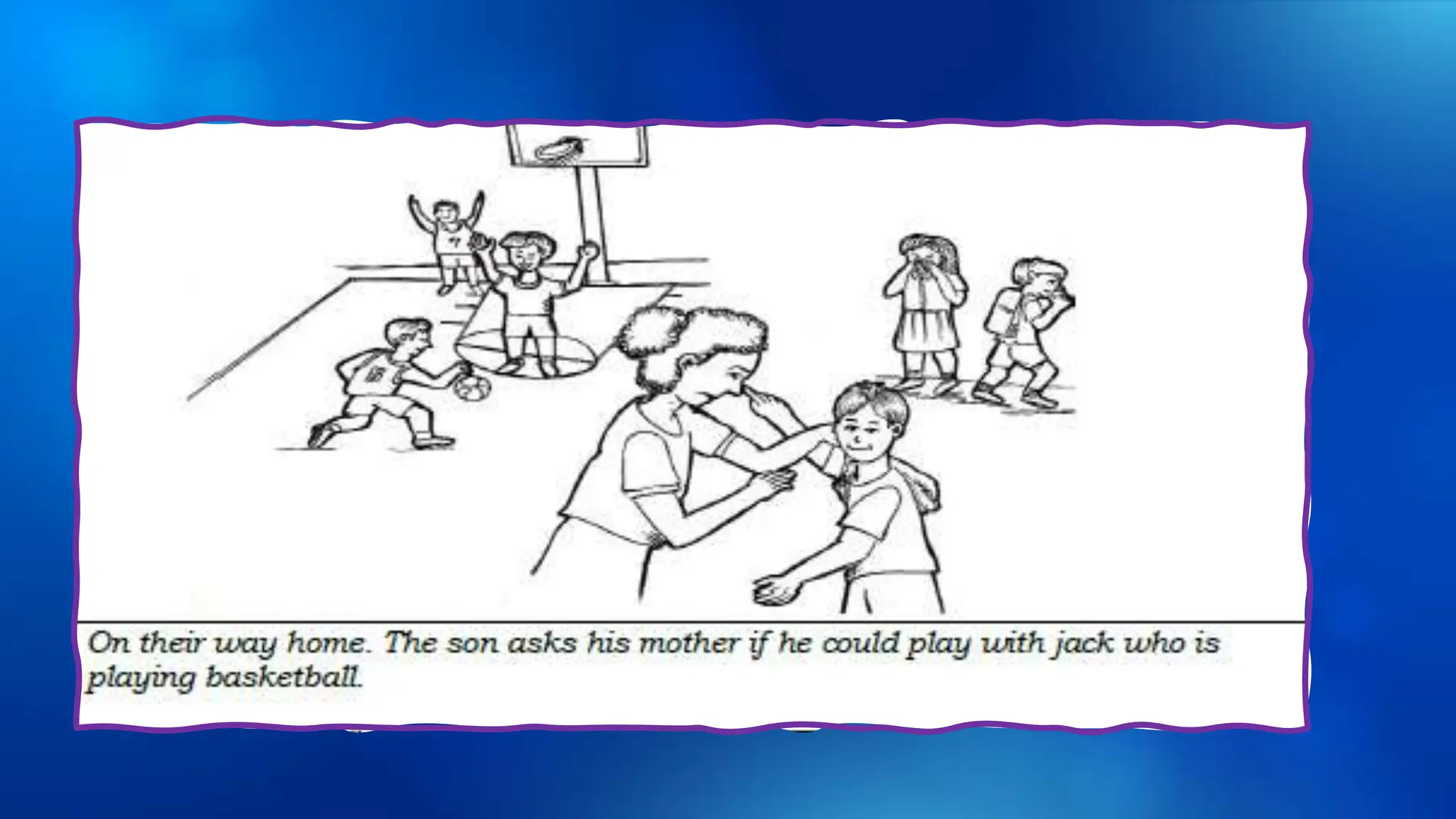
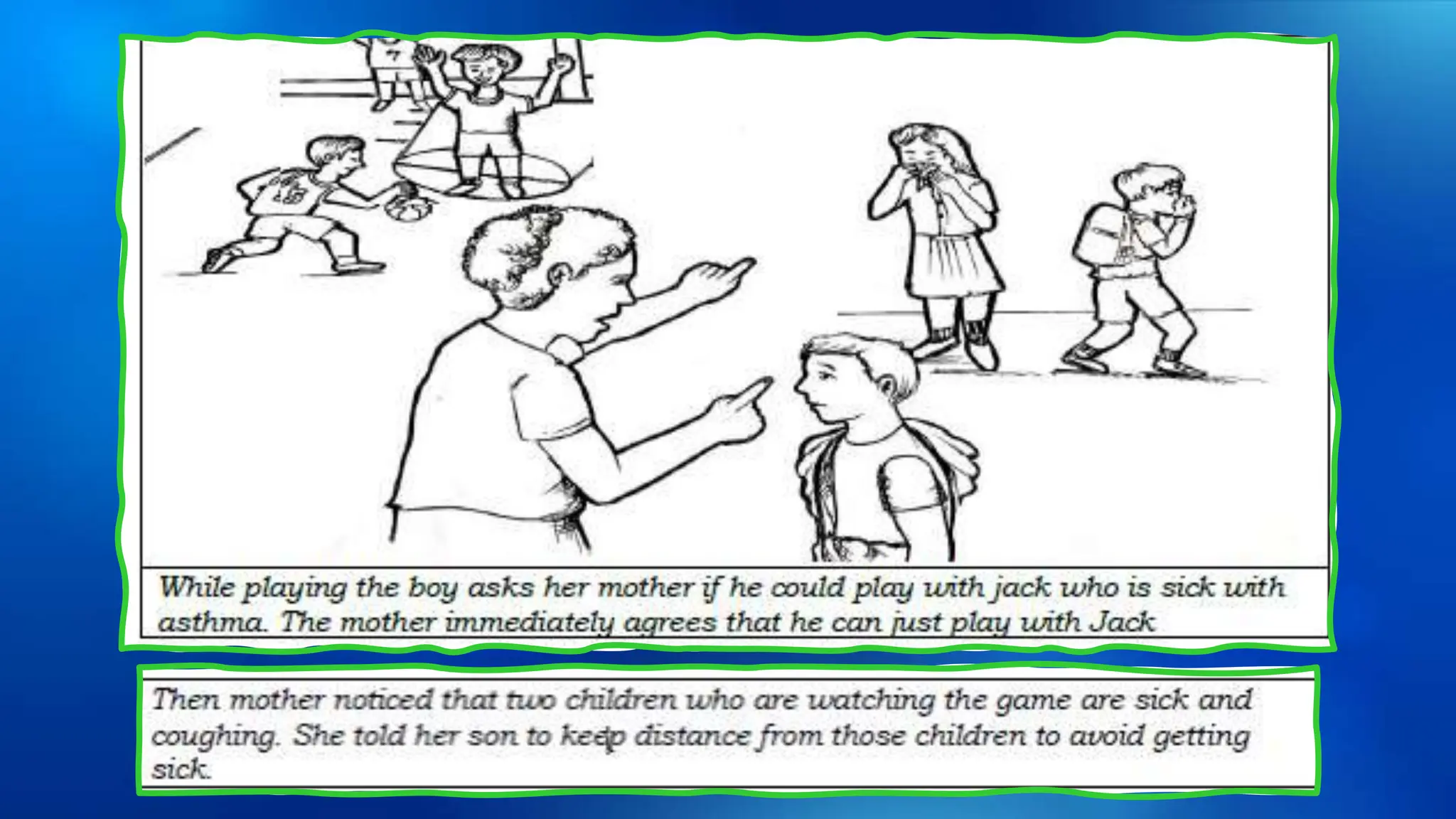
Processing Questions…
1. Observe illustration no. 1 and read
the caption. Why did the mother ask
her son to avoid the kid with cough?
2. Observe illustration no. 2 and read
the caption. Why did the mother let her
son play with the kid with asthma?

HEALTH 7 - COMMON NON-COMMUNICABLE DISEASES

  • 2.
  • 3.
  • 4.
  • 5.
  • 6.
  • 7.
  • 8.
  • 9.
  • 10.
  • 11.
  • 13.
    Direction: Four imagesare shown below. Each of the image have something in common. Using the clue, guess the theme of the images.
  • 14.
    _ I E A_ _ _ S D I E A B T E S
  • 15.
    _ E T A_ A _ T _ C _ H E T A R A T T A C K
  • 16.
    H _ _H B _ O _ _ H I G H B L O O D
  • 17.
    _ L _ _E G _ A L R L E G Y
  • 18.
    _ S _ _H A A S M T H A
  • 19.
    G _ T N_ _ C _ G E T N E I C S
  • 20.
    _ E R __ F E R V E
  • 21.
    I _ _ U VI S R U
  • 22.
    _ O _ _G C O H U G
  • 23.
    D _ A S_ _ E D I A S E S E
  • 25.
    The Nature of theCommon Non-Communicable Diseases
  • 26.
    What is DISEASE? Diseaseis any harmful deviation from the normal structural or functional state of an organism, generally associated with certain signs and symptoms.
  • 27.
  • 28.
    - It iscaused by pathogens (virus, bacteria, fungi etc.), which are disease-causing organisms and can be transmitted from one person to another, or from animals to people. COMMUNICABLE DISEASE
  • 29.
     generally arelong-lasting and progress slowly.  These diseases cannot be transmitted from one person to another.  It can arise from environmental exposures, lifestyle, or from genetically determined abnormalities.  Examples include diabetes, heart attack, cancer, stroke, asthma etc. NON-COMMUNICABLE DISEASE
  • 30.
  • 31.
  • 32.
     occurs dueto an abnormal immunologic response following an exposure to an allergen such as dust mites, pollen, bee venom, pet lice, and food.  Signs and symptoms depend on the substance involved.  However common manifestations include hives (wheals), itchiness, and sneezing. 1. Allergy
  • 33.
    • Tingling inthe mouth. • Swelling of the lips, tongue, face, or throat. • Hives (an outbreak of swollen, pale red bumps or plaques (wheals) on the skin). • Anaphylaxis (causes your immune system to release a flood of chemicals that can cause you to go into shock). Symptoms:
  • 34.
    • A largearea of swelling (edema) at the sting site. • Itching or hives all over the body. • Cough, chest tightness, wheezing or shortness of breath.
  • 35.
     an inflammatorydisease of the airways to the lungs.  It makes breathing difficult and can make some physical activities difficult or even impossible.  Asthma may be prevented through lifestyle changes, and medications. 2. Asthma
  • 36.
    • Shortness of breath •Wheezing • Coughing • Chest Tightness Sign and Symptoms
  • 37.
     disease ofthe heart and blood vessels.  According to WHO or World Health Organization, Cardiovascular diseases (CVDs) are the leading cause of death globally, taking an estimated 17.9 million lives each year. 3. Cardiovascular Disease
  • 38.
    A. Heart (cardio)Diseases Two types of Cardiovascular Diseases (CVD) Congenital heart disease -is an abnormality in the heart’s anatomical structure that you were born with.
  • 39.
    B. Vascular (bloodvessel) Diseases Two types of Cardiovascular Diseases (CVD) Arteriosclerosis is characterized by thickening and loss of elasticity of arterial walls.
  • 40.
    Signs and Symptoms Strokemost commonly occurs when a clot blocks a small vessel in the brain and thus brain cells die due to lack of oxygen supply.
  • 41.
    Signs & Symptoms Hypertension is blood pressure that is higher than normal.
  • 42.
    Signs & Symptoms Myocardialinfarction  commonly known as Heart Attack occurs when one or more of coronary arteries supplying the heart suddenly becomes blocked, stopping the flow of blood to the heart muscle.
  • 43.
    It is causedby abnormal cells growing without control, they form masses called tumors. 4. CANCER
  • 44.
    Genetic changes that causecancer can be inherited from parents or may arise during a person’s lifetime as a result of errors in DNA replication caused by certain environmental exposures.
  • 45.
    1. BENIGN TUMOR CANCER:TYPES OF TUMOR  those that stay in their primary location without invading other sites of the body.  They do not spread to local structures or to distant parts of the body.  Benign tumors tend to grow slowly and have distinct borders. Benign tumors are not usually problematic.
  • 46.
    2. MALIGNANT TUMOR Malignant tumors have cells that grow uncontrollably and spread locally and/or to distant sites.  Malignant tumors are cancerous (ie, they invade other sites). They spread to distant sites via the bloodstream or the lymphatic system.  This spread is called metastasis.
  • 47.
    Cancer may be identifiedin different ways depending on the location of the primary tumor.
  • 48.
    Is a chronic(long- lasting) health condition that affects how your body turns food into energy. 5. DIABETES
  • 49.
    EXCESSIVE: • Urination • Thirst •Hunger Sign and Symptoms of Diabetes:
  • 50.
    Is a medical conditionin which the kidneys fail to adequately filter the waste products from the blood. 6. KIDNEY FAILURE
  • 51.
    Signs and symptoms: •Muscle cramps • Nausea and vomiting • Not feeling hungry • Swelling of face, feet and ankles • Too much urine or not enough urine • Trouble sleeping
  • 53.
    Write an essayin 1 whole sheet paper by answering the following questions:
  • 54.
  • 56.
    Allergy Measles Cancer CardiovascularDisease Ebola Asthma HIV/AIDS Diabetes Tuberculosis Hepatitis Arthritis Kidney Failure COVID-19 Chicken pox Flu
  • 57.
    Complete Me Direction: Fillin the table below with the appropriate information about non- communicable diseases. Be guided by the headings in each column.
  • 58.
    Common Non- Communicable Diseases CausesSign and Symptoms ASTHMA 1. ____________________ 2. __________________ 3. __________________ 4. ____________________ Itchiness, Hives 5. ___________________ Abnormal Cell Growth 6. ____________________ 7. ____________________ 8. ____________________ Too little urine output. Swelling of face, arms, and legs. ARTHRITIS 9. ____________________ 10. ___________________
  • 59.
    Watch a videoand observe about Non-Communicable Diseases and what are the main strategies to prevent them by reducing associated risk factors and improving the control and care of people who suffer from them.
  • 62.
    . Processing Questions… 1. Observeillustration no. 1 and read the caption. Why did the mother ask her son to avoid the kid with cough? 2. Observe illustration no. 2 and read the caption. Why did the mother let her son play with the kid with asthma?

Editor's Notes

  • #2  Let’s have a recap on our previous lesson in Physical Education about the fundamental skills in festival dances. What are those 3 categories that we already discussed?   “Very Good!”   So, the 3 categories of fundamental skills in festival dances are Locomotor, Non-Locomotor and Manipulative Skill. Now try to identify the following what category is being asked. Just raise your hand if you know the answer, don’t answer me in chorus.”
  • #3 X
  • #4 X
  • #5 X
  • #6 X
  • #7 X
  • #8 X
  • #9 X
  • #10 X
  • #11 X
  • #13 “Very Good! It seems like you understand our lesson very well.   Before we proceed to our new lesson, I prepared a short game. It’s like 4Pix 1Word but I want to call it “Find the secret word”. And here’s the direction:  
  • #14 There are four images, each of the image has something in common. Using the clue, you will guess the theme of the images.   Understood? Just raise your right hand if you know the answer.
  • #15 X
  • #16 X
  • #17 X
  • #18 X
  • #19 X
  • #20 X
  • #21 X
  • #22 X
  • #23 X
  • #24 X
  • #25 Now that you get all the answers in our game, what did you notice about the answers?   Do you have any idea what is our topic for today?   Very good!
  • #26   “Our topic today is about Diseases, but we will be focusing on the Nature of Non-communicable diseases.”   “But what is disease?”   Please read the definition of disease… (Calls student to read the meaning of disease)
  • #27 “Everybody just say deviation.” “Deviation is also used in math particularly in statistics. But in medical term, deviation is change or abnormality. So, disease is a certain changes, disorder or abnormality of the functioning organ, part, structure or system of the body. “
  • #28 “We have 2 categories of disease, the first one is communicable disease and second one is non-communicable disease. “Let’s discuss the difference of these two categories. Who will read the definition of communicable disease?”
  • #29 “Everybody say pathogen.”   “Pathogen is a microorganism that causes, or can cause disease, virus, bacteria, fungi, protozoa etc. are examples of pathogen. It can be transmitted from physical contact like (covid19, flu, chicken pox), or it can be transmitted through bites from insects or animals capable of transmitting the disease like (dengue and malaria) and also travel through the air, such as (tuberculosis or measles).”   “But these diseases can be avoided by taking preventive actions and measures.”   “How about the Non-communicable disease? Please read the definition…”
  • #30 “On the other hand, non-communicable disease cannot be transmitted from one person to another, but they are typically caused by unhealthy behaviours. “   “Is that clear?”   “Can you give example of non-communicable disease that you know?”
  • #31 “Our lesson will be focused on some examples of non-communicable diseases. After discussion I will demonstrate to you how communicable diseases spread and why non-communicable diseases not, by the use of paper and water.”
  • #32 “Let’s discuss further the examples of non-communicable diseases.”
  • #33 “The first non-communicable disease is Allergy. Who among you have an allergy? What is allergy? Kindly read..”   “Some people have allergies in certain foods, like seafoods (shrimp, shellfish) also in milk, eggs, chicken, peanuts etc. Others have allergies in pets, dust mites, cockroaches and even in some medicines or antibiotics.” G6PD-detected through newborn
  • #34 “These are the symptoms: tingling in the mouth, swelling of the lips, tongue, face or throat, hives, and anaphylaxis. Anaphylaxis is a severe, potentially life-threatening allergic reaction. Swelling, itching all over the body and cough, chest tightness, wheezing or shortness of breath.”
  • #36 “The second one is Asthma. Who among you have asthma? Asthma is an inflammatory disease of the airways to the lungs. What particular system of the body does asthma affects?”   “According to a CDC report, if a person has parent with asthma, they are three to six times more likely to develop asthma than someone who does not have a parent with asthma.”   “But asthma may be prevented through lifestyle changes and medication.”
  • #37 “Here are signs and symptoms: shortness of breath, wheezing, coughing and chest tightness.”
  • #38 “The third example of non-communicable disease is the Cardiovascular disease. Cardio means heart and vascular means blood vessels. Meaning the cardiovascular disease is the disease of the heart and blood vessels.” “There are two types of cardiovascular diseases,
  • #39 the first one is the Heart (cardio) diseases. Example of heart (cardio) disease is the congenital disease, wherein there is an abnormality in the heart’s anatomical structure that you were born with. Meaning there is a problem with the heart structure since birth. Because the word “congenital” means the condition is present from birth.”   “Is the clear?”  
  • #40   “The second type of cardiovascular disease is the vascular diseases and example of this is an Arteriosclerosis. Arteriosclerosis occurs when the blood vessels that carry oxygen and nutrients from the heart to the rest of the body (arteries) become thick. Meaning it occurs when fatty substance such as cholesterol is deposited on the walls of the arteries, making the vessels hard, narrow and less elastic. This may lead to a blood clot. Healthy arteries are flexible and elastic.”
  • #41 “These are signs and symptoms of cardiovascular diseases – stroke, hypertension and myocardial infarction commonly known as heart attack.”
  • #43 Typically, it presents with chest pain, chest heaviness, cold sweats, dizziness, and shortness of breath.
  • #44 “The fourth non-communicable disease is Cancer. Everybody read the definition of cancer”   “Our human body is composed of trillions of cells, all working together. But when the cells continue to grow, and they start to clump together this becomes tumor.”
  • #45   “According to National Cancer Institute, cancer is a genetic disease. Meaning cancer can be inherited from your family.”   “We have 2 types of tumors.
  • #46 The first one is benign tumor; this is abnormal cell but non-cancerous collection of cells. Meaning they do not spread to local structures or to distant parts of the body.”
  • #47 “Second one is malignant tumor; these tumors are cancerous. They travel to other areas of the body and they grow. And this spread is called metastasis.”   “There are many types of malignant cancers these may be identified depending on the location of the primary tumor.”    
  • #48 “Can you name some types of cancer that you know?” To give few examples; bone marrow aspiration is used to diagnose leukemia, pap smear is used to screen cervical cancer, and mammogram is used to screen and/or diagnose breast cancer.
  • #49 The fifth non-communicable disease is Diabetes. this disease happens when blood sugar levels are higher than normal. The normal blood sugar is between 70-100. When your blood sugar is below normal this also could be dangerous. So, it is important to check our sugar level.” Our body breaks down most of the food we eat into sugar (glucose) and releases it into bloodstream. Whey your blood sugar goes up, it signals your pancreas to release insulin. And insulin acts like a key to let the blood sugar into your body’s cells for use as energy. With diabetes, your body doesn’t make enough insulin or can’t use it as well as it should. Where there isn’t enough insulin, too much blood sugar stays in your bloodstream and this can cause serious health problems like vision loss, kidney disease.
  • #50 “Signs and symptoms of Diabetes, urination often at night, thirst and hunger.”
  • #51  “Our last example of non-communicable disease is Kidney or Renal Failure.”   “How many kidneys do we have in our body?”   “Very Good!” “So, what are main function of our kidney?” “Kidneys remove wastes and extra fluid from our body; meaning our kidneys serve as a filter. “   “When kidneys have stopped working well, most probably it will no longer filter waste from our blood. And for those people have this disease, they usually have their dialysis or kidney transplant for them to survive.”
  • #52 “These are signs and symptoms. Who will read?”
  • #53 Always remember that health is something that we can’t buy with money but we can take care of it. This is God’s gift to us. So, we should eat healthy foods and follow healthy lifestyle. Because being healthy brings happiness to our lives and helps us to live a stress-free and disease-free life.