International Journal of Security, Privacy and Trust Management (IJSPTM) Vol 13, No 4, November 2024
DOI: 10.5121/ijsptm.2024.13401 1
GENERATIVE AI ETHICS: A COMPREHENSIVE
SAFETY AND REGULATION FRAMEWORK
Arun kumar Thirunagalingam
Sr.Manager – Data & Technical Operations, McKesson Corporations, Irving, TX, USA
ABSTRACT
The quick development of generative AI technology has brought about revolutionary new possibilities for
decision-making, design, and content production. But these developments have also raised serious ethical
questions, emphasizing the need for an all-encompassing framework to guarantee the security and control
of generative AI systems. To address the ethical issues raised by generative AI, this study puts forth a
paradigm that centers on the concepts of accountability, transparency, and governance. Strategies for
reducing the dangers associated with AI-generated content are provided by this paper through an analysis
of the present regulatory frameworks and the identification of gaps. The framework that is being suggested
supports a multi-stakeholder approach that incorporates technical, legal, and ethical viewpoints to
establish a well-rounded and efficient regulatory framework. The discussion of research directions for the
future and the significance of continuing discourse to maintain AI technologies in line with social ideals
finishes the article.
KEYWORDS
AI Safety, Generative AI, Ethical Regulation, Transparency, Governance
1. INTRODUCTION
A new era of automation and invention has been brought about by the development and
application of generative AI technologies, such as Large language models and creative design
algorithms. With the use of these technologies, previously unthinkable new content can be
produced, such as writing, photos, music, and even whole virtual worlds. But these abilities also
provide significant ethical difficulties. Concerns including the possibility of false information,
skewed results, invasions of privacy, and dwindling intellectual property rights are starting to
take front stage in the conversation around artificial intelligence.
The need to develop moral standards and legal safeguards is more important than ever as
generative AI is being incorporated into a variety of industries, including journalism, healthcare,
and finance. A regulatory hole has been formed where the potential downsides of AI systems
may go unchecked due to the lack of comprehensive rules and the quick speed of technological
advancements. By putting forth a framework that guarantees the development and application of
generative AI technologies in a way that is ethical, safe, and consistent with society norms, this
study seeks to close this gap.
The foundation of the paradigm this article suggests is accountability, openness, and good
governance. It promotes a multi-stakeholder strategy involving legislators, ethicists, the public,
and AI developers and users. This method is essential for developing laws that are enforceable,
socially acceptable, and technically sound.
International Journal of Security, Privacy and Trust Management (IJSPTM) Vol 13, No 4, November 2024
2
1.1. AI Ethics in their Historical Context
The ethical questions raised by AI are not brand-new. Scholars and practitioners have argued
over the possible advantages and disadvantages of autonomous systems ever since AI research
began in the middle of the 20th century. Early conversations centered on how AI will affect
things like human-machine interaction, employment, and privacy. But the emergence of
generative AI has focused attention on these challenges, especially the moral application of AI in
producing material that can shape social norms and public opinion.
1.2. The Rise of Artificial Intelligence Technologies
A family of AI models known as generative AI can produce new material by learning patterns
from preexisting data. Innovative methods like GPT (Generative Pre-trained Transformer) and
GANs (Generative Adversarial Networks) have transformed domains such as computer vision,
natural language processing, and creative arts. These models are widely used throughout
industries due to their capacity to generate realistic photos, text that looks like it was written by a
human, and other types of media. But because of their generative character, they also bring up
ethical issues, namely in relation to legitimacy, ownership, and social impact of information
produced by AI.
1.3. Generative AI and Ethical Issues
Generative AI raises a variety of ethical issues. The risk that artificial intelligence (AI) will
produce inaccurate or dangerous material is among the most urgent worries. For instance, deep-
fake technologies have been used to propagate false information, sway public opinion, and invade
people's privacy. These technologies use artificial intelligence (AI) to produce realistic looking
but fraudulent films or photographs. Furthermore, because AI models are trained on data that has
inherent biases, the results may reinforce preexisting societal preconceptions, making prejudice
and inequality problems worse.
The effect of generative AI on intellectual property rights is a serious worry as well. The
ownership and credit of original works produced by AI systems are becoming increasingly
problematic. It may be possible to stifle innovation and creativity due to disagreements over the
rights to AI-generated content if there are unclear legal frameworks in place to handle these
problems.
1.4. Reasons for Forming a Regulatory Structure
A legislative framework is obviously needed to guarantee that these technologies should be
created and used properly, especially considering the ethical problems that generative AI
presents. There are two reasons why this kind of framework was created. First and foremost, it is
critical to safeguard people and society against the possible negative effects of AI, such as false
information, bias, and invasions of privacy. Second, by establishing precise norms and standards
for the creation and application of AI technology, a well-thought-out regulatory framework may
promote innovation.
International Journal of Security, Privacy and Trust Management (IJSPTM) Vol 13, No 4, November 2024
3
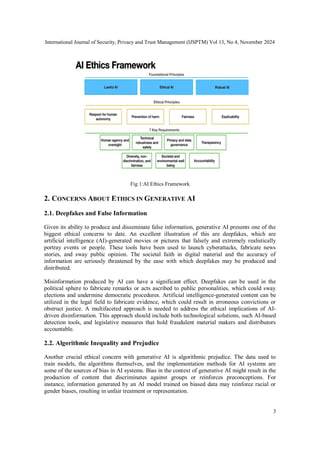
Fig 1:AI Ethics Framework
2. CONCERNS ABOUT ETHICS IN GENERATIVE AI
2.1. Deepfakes and False Information
Given its ability to produce and disseminate false information, generative AI presents one of the
biggest ethical concerns to date. An excellent illustration of this are deepfakes, which are
artificial intelligence (AI)-generated movies or pictures that falsely and extremely realistically
portray events or people. These tools have been used to launch cyberattacks, fabricate news
stories, and sway public opinion. The societal faith in digital material and the accuracy of
information are seriously threatened by the ease with which deepfakes may be produced and
distributed.
Misinformation produced by AI can have a significant effect. Deepfakes can be used in the
political sphere to fabricate remarks or acts ascribed to public personalities, which could sway
elections and undermine democratic procedures. Artificial intelligence-generated content can be
utilized in the legal field to fabricate evidence, which could result in erroneous convictions or
obstruct justice. A multifaceted approach is needed to address the ethical implications of AI-
driven disinformation. This approach should include both technological solutions, such AI-based
detection tools, and legislative measures that hold fraudulent material makers and distributors
accountable.
2.2. Algorithmic Inequality and Prejudice
Another crucial ethical concern with generative AI is algorithmic prejudice. The data used to
train models, the algorithms themselves, and the implementation methods for AI systems are
some of the sources of bias in AI systems. Bias in the context of generative AI might result in the
production of content that discriminates against groups or reinforces preconceptions. For
instance, information generated by an AI model trained on biased data may reinforce racial or
gender biases, resulting in unfair treatment or representation.
International Journal of Security, Privacy and Trust Management (IJSPTM) Vol 13, No 4, November 2024
4
It is necessary to overcome prejudice on several levels to ensure justice in AI-generated content.
This entails enhancing the representativeness and diversity of training data, creating algorithms
that are less prone to bias, and applying fairness standards to assess the results of artificial
intelligence.Furthermore, detecting and reducing bias in AI decision-making systems depends on
transparency. Regulations should require the publication of all information about AI systems,
including where training data comes from and how bias is reduced.
2.3. Security of Data and Privacy
With generative AI's reliance on massive datasets that frequently contain personal data, privacy
problems are especially relevant. When AI systems use personal data to produce content, they
may unintentionally reveal private information or produce content that infringes on people's
privacy. For instance, content that divulges personal information about people without their
permission may be produced by an AI model trained on social network data.
Using strong data protection techniques, such as anonymization, encryption, and safe data
storage, is necessary to ensure data security and privacy in generative AI. Regulations should also
demand the express agreement of those whose data is used in AI training procedures. To ensure
that privacy considerations are incorporated into every stage of the AI lifecycle, the notion of
"privacy by design" should be ingrained in the development of generative AI systems.
2.4. Creative Rights and Intellectual Property
The boundaries between human and machine creativity are becoming hazier due to the
development of generative AI, which raises challenging issues with intellectual property (IP)
rights. It's not obvious who owns the copyright to original works produced by AI systems: the
AI's developers, either the AI system itself or the users who created the content. Since intellectual
property law has always been predicated on human authorship and inventiveness, this vagueness
poses difficulties.
To tackle these obstacles, regulatory frameworks need to clearly define the rights and crediting of
content generated by artificial intelligence. This entails defining AI's function as a tool as
opposed to an independent creator and figuring out how current intellectual property rules relate
to works created by AI. It might also be required to create new legal classifications or safeguards
expressly for AI-generated work to guarantee authors receive just compensation and to prevent
stifling innovation.
2.5. Human Supervision and Management
Concerns over the loss of human supervision and control are raised by the generative AI systems'
growing autonomy. Unintended consequences are a growing issue as AI systems gain more
autonomy in decision-making and content generation. For instance, before it is discovered and
fixed, an AI system that creates damaging content without human assistance may do a great deal
of harm.
Developing systems that enable people to keep an eye on and interfere with AI operations is
necessary to guarantee human oversight and control in generative AI. This entails creating AI
systems with built-in safety features like kill switches and fail-safes and making sure that humans
are involved in all important decision-making processes. AI system design should be governed by
regulatory frameworks that prioritize accountability and transparency, enabling traceability and
auditing of AI choices.
International Journal of Security, Privacy and Trust Management (IJSPTM) Vol 13, No 4, November 2024
5
Fig 2: an overview of ML subfields, establishes relationships among these subfields, and shows the path to
generative AI.
3. CURRENT REGULATORY ENVIRONMENT
3.1. International AI Laws
Because distinct legal, cultural, and economic frameworks exist in different regions and
countries, there are substantial differences in the regulation of AI technologies. AI systems that
handle personal data must adhere to the General Data Protection Regulation (GDPR), which
establishes a thorough framework for data protection in Europe. The Artificial Intelligence Act,
which aims to govern AI systems according to their risk levels and imposes stronger regulations
on high-risk applications like facial recognition and essential infrastructure, has also been
recommended by the European Commission. laws pertaining to several sectors, including the
financial, healthcare, and automotive industries. The Federal Trade Commission (FTC), for
example, has released guidelines on the application of AI in consumer protection, emphasizing
matters such as responsibility, equity, and openness. But because the United States lacks a
comprehensive national AI policy, there is a patchwork of laws that can be confusing and
inconsistent.
China has taken the lead in developing AI rules, prioritizing societal stability and national
security. Strict controls over AI technology have been put in place by the Chinese government,
especially in areas where AI is utilized for censorship and surveillance, such social media and
facial recognition. Furthermore, China has established rules to encourage the safe and responsible
use of AI and has emphasized the significance of ethical norms in its AI policy.
These regional variations in AI law emphasize the necessity of international collaboration and
standardization. Because generative AI technologies are intrinsically international and have
cross-border applications and ramifications, a concerted regulatory strategy is necessary to
guarantee that moral principles are respected everywhere.
3.2. Sector-Specific Recommendations
Different industries have created their own standards and best practices for the moral use of AI in
addition to governmental laws. For instance, the healthcare sector has developed guidelines for
the use of AI to medical diagnosis and treatment, stressing the significance of data
confidentiality, patient permission, and accuracy. Similar principles for AI-driven decision-
International Journal of Security, Privacy and Trust Management (IJSPTM) Vol 13, No 4, November 2024
6
making have been developed by the financial sector, with an emphasis on fairness, transparency,
and the avoidance of bias in lending and investment decisions.
Several ethical rules have also been created by the technology sector, which is the area where
generative AI is most widely used. Prominent artificial intelligence firms, including Microsoft,
OpenAI, and Google, have released guidelines that control the creation and application of AI
systems. These values usually include pledges to uphold honesty, equity, privacy, and preventing
harm. These rules, however, frequently lack the enforcement tools required to guarantee
adherence and are instead optional.
The ethical environment of AI is greatly influenced by industry-specific norms, especially in
sectors where government regulation is still developing. The acceptance and implementation of
these rules, as well as the industry participants' desire to put morality ahead of profit, will
determine how effective they are, though.
3.3. Global Organizations' Ethical AI Frameworks
The development of AI ethics frameworks has also attracted the attention of international
organizations. The OECD Principles on AI are set forth by the Organization for Economic Co-
operation and Development (OECD) and include standards for human rights, accountability, and
transparency. More than 40 nations have ratified these principles, which serve as a basis for
national AI strategies.
A global framework for AI ethics has also been produced by the United Nations Educational,
Scientific, and Cultural Organization (UNESCO) in the form of a Recommendation on the Ethics
of Artificial Intelligence. The UNESCO framework places a strong emphasis on the development
and application of AI technologies with respect to human dignity, inclusivity, and environmental
sustainability.
These international frameworks offer nations and organizations attempting to negotiate the moral
quandaries presented by artificial intelligence useful direction. But putting these ideas into
practice at the local and national levels is still difficult, especially in areas with different cultural
values or little regulatory authority.
3.4. Deficits in Present-Day Regulatory Strategies
There are still a few important gaps in the development of ethical standards and regulations
pertaining to AI. The quick speed of technological development, which frequently surpasses the
capacity of regulators to keep up, is one of the main obstacles. As generative AI technologies
advance, new hazards and ethical dilemmas will probably surface, necessitating regular changes
to legal frameworks.
The absence of coordination and uniformity among various regulatory regimes is another gap.
The fragmented structure of AI regulation can pose difficulties for multinational corporations
operating both within and outside national borders. Different standards can be exploited by AI
developers and users to get around ethical restrictions, which is another way that inconsistent
legislation can create loopholes.
Furthermore, stricter enforcement of AI laws is required. Although beneficial, voluntary norms
and industry-led initiatives frequently fall short of guaranteeing compliance. To guarantee that AI
technologies be used responsibly, strong enforcement measures are necessary. These mechanisms
should include incentives for ethical behavior and punishments for non-compliance.
International Journal of Security, Privacy and Trust Management (IJSPTM) Vol 13, No 4, November 2024
7
4. A FRAMEWORK FOR SAFE AND REGULATING GENERATIVE AI
This study presents a complete framework for the safety and regulation of generative AI,
addressing the ethical issues and regulatory shortcomings noted in the preceding sections. Three
fundamental tenets form the foundation of this framework: multi-stakeholder engagement,
transparency, and governance and accountability. The framework attempts to establish a fair and
efficient regulatory framework that encourages the moral application of generative AI by
including these ideas.
4.1. Governance and Accountability Principles
A key component of the ethical regulation of generative AI is accountability and governance.
Good governance frameworks guarantee that AI systems are created and implemented in a way
that is consistent with social norms and ethical standards. This entails creating procedures for
making people and organizations accountable for the effects of their AI systems, as well as
distinct lines of accountability for decisions and results relating to AI.
The suggested structure promotes the establishment of national and worldwide AI oversight
organizations. These organizations would oversee overseeing the advancement of AI, enforcing
laws, and offering counsel on moral matters. To guarantee that many viewpoints are considered
in the governance of AI, they would also act as platforms for discussion amongst AI developers,
users, legislators, and the public.
It is important to have both ex-ante and ex-post measures in accountability processes. Ex-ante
measures include proactive efforts including risk assessments, application of ethical design
principles, and user agreement that is obtained to prevent ethical violations. Ex-post measures are
ways to address ethical transgressions after they happen, including fines, rectification, and media
coverage.
4.2. Guaranteeing Openness in AI Frameworks
Transparency is essential to ethical AI because it makes it possible for stakeholders to evaluate
the effects of AI systems, comprehend how they operate, and hold creators responsible.
Transparency is emphasized in the proposed framework on a few fronts, including decision-
making processes, data sources, and AI models.
The framework suggests requiring AI developers to reveal important details about their models,
such as the algorithms they employed, the sources of data they used, and the procedures they
followed for testing and training them, to maintain transparency. Regulators, users, and other
stakeholders should be able to obtain this information in an easily understandable way.
The framework also asks for the creation of explainability tools for AI so that people may
comprehend the decision-making process of AI systems. These technologies are especially
crucial in high-stakes fields where AI judgments can have a big impact, like healthcare, finance,
and criminal justice. These technologies can contribute to the development of trust in AI systems
and guarantee their responsible usage by offering explanations for AI decisions.
International Journal of Security, Privacy and Trust Management (IJSPTM) Vol 13, No 4, November 2024
8
4.3. Fairness and Bias Mitigation Mechanisms
Specific strategies for bias mitigation and fairness are included in the suggested framework
considering the ethical problems created by algorithmic bias. These safeguards are intended to
guarantee that AI systems are created and applied in a way that upholds equality and forgoes
prejudice.
To find and fix any biases, the framework advises AI developers to regularly audit their models.
These audits should look at the effects of AI systems on various demographic groups and involve
both quantitative and qualitative evaluations. It should also be mandatory for developers to report
on the findings of these audits and, if appropriate, take corrective action.
The methodology suggests using fairness metrics, which offer a standardized method of assessing
the fairness of AI systems, in addition to audits. These measurements ought to be applied to
evaluate AI decisions' results and make sure that groups are not disproportionately harmed or
benefited by them.
The framework concludes by highlighting the significance of inclusion and diversity in AI
development. This entails working with a variety of stakeholders in the design and
implementation of AI systems, as well as making sure AI teams are diverse regarding gender,
color, and other attributes.
4.4. Safeguarding Data Security and Privacy
A key component of using generative AI ethically is data security and privacy, especially since
these systems rely on sizable datasets that frequently contain sensitive personal data. The
suggested architecture has safeguards in place to guarantee data handling, security and privacy.
"Privacy by design" concepts, which include privacy issues into each step of the AI development
process, are promoted by the framework. This entails getting express agreement from people
whose data is used in AI systems and putting strong data protection mechanisms in place, like
encryption, anonymization, and safe storage.
The methodology suggests requiring AI developers to perform privacy impact assessments
(PIAs) in addition to technological protections before deploying AI systems. These evaluations
ought to develop techniques for risk mitigation as well as assess any potential privacy threats.
Public release of PIA findings will ensure accountability and transparency for AI-related privacy
policies.
4.5. Intellectual Property and the Production of Ethical Content
Complex ethical and legal issues arise when generative AI and intellectual property (IP) rights
come together. Guidelines for overcoming these obstacles and guaranteeing that AI-generated
material is produced and used morally are included in the suggested framework.
The framework suggests amending IP regulations to consider the special qualities of content
created by AI. This entails defining who owns AI-generated works, figuring out the rights of AI
developers and users, and, if needed, creating new IP protection categories. The framework also
recommends that ethical issues be included in IP legislation to guarantee that AI-generated
content respects authors' rights and doesn't violate already-existing intellectual property.
The framework also supports the development of AI tools that aid in the detection and prevention
of intellectual property crimes to promote the creation of ethical content. These instruments may
International Journal of Security, Privacy and Trust Management (IJSPTM) Vol 13, No 4, November 2024
9
be used to spot instances of copyright violations, plagiarism, and other unethical uses of content
produced by AI. The framework seeks to safeguard artists' rights and encourage ethical AI use by
offering these tools.
4.6. Inclusionary Policymaking and Multi-Stakeholder Collaboration
Because of generative AI's complexity and wide-ranging social effects, regulation must take a
multi-stakeholder approach. The suggested paradigm places a strong emphasis on the value of
cooperation amongst various stakeholders, including the public, lawmakers, ethicists, AI
developers, and users.
backgrounds and industries. These councils would be responsible for examining ethical
standards, offering feedback on regulatory policies, and making sure that a variety of viewpoints
are considered when creating legislation pertaining to artificial intelligence. The framework seeks
to produce rules that are more equal, effective, and responsive to the requirements of many
stakeholders by promoting an inclusive policymaking process.
The framework also promotes public participation and education on AI ethics and regulations.
This entails educating the public about the advantages and possible drawbacks of generative AI
and promoting public engagement in policy debates surrounding the technology. The goals of
educational programs should be to raise public awareness of the ethical issues surrounding AI
technologies and to advise them of their rights and obligations in this regard.
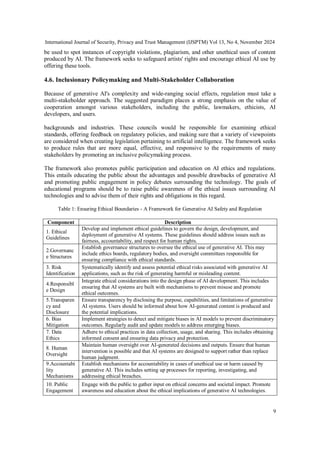
Table 1: Ensuring Ethical Boundaries - A Framework for Generative AI Safety and Regulation
Component Description
1. Ethical
Guidelines
Develop and implement ethical guidelines to govern the design, development, and
deployment of generative AI systems. These guidelines should address issues such as
fairness, accountability, and respect for human rights.
2.Governanc
e Structures
Establish governance structures to oversee the ethical use of generative AI. This may
include ethics boards, regulatory bodies, and oversight committees responsible for
ensuring compliance with ethical standards.
3. Risk
Identification
Systematically identify and assess potential ethical risks associated with generative AI
applications, such as the risk of generating harmful or misleading content.
4.Responsibl
e Design
Integrate ethical considerations into the design phase of AI development. This includes
ensuring that AI systems are built with mechanisms to prevent misuse and promote
ethical outcomes.
5.Transparen
cy and
Disclosure
Ensure transparency by disclosing the purpose, capabilities, and limitations of generative
AI systems. Users should be informed about how AI-generated content is produced and
the potential implications.
6. Bias
Mitigation
Implement strategies to detect and mitigate biases in AI models to prevent discriminatory
outcomes. Regularly audit and update models to address emerging biases.
7. Data
Ethics
Adhere to ethical practices in data collection, usage, and sharing. This includes obtaining
informed consent and ensuring data privacy and protection.
8. Human
Oversight
Maintain human oversight over AI-generated decisions and outputs. Ensure that human
intervention is possible and that AI systems are designed to support rather than replace
human judgment.
9.Accountabi
lity
Mechanisms
Establish mechanisms for accountability in cases of unethical use or harm caused by
generative AI. This includes setting up processes for reporting, investigating, and
addressing ethical breaches.
10. Public
Engagement
Engage with the public to gather input on ethical concerns and societal impact. Promote
awareness and education about the ethical implications of generative AI technologies.
International Journal of Security, Privacy and Trust Management (IJSPTM) Vol 13, No 4, November 2024
10
5. STRATEGIES AND DIFFICULTIES OF IMPLEMENTATION
Developing a thorough framework for generative AI safety and regulation requires overcoming
several important obstacles. This section addresses potential roadblocks and provides essential
solutions for successful implementation.
5.1. Technological Difficulties with Regulation of AI
The quick speed at which technology is developing is one of the main obstacles to putting AI
legislation into effect. AI technologies are developing swiftly, and new advancements and uses
are frequently released. It is challenging for rules to keep up with this changing environment and
handle new hazards and moral dilemmas.
The framework suggests taking a flexible and adaptable approach to regulation to overcome this
issue. This entails setting up procedures for assessing and updating policies in response to new
technological advancements, as well as developing systems for routine changes to rules and
guidelines. Regulatory agencies should also communicate with AI researchers and developers to
stay updated on new developments and possible dangers.
5.2. Jurisdictional and Legal Concerns
There are jurisdictional and legal issues due to the fragmented nature of international AI
regulation. Diverse national policies on AI regulation might lead to contradictions and make
compliance more difficult for multinational corporations. Furthermore, legal frameworks
frequently lag technological developments, which causes gaps and uncertainty in the governance
of artificial intelligence.
The framework recommends encouraging international cooperation and harmonizing AI
standards as solutions to these problems. This entails working with international organizations to
harmonize national regulations with international standards as well as taking part in international
initiatives to create common regulatory principles. Additionally, initiatives to harmonize legal
doctrines and establish frameworks for the international enforcement of AI laws ought to be
undertaken.
5.3. Adoption and Compliance in the Industry
Getting industry participants to embrace and abide by AI legislation is a major obstacle.
Standards and norms can offer a framework for the moral application of AI, but how well they
function depends on how willingly companies take them up and follow them. Industry
compliance may be impacted by elements including cost, complexity, and competitive pressures.
The framework suggests offering rewards for moral AI practices, like awards, certificates, and
public recognition for institutions that show a dedication to responsible AI use, to promote
adoption. To ensure that regulations are both implementable and consistent with industry
practices, regulatory agencies should also collaborate closely with industry players to produce
workable and practicable recommendations.
5.4. Taking Care of Public Trust and Perception
Regulations must be successfully implemented for the public to view and trust AI technologies.
Adoption of ethical norms and regulatory measures can be undermined by negative impressions
or fears about artificial intelligence. Transparent communication, stakeholder involvement, and
International Journal of Security, Privacy and Trust Management (IJSPTM) Vol 13, No 4, November 2024
11
addressing worries about how AI could affect society are all necessary to win over the public's
trust.
The framework advises launching educational programs and public awareness campaigns to
educate people about the advantages and dangers of artificial intelligence. Regulatory agencies
should also provide up avenues for public comment and respond to issues promptly and openly.
Regulators may increase confidence in and support for AI legislation by encouraging candid
communication and displaying dedication to moral behavior.
5.5. Case Studies on the Application of Regulations
Analyzing case studies of regulatory implementation might offer insightful information on the
difficulties and achievements encountered while implementing AI regulations in real-world
settings. Case studies can draw attention to best practices, point out typical roadblocks, and
provide guidance for upcoming regulatory initiatives.
A few noteworthy case studies are the Artificial Intelligence Act and the GDPR implemented by
the European Union, as well as industry-led programs like Microsoft's Responsible AI Guidelines
and Google's AI Principles. These case studies can highlight areas that require improvement as
well as serve as examples of successful regulatory methods.
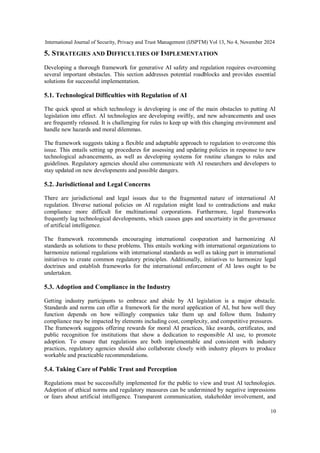
Table 2: Strategies and Difficulties of Implementing Ethical Boundaries in Generative AI
Strategy Description
1. Develop Comprehensive
Guidelines
Create detailed ethical guidelines for the development and
deployment of generative AI systems.
2. Establish Regulatory Bodies
Form dedicated regulatory bodies to oversee compliance with
ethical standards and address violations.
3. Implement Transparent
Practices
Ensure transparency in AI operations, including clear
communication about AI capabilities and limitations.
4. Promote Bias Detection Tools
Integrate tools and methodologies for detecting and mitigating
biases in AI systems.
5. Ensure Robust Data Privacy
Adopt strong data protection practices, including anonymization
and secure data storage.
6. Facilitate Human Oversight
Maintain human oversight in decision-making processes to ensure
ethical alignment and intervention.
7. Engage in Continuous
Education
Provide ongoing training and resources for developers and users
on ethical AI practices.
8. Foster Public Engagement
Involve the public in discussions about AI ethics and gather
feedback on potential concerns.
9. Monitor and Report Impact
Regularly assess and report on the societal impacts of generative
AI systems.
10. Develop Collaboration
Networks
Build networks for collaboration between industry, academia, and
policymakers to address AI ethics.
International Journal of Security, Privacy and Trust Management (IJSPTM) Vol 13, No 4, November 2024
12
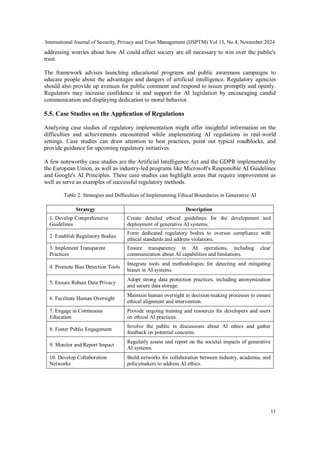
6. PROSPECTS FOR RESEARCH AND FUTURE PATHWAYS
AI is a rapidly developing area, and to handle new ethical issues and improve legal frameworks,
more study is needed. This section identifies important areas for additional study and
development while examining possible future possibilities for AI ethics and regulation research.
6.1. Progressing AI Monitoring and Auditing Instruments
The creation of sophisticated auditing and monitoring tools for AI systems is essential to
guaranteeing adherence to legal and ethical norms. Subsequent investigations ought to
concentrate on developing more complex techniques for identifying bias, assessing fairness, and
gauging the effects of AI systems. This entails creating automated tools for ongoing AI
performance assessment and monitoring as well as enhancing procedures for AI model and data
audits.
6.2. AI in International Politics and Governance
Research on AI's involvement in global governance and policy is necessary as AI technologies
become more widely used worldwide. This involves investigating the ways in which artificial
intelligence (AI) might promote global security, facilitate international cooperation, and tackle
transnational issues. The consequences of AI on the balance of power in the world and its
possible effects on international relations should also be studied.6.3 Moral Issues with
Developing AI Technologies
New ethical issues are raised by emerging AI technologies like quantum computing and
sophisticated neural networks, which call for more research. Future studies should concentrate on
comprehending the possible advantages and risks of these technologies as well as creating moral
standards and legal frameworks to handle the difficulties they provide.
6.3. Research Occupations and Prospects
To progress the field and make sure that regulatory frameworks continue to be applicable and
effective, it is imperative that research gaps in AI ethics and regulation be identified and
addressed. The effect of AI on social and economic inequality, the moral ramifications of AI-
driven decision-making, and the creation of novel frameworks for AI governance are important
topics for further study.
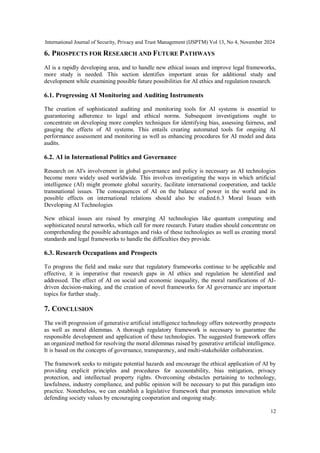
7. CONCLUSION
The swift progression of generative artificial intelligence technology offers noteworthy prospects
as well as moral dilemmas. A thorough regulatory framework is necessary to guarantee the
responsible development and application of these technologies. The suggested framework offers
an organized method for resolving the moral dilemmas raised by generative artificial intelligence.
It is based on the concepts of governance, transparency, and multi-stakeholder collaboration.
The framework seeks to mitigate potential hazards and encourage the ethical application of AI by
providing explicit principles and procedures for accountability, bias mitigation, privacy
protection, and intellectual property rights. Overcoming obstacles pertaining to technology,
lawfulness, industry compliance, and public opinion will be necessary to put this paradigm into
practice. Nonetheless, we can establish a legislative framework that promotes innovation while
defending society values by encouraging cooperation and ongoing study.
International Journal of Security, Privacy and Trust Management (IJSPTM) Vol 13, No 4, November 2024
13
REFERENCES
[1] T. B. Sheridan, "Human-robot interaction: Status and challenges," Human Factors, vol. 58, no. 4,
pp. 525-532, 2016.
[2] J. Angwin, J. Larson, S. Mattu, and L. Kirchner, "Machine bias," in Proc. IEEE Conf. Ethics Soc.
Implications AI, Boston, MA, USA, 2017, pp. 21-24.
[3] A. D. Selbst, S. Barocas, A. D. B. Friedler, S. Venkatasubramanian, and J. W. Zimdars, "Fairness
and abstraction in sociotechnical systems," in Proc. Conf. Fairness, Accountability, Transparency,
New York, NY, USA, 2019, pp. 59-68.
[4] B. Goodman and S. Flaxman, "European Union regulations on algorithmic decision-making and a
‘right to explanation’," AI Mag., vol. 38, no. 3, pp. 50-57, 2017.
[5] A. Chouldechova and A. Roth, "The frontiers of fairness in machine learning," arXiv preprint
arXiv:1810.08810, 2018.
[6] E. Brynjolfsson and A. McAfee, The Second Machine Age: Work, Progress, and Prosperity in a
Time of Brilliant Technologies. W. W. Norton & Company, 2014.
[7] J. Dastin, "Amazon scrapped a secret AI recruiting tool that showed bias against women," Reuters,
Oct. 10, 2018. [Online]. Available: https://www.reuters.com/article/us-amazon-com-recruitment-
insight-idUSKCN1MK08G
[8] P. K. Khandelwal, "Ethics in artificial intelligence: Bridging the gap between technology and
society," Journal of AI Research, vol. 55, pp. 163-176, 2021.
[9] S. P. S. Ahuja and P. L. C. Lee, "Regulating AI: Comparative perspectives on regulatory strategies,"
Harvard Journal of Law & Technology, vol. 34, no. 2, pp. 95-118, 2021.
[10] M. S. Binns, "Fairness and accountability in machine learning: An overview," ACM SIGKDD
Explorations Newsletter, vol. 20, no. 1, pp. 40-54, 2018.
AUTHORS
Arunkumar Thirunagalingam is a data management professional specializing in
Data Engineering, Data Governance, and Data Quality with a focus on AI/ML
technologies. He is an IEEE Senior Member and IETE Fellow, with extensive
experience across industries. Arunkumar has published research on AI and data
governance, reviewed academic chapters and journals, and frequently presents at
conferences. His work emphasizes scalable, privacy-conscious solutions that drive
innovation and improve decision-making.

Generative AI Ethics: a Comprehensive Safety and Regulation Framework

  • 1.
    International Journal ofSecurity, Privacy and Trust Management (IJSPTM) Vol 13, No 4, November 2024 DOI: 10.5121/ijsptm.2024.13401 1 GENERATIVE AI ETHICS: A COMPREHENSIVE SAFETY AND REGULATION FRAMEWORK Arun kumar Thirunagalingam Sr.Manager – Data & Technical Operations, McKesson Corporations, Irving, TX, USA ABSTRACT The quick development of generative AI technology has brought about revolutionary new possibilities for decision-making, design, and content production. But these developments have also raised serious ethical questions, emphasizing the need for an all-encompassing framework to guarantee the security and control of generative AI systems. To address the ethical issues raised by generative AI, this study puts forth a paradigm that centers on the concepts of accountability, transparency, and governance. Strategies for reducing the dangers associated with AI-generated content are provided by this paper through an analysis of the present regulatory frameworks and the identification of gaps. The framework that is being suggested supports a multi-stakeholder approach that incorporates technical, legal, and ethical viewpoints to establish a well-rounded and efficient regulatory framework. The discussion of research directions for the future and the significance of continuing discourse to maintain AI technologies in line with social ideals finishes the article. KEYWORDS AI Safety, Generative AI, Ethical Regulation, Transparency, Governance 1. INTRODUCTION A new era of automation and invention has been brought about by the development and application of generative AI technologies, such as Large language models and creative design algorithms. With the use of these technologies, previously unthinkable new content can be produced, such as writing, photos, music, and even whole virtual worlds. But these abilities also provide significant ethical difficulties. Concerns including the possibility of false information, skewed results, invasions of privacy, and dwindling intellectual property rights are starting to take front stage in the conversation around artificial intelligence. The need to develop moral standards and legal safeguards is more important than ever as generative AI is being incorporated into a variety of industries, including journalism, healthcare, and finance. A regulatory hole has been formed where the potential downsides of AI systems may go unchecked due to the lack of comprehensive rules and the quick speed of technological advancements. By putting forth a framework that guarantees the development and application of generative AI technologies in a way that is ethical, safe, and consistent with society norms, this study seeks to close this gap. The foundation of the paradigm this article suggests is accountability, openness, and good governance. It promotes a multi-stakeholder strategy involving legislators, ethicists, the public, and AI developers and users. This method is essential for developing laws that are enforceable, socially acceptable, and technically sound.
  • 2.
    International Journal ofSecurity, Privacy and Trust Management (IJSPTM) Vol 13, No 4, November 2024 2 1.1. AI Ethics in their Historical Context The ethical questions raised by AI are not brand-new. Scholars and practitioners have argued over the possible advantages and disadvantages of autonomous systems ever since AI research began in the middle of the 20th century. Early conversations centered on how AI will affect things like human-machine interaction, employment, and privacy. But the emergence of generative AI has focused attention on these challenges, especially the moral application of AI in producing material that can shape social norms and public opinion. 1.2. The Rise of Artificial Intelligence Technologies A family of AI models known as generative AI can produce new material by learning patterns from preexisting data. Innovative methods like GPT (Generative Pre-trained Transformer) and GANs (Generative Adversarial Networks) have transformed domains such as computer vision, natural language processing, and creative arts. These models are widely used throughout industries due to their capacity to generate realistic photos, text that looks like it was written by a human, and other types of media. But because of their generative character, they also bring up ethical issues, namely in relation to legitimacy, ownership, and social impact of information produced by AI. 1.3. Generative AI and Ethical Issues Generative AI raises a variety of ethical issues. The risk that artificial intelligence (AI) will produce inaccurate or dangerous material is among the most urgent worries. For instance, deep- fake technologies have been used to propagate false information, sway public opinion, and invade people's privacy. These technologies use artificial intelligence (AI) to produce realistic looking but fraudulent films or photographs. Furthermore, because AI models are trained on data that has inherent biases, the results may reinforce preexisting societal preconceptions, making prejudice and inequality problems worse. The effect of generative AI on intellectual property rights is a serious worry as well. The ownership and credit of original works produced by AI systems are becoming increasingly problematic. It may be possible to stifle innovation and creativity due to disagreements over the rights to AI-generated content if there are unclear legal frameworks in place to handle these problems. 1.4. Reasons for Forming a Regulatory Structure A legislative framework is obviously needed to guarantee that these technologies should be created and used properly, especially considering the ethical problems that generative AI presents. There are two reasons why this kind of framework was created. First and foremost, it is critical to safeguard people and society against the possible negative effects of AI, such as false information, bias, and invasions of privacy. Second, by establishing precise norms and standards for the creation and application of AI technology, a well-thought-out regulatory framework may promote innovation.
  • 3.
    International Journal ofSecurity, Privacy and Trust Management (IJSPTM) Vol 13, No 4, November 2024 3 Fig 1:AI Ethics Framework 2. CONCERNS ABOUT ETHICS IN GENERATIVE AI 2.1. Deepfakes and False Information Given its ability to produce and disseminate false information, generative AI presents one of the biggest ethical concerns to date. An excellent illustration of this are deepfakes, which are artificial intelligence (AI)-generated movies or pictures that falsely and extremely realistically portray events or people. These tools have been used to launch cyberattacks, fabricate news stories, and sway public opinion. The societal faith in digital material and the accuracy of information are seriously threatened by the ease with which deepfakes may be produced and distributed. Misinformation produced by AI can have a significant effect. Deepfakes can be used in the political sphere to fabricate remarks or acts ascribed to public personalities, which could sway elections and undermine democratic procedures. Artificial intelligence-generated content can be utilized in the legal field to fabricate evidence, which could result in erroneous convictions or obstruct justice. A multifaceted approach is needed to address the ethical implications of AI- driven disinformation. This approach should include both technological solutions, such AI-based detection tools, and legislative measures that hold fraudulent material makers and distributors accountable. 2.2. Algorithmic Inequality and Prejudice Another crucial ethical concern with generative AI is algorithmic prejudice. The data used to train models, the algorithms themselves, and the implementation methods for AI systems are some of the sources of bias in AI systems. Bias in the context of generative AI might result in the production of content that discriminates against groups or reinforces preconceptions. For instance, information generated by an AI model trained on biased data may reinforce racial or gender biases, resulting in unfair treatment or representation.
  • 4.
    International Journal ofSecurity, Privacy and Trust Management (IJSPTM) Vol 13, No 4, November 2024 4 It is necessary to overcome prejudice on several levels to ensure justice in AI-generated content. This entails enhancing the representativeness and diversity of training data, creating algorithms that are less prone to bias, and applying fairness standards to assess the results of artificial intelligence.Furthermore, detecting and reducing bias in AI decision-making systems depends on transparency. Regulations should require the publication of all information about AI systems, including where training data comes from and how bias is reduced. 2.3. Security of Data and Privacy With generative AI's reliance on massive datasets that frequently contain personal data, privacy problems are especially relevant. When AI systems use personal data to produce content, they may unintentionally reveal private information or produce content that infringes on people's privacy. For instance, content that divulges personal information about people without their permission may be produced by an AI model trained on social network data. Using strong data protection techniques, such as anonymization, encryption, and safe data storage, is necessary to ensure data security and privacy in generative AI. Regulations should also demand the express agreement of those whose data is used in AI training procedures. To ensure that privacy considerations are incorporated into every stage of the AI lifecycle, the notion of "privacy by design" should be ingrained in the development of generative AI systems. 2.4. Creative Rights and Intellectual Property The boundaries between human and machine creativity are becoming hazier due to the development of generative AI, which raises challenging issues with intellectual property (IP) rights. It's not obvious who owns the copyright to original works produced by AI systems: the AI's developers, either the AI system itself or the users who created the content. Since intellectual property law has always been predicated on human authorship and inventiveness, this vagueness poses difficulties. To tackle these obstacles, regulatory frameworks need to clearly define the rights and crediting of content generated by artificial intelligence. This entails defining AI's function as a tool as opposed to an independent creator and figuring out how current intellectual property rules relate to works created by AI. It might also be required to create new legal classifications or safeguards expressly for AI-generated work to guarantee authors receive just compensation and to prevent stifling innovation. 2.5. Human Supervision and Management Concerns over the loss of human supervision and control are raised by the generative AI systems' growing autonomy. Unintended consequences are a growing issue as AI systems gain more autonomy in decision-making and content generation. For instance, before it is discovered and fixed, an AI system that creates damaging content without human assistance may do a great deal of harm. Developing systems that enable people to keep an eye on and interfere with AI operations is necessary to guarantee human oversight and control in generative AI. This entails creating AI systems with built-in safety features like kill switches and fail-safes and making sure that humans are involved in all important decision-making processes. AI system design should be governed by regulatory frameworks that prioritize accountability and transparency, enabling traceability and auditing of AI choices.
  • 5.
    International Journal ofSecurity, Privacy and Trust Management (IJSPTM) Vol 13, No 4, November 2024 5 Fig 2: an overview of ML subfields, establishes relationships among these subfields, and shows the path to generative AI. 3. CURRENT REGULATORY ENVIRONMENT 3.1. International AI Laws Because distinct legal, cultural, and economic frameworks exist in different regions and countries, there are substantial differences in the regulation of AI technologies. AI systems that handle personal data must adhere to the General Data Protection Regulation (GDPR), which establishes a thorough framework for data protection in Europe. The Artificial Intelligence Act, which aims to govern AI systems according to their risk levels and imposes stronger regulations on high-risk applications like facial recognition and essential infrastructure, has also been recommended by the European Commission. laws pertaining to several sectors, including the financial, healthcare, and automotive industries. The Federal Trade Commission (FTC), for example, has released guidelines on the application of AI in consumer protection, emphasizing matters such as responsibility, equity, and openness. But because the United States lacks a comprehensive national AI policy, there is a patchwork of laws that can be confusing and inconsistent. China has taken the lead in developing AI rules, prioritizing societal stability and national security. Strict controls over AI technology have been put in place by the Chinese government, especially in areas where AI is utilized for censorship and surveillance, such social media and facial recognition. Furthermore, China has established rules to encourage the safe and responsible use of AI and has emphasized the significance of ethical norms in its AI policy. These regional variations in AI law emphasize the necessity of international collaboration and standardization. Because generative AI technologies are intrinsically international and have cross-border applications and ramifications, a concerted regulatory strategy is necessary to guarantee that moral principles are respected everywhere. 3.2. Sector-Specific Recommendations Different industries have created their own standards and best practices for the moral use of AI in addition to governmental laws. For instance, the healthcare sector has developed guidelines for the use of AI to medical diagnosis and treatment, stressing the significance of data confidentiality, patient permission, and accuracy. Similar principles for AI-driven decision-
  • 6.
    International Journal ofSecurity, Privacy and Trust Management (IJSPTM) Vol 13, No 4, November 2024 6 making have been developed by the financial sector, with an emphasis on fairness, transparency, and the avoidance of bias in lending and investment decisions. Several ethical rules have also been created by the technology sector, which is the area where generative AI is most widely used. Prominent artificial intelligence firms, including Microsoft, OpenAI, and Google, have released guidelines that control the creation and application of AI systems. These values usually include pledges to uphold honesty, equity, privacy, and preventing harm. These rules, however, frequently lack the enforcement tools required to guarantee adherence and are instead optional. The ethical environment of AI is greatly influenced by industry-specific norms, especially in sectors where government regulation is still developing. The acceptance and implementation of these rules, as well as the industry participants' desire to put morality ahead of profit, will determine how effective they are, though. 3.3. Global Organizations' Ethical AI Frameworks The development of AI ethics frameworks has also attracted the attention of international organizations. The OECD Principles on AI are set forth by the Organization for Economic Co- operation and Development (OECD) and include standards for human rights, accountability, and transparency. More than 40 nations have ratified these principles, which serve as a basis for national AI strategies. A global framework for AI ethics has also been produced by the United Nations Educational, Scientific, and Cultural Organization (UNESCO) in the form of a Recommendation on the Ethics of Artificial Intelligence. The UNESCO framework places a strong emphasis on the development and application of AI technologies with respect to human dignity, inclusivity, and environmental sustainability. These international frameworks offer nations and organizations attempting to negotiate the moral quandaries presented by artificial intelligence useful direction. But putting these ideas into practice at the local and national levels is still difficult, especially in areas with different cultural values or little regulatory authority. 3.4. Deficits in Present-Day Regulatory Strategies There are still a few important gaps in the development of ethical standards and regulations pertaining to AI. The quick speed of technological development, which frequently surpasses the capacity of regulators to keep up, is one of the main obstacles. As generative AI technologies advance, new hazards and ethical dilemmas will probably surface, necessitating regular changes to legal frameworks. The absence of coordination and uniformity among various regulatory regimes is another gap. The fragmented structure of AI regulation can pose difficulties for multinational corporations operating both within and outside national borders. Different standards can be exploited by AI developers and users to get around ethical restrictions, which is another way that inconsistent legislation can create loopholes. Furthermore, stricter enforcement of AI laws is required. Although beneficial, voluntary norms and industry-led initiatives frequently fall short of guaranteeing compliance. To guarantee that AI technologies be used responsibly, strong enforcement measures are necessary. These mechanisms should include incentives for ethical behavior and punishments for non-compliance.
  • 7.
    International Journal ofSecurity, Privacy and Trust Management (IJSPTM) Vol 13, No 4, November 2024 7 4. A FRAMEWORK FOR SAFE AND REGULATING GENERATIVE AI This study presents a complete framework for the safety and regulation of generative AI, addressing the ethical issues and regulatory shortcomings noted in the preceding sections. Three fundamental tenets form the foundation of this framework: multi-stakeholder engagement, transparency, and governance and accountability. The framework attempts to establish a fair and efficient regulatory framework that encourages the moral application of generative AI by including these ideas. 4.1. Governance and Accountability Principles A key component of the ethical regulation of generative AI is accountability and governance. Good governance frameworks guarantee that AI systems are created and implemented in a way that is consistent with social norms and ethical standards. This entails creating procedures for making people and organizations accountable for the effects of their AI systems, as well as distinct lines of accountability for decisions and results relating to AI. The suggested structure promotes the establishment of national and worldwide AI oversight organizations. These organizations would oversee overseeing the advancement of AI, enforcing laws, and offering counsel on moral matters. To guarantee that many viewpoints are considered in the governance of AI, they would also act as platforms for discussion amongst AI developers, users, legislators, and the public. It is important to have both ex-ante and ex-post measures in accountability processes. Ex-ante measures include proactive efforts including risk assessments, application of ethical design principles, and user agreement that is obtained to prevent ethical violations. Ex-post measures are ways to address ethical transgressions after they happen, including fines, rectification, and media coverage. 4.2. Guaranteeing Openness in AI Frameworks Transparency is essential to ethical AI because it makes it possible for stakeholders to evaluate the effects of AI systems, comprehend how they operate, and hold creators responsible. Transparency is emphasized in the proposed framework on a few fronts, including decision- making processes, data sources, and AI models. The framework suggests requiring AI developers to reveal important details about their models, such as the algorithms they employed, the sources of data they used, and the procedures they followed for testing and training them, to maintain transparency. Regulators, users, and other stakeholders should be able to obtain this information in an easily understandable way. The framework also asks for the creation of explainability tools for AI so that people may comprehend the decision-making process of AI systems. These technologies are especially crucial in high-stakes fields where AI judgments can have a big impact, like healthcare, finance, and criminal justice. These technologies can contribute to the development of trust in AI systems and guarantee their responsible usage by offering explanations for AI decisions.
  • 8.
    International Journal ofSecurity, Privacy and Trust Management (IJSPTM) Vol 13, No 4, November 2024 8 4.3. Fairness and Bias Mitigation Mechanisms Specific strategies for bias mitigation and fairness are included in the suggested framework considering the ethical problems created by algorithmic bias. These safeguards are intended to guarantee that AI systems are created and applied in a way that upholds equality and forgoes prejudice. To find and fix any biases, the framework advises AI developers to regularly audit their models. These audits should look at the effects of AI systems on various demographic groups and involve both quantitative and qualitative evaluations. It should also be mandatory for developers to report on the findings of these audits and, if appropriate, take corrective action. The methodology suggests using fairness metrics, which offer a standardized method of assessing the fairness of AI systems, in addition to audits. These measurements ought to be applied to evaluate AI decisions' results and make sure that groups are not disproportionately harmed or benefited by them. The framework concludes by highlighting the significance of inclusion and diversity in AI development. This entails working with a variety of stakeholders in the design and implementation of AI systems, as well as making sure AI teams are diverse regarding gender, color, and other attributes. 4.4. Safeguarding Data Security and Privacy A key component of using generative AI ethically is data security and privacy, especially since these systems rely on sizable datasets that frequently contain sensitive personal data. The suggested architecture has safeguards in place to guarantee data handling, security and privacy. "Privacy by design" concepts, which include privacy issues into each step of the AI development process, are promoted by the framework. This entails getting express agreement from people whose data is used in AI systems and putting strong data protection mechanisms in place, like encryption, anonymization, and safe storage. The methodology suggests requiring AI developers to perform privacy impact assessments (PIAs) in addition to technological protections before deploying AI systems. These evaluations ought to develop techniques for risk mitigation as well as assess any potential privacy threats. Public release of PIA findings will ensure accountability and transparency for AI-related privacy policies. 4.5. Intellectual Property and the Production of Ethical Content Complex ethical and legal issues arise when generative AI and intellectual property (IP) rights come together. Guidelines for overcoming these obstacles and guaranteeing that AI-generated material is produced and used morally are included in the suggested framework. The framework suggests amending IP regulations to consider the special qualities of content created by AI. This entails defining who owns AI-generated works, figuring out the rights of AI developers and users, and, if needed, creating new IP protection categories. The framework also recommends that ethical issues be included in IP legislation to guarantee that AI-generated content respects authors' rights and doesn't violate already-existing intellectual property. The framework also supports the development of AI tools that aid in the detection and prevention of intellectual property crimes to promote the creation of ethical content. These instruments may
  • 9.
    International Journal ofSecurity, Privacy and Trust Management (IJSPTM) Vol 13, No 4, November 2024 9 be used to spot instances of copyright violations, plagiarism, and other unethical uses of content produced by AI. The framework seeks to safeguard artists' rights and encourage ethical AI use by offering these tools. 4.6. Inclusionary Policymaking and Multi-Stakeholder Collaboration Because of generative AI's complexity and wide-ranging social effects, regulation must take a multi-stakeholder approach. The suggested paradigm places a strong emphasis on the value of cooperation amongst various stakeholders, including the public, lawmakers, ethicists, AI developers, and users. backgrounds and industries. These councils would be responsible for examining ethical standards, offering feedback on regulatory policies, and making sure that a variety of viewpoints are considered when creating legislation pertaining to artificial intelligence. The framework seeks to produce rules that are more equal, effective, and responsive to the requirements of many stakeholders by promoting an inclusive policymaking process. The framework also promotes public participation and education on AI ethics and regulations. This entails educating the public about the advantages and possible drawbacks of generative AI and promoting public engagement in policy debates surrounding the technology. The goals of educational programs should be to raise public awareness of the ethical issues surrounding AI technologies and to advise them of their rights and obligations in this regard. Table 1: Ensuring Ethical Boundaries - A Framework for Generative AI Safety and Regulation Component Description 1. Ethical Guidelines Develop and implement ethical guidelines to govern the design, development, and deployment of generative AI systems. These guidelines should address issues such as fairness, accountability, and respect for human rights. 2.Governanc e Structures Establish governance structures to oversee the ethical use of generative AI. This may include ethics boards, regulatory bodies, and oversight committees responsible for ensuring compliance with ethical standards. 3. Risk Identification Systematically identify and assess potential ethical risks associated with generative AI applications, such as the risk of generating harmful or misleading content. 4.Responsibl e Design Integrate ethical considerations into the design phase of AI development. This includes ensuring that AI systems are built with mechanisms to prevent misuse and promote ethical outcomes. 5.Transparen cy and Disclosure Ensure transparency by disclosing the purpose, capabilities, and limitations of generative AI systems. Users should be informed about how AI-generated content is produced and the potential implications. 6. Bias Mitigation Implement strategies to detect and mitigate biases in AI models to prevent discriminatory outcomes. Regularly audit and update models to address emerging biases. 7. Data Ethics Adhere to ethical practices in data collection, usage, and sharing. This includes obtaining informed consent and ensuring data privacy and protection. 8. Human Oversight Maintain human oversight over AI-generated decisions and outputs. Ensure that human intervention is possible and that AI systems are designed to support rather than replace human judgment. 9.Accountabi lity Mechanisms Establish mechanisms for accountability in cases of unethical use or harm caused by generative AI. This includes setting up processes for reporting, investigating, and addressing ethical breaches. 10. Public Engagement Engage with the public to gather input on ethical concerns and societal impact. Promote awareness and education about the ethical implications of generative AI technologies.
  • 10.
    International Journal ofSecurity, Privacy and Trust Management (IJSPTM) Vol 13, No 4, November 2024 10 5. STRATEGIES AND DIFFICULTIES OF IMPLEMENTATION Developing a thorough framework for generative AI safety and regulation requires overcoming several important obstacles. This section addresses potential roadblocks and provides essential solutions for successful implementation. 5.1. Technological Difficulties with Regulation of AI The quick speed at which technology is developing is one of the main obstacles to putting AI legislation into effect. AI technologies are developing swiftly, and new advancements and uses are frequently released. It is challenging for rules to keep up with this changing environment and handle new hazards and moral dilemmas. The framework suggests taking a flexible and adaptable approach to regulation to overcome this issue. This entails setting up procedures for assessing and updating policies in response to new technological advancements, as well as developing systems for routine changes to rules and guidelines. Regulatory agencies should also communicate with AI researchers and developers to stay updated on new developments and possible dangers. 5.2. Jurisdictional and Legal Concerns There are jurisdictional and legal issues due to the fragmented nature of international AI regulation. Diverse national policies on AI regulation might lead to contradictions and make compliance more difficult for multinational corporations. Furthermore, legal frameworks frequently lag technological developments, which causes gaps and uncertainty in the governance of artificial intelligence. The framework recommends encouraging international cooperation and harmonizing AI standards as solutions to these problems. This entails working with international organizations to harmonize national regulations with international standards as well as taking part in international initiatives to create common regulatory principles. Additionally, initiatives to harmonize legal doctrines and establish frameworks for the international enforcement of AI laws ought to be undertaken. 5.3. Adoption and Compliance in the Industry Getting industry participants to embrace and abide by AI legislation is a major obstacle. Standards and norms can offer a framework for the moral application of AI, but how well they function depends on how willingly companies take them up and follow them. Industry compliance may be impacted by elements including cost, complexity, and competitive pressures. The framework suggests offering rewards for moral AI practices, like awards, certificates, and public recognition for institutions that show a dedication to responsible AI use, to promote adoption. To ensure that regulations are both implementable and consistent with industry practices, regulatory agencies should also collaborate closely with industry players to produce workable and practicable recommendations. 5.4. Taking Care of Public Trust and Perception Regulations must be successfully implemented for the public to view and trust AI technologies. Adoption of ethical norms and regulatory measures can be undermined by negative impressions or fears about artificial intelligence. Transparent communication, stakeholder involvement, and
  • 11.
    International Journal ofSecurity, Privacy and Trust Management (IJSPTM) Vol 13, No 4, November 2024 11 addressing worries about how AI could affect society are all necessary to win over the public's trust. The framework advises launching educational programs and public awareness campaigns to educate people about the advantages and dangers of artificial intelligence. Regulatory agencies should also provide up avenues for public comment and respond to issues promptly and openly. Regulators may increase confidence in and support for AI legislation by encouraging candid communication and displaying dedication to moral behavior. 5.5. Case Studies on the Application of Regulations Analyzing case studies of regulatory implementation might offer insightful information on the difficulties and achievements encountered while implementing AI regulations in real-world settings. Case studies can draw attention to best practices, point out typical roadblocks, and provide guidance for upcoming regulatory initiatives. A few noteworthy case studies are the Artificial Intelligence Act and the GDPR implemented by the European Union, as well as industry-led programs like Microsoft's Responsible AI Guidelines and Google's AI Principles. These case studies can highlight areas that require improvement as well as serve as examples of successful regulatory methods. Table 2: Strategies and Difficulties of Implementing Ethical Boundaries in Generative AI Strategy Description 1. Develop Comprehensive Guidelines Create detailed ethical guidelines for the development and deployment of generative AI systems. 2. Establish Regulatory Bodies Form dedicated regulatory bodies to oversee compliance with ethical standards and address violations. 3. Implement Transparent Practices Ensure transparency in AI operations, including clear communication about AI capabilities and limitations. 4. Promote Bias Detection Tools Integrate tools and methodologies for detecting and mitigating biases in AI systems. 5. Ensure Robust Data Privacy Adopt strong data protection practices, including anonymization and secure data storage. 6. Facilitate Human Oversight Maintain human oversight in decision-making processes to ensure ethical alignment and intervention. 7. Engage in Continuous Education Provide ongoing training and resources for developers and users on ethical AI practices. 8. Foster Public Engagement Involve the public in discussions about AI ethics and gather feedback on potential concerns. 9. Monitor and Report Impact Regularly assess and report on the societal impacts of generative AI systems. 10. Develop Collaboration Networks Build networks for collaboration between industry, academia, and policymakers to address AI ethics.
  • 12.
    International Journal ofSecurity, Privacy and Trust Management (IJSPTM) Vol 13, No 4, November 2024 12 6. PROSPECTS FOR RESEARCH AND FUTURE PATHWAYS AI is a rapidly developing area, and to handle new ethical issues and improve legal frameworks, more study is needed. This section identifies important areas for additional study and development while examining possible future possibilities for AI ethics and regulation research. 6.1. Progressing AI Monitoring and Auditing Instruments The creation of sophisticated auditing and monitoring tools for AI systems is essential to guaranteeing adherence to legal and ethical norms. Subsequent investigations ought to concentrate on developing more complex techniques for identifying bias, assessing fairness, and gauging the effects of AI systems. This entails creating automated tools for ongoing AI performance assessment and monitoring as well as enhancing procedures for AI model and data audits. 6.2. AI in International Politics and Governance Research on AI's involvement in global governance and policy is necessary as AI technologies become more widely used worldwide. This involves investigating the ways in which artificial intelligence (AI) might promote global security, facilitate international cooperation, and tackle transnational issues. The consequences of AI on the balance of power in the world and its possible effects on international relations should also be studied.6.3 Moral Issues with Developing AI Technologies New ethical issues are raised by emerging AI technologies like quantum computing and sophisticated neural networks, which call for more research. Future studies should concentrate on comprehending the possible advantages and risks of these technologies as well as creating moral standards and legal frameworks to handle the difficulties they provide. 6.3. Research Occupations and Prospects To progress the field and make sure that regulatory frameworks continue to be applicable and effective, it is imperative that research gaps in AI ethics and regulation be identified and addressed. The effect of AI on social and economic inequality, the moral ramifications of AI- driven decision-making, and the creation of novel frameworks for AI governance are important topics for further study. 7. CONCLUSION The swift progression of generative artificial intelligence technology offers noteworthy prospects as well as moral dilemmas. A thorough regulatory framework is necessary to guarantee the responsible development and application of these technologies. The suggested framework offers an organized method for resolving the moral dilemmas raised by generative artificial intelligence. It is based on the concepts of governance, transparency, and multi-stakeholder collaboration. The framework seeks to mitigate potential hazards and encourage the ethical application of AI by providing explicit principles and procedures for accountability, bias mitigation, privacy protection, and intellectual property rights. Overcoming obstacles pertaining to technology, lawfulness, industry compliance, and public opinion will be necessary to put this paradigm into practice. Nonetheless, we can establish a legislative framework that promotes innovation while defending society values by encouraging cooperation and ongoing study.
  • 13.
    International Journal ofSecurity, Privacy and Trust Management (IJSPTM) Vol 13, No 4, November 2024 13 REFERENCES [1] T. B. Sheridan, "Human-robot interaction: Status and challenges," Human Factors, vol. 58, no. 4, pp. 525-532, 2016. [2] J. Angwin, J. Larson, S. Mattu, and L. Kirchner, "Machine bias," in Proc. IEEE Conf. Ethics Soc. Implications AI, Boston, MA, USA, 2017, pp. 21-24. [3] A. D. Selbst, S. Barocas, A. D. B. Friedler, S. Venkatasubramanian, and J. W. Zimdars, "Fairness and abstraction in sociotechnical systems," in Proc. Conf. Fairness, Accountability, Transparency, New York, NY, USA, 2019, pp. 59-68. [4] B. Goodman and S. Flaxman, "European Union regulations on algorithmic decision-making and a ‘right to explanation’," AI Mag., vol. 38, no. 3, pp. 50-57, 2017. [5] A. Chouldechova and A. Roth, "The frontiers of fairness in machine learning," arXiv preprint arXiv:1810.08810, 2018. [6] E. Brynjolfsson and A. McAfee, The Second Machine Age: Work, Progress, and Prosperity in a Time of Brilliant Technologies. W. W. Norton & Company, 2014. [7] J. Dastin, "Amazon scrapped a secret AI recruiting tool that showed bias against women," Reuters, Oct. 10, 2018. [Online]. Available: https://www.reuters.com/article/us-amazon-com-recruitment- insight-idUSKCN1MK08G [8] P. K. Khandelwal, "Ethics in artificial intelligence: Bridging the gap between technology and society," Journal of AI Research, vol. 55, pp. 163-176, 2021. [9] S. P. S. Ahuja and P. L. C. Lee, "Regulating AI: Comparative perspectives on regulatory strategies," Harvard Journal of Law & Technology, vol. 34, no. 2, pp. 95-118, 2021. [10] M. S. Binns, "Fairness and accountability in machine learning: An overview," ACM SIGKDD Explorations Newsletter, vol. 20, no. 1, pp. 40-54, 2018. AUTHORS Arunkumar Thirunagalingam is a data management professional specializing in Data Engineering, Data Governance, and Data Quality with a focus on AI/ML technologies. He is an IEEE Senior Member and IETE Fellow, with extensive experience across industries. Arunkumar has published research on AI and data governance, reviewed academic chapters and journals, and frequently presents at conferences. His work emphasizes scalable, privacy-conscious solutions that drive innovation and improve decision-making.