Multi-CAD Data,
Unified Design
When you move a 3D
model from one CAD
application to another,
you can lose hours and
even days trying to get
clean geometry and to
make even the simplest
of modifications.
Published by:
Multi-CAD Data, Unified Design
Workingwithmulti-­­CADdata isan
engineeringreality today.
Disparate data sources are simply an ugly but
unavoidable truth. Collaboration with customers,
suppliers, partners and even other internal
organizations is a key aspect of design. The
standardized and unambiguous mechanical definition
of the product is the 3D model. Those two facts
necessitate collaboration on the 3D model as a result.
While the ideal is that all of these teams would work
with the same tool, different organizations often use
different CAD applications. This lack of CAD harmony
can mean a real CAD headache; when you move a 3D
model from one CAD application to another, you can
lose hours and even days trying to get clean geometry
and to make even the simplest of modifications. That,
in turn, causes all sorts of havoc in the design process.
Unfortunately, the productivity loss because of CAD
interoperability has gone on for so long that most
engineers and designers are resigned to their fate.
Despite the gloomy past, there are some good reasons
to not give up hope. Over the last few years, there have
been dramatic shifts in the technology used in CAD
applications - many of which apply directly to CAD
interoperability. This eTopic explores the topic of
working with multi-CAD data in the design process.
Specifically, it digs deeper into the challenges of
traditional CAD in this regard as well as how the latest
CAD advancements offer capabilities to address
interoperability needs.
engineering-matters.com page 2
Multi-CAD Data, Unified Design
Whatcausesmulti-­­CADdataissues?
The root of one problem sits in how CAD applications
calculate geometry. No one approach is wrong per se. But
each CAD application does it differently. When a 3D
model is moved is imported, the geometry is calculated
differently. As a result, lots of time is invested in cleaning
up the imported 3D model.
Another problem crops up because CAD applications
define their features differently. Because there is no
translation of feature definitions, 3D models are often
exported from CAD applications into formats without
features. With no features, there is no design intent. As a
result, designers and engineers must find a way to
control the geometry. Sometimes, that means you have
to recreate the features from scratch.
Last but not least, there is the issue of propagating
design changes. Once imported, a 3D model might be
changed in its original CAD application. As a result, the
imported 3D model is out of date and must be updated
manually.
The implications of these multi-CAD data issues for
users and organizations are serious. For individuals,
hours and days can be spent trying to clean up, modify
or propagate change across 3D models. For the
organization, these activities add little value to the
development cycle. If anything, it can cause significant
delays in the project schedule. For both, unfortunately,
it’s merely a wasteful cost of doing business.
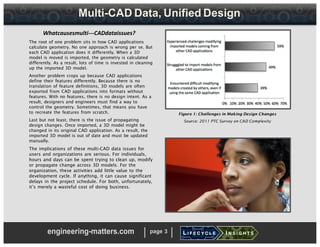
Figure 1: Challenges in Making Design Changes
Source: 2011 PTC Survey on CAD Complexity
engineering-matters.com page 3
Multi-CAD Data, Unified Design
HowdorecentCADinnovationshelpwork with
multi-­­CADdata?
In general, there are three major capability sets, which
have relatively recently been integrated into more
traditional CAD applications, that impact how designers
and engineers work with multi-CAD data.
• Interoperability through Visualization Tools:
While CAD applications calculate their geometry
differently, visualization applications use
importers tailored for each CAD application. These
import capabilities from visualization tools are
now being integrated in CAD applications, making
it far easier to get to clean imported geometry.
• Recognizing Intelligence in Imported Models:
Design agility isn’t just about importing files in
just about any CAD format – although even that is
sometimes a challenge. It’s also about being able
to make changes to those designs once they are
imported. Because imported CAD models don’t
bring any sort of intelligence with them, the CAD
application needs to recognize the inherent design
intent that exists in geometry.
• Automated Updates to Imported Models:
Another step forward is the emergence of
technology that will associatively update imported
3D models when the original is changed in a
different CAD application. This goes a long way
towards relieving the pressure on designers and
engineers in terms of manual updates.
In combination, these three relatively new capabilities of
today's CAD can impact the productivity of designers and
engineers.
engineering-matters.com page 4
Multi-CAD Data, Unified Design
SummaryandConclusion
With this eTopic, we’ve covered many of the issues
organizations face when working with multi-CAD data
as well as how modern CAD technology is addressing
many longstanding issues. Here’s the recap.
• Working with other organization’s design
models is a reality of today’s business. The 3D
model is the standardized and unambiguous
definition of the product. As such, it is the pivot
point for collaboration with other organizations.
• Organizations use a wide variety of CAD
applications, each of which define geometry and
features in unique ways. The underlying technical
issues here are threefold: geometry is rarely
imported cleanly, a lack of feature translation
leaves no mechanism to drive change and changes
must be propagated manually across CAD
applications.
A number of new CAD technologies have been
developed in recent years to directly address these
issues. Here are the three that are most critical to
addressing multi-CAD problems.
• The integration of visualization import
capabilities into CAD applications enable far
cleaner import of 3D models.
• The development of CAD technologies that
recognize the inherent intelligence that exists in
geometry allows users to change imported
geometry even without features.
• New CAD capabilities now automatically recognize
when an imported CAD model is changed by
another CAD application and associatively makes
the updates.
The implication of these new capabilities is not trivial.
Today, working with multi-CAD data is time consuming
while adding little value to the design of the product.
Many organizations see the extra effort as the cost of
doing business in a supply chain.
For individuals, it means spending far less time on non-
value add and frustrating activities. For the organization,
there is a higher probability that development projects
stay on schedule. Best of all, adopting these technologies
translates into very little process change. Simply many
painful activities disappear.
For more information on working with multi-CAD data,
please visit http://www.3HTI.com.
Chad Jackson is the founding Industry
Analyst for Lifecycle Insights and publisher
of the blog engineering-matters.com. He
investigates and writes about the issues that
matter the most to engineering. He can be
reached at (512) 284-8080 or
chad.jackson@lifecycleinsights.com.
Compliments of:
www.3HTi.com Toll Free (866) 624-3HTi Info@3hti.com
engineering-matters.com page 5

Explore Multi-CAD Solutions for Seamless Design Integration.pdf

  • 1.
    Multi-CAD Data, Unified Design Whenyou move a 3D model from one CAD application to another, you can lose hours and even days trying to get clean geometry and to make even the simplest of modifications. Published by:
  • 2.
    Multi-CAD Data, UnifiedDesign Workingwithmulti-­­CADdata isan engineeringreality today. Disparate data sources are simply an ugly but unavoidable truth. Collaboration with customers, suppliers, partners and even other internal organizations is a key aspect of design. The standardized and unambiguous mechanical definition of the product is the 3D model. Those two facts necessitate collaboration on the 3D model as a result. While the ideal is that all of these teams would work with the same tool, different organizations often use different CAD applications. This lack of CAD harmony can mean a real CAD headache; when you move a 3D model from one CAD application to another, you can lose hours and even days trying to get clean geometry and to make even the simplest of modifications. That, in turn, causes all sorts of havoc in the design process. Unfortunately, the productivity loss because of CAD interoperability has gone on for so long that most engineers and designers are resigned to their fate. Despite the gloomy past, there are some good reasons to not give up hope. Over the last few years, there have been dramatic shifts in the technology used in CAD applications - many of which apply directly to CAD interoperability. This eTopic explores the topic of working with multi-CAD data in the design process. Specifically, it digs deeper into the challenges of traditional CAD in this regard as well as how the latest CAD advancements offer capabilities to address interoperability needs. engineering-matters.com page 2
  • 3.
    Multi-CAD Data, UnifiedDesign Whatcausesmulti-­­CADdataissues? The root of one problem sits in how CAD applications calculate geometry. No one approach is wrong per se. But each CAD application does it differently. When a 3D model is moved is imported, the geometry is calculated differently. As a result, lots of time is invested in cleaning up the imported 3D model. Another problem crops up because CAD applications define their features differently. Because there is no translation of feature definitions, 3D models are often exported from CAD applications into formats without features. With no features, there is no design intent. As a result, designers and engineers must find a way to control the geometry. Sometimes, that means you have to recreate the features from scratch. Last but not least, there is the issue of propagating design changes. Once imported, a 3D model might be changed in its original CAD application. As a result, the imported 3D model is out of date and must be updated manually. The implications of these multi-CAD data issues for users and organizations are serious. For individuals, hours and days can be spent trying to clean up, modify or propagate change across 3D models. For the organization, these activities add little value to the development cycle. If anything, it can cause significant delays in the project schedule. For both, unfortunately, it’s merely a wasteful cost of doing business. Figure 1: Challenges in Making Design Changes Source: 2011 PTC Survey on CAD Complexity engineering-matters.com page 3
  • 4.
    Multi-CAD Data, UnifiedDesign HowdorecentCADinnovationshelpwork with multi-­­CADdata? In general, there are three major capability sets, which have relatively recently been integrated into more traditional CAD applications, that impact how designers and engineers work with multi-CAD data. • Interoperability through Visualization Tools: While CAD applications calculate their geometry differently, visualization applications use importers tailored for each CAD application. These import capabilities from visualization tools are now being integrated in CAD applications, making it far easier to get to clean imported geometry. • Recognizing Intelligence in Imported Models: Design agility isn’t just about importing files in just about any CAD format – although even that is sometimes a challenge. It’s also about being able to make changes to those designs once they are imported. Because imported CAD models don’t bring any sort of intelligence with them, the CAD application needs to recognize the inherent design intent that exists in geometry. • Automated Updates to Imported Models: Another step forward is the emergence of technology that will associatively update imported 3D models when the original is changed in a different CAD application. This goes a long way towards relieving the pressure on designers and engineers in terms of manual updates. In combination, these three relatively new capabilities of today's CAD can impact the productivity of designers and engineers. engineering-matters.com page 4
  • 5.
    Multi-CAD Data, UnifiedDesign SummaryandConclusion With this eTopic, we’ve covered many of the issues organizations face when working with multi-CAD data as well as how modern CAD technology is addressing many longstanding issues. Here’s the recap. • Working with other organization’s design models is a reality of today’s business. The 3D model is the standardized and unambiguous definition of the product. As such, it is the pivot point for collaboration with other organizations. • Organizations use a wide variety of CAD applications, each of which define geometry and features in unique ways. The underlying technical issues here are threefold: geometry is rarely imported cleanly, a lack of feature translation leaves no mechanism to drive change and changes must be propagated manually across CAD applications. A number of new CAD technologies have been developed in recent years to directly address these issues. Here are the three that are most critical to addressing multi-CAD problems. • The integration of visualization import capabilities into CAD applications enable far cleaner import of 3D models. • The development of CAD technologies that recognize the inherent intelligence that exists in geometry allows users to change imported geometry even without features. • New CAD capabilities now automatically recognize when an imported CAD model is changed by another CAD application and associatively makes the updates. The implication of these new capabilities is not trivial. Today, working with multi-CAD data is time consuming while adding little value to the design of the product. Many organizations see the extra effort as the cost of doing business in a supply chain. For individuals, it means spending far less time on non- value add and frustrating activities. For the organization, there is a higher probability that development projects stay on schedule. Best of all, adopting these technologies translates into very little process change. Simply many painful activities disappear. For more information on working with multi-CAD data, please visit http://www.3HTI.com. Chad Jackson is the founding Industry Analyst for Lifecycle Insights and publisher of the blog engineering-matters.com. He investigates and writes about the issues that matter the most to engineering. He can be reached at (512) 284-8080 or chad.jackson@lifecycleinsights.com. Compliments of: www.3HTi.com Toll Free (866) 624-3HTi Info@3hti.com engineering-matters.com page 5