CITING EVIDENCE
TO
SUPPORT
A
GENERAL STATEMENT
LEARNING OBJECTIVES:
1. define evidence;
2. enumerate the strategies in citing
evidence to support general
statement;
3. cite evidence to support a general
statement.
Like a lawyer in a jury trial, you as a
student must convince your teacher that
you understand the texts that you had
read by citing evidence effectively. It’s
important to find evidence in reading
passages for the purpose of answering
question prompts and supporting a
claim.
What is EVIDENCE?
EVIDENCE
•It is an information that helps explain and
prove someone’s ideas. In a reading text,
the author is giving evidence in creating a
strong argument or claim. All texts, or
reading passages contain evidence.
Steps in Finding
evidence from a text or
statement
•Evidence can be found in both Fiction
texts, such as novels, poems, or short
stories, as well as in Non-fiction texts,
like biographies or scientific articles.
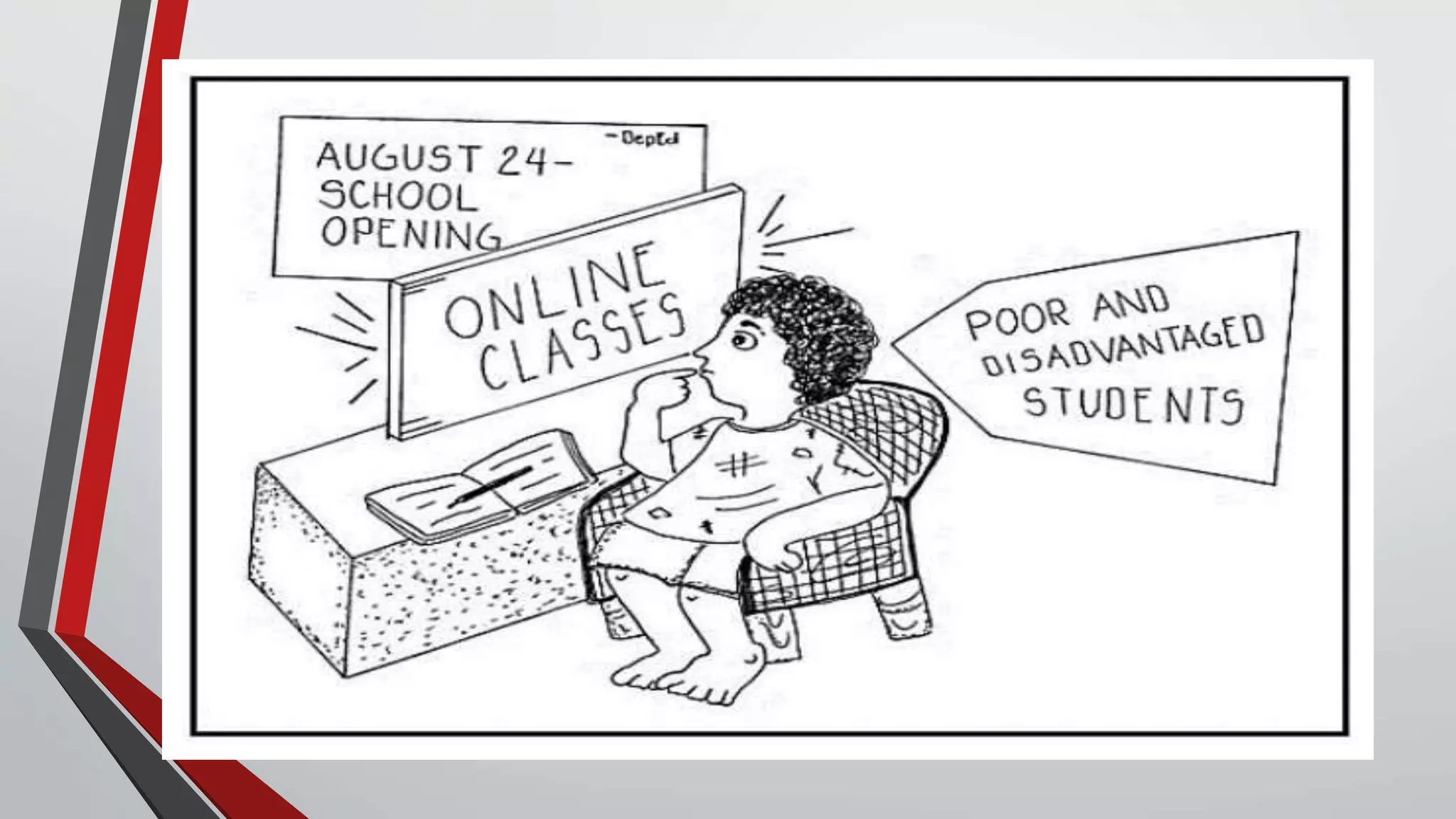
In a Fiction texts, the reader can see
the evidence through the dialogues
and the interactions between the
characters.
• While in Non-fiction, reader might
use the statistical data, opinions, or
specialized knowledge to support the
general statement. Good readers can
cite evidence by including a
quotation, or exact sentences from
the texts, or paraphrasing the
author’s words or ideas.
1.
•Read and understand the
question or claim.
2.
•Closely read the text to find
the answer.
3.
•Note inferences and quotations
from the passage that support
the answer or claim.
4.
•Analyze the evidence. How does
this textual evidence support a
claim or idea from the passage.
What makes tis evidence strong?
5.
•Cite the evidence by including
quotations of the excerpted text
or by using these phrases:
•According to article title….
•Paragraph… states that…
•The author stated…
Ways to cite
EVIDENCE:
1. Paraphrase it
• restate the idea in your own
words.
EXAMPLE
•According to Secretary Briones, DepEd
prioritizes the welfare of the teachers
and learners and they will ensure that the
SchoolYear 2020-2021 will be
manageable for all while encouraging
effective learning engagement.
2. Quote it
•place in quotation marks
everything that comes directly
from the text or statement.
EXAMPLE
•“The welfare of our teachers and
learners remains to be our priority and
we will ensure that SchoolYear 2020-
2021 will be bearable for all while still
promoting effective learning
engagement,” Secretary Briones said.
3. Cite it
•give the source where you
found your information. Not
citing your source is called
____________.
•PLAGIARISM is stealing
because you are using another
author’s words or ideas
without giving credit to that
person.
EXAMPLE
•In the Manila Bulletin news online,
DepEd Secretary Briones said that the
DepEd prioritizes the welfare of the
teachers and learners and they will be
manageable for all while encouraging
effective learning engagement.
LEARNING TASK # 1
•Read the text on the next
slide and answer the
questions that follow.
Dear Sir,
I ordered a Remote-Control Excavator
toy last Monday, but the package was
badly damaged. As a proof, I also send
you a picture of the damaged package.
The toy was damaged as well and cannot
be played. I ordered it for my nephew’s
birthday next week.
I am now asking for its replacement
because my nephew really wants this toy
for his birthday. I look forward for your
response and hope that you can resolve
this problem.
Thank you so much.
Edmon
1. What evidence supports Edmon’s
claim that the package arrived was
damaged?
•The toy was broken.
•He wanted a replacement or a refund.
•He has a picture of the damaged
package.
2. What evidence supports the claim
that the toy was also damaged?
•The toy cannot be played.
•The toy has scratches.
•The toy doesn’t have battery in its box.
3. What evidence supports the claim
that Edmon needs the replacement
of the toy?
•Edmon will play it together with his son.
•Edmon will give the toy as a gift to his
nephew’s birthday.
•Edmon doesn’t need the replacement
anymore.
What evidence or proof can you give
that will support the given statement
that CURSIVE WRITING has benefits
that TYPING cannot replace?
•Should Cursive BeTaught in
Schools?
Express one’s
beliefs/convictions based
on a
material viewed
•What are your beliefs or convictions
about the issues presented in the
following images?Write your ideas inside
the thought bubbles.
*What are beliefs and convictions?
*What words, phrases or
expressions do we usually use in
expressing our beliefs and
convictions?
BELIEF
•It is something that an individual
considers as the truth. It is shaped by
the individual’s background
experiences and is based on one’s
cultural or personal faith, morality, or
values.
CONVICTION
• It is a firm belief on something that an individual is convinced of.
To be convinced you need to obtain all related information like
statistical data - based on analysis of statistics;
observational data - based on what the person has observed or
perceived they observed
causal data - based on what fact has caused a particular factual
result; and
experiential data - based on what experience shows can be
inferred from the facts.
Basic Signal Phrases in Expressing
Beliefs or Convictions
• I feel…
•I think…
•I believe that…
•In my opinion…
•From my point of view…
Basic Signal Phrases in Expressing
Beliefs or Convictions
•In my view…
•I really feel that…
•Personally, I think…
•Personally speaking…
• My point of view is that…
DifferentTypes ofVisual
Materials
•As you form convictions/beliefs about
materials you viewed, it is best to
familiarize yourself with some examples of
visual materials.
•The term visual materials encompass a
wide range of forms including
photographs, cinema, cartoons, prints,
designs and three-dimensional art such
as sculpture and architecture.
•Just as in reading, writing and speaking,
viewing entails giving attention to facts,
relationships, inferences, and to critical
analysis. Understanding visual images can
connect to accompanying spoken or
written language like expressing your own
beliefs or convictions to a particular
subject.
ENG 7 CITING EVIDENCE-3rd Quarter.pptx

ENG 7 CITING EVIDENCE-3rd Quarter.pptx

  • 1.
  • 2.
    LEARNING OBJECTIVES: 1. defineevidence; 2. enumerate the strategies in citing evidence to support general statement; 3. cite evidence to support a general statement.
  • 3.
    Like a lawyerin a jury trial, you as a student must convince your teacher that you understand the texts that you had read by citing evidence effectively. It’s important to find evidence in reading passages for the purpose of answering question prompts and supporting a claim.
  • 4.
  • 5.
    EVIDENCE •It is aninformation that helps explain and prove someone’s ideas. In a reading text, the author is giving evidence in creating a strong argument or claim. All texts, or reading passages contain evidence.
  • 6.
    Steps in Finding evidencefrom a text or statement
  • 7.
    •Evidence can befound in both Fiction texts, such as novels, poems, or short stories, as well as in Non-fiction texts, like biographies or scientific articles. In a Fiction texts, the reader can see the evidence through the dialogues and the interactions between the characters.
  • 8.
    • While inNon-fiction, reader might use the statistical data, opinions, or specialized knowledge to support the general statement. Good readers can cite evidence by including a quotation, or exact sentences from the texts, or paraphrasing the author’s words or ideas.
  • 9.
    1. •Read and understandthe question or claim.
  • 10.
    2. •Closely read thetext to find the answer.
  • 11.
    3. •Note inferences andquotations from the passage that support the answer or claim.
  • 12.
    4. •Analyze the evidence.How does this textual evidence support a claim or idea from the passage. What makes tis evidence strong?
  • 13.
    5. •Cite the evidenceby including quotations of the excerpted text or by using these phrases:
  • 14.
    •According to articletitle…. •Paragraph… states that… •The author stated…
  • 15.
  • 16.
    1. Paraphrase it •restate the idea in your own words.
  • 17.
    EXAMPLE •According to SecretaryBriones, DepEd prioritizes the welfare of the teachers and learners and they will ensure that the SchoolYear 2020-2021 will be manageable for all while encouraging effective learning engagement.
  • 18.
    2. Quote it •placein quotation marks everything that comes directly from the text or statement.
  • 19.
    EXAMPLE •“The welfare ofour teachers and learners remains to be our priority and we will ensure that SchoolYear 2020- 2021 will be bearable for all while still promoting effective learning engagement,” Secretary Briones said.
  • 20.
    3. Cite it •givethe source where you found your information. Not citing your source is called ____________.
  • 21.
    •PLAGIARISM is stealing becauseyou are using another author’s words or ideas without giving credit to that person.
  • 22.
    EXAMPLE •In the ManilaBulletin news online, DepEd Secretary Briones said that the DepEd prioritizes the welfare of the teachers and learners and they will be manageable for all while encouraging effective learning engagement.
  • 23.
    LEARNING TASK #1 •Read the text on the next slide and answer the questions that follow.
  • 24.
    Dear Sir, I ordereda Remote-Control Excavator toy last Monday, but the package was badly damaged. As a proof, I also send you a picture of the damaged package. The toy was damaged as well and cannot be played. I ordered it for my nephew’s birthday next week.
  • 25.
    I am nowasking for its replacement because my nephew really wants this toy for his birthday. I look forward for your response and hope that you can resolve this problem. Thank you so much. Edmon
  • 26.
    1. What evidencesupports Edmon’s claim that the package arrived was damaged? •The toy was broken. •He wanted a replacement or a refund. •He has a picture of the damaged package.
  • 27.
    2. What evidencesupports the claim that the toy was also damaged? •The toy cannot be played. •The toy has scratches. •The toy doesn’t have battery in its box.
  • 28.
    3. What evidencesupports the claim that Edmon needs the replacement of the toy? •Edmon will play it together with his son. •Edmon will give the toy as a gift to his nephew’s birthday. •Edmon doesn’t need the replacement anymore.
  • 29.
    What evidence orproof can you give that will support the given statement that CURSIVE WRITING has benefits that TYPING cannot replace?
  • 30.
  • 32.
  • 33.
    •What are yourbeliefs or convictions about the issues presented in the following images?Write your ideas inside the thought bubbles.
  • 39.
    *What are beliefsand convictions? *What words, phrases or expressions do we usually use in expressing our beliefs and convictions?
  • 40.
    BELIEF •It is somethingthat an individual considers as the truth. It is shaped by the individual’s background experiences and is based on one’s cultural or personal faith, morality, or values.
  • 41.
    CONVICTION • It isa firm belief on something that an individual is convinced of. To be convinced you need to obtain all related information like statistical data - based on analysis of statistics; observational data - based on what the person has observed or perceived they observed causal data - based on what fact has caused a particular factual result; and experiential data - based on what experience shows can be inferred from the facts.
  • 42.
    Basic Signal Phrasesin Expressing Beliefs or Convictions • I feel… •I think… •I believe that… •In my opinion… •From my point of view…
  • 43.
    Basic Signal Phrasesin Expressing Beliefs or Convictions •In my view… •I really feel that… •Personally, I think… •Personally speaking… • My point of view is that…
  • 44.
    DifferentTypes ofVisual Materials •As youform convictions/beliefs about materials you viewed, it is best to familiarize yourself with some examples of visual materials.
  • 45.
    •The term visualmaterials encompass a wide range of forms including photographs, cinema, cartoons, prints, designs and three-dimensional art such as sculpture and architecture.
  • 46.
    •Just as inreading, writing and speaking, viewing entails giving attention to facts, relationships, inferences, and to critical analysis. Understanding visual images can connect to accompanying spoken or written language like expressing your own beliefs or convictions to a particular subject.