Emerging blood glucose
monitoring technologies
2
• The growing diabetes epidemic worldwide and in
India and the rising costs associated with its long-
term complications poses diagnostic and
management challenges.
• There is an immediate need for new
approaches that assist and engage patients in
their self-management efforts in ways that
support treatment adherence and lessen the
burden of diabetes.
Burden of diabetes and the need for new approaches
Debong F et al. Diabetes Technol Ther. 2019 Jun;21(S2):S235-S240.
https://idf.org/our-network/regions-members/south-east-asia/members/94-india.html
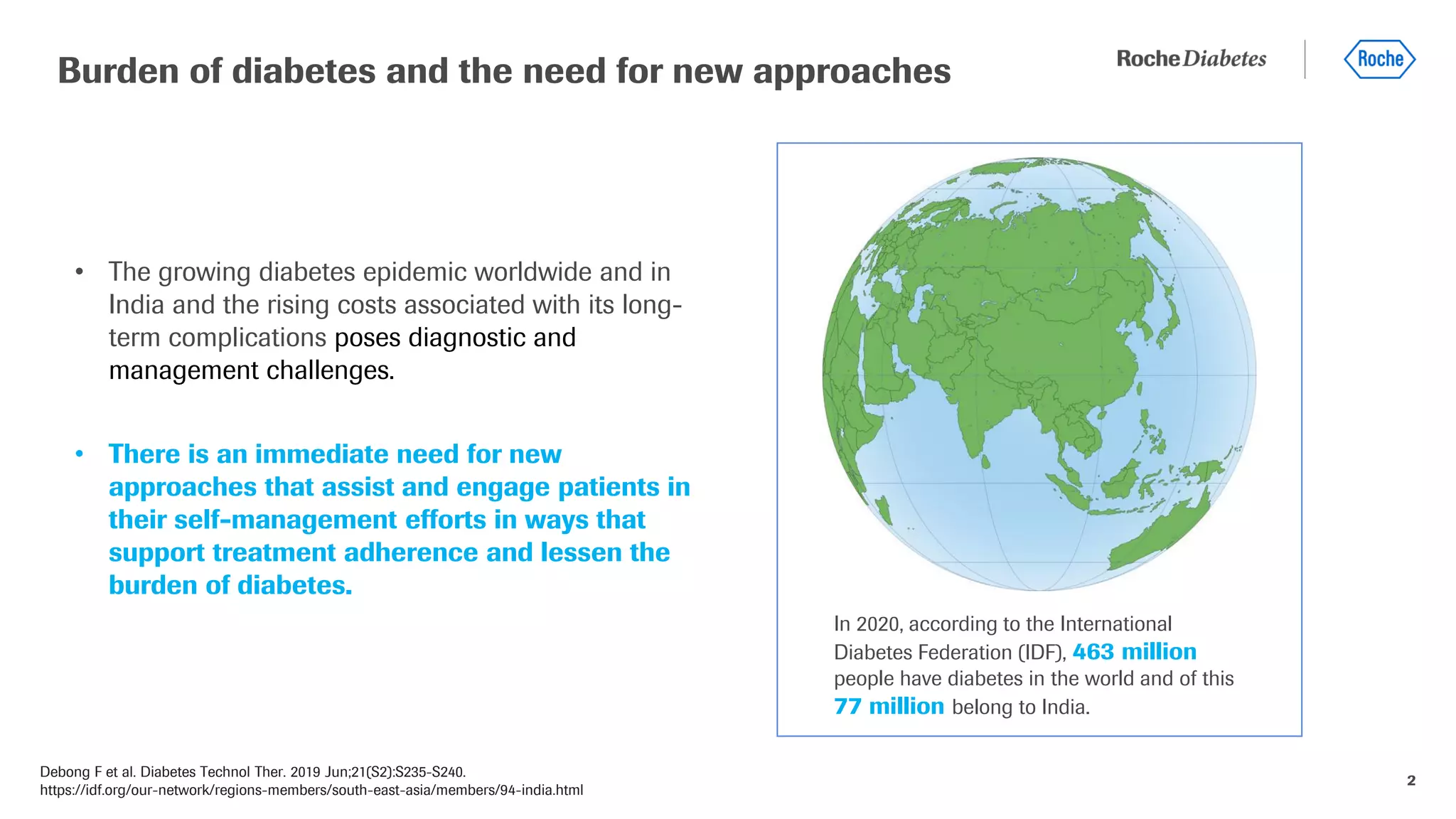
In 2020, according to the International
Diabetes Federation (IDF), 463 million
people have diabetes in the world and of this
77 million belong to India.
Bailey TS, Walsh J, Stone JY. Emerging Technologies for Diabetes Care. Diabetes Technol Ther. 2018
American Diabetes Association, Diabetes Care. 2021 Jan;44(Suppl 1):S85-S99 3
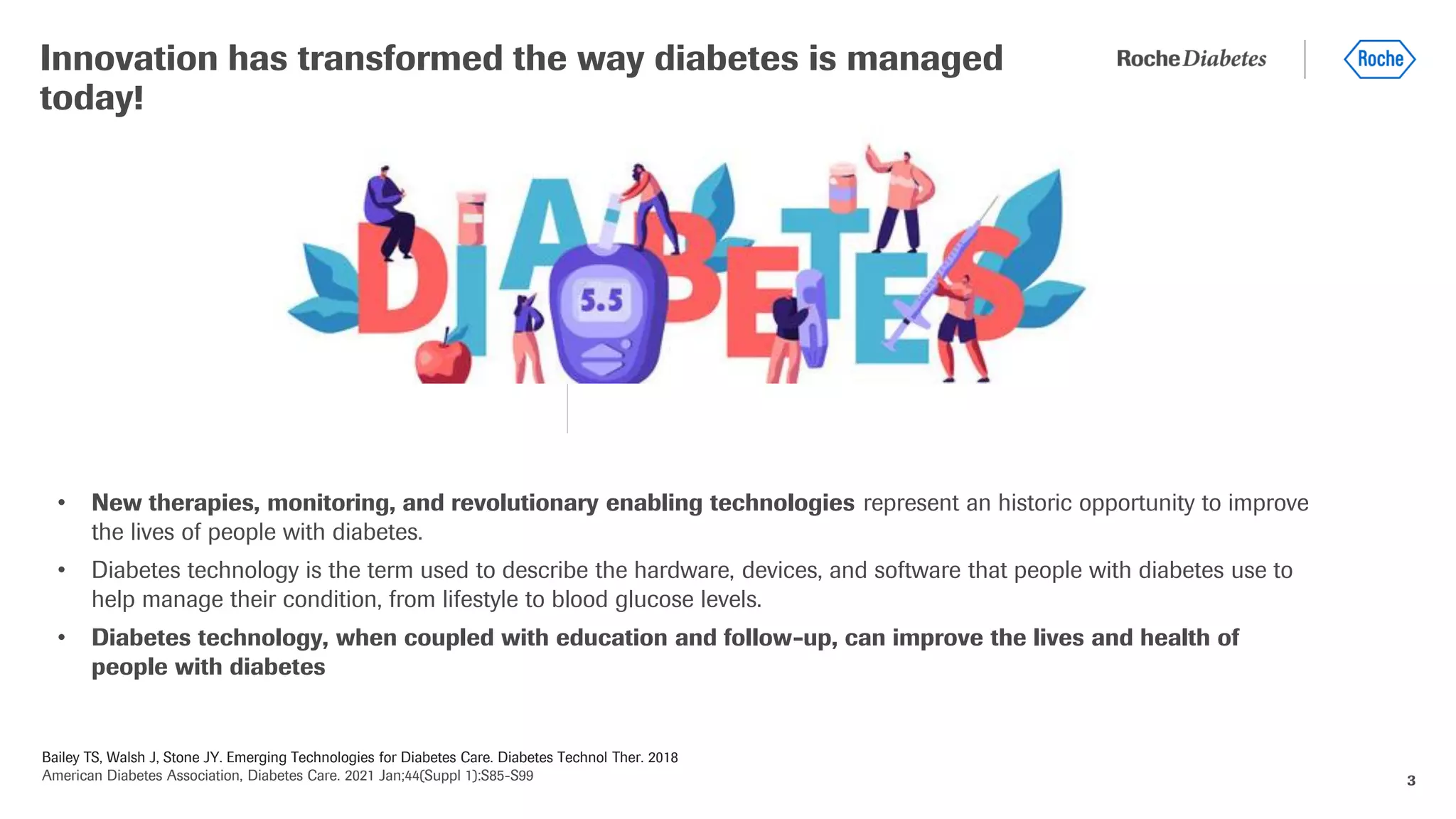
• New therapies, monitoring, and revolutionary enabling technologies represent an historic opportunity to improve
the lives of people with diabetes.
• Diabetes technology is the term used to describe the hardware, devices, and software that people with diabetes use to
help manage their condition, from lifestyle to blood glucose levels.
• Diabetes technology, when coupled with education and follow-up, can improve the lives and health of
people with diabetes
Innovation has transformed the way diabetes is managed
today!
Bailey TS et al.. Diabetes Technol Ther. 2018
Reddy N, Endotext [Internet]. South Dartmouth (MA): MDText.com, Inc.; 2000-. Available from: https://www.ncbi.nlm.nih.gov/books/NBK279046/
American Diabetes Association, Diabetes Care. 2021 Jan;44(Suppl 1):S85-S99. 4
Overview of diabetes technologies
New and
smarter insulins
and delivery
systems are in
development that
seek to mitigate
both
hyperglycemia and
hypoglycemia and
increase time in
range.
Blood glucose
monitoring as
assessed by meter
or continuous
glucose monitor
Hybrid devices that
both monitor glucose
and deliver insulin
Software that
serves as a
medical device,
providing
diabetes self-
management
support
Information systems
now exist that may be
leveraged to merge
data from previously
discrete systems into
new models of
connected care
1 2 3 4 5
Chawla R et al. Indian J Endocr Metab 2020;24:1-122 5
• Technologies such as insulin pump, artificial
pancreas, continuous glucose monitoring (CGM)
are relatively expensive.
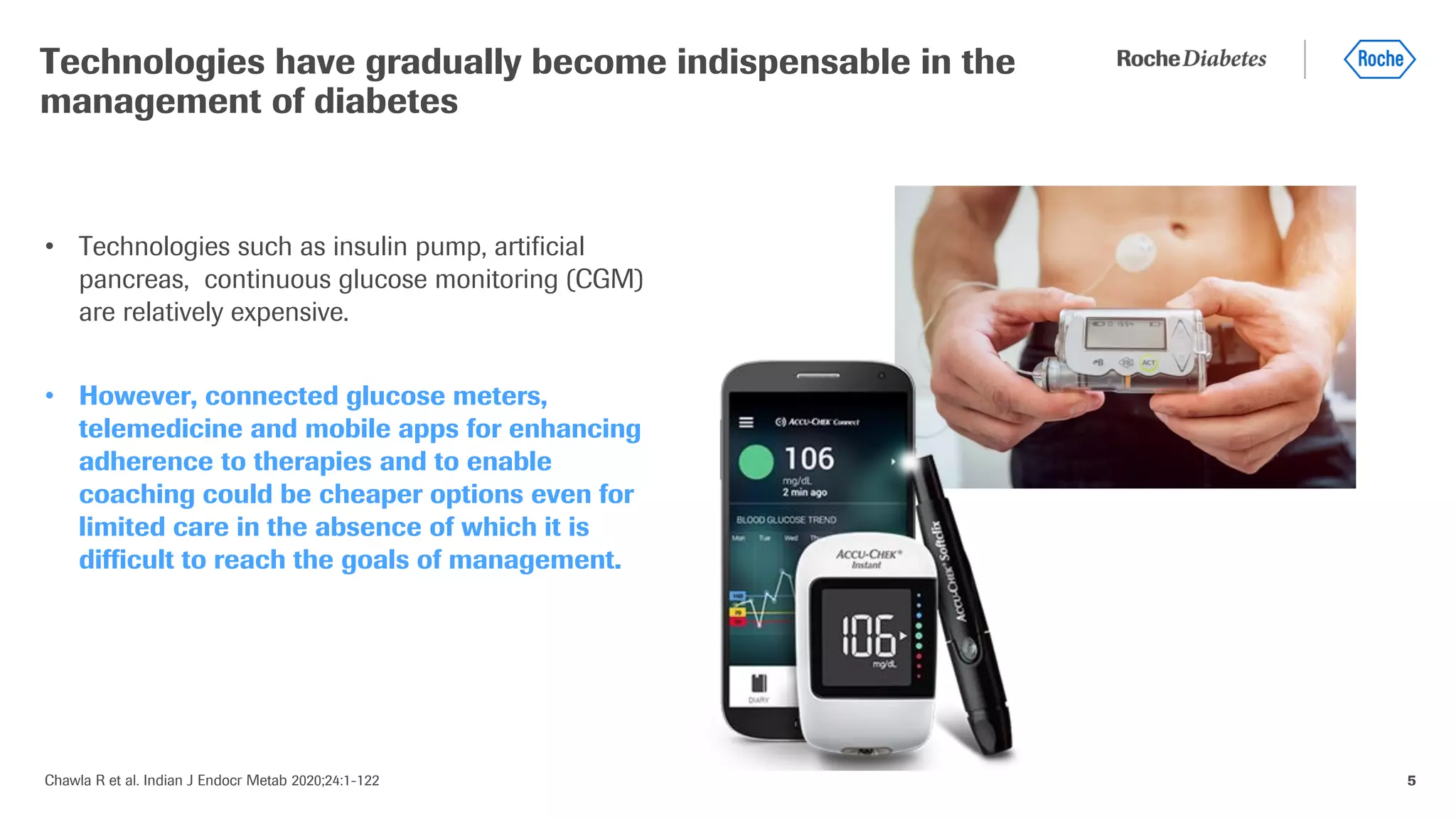
• However, connected glucose meters,
telemedicine and mobile apps for enhancing
adherence to therapies and to enable
coaching could be cheaper options even for
limited care in the absence of which it is
difficult to reach the goals of management.
Technologies have gradually become indispensable in the
management of diabetes
6
The landscape of glucose monitoring technologies is
expanding and rapidly changing
Continuous glucose
monitoring (CGM)
Permit significantly more fine-
tuned adjustments in insulin
dosing and other therapies.
CGM technologies for automatic
collection of data have spurred
interest in noninvasive glucose
monitoring as an additional tool
for obtaining information about
glucose levels.
Closed loop control
(CLC)
Also known as an
“artificial” or “bionic”
pancreas, this technology
links CGM with
automatically controlled
insulin delivery.
Mobile Technology
and Decision Support
Increasing connectivity
between glucose
monitoring technologies
and mobile devices has
facilitated ongoing
improvements in self-
care and
communication of data.
Alternate
Markers of
Glucose Control
Use of additional
analytes besides
glucose is being
established.
Reddy N, Endotext [Internet]. South Dartmouth (MA): MDText.com, Inc.; 2000-. Available from: https://www.ncbi.nlm.nih.gov/books/NBK279046/
Debong F et al. Diabetes Technol Ther. 2019 Jun;21(S2):S235-S240.
7
• Rapid growth in digital communications technologies (e.g., smartphones, tablets) has prompted the development of a
plethora of new self management tools for patients via mobile health (mHealth) apps.
• Meta-analyses and systematic reviews have shown that mHealth solutions such as diabetes self-
management apps improve HbA1c, particularly those that provide a feedback loop between patient and
health care provider.
• mHealth apps that incorporate behaviorally designed interventions can improve patient access to diabetes self-
management education and ongoing support.
Mobile health (mHealth) solutions
Emerging as a promising solution for a growing number of individuals with
diabetes
American Diabetes Association, Diabetes Care. 2021 Jan;44(Suppl 1):S85-S99
Kesavadev J et al. J Diabetol 2017;8:61-7
Patton et al. US Endocrinol. 2012 ; 8(1): 27–29
8
Technology is rapidly changing, but there is no “one-size-
fits-all” approach to technology use in people with diabetes.
2021 recommendations
Use of technology should be individualized based on a patient's
needs, desires, skill level, and availability of devices
Monitoring of blood glucose has been made easier in modern diabetes therapy with the
introduction of home blood glucose monitors which allow patients to check their glucose levels
quickly and provide an accurate measure of capillary glucose concentrations
Pardo S et al. J Diabetes Sci Technol. 2018 May;12(3):650-656
American Diabetes Association, Diabetes Care. 2021 Jan;44(Suppl 1):S85-S99
9
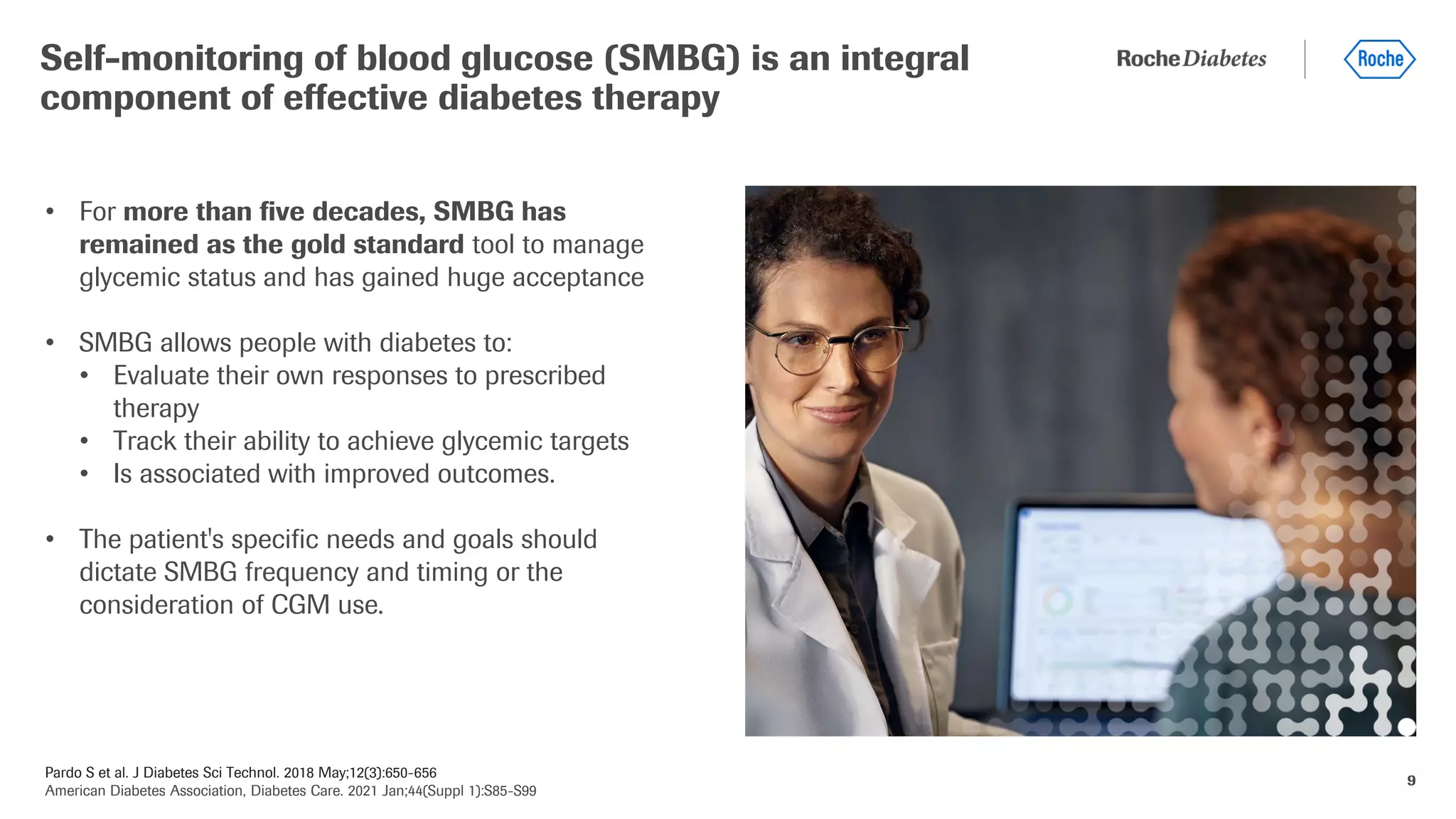
• For more than five decades, SMBG has
remained as the gold standard tool to manage
glycemic status and has gained huge acceptance
• SMBG allows people with diabetes to:
• Evaluate their own responses to prescribed
therapy
• Track their ability to achieve glycemic targets
• Is associated with improved outcomes.
• The patient's specific needs and goals should
dictate SMBG frequency and timing or the
consideration of CGM use.
Self-monitoring of blood glucose (SMBG) is an integral
component of effective diabetes therapy
10
• People who are on insulin using SMBG should be encouraged to test when
appropriate based on their insulin regimen.
• Providers should be aware of the differences in accuracy among glucose
meters: approved meters with proven accuracy should be used, with unexpired
strips, purchased from a pharmacy or licensed distributor.
• When prescribed as part of a diabetes self-management education and
support program, SMBG may help to guide treatment decisions and/or
self-management for patients taking less frequent insulin injections.
ADA 2021 recommendations on SMBG
American Diabetes Association, Diabetes Care. 2021 Jan;44(Suppl 1):S85-S99
2021 recommendations
11
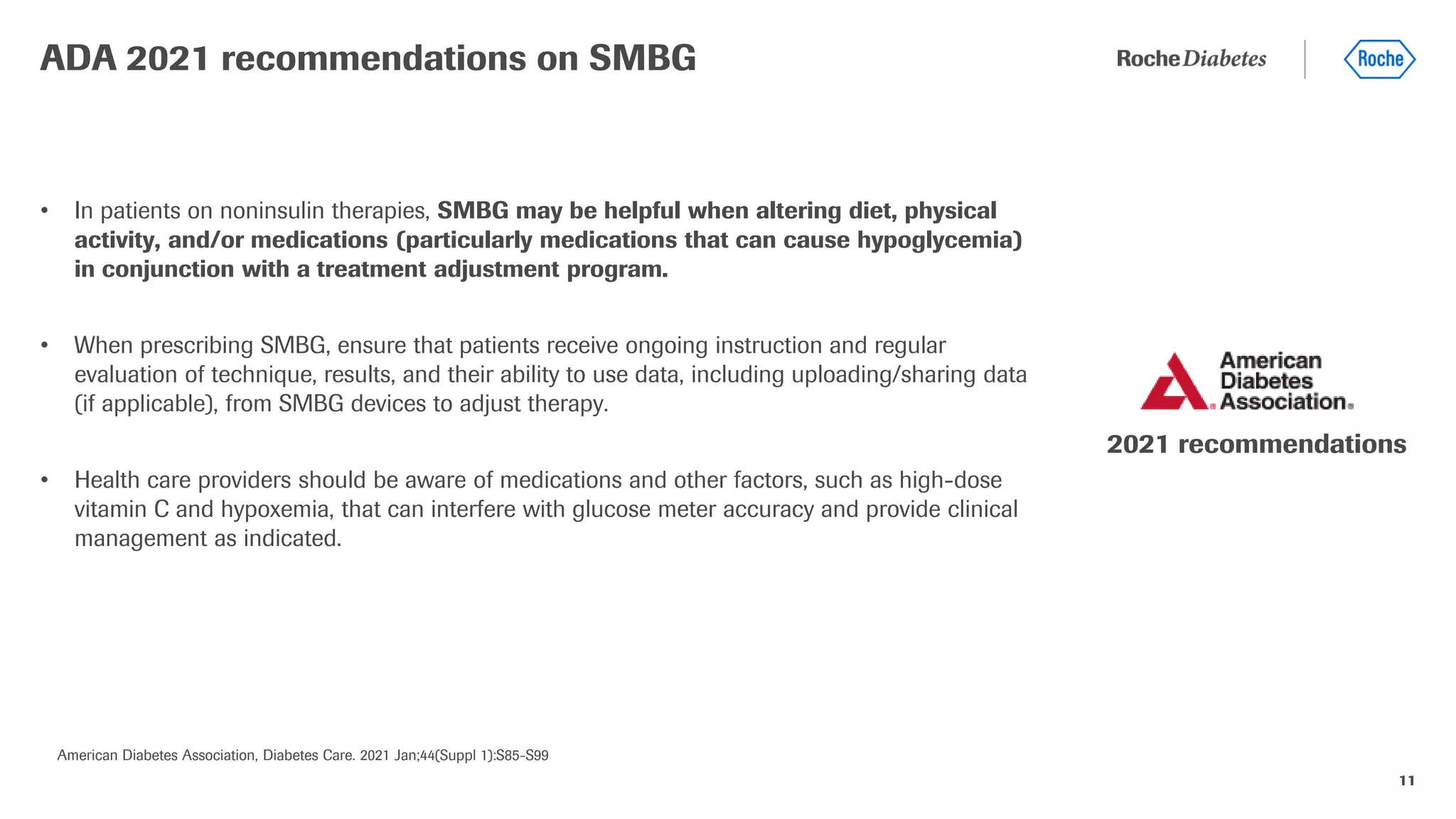
• In patients on noninsulin therapies, SMBG may be helpful when altering diet, physical
activity, and/or medications (particularly medications that can cause hypoglycemia)
in conjunction with a treatment adjustment program.
• When prescribing SMBG, ensure that patients receive ongoing instruction and regular
evaluation of technique, results, and their ability to use data, including uploading/sharing data
(if applicable), from SMBG devices to adjust therapy.
• Health care providers should be aware of medications and other factors, such as high-dose
vitamin C and hypoxemia, that can interfere with glucose meter accuracy and provide clinical
management as indicated.
ADA 2021 recommendations on SMBG
American Diabetes Association, Diabetes Care. 2021 Jan;44(Suppl 1):S85-S99
2021 recommendations
12
• SMBG accuracy is dependent on the instrument and user, so it is important to
evaluate each patient's monitoring technique, both initially and at regular intervals
thereafter.
• Optimal use of SMBG requires proper review and interpretation of the data, by
both the patient and the provider, to ensure that data are used in an effective
and timely manner.
• Patients should be taught how to use SMBG data to adjust food intake, exercise, or
pharmacologic therapy to achieve specific goals.
• Some meters now provide advice to the user in real time, when monitoring
glucose levels , while others can be used as a part of integrated health
platforms.
• The ongoing need for and frequency of SMBG should be reevaluated at each routine
visit.
Optimizing SMBG Monitor Use:
ADA 2021 recommendations
American Diabetes Association, Diabetes Care. 2021 Jan;44(Suppl 1):S85-S99
2021 recommendations
Chawla R et al. Indian J Endocr Metab 2020;24:1-122
Pardo S et al. J Diabetes Sci Technol. 2018 May;12(3):650-656 13
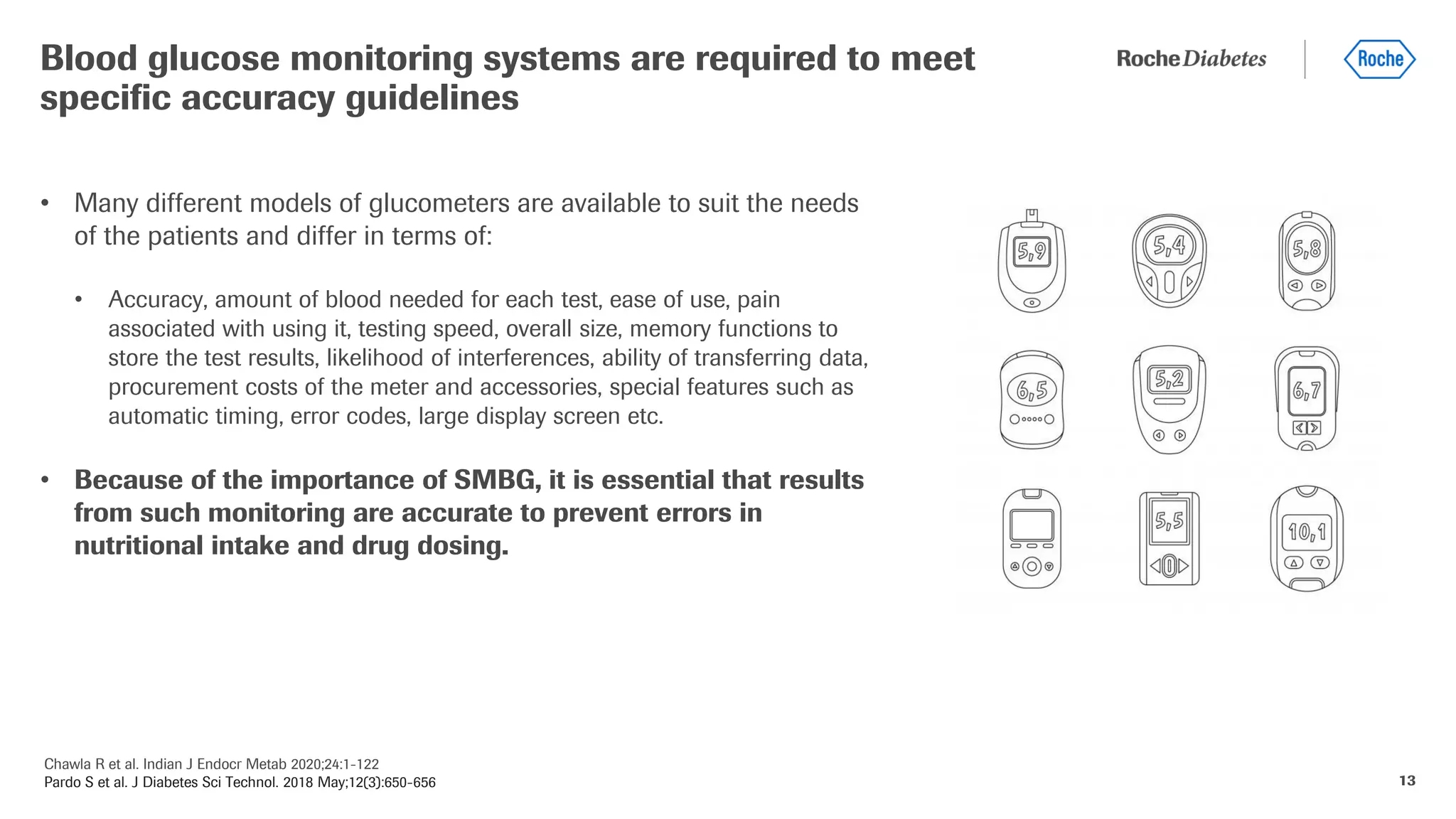
• Many different models of glucometers are available to suit the needs
of the patients and differ in terms of:
• Accuracy, amount of blood needed for each test, ease of use, pain
associated with using it, testing speed, overall size, memory functions to
store the test results, likelihood of interferences, ability of transferring data,
procurement costs of the meter and accessories, special features such as
automatic timing, error codes, large display screen etc.
• Because of the importance of SMBG, it is essential that results
from such monitoring are accurate to prevent errors in
nutritional intake and drug dosing.
Blood glucose monitoring systems are required to meet
specific accuracy guidelines
American Diabetes Association, Diabetes Care. 2021 Jan;44(Suppl 1):S85-S99
Chawla R et al. Indian J Endocr Metab 2020;24:1-122 14
Most commonly followed accuracy standards for
glucometers
•BG, blood glucose; FDA, U.S. Food and Drug Administration; ISO, International Organization for Standardization.
•↵† The range of blood glucose values for which the meter has been proven accurate and will provide readings (other than low, high, or error).
•↵‡ Values outside of the “clinically acceptable” A and B regions are considered “outlier” readings and may be dangerous to use for therapeutic
decisions
• International Organization for Standardization (ISO
15197:2013)[740]
• U. S. Food and Drug Administration (USFDA)
Comparison of ISO 15197:2013 and FDA blood glucose meter accuracy standards
15
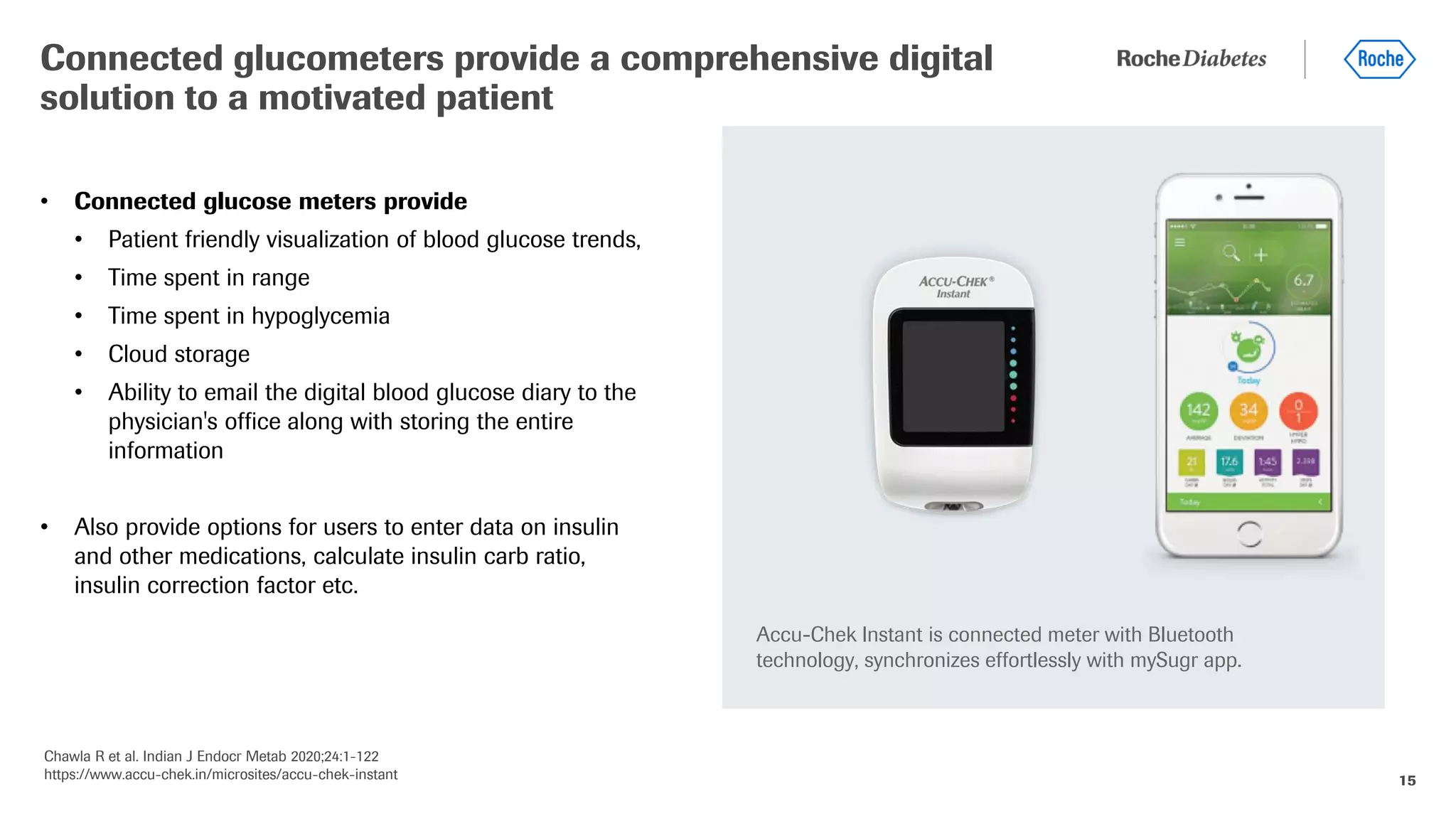
• Connected glucose meters provide
• Patient friendly visualization of blood glucose trends,
• Time spent in range
• Time spent in hypoglycemia
• Cloud storage
• Ability to email the digital blood glucose diary to the
physician's office along with storing the entire
information
• Also provide options for users to enter data on insulin
and other medications, calculate insulin carb ratio,
insulin correction factor etc.
Connected glucometers provide a comprehensive digital
solution to a motivated patient
Chawla R et al. Indian J Endocr Metab 2020;24:1-122
https://www.accu-chek.in/microsites/accu-chek-instant
Accu-Chek Instant is connected meter with Bluetooth
technology, synchronizes effortlessly with mySugr app.
16
• CGM measures glucose levels (typically interstitial glucose) continuously and
updates the glucose level display every 1 to 5 minutes.
• Most CGMs consist of
1) a monitor to display the information (in some cases, this is the patient’s
mobile device)
2) a sensor that is usually inserted into the subcutaneous tissue, and
3) a transmitter that transmits the sensor data to the monitor.
• Most CGM devices were approved for adjunctive use only due to limitations in
accuracy; in this case patients must still perform fingerstick glucose monitoring in
order to guide therapy and perform calibrations.
Continuous glucose monitoring (CGM): a complementary
method for assessment of glycemic control
Reddy N, Endotext [Internet]. South Dartmouth (MA): MDText.com, Inc.; 2000-.
Available from: https://www.ncbi.nlm.nih.gov/books/NBK279046/
Kesavadev J et al. J Diabetol 2017;8:61-7
Chawla R et al. Indian J Endocr Metab 2020;24:1-122
Continuous Glucose Monitoring System (iPro2)
Image from: Kesavadev J et al. J Diabetol 2017;8:61-7
17
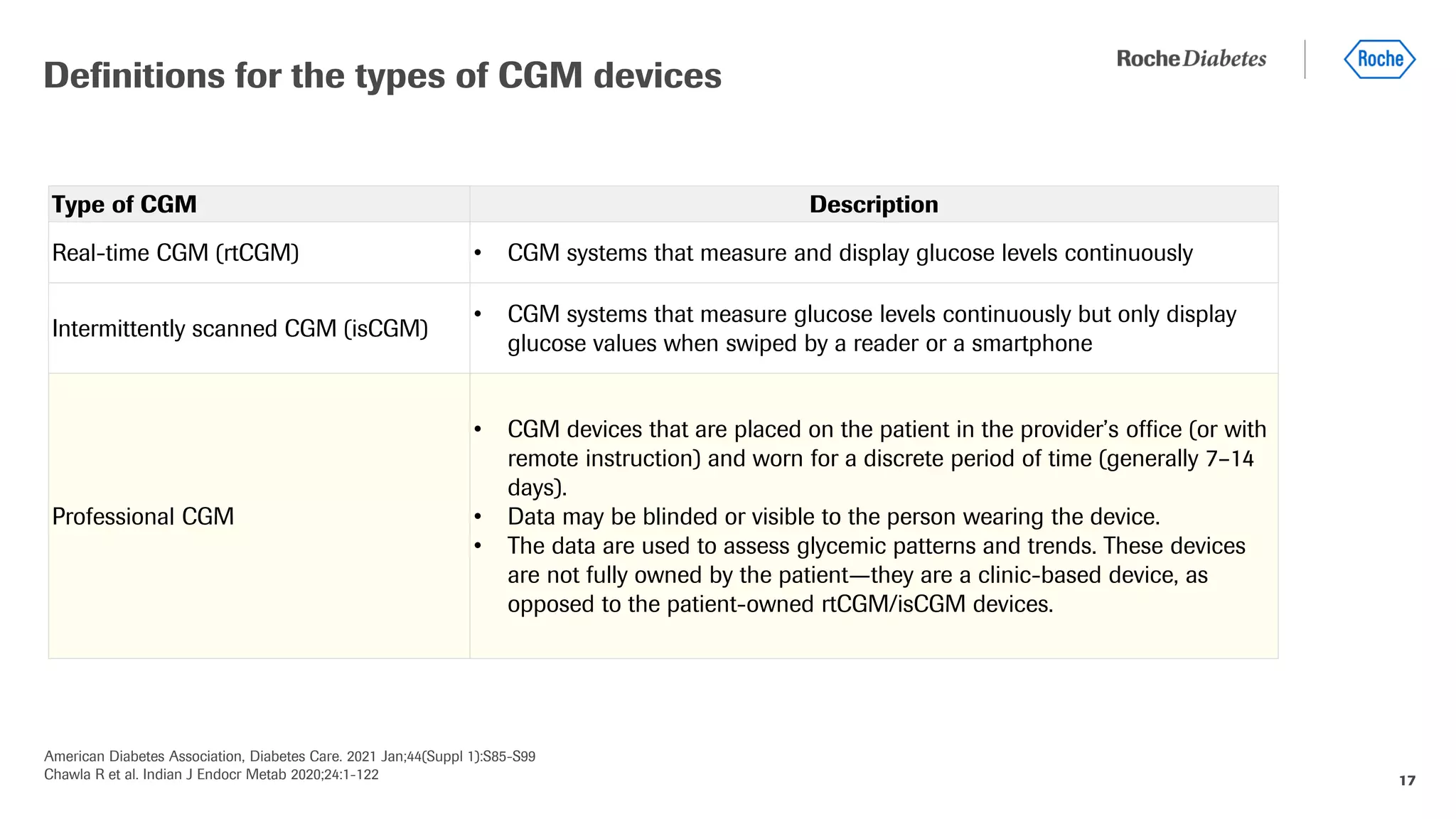
Definitions for the types of CGM devices
Type of CGM Description
Real-time CGM (rtCGM) • CGM systems that measure and display glucose levels continuously
Intermittently scanned CGM (isCGM)
• CGM systems that measure glucose levels continuously but only display
glucose values when swiped by a reader or a smartphone
Professional CGM
• CGM devices that are placed on the patient in the provider’s office (or with
remote instruction) and worn for a discrete period of time (generally 7–14
days).
• Data may be blinded or visible to the person wearing the device.
• The data are used to assess glycemic patterns and trends. These devices
are not fully owned by the patient—they are a clinic-based device, as
opposed to the patient-owned rtCGM/isCGM devices.
American Diabetes Association, Diabetes Care. 2021 Jan;44(Suppl 1):S85-S99
Chawla R et al. Indian J Endocr Metab 2020;24:1-122
18
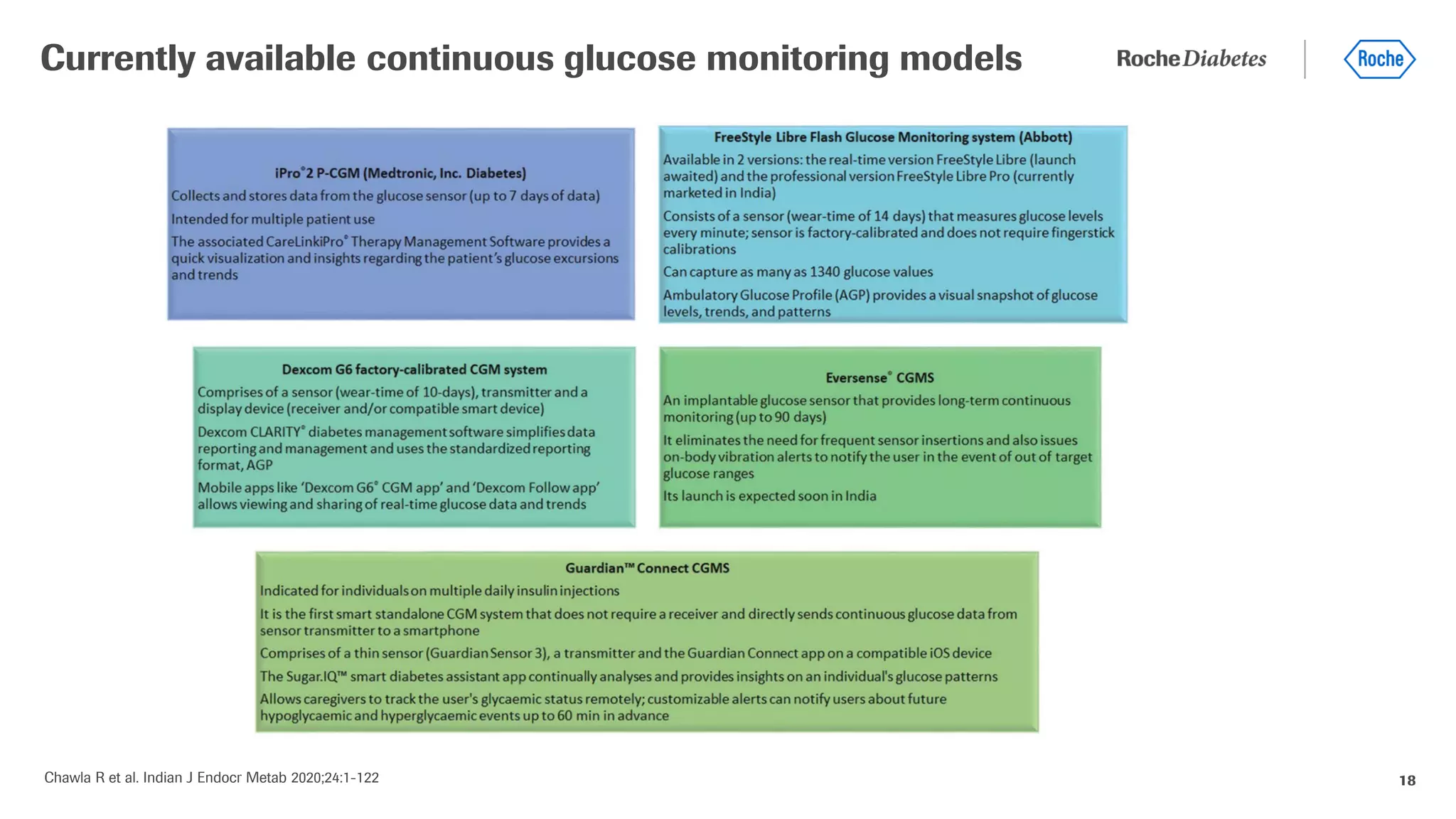
Currently available continuous glucose monitoring models
Chawla R et al. Indian J Endocr Metab 2020;24:1-122
Li A, Hussain S. Clin Med (Lond). 2020 Sep;20(5):469-476 19
Flash glucose monitoring and real-time glucose monitoring
• Uses a subcutaneous sensor to measure interstitial fluid
glucose levels continuously.
• Glucose readings are taken only when this sensor is scanned
with a reader or phone
• Do not offer alarms, alerts or continuous real-time output of
the glucose data.
• Because it measures interstitial fluid glucose instead of
capillary blood glucose there is a slight lag between the flash
monitor level and standard capillary finger-prick glucose when
glucose levels are rapidly changing.
• Each waterproof sensor can remain inserted and active for up
to 2 weeks.
Flash glucose monitoring
• Most RT-CGM devices use a subcutaneous sensor to
measure frequent glucose readings (eg every 5 minutes)
and continuously displays this data in real time without the
need to scan for readings.
• Also allows customisable high and low thresholds and
predictive alarms and alerts.
• Some can also remotely send alerts to other individuals
(e.g. family or carers) and also share data via smartphone,
data and cloud-based technology to carers or health
professionals for remote reviews.
Real-time glucose monitoring (RT-CGM)
20
Flash glucose monitoring and real-time glucose monitoring
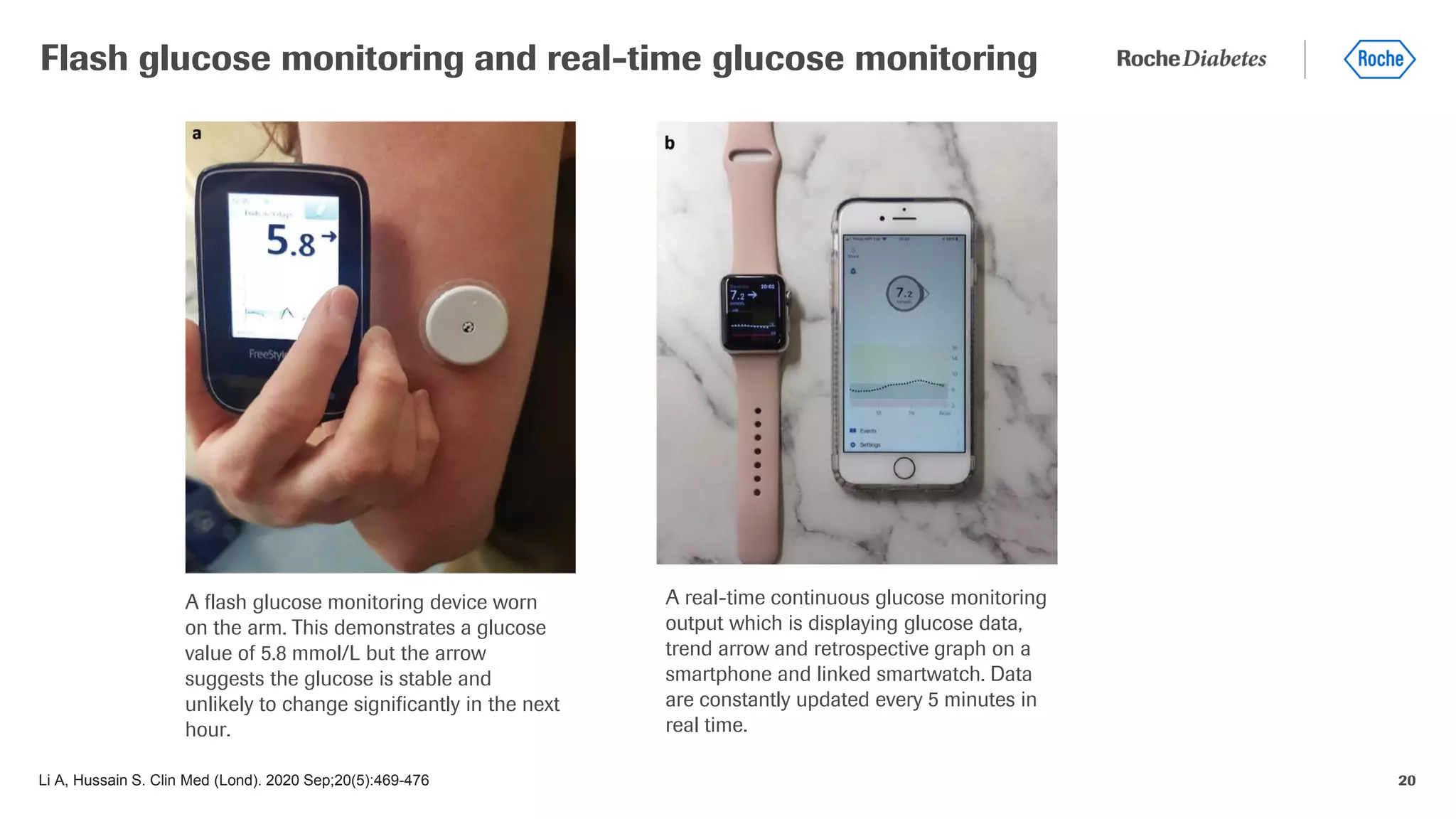
A flash glucose monitoring device worn
on the arm. This demonstrates a glucose
value of 5.8 mmol/L but the arrow
suggests the glucose is stable and
unlikely to change significantly in the next
hour.
A real-time continuous glucose monitoring
output which is displaying glucose data,
trend arrow and retrospective graph on a
smartphone and linked smartwatch. Data
are constantly updated every 5 minutes in
real time.
Li A, Hussain S. Clin Med (Lond). 2020 Sep;20(5):469-476
21
• When prescribing continuous glucose monitoring (CGM) devices, robust diabetes
education, training, and support are required for optimal CGM device implementation and
ongoing use.
• People using CGM devices need to have the ability to perform self-monitoring of
blood glucose in order to calibrate their monitor and/or verify readings if
discordant from their symptoms.
• When used properly, real-time and intermittently scanned CGM devices in conjunction with
multiple daily injections and continuous subcutaneous insulin infusion and other forms of
insulin therapy are a useful tool to lower and/or maintain A1C levels and/or reduce
hypoglycemia in adults and youth with diabetes.
ADA 2021 recommendations on CGM
American Diabetes Association, Diabetes Care. 2021 Jan;44(Suppl 1):S85-S99
2021 recommendations
22
• In patients on multiple daily injections and continuous subcutaneous insulin infusion, real-
time CGM devices should be used as close to daily as possible for maximal benefit. A
Intermittently scanned CGM devices should be scanned frequently, at a minimum once every
8 h.
• When used as an adjunct to pre- and postprandial self-monitoring of blood glucose, CGM
can help to achieve A1C targets in diabetes and pregnancy.
• Use of professional CGM and/or intermittent real-time or intermittently scanned CGM can be
helpful in identifying and correcting patterns of hyper- and hypoglycemia and improving A1C
levels in people with diabetes on noninsulin as well as basal insulin regimens.
• Skin reactions, either due to irritation or allergy, should be assessed and addressed
to aid in successful use of devices.
ADA 2021 recommendations on CGM (contd)
American Diabetes Association, Diabetes Care. 2021 Jan;44(Suppl 1):S85-S99
2021 recommendations
Kesavadev J et al. J Diabetol 2017;8:61-7. 23
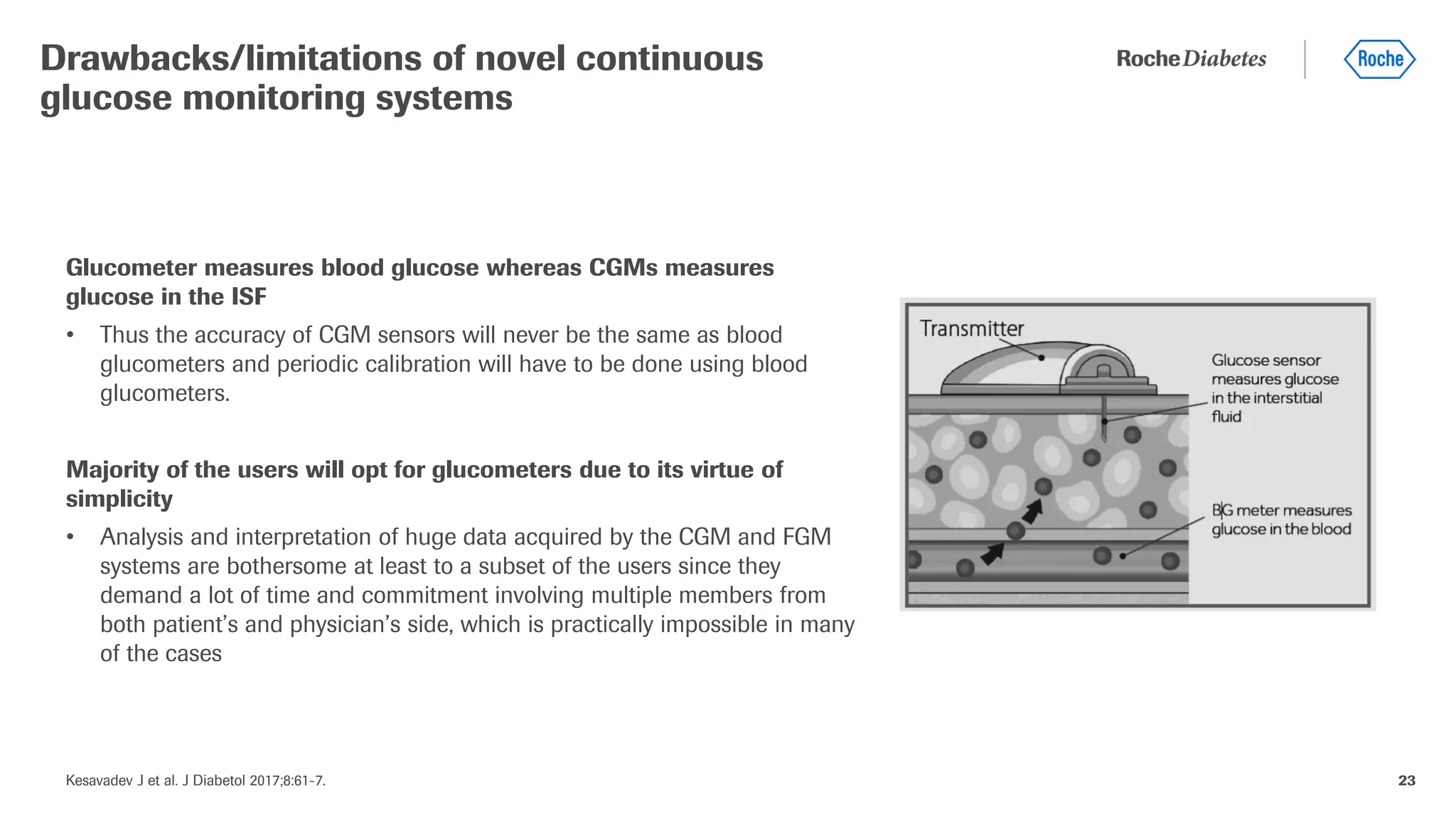
Glucometer measures blood glucose whereas CGMs measures
glucose in the ISF
• Thus the accuracy of CGM sensors will never be the same as blood
glucometers and periodic calibration will have to be done using blood
glucometers.
Majority of the users will opt for glucometers due to its virtue of
simplicity
• Analysis and interpretation of huge data acquired by the CGM and FGM
systems are bothersome at least to a subset of the users since they
demand a lot of time and commitment involving multiple members from
both patient’s and physician’s side, which is practically impossible in many
of the cases
Drawbacks/limitations of novel continuous
glucose monitoring systems
Kesavadev J et al. J Diabetol 2017;8:61-7. 24
Short sensor wear-times
• Both CGM and FGM have only a short sensor wear time in the range of 7-14
days and the patterns of predicted glucose data pronouncedly vary depending
on the period of sensor use.
• Thus for the ultimate understanding of glycemic status, one would definitely
have to rely on SMBG
Decision of administering insulin or correcting hypoglycemia should be
done only based on SMBG and not on the values from CGM
• Discrepancies are noted in the glucose values obtained from CGM and FGM,
more particularly at the times when glucose fluctuations are prominent such as
during a meal or exercise.
Drawbacks/limitations of novel continuous
glucose monitoring systems
25
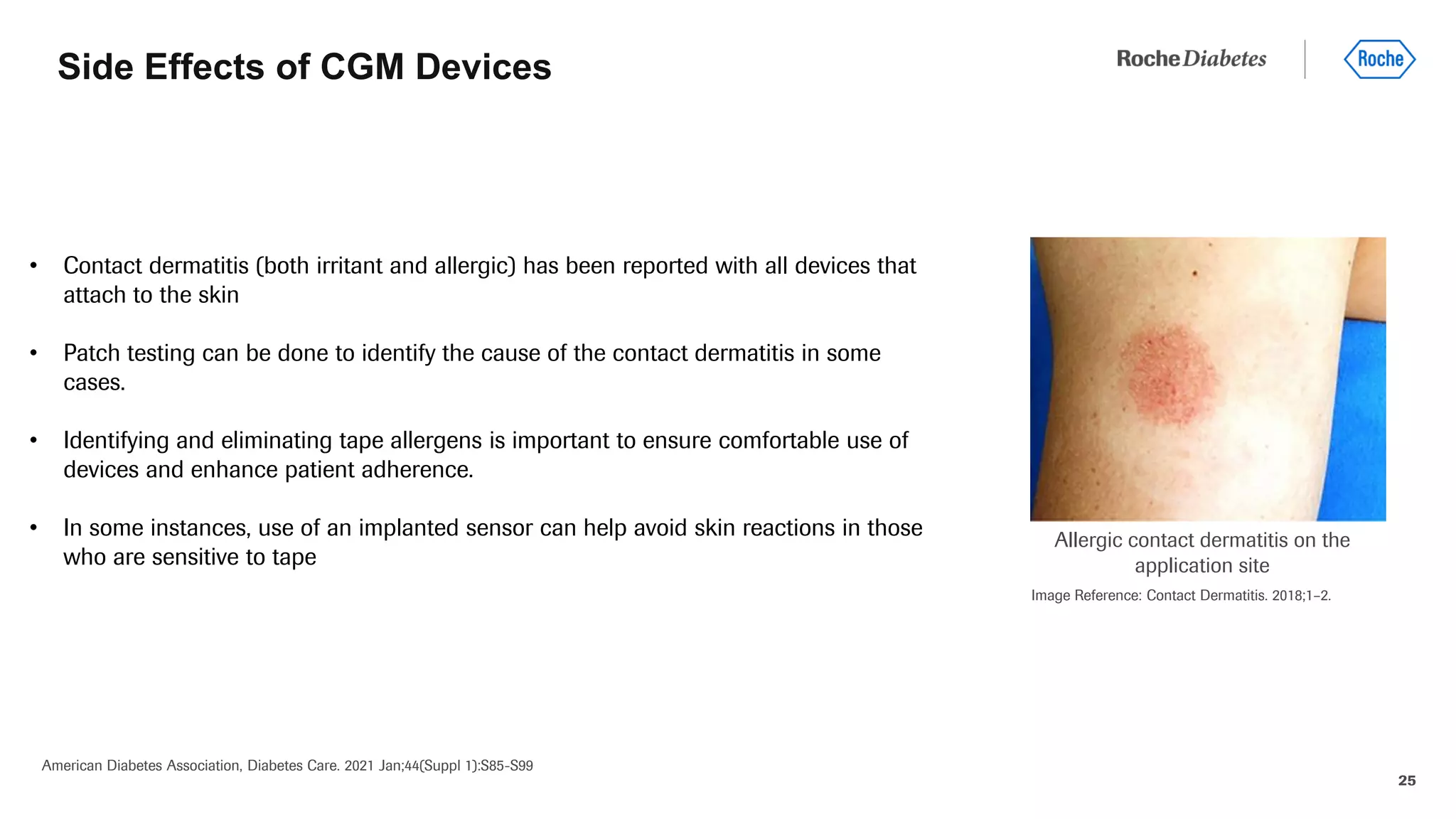
• Contact dermatitis (both irritant and allergic) has been reported with all devices that
attach to the skin
• Patch testing can be done to identify the cause of the contact dermatitis in some
cases.
• Identifying and eliminating tape allergens is important to ensure comfortable use of
devices and enhance patient adherence.
• In some instances, use of an implanted sensor can help avoid skin reactions in those
who are sensitive to tape
Side Effects of CGM Devices
American Diabetes Association, Diabetes Care. 2021 Jan;44(Suppl 1):S85-S99
Allergic contact dermatitis on the
application site
Image Reference: Contact Dermatitis. 2018;1–2.
Kesavadev J et al. J Diabetol 2017;8:61-7 26
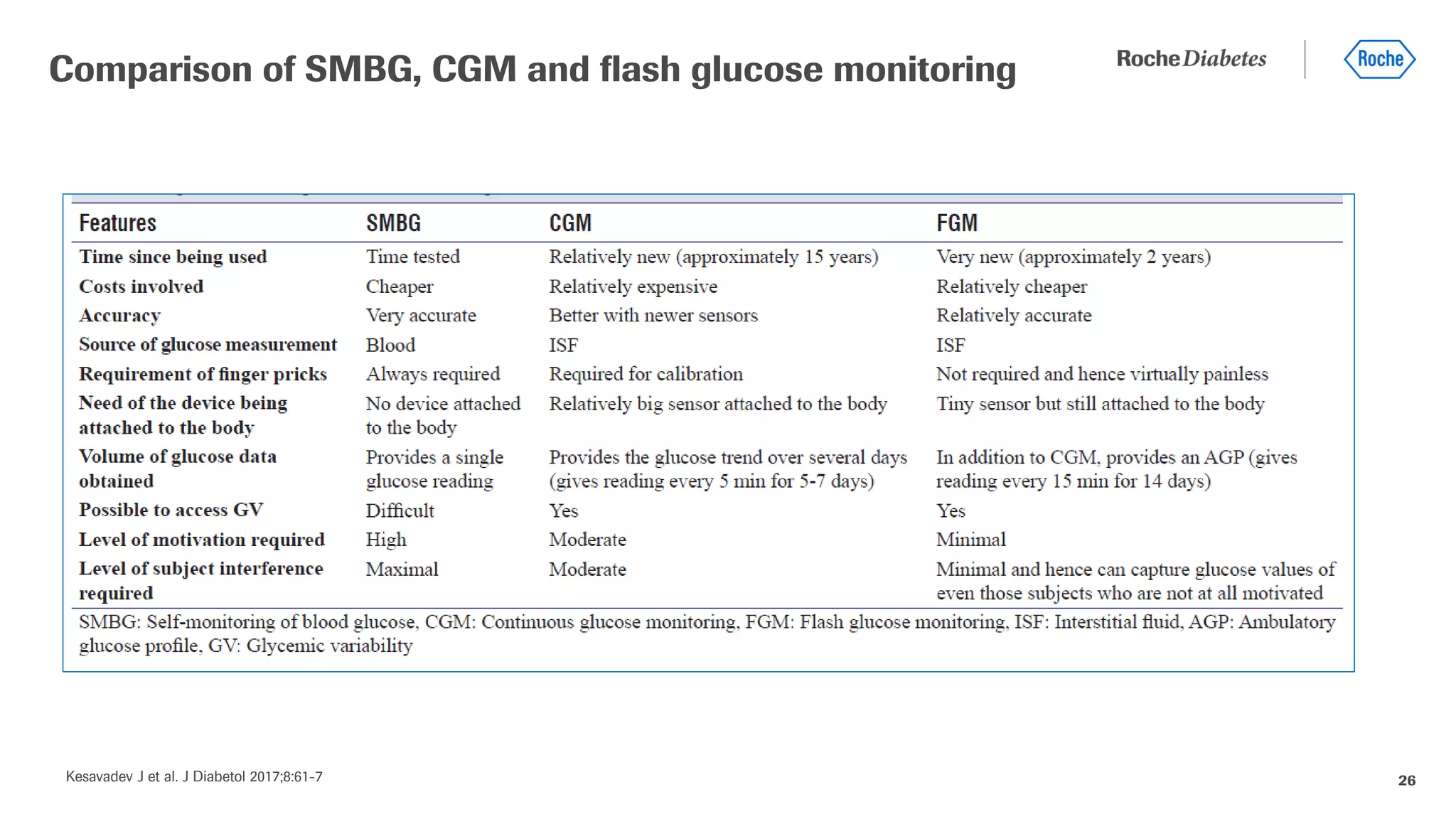
Comparison of SMBG, CGM and flash glucose monitoring
27
AGP is a standardized reporting format for glucose data that was developed by an expert panel of diabetes
specialists and is customized for insulin pumps or injection therapy.
AGP averages daily glucose records, presenting the median glucose and its 25–75th and 10–90th
percentiles across a standard ‘modal’ day.
AGP is currently employed by many reporting systems and consists of 3 components:
1. Statistical Summary, which utilizes standard metrics and terminology to summarize the number of
values, percentage of values and time in target, above target, and below target, as well as an
assessment of glucose variability.
2. Modal day report which collapses data from days or weeks to a single day in order to identify patterns
by time of day. Data are presented graphically as 5 distribution curves, representing the median,
interquartile range, and 10th to 90th percentiles, on the backdrop of target range.
3. Daily View, which facilitates review of within day events.
Ambulatory Glucose Profile (AGP)
Reddy N, Endotext [Internet]. South Dartmouth (MA): MDText.com, Inc.; 2000-.
Available from: https://www.ncbi.nlm.nih.gov/books/NBK279046/
28
• Glucose Statistics: Metrics include mean glucose,
estimated A1C, glucose ranges, coefficient of variation and
standard deviation.
• Glucose Profile: Daily glucose profiles are combined to
make a one-day (24-hour) picture. Ideally, lines would stay
within grey shaded area (target range)
• Orange: median (middle) glucose line
• Blue: area between blue lines shows 50% of the
glucose values
• Green: 10% of values are above (90% top line) and
10% are below (10% bottom line)
• Insulin Profile Graph: Shows basal insulin pump settings
over a 24-hour period
• Bolus Insulin Graph: Combines all bolus insulin doses
into one graph to make a one day (24-hour) picture. Each
box on the graph covers 60 minutes of doses.
• Orange: median (middle) dot
• Blue: shaded box shows 50% of the bolus dosages in
the hour
• Green: lines above and below the shaded box
(whiskers) show how many of the bolus dosages per
hour were between 75 - 90% and between 10 - 25%
Ambulatory Glucose Profile (AGP)
Reddy N, Endotext [Internet]. South Dartmouth (MA): MDText.com, Inc.; 2000-.
Available from: https://www.ncbi.nlm.nih.gov/books/NBK279046/
29
• CSII is an alternative insulin delivery method and is superior in many
aspects to ordinary syringes and insulin pens.
• An insulin pump is a small computerised device that can be worn
externally, delivers a continuous infusion of rapid-acting insulin and
attempts to mimic the function of a normal pancreas.
• It delivers insulin in two ways:
• a continuous, small dose of insulin to maintain glucose levels
stable between meals and overnight (basal rate); and
• a much higher rate of insulin taken before meals to “cover” the
food one plans to eat (bolus rate).
Continuous subcutaneous insulin infusion (CSII) or insulin
pump therapy
Chawla R et al. Indian J Endocr Metab 2020;24:1-122
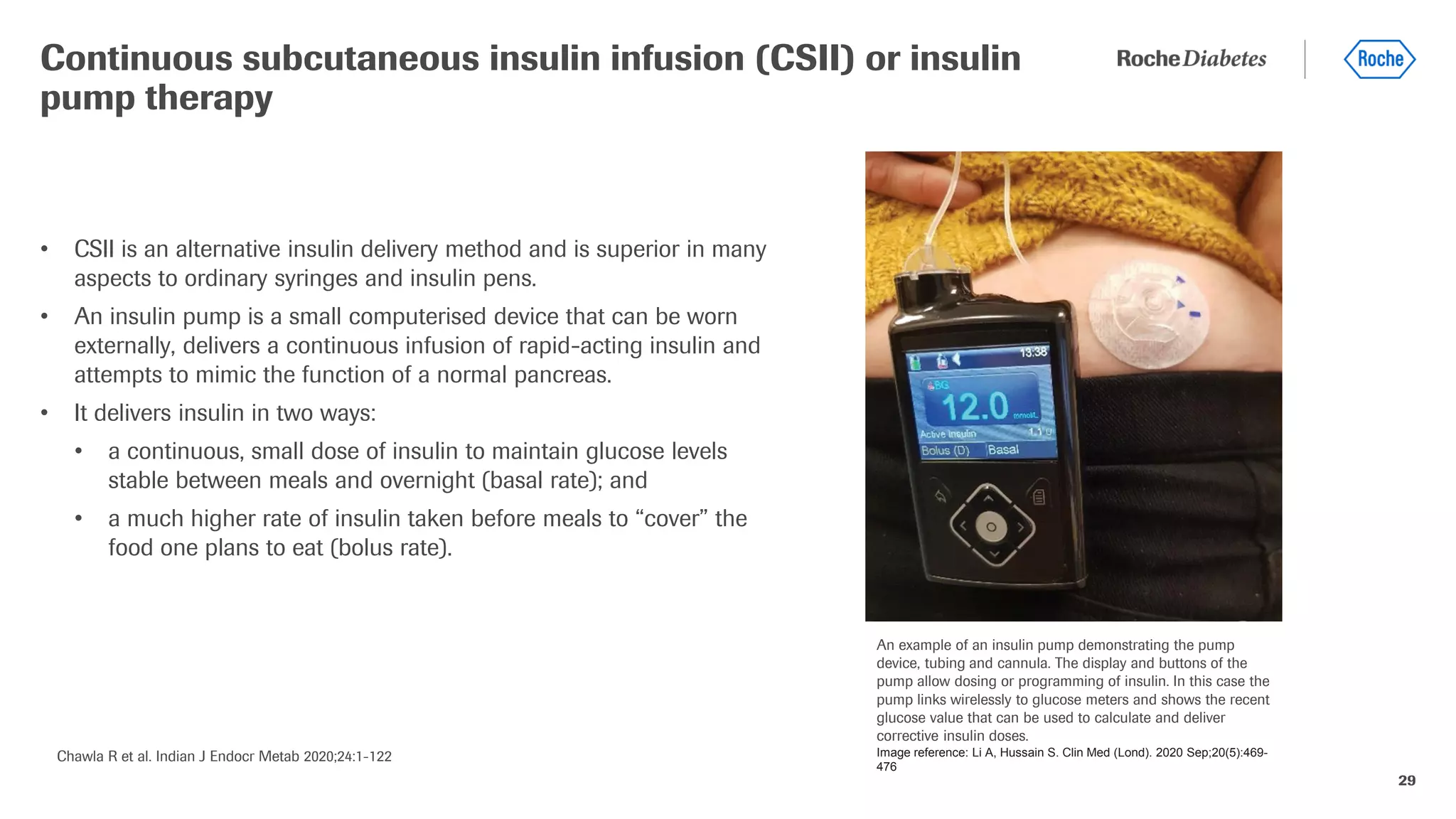
An example of an insulin pump demonstrating the pump
device, tubing and cannula. The display and buttons of the
pump allow dosing or programming of insulin. In this case the
pump links wirelessly to glucose meters and shows the recent
glucose value that can be used to calculate and deliver
corrective insulin doses.
Image reference: Li A, Hussain S. Clin Med (Lond). 2020 Sep;20(5):469-
476
30
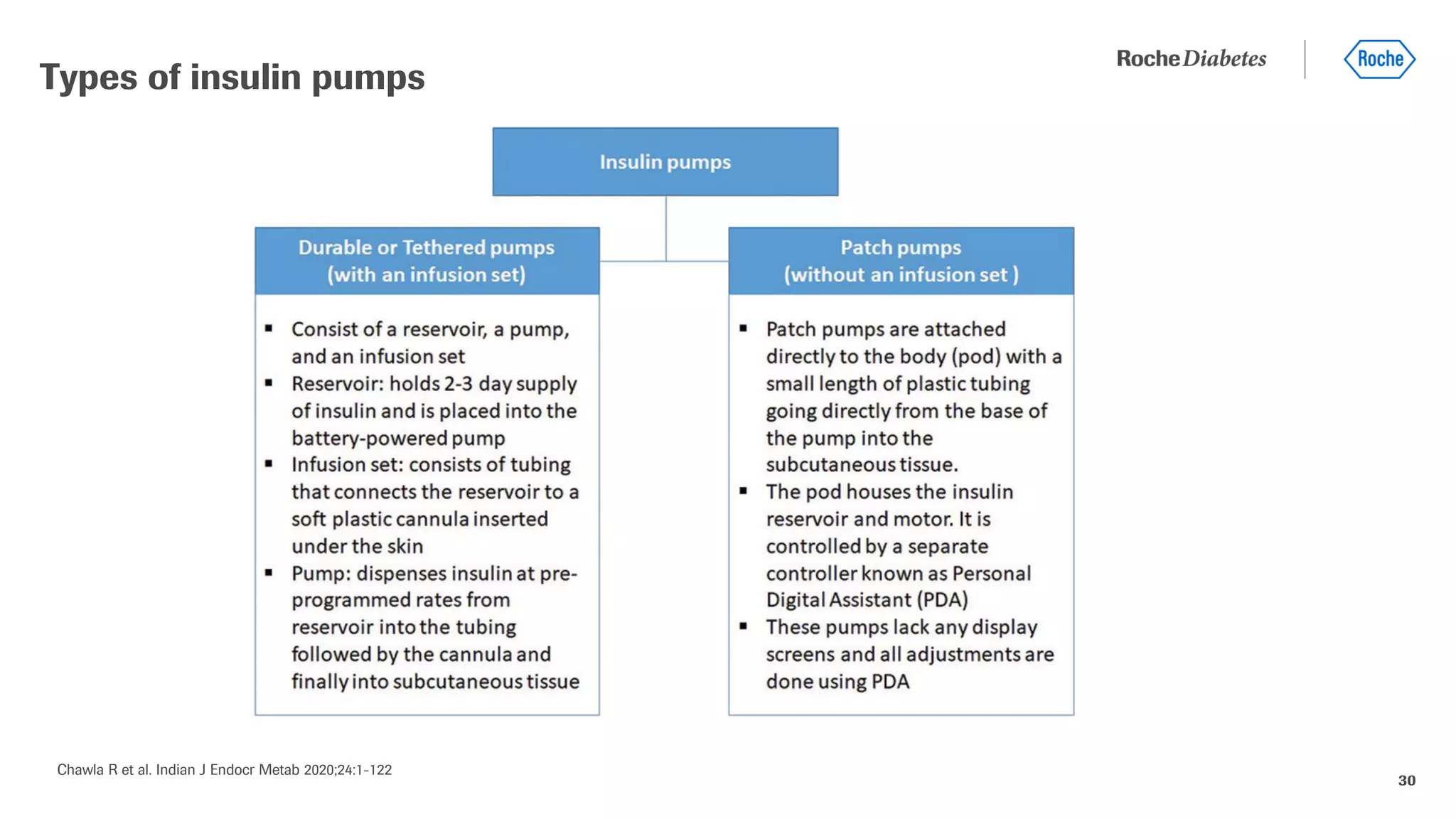
Types of insulin pumps
Chawla R et al. Indian J Endocr Metab 2020;24:1-122
31
ADA 2021 recommendations on insulin pumps and sensor
systems
• Insulin pump therapy may be considered as an option for all
adults and youth with type 1 diabetes who are able to safely
manage the device.
• Insulin pump therapy may be considered as an option for
adults and youth with type 2 diabetes and other forms of
diabetes who are on multiple daily injections who are able to
safely manage the device.
Insulin pumps
• Sensor-augmented pump therapy with automatic low glucose
suspend may be considered for adults and youth with
diabetes to prevent/mitigate episodes of hypoglycemia.
• Automated insulin delivery systems may be considered in
youth and adults with type 1 diabetes to improve glycemic
control.
Combined Insulin Pump and Sensor Systems
American Diabetes Association, Diabetes Care. 2021 Jan;44(Suppl 1):S85-S99
32
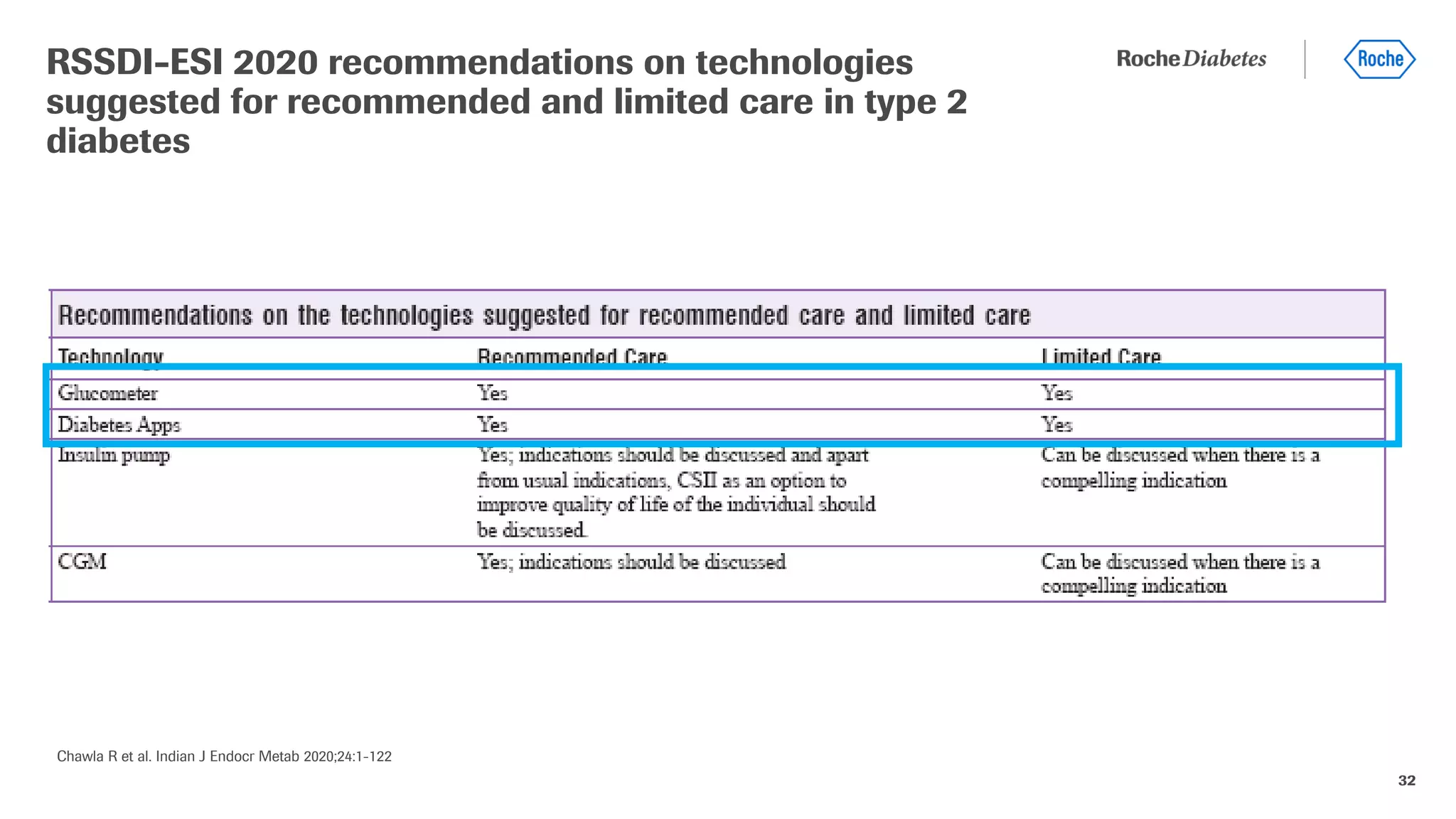
RSSDI-ESI 2020 recommendations on technologies
suggested for recommended and limited care in type 2
diabetes
Chawla R et al. Indian J Endocr Metab 2020;24:1-122
33
• SMBG has remained as the gold standard tool to manage glycaemic status and has gained huge
acceptance.
• Rigorous research further led to the development of more and more advanced technologies such
as continuous glucose monitoring and flash glucose monitoring.
• Novel technologies are more promising in terms of revealing the complete glycaemic picture
and even more user-friendly than the already established blood glucometers. However, they are
yet to achieve remarkable accuracy and performance.
• Subgroup of patients will be using these technologies only occasionally and thus will definitely
require SMBG at other times.
• Glucose data can be obtained with newer technologies only once they are downloaded to the
system and hence, real-time values will still have to be procured with the help of an SMBG.
• In future the accuracy and performance of newer technologies may become equal to
that of glucometers, until then, all these technologies will definitely go hand-in-hand
and supplement each other than competing each other.
Summary

Emerging blood glucose monitoring techniques

  • 1.
  • 2.
    2 • The growingdiabetes epidemic worldwide and in India and the rising costs associated with its long- term complications poses diagnostic and management challenges. • There is an immediate need for new approaches that assist and engage patients in their self-management efforts in ways that support treatment adherence and lessen the burden of diabetes. Burden of diabetes and the need for new approaches Debong F et al. Diabetes Technol Ther. 2019 Jun;21(S2):S235-S240. https://idf.org/our-network/regions-members/south-east-asia/members/94-india.html In 2020, according to the International Diabetes Federation (IDF), 463 million people have diabetes in the world and of this 77 million belong to India.
  • 3.
    Bailey TS, WalshJ, Stone JY. Emerging Technologies for Diabetes Care. Diabetes Technol Ther. 2018 American Diabetes Association, Diabetes Care. 2021 Jan;44(Suppl 1):S85-S99 3 • New therapies, monitoring, and revolutionary enabling technologies represent an historic opportunity to improve the lives of people with diabetes. • Diabetes technology is the term used to describe the hardware, devices, and software that people with diabetes use to help manage their condition, from lifestyle to blood glucose levels. • Diabetes technology, when coupled with education and follow-up, can improve the lives and health of people with diabetes Innovation has transformed the way diabetes is managed today!
  • 4.
    Bailey TS etal.. Diabetes Technol Ther. 2018 Reddy N, Endotext [Internet]. South Dartmouth (MA): MDText.com, Inc.; 2000-. Available from: https://www.ncbi.nlm.nih.gov/books/NBK279046/ American Diabetes Association, Diabetes Care. 2021 Jan;44(Suppl 1):S85-S99. 4 Overview of diabetes technologies New and smarter insulins and delivery systems are in development that seek to mitigate both hyperglycemia and hypoglycemia and increase time in range. Blood glucose monitoring as assessed by meter or continuous glucose monitor Hybrid devices that both monitor glucose and deliver insulin Software that serves as a medical device, providing diabetes self- management support Information systems now exist that may be leveraged to merge data from previously discrete systems into new models of connected care 1 2 3 4 5
  • 5.
    Chawla R etal. Indian J Endocr Metab 2020;24:1-122 5 • Technologies such as insulin pump, artificial pancreas, continuous glucose monitoring (CGM) are relatively expensive. • However, connected glucose meters, telemedicine and mobile apps for enhancing adherence to therapies and to enable coaching could be cheaper options even for limited care in the absence of which it is difficult to reach the goals of management. Technologies have gradually become indispensable in the management of diabetes
  • 6.
    6 The landscape ofglucose monitoring technologies is expanding and rapidly changing Continuous glucose monitoring (CGM) Permit significantly more fine- tuned adjustments in insulin dosing and other therapies. CGM technologies for automatic collection of data have spurred interest in noninvasive glucose monitoring as an additional tool for obtaining information about glucose levels. Closed loop control (CLC) Also known as an “artificial” or “bionic” pancreas, this technology links CGM with automatically controlled insulin delivery. Mobile Technology and Decision Support Increasing connectivity between glucose monitoring technologies and mobile devices has facilitated ongoing improvements in self- care and communication of data. Alternate Markers of Glucose Control Use of additional analytes besides glucose is being established. Reddy N, Endotext [Internet]. South Dartmouth (MA): MDText.com, Inc.; 2000-. Available from: https://www.ncbi.nlm.nih.gov/books/NBK279046/
  • 7.
    Debong F etal. Diabetes Technol Ther. 2019 Jun;21(S2):S235-S240. 7 • Rapid growth in digital communications technologies (e.g., smartphones, tablets) has prompted the development of a plethora of new self management tools for patients via mobile health (mHealth) apps. • Meta-analyses and systematic reviews have shown that mHealth solutions such as diabetes self- management apps improve HbA1c, particularly those that provide a feedback loop between patient and health care provider. • mHealth apps that incorporate behaviorally designed interventions can improve patient access to diabetes self- management education and ongoing support. Mobile health (mHealth) solutions Emerging as a promising solution for a growing number of individuals with diabetes
  • 8.
    American Diabetes Association,Diabetes Care. 2021 Jan;44(Suppl 1):S85-S99 Kesavadev J et al. J Diabetol 2017;8:61-7 Patton et al. US Endocrinol. 2012 ; 8(1): 27–29 8 Technology is rapidly changing, but there is no “one-size- fits-all” approach to technology use in people with diabetes. 2021 recommendations Use of technology should be individualized based on a patient's needs, desires, skill level, and availability of devices Monitoring of blood glucose has been made easier in modern diabetes therapy with the introduction of home blood glucose monitors which allow patients to check their glucose levels quickly and provide an accurate measure of capillary glucose concentrations
  • 9.
    Pardo S etal. J Diabetes Sci Technol. 2018 May;12(3):650-656 American Diabetes Association, Diabetes Care. 2021 Jan;44(Suppl 1):S85-S99 9 • For more than five decades, SMBG has remained as the gold standard tool to manage glycemic status and has gained huge acceptance • SMBG allows people with diabetes to: • Evaluate their own responses to prescribed therapy • Track their ability to achieve glycemic targets • Is associated with improved outcomes. • The patient's specific needs and goals should dictate SMBG frequency and timing or the consideration of CGM use. Self-monitoring of blood glucose (SMBG) is an integral component of effective diabetes therapy
  • 10.
    10 • People whoare on insulin using SMBG should be encouraged to test when appropriate based on their insulin regimen. • Providers should be aware of the differences in accuracy among glucose meters: approved meters with proven accuracy should be used, with unexpired strips, purchased from a pharmacy or licensed distributor. • When prescribed as part of a diabetes self-management education and support program, SMBG may help to guide treatment decisions and/or self-management for patients taking less frequent insulin injections. ADA 2021 recommendations on SMBG American Diabetes Association, Diabetes Care. 2021 Jan;44(Suppl 1):S85-S99 2021 recommendations
  • 11.
    11 • In patientson noninsulin therapies, SMBG may be helpful when altering diet, physical activity, and/or medications (particularly medications that can cause hypoglycemia) in conjunction with a treatment adjustment program. • When prescribing SMBG, ensure that patients receive ongoing instruction and regular evaluation of technique, results, and their ability to use data, including uploading/sharing data (if applicable), from SMBG devices to adjust therapy. • Health care providers should be aware of medications and other factors, such as high-dose vitamin C and hypoxemia, that can interfere with glucose meter accuracy and provide clinical management as indicated. ADA 2021 recommendations on SMBG American Diabetes Association, Diabetes Care. 2021 Jan;44(Suppl 1):S85-S99 2021 recommendations
  • 12.
    12 • SMBG accuracyis dependent on the instrument and user, so it is important to evaluate each patient's monitoring technique, both initially and at regular intervals thereafter. • Optimal use of SMBG requires proper review and interpretation of the data, by both the patient and the provider, to ensure that data are used in an effective and timely manner. • Patients should be taught how to use SMBG data to adjust food intake, exercise, or pharmacologic therapy to achieve specific goals. • Some meters now provide advice to the user in real time, when monitoring glucose levels , while others can be used as a part of integrated health platforms. • The ongoing need for and frequency of SMBG should be reevaluated at each routine visit. Optimizing SMBG Monitor Use: ADA 2021 recommendations American Diabetes Association, Diabetes Care. 2021 Jan;44(Suppl 1):S85-S99 2021 recommendations
  • 13.
    Chawla R etal. Indian J Endocr Metab 2020;24:1-122 Pardo S et al. J Diabetes Sci Technol. 2018 May;12(3):650-656 13 • Many different models of glucometers are available to suit the needs of the patients and differ in terms of: • Accuracy, amount of blood needed for each test, ease of use, pain associated with using it, testing speed, overall size, memory functions to store the test results, likelihood of interferences, ability of transferring data, procurement costs of the meter and accessories, special features such as automatic timing, error codes, large display screen etc. • Because of the importance of SMBG, it is essential that results from such monitoring are accurate to prevent errors in nutritional intake and drug dosing. Blood glucose monitoring systems are required to meet specific accuracy guidelines
  • 14.
    American Diabetes Association,Diabetes Care. 2021 Jan;44(Suppl 1):S85-S99 Chawla R et al. Indian J Endocr Metab 2020;24:1-122 14 Most commonly followed accuracy standards for glucometers •BG, blood glucose; FDA, U.S. Food and Drug Administration; ISO, International Organization for Standardization. •↵† The range of blood glucose values for which the meter has been proven accurate and will provide readings (other than low, high, or error). •↵‡ Values outside of the “clinically acceptable” A and B regions are considered “outlier” readings and may be dangerous to use for therapeutic decisions • International Organization for Standardization (ISO 15197:2013)[740] • U. S. Food and Drug Administration (USFDA) Comparison of ISO 15197:2013 and FDA blood glucose meter accuracy standards
  • 15.
    15 • Connected glucosemeters provide • Patient friendly visualization of blood glucose trends, • Time spent in range • Time spent in hypoglycemia • Cloud storage • Ability to email the digital blood glucose diary to the physician's office along with storing the entire information • Also provide options for users to enter data on insulin and other medications, calculate insulin carb ratio, insulin correction factor etc. Connected glucometers provide a comprehensive digital solution to a motivated patient Chawla R et al. Indian J Endocr Metab 2020;24:1-122 https://www.accu-chek.in/microsites/accu-chek-instant Accu-Chek Instant is connected meter with Bluetooth technology, synchronizes effortlessly with mySugr app.
  • 16.
    16 • CGM measuresglucose levels (typically interstitial glucose) continuously and updates the glucose level display every 1 to 5 minutes. • Most CGMs consist of 1) a monitor to display the information (in some cases, this is the patient’s mobile device) 2) a sensor that is usually inserted into the subcutaneous tissue, and 3) a transmitter that transmits the sensor data to the monitor. • Most CGM devices were approved for adjunctive use only due to limitations in accuracy; in this case patients must still perform fingerstick glucose monitoring in order to guide therapy and perform calibrations. Continuous glucose monitoring (CGM): a complementary method for assessment of glycemic control Reddy N, Endotext [Internet]. South Dartmouth (MA): MDText.com, Inc.; 2000-. Available from: https://www.ncbi.nlm.nih.gov/books/NBK279046/ Kesavadev J et al. J Diabetol 2017;8:61-7 Chawla R et al. Indian J Endocr Metab 2020;24:1-122 Continuous Glucose Monitoring System (iPro2) Image from: Kesavadev J et al. J Diabetol 2017;8:61-7
  • 17.
    17 Definitions for thetypes of CGM devices Type of CGM Description Real-time CGM (rtCGM) • CGM systems that measure and display glucose levels continuously Intermittently scanned CGM (isCGM) • CGM systems that measure glucose levels continuously but only display glucose values when swiped by a reader or a smartphone Professional CGM • CGM devices that are placed on the patient in the provider’s office (or with remote instruction) and worn for a discrete period of time (generally 7–14 days). • Data may be blinded or visible to the person wearing the device. • The data are used to assess glycemic patterns and trends. These devices are not fully owned by the patient—they are a clinic-based device, as opposed to the patient-owned rtCGM/isCGM devices. American Diabetes Association, Diabetes Care. 2021 Jan;44(Suppl 1):S85-S99 Chawla R et al. Indian J Endocr Metab 2020;24:1-122
  • 18.
    18 Currently available continuousglucose monitoring models Chawla R et al. Indian J Endocr Metab 2020;24:1-122
  • 19.
    Li A, HussainS. Clin Med (Lond). 2020 Sep;20(5):469-476 19 Flash glucose monitoring and real-time glucose monitoring • Uses a subcutaneous sensor to measure interstitial fluid glucose levels continuously. • Glucose readings are taken only when this sensor is scanned with a reader or phone • Do not offer alarms, alerts or continuous real-time output of the glucose data. • Because it measures interstitial fluid glucose instead of capillary blood glucose there is a slight lag between the flash monitor level and standard capillary finger-prick glucose when glucose levels are rapidly changing. • Each waterproof sensor can remain inserted and active for up to 2 weeks. Flash glucose monitoring • Most RT-CGM devices use a subcutaneous sensor to measure frequent glucose readings (eg every 5 minutes) and continuously displays this data in real time without the need to scan for readings. • Also allows customisable high and low thresholds and predictive alarms and alerts. • Some can also remotely send alerts to other individuals (e.g. family or carers) and also share data via smartphone, data and cloud-based technology to carers or health professionals for remote reviews. Real-time glucose monitoring (RT-CGM)
  • 20.
    20 Flash glucose monitoringand real-time glucose monitoring A flash glucose monitoring device worn on the arm. This demonstrates a glucose value of 5.8 mmol/L but the arrow suggests the glucose is stable and unlikely to change significantly in the next hour. A real-time continuous glucose monitoring output which is displaying glucose data, trend arrow and retrospective graph on a smartphone and linked smartwatch. Data are constantly updated every 5 minutes in real time. Li A, Hussain S. Clin Med (Lond). 2020 Sep;20(5):469-476
  • 21.
    21 • When prescribingcontinuous glucose monitoring (CGM) devices, robust diabetes education, training, and support are required for optimal CGM device implementation and ongoing use. • People using CGM devices need to have the ability to perform self-monitoring of blood glucose in order to calibrate their monitor and/or verify readings if discordant from their symptoms. • When used properly, real-time and intermittently scanned CGM devices in conjunction with multiple daily injections and continuous subcutaneous insulin infusion and other forms of insulin therapy are a useful tool to lower and/or maintain A1C levels and/or reduce hypoglycemia in adults and youth with diabetes. ADA 2021 recommendations on CGM American Diabetes Association, Diabetes Care. 2021 Jan;44(Suppl 1):S85-S99 2021 recommendations
  • 22.
    22 • In patientson multiple daily injections and continuous subcutaneous insulin infusion, real- time CGM devices should be used as close to daily as possible for maximal benefit. A Intermittently scanned CGM devices should be scanned frequently, at a minimum once every 8 h. • When used as an adjunct to pre- and postprandial self-monitoring of blood glucose, CGM can help to achieve A1C targets in diabetes and pregnancy. • Use of professional CGM and/or intermittent real-time or intermittently scanned CGM can be helpful in identifying and correcting patterns of hyper- and hypoglycemia and improving A1C levels in people with diabetes on noninsulin as well as basal insulin regimens. • Skin reactions, either due to irritation or allergy, should be assessed and addressed to aid in successful use of devices. ADA 2021 recommendations on CGM (contd) American Diabetes Association, Diabetes Care. 2021 Jan;44(Suppl 1):S85-S99 2021 recommendations
  • 23.
    Kesavadev J etal. J Diabetol 2017;8:61-7. 23 Glucometer measures blood glucose whereas CGMs measures glucose in the ISF • Thus the accuracy of CGM sensors will never be the same as blood glucometers and periodic calibration will have to be done using blood glucometers. Majority of the users will opt for glucometers due to its virtue of simplicity • Analysis and interpretation of huge data acquired by the CGM and FGM systems are bothersome at least to a subset of the users since they demand a lot of time and commitment involving multiple members from both patient’s and physician’s side, which is practically impossible in many of the cases Drawbacks/limitations of novel continuous glucose monitoring systems
  • 24.
    Kesavadev J etal. J Diabetol 2017;8:61-7. 24 Short sensor wear-times • Both CGM and FGM have only a short sensor wear time in the range of 7-14 days and the patterns of predicted glucose data pronouncedly vary depending on the period of sensor use. • Thus for the ultimate understanding of glycemic status, one would definitely have to rely on SMBG Decision of administering insulin or correcting hypoglycemia should be done only based on SMBG and not on the values from CGM • Discrepancies are noted in the glucose values obtained from CGM and FGM, more particularly at the times when glucose fluctuations are prominent such as during a meal or exercise. Drawbacks/limitations of novel continuous glucose monitoring systems
  • 25.
    25 • Contact dermatitis(both irritant and allergic) has been reported with all devices that attach to the skin • Patch testing can be done to identify the cause of the contact dermatitis in some cases. • Identifying and eliminating tape allergens is important to ensure comfortable use of devices and enhance patient adherence. • In some instances, use of an implanted sensor can help avoid skin reactions in those who are sensitive to tape Side Effects of CGM Devices American Diabetes Association, Diabetes Care. 2021 Jan;44(Suppl 1):S85-S99 Allergic contact dermatitis on the application site Image Reference: Contact Dermatitis. 2018;1–2.
  • 26.
    Kesavadev J etal. J Diabetol 2017;8:61-7 26 Comparison of SMBG, CGM and flash glucose monitoring
  • 27.
    27 AGP is astandardized reporting format for glucose data that was developed by an expert panel of diabetes specialists and is customized for insulin pumps or injection therapy. AGP averages daily glucose records, presenting the median glucose and its 25–75th and 10–90th percentiles across a standard ‘modal’ day. AGP is currently employed by many reporting systems and consists of 3 components: 1. Statistical Summary, which utilizes standard metrics and terminology to summarize the number of values, percentage of values and time in target, above target, and below target, as well as an assessment of glucose variability. 2. Modal day report which collapses data from days or weeks to a single day in order to identify patterns by time of day. Data are presented graphically as 5 distribution curves, representing the median, interquartile range, and 10th to 90th percentiles, on the backdrop of target range. 3. Daily View, which facilitates review of within day events. Ambulatory Glucose Profile (AGP) Reddy N, Endotext [Internet]. South Dartmouth (MA): MDText.com, Inc.; 2000-. Available from: https://www.ncbi.nlm.nih.gov/books/NBK279046/
  • 28.
    28 • Glucose Statistics:Metrics include mean glucose, estimated A1C, glucose ranges, coefficient of variation and standard deviation. • Glucose Profile: Daily glucose profiles are combined to make a one-day (24-hour) picture. Ideally, lines would stay within grey shaded area (target range) • Orange: median (middle) glucose line • Blue: area between blue lines shows 50% of the glucose values • Green: 10% of values are above (90% top line) and 10% are below (10% bottom line) • Insulin Profile Graph: Shows basal insulin pump settings over a 24-hour period • Bolus Insulin Graph: Combines all bolus insulin doses into one graph to make a one day (24-hour) picture. Each box on the graph covers 60 minutes of doses. • Orange: median (middle) dot • Blue: shaded box shows 50% of the bolus dosages in the hour • Green: lines above and below the shaded box (whiskers) show how many of the bolus dosages per hour were between 75 - 90% and between 10 - 25% Ambulatory Glucose Profile (AGP) Reddy N, Endotext [Internet]. South Dartmouth (MA): MDText.com, Inc.; 2000-. Available from: https://www.ncbi.nlm.nih.gov/books/NBK279046/
  • 29.
    29 • CSII isan alternative insulin delivery method and is superior in many aspects to ordinary syringes and insulin pens. • An insulin pump is a small computerised device that can be worn externally, delivers a continuous infusion of rapid-acting insulin and attempts to mimic the function of a normal pancreas. • It delivers insulin in two ways: • a continuous, small dose of insulin to maintain glucose levels stable between meals and overnight (basal rate); and • a much higher rate of insulin taken before meals to “cover” the food one plans to eat (bolus rate). Continuous subcutaneous insulin infusion (CSII) or insulin pump therapy Chawla R et al. Indian J Endocr Metab 2020;24:1-122 An example of an insulin pump demonstrating the pump device, tubing and cannula. The display and buttons of the pump allow dosing or programming of insulin. In this case the pump links wirelessly to glucose meters and shows the recent glucose value that can be used to calculate and deliver corrective insulin doses. Image reference: Li A, Hussain S. Clin Med (Lond). 2020 Sep;20(5):469- 476
  • 30.
    30 Types of insulinpumps Chawla R et al. Indian J Endocr Metab 2020;24:1-122
  • 31.
    31 ADA 2021 recommendationson insulin pumps and sensor systems • Insulin pump therapy may be considered as an option for all adults and youth with type 1 diabetes who are able to safely manage the device. • Insulin pump therapy may be considered as an option for adults and youth with type 2 diabetes and other forms of diabetes who are on multiple daily injections who are able to safely manage the device. Insulin pumps • Sensor-augmented pump therapy with automatic low glucose suspend may be considered for adults and youth with diabetes to prevent/mitigate episodes of hypoglycemia. • Automated insulin delivery systems may be considered in youth and adults with type 1 diabetes to improve glycemic control. Combined Insulin Pump and Sensor Systems American Diabetes Association, Diabetes Care. 2021 Jan;44(Suppl 1):S85-S99
  • 32.
    32 RSSDI-ESI 2020 recommendationson technologies suggested for recommended and limited care in type 2 diabetes Chawla R et al. Indian J Endocr Metab 2020;24:1-122
  • 33.
    33 • SMBG hasremained as the gold standard tool to manage glycaemic status and has gained huge acceptance. • Rigorous research further led to the development of more and more advanced technologies such as continuous glucose monitoring and flash glucose monitoring. • Novel technologies are more promising in terms of revealing the complete glycaemic picture and even more user-friendly than the already established blood glucometers. However, they are yet to achieve remarkable accuracy and performance. • Subgroup of patients will be using these technologies only occasionally and thus will definitely require SMBG at other times. • Glucose data can be obtained with newer technologies only once they are downloaded to the system and hence, real-time values will still have to be procured with the help of an SMBG. • In future the accuracy and performance of newer technologies may become equal to that of glucometers, until then, all these technologies will definitely go hand-in-hand and supplement each other than competing each other. Summary