All that you need to know
before buying a Fly rod!
Walking into a fly shop without much experience in
fishing can be really daunting. You need to do your
homework beforehand or rather take an
experienced angler friend along or else, the
salesperson will intimidate you in no time! This
way you will make a well informed decision. If you
are an oldie in the field and looking for an
upgrade, even then defining your needs before
going for the purchase is a must. The fishing needs
can be categorized primarily into the following
three…
The fish species that you have set your eyes on
The weather condition in which you will be set out for fishing
The water type in which you will fish, i.e., river, pond or sea
Your casting ability
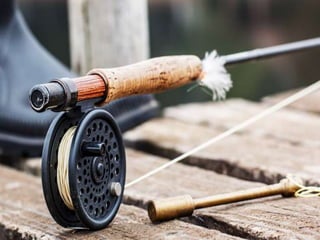
Fly rods today come in various lengths and
weight. A manufacturer may find a weight
ideal for a given Fly rod length, which may
differ with another manufacturer. What is
important is that the line weight of any given
rod must match with its load characteristics.
For example, a 6-weight rod would give the
best performance with a 6-weight line. The
difference between the different line weights
may vary to a great extent as the size goes up.
A proper statement would be like this, heavier
the line, stiffer a rod for a great casting.
There is another important term, “action” linked
to the Fly rod features. Action of a Rod refers to
its stiffness or the degree of “recovery” at the
end of the cast. Now, different rods act
differently for a given catch. Some rods are stiff
near the grip and have flexible tips whereas
some show stiffness towards the mid area of the
rod. Then, there are some that are stiff
throughout their length. Rod manufactures now
include the performance characteristics of the
rod in the specification as the tendency or
degree by which the rod flex at its different
points. Some interesting terms have come up as,
“stiff butt”, “Tip flex”, “mid flex”, “soft tip” etc.
There are a mind boggling number of fly rod
manufacturers in the market, each having an
arcane term associated with Fly rods. So, the
communication with the seller can be really
difficult! There is a range of premium ones that
are priced equally premium. On the other hand,
there are a few that are affordable. Different
brands have different size and model
representation for their product characteristics.
So much so, that Fly fishermen can argue the
features of different Fly rods and their
respective brands for hours!
A buyer would be gob smacked by hearing such
names if he comes directly to a shop without
doing prior home work. However, a good quality
rod from a good manufacturer will always
perform as per the given specifications. This
means that it will load flawlessly with the
specified line. A rod that casts well for longer
distances is usually stiff and the one that works
well for short distances is called soft or slow. The
slow rods allow the user to get a quick feel of the
load without much line out of the tip. Stiff or long
rods have the benefit of the line out of the tip,
giving a better grip to the user.
Earlier, there were not much variations found in the Fly
lines and therefore there as hardly any need to create
rods with special performance characteristics. But,
things are fairly different today. The fly rod
manufacturing has taken a huge leap in the past fifty
years. The performance characteristics of Fly rods are
governed by the type and kind of fish species one is
pursuing. Also, the weather and geographical
conditions are taken into account while designing and
manufacturing of Fly rods. One can get his or her
customized rod that has been designed keeping your
needs in mind. In other words, anglers around the
world today enjoy more flexibility when it comes to
making a choice of Fly rods. However, this flexibility has
also made choosing a fly rod quite a task since every
manufacturer has their own set of specification and
system and they favor only what they make.
Recommended Fly Rod Features
If you are new in the world of fishing, a medium action
rod would be more suitable as they are very forgiving
to learn on. Next, decide what species you are
targeting for. If it is trout, go for 8.5 to 9 ft length. If you
are looking for an all round rod, then a 5-weight is a
good choice to start with. For smaller varieties like pan
fish, a 3- or 4-weight would be a better choice. It is
very important to make sure that your fly rod weight
matches with the line weight. Also, the make sure that
the line weight matches with the weight of the Fly reel.
The requirement of line weight of the rod goes higher
as you target bigger and stronger fishes.
Next comes the choice of materiel that the fly
rods are made of. For example, carbon
graphite fiber or the traditional split bamboo
rods. If you have an eye for craftsmanship and
classic style of casting, go for a bamboo one.
Off course! These are always more expensive
since you have to pay for the skills required to
craft them. Deerfield Fly Rod Features some
really good affordable Fly rods for varied set of
requirements. Their 4×4 Fly Rods and 5×4 Fly
Rods are very much in demand.
Fly rods are meant to build momentum in a fly
line in order to control the distance and
direction to cast a fly to fish. It’s the fly rod
that fights the fish of a given size and strength,
be it an 85 pound tarpon or an even bigger
trout. Therefore, it is necessary that you
choose a fly rod of correct size and stiffness to
address your fishing needs before you set out
to buy a fly rod for yourself!
Thank You
Please Visit this Website
www.deerfieldflyrods.com

Easy tips before buying

  • 2.
    All that youneed to know before buying a Fly rod!
  • 3.
    Walking into afly shop without much experience in fishing can be really daunting. You need to do your homework beforehand or rather take an experienced angler friend along or else, the salesperson will intimidate you in no time! This way you will make a well informed decision. If you are an oldie in the field and looking for an upgrade, even then defining your needs before going for the purchase is a must. The fishing needs can be categorized primarily into the following three…
  • 4.
    The fish speciesthat you have set your eyes on The weather condition in which you will be set out for fishing The water type in which you will fish, i.e., river, pond or sea Your casting ability
  • 6.
    Fly rods todaycome in various lengths and weight. A manufacturer may find a weight ideal for a given Fly rod length, which may differ with another manufacturer. What is important is that the line weight of any given rod must match with its load characteristics. For example, a 6-weight rod would give the best performance with a 6-weight line. The difference between the different line weights may vary to a great extent as the size goes up. A proper statement would be like this, heavier the line, stiffer a rod for a great casting.
  • 7.
    There is anotherimportant term, “action” linked to the Fly rod features. Action of a Rod refers to its stiffness or the degree of “recovery” at the end of the cast. Now, different rods act differently for a given catch. Some rods are stiff near the grip and have flexible tips whereas some show stiffness towards the mid area of the rod. Then, there are some that are stiff throughout their length. Rod manufactures now include the performance characteristics of the rod in the specification as the tendency or degree by which the rod flex at its different points. Some interesting terms have come up as, “stiff butt”, “Tip flex”, “mid flex”, “soft tip” etc.
  • 8.
    There are amind boggling number of fly rod manufacturers in the market, each having an arcane term associated with Fly rods. So, the communication with the seller can be really difficult! There is a range of premium ones that are priced equally premium. On the other hand, there are a few that are affordable. Different brands have different size and model representation for their product characteristics. So much so, that Fly fishermen can argue the features of different Fly rods and their respective brands for hours!
  • 9.
    A buyer wouldbe gob smacked by hearing such names if he comes directly to a shop without doing prior home work. However, a good quality rod from a good manufacturer will always perform as per the given specifications. This means that it will load flawlessly with the specified line. A rod that casts well for longer distances is usually stiff and the one that works well for short distances is called soft or slow. The slow rods allow the user to get a quick feel of the load without much line out of the tip. Stiff or long rods have the benefit of the line out of the tip, giving a better grip to the user.
  • 10.
    Earlier, there werenot much variations found in the Fly lines and therefore there as hardly any need to create rods with special performance characteristics. But, things are fairly different today. The fly rod manufacturing has taken a huge leap in the past fifty years. The performance characteristics of Fly rods are governed by the type and kind of fish species one is pursuing. Also, the weather and geographical conditions are taken into account while designing and manufacturing of Fly rods. One can get his or her customized rod that has been designed keeping your needs in mind. In other words, anglers around the world today enjoy more flexibility when it comes to making a choice of Fly rods. However, this flexibility has also made choosing a fly rod quite a task since every manufacturer has their own set of specification and system and they favor only what they make.
  • 12.
    Recommended Fly RodFeatures If you are new in the world of fishing, a medium action rod would be more suitable as they are very forgiving to learn on. Next, decide what species you are targeting for. If it is trout, go for 8.5 to 9 ft length. If you are looking for an all round rod, then a 5-weight is a good choice to start with. For smaller varieties like pan fish, a 3- or 4-weight would be a better choice. It is very important to make sure that your fly rod weight matches with the line weight. Also, the make sure that the line weight matches with the weight of the Fly reel. The requirement of line weight of the rod goes higher as you target bigger and stronger fishes.
  • 13.
    Next comes thechoice of materiel that the fly rods are made of. For example, carbon graphite fiber or the traditional split bamboo rods. If you have an eye for craftsmanship and classic style of casting, go for a bamboo one. Off course! These are always more expensive since you have to pay for the skills required to craft them. Deerfield Fly Rod Features some really good affordable Fly rods for varied set of requirements. Their 4×4 Fly Rods and 5×4 Fly Rods are very much in demand.
  • 14.
    Fly rods aremeant to build momentum in a fly line in order to control the distance and direction to cast a fly to fish. It’s the fly rod that fights the fish of a given size and strength, be it an 85 pound tarpon or an even bigger trout. Therefore, it is necessary that you choose a fly rod of correct size and stiffness to address your fishing needs before you set out to buy a fly rod for yourself!
  • 15.
    Thank You Please Visitthis Website www.deerfieldflyrods.com