Presentation on Different types of store
retailing
Presented by Md. Asadujjaman Roni
ID: 120103028
Retail store:
• Retail is the process of selling consumer goods and/or services
to customers through multiple channels of distribution to
earn a profit.
Variations in different retail:
Three main retail formats are-
1. General merchandise retailing
2. Food retailing
3. Non store retailing
General merchandise retailing
1. Specialty stores
2. Specialized markets
3. Department stores
4. General merchandise discount stores
5. Off price retailers
6. Catalog showrooms
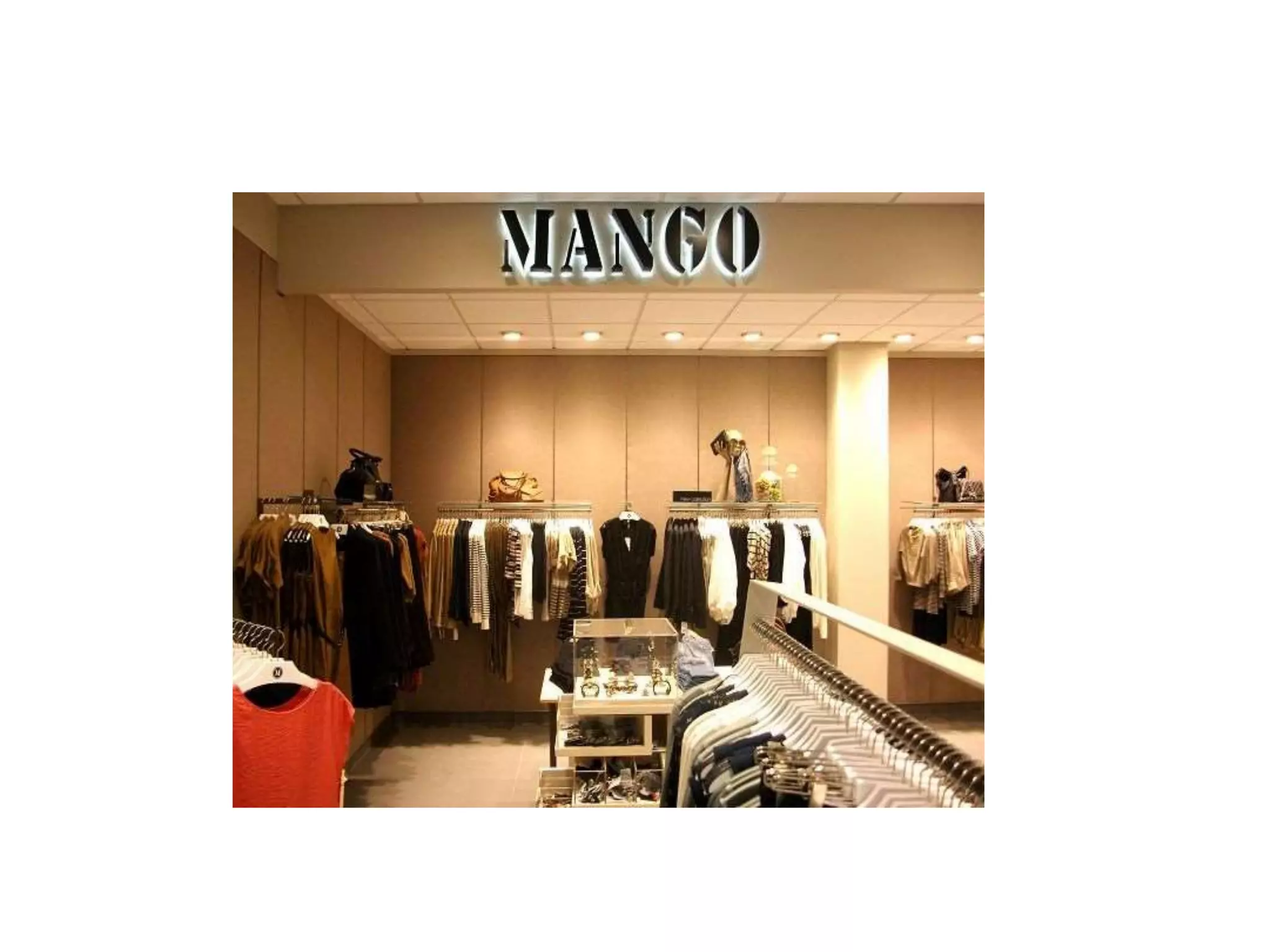
Specialty Stores:
Retailers offering a narrow product line and wide
Assortment:
Virgin Records (music products)
Mango (youth fashion)
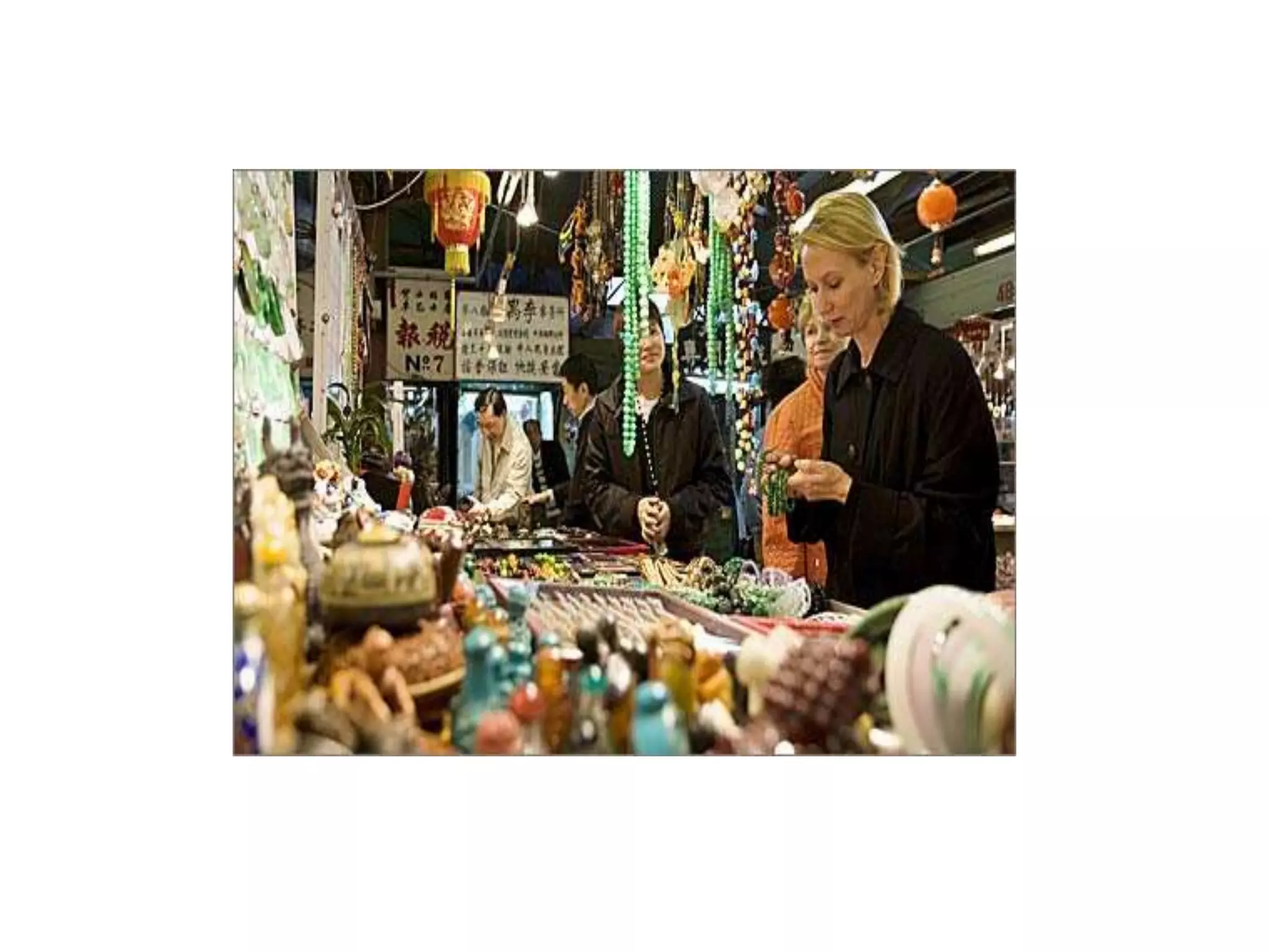
Specialized retail:
Markets that house stores specializing in a particular
product category
Jade market (Hong Kong)
Spice market (Istanbul)
 Offer a broad variety of goods and wide
assortments
 U.S. and Canada: recent substantial losses
 Europe: expansion of national chains throughout
the European Union
 Asia: on the decline
Department Stores:
 Sell high volumes of merchandise
 Offer limited service
 Charge lower prices
 Types:
All-purpose: offer wide variety of merchandise
and limited depth
Category specialists (category killers): carry a
narrow variety of merchandise and offer a wide
assortment
General Merchandise Discount Stores:
 Sell brand name and designer merchandise
at below regular retail prices
 Overruns, irregular products, previous
seasons’ products
 Examples:
Factory outlet stores
Close-out retailers (broad, inconsistent
assortments)
Single-price retailers (all products for the
same price)
Off-Price Retailers
Catalog Showrooms:
Offer high-turnover, brand name goods at discount prices
Food retailing:
1. Convenience stores.
2. Conventional supermarkets.
3. Super centers and hypermarkets.
4. Ware house clubs or wholesale clubs.
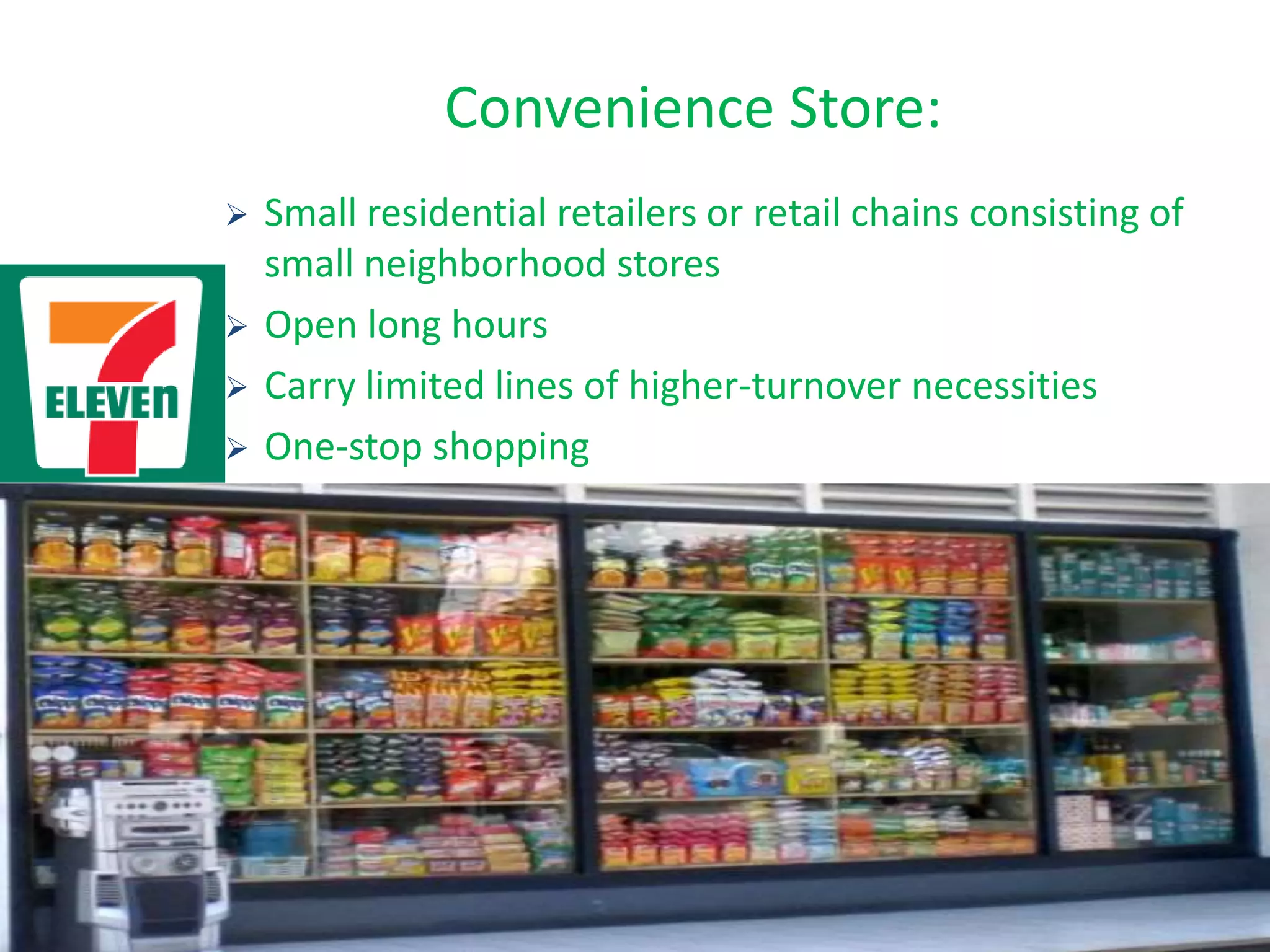
Convenience Store:
 Small residential retailers or retail chains consisting of
small neighborhood stores
 Open long hours
 Carry limited lines of higher-turnover necessities
 One-stop shopping
Conventional Supermarkets:
 Self-service retailers with annual sales higher than $2
million and less than 20,000 square feet of store space
Super centers &Hyper markets:
 Combination stores (food and drug)
 Hypermarkets – combine supermarket, discount,
and warehouse retailing
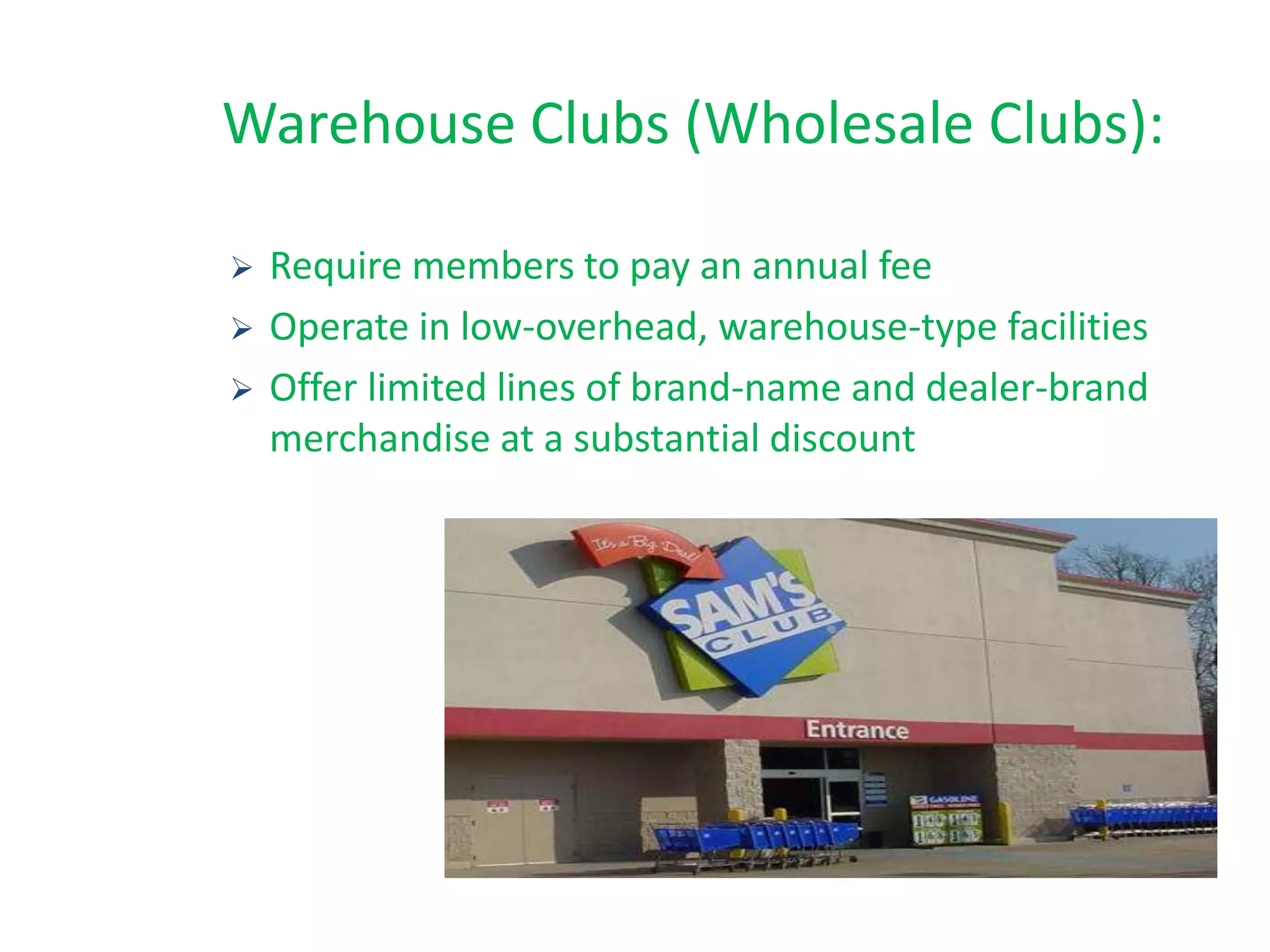
Warehouse Clubs (Wholesale Clubs):
 Require members to pay an annual fee
 Operate in low-overhead, warehouse-type facilities
 Offer limited lines of brand-name and dealer-brand
merchandise at a substantial discount
Thank you

Different types of store retailing

  • 1.
    Presentation on Differenttypes of store retailing Presented by Md. Asadujjaman Roni ID: 120103028
  • 2.
    Retail store: • Retailis the process of selling consumer goods and/or services to customers through multiple channels of distribution to earn a profit.
  • 4.
    Variations in differentretail: Three main retail formats are- 1. General merchandise retailing 2. Food retailing 3. Non store retailing
  • 5.
    General merchandise retailing 1.Specialty stores 2. Specialized markets 3. Department stores 4. General merchandise discount stores 5. Off price retailers 6. Catalog showrooms
  • 6.
    Specialty Stores: Retailers offeringa narrow product line and wide Assortment: Virgin Records (music products) Mango (youth fashion)
  • 8.
    Specialized retail: Markets thathouse stores specializing in a particular product category Jade market (Hong Kong) Spice market (Istanbul)
  • 10.
     Offer abroad variety of goods and wide assortments  U.S. and Canada: recent substantial losses  Europe: expansion of national chains throughout the European Union  Asia: on the decline Department Stores:
  • 12.
     Sell highvolumes of merchandise  Offer limited service  Charge lower prices  Types: All-purpose: offer wide variety of merchandise and limited depth Category specialists (category killers): carry a narrow variety of merchandise and offer a wide assortment General Merchandise Discount Stores:
  • 14.
     Sell brandname and designer merchandise at below regular retail prices  Overruns, irregular products, previous seasons’ products  Examples: Factory outlet stores Close-out retailers (broad, inconsistent assortments) Single-price retailers (all products for the same price) Off-Price Retailers
  • 15.
    Catalog Showrooms: Offer high-turnover,brand name goods at discount prices
  • 16.
    Food retailing: 1. Conveniencestores. 2. Conventional supermarkets. 3. Super centers and hypermarkets. 4. Ware house clubs or wholesale clubs.
  • 17.
    Convenience Store:  Smallresidential retailers or retail chains consisting of small neighborhood stores  Open long hours  Carry limited lines of higher-turnover necessities  One-stop shopping
  • 18.
    Conventional Supermarkets:  Self-serviceretailers with annual sales higher than $2 million and less than 20,000 square feet of store space
  • 19.
    Super centers &Hypermarkets:  Combination stores (food and drug)  Hypermarkets – combine supermarket, discount, and warehouse retailing
  • 20.
    Warehouse Clubs (WholesaleClubs):  Require members to pay an annual fee  Operate in low-overhead, warehouse-type facilities  Offer limited lines of brand-name and dealer-brand merchandise at a substantial discount
  • 21.