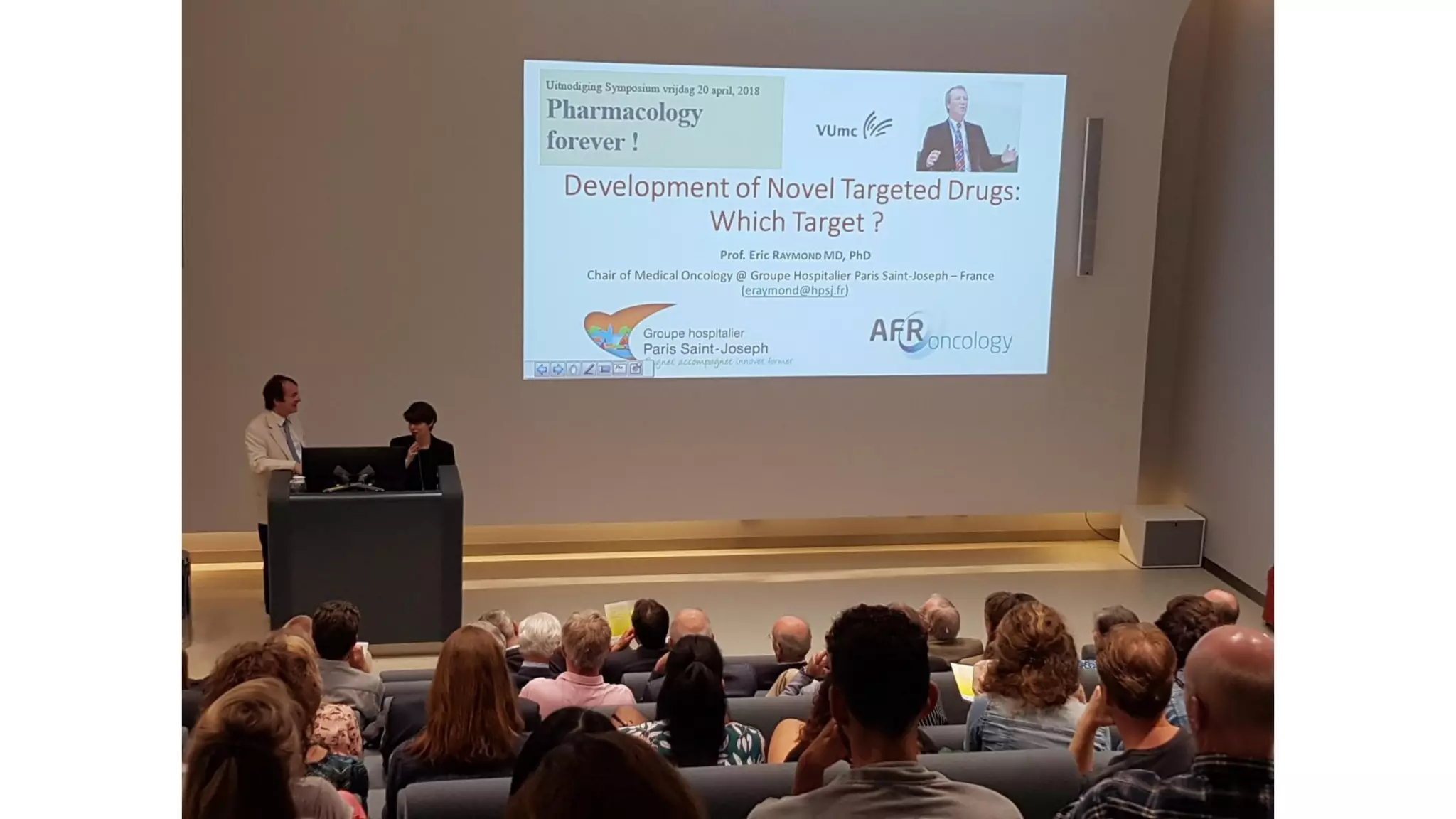
Development of Novel Targeted Drugs:
Which Target ?
Prof. Eric RAYMOND MD, PhD
Chair of Medical Oncology @ Groupe Hospitalier Paris Saint-Joseph – France
(eraymond@hpsj.fr)
Disclosures
• Pfizer
• Novartis
• Eli Lilly
• Ipsen
• Celgen
• AFR-Oncology
• Genoscience Pharma
• SCOR
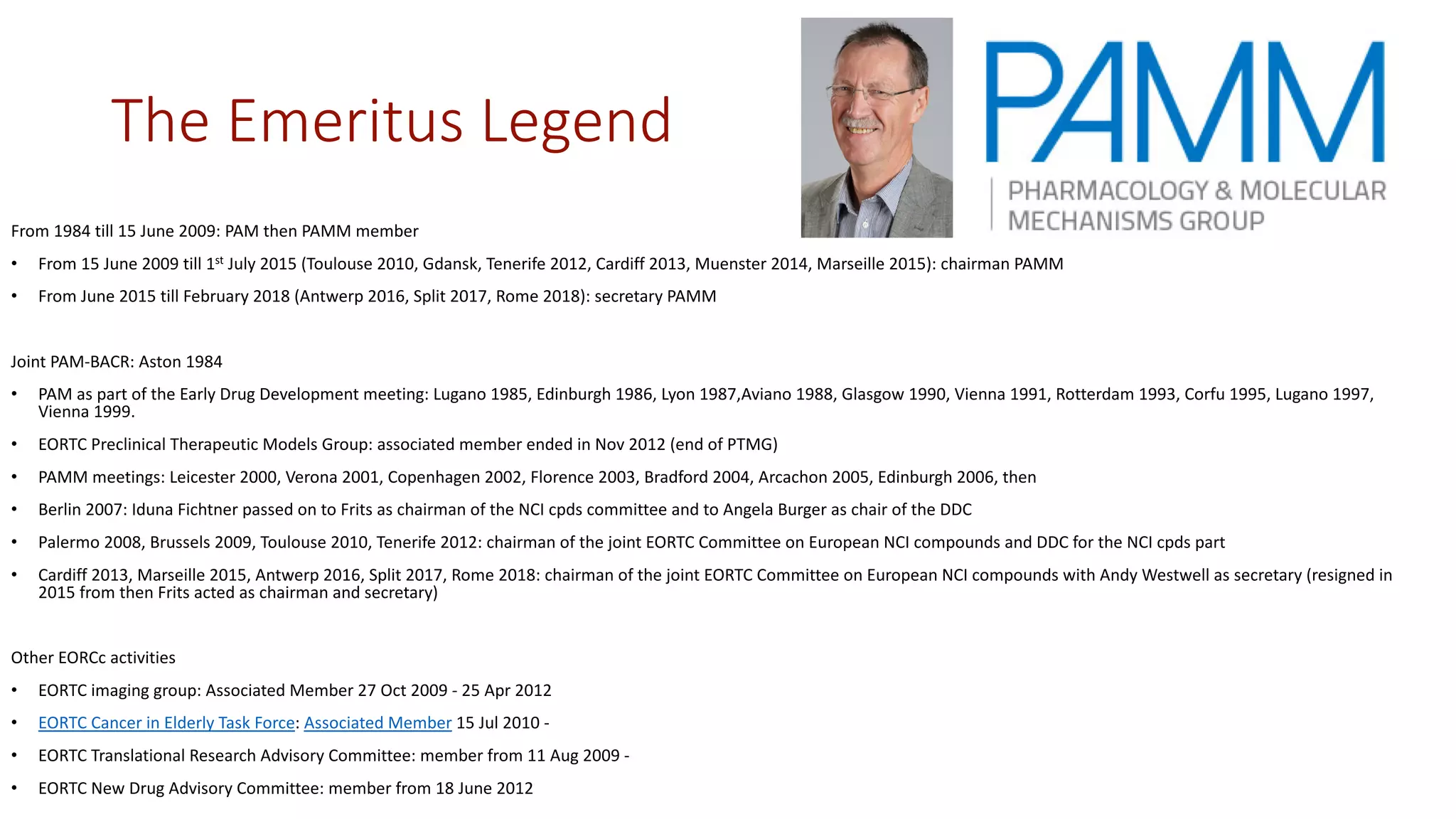
The Emeritus Legend
From 1984 till 15 June 2009: PAM then PAMM member
• From 15 June 2009 till 1st July 2015 (Toulouse 2010, Gdansk, Tenerife 2012, Cardiff 2013, Muenster 2014, Marseille 2015): chairman PAMM
• From June 2015 till February 2018 (Antwerp 2016, Split 2017, Rome 2018): secretary PAMM
Joint PAM-BACR: Aston 1984
• PAM as part of the Early Drug Development meeting: Lugano 1985, Edinburgh 1986, Lyon 1987,Aviano 1988, Glasgow 1990, Vienna 1991, Rotterdam 1993, Corfu 1995, Lugano 1997,
Vienna 1999.
• EORTC Preclinical Therapeutic Models Group: associated member ended in Nov 2012 (end of PTMG)
• PAMM meetings: Leicester 2000, Verona 2001, Copenhagen 2002, Florence 2003, Bradford 2004, Arcachon 2005, Edinburgh 2006, then
• Berlin 2007: Iduna Fichtner passed on to Frits as chairman of the NCI cpds committee and to Angela Burger as chair of the DDC
• Palermo 2008, Brussels 2009, Toulouse 2010, Tenerife 2012: chairman of the joint EORTC Committee on European NCI compounds and DDC for the NCI cpds part
• Cardiff 2013, Marseille 2015, Antwerp 2016, Split 2017, Rome 2018: chairman of the joint EORTC Committee on European NCI compounds with Andy Westwell as secretary (resigned in
2015 from then Frits acted as chairman and secretary)
Other EORCc activities
• EORTC imaging group: Associated Member 27 Oct 2009 - 25 Apr 2012
• EORTC Cancer in Elderly Task Force: Associated Member 15 Jul 2010 -
• EORTC Translational Research Advisory Committee: member from 11 Aug 2009 -
• EORTC New Drug Advisory Committee: member from 18 June 2012
The armamentarium in medical oncology
Chemotherapy (direct/indirect DNA- & -tubulin targeting drugs)
Hormonotherapy (hormone receptor targeting agents)
Targeted agents (kinase inhibitors and various other allosteric inhibitors
Antiangiogenic agents (agents that interfere with vascular cell signaling)
Immunotherapy (antibodies that restore the intra-tumor immunity)
Historical evolution of drug development
Palliative
Phase II/Advanced disease
Institution/Academic
Adjuvant trials
Institution/Academic
Industry sponsored
Meta-analysis
Prevention trials
Translational
Biomarkers
Phase I->III
$5 K/pt
$15 K/pt (1-2K)
$35 K/pt (3-5K)
$60 K/pt (8-10K)
>$100 K/pt (25-40K)
NDAoriented
RegulatorycomplexityCRORole
Infrastructure
Medical
Investigator
Role
Cost/Pt
(Investigator
fees)
Few Institutions,
90% Academic, oligo-institutional
Anticancer Center Board,
Disease Subtype
(grant funded)
Isolated Research Groups,
Retrospective Analyses
Industry 1/4
Industry 2/3
International
Collaborations
(NCI funded)
Industry 1/2
Industry 3/4
Industry 4/5
Biotech à Big Pharma
1950
1960
1970
1980
2005
1975
2000
1990
2017
RegulatoryReimbursement
Corporateinterest
“Consensus”
Marketing
Medical
Decisio
n
Role
$600 – 1K USD
$1-3 K USD
≥ $12K USD
≥ $5K USD
Price per cycle
Esteban Cvitkovic PAMM2017 - Croatia
The ideal development path for drug approval
Various preclinical and clinical methods have been developed
aiming to shorten the drug development duration
In real, for many biotech companies that now handle with
limited resources the maturation of the drug to the clinic
Attrition rate in drug development
The conjunction of disruptive technology & drug discovery
recall the old ‘myth of antibiogram’ for cancer therapy during
the kinase inhibitor era
Full capacity of deep nucleic
acid sequencing
Identification of several
oncogenic mutation and
activating translocations
Drug screening for kinase
inhibition on the various
oncogene drivers
Development of facilities for
live access to nucleic acid
evaluation in samples from
patients
“The right drug for the
right patient”
Activity without toxicity
A straight forward drug development
path
Less patients in clinical trials (quicker
breakthrough) before approval (reduced
cost)
The chase for biomarkers
Selected
treatment
Molecular analysis
§ Molecular biology
§ RT-PCR
§ Immunohistochemistry
Identification of
TARGETS
Biopsy
Surgical specimen
Courtesy of Pr Valérie Paradis, BJN
Molecular biology requires access to tumor biopsy
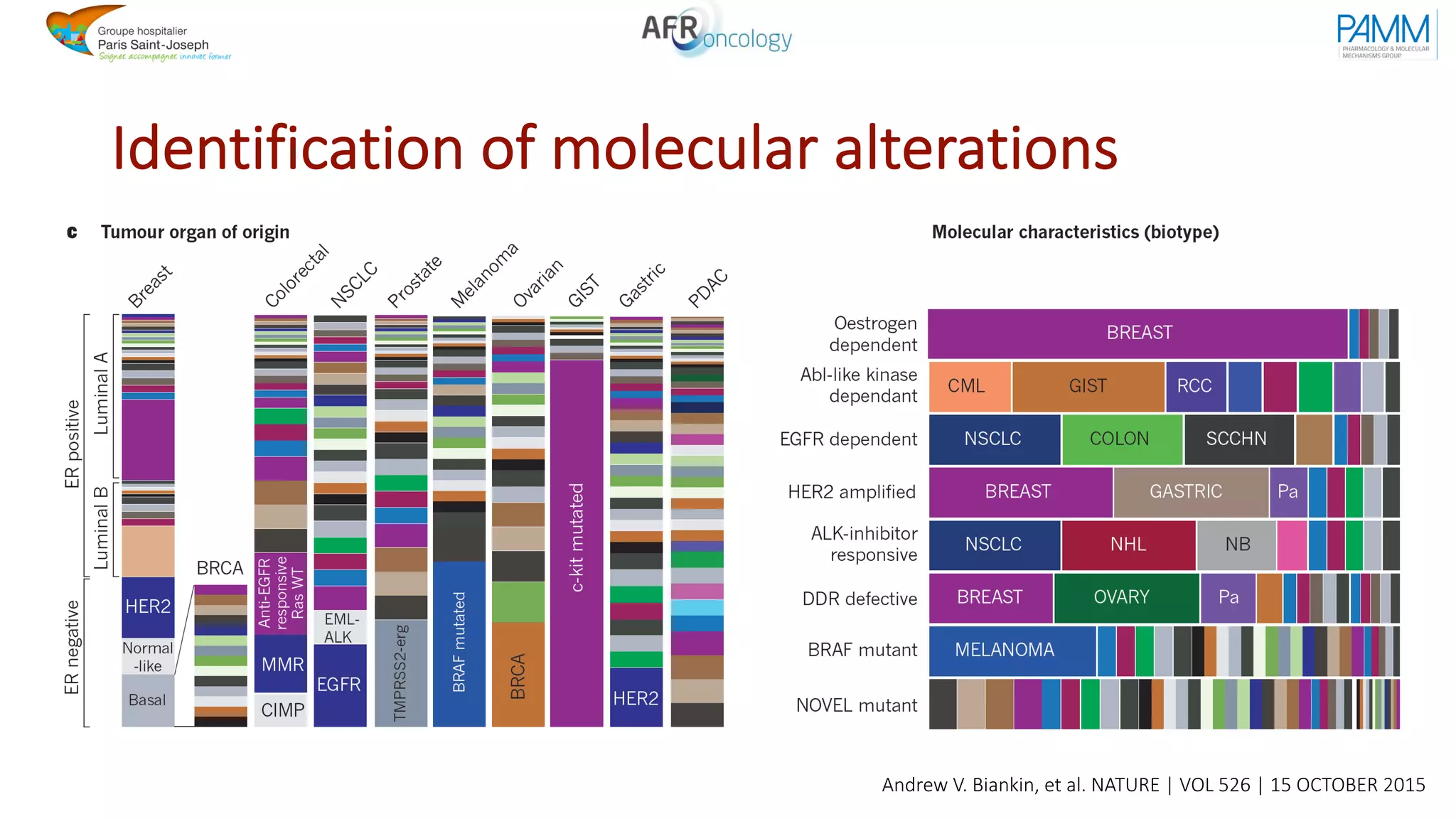
Identification of molecular alterations
Andrew V. Biankin, et al. NATURE | VOL 526 | 15 OCTOBER 2015
The kinase inhibitor era shaded the era of chemotherapy
• Because it works in few diseases (or subtypes of diseases) that are:
• Homogeneous in the target distribution within the primary and the metastases
• Highly dependent of few oncogene for cell survival
• Do not develop rapid resistance
• For some very oncogenic kinase results have been astonishing
• Bcr-Abl / KIT
• ALK
• HER1-2
• VEGFR, …
• This reinforced the idea that there shall be for all tumors at least one
major oncogenic driver to be found and targeted by one promising drug
Molecular Driven Clinical Trial Designs
Araujo et al. Expert Rev Prec Med &Drug Dev. 2016; 1:3, 255-65
14
Numerous academic trials have been launched
aiming for precision medicine
Andrew V. Biankin, et al. NATURE | VOL 526 | 15 OCTOBER 2015
Currently published results: - High attrition rate (thousands of patients to offer access to few)
- Short duration benefits for the happy few selected for therapy
- Costly nucleic acid testing vacuuming other resources
- Distracting attention on targeted agents while immunotherapy disrupted the filed
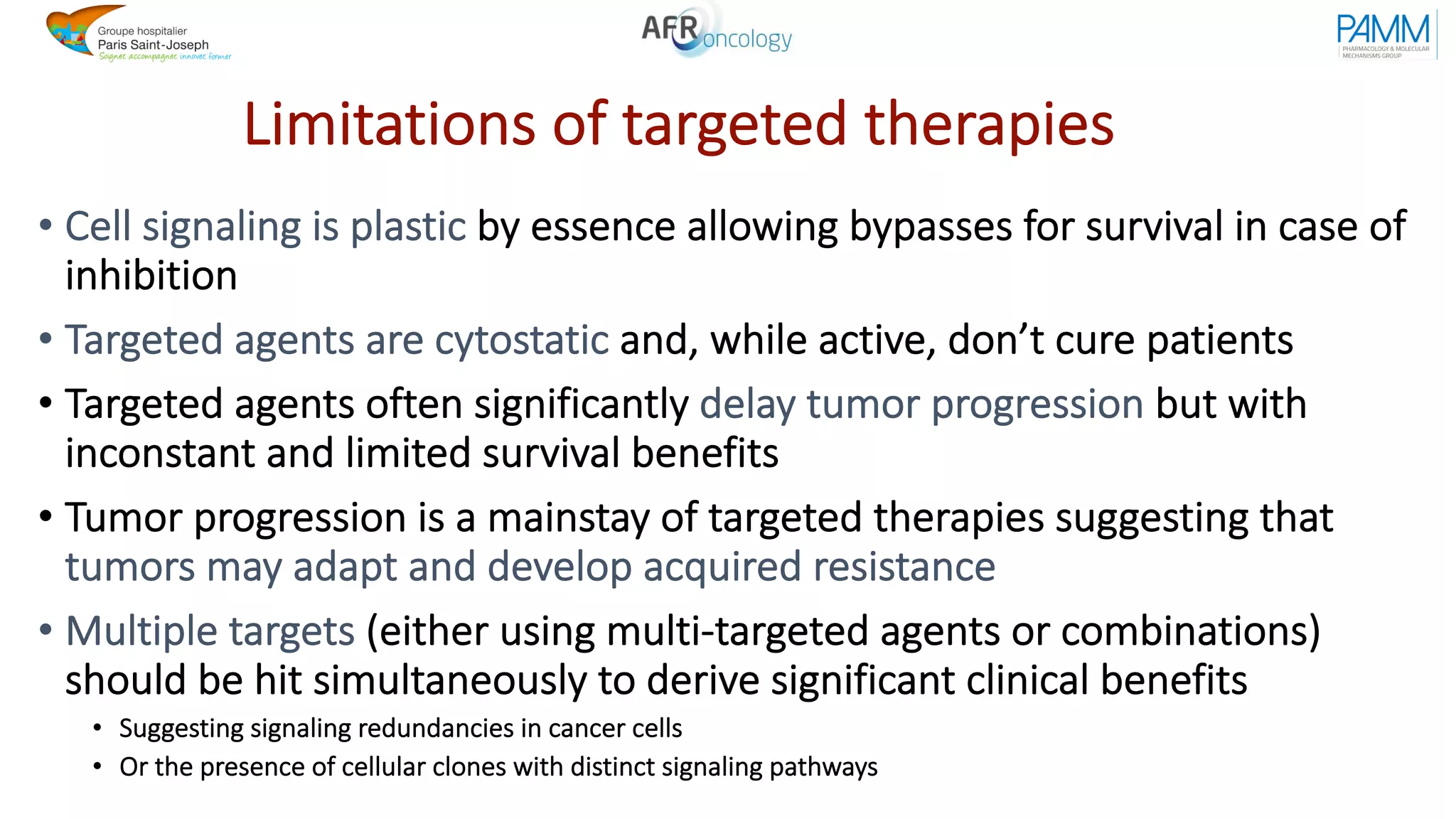
Limitations of targeted therapies
• Cell signaling is plastic by essence allowing bypasses for survival in case of
inhibition
• Targeted agents are cytostatic and, while active, don’t cure patients
• Targeted agents often significantly delay tumor progression but with
inconstant and limited survival benefits
• Tumor progression is a mainstay of targeted therapies suggesting that
tumors may adapt and develop acquired resistance
• Multiple targets (either using multi-targeted agents or combinations)
should be hit simultaneously to derive significant clinical benefits
• Suggesting signaling redundancies in cancer cells
• Or the presence of cellular clones with distinct signaling pathways
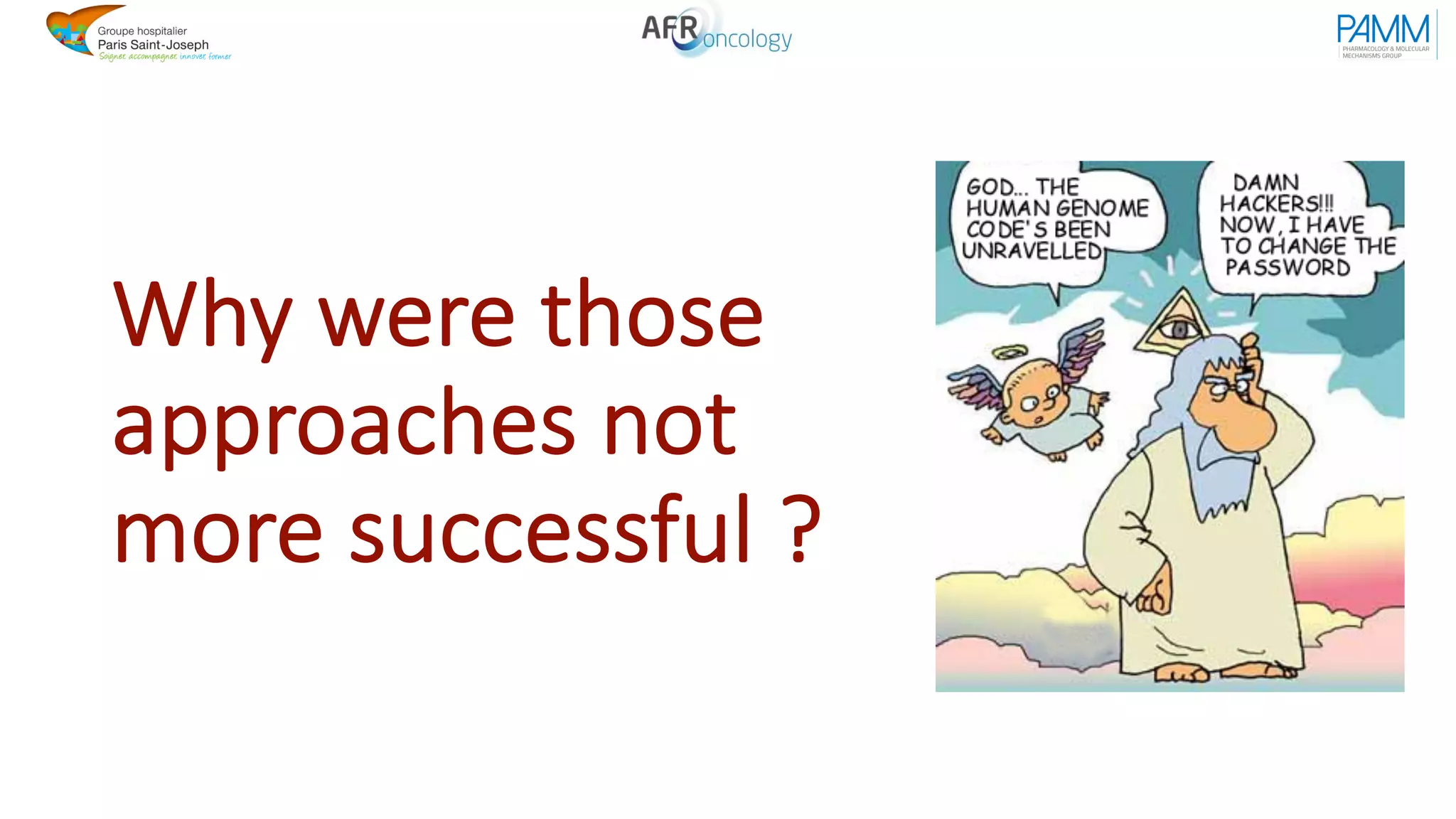
Why were those
approaches not
more successful ?
Targetable cellular & molecular components of tumors are
many (too many) for a single drug therapeutic approach
Endothelial cells
Pericytes
VEGFR-PDGFR
T cells (CD4-Treg)
CD4:PD1-CTLA4-CD28
Treg: CD73-CD39
Dendritic cells
PDL1-PD1-MSH II-CD80/86
Tumor associated macrophages
CXCR4-TGFβR
Tumor cells
TGFβR-MET-PDL1
Fibroblasts
FGFR
TGFβ HGF
FGF19 IL8 IL10
SDF1/CXCL12
Marusyk A et al. Narure Review Cancer 2012
Tumor heterogeneity:
Evaluation of inter- &
intra-tumoral clonal
variations
Access to tumor biopsy only partly address the question
of tumor heterogeneity
Yates et al, Nat Rev Genet 2012
Temporal drift
Clonal variations over
time (spontaneous &
treatment induced)
The tumor biology may change over time: requiring
access to tissue samples immediately prior to therapy
Treatment-induced
heterogeneity
Clonal variations over time may be
affected by therapeutic interventions
Eric RAYMOND – Kinases oncogéniques et thérapies ciblées – Académie des sciences – 23 avril 2013
Unselected population
One major oncogenic disfunction
Inter-patient heterogeneity
Progression
Intra-tumor heterogeneity
Multiple oncogenic abnormalities
Relapse
Sub-clone selection
Oncogenic resistance
Traitement 1 Traitement 2
Cellules cancéreuses
Microenvironnement
tumorale
Rechute: Clones avec
mutations minoritaires
Stratégies de thérapies ciblées anticipatoires
Traitement 1 Traitement 2
Inter- and intra-patient heterogeneity of resistance
mechanisms to rociletinib in lung cancer
NATURE COMMUNICATIONS | 7:11815 | DOI: 10.1038/ncomms11815 |www.nature.com/naturecommunications
Liquid biopsy may help
for real time appraisal of
oncogenic changes under
therapy (at least if
mutations associated
with resistance are
already known
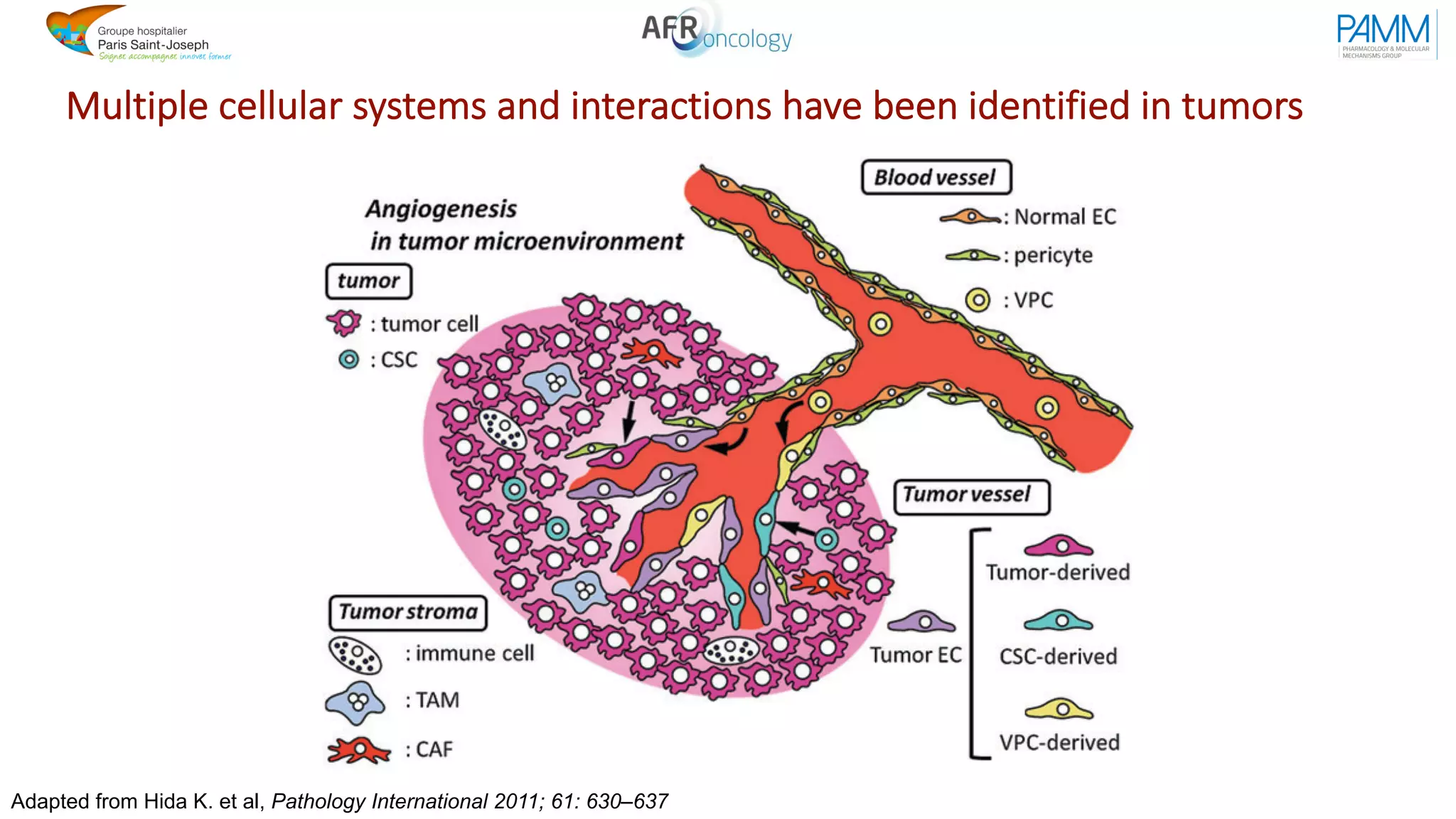
Multiple cellular systems and interactions have been identified in tumors
Adapted from Hida K. et al, Pathology International 2011; 61: 630–637
Adaptive stroma results from tumor heterogeneity
Marusyk A et al. Narure Review Cancer 2012
Effects of Sunitinib on tumor vessels result in cellular hypoxia and necrosis
Faivre et al. Nat Rev Drug Disc, 2007
Acquired resistance to sunitinib in renal cell carcinoma
Faivre et al. Nat Rev Drug Disc, 2007
Poorly vacularized
Fibrosis/necrosis
Skin and muscle invasion
Resection
Gross macroscopical examination at progression
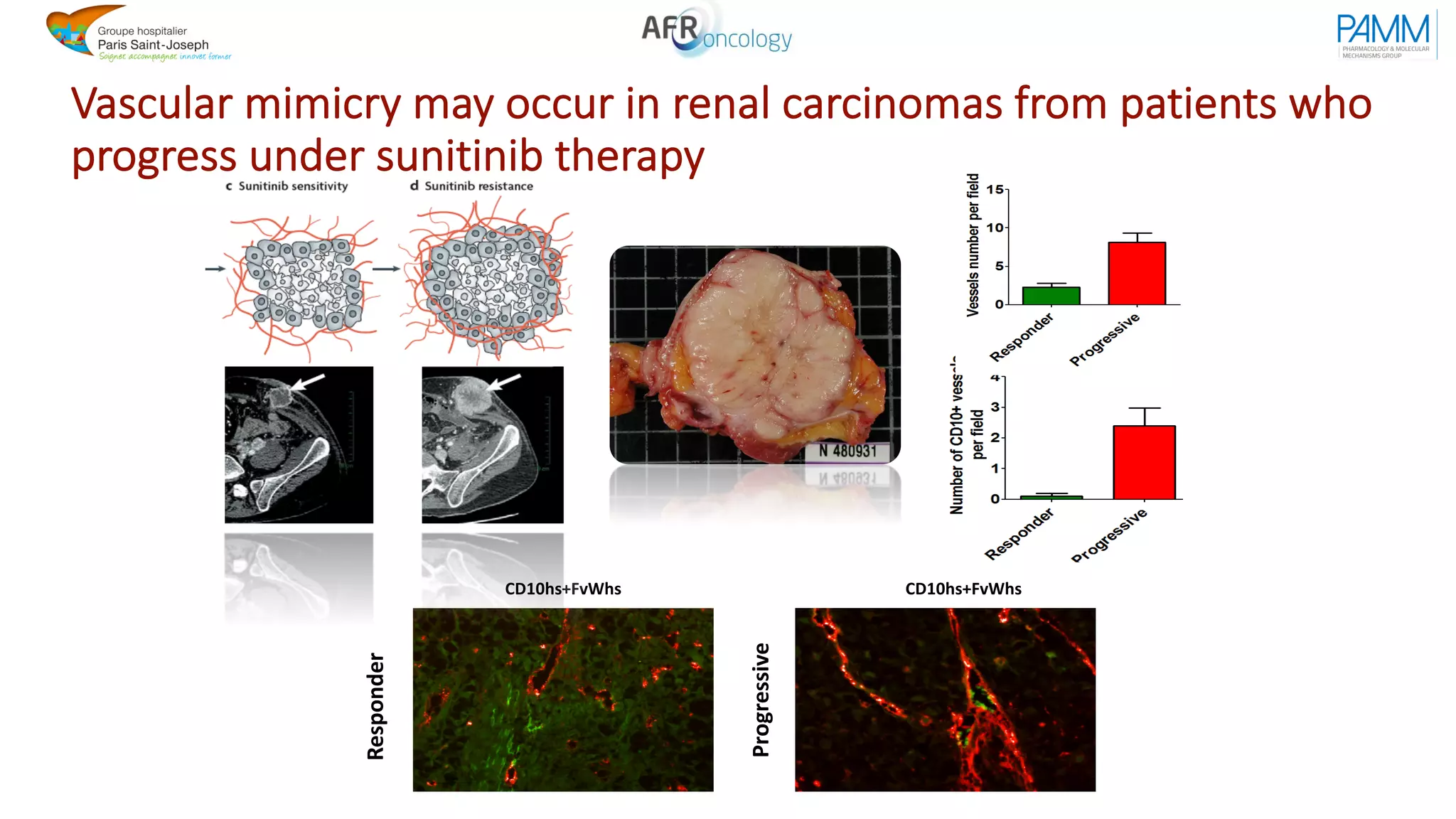
Vascular mimicry may occur in renal carcinomas from patients who
progress under sunitinib therapy
Responder
Progressive
CD10hs+FvWhs CD10hs+FvWhs
EMT associated with sunitinib resistance
Resistance to sunitinib in PNET is associated with increased
invasiveness and MET expression
Sennino B et al. Drug Discovery, 2012
Lynn KD et al. Drug Discovery, 2012
HGF/MET Cooperates with HER1-3 to Develop Aggressive Phenotypes
Adapted from Petr Szturz et al, in press 2016
Current MET/HGF Inhibitors
Tepotinib
DARPin
MP0250
Adapted from S Peters & A.A. Adjei Nature Reviews Clinical Oncology 9, 314-326 (2012)
Response to MET inhibitors in lung cancer harboring
Exon 14 skipping mutations
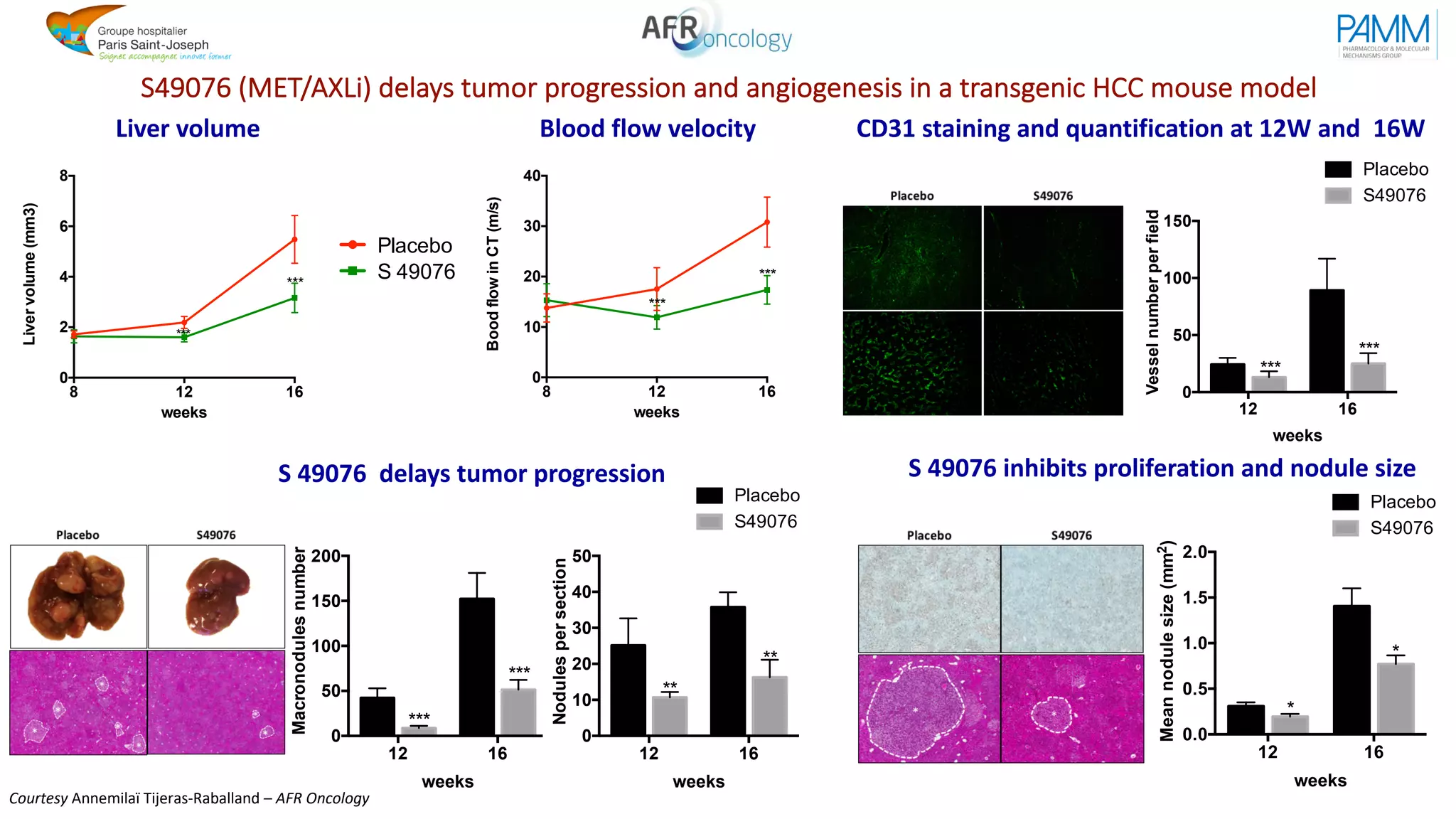
S49076 (MET/AXLi) delays tumor progression and angiogenesis in a transgenic HCC mouse model
Liver volume Blood flow velocity
S 49076 delays tumor progression S 49076 inhibits proliferation and nodule size
CD31 staining and quantification at 12W and 16W
12 16
weeks
Placebo
S 49076
***
***
8 12 16
0
2
4
6
8
weeks
Livervolume(mm3)
Placebo
S 49076
***
***
8 12 16
0
10
20
30
40
weeks
BoodflowinCT(m/s)
Placebo
S 49076
***
***
12 16
0
50
100
150
weeks
Vesselnumberperfield
***
***
12 16
0
10
20
30
40
50
weeks
Nodulespersection
Placebo
S49076
**
**
12 16
0
50
100
150
200
weeks
Macronodulesnumber
Placebo
S49076
***
***
12 16
0
10
20
30
40
50
weeks
Nodulespersection Placebo
S49076
**
**
12 16
0
10
20
30
40
50
weeks
Nodulespersection
Placebo
S49076
**
**
12 16
0.0
0.5
1.0
1.5
2.0
weeks
Meannodulesize(mm2)
*
*
12 16
0.0
0.5
1.0
1.5
2.0
weeks
Meannodulesize(mm2)
Placebo
S49076
*
*
Courtesy Annemilaï Tijeras-Raballand – AFR Oncology
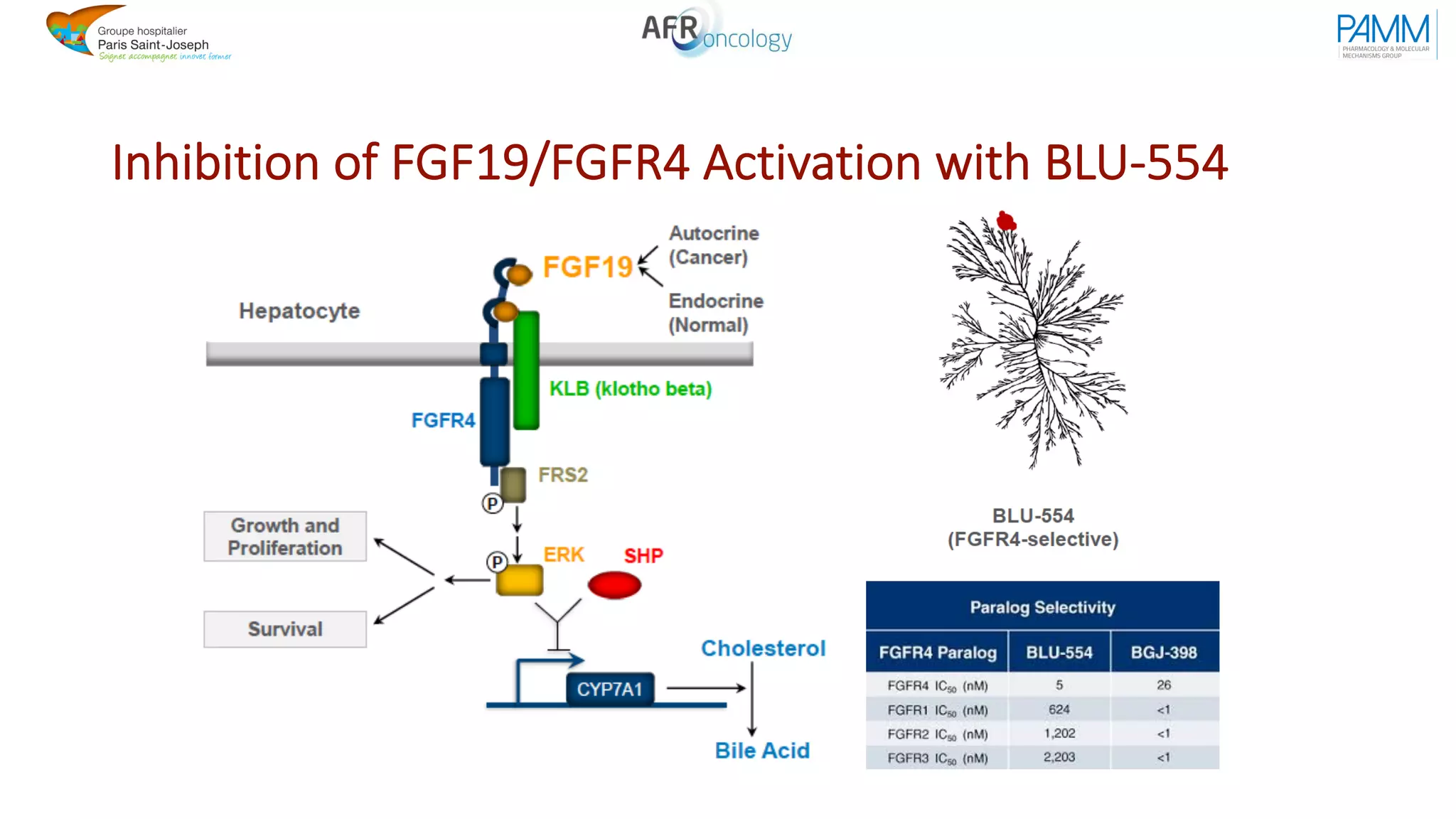
Inhibition of FGF19/FGFR4 Activation with BLU-554
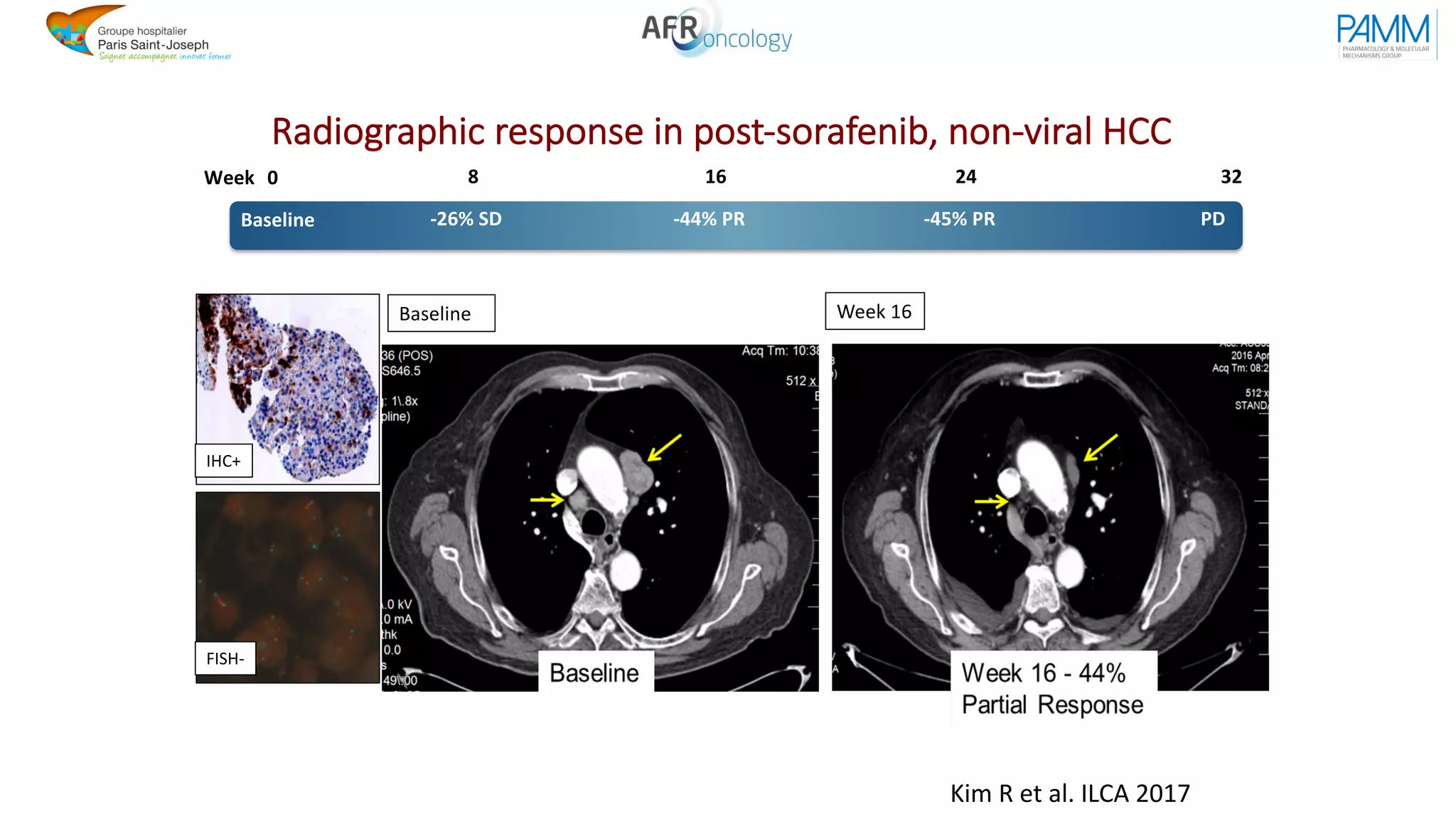
Baseline Week 16
0 8 16 24 32
-26% SD -44% PR -45% PR PD
Week
Baseline
IHC+
FISH-
Radiographic response in post-sorafenib, non-viral HCC
Kim R et al. ILCA 2017
*4 confirmed responses
IHC-positivity enriches for radiographic tumor reduction and response
Kim R et al. ILCA 2017
Galunisertib: TGF-βRI Inhibitor
Neuzillet C., Pharmacol. Ther. (2015)
Wakefield LM., Nat. Rev. Cancer (2013)
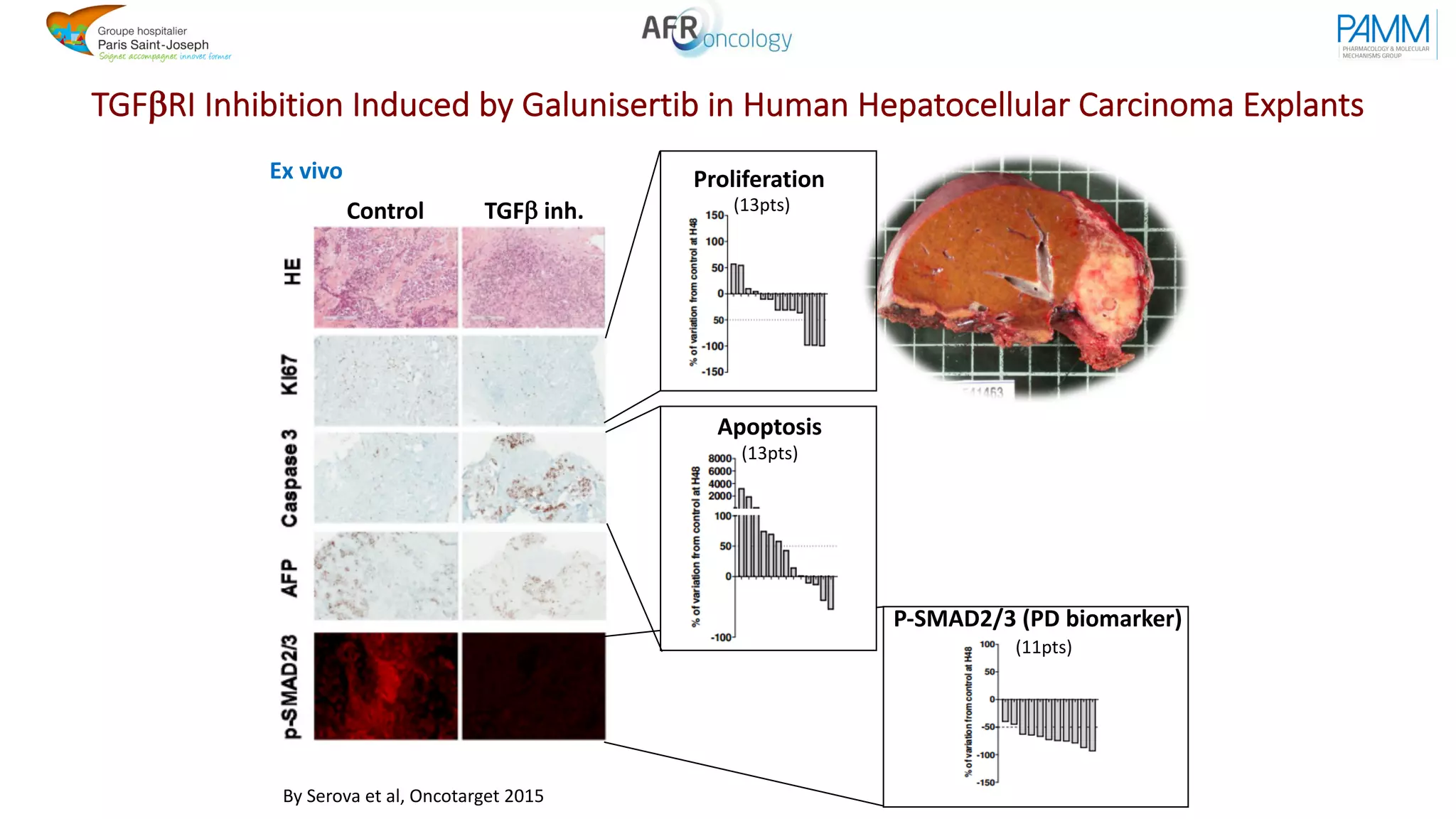
TGFbRI Inhibition Induced by Galunisertib in Human Hepatocellular Carcinoma Explants
Ex vivo Proliferation
Control TGFb inh.
Apoptosis
P-SMAD2/3 (PD biomarker)
(13pts)
(13pts)
(11pts)
By Serova et al, Oncotarget 2015
Galunisertib (TGFbRI Inhibitor) in Patients With Hepatocellular Carcinoma
n/N (%) Median
AFP responders 25/103 (24%) 21.4 mo
AFP non-responders 78/103 (76%) 6.8 mo
Overall survival
AFP responders = patients who
decreased circulating AFP levels by
>20%
AFP non responders
AFP responders
Courtesy of Faivre S. et al.
Pres. ASCO GI 2014 and ASCO 2016
Part A
AFP ≥1.5 ULN
Part B
AFP <1.5 ULN
AFP>200
at Baseline
The future
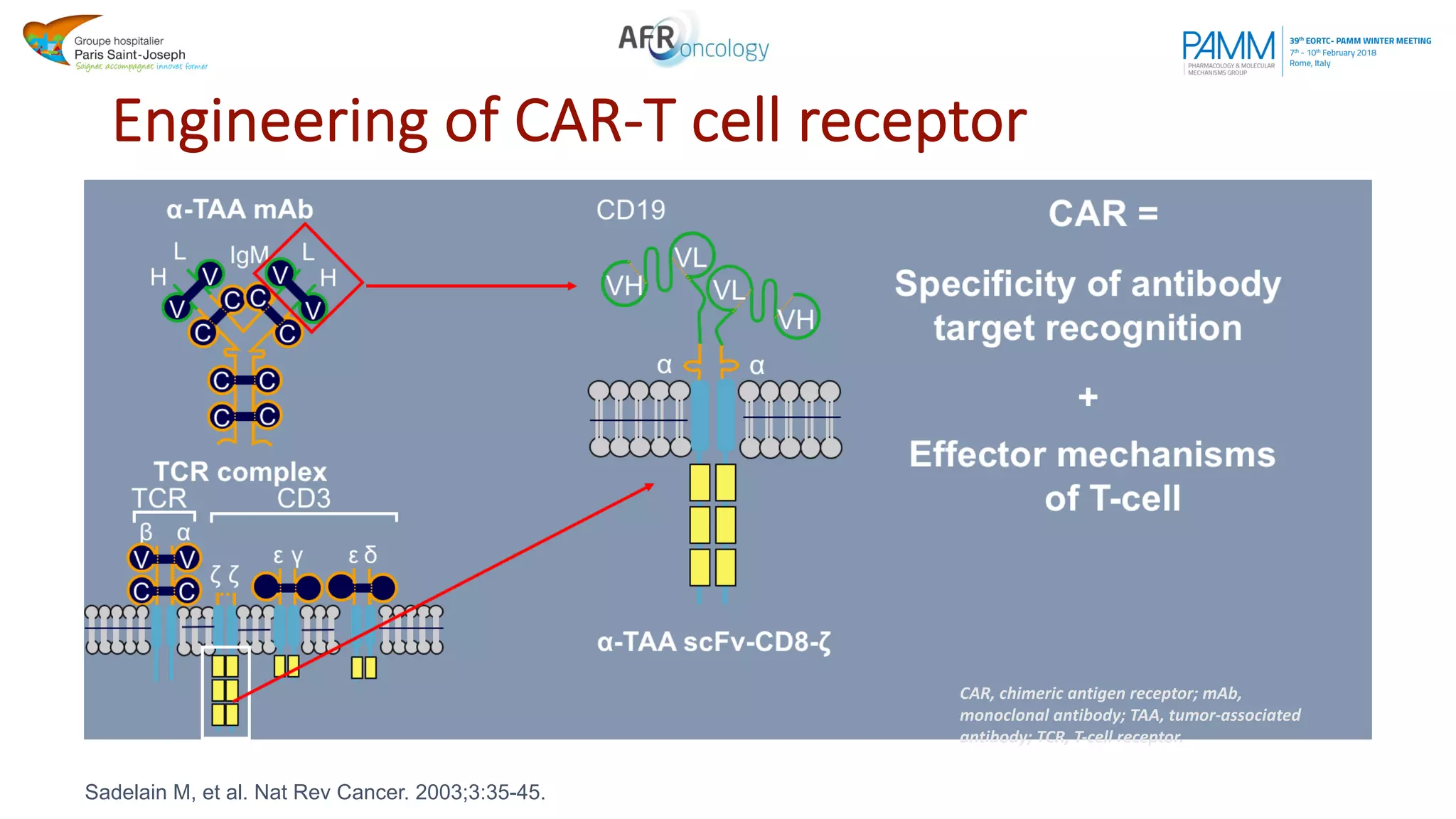
Engineering of CAR-T cell receptor
CAR, chimeric antigen receptor; mAb,
monoclonal antibody; TAA, tumor-associated
antibody; TCR, T-cell receptor.
Sadelain M, et al. Nat Rev Cancer. 2003;3:35-45.
Main companies involved in CAR-T cell therapy
• JONO Therapeutics (Celgene)
• KITE pharma (Gilead)
• Novartis
• Cellectis (Pfizer – Servier)
Phase I Trial of CD19-Targeted T-Cell Therapy in Adults With R/R B-Cell ALL
• Patient characteristics:
• 51 pts evaluable for toxicity assessment
• 50 pts evaluable for response assessment with ≥ 1 mos of follow-up
• Activity results:
• Morphologic disease: 31/51 (61%) pts
• Minimal disease: 20/51 (39%) pts
• Follow-up:
• Median: 8.5 mos (range: 1-54), data cutoff date of 5/2/16
• 29/50 (58%) pts with ≥ 6 mos of follow-up
• 17/50 (34%) pts with ≥ 1 yr of follow-up
Park JH, et al. ASCO 2016. Abstract 7003.
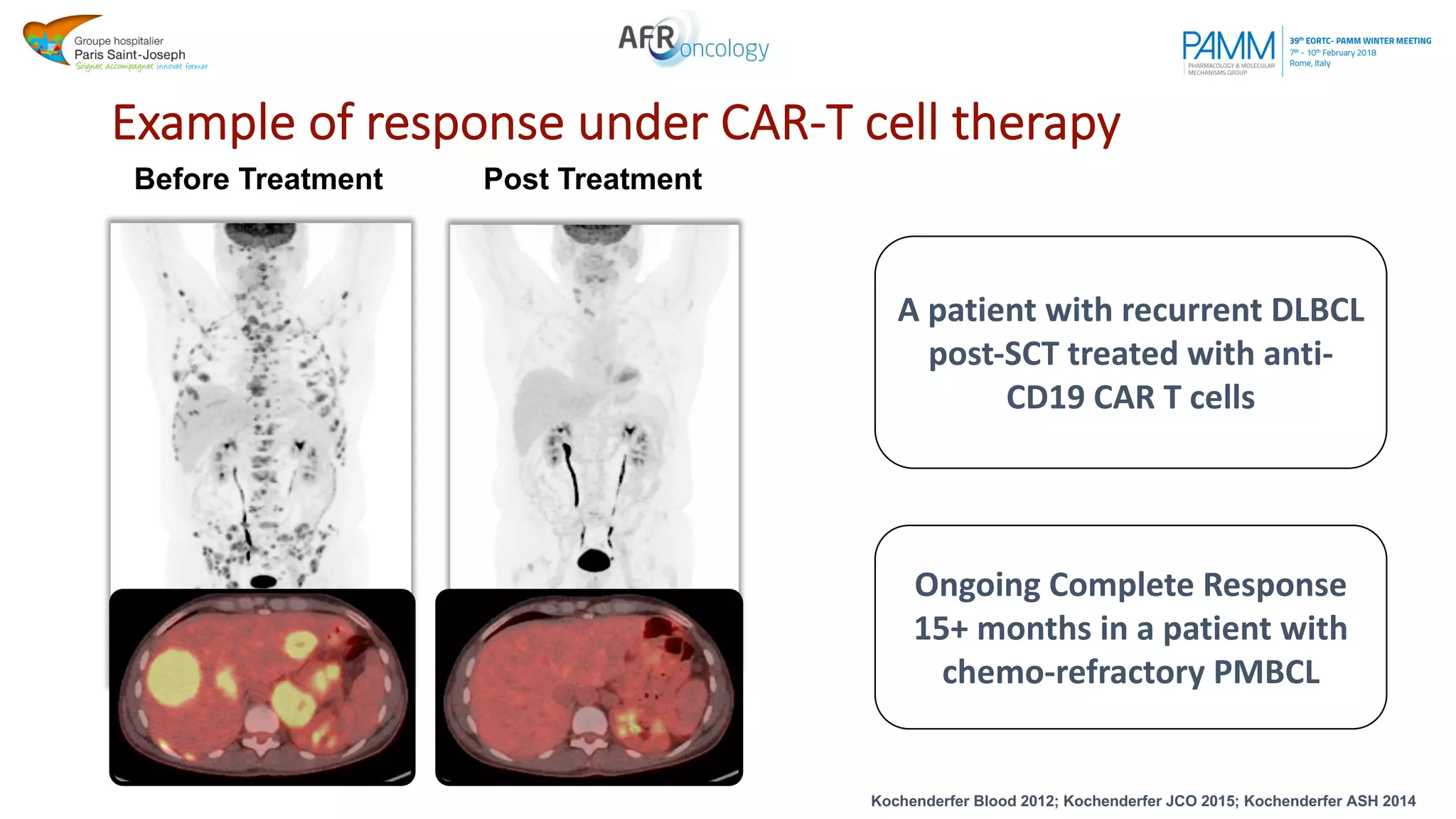
Scans from Dr. Rosenberg NCI
Ongoing Complete Response
15+ months in a patient with
chemo-refractory PMBCL
A patient with recurrent DLBCL
post-SCT treated with anti-
CD19 CAR T cells
Example of response under CAR-T cell therapy
Before Treatment Post Treatment
Kochenderfer Blood 2012; Kochenderfer JCO 2015; Kochenderfer ASH 2014
Phase I Trial of CD19-Targeted T-Cell Therapy in Adults With R/R B-Cell ALL
•Post–CAR T-Cell Infusion Clinical Courses
• 16 of 41 CR (39%) pts proceeded to allogeneic HSCT after
achieving CR to CAR T-cells
• By disease burden cohort:
• 9/23 (39%) pts in morphologic disease cohort
• 7/18 (39%) pts in minimal disease cohort
• 15/33 MRD-CR (45%) pts relapsed
• 4/15 (27%) relapses were CD19 negative/undetectable
• 9/33 (27%) pts remain disease free for > 1 yr
Park JH, et al. ASCO 2016. Abstract 7003.
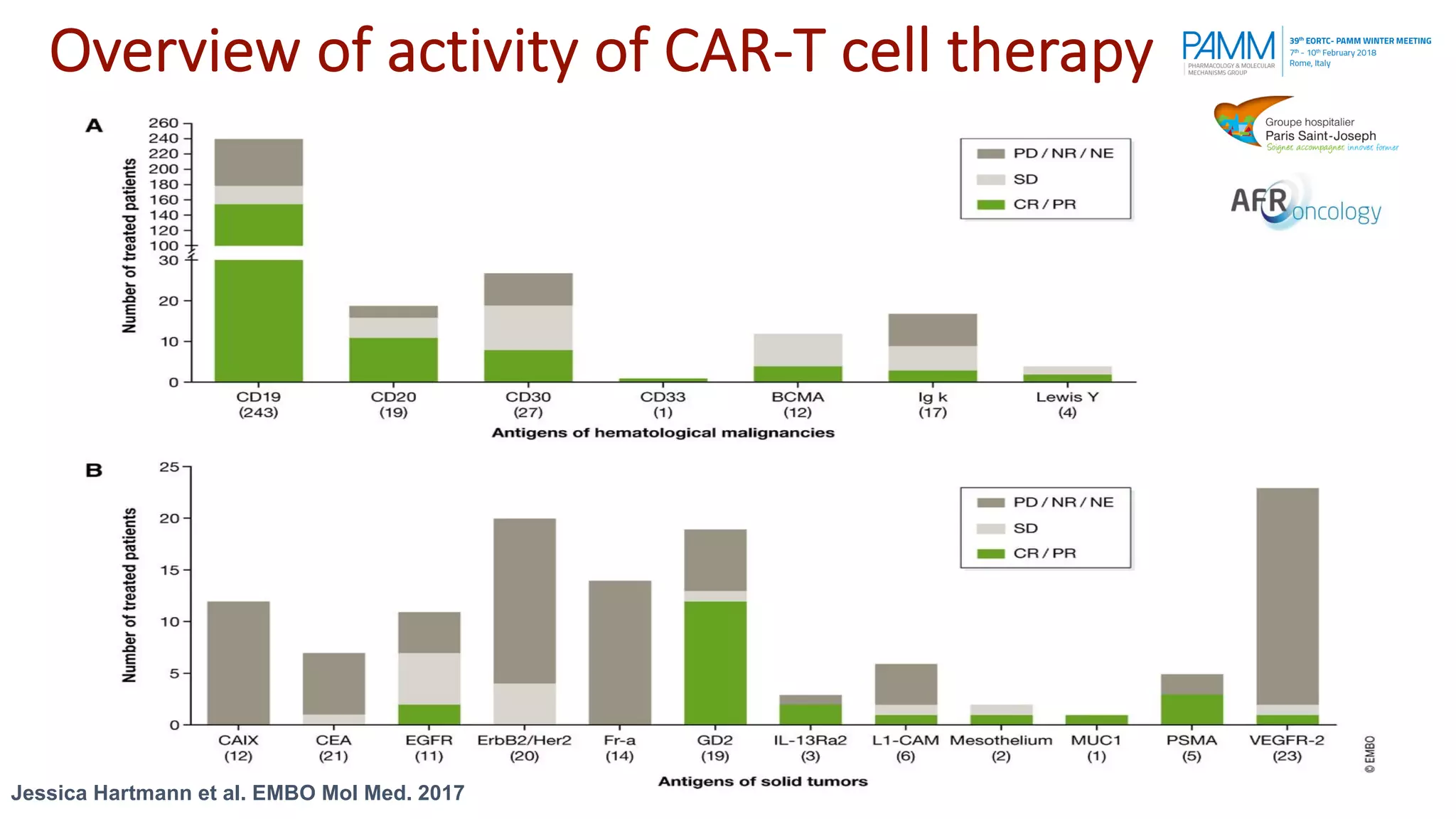
Overview of activity of CAR-T cell therapy
Jessica Hartmann et al. EMBO Mol Med. 2017
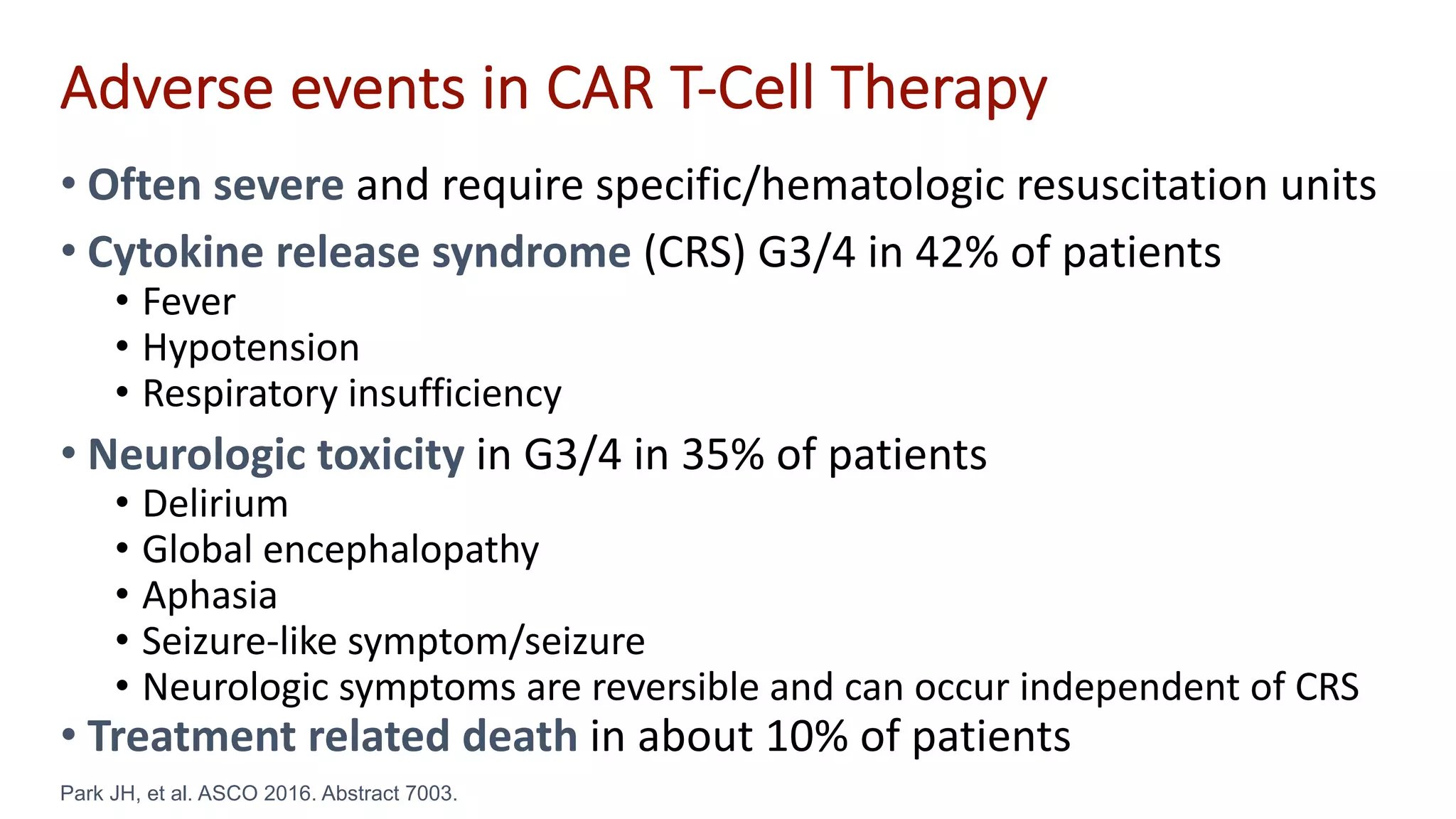
Adverse events in CAR T-Cell Therapy
• Often severe and require specific/hematologic resuscitation units
• Cytokine release syndrome (CRS) G3/4 in 42% of patients
• Fever
• Hypotension
• Respiratory insufficiency
• Neurologic toxicity in G3/4 in 35% of patients
• Delirium
• Global encephalopathy
• Aphasia
• Seizure-like symptom/seizure
• Neurologic symptoms are reversible and can occur independent of CRS
• Treatment related death in about 10% of patients
Park JH, et al. ASCO 2016. Abstract 7003.
Conclusions
• Over the last 20 years we observed waves of novel anticancer agents that demonstrate
significant antitumor activities in some tumor types that were highly dependent of one
oncogene (or a specific oncogenic pathway)
• Targeted therapies led to the concept of personalized medicine with unconfirmed
expectation that all tumor would always show dependency to oncogenes
• Tumor heterogeneity and epigenetic changes (either spontaneous or induce by therapies)
may profoundly modify the tumor biology over type being a driving force for drug
resistance
• Immunotherapy as a generic concept is providing high level of interest, although based on
prior experience with other therapies we may already anticipate that targeting one single
antigen and cell type may lead to resistance in a fair number of tumor types
Thanks for your attention

Development of Novel Targeted Drugs: Which Target? by Eric Raymond

  • 1.
    Development of NovelTargeted Drugs: Which Target ? Prof. Eric RAYMOND MD, PhD Chair of Medical Oncology @ Groupe Hospitalier Paris Saint-Joseph – France (eraymond@hpsj.fr)
  • 3.
    Disclosures • Pfizer • Novartis •Eli Lilly • Ipsen • Celgen • AFR-Oncology • Genoscience Pharma • SCOR
  • 4.
    The Emeritus Legend From1984 till 15 June 2009: PAM then PAMM member • From 15 June 2009 till 1st July 2015 (Toulouse 2010, Gdansk, Tenerife 2012, Cardiff 2013, Muenster 2014, Marseille 2015): chairman PAMM • From June 2015 till February 2018 (Antwerp 2016, Split 2017, Rome 2018): secretary PAMM Joint PAM-BACR: Aston 1984 • PAM as part of the Early Drug Development meeting: Lugano 1985, Edinburgh 1986, Lyon 1987,Aviano 1988, Glasgow 1990, Vienna 1991, Rotterdam 1993, Corfu 1995, Lugano 1997, Vienna 1999. • EORTC Preclinical Therapeutic Models Group: associated member ended in Nov 2012 (end of PTMG) • PAMM meetings: Leicester 2000, Verona 2001, Copenhagen 2002, Florence 2003, Bradford 2004, Arcachon 2005, Edinburgh 2006, then • Berlin 2007: Iduna Fichtner passed on to Frits as chairman of the NCI cpds committee and to Angela Burger as chair of the DDC • Palermo 2008, Brussels 2009, Toulouse 2010, Tenerife 2012: chairman of the joint EORTC Committee on European NCI compounds and DDC for the NCI cpds part • Cardiff 2013, Marseille 2015, Antwerp 2016, Split 2017, Rome 2018: chairman of the joint EORTC Committee on European NCI compounds with Andy Westwell as secretary (resigned in 2015 from then Frits acted as chairman and secretary) Other EORCc activities • EORTC imaging group: Associated Member 27 Oct 2009 - 25 Apr 2012 • EORTC Cancer in Elderly Task Force: Associated Member 15 Jul 2010 - • EORTC Translational Research Advisory Committee: member from 11 Aug 2009 - • EORTC New Drug Advisory Committee: member from 18 June 2012
  • 5.
    The armamentarium inmedical oncology Chemotherapy (direct/indirect DNA- & -tubulin targeting drugs) Hormonotherapy (hormone receptor targeting agents) Targeted agents (kinase inhibitors and various other allosteric inhibitors Antiangiogenic agents (agents that interfere with vascular cell signaling) Immunotherapy (antibodies that restore the intra-tumor immunity)
  • 6.
    Historical evolution ofdrug development Palliative Phase II/Advanced disease Institution/Academic Adjuvant trials Institution/Academic Industry sponsored Meta-analysis Prevention trials Translational Biomarkers Phase I->III $5 K/pt $15 K/pt (1-2K) $35 K/pt (3-5K) $60 K/pt (8-10K) >$100 K/pt (25-40K) NDAoriented RegulatorycomplexityCRORole Infrastructure Medical Investigator Role Cost/Pt (Investigator fees) Few Institutions, 90% Academic, oligo-institutional Anticancer Center Board, Disease Subtype (grant funded) Isolated Research Groups, Retrospective Analyses Industry 1/4 Industry 2/3 International Collaborations (NCI funded) Industry 1/2 Industry 3/4 Industry 4/5 Biotech à Big Pharma 1950 1960 1970 1980 2005 1975 2000 1990 2017 RegulatoryReimbursement Corporateinterest “Consensus” Marketing Medical Decisio n Role $600 – 1K USD $1-3 K USD ≥ $12K USD ≥ $5K USD Price per cycle Esteban Cvitkovic PAMM2017 - Croatia
  • 7.
    The ideal developmentpath for drug approval Various preclinical and clinical methods have been developed aiming to shorten the drug development duration
  • 8.
    In real, formany biotech companies that now handle with limited resources the maturation of the drug to the clinic
  • 9.
    Attrition rate indrug development
  • 10.
    The conjunction ofdisruptive technology & drug discovery recall the old ‘myth of antibiogram’ for cancer therapy during the kinase inhibitor era Full capacity of deep nucleic acid sequencing Identification of several oncogenic mutation and activating translocations Drug screening for kinase inhibition on the various oncogene drivers Development of facilities for live access to nucleic acid evaluation in samples from patients “The right drug for the right patient” Activity without toxicity A straight forward drug development path Less patients in clinical trials (quicker breakthrough) before approval (reduced cost) The chase for biomarkers
  • 11.
    Selected treatment Molecular analysis § Molecularbiology § RT-PCR § Immunohistochemistry Identification of TARGETS Biopsy Surgical specimen Courtesy of Pr Valérie Paradis, BJN Molecular biology requires access to tumor biopsy
  • 12.
    Identification of molecularalterations Andrew V. Biankin, et al. NATURE | VOL 526 | 15 OCTOBER 2015
  • 13.
    The kinase inhibitorera shaded the era of chemotherapy • Because it works in few diseases (or subtypes of diseases) that are: • Homogeneous in the target distribution within the primary and the metastases • Highly dependent of few oncogene for cell survival • Do not develop rapid resistance • For some very oncogenic kinase results have been astonishing • Bcr-Abl / KIT • ALK • HER1-2 • VEGFR, … • This reinforced the idea that there shall be for all tumors at least one major oncogenic driver to be found and targeted by one promising drug
  • 14.
    Molecular Driven ClinicalTrial Designs Araujo et al. Expert Rev Prec Med &Drug Dev. 2016; 1:3, 255-65 14
  • 15.
    Numerous academic trialshave been launched aiming for precision medicine Andrew V. Biankin, et al. NATURE | VOL 526 | 15 OCTOBER 2015 Currently published results: - High attrition rate (thousands of patients to offer access to few) - Short duration benefits for the happy few selected for therapy - Costly nucleic acid testing vacuuming other resources - Distracting attention on targeted agents while immunotherapy disrupted the filed
  • 16.
    Limitations of targetedtherapies • Cell signaling is plastic by essence allowing bypasses for survival in case of inhibition • Targeted agents are cytostatic and, while active, don’t cure patients • Targeted agents often significantly delay tumor progression but with inconstant and limited survival benefits • Tumor progression is a mainstay of targeted therapies suggesting that tumors may adapt and develop acquired resistance • Multiple targets (either using multi-targeted agents or combinations) should be hit simultaneously to derive significant clinical benefits • Suggesting signaling redundancies in cancer cells • Or the presence of cellular clones with distinct signaling pathways
  • 17.
    Why were those approachesnot more successful ?
  • 18.
    Targetable cellular &molecular components of tumors are many (too many) for a single drug therapeutic approach Endothelial cells Pericytes VEGFR-PDGFR T cells (CD4-Treg) CD4:PD1-CTLA4-CD28 Treg: CD73-CD39 Dendritic cells PDL1-PD1-MSH II-CD80/86 Tumor associated macrophages CXCR4-TGFβR Tumor cells TGFβR-MET-PDL1 Fibroblasts FGFR TGFβ HGF FGF19 IL8 IL10 SDF1/CXCL12
  • 19.
    Marusyk A etal. Narure Review Cancer 2012 Tumor heterogeneity: Evaluation of inter- & intra-tumoral clonal variations Access to tumor biopsy only partly address the question of tumor heterogeneity
  • 21.
    Yates et al,Nat Rev Genet 2012 Temporal drift Clonal variations over time (spontaneous & treatment induced) The tumor biology may change over time: requiring access to tissue samples immediately prior to therapy
  • 22.
    Treatment-induced heterogeneity Clonal variations overtime may be affected by therapeutic interventions Eric RAYMOND – Kinases oncogéniques et thérapies ciblées – Académie des sciences – 23 avril 2013 Unselected population One major oncogenic disfunction Inter-patient heterogeneity Progression Intra-tumor heterogeneity Multiple oncogenic abnormalities Relapse Sub-clone selection Oncogenic resistance Traitement 1 Traitement 2 Cellules cancéreuses Microenvironnement tumorale Rechute: Clones avec mutations minoritaires Stratégies de thérapies ciblées anticipatoires Traitement 1 Traitement 2
  • 23.
    Inter- and intra-patientheterogeneity of resistance mechanisms to rociletinib in lung cancer NATURE COMMUNICATIONS | 7:11815 | DOI: 10.1038/ncomms11815 |www.nature.com/naturecommunications Liquid biopsy may help for real time appraisal of oncogenic changes under therapy (at least if mutations associated with resistance are already known
  • 24.
    Multiple cellular systemsand interactions have been identified in tumors Adapted from Hida K. et al, Pathology International 2011; 61: 630–637
  • 25.
    Adaptive stroma resultsfrom tumor heterogeneity Marusyk A et al. Narure Review Cancer 2012
  • 26.
    Effects of Sunitinibon tumor vessels result in cellular hypoxia and necrosis Faivre et al. Nat Rev Drug Disc, 2007
  • 27.
    Acquired resistance tosunitinib in renal cell carcinoma Faivre et al. Nat Rev Drug Disc, 2007 Poorly vacularized Fibrosis/necrosis Skin and muscle invasion Resection Gross macroscopical examination at progression
  • 28.
    Vascular mimicry mayoccur in renal carcinomas from patients who progress under sunitinib therapy Responder Progressive CD10hs+FvWhs CD10hs+FvWhs
  • 29.
    EMT associated withsunitinib resistance
  • 30.
    Resistance to sunitinibin PNET is associated with increased invasiveness and MET expression Sennino B et al. Drug Discovery, 2012 Lynn KD et al. Drug Discovery, 2012
  • 31.
    HGF/MET Cooperates withHER1-3 to Develop Aggressive Phenotypes Adapted from Petr Szturz et al, in press 2016
  • 32.
    Current MET/HGF Inhibitors Tepotinib DARPin MP0250 Adaptedfrom S Peters & A.A. Adjei Nature Reviews Clinical Oncology 9, 314-326 (2012)
  • 33.
    Response to METinhibitors in lung cancer harboring Exon 14 skipping mutations
  • 34.
    S49076 (MET/AXLi) delaystumor progression and angiogenesis in a transgenic HCC mouse model Liver volume Blood flow velocity S 49076 delays tumor progression S 49076 inhibits proliferation and nodule size CD31 staining and quantification at 12W and 16W 12 16 weeks Placebo S 49076 *** *** 8 12 16 0 2 4 6 8 weeks Livervolume(mm3) Placebo S 49076 *** *** 8 12 16 0 10 20 30 40 weeks BoodflowinCT(m/s) Placebo S 49076 *** *** 12 16 0 50 100 150 weeks Vesselnumberperfield *** *** 12 16 0 10 20 30 40 50 weeks Nodulespersection Placebo S49076 ** ** 12 16 0 50 100 150 200 weeks Macronodulesnumber Placebo S49076 *** *** 12 16 0 10 20 30 40 50 weeks Nodulespersection Placebo S49076 ** ** 12 16 0 10 20 30 40 50 weeks Nodulespersection Placebo S49076 ** ** 12 16 0.0 0.5 1.0 1.5 2.0 weeks Meannodulesize(mm2) * * 12 16 0.0 0.5 1.0 1.5 2.0 weeks Meannodulesize(mm2) Placebo S49076 * * Courtesy Annemilaï Tijeras-Raballand – AFR Oncology
  • 35.
    Inhibition of FGF19/FGFR4Activation with BLU-554
  • 37.
    Baseline Week 16 08 16 24 32 -26% SD -44% PR -45% PR PD Week Baseline IHC+ FISH- Radiographic response in post-sorafenib, non-viral HCC Kim R et al. ILCA 2017
  • 38.
    *4 confirmed responses IHC-positivityenriches for radiographic tumor reduction and response Kim R et al. ILCA 2017
  • 39.
    Galunisertib: TGF-βRI Inhibitor NeuzilletC., Pharmacol. Ther. (2015) Wakefield LM., Nat. Rev. Cancer (2013)
  • 40.
    TGFbRI Inhibition Inducedby Galunisertib in Human Hepatocellular Carcinoma Explants Ex vivo Proliferation Control TGFb inh. Apoptosis P-SMAD2/3 (PD biomarker) (13pts) (13pts) (11pts) By Serova et al, Oncotarget 2015
  • 41.
    Galunisertib (TGFbRI Inhibitor)in Patients With Hepatocellular Carcinoma n/N (%) Median AFP responders 25/103 (24%) 21.4 mo AFP non-responders 78/103 (76%) 6.8 mo Overall survival AFP responders = patients who decreased circulating AFP levels by >20% AFP non responders AFP responders Courtesy of Faivre S. et al. Pres. ASCO GI 2014 and ASCO 2016 Part A AFP ≥1.5 ULN Part B AFP <1.5 ULN AFP>200 at Baseline
  • 42.
  • 43.
    Engineering of CAR-Tcell receptor CAR, chimeric antigen receptor; mAb, monoclonal antibody; TAA, tumor-associated antibody; TCR, T-cell receptor. Sadelain M, et al. Nat Rev Cancer. 2003;3:35-45.
  • 44.
    Main companies involvedin CAR-T cell therapy • JONO Therapeutics (Celgene) • KITE pharma (Gilead) • Novartis • Cellectis (Pfizer – Servier)
  • 45.
    Phase I Trialof CD19-Targeted T-Cell Therapy in Adults With R/R B-Cell ALL • Patient characteristics: • 51 pts evaluable for toxicity assessment • 50 pts evaluable for response assessment with ≥ 1 mos of follow-up • Activity results: • Morphologic disease: 31/51 (61%) pts • Minimal disease: 20/51 (39%) pts • Follow-up: • Median: 8.5 mos (range: 1-54), data cutoff date of 5/2/16 • 29/50 (58%) pts with ≥ 6 mos of follow-up • 17/50 (34%) pts with ≥ 1 yr of follow-up Park JH, et al. ASCO 2016. Abstract 7003.
  • 46.
    Scans from Dr.Rosenberg NCI Ongoing Complete Response 15+ months in a patient with chemo-refractory PMBCL A patient with recurrent DLBCL post-SCT treated with anti- CD19 CAR T cells Example of response under CAR-T cell therapy Before Treatment Post Treatment Kochenderfer Blood 2012; Kochenderfer JCO 2015; Kochenderfer ASH 2014
  • 47.
    Phase I Trialof CD19-Targeted T-Cell Therapy in Adults With R/R B-Cell ALL •Post–CAR T-Cell Infusion Clinical Courses • 16 of 41 CR (39%) pts proceeded to allogeneic HSCT after achieving CR to CAR T-cells • By disease burden cohort: • 9/23 (39%) pts in morphologic disease cohort • 7/18 (39%) pts in minimal disease cohort • 15/33 MRD-CR (45%) pts relapsed • 4/15 (27%) relapses were CD19 negative/undetectable • 9/33 (27%) pts remain disease free for > 1 yr Park JH, et al. ASCO 2016. Abstract 7003.
  • 48.
    Overview of activityof CAR-T cell therapy Jessica Hartmann et al. EMBO Mol Med. 2017
  • 49.
    Adverse events inCAR T-Cell Therapy • Often severe and require specific/hematologic resuscitation units • Cytokine release syndrome (CRS) G3/4 in 42% of patients • Fever • Hypotension • Respiratory insufficiency • Neurologic toxicity in G3/4 in 35% of patients • Delirium • Global encephalopathy • Aphasia • Seizure-like symptom/seizure • Neurologic symptoms are reversible and can occur independent of CRS • Treatment related death in about 10% of patients Park JH, et al. ASCO 2016. Abstract 7003.
  • 50.
    Conclusions • Over thelast 20 years we observed waves of novel anticancer agents that demonstrate significant antitumor activities in some tumor types that were highly dependent of one oncogene (or a specific oncogenic pathway) • Targeted therapies led to the concept of personalized medicine with unconfirmed expectation that all tumor would always show dependency to oncogenes • Tumor heterogeneity and epigenetic changes (either spontaneous or induce by therapies) may profoundly modify the tumor biology over type being a driving force for drug resistance • Immunotherapy as a generic concept is providing high level of interest, although based on prior experience with other therapies we may already anticipate that targeting one single antigen and cell type may lead to resistance in a fair number of tumor types
  • 51.
    Thanks for yourattention