Here is a 1,000-word detailed description of “Controlling” for your presentation, especially useful for business, management, or commerce students:
---
Controlling in Management: A Detailed Explanation (1000 Words)
Introduction
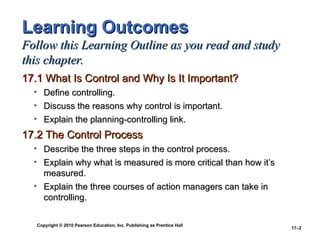
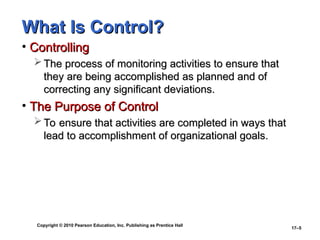
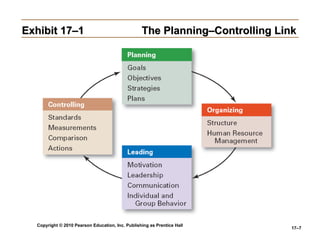
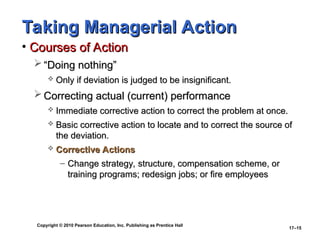
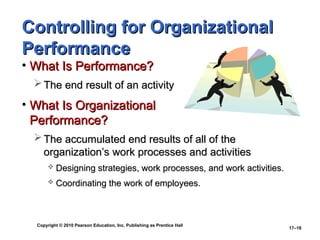
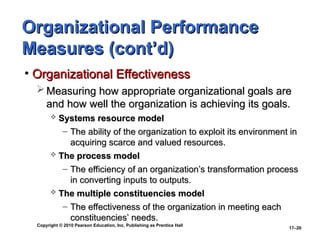
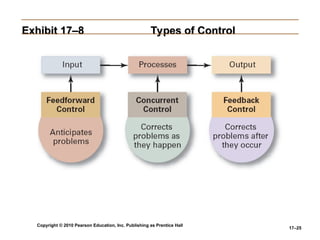
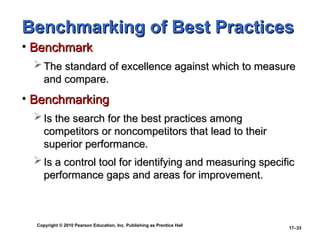
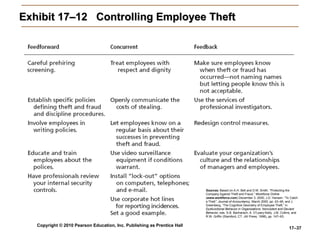
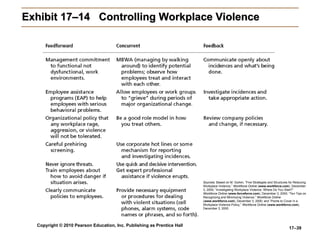
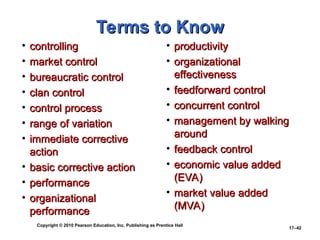
Controlling is one of the fundamental functions of management. Along with planning, organizing, and leading, it plays a crucial role in ensuring that an organization meets its goals efficiently and effectively. While planning sets the goals and organizing allocates resources, controlling ensures that actual performance aligns with the expected outcomes. It acts as a monitoring system that helps managers detect and correct deviations from the plan.
Definition of Controlling
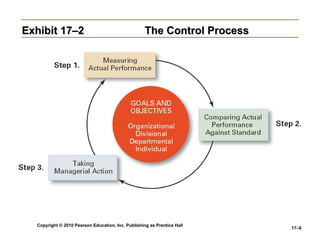
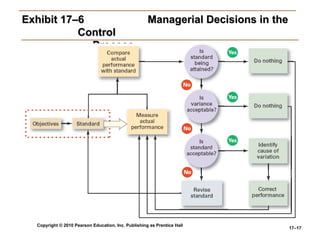
Controlling can be defined as the process of measuring actual performance, comparing it with the planned performance, identifying deviations, and taking corrective actions to ensure that objectives are achieved.
According to Koontz and O’Donnell:
"Controlling is the measurement and correction of performance in order to make sure that enterprise objectives and the plans devised to attain them are accomplished."
In simple terms, controlling ensures that everything is going according to plan and, if not, makes the necessary adjustments.
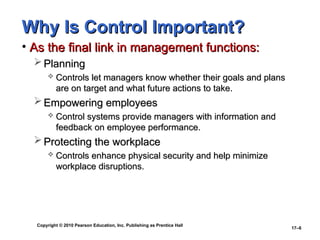
Importance of Controlling
1. Ensures Goal Achievement:
It keeps the organization on track to meet its goals by checking progress and performance.
2. Facilitates Coordination:
It aligns individual and departmental efforts with organizational objectives, promoting coordination.
3. Improves Efficiency:
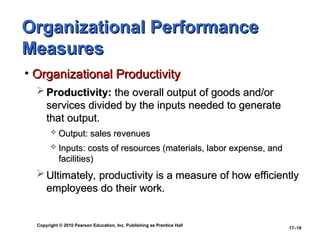
Controlling helps in using resources effectively and avoiding wasteful practices.
4. Minimizes Errors:
By continuously monitoring processes, it helps in identifying errors and taking timely corrective actions.
5. Encourages Discipline:
A well-structured control system promotes accountability and encourages employees to perform better.
Steps in the Controlling Process
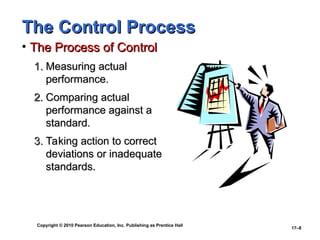
Controlling is a continuous process and involves the following steps:
1. Setting Performance Standards
This is the first step where managers set benchmarks or standards for performance. These can be:
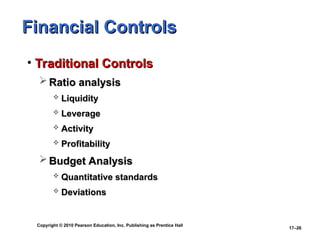
Quantitative (e.g., production of 100 units per day)
Qualitative (e.g., improving customer satisfaction)
These standards become the criteria against which actual performance will be evaluated.
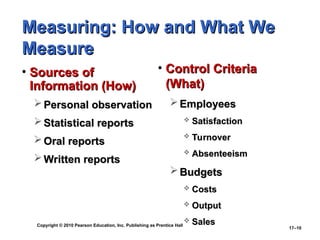
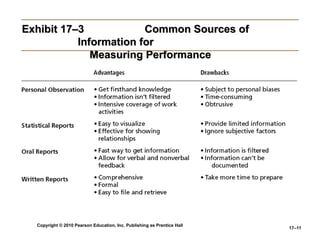
2. Measuring Actual Performance
The next step is to measure what has been achieved. Measurement should be:
Accurate and timely
Done through reports, inspections, observations, or feedback
Related to the standards set earlier
Example: If the standard is to produce 100 units daily, the actual number of units produced should be measured each day.
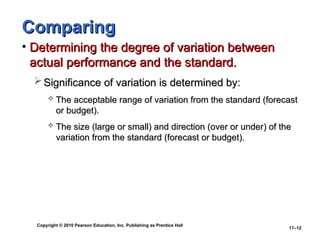
3. Comparing Actual Performance with Standards
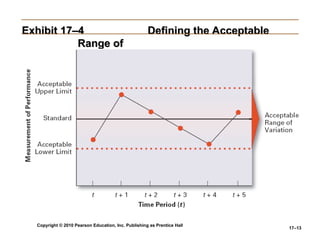
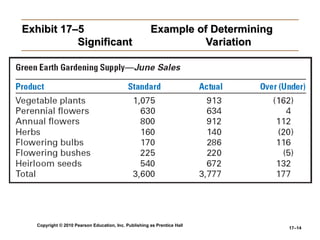
In this step, the actual results are compared with the established standards.