Combating Foreign Disinformation On Social Media Rand
Combating Foreign Disinformation On Social Media Rand
Combating Foreign Disinformation On Social Media Rand
Combating Foreign Disinformation On Social Media Rand
Combating Foreign Disinformation On Social Media Rand
1.
Combating Foreign DisinformationOn Social Media
Rand download
https://ebookbell.com/product/combating-foreign-disinformation-
on-social-media-rand-33902958
Explore and download more ebooks at ebookbell.com
2.
Here are somerecommended products that we believe you will be
interested in. You can click the link to download.
Defending Democracies Combating Foreign Election Interference In A
Digital Age 1st Edition Jens David Ohlin Editor
https://ebookbell.com/product/defending-democracies-combating-foreign-
election-interference-in-a-digital-age-1st-edition-jens-david-ohlin-
editor-34588212
Terrorists In Our Midst Combating Foreignaffinity Terrorism In America
Praeger Security International Yonah Alexander
https://ebookbell.com/product/terrorists-in-our-midst-combating-
foreignaffinity-terrorism-in-america-praeger-security-international-
yonah-alexander-1805054
Final Report Of The Task Force On Combating Terrorist And Foreign
Fighter Travel Homeland Security Committee
https://ebookbell.com/product/final-report-of-the-task-force-on-
combating-terrorist-and-foreign-fighter-travel-homeland-security-
committee-46368772
Combating The Illegal Employment Of Foreign Workers Oecd
https://ebookbell.com/product/combating-the-illegal-employment-of-
foreign-workers-oecd-6780536
3.
The President TheState And The Cold War Comparing The Foreign
Policies Of Truman And Reagan 1st Edition James Bilsland
https://ebookbell.com/product/the-president-the-state-and-the-cold-
war-comparing-the-foreign-policies-of-truman-and-reagan-1st-edition-
james-bilsland-5240144
Eu Foreign Policy And The Europeanization Of Neutral States Comparing
Irish And Austrian Foreign Policy Nicole Alecu De Flers
https://ebookbell.com/product/eu-foreign-policy-and-the-
europeanization-of-neutral-states-comparing-irish-and-austrian-
foreign-policy-nicole-alecu-de-flers-44480392
Combating Terrorism In The 21st Century American Laws Strategies And
Agencies Joseph R Rudolph Jr
https://ebookbell.com/product/combating-terrorism-in-the-21st-century-
american-laws-strategies-and-agencies-joseph-r-rudolph-jr-47242592
Combating Crime On The Dark Web Learn How To Access The Dark Web
Safely And Not Fall Victim To Cybercrime 1st Edition Nearchos Nearchou
https://ebookbell.com/product/combating-crime-on-the-dark-web-learn-
how-to-access-the-dark-web-safely-and-not-fall-victim-to-
cybercrime-1st-edition-nearchos-nearchou-47532244
Combating Inequality Rethinking Governments Role Olivier Blanchard
https://ebookbell.com/product/combating-inequality-rethinking-
governments-role-olivier-blanchard-49423144
5.
COMBATING
FOREIGN
DISINFORMATION
ON SOCIAL MEDIA
STUDYOVERVIEW AND CONCLUSIONS
C O R P O R A T I O N
COMBATING FOREIGN DISINFORMATION ON SOCIAL MEDIA SERIES
RAPHAEL S. COHEN, NATHAN BEAUCHAMP-MUSTAFAGA,
JOE CHERAVITCH, ALYSSA DEMUS, SCOTT W. HAROLD,
JEFFREY W. HORNUNG, JENNY JUN, MICHAEL SCHWILLE,
ELINA TREYGER, NATHAN VEST
iii
Preface
How are countriesusing social media—particularly disinformation
campaigns—to influence the competitive space? How have govern-
ments, the private sector, and civil society responded to this threat?
What more can be done? And what do all these conditions mean for
future U.S. Air Force and joint force training and operations?1 This
report attempts to answer some of these questions as part of a broader
study of disinformation campaigns on social media and the implica-
tions of those campaigns in great-power competition and conflict. The
other volumes in this series are:
• Elina Treyger, Joe Cheravitch, and Raphael S. Cohen, Russian
Disinformation Efforts on Social Media, Santa Monica, Calif.:
RAND Corporation, RR-4373/2-AF, forthcoming
• Scott W. Harold, Nathan Beauchamp-Mustafaga, and Jeffrey W.
Hornung, Chinese Disinformation Efforts on Social Media, Santa
Monica, Calif.: RAND Corporation, RR-4373/3-AF, 2021
• Raphael S. Cohen, Alyssa Demus, Michael Schwille, and Nathan
Vest, U.S. Efforts to Combat Foreign Disinformation on Social
Media, Santa Monica, Calif.: RAND Corporation, 2021, Not
available to the general public.
The research reported here was commissioned by the Air Force Special
Operations Command and conducted within the Strategy and Doc-
1 This report was completed before the creation of the U.S. Space Force and therefore uses
the name “U.S. Air Force” to refer to both air and space capabilities.
8.
iv Combating ForeignDisinformation on Social Media: Study Overview
trine Program of RAND Project AIR FORCE as part of the fiscal
year 2019 project “Bringing Psychological Operations and Military
Information Support Operations into the Joint Force: Counterinfor-
mation Campaigns in the Social Media Age,” which was designed to
assist the Air Force in evaluating the threat of foreign influence cam-
paigns on social media and assessing possible Air Force, joint force, and
U.S. government countermeasures.
This report should be of value to the national security commu-
nity and interested members of the public, especially those with an
interest in how global trends will affect the conduct of warfare.
RAND Project AIR FORCE
RAND Project AIR FORCE (PAF), a division of the RAND Corpo-
ration, is the Department of the Air Force’s (DAF’s) federally funded
research and development center for studies and analyses, supporting
both the United States Air Force and the United States Space Force.
PAF provides the DAF with independent analyses of policy alternatives
affecting the development, employment, combat readiness, and sup-
port of current and future air, space, and cyber forces. Research is con-
ducted in four programs: Strategy and Doctrine; Force Modernization
and Employment; Manpower, Personnel, and Training; and Resource
Management. The research reported here was prepared under contract
FA7014-16-D-1000.
Additional information about PAF is available on our website:
www.rand.org/paf/
This report documents work originally shared with the DAF in
September 2019. The draft report, issued on September 20, 2019, was
reviewed by formal peer reviewers and DAF subject-matter experts.
ix
Summary
Issue
Ever since Russianinterfered in the 2016 American election, the
question of how to best combat foreign disinformation attention has
attracted significant public scrutiny and policy attention. This report
and the others in the series, sponsored by U.S. Air Force Special Opera-
tions Command, focuses on two sets of questions. First, how are state
adversaries—particularly China and Russia—using disinformation
on social media to advance their interests, and what does the joint
force—the U.S. Air Force, in particular1—need to be prepared to do in
response? Second, what are the joint force, the U.S. government, civil
society, and private industry doing to combat these threats? How effec-
tive are these efforts, and what more needs to be done?
Approach
Our research approach drew on a host of different primary and second-
ary sources; data sets; and, perhaps most importantly, more than 150
original interviews from across the U.S. government, the joint force,
industry, and civil society. To understand Russian and Chinese actions,
we interviewed experts from Belarus, Belgium, Japan, Philippines, Sin-
gapore, South Korea, Taiwan, Ukraine, and the United Kingdom.
1 This report was completed before the creation of the U.S. Space Force and therefore uses
the name “U.S. Air Force” to refer to both air and space capabilities.
14.
x Combating ForeignDisinformation on Social Media: Study Overview
Conclusions
Disinformation campaigns on social media might be more nuanced
than commonly portrayed.
• Russia and Iran have used this tactic abroad more than China and
North Korea have.
• State-led disinformation campaigns on social media are a rela-
tively recent phenomenon.
• The campaigns can intimidate, divide, and discredit, but there is
limited evidence that they can change strongly held beliefs.
• Smaller, locally popular social media platforms could be at higher
risk of disinformation than larger, mainstream ones.
• Disinformation campaigns on social media have clearly notched
operational successes, but their strategic impact is less certain.
• Disinformation campaigns on social media will likely increase
over the coming decade.
At the same time, much of the response to disinformation remains
ad hoc and uncoordinated.
• The U.S. government’s lead for countering disinformation, the
Department of State’s Global Engagement Center, lacks the nec-
essary political and institutional clout to direct a coordinated
effort.
• The joint force’s efforts to man, train, and equip forces for counter-
disinformation remains ad hoc and service-dependent.
• Allies and partners have tried other countermeasures, mostly with
ambiguous effects.
• Industry—particularly after the 2016 election interference—has
made an active effort to counter disinformation, but remains
motivated mostly by bottom lines.
• Civil society groups play an important, often overlooked role.
Finally, although the disinformation campaigns on social media
will likely increase over the coming decade, it remains unclear who has
15.
Summary xi
the competitiveedge in this race because disinformation techniques are
evolving at the same time as these countermeasures.
Recommendations
Air Force Special Operations Command and the Air Force
• Expand information operations capabilities and focus on more
than operational security.
• Weigh Commando-Solo deployments carefully, especially in
adversaries’ “near abroad.”
Joint Force
• Know the information environment (see Figure S.1) and focus on
more than just U.S. social media platforms.
• Train for disinformation, focus on key demographics, and mini-
mize bans of smartphone and social media use.
• Increase transparency and enforce message discipline.
• Conduct a Department of Defense–wide review of structure and
authorities of the information operations force.
U.S. Government at Large
• Publish a counter-disinformation strategy.
• Leverage industry but do not outsource the counter disinforma-
tion fight.
• Leverage civil society groups.
• Avoid bans of social networks.
• Balance countering disinformation with commitment to freedom
of speech.
• Focus offensive influence efforts on truthful information and
weigh the risks carefully.
16.
xii Combating ForeignDisinformation on Social Media: Study Overview
Figure S.1
Defining the Terms and Scoping the Project
Misinformation
(intentional and unintentional)
Disinformation
(produced by domestic and
foreign actors)
Foreign
disinformation
(disseminated in multiple ways)
Cyberattacks
(sometimes used for disinformation
but also serves other purposes)
Public diplomacy
(sometimes used with disinformation
but also can be truthful)
Foreign-
produced
disinformation
on social media
Information
environment
17.
xiii
Acknowledgments
This report wouldnot have been possible without the help of multiple
people. First and foremost, we would like to thank Brig Gen Brenda
Cartier, Maj Shaun Owenby, Capt Laura Jones and Air Force Spe-
cial Operations Command for their support and direction throughout
the course of the project. We would also like to thank Project AIR
FORCE Strategy and Doctrine Program Director Paula Thornhill for
her advice and guidance throughout the development of this work. We
also owe a special debt of gratitude to the dozens of experts from across
the public and private sectors whom we interviewed for the research for
this report. While humans subjects protocols prevent us from acknowl-
edging them by name, we would like to thank the following organiza-
tions: Atlantic Council, Bellingcat, Center for New American Security,
Facebook, FireEye, Google, Graphika, Integrity Institute, JigSaw,
Microsoft, National Endowment for Democracy, Johns Hopkins
School of Advanced International Studies, Twitter, U.S. Department
of Defense organizations: U.S. Air Forces–Europe, 67th Operational
Support Squadron, Air Force OIE Tiger team, Air Staff Information
Operations Branch, 151st Theater Information Operations Group
(TIOG), Central Command Web Operations Division, Joint Staff J2,
the Marine Corps Deputy Commandant for Information, II Marine
Information Group, 1st Information Operations Command, Office of
the Under Secretary of Defense, Policy, the U.S. Agency for Global
Media, the Global Engagement Center, the Department of State’s
Global Public Affairs, the Department of State’s Regional Bureaus,
and the Congressional Research Service. Additionally, we would like
18.
xiv Combating ForeignDisinformation on Social Media: Study Overview
to thank the dozens of academics, think tank analysts, military offi-
cers and government officials in Belarus, Belgium, Germany, Japan,
Philippines, Singapore, South Korea, Taiwan, Ukraine, and the United
Kingdom who were interviewed for this report. Although some of these
organizations asked not to have their affiliations listed, we owe a tre-
mendous debt of gratitude for their time and their insights.
and continueth thehabit. And the fear of God, and the belief of his
threatenings, and repentance, and watchfulness, and diligent
obedience, are a great part of this grace. And the acts are ours,
performed by ourselves, by the help of God: God doth not believe,
and repent, and obey in us, but causeth us ourselves to do it.
Therefore to grow cold, and secure, and sinful, upon pretence that
we are sure to persevere, this is to cease persevering, and to fall
away, because we are sure to persevere, and not to fall away: which
is a mere contradiction.
10. Lastly, bethink you well what is the meaning of all these texts
of Scripture, and the reason that the Holy Ghost doth speak to us in
this manner. Col. i. 21-23, "And you—hath he reconciled,—to present
you holy:—if ye continue in the faith, grounded and settled, and be
not moved away from the hope of the gospel." John xv. 4-6, "Abide
in me, and I in you. If a man abide not in me, he is cast forth as a
branch and withered. If ye abide in me, and my words abide in you,
ye shall ask what ye will." Heb. iv. 1, "Let us therefore fear, lest a
promise being left us of entering into his rest, any of you should
seem to come short of it." Jude 21, "Keep yourselves in the love of
God." 1 Cor. x. 4, 5, 12, "They drank of that spiritual rock that
followed them, and that rock was Christ; but with many of them God
was not well pleased: wherefore let him that thinketh he standeth
take heed lest he fall." Rom. xi. 20, 21, "Be not highminded, but
fear; for if God spared not the natural branches, take heed lest he
spare not thee." Gal. v. 4, "Ye are fallen from grace." Matt. x. 22,
"He that endureth to the end shall be saved;" Matt. xxiv. 13. Heb. iii.
6, 14, "Whose house are we, if we hold fast the confidence, and the
rejoicing of the hope firm unto the end. For we are partakers of
Christ, if we hold the beginning of our confidence stedfast unto the
end." Heb. iv. 11, "Let us labour therefore to enter into that rest, lest
any man fall after the same example of unbelief." Rev. ii. 25, 26,
"Hold fast till I come. And he that overcometh and keepeth my
works unto the end, to him will I give power over the nations;" Rev.
iii. 2, 3; ii. 4.
21.
Take heed thereforeof that doctrine which telleth you, that sins to
come are all pardoned to you before they are committed, and that
you are justified from them, and that it is unlawful to be afraid of
falling away, because it is impossible, &c. For no sin is pardoned
before it is committed, (though the remedy be provided,) for it is
then no sin; and you are justified from no sin any further than it is
pardoned. Suppose God either to decree, or but to foreknow the
freest, most contingent act, and there will be a logical impossibility
in order of consequence, that it should be otherwise than he so
decreeth or foreseeth. But that inferreth no natural impossibility in
the thing itself; for God doth not decree or foresee that such a man's
fall shall be impossible, but only non futurum.
Direct. IV. In a special manner take heed of the company and
doctrine of deceivers; yea, though they seem most religious men,
and are themselves first deceived, and think they are in the right.
And take heed of falling into a dividing party, which separateth from
the generality of the truly wise and godly people.[97] For this hath
been an ordinary introduction to backsliding: false doctrine hath a
mighty power on the heart. And he that can separate one of the
sheep from the rest of the flock, hath a fair advantage to carry him
away. See Rom. xvi. 16, 17.
Direct. V. Be very watchful against the sin of pride, especially pride
of gifts, or knowledge, or holiness, which some call spiritual pride;
for God is engaged to cast down the proud. Prov. xvi. 18, "Pride
goeth before destruction, and a haughty spirit before a fall." Satan
assaulted our first parents by that way that he fell himself; and his
success encourageth him to try the same way with their posterity.
And, alas, how greatly hath he succeeded through all ages of the
world till now!
Direct. VI. Take heed of a divided, hypocritical heart, which never
was firmly resolved for God, upon expectation of the worst, and
upon terms of self-denial, nor was ever well loosed from the love of
this present world, nor firmly believed the life to come. For it is no
wonder that he falleth from grace, who never had any grace but
22.
common, which neverrenewed his soul. It is no wonder that false-
hearted friends forsake us, when their interest requireth it; nor that
the seed which never had depth of earth, doth bring forth no fruit,
but what will wither when persecution shall arise, or that which is
sown among thorns be choked, Matt. xiii.[98] Sit down and count
what it will cost you to be christians, and receive not Christ upon
mistakes, or with reserves.
Direct. VII. Take heed lest the world, or any thing in it, steal again
into your hearts, and seem too sweet to you. If your friends, or
dwellings, or lands and wealth, or honours, begin to grow too
pleasant, and be over-loved, your thoughts will presently be carried
after them, and turned away from God, and all holy affection will be
damped and decay, and grace will fall into a consumption. It is the
love of money that is the root of all evil; and the love of this world
which is the mortal enemy of the love of God. Keep the world from
your hearts, if you would keep your graces.
Direct. VIII. Keep a strict government and watch over your fleshly
appetite and sense.[99] For the loosing of the reins to carnal lusts,
and yielding to the importunity of sensual desires, is the most
ordinary way of wasting grace, and falling off from God.
Direct. IX. Keep as far as you can from temptations, and all
occasions and opportunities of sinning. Trust not to your own
strength; and be not so foolhardy as to thrust yourselves into
needless danger. No man is long safe that standeth at the brink of
ruin: if the fire and straw be long near together, some spark is like to
catch at last.
Direct. X. Incorporate yourselves into the communion of saints,
and go along with them that go towards heaven, and engage
yourselves in the constant use of all those means which God hath
appointed you to use for your perseverance; especially take heed of
an idle, slothful, unprofitable life: and keep your graces in the most
lively exercise; for the slothful is brother to the waster; and idleness
consumeth or corrupteth our spiritual health and strength, as well as
our bodily. Set yourselves diligently to work while it is day, and do all
23.
the good inyour places that you are able: for it is acts that preserve
and increase the habits; and a religion which consisteth only in doing
no hurt, is so lifeless and corrupt, that it will quickly perish.
Direct. XI. Keep always in thine eye the doleful case of a
backslider (which I opened before). Oh what horror is waiting to
seize on their consciences! How many of them have we known, that
on their death-beds have lain roaring in the anguish of their souls,
crying out, "I am utterly forsaken of God, because I have forsaken
him! There is no mercy for such an apostate wretch: oh that I had
never been born, or had been any thing rather than a man! Cursed
be the day that ever I hearkened to the counsel of the wicked, and
that ever I pleased this corruptible flesh, to the utter undoing of my
soul! Oh that it were all to do again! Take warning by a mad,
besotted sinner, that have lost my soul for that which I knew would
never make me satisfaction, and have turned from God when I had
found him to be good and gracious." O prepare not for such pangs
as these, or worse than these, in endless desperation.
Direct. XII. Make not a small matter of the beginnings of your
backsliding. There are very few that fall quite away at once, the
misery creepeth on by insensible degrees. You think it a small matter
to cut short one duty, and omit another, and be negligent at
another; and to entertain some pleasing thoughts of the world; or
first to look on the forbidden fruit, and then to touch it, and then to
taste it; but these are the ways to that which is not small. A thought,
or a look, or a taste, or a delight hath begun that with many, which
never stopped, till it had shamed them here, and damned them for
ever.
24.
FOOTNOTES
[88] 1 Tim.i. 19.
[89] 1 Cor. vii. 31.
[90] Mic. vi. 5-7.
[91] In the Vandals' persecution, Epidophorus, an apostate, was
the most cruel persecutor; at last it came to his turn to torment
Mirita, that had baptized him, who spread before them all the linens
in which he was baptized, saying, Hæc te accusabunt dum majestas
venerit judicantis. Custodientur diligentia mea ad testimonium tuæ
perditiones, ad margendum te in abyssum putei sulphurantis. Hæc
te acrius per-sequentur flammantem gehennam cum cæteris
possidentem—Quod facturus es miser cum servi patris familias ad
cœnam regiam congregare cœperint invitatos? Ligate eum manibus
pedibusque, &c. Hæc et alia Merita dicente, igne conscientiæ ante
ignem æternum obmutescens Epidophorus torrebatur. Victor Utic. p.
466.
[92] Jam. v. 16; Neh. ix. 2, 3; Matt. iii. 6; Acts xix. 18.
[93] Matt. xxvi. 75; Luke xxii. 62.
[94] Virlutem Chrysippus amitti posse, Cleanthes vero non posse
ait: ille posse amitti per ebrietatem et atram bilem; ille non posse ob
firmas ac stabiles comprehensiones, &c. Laert. in Zenone.
[95] Nature as not lapsed and nature as restored, incline the soul
to the love of God; but not nature as corrupt; nor is it an act
performed per modum naturæ, i.e. necessario.
[96] Matt. xiii. 12; x. 21.
[97] Eph. iv. 14; 1 Thess. v. 12, 13.
[98] Luke xiv. 26, 29, 33.
[99] Rom. viii. 13; xiii. 13, 14.
26.
CHAPTER XXVII.
DIRECTIONS FORTHE POOR.
There is no condition of life so low or poor, but may be sanctified,
and fruitful, and comfortable to us, if our own misunderstanding, or
sin and negligence, do not pollute it or imbitter it to us: if we do the
duty of our condition faithfully, we shall have no cause to murmur at
it. Therefore I shall here direct the poor in the special duties of their
condition; and if they will but conscionably perform them, it will
prove a greater kindness to them, than if I could deliver them from
their poverty, and give them as much riches as they desire. Though I
doubt this would be more pleasing to the most, and they would give
me more thanks for money, than for teaching them how to want it.
Direct. I. Understand first the use and estimate of all earthly
things: that they were never made to be your portion and felicity,
but your provision and helps in the way to heaven.[100] And
therefore they are neither to be estimated nor desired simply for
themselves, (for so there is nothing good but God,) but only as they
are means to the greatest good. Therefore neither poverty nor riches
are simply to be rejoiced in for themselves, as any part of our
happiness; but that condition is to be desired and rejoiced in, which
affordeth us the greatest helps for heaven, and that condition only is
to be lamented and disliked, which hindereth us most from heaven,
and from our duty.
Direct. II. See therefore that you really take all these things, as
matters in themselves indifferent, and of small concernment to you;
and as not worthy of much love, or care, or sorrow, further than
they conduce to greater things. We are like runners in a race, and
heaven or hell will be our end; and therefore woe to us, if by looking
aside, or turning back, or stopping, or trifling about these matters,
or burdening ourselves with worldly trash, we should lose the race,
27.
and lose oursouls. O sirs, what greater matters than poverty or
riches have we to mind! Can those souls that must shortly be in
heaven or hell, have time to bestow any serious thoughts upon
these impertinencies? Shall we so much as "look at the temporal
things which are seen, instead of the things eternal that are
unseen?" 2 Cor. iv. 18. Or shall we whine under those light
afflictions, which may be so improved, as to "work for us a far more
exceeding and eternal weight of glory?" ver. 17. Our present "life is
not in the abundance of the things which we possess," Luke xii. 15;
much less is our eternal life.
Direct. III. Therefore take heed that you judge not of God's love,
or of your happiness or misery, by your riches or poverty, prosperity
or adversity, as knowing that they come alike to all,[101] and love or
hatred is not to be discerned by them; except only God's common
love, as they are common mercies to the body. If a surgeon is not to
be taken for a hater of you, because he letteth you blood, nor a
physician because he purgeth his patient, nor a father because he
correcteth his child; much less is God to be judged an enemy to you,
or unmerciful, because his wisdom and not your folly disposeth of
you, and proportioneth your estates. A carnal mind will judge of its
own happiness and the love of God by carnal things, because it
savoureth not spiritual mercies: but grace giveth a christian another
judgment, relish, and desire; as nature setteth a man above the
food and pleasures of a beast.
Direct. IV. Stedfastly believe that God is every way fitter than you
to dispose of your estate and you.[102] He is infinitely wise, and
knoweth what is best and fittest for you: he knoweth beforehand
what good or hurt any state of plenty or want will do you: he
knoweth all your corruptions, and what condition will most conduce
to strengthen them or destroy them, and which will be your greatest
temptations and snares, and which will prove your safest state;
much better than any physician or parent knoweth how to diet his
patient or his child. And his love and kindness are much greater to
you, than yours are to yourself; and therefore he will not be wanting
28.
in willingness todo you good: and his authority over you is absolute,
and therefore his disposal of you must be unquestionable. "It is the
Lord: let him do what seemeth him good," 1 Sam. iii. 18. The will of
God should be the rest and satisfaction of your wills, Acts xxi. 14.
Direct. V. Stedfastly believe that, ordinarily, riches are far more
dangerous to the soul than poverty, and a greater hinderance to
men's salvation. Believe experience; how few of the rich and rulers
of the earth are holy, heavenly, self-denying, mortified men! Believe
our Saviour, "How hardly shall they that have riches enter into the
kingdom of God! For it is easier for a camel to go through a needle's
eye, than for a rich man to enter into the kingdom of God. And they
that heard it said, Who then can be saved? And he said, The things
which are impossible with men, are possible with God," Luke xviii.
24, 25, 27. So that you see the difficulty is so great of saving such as
are rich, that to men it is a thing impossible, but to God's
omnipotency only it is possible. So 1 Cor. i. 26, "For ye see your
calling, brethren, how that not many wise men after the flesh, not
many mighty, not many noble are called." Believe this, and it will
prevent many dangerous mistakes.
Direct. VI. Hence you may perceive, that though no man must
pray absolutely either for riches or poverty, yet of the two it is more
rational ordinarily to pray against riches than for them, and to be
rather troubled when God maketh us rich, than when he maketh us
poor. (I mean it, in respect to ourselves, as either of them seemeth
to conduce to our own good or hurt; though to do good to others,
riches are more desirable.) This cannot be denied by any man that
believeth Christ: for no wise man will long for the hinderance of his
salvation, or pray to God to make it as hard a thing for him to be
saved, as for a camel to go through a needle's eye; when salvation
is a matter of such unspeakable moment, and our strength is so
small, and the difficulties so many and great already.
Object. But Christ doth not deny but the difficulties to the poor
may be as great. Answ. To some particular persons upon other
29.
accounts it maybe so; but it is clear in the text, that Christ speaketh
comparatively of such difficulties as the rich had more than the poor.
Object. But then how are we obliged to be thankful to God for
giving us riches, or blessing our labours?[103] Answ. 1. You must be
thankful for them, because in their own nature they are good, and it
is by accident, through your own corruption, that they become so
dangerous. 2. Because you may do good with them to others, if you
have hearts to use them well. 3. Because God in giving them to you
rather than to others, doth signify (if you are his children) that they
are fitter for you than for others. In Bedlam and among foolish
children, it is a kindness to keep fire, and swords, and knives out of
their way; but yet they are useful to people that have the use of
reason. But our folly in spiritual matters is so great, that we have
little cause to be too eager for that which we are inclined so
dangerously to abuse, and which proves the bane of most that have
it.
Direct. VII. See that your poverty be not the fruit of your idleness,
gluttony, drunkenness, pride, or any other flesh-pleasing sin.[104] For
if you bring it thus upon yourselves, you can never look that it
should be sanctified to your good, till sound repentance have turned
you from the sin: nor are you objects worthy of much pity from man
(except as you are miserable sinners). He that rather chooseth to
have his ease and pleasure, though with want, than to have plenty,
and to want his ease and pleasure, it is pity that he should have any
better than he chooseth.
1. Slothfulness and idleness are sins that naturally tend to want,
and God hath caused them to be punished with poverty; as you may
see, Prov. xii. 24, 27; xviii. 9; xxi. 25; xxiv. 34; xxvi. 14, 15; vi. 11;
xx. 13. Yea, he commandeth that if any (that is able) "will not work,
neither should he eat," 2 Thess. iii. 10. In the sweat of their face
must they eat their bread, Gen. iii. 19; and "six days must they
labour and do all that they have to do." To maintain your idleness is
a sin in others. If you will please your flesh with ease, it must be
displeased with want; and you must suffer what you choose.
30.
2. Gluttony anddrunkenness are such beastly devourers of mercy,
and abusers of mankind, that shame and poverty are their
punishment and cure. Prov. xxiii. 20, 21, "Be not among wine-
bibbers, amongst riotous eaters of flesh: for the drunkard and the
glutton shall come to poverty, and drowsiness shall clothe a man
with rags." It is not lawful for any man to feed the greedy appetites
of such: if they choose a short excess before a longer competency,
let them have their choice.
3. Pride also is a most consuming, wasteful sin: it sacrificeth God's
mercies to the devil, in serving him by them, in his first-born sin.
Proud persons must lay it out in pomp and gaudiness, to set forth
themselves to the eyes of others; in buildings, and entertainments,
and fine clothes, and curiosities: and poverty is also both the proper
punishment and cure of this sin: and it is cruelty for any to save
them from it, and resist God, that by abasing them takes the way to
do them good, Prov. xi. 2; xxix. 23; xvi. 18.
4. Falsehood also, and deceit, and unjust getting, tend to poverty;
for God doth often, even in this present life, thus enter into
judgment with the unjust. Ill-gotten wealth is like fire in the thatch,
and bringeth ofttimes a secret curse and destruction upon all the
rest. The same may be said of unmercifulness to the poor; which is
oft cursed with poverty, when the liberal are blest with plenty, Prov.
xi. 24, 25; Isa. xxxii. 8; Psal. lxxiii. 21, 22, 25, 26, 34, 35.
Direct. VIII. Be acquainted with the special temptations of the
poor, that you may be furnished to resist them. Every condition hath
its own temptations, which persons in that condition must specially
be fortified and watch against; and this is much of the wisdom and
safety of a christian.
Tempt. I. One temptation of poverty will be to draw you to think
highlier of riches and honours than you ought; to make you think
that the rich are much happier than they are. For the world is like all
other deceivers; it is most esteemed where it is least known. They
that never tried a life of wealth, and plenty, and prosperity, are apt
to admire it, and think it braver and better than it is. And so you
31.
may be drawnas much to over-love the world by want, as other
men by plenty. Against this remember, that it is folly to admire that
which you never tried and knew; and mark whether all men do not
vilify it, that have tried it to the last: dying men call it no better than
vanity and deceit. And it is rebellious pride in you so far to contradict
the wisdom of God, as to think most highly of that condition which
he hath judged worst for you; and to fall in love with that which he
denieth you.
Tempt. II. The poor will also be tempted to over-much care about
their wants and worldly matters;[105] they will think that necessity
requireth it in them, and will excuse them. So much care is your
duty, as is needful to the right doing of your work. Take care how to
discharge your own duties; but be not too careful about the event,
which belongs to God. If you will care what you should be and do,
God will care sufficiently what you shall have.[106] And so be it you
faithfully do your business, your other care will add nothing to the
success, nor make you any richer, but only vex and disquiet your
minds. It is the poor as well as the rich, that God hath commanded
to be careful for nothing, and to cast all their care on him.
Tempt. III. Poverty also will tempt you to repining, impatience,
and discontent, and to fall out with others; which because it is one
of the chief temptations, I will speak to by itself anon.
Tempt. IV. Also you will be tempted to be coveting after more:[107]
Satan maketh poverty a snare to draw many needy creatures to
greater covetousness than many of the rich are guilty of; none thirst
more eagerly after more; and yet their poverty blindeth them, so
that they cannot see that they are covetous, or else excuse it as a
justifiable thing. They think that they desire no more but
necessaries, and that it is not covetousness, if they desire not
superfluities. But do you not covet more than God allotteth you? and
are you not discontent with his allowance? And doth not he know
best what is necessary for you, and what superfluous? What then is
covetousness, if this be not?
32.
Tempt. V. Alsoyou will be tempted to envy the rich, and to
censure them in matters where you are incompetent judges. It is
usual with the poor to speak of the rich with envy and
censoriousness; they call them covetous, merely because they are
rich, especially if they give them nothing; when they know not what
ways of necessary expense they have, nor know how many others
they are liberal to, that they are unacquainted with. Till you see their
accounts you are unfit to censure them.
Tempt. VI. The poor also will be tempted to use unlawful means to
supply their wants.[108] How many by the temptation of necessity
have been tempted to comply with sinners, and wound their
consciences, and lie and flatter for favour or preferment, or to cheat,
or steal, or over-reach! A dear price! to buy the food that perisheth,
with the loss or hazard of everlasting life; and lose their souls to
provide for their flesh!
Tempt. VII. Also you will be tempted to neglect your souls, and
omit your spiritual duties, and, as Martha, to be troubled about
many things, while the one thing needful is forgotten; and you will
think that necessity will excuse all this; yea, some think to be saved
because they are poor, and say, God will not punish them in this life
and another too. But alas, you are more unexcusable than the rich,
if you are ungodly and mindless of the life to come. For he that will
love a life of poverty and misery better than heaven, deserveth
indeed to go without it, much more than he that preferreth a life of
plenty and prosperity before it. God hath taught you by his
providence to know, that you must either be happy in heaven, or no
where;—if you would be worldlings, and part with heaven for your
part on earth, how poor a bargain are you like to make! To love
rags, and toil, and want, and sorrow, better than eternal joy and
happiness, is the most unreasonable kind of ungodliness in the
world. It is true, that you are not called to spend so many hours of
the week days in reading and meditation, as some that have greater
leisure are; but you have reason to seek heaven, and set your hearts
upon it, as much as they; and you must think of it when you are
about your labour, and take those opportunities for your spiritual
33.
duties which areallowed you. Poverty will excuse ungodliness in
none! Nothing is so necessary as the service of God and your
salvation; and therefore no necessity can excuse you from it. Read
the case of Mary and Martha, Luke x. 41, 42. One would think that
your hearts should be wholly set upon heaven, who have nothing
else but it to trust to. The poor have fewer hinderances than the
rich, in the way to life eternal! And God will save no man because he
is poor; but condemn poor and rich that are ungodly.
Tempt. VIII. Another great temptation of the poor, is to neglect
the holy education of their children; so that in most places, there are
none so ignorant, and rude, and heathenish, and unwilling to learn,
as the poorest people and their children: they never teach them to
read, nor teach them any thing for the saving of their souls; and
they think that their poverty will be an excuse for all; when reason
telleth them, that none should be more careful to help their children
to heaven, than they that can give them nothing upon earth.
Direct. IX. Be acquainted with the special duties of the poor; and
carefully perform them. They are these:
1. Let your sufferings teach you to contemn the world; it will be a
happy poverty if it do but help to wean your affections from all
things below; that you set as little by the world as it deserveth.
2. Be eminently heavenly-minded; the less you have or hope for in
this life, the more fervently seek a better.[109] You are at least as
capable of the heavenly treasures as the greatest princes; God
purposely straiteneth your condition in the world, that he may force
up your hearts unto himself, and teach you to seek first for that
which indeed is worth your seeking, Matt. vi. 33, 19-21.
3. Learn to live upon God alone; study his goodness, and
faithfulness, and all-sufficiency; when you have not a place nor a
friend in the world, that you can comfortably betake yourselves to
for relief, retire unto God, and trust him, and dwell the more with
him.[110] If your poverty have but this effect, it will be better to you
than all the riches in the world.
34.
4. Be laboriousand diligent in your callings: both precept and
necessity call you unto this; and if you cheerfully serve him in the
labour of your hands, with a heavenly and obedient mind, it will be
as acceptable to him, as if you had spent all that time in more
spiritual exercises; for he had rather have obedience than sacrifice;
and all things are pure and sanctified to the pure; if you cheerfully
serve God in the meanest work, it is the more acceptable to him, by
how much the more subjection and submission there is in your
obedience.[111]
5. Be humble and submissive unto all. A poor man proud is doubly
hateful; and if poverty cure your pride, and help you to be truly
humble, it will be no small mercy to you.[112]
6. You are specially obliged to mortify the flesh, and keep your
senses and appetites in subjection; because you have greater helps
for it than the rich; you have not so many baits of lust, and
wantonness, and gluttony, and voluptuousness as they.
7. Your corporal wants must make you more sensibly remember
your spiritual wants; and teach you to value spiritual blessings: think
with yourselves, if a hungry, cold, and naked body, be so great a
calamity, how much greater is a guilty, graceless soul, a dead or
diseased heart! If bodily food and necessaries are so desirable, oh
how desirable is Christ and his Spirit, and the love of God and life
eternal!
8. You must above all men be careful redeemers of your time;
especially of the Lord's day; your labours take up so much of your
time, that you must be the more careful to catch every opportunity
for your souls! Rise earlier to get half an hour for holy duty; and
meditate on holy things in your labours, and spend the Lord's day in
special diligence, and be glad of such seasons; and let scarcity
preserve your appetites.
9. Be willing to die; seeing the world giveth you so cold
entertainment, be the more content to let it go, when God shall call
you; for what is here to detain your hearts?
35.
10. Above allmen, you should be most fearless of sufferings from
men, and therefore true to God and conscience; for you have no
great matter of honour, or riches, or pleasure to lose: as you fear not
a thief, when you have nothing for him to rob you of.
11. Be specially careful to fit your children also for heaven: provide
them a portion which is better than a kingdom; for you can provide
but little for them in the world.
12. Be exemplary in patience and contentedness with your state:
for that grace should be the strongest in us which is most exercised;
and poverty calleth you to the frequent exercise of this.
Direct. X. Be specially furnished with those reasons which should
keep you in a cheerful contentedness with your state; and may
suppress every thought of anxiety and discontent.[113] As, 1.
Consider as aforesaid, that that is the best condition for you which
helpeth you best to heaven; and God best knoweth what will do you
good, or hurt. 2. That it is rebellion to grudge at the will of God;
which must dispose of us, and should be our rest. 3. Look over the
life of Christ, who chose a life of poverty for your sakes; and had not
a place to lay his head. He was not one of the rich and voluptuous in
the world; and are you grieved to be conformed to him? Phil. iii. 7-9.
4. Look to all his apostles, and most holy servants and martyrs.
Were not they as great sufferers as you? 5. Consider that the rich
will shortly be all as poor as you: naked they came into the world,
and naked they must go out; and a little time makes little difference.
6. It is no more comfort to die rich than poor; but usually much less;
because the pleasanter the world is to them, the more it grieveth
them to leave it. 7. All men cry out, that the world is vanity at last.
How little is it valued by a dying man! and how sadly will it cast him
off! 8. The time is very short and uncertain, in which you must enjoy
it; we have but a few days more to walk about, and we are gone.
Alas, of how small concernment is it, whether a man be rich or poor,
that is ready to step into another world! 9. The love of this world
drawing the heart from God, is the common cause of men's
damnation; and is not the world liker to be over-loved, when it
36.
entertaineth you withprosperity, than when it useth you like an
enemy? Are you displeased, that God thus helpeth to save you from
the most damning sin? and that he maketh not your way to heaven
more dangerous? 10. You little know the troubles of the rich. He that
hath much, hath much to do with it, and much to care for; and
many persons to deal with, and more vexations than you imagine.
11. It is but the flesh that suffereth; and it furthereth your
mortification of it. 12. You pray but for your daily bread, and
therefore should be contented with it. 13. Is not God, and Christ,
and heaven, enough for you? should that man be discontent that
must live in heaven? 14. Is it not your lust, rather than your well-
informed reason, that repineth? I do but name all these reasons for
brevity: you may enlarge them in your meditations.
FOOTNOTES
[100] Prov. xxviii. 6; Jam. ii. 5.
[101] Eccles. ii. 14; ix. 2, 3.
[102] Psal. x. 15; 1 Sam. ii. 7.
[103] Saith Aristippus to Dionysius, Quando sapientia egebam, adii
Socratem? nunc pecuniarum egens, ad te veni. Laert. in Aristip.
[104] 1 Cor. vii. 35.
[105] Luke x. 41.
[106] Matt. vi.; 1 Pet. v. 7; Phil. iv. 6.
[107] Prov. xxiii. 4.
[108] Prov. xxx. 8, 9; John vi. 27.
[109] Phil. iii. 18, 20, 21; 2 Cor. v. 7, 8.
[110] Gal. ii. 20; Psal. lxxiii. 25-28; 2 Cor. i. 10.
[111] Eph. iv. 28; Prov. xxi. 25; 1 Sam. xv. 22; 2 Thess. iii. 8, 10.
[112] Prov. xviii. 23.
37.
[113] Phil. iv.11-13; Matt. v. 3; 1 Sam. ii. 7; Matt. vi. 25, &c; Psal.
lxxviii. 20; Numb. xiv. 11; Matt. xvi. 9; Job xiii. 15; Eccl. v. 12; 1 Cor.
vii. 29-31; Psal. lxxxiv. 11; xxxvii. 25; x. 14; lv. 22; Rom. ix. 20; Psal.
xxxiv. 9, 10; Rom. viii. 28; Heb. xiii. 5.
38.
CHAPTER XXVIII.
DIRECTIONS FORTHE RICH.
I have said so much of this already, part i. about covetousness or
worldliness, and about good works, and in my book of "Self-denial,"
and that of "Crucifying the World;" that my reason commandeth me
brevity in this place.[114]
Direct. I. Remember that riches are no part of your felicity; or that
if you have no better, you are undone men. Dare you say that they
are fit to make you happy? Dare you say, that you will take them for
your part? and be content to be turned off when they forsake you?
They reconcile not God; they save not from his wrath; they heal not
a wounded conscience: they may please your flesh, and adorn your
funeral, but they neither delay, nor sanctify, nor sweeten death, nor
make you either better or happier than the poor. Riches are nothing
but plentiful provision for tempting, corruptible flesh. When the flesh
is in the dust, it is rich no more. All that abounded in wealth, since
Adam's days till now, are levelled with the lowest in the dust.
Direct. II. Yea, remember that riches are not the smallest
temptation and danger to your souls. Do they delight and please
you? By that way they may destroy you. If they be but loved above
God, and make earth seem better for you than heaven, they have
undone you. And if God recover you not, it had been better for you
to have been worms or brutes, than such deceived, miserable souls.
It is not for nothing, that Christ giveth you so many terrible warnings
about riches, and so describeth the folly, the danger, and the misery
of the worldly rich, Luke xii. 17-20; xvi. 19-21, &c; xviii. 21-23, &c.;
and telleth you how hardly the rich are saved. Fire burneth most,
when it hath most fuel; and riches are the fuel of worldly love and
fleshly lust, 1 John ii. 15, 16; Rom. xiii. 13, 14.
39.
Direct. III. Understandwhat it is to love and trust in worldly
prosperity and wealth. Many here deceive themselves to their
destruction. They persuade themselves, that they desire and use
their riches but for necessity: but that they do not love them, nor
trust in them, because they can say that heaven is better, and
wealth will leave us to a grave! But do you not love that ease, that
greatness, that domination, that fulness, that satisfaction of your
appetite, eye, and fancy, which you cannot have without your
wealth? It is fleshly lust, and will, and pleasure, which carnal
worldlings love for itself; and then they love their wealth for these.
And to trust in riches, is not to trust that they will never leave you;
for every fool doth know the contrary. But it is to rest, and quiet,
and comfort your minds in them, as that which most pleaseth you,
and maketh you well, or to be as you would be. Like him in Luke xii.
18, 19, that said, "Soul, take thy ease, eat, drink, and be merry, thou
hast enough laid up for many years." This is to love and trust in
riches.
Direct. IV. Above all the deceits and dangers of this world, take
heed of a secret, hypocritical hope of reconciling the world to
heaven, so as to make you a felicity of both; and dreaming of a
compounded portion, or of serving God and mammon.[115] The true
state of the hypocrite's heart and hope is, to love his worldly
prosperity best, and desire to keep it as long as he can, for the
enjoyment of his fleshly pleasures; and when he must leave this
world against his will, he hopeth then to have heaven as his reserve;
because he thinketh it better than hell, and his tongue can say, It is
better than earth, though his will and affections say the contrary. If
this be your case, the Lord have mercy upon you, and give you a
more believing, spiritual mind, or else you are lost, and you and your
treasure will perish together.
Direct. V. Accordingly take heed, lest when you seem to resign
yourselves, and all that you have, to God, there should be a secret
purpose at the heart, that you will never be undone in the world for
Christ, nor for the hopes of a better world. A knowing hypocrite is
not ignorant, that the terms of Christ, proposed in the gospel, Luke
40.
xiv. 26, 27,33, are no lower than forsaking all; and that in baptism,
and our covenant with Christ, all must be designed and devoted to
him, and the cross taken up instead of all, or else we are no
christians, as being not in covenant with Christ. But the hypocrite's
hope is, that though Christ put him upon these promises, he will
never put him to the trial for performance, nor ever call him to
forsake all indeed: and therefore, if ever he be put to it, he will not
perform the promise which he hath made. He is like a patient that
promiseth to be wholly ruled by his physician, as hoping that he will
put him upon nothing which he cannot bear. But when the bitter
potion or the vomit cometh, he saith, I cannot take it, I had hoped
you would have given me gentler physic.
Direct. VI. And accordingly take heed lest while you pretend to live
to God, and to use all that you have as his stewards for his service,
you should deceitfully put him off with the leavings of your lusts, and
give him only so much as your flesh can spare. It is not likely that
the damned gentleman, Luke xvi. was never used to give any thing
to the poor; else what did beggars use his doors for? When Christ
promiseth to reward men for a cup of cold water, the meaning is,
when they would give better if they had it. There are few rich men
of all that go to hell, that were so void of human compassion, or of
the sense of their own reputation, as to give nothing at all to the
poor; but God will have all, though not all for the poor, yet all
employed as he commandeth; and will not be put off with your
tithes or scraps. His stewards confess that they have nothing of their
own.
Direct. VII. Let the use of your riches in prosperity show, that you
do not dissemble when you promise to forsake all for Christ in trial,
rather than forsake him. You may know whether you are true or
false in your covenant with Christ, and what you would do in a day
of trial, by what you do in your daily course of life. How can that
man leave all at once for Christ, that cannot daily serve him with his
riches, nor leave that little which God requireth, in the discharge of
his duty in pious and charitable works? What is it to leave all for
God, but to leave all rather than to sin against God? And will he do
41.
that, who dailysinneth against God by omission of good works,
because he cannot leave some part? Study, as faithful stewards, to
serve God to the utmost with what you have now, and then you may
expect that his grace should enable you to leave all in trial, and not
prove withering hypocrites and apostates.
Direct. VIII. Be not rich to yourselves, or to your fleshly wills and
lusts;[116] but remember that the rich are bound to be spiritual, and
to mortify the flesh, as well as the poor. Let lust fare never the
better for all the fulness of your estates. Fast and humble your souls
never the less; please an inordinate appetite never the more in meat
and drink; live never the more in unprofitable idleness. The rich
must labour as constantly as the poor, though not in the same kind
of work. The rich must live soberly, temperately, and heavenly, and
must as much mortify all fleshly desires, as the poor. You have the
same law and Master, and have no more liberty to indulge your
lusts; but if you live after the flesh, you shall die as well as any
other. Oh the partiality of carnal minds! They can see the fault of a
poor man, that goeth sometimes to an ale-house, who perhaps
drinketh water (or that which is next to it) all the week; when they
never blame themselves, who scarce miss a meal without wine and
strong drink, and eating that which their appetite desireth. They
think it a crime in a poor man, to spend but one day in many in such
idleness, as they themselves spend most of their lives in. Gentlemen
think that their riches allow them to live without any profitable
labour, and to gratify their flesh, and fare deliciously every day; as if
it were their privilege to be sensual, and to be damned, Rom. viii.
1, 5-9, 13.
Direct. IX. Nay, remember that you are called to far greater self-
denial, and fear, and watchfulness against sensuality, and wealthy
vices, than the poor are. Mortification is as necessary to your
salvation, as to theirs, but much more difficult. If you live after the
flesh, you shall die as well as they. And how much stronger are your
temptations! Is not he easilier drawn to gluttony or excess in quality
or quantity, who hath daily a table of plenty, and enticing, delicious
food before him, than he that never seeth such a temptation once in
42.
half a year?Is it not harder for him to deny his appetite who hath
the baits of pleasant meats and drinks daily set upon his table, than
for him that is seldom in sight of them, and perhaps in no possibility
of procuring them; and therefore hath nothing to solicit his appetite
or thoughts? Doubtless the rich, if ever they will be saved, must
watch more constantly, and set a more resolute guard upon the
flesh, and live more in fear of sensuality, than the poor, as they live
in greater temptations and dangers.
Direct. X. Know therefore particularly what are the temptations of
prosperity, that you may make a particular, prosperous resistance.
And they are especially these:
1. Pride. The foolish heart of man is apt to swell upon the
accession of so poor a matter as wealth; and men think they are got
above their neighbours, and more honour and obeisance is their
due, if they be but richer.[117]
2. Fulness of bread.[118] If they do not eat till they are sick, they
think the constant and costly pleasing of their appetite in meats and
drinks, is lawful.
3. Idleness. They think he is not bound to labour, that can live
without it, and hath enough.
4. Time-wasting sports and recreations. They think their hours
may be devoted to the flesh, when all their lives are devoted to it;
they think their wealth alloweth them to play, and court, and
compliment away that precious time, which no men have more need
to redeem; they tell God that he hath given them more time than
they have need of; and God will shortly cut it off, and tell them that
they shall have no more.
5. Lust and wantonness, fulness and idleness, cherish both the
cogitations and inclinations unto filthiness; they that live in gluttony
and drunkenness, are like to live in chambering and wantonness.
[119]
43.
6. Curiosity, andwasting their lives in a multitude of little,
ceremonious, unprofitable things, to the exclusion of the great
businesses of life.[120] Well may we say, that men's lusts are their
jailors, and their fetters, when we see to what a wretched kind of life
a multitude of the rich (especially ladies and gentlewomen) do
condemn themselves. I should pity one in bridewell, that were but
tied so to spend their time; when they have poor, ignorant, proud,
worldly, peevish, hypocritical, ungodly souls to be healed, and a life
of great and weighty business to do for eternity, they have so many
little things all day to do, that leave them little time to converse with
God, or with their consciences, or to do any thing that is really worth
the living for: they have so many fine clothes and ornaments to get,
and use; and so many rooms to beautify and adorn, and so many
servants to talk with, that attend them, and so many dishes and
sauces to bespeak, and so many flowers to plant, and dress, and
walks, and places of pleasure to mind; and so many visitors to
entertain with whole hours of unprofitable talk; and so many great
persons accordingly to visit; and so many laws of ceremony and
compliment to observe; and so many games to play, (perhaps,) and
so many hours to sleep, that the day, the year, their lives are gone,
before they could have while to know what they lived for. And if God
had but damned them to spend their days in picking straws or filling
a bottomless vessel, or to spend their days as they choose
themselves to spend them, it would have tempted us to think him
unmerciful to his creatures.
7. Tyranny and oppression: when men are above others, how
commonly do they think that their wills must be fulfilled by all men,
and none must cross them, and they live as if all others below them
were as their beasts, that are made for them, to serve and please
them.
Direct. XI. Let your fruitfulness to God, and the public good, be
proportionable to your possessions.[121] Do as much more good in
the world than the poor, as you are better furnished with it than
they. Let your servants have more time for the learning of God's
44.
word, and letyour families be the more religiously instructed and
governed. To whom God giveth much, from them he doth expect
much.
Direct. XII. Do not only take occasions of doing good, when they
are thrust upon you; but study how to do all the good you can, as
those "that are zealous of good works," Tit. ii. 14.[122] Zeal of good
works will make you, 1. Plot and contrive for them. 2. Consult and
ask advice for them. 3. It will make you glad when you meet with a
hopeful opportunity. 4. It will make you do it largely, and not
sparingly, and by the halves. 5. It will make you do it speedily,
without unwilling backwardness and delay. 6. It will make you do it
constantly to your lives' end. 7. It will make you pinch your own
flesh, and suffer somewhat yourselves to do good to others. 8. It will
make you labour in it as your trade, and not only consent that others
do good at your charge. 9. It will make you glad when good is done,
and not to grudge at what it cost you. 10. In a word, it will make
your neighbours to be to you as yourselves, and the pleasing of God
to be above yourselves, and therefore to be as glad to do good, as
to receive it.
Direct. XIII. Do good both to men's souls and bodies; but always
let bodily benefits be conferred in order to those of the soul, and in
due subordination, and not for the body alone. And observe the
many other rules of good works, more largely laid down, part i.
chap. iii. direct. 10.
Direct. XIV. Ask yourselves often, how you shall wish at death and
judgment your estates had been laid out; and accordingly now use
them. Why should not a man of reason do that which he knoweth
beforehand he shall vehemently wish that he had done?
Direct. XV. As your care must be in a special manner for your
children and families; so take heed of the common error of
worldlings, who think their children must have so much, as that God
and their own souls have very little. When selfish men can keep their
wealth no longer to themselves, they leave it to their children, who
45.
are as theirsurviving selves. And all is cast into this gulf, except
some inconsiderable parcels.
Direct. XVI. Keep daily account of your use and improvement of
your Master's talents.[123] Not that you should too much remember
your own good works, but remember to do them; and therefore ask
yourselves, What good have I done with all that I have, this day or
week?
Direct. XVII. Look not for long life; for then you will think that a
long journey needeth great provisions; but die daily, and live as
those that are going to give up their account: and then conscience
will force you to ask, whether you have been faithful stewards, and
to lay up a treasure in heaven, and to make you friends of the
mammon that others use to unrighteousness, and to lay up a good
foundation for the time to come, and to be glad that God hath given
you that, the improvement of which may further the good of others,
and your salvation.[124] Living and dying, let it be your care and
business to do good.
FOOTNOTES
[114] See more in my "Life of Faith."
[115] Heb. x. 34; Luke xviii. 22; Matt. xiii. 20-22; Acts v. 1, &c; ii.
45; Luke xiv. 33.
[116] Luke xii. 21; Acts x. 1-3.
[117] Jam. v. 1-6.
[118] Ezek. xvi.
[119] Rom. xiii. 13, 14.
[120] Luke x. 40-42.
[121] John xv. 5; Mark xii. 41; Luke xii. 48.
[122] Matt. v. 16; Gal. 6-10; 1 Pet. ii. 12; Heb. x. 24; Tit. iii. 8, 14;
ii. 7; Eph. ii. 10; 1 Tim. ii. 10; v. 10; Acts ix. 36.
46.
[123] Matt. xxv.14, 15.
[124] 1 Tim. vi. 18; 1 Cor. iv. 1, 2; Luke xvi. 10; 1 Tim. v. 25.
47.
CHAPTER XXIX.
DIRECTIONS FORTHE AGED (AND WEAK).
Having before opened the duties of children to God, and to their
parents, I shall give no other particular directions to the young, but
shall next open the special duties of the aged.
Direct. I. The old and weak have a louder call from God than
others, to be accurate in examining the state of their souls, and
making their calling and election sure.[125] Whether they are yet
regenerate and sanctified or not, is a most important question for
every man to get resolved; but especially for them that are nearest
to their end. Ask counsel, therefore, of some able, faithful minister
or friend, and set yourselves diligently to try your title to eternal life,
and to cast up your accounts, and see how all things stand between
God and you; and if you should find yourselves in an unrenewed
state, as you love your souls, delay no longer, but presently be
humbled for your so long and sottish neglect of so necessary and
great a work. Go, open your case to some able minister, and lament
your sin, and fly to Christ, and set your hearts on God, as your
felicity, and change your company and course, and rest not any
longer in so dangerous and miserable a case: the more full directions
for your conversion I have given before, in the beginning of the
book, and in divers others; and therefore shall say no more to such,
it being others that I am here especially to direct.
Direct. II. Cast back your eyes upon the sins of all your life, that
you may perceive how humble those souls should be, that have
sinned so long as you have done; and may feel what need you have
of Christ, to pardon so long a life of sin. Though you have repented
and been justified long ago, yet you have daily sinned since you
were justified; and though all be forgiven that is repented of, yet
must it be still before your eyes, both to keep you humble, and
48.
continue the exerciseof that repentance, and drive you to Christ,
and make you thankful. Yea, your forgiveness and justification are
yet short of perfection, (whatever some may tell you to the
contrary,) as well as your sanctification. For, 1. Your justification is
yet given you, but conditionally as to its continuance, even upon
condition of your perseverance. 2. And the temporal chastisement,
and the pains of death, and the long absence of the body from
heaven, and the present wants of grace, and comfort, and
communion with God, are punishments which are not yet forgiven
executively. 3. And the final sentence of justification at the day of
judgment, (which is the perfectest sort,) is yet to come: and
therefore you have still reason enough to review and repent of all
that is past, and still pray for the pardon of all the sins that ever you
committed, which were forgiven you before. So many years' sinning
should have a very serious repentance, and lay you low before the
Lord.
Direct. III. Cleave closer now to Christ than ever. Remembering
that you have a life of sin, for him to answer for, and save you from.
And that the time is near, when you shall have more sensible need
of him, than ever you have had. You must shortly be cast upon him
as your Saviour, Advocate, and Judge, to determine the question,
what shall become of you unto all eternity, and to perfect all that
ever he hath done for you, and accomplish all that you have sought
and hoped for. And now your natural life decayeth, it is time to retire
to him that is your Root, and to look to the "life that is hid with
Christ in God," Col. iii. 4; and to him that is preparing you a mansion
with himself; and whose office it is to receive the departing souls of
true believers. Live therefore in the daily thoughts of Christ, and
comfort your souls in the belief of that full supply and safety which
you have in him.
Direct. IV. Let the ancient mercies and experiences of God's love,
through all your lives, be still before you, and fresh upon your
minds, that they may kindle your love and thankfulness to God, and
may feed your own delight and comfort, and help you the easier to
submit to future weaknesses and death. Eaten bread must not be
49.
forgotten: a thankfulremembrance preserveth all your former
mercies still fresh and green; the sweetness and benefit may remain,
though the thing itself be past and gone. This is the great privilege
of an aged christian; that he hath many years' mercy more to think
on, than others have. Every one of those mercies was sweet to you
by itself, at the time of your receiving it; (except afflictions, and
misunderstood and unobserved mercies;) and then how sweet
should all together be! If unthankfulness have buried any of them,
let thankfulness give them now a resurrection. What delightful work
is it for your thoughts, to look back to your childhood, and
remember how mercy brought you up, and conducted you to every
place that you have lived in; and provided for you, and preserved
you, and heard your prayers, and disposed of all things for your
good; how it brought you under the means of grace, and blessed
them to you; and how the Spirit of God began and carried on the
work of grace upon your hearts! I hope you have recorded the
wonders of mercy ever upon your hearts, with which God hath filled
up all your lives. And is it not a pleasant work in old age to ruminate
upon them? If a traveller delight to talk of his travels, and a soldier
or seaman upon his adventures, how sweet should it be to a
christian to peruse all the conduct of mercy through his life, and all
the operations of the Spirit upon his heart. Thankfulness taught men
heretofore, to make their mercies, as it were, attributes of their God.
As "the God that brought them out of the land of Egypt," was the
name of the God of Israel. And, Gen. xlviii. 15, Jacob delighteth
himself in his old age, in such reviews of mercy: "The God which fed
me all my life long unto this day. The angel which redeemed me
from all evil, bless the lads." Yea, such thankful reviews of ancient
mercies, will force an ingenuous soul to a quieter submission to
infirmities, sufferings, and death; and make us say as Job, "Shall we
receive good at the hands of God, and not evil?" and as old Simeon,
"Lord, now lettest thou thy servant depart in peace." It is a powerful
rebuke of all discontents, and maketh death itself more welcome, to
think how large a share of mercy we have had already in the world.
50.
Direct. V. Drawforth the treasure of wisdom and experience,
which you have been so long in laying up, to instruct the ignorant,
and warn the unexperienced and ungodly that are about you. Job
xxxii. 7, "Days should speak, and multitude of years should teach
wisdom." Tit. ii. 3-5, "The aged women must teach the young
women to be sober, to love their husbands and children, to be
discreet, chaste, keepers at home, good, obedient to their own
husbands, that the word of God be not blasphemed." It is supposed
that time and experience hath taught you more than is known to
raw and ignorant youth. Tell them what you have suffered by the
deceits of sin: tell them the method and danger of temptations: tell
them what you lost by delaying your repentance; and how God
recovered you; and how the Spirit wrought upon your souls: tell
them what comforts you have found in God; what safety and
sweetness in a holy life; how sweet the holy Scriptures have been to
you; how prayers have prevailed, how the promises of God have
been fulfilled; and what mercies and great deliverances you have
had. Tell them how good you have found God; and how bad you
have found sin; and how vain you have found the world. Warn them
to resist their fleshly lusts, and to take heed of the insnaring
flatteries of sin: acquaint them truly with the history of public sins,
and judgments, and mercies in the times which you have lived in.
God hath made this the duty of the aged, that the "fathers should
tell the wonders of his works and mercies to their children, that the
ages to come may praise the Lord," Deut. iv. 10; Psal. lxxviii. 4-6.
Direct. VI. The aged must be examples of wisdom, gravity, and
holiness unto the younger. Where should they find any virtues in
eminence, if not in you, that have so much time, and helps, and
experiences? It may well be expected that nothing but savoury,
wise, and holy, come from your mouths; and nothing unbeseeming
wisdom and godliness, be seen in your lives. Such as you would
have your children after you to be, such show yourselves to them in
all your conversation.
Direct. VII. Especially it belongeth to you, to repress the heats,
and dividing, contentious, and censorious disposition of the younger
51.
sorts of professorsof godliness. They are in the heat of their blood,
and want the knowledge and experience of the aged to guide their
zeal: they have not their senses yet exercised in discerning good and
evil, Heb. v. 12: they are not able to try the spirits: they are yet but
as children, apt to be tossed to and fro, and "carried up and down
with every wind of doctrine, after the craft and subtlety of
deceivers," Eph. iv. 14. The novices are apt to be puffed up with
pride, and "fall into the condemnation of the devil," 1 Tim. iii. 6.
They never saw the issue of errors, and sects, and parties, and what
divisions and contentions tend to, as you have done. And therefore it
belongeth to your gravity and experience to call them unto unity,
charity, and peace, and to keep them from proving firebrands in the
church, and rashly overrunning their understandings and the truth.
Direct. VIII. Of all men you must live in the greatest contempt of
earthly things, and least entangle yourselves in the love or needless
troubles of the world: you are like to need it and use it but a little
while; a little may serve one that is so near his journey's end: you
have had the greatest experience of its vanity: you are so near the
great things of another world, that methinks you should have no
leisure to remember this, or room for any unnecessary thoughts or
speeches of it. As your bodies are less able for worldly employment
than others, so accordingly you are allowed to retire from it more
than others, for your more serious thoughts of the life to come. It is
a sign of the bewitching power of the world, and of the folly and
unreasonableness of sin, to see the aged usually as covetous as the
young; and men that are going out of the world, to love it as fondly,
and scrape for it as eagerly, as if they never looked to leave it. You
should rather give warning to the younger sort, to take heed of
covetousness, and of being insnared by the world, and while they
labour in it faithfully with their hands, to keep their hearts entirely
for God.
Direct. IX. You should highly esteem every minute of your time,
and lose none in idleness or unnecessary things; but be always
doing or getting some good; and do what you do with all your
might. For you are sure now that your time will not be long: how
52.
Welcome to ourwebsite – the perfect destination for book lovers and
knowledge seekers. We believe that every book holds a new world,
offering opportunities for learning, discovery, and personal growth.
That’s why we are dedicated to bringing you a diverse collection of
books, ranging from classic literature and specialized publications to
self-development guides and children's books.
More than just a book-buying platform, we strive to be a bridge
connecting you with timeless cultural and intellectual values. With an
elegant, user-friendly interface and a smart search system, you can
quickly find the books that best suit your interests. Additionally,
our special promotions and home delivery services help you save time
and fully enjoy the joy of reading.
Join us on a journey of knowledge exploration, passion nurturing, and
personal growth every day!
ebookbell.com







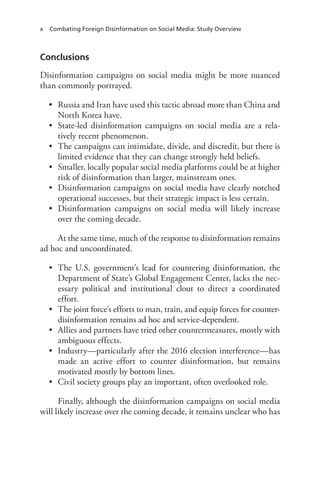
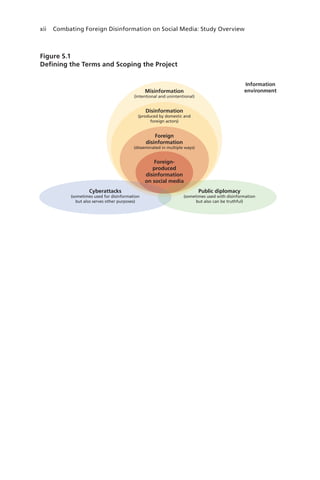


![Take heed therefore of that doctrine which telleth you, that sins to
come are all pardoned to you before they are committed, and that
you are justified from them, and that it is unlawful to be afraid of
falling away, because it is impossible, &c. For no sin is pardoned
before it is committed, (though the remedy be provided,) for it is
then no sin; and you are justified from no sin any further than it is
pardoned. Suppose God either to decree, or but to foreknow the
freest, most contingent act, and there will be a logical impossibility
in order of consequence, that it should be otherwise than he so
decreeth or foreseeth. But that inferreth no natural impossibility in
the thing itself; for God doth not decree or foresee that such a man's
fall shall be impossible, but only non futurum.
Direct. IV. In a special manner take heed of the company and
doctrine of deceivers; yea, though they seem most religious men,
and are themselves first deceived, and think they are in the right.
And take heed of falling into a dividing party, which separateth from
the generality of the truly wise and godly people.[97] For this hath
been an ordinary introduction to backsliding: false doctrine hath a
mighty power on the heart. And he that can separate one of the
sheep from the rest of the flock, hath a fair advantage to carry him
away. See Rom. xvi. 16, 17.
Direct. V. Be very watchful against the sin of pride, especially pride
of gifts, or knowledge, or holiness, which some call spiritual pride;
for God is engaged to cast down the proud. Prov. xvi. 18, "Pride
goeth before destruction, and a haughty spirit before a fall." Satan
assaulted our first parents by that way that he fell himself; and his
success encourageth him to try the same way with their posterity.
And, alas, how greatly hath he succeeded through all ages of the
world till now!
Direct. VI. Take heed of a divided, hypocritical heart, which never
was firmly resolved for God, upon expectation of the worst, and
upon terms of self-denial, nor was ever well loosed from the love of
this present world, nor firmly believed the life to come. For it is no
wonder that he falleth from grace, who never had any grace but](https://image.slidesharecdn.com/16951479-250516094117-004abb7a/85/Combating-Foreign-Disinformation-On-Social-Media-Rand-21-320.jpg)
![common, which never renewed his soul. It is no wonder that false-
hearted friends forsake us, when their interest requireth it; nor that
the seed which never had depth of earth, doth bring forth no fruit,
but what will wither when persecution shall arise, or that which is
sown among thorns be choked, Matt. xiii.[98] Sit down and count
what it will cost you to be christians, and receive not Christ upon
mistakes, or with reserves.
Direct. VII. Take heed lest the world, or any thing in it, steal again
into your hearts, and seem too sweet to you. If your friends, or
dwellings, or lands and wealth, or honours, begin to grow too
pleasant, and be over-loved, your thoughts will presently be carried
after them, and turned away from God, and all holy affection will be
damped and decay, and grace will fall into a consumption. It is the
love of money that is the root of all evil; and the love of this world
which is the mortal enemy of the love of God. Keep the world from
your hearts, if you would keep your graces.
Direct. VIII. Keep a strict government and watch over your fleshly
appetite and sense.[99] For the loosing of the reins to carnal lusts,
and yielding to the importunity of sensual desires, is the most
ordinary way of wasting grace, and falling off from God.
Direct. IX. Keep as far as you can from temptations, and all
occasions and opportunities of sinning. Trust not to your own
strength; and be not so foolhardy as to thrust yourselves into
needless danger. No man is long safe that standeth at the brink of
ruin: if the fire and straw be long near together, some spark is like to
catch at last.
Direct. X. Incorporate yourselves into the communion of saints,
and go along with them that go towards heaven, and engage
yourselves in the constant use of all those means which God hath
appointed you to use for your perseverance; especially take heed of
an idle, slothful, unprofitable life: and keep your graces in the most
lively exercise; for the slothful is brother to the waster; and idleness
consumeth or corrupteth our spiritual health and strength, as well as
our bodily. Set yourselves diligently to work while it is day, and do all](https://image.slidesharecdn.com/16951479-250516094117-004abb7a/85/Combating-Foreign-Disinformation-On-Social-Media-Rand-22-320.jpg)
![FOOTNOTES
[88] 1 Tim. i. 19.
[89] 1 Cor. vii. 31.
[90] Mic. vi. 5-7.
[91] In the Vandals' persecution, Epidophorus, an apostate, was
the most cruel persecutor; at last it came to his turn to torment
Mirita, that had baptized him, who spread before them all the linens
in which he was baptized, saying, Hæc te accusabunt dum majestas
venerit judicantis. Custodientur diligentia mea ad testimonium tuæ
perditiones, ad margendum te in abyssum putei sulphurantis. Hæc
te acrius per-sequentur flammantem gehennam cum cæteris
possidentem—Quod facturus es miser cum servi patris familias ad
cœnam regiam congregare cœperint invitatos? Ligate eum manibus
pedibusque, &c. Hæc et alia Merita dicente, igne conscientiæ ante
ignem æternum obmutescens Epidophorus torrebatur. Victor Utic. p.
466.
[92] Jam. v. 16; Neh. ix. 2, 3; Matt. iii. 6; Acts xix. 18.
[93] Matt. xxvi. 75; Luke xxii. 62.
[94] Virlutem Chrysippus amitti posse, Cleanthes vero non posse
ait: ille posse amitti per ebrietatem et atram bilem; ille non posse ob
firmas ac stabiles comprehensiones, &c. Laert. in Zenone.
[95] Nature as not lapsed and nature as restored, incline the soul
to the love of God; but not nature as corrupt; nor is it an act
performed per modum naturæ, i.e. necessario.
[96] Matt. xiii. 12; x. 21.
[97] Eph. iv. 14; 1 Thess. v. 12, 13.
[98] Luke xiv. 26, 29, 33.
[99] Rom. viii. 13; xiii. 13, 14.](https://image.slidesharecdn.com/16951479-250516094117-004abb7a/85/Combating-Foreign-Disinformation-On-Social-Media-Rand-24-320.jpg)

![CHAPTER XXVII.
DIRECTIONS FOR THE POOR.
There is no condition of life so low or poor, but may be sanctified,
and fruitful, and comfortable to us, if our own misunderstanding, or
sin and negligence, do not pollute it or imbitter it to us: if we do the
duty of our condition faithfully, we shall have no cause to murmur at
it. Therefore I shall here direct the poor in the special duties of their
condition; and if they will but conscionably perform them, it will
prove a greater kindness to them, than if I could deliver them from
their poverty, and give them as much riches as they desire. Though I
doubt this would be more pleasing to the most, and they would give
me more thanks for money, than for teaching them how to want it.
Direct. I. Understand first the use and estimate of all earthly
things: that they were never made to be your portion and felicity,
but your provision and helps in the way to heaven.[100] And
therefore they are neither to be estimated nor desired simply for
themselves, (for so there is nothing good but God,) but only as they
are means to the greatest good. Therefore neither poverty nor riches
are simply to be rejoiced in for themselves, as any part of our
happiness; but that condition is to be desired and rejoiced in, which
affordeth us the greatest helps for heaven, and that condition only is
to be lamented and disliked, which hindereth us most from heaven,
and from our duty.
Direct. II. See therefore that you really take all these things, as
matters in themselves indifferent, and of small concernment to you;
and as not worthy of much love, or care, or sorrow, further than
they conduce to greater things. We are like runners in a race, and
heaven or hell will be our end; and therefore woe to us, if by looking
aside, or turning back, or stopping, or trifling about these matters,
or burdening ourselves with worldly trash, we should lose the race,](https://image.slidesharecdn.com/16951479-250516094117-004abb7a/85/Combating-Foreign-Disinformation-On-Social-Media-Rand-26-320.jpg)
![and lose our souls. O sirs, what greater matters than poverty or
riches have we to mind! Can those souls that must shortly be in
heaven or hell, have time to bestow any serious thoughts upon
these impertinencies? Shall we so much as "look at the temporal
things which are seen, instead of the things eternal that are
unseen?" 2 Cor. iv. 18. Or shall we whine under those light
afflictions, which may be so improved, as to "work for us a far more
exceeding and eternal weight of glory?" ver. 17. Our present "life is
not in the abundance of the things which we possess," Luke xii. 15;
much less is our eternal life.
Direct. III. Therefore take heed that you judge not of God's love,
or of your happiness or misery, by your riches or poverty, prosperity
or adversity, as knowing that they come alike to all,[101] and love or
hatred is not to be discerned by them; except only God's common
love, as they are common mercies to the body. If a surgeon is not to
be taken for a hater of you, because he letteth you blood, nor a
physician because he purgeth his patient, nor a father because he
correcteth his child; much less is God to be judged an enemy to you,
or unmerciful, because his wisdom and not your folly disposeth of
you, and proportioneth your estates. A carnal mind will judge of its
own happiness and the love of God by carnal things, because it
savoureth not spiritual mercies: but grace giveth a christian another
judgment, relish, and desire; as nature setteth a man above the
food and pleasures of a beast.
Direct. IV. Stedfastly believe that God is every way fitter than you
to dispose of your estate and you.[102] He is infinitely wise, and
knoweth what is best and fittest for you: he knoweth beforehand
what good or hurt any state of plenty or want will do you: he
knoweth all your corruptions, and what condition will most conduce
to strengthen them or destroy them, and which will be your greatest
temptations and snares, and which will prove your safest state;
much better than any physician or parent knoweth how to diet his
patient or his child. And his love and kindness are much greater to
you, than yours are to yourself; and therefore he will not be wanting](https://image.slidesharecdn.com/16951479-250516094117-004abb7a/85/Combating-Foreign-Disinformation-On-Social-Media-Rand-27-320.jpg)
![accounts it may be so; but it is clear in the text, that Christ speaketh
comparatively of such difficulties as the rich had more than the poor.
Object. But then how are we obliged to be thankful to God for
giving us riches, or blessing our labours?[103] Answ. 1. You must be
thankful for them, because in their own nature they are good, and it
is by accident, through your own corruption, that they become so
dangerous. 2. Because you may do good with them to others, if you
have hearts to use them well. 3. Because God in giving them to you
rather than to others, doth signify (if you are his children) that they
are fitter for you than for others. In Bedlam and among foolish
children, it is a kindness to keep fire, and swords, and knives out of
their way; but yet they are useful to people that have the use of
reason. But our folly in spiritual matters is so great, that we have
little cause to be too eager for that which we are inclined so
dangerously to abuse, and which proves the bane of most that have
it.
Direct. VII. See that your poverty be not the fruit of your idleness,
gluttony, drunkenness, pride, or any other flesh-pleasing sin.[104] For
if you bring it thus upon yourselves, you can never look that it
should be sanctified to your good, till sound repentance have turned
you from the sin: nor are you objects worthy of much pity from man
(except as you are miserable sinners). He that rather chooseth to
have his ease and pleasure, though with want, than to have plenty,
and to want his ease and pleasure, it is pity that he should have any
better than he chooseth.
1. Slothfulness and idleness are sins that naturally tend to want,
and God hath caused them to be punished with poverty; as you may
see, Prov. xii. 24, 27; xviii. 9; xxi. 25; xxiv. 34; xxvi. 14, 15; vi. 11;
xx. 13. Yea, he commandeth that if any (that is able) "will not work,
neither should he eat," 2 Thess. iii. 10. In the sweat of their face
must they eat their bread, Gen. iii. 19; and "six days must they
labour and do all that they have to do." To maintain your idleness is
a sin in others. If you will please your flesh with ease, it must be
displeased with want; and you must suffer what you choose.](https://image.slidesharecdn.com/16951479-250516094117-004abb7a/85/Combating-Foreign-Disinformation-On-Social-Media-Rand-29-320.jpg)
![may be drawn as much to over-love the world by want, as other
men by plenty. Against this remember, that it is folly to admire that
which you never tried and knew; and mark whether all men do not
vilify it, that have tried it to the last: dying men call it no better than
vanity and deceit. And it is rebellious pride in you so far to contradict
the wisdom of God, as to think most highly of that condition which
he hath judged worst for you; and to fall in love with that which he
denieth you.
Tempt. II. The poor will also be tempted to over-much care about
their wants and worldly matters;[105] they will think that necessity
requireth it in them, and will excuse them. So much care is your
duty, as is needful to the right doing of your work. Take care how to
discharge your own duties; but be not too careful about the event,
which belongs to God. If you will care what you should be and do,
God will care sufficiently what you shall have.[106] And so be it you
faithfully do your business, your other care will add nothing to the
success, nor make you any richer, but only vex and disquiet your
minds. It is the poor as well as the rich, that God hath commanded
to be careful for nothing, and to cast all their care on him.
Tempt. III. Poverty also will tempt you to repining, impatience,
and discontent, and to fall out with others; which because it is one
of the chief temptations, I will speak to by itself anon.
Tempt. IV. Also you will be tempted to be coveting after more:[107]
Satan maketh poverty a snare to draw many needy creatures to
greater covetousness than many of the rich are guilty of; none thirst
more eagerly after more; and yet their poverty blindeth them, so
that they cannot see that they are covetous, or else excuse it as a
justifiable thing. They think that they desire no more but
necessaries, and that it is not covetousness, if they desire not
superfluities. But do you not covet more than God allotteth you? and
are you not discontent with his allowance? And doth not he know
best what is necessary for you, and what superfluous? What then is
covetousness, if this be not?](https://image.slidesharecdn.com/16951479-250516094117-004abb7a/85/Combating-Foreign-Disinformation-On-Social-Media-Rand-31-320.jpg)
![Tempt. V. Also you will be tempted to envy the rich, and to
censure them in matters where you are incompetent judges. It is
usual with the poor to speak of the rich with envy and
censoriousness; they call them covetous, merely because they are
rich, especially if they give them nothing; when they know not what
ways of necessary expense they have, nor know how many others
they are liberal to, that they are unacquainted with. Till you see their
accounts you are unfit to censure them.
Tempt. VI. The poor also will be tempted to use unlawful means to
supply their wants.[108] How many by the temptation of necessity
have been tempted to comply with sinners, and wound their
consciences, and lie and flatter for favour or preferment, or to cheat,
or steal, or over-reach! A dear price! to buy the food that perisheth,
with the loss or hazard of everlasting life; and lose their souls to
provide for their flesh!
Tempt. VII. Also you will be tempted to neglect your souls, and
omit your spiritual duties, and, as Martha, to be troubled about
many things, while the one thing needful is forgotten; and you will
think that necessity will excuse all this; yea, some think to be saved
because they are poor, and say, God will not punish them in this life
and another too. But alas, you are more unexcusable than the rich,
if you are ungodly and mindless of the life to come. For he that will
love a life of poverty and misery better than heaven, deserveth
indeed to go without it, much more than he that preferreth a life of
plenty and prosperity before it. God hath taught you by his
providence to know, that you must either be happy in heaven, or no
where;—if you would be worldlings, and part with heaven for your
part on earth, how poor a bargain are you like to make! To love
rags, and toil, and want, and sorrow, better than eternal joy and
happiness, is the most unreasonable kind of ungodliness in the
world. It is true, that you are not called to spend so many hours of
the week days in reading and meditation, as some that have greater
leisure are; but you have reason to seek heaven, and set your hearts
upon it, as much as they; and you must think of it when you are
about your labour, and take those opportunities for your spiritual](https://image.slidesharecdn.com/16951479-250516094117-004abb7a/85/Combating-Foreign-Disinformation-On-Social-Media-Rand-32-320.jpg)
![duties which are allowed you. Poverty will excuse ungodliness in
none! Nothing is so necessary as the service of God and your
salvation; and therefore no necessity can excuse you from it. Read
the case of Mary and Martha, Luke x. 41, 42. One would think that
your hearts should be wholly set upon heaven, who have nothing
else but it to trust to. The poor have fewer hinderances than the
rich, in the way to life eternal! And God will save no man because he
is poor; but condemn poor and rich that are ungodly.
Tempt. VIII. Another great temptation of the poor, is to neglect
the holy education of their children; so that in most places, there are
none so ignorant, and rude, and heathenish, and unwilling to learn,
as the poorest people and their children: they never teach them to
read, nor teach them any thing for the saving of their souls; and
they think that their poverty will be an excuse for all; when reason
telleth them, that none should be more careful to help their children
to heaven, than they that can give them nothing upon earth.
Direct. IX. Be acquainted with the special duties of the poor; and
carefully perform them. They are these:
1. Let your sufferings teach you to contemn the world; it will be a
happy poverty if it do but help to wean your affections from all
things below; that you set as little by the world as it deserveth.
2. Be eminently heavenly-minded; the less you have or hope for in
this life, the more fervently seek a better.[109] You are at least as
capable of the heavenly treasures as the greatest princes; God
purposely straiteneth your condition in the world, that he may force
up your hearts unto himself, and teach you to seek first for that
which indeed is worth your seeking, Matt. vi. 33, 19-21.
3. Learn to live upon God alone; study his goodness, and
faithfulness, and all-sufficiency; when you have not a place nor a
friend in the world, that you can comfortably betake yourselves to
for relief, retire unto God, and trust him, and dwell the more with
him.[110] If your poverty have but this effect, it will be better to you
than all the riches in the world.](https://image.slidesharecdn.com/16951479-250516094117-004abb7a/85/Combating-Foreign-Disinformation-On-Social-Media-Rand-33-320.jpg)
![4. Be laborious and diligent in your callings: both precept and
necessity call you unto this; and if you cheerfully serve him in the
labour of your hands, with a heavenly and obedient mind, it will be
as acceptable to him, as if you had spent all that time in more
spiritual exercises; for he had rather have obedience than sacrifice;
and all things are pure and sanctified to the pure; if you cheerfully
serve God in the meanest work, it is the more acceptable to him, by
how much the more subjection and submission there is in your
obedience.[111]
5. Be humble and submissive unto all. A poor man proud is doubly
hateful; and if poverty cure your pride, and help you to be truly
humble, it will be no small mercy to you.[112]
6. You are specially obliged to mortify the flesh, and keep your
senses and appetites in subjection; because you have greater helps
for it than the rich; you have not so many baits of lust, and
wantonness, and gluttony, and voluptuousness as they.
7. Your corporal wants must make you more sensibly remember
your spiritual wants; and teach you to value spiritual blessings: think
with yourselves, if a hungry, cold, and naked body, be so great a
calamity, how much greater is a guilty, graceless soul, a dead or
diseased heart! If bodily food and necessaries are so desirable, oh
how desirable is Christ and his Spirit, and the love of God and life
eternal!
8. You must above all men be careful redeemers of your time;
especially of the Lord's day; your labours take up so much of your
time, that you must be the more careful to catch every opportunity
for your souls! Rise earlier to get half an hour for holy duty; and
meditate on holy things in your labours, and spend the Lord's day in
special diligence, and be glad of such seasons; and let scarcity
preserve your appetites.
9. Be willing to die; seeing the world giveth you so cold
entertainment, be the more content to let it go, when God shall call
you; for what is here to detain your hearts?](https://image.slidesharecdn.com/16951479-250516094117-004abb7a/85/Combating-Foreign-Disinformation-On-Social-Media-Rand-34-320.jpg)
![10. Above all men, you should be most fearless of sufferings from
men, and therefore true to God and conscience; for you have no
great matter of honour, or riches, or pleasure to lose: as you fear not
a thief, when you have nothing for him to rob you of.
11. Be specially careful to fit your children also for heaven: provide
them a portion which is better than a kingdom; for you can provide
but little for them in the world.
12. Be exemplary in patience and contentedness with your state:
for that grace should be the strongest in us which is most exercised;
and poverty calleth you to the frequent exercise of this.
Direct. X. Be specially furnished with those reasons which should
keep you in a cheerful contentedness with your state; and may
suppress every thought of anxiety and discontent.[113] As, 1.
Consider as aforesaid, that that is the best condition for you which
helpeth you best to heaven; and God best knoweth what will do you
good, or hurt. 2. That it is rebellion to grudge at the will of God;
which must dispose of us, and should be our rest. 3. Look over the
life of Christ, who chose a life of poverty for your sakes; and had not
a place to lay his head. He was not one of the rich and voluptuous in
the world; and are you grieved to be conformed to him? Phil. iii. 7-9.
4. Look to all his apostles, and most holy servants and martyrs.
Were not they as great sufferers as you? 5. Consider that the rich
will shortly be all as poor as you: naked they came into the world,
and naked they must go out; and a little time makes little difference.
6. It is no more comfort to die rich than poor; but usually much less;
because the pleasanter the world is to them, the more it grieveth
them to leave it. 7. All men cry out, that the world is vanity at last.
How little is it valued by a dying man! and how sadly will it cast him
off! 8. The time is very short and uncertain, in which you must enjoy
it; we have but a few days more to walk about, and we are gone.
Alas, of how small concernment is it, whether a man be rich or poor,
that is ready to step into another world! 9. The love of this world
drawing the heart from God, is the common cause of men's
damnation; and is not the world liker to be over-loved, when it](https://image.slidesharecdn.com/16951479-250516094117-004abb7a/85/Combating-Foreign-Disinformation-On-Social-Media-Rand-35-320.jpg)
![entertaineth you with prosperity, than when it useth you like an
enemy? Are you displeased, that God thus helpeth to save you from
the most damning sin? and that he maketh not your way to heaven
more dangerous? 10. You little know the troubles of the rich. He that
hath much, hath much to do with it, and much to care for; and
many persons to deal with, and more vexations than you imagine.
11. It is but the flesh that suffereth; and it furthereth your
mortification of it. 12. You pray but for your daily bread, and
therefore should be contented with it. 13. Is not God, and Christ,
and heaven, enough for you? should that man be discontent that
must live in heaven? 14. Is it not your lust, rather than your well-
informed reason, that repineth? I do but name all these reasons for
brevity: you may enlarge them in your meditations.
FOOTNOTES
[100] Prov. xxviii. 6; Jam. ii. 5.
[101] Eccles. ii. 14; ix. 2, 3.
[102] Psal. x. 15; 1 Sam. ii. 7.
[103] Saith Aristippus to Dionysius, Quando sapientia egebam, adii
Socratem? nunc pecuniarum egens, ad te veni. Laert. in Aristip.
[104] 1 Cor. vii. 35.
[105] Luke x. 41.
[106] Matt. vi.; 1 Pet. v. 7; Phil. iv. 6.
[107] Prov. xxiii. 4.
[108] Prov. xxx. 8, 9; John vi. 27.
[109] Phil. iii. 18, 20, 21; 2 Cor. v. 7, 8.
[110] Gal. ii. 20; Psal. lxxiii. 25-28; 2 Cor. i. 10.
[111] Eph. iv. 28; Prov. xxi. 25; 1 Sam. xv. 22; 2 Thess. iii. 8, 10.
[112] Prov. xviii. 23.](https://image.slidesharecdn.com/16951479-250516094117-004abb7a/85/Combating-Foreign-Disinformation-On-Social-Media-Rand-36-320.jpg)
![[113] Phil. iv. 11-13; Matt. v. 3; 1 Sam. ii. 7; Matt. vi. 25, &c; Psal.
lxxviii. 20; Numb. xiv. 11; Matt. xvi. 9; Job xiii. 15; Eccl. v. 12; 1 Cor.
vii. 29-31; Psal. lxxxiv. 11; xxxvii. 25; x. 14; lv. 22; Rom. ix. 20; Psal.
xxxiv. 9, 10; Rom. viii. 28; Heb. xiii. 5.](https://image.slidesharecdn.com/16951479-250516094117-004abb7a/85/Combating-Foreign-Disinformation-On-Social-Media-Rand-37-320.jpg)
![CHAPTER XXVIII.
DIRECTIONS FOR THE RICH.
I have said so much of this already, part i. about covetousness or
worldliness, and about good works, and in my book of "Self-denial,"
and that of "Crucifying the World;" that my reason commandeth me
brevity in this place.[114]
Direct. I. Remember that riches are no part of your felicity; or that
if you have no better, you are undone men. Dare you say that they
are fit to make you happy? Dare you say, that you will take them for
your part? and be content to be turned off when they forsake you?
They reconcile not God; they save not from his wrath; they heal not
a wounded conscience: they may please your flesh, and adorn your
funeral, but they neither delay, nor sanctify, nor sweeten death, nor
make you either better or happier than the poor. Riches are nothing
but plentiful provision for tempting, corruptible flesh. When the flesh
is in the dust, it is rich no more. All that abounded in wealth, since
Adam's days till now, are levelled with the lowest in the dust.
Direct. II. Yea, remember that riches are not the smallest
temptation and danger to your souls. Do they delight and please
you? By that way they may destroy you. If they be but loved above
God, and make earth seem better for you than heaven, they have
undone you. And if God recover you not, it had been better for you
to have been worms or brutes, than such deceived, miserable souls.
It is not for nothing, that Christ giveth you so many terrible warnings
about riches, and so describeth the folly, the danger, and the misery
of the worldly rich, Luke xii. 17-20; xvi. 19-21, &c; xviii. 21-23, &c.;
and telleth you how hardly the rich are saved. Fire burneth most,
when it hath most fuel; and riches are the fuel of worldly love and
fleshly lust, 1 John ii. 15, 16; Rom. xiii. 13, 14.](https://image.slidesharecdn.com/16951479-250516094117-004abb7a/85/Combating-Foreign-Disinformation-On-Social-Media-Rand-38-320.jpg)
![Direct. III. Understand what it is to love and trust in worldly
prosperity and wealth. Many here deceive themselves to their
destruction. They persuade themselves, that they desire and use
their riches but for necessity: but that they do not love them, nor
trust in them, because they can say that heaven is better, and
wealth will leave us to a grave! But do you not love that ease, that
greatness, that domination, that fulness, that satisfaction of your
appetite, eye, and fancy, which you cannot have without your
wealth? It is fleshly lust, and will, and pleasure, which carnal
worldlings love for itself; and then they love their wealth for these.
And to trust in riches, is not to trust that they will never leave you;
for every fool doth know the contrary. But it is to rest, and quiet,
and comfort your minds in them, as that which most pleaseth you,
and maketh you well, or to be as you would be. Like him in Luke xii.
18, 19, that said, "Soul, take thy ease, eat, drink, and be merry, thou
hast enough laid up for many years." This is to love and trust in
riches.
Direct. IV. Above all the deceits and dangers of this world, take
heed of a secret, hypocritical hope of reconciling the world to
heaven, so as to make you a felicity of both; and dreaming of a
compounded portion, or of serving God and mammon.[115] The true
state of the hypocrite's heart and hope is, to love his worldly
prosperity best, and desire to keep it as long as he can, for the
enjoyment of his fleshly pleasures; and when he must leave this
world against his will, he hopeth then to have heaven as his reserve;
because he thinketh it better than hell, and his tongue can say, It is
better than earth, though his will and affections say the contrary. If
this be your case, the Lord have mercy upon you, and give you a
more believing, spiritual mind, or else you are lost, and you and your
treasure will perish together.
Direct. V. Accordingly take heed, lest when you seem to resign
yourselves, and all that you have, to God, there should be a secret
purpose at the heart, that you will never be undone in the world for
Christ, nor for the hopes of a better world. A knowing hypocrite is
not ignorant, that the terms of Christ, proposed in the gospel, Luke](https://image.slidesharecdn.com/16951479-250516094117-004abb7a/85/Combating-Foreign-Disinformation-On-Social-Media-Rand-39-320.jpg)
![that, who daily sinneth against God by omission of good works,
because he cannot leave some part? Study, as faithful stewards, to
serve God to the utmost with what you have now, and then you may
expect that his grace should enable you to leave all in trial, and not
prove withering hypocrites and apostates.
Direct. VIII. Be not rich to yourselves, or to your fleshly wills and
lusts;[116] but remember that the rich are bound to be spiritual, and
to mortify the flesh, as well as the poor. Let lust fare never the
better for all the fulness of your estates. Fast and humble your souls
never the less; please an inordinate appetite never the more in meat
and drink; live never the more in unprofitable idleness. The rich
must labour as constantly as the poor, though not in the same kind
of work. The rich must live soberly, temperately, and heavenly, and
must as much mortify all fleshly desires, as the poor. You have the
same law and Master, and have no more liberty to indulge your
lusts; but if you live after the flesh, you shall die as well as any
other. Oh the partiality of carnal minds! They can see the fault of a
poor man, that goeth sometimes to an ale-house, who perhaps
drinketh water (or that which is next to it) all the week; when they
never blame themselves, who scarce miss a meal without wine and
strong drink, and eating that which their appetite desireth. They
think it a crime in a poor man, to spend but one day in many in such
idleness, as they themselves spend most of their lives in. Gentlemen
think that their riches allow them to live without any profitable
labour, and to gratify their flesh, and fare deliciously every day; as if
it were their privilege to be sensual, and to be damned, Rom. viii.
1, 5-9, 13.
Direct. IX. Nay, remember that you are called to far greater self-
denial, and fear, and watchfulness against sensuality, and wealthy
vices, than the poor are. Mortification is as necessary to your
salvation, as to theirs, but much more difficult. If you live after the
flesh, you shall die as well as they. And how much stronger are your
temptations! Is not he easilier drawn to gluttony or excess in quality
or quantity, who hath daily a table of plenty, and enticing, delicious
food before him, than he that never seeth such a temptation once in](https://image.slidesharecdn.com/16951479-250516094117-004abb7a/85/Combating-Foreign-Disinformation-On-Social-Media-Rand-41-320.jpg)
![half a year? Is it not harder for him to deny his appetite who hath
the baits of pleasant meats and drinks daily set upon his table, than
for him that is seldom in sight of them, and perhaps in no possibility
of procuring them; and therefore hath nothing to solicit his appetite
or thoughts? Doubtless the rich, if ever they will be saved, must
watch more constantly, and set a more resolute guard upon the
flesh, and live more in fear of sensuality, than the poor, as they live
in greater temptations and dangers.
Direct. X. Know therefore particularly what are the temptations of
prosperity, that you may make a particular, prosperous resistance.
And they are especially these:
1. Pride. The foolish heart of man is apt to swell upon the
accession of so poor a matter as wealth; and men think they are got
above their neighbours, and more honour and obeisance is their
due, if they be but richer.[117]
2. Fulness of bread.[118] If they do not eat till they are sick, they
think the constant and costly pleasing of their appetite in meats and
drinks, is lawful.
3. Idleness. They think he is not bound to labour, that can live
without it, and hath enough.
4. Time-wasting sports and recreations. They think their hours
may be devoted to the flesh, when all their lives are devoted to it;
they think their wealth alloweth them to play, and court, and
compliment away that precious time, which no men have more need
to redeem; they tell God that he hath given them more time than
they have need of; and God will shortly cut it off, and tell them that
they shall have no more.
5. Lust and wantonness, fulness and idleness, cherish both the
cogitations and inclinations unto filthiness; they that live in gluttony
and drunkenness, are like to live in chambering and wantonness.
[119]](https://image.slidesharecdn.com/16951479-250516094117-004abb7a/85/Combating-Foreign-Disinformation-On-Social-Media-Rand-42-320.jpg)
![6. Curiosity, and wasting their lives in a multitude of little,
ceremonious, unprofitable things, to the exclusion of the great
businesses of life.[120] Well may we say, that men's lusts are their
jailors, and their fetters, when we see to what a wretched kind of life
a multitude of the rich (especially ladies and gentlewomen) do
condemn themselves. I should pity one in bridewell, that were but
tied so to spend their time; when they have poor, ignorant, proud,
worldly, peevish, hypocritical, ungodly souls to be healed, and a life
of great and weighty business to do for eternity, they have so many
little things all day to do, that leave them little time to converse with
God, or with their consciences, or to do any thing that is really worth
the living for: they have so many fine clothes and ornaments to get,
and use; and so many rooms to beautify and adorn, and so many
servants to talk with, that attend them, and so many dishes and
sauces to bespeak, and so many flowers to plant, and dress, and
walks, and places of pleasure to mind; and so many visitors to
entertain with whole hours of unprofitable talk; and so many great
persons accordingly to visit; and so many laws of ceremony and
compliment to observe; and so many games to play, (perhaps,) and
so many hours to sleep, that the day, the year, their lives are gone,
before they could have while to know what they lived for. And if God
had but damned them to spend their days in picking straws or filling
a bottomless vessel, or to spend their days as they choose
themselves to spend them, it would have tempted us to think him
unmerciful to his creatures.
7. Tyranny and oppression: when men are above others, how
commonly do they think that their wills must be fulfilled by all men,
and none must cross them, and they live as if all others below them
were as their beasts, that are made for them, to serve and please
them.
Direct. XI. Let your fruitfulness to God, and the public good, be
proportionable to your possessions.[121] Do as much more good in
the world than the poor, as you are better furnished with it than
they. Let your servants have more time for the learning of God's](https://image.slidesharecdn.com/16951479-250516094117-004abb7a/85/Combating-Foreign-Disinformation-On-Social-Media-Rand-43-320.jpg)
![word, and let your families be the more religiously instructed and
governed. To whom God giveth much, from them he doth expect
much.
Direct. XII. Do not only take occasions of doing good, when they
are thrust upon you; but study how to do all the good you can, as
those "that are zealous of good works," Tit. ii. 14.[122] Zeal of good
works will make you, 1. Plot and contrive for them. 2. Consult and
ask advice for them. 3. It will make you glad when you meet with a
hopeful opportunity. 4. It will make you do it largely, and not
sparingly, and by the halves. 5. It will make you do it speedily,
without unwilling backwardness and delay. 6. It will make you do it
constantly to your lives' end. 7. It will make you pinch your own
flesh, and suffer somewhat yourselves to do good to others. 8. It will
make you labour in it as your trade, and not only consent that others
do good at your charge. 9. It will make you glad when good is done,
and not to grudge at what it cost you. 10. In a word, it will make
your neighbours to be to you as yourselves, and the pleasing of God
to be above yourselves, and therefore to be as glad to do good, as
to receive it.
Direct. XIII. Do good both to men's souls and bodies; but always
let bodily benefits be conferred in order to those of the soul, and in
due subordination, and not for the body alone. And observe the
many other rules of good works, more largely laid down, part i.
chap. iii. direct. 10.
Direct. XIV. Ask yourselves often, how you shall wish at death and
judgment your estates had been laid out; and accordingly now use
them. Why should not a man of reason do that which he knoweth
beforehand he shall vehemently wish that he had done?
Direct. XV. As your care must be in a special manner for your
children and families; so take heed of the common error of
worldlings, who think their children must have so much, as that God
and their own souls have very little. When selfish men can keep their
wealth no longer to themselves, they leave it to their children, who](https://image.slidesharecdn.com/16951479-250516094117-004abb7a/85/Combating-Foreign-Disinformation-On-Social-Media-Rand-44-320.jpg)
![are as their surviving selves. And all is cast into this gulf, except
some inconsiderable parcels.
Direct. XVI. Keep daily account of your use and improvement of
your Master's talents.[123] Not that you should too much remember
your own good works, but remember to do them; and therefore ask
yourselves, What good have I done with all that I have, this day or
week?
Direct. XVII. Look not for long life; for then you will think that a
long journey needeth great provisions; but die daily, and live as
those that are going to give up their account: and then conscience
will force you to ask, whether you have been faithful stewards, and
to lay up a treasure in heaven, and to make you friends of the
mammon that others use to unrighteousness, and to lay up a good
foundation for the time to come, and to be glad that God hath given
you that, the improvement of which may further the good of others,
and your salvation.[124] Living and dying, let it be your care and
business to do good.
FOOTNOTES
[114] See more in my "Life of Faith."
[115] Heb. x. 34; Luke xviii. 22; Matt. xiii. 20-22; Acts v. 1, &c; ii.
45; Luke xiv. 33.
[116] Luke xii. 21; Acts x. 1-3.
[117] Jam. v. 1-6.
[118] Ezek. xvi.
[119] Rom. xiii. 13, 14.
[120] Luke x. 40-42.
[121] John xv. 5; Mark xii. 41; Luke xii. 48.
[122] Matt. v. 16; Gal. 6-10; 1 Pet. ii. 12; Heb. x. 24; Tit. iii. 8, 14;
ii. 7; Eph. ii. 10; 1 Tim. ii. 10; v. 10; Acts ix. 36.](https://image.slidesharecdn.com/16951479-250516094117-004abb7a/85/Combating-Foreign-Disinformation-On-Social-Media-Rand-45-320.jpg)
![[123] Matt. xxv. 14, 15.
[124] 1 Tim. vi. 18; 1 Cor. iv. 1, 2; Luke xvi. 10; 1 Tim. v. 25.](https://image.slidesharecdn.com/16951479-250516094117-004abb7a/85/Combating-Foreign-Disinformation-On-Social-Media-Rand-46-320.jpg)
![CHAPTER XXIX.
DIRECTIONS FOR THE AGED (AND WEAK).
Having before opened the duties of children to God, and to their
parents, I shall give no other particular directions to the young, but
shall next open the special duties of the aged.
Direct. I. The old and weak have a louder call from God than
others, to be accurate in examining the state of their souls, and
making their calling and election sure.[125] Whether they are yet
regenerate and sanctified or not, is a most important question for
every man to get resolved; but especially for them that are nearest
to their end. Ask counsel, therefore, of some able, faithful minister
or friend, and set yourselves diligently to try your title to eternal life,
and to cast up your accounts, and see how all things stand between
God and you; and if you should find yourselves in an unrenewed
state, as you love your souls, delay no longer, but presently be
humbled for your so long and sottish neglect of so necessary and
great a work. Go, open your case to some able minister, and lament
your sin, and fly to Christ, and set your hearts on God, as your
felicity, and change your company and course, and rest not any
longer in so dangerous and miserable a case: the more full directions
for your conversion I have given before, in the beginning of the
book, and in divers others; and therefore shall say no more to such,
it being others that I am here especially to direct.
Direct. II. Cast back your eyes upon the sins of all your life, that
you may perceive how humble those souls should be, that have
sinned so long as you have done; and may feel what need you have
of Christ, to pardon so long a life of sin. Though you have repented
and been justified long ago, yet you have daily sinned since you
were justified; and though all be forgiven that is repented of, yet
must it be still before your eyes, both to keep you humble, and](https://image.slidesharecdn.com/16951479-250516094117-004abb7a/85/Combating-Foreign-Disinformation-On-Social-Media-Rand-47-320.jpg)