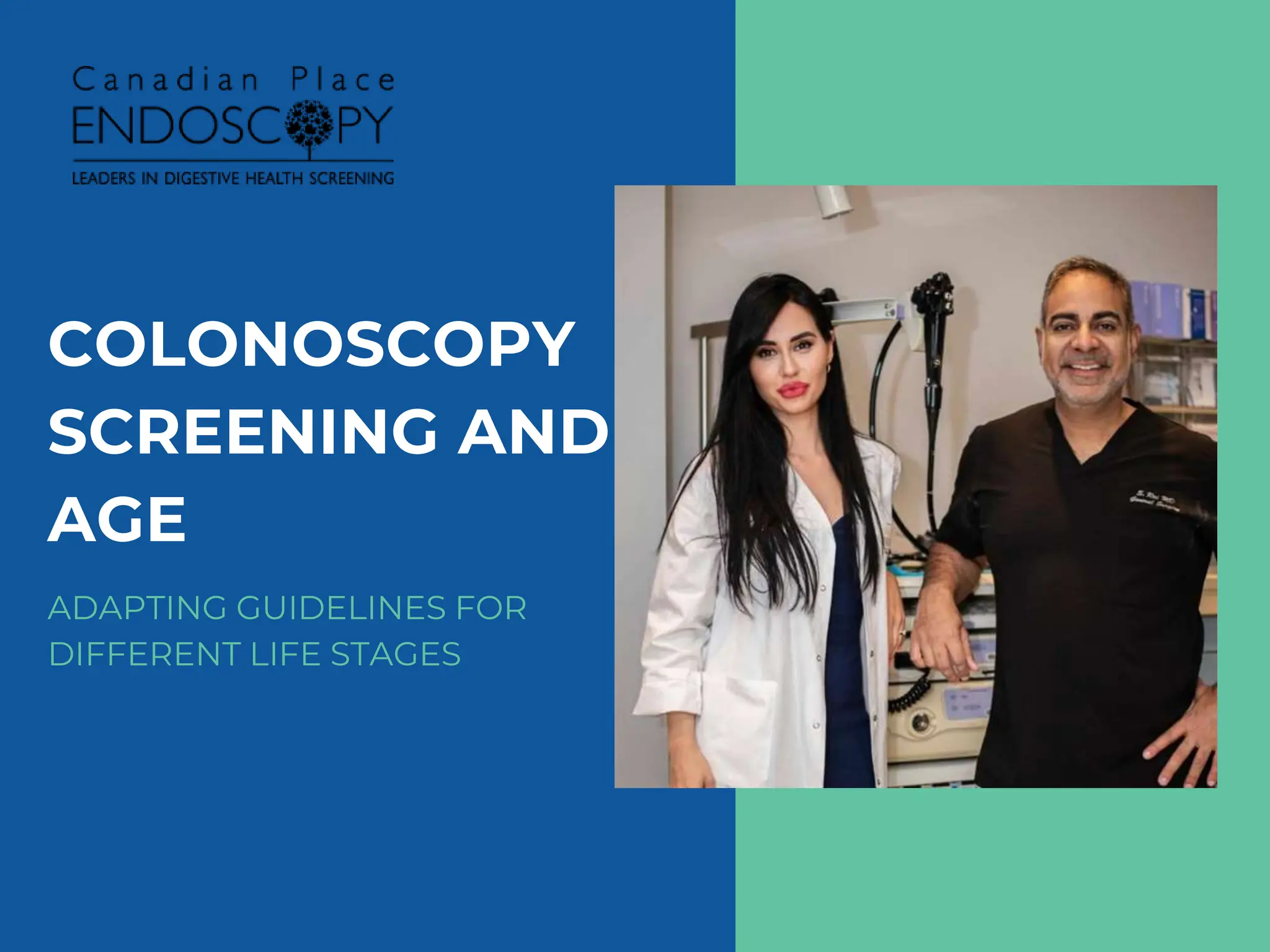
ADAPTING GUIDELINES FOR
DIFFERENT LIFE STAGES
COLONOSCOPY
SCREENING AND
AGE
The leading cause of cancer-related mortality is colorectal
cancer, for which colonoscopy screening is an essential part of
the fight. As people go through different stages of life,
guidelines for colonoscopy screening adapt to take into account
various risk factors, priorities, and health concerns.
Early Detection of Colon
Cancer
Colonoscopy screening is a key component in the early diagnosis
of colorectal cancer. Here are the advantages of early detection.
Precancerous polyps found during a colonoscopy
are removed to stop them from developing into
colorectal cancer. Colonoscopy is an effective
method of reducing cancer risk because of its
preventive nature.
Preventative Actions by Getting
Rid of Polyps
Exceptionally Effective Method of
Screening
Colonoscopy is one of the best methods for
screening for colorectal cancer because it allows
for direct visualization of the colon and rectum,
which is beneficial for both diagnosis and therapy.
Guidelines for Canadian Place Endoscopy in Distinct Age Groups
Different age groups have distinct guidelines for colonoscopy
screening, based on priority and risk factors.
Colonoscopy Screening and Age
Individuals under the age of 50
While colorectal cancer is not very common in persons under 50,
the number of younger adults being diagnosed with the disease
has significantly increased. Routine screening is generally not
recommended for anyone under 50 with average risk, however, it
may be recommended sooner for people with specific risk factors.
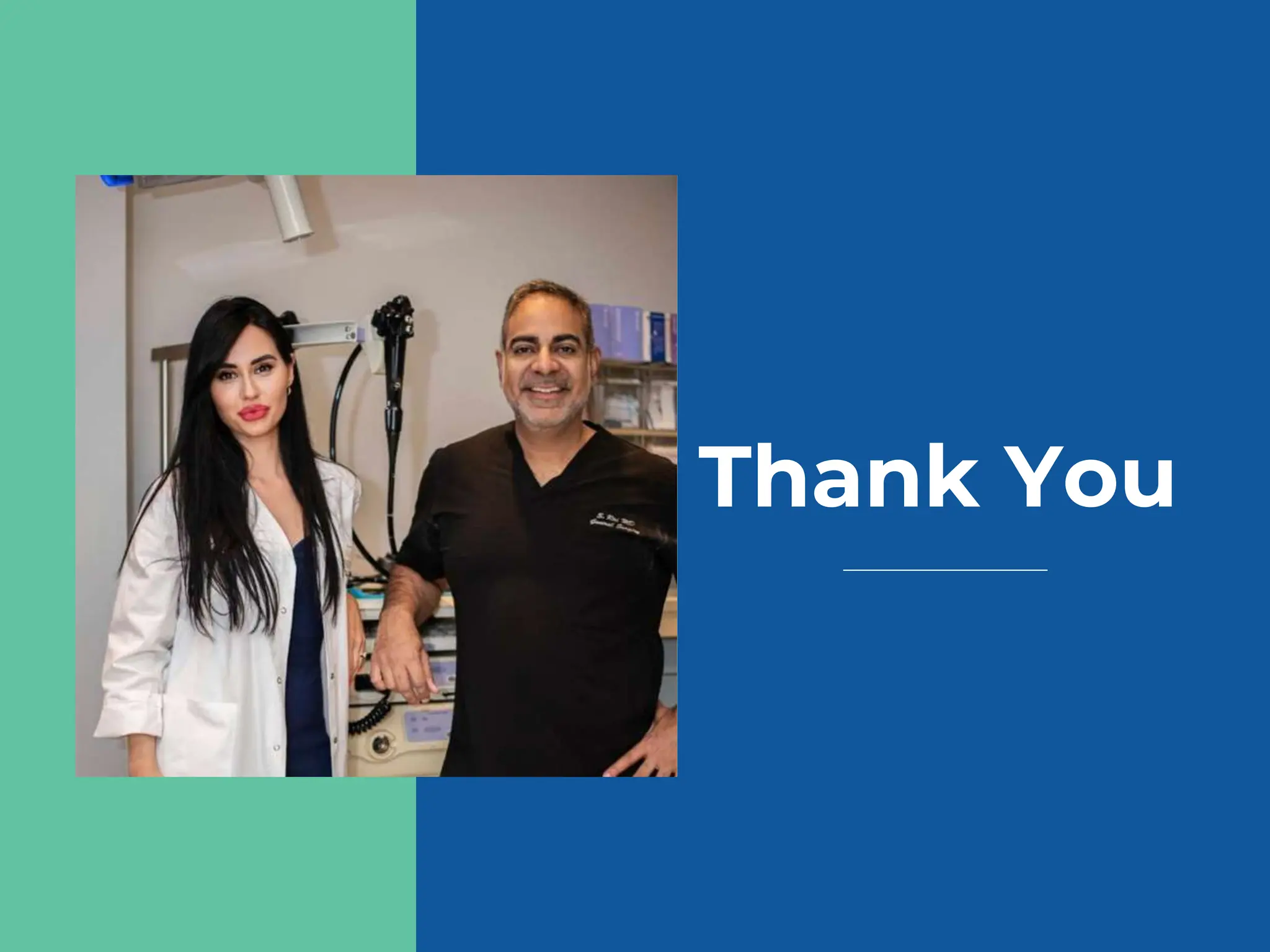
Healthcare experts like Dr. Sundeep Rai and Mina Rai can
provide customized screening plans.
Guidelines for Canadian Place Endoscopy in Distinct Age Groups
Different age Two more suitable screening techniques are fecal
immunochemical tests (FIT) and sigmoidoscopy. The frequency
of colonoscopy screening can vary depending on an individual’s
specific risk factors, family history, and previous screening
outcomes.groups have distinct guidelines for colonoscopy
screening, based on priority and risk factors.
Adults in the 50–75 Age Range
Those over 75 are advised to maintain colonoscopy screening
based on their health, the length of their expected life, and the
presence of any other medical conditions. It is imperative to have
a tailored strategy that considers preferences and overall
health.
The benefits of continuous screening may decline with age, but
the risks—such as procedure complications—may increase.
Healthcare practitioners engage in shared decision-making with
senior individuals to determine the necessity of ongoing
screening as said by Dr. Sundeep Rai.
Need to get a colonoscopy? Contact us at Canadian Place
Endoscopy and consult Dr. Sundeep Rai and Mina Rai Today. Call
416-626-2100
Seniors (Those Over 75)
New Research and
Shifting Policies:
Here are some highlights of the new research
done on colonoscopy screening:
Advances in Risk Evaluation
More recent research focuses on enhancing risk
categorization to identify individuals who could
benefit from earlier or more frequent screening.
Enhanced understanding of genetic testing and
familial risk lends support to tailored screening
approaches.
Guidelines for screening may be tailored to
particular high-risk populations, such as those
with a notable family history of colorectal cancer
or specific genetic conditions. Thanks to
developments in genetic testing, it is now feasible
to identify those at higher risk with greater
precision.
Finding High-Risk Populations
A significant Genetic Factor
Influencing Risk is Family History
Individuals who have a parent, sibling, or child
with a history of colorectal cancer may be more
susceptible to the disease and might benefit from
screening more often and at an earlier age. It’s
always a good idea to connect with the best
colonoscopy clinic in Mississauga, to go for
colonoscopy screening.
Conclusion:
Colonoscopy screening is a dynamic and vital
component of colorectal cancer prevention, and
recommendations are continually being updated
to accommodate different life phases. Whether it
is adjusting age-based recommendations or
incorporating new information on genetic factors,
healthcare practitioners play a critical role in
tailoring screening approaches. Patients must
follow screening guidelines and acknowledge the
impact of family history. They should also
maintain a healthy lifestyle when navigating their
colorectal health journeys.
Get In Touch
You can find ways to contact us to stay connected
with communication about health problems or
consultations, you can find the contact info below
Unit 122/123 - 1065 Canadian
Place Mississauga ON L4W 0C2
+1 – 416 626-2100
endo.cpeclinic@gmail.com
Thank You

Colonoscopy Screening And Age: Adapting Guidelines For Different Life Stages

  • 1.
    ADAPTING GUIDELINES FOR DIFFERENTLIFE STAGES COLONOSCOPY SCREENING AND AGE
  • 2.
    The leading causeof cancer-related mortality is colorectal cancer, for which colonoscopy screening is an essential part of the fight. As people go through different stages of life, guidelines for colonoscopy screening adapt to take into account various risk factors, priorities, and health concerns. Early Detection of Colon Cancer Colonoscopy screening is a key component in the early diagnosis of colorectal cancer. Here are the advantages of early detection.
  • 3.
    Precancerous polyps foundduring a colonoscopy are removed to stop them from developing into colorectal cancer. Colonoscopy is an effective method of reducing cancer risk because of its preventive nature. Preventative Actions by Getting Rid of Polyps Exceptionally Effective Method of Screening Colonoscopy is one of the best methods for screening for colorectal cancer because it allows for direct visualization of the colon and rectum, which is beneficial for both diagnosis and therapy.
  • 4.
    Guidelines for CanadianPlace Endoscopy in Distinct Age Groups Different age groups have distinct guidelines for colonoscopy screening, based on priority and risk factors. Colonoscopy Screening and Age Individuals under the age of 50 While colorectal cancer is not very common in persons under 50, the number of younger adults being diagnosed with the disease has significantly increased. Routine screening is generally not recommended for anyone under 50 with average risk, however, it may be recommended sooner for people with specific risk factors. Healthcare experts like Dr. Sundeep Rai and Mina Rai can provide customized screening plans.
  • 5.
    Guidelines for CanadianPlace Endoscopy in Distinct Age Groups Different age Two more suitable screening techniques are fecal immunochemical tests (FIT) and sigmoidoscopy. The frequency of colonoscopy screening can vary depending on an individual’s specific risk factors, family history, and previous screening outcomes.groups have distinct guidelines for colonoscopy screening, based on priority and risk factors. Adults in the 50–75 Age Range
  • 6.
    Those over 75are advised to maintain colonoscopy screening based on their health, the length of their expected life, and the presence of any other medical conditions. It is imperative to have a tailored strategy that considers preferences and overall health. The benefits of continuous screening may decline with age, but the risks—such as procedure complications—may increase. Healthcare practitioners engage in shared decision-making with senior individuals to determine the necessity of ongoing screening as said by Dr. Sundeep Rai. Need to get a colonoscopy? Contact us at Canadian Place Endoscopy and consult Dr. Sundeep Rai and Mina Rai Today. Call 416-626-2100 Seniors (Those Over 75)
  • 7.
    New Research and ShiftingPolicies: Here are some highlights of the new research done on colonoscopy screening: Advances in Risk Evaluation More recent research focuses on enhancing risk categorization to identify individuals who could benefit from earlier or more frequent screening. Enhanced understanding of genetic testing and familial risk lends support to tailored screening approaches.
  • 8.
    Guidelines for screeningmay be tailored to particular high-risk populations, such as those with a notable family history of colorectal cancer or specific genetic conditions. Thanks to developments in genetic testing, it is now feasible to identify those at higher risk with greater precision. Finding High-Risk Populations
  • 9.
    A significant GeneticFactor Influencing Risk is Family History Individuals who have a parent, sibling, or child with a history of colorectal cancer may be more susceptible to the disease and might benefit from screening more often and at an earlier age. It’s always a good idea to connect with the best colonoscopy clinic in Mississauga, to go for colonoscopy screening.
  • 10.
    Conclusion: Colonoscopy screening isa dynamic and vital component of colorectal cancer prevention, and recommendations are continually being updated to accommodate different life phases. Whether it is adjusting age-based recommendations or incorporating new information on genetic factors, healthcare practitioners play a critical role in tailoring screening approaches. Patients must follow screening guidelines and acknowledge the impact of family history. They should also maintain a healthy lifestyle when navigating their colorectal health journeys.
  • 11.
    Get In Touch Youcan find ways to contact us to stay connected with communication about health problems or consultations, you can find the contact info below Unit 122/123 - 1065 Canadian Place Mississauga ON L4W 0C2 +1 – 416 626-2100 endo.cpeclinic@gmail.com
  • 12.