Civic hacking:
Build your cred while
doing good
@fureigh
Hi, I’m Fureigh!
@fureigh
18F is a digital consultancy
for the U.S. government,
inside the U.S. government.
WHAT?
@fureigh
Just start.
MVP.
Learn and iterate.
Delivery is
the strategy.
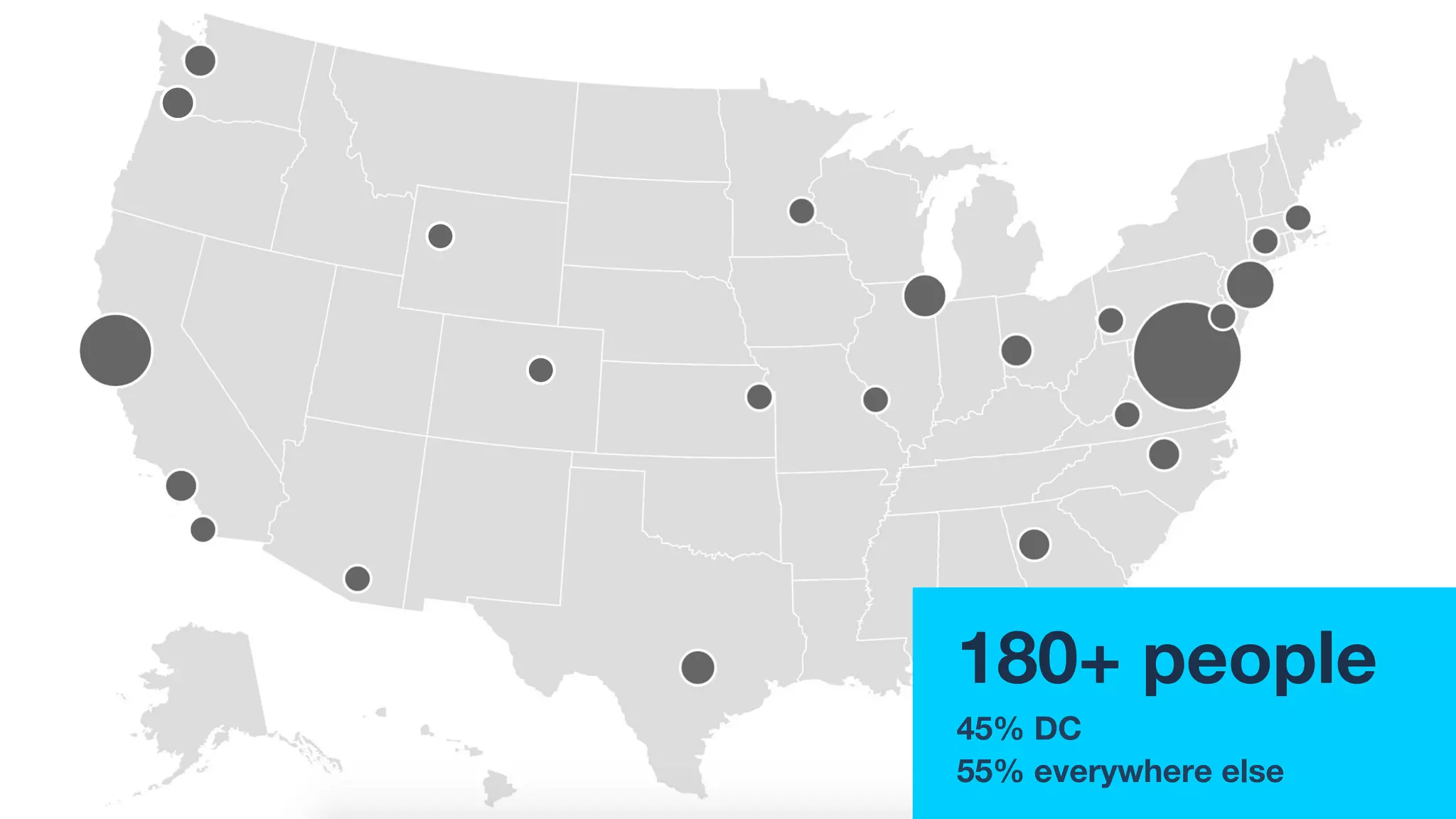
180+ people
45% DC
55% everywhere else
Making an impact
while building your
open source portfolio
@fureigh
Why contribute to
open source?
@fureigh
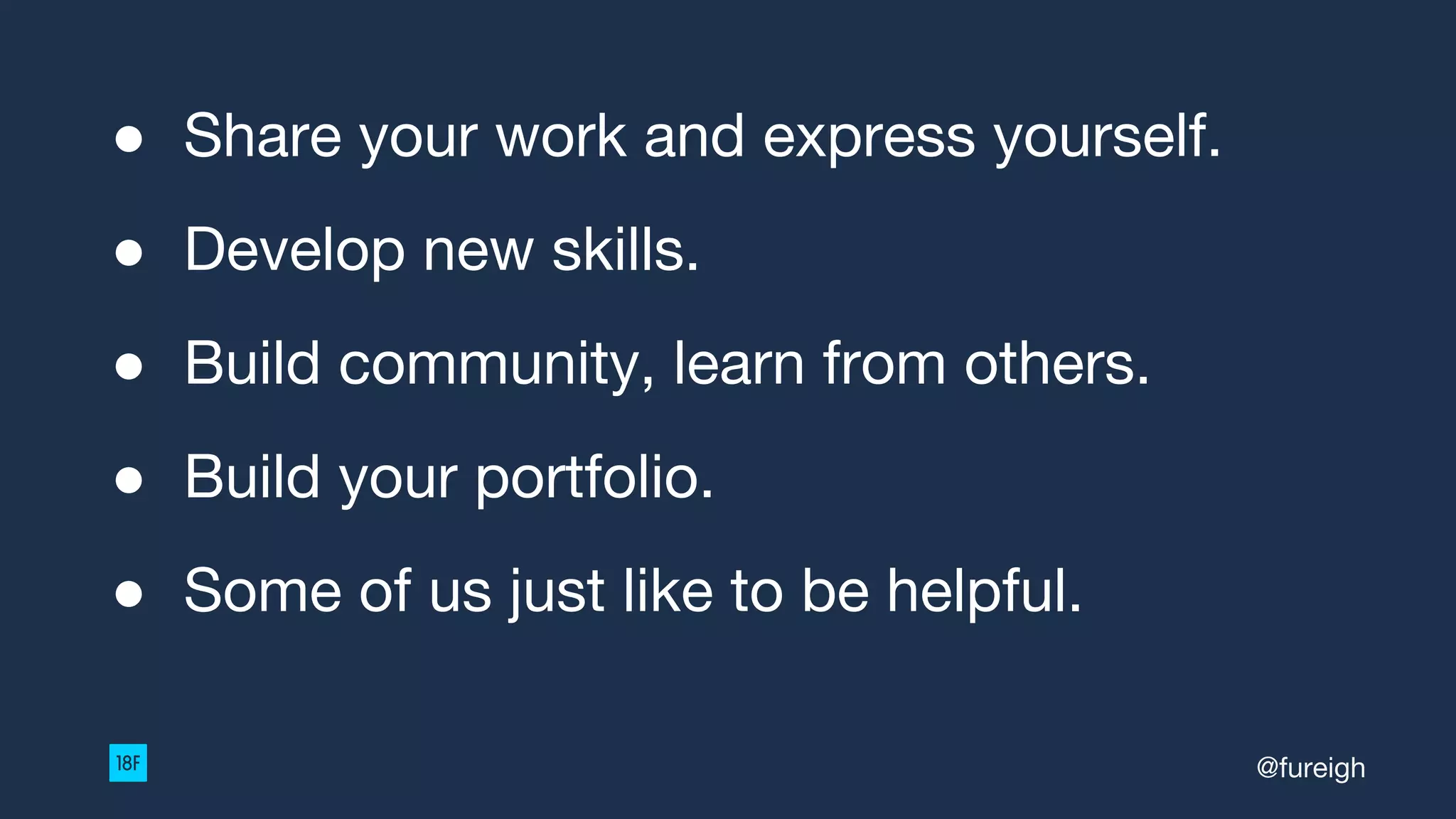
● Share your work and express yourself.
● Develop new skills.
● Build community, learn from others.
● Build your portfolio.
● Some of us just like to be helpful.
@fureigh
And why civic tech?
@fureigh
IMPACT
@fureigh
@fureigh
@fureigh
@fureigh
@fureigh
community-minded
@fureigh
You are uniquely
qualified.
@fureigh
Okay, but also...
@fureigh
@fureigh
@fureigh
Open source is your
friend
@fureigh
There’s a
world out there
@fureigh
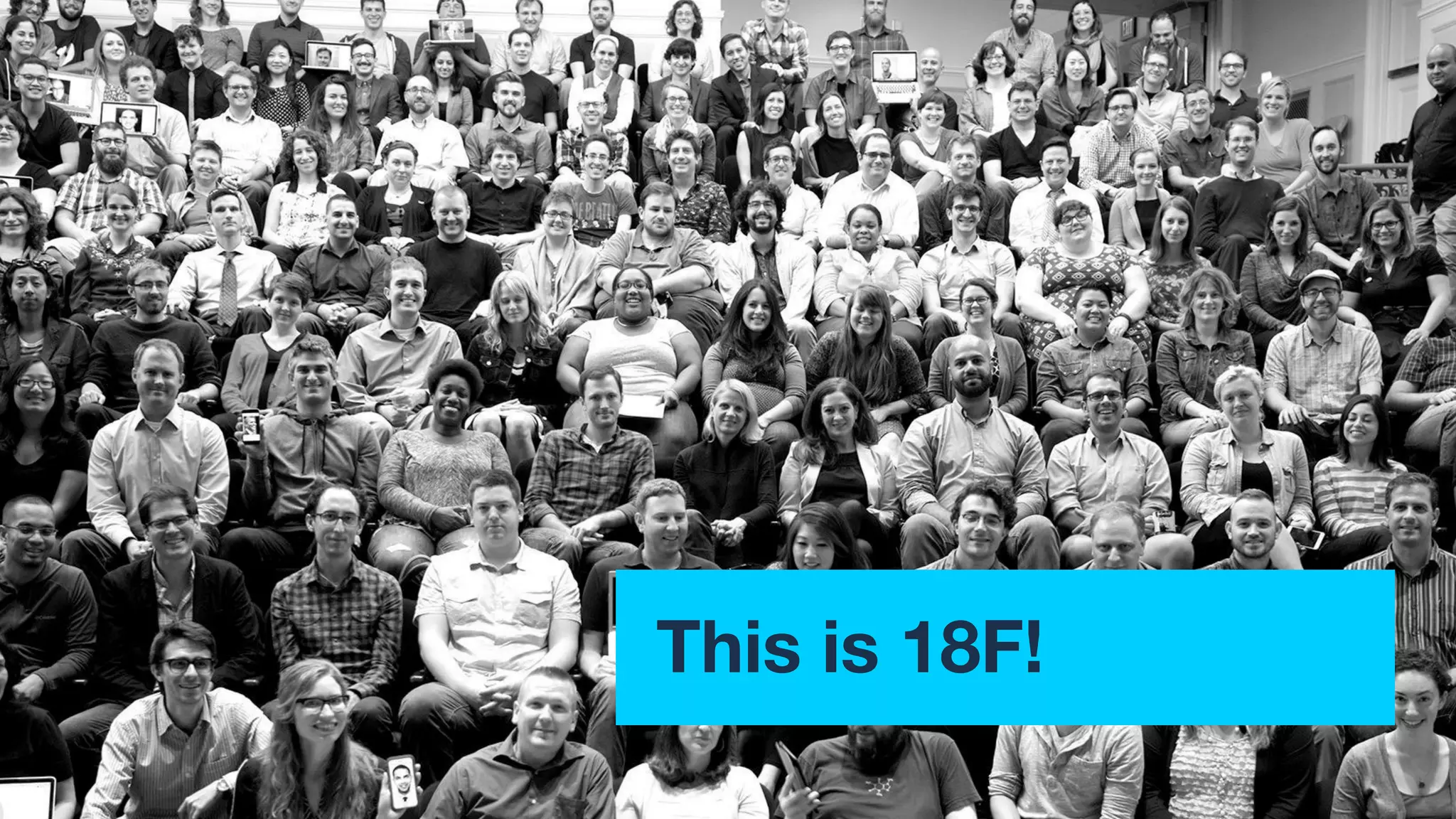
This is 18F!
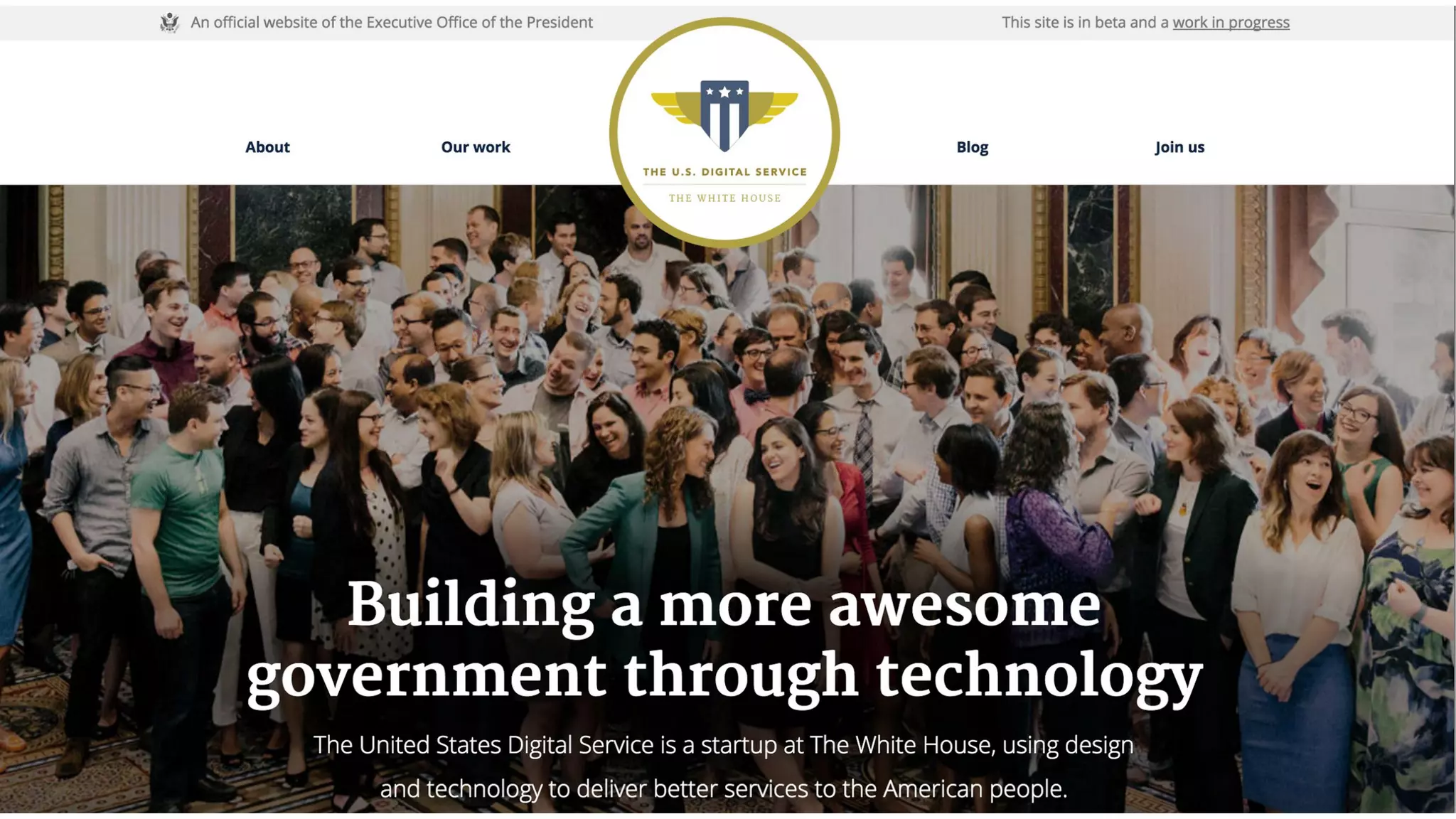
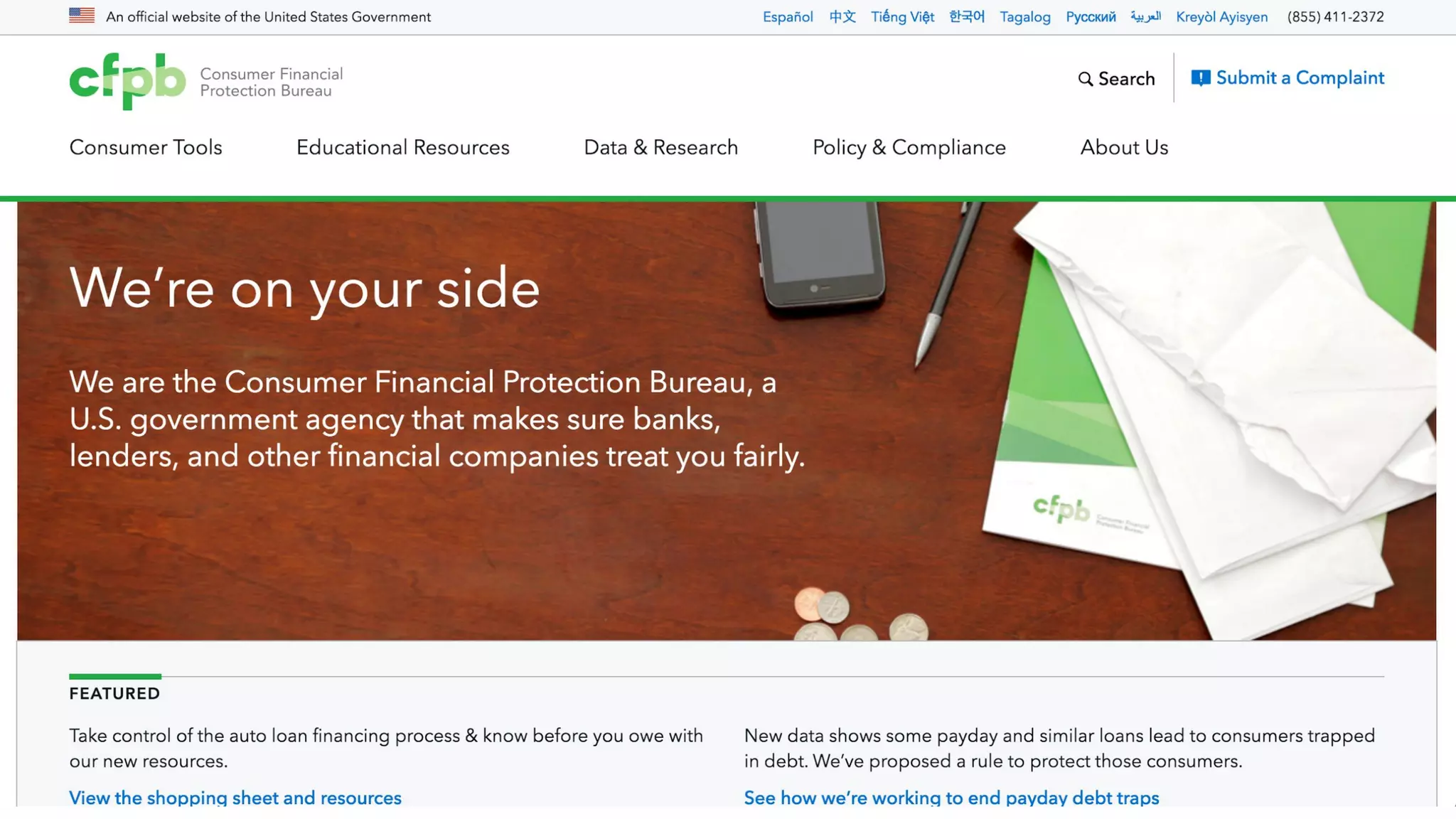
We are 18F!
We are 18F!
And many cities and
states.
@fureigh
There’s also
Code for America.
@fureigh
ex: Adopt-a-Hydrant
@fureigh
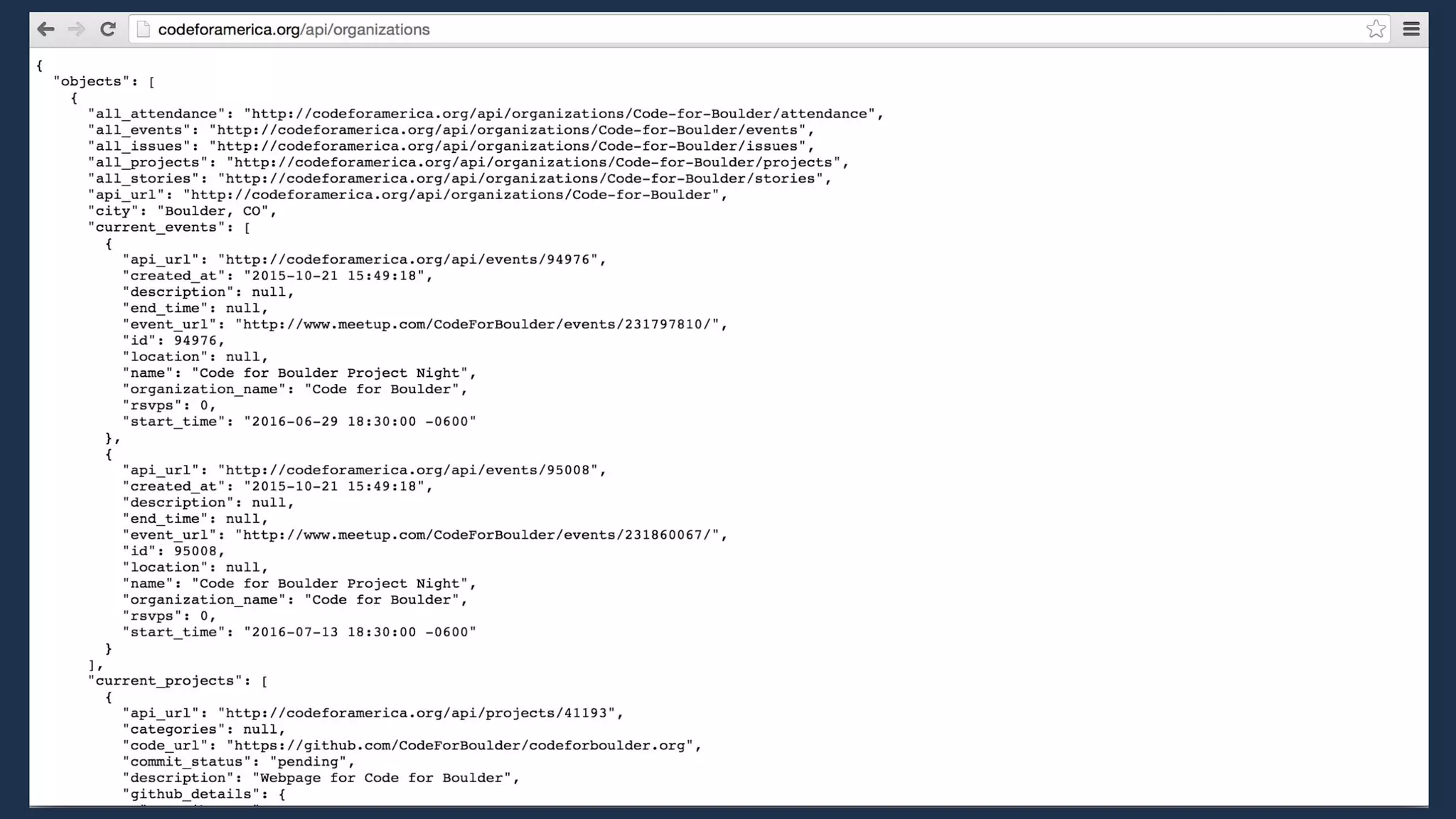
So how do you find
these people?
@fureigh
@fureigh
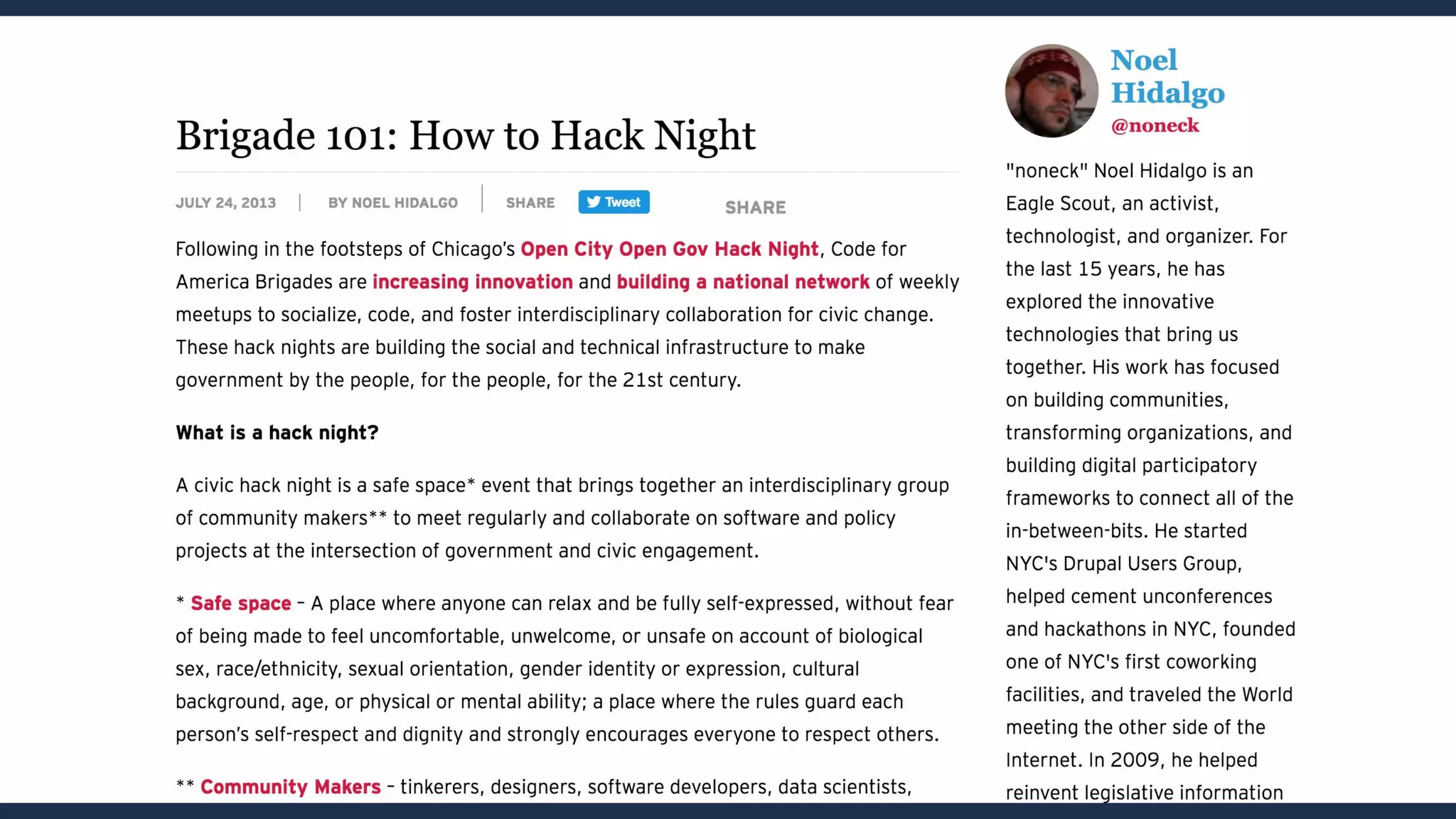
Meetups (find one or
start one)
@fureigh
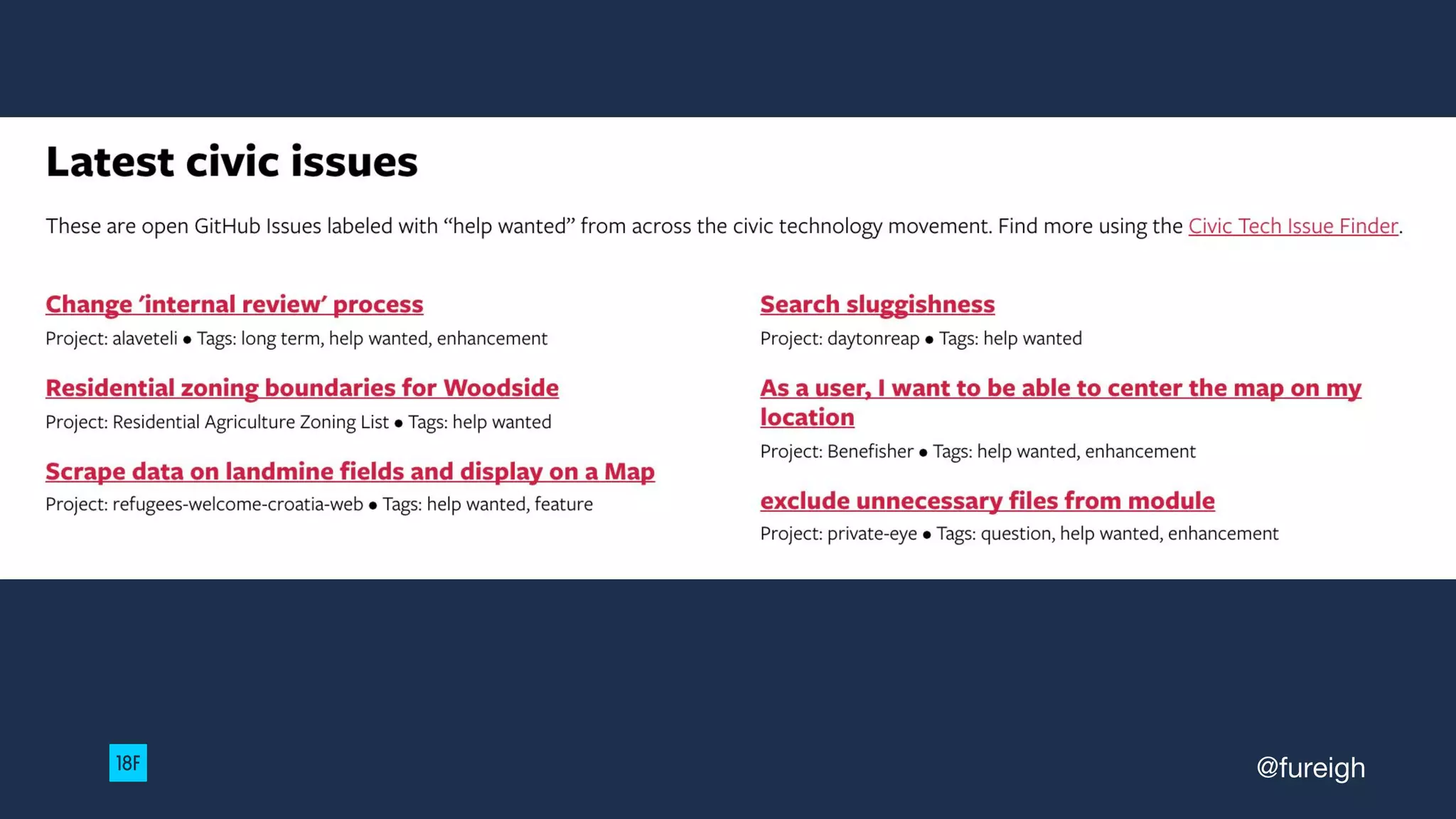
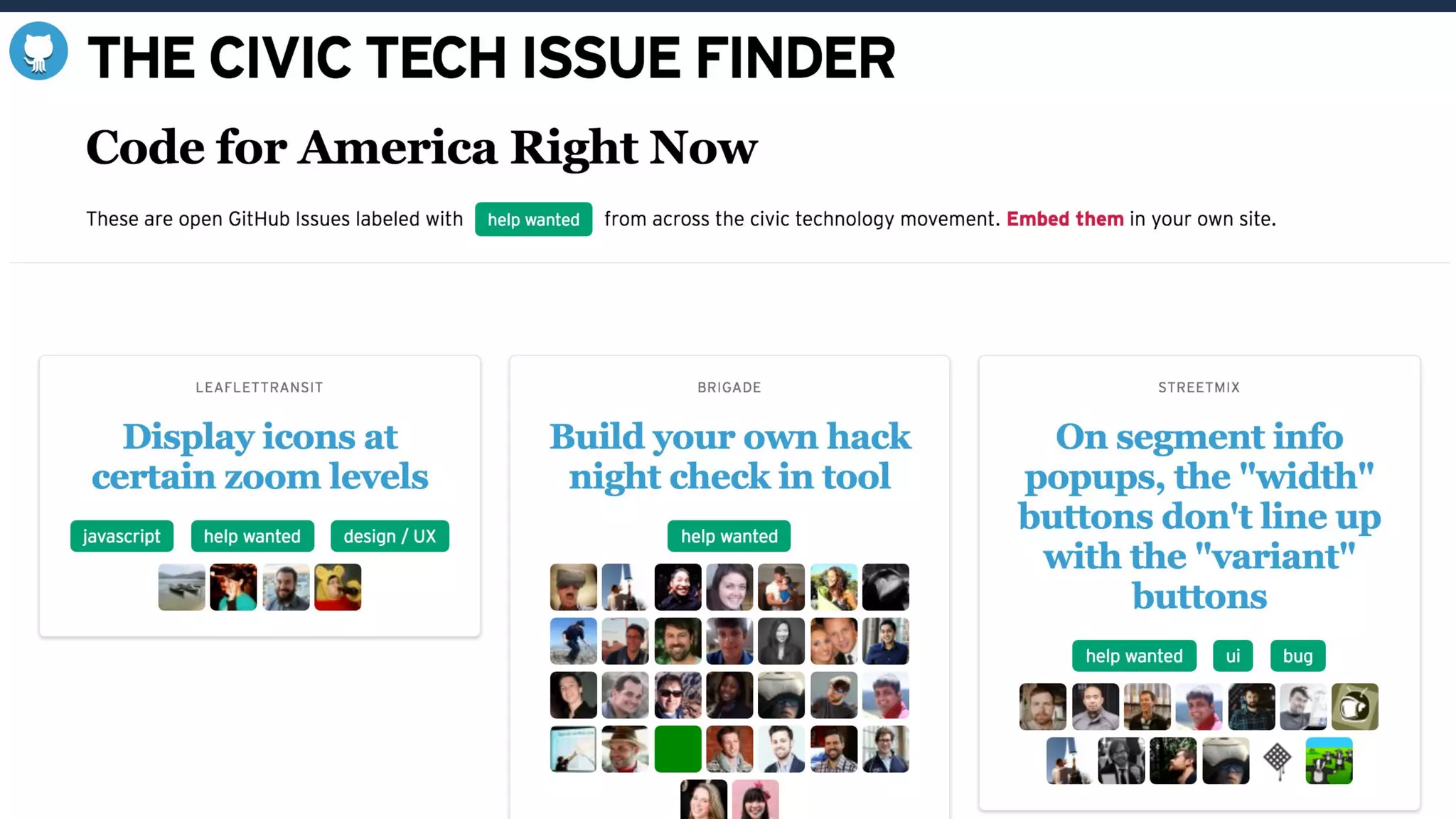
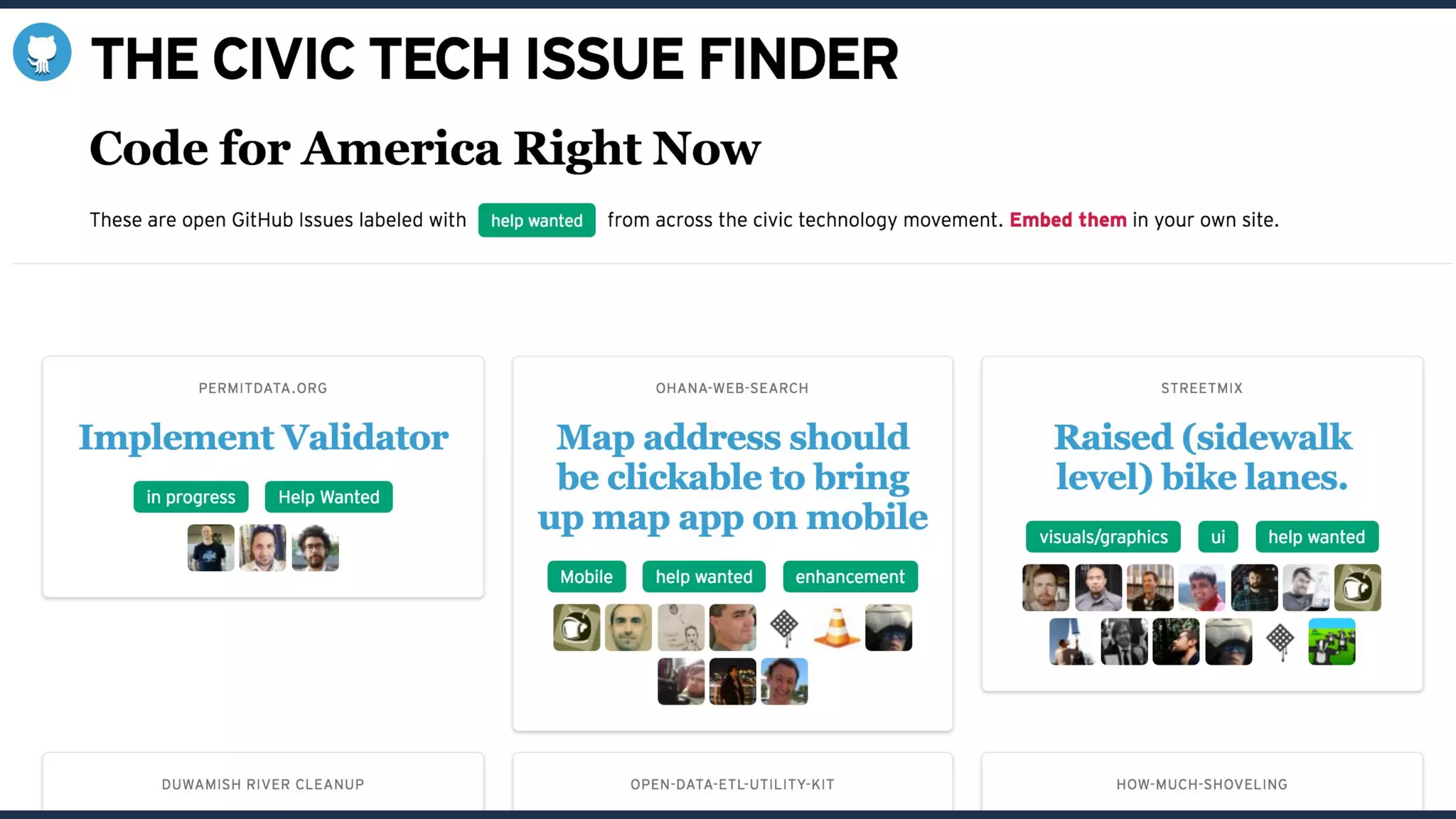
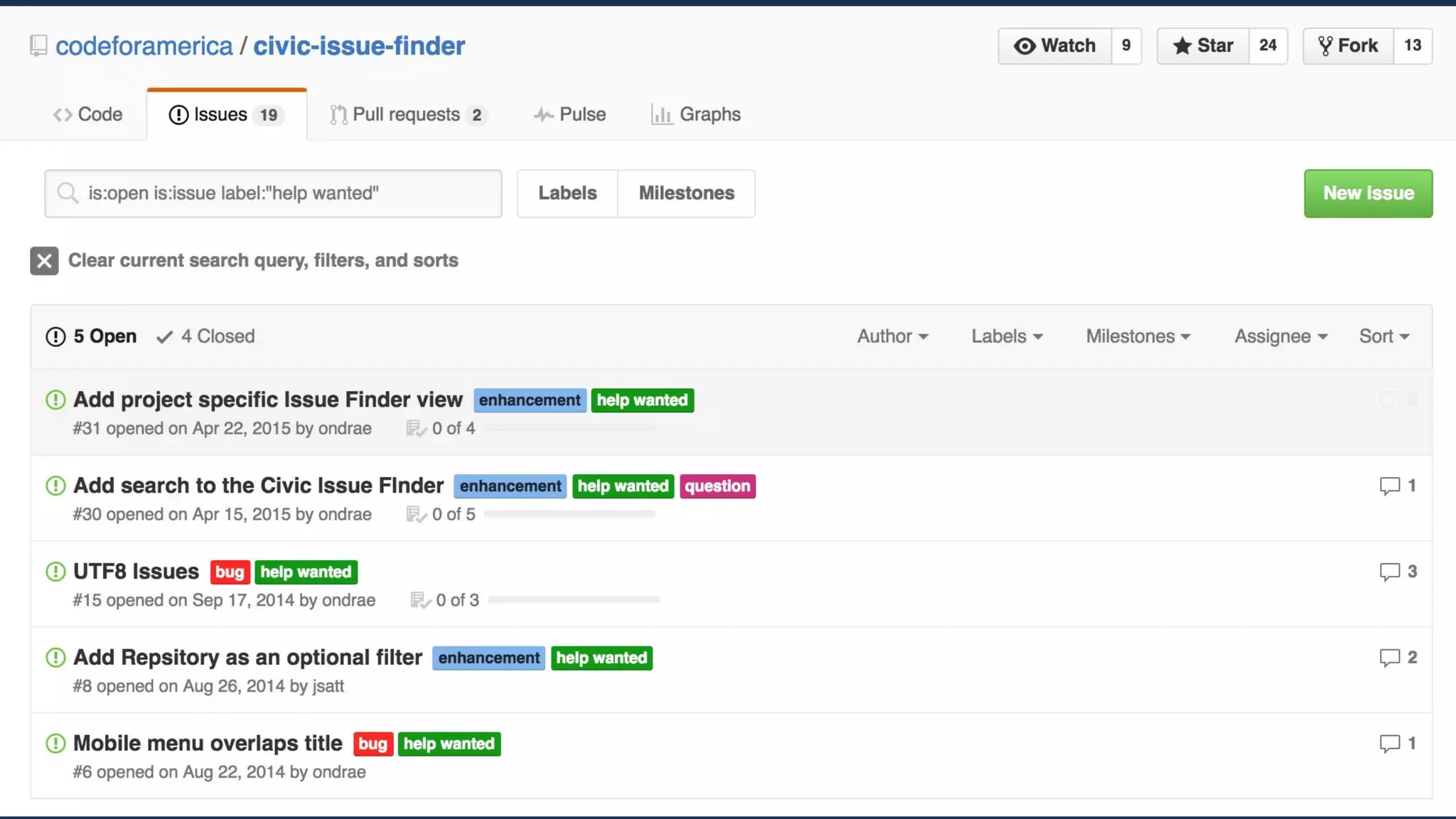
Civic Tech Issue
Finder
codeforamerica.org/geeks/civicissues
@fureigh
@fureigh
@fureigh
@fureigh
@fureigh
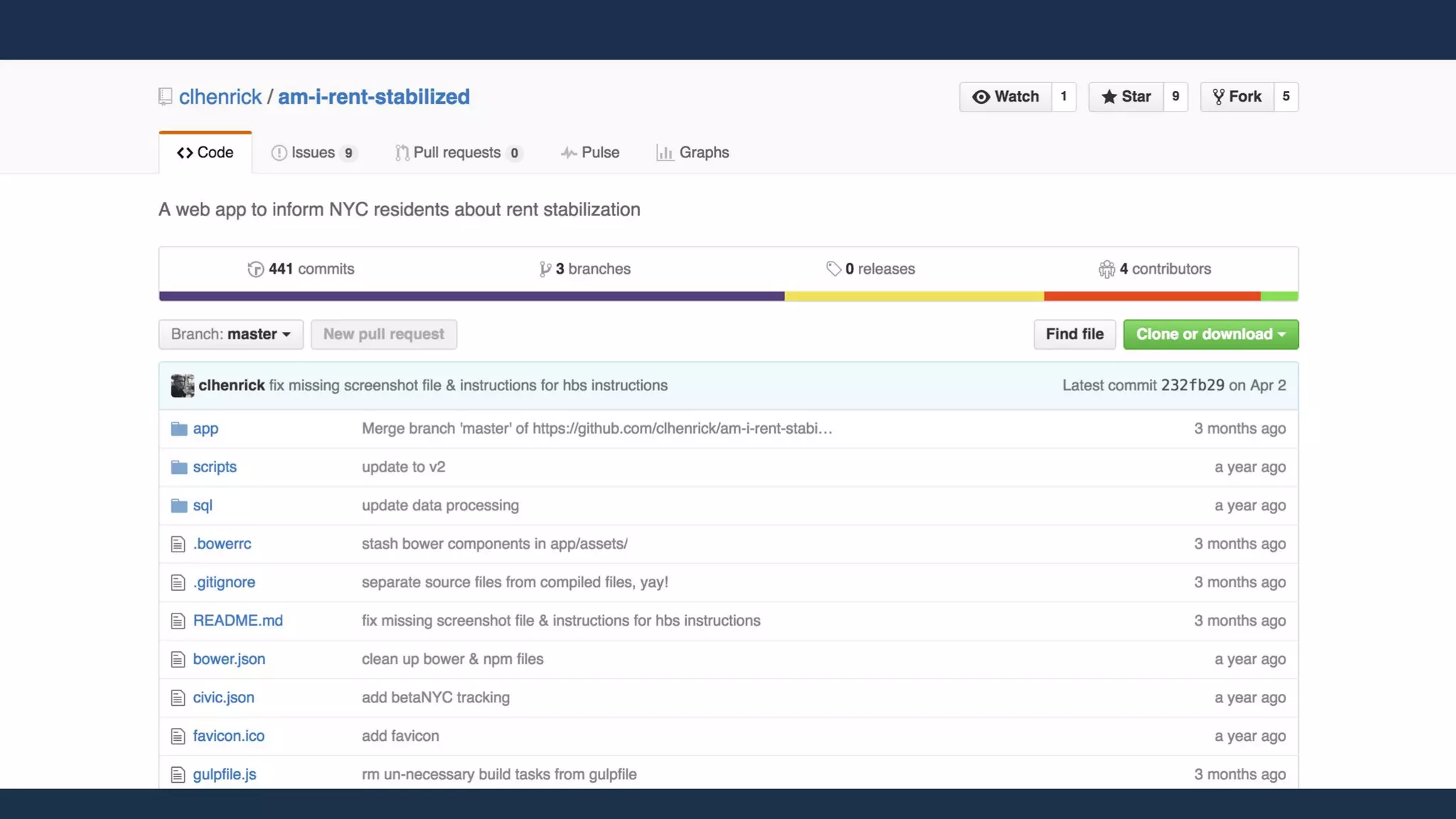
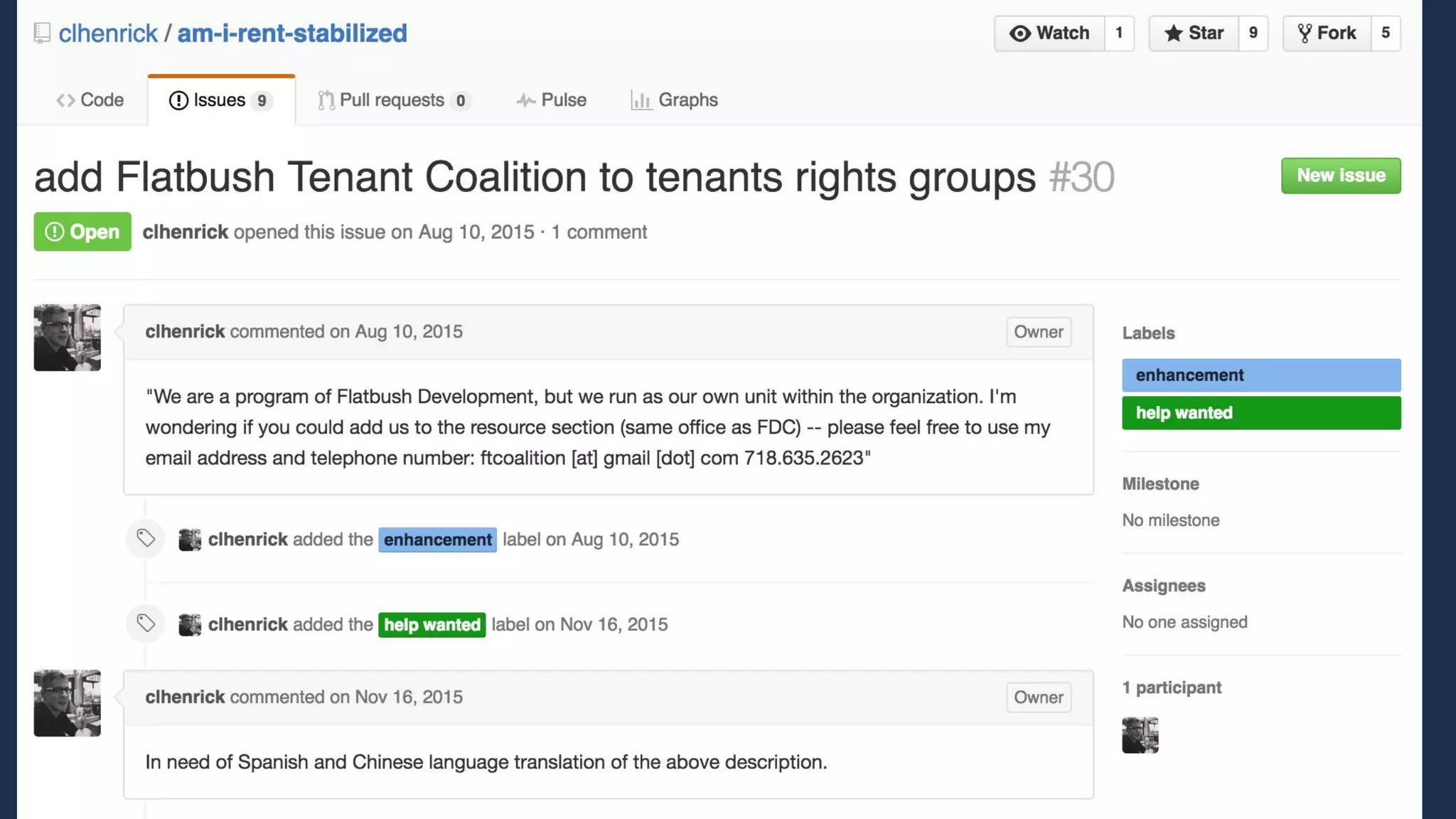
I can haz issue?
@fureigh
@fureigh
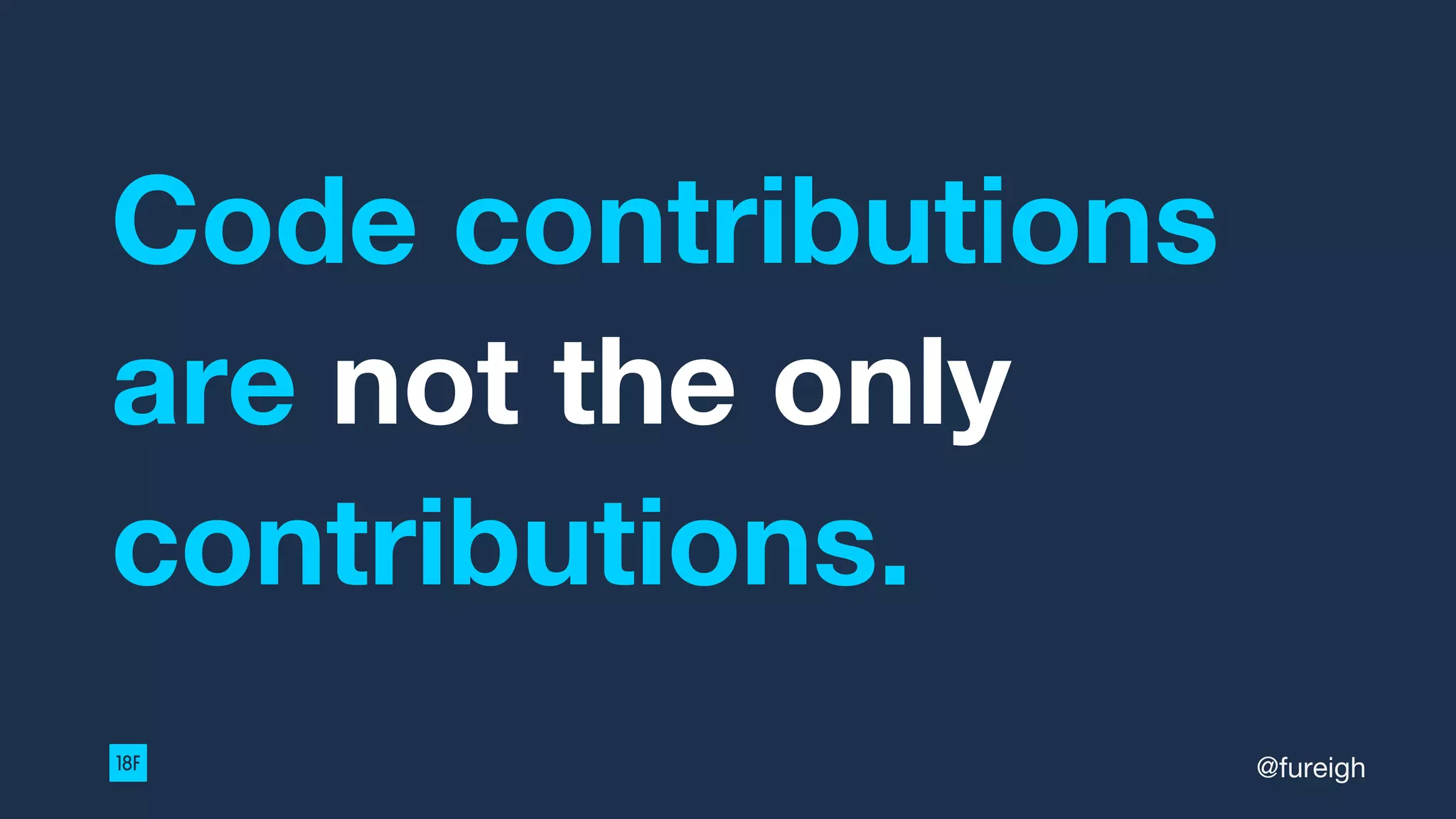
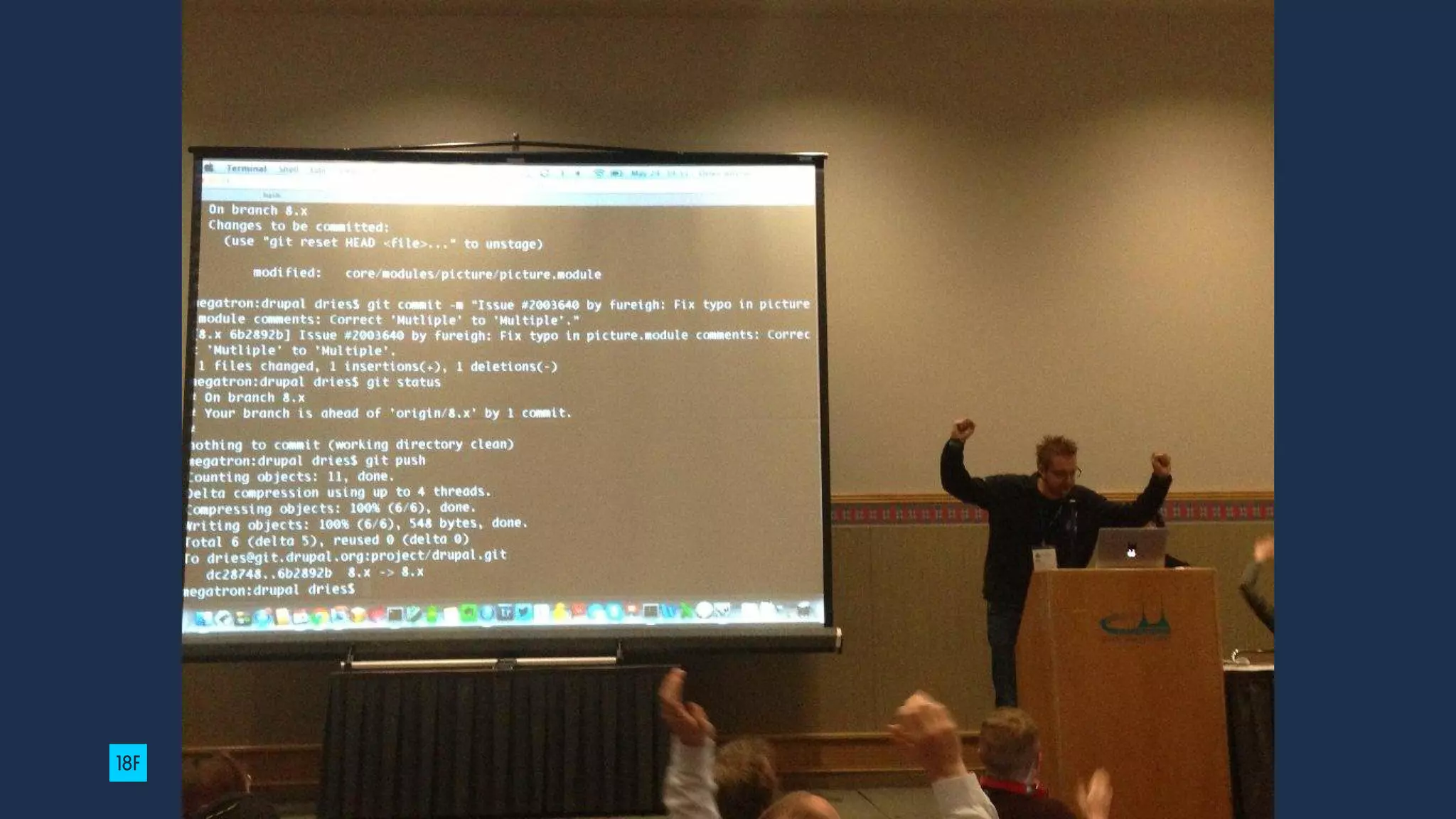
Code contributions
are not the only
contributions.
@fureigh
Back to finding
issues.
@fureigh
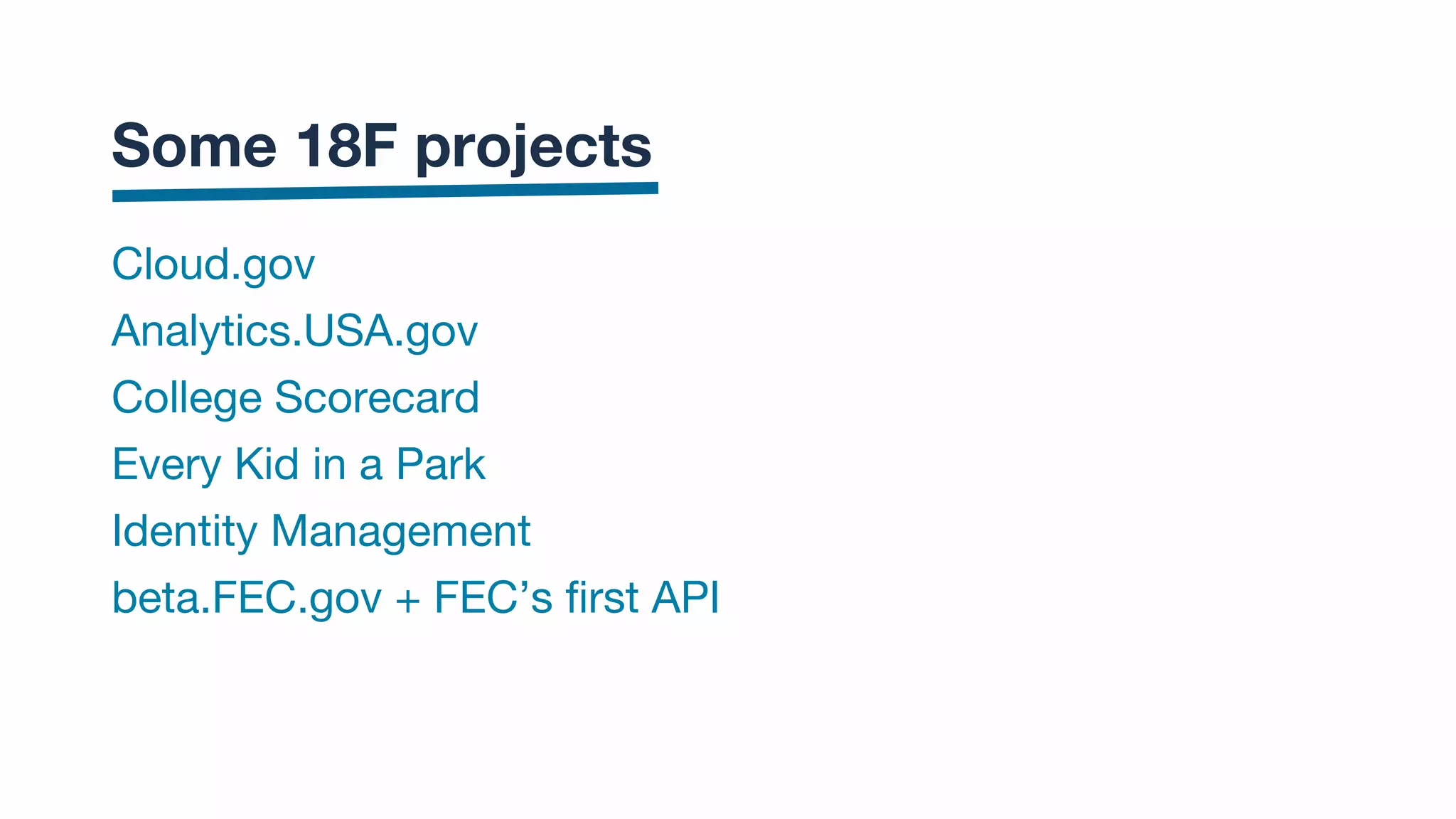
Cloud.gov
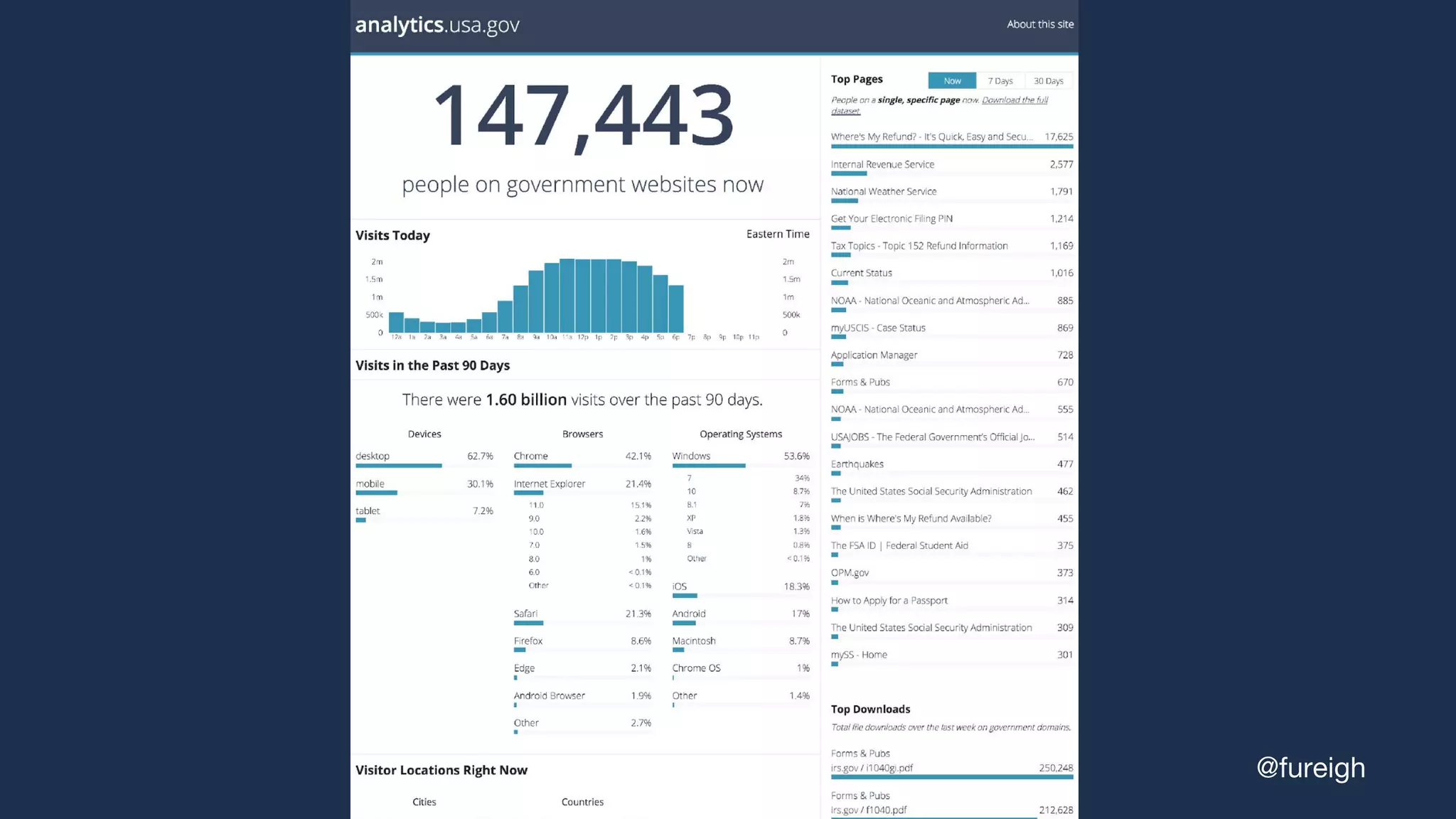
Analytics.USA.gov
College Scorecard
Every Kid in a Park
Identity Management
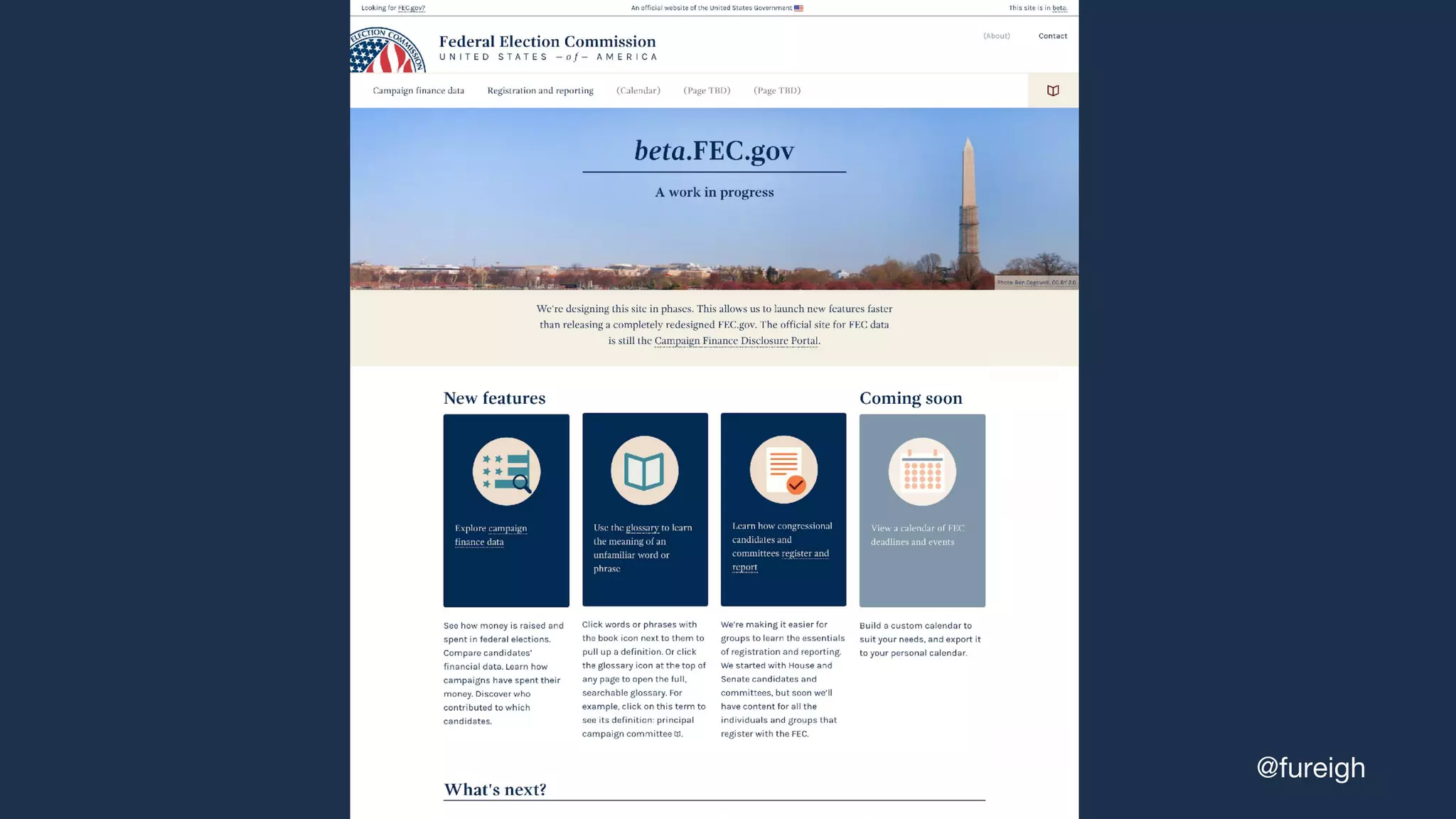
beta.FEC.gov + FEC’s first API
Some 18F projects
So many technical
options!
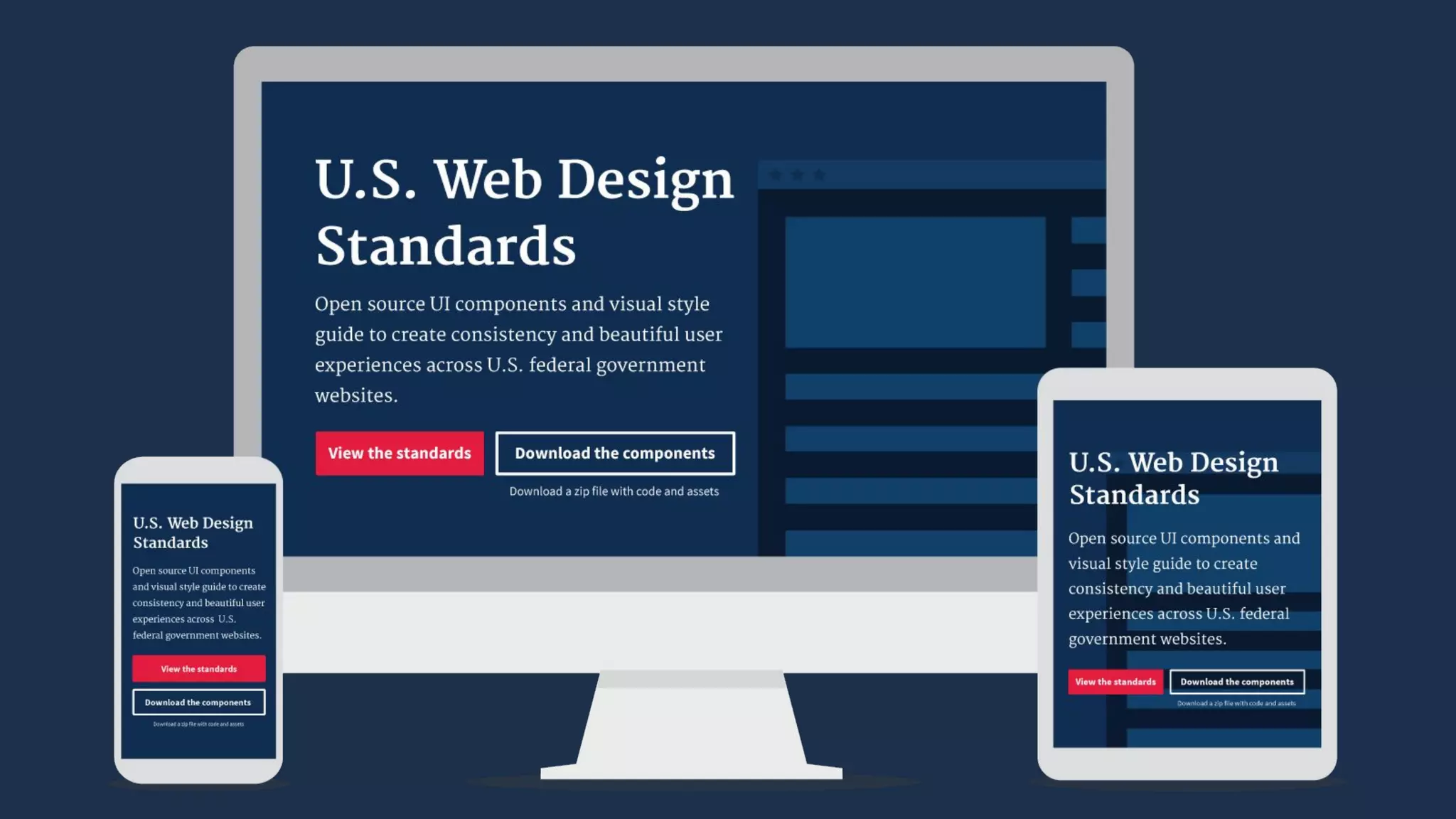
The U.S. Web
Design
Standards
PART ZERO
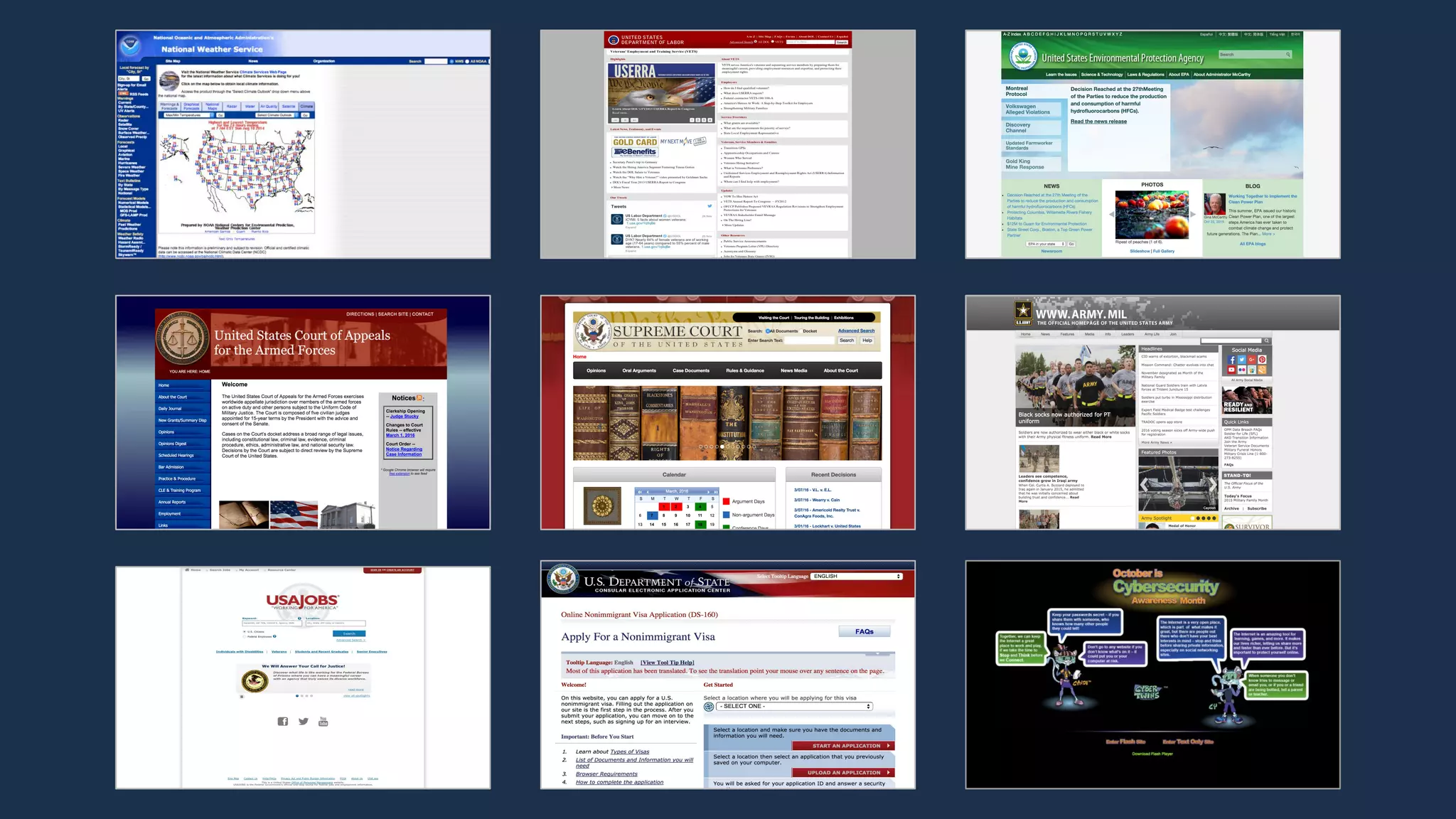
We're designing for
320 million people
The population of the
United States
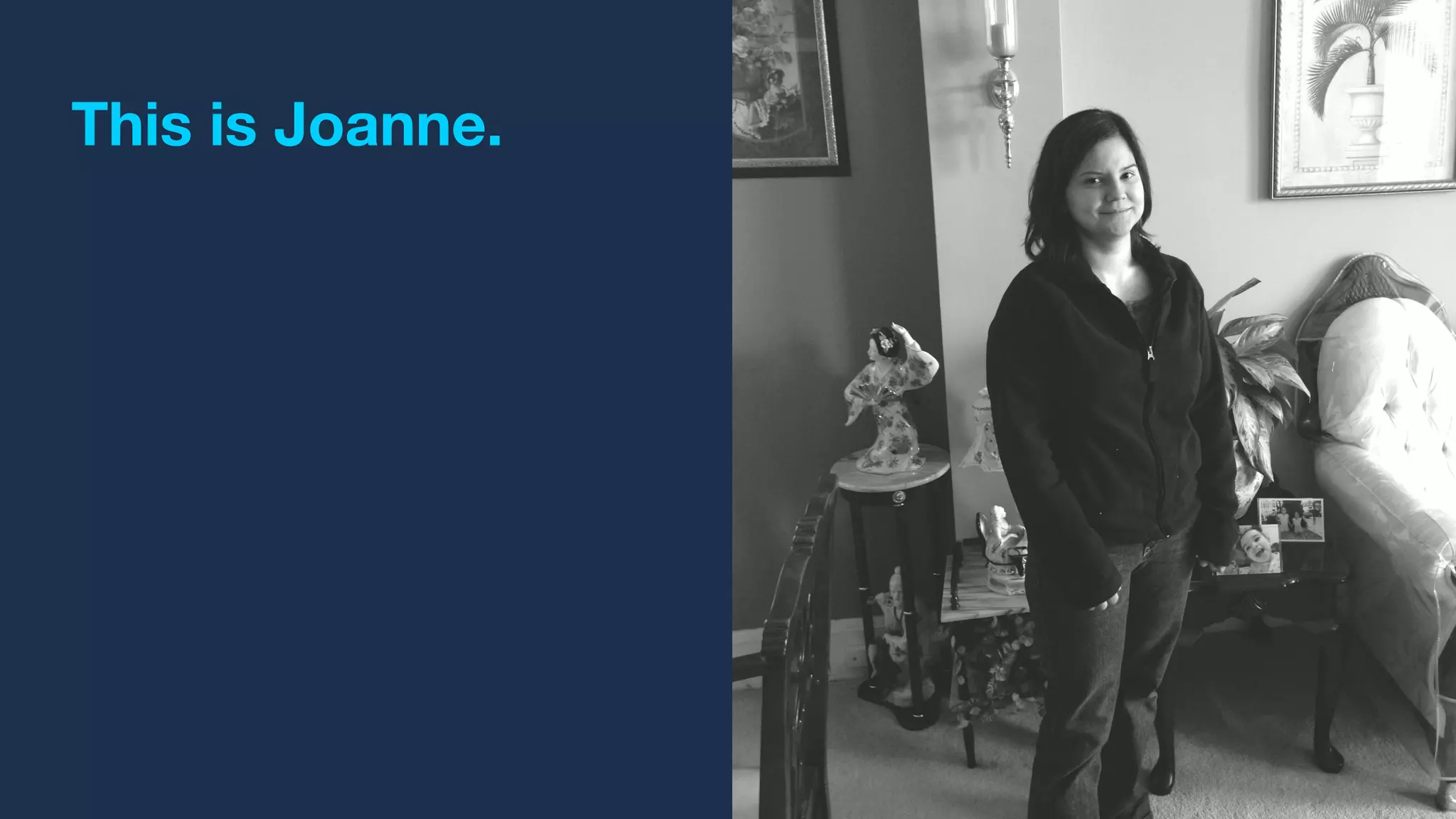
This is Joanne.
1/ But wait —
there’s more
PART ONE
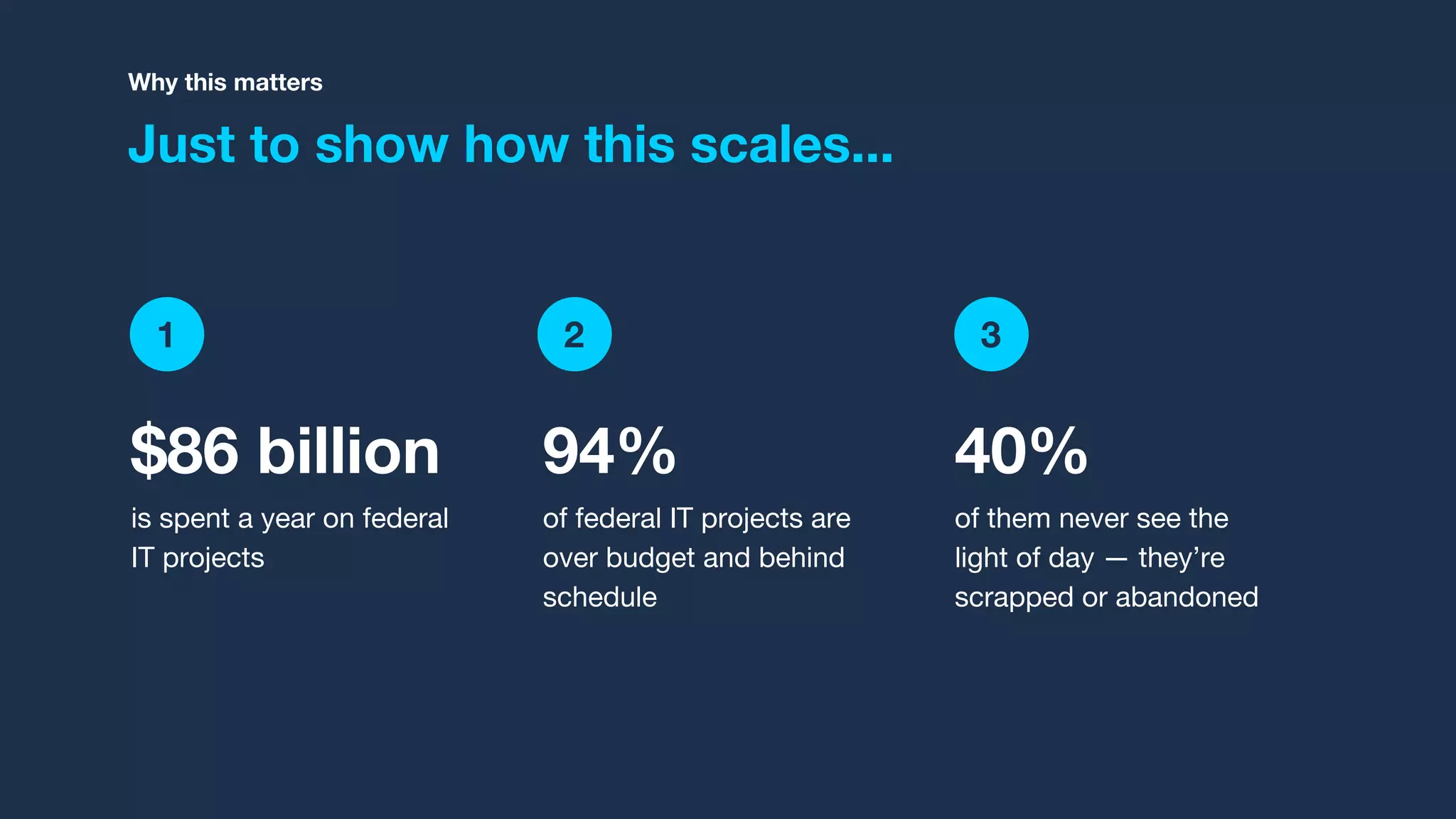
1 2 3
$86 billion
is spent a year on federal
IT projects
94%
of federal IT projects are
over budget and behind
schedule
Just to show how this scales...
Why this matters
40%
of them never see the
light of day — they’re
scrapped or abandoned
2/ Why it’s like
this
PART TWO
Buying IT is not the same as
buying pencils and tanks.
Our work happens in silos.
Bureaucracy over human needs.
Forced to comply with outdated regulations.
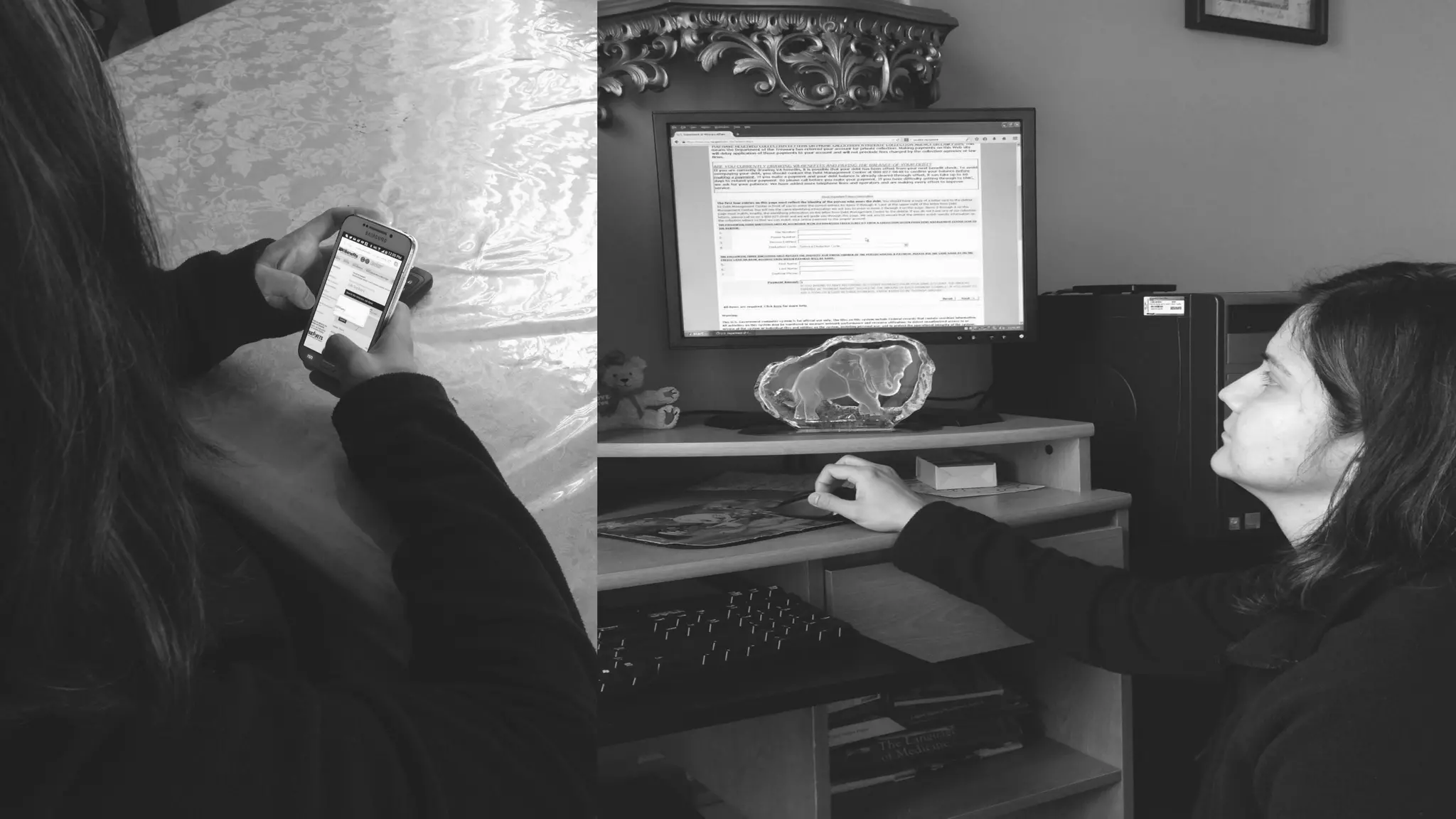
It became clear that if we wanted to
help Joanne, we had to help the
people making these digital services.
1 2 3
The question in front of us became:
Is it possible to create a
shared set of tools to
provide consistent,
effective, and easy-to-use
government websites?
Could we build easy-to-
use tools that serve the
public’s need?
We think this is possible.
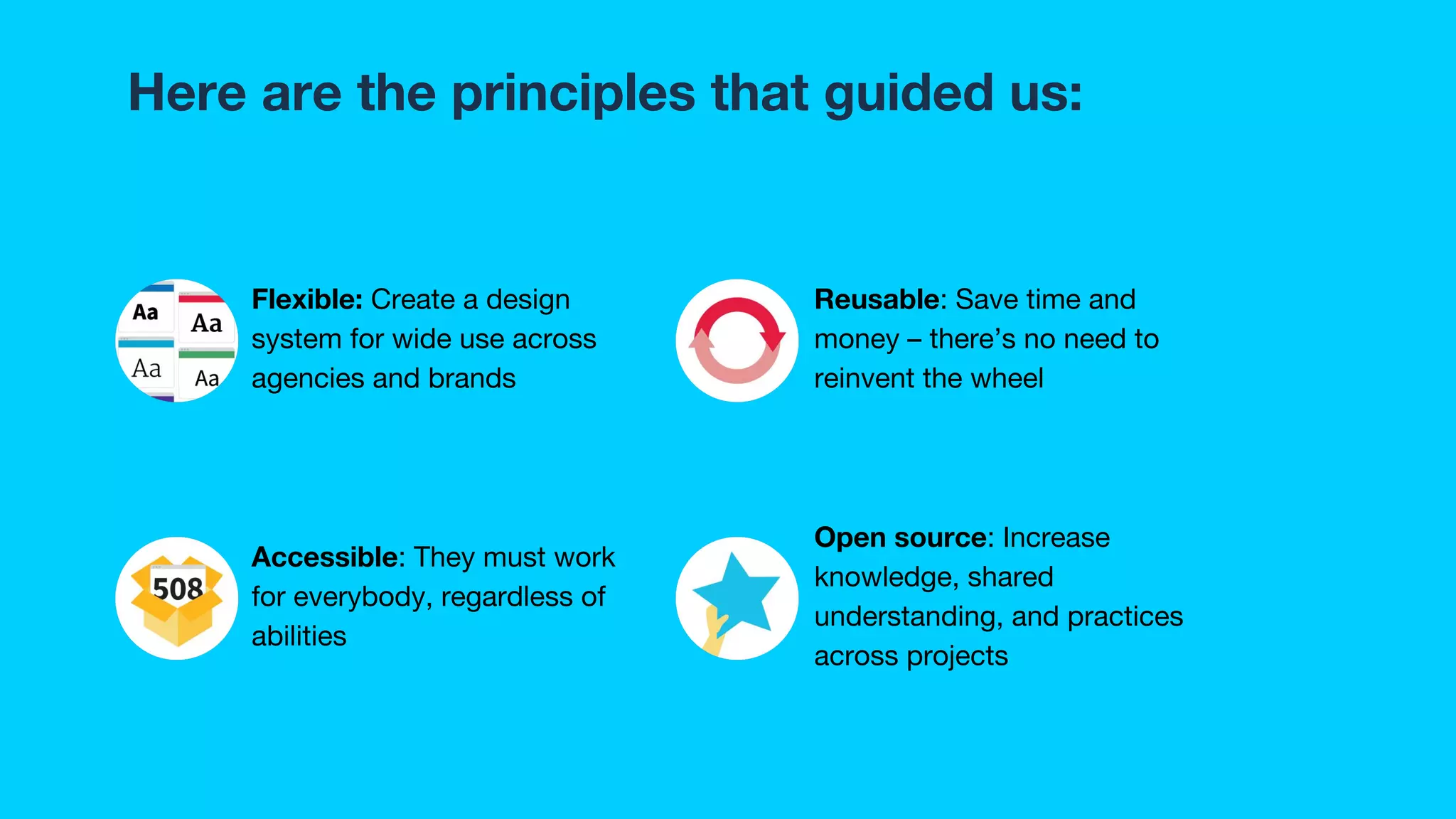
Here are the principles that guided us:
Flexible: Create a design
system for wide use across
agencies and brands
Accessible: They must work
for everybody, regardless of
abilities
Reusable: Save time and
money – there’s no need to
reinvent the wheel
Open source: Increase
knowledge, shared
understanding, and practices
across projects
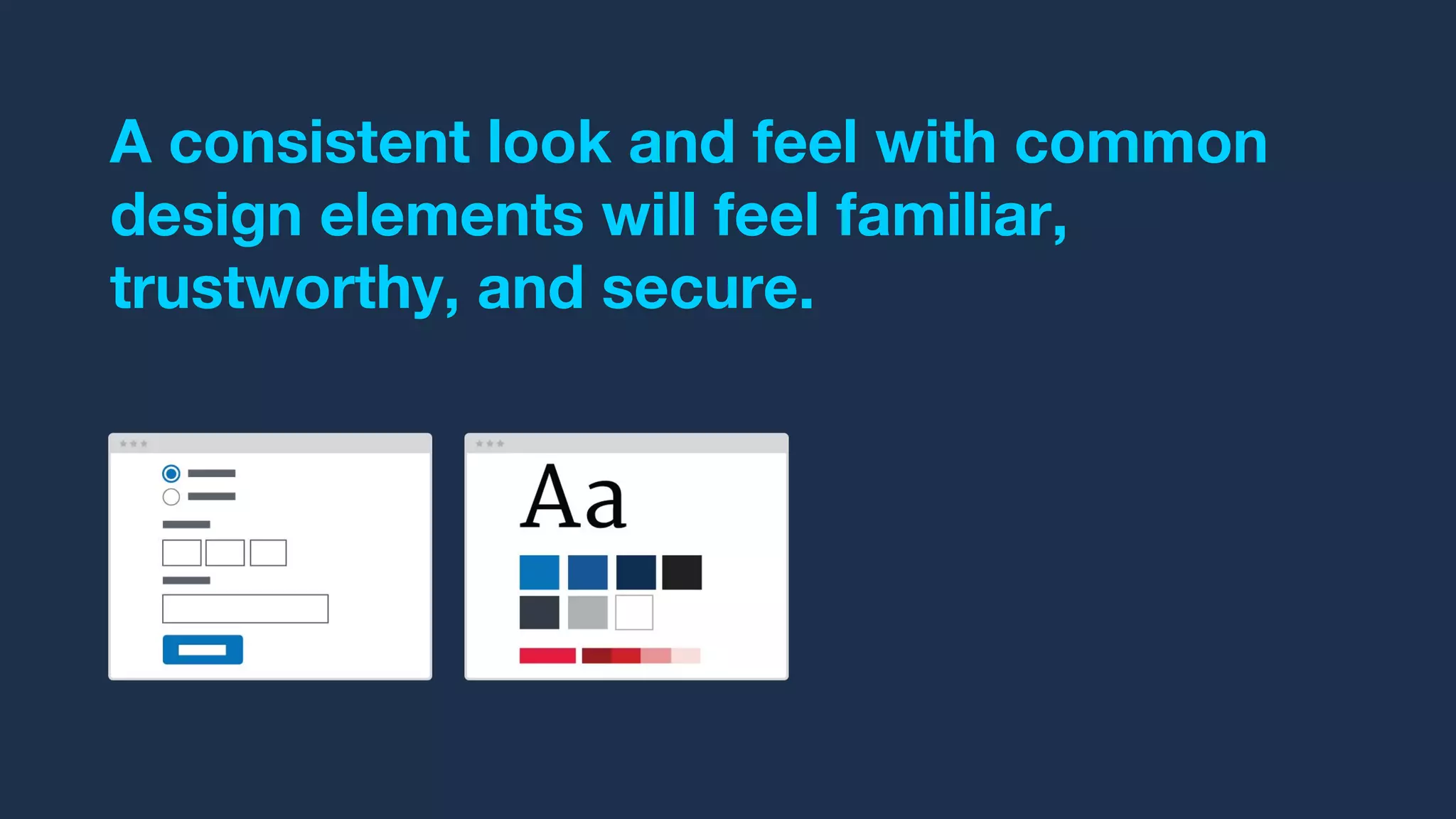
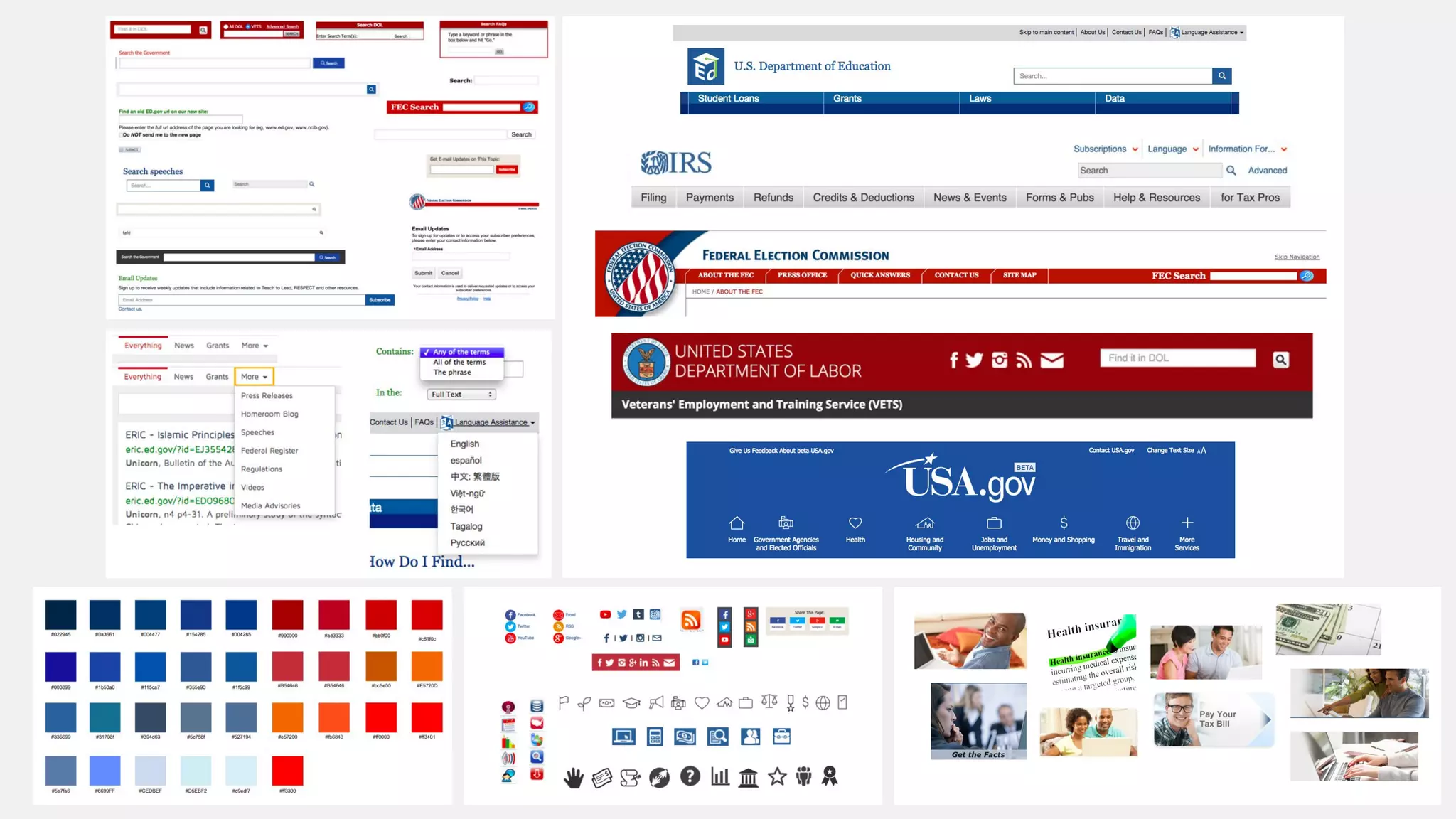
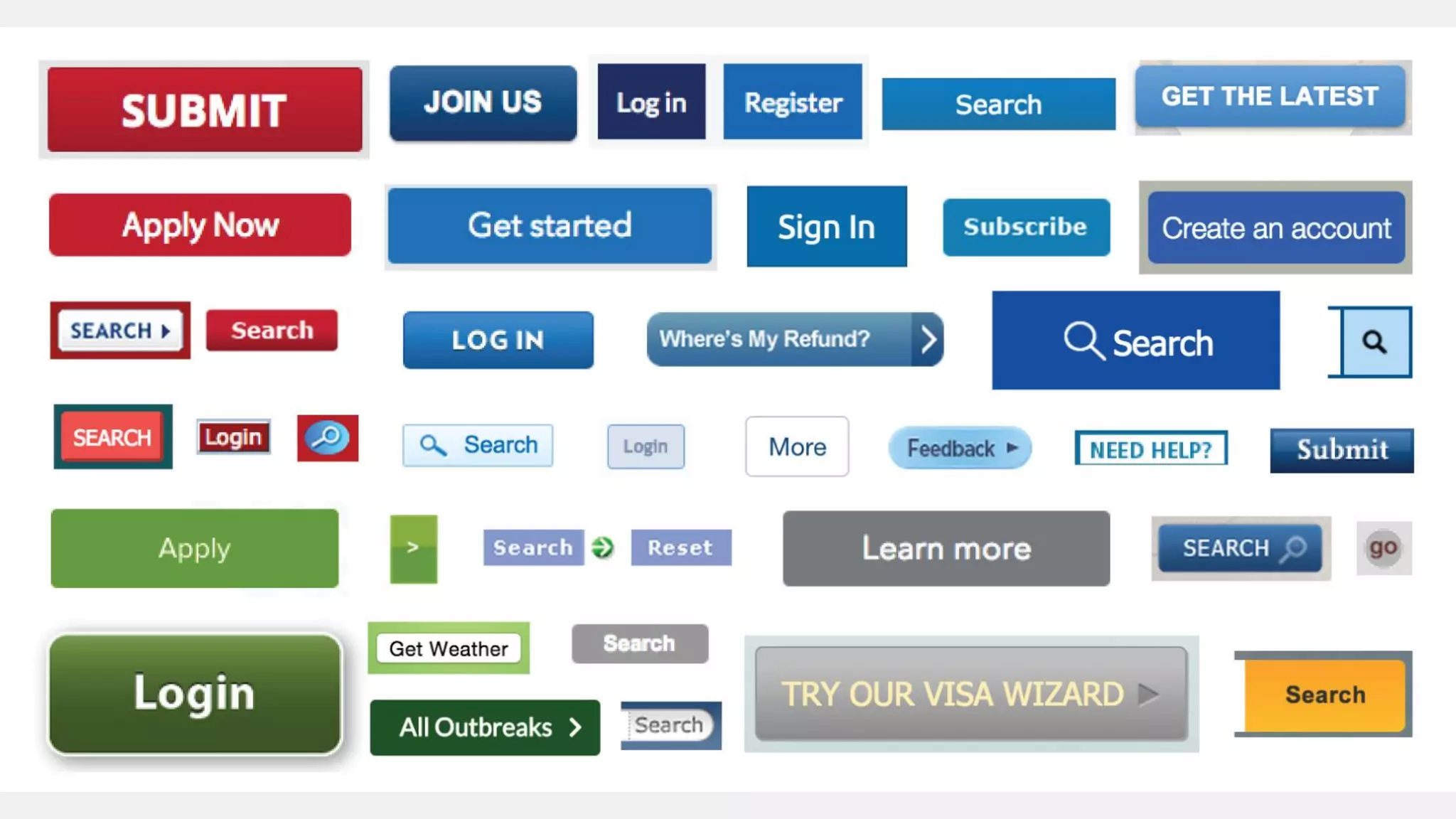
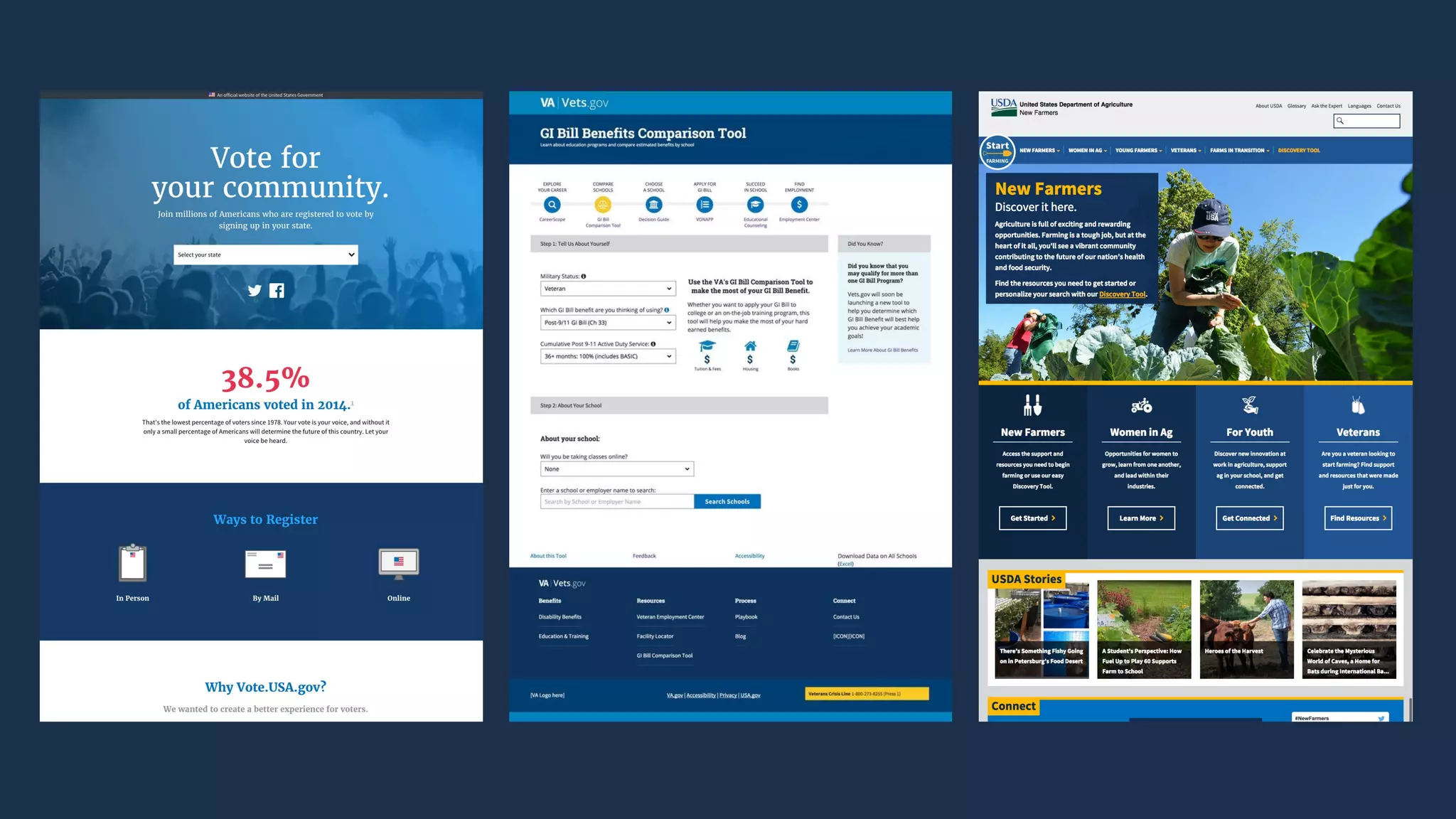
A consistent look and feel with common
design elements will feel familiar,
trustworthy, and secure.
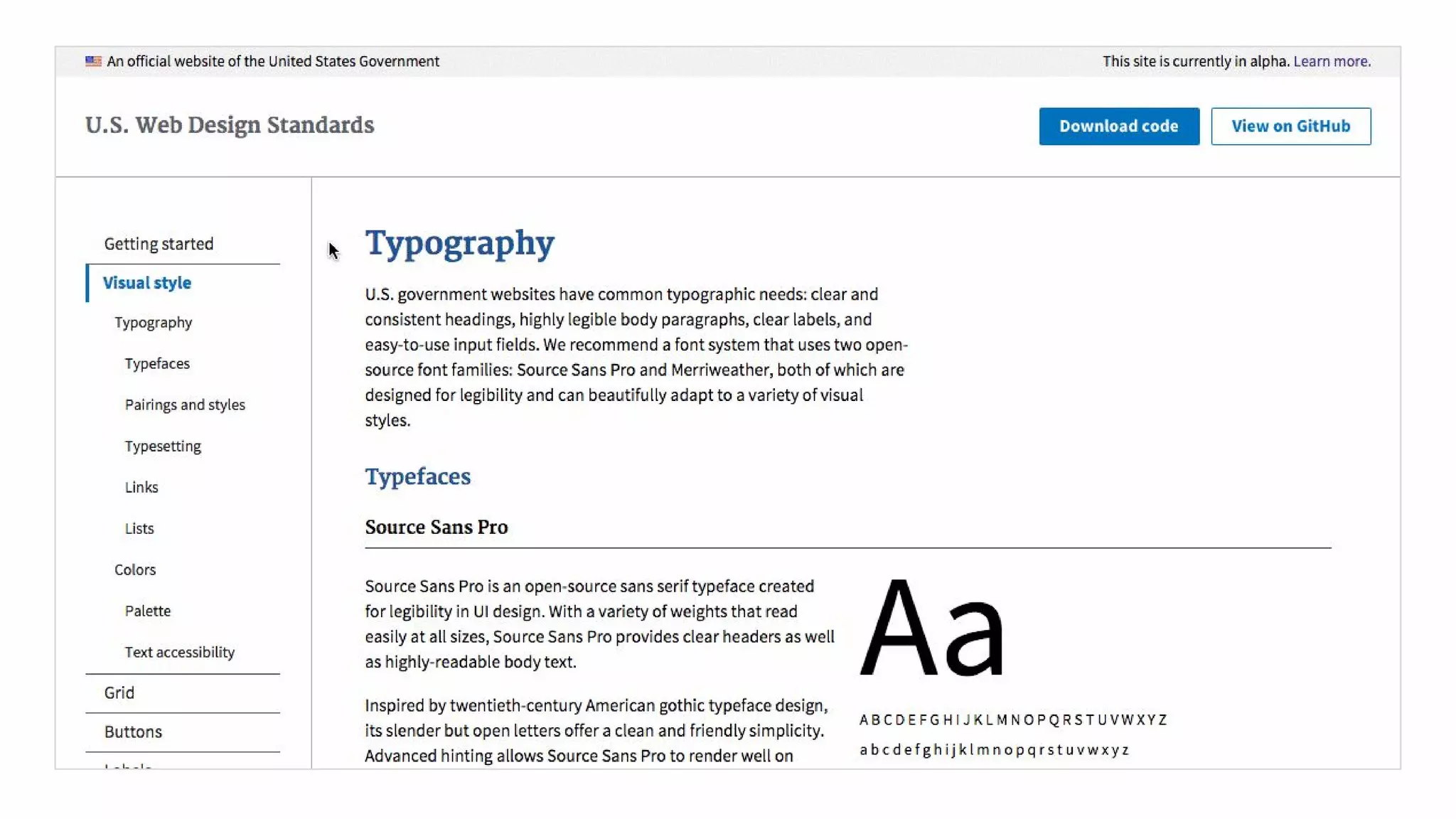
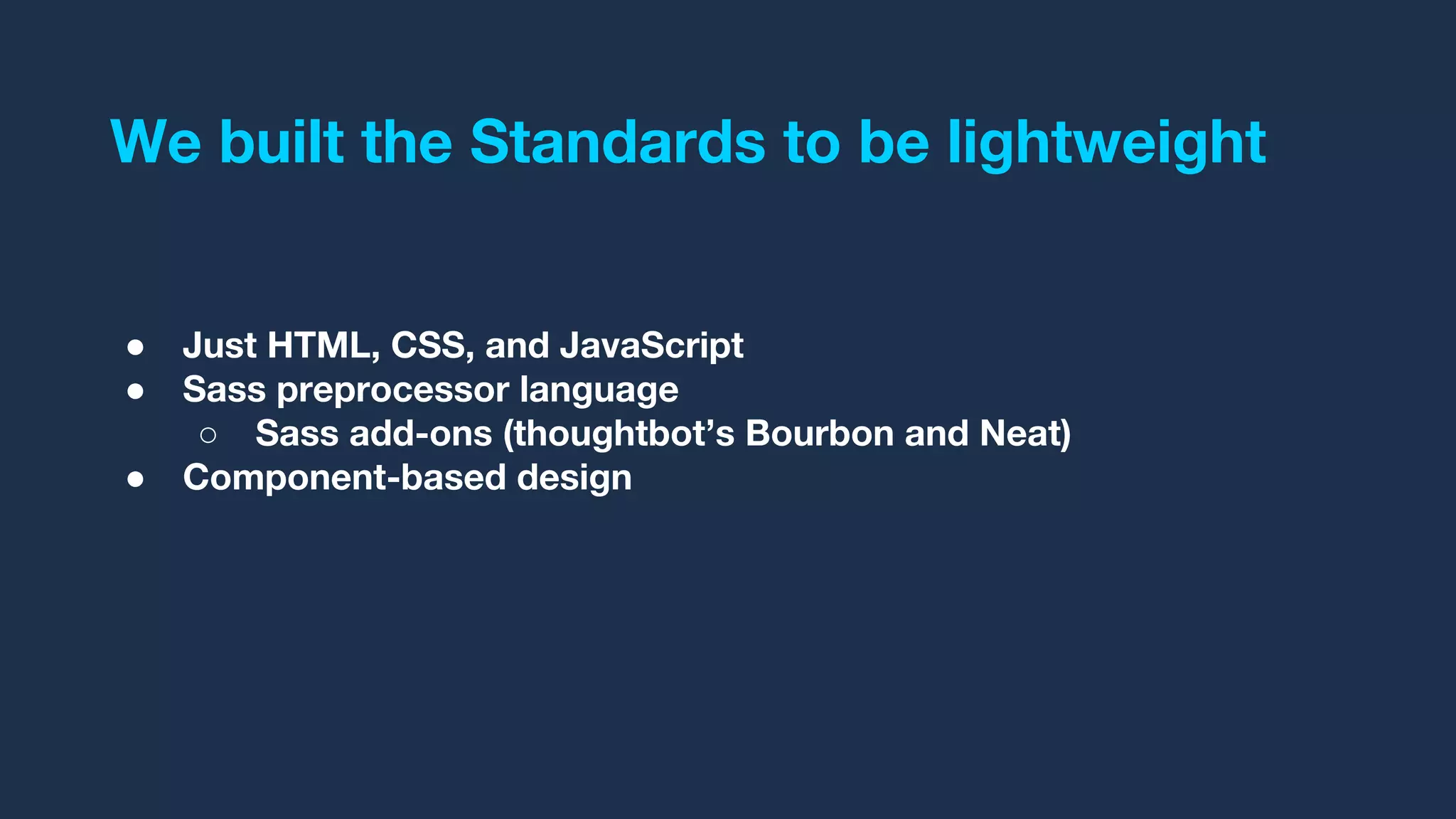
We built the Standards to be lightweight
● Just HTML, CSS, and JavaScript
● Sass preprocessor language
○ Sass add-ons (thoughtbot’s Bourbon and Neat)
● Component-based design
3/ Accessibility
PART THREE
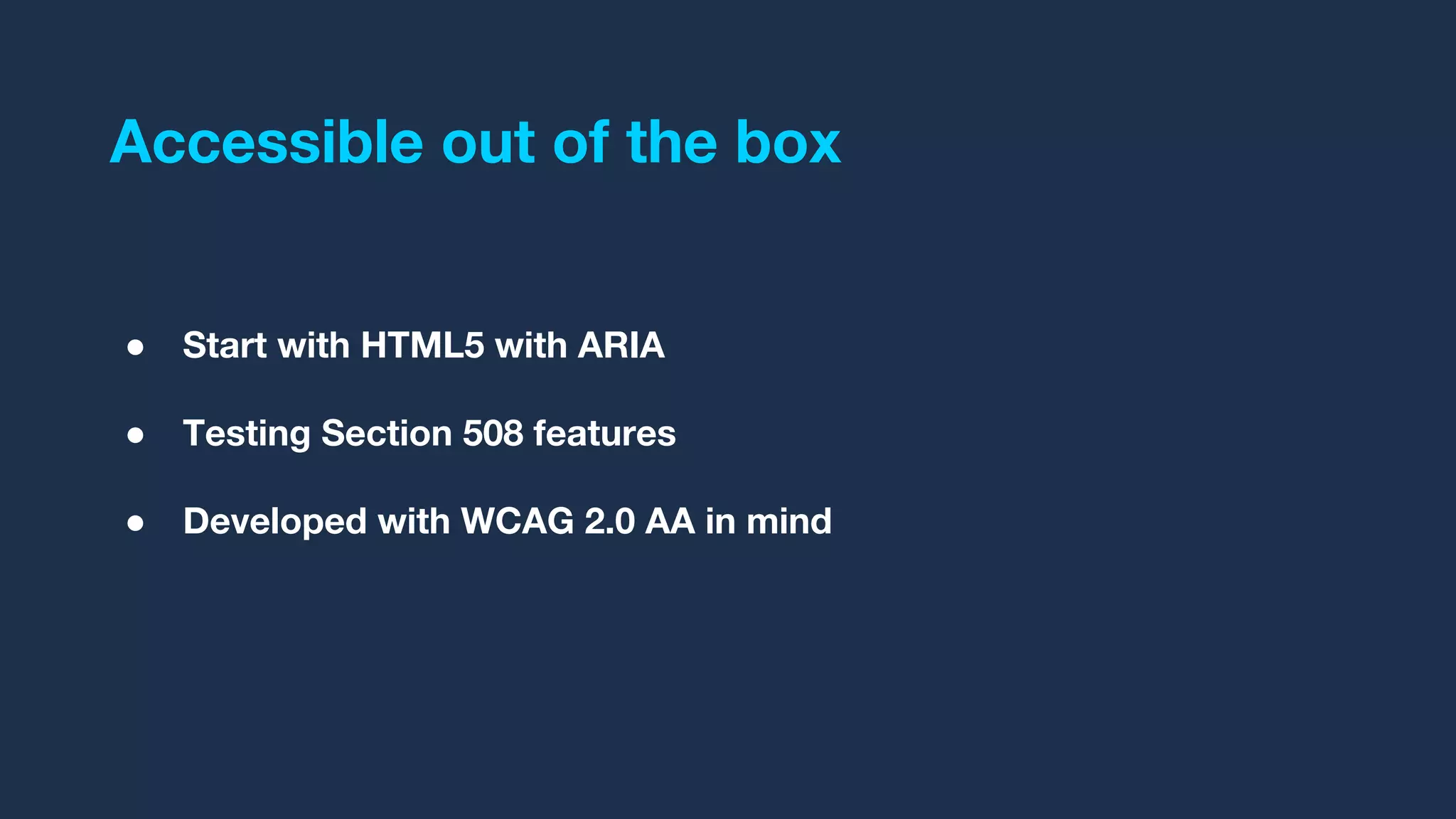
Accessible out of the box
● Start with HTML5 with ARIA
● Testing Section 508 features
● Developed with WCAG 2.0 AA in mind
4/ In the wild
PART FOUR
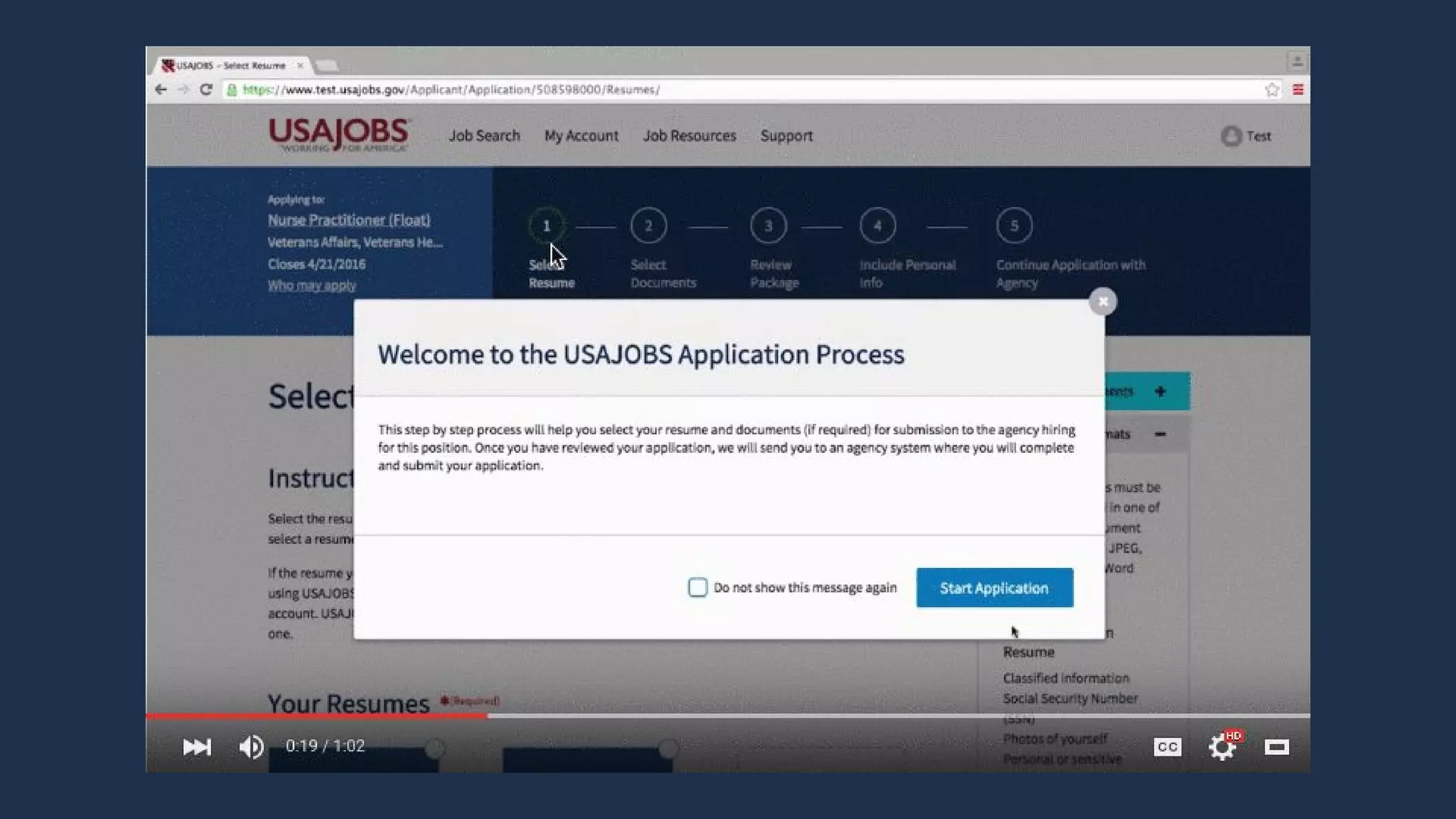
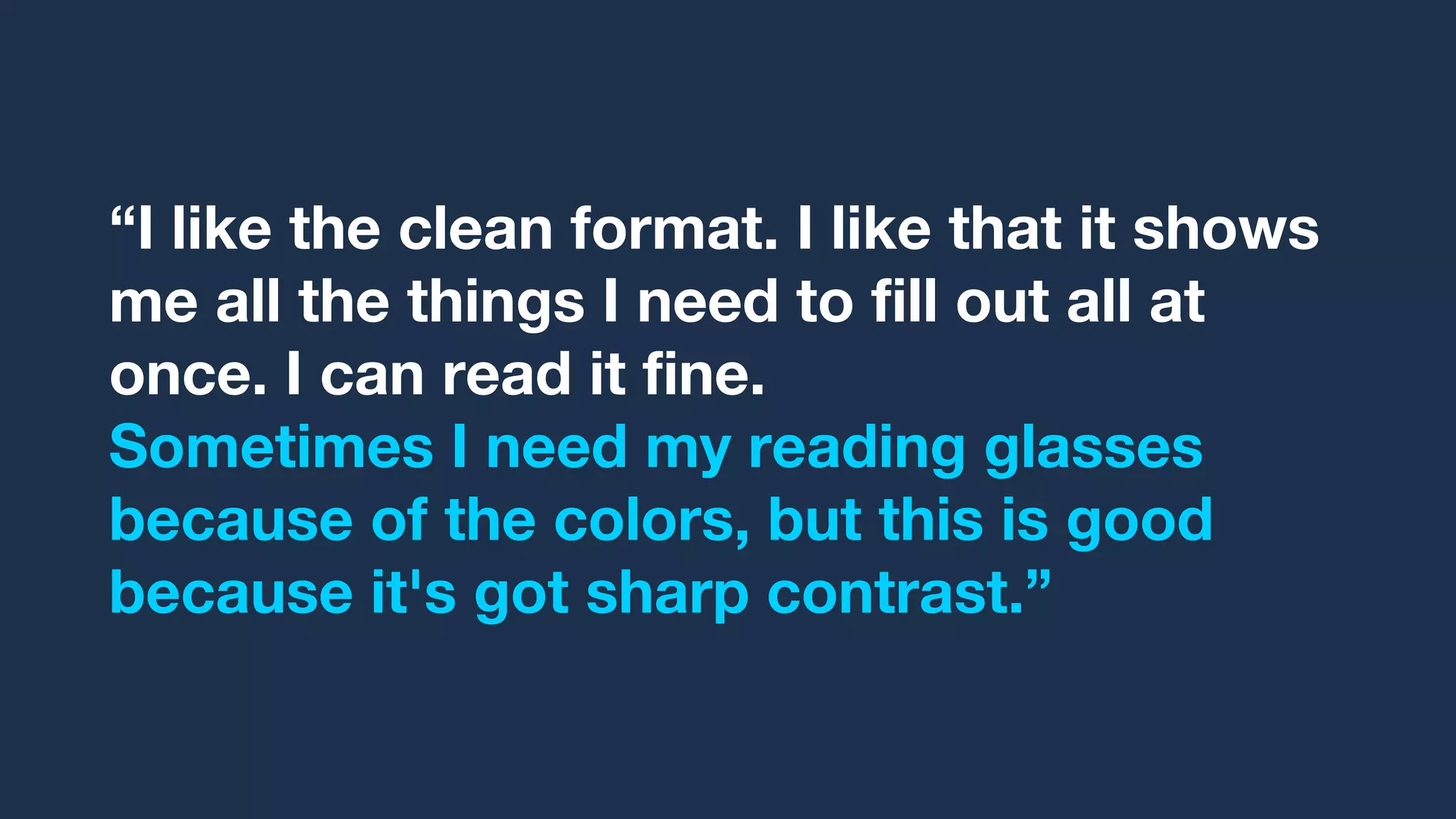
“I like the clean format. I like that it shows
me all the things I need to fill out all at
once. I can read it fine.
Sometimes I need my reading glasses
because of the colors, but this is good
because it's got sharp contrast.”
Good civic design is
about access
It means that people can
get the right help, sooner,
with less stress.
5/ Open source
from day one
PART FIVE
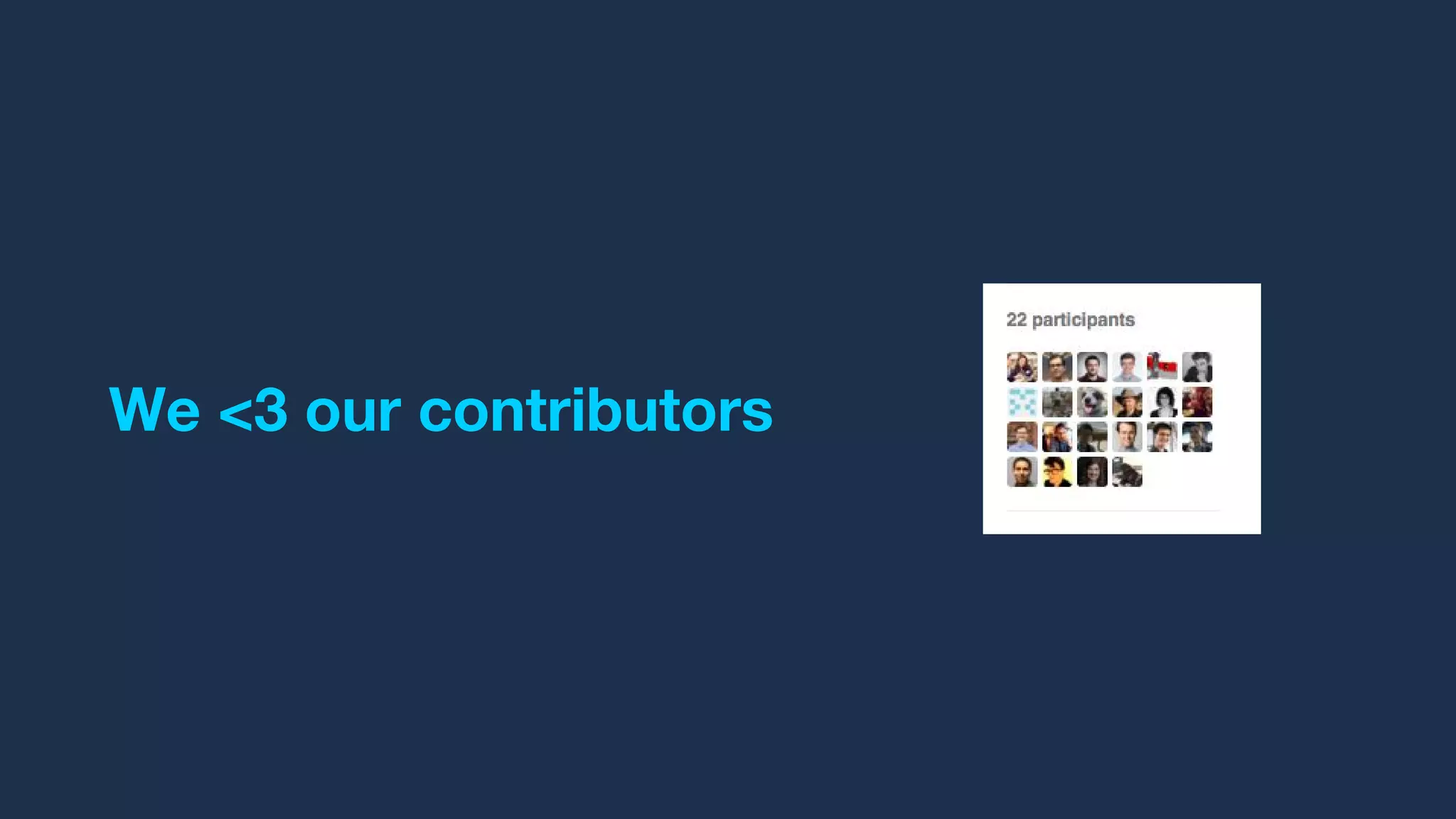
We <3 our contributors
What if I want to
work on something
else?
@fureigh
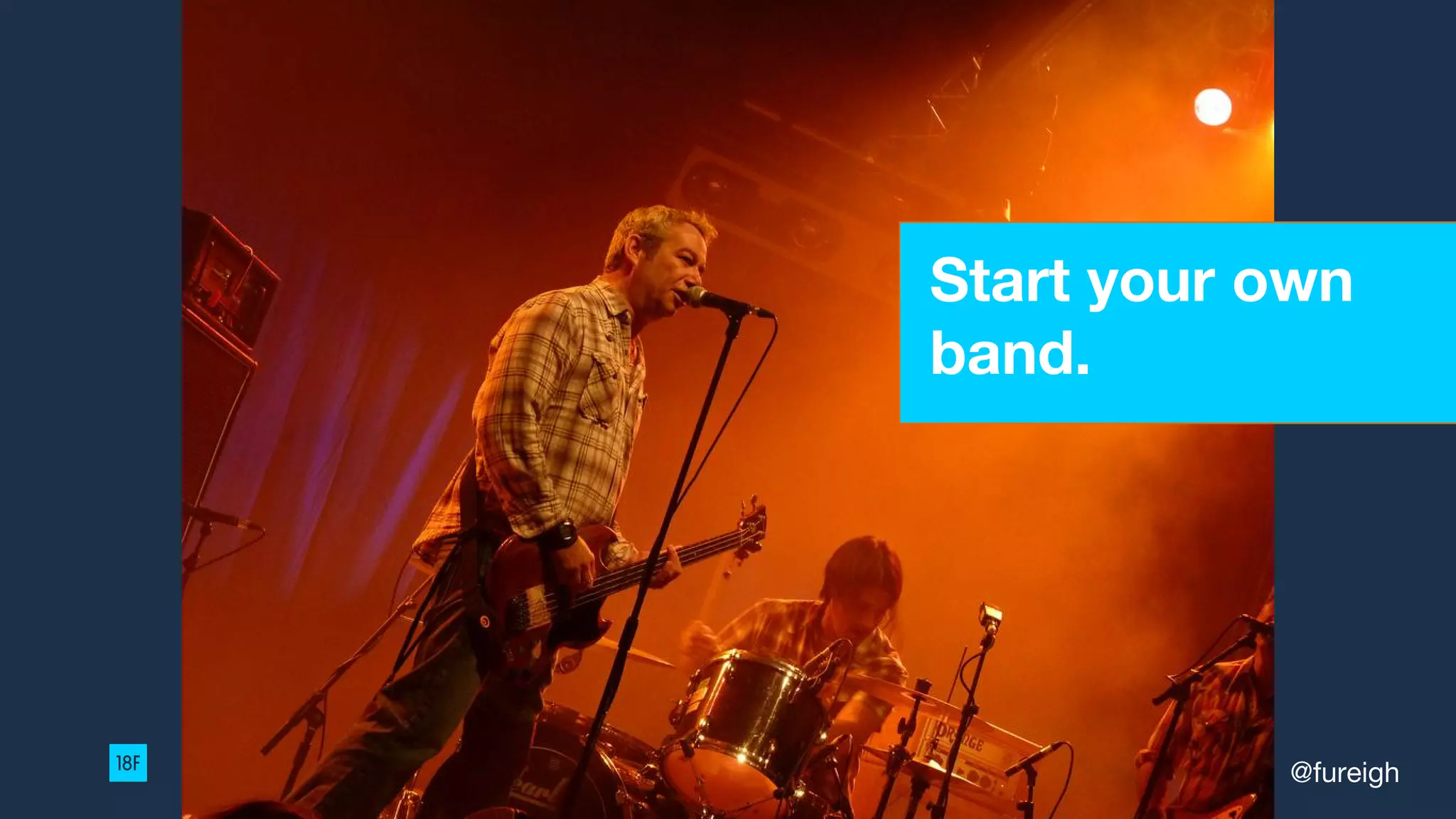
Start your own
band.
@fureigh
@fureigh
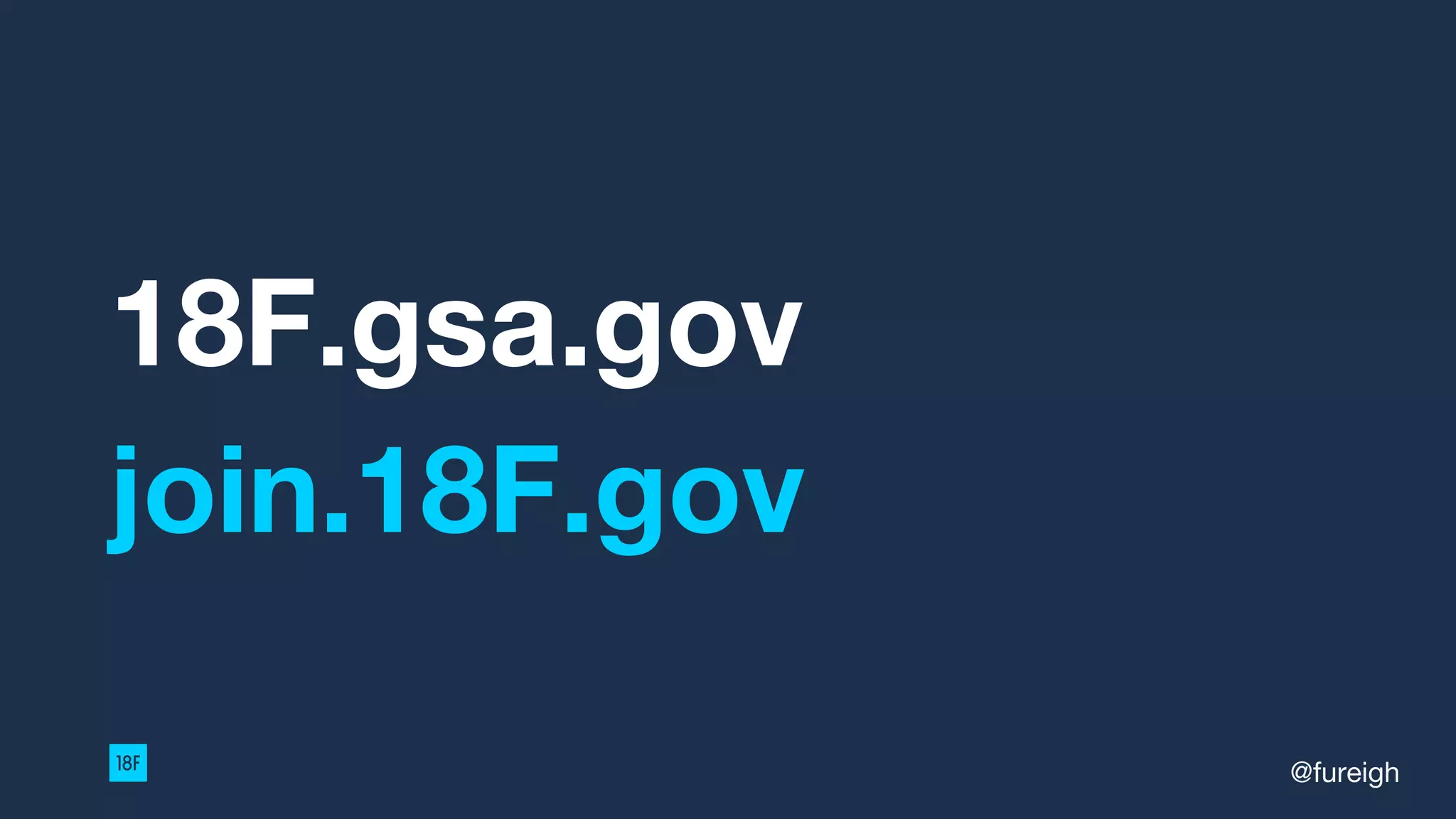
18F.gsa.gov
join.18F.gov
@fureigh
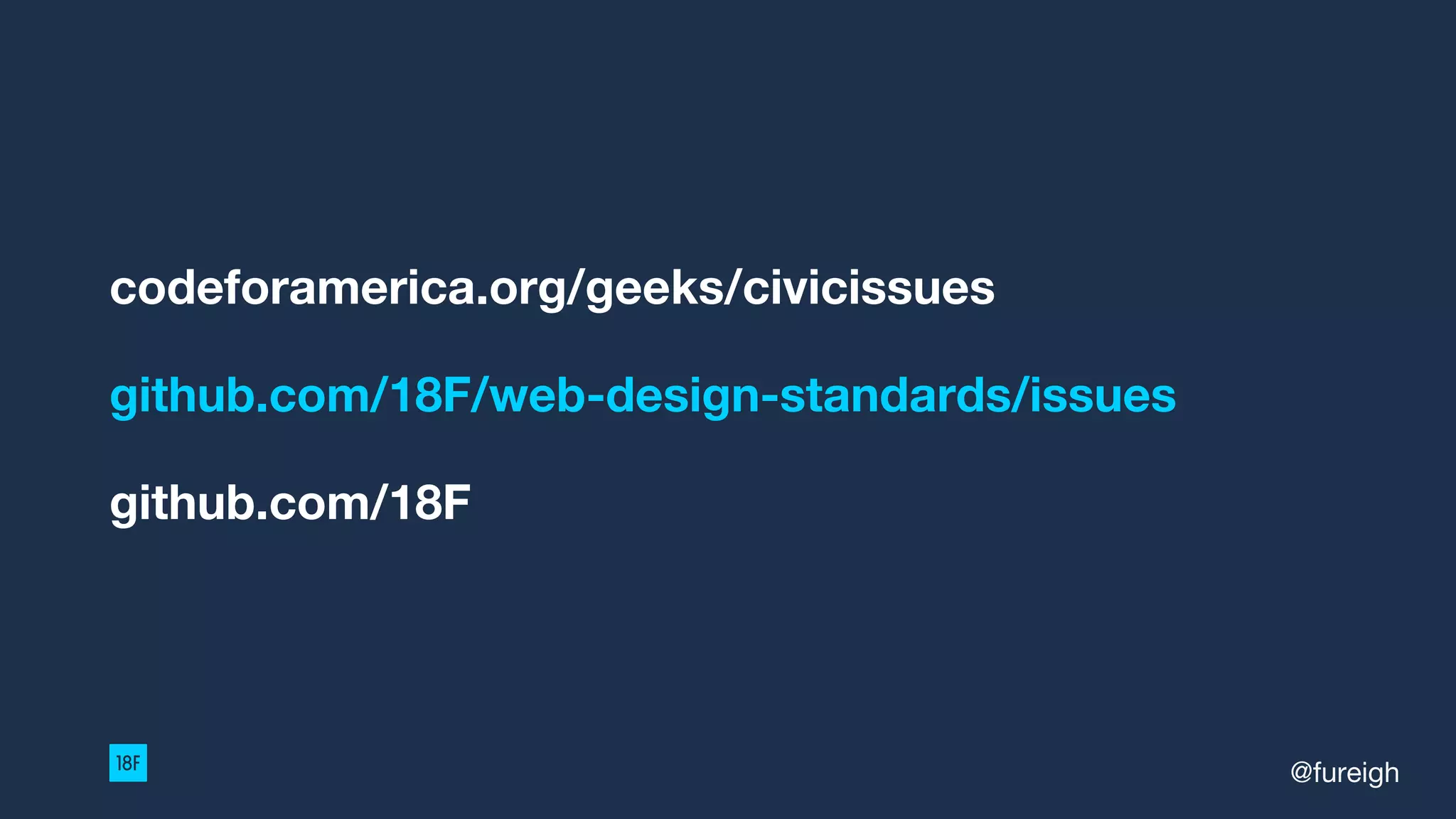
codeforamerica.org/geeks/civicissues
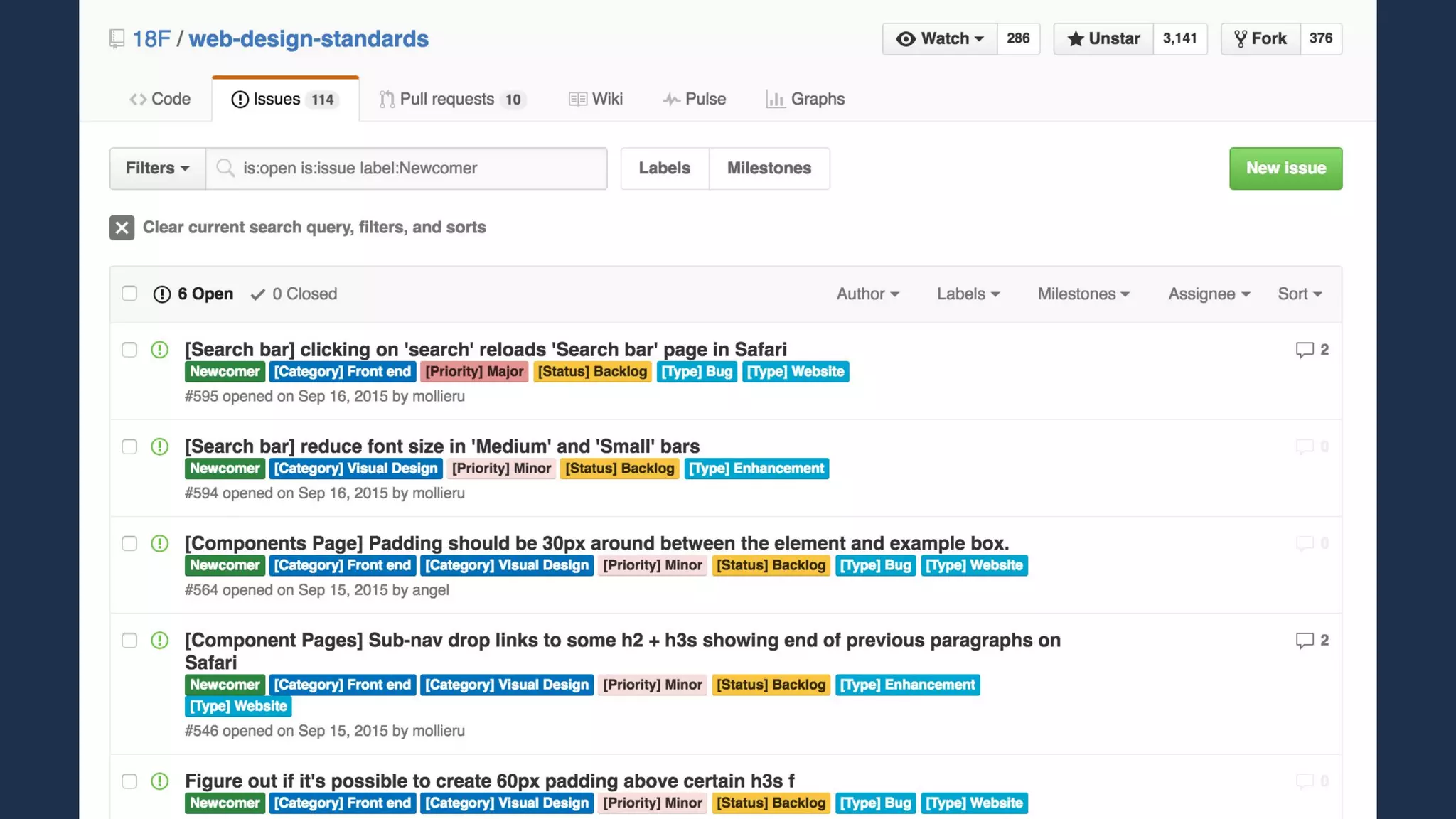
github.com/18F/web-design-standards/issues
github.com/18F
@fureigh

Civic hacking: build your cred while doing good