The Impact of Shade on Green Building How  LEED  based criteria and shading influences design and modeling of fabric applications.
Austin Energy Green Building Designation of Five Star - one of only two buildings in Austin to receive a Five Star Designation
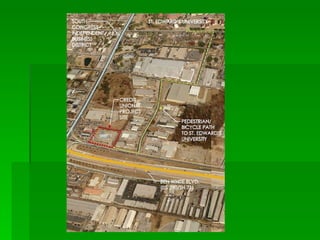
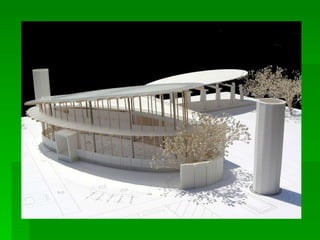
Case Study: University Federal Credit Union, Austin TX. Credits Jackson & McElhaney Architects -  Architect Firm of Record Michael McElhaney, AIA, LEED AP -  Project Architect Reed Critendon -  Project Manager ACR Engineering, Inc. -  MEP Engineer and Commissioning Agent Ricardo Troncoso, P.E. -  MEP Engineer Vimal Nair, P.E. – Project Manager   Marcon Construction Co. -  General Contractor  (Mark Morris, President) Casey Dunn   & Thomas McConnell Photography - Photo images
 
Client Interests Design influences - client interests, community initiatives, code compliance, site specific considerations… From UFCU web site: “ UFCU: A strong, healthy member-owned, not-for-profit cooperative.  At UFCU our focus is on people, not profits. We strongly believe that fair and honest products, along with outstanding customer service, are what have made UFCU Austin’s largest locally-owned financial institution,…” Retail Presence – an owner occupied property engaged in retail financial services, the experience business, differentiation A Brand – transparent, open, welcoming, personable  A Bill Board – visible within the community, the building as an icon, conveys the brand  Transparency to Street – MAXIMIZE - high traffic high visibility real estate Physical & Fiscal Representation of Leadership and Community Involvement - Green Building & LEED Certification
Community Initiatives and Drivers Austin Energy Green Building Program –  The city council approved an energy-efficiency program with the goal of deferring construction of new power plants In 1985, the council adopted the city’s first energy code and five years later, the city expanded the program to include water conservation, efficient materials use, and solid waste ratings. In 1991, it was renamed the City of Austin Green Builder program. In ensuing years it developed guidelines for commercial and multifamily properties. City-owned Austin Energy was put in charge of the program in 1998, making it one of only a few utility-sponsored green building programs. (Portland, Ore.’s Earth Advantage was initially launched by the utility.) In 1999 the city required buildings that receive municipal funding to meet green requirements…..
Continued… 2000 City Council Resolution requiring all municipal construction funded by future bond issues to achieve a USGBC LEED (US Green Building Council Leadership in Energy and Environmental Design) Silver rating.  2003 mandated that all downtown buildings meet the standards too. The green building program also is responsible for developing new energy code proposals. Current Focus:  One of the program’s biggest roles is influencing city policy, says Richard Morgan, program manager for Austin Energy Green Building. Local building codes become stricter in 2009, 2012, and 2015. Staff continuously identifies energy-efficient systems and concepts. Strategies that prove effective are rolled into the mandated energy code.


9am Summer 12pm Summer 5pm Summer 9am Equinox 12pm Equinox 5pm Equinox 9am Winter 12pm Winter 5pm Winter
 
Design and Role of Fabric Shade
 
Case Study Specifics
A Fabricator’s Perspective The criteria supporting the architectural definition and dimensioning of space has changed.  This requires the fabricator to become a  shade solutions  specialist. Influenced by LEED, materials specification and selection are driven by code, compliance, and public policy tied to energy performance  A fabricator’s communication and marketing should emphasize the benefits of fabric as a shading material Fabricators are in a larger market where fabrics will be compared with other more institutionalized shading materials for a larger market opportunity such as glass, metals, wood, etc.
 

Chism Co._LEED Presentation

  • 1.
    The Impact ofShade on Green Building How LEED based criteria and shading influences design and modeling of fabric applications.
  • 2.
    Austin Energy GreenBuilding Designation of Five Star - one of only two buildings in Austin to receive a Five Star Designation
  • 3.
    Case Study: UniversityFederal Credit Union, Austin TX. Credits Jackson & McElhaney Architects -  Architect Firm of Record Michael McElhaney, AIA, LEED AP -  Project Architect Reed Critendon -  Project Manager ACR Engineering, Inc. -  MEP Engineer and Commissioning Agent Ricardo Troncoso, P.E. -  MEP Engineer Vimal Nair, P.E. – Project Manager  Marcon Construction Co. -  General Contractor  (Mark Morris, President) Casey Dunn & Thomas McConnell Photography - Photo images
  • 4.
  • 5.
    Client Interests Designinfluences - client interests, community initiatives, code compliance, site specific considerations… From UFCU web site: “ UFCU: A strong, healthy member-owned, not-for-profit cooperative. At UFCU our focus is on people, not profits. We strongly believe that fair and honest products, along with outstanding customer service, are what have made UFCU Austin’s largest locally-owned financial institution,…” Retail Presence – an owner occupied property engaged in retail financial services, the experience business, differentiation A Brand – transparent, open, welcoming, personable A Bill Board – visible within the community, the building as an icon, conveys the brand Transparency to Street – MAXIMIZE - high traffic high visibility real estate Physical & Fiscal Representation of Leadership and Community Involvement - Green Building & LEED Certification
  • 6.
    Community Initiatives andDrivers Austin Energy Green Building Program – The city council approved an energy-efficiency program with the goal of deferring construction of new power plants In 1985, the council adopted the city’s first energy code and five years later, the city expanded the program to include water conservation, efficient materials use, and solid waste ratings. In 1991, it was renamed the City of Austin Green Builder program. In ensuing years it developed guidelines for commercial and multifamily properties. City-owned Austin Energy was put in charge of the program in 1998, making it one of only a few utility-sponsored green building programs. (Portland, Ore.’s Earth Advantage was initially launched by the utility.) In 1999 the city required buildings that receive municipal funding to meet green requirements…..
  • 7.
    Continued… 2000 CityCouncil Resolution requiring all municipal construction funded by future bond issues to achieve a USGBC LEED (US Green Building Council Leadership in Energy and Environmental Design) Silver rating. 2003 mandated that all downtown buildings meet the standards too. The green building program also is responsible for developing new energy code proposals. Current Focus: One of the program’s biggest roles is influencing city policy, says Richard Morgan, program manager for Austin Energy Green Building. Local building codes become stricter in 2009, 2012, and 2015. Staff continuously identifies energy-efficient systems and concepts. Strategies that prove effective are rolled into the mandated energy code.
  • 8.
  • 9.
  • 10.
  • 11.
    9am Summer 12pmSummer 5pm Summer 9am Equinox 12pm Equinox 5pm Equinox 9am Winter 12pm Winter 5pm Winter
  • 12.
  • 13.
    Design and Roleof Fabric Shade
  • 14.
  • 15.
  • 16.
    A Fabricator’s PerspectiveThe criteria supporting the architectural definition and dimensioning of space has changed. This requires the fabricator to become a shade solutions specialist. Influenced by LEED, materials specification and selection are driven by code, compliance, and public policy tied to energy performance A fabricator’s communication and marketing should emphasize the benefits of fabric as a shading material Fabricators are in a larger market where fabrics will be compared with other more institutionalized shading materials for a larger market opportunity such as glass, metals, wood, etc.
  • 17.