Certified Professional
Diploma in
DATA
SCIENCE
Thane Andheri Nerul Dadar Kalyan
9870803004
9870803005
7304639164
7304639165
9372435654
9372438197
9324826104
9321487176
9967090858
9967939858
OUR BRANCHES
CERTIFICATIONS OPTIONS AVAILABLE
ABOUT US
NetTech India is a premier training institute specializing in
cutting-edge, job-ready courses in the field of IT, CAD &
Accounts. With a focus on practical, hands-on learning, we
offer industry-recognized certifications and personalized
training programs. Our expert instructors are committed to

helping students and professionals enhance their skills and
advance their careers. Located in Thane, Mumbai and Navi
Mumbai, NetTech India is dedicated to providing quality
education and fostering a culture of continuous learning
and innovation. We Prepare You To Be The Talent The
Industry Needs!
25%
Theory
75%
Practicals
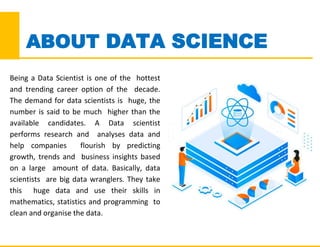
Being a Data Scientist is one of the hottest
and trending career option of the decade.
The demand for data scientists is huge, the
number is said to be much higher than the
available candidates. A Data scientist
performs research and analyses data and
help companies flourish by predicting
growth, trends and business insights based
on a large amount of data. Basically, data
scientists are big data wranglers. They take
this huge data and use their skills in
mathematics, statistics and programming to
clean and organise the data.
ABOUT DATA SCIENCE
BENEFITS OF
DATA SCIENCE
• Career Growth - Higher Pay & Position
• Encourages Professional Development
• Enriches Self-image And Reputation
• Enhances Professional Credibility
• Abundant Job Opportunities
• Used In Many Industries
• Global Recognition
• Secure And Flexible
• 150+ Case Studies
• 150+ Projects
DATA SCIENCE TOPICS
• PYTHON
• MACHINE LEARNING
• ARTIFICIAL INTELLIGENCE
• SQL
PYTHON
Introduction to Python
• History of Python
• Why to learn python
• How is Python Different?
• Installing Python
Python Interpreter
• Using the interpreter
• Integrated Development Environments (IDE) How to run Python programs?
Basics of Python
• Variable
• Keywords
• Statements & Comments
• Indentation
• Data types
• Static Typing vs Dynamic Typing
• Input and output
• Operators Arithmetic operator Relational Operator Assignment Operator
• Logical operator Bitwise operator Membership Operator
• Identity Operator
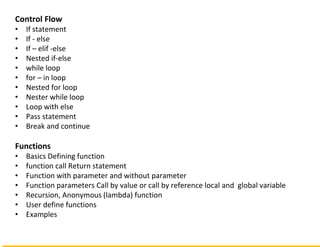
Control Flow
• If statement
• If - else
• If – elif -else
• Nested if-else
• while loop
• for – in loop
• Nested for loop
• Nester while loop
• Loop with else
• Pass statement
• Break and continue
Functions
• Basics Defining function
• function call Return statement
• Function with parameter and without parameter
• Function parameters Call by value or call by reference local and global variable
• Recursion, Anonymous (lambda) function
• User define functions
• Examples
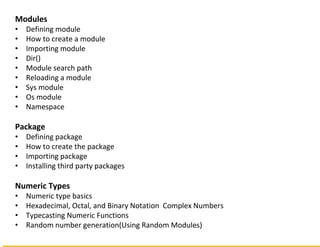
Modules
• Defining module
• How to create a module
• Importing module
• Dir()
• Module search path
• Reloading a module
• Sys module
• Os module
• Namespace
Package
• Defining package
• How to create the package
• Importing package
• Installing third party packages
Numeric Types
• Numeric type basics
• Hexadecimal, Octal, and Binary Notation Complex Numbers
• Typecasting Numeric Functions
• Random number generation(Using Random Modules)
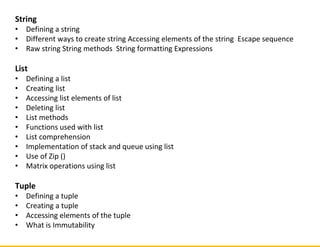
String
• Defining a string
• Different ways to create string Accessing elements of the string Escape sequence
• Raw string String methods String formatting Expressions
List
• Defining a list
• Creating list
• Accessing list elements of list
• Deleting list
• List methods
• Functions used with list
• List comprehension
• Implementation of stack and queue using list
• Use of Zip ()
• Matrix operations using list
Tuple
• Defining a tuple
• Creating a tuple
• Accessing elements of the tuple
• What is Immutability
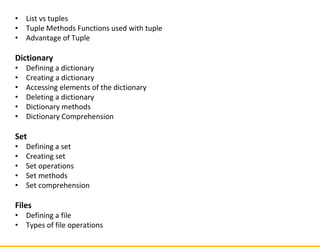
• List vs tuples
• Tuple Methods Functions used with tuple
• Advantage of Tuple
Dictionary
• Defining a dictionary
• Creating a dictionary
• Accessing elements of the dictionary
• Deleting a dictionary
• Dictionary methods
• Dictionary Comprehension
Set
• Defining a set
• Creating set
• Set operations
• Set methods
• Set comprehension
Files
• Defining a file
• Types of file operations
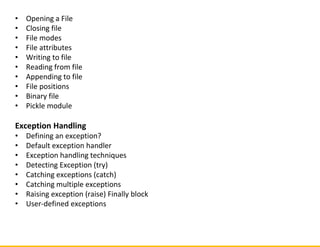
• Opening a File
• Closing file
• File modes
• File attributes
• Writing to file
• Reading from file
• Appending to file
• File positions
• Binary file
• Pickle module
Exception Handling
• Defining an exception?
• Default exception handler
• Exception handling techniques
• Detecting Exception (try)
• Catching exceptions (catch)
• Catching multiple exceptions
• Raising exception (raise) Finally block
• User-defined exceptions
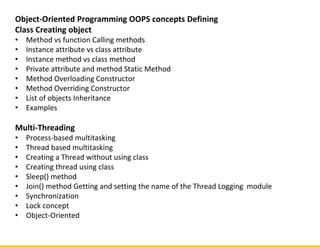
Object-Oriented Programming OOPS concepts Defining
Class Creating object
• Method vs function Calling methods
• Instance attribute vs class attribute
• Instance method vs class method
• Private attribute and method Static Method
• Method Overloading Constructor
• Method Overriding Constructor
• List of objects Inheritance
• Examples
Multi-Threading
• Process-based multitasking
• Thread based multitasking
• Creating a Thread without using class
• Creating thread using class
• Sleep() method
• Join() method Getting and setting the name of the Thread Logging module
• Synchronization
• Lock concept
• Object-Oriented
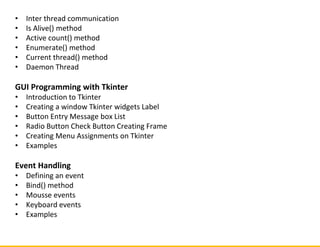
• Inter thread communication
• Is Alive() method
• Active count() method
• Enumerate() method
• Current thread() method
• Daemon Thread
GUI Programming with Tkinter
• Introduction to Tkinter
• Creating a window Tkinter widgets Label
• Button Entry Message box List
• Radio Button Check Button Creating Frame
• Creating Menu Assignments on Tkinter
• Examples
Event Handling
• Defining an event
• Bind() method
• Mousse events
• Keyboard events
• Examples
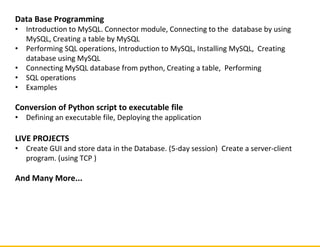
Data Base Programming
• Introduction to MySQL. Connector module, Connecting to the database by using
MySQL, Creating a table by MySQL
• Performing SQL operations, Introduction to MySQL, Installing MySQL, Creating
database using MySQL
• Connecting MySQL database from python, Creating a table, Performing
• SQL operations
• Examples
Conversion of Python script to executable file
• Defining an executable file, Deploying the application
LIVE PROJECTS
• Create GUI and store data in the Database. (5-day session) Create a server-client
program. (using TCP )
And Many More...
MACHINE LEARNING
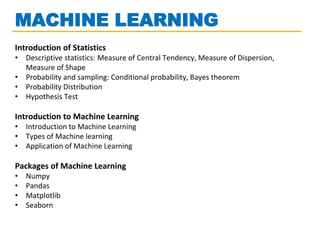
Introduction of Statistics
• Descriptive statistics: Measure of Central Tendency, Measure of Dispersion,
Measure of Shape
• Probability and sampling: Conditional probability, Bayes theorem
• Probability Distribution
• Hypothesis Test
Introduction to Machine Learning
• Introduction to Machine Learning
• Types of Machine learning
• Application of Machine Learning
Packages of Machine Learning
• Numpy
• Pandas
• Matplotlib
• Seaborn
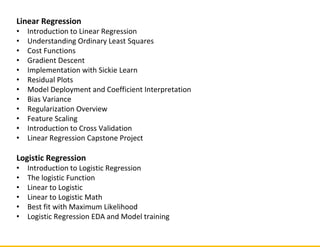
Linear Regression
• Introduction to Linear Regression
• Understanding Ordinary Least Squares
• Cost Functions
• Gradient Descent
• Implementation with Sickie Learn
• Residual Plots
• Model Deployment and Coefficient Interpretation
• Bias Variance
• Regularization Overview
• Feature Scaling
• Introduction to Cross Validation
• Linear Regression Capstone Project
Logistic Regression
• Introduction to Logistic Regression
• The logistic Function
• Linear to Logistic
• Linear to Logistic Math
• Best fit with Maximum Likelihood
• Logistic Regression EDA and Model training
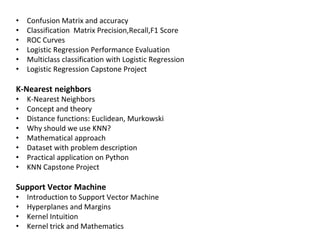
• Confusion Matrix and accuracy
• Classification Matrix Precision,Recall,F1 Score
• ROC Curves
• Logistic Regression Performance Evaluation
• Multiclass classification with Logistic Regression
• Logistic Regression Capstone Project
K-Nearest neighbors
• K-Nearest Neighbors
• Concept and theory
• Distance functions: Euclidean, Murkowski
• Why should we use KNN?
• Mathematical approach
• Dataset with problem description
• Practical application on Python
• KNN Capstone Project
Support Vector Machine
• Introduction to Support Vector Machine
• Hyperplanes and Margins
• Kernel Intuition
• Kernel trick and Mathematics
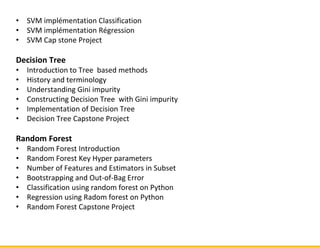
• SVM implémentation Classification
• SVM implémentation Régression
• SVM Cap stone Project
Decision Tree
• Introduction to Tree based methods
• History and terminology
• Understanding Gini impurity
• Constructing Decision Tree with Gini impurity
• Implementation of Decision Tree
• Decision Tree Capstone Project
Random Forest
• Random Forest Introduction
• Random Forest Key Hyper parameters
• Number of Features and Estimators in Subset
• Bootstrapping and Out-of-Bag Error
• Classification using random forest on Python
• Regression using Radom forest on Python
• Random Forest Capstone Project
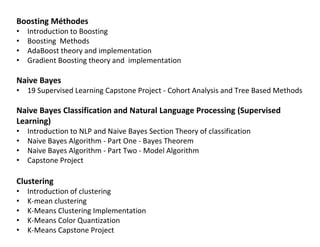
Boosting Méthodes
• Introduction to Boosting
• Boosting Methods
• AdaBoost theory and implementation
• Gradient Boosting theory and implementation
Naive Bayes
• 19 Supervised Learning Capstone Project - Cohort Analysis and Tree Based Methods
Naive Bayes Classification and Natural Language Processing (Supervised
Learning)
• Introduction to NLP and Naive Bayes Section Theory of classification
• Naive Bayes Algorithm - Part One - Bayes Theorem
• Naive Bayes Algorithm - Part Two - Model Algorithm
• Capstone Project
Clustering
• Introduction of clustering
• K-mean clustering
• K-Means Clustering Implementation
• K-Means Color Quantization
• K-Means Capstone Project
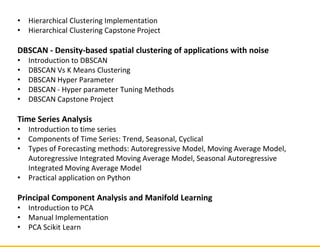
• Hierarchical Clustering Implementation
• Hierarchical Clustering Capstone Project
DBSCAN - Density-based spatial clustering of applications with noise
• Introduction to DBSCAN
• DBSCAN Vs K Means Clustering
• DBSCAN Hyper Parameter
• DBSCAN - Hyper parameter Tuning Methods
• DBSCAN Capstone Project
Time Series Analysis
• Introduction to time series
• Components of Time Series: Trend, Seasonal, Cyclical
• Types of Forecasting methods: Autoregressive Model, Moving Average Model,
Autoregressive Integrated Moving Average Model, Seasonal Autoregressive
Integrated Moving Average Model
• Practical application on Python
Principal Component Analysis and Manifold Learning
• Introduction to PCA
• Manual Implementation
• PCA Scikit Learn
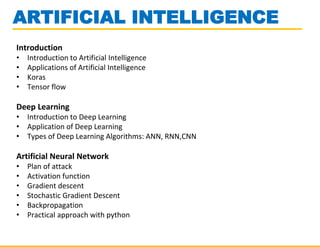
ARTIFICIAL INTELLIGENCE
Introduction
• Introduction to Artificial Intelligence
• Applications of Artificial Intelligence
• Koras
• Tensor flow
Deep Learning
• Introduction to Deep Learning
• Application of Deep Learning
• Types of Deep Learning Algorithms: ANN, RNN,CNN
Artificial Neural Network
• Plan of attack
• Activation function
• Gradient descent
• Stochastic Gradient Descent
• Backpropagation
• Practical approach with python
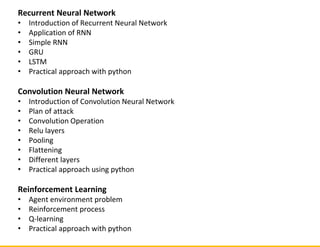
Recurrent Neural Network
• Introduction of Recurrent Neural Network
• Application of RNN
• Simple RNN
• GRU
• LSTM
• Practical approach with python
Convolution Neural Network
• Introduction of Convolution Neural Network
• Plan of attack
• Convolution Operation
• Relu layers
• Pooling
• Flattening
• Different layers
• Practical approach using python
Reinforcement Learning
• Agent environment problem
• Reinforcement process
• Q-learning
• Practical approach with python
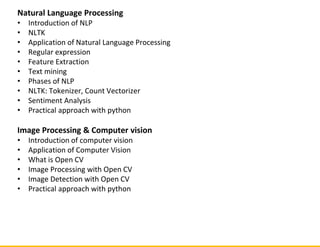
Natural Language Processing
• Introduction of NLP
• NLTK
• Application of Natural Language Processing
• Regular expression
• Feature Extraction
• Text mining
• Phases of NLP
• NLTK: Tokenizer, Count Vectorizer
• Sentiment Analysis
• Practical approach with python
Image Processing & Computer vision
• Introduction of computer vision
• Application of Computer Vision
• What is Open CV
• Image Processing with Open CV
• Image Detection with Open CV
• Practical approach with python
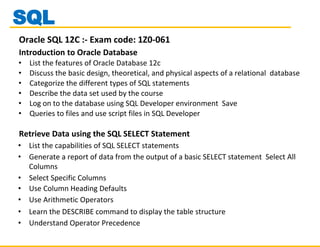
Oracle SQL 12C :- Exam code: 1Z0-061
Introduction to Oracle Database
• List the features of Oracle Database 12c
• Discuss the basic design, theoretical, and physical aspects of a relational database
• Categorize the different types of SQL statements
• Describe the data set used by the course
• Log on to the database using SQL Developer environment Save
• Queries to files and use script files in SQL Developer
Retrieve Data using the SQL SELECT Statement
• List the capabilities of SQL SELECT statements
• Generate a report of data from the output of a basic SELECT statement Select All
Columns
• Select Specific Columns
• Use Column Heading Defaults
• Use Arithmetic Operators
• Learn the DESCRIBE command to display the table structure
• Understand Operator Precedence
SQL
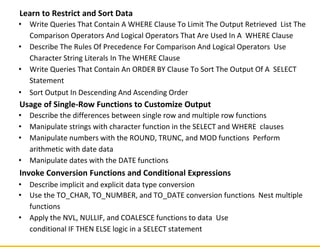
Learn to Restrict and Sort Data
• Write Queries That Contain A WHERE Clause To Limit The Output Retrieved List The
Comparison Operators And Logical Operators That Are Used In A WHERE Clause
• Describe The Rules Of Precedence For Comparison And Logical Operators Use
Character String Literals In The WHERE Clause
• Write Queries That Contain An ORDER BY Clause To Sort The Output Of A SELECT
Statement
• Sort Output In Descending And Ascending Order
Usage of Single-Row Functions to Customize Output
• Describe the differences between single row and multiple row functions
• Manipulate strings with character function in the SELECT and WHERE clauses
• Manipulate numbers with the ROUND, TRUNC, and MOD functions Perform
arithmetic with date data
• Manipulate dates with the DATE functions
Invoke Conversion Functions and Conditional Expressions
• Describe implicit and explicit data type conversion
• Use the TO_CHAR, TO_NUMBER, and TO_DATE conversion functions Nest multiple
functions
• Apply the NVL, NULLIF, and COALESCE functions to data Use
conditional IF THEN ELSE logic in a SELECT statement
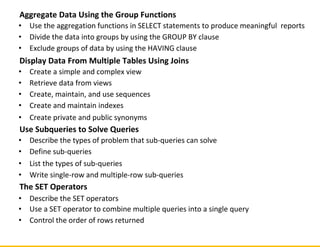
Aggregate Data Using the Group Functions
• Use the aggregation functions in SELECT statements to produce meaningful reports
• Divide the data into groups by using the GROUP BY clause
• Exclude groups of data by using the HAVING clause
Display Data From Multiple Tables Using Joins
• Create a simple and complex view
• Retrieve data from views
• Create, maintain, and use sequences
• Create and maintain indexes
• Create private and public synonyms
Use Subqueries to Solve Queries
• Describe the types of problem that sub-queries can solve
• Define sub-queries
• List the types of sub-queries
• Write single-row and multiple-row sub-queries
The SET Operators
• Describe the SET operators
• Use a SET operator to combine multiple queries into a single query
• Control the order of rows returned
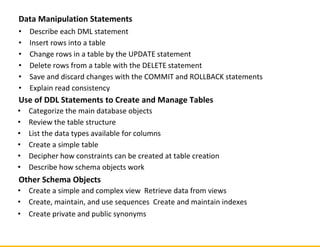
Data Manipulation Statements
• Describe each DML statement
• Insert rows into a table
• Change rows in a table by the UPDATE statement
• Delete rows from a table with the DELETE statement
• Save and discard changes with the COMMIT and ROLLBACK statements
• Explain read consistency
Use of DDL Statements to Create and Manage Tables
• Categorize the main database objects
• Review the table structure
• List the data types available for columns
• Create a simple table
• Decipher how constraints can be created at table creation
• Describe how schema objects work
Other Schema Objects
• Create a simple and complex view Retrieve data from views
• Create, maintain, and use sequences Create and maintain indexes
• Create private and public synonyms
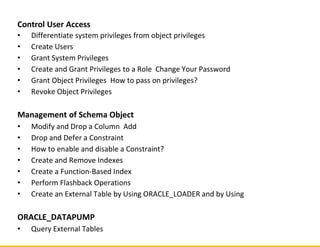
Control User Access
• Differentiate system privileges from object privileges
• Create Users
• Grant System Privileges
• Create and Grant Privileges to a Role Change Your Password
• Grant Object Privileges How to pass on privileges?
• Revoke Object Privileges
Management of Schema Object
• Modify and Drop a Column Add
• Drop and Defer a Constraint
• How to enable and disable a Constraint?
• Create and Remove Indexes
• Create a Function-Based Index
• Perform Flashback Operations
• Create an External Table by Using ORACLE_LOADER and by Using
ORACLE_DATAPUMP
• Query External Tables
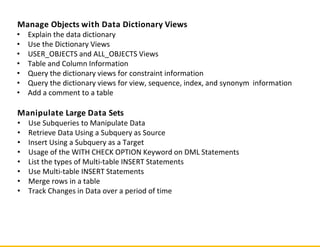
Manage Objects with Data Dictionary Views
• Explain the data dictionary
• Use the Dictionary Views
• USER_OBJECTS and ALL_OBJECTS Views
• Table and Column Information
• Query the dictionary views for constraint information
• Query the dictionary views for view, sequence, index, and synonym information
• Add a comment to a table
Manipulate Large Data Sets
• Use Subqueries to Manipulate Data
• Retrieve Data Using a Subquery as Source
• Insert Using a Subquery as a Target
• Usage of the WITH CHECK OPTION Keyword on DML Statements
• List the types of Multi-table INSERT Statements
• Use Multi-table INSERT Statements
• Merge rows in a table
• Track Changes in Data over a period of time
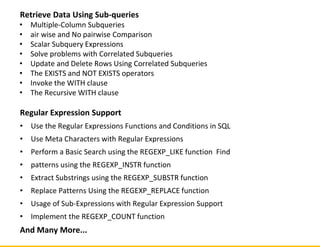
Retrieve Data Using Sub-queries
• Multiple-Column Subqueries
• air wise and No pairwise Comparison
• Scalar Subquery Expressions
• Solve problems with Correlated Subqueries
• Update and Delete Rows Using Correlated Subqueries
• The EXISTS and NOT EXISTS operators
• Invoke the WITH clause
• The Recursive WITH clause
Regular Expression Support
• Use the Regular Expressions Functions and Conditions in SQL
• Use Meta Characters with Regular Expressions
• Perform a Basic Search using the REGEXP_LIKE function Find
• patterns using the REGEXP_INSTR function
• Extract Substrings using the REGEXP_SUBSTR function
• Replace Patterns Using the REGEXP_REPLACE function
• Usage of Sub-Expressions with Regular Expression Support
• Implement the REGEXP_COUNT function
And Many More...
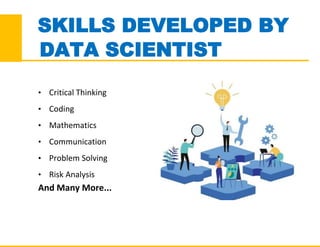
SKILLS DEVELOPED BY
DATA SCIENTIST
• Critical Thinking
• Coding
• Mathematics
• Communication
• Problem Solving
• Risk Analysis
And Many More...
WHO CAN LEARN ?
• Anyone Who Wants To Build A Career In Data Science
• Anyone Who Wish To Gain Knowledge About Programming Students
• Who Are Currently In College Or University
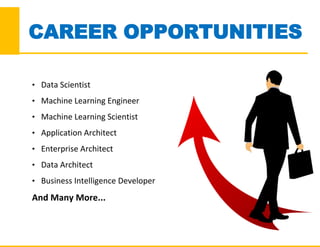
CAREER OPPORTUNITIES
• Data Scientist
• Machine Learning Engineer
• Machine Learning Scientist
• Application Architect
• Enterprise Architect
• Data Architect
• Business Intelligence Developer
And Many More...
OUR RECRUITERS
and Many More….
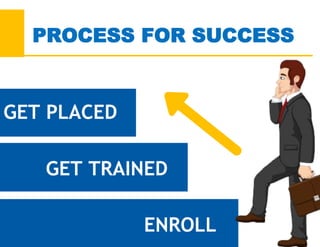
PROCESS FOR SUCCESS
GET PLACED
GET TRAINED
ENROLL
FACILITIES OFFERED
Note: NetTech India's job placement assistance is contingent
upon students attending and actively participating in the
prescribed placement training sessions.
• Practical Training On Live Projects
• Complete Placement Assistance
• Interview Preparation
• Global Certification
• Fully Functional Labs
• Online / Offline Training
• Study Materials
• Expert Level Industry Recognized Training
203, Ratnamani Building, Dada Patil
Wadi, Opp ICICI ATM, Near Platform
No.1, Thane West - 400601
098708 03004 / 5
info@nettechindia.com
THANE
1st Floor, C Wing, Laram Center,
Above Bata Showroom, Opp Railway
Stn, Near Nadko Shopping Center
Andheri West - 400058
7304639164
7304639165
ANDHERI
info@nettechindia.com
NERUL
302, A Wing, Om Shivam Center,
Sector 20, Akash Tutorial, Opposite
Nerul Station West – 400706
info@nettechindia.com
9372435654
9372438197
365/A, Rukmini Niketan, 1st Floor,
Ranade Road, Next to Post Office,
Dadar West, Mumbai 400028
info@nettechindia.com
DADAR
9967090858
9967939858
info@nettechindia.com
KALYAN
9324826104
9321487176
Visit Our Websites
www.nettechindia.org
www.nettechindia.com
101 Chandulal Joshi Plaza, Above JK
Burger, Opp Kalyan Railway
Reservetion Office, Kalyan West -
421301

Certified Professional Diploma in Data Science.pdf

  • 1.
    Certified Professional Diploma in DATA SCIENCE ThaneAndheri Nerul Dadar Kalyan 9870803004 9870803005 7304639164 7304639165 9372435654 9372438197 9324826104 9321487176 9967090858 9967939858 OUR BRANCHES
  • 2.
  • 3.
    ABOUT US NetTech Indiais a premier training institute specializing in cutting-edge, job-ready courses in the field of IT, CAD & Accounts. With a focus on practical, hands-on learning, we offer industry-recognized certifications and personalized training programs. Our expert instructors are committed to helping students and professionals enhance their skills and advance their careers. Located in Thane, Mumbai and Navi Mumbai, NetTech India is dedicated to providing quality education and fostering a culture of continuous learning and innovation. We Prepare You To Be The Talent The Industry Needs! 25% Theory 75% Practicals
  • 4.
    Being a DataScientist is one of the hottest and trending career option of the decade. The demand for data scientists is huge, the number is said to be much higher than the available candidates. A Data scientist performs research and analyses data and help companies flourish by predicting growth, trends and business insights based on a large amount of data. Basically, data scientists are big data wranglers. They take this huge data and use their skills in mathematics, statistics and programming to clean and organise the data. ABOUT DATA SCIENCE
  • 5.
    BENEFITS OF DATA SCIENCE •Career Growth - Higher Pay & Position • Encourages Professional Development • Enriches Self-image And Reputation • Enhances Professional Credibility • Abundant Job Opportunities • Used In Many Industries • Global Recognition • Secure And Flexible • 150+ Case Studies • 150+ Projects
  • 6.
    DATA SCIENCE TOPICS •PYTHON • MACHINE LEARNING • ARTIFICIAL INTELLIGENCE • SQL
  • 7.
    PYTHON Introduction to Python •History of Python • Why to learn python • How is Python Different? • Installing Python Python Interpreter • Using the interpreter • Integrated Development Environments (IDE) How to run Python programs? Basics of Python • Variable • Keywords • Statements & Comments • Indentation • Data types • Static Typing vs Dynamic Typing • Input and output • Operators Arithmetic operator Relational Operator Assignment Operator • Logical operator Bitwise operator Membership Operator • Identity Operator
  • 8.
    Control Flow • Ifstatement • If - else • If – elif -else • Nested if-else • while loop • for – in loop • Nested for loop • Nester while loop • Loop with else • Pass statement • Break and continue Functions • Basics Defining function • function call Return statement • Function with parameter and without parameter • Function parameters Call by value or call by reference local and global variable • Recursion, Anonymous (lambda) function • User define functions • Examples
  • 9.
    Modules • Defining module •How to create a module • Importing module • Dir() • Module search path • Reloading a module • Sys module • Os module • Namespace Package • Defining package • How to create the package • Importing package • Installing third party packages Numeric Types • Numeric type basics • Hexadecimal, Octal, and Binary Notation Complex Numbers • Typecasting Numeric Functions • Random number generation(Using Random Modules)
  • 10.
    String • Defining astring • Different ways to create string Accessing elements of the string Escape sequence • Raw string String methods String formatting Expressions List • Defining a list • Creating list • Accessing list elements of list • Deleting list • List methods • Functions used with list • List comprehension • Implementation of stack and queue using list • Use of Zip () • Matrix operations using list Tuple • Defining a tuple • Creating a tuple • Accessing elements of the tuple • What is Immutability
  • 11.
    • List vstuples • Tuple Methods Functions used with tuple • Advantage of Tuple Dictionary • Defining a dictionary • Creating a dictionary • Accessing elements of the dictionary • Deleting a dictionary • Dictionary methods • Dictionary Comprehension Set • Defining a set • Creating set • Set operations • Set methods • Set comprehension Files • Defining a file • Types of file operations
  • 12.
    • Opening aFile • Closing file • File modes • File attributes • Writing to file • Reading from file • Appending to file • File positions • Binary file • Pickle module Exception Handling • Defining an exception? • Default exception handler • Exception handling techniques • Detecting Exception (try) • Catching exceptions (catch) • Catching multiple exceptions • Raising exception (raise) Finally block • User-defined exceptions
  • 13.
    Object-Oriented Programming OOPSconcepts Defining Class Creating object • Method vs function Calling methods • Instance attribute vs class attribute • Instance method vs class method • Private attribute and method Static Method • Method Overloading Constructor • Method Overriding Constructor • List of objects Inheritance • Examples Multi-Threading • Process-based multitasking • Thread based multitasking • Creating a Thread without using class • Creating thread using class • Sleep() method • Join() method Getting and setting the name of the Thread Logging module • Synchronization • Lock concept • Object-Oriented
  • 14.
    • Inter threadcommunication • Is Alive() method • Active count() method • Enumerate() method • Current thread() method • Daemon Thread GUI Programming with Tkinter • Introduction to Tkinter • Creating a window Tkinter widgets Label • Button Entry Message box List • Radio Button Check Button Creating Frame • Creating Menu Assignments on Tkinter • Examples Event Handling • Defining an event • Bind() method • Mousse events • Keyboard events • Examples
  • 15.
    Data Base Programming •Introduction to MySQL. Connector module, Connecting to the database by using MySQL, Creating a table by MySQL • Performing SQL operations, Introduction to MySQL, Installing MySQL, Creating database using MySQL • Connecting MySQL database from python, Creating a table, Performing • SQL operations • Examples Conversion of Python script to executable file • Defining an executable file, Deploying the application LIVE PROJECTS • Create GUI and store data in the Database. (5-day session) Create a server-client program. (using TCP ) And Many More...
  • 16.
    MACHINE LEARNING Introduction ofStatistics • Descriptive statistics: Measure of Central Tendency, Measure of Dispersion, Measure of Shape • Probability and sampling: Conditional probability, Bayes theorem • Probability Distribution • Hypothesis Test Introduction to Machine Learning • Introduction to Machine Learning • Types of Machine learning • Application of Machine Learning Packages of Machine Learning • Numpy • Pandas • Matplotlib • Seaborn
  • 17.
    Linear Regression • Introductionto Linear Regression • Understanding Ordinary Least Squares • Cost Functions • Gradient Descent • Implementation with Sickie Learn • Residual Plots • Model Deployment and Coefficient Interpretation • Bias Variance • Regularization Overview • Feature Scaling • Introduction to Cross Validation • Linear Regression Capstone Project Logistic Regression • Introduction to Logistic Regression • The logistic Function • Linear to Logistic • Linear to Logistic Math • Best fit with Maximum Likelihood • Logistic Regression EDA and Model training
  • 18.
    • Confusion Matrixand accuracy • Classification Matrix Precision,Recall,F1 Score • ROC Curves • Logistic Regression Performance Evaluation • Multiclass classification with Logistic Regression • Logistic Regression Capstone Project K-Nearest neighbors • K-Nearest Neighbors • Concept and theory • Distance functions: Euclidean, Murkowski • Why should we use KNN? • Mathematical approach • Dataset with problem description • Practical application on Python • KNN Capstone Project Support Vector Machine • Introduction to Support Vector Machine • Hyperplanes and Margins • Kernel Intuition • Kernel trick and Mathematics
  • 19.
    • SVM implémentationClassification • SVM implémentation Régression • SVM Cap stone Project Decision Tree • Introduction to Tree based methods • History and terminology • Understanding Gini impurity • Constructing Decision Tree with Gini impurity • Implementation of Decision Tree • Decision Tree Capstone Project Random Forest • Random Forest Introduction • Random Forest Key Hyper parameters • Number of Features and Estimators in Subset • Bootstrapping and Out-of-Bag Error • Classification using random forest on Python • Regression using Radom forest on Python • Random Forest Capstone Project
  • 20.
    Boosting Méthodes • Introductionto Boosting • Boosting Methods • AdaBoost theory and implementation • Gradient Boosting theory and implementation Naive Bayes • 19 Supervised Learning Capstone Project - Cohort Analysis and Tree Based Methods Naive Bayes Classification and Natural Language Processing (Supervised Learning) • Introduction to NLP and Naive Bayes Section Theory of classification • Naive Bayes Algorithm - Part One - Bayes Theorem • Naive Bayes Algorithm - Part Two - Model Algorithm • Capstone Project Clustering • Introduction of clustering • K-mean clustering • K-Means Clustering Implementation • K-Means Color Quantization • K-Means Capstone Project
  • 21.
    • Hierarchical ClusteringImplementation • Hierarchical Clustering Capstone Project DBSCAN - Density-based spatial clustering of applications with noise • Introduction to DBSCAN • DBSCAN Vs K Means Clustering • DBSCAN Hyper Parameter • DBSCAN - Hyper parameter Tuning Methods • DBSCAN Capstone Project Time Series Analysis • Introduction to time series • Components of Time Series: Trend, Seasonal, Cyclical • Types of Forecasting methods: Autoregressive Model, Moving Average Model, Autoregressive Integrated Moving Average Model, Seasonal Autoregressive Integrated Moving Average Model • Practical application on Python Principal Component Analysis and Manifold Learning • Introduction to PCA • Manual Implementation • PCA Scikit Learn
  • 22.
    ARTIFICIAL INTELLIGENCE Introduction • Introductionto Artificial Intelligence • Applications of Artificial Intelligence • Koras • Tensor flow Deep Learning • Introduction to Deep Learning • Application of Deep Learning • Types of Deep Learning Algorithms: ANN, RNN,CNN Artificial Neural Network • Plan of attack • Activation function • Gradient descent • Stochastic Gradient Descent • Backpropagation • Practical approach with python
  • 23.
    Recurrent Neural Network •Introduction of Recurrent Neural Network • Application of RNN • Simple RNN • GRU • LSTM • Practical approach with python Convolution Neural Network • Introduction of Convolution Neural Network • Plan of attack • Convolution Operation • Relu layers • Pooling • Flattening • Different layers • Practical approach using python Reinforcement Learning • Agent environment problem • Reinforcement process • Q-learning • Practical approach with python
  • 24.
    Natural Language Processing •Introduction of NLP • NLTK • Application of Natural Language Processing • Regular expression • Feature Extraction • Text mining • Phases of NLP • NLTK: Tokenizer, Count Vectorizer • Sentiment Analysis • Practical approach with python Image Processing & Computer vision • Introduction of computer vision • Application of Computer Vision • What is Open CV • Image Processing with Open CV • Image Detection with Open CV • Practical approach with python
  • 25.
    Oracle SQL 12C:- Exam code: 1Z0-061 Introduction to Oracle Database • List the features of Oracle Database 12c • Discuss the basic design, theoretical, and physical aspects of a relational database • Categorize the different types of SQL statements • Describe the data set used by the course • Log on to the database using SQL Developer environment Save • Queries to files and use script files in SQL Developer Retrieve Data using the SQL SELECT Statement • List the capabilities of SQL SELECT statements • Generate a report of data from the output of a basic SELECT statement Select All Columns • Select Specific Columns • Use Column Heading Defaults • Use Arithmetic Operators • Learn the DESCRIBE command to display the table structure • Understand Operator Precedence SQL
  • 26.
    Learn to Restrictand Sort Data • Write Queries That Contain A WHERE Clause To Limit The Output Retrieved List The Comparison Operators And Logical Operators That Are Used In A WHERE Clause • Describe The Rules Of Precedence For Comparison And Logical Operators Use Character String Literals In The WHERE Clause • Write Queries That Contain An ORDER BY Clause To Sort The Output Of A SELECT Statement • Sort Output In Descending And Ascending Order Usage of Single-Row Functions to Customize Output • Describe the differences between single row and multiple row functions • Manipulate strings with character function in the SELECT and WHERE clauses • Manipulate numbers with the ROUND, TRUNC, and MOD functions Perform arithmetic with date data • Manipulate dates with the DATE functions Invoke Conversion Functions and Conditional Expressions • Describe implicit and explicit data type conversion • Use the TO_CHAR, TO_NUMBER, and TO_DATE conversion functions Nest multiple functions • Apply the NVL, NULLIF, and COALESCE functions to data Use conditional IF THEN ELSE logic in a SELECT statement
  • 27.
    Aggregate Data Usingthe Group Functions • Use the aggregation functions in SELECT statements to produce meaningful reports • Divide the data into groups by using the GROUP BY clause • Exclude groups of data by using the HAVING clause Display Data From Multiple Tables Using Joins • Create a simple and complex view • Retrieve data from views • Create, maintain, and use sequences • Create and maintain indexes • Create private and public synonyms Use Subqueries to Solve Queries • Describe the types of problem that sub-queries can solve • Define sub-queries • List the types of sub-queries • Write single-row and multiple-row sub-queries The SET Operators • Describe the SET operators • Use a SET operator to combine multiple queries into a single query • Control the order of rows returned
  • 28.
    Data Manipulation Statements •Describe each DML statement • Insert rows into a table • Change rows in a table by the UPDATE statement • Delete rows from a table with the DELETE statement • Save and discard changes with the COMMIT and ROLLBACK statements • Explain read consistency Use of DDL Statements to Create and Manage Tables • Categorize the main database objects • Review the table structure • List the data types available for columns • Create a simple table • Decipher how constraints can be created at table creation • Describe how schema objects work Other Schema Objects • Create a simple and complex view Retrieve data from views • Create, maintain, and use sequences Create and maintain indexes • Create private and public synonyms
  • 29.
    Control User Access •Differentiate system privileges from object privileges • Create Users • Grant System Privileges • Create and Grant Privileges to a Role Change Your Password • Grant Object Privileges How to pass on privileges? • Revoke Object Privileges Management of Schema Object • Modify and Drop a Column Add • Drop and Defer a Constraint • How to enable and disable a Constraint? • Create and Remove Indexes • Create a Function-Based Index • Perform Flashback Operations • Create an External Table by Using ORACLE_LOADER and by Using ORACLE_DATAPUMP • Query External Tables
  • 30.
    Manage Objects withData Dictionary Views • Explain the data dictionary • Use the Dictionary Views • USER_OBJECTS and ALL_OBJECTS Views • Table and Column Information • Query the dictionary views for constraint information • Query the dictionary views for view, sequence, index, and synonym information • Add a comment to a table Manipulate Large Data Sets • Use Subqueries to Manipulate Data • Retrieve Data Using a Subquery as Source • Insert Using a Subquery as a Target • Usage of the WITH CHECK OPTION Keyword on DML Statements • List the types of Multi-table INSERT Statements • Use Multi-table INSERT Statements • Merge rows in a table • Track Changes in Data over a period of time
  • 31.
    Retrieve Data UsingSub-queries • Multiple-Column Subqueries • air wise and No pairwise Comparison • Scalar Subquery Expressions • Solve problems with Correlated Subqueries • Update and Delete Rows Using Correlated Subqueries • The EXISTS and NOT EXISTS operators • Invoke the WITH clause • The Recursive WITH clause Regular Expression Support • Use the Regular Expressions Functions and Conditions in SQL • Use Meta Characters with Regular Expressions • Perform a Basic Search using the REGEXP_LIKE function Find • patterns using the REGEXP_INSTR function • Extract Substrings using the REGEXP_SUBSTR function • Replace Patterns Using the REGEXP_REPLACE function • Usage of Sub-Expressions with Regular Expression Support • Implement the REGEXP_COUNT function And Many More...
  • 32.
    SKILLS DEVELOPED BY DATASCIENTIST • Critical Thinking • Coding • Mathematics • Communication • Problem Solving • Risk Analysis And Many More...
  • 33.
    WHO CAN LEARN? • Anyone Who Wants To Build A Career In Data Science • Anyone Who Wish To Gain Knowledge About Programming Students • Who Are Currently In College Or University
  • 34.
    CAREER OPPORTUNITIES • DataScientist • Machine Learning Engineer • Machine Learning Scientist • Application Architect • Enterprise Architect • Data Architect • Business Intelligence Developer And Many More...
  • 35.
  • 36.
    PROCESS FOR SUCCESS GETPLACED GET TRAINED ENROLL
  • 37.
    FACILITIES OFFERED Note: NetTechIndia's job placement assistance is contingent upon students attending and actively participating in the prescribed placement training sessions. • Practical Training On Live Projects • Complete Placement Assistance • Interview Preparation • Global Certification • Fully Functional Labs • Online / Offline Training • Study Materials • Expert Level Industry Recognized Training
  • 38.
    203, Ratnamani Building,Dada Patil Wadi, Opp ICICI ATM, Near Platform No.1, Thane West - 400601 098708 03004 / 5 info@nettechindia.com THANE 1st Floor, C Wing, Laram Center, Above Bata Showroom, Opp Railway Stn, Near Nadko Shopping Center Andheri West - 400058 7304639164 7304639165 ANDHERI info@nettechindia.com NERUL 302, A Wing, Om Shivam Center, Sector 20, Akash Tutorial, Opposite Nerul Station West – 400706 info@nettechindia.com 9372435654 9372438197 365/A, Rukmini Niketan, 1st Floor, Ranade Road, Next to Post Office, Dadar West, Mumbai 400028 info@nettechindia.com DADAR 9967090858 9967939858 info@nettechindia.com KALYAN 9324826104 9321487176 Visit Our Websites www.nettechindia.org www.nettechindia.com 101 Chandulal Joshi Plaza, Above JK Burger, Opp Kalyan Railway Reservetion Office, Kalyan West - 421301