Bareilly to Madinah
This booklet was written by Shaykh-e-Ṭarīqat Amīr-e-Aĥl-e-
Sunnat, the founder of Dawat-e-Islami ‘Allāmaĥ Maulānā
Muḥammad Ilyās ‘Aṭṭār Qādirī Razavī َ‫اﻣ‬َ‫د‬‫ـ‬َ‫ﺑ‬  ْ‫ﺖ‬‫ـ‬َ‫ﻛ‬َ‫ﺮ‬‫ـ‬ُ‫ﺗ‬‫ﺎ‬‫ـ‬ُ‫ﻬ‬‫ـ‬ْ ‫ اﻟ‬ ُ‫ﻢ‬‫ـ‬َ‫ﻌ‬‫ـ‬ِ‫ﺎﻟ‬‫ـ‬َ‫ﻴ‬‫ـ‬ْ‫ﻪ‬ in Urdu.
The Translation Majlis has translated it into English. If you
find any mistake(s) in the translation or composing, please
inform us on the following postal or email address with the
intention of earning reward [Šawāb].
Translation Majlis (Dawat-e-Islami)
Alami Madani Markaz, Faizān-e-Madina, Mahalla Saudagran,
Old Sabzi Mandi, Bāb-ul-Madina, Karachi, Pakistan
Contact #: +92-21-34921389 to 91
translation@dawateislami.net
ii
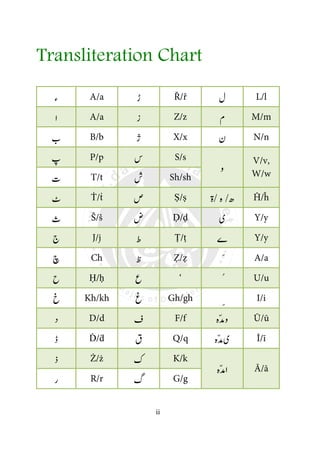
Transliteration Chart
A/a Ř/ř L/l
A/a Z/z M/m
B/b X/x N/n
P/p S/s V/v,
W/wT/t Sh/sh
Ṫ/ṫ Ṣ/ṣ Ĥ/ĥ
Š/š Ḍ/ḍ Y/y
J/j Ṭ/ṭ Y/y
Ch Ẓ/ẓ A/a
Ḥ/ḥ ‘ U/u
Kh/kh Gh/gh I/i
D/d F/f Ū/ū
Ḋ/ḋ Q/q Ī/ī
Ż/ż K/k
Ā/ā
R/r G/g
iii
‫ـ‬
ٰ
‫ﻠ‬‫ﻟـ‬‫ـﺪ‬ۡ‫ـﻤ‬‫ـﺤ‬
ۡ
‫ﻟ‬‫ﻪ‬
ۡ
‫ـﻤ‬‫ـﻠ‬ٰ‫ـﻌ‬
ۡ
‫ﻟ‬ ‫ب‬‫ر‬‫ـ‬
ٰ
‫ـﻠ‬‫ﻟـﺼ‬ ‫و‬‫ﻮة‬
ۡ
‫ـ‬‫ـﻠ‬‫ﺳ‬ۡ‫ـﺮ‬‫ـﻤ‬
ۡ
‫ﻟ‬ ‫ـﺪ‬‫ـﻴ‬‫ﺳ‬
ٰ
‫ـ‬‫ﻋ‬‫ﻹم‬‫ـﻶ‬‫ﻟـﺴ‬ ‫و‬
‫ـ‬
ٰ
‫ـﺎﻟـﻠ‬‫ﺑ‬‫ذ‬ۡ‫ـﻮ‬‫ﻋ‬‫ـﺎ‬‫ﻓ‬‫ـﺪ‬ۡ‫ــﻌ‬‫ـﺎﺑ‬‫ﻣ‬‫ﻪ‬ۡ ‫ﺟ‬‫ﻟـﺮ‬ ‫ﻦ‬
ٰ
‫ـﻄ‬ۡ‫ـﻴ‬‫ﻟـﺸ‬ ‫ـﻦ‬‫ﻣ‬‫ـ‬
ٰ
‫ﻟـﻠ‬ ‫ﻢ‬ ۡ‫ـﺴ‬‫ﺑ‬‫ﻪ‬‫ﺣ‬‫ﻟـﺮ‬ ‫ﻦ‬ ٰ‫ـﻤ‬ ۡ‫ﺣ‬‫ﻟـﺮ‬ۡ ‫ـ‬
Du’a for Reading the Book
ead the following Du’ā (supplication) before studying a
religious book or Islamic lesson, ‫اﻟ‬َ‫ﺂء‬ˠَ‫ﺷ‬  ْ‫ن‬ِ‫ا‬‫ـ‬‫ـﻪ‬ȹ‫ﻠ‬َّ‫ﻞ‬َ‫ﺟ‬َ‫و‬َّ‫ﺰ‬َ‫ﻋ‬ , you will
remember whatever you study:
ْ‫ـﺮ‬‫ـﺸ‬
ْ
‫اﻧ‬‫و‬‫ـﻚ‬‫ـﺘ‬‫ﻤ‬
ْ
‫ﻜ‬‫ﺣ‬‫ﺎ‬‫ـﻨ‬ْ‫ـﻴ‬‫ـﻠ‬‫ﻋ‬ ْ‫ـﺢ‬‫ـﺘ‬
ْ
‫اﻓ‬‫ـﻢ‬‫ـﻬ‬
ٰ
‫ﻟـﻠ‬‫ا‬
‫ـﻚ‬‫ـﺘ‬‫ـﻤ‬ْ‫ﺣ‬‫ر‬‫ﺎ‬‫ـﻨ‬ْ‫ـﻴ‬‫ـﻠ‬‫ﻋ‬‫ام‬‫ـﺮ‬
ْ
‫ﻛ‬
ْ
‫اﻻ‬‫و‬‫ل‬‫ــﻼ‬‫ﺠ‬
ْ
‫ااﻟ‬‫ذ‬‫ـﺎ‬‫ﻳ‬
Translation
Yā Allah َّ‫ﻞ‬َ‫ﺟ‬َ‫َو‬ّ‫ﺰ‬َ‫ﻋ‬! Open the portal of knowledge and wisdom for us,
and have mercy on us! O the One Who is the Most Honourable
and Magnificent!
(Al-Mustaṭraf, Vol. 1, pp. 40)
Note: Recite Ṣalāt-‘Alan-Nabī once before and after the Du’ā.
R
iv
Table of Contents
Transliteration Chart .........................................................................ii
Du’a for Reading the Book................................................................iii
Bareilly to Madinah
Excellence of Ṣalāt ‘Alan Nabī  .....................................................1
Evidence by Quṭb-e-Madīnaĥ ‫ﻪ‬ْ‫ﻴ‬َ‫ﻠ‬َ‫ ﻋ‬ ٰ‫ﺎﱃ‬َ‫ﻌ‬َ‫ﺗ‬ ِ‫ﷲ‬‫ ا‬ُ‫ﺔ‬َ ْ‫ﲪ‬َ‫ر‬ .............................................3
Muftī-e-A’ẓam of Hind from Bareilly to Madīnaĥ ............................5
Passed away when in the court of the Exalted Prophet  ................6
Back to home from gallows ...................................................................... 7
Beholding Sayyidunā ‘Alī ‫ﻢ‬ۡ‫ِﻳ‬‫ﺮ‬‫ـ‬َ‫ﮑ‬‫ـ‬ۡ ‫ اﻟ‬ُ‫ـﻪ‬َ‫ـﻬ‬ۡ‫ﺟ‬َ‫ و‬ ٰ‫ـﺎﱃ‬َ‫ـﻌ‬َ‫ﺗ‬ ُ‫ـﻪ‬ȹ‫ﻠ‬‫ اﻟـ‬َ‫م‬ َّ‫َـﺮ‬‫ﮐ‬ ..........................................8
The blessed penny..............................................................................9
Release from imprisonment.............................................................10
A fortunate ill person.......................................................................11
Revealed what was in the heart ........................................................12
Downpour commenced ...................................................................13
The labourer that was in fact prince.................................................14
A parable depicting his surprising worldly knowledge ....................16
‫ـ‬
ٰ
‫ﻠ‬‫ﻟـ‬‫ـﺪ‬ۡ‫ـﻤ‬‫ـﺤ‬
ۡ
‫ﻟ‬‫ﻪ‬
ۡ
‫ـﻤ‬‫ـﻠ‬ٰ‫ـﻌ‬
ۡ
‫ﻟ‬ ‫ب‬‫ر‬‫ـ‬
ٰ
‫ـﻠ‬‫ﻟـﺼ‬ ‫و‬‫ﻮة‬
ۡ
‫ـ‬‫ـﻠ‬‫ﺳ‬ۡ‫ـﺮ‬‫ـﻤ‬
ۡ
‫ﻟ‬ ‫ـﺪ‬‫ـﻴ‬‫ﺳ‬
ٰ
‫ـ‬‫ﻋ‬‫ﻹم‬‫ـﻶ‬‫ﻟـﺴ‬ ‫و‬
‫ـ‬
ٰ
‫ـﺎﻟـﻠ‬‫ﺑ‬‫ذ‬ۡ‫ـﻮ‬‫ﻋ‬‫ـﺎ‬‫ﻓ‬‫ـﺪ‬ۡ‫ــﻌ‬‫ـﺎﺑ‬‫ﻣ‬‫ﻪ‬ۡ ‫ﺟ‬‫ﻟـﺮ‬ ‫ﻦ‬
ٰ
‫ـﻄ‬ۡ‫ـﻴ‬‫ﻟـﺸ‬ ‫ـﻦ‬‫ﻣ‬‫ـ‬
ٰ
‫ﻟـﻠ‬ ‫ﻢ‬ ۡ‫ـﺴ‬‫ﺑ‬‫ﻪ‬‫ﺣ‬‫ﻟـﺮ‬ ‫ﻦ‬ ٰ‫ـﻤ‬ ۡ‫ﺣ‬‫ﻟـﺮ‬‫ـ‬ۡ
Bareilly to Madinah
Your Nafs (lower-self) and Satan might become a hindrance in
reading this booklet. However, for betterment of your afterlife,
read it thoroughly.
Excellence of Ṣalāt ‘Alan Nabī
Sayyidunā Ubay Bin Ka’b ُ‫ﻪ‬ْ‫ـﻨ‬َ‫ ﻋ‬ ٰ‫ﺎﱃ‬َ‫ﻌ‬َ‫ﺗ‬ ُ‫ اﷲ‬َ
ِʝَ‫ر‬ said: ‘I would dedicate my
entire time in the recital of the Ṣalāt ‘Alan Nabī (leaving other
invocations, litanies, supplications).’ To this the Holy Prophet
  ُ‫ اﷲ‬ َّʄ َ‫ﺻ‬‫ﻢ‬َّ‫ﻠ‬َ‫ﺳ‬َ‫ و‬ ٖ‫ﻪ‬ِ‫ﻟ‬ٰ‫ا‬َ‫ و‬ ِ‫ﻪ‬ْ‫ﻴ‬َ‫ﻠ‬َ‫ ﻋ‬ ٰ‫ﺎﱃ‬َ‫ﻌ‬َ‫ﺗ‬ replied, ‘It will suffice for ending all your
worries and your sins will be forgiven.’ (Jāmi’ Tirmiżī, Vol. 4, pp.
207, Ḥadiš 2465)
ۡ‫ﻮ‬‫ﻠ‬‫ﺻ‬‫ﺒ‬‫ﺤ‬
ْ
‫اﻟ‬Ơ‫ﻋ‬‫ا‬ۡ‫ﻴ‬‫ﺐ‬‫ا‬Ơ‫ﺻ‬‫ـﻪ‬
ٰ
‫ﻟـﻠ‬‫ﺪ‬‫ﻤ‬‫ﺤ‬‫ﻣ‬ ٰƠ‫ﻋ‬ ٰƕ‫ﺎ‬‫ﻌ‬‫ﺗ‬
It relates to those times when I (the author i.e. Amīr-e-Aĥl-e-
Sunnat) used to lead Ṣalāt-ul-Fajr wearing the sacred ‘Imāmaĥ
Sharīf (turban) of Muftī-e-A’ẓam Hind, Ḥaḍrat Maulānā Muṣṭafā
Razā Khān َ‫ﻋ‬‫ـ‬َ ْ‫ﲪ‬َ‫ ر‬ِ‫ﻪ‬ْ‫ﻴ‬َ‫ﻠ‬‫ﻟ‬‫ ا‬ُ‫ﺔ‬‫ـ‬َّ‫ﺮ‬ْ‫ﻦ‬ٰ ْ‫ﲪ‬ in Ḥaydarī Masjid adjacent to the sacred
Bareilly to Madinah
2
shrine of Ḥaḍrat Sayyidunā Muhammad Shāĥ Dūlĥā Bukhārī
Sabzwārī ‫ﻪ‬ْ‫ﻴ‬َ‫ﻠ‬َ‫ ﻋ‬ ٰ‫ﺎﱃ‬َ‫ﻌ‬َ‫ﺗ‬ ِ‫ﷲ‬‫ ا‬ُ‫ﺔ‬َ ْ‫ﲪ‬َ‫ر‬, situated in Kharadar, a locality of Bāb-ul-
Madīnaĥ, Karachi. ‫ـﻪ‬ȹ‫ﻠ‬ِ‫ ﻟـ‬ُ‫ـﺪ‬ْ‫ﻤ‬َ‫ـﺤ‬ْ ‫َﻟ‬‫ا‬َّ‫ﻞ‬َ‫ﺟ‬َ‫َو‬ّ‫ﺰ‬َ‫ﻋ‬ The sacred ‘Imāmaĥ Sharīf of a
perfect Walī (friend of Allah َّ‫ﻞ‬َ‫ﺟ‬َ‫َو‬ّ‫ﺰ‬َ‫ﻋ‬) has touched my hands and
head; ‫اﻟ‬َ‫ﺂء‬ˠَ‫ﺷ‬  ْ‫ن‬ِ‫ا‬‫ـ‬‫ـﻪ‬ȹ‫ﻠ‬َّ‫ﻞ‬َ‫ﺟ‬َ‫و‬َّ‫ﺰ‬َ‫ﻋ‬ the fire of Hell will not touch my hands and
head. Obviously if it would not touch hands and head, whole
body would also remain secure ‫اﻟ‬َ‫ﺂء‬ˠَ‫ﺷ‬  ْ‫ن‬ِ‫ا‬‫ـ‬‫ـﻪ‬ȹ‫ﻠ‬َّ‫ﻞ‬َ‫ﺟ‬َ‫َو‬ّ‫ﺰ‬َ‫ﻋ‬ . Actually, the
Khalīfaĥ (spiritual caliph) of A’lā Ḥaḍrat Imām-e-Aĥl-e-
Sunnat Maulānā Shāĥ Imām Aḥmad Razā Khān َ‫ﻋ‬‫ـ‬َ ْ‫ﲪ‬َ‫ ر‬ ِ‫ﻪ‬ْ‫ﻴ‬َ‫ﻠ‬‫ﻟ‬‫ ا‬ ُ‫ﺔ‬‫ـ‬َّ‫ﺮ‬ْ‫ﻦ‬ٰ ْ‫ﲪ‬ ,
son of Maulānā Jamīl-ur-Raḥmān Qādirī Razavī i.e. ‘Allāmaĥ
Maulānā Ḥamīd-ur-Raḥmān Qādirī Razavī ِ‫ﷲ‬‫ ا‬ُ‫ﺔ‬َ ْ‫ﲪ‬َ‫ر‬ ‫ﻪ‬ْ‫ﻴ‬َ‫ﻠ‬َ‫ ﻋ‬ ٰ‫ﺎﱃ‬َ‫ﻌ‬َ‫ﺗ‬ used to
lead Ṣalāĥ in that Masjid. Since his residence was about 6 to 7
k.m. far from the Masjid, I was privileged to lead the Jamā’at of
Fajr Ṣalāĥ whilst wearing the sacred ‘Imāmaĥ Sharīf of Muftī-e-
A’ẓam Hind   ٰ‫ﺎﱃ‬َ‫ﻌ‬َ‫ﺗ‬  ِ‫ﷲ‬‫ ا‬ ُ‫ﺔ‬َ ْ‫ﲪ‬َ‫ر‬‫ﻪ‬ْ‫ﻴ‬َ‫ﻠ‬َ‫ﻋ‬ thus gaining blessings from it. Once,
whilst mentioning the excellences of A’lā Ḥaḍrat ‫ﻪ‬ْ‫ﻴ‬َ‫ﻠ‬َ‫ ﻋ‬ ٰ‫ﺎﱃ‬َ‫ﻌ‬َ‫ﺗ‬  ِ‫ﷲ‬‫ ا‬ ُ‫ﺔ‬َ ْ‫ﲪ‬َ‫ر‬,
Maulānā Ḥamīd-ur-Raḥmān ‫ﻪ‬ْ‫ﻴ‬َ‫ﻠ‬َ‫ ﻋ‬ ٰ‫ﺎﱃ‬َ‫ﻌ‬َ‫ﺗ‬ ِ‫ﷲ‬‫ ا‬ُ‫ﺔ‬َ ْ‫ﲪ‬َ‫ر‬ told me the following
parable:
‘In those days I was a child. I remember that A’lā Ḥaḍrat ‫ﻪ‬ْ‫ﻴ‬َ‫ﻠ‬َ‫ ﻋ‬ ٰ‫ﺎﱃ‬َ‫ﻌ‬َ‫ﺗ‬ ِ‫ﷲ‬‫ ا‬ُ‫ﺔ‬َ ْ‫ﲪ‬َ‫ر‬
would always talk to me and other children courteously. He
did not have the habit of beating, shouting, abusing or treating
any one disrespectfully. One Thursday, I was present in the
blessed house of A’lā Ḥaḍrat ‫ﻪ‬ْ‫ﻴ‬َ‫ﻠ‬َ‫ ﻋ‬ ٰ‫ﺎﱃ‬َ‫ﻌ‬َ‫ﺗ‬  ِ‫ﷲ‬‫ ا‬ُ‫ﺔ‬َ ْ‫ﲪ‬َ‫ر‬. Meanwhile, somebody
came to meet him beyond the visiting hours. Since he was
insistent on meeting, I went to the room of A’lā Ḥaḍrat ‫ﻪ‬ْ‫ﻴ‬َ‫ﻠ‬َ‫ ﻋ‬ ٰ‫ﺎﱃ‬َ‫ﻌ‬َ‫ﺗ‬ ِ‫ﷲ‬‫ ا‬ُ‫ﺔ‬َ ْ‫ﲪ‬َ‫ر‬
to inform him of the visitor but I did not find him anywhere in
Bareilly to Madinah
3
the home. We were in a state of turmoil that, all of a sudden,
A’lā Ḥaḍrat ‫ﻪ‬ْ‫ﻴ‬َ‫ﻠ‬َ‫ ﻋ‬ ٰ‫ﺎﱃ‬َ‫ﻌ‬َ‫ﺗ‬  ِ‫ﷲ‬‫ ا‬ ُ‫ﺔ‬َ ْ‫ﲪ‬َ‫ر‬ emerged from the very same room of
his! Surprised, we asked the secret of his sudden emergence
from the room despite the fact that we looked for him
throughout the home including that room. When we insisted,
A’lā Ḥaḍrat ‫ﻪ‬ْ‫ﻴ‬َ‫ﻠ‬َ‫ ﻋ‬ ٰ‫ﺎﱃ‬َ‫ﻌ‬َ‫ﺗ‬  ِ‫ﷲ‬‫ ا‬ ُ‫ﺔ‬َ ْ‫ﲪ‬َ‫ر‬ explained, ‘ ‫ـﻪ‬ȹ‫ﻠ‬ِ‫ـ‬‫ﻟ‬  ُ‫ـﺪ‬ْ‫ﻤ‬َ‫ـﺤ‬ْ‫ﻟ‬َ‫ا‬َّ‫ﻞ‬َ‫ﺟ‬َ‫َو‬ّ‫ﺰ‬َ‫ﻋ‬ , I pay visit to
Madīna-e-Munawwaraĥ from my room (i.e. from Bareilly) every
Thursday at the very same time.’
May Allah َّ‫ﻞ‬َ‫ﺟ‬َ‫َو‬ّ‫ﺰ‬َ‫ﻋ‬ have mercy on him and may He forgive us for
his sake!
ۡ‫ﻮ‬‫ﻠ‬‫ﺻ‬‫ﺒ‬‫ﺤ‬
ْ
‫اﻟ‬Ơ‫ﻋ‬‫ا‬ۡ‫ﻴ‬‫ﺐ‬‫ا‬Ơ‫ﺻ‬‫ـﻪ‬
ٰ
‫ﻟـﻠ‬‫ﺪ‬‫ﻤ‬‫ﺤ‬‫ﻣ‬ ٰƠ‫ﻋ‬ ٰƕ‫ﺎ‬‫ﻌ‬‫ﺗ‬
Evidence by Quṭb-e-Madīnaĥ ‫ﻪ‬ْ‫ﻴ‬َ‫ﻠ‬َ‫ ﻋ‬ ٰ‫ﺎﱃ‬َ‫ﻌ‬َ‫ﺗ‬ ِ‫ﷲ‬‫ ا‬ُ‫ﺔ‬َ ْ‫ﲪ‬َ‫ر‬
‫ـﻪ‬ȹ‫ﻠ‬ِ‫ـ‬‫ﻟ‬  ُ‫ـﺪ‬ْ‫ﻤ‬َ‫ـﺤ‬ْ ‫ﻟ‬َ‫ا‬َّ‫ﻞ‬َ‫ﺟ‬َ‫َو‬ّ‫ﺰ‬َ‫ﻋ‬ , Imām-e-Aĥl-e-Sunnat ‫ﻪ‬ْ‫ﻴ‬َ‫ﻠ‬َ‫ ﻋ‬ ٰ‫ﺎﱃ‬َ‫ﻌ‬َ‫ﺗ‬  ِ‫ﷲ‬‫ ا‬ ُ‫ﺔ‬َ ْ‫ﲪ‬َ‫ر‬ was a dedicated
devotee of the Holy Prophet. The Exalted Prophet ‫ﻢ‬َّ‫ﻠ‬َ‫ﺳ‬َ‫ و‬ٖ‫ﻪ‬ِ‫ﻟ‬ٰ‫ا‬َ‫ و‬ِ‫ﻪ‬ْ‫ﻴ‬َ‫ﻠ‬َ‫ ﻋ‬ ٰ‫ﺎﱃ‬َ‫ﻌ‬َ‫ﺗ‬ ُ‫ اﷲ‬ َّʄ َ‫ﺻ‬
was extremely benevolent towards him. Now read another
faith-reviving event of visiting Madīnaĥ from Bareilly.
Al-Ḥāj Muhammad ‘Ārif Ziyāeī who was a resident of Madīna-
e-Munawwaraĥ told me this parable in Madīna-e-Munawwaraĥ.
He narrated: Once, my Murshid Ḥaḍrat Quṭb-e-Madīnaĥ,
Ziyāuddīn Aḥmad Qādirī Razavī ‫ﻪ‬ْ‫ﻴ‬َ‫ﻠ‬َ‫ ﻋ‬ ٰ‫ﺎﱃ‬َ‫ﻌ‬َ‫ﺗ‬  ِ‫ﷲ‬‫ ا‬ُ‫ﺔ‬َ ْ‫ﲪ‬َ‫ر‬ said to me: ‘This
event took place when A’lā Ḥaḍrat ‫ﻪ‬ْ‫ﻴ‬َ‫ﻠ‬َ‫ ﻋ‬ ٰ‫ﺎﱃ‬َ‫ﻌ‬َ‫ﺗ‬  ِ‫ﷲ‬‫ ا‬ ُ‫ﺔ‬َ ْ‫ﲪ‬َ‫ر‬ was alive. Once I
visited the Sacred Mausoleum of the Beloved and Blessed
Prophet ‫ﻢ‬َّ‫ﻠ‬َ‫ﺳ‬َ‫ و‬ٖ‫ﻪ‬ِ‫ﻟ‬ٰ‫ا‬َ‫ و‬ِ‫ﻪ‬ْ‫ﻴ‬َ‫ﻠ‬َ‫ ﻋ‬ ٰ‫ﺎﱃ‬َ‫ﻌ‬َ‫ﺗ‬ ُ‫ اﷲ‬ َّʄ َ‫ﺻ‬. After presenting the tribute of Salām, I
Bareilly to Madinah
4
approached ‘Bāb-us-Salām’, the holy portal of Masjid-e-
Nabawī, from where I glanced spontaneously towards the
Golden Grilles. To my astonishment, A’lā Ḥaḍrat ‫ﻪ‬ْ‫ﻴ‬َ‫ﻠ‬َ‫ ﻋ‬ ٰ‫ﺎﱃ‬َ‫ﻌ‬َ‫ﺗ‬  ِ‫ﷲ‬‫ ا‬ ُ‫ﺔ‬َ ْ‫ﲪ‬َ‫ر‬
was standing in reverential posture in front of the Muwājaĥaĥ
Sharīf (Qiblaĥ side of the blessed grave of the Holy Prophet
‫ﻢ‬َّ‫ﻠ‬َ‫ﺳ‬َ‫ و‬ٖ‫ﻪ‬ِ‫ﻟ‬ٰ‫ا‬َ‫ و‬ِ‫ﻪ‬ْ‫ﻴ‬َ‫ﻠ‬َ‫ ﻋ‬ ٰ‫ﺎﱃ‬َ‫ﻌ‬َ‫ﺗ‬ ُ‫ اﷲ‬ َّʄ َ‫ﺻ‬). I was amazed to see that A’lā Ḥaḍrat ٰ‫ﺎﱃ‬َ‫ﻌ‬َ‫ﺗ‬ ِ‫ﷲ‬‫ ا‬ُ‫ﺔ‬َ ْ‫ﲪ‬َ‫ر‬ ‫ﻪ‬ْ‫ﻴ‬َ‫ﻠ‬َ‫ﻋ‬
has come to Madīna-e-Munawwaraĥ but I am unaware of his
visit. Hence, I moved towards the Muwājaĥaĥ Sharīf but A’lā
Ḥaḍrat ‫ﻪ‬ْ‫ﻴ‬َ‫ﻠ‬َ‫ ﻋ‬ ٰ‫ﺎﱃ‬َ‫ﻌ‬َ‫ﺗ‬  ِ‫ﷲ‬‫ ا‬ ُ‫ﺔ‬َ ْ‫ﲪ‬َ‫ر‬ was no longer there! I then went back
towards Bāb-us-Salām and glanced towards the Golden Grilles;
I saw A’lā Ḥaḍrat ‫ﻪ‬ْ‫ﻴ‬َ‫ﻠ‬َ‫ ﻋ‬ ٰ‫ﺎﱃ‬َ‫ﻌ‬َ‫ﺗ‬  ِ‫ﷲ‬‫ ا‬ُ‫ﺔ‬َ ْ‫ﲪ‬َ‫ر‬ again in front of Muwājaĥaĥ-e-
Sharīf. I moved towards Muwājaĥaĥ-e-Sharīf for the second
time, but he ‫ﻪ‬ْ‫ﻴ‬َ‫ﻠ‬َ‫ ﻋ‬ ٰ‫ﺎﱃ‬َ‫ﻌ‬َ‫ﺗ‬  ِ‫ﷲ‬‫ ا‬ُ‫ﺔ‬َ ْ‫ﲪ‬َ‫ر‬ was not there again! The same event
took place even for the third time. I realized that it was a
matter of adoration in which I should not interfere.’
May Allah َّ‫ﻞ‬َ‫ﺟ‬َ‫َو‬ّ‫ﺰ‬َ‫ﻋ‬ have mercy on him and may He forgive us for
his sake!
‫ﺎ‬‫ﺠ‬‫ﺑ‬
ۡ
‫ﲔ‬‫ﻣ‬
ۤ
‫ا‬‫ه‬
ۡ
‫ﲔ‬‫ﻣ‬
ْ
‫اﻻ‬Ǡ‫اﻟﻨ‬‫ﻢ‬‫ﻠ‬‫ﺳ‬‫و‬ ٖƔ ٰ‫ا‬‫و‬‫ﻪ‬ۡ‫ﻴ‬‫ﻠ‬‫ﻋ‬ ٰƕ‫ﺎ‬‫ﻌ‬‫ﺗ‬‫اﷲ‬Ơ‫ﺻ‬
Dear Islamic brothers! ‫ـﻪ‬ȹ‫ﻠ‬ِ‫ ﻟـ‬ُ‫ـﺪ‬ْ‫ﻤ‬َ‫ـﺤ‬ْ ‫َﻟ‬‫ا‬َّ‫ﻞ‬َ‫ﺟ‬َ‫َو‬ّ‫ﺰ‬َ‫ﻋ‬ ! In this way, the evidence of
my Murshid Quṭb-e-Madīnaĥ ‫ﻪ‬ْ‫ﻴ‬َ‫ﻠ‬َ‫ ﻋ‬ ٰ‫ﺎﱃ‬َ‫ﻌ‬َ‫ﺗ‬  ِ‫ﷲ‬‫ ا‬ ُ‫ﺔ‬َ ْ‫ﲪ‬َ‫ر‬ has also been
established regarding spiritual visit of A’lā Ḥaḍrat ‫ﻪ‬ْ‫ﻴ‬َ‫ﻠ‬َ‫ ﻋ‬ ٰ‫ﺎﱃ‬َ‫ﻌ‬َ‫ﺗ‬  ِ‫ﷲ‬‫ ا‬ُ‫ﺔ‬َ ْ‫ﲪ‬َ‫ر‬
from Bareilly to Madīna-e-Munawwaraĥ.
Bareilly to Madinah
5
Muftī-e-A’ẓam of Hind from Bareilly to Madīnaĥ
Dear Islamic brothers! Did you notice that how much benevolent
our Blessed Prophet ‫ﻢ‬َّ‫ﻠ‬َ‫ﺳ‬َ‫ و‬ ٖ‫ﻪ‬ِ‫ﻟ‬ٰ‫ا‬َ‫ و‬ِ‫ﻪ‬ْ‫ﻴ‬َ‫ﻠ‬َ‫ ﻋ‬ ٰ‫ﺎﱃ‬َ‫ﻌ‬َ‫ﺗ‬ ُ‫ اﷲ‬ َّʄ َ‫ﺻ‬ was towards the Imām of
Aĥl-e-Sunnaĥ, A’lā Ḥaḍrat ‫ﻪ‬ْ‫ﻴ‬َ‫ﻠ‬َ‫ ﻋ‬ ٰ‫ﺎﱃ‬َ‫ﻌ‬َ‫ﺗ‬ ِ‫ﷲ‬‫ ا‬ُ‫ﺔ‬َ ْ‫ﲪ‬َ‫ر‬. He ‫ﻢ‬َّ‫ﻠ‬َ‫ﺳ‬َ‫ و‬ٖ‫ﻪ‬ِ‫ﻟ‬ٰ‫ا‬َ‫ و‬ِ‫ﻪ‬ْ‫ﻴ‬َ‫ﻠ‬َ‫ ﻋ‬ ٰ‫ﺎﱃ‬َ‫ﻌ‬َ‫ﺗ‬ ُ‫ اﷲ‬ َّʄ َ‫ﺻ‬ would
even call our A’lā Ḥaḍrat ‫ﻪ‬ْ‫ﻴ‬َ‫ﻠ‬َ‫ ﻋ‬ ٰ‫ﺎﱃ‬َ‫ﻌ‬َ‫ﺗ‬ ِ‫ﷲ‬‫ ا‬ُ‫ﺔ‬َ ْ‫ﲪ‬َ‫ر‬ from Bareilly to Madīnaĥ
without any apparent means of transportation. Not only A’lā
Ḥaḍrat ‫ﻪ‬ْ‫ﻴ‬َ‫ﻠ‬َ‫ ﻋ‬ ٰ‫ﺎﱃ‬َ‫ﻌ‬َ‫ﺗ‬  ِ‫ﷲ‬‫ ا‬ ُ‫ﺔ‬َ ْ‫ﲪ‬َ‫ر‬, his son Muftī-e-A’ẓam Hind Maulānā
Muṣṭafā Razā Khān ‫ﻪ‬ْ‫ﻴ‬َ‫ﻠ‬َ‫ ﻋ‬ ٰ‫ﺎﱃ‬َ‫ﻌ‬َ‫ﺗ‬  ِ‫ﷲ‬‫ ا‬ ُ‫ﺔ‬َ ْ‫ﲪ‬َ‫ر‬ was also blessed with similar
privilege. Therefore, one of the Murīd (spiritual disciple) of
Muftī-e-A’ẓam Hind, who is also a designated Islamic brother
of Dawat-e-Islami, mailed me a photocopy of an epistle from
Nagpur Sharīf India which contained the following account
reported by a Muballigh (preacher) of Dawat-e-Islami:
In 1409 A.H. my parents and elder brother with his wife got
the privilege of performing Hajj. They beheld two very faith-
refreshing scenes in Madīna-e-Munawwaraĥ:
1. My respected father saw that Muftī-e-A’ẓam Hind, with
his face as bright as the moon and a turban on his head,
was present along with his Madanī caravan near the
blessed shrine of the Holy Prophet ‫ﻢ‬َّ‫ﻠ‬َ‫ﺳ‬َ‫ و‬ٖ‫ﻪ‬ِ‫ﻟ‬ٰ‫ا‬َ‫ و‬ِ‫ﻪ‬ْ‫ﻴ‬َ‫ﻠ‬َ‫ ﻋ‬ ٰ‫ﺎﱃ‬َ‫ﻌ‬َ‫ﺗ‬ ُ‫ اﷲ‬ َّʄ َ‫ﺻ‬. It was
very amazing to see Muftī-e-A’ẓam Hind eight years after
his demise. (My father goes onto say that) In the state of
amazement & happiness, he went to look for his elder son
to inform him about it. When he met his son, he
discovered that the son was also in search of the father
Bareilly to Madinah
6
because he had also watched that blessed scene. When
both father and son came back to the same place, Muftī-e-
A’ẓam Hind had departed along with his Madanī caravan.
May Allah َّ‫ﻞ‬َ‫ﺟ‬َ‫َو‬ّ‫ﺰ‬َ‫ﻋ‬ have mercy on him and may He forgive us
without accountability for his sake!
‫ﺎ‬‫ﺠ‬‫ﺑ‬
ۡ
‫ﲔ‬‫ﻣ‬
ۤ
‫ا‬‫ه‬
ۡ
‫ﲔ‬‫ﻣ‬
ْ
‫اﻻ‬Ǡ‫اﻟﻨ‬‫ﻢ‬‫ﻠ‬‫ﺳ‬‫و‬ ٖƔ ٰ‫ا‬‫و‬‫ﻪ‬ۡ‫ﻴ‬‫ﻠ‬‫ﻋ‬ ٰƕ‫ﺎ‬‫ﻌ‬‫ﺗ‬‫اﷲ‬Ơ‫ﺻ‬
Passed away when in the court of the Exalted
Prophet 
2. Relating the second event, my father said: I saw a tall and
strong young man at the blessed court of the Holy
Prophet ‫ﻢ‬َّ‫ﻠ‬َ‫ﺳ‬َ‫ و‬ ٖ‫ﻪ‬ِ‫ﻟ‬ٰ‫ا‬َ‫ و‬ ِ‫ﻪ‬ْ‫ﻴ‬َ‫ﻠ‬َ‫ ﻋ‬ ٰ‫ﺎﱃ‬َ‫ﻌ‬َ‫ﺗ‬  ُ‫ اﷲ‬ َّʄ َ‫ﺻ‬. He was beseeching whilst
standing towards the blessed feet of the Exalted Prophet
‫ﻢ‬َّ‫ﻠ‬َ‫ﺳ‬َ‫ و‬ ٖ‫ﻪ‬ِ‫ﻟ‬ٰ‫ا‬َ‫ و‬ ِ‫ﻪ‬ْ‫ﻴ‬َ‫ﻠ‬َ‫ ﻋ‬ ٰ‫ﺎﱃ‬َ‫ﻌ‬َ‫ﺗ‬  ُ‫ اﷲ‬ َّʄ َ‫ﺻ‬. All of a sudden he collapsed and fell
dead. A lot of people gathered around the fortunate
deceased young man. The Muslims present over there
began to envy the faith-refreshing demise of that young
man in their own different languages.
ۡ‫ﻮ‬‫ﻠ‬‫ﺻ‬‫ﺒ‬‫ﺤ‬
ْ
‫اﻟ‬Ơ‫ﻋ‬‫ا‬ۡ‫ﻴ‬‫ﺐ‬‫ا‬Ơ‫ﺻ‬‫ـﻪ‬
ٰ
‫ﻟـﻠ‬‫ﺪ‬‫ﻤ‬‫ﺤ‬‫ﻣ‬ ٰƠ‫ﻋ‬ ٰƕ‫ﺎ‬‫ﻌ‬‫ﺗ‬
Back to home from gallows
Once Amjad ‘Alī who was a dedicated disciple of A’lā Ḥaḍrat
‫ﻪ‬ْ‫ﻴ‬َ‫ﻠ‬َ‫ ﻋ‬ ٰ‫ﺎﱃ‬َ‫ﻌ‬َ‫ﺗ‬  ِ‫ﷲ‬‫ ا‬ُ‫ﺔ‬َ ْ‫ﲪ‬َ‫ر‬ went for hunting. He fired a bullet, but the bullet
Bareilly to Madinah
7
missed its target and ripped into a wanderer causing his death.
The police arrested Amjad ‘Alī. The murder-charge was
proved in the court and death-sentence (by hanging) was
passed. A few days before the execution, his family members
came to prison and met him weeping. Amjad ‘Alī said, ‘Don’t
worry, I cannot be hanged because my Murshid A’lā Ḥaḍrat
told me the good news: ‘We have released you.’’ The grieved
family members departed.
On the night of his execution, his mother came to prison for
the last sighting of her beloved son. ‫ﻪ‬ˠȹ‫ﻠ‬‫ـ‬‫ﻟ‬‫ ا‬ َ‫ﻦ‬‫ـ‬ٰ‫ﺤ‬ْ‫ـﺒ‬ُ‫ﺳ‬ ‫ﻪ‬ˠȹ‫ﻠ‬‫ اﻟـ‬ َ‫ﻦ‬‫ـ‬ٰ‫ﺤ‬ْ‫ـﺒ‬ُ‫ﺳ‬! How
strong belief Amjad ‘Alī had in his Murshid! He said to his
mother, ‘Dear mother, don’t be sad; go home. ‫ـﻪ‬ȹ‫ﻠ‬‫اﻟـ‬َ‫ﺂء‬ˠَ‫ﺷ‬  ْ‫ن‬ِ‫ا‬, I will
take today’s breakfast with you at home.’ After her returning,
Amjad ‘Alī was brought to the gallows for hanging. Before the
placing of the noose around his neck, he was asked as to what
his last desire was. He replied, ‘There is no need to ask this as
the time of my death has not yet approached.’ People thought
that he had gone mad due to the horror of death; the
executioner proceeded for placing noose around his neck but
at the very same moment, an official order received declaring
that a certain number of murderers and prisoners would be
released in the festivity of the coronation ceremony of Queen
Victoria. The noose was removed from the neck of Amjad ‘Alī
and he was set free. On the other hand, preparations were
underway at home for receiving his corpse. Amjad ‘Alī Qādirī
Razavī reached home alive and said, ‘Bring the breakfast! I had
Bareilly to Madinah
8
told you that I would have breakfast at home.’ (Tajalliyāt Imām
Aḥmad Razā, pp. 100)
Beholding Sayyidunā ‘Alī ‫ـ‬ȹ‫ﻠ‬‫ اﻟـ‬َ‫م‬ َّ‫ﺮ‬‫ـ‬َ‫ﮐ‬ُ‫ﻪ‬ ‫ـ‬َ‫ـﻬ‬ۡ‫ﺟ‬َ‫ و‬ ٰ‫ـﺎﱃ‬َ‫ـﻌ‬َ‫ﺗ‬ُ‫ﻪ‬ ‫ﻢ‬ۡ‫ﻳ‬ِ‫ﺮ‬‫ـ‬َ‫ﮑ‬‫ـ‬ۡ‫ﻟ‬‫ا‬
‘Abdul Mājid bin ‘Abdul Malik, an aged scribe of Karachi, told
a faith-refreshing parable. He said: ‘I was only 13 at that time.
My step-mother had become insane. She had to be kept in
chains on the top floor of the house. Extensive medical
treatment was carried out but in vain. On someone’s advice, I
and my father managed to take her to Bareilly Sharīf whilst still
in chains. My mother kept abusing all the way. When she saw
A’lā Ḥaḍrat ‫ﻪ‬ْ‫ﻴ‬َ‫ﻠ‬َ‫ ﻋ‬ ٰ‫ﺎﱃ‬َ‫ﻌ‬َ‫ﺗ‬  ِ‫ﷲ‬‫ ا‬ ُ‫ﺔ‬َ ْ‫ﲪ‬َ‫ر‬, she shouted and said, ‘Who are you!
And why have you come here!’ A’lā Ḥaḍrat ‫ﻪ‬ْ‫ﻴ‬َ‫ﻠ‬َ‫ ﻋ‬ ٰ‫ﺎﱃ‬َ‫ﻌ‬َ‫ﺗ‬ ِ‫ﷲ‬‫ ا‬ُ‫ﺔ‬َ ْ‫ﲪ‬َ‫ر‬ told her
very gently, ‘I have come for your betterment.’ My mother
harshly said, ‘Will you do what I wish?’ He ‫ﻪ‬ْ‫ﻴ‬َ‫ﻠ‬َ‫ ﻋ‬ ٰ‫ﺎﱃ‬َ‫ﻌ‬َ‫ﺗ‬ ِ‫ﷲ‬‫ ا‬ُ‫ﺔ‬َ ْ‫ﲪ‬َ‫ر‬ replied,
‘ َ‫ﺷ‬  ْ‫ن‬ِ‫ا‬ˠ‫ا‬َ‫ﺂء‬‫ﻟ‬‫ـ‬‫ـ‬ȹ‫ﻠ‬  ‫ﻪ‬َّ‫ﻞ‬َ‫ﺟ‬َ‫و‬َّ‫ﺰ‬َ‫ﻋ‬ ’ My mother said ‘Make me behold Sayyidunā
‘Alī.’ Hearing that, His Excellency, A’lā Ḥaḍrat   ُ‫ﺔ‬َ ْ‫ﲪ‬َ‫ر‬‫ﻪ‬ْ‫ﻴ‬َ‫ﻠ‬َ‫ ﻋ‬ ٰ‫ﺎﱃ‬َ‫ﻌ‬َ‫ﺗ‬  ِ‫ﷲ‬‫ا‬
removed his blessed shawl from his shoulders, covered his
blessed face with it, and then uncovered his face. Now, instead
of A’lā Ḥaḍrat ‫ﻪ‬ْ‫ﻴ‬َ‫ﻠ‬َ‫ ﻋ‬ ٰ‫ﺎﱃ‬َ‫ﻌ‬َ‫ﺗ‬  ِ‫ﷲ‬‫ ا‬ ُ‫ﺔ‬َ ْ‫ﲪ‬َ‫ر‬, Sayyidunā ‘Alī ‫ـ‬ȹ‫ﻠ‬‫ اﻟـ‬ َ‫م‬ َّ‫ﺮ‬‫ـ‬َ‫ﮐ‬ُ‫ﻪ‬ ‫ـ‬َ‫ـﻬ‬ۡ‫ﺟ‬َ‫ و‬ ٰ‫ـﺎﱃ‬َ‫ـﻌ‬َ‫ﺗ‬ُ‫ﻪ‬ ‫ـ‬َ‫ﮑ‬‫ـ‬ۡ‫ﻟ‬‫ا‬‫ﻢ‬ۡ‫ﻳ‬ِ‫ﺮ‬
was in front of us with his refulgent countenance. My mother
was lost in beholding Sayyidunā ‘Alī ‫ـ‬ȹ‫ﻠ‬‫ اﻟـ‬َ‫م‬َّ‫ﺮ‬‫ـ‬َ‫ﮐ‬ُ‫ﻪ‬ ‫ـ‬َ‫ـﻬ‬ۡ‫ﺟ‬َ‫ و‬ ٰ‫ـﺎﱃ‬َ‫ـﻌ‬َ‫ﺗ‬ُ‫ﻪ‬ ‫ﻢ‬ۡ‫ﻳ‬ِ‫ﺮ‬‫ـ‬َ‫ﮑ‬‫ـ‬ۡ ‫ﻟ‬‫ا‬ . I and my
father also beheld Sayyidunā ‘Alī ‫ـ‬ȹ‫ﻠ‬‫ اﻟـ‬َ‫م‬َّ‫ﺮ‬‫ـ‬َ‫ﮐ‬ُ‫ﻪ‬ ‫ـ‬َ‫ـﻬ‬ۡ‫ﺟ‬َ‫ و‬ ٰ‫ـﺎﱃ‬َ‫ـﻌ‬َ‫ﺗ‬ُ‫ﻪ‬ ‫ﻢ‬ۡ‫ﻳ‬ِ‫ﺮ‬‫ـ‬َ‫ﮑ‬‫ـ‬ۡ‫ﻟ‬‫ا‬ in the state of
wakefulness. Sayyidunā ‘Alī ‫ـ‬ȹ‫ﻠ‬‫ اﻟـ‬ َ‫م‬َّ‫ﺮ‬‫ـ‬َ‫ﮐ‬ُ‫ﻪ‬ ‫ـ‬َ‫ـﻬ‬ۡ‫ﺟ‬َ‫ و‬ ٰ‫ـﺎﱃ‬َ‫ـﻌ‬َ‫ﺗ‬ُ‫ﻪ‬ ‫ﻢ‬ۡ‫ﻳ‬ِ‫ﺮ‬‫ـ‬َ‫ﮑ‬‫ـ‬ۡ‫ﻟ‬‫ا‬ then covered his
blessed face with the shawl and then uncovered, now A’lā Ḥaḍrat
‫ﻪ‬ْ‫ﻴ‬َ‫ﻠ‬َ‫ ﻋ‬ ٰ‫ﺎﱃ‬َ‫ﻌ‬َ‫ﺗ‬ ِ‫ﷲ‬‫ ا‬ُ‫ﺔ‬َ ْ‫ﲪ‬َ‫ر‬ was present in front of us with his smiling face.
Bareilly to Madinah
9
Thereafter, giving some medicine in a bottle, A’lā Ḥaḍrat ‫ﻪ‬ْ‫ﻴ‬َ‫ﻠ‬َ‫ ﻋ‬ ٰ‫ﺎﱃ‬َ‫ﻌ‬َ‫ﺗ‬ ِ‫ﷲ‬‫ ا‬ُ‫ﺔ‬َ ْ‫ﲪ‬َ‫ر‬
said, ‘These are two doses; give one dose to the patient but do
not give the second dose if not required.’ ْ‫ﻤ‬َ‫ـﺤ‬ْ ‫َﻟ‬‫ا‬  ‫ـﻪ‬ȹ‫ﻠ‬ِ‫ ﻟـ‬ ُ‫ـﺪ‬َّ‫ﻞ‬َ‫ﺟ‬َ‫َو‬ّ‫ﺰ‬َ‫ﻋ‬ ! My
mother recovered from insanity with just one dose of medicine
and, since then, she did not suffer from any mental illness
during the rest of her life.
ۡ‫ﻮ‬‫ﻠ‬‫ﺻ‬‫ﺒ‬‫ﺤ‬
ْ
‫اﻟ‬Ơ‫ﻋ‬‫ا‬ۡ‫ﻴ‬‫ﺐ‬‫ا‬Ơ‫ﺻ‬‫ـﻪ‬
ٰ
‫ﻟـﻠ‬‫ﺪ‬‫ﻤ‬‫ﺤ‬‫ﻣ‬ ٰƠ‫ﻋ‬ ٰƕ‫ﺎ‬‫ﻌ‬‫ﺗ‬
The blessed penny
Once, A’lā Ḥaḍrat ‫ﻪ‬ْ‫ﻴ‬َ‫ﻠ‬َ‫ ﻋ‬ ٰ‫ﺎﱃ‬َ‫ﻌ‬َ‫ﺗ‬ ِ‫ﷲ‬‫ ا‬ُ‫ﺔ‬َ ْ‫ﲪ‬َ‫ر‬ was to go to harbour to welcome
the Ḥujjāj (Ḥajj pilgrims). The hired transport got late. One of
the devotees, Ghulām Nabī went to bring a horse-cart without
informing anyone. When he returned with the horse-cart, he
saw that the booked transport had also arrived. He then gave a
penny (a quarter of a Rupee) to the cart owner and let him go.
Nobody else was aware of that incident. After four days,
Ghulām Nabī came in the great court of A’lā Ḥaḍrat ‫ﻪ‬ْ‫ﻴ‬َ‫ﻠ‬َ‫ ﻋ‬ ٰ‫ﺎﱃ‬َ‫ﻌ‬َ‫ﺗ‬ ِ‫ﷲ‬‫ ا‬ُ‫ﺔ‬َ ْ‫ﲪ‬َ‫ر‬
who gave him a penny. He asked ‘What is this penny for?’ A’lā
Ḥaḍrat ‫ﻪ‬ْ‫ﻴ‬َ‫ﻠ‬َ‫ ﻋ‬ ٰ‫ﺎﱃ‬َ‫ﻌ‬َ‫ﺗ‬ ِ‫ﷲ‬‫ ا‬ُ‫ﺔ‬َ ْ‫ﲪ‬َ‫ر‬ replied: ‘That day you gave a penny to that
cart man.’ Ghulām Nabī became astonished as he had not told
the incident to anybody yet A’lā Ḥaḍrat ‫ﻪ‬ْ‫ﻴ‬َ‫ﻠ‬َ‫ ﻋ‬ ٰ‫ﺎﱃ‬َ‫ﻌ‬َ‫ﺗ‬  ِ‫ﷲ‬‫ ا‬ ُ‫ﺔ‬َ ْ‫ﲪ‬َ‫ر‬ became
aware of it. Seeing him in deep thought people said, ‘Why are
you losing this penny, take it as a sacred relic.’ He then took
the penny. As long as that sacred penny remained in his
Bareilly to Madinah
10
possession, he did not face financial problem. (Ḥayāt-e-A’lā
Haḍrat, Vol. 3, pp. 260)
May Allah َّ‫ﻞ‬َ‫ﺟ‬َ‫َو‬ّ‫ﺰ‬َ‫ﻋ‬ have mercy on him and may He forgive us for
his sake!
‫ﺎ‬‫ﺠ‬‫ﺑ‬
ۡ
‫ﲔ‬‫ﻣ‬
ۤ
‫ا‬‫ه‬
ۡ
‫ﲔ‬‫ﻣ‬
ْ
‫اﻻ‬Ǡ‫اﻟﻨ‬‫ﻢ‬‫ﻠ‬‫ﺳ‬‫و‬ ٖƔ ٰ‫ا‬‫و‬‫ﻪ‬ۡ‫ﻴ‬‫ﻠ‬‫ﻋ‬ ٰƕ‫ﺎ‬‫ﻌ‬‫ﺗ‬‫اﷲ‬Ơ‫ﺻ‬
Release from imprisonment
An aged woman was a disciple of A’lā Ḥaḍrat ‫ﻪ‬ْ‫ﻴ‬َ‫ﻠ‬َ‫ ﻋ‬ ٰ‫ﺎﱃ‬َ‫ﻌ‬َ‫ﺗ‬ ِ‫ﷲ‬‫ ا‬ُ‫ﺔ‬َ ْ‫ﲪ‬َ‫ر‬. Her
husband was sentenced to twelve years imprisonment and a
penalty of five thousand rupees as a result of a murder case.
She lodged an appeal in the court. She said that she visited the
blessed court of A’lā Ḥaḍrat ‫ﻪ‬ْ‫ﻴ‬َ‫ﻠ‬َ‫ ﻋ‬ ٰ‫ﺎﱃ‬َ‫ﻌ‬َ‫ﺗ‬ ِ‫ﷲ‬‫ ا‬ُ‫ﺔ‬َ ْ‫ﲪ‬َ‫ر‬ daily since the day of
lodging the appeal. A few days before the court’s decision, she came
to A’lā Ḥaḍrat ‫ﻪ‬ْ‫ﻴ‬َ‫ﻠ‬َ‫ ﻋ‬ ٰ‫ﺎﱃ‬َ‫ﻌ‬َ‫ﺗ‬ ِ‫ﷲ‬‫ ا‬ُ‫ﺔ‬َ ْ‫ﲪ‬َ‫ر‬ properly veiled and requested for help.
A’lā Ḥaḍrat ‫ﻪ‬ْ‫ﻴ‬َ‫ﻠ‬َ‫ ﻋ‬ ٰ‫ﺎﱃ‬َ‫ﻌ‬َ‫ﺗ‬ ِ‫ﷲ‬‫ ا‬ُ‫ﺔ‬َ ْ‫ﲪ‬َ‫ر‬ advised her to recite ‫اﷲ‬ ‫ﺎ‬‫ﻨ‬‫ﺒ‬ ْ‫ﺴ‬‫ﺣ‬‫اﻟﻮ‬ ‫ﻢ‬
ْ
‫ﻌ‬‫ﻧ‬‫و‬‫ﻞ‬ۡ‫ﻴ‬‫ﻛ‬
abundantly. She left. She visited several times and A’lā Ḥaḍrat
َ‫ﻌ‬َ‫ﺗ‬ ِ‫ﷲ‬‫ ا‬ُ‫ﺔ‬َ ْ‫ﲪ‬َ‫ر‬‫ﻪ‬ْ‫ﻴ‬َ‫ﻠ‬َ‫ ﻋ‬ ٰ‫ﺎﱃ‬ advised the same.
At last, the date of the court’s decision arrived. She came and
urged, ‘Today the decision will be made.’ He ‫ﻪ‬ْ‫ﻴ‬َ‫ﻠ‬َ‫ ﻋ‬ ٰ‫ﺎﱃ‬َ‫ﻌ‬َ‫ﺗ‬ ِ‫ﷲ‬‫ ا‬ُ‫ﺔ‬َ ْ‫ﲪ‬َ‫ر‬ replied
‘Keep reciting the same invocation.’ Listening to the same reply,
she became slightly annoyed and returned muttering ‘When
my Pīr does not help, why would anybody else help!’ When
A’lā Ḥaḍrat ‫ﻪ‬ْ‫ﻴ‬َ‫ﻠ‬َ‫ ﻋ‬ ٰ‫ﺎﱃ‬َ‫ﻌ‬َ‫ﺗ‬  ِ‫ﷲ‬‫ ا‬ ُ‫ﺔ‬َ ْ‫ﲪ‬َ‫ر‬ observed that situation, he called her
back and said, ‘Take the Pān (betel).’ She replied: ‘I am already
Bareilly to Madinah
11
chewing a Pān.’ A’lā Ḥaḍrat ‫ﻪ‬ْ‫ﻴ‬َ‫ﻠ‬َ‫ ﻋ‬ ٰ‫ﺎﱃ‬َ‫ﻌ‬َ‫ﺗ‬ ِ‫ﷲ‬‫ ا‬ُ‫ﺔ‬َ ْ‫ﲪ‬َ‫ر‬ insisted but she was a
little displeased. Then, presenting the Pān to her with his own
blessed hands, A’lā Ḥaḍrat ‫ﻪ‬ْ‫ﻴ‬َ‫ﻠ‬َ‫ ﻋ‬ ٰ‫ﺎﱃ‬َ‫ﻌ‬َ‫ﺗ‬  ِ‫ﷲ‬‫ ا‬ ُ‫ﺔ‬َ ْ‫ﲪ‬َ‫ر‬ said: ‘He has been
released, now eat this Pān.’ Listening to that, she took the Pān
happily and went home. When she reached near her home, her
children came to her hurriedly saying, ‘Where were you, a
person with a telegram is waiting for you.’ Receiving the
telegram, she happily went home where she got the telegram
read out and thus, she came to know that her husband had been
released. (Ḥayāt-e-A’lā Haḍrat, Vol. 3, pp. 202)
May Allah َّ‫ﻞ‬َ‫ﺟ‬َ‫َو‬ّ‫ﺰ‬َ‫ﻋ‬ have mercy on him and may He forgive us for
his sake!
‫ﺎ‬‫ﺠ‬‫ﺑ‬
ۡ
‫ﲔ‬‫ﻣ‬
ۤ
‫ا‬‫ه‬
ۡ
‫ﲔ‬‫ﻣ‬
ْ
‫اﻻ‬Ǡ‫اﻟﻨ‬‫ﻢ‬‫ﻠ‬‫ﺳ‬‫و‬ ٖƔ ٰ‫ا‬‫و‬‫ﻪ‬ۡ‫ﻴ‬‫ﻠ‬‫ﻋ‬ ٰƕ‫ﺎ‬‫ﻌ‬‫ﺗ‬‫اﷲ‬Ơ‫ﺻ‬
A fortunate ill person
Sayyid Qanā’at ‘Alī Shāĥ was a faint-hearted person. Once, on
hearing about a patient’s critical surgery, he passed out. Many
attempts were made to bring him round but in vain. A request
was made in the court of A’lā Ḥaḍrat ‫ﻪ‬ْ‫ﻴ‬َ‫ﻠ‬َ‫ ﻋ‬ ٰ‫ﺎﱃ‬َ‫ﻌ‬َ‫ﺗ‬ ِ‫ﷲ‬‫ ا‬ُ‫ﺔ‬َ ْ‫ﲪ‬َ‫ر‬. A’lā Ḥaḍrat
‫ﻪ‬ْ‫ﻴ‬َ‫ﻠ‬َ‫ ﻋ‬ ٰ‫ﺎﱃ‬َ‫ﻌ‬َ‫ﺗ‬ ِ‫ﷲ‬‫ ا‬ُ‫ﺔ‬َ ْ‫ﲪ‬َ‫ر‬ came and placed the head of Sayyid Ṣāḥib onto his
lap with great affection. Then, he placed his blessed handkerchief
onto the Sayyid’s face. Suddenly, the Sayyid Ṣāḥib recovered
consciousness and opened his eyes. Seeing his head in the lap
of the Walī (friend of Allah) of the era, the Sayyid Ṣāḥib
Bareilly to Madinah
12
became overjoyed and tried to get up in honour but could not
do so due to weakness.
May Allah َّ‫ﻞ‬َ‫ﺟ‬َ‫َو‬ّ‫ﺰ‬َ‫ﻋ‬ have mercy on him and may He forgive us for
his sake!
ۡ
‫ﲔ‬‫ﻣ‬
ۤ
‫ا‬‫ﺎ‬‫ﺠ‬‫ﺑ‬‫ه‬
ۡ
‫ﲔ‬‫ﻣ‬
ْ
‫اﻻ‬Ǡ‫اﻟﻨ‬‫ﻢ‬‫ﻠ‬‫ﺳ‬‫و‬ ٖƔ ٰ‫ا‬‫و‬‫ﻪ‬ۡ‫ﻴ‬‫ﻠ‬‫ﻋ‬ ٰƕ‫ﺎ‬‫ﻌ‬‫ﺗ‬‫اﷲ‬Ơ‫ﺻ‬
Revealed what was in the heart
In Bareilly Sharīf, there was a person who did not pay due
respect to the saints of Islam and believed that the system of
Pīrī-Murīdī is unfounded. Some people of his family were
disciples of A’lā Ḥaḍrat ‫ﻪ‬ْ‫ﻴ‬َ‫ﻠ‬َ‫ ﻋ‬ ٰ‫ﺎﱃ‬َ‫ﻌ‬َ‫ﺗ‬  ِ‫ﷲ‬‫ ا‬ ُ‫ﺔ‬َ ْ‫ﲪ‬َ‫ر‬. They convinced him to
meet A’lā Ḥaḍrat ‫ﻪ‬ْ‫ﻴ‬َ‫ﻠ‬َ‫ ﻋ‬ ٰ‫ﺎﱃ‬َ‫ﻌ‬َ‫ﺗ‬  ِ‫ﷲ‬‫ ا‬ ُ‫ﺔ‬َ ْ‫ﲪ‬َ‫ر‬. On the way, they went past a
confectioner’s shop where Imartiyān (a type of sweet) was
being cooked. Seeing delicious sweets, his mouth watered and
he said, ‘I will go only if you serve this sweet to me.’ They told
him that the sweet will be served on return from the visit to
A’lā Ḥaḍrat ‫ﻪ‬ْ‫ﻴ‬َ‫ﻠ‬َ‫ ﻋ‬ ٰ‫ﺎﱃ‬َ‫ﻌ‬َ‫ﺗ‬ ِ‫ﷲ‬‫ ا‬ُ‫ﺔ‬َ ْ‫ﲪ‬َ‫ر‬. Anyway, they all reached the court of
A’lā Ḥaḍrat ‫ﻪ‬ْ‫ﻴ‬َ‫ﻠ‬َ‫ ﻋ‬ ٰ‫ﺎﱃ‬َ‫ﻌ‬َ‫ﺗ‬  ِ‫ﷲ‬‫ ا‬ ُ‫ﺔ‬َ ْ‫ﲪ‬َ‫ر‬. Meanwhile, a man entered with a
basket full of Imartiyān. After Fātiḥaĥ, the sweets were served
to all. It was a tradition in the court of A’lā Ḥaḍrat ‫ﻪ‬ْ‫ﻴ‬َ‫ﻠ‬َ‫ ﻋ‬ ٰ‫ﺎﱃ‬َ‫ﻌ‬َ‫ﺗ‬ ِ‫ﷲ‬‫ ا‬ُ‫ﺔ‬َ ْ‫ﲪ‬َ‫ر‬
that the descendants of the grand family of the Holy Prophet
and those who have adorned their faces with the Sunnaĥ of
beard used to be given two pieces of sweet. Since that person
did not have a beard, he was given only one piece of sweet. A’lā
Ḥaḍrat ‫ﻪ‬ْ‫ﻴ‬َ‫ﻠ‬َ‫ ﻋ‬ ٰ‫ﺎﱃ‬َ‫ﻌ‬َ‫ﺗ‬ ِ‫ﷲ‬‫ ا‬ُ‫ﺔ‬َ ْ‫ﲪ‬َ‫ر‬ ordered the distributing person to give him
Bareilly to Madinah
13
two. He said, ‘Your grace! He does not have a beard.’ A’lā
Ḥaḍrat َ ْ‫ﲪ‬َ‫ر‬‫ﻪ‬ْ‫ﻴ‬َ‫ﻠ‬َ‫ ﻋ‬ ٰ‫ﺎﱃ‬َ‫ﻌ‬َ‫ﺗ‬  ِ‫ﷲ‬‫ ا‬ ُ‫ﺔ‬ smiled and said, ‘He has a strong appetite
for it, give him one more.’ Seeing that marvel, the person
became a Murīd of A’lā Ḥaḍrat ‫ﻪ‬ْ‫ﻴ‬َ‫ﻠ‬َ‫ ﻋ‬ ٰ‫ﺎﱃ‬َ‫ﻌ‬َ‫ﺗ‬ ِ‫ﷲ‬‫ ا‬ُ‫ﺔ‬َ ْ‫ﲪ‬َ‫ر‬ and began to respect
the saints of Islam. (Tajalliyāt Imām Aḥmad Razā, pp. 101)
May Allah َّ‫ﻞ‬َ‫ﺟ‬َ‫َو‬ّ‫ﺰ‬َ‫ﻋ‬ have mercy on him and may He forgive us for
his sake!
‫ﺎ‬‫ﺠ‬‫ﺑ‬
ۡ
‫ﲔ‬‫ﻣ‬
ۤ
‫ا‬‫ه‬
ۡ
‫ﲔ‬‫ﻣ‬
ْ
‫اﻻ‬Ǡ‫اﻟﻨ‬‫ﻢ‬‫ﻠ‬‫ﺳ‬‫و‬ ٖƔ ٰ‫ا‬‫و‬‫ﻪ‬ۡ‫ﻴ‬‫ﻠ‬‫ﻋ‬ ٰƕ‫ﺎ‬‫ﻌ‬‫ﺗ‬‫اﷲ‬Ơ‫ﺻ‬
Downpour commenced
Once, an astrologer came in the court of A’lā Ḥaḍrat ‫ﻪ‬ْ‫ﻴ‬َ‫ﻠ‬َ‫ ﻋ‬ ٰ‫ﺎﱃ‬َ‫ﻌ‬َ‫ﺗ‬ ِ‫ﷲ‬‫ ا‬ُ‫ﺔ‬َ ْ‫ﲪ‬َ‫ر‬.
He ‫ﻪ‬ْ‫ﻴ‬َ‫ﻠ‬َ‫ ﻋ‬ ٰ‫ﺎﱃ‬َ‫ﻌ‬َ‫ﺗ‬ ِ‫ﷲ‬‫ ا‬ُ‫ﺔ‬َ ْ‫ﲪ‬َ‫ر‬ asked the astrologer, ‘Tell me when it would rain
according to your computation?’ Having made computations,
the astrologer said, ‘There is no water in this month. It will rain
the next month.’ A’lā Ḥaḍrat ‫ﻪ‬ْ‫ﻴ‬َ‫ﻠ‬َ‫ ﻋ‬ ٰ‫ﺎﱃ‬َ‫ﻌ‬َ‫ﺗ‬  ِ‫ﷲ‬‫ ا‬ ُ‫ﺔ‬َ ْ‫ﲪ‬َ‫ر‬ said, ‘Allah is
Omnipotent. If He wills, it may rain even today. You are
looking at the stars whereas I am looking at the omnipotence of
the Creator of stars.’
There was a wall-clock over there. A’lā Ḥaḍrat ‫ﻪ‬ْ‫ﻴ‬َ‫ﻠ‬َ‫ ﻋ‬ ٰ‫ﺎﱃ‬َ‫ﻌ‬َ‫ﺗ‬ ِ‫ﷲ‬‫ ا‬ُ‫ﺔ‬َ ْ‫ﲪ‬َ‫ر‬ asked,
‘What time is it?’ The astrologer replied, ‘Quarter past eleven.’
A’lā Ḥaḍrat ‫ﻪ‬ْ‫ﻴ‬َ‫ﻠ‬َ‫ ﻋ‬ ٰ‫ﺎﱃ‬َ‫ﻌ‬َ‫ﺗ‬ ِ‫ﷲ‬‫ ا‬ُ‫ﺔ‬َ ْ‫ﲪ‬َ‫ر‬ further asked, ‘How much time is left in
12 O’clock?’ He replied, ‘Forty-five minutes.’ A’lā Ḥaḍrat
‫ﻪ‬ْ‫ﻴ‬َ‫ﻠ‬َ‫ ﻋ‬ ٰ‫ﺎﱃ‬َ‫ﻌ‬َ‫ﺗ‬ ِ‫ﷲ‬‫ ا‬ُ‫ﺔ‬َ ْ‫ﲪ‬َ‫ر‬ asked again, ‘Can it be 12 O’clock before forty-five
minutes?’ He replied in the negative. A’lā Ḥaḍrat ‫ﻪ‬ْ‫ﻴ‬َ‫ﻠ‬َ‫ ﻋ‬ ٰ‫ﺎﱃ‬َ‫ﻌ‬َ‫ﺗ‬  ِ‫ﷲ‬‫ ا‬ ُ‫ﺔ‬َ ْ‫ﲪ‬َ‫ر‬
Bareilly to Madinah
14
stood up and rotated the pointers of the clock. Now the clock
was chiming at 12 O’clock. A’lā Ḥaḍrat ‫ﻪ‬ْ‫ﻴ‬َ‫ﻠ‬َ‫ ﻋ‬ ٰ‫ﺎﱃ‬َ‫ﻌ‬َ‫ﺗ‬  ِ‫ﷲ‬‫ ا‬ُ‫ﺔ‬َ ْ‫ﲪ‬َ‫ر‬ then said,
‘You said that it cannot be 12 before forty-five minutes so how
is it 12 O’clock right now?’ The astrologer replied, ‘You altered
the position of the pointers of the clock otherwise it would
have taken forty-five minutes to be 12 O’clock.’ A’lā Ḥaḍrat
‫ﻪ‬ْ‫ﻴ‬َ‫ﻠ‬َ‫ ﻋ‬ ٰ‫ﺎﱃ‬َ‫ﻌ‬َ‫ﺗ‬  ِ‫ﷲ‬‫ ا‬ ُ‫ﺔ‬َ ْ‫ﲪ‬َ‫ر‬ said, ‘Allah َّ‫ﻞ‬َ‫ﺟ‬َ‫َو‬ّ‫ﺰ‬َ‫ﻋ‬ is Omnipotent; He may move a
star anywhere at any time. You predicted that it would rain
next month but if Allah َّ‫ﻞ‬َ‫ﺟ‬َ‫َو‬ّ‫ﺰ‬َ‫ﻋ‬ wills, it may start raining today at
the very same moment.’ As soon as A’lā Ḥaḍrat ‫ﻪ‬ْ‫ﻴ‬َ‫ﻠ‬َ‫ ﻋ‬ ٰ‫ﺎﱃ‬َ‫ﻌ‬َ‫ﺗ‬  ِ‫ﷲ‬‫ ا‬ ُ‫ﺔ‬َ ْ‫ﲪ‬َ‫ر‬
uttered that, clouds appeared on the sky and it began to rain!
(Anwār-e-Razā, p. 375)
May Allah َّ‫ﻞ‬َ‫ﺟ‬َ‫َو‬ّ‫ﺰ‬َ‫ﻋ‬ have mercy on him and may He forgive us for
his sake!
‫ﺎ‬‫ﺠ‬‫ﺑ‬
ۡ
‫ﲔ‬‫ﻣ‬
ۤ
‫ا‬
ۡ
‫ﲔ‬‫ﻣ‬
ْ
‫اﻻ‬Ǡ‫اﻟﻨ‬‫ﻢ‬‫ﻠ‬‫ﺳ‬‫و‬ ٖƔ ٰ‫ا‬‫و‬‫ﻪ‬ۡ‫ﻴ‬‫ﻠ‬‫ﻋ‬ ٰƕ‫ﺎ‬‫ﻌ‬‫ﺗ‬‫اﷲ‬Ơ‫ﺻ‬
ۡ‫ﻮ‬‫ﻠ‬‫ﺻ‬‫ﺒ‬‫ﺤ‬
ْ
‫اﻟ‬Ơ‫ﻋ‬‫ا‬ۡ‫ﻴ‬‫ﺐ‬‫ا‬Ơ‫ﺻ‬‫ـﻪ‬
ٰ
‫ﻟـﻠ‬‫ﺪ‬‫ﻤ‬‫ﺤ‬‫ﻣ‬ ٰƠ‫ﻋ‬ ٰƕ‫ﺎ‬‫ﻌ‬‫ﺗ‬
The labourer that was in fact prince
Once, A’lā Ḥaḍrat ‫ﻪ‬ْ‫ﻴ‬َ‫ﻠ‬َ‫ ﻋ‬ ٰ‫ﺎﱃ‬َ‫ﻌ‬َ‫ﺗ‬  ِ‫ﷲ‬‫ ا‬ ُ‫ﺔ‬َ ْ‫ﲪ‬َ‫ر‬ was invited to a religious
gathering in some area of Bareilly Sharīf. The devotees arranged
a palanquin for comfortable travelling. A’lā Ḥaḍrat ‫ﻪ‬ْ‫ﻴ‬َ‫ﻠ‬َ‫ ﻋ‬ ٰ‫ﺎﱃ‬َ‫ﻌ‬َ‫ﺗ‬ ِ‫ﷲ‬‫ ا‬ُ‫ﺔ‬َ ْ‫ﲪ‬َ‫ر‬
got onto the palanquin. Four labourers picked it up on their
shoulders and started to walk. After they had moved just a few
Bareilly to Madinah
15
steps, A’lā Ḥaḍrat ‫ﻪ‬ْ‫ﻴ‬َ‫ﻠ‬َ‫ ﻋ‬ ٰ‫ﺎﱃ‬َ‫ﻌ‬َ‫ﺗ‬ ِ‫ﷲ‬‫ ا‬ُ‫ﺔ‬َ ْ‫ﲪ‬َ‫ر‬ called out: ‘Stop the palanquin.’
The palanquin stopped. He ‫ﻪ‬ْ‫ﻴ‬َ‫ﻠ‬َ‫ ﻋ‬ ٰ‫ﺎﱃ‬َ‫ﻌ‬َ‫ﺗ‬ ِ‫ﷲ‬‫ ا‬ُ‫ﺔ‬َ ْ‫ﲪ‬َ‫ر‬ got off immediately and
asked the labourers humbly: ‘Tell me truthfully which one of
you is a Sayyid1
? I feel the fragrance of the Exalted Prophet.’
Stepping forward, one of the labourers said, ‘I am a Sayyid.’ No
sooner had he completed his sentence, than the Great
Mujaddid of the era, A’lā Ḥaḍrat ‫ﻪ‬ْ‫ﻴ‬َ‫ﻠ‬َ‫ ﻋ‬ ٰ‫ﺎﱃ‬َ‫ﻌ‬َ‫ﺗ‬  ِ‫ﷲ‬‫ ا‬ ُ‫ﺔ‬َ ْ‫ﲪ‬َ‫ر‬ took off his
‘Imāmaĥ Sharīf and put it at the feet of the Sayyid. Then, A’lā
Ḥaḍrat ‫ﻪ‬ْ‫ﻴ‬َ‫ﻠ‬َ‫ ﻋ‬ ٰ‫ﺎﱃ‬َ‫ﻌ‬َ‫ﺗ‬ ِ‫ﷲ‬‫ ا‬ُ‫ﺔ‬َ ْ‫ﲪ‬َ‫ر‬ implored whilst tears trickling from his eyes,
‘Honourable prince! Forgive this mistake of mine. I have
unintentionally made this blunder. Oh how dreadful! I took ride
on the shoulders of the prince whose blessed slippers are the
majestic crown of my head. If, on the Day of Judgement, the
Exalted Prophet asked me, ‘O Aḥmad Razā! Were the delicate
shoulders of my son for bearing the burden of your palanquin?’
then what reply I would give and how great insult it would be to
my claim of adoration for the Exalted Prophet   َّʄ َ‫ﺻ‬ٖ‫ﻪ‬ِ‫ﻟ‬ٰ‫ا‬َ‫ و‬ِ‫ﻪ‬ْ‫ﻴ‬َ‫ﻠ‬َ‫ ﻋ‬ ٰ‫ﺎﱃ‬َ‫ﻌ‬َ‫ﺗ‬ ُ‫اﷲ‬ ‫ﻢ‬َّ‫ﻠ‬َ‫ﺳ‬َ‫و‬ !’
After obtaining verbal forgiveness from the prince several times,
A’lā Ḥaḍrat ‫ﻪ‬ْ‫ﻴ‬َ‫ﻠ‬َ‫ ﻋ‬ ٰ‫ﺎﱃ‬َ‫ﻌ‬َ‫ﺗ‬  ِ‫ﷲ‬‫ ا‬ ُ‫ﺔ‬َ ْ‫ﲪ‬َ‫ر‬ expressed his last desire saying, ‘Dear
prince! The only way to compensate for what I have done
unknowingly is that now you sit in the palanquin and I would
carry it on my shoulders.’ Upon hearing that, people’s eyes
welled up in tears and some of them even screamed emotionally.
Despite his repeated refusal, the labouring prince had to get on
1
A descendant of the grand family of the Holy Prophet ٖ‫ﻪ‬ِ‫ﻟ‬ٰ‫ا‬َ‫ و‬ِ‫ﻪ‬ْ‫ﻴ‬َ‫ﻠ‬َ‫ ﻋ‬ ٰ‫ﺎﱃ‬َ‫ﻌ‬َ‫ﺗ‬ ُ‫ اﷲ‬ َّʄ َ‫ﺻ‬ ‫َﻢ‬ّ‫ﻠ‬َ‫ﺳ‬َ‫و‬
Bareilly to Madinah
16
the palanquin. What a heart-rending scene it was! The Grand
Imām of the Aĥl-e-Sunnaĥ sacrificed the glory of his divinely
knowledge and worldwide fame at the feet of an unknown
labourer (prince) for the sake of pleasure of the Exalted Prophet
ٰ‫ﺎﱃ‬َ‫ﻌ‬َ‫ﺗ‬ ُ‫ اﷲ‬ َّʄ َ‫ﺻ‬‫ﻢ‬َّ‫ﻠ‬َ‫ﺳ‬َ‫ و‬ٖ‫ﻪ‬ِ‫ﻟ‬ٰ‫ا‬َ‫ و‬ِ‫ﻪ‬ْ‫ﻴ‬َ‫ﻠ‬َ‫ ﻋ‬ . (Anwār-e-Razā, pp. 415)
May Allah َّ‫ﻞ‬َ‫ﺟ‬َ‫َو‬ّ‫ﺰ‬َ‫ﻋ‬ have mercy on him and may He forgive us for
his sake!
ۤ
‫ا‬‫ﻣ‬
ۡ
‫ﲔ‬‫ﺎ‬‫ﺠ‬‫ﺑ‬‫ﻣ‬
ْ
‫اﻻ‬ Ǡ‫اﻟﻨ‬
ۡ
‫ﲔ‬‫ا‬Ơ‫ﺻ‬
ٰ
Ɠ‫ﻟـ‬‫ﻠ‬‫ﻋ‬ ٰƕ‫ﺎ‬‫ﻌ‬‫ﺗ‬‫ﻪ‬ۡ‫ﻴ‬ٰ‫ا‬‫و‬ٖƔ‫ﻢ‬‫ﻠ‬‫ﺳ‬‫و‬
A parable depicting his surprising worldly knowledge
Dear Islamic brothers! Who can realize the magnitude of
devotion of the one for the Holy Prophet ٖ‫ﻪ‬ِ‫ﻟ‬ٰ‫ا‬َ‫ و‬ِ‫ﻪ‬ْ‫ﻴ‬َ‫ﻠ‬َ‫ ﻋ‬ ٰ‫ﺎﱃ‬َ‫ﻌ‬َ‫ﺗ‬ ُ‫ اﷲ‬ َّʄ َ‫ﺻ‬ ‫ﻢ‬َّ‫ﻠ‬َ‫ﺳ‬َ‫و‬ who
has such an intense love for descendants of the Holy Prophet!
A’lā Ḥaḍrat   ُ‫ﺔ‬َ ْ‫ﲪ‬َ‫ر‬‫ﻪ‬ْ‫ﻴ‬َ‫ﻠ‬َ‫ ﻋ‬ ٰ‫ﺎﱃ‬َ‫ﻌ‬َ‫ﺗ‬  ِ‫ﷲ‬‫ا‬ was not only a great devotee of the
Holy Prophet but also a great Walī. He was a great Islamic
scholar as well. He ‫ﻪ‬ْ‫ﻴ‬َ‫ﻠ‬َ‫ ﻋ‬ ٰ‫ﺎﱃ‬َ‫ﻌ‬َ‫ﺗ‬ ِ‫ﷲ‬‫ ا‬ُ‫ﺔ‬َ ْ‫ﲪ‬َ‫ر‬ possessed expertise in more than
50 disciplines. By the blessing of his immense religious
knowledge, worldly sciences would surrender before him. In
this regard, read the following incident and rejoice.
Sir Ziyāuddīn, the Vice Chancellor of ‘Alī Garh University,
acquired education in Europe. He was one of the prominent
mathematicians of the sub-continent. Once, he encountered a
problem in mathematics which he could not resolve despite
doing his level best. Hence, he decided to fly for Germany for
Bareilly to Madinah
17
the solution. In those days, ‘Allāmaĥ Sayyid Salmān Ashraf
Qādirī Razavī ٰ‫ﺎﱃ‬َ‫ﻌ‬َ‫ﺗ‬  ِ‫ﷲ‬‫ ا‬ ُ‫ﺔ‬َ ْ‫ﲪ‬َ‫ر‬ ‫ﻪ‬ْ‫ﻴ‬َ‫ﻠ‬َ‫ﻋ‬ was the head of the department of
Islamic Studies in the same university. He insisted sir Ziyāuddīn
to visit A’lā Ḥaḍrat ‫ﻪ‬ْ‫ﻴ‬َ‫ﻠ‬َ‫ ﻋ‬ ٰ‫ﺎﱃ‬َ‫ﻌ‬َ‫ﺗ‬ ِ‫ﷲ‬‫ ا‬ُ‫ﺔ‬َ ْ‫ﲪ‬َ‫ر‬ in Bareilly Sharīf, which was at a
distance of few hours, to seek the solution to his problem instead
of taking pains to go to Germany. Dr. Ziyāuddīn argued, ‘How
can a Maulānā, who has never been to any college, solve a
mathematical problem? I will not go to Bareilly to waste my
time.’ However, he agreed to visit A’lā Ḥaḍrat  ِ‫ﷲ‬‫ ا‬ُ‫ﺔ‬َ ْ‫ﲪ‬َ‫ر‬‫ﻪ‬ْ‫ﻴ‬َ‫ﻠ‬َ‫ ﻋ‬ ٰ‫ﺎﱃ‬َ‫ﻌ‬َ‫ﺗ‬ due to
the insistence of Sayyid Salmān Shāĥ ‫ﻪ‬ْ‫ﻴ‬َ‫ﻠ‬َ‫ ﻋ‬ ٰ‫ﺎﱃ‬َ‫ﻌ‬َ‫ﺗ‬ ِ‫ﷲ‬‫ ا‬ُ‫ﺔ‬َ ْ‫ﲪ‬َ‫ر‬.
A’lā Ḥaḍrat ‫ﻪ‬ْ‫ﻴ‬َ‫ﻠ‬َ‫ ﻋ‬ ٰ‫ﺎﱃ‬َ‫ﻌ‬َ‫ﺗ‬ ِ‫ﷲ‬‫ ا‬ُ‫ﺔ‬َ ْ‫ﲪ‬َ‫ر‬ was a little ill at that time. Dr. Ziyāuddīn
said, ‘Maulānā! My problem is extremely complex; it can’t be
described at once. It is better that you listen to my problem
when you are at ease.’ A’lā Ḥaḍrat ‫ﻪ‬ْ‫ﻴ‬َ‫ﻠ‬َ‫ ﻋ‬ ٰ‫ﺎﱃ‬َ‫ﻌ‬َ‫ﺗ‬ ِ‫ﷲ‬‫ ا‬ُ‫ﺔ‬َ ْ‫ﲪ‬َ‫ر‬ said, ‘Tell me the
problem.’ He described the problem which was solved by A’lā
Ḥaḍrat ‫ﻪ‬ْ‫ﻴ‬َ‫ﻠ‬َ‫ ﻋ‬ ٰ‫ﺎﱃ‬َ‫ﻌ‬َ‫ﺗ‬ ِ‫ﷲ‬‫ ا‬ُ‫ﺔ‬َ ْ‫ﲪ‬َ‫ر‬ instantly. Stunned by listening to the correct
answer, Dr. Ziyāuddīn said spontaneously, ‘I have heard of ‘Ilm-
e-Laddunnī1
but I have observed it today. I was committed to go
to Germany for the solution to this problem but Maulānā Sayyid
Salmān Ashraf Qādirī Razavī ‫ﻪ‬ْ‫ﻴ‬َ‫ﻠ‬َ‫ ﻋ‬ ٰ‫ﺎﱃ‬َ‫ﻌ‬َ‫ﺗ‬  ِ‫ﷲ‬‫ ا‬ ُ‫ﺔ‬َ ْ‫ﲪ‬َ‫ر‬ guided me to come
here.’ Imām-e-Aĥl-e-Sunnaĥ ‫ﻪ‬ْ‫ﻴ‬َ‫ﻠ‬َ‫ ﻋ‬ ٰ‫ﺎﱃ‬َ‫ﻌ‬َ‫ﺗ‬ ِ‫ﷲ‬‫ ا‬ُ‫ﺔ‬َ ْ‫ﲪ‬َ‫ر‬ then asked for one of
his handwritten booklets which largely consisted of sketches of
triangles and circles. Seeing the booklet, Dr. Ziyauddīn became
even more astonished and said, ‘I travelled from country to
1
Knowledge which is imparted to somebody by Allah َّ‫ﻞ‬َ‫ﺟ‬َ‫و‬َّ‫ﺰ‬َ‫ﻋ‬ directly
Bareilly to Madinah
18
country spending a lot of money and acquired some knowledge
from European experts but, having come to know about your
immense knowledge, I consider myself not more than a student of
some seminary. Will you please let me know as to who your
teacher is in this art?’ A’lā Ḥaḍrat ‫ﻪ‬ْ‫ﻴ‬َ‫ﻠ‬َ‫ ﻋ‬ ٰ‫ﺎﱃ‬َ‫ﻌ‬َ‫ﺗ‬ ِ‫ﷲ‬‫ ا‬ُ‫ﺔ‬َ ْ‫ﲪ‬َ‫ر‬ replied, ‘There is no
teacher of mine in this field. I learnt four basic mathematical
principles - addition, subtraction, multiplication & division from
my respected father as they are needed for the rulings of
inheritance. I had just started reading the book ‘Chughmīnī’
but my father advised me not to waste time in this direction
wishing that these disciplines will be bestowed upon me from
the court of the Holy Prophet. What you have seen is the
benevolence of the Exalted Prophet ( ٰ‫ا‬َ‫ و‬ِ‫ﻪ‬ْ‫ﻴ‬َ‫ﻠ‬َ‫ ﻋ‬ ٰ‫ﺎﱃ‬َ‫ﻌ‬َ‫ﺗ‬ ُ‫ اﷲ‬ َّʄ َ‫ﺻ‬ٖ‫ﻪ‬ِ‫ﻟ‬ ‫ﻢ‬َّ‫ﻠ‬َ‫ﺳ‬َ‫و‬ ).’
Dr. Ziyāuddīn was so impressed by the wonderful knowledge
and polite manners of A’lā Ḥaḍrat that he became regular in
Ṣalāĥ and fasting, and adorned his face with the Sunnaĥ of
beard. (Ḥayāt-e-A’lā Haḍrat, Vol. 1, pp. 222-229)
May Allah َّ‫ﻞ‬َ‫ﺟ‬َ‫َو‬ّ‫ﺰ‬َ‫ﻋ‬ have mercy on him and may He forgive us for
his sake!
ۤ
‫ا‬‫ﻣ‬
ۡ
‫ﲔ‬‫ﺎ‬‫ﺠ‬‫ﺑ‬‫ﻣ‬
ْ
‫اﻻ‬ Ǡ‫اﻟﻨ‬
ۡ
‫ﲔ‬‫ا‬Ơ‫ﺻ‬
ٰ
Ɠ‫ﻟـ‬‫ﻠ‬‫ﻋ‬ ٰƕ‫ﺎ‬‫ﻌ‬‫ﺗ‬‫ﻪ‬ۡ‫ﻴ‬ٰ‫ا‬‫و‬ٖƔ‫ﻢ‬‫ﻠ‬‫ﺳ‬‫و‬
ۡ‫ﻮ‬‫ﻠ‬‫ﺻ‬‫ﺒ‬‫ﺤ‬
ْ
‫اﻟ‬Ơ‫ﻋ‬‫ا‬ۡ‫ﻴ‬‫ﺐ‬‫ا‬Ơ‫ﺻ‬‫ـﻪ‬
ٰ
‫ﻟـﻠ‬‫ﺪ‬‫ﻤ‬‫ﺤ‬‫ﻣ‬ ٰƠ‫ﻋ‬ ٰƕ‫ﺎ‬‫ﻌ‬‫ﺗ‬
Bareilly to Madina
19
Manqabat-e-A’lā Ḥaḍrat
Tū nay bāṭil ko miṫāyā ay Imām Aḥmad Razā
Dīn kā ḋankā bajāyā ay Imām Aḥmad Razā
Daur-e-bāṭil aur ḍalālat Hind mayn tĥā jis gĥař
Tū mujaddid ban kay āyā ay Imām Aḥmad Razā
Aĥl-e-Sunnat kā chaman sar-sabz shādāb tĥā
Aur rang tum nay chařĥāyā ay Imām Aḥmad Razā
Tū nay bāṭil ko miṫā kar Dīn ko bakhshī jilā
Sunnataun ko pĥir jilāyā ay Imām Aḥmad Razā
Ay Imām-e-Aĥl-e-Sunnat! Nāib-e-Shāĥ-e-Umam
Kījiye ĥam par bĥī sāyaĥ ay Imām Aḥmad Razā
‘Ilm kā chashmaĥ ĥuwā ĥay mauj zan taḥrīr mayn
Jab qalam tū nay uṫĥāyā ay Imām Aḥmad Razā
Ḥashr tak jārī raĥay gā faīz kyun kay tum nay ĥay
Faīz kā daryā baĥāyā ay Imām Aḥmad Razā
Ĥay badargāĥ-e-Khudā ‘Aṭṭar ‘ājiz kī Du’ā
Tum pay ĥo raḥmat kā sāyaĥ ay Imām Aḥmad Razā
١٤٢٧
ٰ
‫ﷲ‬ ‫ﺔ‬‫ﻤ‬ ْ‫ﺣ‬‫ر‬
ٰ
‫ﺎ‬‫ﻌ‬‫ﺗ‬‫ﻪ‬ ْ‫ﻴ‬‫ﻠ‬
Bareilly to Madinah
rat
ĥařī
mad Razā
mad Razā
mad Razā
Umam!
mad Razā
rīr mayn
Razā
ay
mad Razā
١٨١٤٢٧
ٰ
‫ﷲ‬ ‫ﺔ‬‫ﻤ‬ ْ‫ﺣ‬‫ر‬
Bareilly to Madinah
20
Seven Madanī pearls
Sayyidunā ‘Abdullaĥ Ibn ‘Abbās ُ‫ﻪ‬ْ‫ﻨ‬َ‫ ﻋ‬ ٰ‫ﺎﱃ‬َ‫ﻌ‬َ‫ﺗ‬  ُ‫ اﷲ‬ َ
ِʝَ‫ر‬ stated that a
wise person should prefer seven things to seven other
things:
1. He should prefer poverty to wealth.
2. He should prefer (worldly) disgrace to (worldly)
respect.
3. He should prefer humility to self-esteem.
4. He should prefer hunger to eating to full stomach.
5. He should prefer sadness to happiness.
6. He should prefer the poor pious people to the rich
people of the world.
7. He should prefer death to life.
(Al-Munabbiĥāt lil ‘Asqalānī, pp. 85)
Bareilly to Madina

Bareilly to Madina

  • 2.
    Bareilly to Madinah Thisbooklet was written by Shaykh-e-Ṭarīqat Amīr-e-Aĥl-e- Sunnat, the founder of Dawat-e-Islami ‘Allāmaĥ Maulānā Muḥammad Ilyās ‘Aṭṭār Qādirī Razavī َ‫اﻣ‬َ‫د‬‫ـ‬َ‫ﺑ‬  ْ‫ﺖ‬‫ـ‬َ‫ﻛ‬َ‫ﺮ‬‫ـ‬ُ‫ﺗ‬‫ﺎ‬‫ـ‬ُ‫ﻬ‬‫ـ‬ْ ‫ اﻟ‬ ُ‫ﻢ‬‫ـ‬َ‫ﻌ‬‫ـ‬ِ‫ﺎﻟ‬‫ـ‬َ‫ﻴ‬‫ـ‬ْ‫ﻪ‬ in Urdu. The Translation Majlis has translated it into English. If you find any mistake(s) in the translation or composing, please inform us on the following postal or email address with the intention of earning reward [Šawāb]. Translation Majlis (Dawat-e-Islami) Alami Madani Markaz, Faizān-e-Madina, Mahalla Saudagran, Old Sabzi Mandi, Bāb-ul-Madina, Karachi, Pakistan Contact #: +92-21-34921389 to 91 translation@dawateislami.net
  • 3.
    ii Transliteration Chart A/a Ř/řL/l A/a Z/z M/m B/b X/x N/n P/p S/s V/v, W/wT/t Sh/sh Ṫ/ṫ Ṣ/ṣ Ĥ/ĥ Š/š Ḍ/ḍ Y/y J/j Ṭ/ṭ Y/y Ch Ẓ/ẓ A/a Ḥ/ḥ ‘ U/u Kh/kh Gh/gh I/i D/d F/f Ū/ū Ḋ/ḋ Q/q Ī/ī Ż/ż K/k Ā/ā R/r G/g
  • 4.
    iii ‫ـ‬ ٰ ‫ﻠ‬‫ﻟـ‬‫ـﺪ‬ۡ‫ـﻤ‬‫ـﺤ‬ ۡ ‫ﻟ‬‫ﻪ‬ ۡ ‫ـﻤ‬‫ـﻠ‬ٰ‫ـﻌ‬ ۡ ‫ﻟ‬ ‫ب‬‫ر‬‫ـ‬ ٰ ‫ـﻠ‬‫ﻟـﺼ‬ ‫و‬‫ﻮة‬ ۡ ‫ـ‬‫ـﻠ‬‫ﺳ‬ۡ‫ـﺮ‬‫ـﻤ‬ ۡ ‫ﻟ‬‫ـﺪ‬‫ـﻴ‬‫ﺳ‬ ٰ ‫ـ‬‫ﻋ‬‫ﻹم‬‫ـﻶ‬‫ﻟـﺴ‬ ‫و‬ ‫ـ‬ ٰ ‫ـﺎﻟـﻠ‬‫ﺑ‬‫ذ‬ۡ‫ـﻮ‬‫ﻋ‬‫ـﺎ‬‫ﻓ‬‫ـﺪ‬ۡ‫ــﻌ‬‫ـﺎﺑ‬‫ﻣ‬‫ﻪ‬ۡ ‫ﺟ‬‫ﻟـﺮ‬ ‫ﻦ‬ ٰ ‫ـﻄ‬ۡ‫ـﻴ‬‫ﻟـﺸ‬ ‫ـﻦ‬‫ﻣ‬‫ـ‬ ٰ ‫ﻟـﻠ‬ ‫ﻢ‬ ۡ‫ـﺴ‬‫ﺑ‬‫ﻪ‬‫ﺣ‬‫ﻟـﺮ‬ ‫ﻦ‬ ٰ‫ـﻤ‬ ۡ‫ﺣ‬‫ﻟـﺮ‬ۡ ‫ـ‬ Du’a for Reading the Book ead the following Du’ā (supplication) before studying a religious book or Islamic lesson, ‫اﻟ‬َ‫ﺂء‬ˠَ‫ﺷ‬  ْ‫ن‬ِ‫ا‬‫ـ‬‫ـﻪ‬ȹ‫ﻠ‬َّ‫ﻞ‬َ‫ﺟ‬َ‫و‬َّ‫ﺰ‬َ‫ﻋ‬ , you will remember whatever you study: ْ‫ـﺮ‬‫ـﺸ‬ ْ ‫اﻧ‬‫و‬‫ـﻚ‬‫ـﺘ‬‫ﻤ‬ ْ ‫ﻜ‬‫ﺣ‬‫ﺎ‬‫ـﻨ‬ْ‫ـﻴ‬‫ـﻠ‬‫ﻋ‬ ْ‫ـﺢ‬‫ـﺘ‬ ْ ‫اﻓ‬‫ـﻢ‬‫ـﻬ‬ ٰ ‫ﻟـﻠ‬‫ا‬ ‫ـﻚ‬‫ـﺘ‬‫ـﻤ‬ْ‫ﺣ‬‫ر‬‫ﺎ‬‫ـﻨ‬ْ‫ـﻴ‬‫ـﻠ‬‫ﻋ‬‫ام‬‫ـﺮ‬ ْ ‫ﻛ‬ ْ ‫اﻻ‬‫و‬‫ل‬‫ــﻼ‬‫ﺠ‬ ْ ‫ااﻟ‬‫ذ‬‫ـﺎ‬‫ﻳ‬ Translation Yā Allah َّ‫ﻞ‬َ‫ﺟ‬َ‫َو‬ّ‫ﺰ‬َ‫ﻋ‬! Open the portal of knowledge and wisdom for us, and have mercy on us! O the One Who is the Most Honourable and Magnificent! (Al-Mustaṭraf, Vol. 1, pp. 40) Note: Recite Ṣalāt-‘Alan-Nabī once before and after the Du’ā. R
  • 5.
    iv Table of Contents TransliterationChart .........................................................................ii Du’a for Reading the Book................................................................iii Bareilly to Madinah Excellence of Ṣalāt ‘Alan Nabī  .....................................................1 Evidence by Quṭb-e-Madīnaĥ ‫ﻪ‬ْ‫ﻴ‬َ‫ﻠ‬َ‫ ﻋ‬ ٰ‫ﺎﱃ‬َ‫ﻌ‬َ‫ﺗ‬ ِ‫ﷲ‬‫ ا‬ُ‫ﺔ‬َ ْ‫ﲪ‬َ‫ر‬ .............................................3 Muftī-e-A’ẓam of Hind from Bareilly to Madīnaĥ ............................5 Passed away when in the court of the Exalted Prophet  ................6 Back to home from gallows ...................................................................... 7 Beholding Sayyidunā ‘Alī ‫ﻢ‬ۡ‫ِﻳ‬‫ﺮ‬‫ـ‬َ‫ﮑ‬‫ـ‬ۡ ‫ اﻟ‬ُ‫ـﻪ‬َ‫ـﻬ‬ۡ‫ﺟ‬َ‫ و‬ ٰ‫ـﺎﱃ‬َ‫ـﻌ‬َ‫ﺗ‬ ُ‫ـﻪ‬ȹ‫ﻠ‬‫ اﻟـ‬َ‫م‬ َّ‫َـﺮ‬‫ﮐ‬ ..........................................8 The blessed penny..............................................................................9 Release from imprisonment.............................................................10 A fortunate ill person.......................................................................11 Revealed what was in the heart ........................................................12 Downpour commenced ...................................................................13 The labourer that was in fact prince.................................................14 A parable depicting his surprising worldly knowledge ....................16
  • 6.
    ‫ـ‬ ٰ ‫ﻠ‬‫ﻟـ‬‫ـﺪ‬ۡ‫ـﻤ‬‫ـﺤ‬ ۡ ‫ﻟ‬‫ﻪ‬ ۡ ‫ـﻤ‬‫ـﻠ‬ٰ‫ـﻌ‬ ۡ ‫ﻟ‬ ‫ب‬‫ر‬‫ـ‬ ٰ ‫ـﻠ‬‫ﻟـﺼ‬ ‫و‬‫ﻮة‬ ۡ ‫ـ‬‫ـﻠ‬‫ﺳ‬ۡ‫ـﺮ‬‫ـﻤ‬ ۡ ‫ﻟ‬‫ـﺪ‬‫ـﻴ‬‫ﺳ‬ ٰ ‫ـ‬‫ﻋ‬‫ﻹم‬‫ـﻶ‬‫ﻟـﺴ‬ ‫و‬ ‫ـ‬ ٰ ‫ـﺎﻟـﻠ‬‫ﺑ‬‫ذ‬ۡ‫ـﻮ‬‫ﻋ‬‫ـﺎ‬‫ﻓ‬‫ـﺪ‬ۡ‫ــﻌ‬‫ـﺎﺑ‬‫ﻣ‬‫ﻪ‬ۡ ‫ﺟ‬‫ﻟـﺮ‬ ‫ﻦ‬ ٰ ‫ـﻄ‬ۡ‫ـﻴ‬‫ﻟـﺸ‬ ‫ـﻦ‬‫ﻣ‬‫ـ‬ ٰ ‫ﻟـﻠ‬ ‫ﻢ‬ ۡ‫ـﺴ‬‫ﺑ‬‫ﻪ‬‫ﺣ‬‫ﻟـﺮ‬ ‫ﻦ‬ ٰ‫ـﻤ‬ ۡ‫ﺣ‬‫ﻟـﺮ‬‫ـ‬ۡ Bareilly to Madinah Your Nafs (lower-self) and Satan might become a hindrance in reading this booklet. However, for betterment of your afterlife, read it thoroughly. Excellence of Ṣalāt ‘Alan Nabī Sayyidunā Ubay Bin Ka’b ُ‫ﻪ‬ْ‫ـﻨ‬َ‫ ﻋ‬ ٰ‫ﺎﱃ‬َ‫ﻌ‬َ‫ﺗ‬ ُ‫ اﷲ‬َ ِʝَ‫ر‬ said: ‘I would dedicate my entire time in the recital of the Ṣalāt ‘Alan Nabī (leaving other invocations, litanies, supplications).’ To this the Holy Prophet   ُ‫ اﷲ‬ َّʄ َ‫ﺻ‬‫ﻢ‬َّ‫ﻠ‬َ‫ﺳ‬َ‫ و‬ ٖ‫ﻪ‬ِ‫ﻟ‬ٰ‫ا‬َ‫ و‬ ِ‫ﻪ‬ْ‫ﻴ‬َ‫ﻠ‬َ‫ ﻋ‬ ٰ‫ﺎﱃ‬َ‫ﻌ‬َ‫ﺗ‬ replied, ‘It will suffice for ending all your worries and your sins will be forgiven.’ (Jāmi’ Tirmiżī, Vol. 4, pp. 207, Ḥadiš 2465) ۡ‫ﻮ‬‫ﻠ‬‫ﺻ‬‫ﺒ‬‫ﺤ‬ ْ ‫اﻟ‬Ơ‫ﻋ‬‫ا‬ۡ‫ﻴ‬‫ﺐ‬‫ا‬Ơ‫ﺻ‬‫ـﻪ‬ ٰ ‫ﻟـﻠ‬‫ﺪ‬‫ﻤ‬‫ﺤ‬‫ﻣ‬ ٰƠ‫ﻋ‬ ٰƕ‫ﺎ‬‫ﻌ‬‫ﺗ‬ It relates to those times when I (the author i.e. Amīr-e-Aĥl-e- Sunnat) used to lead Ṣalāt-ul-Fajr wearing the sacred ‘Imāmaĥ Sharīf (turban) of Muftī-e-A’ẓam Hind, Ḥaḍrat Maulānā Muṣṭafā Razā Khān َ‫ﻋ‬‫ـ‬َ ْ‫ﲪ‬َ‫ ر‬ِ‫ﻪ‬ْ‫ﻴ‬َ‫ﻠ‬‫ﻟ‬‫ ا‬ُ‫ﺔ‬‫ـ‬َّ‫ﺮ‬ْ‫ﻦ‬ٰ ْ‫ﲪ‬ in Ḥaydarī Masjid adjacent to the sacred
  • 7.
    Bareilly to Madinah 2 shrineof Ḥaḍrat Sayyidunā Muhammad Shāĥ Dūlĥā Bukhārī Sabzwārī ‫ﻪ‬ْ‫ﻴ‬َ‫ﻠ‬َ‫ ﻋ‬ ٰ‫ﺎﱃ‬َ‫ﻌ‬َ‫ﺗ‬ ِ‫ﷲ‬‫ ا‬ُ‫ﺔ‬َ ْ‫ﲪ‬َ‫ر‬, situated in Kharadar, a locality of Bāb-ul- Madīnaĥ, Karachi. ‫ـﻪ‬ȹ‫ﻠ‬ِ‫ ﻟـ‬ُ‫ـﺪ‬ْ‫ﻤ‬َ‫ـﺤ‬ْ ‫َﻟ‬‫ا‬َّ‫ﻞ‬َ‫ﺟ‬َ‫َو‬ّ‫ﺰ‬َ‫ﻋ‬ The sacred ‘Imāmaĥ Sharīf of a perfect Walī (friend of Allah َّ‫ﻞ‬َ‫ﺟ‬َ‫َو‬ّ‫ﺰ‬َ‫ﻋ‬) has touched my hands and head; ‫اﻟ‬َ‫ﺂء‬ˠَ‫ﺷ‬  ْ‫ن‬ِ‫ا‬‫ـ‬‫ـﻪ‬ȹ‫ﻠ‬َّ‫ﻞ‬َ‫ﺟ‬َ‫و‬َّ‫ﺰ‬َ‫ﻋ‬ the fire of Hell will not touch my hands and head. Obviously if it would not touch hands and head, whole body would also remain secure ‫اﻟ‬َ‫ﺂء‬ˠَ‫ﺷ‬  ْ‫ن‬ِ‫ا‬‫ـ‬‫ـﻪ‬ȹ‫ﻠ‬َّ‫ﻞ‬َ‫ﺟ‬َ‫َو‬ّ‫ﺰ‬َ‫ﻋ‬ . Actually, the Khalīfaĥ (spiritual caliph) of A’lā Ḥaḍrat Imām-e-Aĥl-e- Sunnat Maulānā Shāĥ Imām Aḥmad Razā Khān َ‫ﻋ‬‫ـ‬َ ْ‫ﲪ‬َ‫ ر‬ ِ‫ﻪ‬ْ‫ﻴ‬َ‫ﻠ‬‫ﻟ‬‫ ا‬ ُ‫ﺔ‬‫ـ‬َّ‫ﺮ‬ْ‫ﻦ‬ٰ ْ‫ﲪ‬ , son of Maulānā Jamīl-ur-Raḥmān Qādirī Razavī i.e. ‘Allāmaĥ Maulānā Ḥamīd-ur-Raḥmān Qādirī Razavī ِ‫ﷲ‬‫ ا‬ُ‫ﺔ‬َ ْ‫ﲪ‬َ‫ر‬ ‫ﻪ‬ْ‫ﻴ‬َ‫ﻠ‬َ‫ ﻋ‬ ٰ‫ﺎﱃ‬َ‫ﻌ‬َ‫ﺗ‬ used to lead Ṣalāĥ in that Masjid. Since his residence was about 6 to 7 k.m. far from the Masjid, I was privileged to lead the Jamā’at of Fajr Ṣalāĥ whilst wearing the sacred ‘Imāmaĥ Sharīf of Muftī-e- A’ẓam Hind   ٰ‫ﺎﱃ‬َ‫ﻌ‬َ‫ﺗ‬  ِ‫ﷲ‬‫ ا‬ ُ‫ﺔ‬َ ْ‫ﲪ‬َ‫ر‬‫ﻪ‬ْ‫ﻴ‬َ‫ﻠ‬َ‫ﻋ‬ thus gaining blessings from it. Once, whilst mentioning the excellences of A’lā Ḥaḍrat ‫ﻪ‬ْ‫ﻴ‬َ‫ﻠ‬َ‫ ﻋ‬ ٰ‫ﺎﱃ‬َ‫ﻌ‬َ‫ﺗ‬  ِ‫ﷲ‬‫ ا‬ ُ‫ﺔ‬َ ْ‫ﲪ‬َ‫ر‬, Maulānā Ḥamīd-ur-Raḥmān ‫ﻪ‬ْ‫ﻴ‬َ‫ﻠ‬َ‫ ﻋ‬ ٰ‫ﺎﱃ‬َ‫ﻌ‬َ‫ﺗ‬ ِ‫ﷲ‬‫ ا‬ُ‫ﺔ‬َ ْ‫ﲪ‬َ‫ر‬ told me the following parable: ‘In those days I was a child. I remember that A’lā Ḥaḍrat ‫ﻪ‬ْ‫ﻴ‬َ‫ﻠ‬َ‫ ﻋ‬ ٰ‫ﺎﱃ‬َ‫ﻌ‬َ‫ﺗ‬ ِ‫ﷲ‬‫ ا‬ُ‫ﺔ‬َ ْ‫ﲪ‬َ‫ر‬ would always talk to me and other children courteously. He did not have the habit of beating, shouting, abusing or treating any one disrespectfully. One Thursday, I was present in the blessed house of A’lā Ḥaḍrat ‫ﻪ‬ْ‫ﻴ‬َ‫ﻠ‬َ‫ ﻋ‬ ٰ‫ﺎﱃ‬َ‫ﻌ‬َ‫ﺗ‬  ِ‫ﷲ‬‫ ا‬ُ‫ﺔ‬َ ْ‫ﲪ‬َ‫ر‬. Meanwhile, somebody came to meet him beyond the visiting hours. Since he was insistent on meeting, I went to the room of A’lā Ḥaḍrat ‫ﻪ‬ْ‫ﻴ‬َ‫ﻠ‬َ‫ ﻋ‬ ٰ‫ﺎﱃ‬َ‫ﻌ‬َ‫ﺗ‬ ِ‫ﷲ‬‫ ا‬ُ‫ﺔ‬َ ْ‫ﲪ‬َ‫ر‬ to inform him of the visitor but I did not find him anywhere in
  • 8.
    Bareilly to Madinah 3 thehome. We were in a state of turmoil that, all of a sudden, A’lā Ḥaḍrat ‫ﻪ‬ْ‫ﻴ‬َ‫ﻠ‬َ‫ ﻋ‬ ٰ‫ﺎﱃ‬َ‫ﻌ‬َ‫ﺗ‬  ِ‫ﷲ‬‫ ا‬ ُ‫ﺔ‬َ ْ‫ﲪ‬َ‫ر‬ emerged from the very same room of his! Surprised, we asked the secret of his sudden emergence from the room despite the fact that we looked for him throughout the home including that room. When we insisted, A’lā Ḥaḍrat ‫ﻪ‬ْ‫ﻴ‬َ‫ﻠ‬َ‫ ﻋ‬ ٰ‫ﺎﱃ‬َ‫ﻌ‬َ‫ﺗ‬  ِ‫ﷲ‬‫ ا‬ ُ‫ﺔ‬َ ْ‫ﲪ‬َ‫ر‬ explained, ‘ ‫ـﻪ‬ȹ‫ﻠ‬ِ‫ـ‬‫ﻟ‬  ُ‫ـﺪ‬ْ‫ﻤ‬َ‫ـﺤ‬ْ‫ﻟ‬َ‫ا‬َّ‫ﻞ‬َ‫ﺟ‬َ‫َو‬ّ‫ﺰ‬َ‫ﻋ‬ , I pay visit to Madīna-e-Munawwaraĥ from my room (i.e. from Bareilly) every Thursday at the very same time.’ May Allah َّ‫ﻞ‬َ‫ﺟ‬َ‫َو‬ّ‫ﺰ‬َ‫ﻋ‬ have mercy on him and may He forgive us for his sake! ۡ‫ﻮ‬‫ﻠ‬‫ﺻ‬‫ﺒ‬‫ﺤ‬ ْ ‫اﻟ‬Ơ‫ﻋ‬‫ا‬ۡ‫ﻴ‬‫ﺐ‬‫ا‬Ơ‫ﺻ‬‫ـﻪ‬ ٰ ‫ﻟـﻠ‬‫ﺪ‬‫ﻤ‬‫ﺤ‬‫ﻣ‬ ٰƠ‫ﻋ‬ ٰƕ‫ﺎ‬‫ﻌ‬‫ﺗ‬ Evidence by Quṭb-e-Madīnaĥ ‫ﻪ‬ْ‫ﻴ‬َ‫ﻠ‬َ‫ ﻋ‬ ٰ‫ﺎﱃ‬َ‫ﻌ‬َ‫ﺗ‬ ِ‫ﷲ‬‫ ا‬ُ‫ﺔ‬َ ْ‫ﲪ‬َ‫ر‬ ‫ـﻪ‬ȹ‫ﻠ‬ِ‫ـ‬‫ﻟ‬  ُ‫ـﺪ‬ْ‫ﻤ‬َ‫ـﺤ‬ْ ‫ﻟ‬َ‫ا‬َّ‫ﻞ‬َ‫ﺟ‬َ‫َو‬ّ‫ﺰ‬َ‫ﻋ‬ , Imām-e-Aĥl-e-Sunnat ‫ﻪ‬ْ‫ﻴ‬َ‫ﻠ‬َ‫ ﻋ‬ ٰ‫ﺎﱃ‬َ‫ﻌ‬َ‫ﺗ‬  ِ‫ﷲ‬‫ ا‬ ُ‫ﺔ‬َ ْ‫ﲪ‬َ‫ر‬ was a dedicated devotee of the Holy Prophet. The Exalted Prophet ‫ﻢ‬َّ‫ﻠ‬َ‫ﺳ‬َ‫ و‬ٖ‫ﻪ‬ِ‫ﻟ‬ٰ‫ا‬َ‫ و‬ِ‫ﻪ‬ْ‫ﻴ‬َ‫ﻠ‬َ‫ ﻋ‬ ٰ‫ﺎﱃ‬َ‫ﻌ‬َ‫ﺗ‬ ُ‫ اﷲ‬ َّʄ َ‫ﺻ‬ was extremely benevolent towards him. Now read another faith-reviving event of visiting Madīnaĥ from Bareilly. Al-Ḥāj Muhammad ‘Ārif Ziyāeī who was a resident of Madīna- e-Munawwaraĥ told me this parable in Madīna-e-Munawwaraĥ. He narrated: Once, my Murshid Ḥaḍrat Quṭb-e-Madīnaĥ, Ziyāuddīn Aḥmad Qādirī Razavī ‫ﻪ‬ْ‫ﻴ‬َ‫ﻠ‬َ‫ ﻋ‬ ٰ‫ﺎﱃ‬َ‫ﻌ‬َ‫ﺗ‬  ِ‫ﷲ‬‫ ا‬ُ‫ﺔ‬َ ْ‫ﲪ‬َ‫ر‬ said to me: ‘This event took place when A’lā Ḥaḍrat ‫ﻪ‬ْ‫ﻴ‬َ‫ﻠ‬َ‫ ﻋ‬ ٰ‫ﺎﱃ‬َ‫ﻌ‬َ‫ﺗ‬  ِ‫ﷲ‬‫ ا‬ ُ‫ﺔ‬َ ْ‫ﲪ‬َ‫ر‬ was alive. Once I visited the Sacred Mausoleum of the Beloved and Blessed Prophet ‫ﻢ‬َّ‫ﻠ‬َ‫ﺳ‬َ‫ و‬ٖ‫ﻪ‬ِ‫ﻟ‬ٰ‫ا‬َ‫ و‬ِ‫ﻪ‬ْ‫ﻴ‬َ‫ﻠ‬َ‫ ﻋ‬ ٰ‫ﺎﱃ‬َ‫ﻌ‬َ‫ﺗ‬ ُ‫ اﷲ‬ َّʄ َ‫ﺻ‬. After presenting the tribute of Salām, I
  • 9.
    Bareilly to Madinah 4 approached‘Bāb-us-Salām’, the holy portal of Masjid-e- Nabawī, from where I glanced spontaneously towards the Golden Grilles. To my astonishment, A’lā Ḥaḍrat ‫ﻪ‬ْ‫ﻴ‬َ‫ﻠ‬َ‫ ﻋ‬ ٰ‫ﺎﱃ‬َ‫ﻌ‬َ‫ﺗ‬  ِ‫ﷲ‬‫ ا‬ ُ‫ﺔ‬َ ْ‫ﲪ‬َ‫ر‬ was standing in reverential posture in front of the Muwājaĥaĥ Sharīf (Qiblaĥ side of the blessed grave of the Holy Prophet ‫ﻢ‬َّ‫ﻠ‬َ‫ﺳ‬َ‫ و‬ٖ‫ﻪ‬ِ‫ﻟ‬ٰ‫ا‬َ‫ و‬ِ‫ﻪ‬ْ‫ﻴ‬َ‫ﻠ‬َ‫ ﻋ‬ ٰ‫ﺎﱃ‬َ‫ﻌ‬َ‫ﺗ‬ ُ‫ اﷲ‬ َّʄ َ‫ﺻ‬). I was amazed to see that A’lā Ḥaḍrat ٰ‫ﺎﱃ‬َ‫ﻌ‬َ‫ﺗ‬ ِ‫ﷲ‬‫ ا‬ُ‫ﺔ‬َ ْ‫ﲪ‬َ‫ر‬ ‫ﻪ‬ْ‫ﻴ‬َ‫ﻠ‬َ‫ﻋ‬ has come to Madīna-e-Munawwaraĥ but I am unaware of his visit. Hence, I moved towards the Muwājaĥaĥ Sharīf but A’lā Ḥaḍrat ‫ﻪ‬ْ‫ﻴ‬َ‫ﻠ‬َ‫ ﻋ‬ ٰ‫ﺎﱃ‬َ‫ﻌ‬َ‫ﺗ‬  ِ‫ﷲ‬‫ ا‬ ُ‫ﺔ‬َ ْ‫ﲪ‬َ‫ر‬ was no longer there! I then went back towards Bāb-us-Salām and glanced towards the Golden Grilles; I saw A’lā Ḥaḍrat ‫ﻪ‬ْ‫ﻴ‬َ‫ﻠ‬َ‫ ﻋ‬ ٰ‫ﺎﱃ‬َ‫ﻌ‬َ‫ﺗ‬  ِ‫ﷲ‬‫ ا‬ُ‫ﺔ‬َ ْ‫ﲪ‬َ‫ر‬ again in front of Muwājaĥaĥ-e- Sharīf. I moved towards Muwājaĥaĥ-e-Sharīf for the second time, but he ‫ﻪ‬ْ‫ﻴ‬َ‫ﻠ‬َ‫ ﻋ‬ ٰ‫ﺎﱃ‬َ‫ﻌ‬َ‫ﺗ‬  ِ‫ﷲ‬‫ ا‬ُ‫ﺔ‬َ ْ‫ﲪ‬َ‫ر‬ was not there again! The same event took place even for the third time. I realized that it was a matter of adoration in which I should not interfere.’ May Allah َّ‫ﻞ‬َ‫ﺟ‬َ‫َو‬ّ‫ﺰ‬َ‫ﻋ‬ have mercy on him and may He forgive us for his sake! ‫ﺎ‬‫ﺠ‬‫ﺑ‬ ۡ ‫ﲔ‬‫ﻣ‬ ۤ ‫ا‬‫ه‬ ۡ ‫ﲔ‬‫ﻣ‬ ْ ‫اﻻ‬Ǡ‫اﻟﻨ‬‫ﻢ‬‫ﻠ‬‫ﺳ‬‫و‬ ٖƔ ٰ‫ا‬‫و‬‫ﻪ‬ۡ‫ﻴ‬‫ﻠ‬‫ﻋ‬ ٰƕ‫ﺎ‬‫ﻌ‬‫ﺗ‬‫اﷲ‬Ơ‫ﺻ‬ Dear Islamic brothers! ‫ـﻪ‬ȹ‫ﻠ‬ِ‫ ﻟـ‬ُ‫ـﺪ‬ْ‫ﻤ‬َ‫ـﺤ‬ْ ‫َﻟ‬‫ا‬َّ‫ﻞ‬َ‫ﺟ‬َ‫َو‬ّ‫ﺰ‬َ‫ﻋ‬ ! In this way, the evidence of my Murshid Quṭb-e-Madīnaĥ ‫ﻪ‬ْ‫ﻴ‬َ‫ﻠ‬َ‫ ﻋ‬ ٰ‫ﺎﱃ‬َ‫ﻌ‬َ‫ﺗ‬  ِ‫ﷲ‬‫ ا‬ ُ‫ﺔ‬َ ْ‫ﲪ‬َ‫ر‬ has also been established regarding spiritual visit of A’lā Ḥaḍrat ‫ﻪ‬ْ‫ﻴ‬َ‫ﻠ‬َ‫ ﻋ‬ ٰ‫ﺎﱃ‬َ‫ﻌ‬َ‫ﺗ‬  ِ‫ﷲ‬‫ ا‬ُ‫ﺔ‬َ ْ‫ﲪ‬َ‫ر‬ from Bareilly to Madīna-e-Munawwaraĥ.
  • 10.
    Bareilly to Madinah 5 Muftī-e-A’ẓamof Hind from Bareilly to Madīnaĥ Dear Islamic brothers! Did you notice that how much benevolent our Blessed Prophet ‫ﻢ‬َّ‫ﻠ‬َ‫ﺳ‬َ‫ و‬ ٖ‫ﻪ‬ِ‫ﻟ‬ٰ‫ا‬َ‫ و‬ِ‫ﻪ‬ْ‫ﻴ‬َ‫ﻠ‬َ‫ ﻋ‬ ٰ‫ﺎﱃ‬َ‫ﻌ‬َ‫ﺗ‬ ُ‫ اﷲ‬ َّʄ َ‫ﺻ‬ was towards the Imām of Aĥl-e-Sunnaĥ, A’lā Ḥaḍrat ‫ﻪ‬ْ‫ﻴ‬َ‫ﻠ‬َ‫ ﻋ‬ ٰ‫ﺎﱃ‬َ‫ﻌ‬َ‫ﺗ‬ ِ‫ﷲ‬‫ ا‬ُ‫ﺔ‬َ ْ‫ﲪ‬َ‫ر‬. He ‫ﻢ‬َّ‫ﻠ‬َ‫ﺳ‬َ‫ و‬ٖ‫ﻪ‬ِ‫ﻟ‬ٰ‫ا‬َ‫ و‬ِ‫ﻪ‬ْ‫ﻴ‬َ‫ﻠ‬َ‫ ﻋ‬ ٰ‫ﺎﱃ‬َ‫ﻌ‬َ‫ﺗ‬ ُ‫ اﷲ‬ َّʄ َ‫ﺻ‬ would even call our A’lā Ḥaḍrat ‫ﻪ‬ْ‫ﻴ‬َ‫ﻠ‬َ‫ ﻋ‬ ٰ‫ﺎﱃ‬َ‫ﻌ‬َ‫ﺗ‬ ِ‫ﷲ‬‫ ا‬ُ‫ﺔ‬َ ْ‫ﲪ‬َ‫ر‬ from Bareilly to Madīnaĥ without any apparent means of transportation. Not only A’lā Ḥaḍrat ‫ﻪ‬ْ‫ﻴ‬َ‫ﻠ‬َ‫ ﻋ‬ ٰ‫ﺎﱃ‬َ‫ﻌ‬َ‫ﺗ‬  ِ‫ﷲ‬‫ ا‬ ُ‫ﺔ‬َ ْ‫ﲪ‬َ‫ر‬, his son Muftī-e-A’ẓam Hind Maulānā Muṣṭafā Razā Khān ‫ﻪ‬ْ‫ﻴ‬َ‫ﻠ‬َ‫ ﻋ‬ ٰ‫ﺎﱃ‬َ‫ﻌ‬َ‫ﺗ‬  ِ‫ﷲ‬‫ ا‬ ُ‫ﺔ‬َ ْ‫ﲪ‬َ‫ر‬ was also blessed with similar privilege. Therefore, one of the Murīd (spiritual disciple) of Muftī-e-A’ẓam Hind, who is also a designated Islamic brother of Dawat-e-Islami, mailed me a photocopy of an epistle from Nagpur Sharīf India which contained the following account reported by a Muballigh (preacher) of Dawat-e-Islami: In 1409 A.H. my parents and elder brother with his wife got the privilege of performing Hajj. They beheld two very faith- refreshing scenes in Madīna-e-Munawwaraĥ: 1. My respected father saw that Muftī-e-A’ẓam Hind, with his face as bright as the moon and a turban on his head, was present along with his Madanī caravan near the blessed shrine of the Holy Prophet ‫ﻢ‬َّ‫ﻠ‬َ‫ﺳ‬َ‫ و‬ٖ‫ﻪ‬ِ‫ﻟ‬ٰ‫ا‬َ‫ و‬ِ‫ﻪ‬ْ‫ﻴ‬َ‫ﻠ‬َ‫ ﻋ‬ ٰ‫ﺎﱃ‬َ‫ﻌ‬َ‫ﺗ‬ ُ‫ اﷲ‬ َّʄ َ‫ﺻ‬. It was very amazing to see Muftī-e-A’ẓam Hind eight years after his demise. (My father goes onto say that) In the state of amazement & happiness, he went to look for his elder son to inform him about it. When he met his son, he discovered that the son was also in search of the father
  • 11.
    Bareilly to Madinah 6 becausehe had also watched that blessed scene. When both father and son came back to the same place, Muftī-e- A’ẓam Hind had departed along with his Madanī caravan. May Allah َّ‫ﻞ‬َ‫ﺟ‬َ‫َو‬ّ‫ﺰ‬َ‫ﻋ‬ have mercy on him and may He forgive us without accountability for his sake! ‫ﺎ‬‫ﺠ‬‫ﺑ‬ ۡ ‫ﲔ‬‫ﻣ‬ ۤ ‫ا‬‫ه‬ ۡ ‫ﲔ‬‫ﻣ‬ ْ ‫اﻻ‬Ǡ‫اﻟﻨ‬‫ﻢ‬‫ﻠ‬‫ﺳ‬‫و‬ ٖƔ ٰ‫ا‬‫و‬‫ﻪ‬ۡ‫ﻴ‬‫ﻠ‬‫ﻋ‬ ٰƕ‫ﺎ‬‫ﻌ‬‫ﺗ‬‫اﷲ‬Ơ‫ﺻ‬ Passed away when in the court of the Exalted Prophet  2. Relating the second event, my father said: I saw a tall and strong young man at the blessed court of the Holy Prophet ‫ﻢ‬َّ‫ﻠ‬َ‫ﺳ‬َ‫ و‬ ٖ‫ﻪ‬ِ‫ﻟ‬ٰ‫ا‬َ‫ و‬ ِ‫ﻪ‬ْ‫ﻴ‬َ‫ﻠ‬َ‫ ﻋ‬ ٰ‫ﺎﱃ‬َ‫ﻌ‬َ‫ﺗ‬  ُ‫ اﷲ‬ َّʄ َ‫ﺻ‬. He was beseeching whilst standing towards the blessed feet of the Exalted Prophet ‫ﻢ‬َّ‫ﻠ‬َ‫ﺳ‬َ‫ و‬ ٖ‫ﻪ‬ِ‫ﻟ‬ٰ‫ا‬َ‫ و‬ ِ‫ﻪ‬ْ‫ﻴ‬َ‫ﻠ‬َ‫ ﻋ‬ ٰ‫ﺎﱃ‬َ‫ﻌ‬َ‫ﺗ‬  ُ‫ اﷲ‬ َّʄ َ‫ﺻ‬. All of a sudden he collapsed and fell dead. A lot of people gathered around the fortunate deceased young man. The Muslims present over there began to envy the faith-refreshing demise of that young man in their own different languages. ۡ‫ﻮ‬‫ﻠ‬‫ﺻ‬‫ﺒ‬‫ﺤ‬ ْ ‫اﻟ‬Ơ‫ﻋ‬‫ا‬ۡ‫ﻴ‬‫ﺐ‬‫ا‬Ơ‫ﺻ‬‫ـﻪ‬ ٰ ‫ﻟـﻠ‬‫ﺪ‬‫ﻤ‬‫ﺤ‬‫ﻣ‬ ٰƠ‫ﻋ‬ ٰƕ‫ﺎ‬‫ﻌ‬‫ﺗ‬ Back to home from gallows Once Amjad ‘Alī who was a dedicated disciple of A’lā Ḥaḍrat ‫ﻪ‬ْ‫ﻴ‬َ‫ﻠ‬َ‫ ﻋ‬ ٰ‫ﺎﱃ‬َ‫ﻌ‬َ‫ﺗ‬  ِ‫ﷲ‬‫ ا‬ُ‫ﺔ‬َ ْ‫ﲪ‬َ‫ر‬ went for hunting. He fired a bullet, but the bullet
  • 12.
    Bareilly to Madinah 7 missedits target and ripped into a wanderer causing his death. The police arrested Amjad ‘Alī. The murder-charge was proved in the court and death-sentence (by hanging) was passed. A few days before the execution, his family members came to prison and met him weeping. Amjad ‘Alī said, ‘Don’t worry, I cannot be hanged because my Murshid A’lā Ḥaḍrat told me the good news: ‘We have released you.’’ The grieved family members departed. On the night of his execution, his mother came to prison for the last sighting of her beloved son. ‫ﻪ‬ˠȹ‫ﻠ‬‫ـ‬‫ﻟ‬‫ ا‬ َ‫ﻦ‬‫ـ‬ٰ‫ﺤ‬ْ‫ـﺒ‬ُ‫ﺳ‬ ‫ﻪ‬ˠȹ‫ﻠ‬‫ اﻟـ‬ َ‫ﻦ‬‫ـ‬ٰ‫ﺤ‬ْ‫ـﺒ‬ُ‫ﺳ‬! How strong belief Amjad ‘Alī had in his Murshid! He said to his mother, ‘Dear mother, don’t be sad; go home. ‫ـﻪ‬ȹ‫ﻠ‬‫اﻟـ‬َ‫ﺂء‬ˠَ‫ﺷ‬  ْ‫ن‬ِ‫ا‬, I will take today’s breakfast with you at home.’ After her returning, Amjad ‘Alī was brought to the gallows for hanging. Before the placing of the noose around his neck, he was asked as to what his last desire was. He replied, ‘There is no need to ask this as the time of my death has not yet approached.’ People thought that he had gone mad due to the horror of death; the executioner proceeded for placing noose around his neck but at the very same moment, an official order received declaring that a certain number of murderers and prisoners would be released in the festivity of the coronation ceremony of Queen Victoria. The noose was removed from the neck of Amjad ‘Alī and he was set free. On the other hand, preparations were underway at home for receiving his corpse. Amjad ‘Alī Qādirī Razavī reached home alive and said, ‘Bring the breakfast! I had
  • 13.
    Bareilly to Madinah 8 toldyou that I would have breakfast at home.’ (Tajalliyāt Imām Aḥmad Razā, pp. 100) Beholding Sayyidunā ‘Alī ‫ـ‬ȹ‫ﻠ‬‫ اﻟـ‬َ‫م‬ َّ‫ﺮ‬‫ـ‬َ‫ﮐ‬ُ‫ﻪ‬ ‫ـ‬َ‫ـﻬ‬ۡ‫ﺟ‬َ‫ و‬ ٰ‫ـﺎﱃ‬َ‫ـﻌ‬َ‫ﺗ‬ُ‫ﻪ‬ ‫ﻢ‬ۡ‫ﻳ‬ِ‫ﺮ‬‫ـ‬َ‫ﮑ‬‫ـ‬ۡ‫ﻟ‬‫ا‬ ‘Abdul Mājid bin ‘Abdul Malik, an aged scribe of Karachi, told a faith-refreshing parable. He said: ‘I was only 13 at that time. My step-mother had become insane. She had to be kept in chains on the top floor of the house. Extensive medical treatment was carried out but in vain. On someone’s advice, I and my father managed to take her to Bareilly Sharīf whilst still in chains. My mother kept abusing all the way. When she saw A’lā Ḥaḍrat ‫ﻪ‬ْ‫ﻴ‬َ‫ﻠ‬َ‫ ﻋ‬ ٰ‫ﺎﱃ‬َ‫ﻌ‬َ‫ﺗ‬  ِ‫ﷲ‬‫ ا‬ ُ‫ﺔ‬َ ْ‫ﲪ‬َ‫ر‬, she shouted and said, ‘Who are you! And why have you come here!’ A’lā Ḥaḍrat ‫ﻪ‬ْ‫ﻴ‬َ‫ﻠ‬َ‫ ﻋ‬ ٰ‫ﺎﱃ‬َ‫ﻌ‬َ‫ﺗ‬ ِ‫ﷲ‬‫ ا‬ُ‫ﺔ‬َ ْ‫ﲪ‬َ‫ر‬ told her very gently, ‘I have come for your betterment.’ My mother harshly said, ‘Will you do what I wish?’ He ‫ﻪ‬ْ‫ﻴ‬َ‫ﻠ‬َ‫ ﻋ‬ ٰ‫ﺎﱃ‬َ‫ﻌ‬َ‫ﺗ‬ ِ‫ﷲ‬‫ ا‬ُ‫ﺔ‬َ ْ‫ﲪ‬َ‫ر‬ replied, ‘ َ‫ﺷ‬  ْ‫ن‬ِ‫ا‬ˠ‫ا‬َ‫ﺂء‬‫ﻟ‬‫ـ‬‫ـ‬ȹ‫ﻠ‬  ‫ﻪ‬َّ‫ﻞ‬َ‫ﺟ‬َ‫و‬َّ‫ﺰ‬َ‫ﻋ‬ ’ My mother said ‘Make me behold Sayyidunā ‘Alī.’ Hearing that, His Excellency, A’lā Ḥaḍrat   ُ‫ﺔ‬َ ْ‫ﲪ‬َ‫ر‬‫ﻪ‬ْ‫ﻴ‬َ‫ﻠ‬َ‫ ﻋ‬ ٰ‫ﺎﱃ‬َ‫ﻌ‬َ‫ﺗ‬  ِ‫ﷲ‬‫ا‬ removed his blessed shawl from his shoulders, covered his blessed face with it, and then uncovered his face. Now, instead of A’lā Ḥaḍrat ‫ﻪ‬ْ‫ﻴ‬َ‫ﻠ‬َ‫ ﻋ‬ ٰ‫ﺎﱃ‬َ‫ﻌ‬َ‫ﺗ‬  ِ‫ﷲ‬‫ ا‬ ُ‫ﺔ‬َ ْ‫ﲪ‬َ‫ر‬, Sayyidunā ‘Alī ‫ـ‬ȹ‫ﻠ‬‫ اﻟـ‬ َ‫م‬ َّ‫ﺮ‬‫ـ‬َ‫ﮐ‬ُ‫ﻪ‬ ‫ـ‬َ‫ـﻬ‬ۡ‫ﺟ‬َ‫ و‬ ٰ‫ـﺎﱃ‬َ‫ـﻌ‬َ‫ﺗ‬ُ‫ﻪ‬ ‫ـ‬َ‫ﮑ‬‫ـ‬ۡ‫ﻟ‬‫ا‬‫ﻢ‬ۡ‫ﻳ‬ِ‫ﺮ‬ was in front of us with his refulgent countenance. My mother was lost in beholding Sayyidunā ‘Alī ‫ـ‬ȹ‫ﻠ‬‫ اﻟـ‬َ‫م‬َّ‫ﺮ‬‫ـ‬َ‫ﮐ‬ُ‫ﻪ‬ ‫ـ‬َ‫ـﻬ‬ۡ‫ﺟ‬َ‫ و‬ ٰ‫ـﺎﱃ‬َ‫ـﻌ‬َ‫ﺗ‬ُ‫ﻪ‬ ‫ﻢ‬ۡ‫ﻳ‬ِ‫ﺮ‬‫ـ‬َ‫ﮑ‬‫ـ‬ۡ ‫ﻟ‬‫ا‬ . I and my father also beheld Sayyidunā ‘Alī ‫ـ‬ȹ‫ﻠ‬‫ اﻟـ‬َ‫م‬َّ‫ﺮ‬‫ـ‬َ‫ﮐ‬ُ‫ﻪ‬ ‫ـ‬َ‫ـﻬ‬ۡ‫ﺟ‬َ‫ و‬ ٰ‫ـﺎﱃ‬َ‫ـﻌ‬َ‫ﺗ‬ُ‫ﻪ‬ ‫ﻢ‬ۡ‫ﻳ‬ِ‫ﺮ‬‫ـ‬َ‫ﮑ‬‫ـ‬ۡ‫ﻟ‬‫ا‬ in the state of wakefulness. Sayyidunā ‘Alī ‫ـ‬ȹ‫ﻠ‬‫ اﻟـ‬ َ‫م‬َّ‫ﺮ‬‫ـ‬َ‫ﮐ‬ُ‫ﻪ‬ ‫ـ‬َ‫ـﻬ‬ۡ‫ﺟ‬َ‫ و‬ ٰ‫ـﺎﱃ‬َ‫ـﻌ‬َ‫ﺗ‬ُ‫ﻪ‬ ‫ﻢ‬ۡ‫ﻳ‬ِ‫ﺮ‬‫ـ‬َ‫ﮑ‬‫ـ‬ۡ‫ﻟ‬‫ا‬ then covered his blessed face with the shawl and then uncovered, now A’lā Ḥaḍrat ‫ﻪ‬ْ‫ﻴ‬َ‫ﻠ‬َ‫ ﻋ‬ ٰ‫ﺎﱃ‬َ‫ﻌ‬َ‫ﺗ‬ ِ‫ﷲ‬‫ ا‬ُ‫ﺔ‬َ ْ‫ﲪ‬َ‫ر‬ was present in front of us with his smiling face.
  • 14.
    Bareilly to Madinah 9 Thereafter,giving some medicine in a bottle, A’lā Ḥaḍrat ‫ﻪ‬ْ‫ﻴ‬َ‫ﻠ‬َ‫ ﻋ‬ ٰ‫ﺎﱃ‬َ‫ﻌ‬َ‫ﺗ‬ ِ‫ﷲ‬‫ ا‬ُ‫ﺔ‬َ ْ‫ﲪ‬َ‫ر‬ said, ‘These are two doses; give one dose to the patient but do not give the second dose if not required.’ ْ‫ﻤ‬َ‫ـﺤ‬ْ ‫َﻟ‬‫ا‬  ‫ـﻪ‬ȹ‫ﻠ‬ِ‫ ﻟـ‬ ُ‫ـﺪ‬َّ‫ﻞ‬َ‫ﺟ‬َ‫َو‬ّ‫ﺰ‬َ‫ﻋ‬ ! My mother recovered from insanity with just one dose of medicine and, since then, she did not suffer from any mental illness during the rest of her life. ۡ‫ﻮ‬‫ﻠ‬‫ﺻ‬‫ﺒ‬‫ﺤ‬ ْ ‫اﻟ‬Ơ‫ﻋ‬‫ا‬ۡ‫ﻴ‬‫ﺐ‬‫ا‬Ơ‫ﺻ‬‫ـﻪ‬ ٰ ‫ﻟـﻠ‬‫ﺪ‬‫ﻤ‬‫ﺤ‬‫ﻣ‬ ٰƠ‫ﻋ‬ ٰƕ‫ﺎ‬‫ﻌ‬‫ﺗ‬ The blessed penny Once, A’lā Ḥaḍrat ‫ﻪ‬ْ‫ﻴ‬َ‫ﻠ‬َ‫ ﻋ‬ ٰ‫ﺎﱃ‬َ‫ﻌ‬َ‫ﺗ‬ ِ‫ﷲ‬‫ ا‬ُ‫ﺔ‬َ ْ‫ﲪ‬َ‫ر‬ was to go to harbour to welcome the Ḥujjāj (Ḥajj pilgrims). The hired transport got late. One of the devotees, Ghulām Nabī went to bring a horse-cart without informing anyone. When he returned with the horse-cart, he saw that the booked transport had also arrived. He then gave a penny (a quarter of a Rupee) to the cart owner and let him go. Nobody else was aware of that incident. After four days, Ghulām Nabī came in the great court of A’lā Ḥaḍrat ‫ﻪ‬ْ‫ﻴ‬َ‫ﻠ‬َ‫ ﻋ‬ ٰ‫ﺎﱃ‬َ‫ﻌ‬َ‫ﺗ‬ ِ‫ﷲ‬‫ ا‬ُ‫ﺔ‬َ ْ‫ﲪ‬َ‫ر‬ who gave him a penny. He asked ‘What is this penny for?’ A’lā Ḥaḍrat ‫ﻪ‬ْ‫ﻴ‬َ‫ﻠ‬َ‫ ﻋ‬ ٰ‫ﺎﱃ‬َ‫ﻌ‬َ‫ﺗ‬ ِ‫ﷲ‬‫ ا‬ُ‫ﺔ‬َ ْ‫ﲪ‬َ‫ر‬ replied: ‘That day you gave a penny to that cart man.’ Ghulām Nabī became astonished as he had not told the incident to anybody yet A’lā Ḥaḍrat ‫ﻪ‬ْ‫ﻴ‬َ‫ﻠ‬َ‫ ﻋ‬ ٰ‫ﺎﱃ‬َ‫ﻌ‬َ‫ﺗ‬  ِ‫ﷲ‬‫ ا‬ ُ‫ﺔ‬َ ْ‫ﲪ‬َ‫ر‬ became aware of it. Seeing him in deep thought people said, ‘Why are you losing this penny, take it as a sacred relic.’ He then took the penny. As long as that sacred penny remained in his
  • 15.
    Bareilly to Madinah 10 possession,he did not face financial problem. (Ḥayāt-e-A’lā Haḍrat, Vol. 3, pp. 260) May Allah َّ‫ﻞ‬َ‫ﺟ‬َ‫َو‬ّ‫ﺰ‬َ‫ﻋ‬ have mercy on him and may He forgive us for his sake! ‫ﺎ‬‫ﺠ‬‫ﺑ‬ ۡ ‫ﲔ‬‫ﻣ‬ ۤ ‫ا‬‫ه‬ ۡ ‫ﲔ‬‫ﻣ‬ ْ ‫اﻻ‬Ǡ‫اﻟﻨ‬‫ﻢ‬‫ﻠ‬‫ﺳ‬‫و‬ ٖƔ ٰ‫ا‬‫و‬‫ﻪ‬ۡ‫ﻴ‬‫ﻠ‬‫ﻋ‬ ٰƕ‫ﺎ‬‫ﻌ‬‫ﺗ‬‫اﷲ‬Ơ‫ﺻ‬ Release from imprisonment An aged woman was a disciple of A’lā Ḥaḍrat ‫ﻪ‬ْ‫ﻴ‬َ‫ﻠ‬َ‫ ﻋ‬ ٰ‫ﺎﱃ‬َ‫ﻌ‬َ‫ﺗ‬ ِ‫ﷲ‬‫ ا‬ُ‫ﺔ‬َ ْ‫ﲪ‬َ‫ر‬. Her husband was sentenced to twelve years imprisonment and a penalty of five thousand rupees as a result of a murder case. She lodged an appeal in the court. She said that she visited the blessed court of A’lā Ḥaḍrat ‫ﻪ‬ْ‫ﻴ‬َ‫ﻠ‬َ‫ ﻋ‬ ٰ‫ﺎﱃ‬َ‫ﻌ‬َ‫ﺗ‬ ِ‫ﷲ‬‫ ا‬ُ‫ﺔ‬َ ْ‫ﲪ‬َ‫ر‬ daily since the day of lodging the appeal. A few days before the court’s decision, she came to A’lā Ḥaḍrat ‫ﻪ‬ْ‫ﻴ‬َ‫ﻠ‬َ‫ ﻋ‬ ٰ‫ﺎﱃ‬َ‫ﻌ‬َ‫ﺗ‬ ِ‫ﷲ‬‫ ا‬ُ‫ﺔ‬َ ْ‫ﲪ‬َ‫ر‬ properly veiled and requested for help. A’lā Ḥaḍrat ‫ﻪ‬ْ‫ﻴ‬َ‫ﻠ‬َ‫ ﻋ‬ ٰ‫ﺎﱃ‬َ‫ﻌ‬َ‫ﺗ‬ ِ‫ﷲ‬‫ ا‬ُ‫ﺔ‬َ ْ‫ﲪ‬َ‫ر‬ advised her to recite ‫اﷲ‬ ‫ﺎ‬‫ﻨ‬‫ﺒ‬ ْ‫ﺴ‬‫ﺣ‬‫اﻟﻮ‬ ‫ﻢ‬ ْ ‫ﻌ‬‫ﻧ‬‫و‬‫ﻞ‬ۡ‫ﻴ‬‫ﻛ‬ abundantly. She left. She visited several times and A’lā Ḥaḍrat َ‫ﻌ‬َ‫ﺗ‬ ِ‫ﷲ‬‫ ا‬ُ‫ﺔ‬َ ْ‫ﲪ‬َ‫ر‬‫ﻪ‬ْ‫ﻴ‬َ‫ﻠ‬َ‫ ﻋ‬ ٰ‫ﺎﱃ‬ advised the same. At last, the date of the court’s decision arrived. She came and urged, ‘Today the decision will be made.’ He ‫ﻪ‬ْ‫ﻴ‬َ‫ﻠ‬َ‫ ﻋ‬ ٰ‫ﺎﱃ‬َ‫ﻌ‬َ‫ﺗ‬ ِ‫ﷲ‬‫ ا‬ُ‫ﺔ‬َ ْ‫ﲪ‬َ‫ر‬ replied ‘Keep reciting the same invocation.’ Listening to the same reply, she became slightly annoyed and returned muttering ‘When my Pīr does not help, why would anybody else help!’ When A’lā Ḥaḍrat ‫ﻪ‬ْ‫ﻴ‬َ‫ﻠ‬َ‫ ﻋ‬ ٰ‫ﺎﱃ‬َ‫ﻌ‬َ‫ﺗ‬  ِ‫ﷲ‬‫ ا‬ ُ‫ﺔ‬َ ْ‫ﲪ‬َ‫ر‬ observed that situation, he called her back and said, ‘Take the Pān (betel).’ She replied: ‘I am already
  • 16.
    Bareilly to Madinah 11 chewinga Pān.’ A’lā Ḥaḍrat ‫ﻪ‬ْ‫ﻴ‬َ‫ﻠ‬َ‫ ﻋ‬ ٰ‫ﺎﱃ‬َ‫ﻌ‬َ‫ﺗ‬ ِ‫ﷲ‬‫ ا‬ُ‫ﺔ‬َ ْ‫ﲪ‬َ‫ر‬ insisted but she was a little displeased. Then, presenting the Pān to her with his own blessed hands, A’lā Ḥaḍrat ‫ﻪ‬ْ‫ﻴ‬َ‫ﻠ‬َ‫ ﻋ‬ ٰ‫ﺎﱃ‬َ‫ﻌ‬َ‫ﺗ‬  ِ‫ﷲ‬‫ ا‬ ُ‫ﺔ‬َ ْ‫ﲪ‬َ‫ر‬ said: ‘He has been released, now eat this Pān.’ Listening to that, she took the Pān happily and went home. When she reached near her home, her children came to her hurriedly saying, ‘Where were you, a person with a telegram is waiting for you.’ Receiving the telegram, she happily went home where she got the telegram read out and thus, she came to know that her husband had been released. (Ḥayāt-e-A’lā Haḍrat, Vol. 3, pp. 202) May Allah َّ‫ﻞ‬َ‫ﺟ‬َ‫َو‬ّ‫ﺰ‬َ‫ﻋ‬ have mercy on him and may He forgive us for his sake! ‫ﺎ‬‫ﺠ‬‫ﺑ‬ ۡ ‫ﲔ‬‫ﻣ‬ ۤ ‫ا‬‫ه‬ ۡ ‫ﲔ‬‫ﻣ‬ ْ ‫اﻻ‬Ǡ‫اﻟﻨ‬‫ﻢ‬‫ﻠ‬‫ﺳ‬‫و‬ ٖƔ ٰ‫ا‬‫و‬‫ﻪ‬ۡ‫ﻴ‬‫ﻠ‬‫ﻋ‬ ٰƕ‫ﺎ‬‫ﻌ‬‫ﺗ‬‫اﷲ‬Ơ‫ﺻ‬ A fortunate ill person Sayyid Qanā’at ‘Alī Shāĥ was a faint-hearted person. Once, on hearing about a patient’s critical surgery, he passed out. Many attempts were made to bring him round but in vain. A request was made in the court of A’lā Ḥaḍrat ‫ﻪ‬ْ‫ﻴ‬َ‫ﻠ‬َ‫ ﻋ‬ ٰ‫ﺎﱃ‬َ‫ﻌ‬َ‫ﺗ‬ ِ‫ﷲ‬‫ ا‬ُ‫ﺔ‬َ ْ‫ﲪ‬َ‫ر‬. A’lā Ḥaḍrat ‫ﻪ‬ْ‫ﻴ‬َ‫ﻠ‬َ‫ ﻋ‬ ٰ‫ﺎﱃ‬َ‫ﻌ‬َ‫ﺗ‬ ِ‫ﷲ‬‫ ا‬ُ‫ﺔ‬َ ْ‫ﲪ‬َ‫ر‬ came and placed the head of Sayyid Ṣāḥib onto his lap with great affection. Then, he placed his blessed handkerchief onto the Sayyid’s face. Suddenly, the Sayyid Ṣāḥib recovered consciousness and opened his eyes. Seeing his head in the lap of the Walī (friend of Allah) of the era, the Sayyid Ṣāḥib
  • 17.
    Bareilly to Madinah 12 becameoverjoyed and tried to get up in honour but could not do so due to weakness. May Allah َّ‫ﻞ‬َ‫ﺟ‬َ‫َو‬ّ‫ﺰ‬َ‫ﻋ‬ have mercy on him and may He forgive us for his sake! ۡ ‫ﲔ‬‫ﻣ‬ ۤ ‫ا‬‫ﺎ‬‫ﺠ‬‫ﺑ‬‫ه‬ ۡ ‫ﲔ‬‫ﻣ‬ ْ ‫اﻻ‬Ǡ‫اﻟﻨ‬‫ﻢ‬‫ﻠ‬‫ﺳ‬‫و‬ ٖƔ ٰ‫ا‬‫و‬‫ﻪ‬ۡ‫ﻴ‬‫ﻠ‬‫ﻋ‬ ٰƕ‫ﺎ‬‫ﻌ‬‫ﺗ‬‫اﷲ‬Ơ‫ﺻ‬ Revealed what was in the heart In Bareilly Sharīf, there was a person who did not pay due respect to the saints of Islam and believed that the system of Pīrī-Murīdī is unfounded. Some people of his family were disciples of A’lā Ḥaḍrat ‫ﻪ‬ْ‫ﻴ‬َ‫ﻠ‬َ‫ ﻋ‬ ٰ‫ﺎﱃ‬َ‫ﻌ‬َ‫ﺗ‬  ِ‫ﷲ‬‫ ا‬ ُ‫ﺔ‬َ ْ‫ﲪ‬َ‫ر‬. They convinced him to meet A’lā Ḥaḍrat ‫ﻪ‬ْ‫ﻴ‬َ‫ﻠ‬َ‫ ﻋ‬ ٰ‫ﺎﱃ‬َ‫ﻌ‬َ‫ﺗ‬  ِ‫ﷲ‬‫ ا‬ ُ‫ﺔ‬َ ْ‫ﲪ‬َ‫ر‬. On the way, they went past a confectioner’s shop where Imartiyān (a type of sweet) was being cooked. Seeing delicious sweets, his mouth watered and he said, ‘I will go only if you serve this sweet to me.’ They told him that the sweet will be served on return from the visit to A’lā Ḥaḍrat ‫ﻪ‬ْ‫ﻴ‬َ‫ﻠ‬َ‫ ﻋ‬ ٰ‫ﺎﱃ‬َ‫ﻌ‬َ‫ﺗ‬ ِ‫ﷲ‬‫ ا‬ُ‫ﺔ‬َ ْ‫ﲪ‬َ‫ر‬. Anyway, they all reached the court of A’lā Ḥaḍrat ‫ﻪ‬ْ‫ﻴ‬َ‫ﻠ‬َ‫ ﻋ‬ ٰ‫ﺎﱃ‬َ‫ﻌ‬َ‫ﺗ‬  ِ‫ﷲ‬‫ ا‬ ُ‫ﺔ‬َ ْ‫ﲪ‬َ‫ر‬. Meanwhile, a man entered with a basket full of Imartiyān. After Fātiḥaĥ, the sweets were served to all. It was a tradition in the court of A’lā Ḥaḍrat ‫ﻪ‬ْ‫ﻴ‬َ‫ﻠ‬َ‫ ﻋ‬ ٰ‫ﺎﱃ‬َ‫ﻌ‬َ‫ﺗ‬ ِ‫ﷲ‬‫ ا‬ُ‫ﺔ‬َ ْ‫ﲪ‬َ‫ر‬ that the descendants of the grand family of the Holy Prophet and those who have adorned their faces with the Sunnaĥ of beard used to be given two pieces of sweet. Since that person did not have a beard, he was given only one piece of sweet. A’lā Ḥaḍrat ‫ﻪ‬ْ‫ﻴ‬َ‫ﻠ‬َ‫ ﻋ‬ ٰ‫ﺎﱃ‬َ‫ﻌ‬َ‫ﺗ‬ ِ‫ﷲ‬‫ ا‬ُ‫ﺔ‬َ ْ‫ﲪ‬َ‫ر‬ ordered the distributing person to give him
  • 18.
    Bareilly to Madinah 13 two.He said, ‘Your grace! He does not have a beard.’ A’lā Ḥaḍrat َ ْ‫ﲪ‬َ‫ر‬‫ﻪ‬ْ‫ﻴ‬َ‫ﻠ‬َ‫ ﻋ‬ ٰ‫ﺎﱃ‬َ‫ﻌ‬َ‫ﺗ‬  ِ‫ﷲ‬‫ ا‬ ُ‫ﺔ‬ smiled and said, ‘He has a strong appetite for it, give him one more.’ Seeing that marvel, the person became a Murīd of A’lā Ḥaḍrat ‫ﻪ‬ْ‫ﻴ‬َ‫ﻠ‬َ‫ ﻋ‬ ٰ‫ﺎﱃ‬َ‫ﻌ‬َ‫ﺗ‬ ِ‫ﷲ‬‫ ا‬ُ‫ﺔ‬َ ْ‫ﲪ‬َ‫ر‬ and began to respect the saints of Islam. (Tajalliyāt Imām Aḥmad Razā, pp. 101) May Allah َّ‫ﻞ‬َ‫ﺟ‬َ‫َو‬ّ‫ﺰ‬َ‫ﻋ‬ have mercy on him and may He forgive us for his sake! ‫ﺎ‬‫ﺠ‬‫ﺑ‬ ۡ ‫ﲔ‬‫ﻣ‬ ۤ ‫ا‬‫ه‬ ۡ ‫ﲔ‬‫ﻣ‬ ْ ‫اﻻ‬Ǡ‫اﻟﻨ‬‫ﻢ‬‫ﻠ‬‫ﺳ‬‫و‬ ٖƔ ٰ‫ا‬‫و‬‫ﻪ‬ۡ‫ﻴ‬‫ﻠ‬‫ﻋ‬ ٰƕ‫ﺎ‬‫ﻌ‬‫ﺗ‬‫اﷲ‬Ơ‫ﺻ‬ Downpour commenced Once, an astrologer came in the court of A’lā Ḥaḍrat ‫ﻪ‬ْ‫ﻴ‬َ‫ﻠ‬َ‫ ﻋ‬ ٰ‫ﺎﱃ‬َ‫ﻌ‬َ‫ﺗ‬ ِ‫ﷲ‬‫ ا‬ُ‫ﺔ‬َ ْ‫ﲪ‬َ‫ر‬. He ‫ﻪ‬ْ‫ﻴ‬َ‫ﻠ‬َ‫ ﻋ‬ ٰ‫ﺎﱃ‬َ‫ﻌ‬َ‫ﺗ‬ ِ‫ﷲ‬‫ ا‬ُ‫ﺔ‬َ ْ‫ﲪ‬َ‫ر‬ asked the astrologer, ‘Tell me when it would rain according to your computation?’ Having made computations, the astrologer said, ‘There is no water in this month. It will rain the next month.’ A’lā Ḥaḍrat ‫ﻪ‬ْ‫ﻴ‬َ‫ﻠ‬َ‫ ﻋ‬ ٰ‫ﺎﱃ‬َ‫ﻌ‬َ‫ﺗ‬  ِ‫ﷲ‬‫ ا‬ ُ‫ﺔ‬َ ْ‫ﲪ‬َ‫ر‬ said, ‘Allah is Omnipotent. If He wills, it may rain even today. You are looking at the stars whereas I am looking at the omnipotence of the Creator of stars.’ There was a wall-clock over there. A’lā Ḥaḍrat ‫ﻪ‬ْ‫ﻴ‬َ‫ﻠ‬َ‫ ﻋ‬ ٰ‫ﺎﱃ‬َ‫ﻌ‬َ‫ﺗ‬ ِ‫ﷲ‬‫ ا‬ُ‫ﺔ‬َ ْ‫ﲪ‬َ‫ر‬ asked, ‘What time is it?’ The astrologer replied, ‘Quarter past eleven.’ A’lā Ḥaḍrat ‫ﻪ‬ْ‫ﻴ‬َ‫ﻠ‬َ‫ ﻋ‬ ٰ‫ﺎﱃ‬َ‫ﻌ‬َ‫ﺗ‬ ِ‫ﷲ‬‫ ا‬ُ‫ﺔ‬َ ْ‫ﲪ‬َ‫ر‬ further asked, ‘How much time is left in 12 O’clock?’ He replied, ‘Forty-five minutes.’ A’lā Ḥaḍrat ‫ﻪ‬ْ‫ﻴ‬َ‫ﻠ‬َ‫ ﻋ‬ ٰ‫ﺎﱃ‬َ‫ﻌ‬َ‫ﺗ‬ ِ‫ﷲ‬‫ ا‬ُ‫ﺔ‬َ ْ‫ﲪ‬َ‫ر‬ asked again, ‘Can it be 12 O’clock before forty-five minutes?’ He replied in the negative. A’lā Ḥaḍrat ‫ﻪ‬ْ‫ﻴ‬َ‫ﻠ‬َ‫ ﻋ‬ ٰ‫ﺎﱃ‬َ‫ﻌ‬َ‫ﺗ‬  ِ‫ﷲ‬‫ ا‬ ُ‫ﺔ‬َ ْ‫ﲪ‬َ‫ر‬
  • 19.
    Bareilly to Madinah 14 stoodup and rotated the pointers of the clock. Now the clock was chiming at 12 O’clock. A’lā Ḥaḍrat ‫ﻪ‬ْ‫ﻴ‬َ‫ﻠ‬َ‫ ﻋ‬ ٰ‫ﺎﱃ‬َ‫ﻌ‬َ‫ﺗ‬  ِ‫ﷲ‬‫ ا‬ُ‫ﺔ‬َ ْ‫ﲪ‬َ‫ر‬ then said, ‘You said that it cannot be 12 before forty-five minutes so how is it 12 O’clock right now?’ The astrologer replied, ‘You altered the position of the pointers of the clock otherwise it would have taken forty-five minutes to be 12 O’clock.’ A’lā Ḥaḍrat ‫ﻪ‬ْ‫ﻴ‬َ‫ﻠ‬َ‫ ﻋ‬ ٰ‫ﺎﱃ‬َ‫ﻌ‬َ‫ﺗ‬  ِ‫ﷲ‬‫ ا‬ ُ‫ﺔ‬َ ْ‫ﲪ‬َ‫ر‬ said, ‘Allah َّ‫ﻞ‬َ‫ﺟ‬َ‫َو‬ّ‫ﺰ‬َ‫ﻋ‬ is Omnipotent; He may move a star anywhere at any time. You predicted that it would rain next month but if Allah َّ‫ﻞ‬َ‫ﺟ‬َ‫َو‬ّ‫ﺰ‬َ‫ﻋ‬ wills, it may start raining today at the very same moment.’ As soon as A’lā Ḥaḍrat ‫ﻪ‬ْ‫ﻴ‬َ‫ﻠ‬َ‫ ﻋ‬ ٰ‫ﺎﱃ‬َ‫ﻌ‬َ‫ﺗ‬  ِ‫ﷲ‬‫ ا‬ ُ‫ﺔ‬َ ْ‫ﲪ‬َ‫ر‬ uttered that, clouds appeared on the sky and it began to rain! (Anwār-e-Razā, p. 375) May Allah َّ‫ﻞ‬َ‫ﺟ‬َ‫َو‬ّ‫ﺰ‬َ‫ﻋ‬ have mercy on him and may He forgive us for his sake! ‫ﺎ‬‫ﺠ‬‫ﺑ‬ ۡ ‫ﲔ‬‫ﻣ‬ ۤ ‫ا‬ ۡ ‫ﲔ‬‫ﻣ‬ ْ ‫اﻻ‬Ǡ‫اﻟﻨ‬‫ﻢ‬‫ﻠ‬‫ﺳ‬‫و‬ ٖƔ ٰ‫ا‬‫و‬‫ﻪ‬ۡ‫ﻴ‬‫ﻠ‬‫ﻋ‬ ٰƕ‫ﺎ‬‫ﻌ‬‫ﺗ‬‫اﷲ‬Ơ‫ﺻ‬ ۡ‫ﻮ‬‫ﻠ‬‫ﺻ‬‫ﺒ‬‫ﺤ‬ ْ ‫اﻟ‬Ơ‫ﻋ‬‫ا‬ۡ‫ﻴ‬‫ﺐ‬‫ا‬Ơ‫ﺻ‬‫ـﻪ‬ ٰ ‫ﻟـﻠ‬‫ﺪ‬‫ﻤ‬‫ﺤ‬‫ﻣ‬ ٰƠ‫ﻋ‬ ٰƕ‫ﺎ‬‫ﻌ‬‫ﺗ‬ The labourer that was in fact prince Once, A’lā Ḥaḍrat ‫ﻪ‬ْ‫ﻴ‬َ‫ﻠ‬َ‫ ﻋ‬ ٰ‫ﺎﱃ‬َ‫ﻌ‬َ‫ﺗ‬  ِ‫ﷲ‬‫ ا‬ ُ‫ﺔ‬َ ْ‫ﲪ‬َ‫ر‬ was invited to a religious gathering in some area of Bareilly Sharīf. The devotees arranged a palanquin for comfortable travelling. A’lā Ḥaḍrat ‫ﻪ‬ْ‫ﻴ‬َ‫ﻠ‬َ‫ ﻋ‬ ٰ‫ﺎﱃ‬َ‫ﻌ‬َ‫ﺗ‬ ِ‫ﷲ‬‫ ا‬ُ‫ﺔ‬َ ْ‫ﲪ‬َ‫ر‬ got onto the palanquin. Four labourers picked it up on their shoulders and started to walk. After they had moved just a few
  • 20.
    Bareilly to Madinah 15 steps,A’lā Ḥaḍrat ‫ﻪ‬ْ‫ﻴ‬َ‫ﻠ‬َ‫ ﻋ‬ ٰ‫ﺎﱃ‬َ‫ﻌ‬َ‫ﺗ‬ ِ‫ﷲ‬‫ ا‬ُ‫ﺔ‬َ ْ‫ﲪ‬َ‫ر‬ called out: ‘Stop the palanquin.’ The palanquin stopped. He ‫ﻪ‬ْ‫ﻴ‬َ‫ﻠ‬َ‫ ﻋ‬ ٰ‫ﺎﱃ‬َ‫ﻌ‬َ‫ﺗ‬ ِ‫ﷲ‬‫ ا‬ُ‫ﺔ‬َ ْ‫ﲪ‬َ‫ر‬ got off immediately and asked the labourers humbly: ‘Tell me truthfully which one of you is a Sayyid1 ? I feel the fragrance of the Exalted Prophet.’ Stepping forward, one of the labourers said, ‘I am a Sayyid.’ No sooner had he completed his sentence, than the Great Mujaddid of the era, A’lā Ḥaḍrat ‫ﻪ‬ْ‫ﻴ‬َ‫ﻠ‬َ‫ ﻋ‬ ٰ‫ﺎﱃ‬َ‫ﻌ‬َ‫ﺗ‬  ِ‫ﷲ‬‫ ا‬ ُ‫ﺔ‬َ ْ‫ﲪ‬َ‫ر‬ took off his ‘Imāmaĥ Sharīf and put it at the feet of the Sayyid. Then, A’lā Ḥaḍrat ‫ﻪ‬ْ‫ﻴ‬َ‫ﻠ‬َ‫ ﻋ‬ ٰ‫ﺎﱃ‬َ‫ﻌ‬َ‫ﺗ‬ ِ‫ﷲ‬‫ ا‬ُ‫ﺔ‬َ ْ‫ﲪ‬َ‫ر‬ implored whilst tears trickling from his eyes, ‘Honourable prince! Forgive this mistake of mine. I have unintentionally made this blunder. Oh how dreadful! I took ride on the shoulders of the prince whose blessed slippers are the majestic crown of my head. If, on the Day of Judgement, the Exalted Prophet asked me, ‘O Aḥmad Razā! Were the delicate shoulders of my son for bearing the burden of your palanquin?’ then what reply I would give and how great insult it would be to my claim of adoration for the Exalted Prophet   َّʄ َ‫ﺻ‬ٖ‫ﻪ‬ِ‫ﻟ‬ٰ‫ا‬َ‫ و‬ِ‫ﻪ‬ْ‫ﻴ‬َ‫ﻠ‬َ‫ ﻋ‬ ٰ‫ﺎﱃ‬َ‫ﻌ‬َ‫ﺗ‬ ُ‫اﷲ‬ ‫ﻢ‬َّ‫ﻠ‬َ‫ﺳ‬َ‫و‬ !’ After obtaining verbal forgiveness from the prince several times, A’lā Ḥaḍrat ‫ﻪ‬ْ‫ﻴ‬َ‫ﻠ‬َ‫ ﻋ‬ ٰ‫ﺎﱃ‬َ‫ﻌ‬َ‫ﺗ‬  ِ‫ﷲ‬‫ ا‬ ُ‫ﺔ‬َ ْ‫ﲪ‬َ‫ر‬ expressed his last desire saying, ‘Dear prince! The only way to compensate for what I have done unknowingly is that now you sit in the palanquin and I would carry it on my shoulders.’ Upon hearing that, people’s eyes welled up in tears and some of them even screamed emotionally. Despite his repeated refusal, the labouring prince had to get on 1 A descendant of the grand family of the Holy Prophet ٖ‫ﻪ‬ِ‫ﻟ‬ٰ‫ا‬َ‫ و‬ِ‫ﻪ‬ْ‫ﻴ‬َ‫ﻠ‬َ‫ ﻋ‬ ٰ‫ﺎﱃ‬َ‫ﻌ‬َ‫ﺗ‬ ُ‫ اﷲ‬ َّʄ َ‫ﺻ‬ ‫َﻢ‬ّ‫ﻠ‬َ‫ﺳ‬َ‫و‬
  • 21.
    Bareilly to Madinah 16 thepalanquin. What a heart-rending scene it was! The Grand Imām of the Aĥl-e-Sunnaĥ sacrificed the glory of his divinely knowledge and worldwide fame at the feet of an unknown labourer (prince) for the sake of pleasure of the Exalted Prophet ٰ‫ﺎﱃ‬َ‫ﻌ‬َ‫ﺗ‬ ُ‫ اﷲ‬ َّʄ َ‫ﺻ‬‫ﻢ‬َّ‫ﻠ‬َ‫ﺳ‬َ‫ و‬ٖ‫ﻪ‬ِ‫ﻟ‬ٰ‫ا‬َ‫ و‬ِ‫ﻪ‬ْ‫ﻴ‬َ‫ﻠ‬َ‫ ﻋ‬ . (Anwār-e-Razā, pp. 415) May Allah َّ‫ﻞ‬َ‫ﺟ‬َ‫َو‬ّ‫ﺰ‬َ‫ﻋ‬ have mercy on him and may He forgive us for his sake! ۤ ‫ا‬‫ﻣ‬ ۡ ‫ﲔ‬‫ﺎ‬‫ﺠ‬‫ﺑ‬‫ﻣ‬ ْ ‫اﻻ‬ Ǡ‫اﻟﻨ‬ ۡ ‫ﲔ‬‫ا‬Ơ‫ﺻ‬ ٰ Ɠ‫ﻟـ‬‫ﻠ‬‫ﻋ‬ ٰƕ‫ﺎ‬‫ﻌ‬‫ﺗ‬‫ﻪ‬ۡ‫ﻴ‬ٰ‫ا‬‫و‬ٖƔ‫ﻢ‬‫ﻠ‬‫ﺳ‬‫و‬ A parable depicting his surprising worldly knowledge Dear Islamic brothers! Who can realize the magnitude of devotion of the one for the Holy Prophet ٖ‫ﻪ‬ِ‫ﻟ‬ٰ‫ا‬َ‫ و‬ِ‫ﻪ‬ْ‫ﻴ‬َ‫ﻠ‬َ‫ ﻋ‬ ٰ‫ﺎﱃ‬َ‫ﻌ‬َ‫ﺗ‬ ُ‫ اﷲ‬ َّʄ َ‫ﺻ‬ ‫ﻢ‬َّ‫ﻠ‬َ‫ﺳ‬َ‫و‬ who has such an intense love for descendants of the Holy Prophet! A’lā Ḥaḍrat   ُ‫ﺔ‬َ ْ‫ﲪ‬َ‫ر‬‫ﻪ‬ْ‫ﻴ‬َ‫ﻠ‬َ‫ ﻋ‬ ٰ‫ﺎﱃ‬َ‫ﻌ‬َ‫ﺗ‬  ِ‫ﷲ‬‫ا‬ was not only a great devotee of the Holy Prophet but also a great Walī. He was a great Islamic scholar as well. He ‫ﻪ‬ْ‫ﻴ‬َ‫ﻠ‬َ‫ ﻋ‬ ٰ‫ﺎﱃ‬َ‫ﻌ‬َ‫ﺗ‬ ِ‫ﷲ‬‫ ا‬ُ‫ﺔ‬َ ْ‫ﲪ‬َ‫ر‬ possessed expertise in more than 50 disciplines. By the blessing of his immense religious knowledge, worldly sciences would surrender before him. In this regard, read the following incident and rejoice. Sir Ziyāuddīn, the Vice Chancellor of ‘Alī Garh University, acquired education in Europe. He was one of the prominent mathematicians of the sub-continent. Once, he encountered a problem in mathematics which he could not resolve despite doing his level best. Hence, he decided to fly for Germany for
  • 22.
    Bareilly to Madinah 17 thesolution. In those days, ‘Allāmaĥ Sayyid Salmān Ashraf Qādirī Razavī ٰ‫ﺎﱃ‬َ‫ﻌ‬َ‫ﺗ‬  ِ‫ﷲ‬‫ ا‬ ُ‫ﺔ‬َ ْ‫ﲪ‬َ‫ر‬ ‫ﻪ‬ْ‫ﻴ‬َ‫ﻠ‬َ‫ﻋ‬ was the head of the department of Islamic Studies in the same university. He insisted sir Ziyāuddīn to visit A’lā Ḥaḍrat ‫ﻪ‬ْ‫ﻴ‬َ‫ﻠ‬َ‫ ﻋ‬ ٰ‫ﺎﱃ‬َ‫ﻌ‬َ‫ﺗ‬ ِ‫ﷲ‬‫ ا‬ُ‫ﺔ‬َ ْ‫ﲪ‬َ‫ر‬ in Bareilly Sharīf, which was at a distance of few hours, to seek the solution to his problem instead of taking pains to go to Germany. Dr. Ziyāuddīn argued, ‘How can a Maulānā, who has never been to any college, solve a mathematical problem? I will not go to Bareilly to waste my time.’ However, he agreed to visit A’lā Ḥaḍrat  ِ‫ﷲ‬‫ ا‬ُ‫ﺔ‬َ ْ‫ﲪ‬َ‫ر‬‫ﻪ‬ْ‫ﻴ‬َ‫ﻠ‬َ‫ ﻋ‬ ٰ‫ﺎﱃ‬َ‫ﻌ‬َ‫ﺗ‬ due to the insistence of Sayyid Salmān Shāĥ ‫ﻪ‬ْ‫ﻴ‬َ‫ﻠ‬َ‫ ﻋ‬ ٰ‫ﺎﱃ‬َ‫ﻌ‬َ‫ﺗ‬ ِ‫ﷲ‬‫ ا‬ُ‫ﺔ‬َ ْ‫ﲪ‬َ‫ر‬. A’lā Ḥaḍrat ‫ﻪ‬ْ‫ﻴ‬َ‫ﻠ‬َ‫ ﻋ‬ ٰ‫ﺎﱃ‬َ‫ﻌ‬َ‫ﺗ‬ ِ‫ﷲ‬‫ ا‬ُ‫ﺔ‬َ ْ‫ﲪ‬َ‫ر‬ was a little ill at that time. Dr. Ziyāuddīn said, ‘Maulānā! My problem is extremely complex; it can’t be described at once. It is better that you listen to my problem when you are at ease.’ A’lā Ḥaḍrat ‫ﻪ‬ْ‫ﻴ‬َ‫ﻠ‬َ‫ ﻋ‬ ٰ‫ﺎﱃ‬َ‫ﻌ‬َ‫ﺗ‬ ِ‫ﷲ‬‫ ا‬ُ‫ﺔ‬َ ْ‫ﲪ‬َ‫ر‬ said, ‘Tell me the problem.’ He described the problem which was solved by A’lā Ḥaḍrat ‫ﻪ‬ْ‫ﻴ‬َ‫ﻠ‬َ‫ ﻋ‬ ٰ‫ﺎﱃ‬َ‫ﻌ‬َ‫ﺗ‬ ِ‫ﷲ‬‫ ا‬ُ‫ﺔ‬َ ْ‫ﲪ‬َ‫ر‬ instantly. Stunned by listening to the correct answer, Dr. Ziyāuddīn said spontaneously, ‘I have heard of ‘Ilm- e-Laddunnī1 but I have observed it today. I was committed to go to Germany for the solution to this problem but Maulānā Sayyid Salmān Ashraf Qādirī Razavī ‫ﻪ‬ْ‫ﻴ‬َ‫ﻠ‬َ‫ ﻋ‬ ٰ‫ﺎﱃ‬َ‫ﻌ‬َ‫ﺗ‬  ِ‫ﷲ‬‫ ا‬ ُ‫ﺔ‬َ ْ‫ﲪ‬َ‫ر‬ guided me to come here.’ Imām-e-Aĥl-e-Sunnaĥ ‫ﻪ‬ْ‫ﻴ‬َ‫ﻠ‬َ‫ ﻋ‬ ٰ‫ﺎﱃ‬َ‫ﻌ‬َ‫ﺗ‬ ِ‫ﷲ‬‫ ا‬ُ‫ﺔ‬َ ْ‫ﲪ‬َ‫ر‬ then asked for one of his handwritten booklets which largely consisted of sketches of triangles and circles. Seeing the booklet, Dr. Ziyauddīn became even more astonished and said, ‘I travelled from country to 1 Knowledge which is imparted to somebody by Allah َّ‫ﻞ‬َ‫ﺟ‬َ‫و‬َّ‫ﺰ‬َ‫ﻋ‬ directly
  • 23.
    Bareilly to Madinah 18 countryspending a lot of money and acquired some knowledge from European experts but, having come to know about your immense knowledge, I consider myself not more than a student of some seminary. Will you please let me know as to who your teacher is in this art?’ A’lā Ḥaḍrat ‫ﻪ‬ْ‫ﻴ‬َ‫ﻠ‬َ‫ ﻋ‬ ٰ‫ﺎﱃ‬َ‫ﻌ‬َ‫ﺗ‬ ِ‫ﷲ‬‫ ا‬ُ‫ﺔ‬َ ْ‫ﲪ‬َ‫ر‬ replied, ‘There is no teacher of mine in this field. I learnt four basic mathematical principles - addition, subtraction, multiplication & division from my respected father as they are needed for the rulings of inheritance. I had just started reading the book ‘Chughmīnī’ but my father advised me not to waste time in this direction wishing that these disciplines will be bestowed upon me from the court of the Holy Prophet. What you have seen is the benevolence of the Exalted Prophet ( ٰ‫ا‬َ‫ و‬ِ‫ﻪ‬ْ‫ﻴ‬َ‫ﻠ‬َ‫ ﻋ‬ ٰ‫ﺎﱃ‬َ‫ﻌ‬َ‫ﺗ‬ ُ‫ اﷲ‬ َّʄ َ‫ﺻ‬ٖ‫ﻪ‬ِ‫ﻟ‬ ‫ﻢ‬َّ‫ﻠ‬َ‫ﺳ‬َ‫و‬ ).’ Dr. Ziyāuddīn was so impressed by the wonderful knowledge and polite manners of A’lā Ḥaḍrat that he became regular in Ṣalāĥ and fasting, and adorned his face with the Sunnaĥ of beard. (Ḥayāt-e-A’lā Haḍrat, Vol. 1, pp. 222-229) May Allah َّ‫ﻞ‬َ‫ﺟ‬َ‫َو‬ّ‫ﺰ‬َ‫ﻋ‬ have mercy on him and may He forgive us for his sake! ۤ ‫ا‬‫ﻣ‬ ۡ ‫ﲔ‬‫ﺎ‬‫ﺠ‬‫ﺑ‬‫ﻣ‬ ْ ‫اﻻ‬ Ǡ‫اﻟﻨ‬ ۡ ‫ﲔ‬‫ا‬Ơ‫ﺻ‬ ٰ Ɠ‫ﻟـ‬‫ﻠ‬‫ﻋ‬ ٰƕ‫ﺎ‬‫ﻌ‬‫ﺗ‬‫ﻪ‬ۡ‫ﻴ‬ٰ‫ا‬‫و‬ٖƔ‫ﻢ‬‫ﻠ‬‫ﺳ‬‫و‬ ۡ‫ﻮ‬‫ﻠ‬‫ﺻ‬‫ﺒ‬‫ﺤ‬ ْ ‫اﻟ‬Ơ‫ﻋ‬‫ا‬ۡ‫ﻴ‬‫ﺐ‬‫ا‬Ơ‫ﺻ‬‫ـﻪ‬ ٰ ‫ﻟـﻠ‬‫ﺪ‬‫ﻤ‬‫ﺤ‬‫ﻣ‬ ٰƠ‫ﻋ‬ ٰƕ‫ﺎ‬‫ﻌ‬‫ﺗ‬
  • 24.
    Bareilly to Madina 19 Manqabat-e-A’lāḤaḍrat Tū nay bāṭil ko miṫāyā ay Imām Aḥmad Razā Dīn kā ḋankā bajāyā ay Imām Aḥmad Razā Daur-e-bāṭil aur ḍalālat Hind mayn tĥā jis gĥař Tū mujaddid ban kay āyā ay Imām Aḥmad Razā Aĥl-e-Sunnat kā chaman sar-sabz shādāb tĥā Aur rang tum nay chařĥāyā ay Imām Aḥmad Razā Tū nay bāṭil ko miṫā kar Dīn ko bakhshī jilā Sunnataun ko pĥir jilāyā ay Imām Aḥmad Razā Ay Imām-e-Aĥl-e-Sunnat! Nāib-e-Shāĥ-e-Umam Kījiye ĥam par bĥī sāyaĥ ay Imām Aḥmad Razā ‘Ilm kā chashmaĥ ĥuwā ĥay mauj zan taḥrīr mayn Jab qalam tū nay uṫĥāyā ay Imām Aḥmad Razā Ḥashr tak jārī raĥay gā faīz kyun kay tum nay ĥay Faīz kā daryā baĥāyā ay Imām Aḥmad Razā Ĥay badargāĥ-e-Khudā ‘Aṭṭar ‘ājiz kī Du’ā Tum pay ĥo raḥmat kā sāyaĥ ay Imām Aḥmad Razā ١٤٢٧ ٰ ‫ﷲ‬ ‫ﺔ‬‫ﻤ‬ ْ‫ﺣ‬‫ر‬ ٰ ‫ﺎ‬‫ﻌ‬‫ﺗ‬‫ﻪ‬ ْ‫ﻴ‬‫ﻠ‬ Bareilly to Madinah rat ĥařī mad Razā mad Razā mad Razā Umam! mad Razā rīr mayn Razā ay mad Razā ١٨١٤٢٧ ٰ ‫ﷲ‬ ‫ﺔ‬‫ﻤ‬ ْ‫ﺣ‬‫ر‬
  • 25.
    Bareilly to Madinah 20 SevenMadanī pearls Sayyidunā ‘Abdullaĥ Ibn ‘Abbās ُ‫ﻪ‬ْ‫ﻨ‬َ‫ ﻋ‬ ٰ‫ﺎﱃ‬َ‫ﻌ‬َ‫ﺗ‬  ُ‫ اﷲ‬ َ ِʝَ‫ر‬ stated that a wise person should prefer seven things to seven other things: 1. He should prefer poverty to wealth. 2. He should prefer (worldly) disgrace to (worldly) respect. 3. He should prefer humility to self-esteem. 4. He should prefer hunger to eating to full stomach. 5. He should prefer sadness to happiness. 6. He should prefer the poor pious people to the rich people of the world. 7. He should prefer death to life. (Al-Munabbiĥāt lil ‘Asqalānī, pp. 85)