Bahamian Pine
Forests
OBJECTIVES:
Explain what is a Bahamian Pine Forest.
State characteristics of the Caribbean Pine.
Outline the history of the Pine Forest Ecosystem.
​
State the importance, the dangers, and organisms of the
Pine Forest.
Bahamian Pine
Forests
Pine forests are important ecosystems in which many birds, reptiles and
insects live. This ecosystem only occurs on the northern islands of the
Bahamas: Grand Bahama, Andros, Abaco and New Providence (reports
suggest they grew in the Berry Islands as well). Areas of pine forest
which are protected are the Rand Nature Centre and the Lucayan
National Park, Grand Bahama and the Abaco National Park in southern
Abaco.
The Caribbean Pine/Yellow Pine - Pinus
caribaea var. bahamensis
The Caribbean Pine is a light-demanding species that requires open areas with no
competition from shading broad-leafed plants. Extremely well adapted to fire, the
Caribbean Pine adults are rarely killed by the flames. Their fire resistance is due
to volatile resins in the bark which explode when heated, putting out any small
fires which start at the bark. Juvenile pines are not as resistant as the adults and
are generally killed, but reseeding takes place around the base of the adult trees
rapidly.
Fire Climax
Communities
Caribbean pinelands are called "fire climax communities" by botanists, for
if periodic fires do not occur to remove the shading broad-leafed
understory (the plants closer to the ground, juvenile pines cannot get
sufficient light to take hold and replace the adult trees as they die off.
Without fires the pinelands would be succeeded by the broad
leaved coppice, a hardwood forest.
History of the Pine Forest
Ecosystem
History of the Pine Forest
Ecosystem
The Caribbean Pine has been used by Bahamians for hundreds of years.
Large-scale commercial exploitation of the resource did not begin until
the early 1900's. In 1905, a sawmill was constructed near Wilson City,
Abaco where it ran for twelve years. As local pinelands were utilized, the
mill was moved to other areas. By 1943, all of the virgin pine of Abaco
had been cut except for an area north of Crossing Rocks and a forest
between Norman's Castle and Marsh Harbour.
History of the Pine Forest Ecosystem
Cont.
In 1944 the Abaco mill was moved to Grand Bahama, where large scale
logging operations continued until the 1970's. Meanwhile, commercial
harvesting of pine started in Andros in 1906 and in New Providence in
1923. In New Providence, few people can remember the sawmill that was
constructed near Jack Pond, south of Gambier. As trees of suffi cient
diameter for lumber-making became scarce, the industry turned its
attention to harvesting immature secondary trees which were ground into
pulp for paper making.
Importance of the Pine
Forests
Importance of Pine
Forests
The Bahamian Pine Forests are important for many different reasons:
● Commercial - The pine trees can be used as lumber because they
are fast growing and the wood they produce is reasonably strong.
Many ecotourists come into the country to bird watch.
● Recreation - The hunting of the Bahamian wild boar is a very popular
recreational activity in the family islands. Other species such as
ducks and migratory birds may be hunted as well.
● Environment for Wildlife - Many animals live in the pine forests.
The ecosystem is a very diverse area. The ecosystem is rich with
many different organisms.
Dangers to The Pine
Forests
Dangers to the Bahamian Pine
Forests
● Urban Development
● Pollution
● Climate Change
● Natural Disasters
Organisms found in the Pine
Forest
Plants of the Pine
Forest
The Caribbean Pine/Yellow Pine - Pinus caribaea var. bahamensis
Pineyard Pink Orchid - Bletia purpurea
Bushy Beard Grass - Andorpogon glomeratus
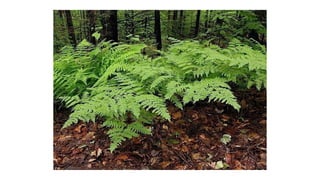
Southern Bracken Fern - Pteridium
aquilinum Wild guava - Tetrazygia bicolor
Five-finger/Chicken's foot - Tabebuia bahamense
Scale leafed love vine - Cassytha filiformis
Poisonwood - Metopium toxiferum
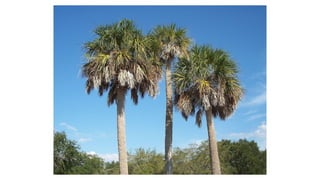
The Sabal palmetto - Cocothrinax argenta
Animals of the Bahamian Pine
Forest
Turkey Vulture - (Cathartes aura)
Bahama Woodstar hummingbird
Cuban emerald hummingbird
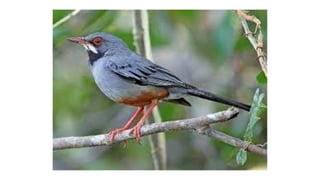
Red Legged Thrush
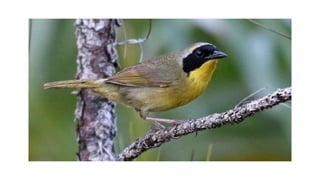
Bahama Yellowthroat
(Geothlypis rostrata)
Pine Warbler (Dendroica pinus)
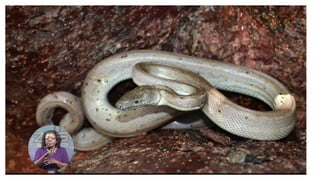
Bahamian Boa Constrictor
Bahamian Pine Forests PowerPoint Presentation

Bahamian Pine Forests PowerPoint Presentation

  • 1.
  • 2.
    OBJECTIVES: Explain what isa Bahamian Pine Forest. State characteristics of the Caribbean Pine. Outline the history of the Pine Forest Ecosystem. ​ State the importance, the dangers, and organisms of the Pine Forest.
  • 3.
    Bahamian Pine Forests Pine forestsare important ecosystems in which many birds, reptiles and insects live. This ecosystem only occurs on the northern islands of the Bahamas: Grand Bahama, Andros, Abaco and New Providence (reports suggest they grew in the Berry Islands as well). Areas of pine forest which are protected are the Rand Nature Centre and the Lucayan National Park, Grand Bahama and the Abaco National Park in southern Abaco.
  • 5.
    The Caribbean Pine/YellowPine - Pinus caribaea var. bahamensis The Caribbean Pine is a light-demanding species that requires open areas with no competition from shading broad-leafed plants. Extremely well adapted to fire, the Caribbean Pine adults are rarely killed by the flames. Their fire resistance is due to volatile resins in the bark which explode when heated, putting out any small fires which start at the bark. Juvenile pines are not as resistant as the adults and are generally killed, but reseeding takes place around the base of the adult trees rapidly.
  • 6.
    Fire Climax Communities Caribbean pinelandsare called "fire climax communities" by botanists, for if periodic fires do not occur to remove the shading broad-leafed understory (the plants closer to the ground, juvenile pines cannot get sufficient light to take hold and replace the adult trees as they die off. Without fires the pinelands would be succeeded by the broad leaved coppice, a hardwood forest.
  • 7.
    History of thePine Forest Ecosystem
  • 8.
    History of thePine Forest Ecosystem The Caribbean Pine has been used by Bahamians for hundreds of years. Large-scale commercial exploitation of the resource did not begin until the early 1900's. In 1905, a sawmill was constructed near Wilson City, Abaco where it ran for twelve years. As local pinelands were utilized, the mill was moved to other areas. By 1943, all of the virgin pine of Abaco had been cut except for an area north of Crossing Rocks and a forest between Norman's Castle and Marsh Harbour.
  • 9.
    History of thePine Forest Ecosystem Cont. In 1944 the Abaco mill was moved to Grand Bahama, where large scale logging operations continued until the 1970's. Meanwhile, commercial harvesting of pine started in Andros in 1906 and in New Providence in 1923. In New Providence, few people can remember the sawmill that was constructed near Jack Pond, south of Gambier. As trees of suffi cient diameter for lumber-making became scarce, the industry turned its attention to harvesting immature secondary trees which were ground into pulp for paper making.
  • 10.
    Importance of thePine Forests
  • 11.
    Importance of Pine Forests TheBahamian Pine Forests are important for many different reasons: ● Commercial - The pine trees can be used as lumber because they are fast growing and the wood they produce is reasonably strong. Many ecotourists come into the country to bird watch. ● Recreation - The hunting of the Bahamian wild boar is a very popular recreational activity in the family islands. Other species such as ducks and migratory birds may be hunted as well. ● Environment for Wildlife - Many animals live in the pine forests. The ecosystem is a very diverse area. The ecosystem is rich with many different organisms.
  • 12.
    Dangers to ThePine Forests
  • 13.
    Dangers to theBahamian Pine Forests ● Urban Development ● Pollution ● Climate Change ● Natural Disasters
  • 14.
    Organisms found inthe Pine Forest
  • 15.
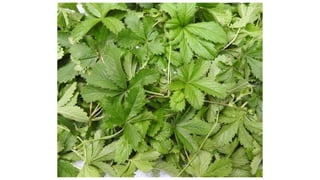
    Plants of thePine Forest The Caribbean Pine/Yellow Pine - Pinus caribaea var. bahamensis Pineyard Pink Orchid - Bletia purpurea Bushy Beard Grass - Andorpogon glomeratus Southern Bracken Fern - Pteridium aquilinum Wild guava - Tetrazygia bicolor Five-finger/Chicken's foot - Tabebuia bahamense Scale leafed love vine - Cassytha filiformis Poisonwood - Metopium toxiferum The Sabal palmetto - Cocothrinax argenta
  • 24.
    Animals of theBahamian Pine Forest Turkey Vulture - (Cathartes aura) Bahama Woodstar hummingbird Cuban emerald hummingbird Red Legged Thrush Bahama Yellowthroat (Geothlypis rostrata) Pine Warbler (Dendroica pinus) Bahamian Boa Constrictor