AI ranking
This module predicts the average cosine
distance between drugs and Covid-19.
http://drugx.kamalrawal.in/drugx/
1. Applied in drug design through generation of a learning-prediction model
2. Perform quick virtual screening
3. Present accurate biology and chemistry outputs.
4. Quickly identify promising drugs
Example: COVID-19 vaccine development by using:
artificial neural network (Wang et al., 2020)
gradient boosting decision tree (Wong et al., 2019)
deep neural network (Wong et al., 2019)
Artificial Intelligence / Machine Learning
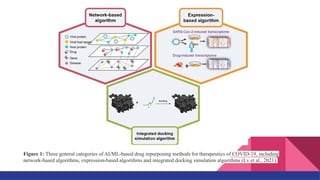
Figure 1: Three general categories of AI/ML-based drug repurposing methods for therapeutics of COVID-19, including
network-based algorithms, expression-based algorithms and integrated docking simulation algorithms (Lv et al., 2021).
AI/ML based studies on COVID-19 vaccine design
AI/ML tools Details Website URL References
Artificial neural
network
Identification of SARS-CoV-2 T-cell and B-cell epitopes based on
viral protein antigen presentation and antibody binding properties
NA [Fast and chen, 2019]
XGBoost Prediction of vaccine candidates from non-structural proteins NA [Ong et al., 2020]
Feed-forward
neural network
Prediction of HLA-binding peptides from SARS-CoV-2 virus by
binding stability
NA [Prachar et al., 2020]
Deep neural
network
Prediction and design of multi-epitope vaccine that can manage
with the mutation of the virus
https://github.com/
zikunyang/DCVST
[Yang et al., 2021]
Introduction
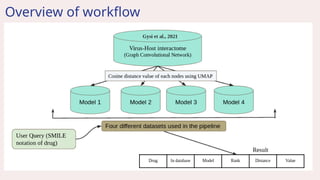
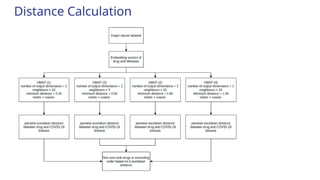
● Used virus-host interactome integration [GCN Gysi et al., 2021]
● Predicts the average cosine distance of the drug.
● Minimum the distance value, higher the closeness with SARS-CoV-2 disease.
● The average value is calculated by using the formula:
Sum of distance value from all four model
number of models (4)
Overview of workflow
Distance Calculation
Pazopanib Drug [Aeppli et al, 2020]
● Drugbank ID : DB06589
● Antineoplastic agent.
● Used in treatment of advanced renal cell cancer.
● Inhibitor of multiple protein tyrosine kinases.
● Developed by GlaxoSmithKline.
● FDA approved on October 19, 2009.
● SMILES were taken from drugbank database.
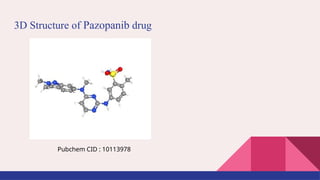
3D Structure of Pazopanib drug
Pubchem CID : 10113978
USAGE
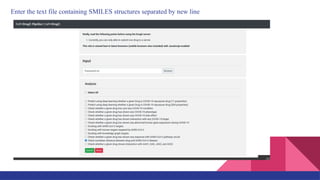
Enter the text file containing SMILES structures separated by new line
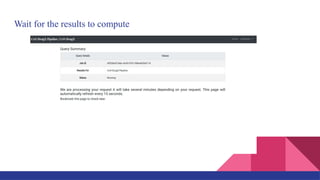
Wait for the results to compute
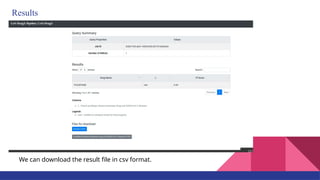
Results
We can download the result file in csv format.
Case study for Pazopanib drug
● We selected the Pazopanib drug.
● Extracted its SMILES from drugbank database ( https://go.drugbank.com/ )
● Submitted its SMILES as a query in AI module.
● We got score as 1 for the Pazopanib drug and PI score 0.
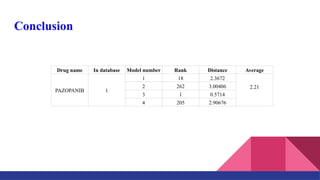
Conclusion
Drug name In database Model number Rank Distance Average
PAZOPANIB 1
1 18 2.3672
2.21
2 262 3.00406
3 1 0.5714
4 205 2.90676
References
1. Ke YY, Peng TT, Yeh TK, Huang WZ, Chang SE, Wu SH, Hung HC, Hsu TA, Lee SJ, Song JS, Lin WH. Artificial intelligence
approach fighting COVID-19 with repurposing drugs. Biomedical journal. 2020 Aug 1;43(4):355-62.
2. Lv H, Shi L, Berkenpas JW, Dao FY, Zulfiqar H, Ding H, Zhang Y, Yang L, Cao R. Application of artificial intelligence and
machine learning for COVID-19 drug discovery and vaccine design. Briefings in Bioinformatics. 2021 Nov;22(6):bbab320.
3. Fast E, Chen B. Potential T-cell and B-cell epitopes of 2019-nCoV. bioRxiv 2020. https://doi.org/10.1101/2020.02.19.955484.
4. Ong E, Wong MU, Huffman A, et al. COVID-19 coronavirus vaccine design using reverse vaccinology and machine learning.
Front Immunol 2020;11:1581.
5. Prachar M, Justesen S, Steen-Jensen DB, et al. Identification and validation of 174 COVID-19 vaccine candidate epitopes
reveals low performance of common epitope prediction tools. Sci Rep 2020;10(1):20465.
6. Yang Z, Bogdan P, Nazarian S. An in silico deep learning approach to multi-epitope vaccine design: a SARS-CoV-2 case study.
Sci Rep 2021;11(1):3238.
7. Wang J, Wang H, Wang X, et al. Predicting drug-target interactions via FM-DNN learning. Curr Bioinform 2020;15(1):68–76.
8. Wong KKL. Optimization in the design of natural structures, biomaterials, bioinformatics and biometric techniques for solving
physiological needs and ultimate performance of bio-devices. Curr Bioinform 2019;14(5):374–5.
9. Aeppli, Stefanie, et al. "Impact of COVID-19 pandemic on treatment patterns in metastatic clear cell renal cell carcinoma."
ESMO open 5 (2020): e000852.

Artificial Intelligence Ranking in drug repurposing.pptx

  • 1.
    AI ranking This modulepredicts the average cosine distance between drugs and Covid-19. http://drugx.kamalrawal.in/drugx/
  • 2.
    1. Applied indrug design through generation of a learning-prediction model 2. Perform quick virtual screening 3. Present accurate biology and chemistry outputs. 4. Quickly identify promising drugs Example: COVID-19 vaccine development by using: artificial neural network (Wang et al., 2020) gradient boosting decision tree (Wong et al., 2019) deep neural network (Wong et al., 2019) Artificial Intelligence / Machine Learning
  • 3.
    Figure 1: Threegeneral categories of AI/ML-based drug repurposing methods for therapeutics of COVID-19, including network-based algorithms, expression-based algorithms and integrated docking simulation algorithms (Lv et al., 2021).
  • 4.
    AI/ML based studieson COVID-19 vaccine design AI/ML tools Details Website URL References Artificial neural network Identification of SARS-CoV-2 T-cell and B-cell epitopes based on viral protein antigen presentation and antibody binding properties NA [Fast and chen, 2019] XGBoost Prediction of vaccine candidates from non-structural proteins NA [Ong et al., 2020] Feed-forward neural network Prediction of HLA-binding peptides from SARS-CoV-2 virus by binding stability NA [Prachar et al., 2020] Deep neural network Prediction and design of multi-epitope vaccine that can manage with the mutation of the virus https://github.com/ zikunyang/DCVST [Yang et al., 2021]
  • 5.
    Introduction ● Used virus-hostinteractome integration [GCN Gysi et al., 2021] ● Predicts the average cosine distance of the drug. ● Minimum the distance value, higher the closeness with SARS-CoV-2 disease. ● The average value is calculated by using the formula: Sum of distance value from all four model number of models (4)
  • 6.
  • 7.
  • 8.
    Pazopanib Drug [Aeppliet al, 2020] ● Drugbank ID : DB06589 ● Antineoplastic agent. ● Used in treatment of advanced renal cell cancer. ● Inhibitor of multiple protein tyrosine kinases. ● Developed by GlaxoSmithKline. ● FDA approved on October 19, 2009. ● SMILES were taken from drugbank database.
  • 9.
    3D Structure ofPazopanib drug Pubchem CID : 10113978
  • 10.
  • 11.
    Enter the textfile containing SMILES structures separated by new line
  • 12.
    Wait for theresults to compute
  • 13.
    Results We can downloadthe result file in csv format.
  • 14.
    Case study forPazopanib drug ● We selected the Pazopanib drug. ● Extracted its SMILES from drugbank database ( https://go.drugbank.com/ ) ● Submitted its SMILES as a query in AI module. ● We got score as 1 for the Pazopanib drug and PI score 0.
  • 15.
    Conclusion Drug name Indatabase Model number Rank Distance Average PAZOPANIB 1 1 18 2.3672 2.21 2 262 3.00406 3 1 0.5714 4 205 2.90676
  • 16.
    References 1. Ke YY,Peng TT, Yeh TK, Huang WZ, Chang SE, Wu SH, Hung HC, Hsu TA, Lee SJ, Song JS, Lin WH. Artificial intelligence approach fighting COVID-19 with repurposing drugs. Biomedical journal. 2020 Aug 1;43(4):355-62. 2. Lv H, Shi L, Berkenpas JW, Dao FY, Zulfiqar H, Ding H, Zhang Y, Yang L, Cao R. Application of artificial intelligence and machine learning for COVID-19 drug discovery and vaccine design. Briefings in Bioinformatics. 2021 Nov;22(6):bbab320. 3. Fast E, Chen B. Potential T-cell and B-cell epitopes of 2019-nCoV. bioRxiv 2020. https://doi.org/10.1101/2020.02.19.955484. 4. Ong E, Wong MU, Huffman A, et al. COVID-19 coronavirus vaccine design using reverse vaccinology and machine learning. Front Immunol 2020;11:1581. 5. Prachar M, Justesen S, Steen-Jensen DB, et al. Identification and validation of 174 COVID-19 vaccine candidate epitopes reveals low performance of common epitope prediction tools. Sci Rep 2020;10(1):20465. 6. Yang Z, Bogdan P, Nazarian S. An in silico deep learning approach to multi-epitope vaccine design: a SARS-CoV-2 case study. Sci Rep 2021;11(1):3238. 7. Wang J, Wang H, Wang X, et al. Predicting drug-target interactions via FM-DNN learning. Curr Bioinform 2020;15(1):68–76. 8. Wong KKL. Optimization in the design of natural structures, biomaterials, bioinformatics and biometric techniques for solving physiological needs and ultimate performance of bio-devices. Curr Bioinform 2019;14(5):374–5. 9. Aeppli, Stefanie, et al. "Impact of COVID-19 pandemic on treatment patterns in metastatic clear cell renal cell carcinoma." ESMO open 5 (2020): e000852.