MASTERS OF
ARCHITECTURE
WORLD FAMOUS ARCHITECTS
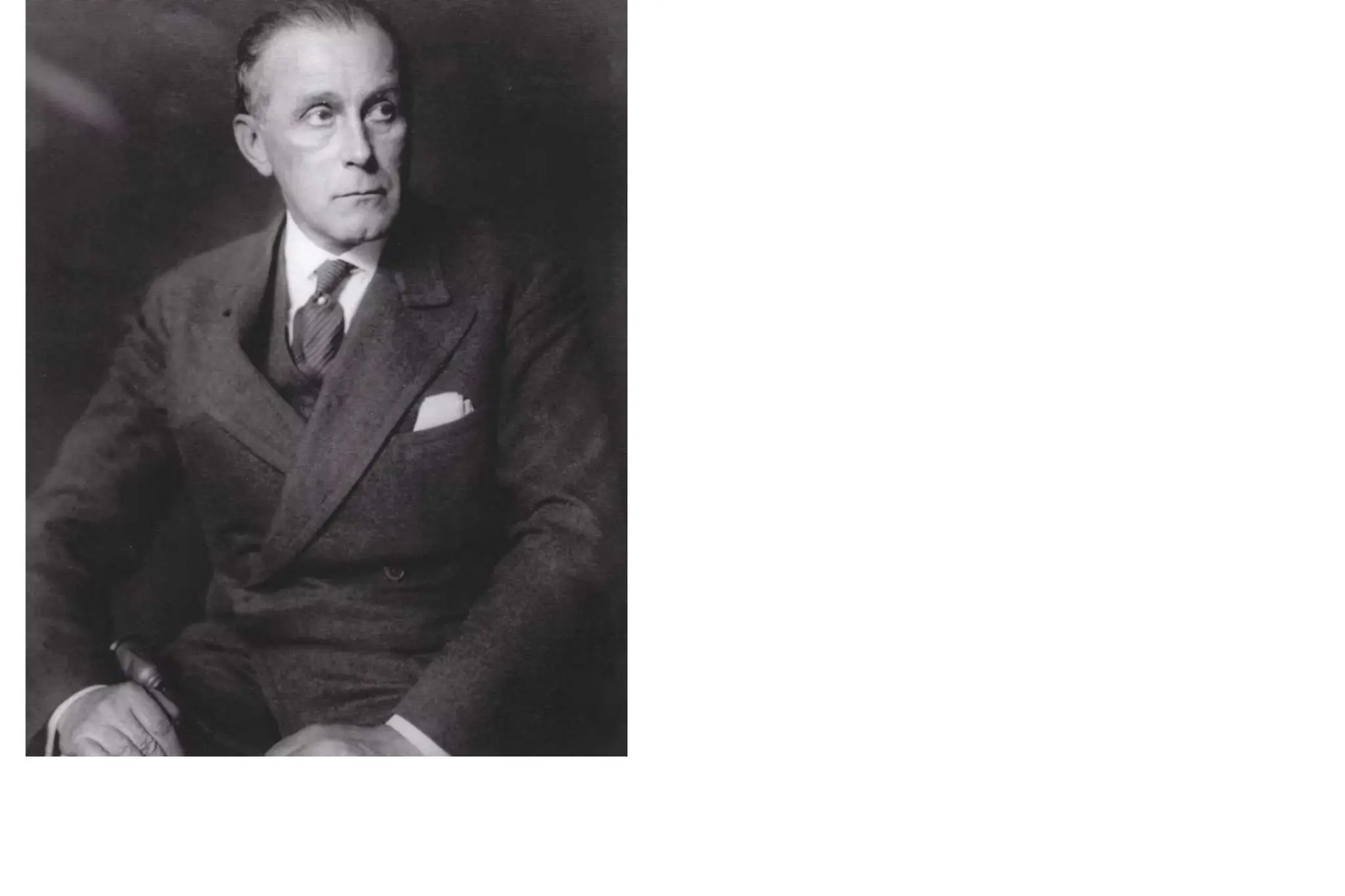
ADOLF LOOS
Aldolf Loos was born in Burnn, Czechoslovakia in 1870
He gained greater notoriety for his writing than for his buildings
Loos recommended pure forms for economy and effectiveness.
He believed that culture resulted from the renunciation of passions
and that which brings man to the absence of ornamentation
generates spiritual power.
Loos attacked contemporary design as well as the imitative styling
of the 19th
century.
“ORNAMENT EQUALS CRIME”
ADOLF LOOS
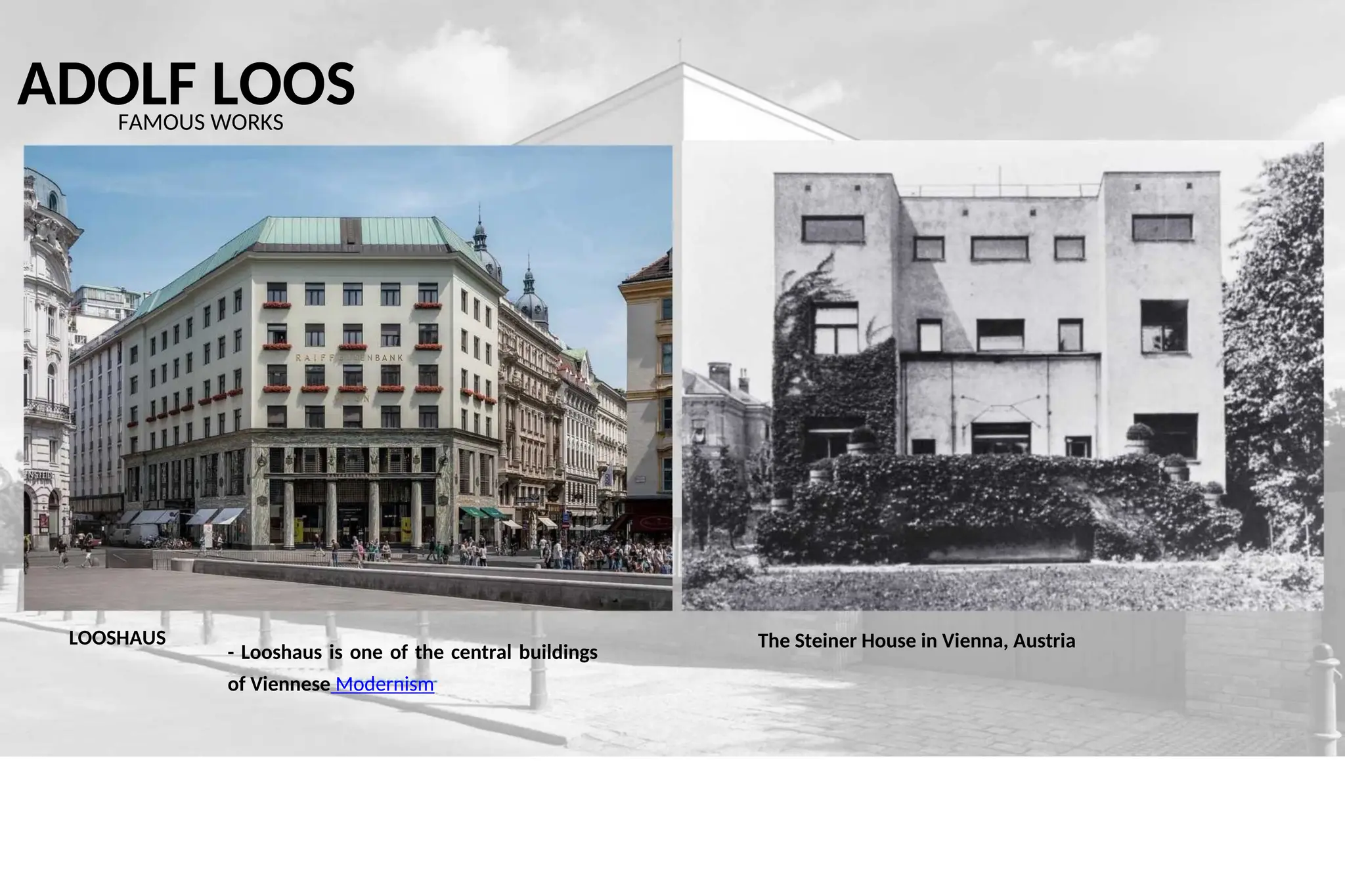
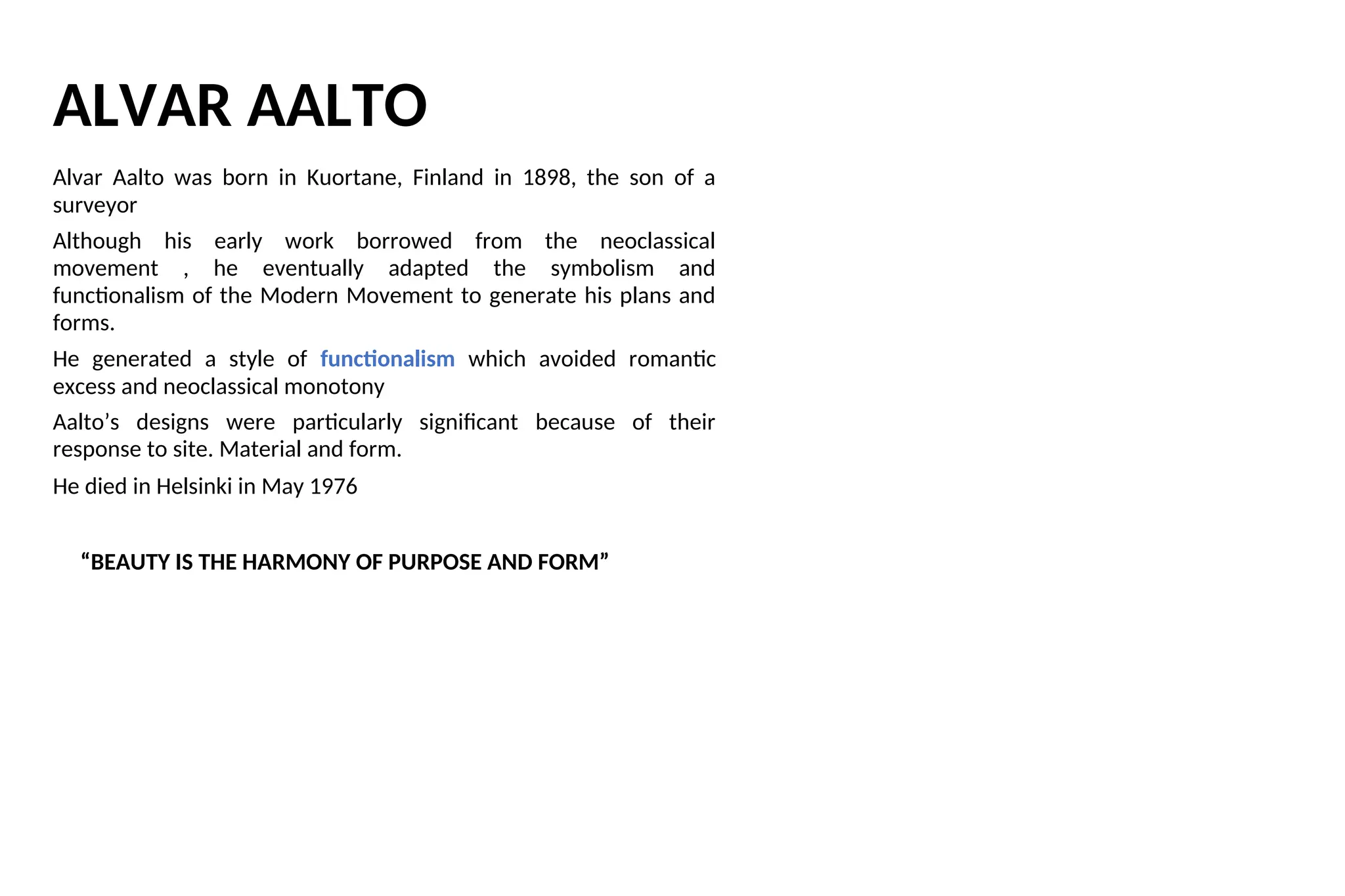
FAMOUS WORKS
lE N B A N K
LOOSHAUS The Steiner House in Vienna, Austria
- Looshaus is one of the central buildings
of Viennese Modernism
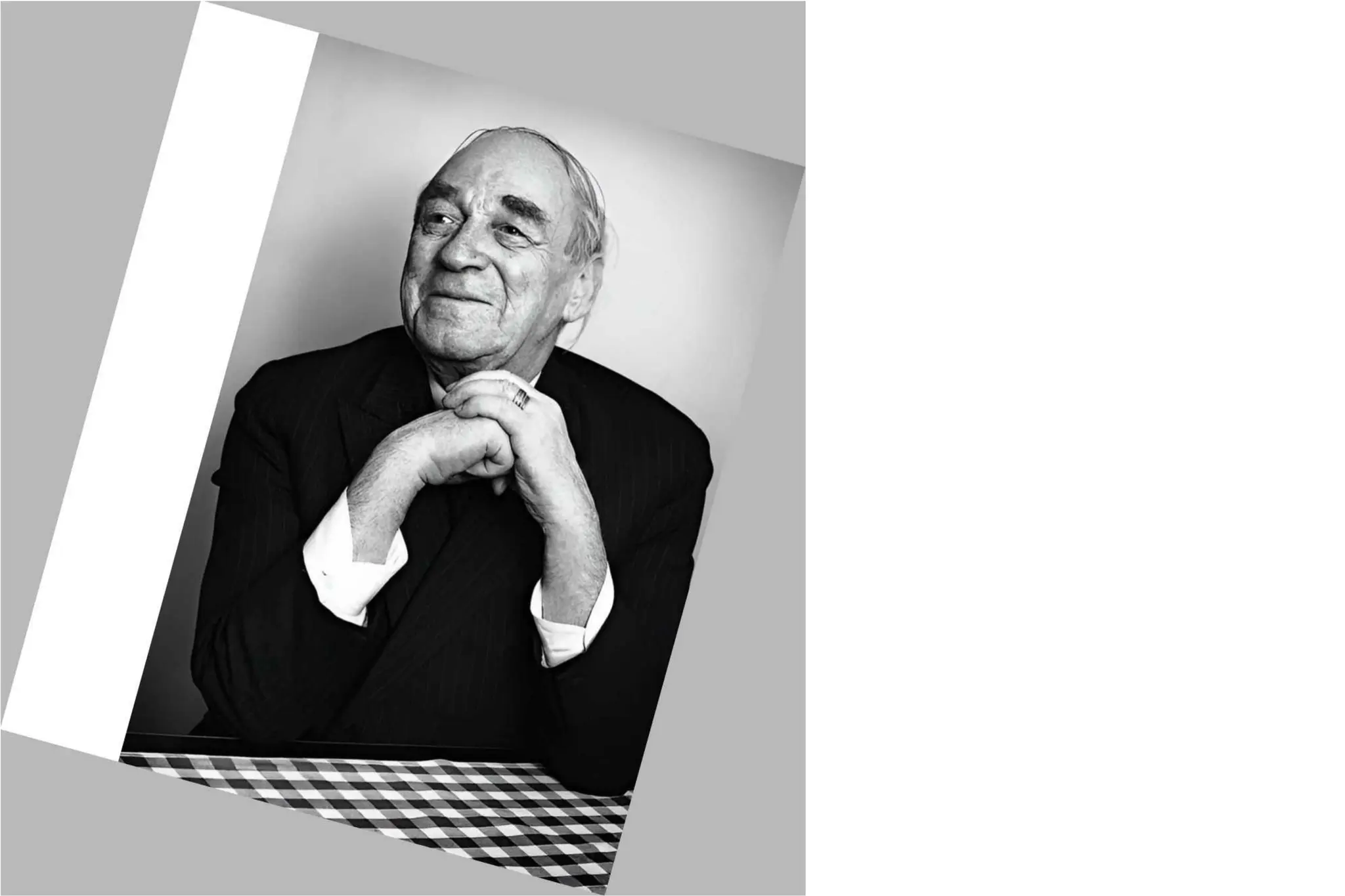
ALVAR AALTO
Alvar Aalto was born in Kuortane, Finland in 1898, the son of a
surveyor
Although his early work borrowed from the neoclassical
movement , he eventually adapted the symbolism and
functionalism of the Modern Movement to generate his plans and
forms.
He generated a style of functionalism which avoided romantic
excess and neoclassical monotony
Aalto’s designs were particularly significant because of their
response to site. Material and form.
He died in Helsinki in May 1976
“BEAUTY IS THE HARMONY OF PURPOSE AND FORM”
ALVAR AALTO
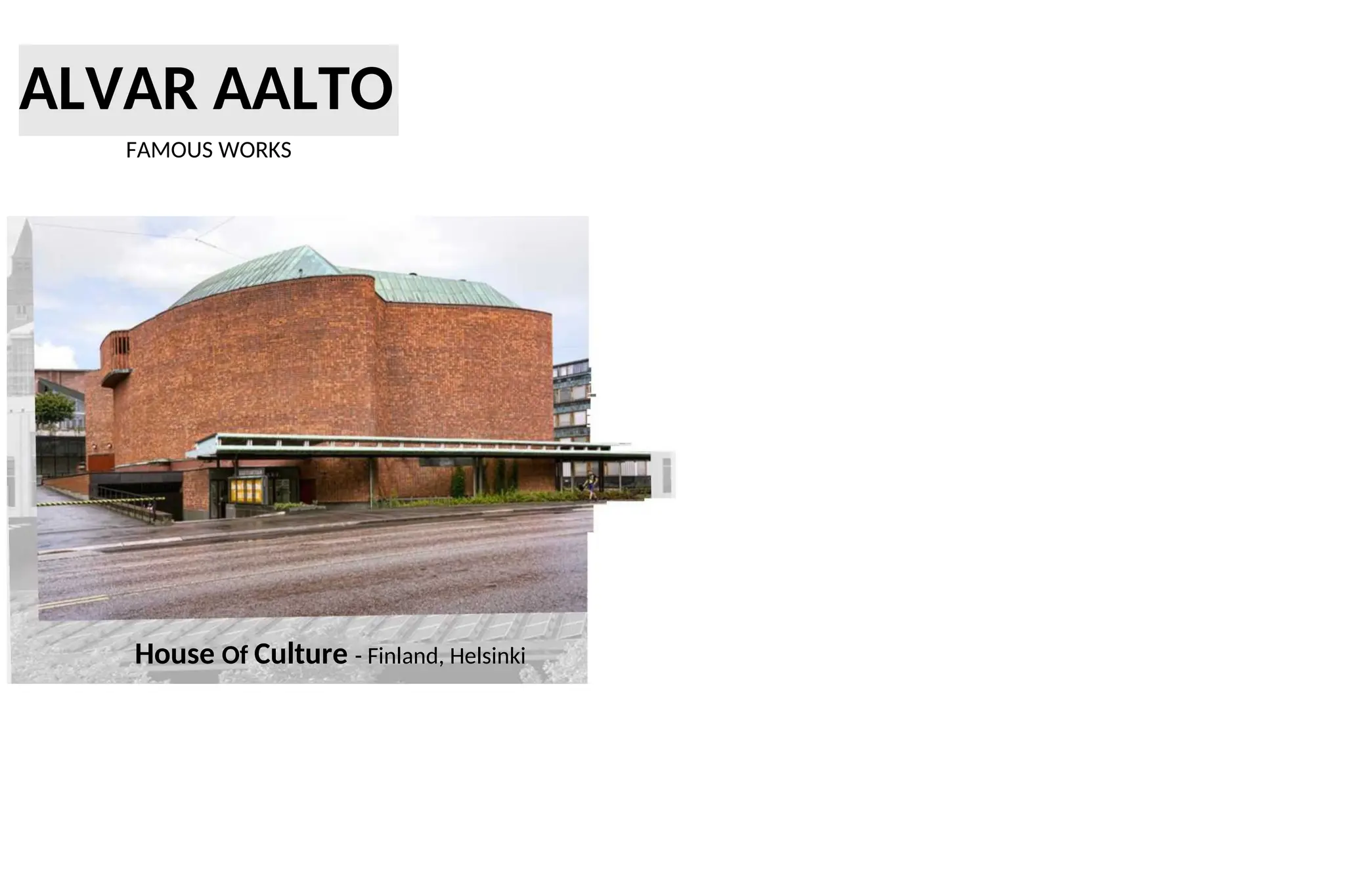
FAMOUS WORKS
House Of Culture - Finland, Helsinki
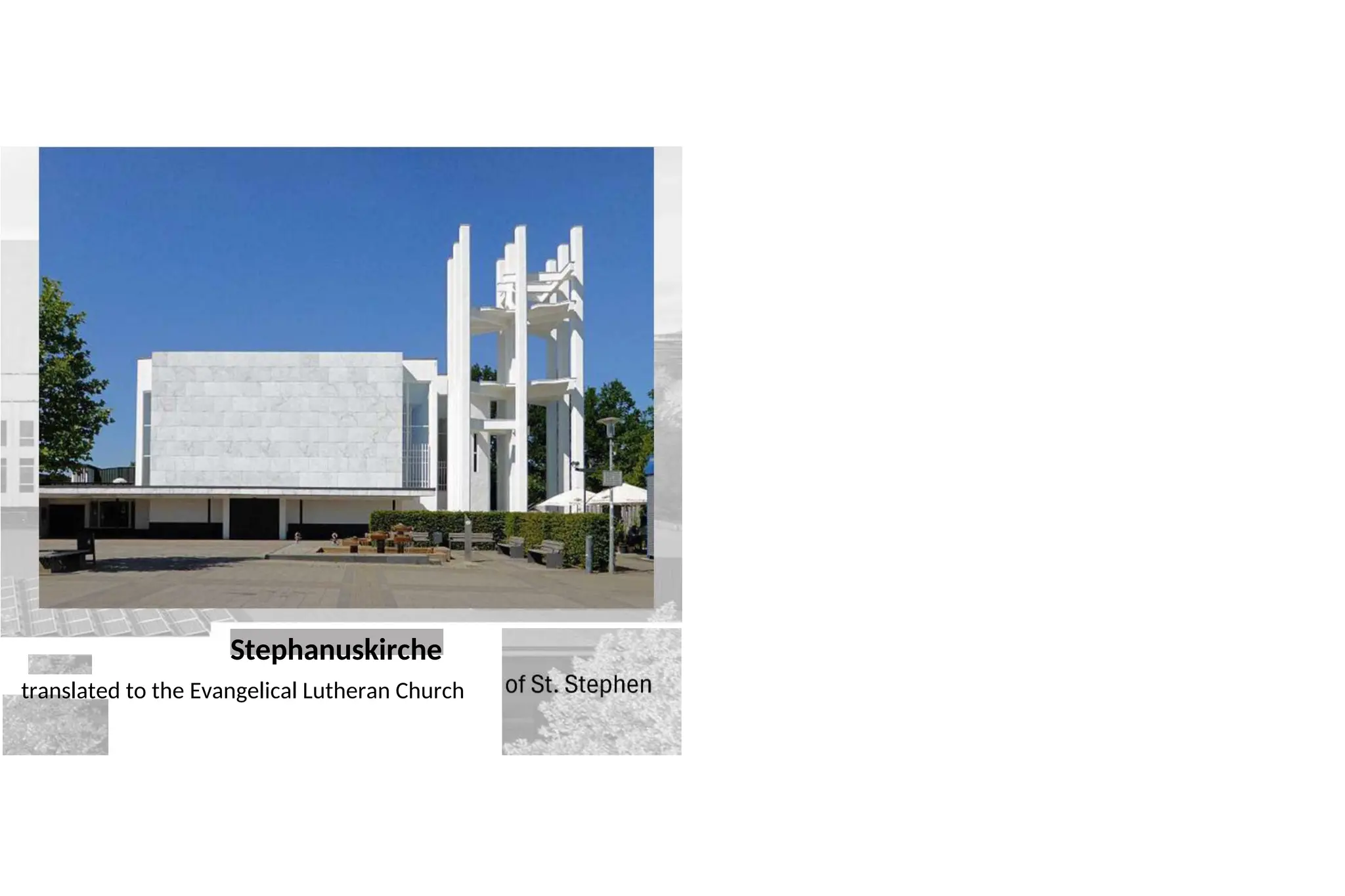
Stephanuskirche
translated to the Evangelical Lutheran Church
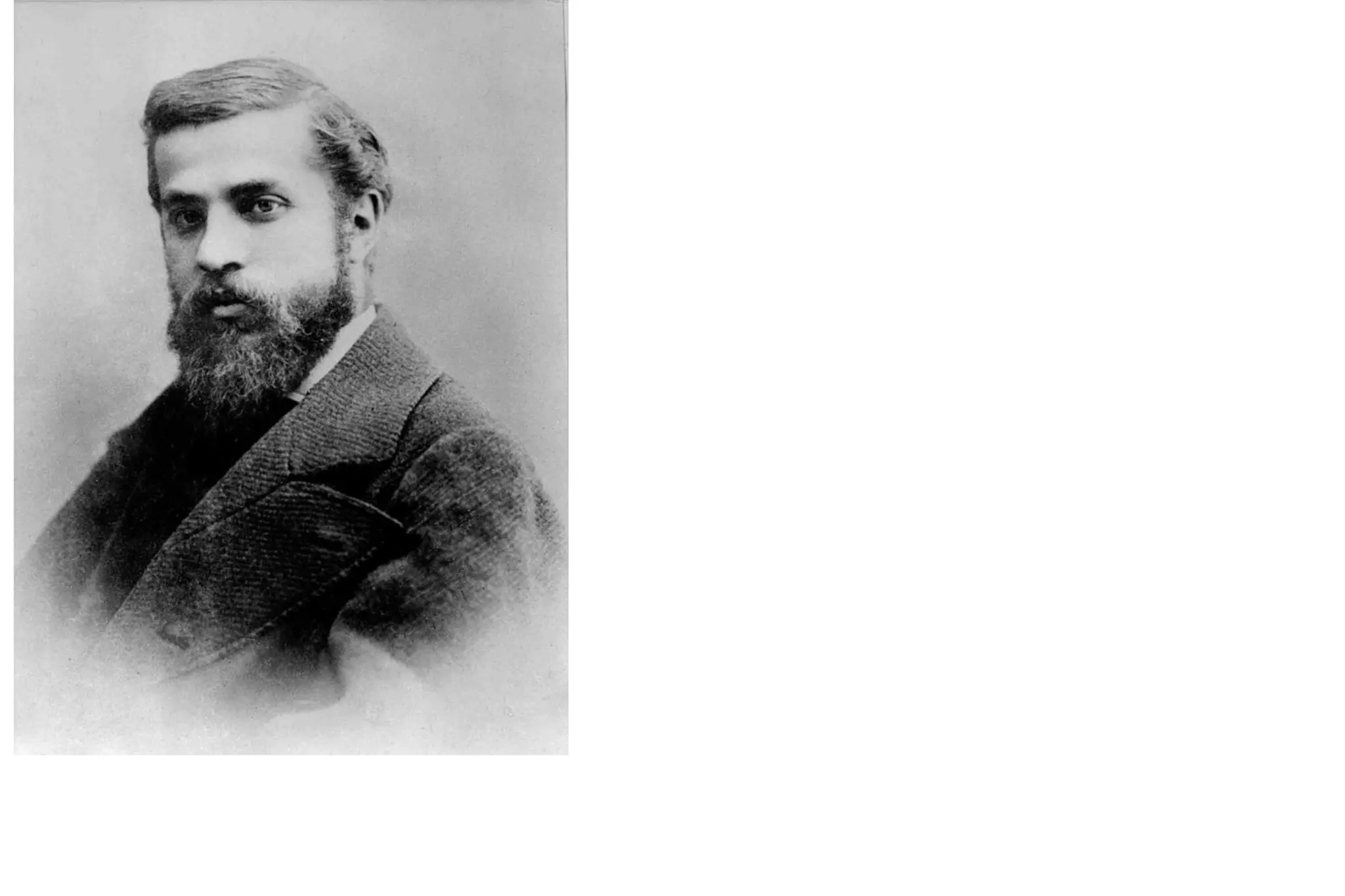
ANTONIO GAUDI
Antonio Gaudi was born in Reus, Spain in 1852, son of a coppersmith
Over the course of his career, Gaudi developed a sensuous curving,
almost surreal design style which established him as the innovative
leader of the Spanish Art Nouveau movement.
With little regard for formal order, he juxtaposed unrelated systems and
altered established visual order.
Although characterized with the Art Nouveau, he created and entirely
original style.
Catalan Architect
He died in Barcelona in 1926
“The straight line belongs to men, the curved one to God”.
“There are no straight lines or sharp corners in nature. Therefore,
buildings must have no straight lines or sharp corners”
ANTONI GAUDI
FAMOUS WORKS
Mmuijun
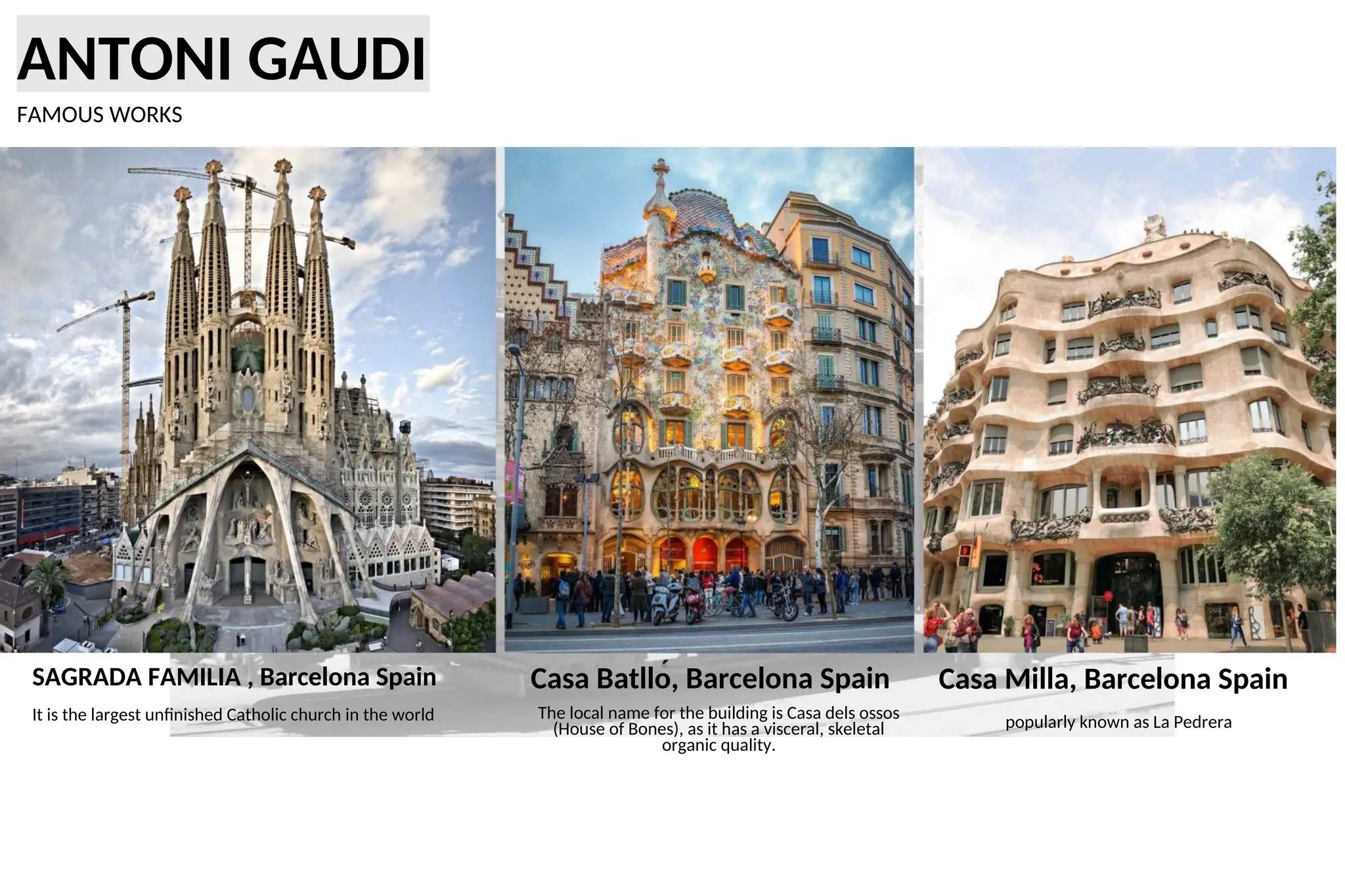
SAGRADA FAMILIA , Barcelona Spain
It is the largest unfinished Catholic church in the world
Casa Batllo, Barcelona Spain
The local name for the building is Casa dels ossos
(House of Bones), as it has a visceral, skeletal
organic quality.
Casa Milla, Barcelona Spain
popularly known as La Pedrera
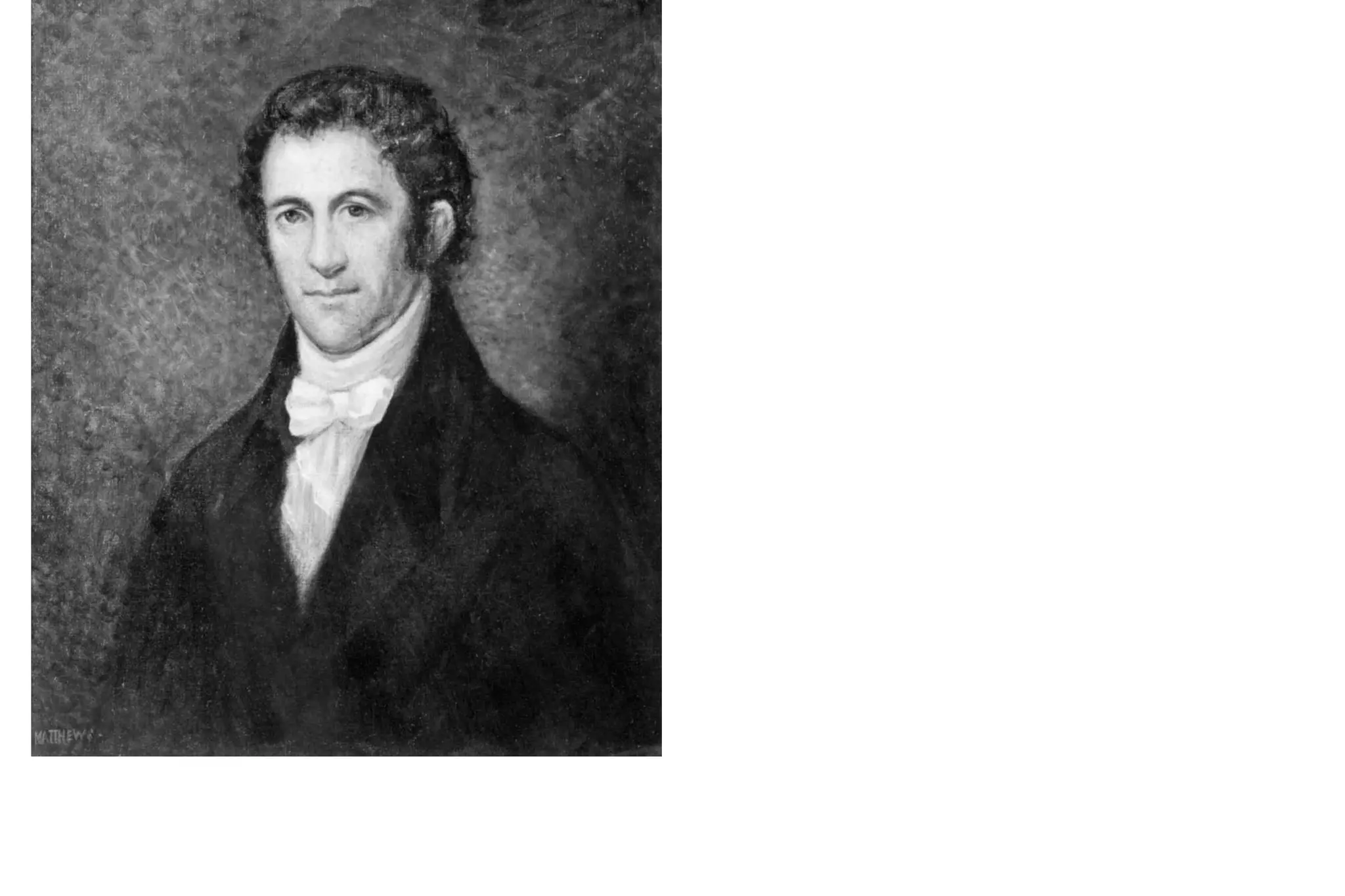
BENJAMIN HENRY
LATROBE
Born the son of a Moravian minister in Leeds, Yorks England in
1764.
He initially interest in engineering and he developed interest in
architecture while travelling through Germany.
The architectural style in which he specialized fit nicely with
Thomas Jefferson’s philosophy of politically relevant
architecture and made him quite popularwith the president.
He was the first fully trained architect to work and teach in
America
He died in 1820, New Orleans Louisiana
Four houses still stand that Latrobe designed: the Decatur
House in Washington, D.C.; Adena in Chillicothe, Ohio; the
Pope Villa in Lexington, Kentucky; and the Sedgeley Porter's
house in Philadelphia
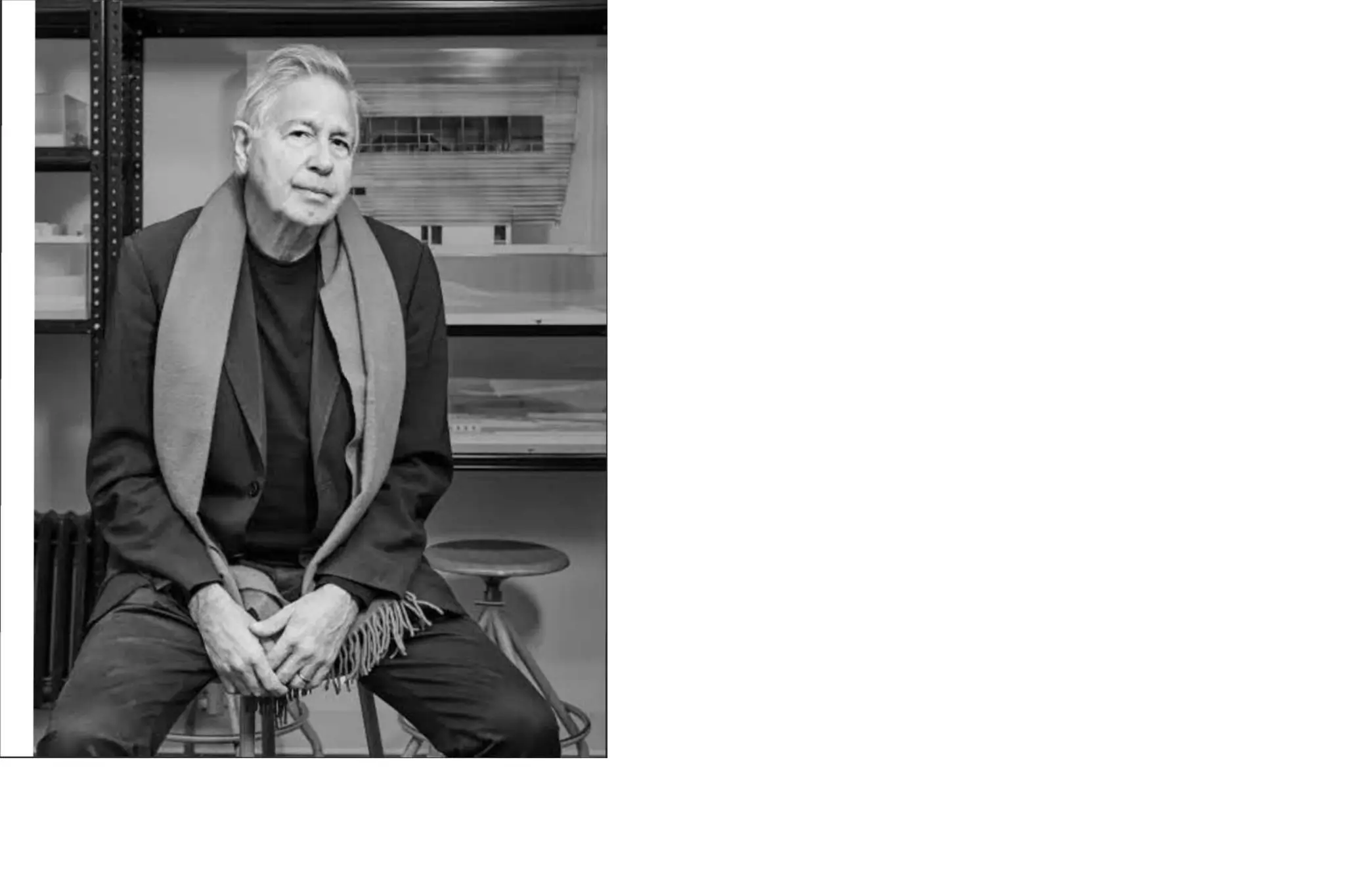
BERNARD TSCHUMI
From 1970 - 1979 he taught at the Architectural Association in London
1976 in Institute for Architecture and Urban Studies in Princeton
University, NY
In 1975 He organized the exhibition “ A space, A Thousand Words” in
New York
After his move from London to New York, Tschumi produce the
“Manhattan Transcripts” designs and collages in which he tackles new
forms of “architectonic notations” including such ideas as “form
follows function”
“Architecture is not so much a knowledge of form, but a form of
knowledge”.
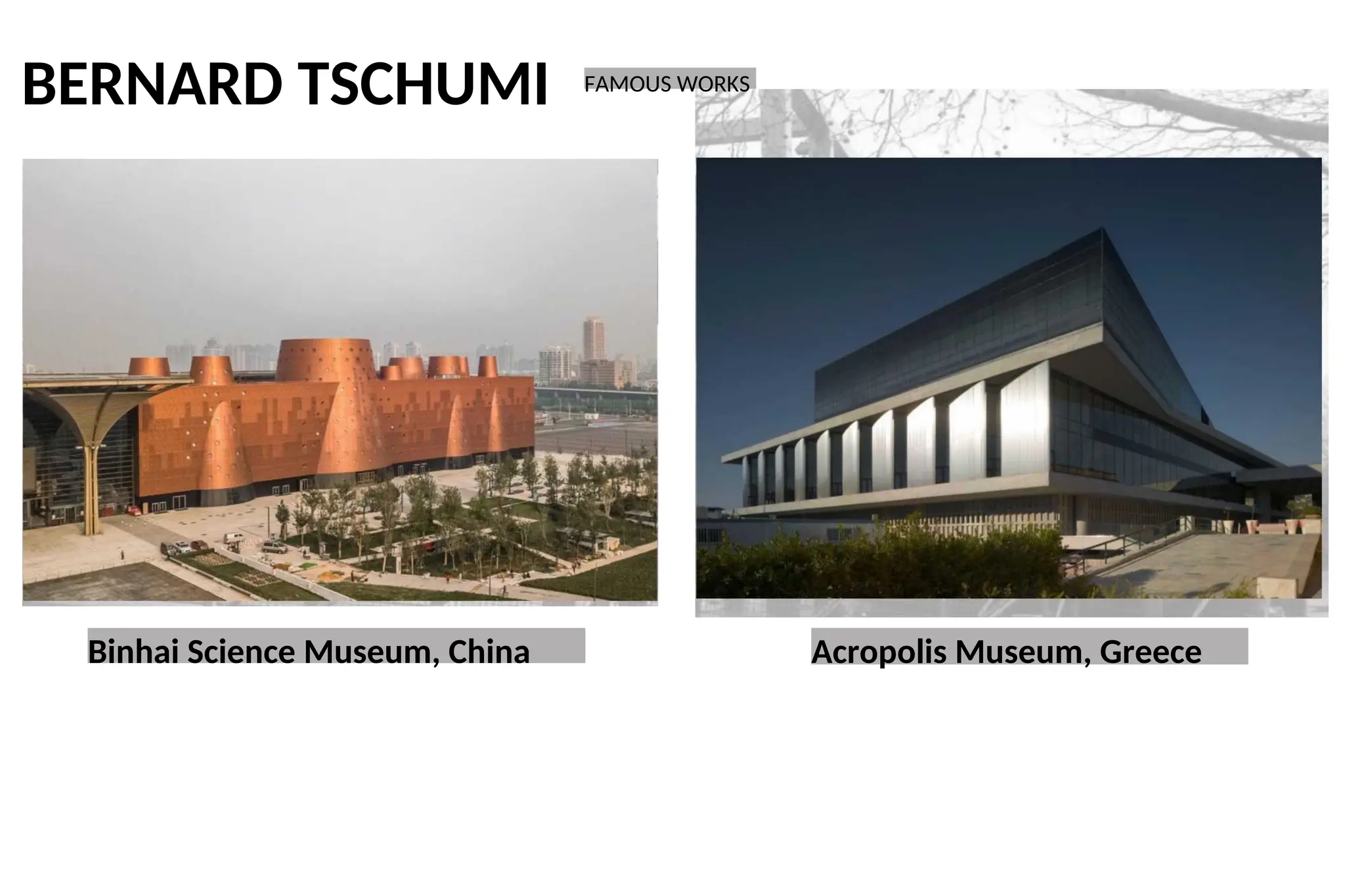
BERNARD TSCHUMI FAMOUS WORKS
Binhai Science Museum, China Acropolis Museum, Greece
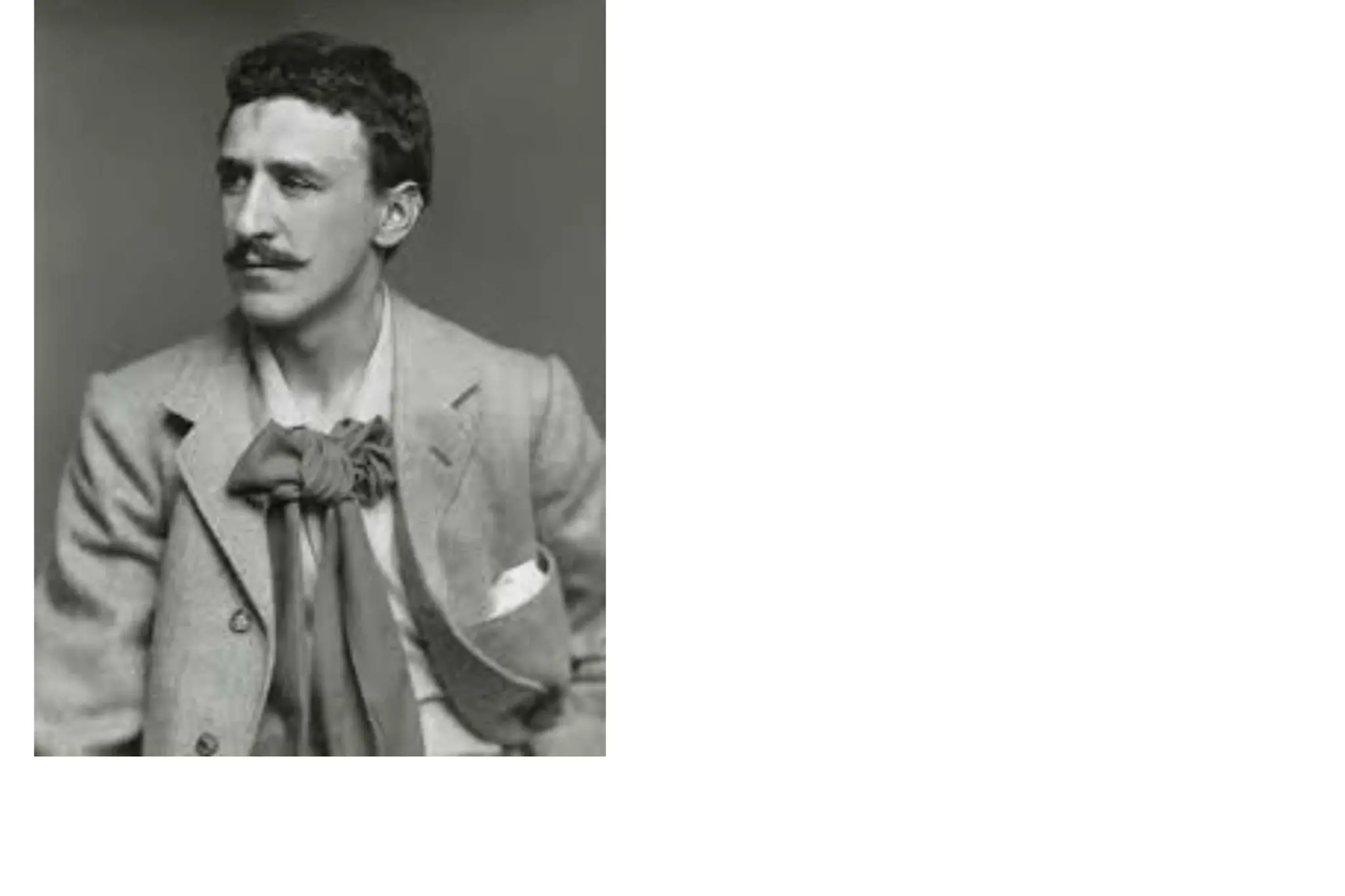
CHARLES RENNIE
MACKINTOSH
Mackintosh was born in Glasgow, Scotland in 1868
With a design philosophy solidly rooted in Scootish Tradition,
Mackintosh disregarded the architecture of Greece and Rome as
unsuitable for the climate or needs Scotland.
He believed that a revival of the Scottish Baronial Style, adapted to
modern society would meet contemporary needs.
His buildings clearly demonstrate this belief
An outstanding architect, furniture designer, and painter who
pioneered the Modern Movement in Scotland
Died in London in 1928
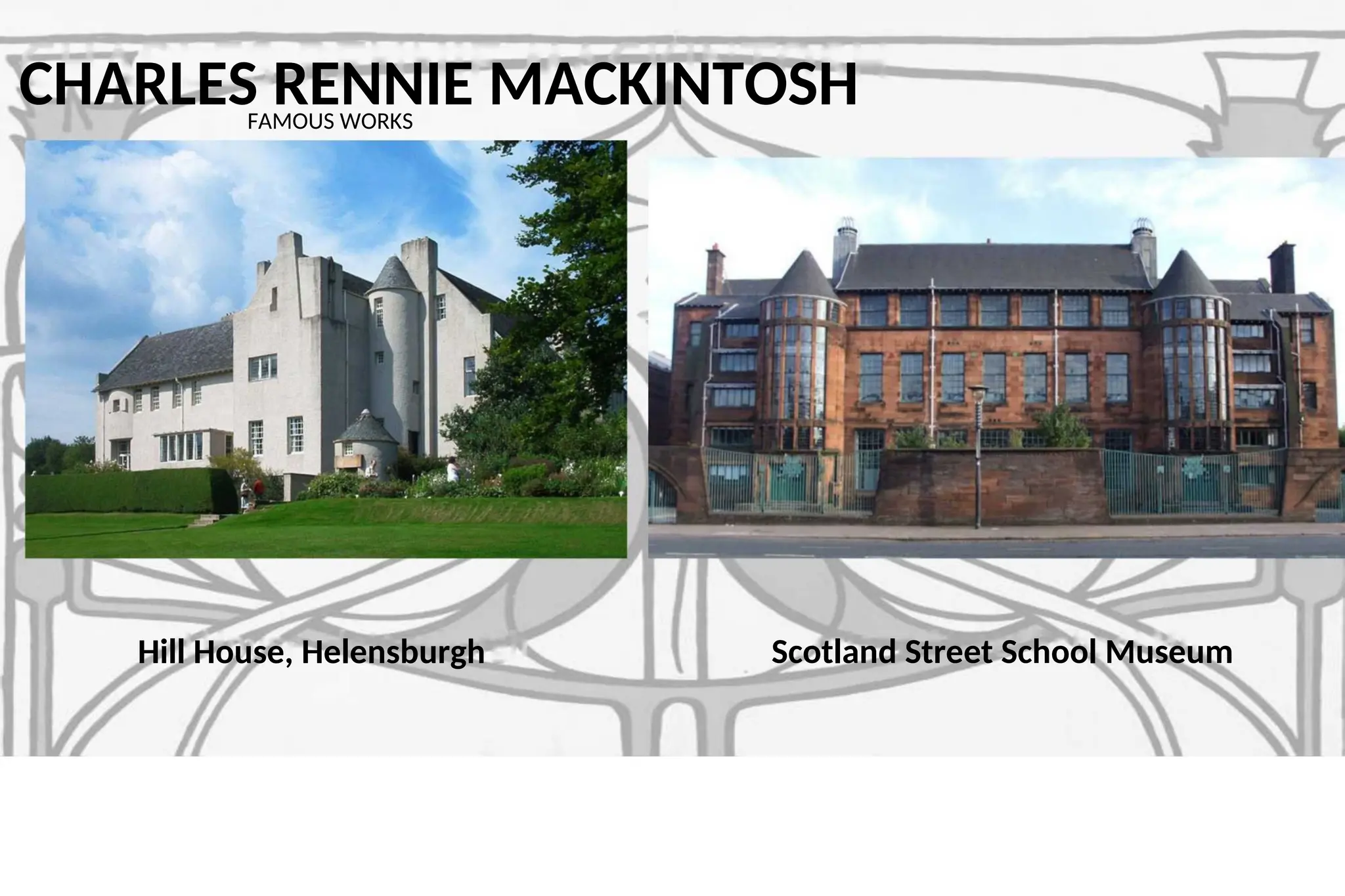
CHARLES RENNIE MACKINTOSH
FAMOUS WORKS
Scotland Street School Museum
Hill House, Helensburgh
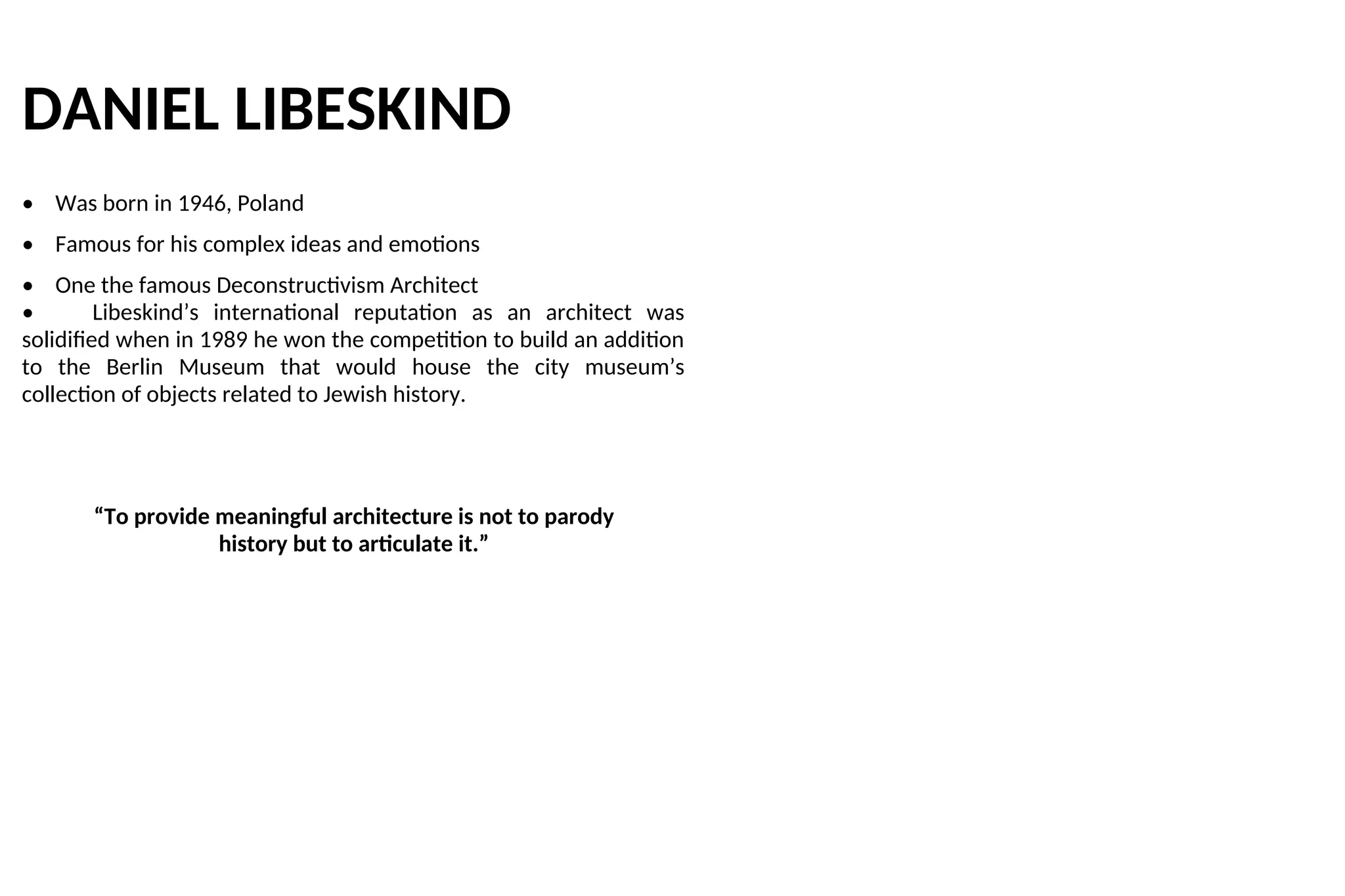
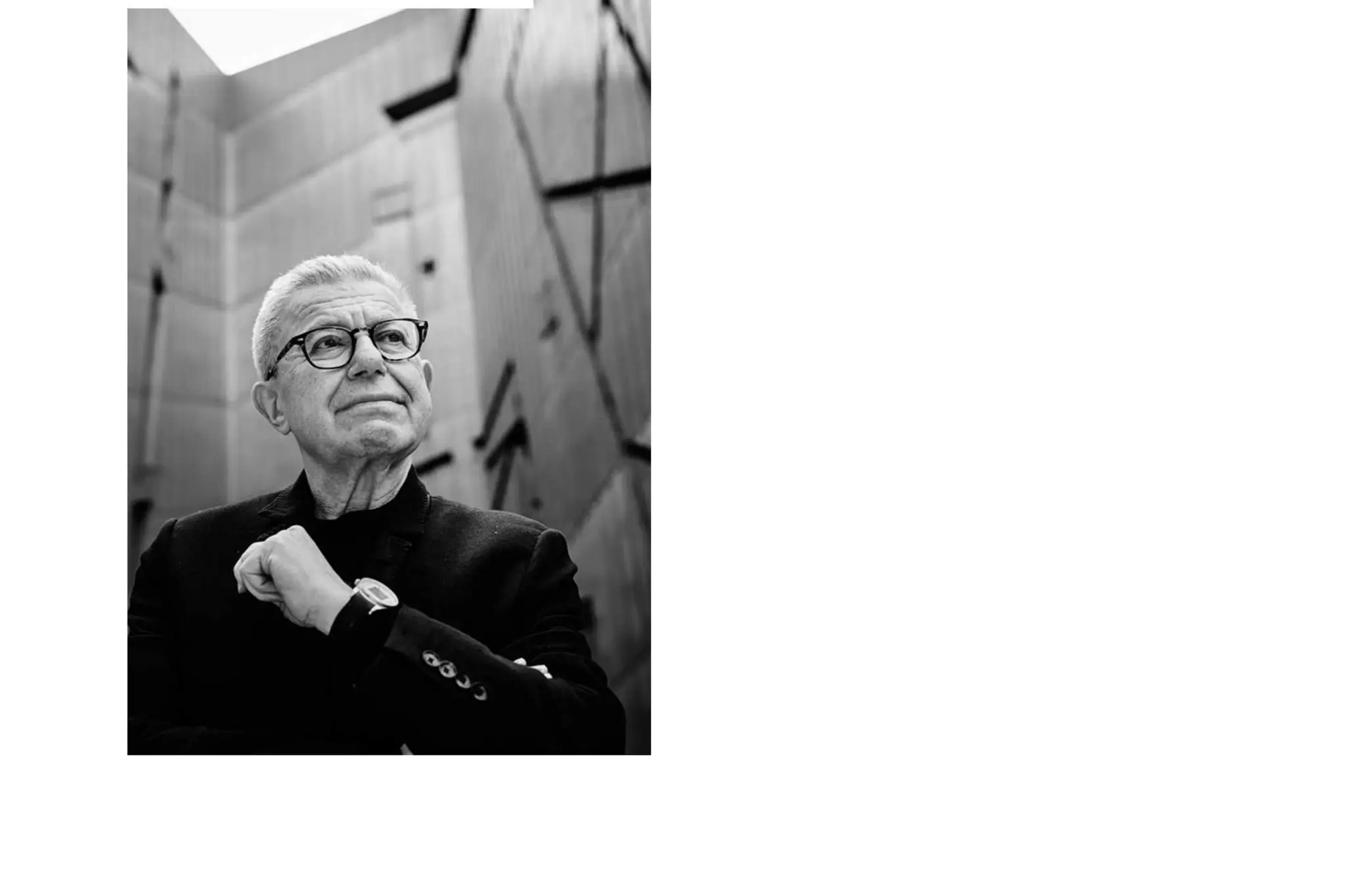
DANIEL LIBESKIND
• Was born in 1946, Poland
• Famous for his complex ideas and emotions
• One the famous Deconstructivism Architect
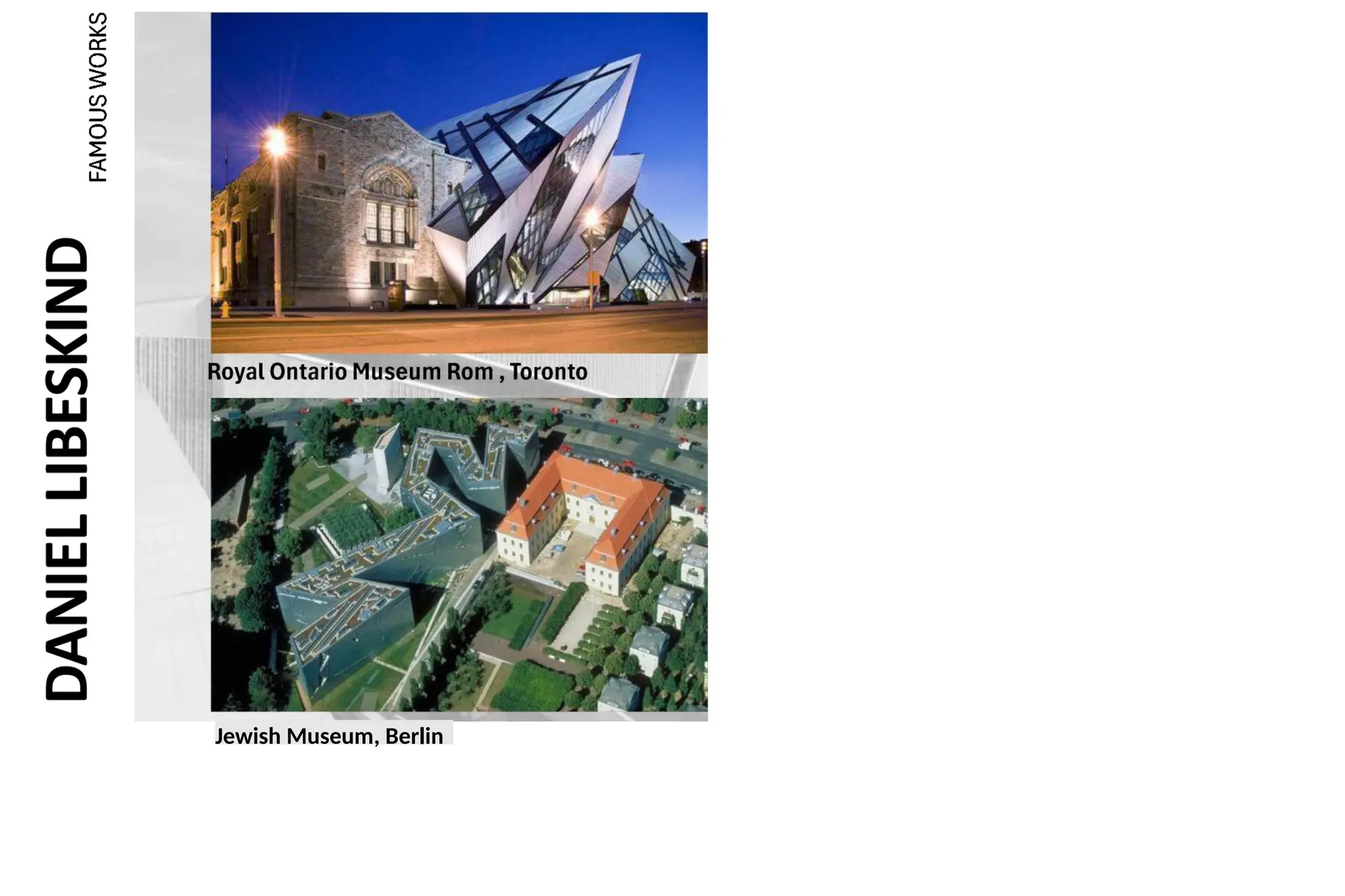
• Libeskind’s international reputation as an architect was
solidified when in 1989 he won the competition to build an addition
to the Berlin Museum that would house the city museum’s
collection of objects related to Jewish history.
“To provide meaningful architecture is not to parody
history but to articulate it.”
Jewish Museum, Berlin
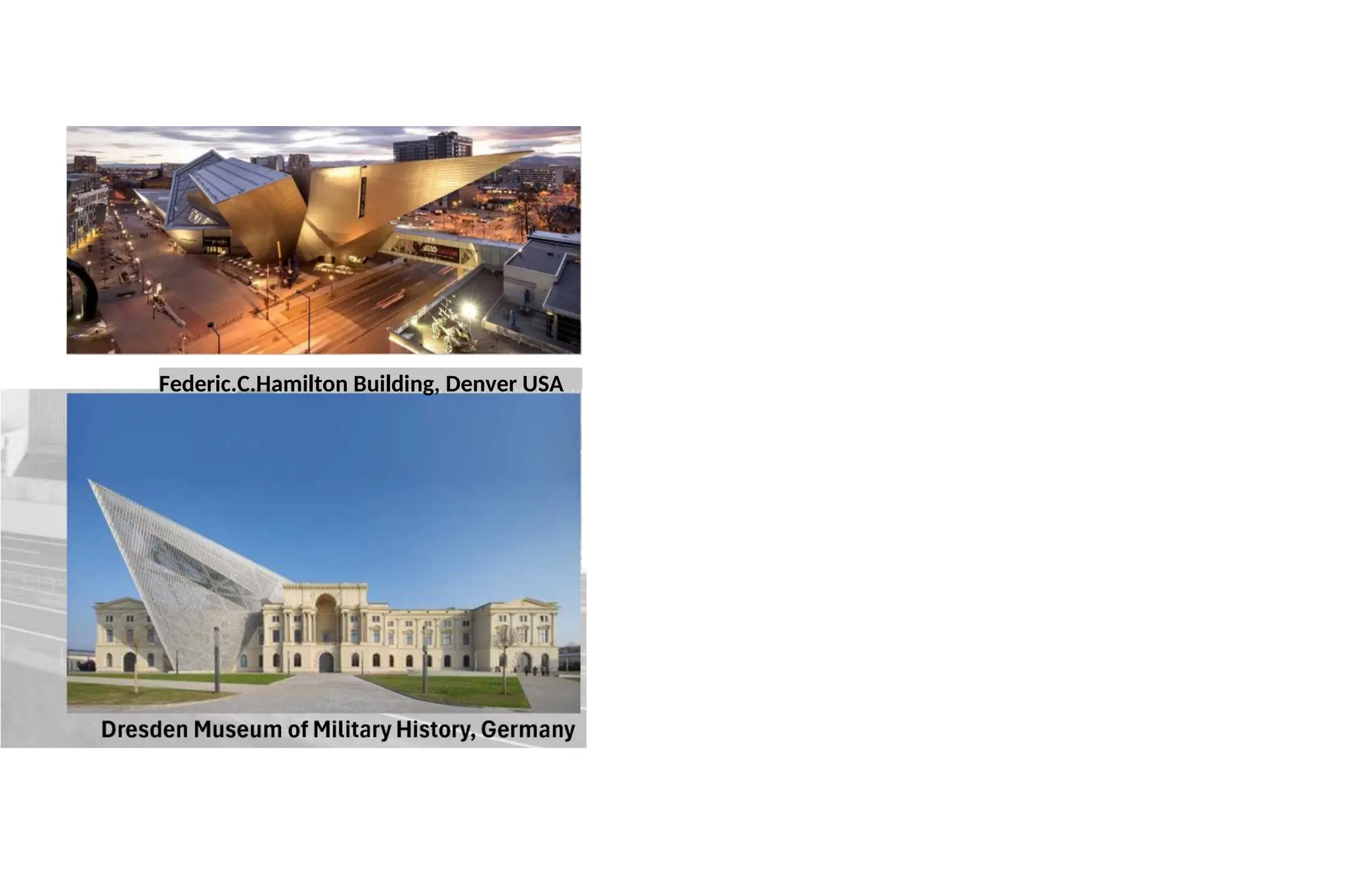
Federic.C.Hamilton Building, Denver USA
EERO SAARINEN
Eero Saarinen was born in Kirkonummi Finland in 1910.
He initially pursued sculpture as his art of choice. After a year in art
school, he decided to become an Architect
Much of his works shows a relation to sculpture
He developed a remarkable range which depended on color, form and
materials.
He moved back and forth between the International Style and
Expressionism, utilizing a vocabulary of curves and cantilevered forms
He died in Ann Arbour, Michigan in 1961
“Function influence, but does not dictate form”.
mm
EERO SAARINEN
FAMOUS WORKS
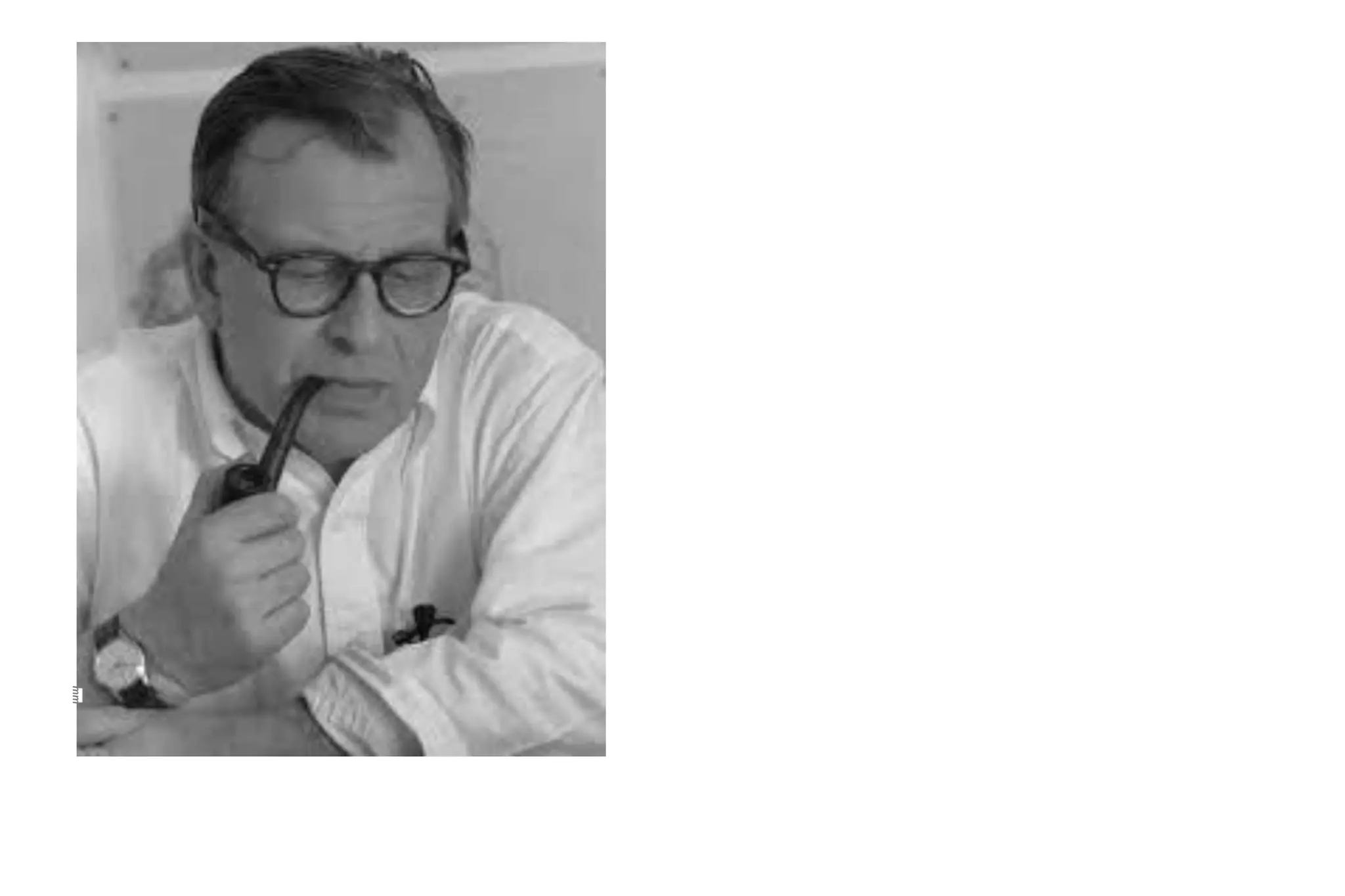
The TWA Flight Center,
also known as the Trans World Flight Center
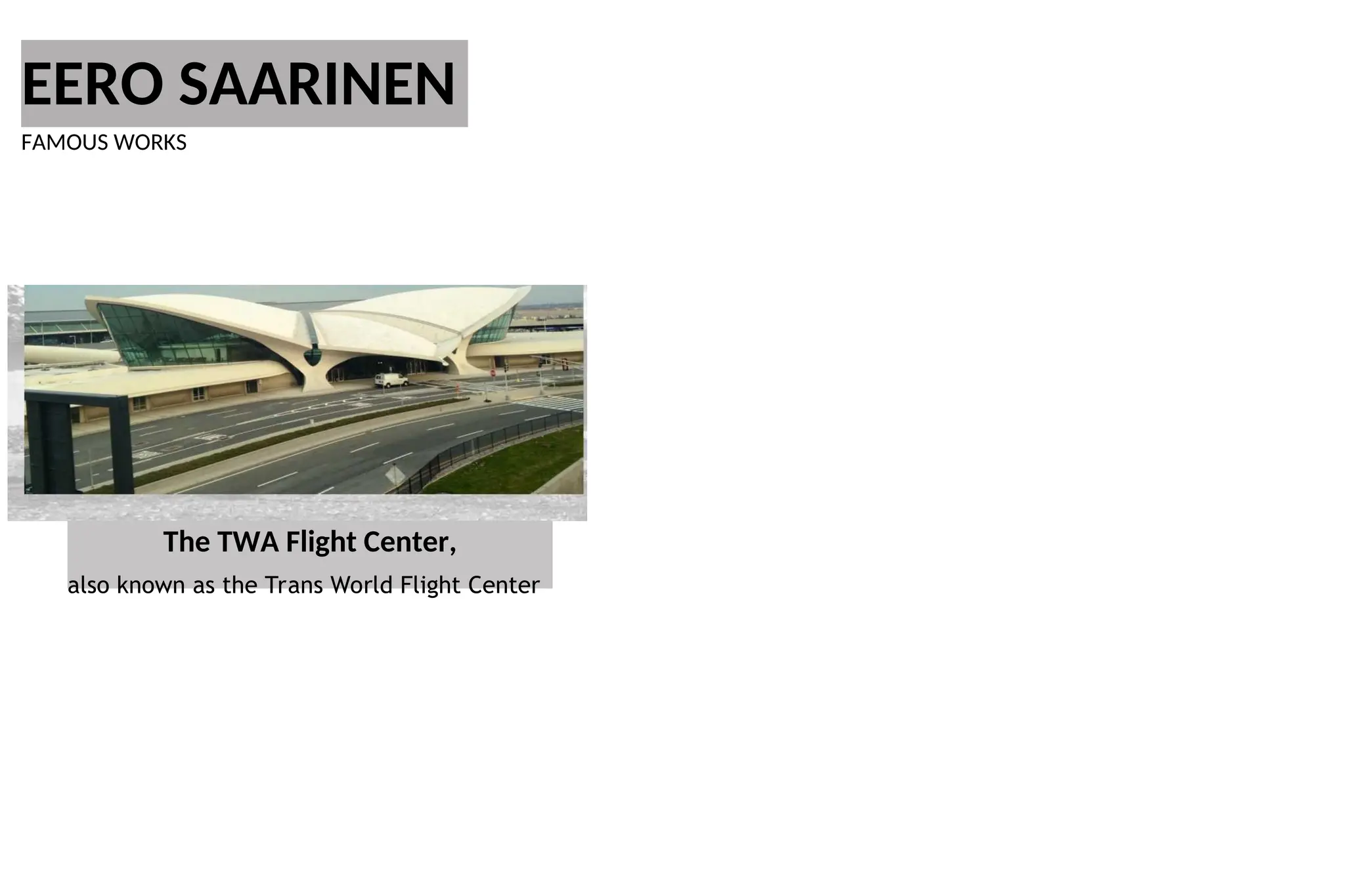
The Gateway Arch
630-foot-tall monument in St.
Louis, Missouri, United States
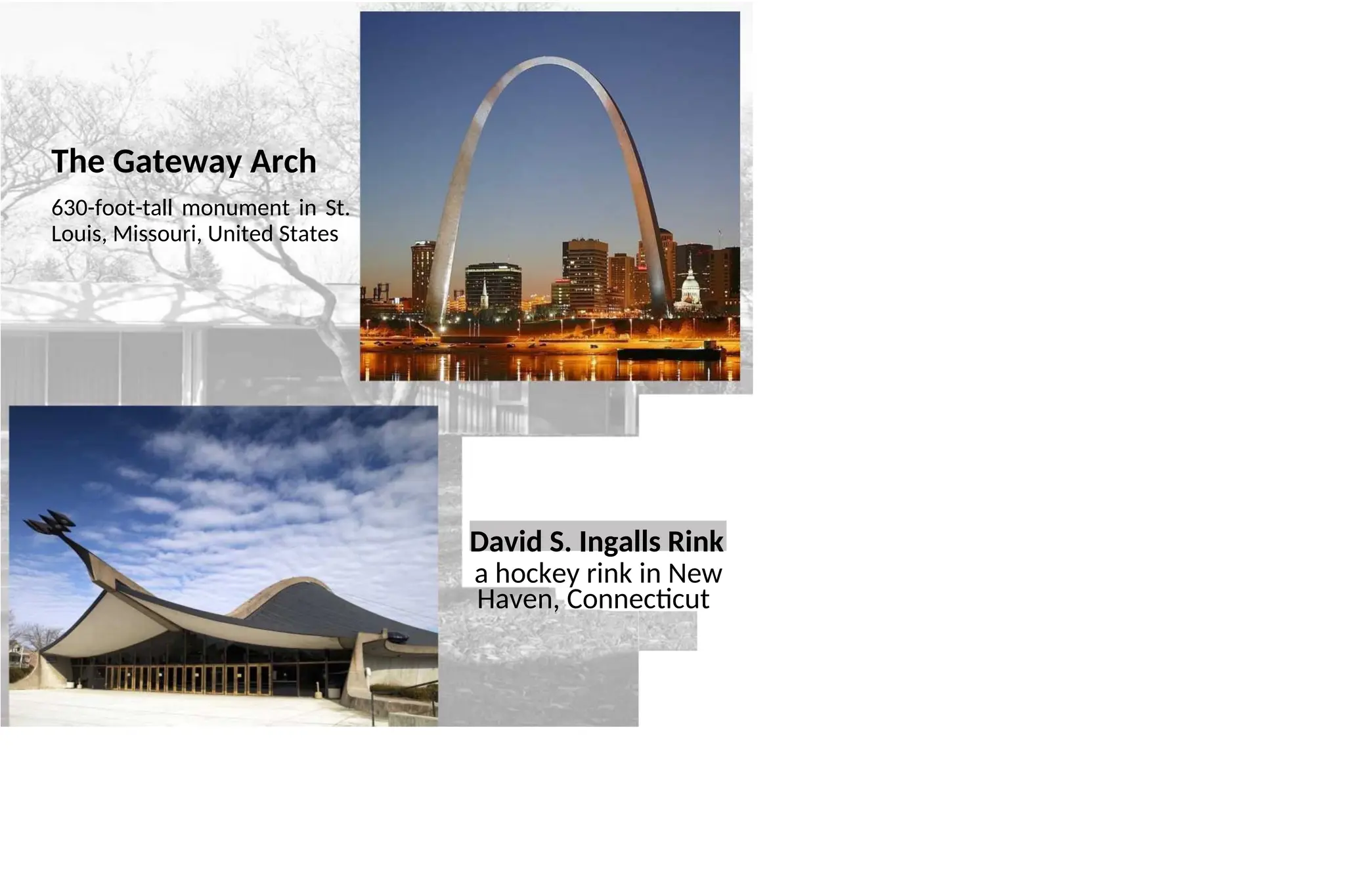
David S. Ingalls Rink
a hockey rink in New
Haven, Connecticut
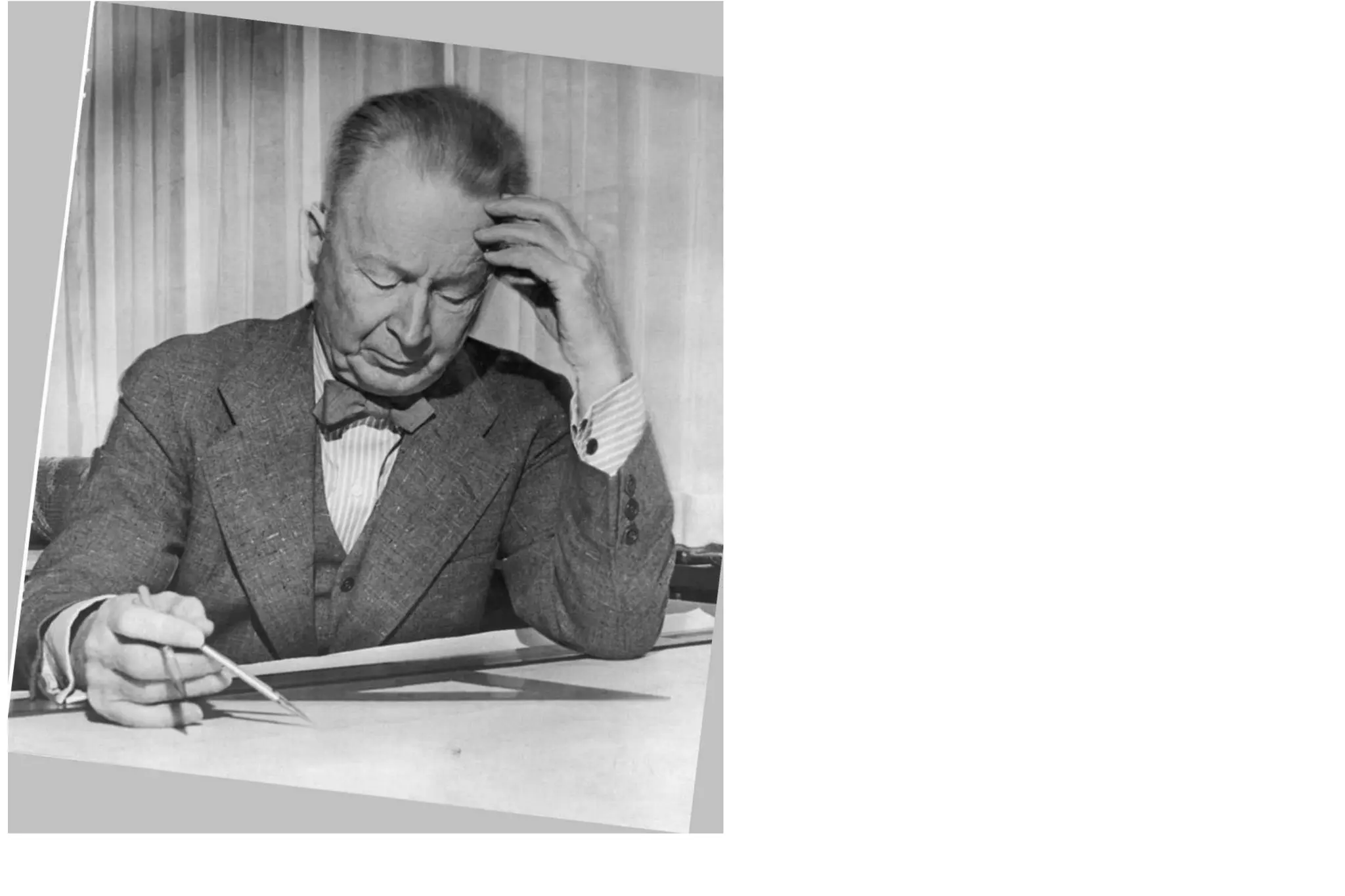
ELIEL SAARINEN
Eliel Saarinen was born in Rantasalmi, Finland 1873
His son Eero became his partner in 1937
His early monumentality owes much to the Vienna
Secession movement. His designs expressed a Nordic
refinement of the European Art Nouveau.
His work depended on the integration of cultural
symbolism with material and form.
By 1902 his buildings began to exhibit the clean massing
and heaviness of traditional Finnish Buildings because of
simplicity of his designs he was linked to minimalism.
“Always design a thing by considering it in its next
larger context”.
ELIEL SAARINEN
FAMOUS WORKS
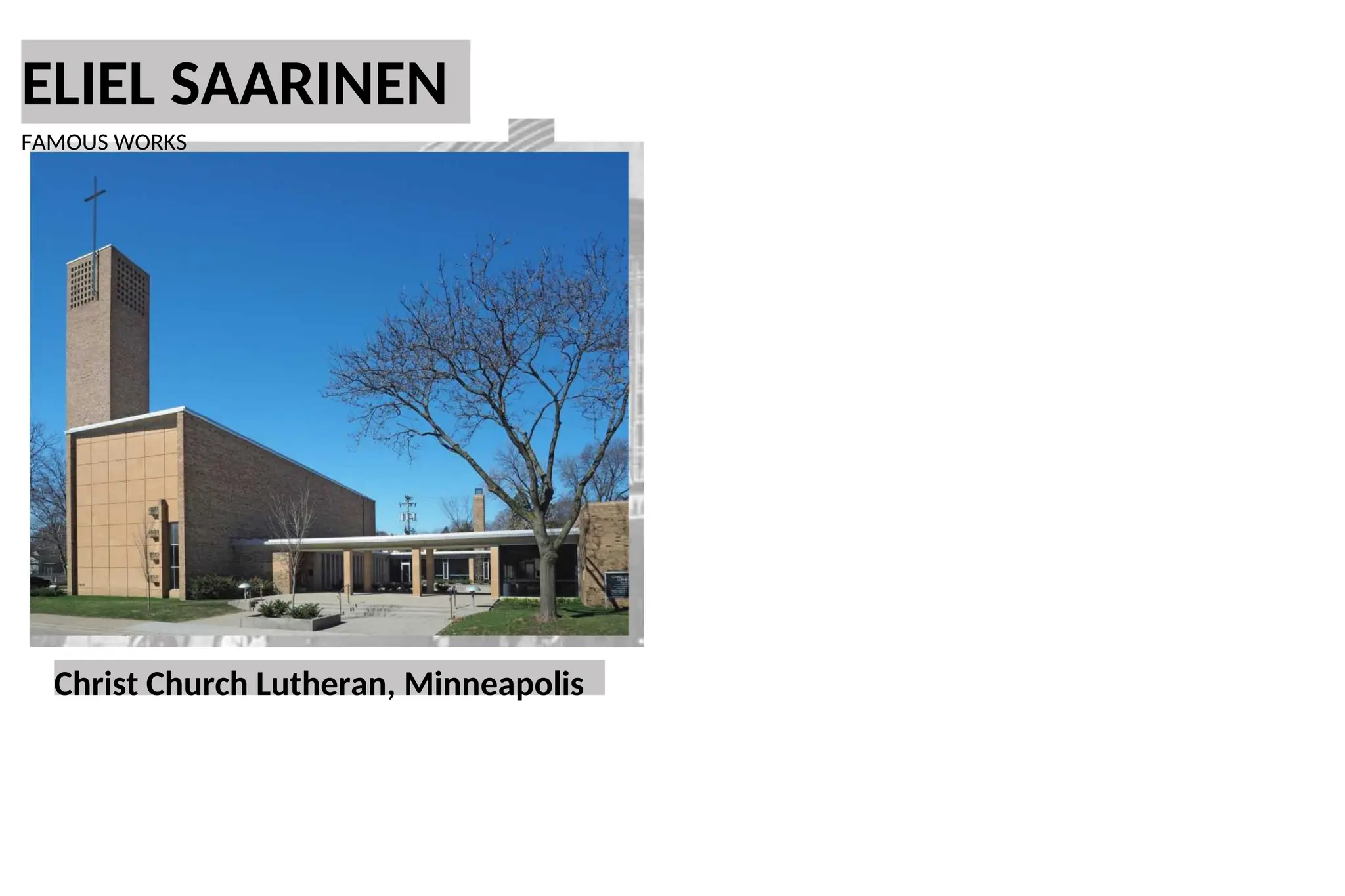
Christ Church Lutheran, Minneapolis
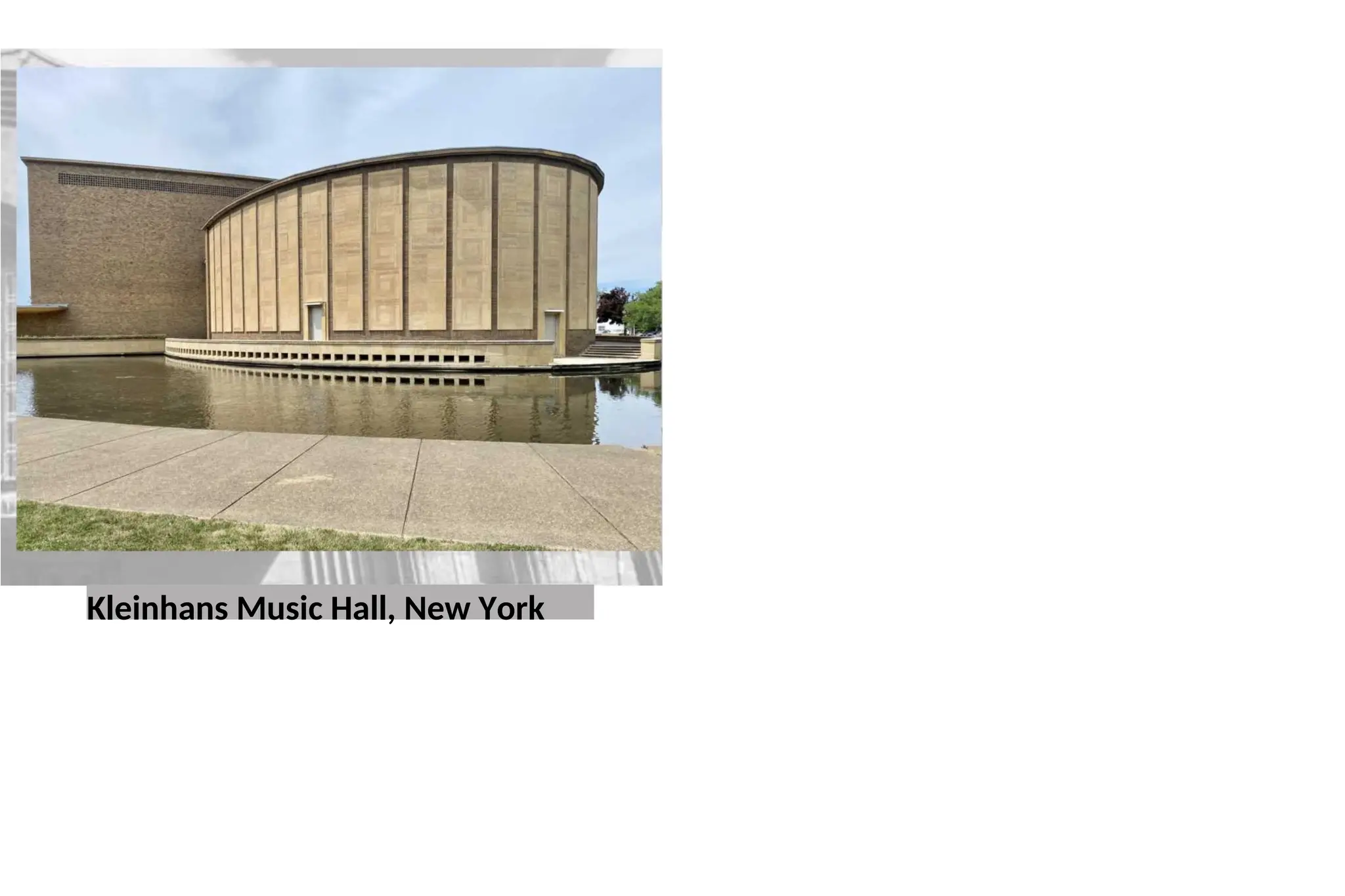
Kleinhans Music Hall, New York
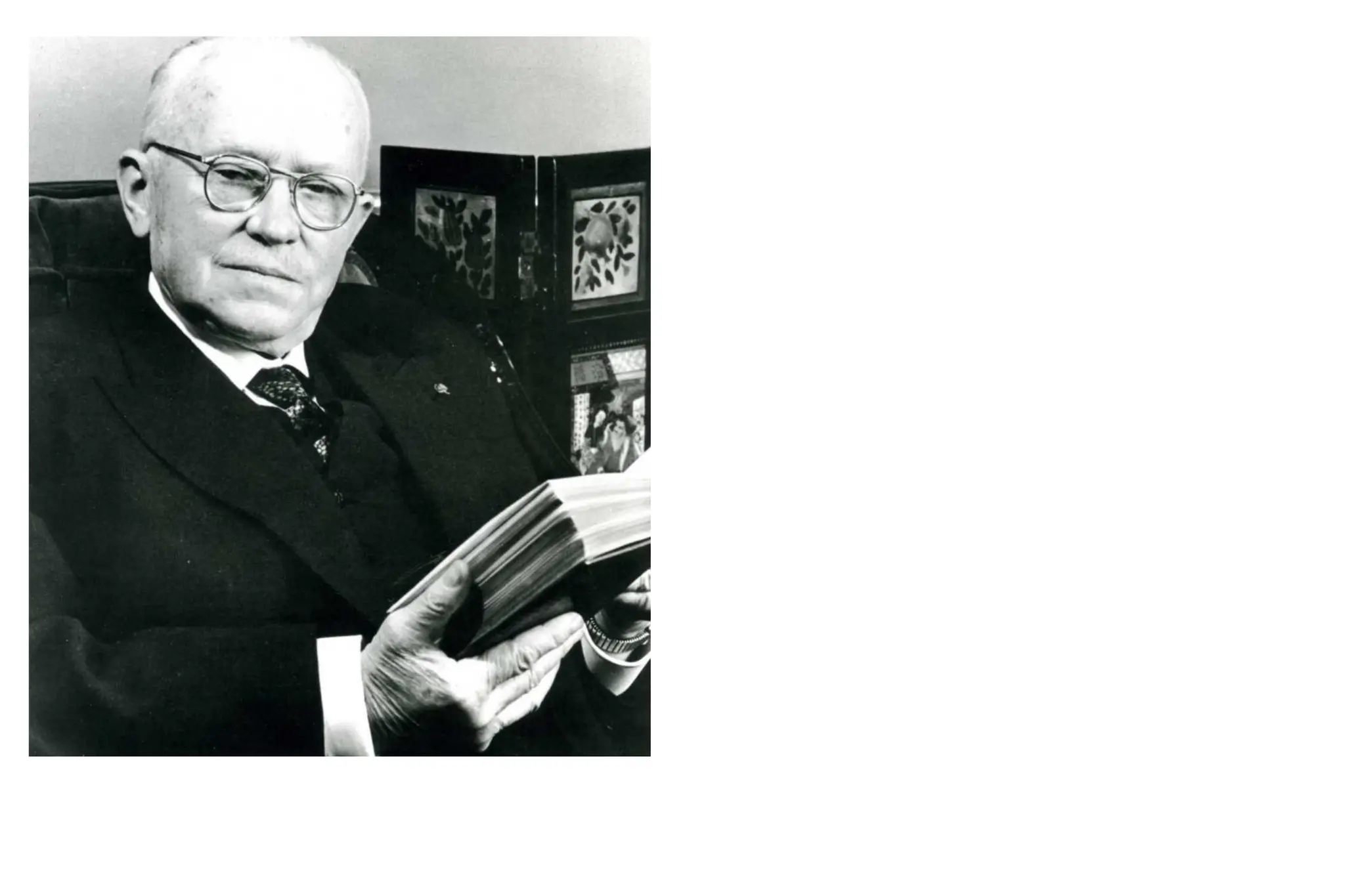
EUGENE FREYSSINET
Eugene Freyssinet was born in Corneze France 1879
Freysinnet created innovative architecture using reinforced
concrete as his main material
More an engineer than an architect.
He still managed to introduce several collaborative
architectural works.
Father of pre-stressed concrete
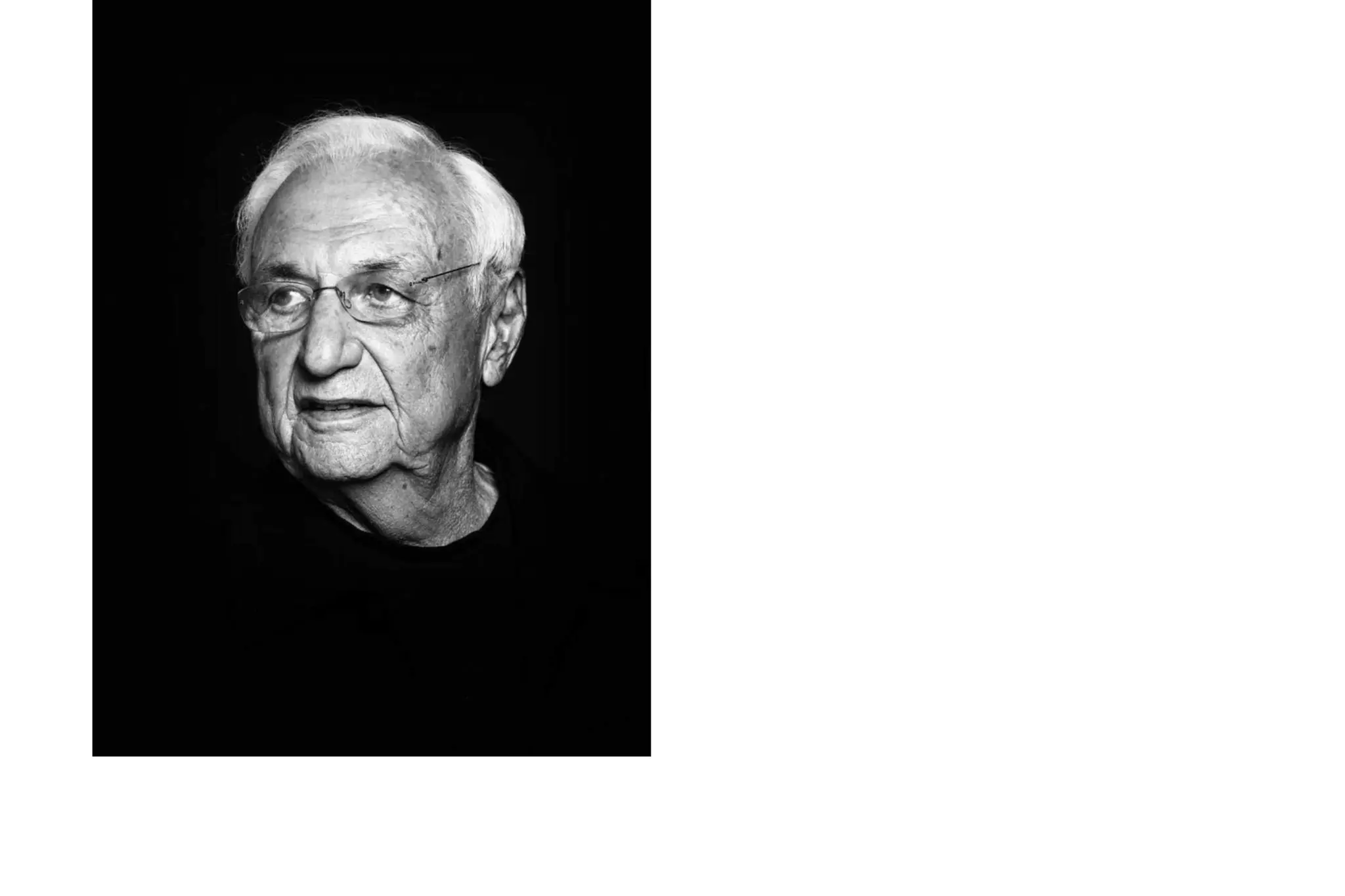
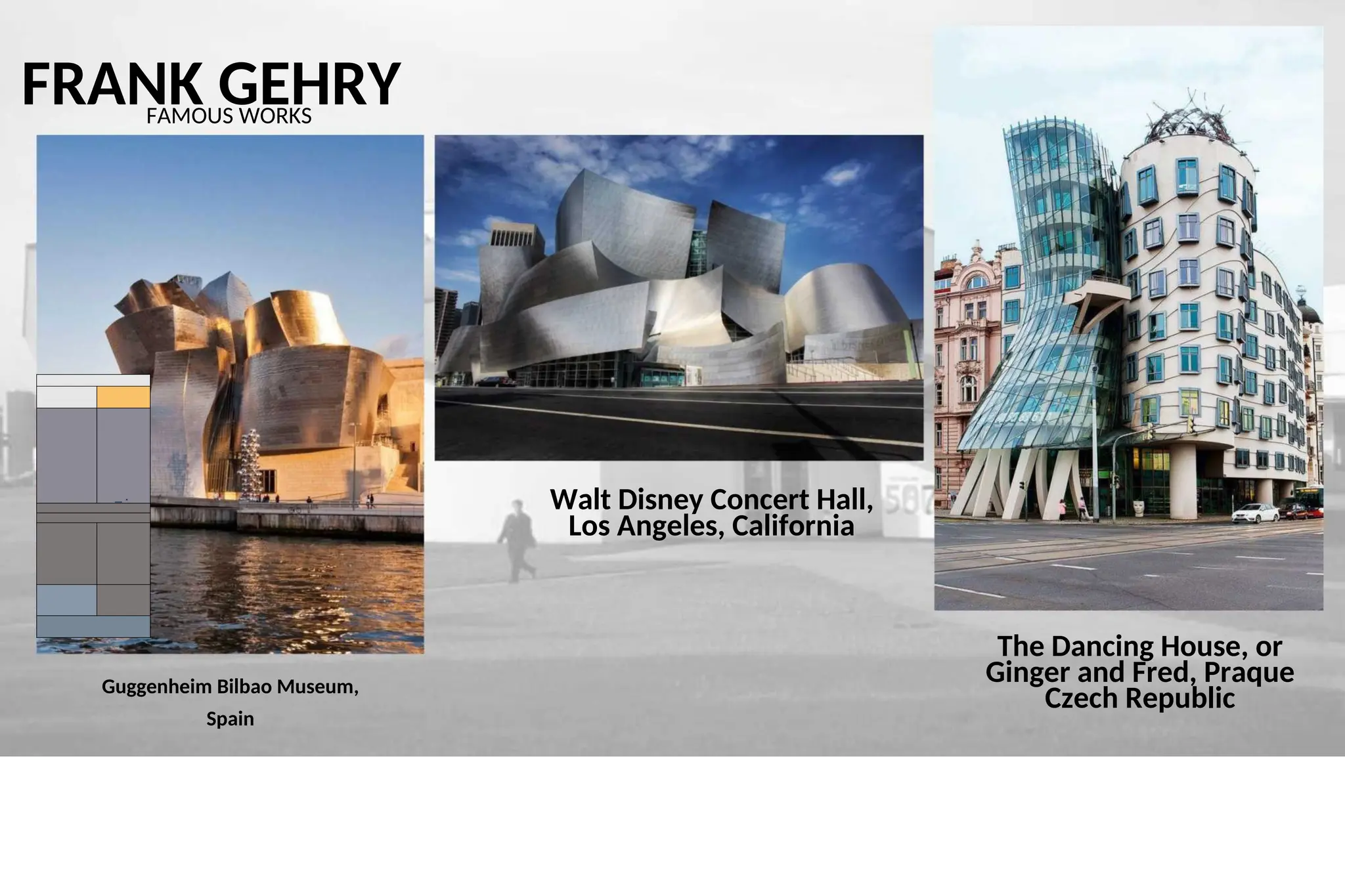
FRANK GEHRY
Frank Gehry was born in Toronto, Ontario Canada in 1929
Over the years, Gehry has moved away from a conventional
commercial practice to artistically directed atelier.
His deconstructed architectural style began to emerge in the late
1970
Gehry was directed by a personal vision of architecture, created
collage-like composition out of found materials.
Architectural evolution from plywood and corrugated metal to
distorted but pristine concrete.
Most recently, Gehry has combined sensuous curving forms with
complex deconstructive massing, achieving significant new
results.
“Architecture should speak of its time and place, but
yearn for timelessness.”
FRANK GEHRY
FAMOUS WORKS
Walt Disney Concert Hall,
Los Angeles, California
The Dancing House, or
Ginger and Fred, Praque
Czech Republic
Guggenheim Bilbao Museum,
Spain
_ .
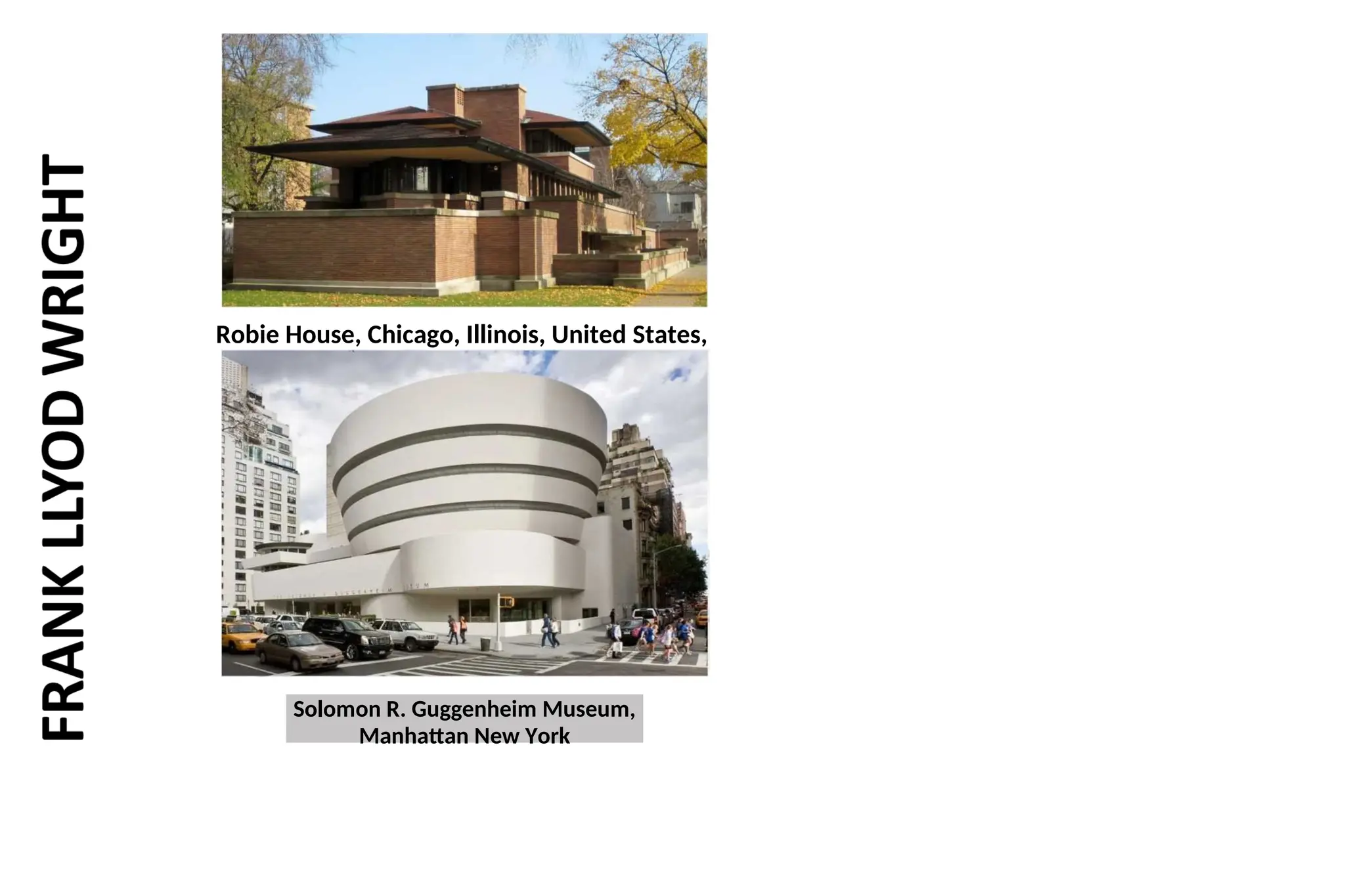
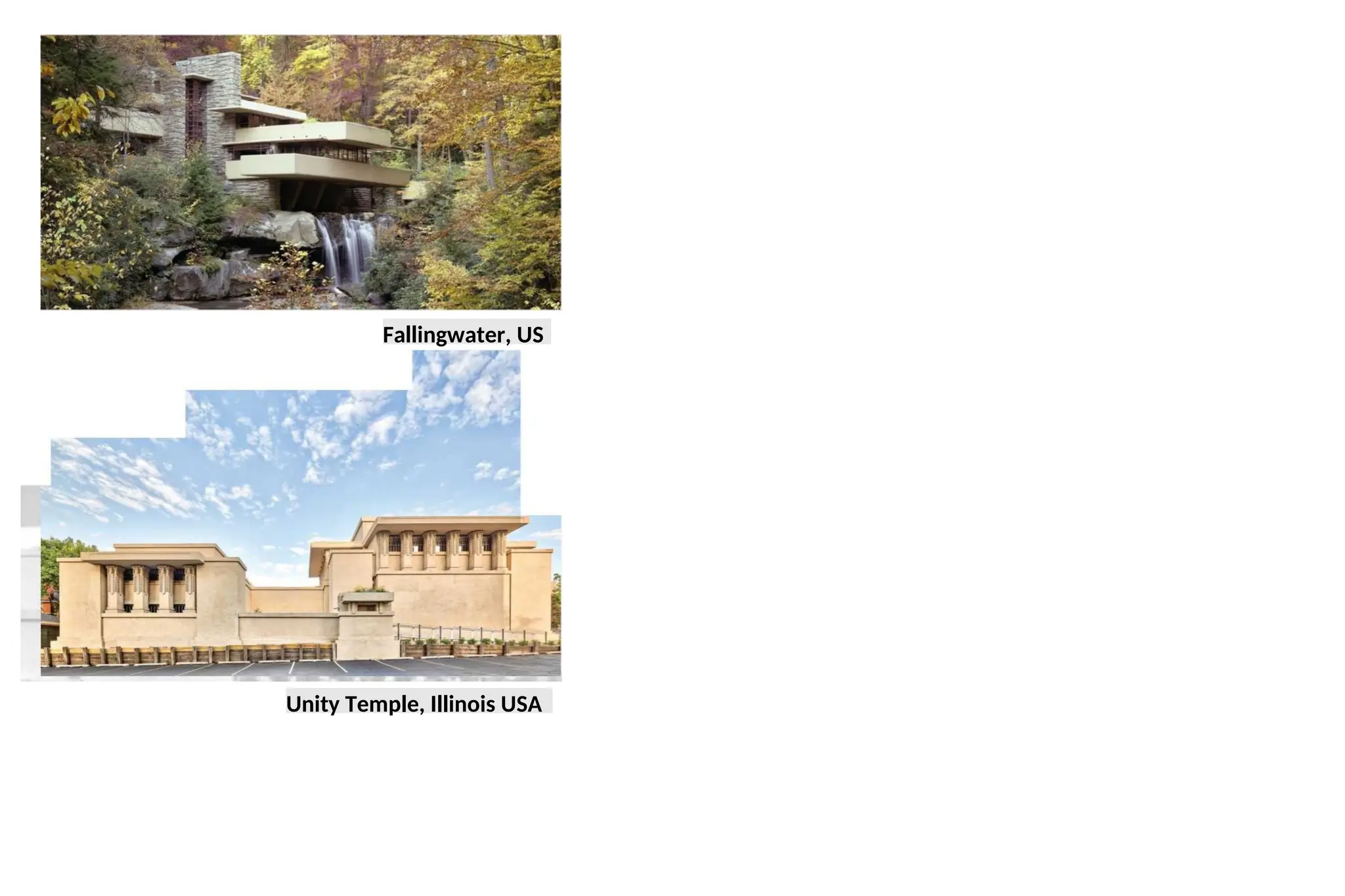
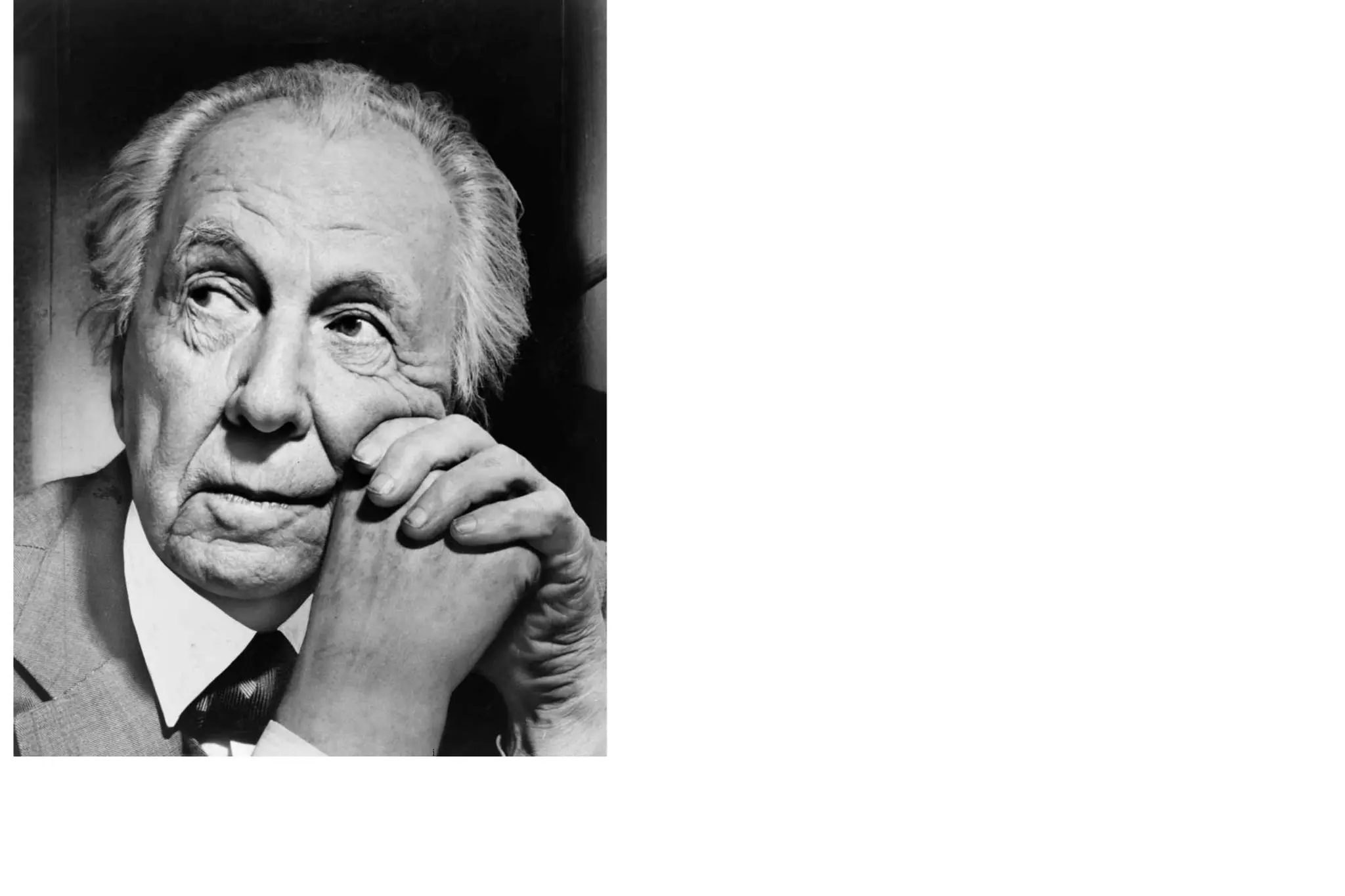
FRANK LLOYD WRIGHT
• “The greatest American Architect of all time”
• Was born in Richland Center, Wisconsin in 1867
• Wright evolved a new concept of interior space in architecture,
rejecting the existing view of rooms as single-function boxes. He used
screening devices and subtle changes in ceiling heights
• Through this experimentation he developed the idea of the Prairie
House
• Movements and Styles
• Art Deco
• Organic Architecture
• Modern Architecture
“Every great architect is - necessarily - a great poet.
He must be great original interpreter of his time, his
day, his age ”
i
Robie House, Chicago, Illinois, United States,
Solomon R. Guggenheim Museum,
Manhattan New York
Fallingwater, US
Unity Temple, Illinois USA
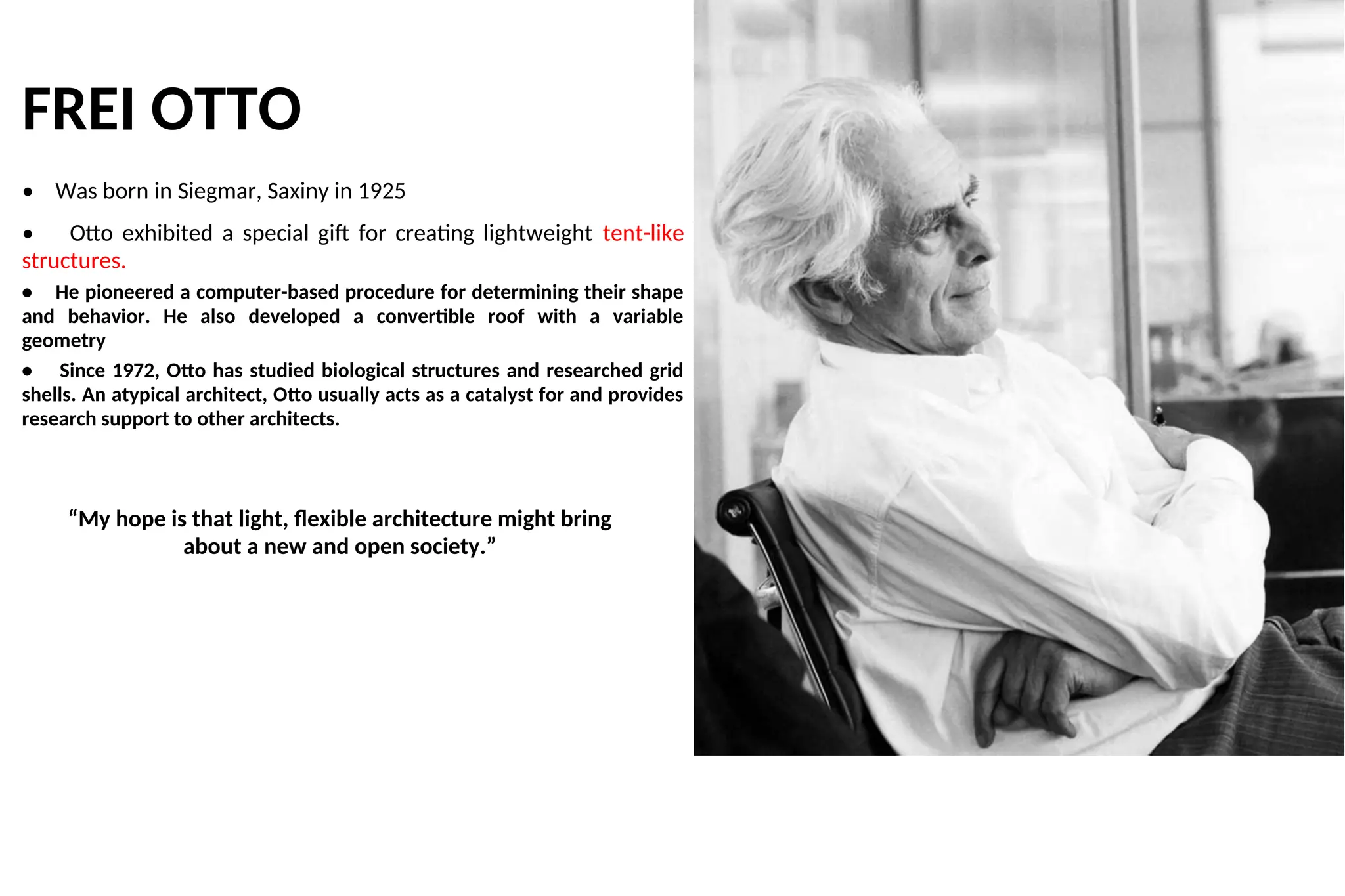
FREI OTTO
• Was born in Siegmar, Saxiny in 1925
• Otto exhibited a special gift for creating lightweight tent-like
structures.
• He pioneered a computer-based procedure for determining their shape
and behavior. He also developed a convertible roof with a variable
geometry
• Since 1972, Otto has studied biological structures and researched grid
shells. An atypical architect, Otto usually acts as a catalyst for and provides
research support to other architects.
“My hope is that light, flexible architecture might bring
about a new and open society.”
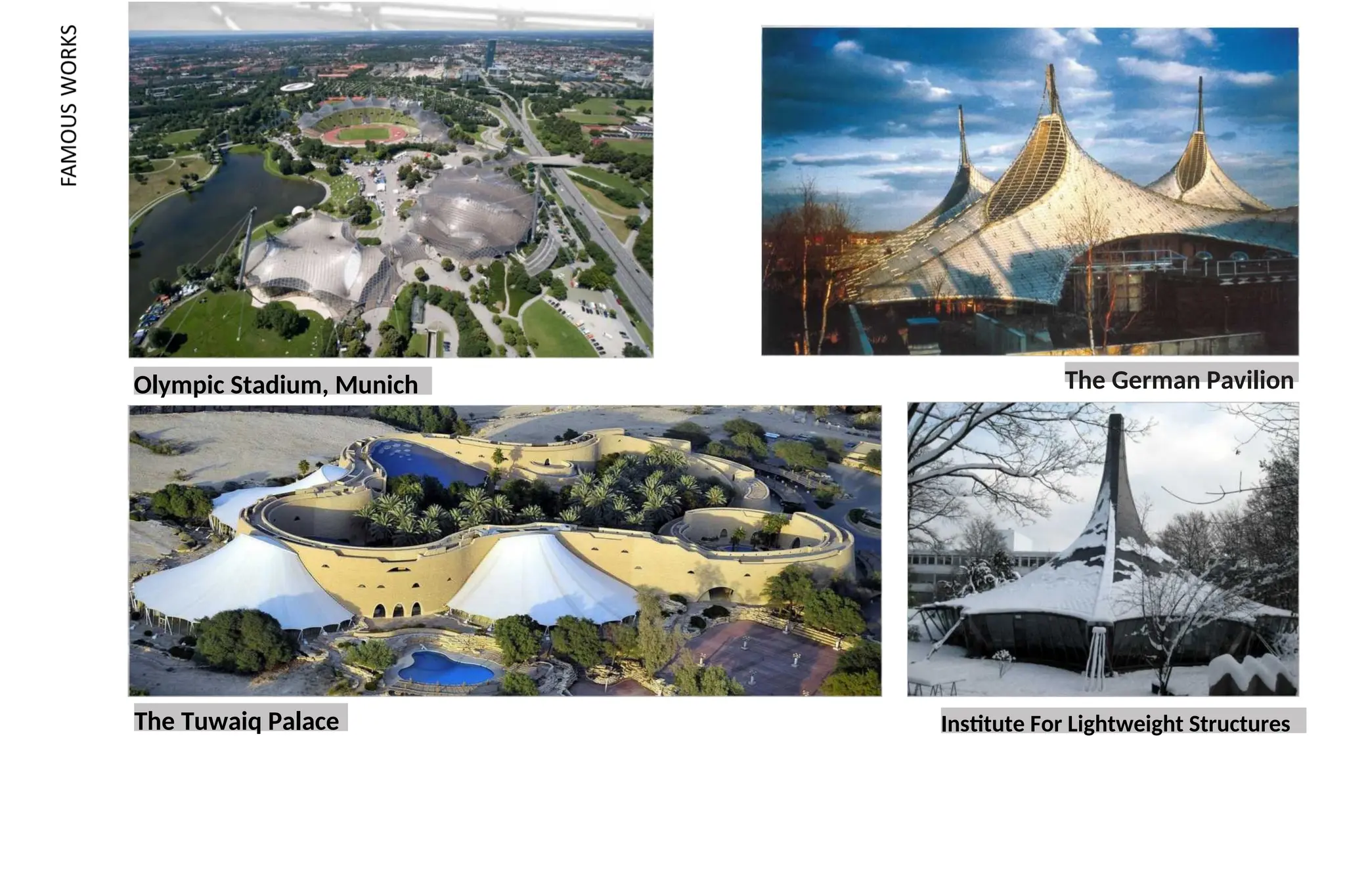
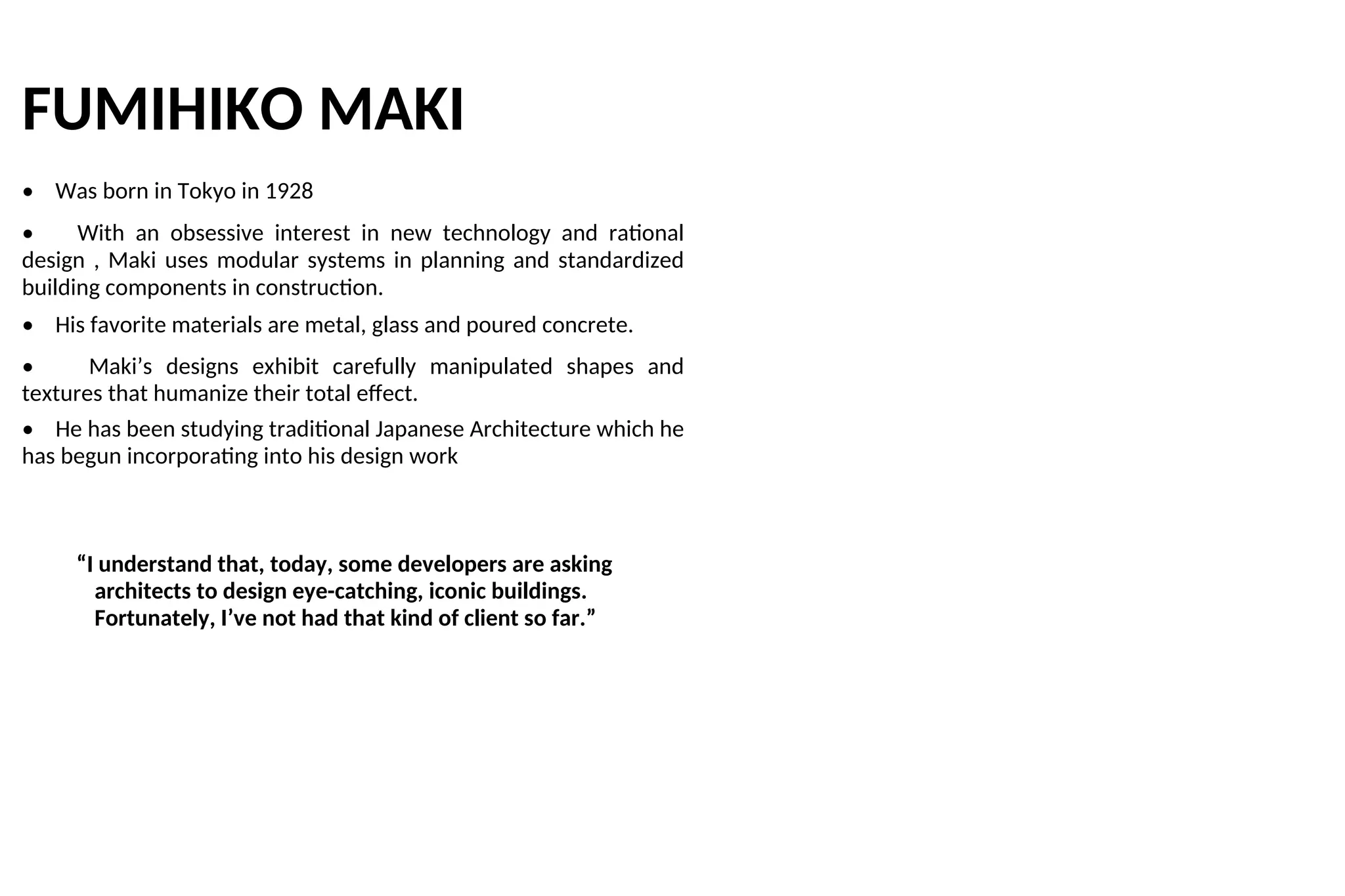
Olympic Stadium, Munich The German Pavilion
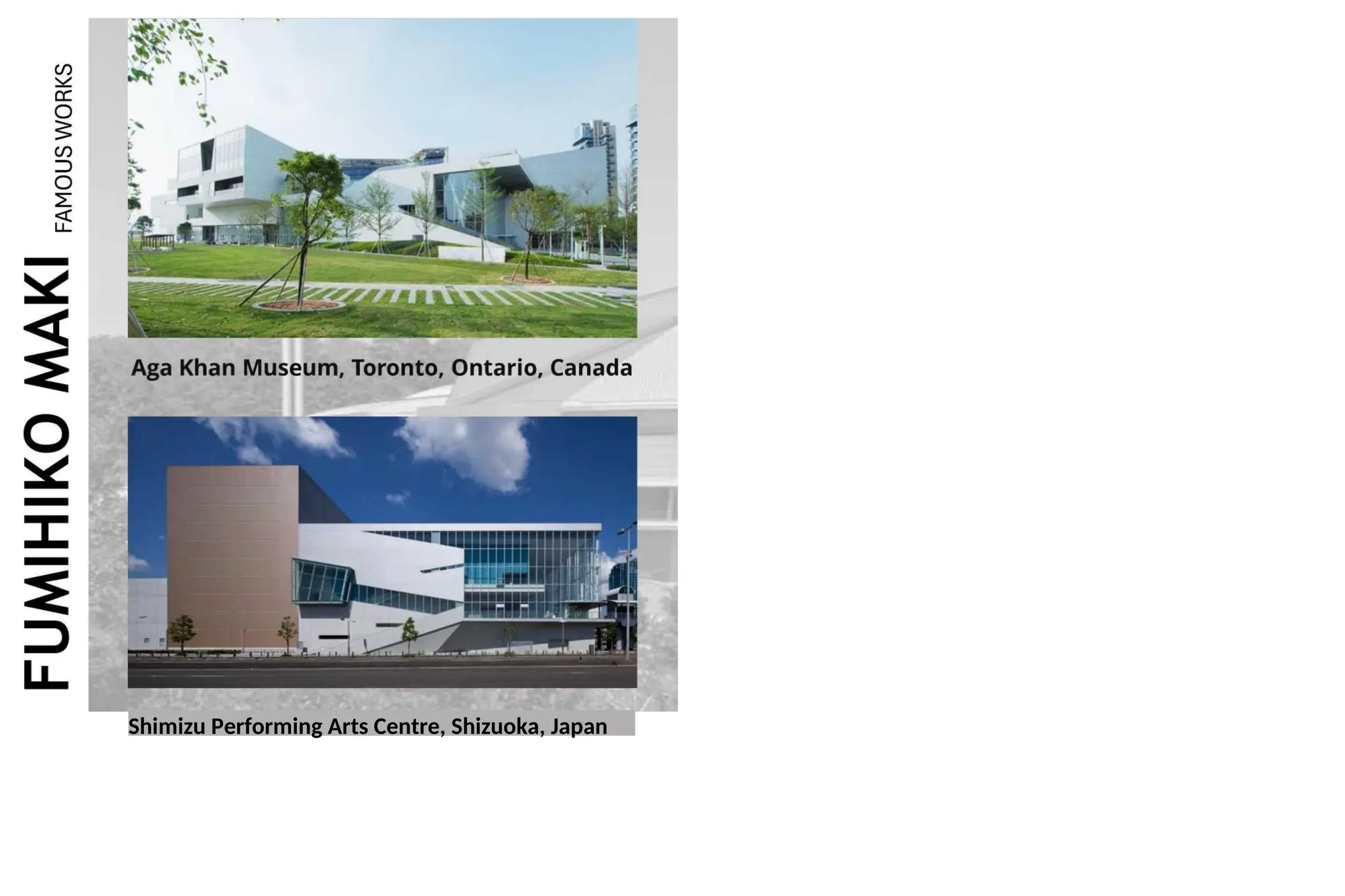
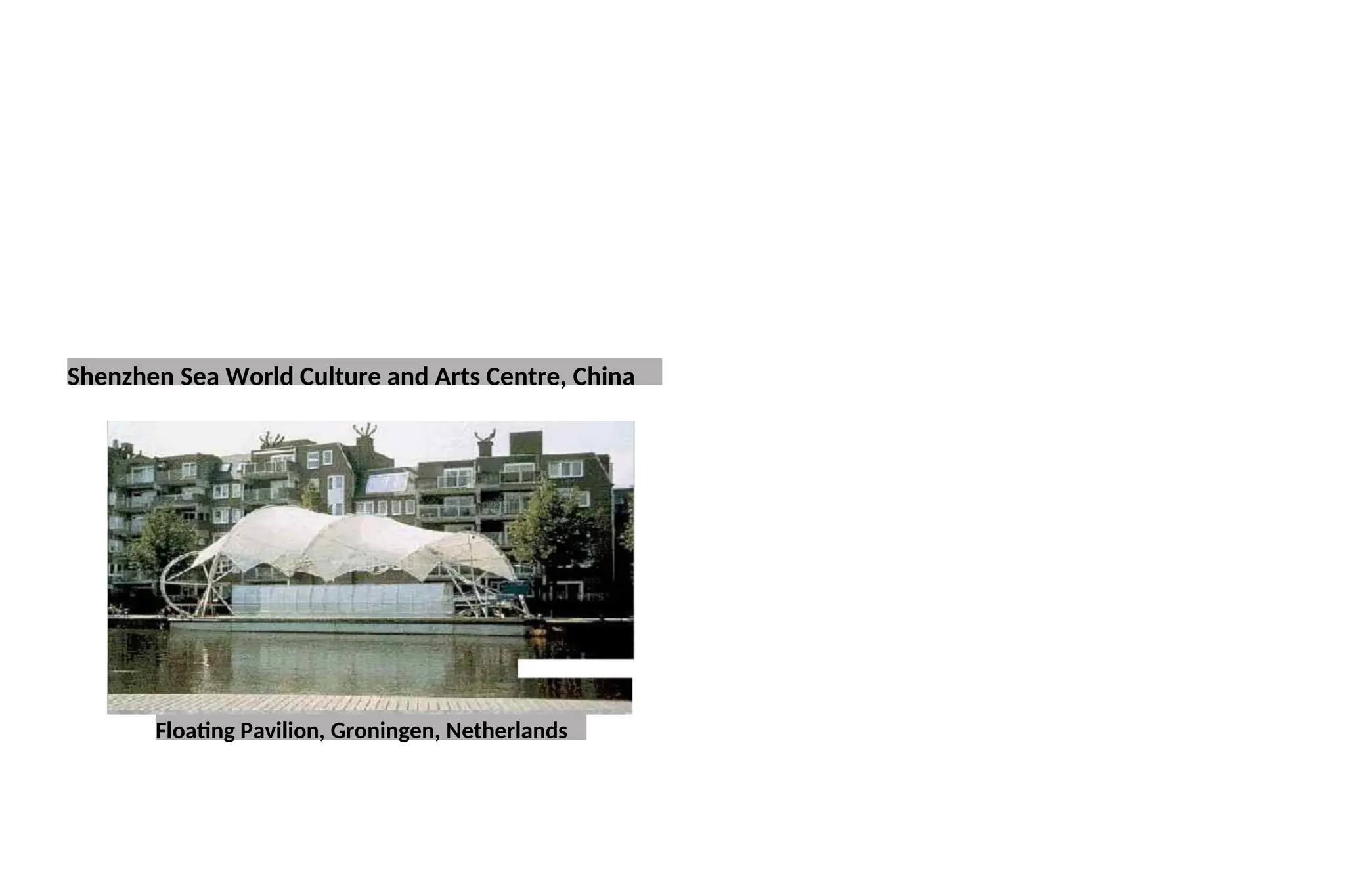
The Tuwaiq Palace Institute For Lightweight Structures
FUMIHIKO MAKI
• Was born in Tokyo in 1928
• With an obsessive interest in new technology and rational
design , Maki uses modular systems in planning and standardized
building components in construction.
• His favorite materials are metal, glass and poured concrete.
• Maki’s designs exhibit carefully manipulated shapes and
textures that humanize their total effect.
• He has been studying traditional Japanese Architecture which he
has begun incorporating into his design work
“I understand that, today, some developers are asking
architects to design eye-catching, iconic buildings.
Fortunately, I’ve not had that kind of client so far.”
Shimizu Performing Arts Centre, Shizuoka, Japan
Shenzhen Sea World Culture and Arts Centre, China
Floating Pavilion, Groningen, Netherlands
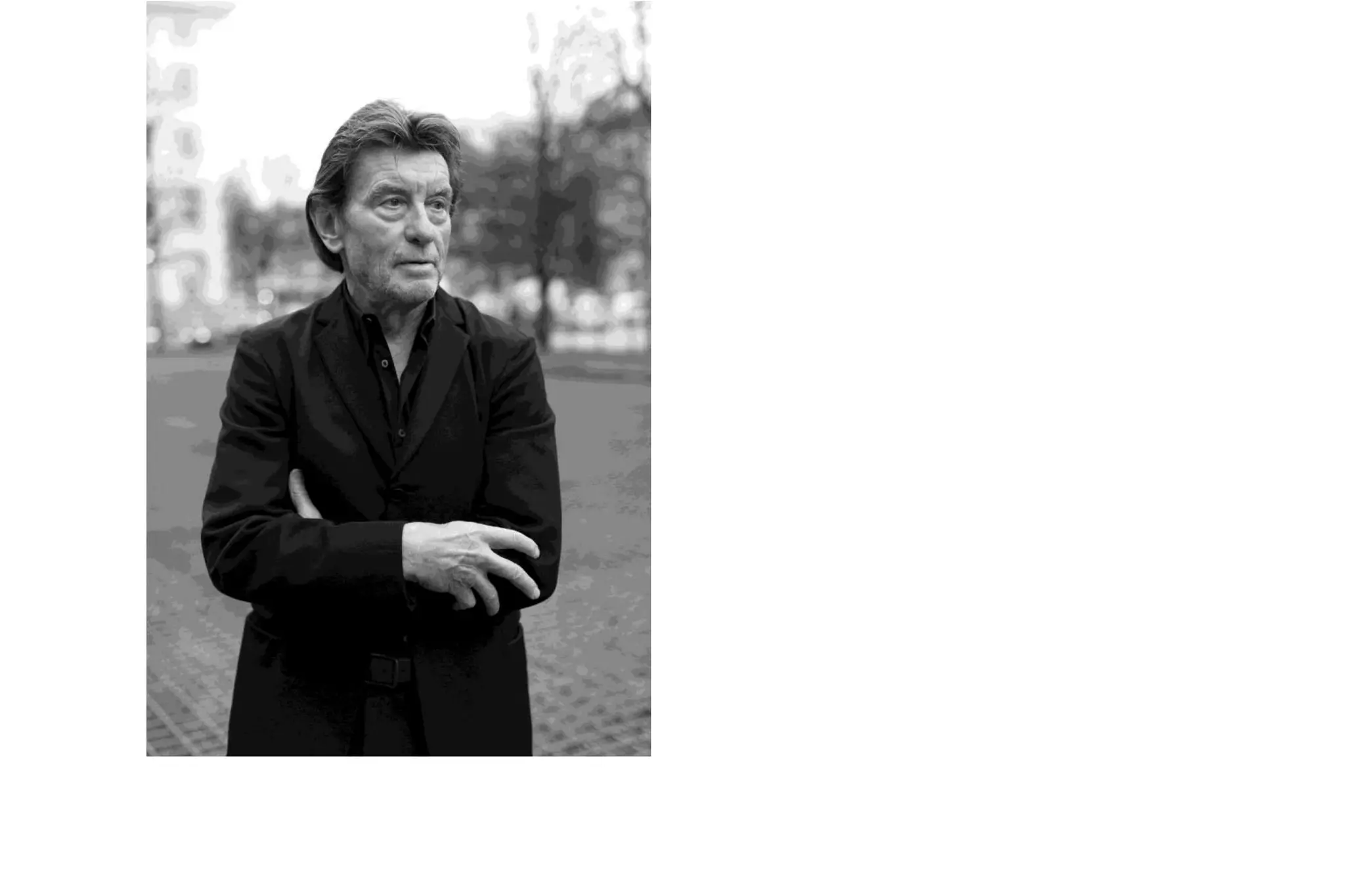
HELMUT JAHN
• Was born in Nuremberg in 1940
• He spent a year at the Illinois Institute Technology studying
under Ludwig Mies Van de Rohe
• In later works, Jahn rigid adherence to pure modernist doctrine
lessened as he began to embrace an architectural philosophy which
stressed the intuitive nature of creative rationalism.
“Every building is a prototype, no two are alike.”
CO
DC
O
CO
3
O
z
<
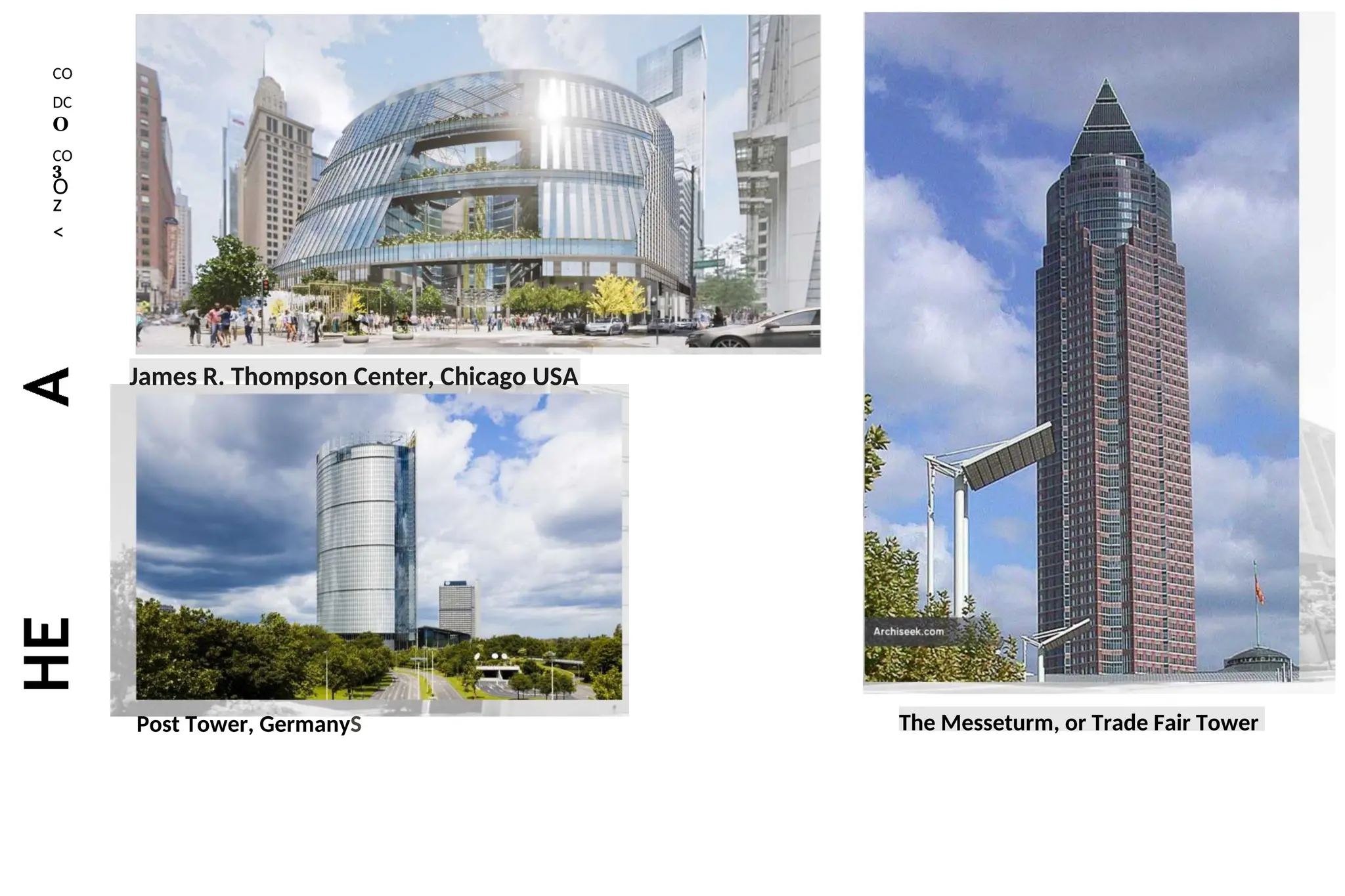
James R. Thompson Center, Chicago USA
Post Tower, GermanyS The Messeturm, or Trade Fair Tower
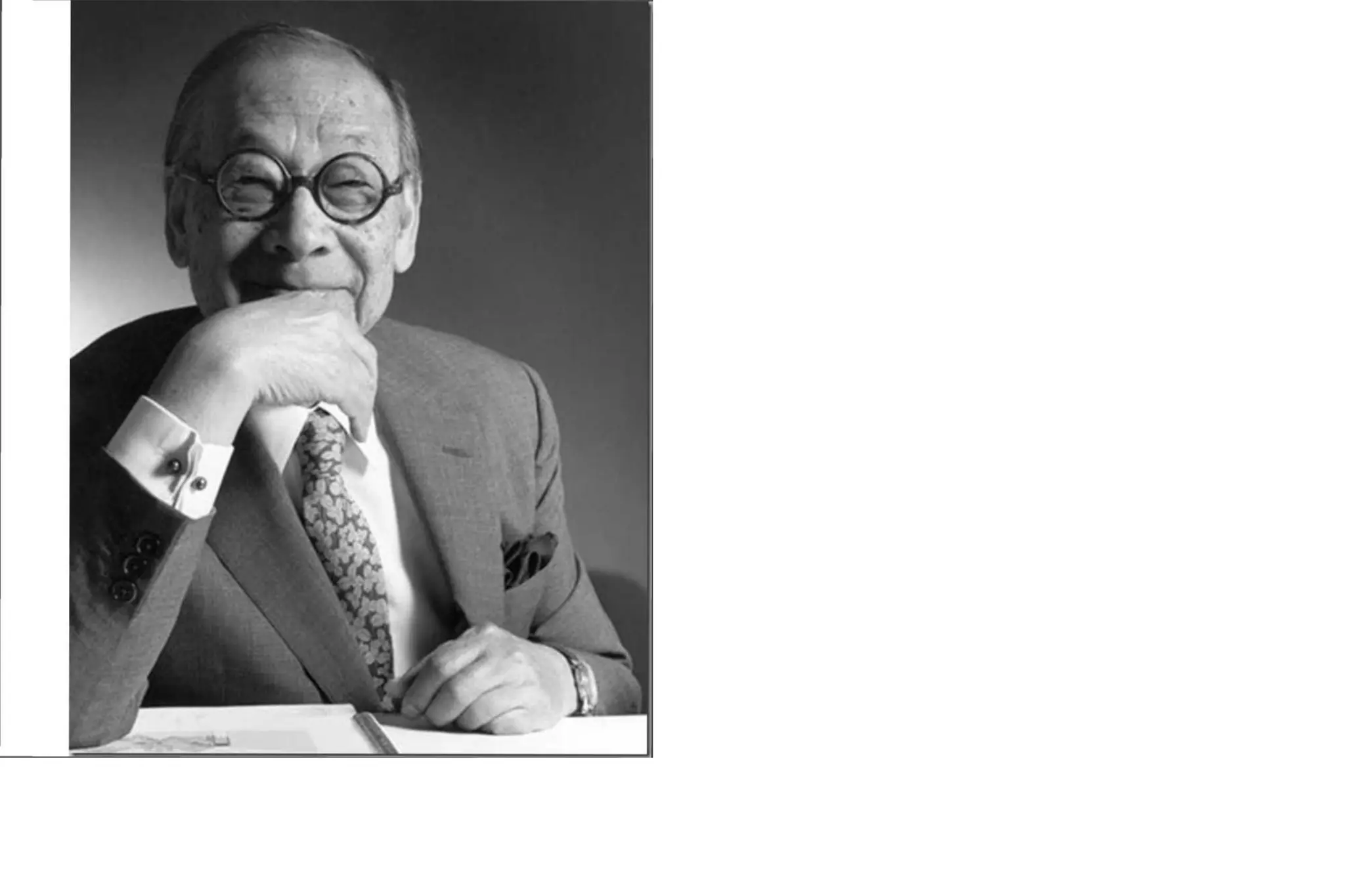
I.M. PEI
• Ieoh Ming Pei was born in Canton, China in 1917
• Pei worked as an instructor and then as an assistant professor at
Harvard before he joined Webb & Kapp Inc. in New York in 1948
• 1960 he founded his own architectural firm office I.M. Pei
&Partners, New York which became 1979 became Pei, Cobb Free &
Partners
• Pei generally designs sophisticated glass clad loosely related to
the high-tech movement.
• He frequently works on a large scale and is renowned for his
sharp, geometric designs
“Life is Architecture, and Architecture is the mirror of life.”
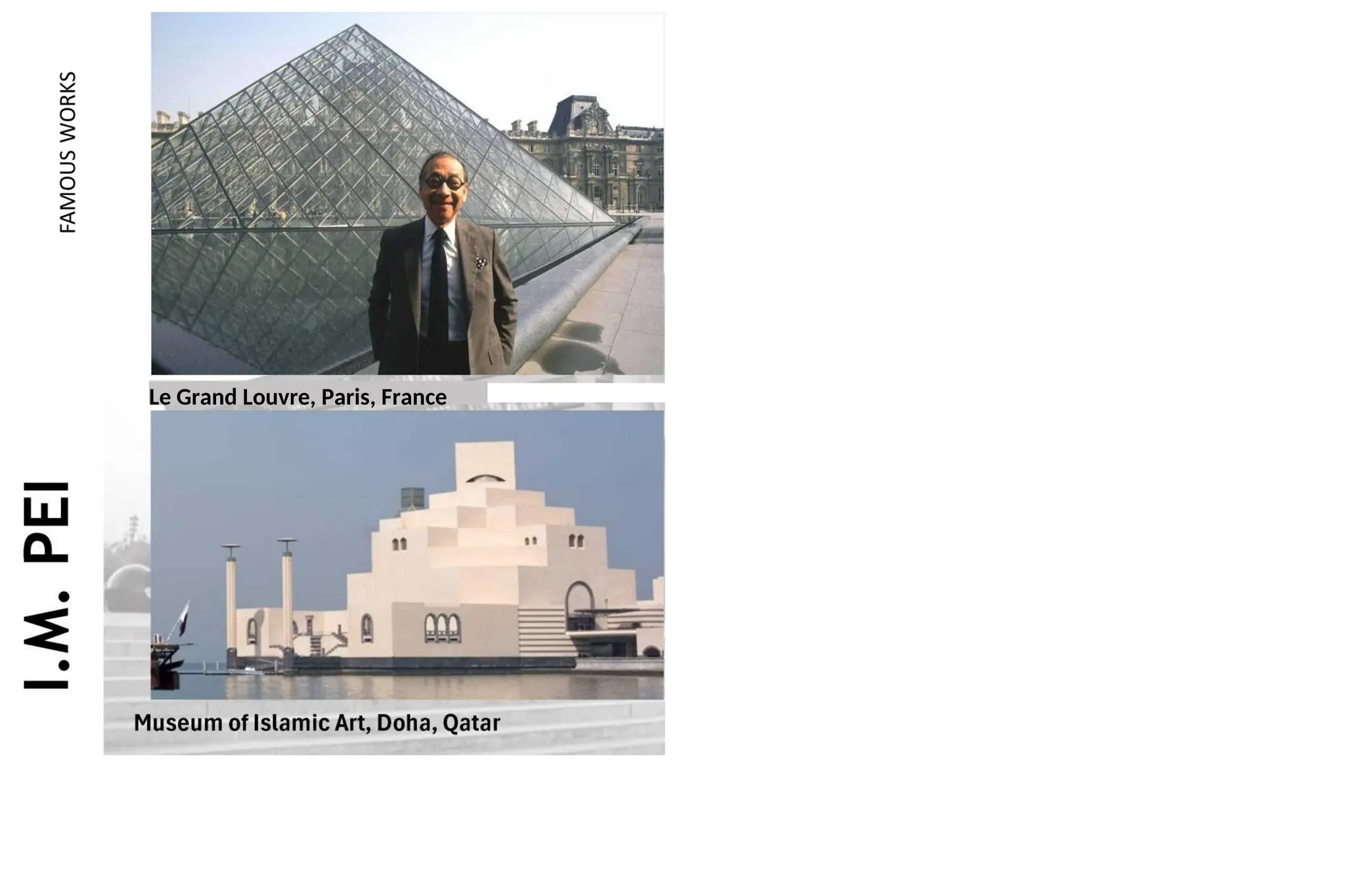
Le Grand Louvre, Paris, France
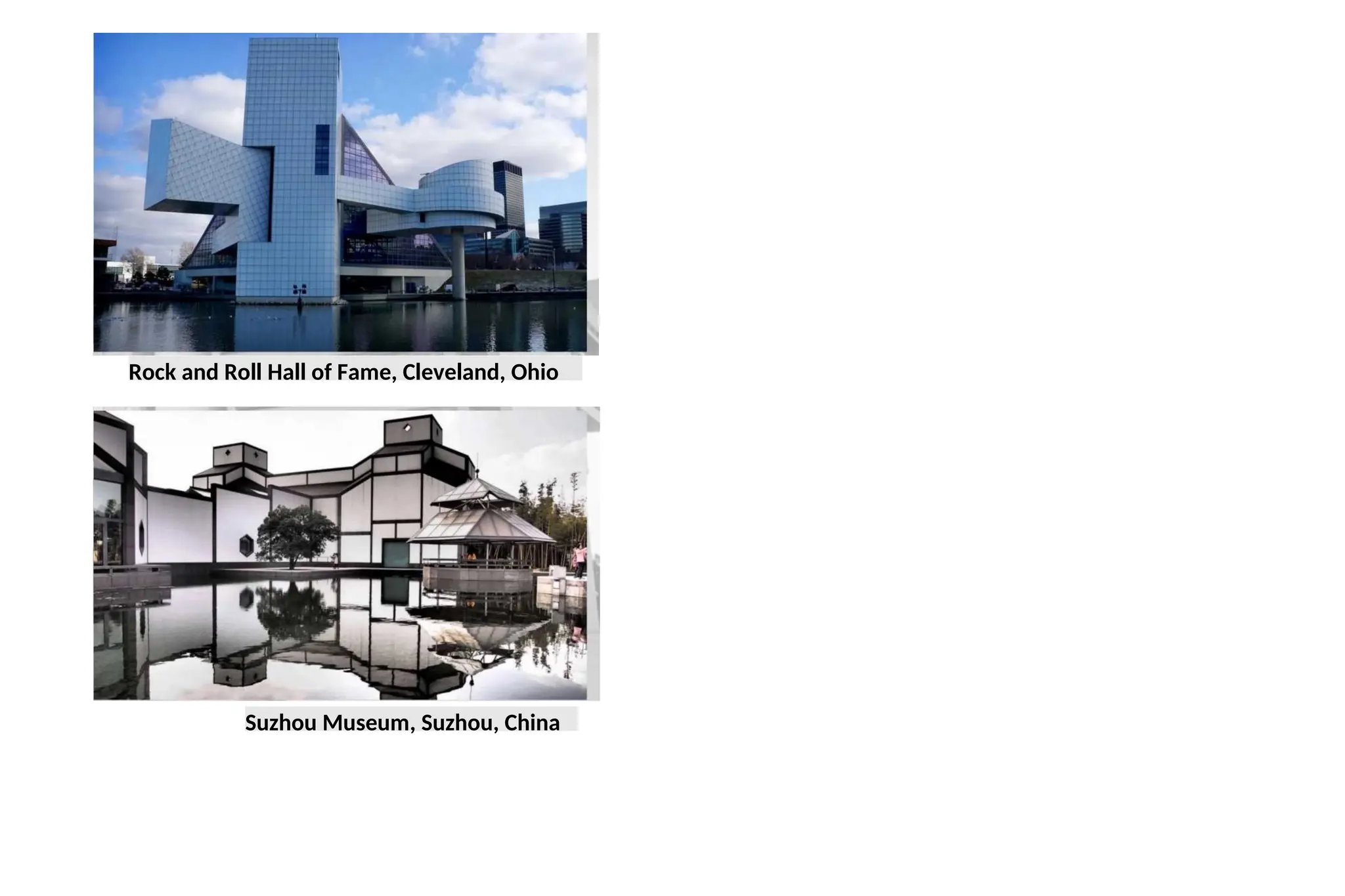
Rock and Roll Hall of Fame, Cleveland, Ohio
Suzhou Museum, Suzhou, China
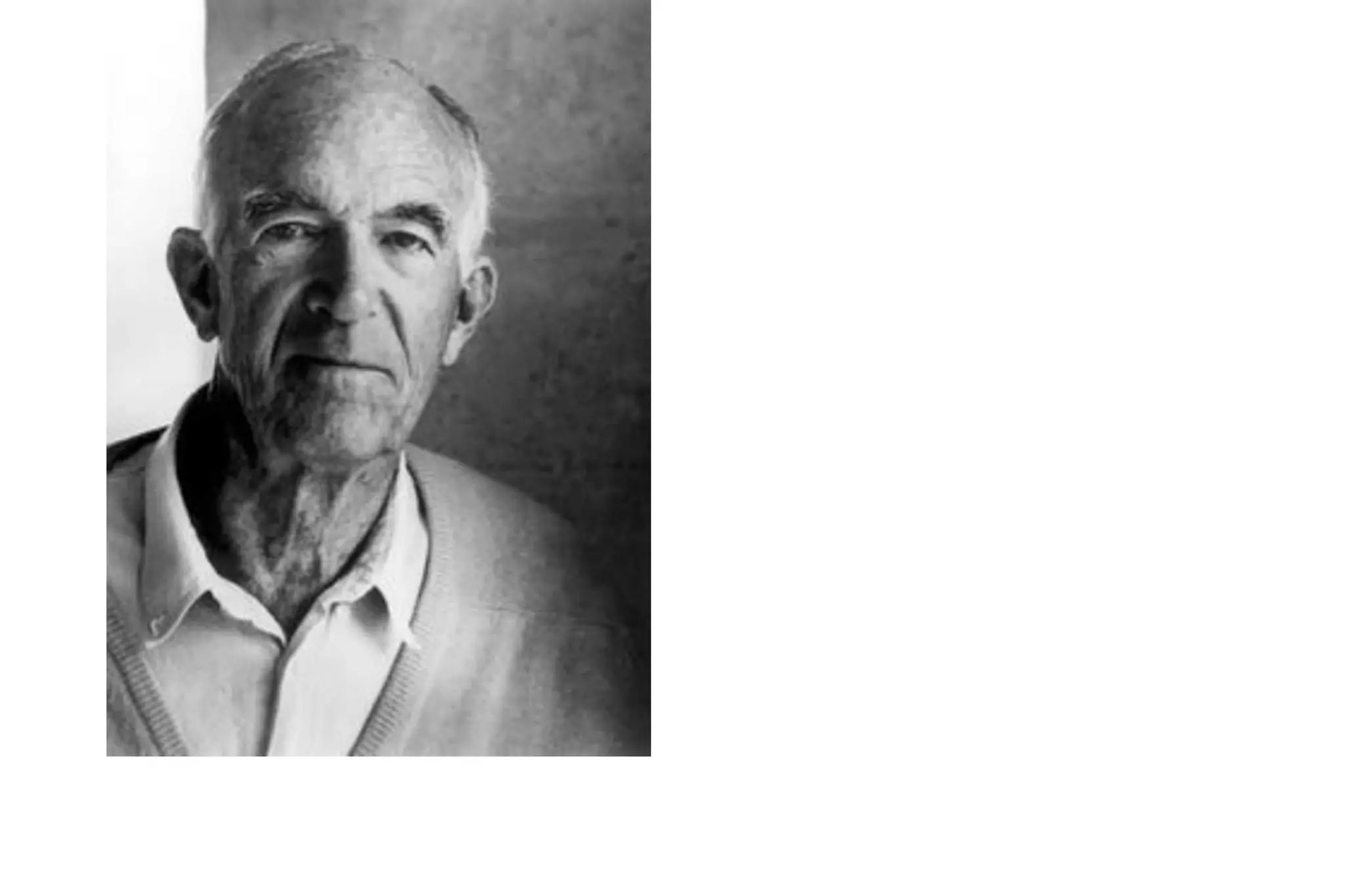
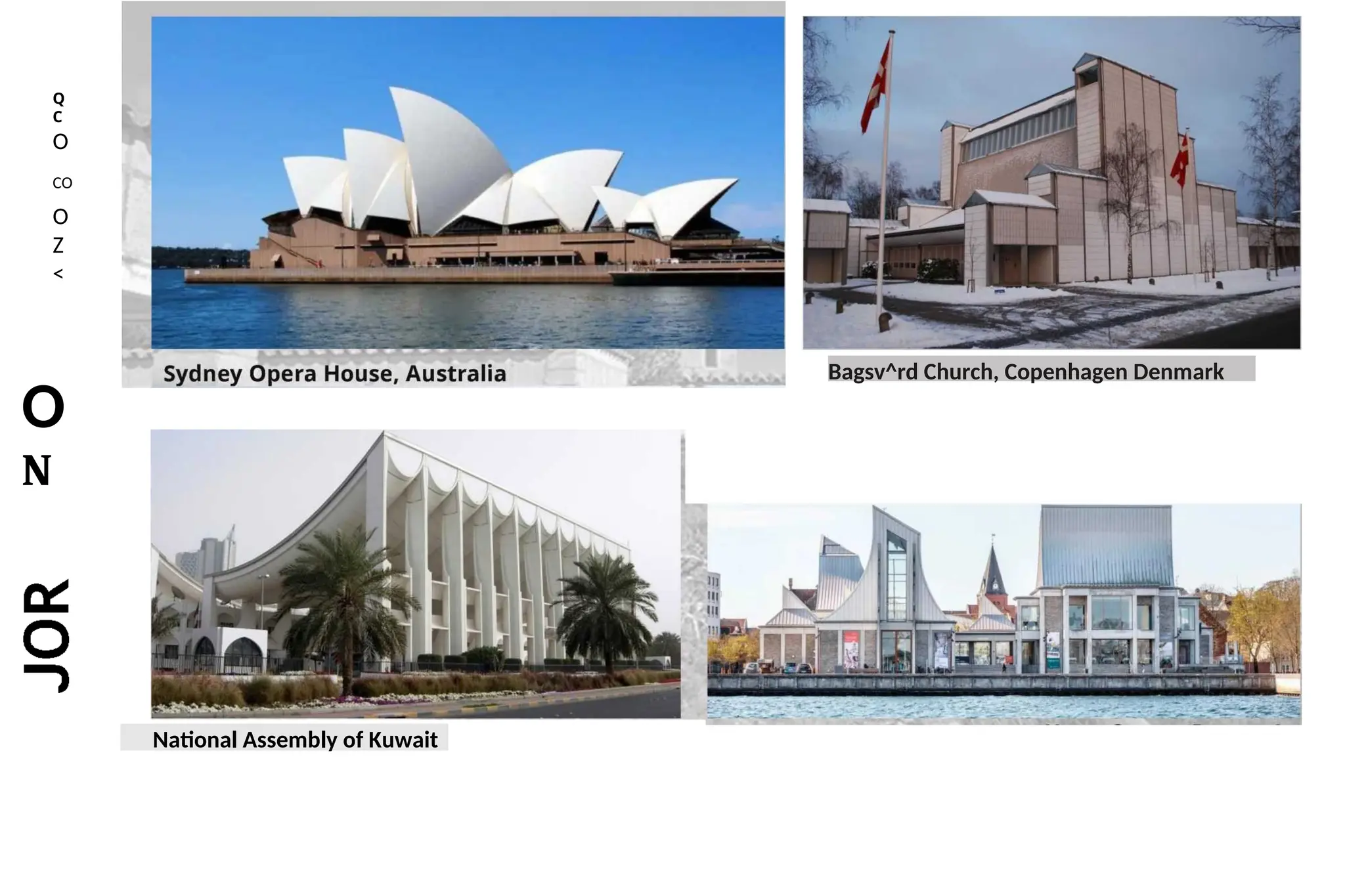
JORN UTZON
• Was born in Copenhagen in 1918
• Utzon has created a style marked by monumental civic buildings
and unobstrusive housing projects.
• He incorporates the balanced discipline of Asplund, the
sculptural quality of Alvar Aalto and the organic structure of Frank
Lloyd Wright in his designs
• Utzon has always considers site conditions and program
requirement before he designs each building.
• He transcends architecture as art and develops his forms into
poetic inventions that possess thoughtful programming, structural
integrity and sculptural harmony.
“I like to be on the edge of the possible.”
Q
C
O
CO
O
Z
<
O
N
Bagsv^rd Church, Copenhagen Denmark
National Assembly of Kuwait
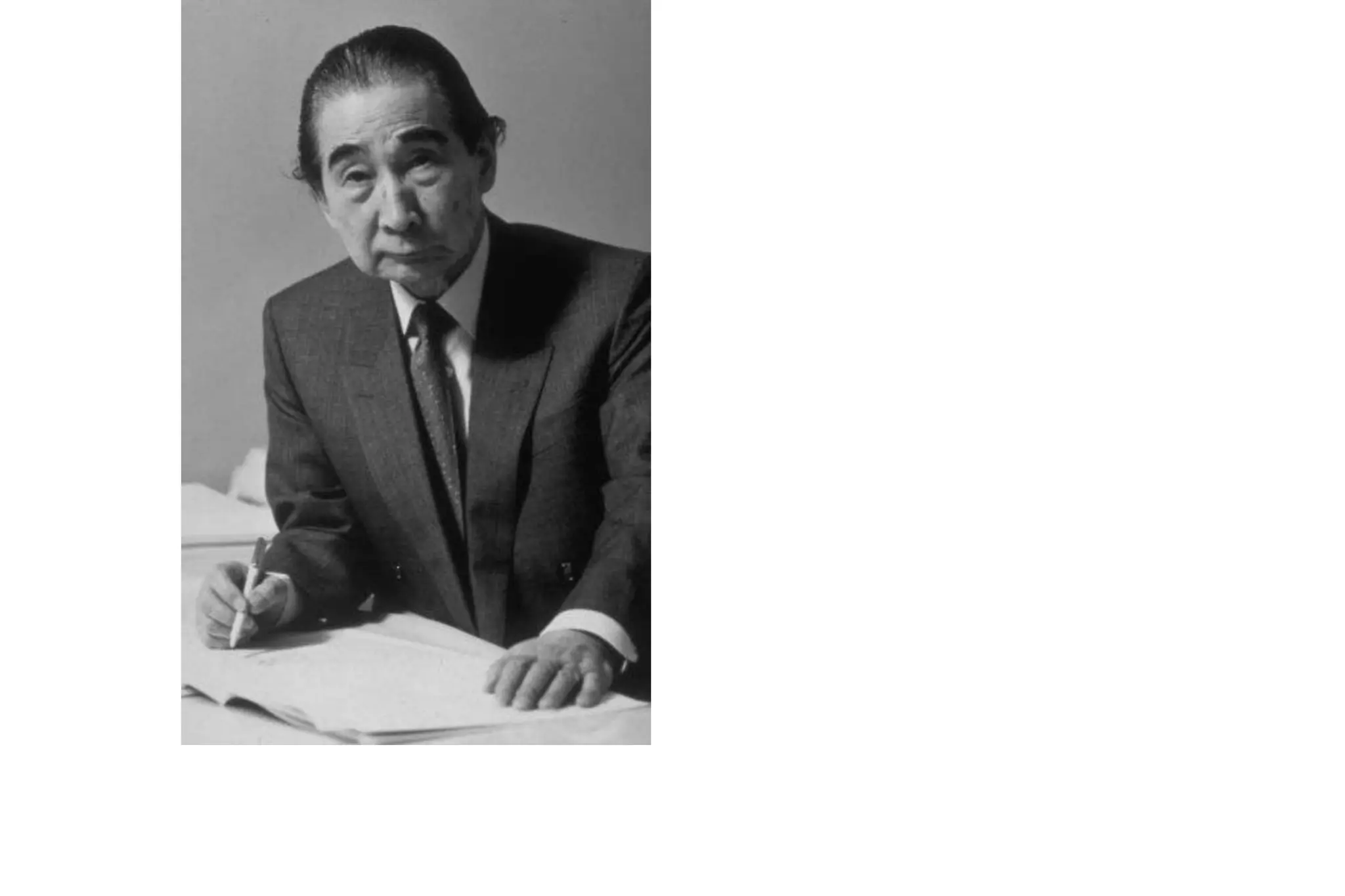
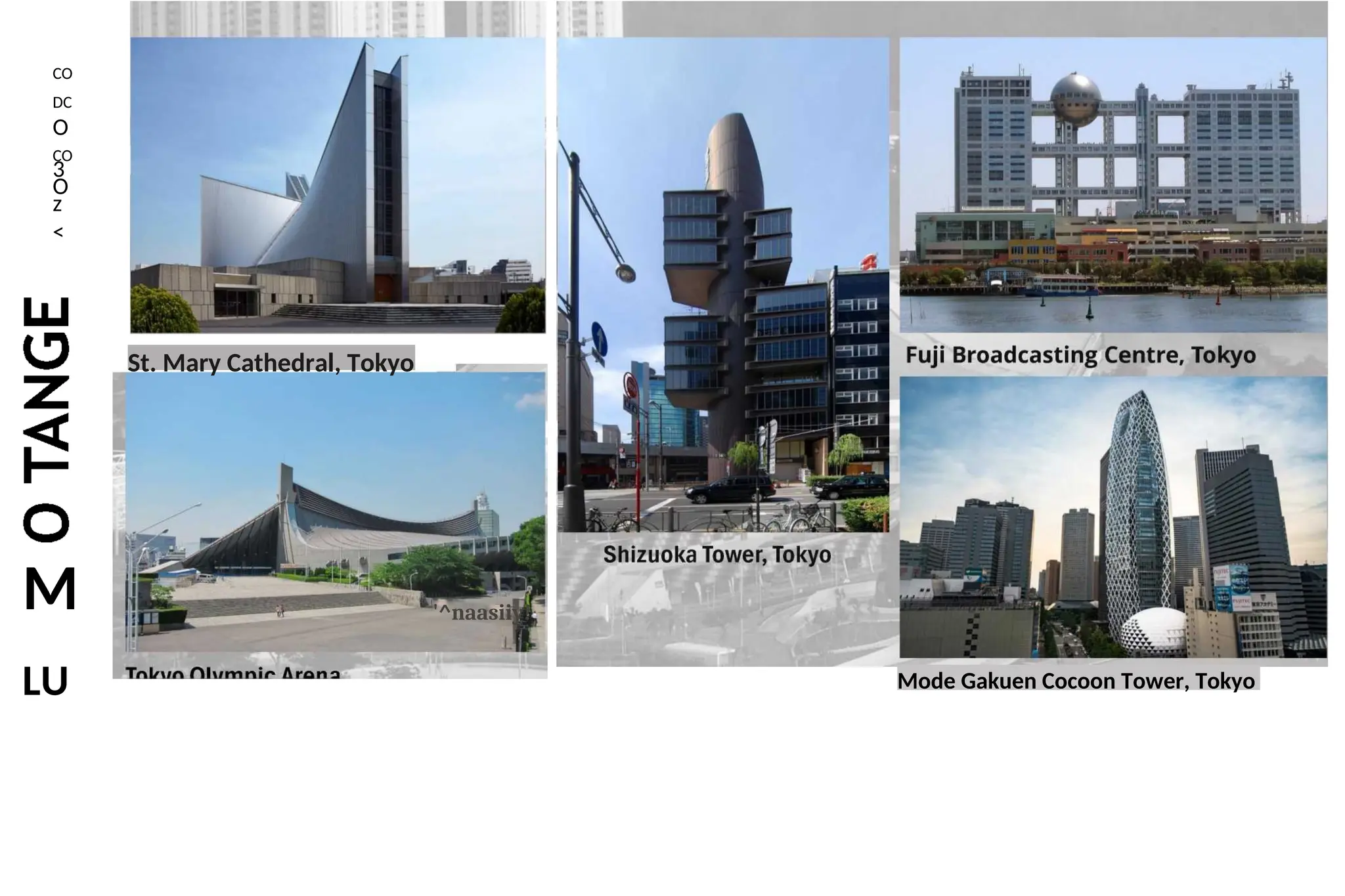
KENZO TANGE
• Was born in Osaka Japa in 1913
• Tange’s early design attempted to combine modernism with
traditionaUapanese forms of architecture
• Although his styles have transformed overtime, he has
consistently generated designs based on a clear structural order
• Influential as a teacher of modern architecture, Tange received
the gold medals of the RIBA, the AIA and the French Academy of
Architecture, He also received the Pritzker Architecture Prize
“There is a powerful need for symbolism, and that means
the architecture must have something that appeals to the
human heart”
CO
DC
O
CO
3
O
z
<
M
LU
'^naasiiy!
St. Mary Cathedral, Tokyo
Mode Gakuen Cocoon Tower, Tokyo
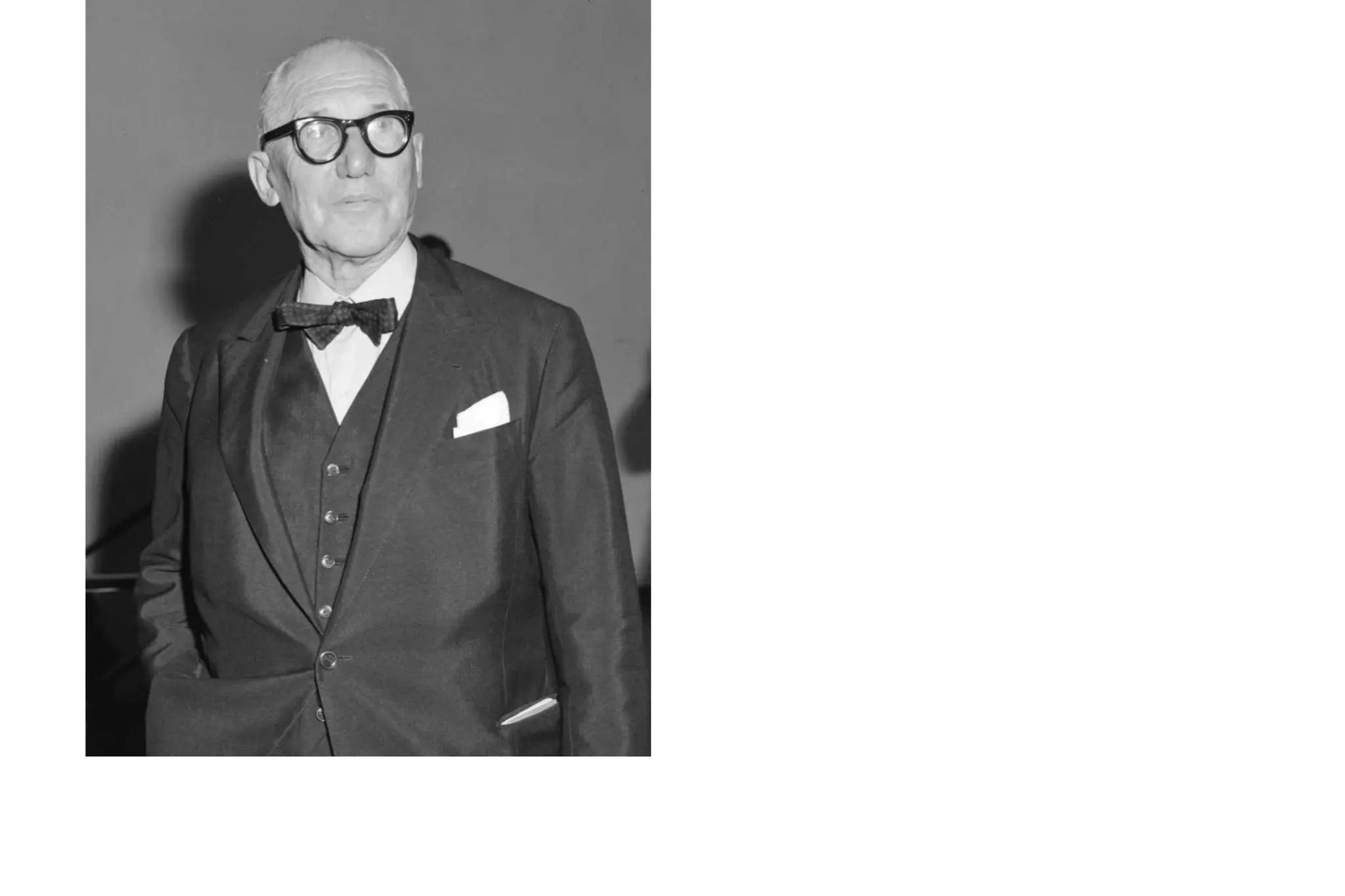
LE CORBUSIER
• Charles-Edourd Jeanneret-Gris was born in La Chauz de Fonds,
Switzerland in 1887
• Trained as an artist, he travelled extensively through Germany
and the East.
• He adopted the name Le Corbusier in the early 1920
• Le Corbusier’s early work was related to nature but as his ideas
matured, he developed the Maison-Domino, a basic building
prototype for mass production with free-standing pillars and
rigid floors.
• His ideas began to take physical form mainly as houses which he
created as “ a machine for living in” and which incorporated his
trademark five points of architecture
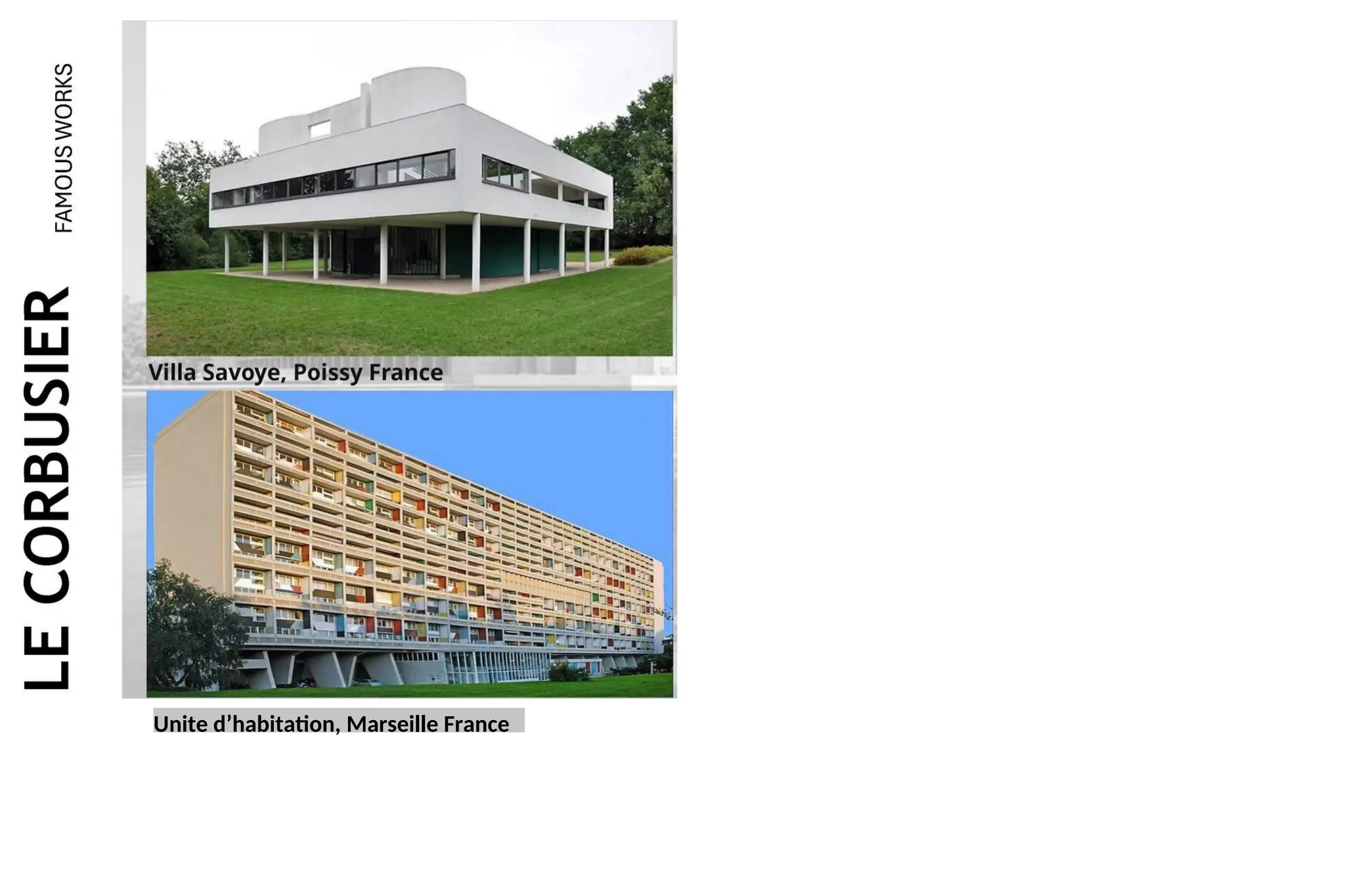
• In 1947, he started his Unite d’habitation.
“A house is a machine for living in”
Unite d’habitation, Marseille France
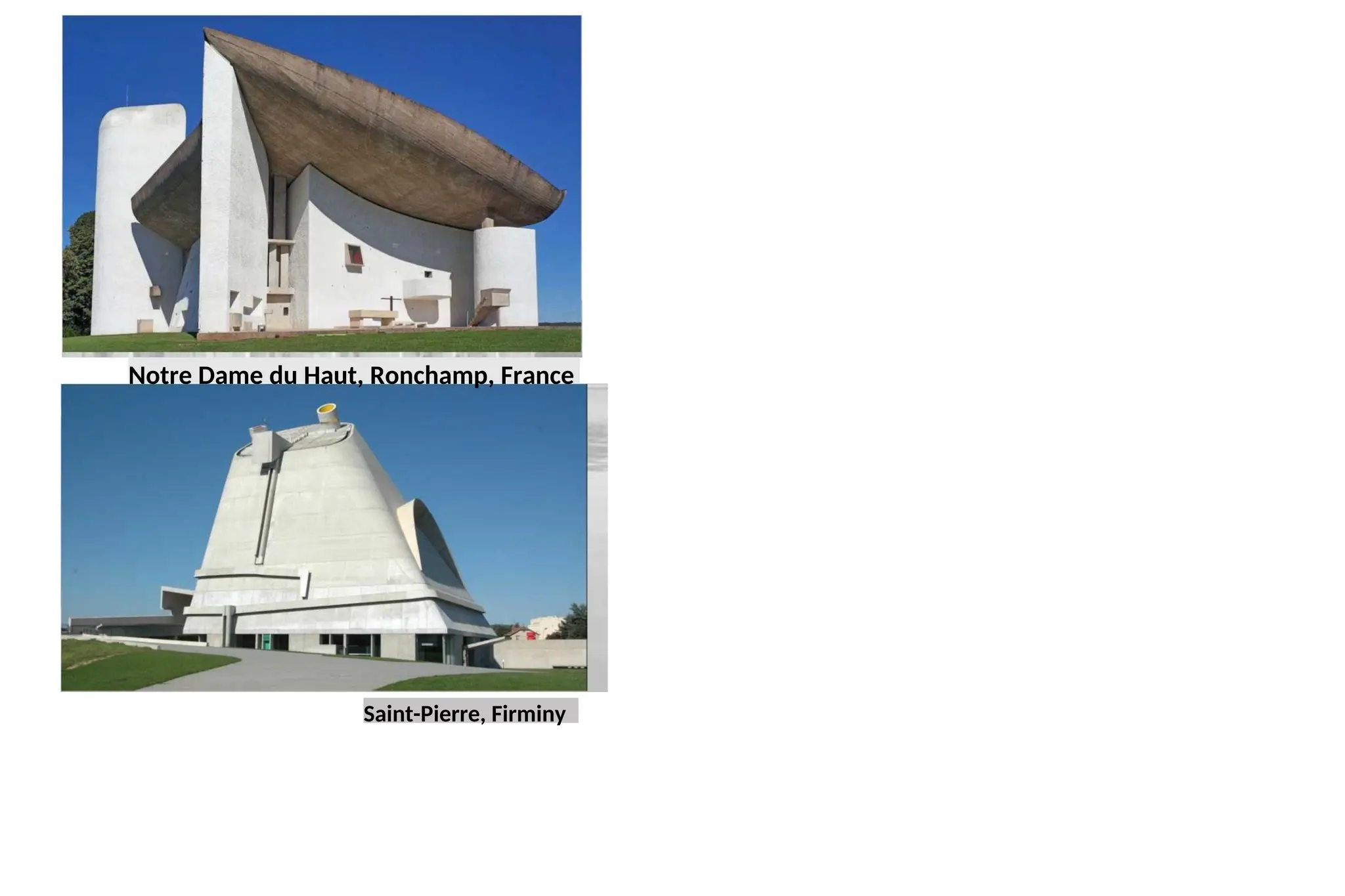
Saint-Pierre, Firminy
Notre Dame du Haut, Ronchamp, France
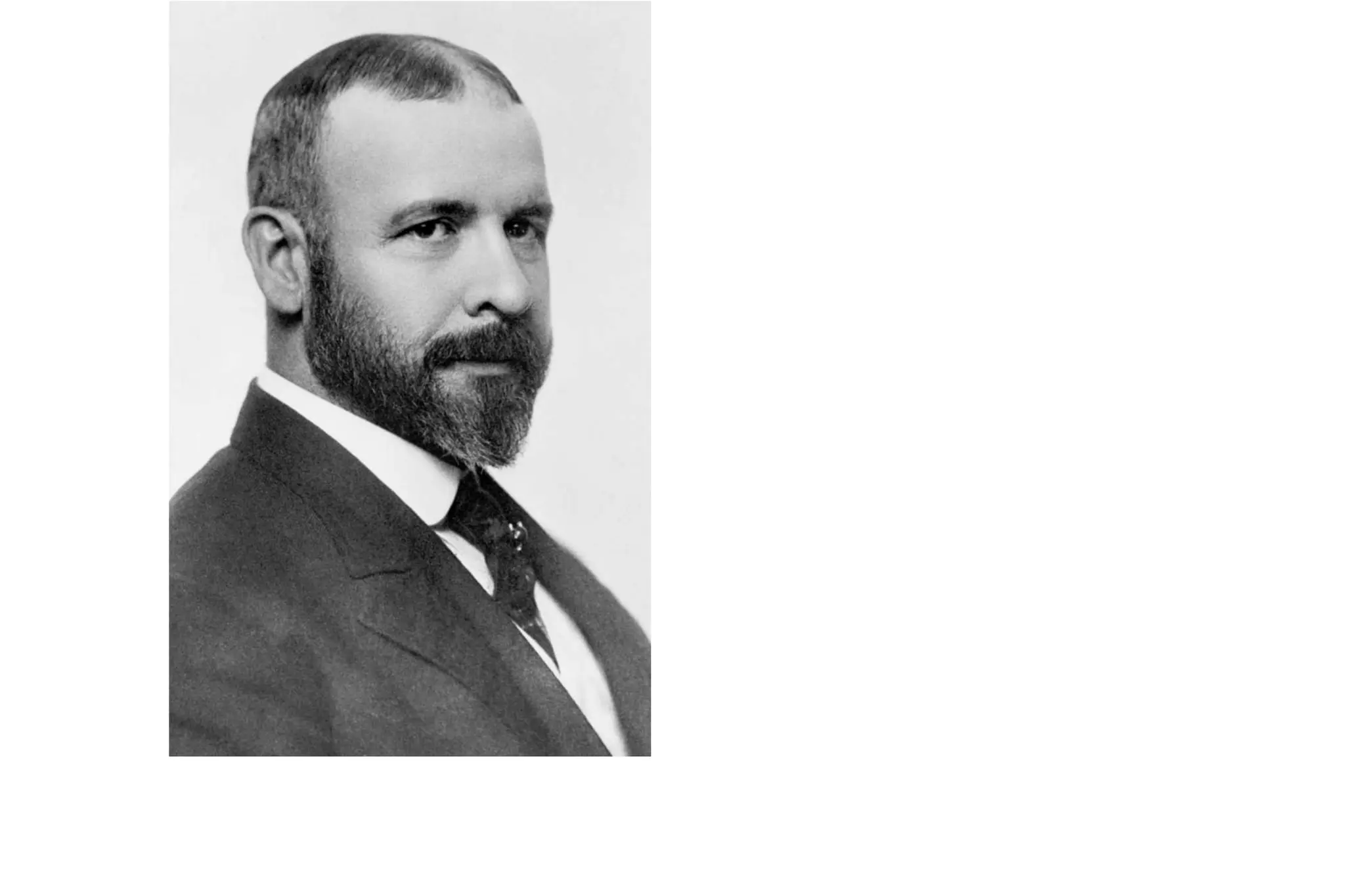
LOUIS H. SULLIVAN
• Louis Sullivan was born in Boston Massachusetts in 1856.
• The father of Skyscrapers
• The first modernist Architecture
• Sullivan’s designs generally involved a simple geometric form
decorated with ornamentation based on organic symbolism.
• Considered one of the most influential forces in Chicago School
his philosophy that form should always follow function went
beyond functional and structural expressions
• Considered the “Dean of American Architects”
• He died in Chicago, Illinois 1924
“Form follows Function”
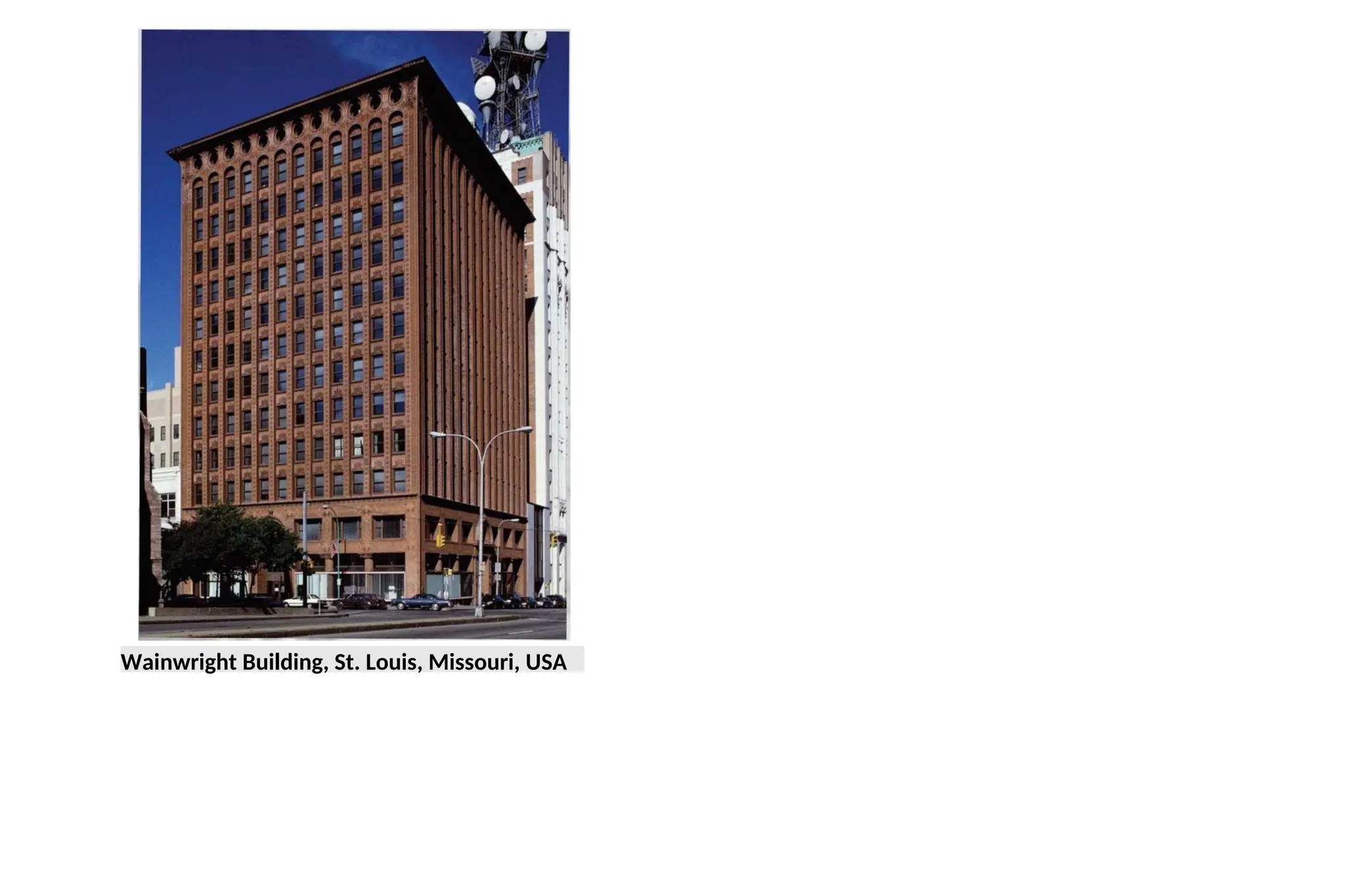
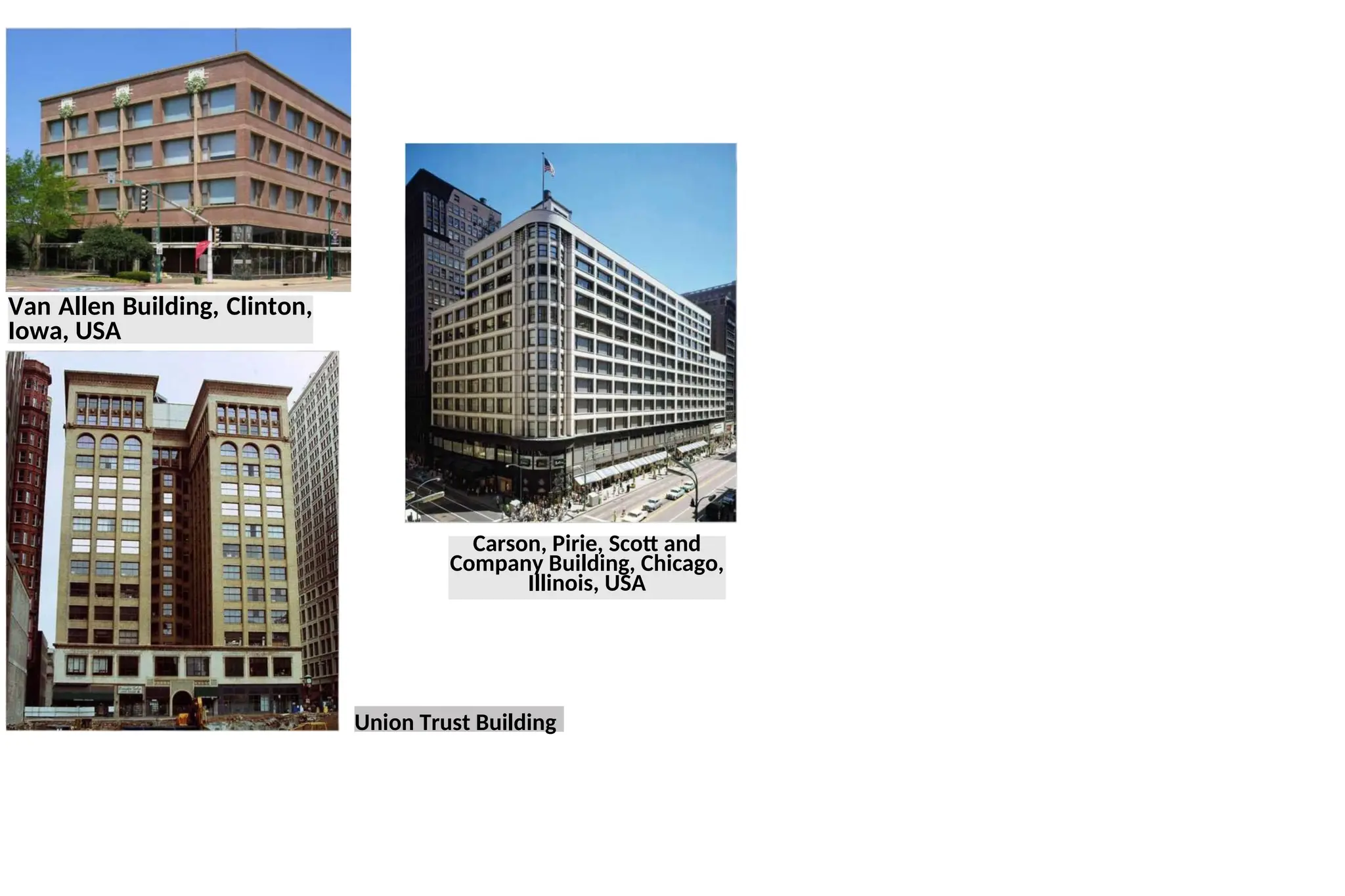
Wainwright Building, St. Louis, Missouri, USA
Van Allen Building, Clinton,
Iowa, USA
Carson, Pirie, Scott and
Company Building, Chicago,
Illinois, USA
Union Trust Building
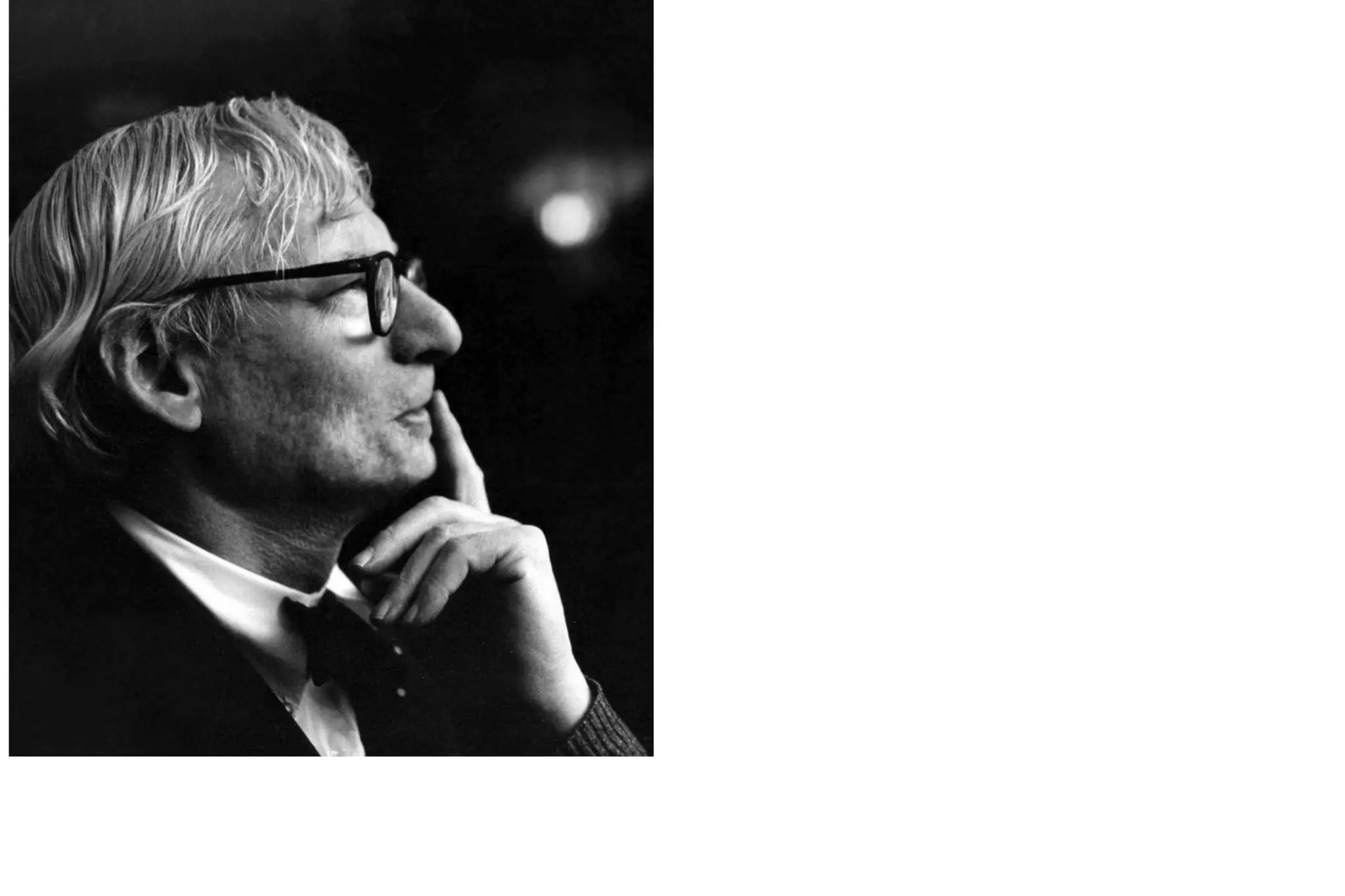
LOUIS I.KAHN
• Louis Khan was born in Saarama Estonia in 1901
• Kahn worked with a series of partners but form 1948 until his
death in 1974, Kahn worked alone.
• From 1974 to 1957 he was Design Critic and Professor of
Architecture at Yale University, after which he was Dean at the
University of Pennsylvania.
• His architecture is notable for its simple, platonic forms and
compositions.
• Through the use of brick and poured-in place concrete masonry
he developed a contemporary and monumental architecture that
maintained a sympathy for the site.
• Considered one of the foremost architects of the late 20th
century
“Architecture is the reaching out for the truth”
“Even a brick wants to be something”
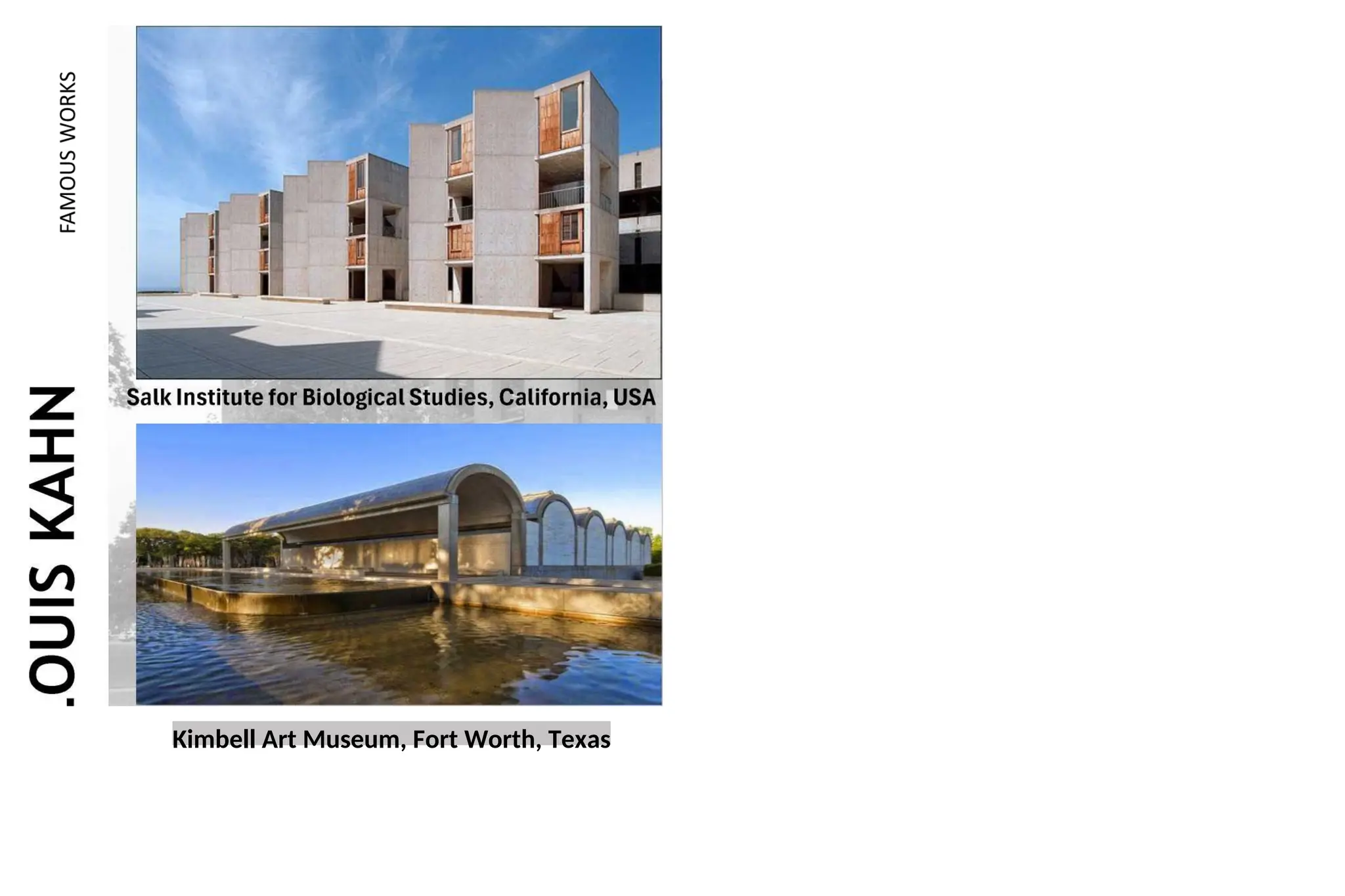
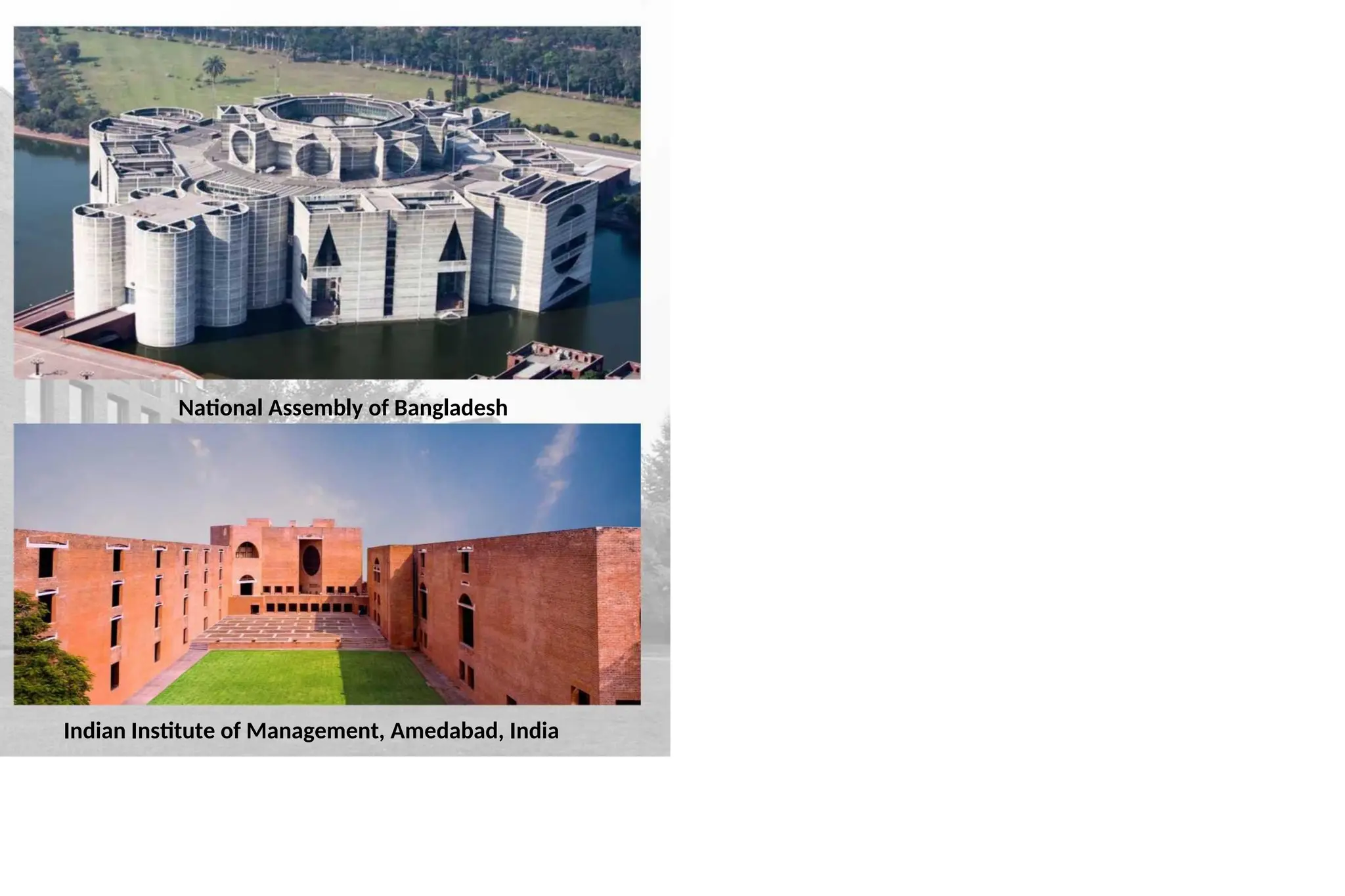
Kimbell Art Museum, Fort Worth, Texas
National Assembly of Bangladesh
Indian Institute of Management, Amedabad, India
LUDWIG MIES VAN DER
ROHE
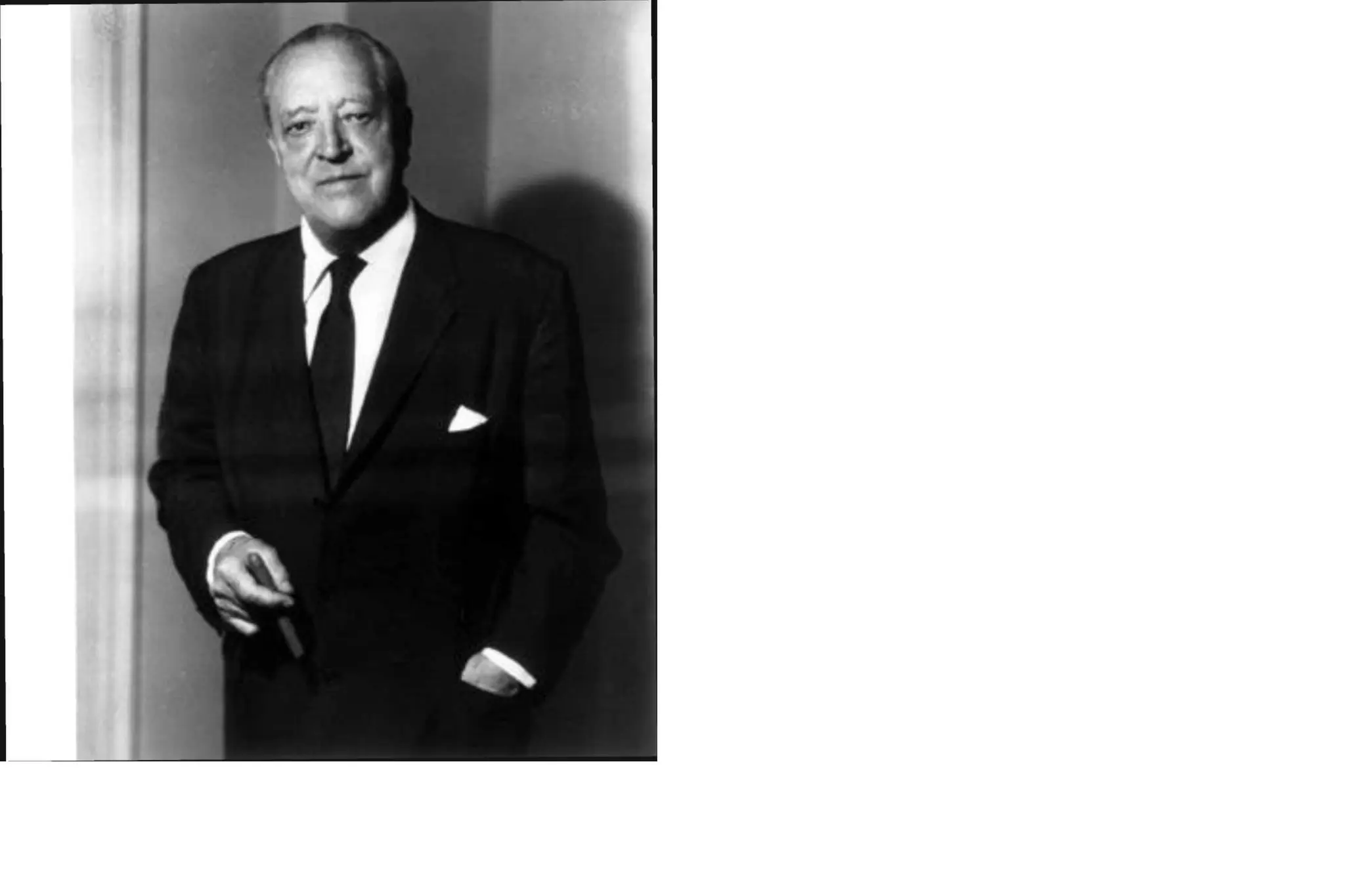
• Ludwig Mies Van der Rohe was born in Aachen, Germany in
1886
• Under Peter Behren influence he developed a design approach
based on advanced structural techniques and Prussian
Classicism
• He also developed a sympathy for the aesthetic credos of both
Russian Constructivism and the Dutch De Stilj group
• He borrowed from the post and lintel construction of Karl
Friedrich Schinkel his designs in steel and glass
• Mies attempted to create contemplative, neutral spaces through
an architecture based on material honesty and structural
integrity.
• He achieved his vision of a monumental “skin and bone
architecture”
• He died in Chicago Illinois in 1969
“Less is more”
“God is in the details”
giilii
«« :::::: •»«
<«.
sissi :!
S !
■■
■■■> ....
................
li mi mi mi mi mi mi mi
II mi nil mi mi mi.....in
.............. ""
' '!!!!'
■
......................
|SsBSsa§
H mm mi
Hi'zCm !!!!!!!
!!!!!!! !!
•'!!!!!!!!
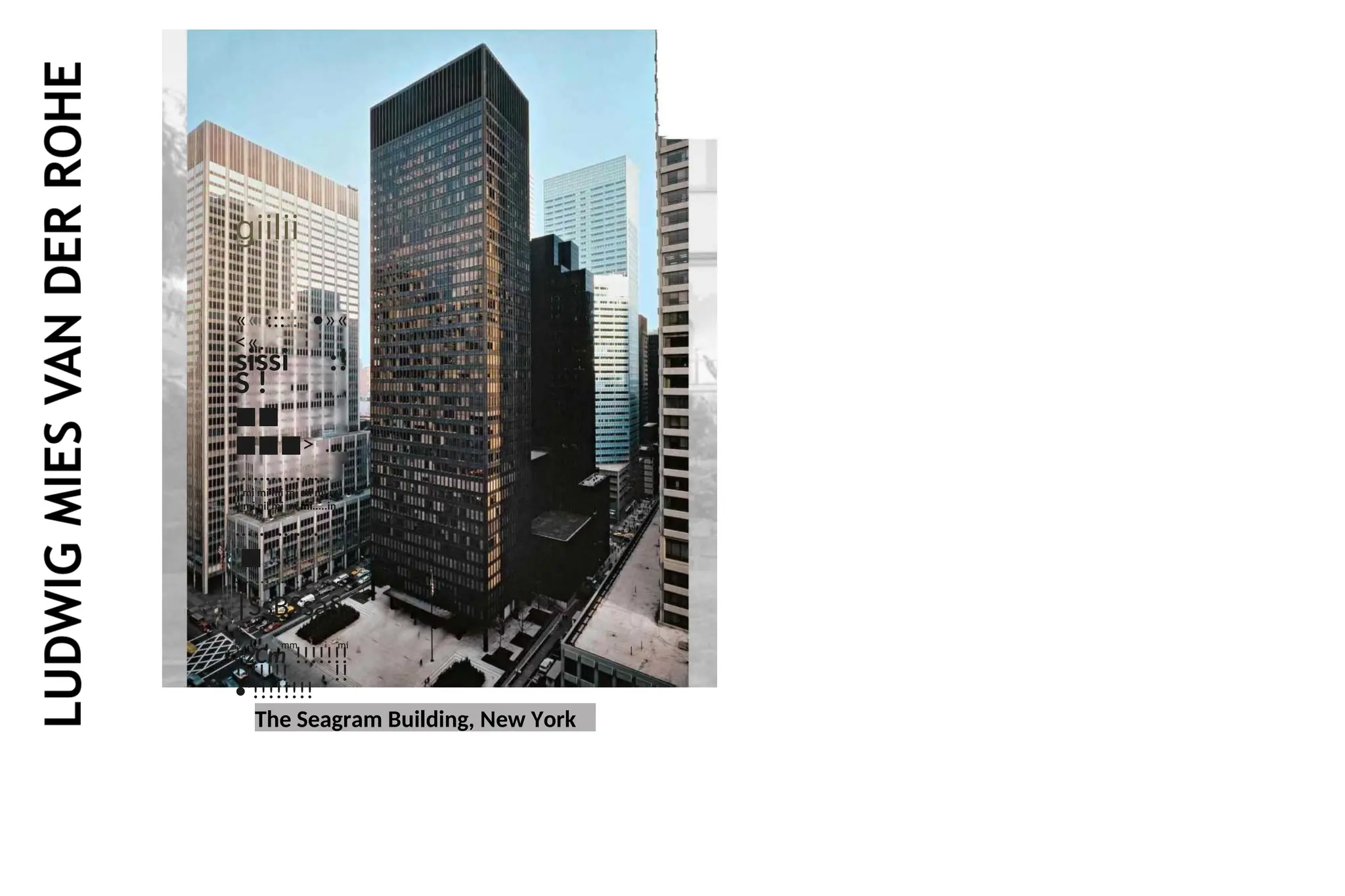
The Seagram Building, New York
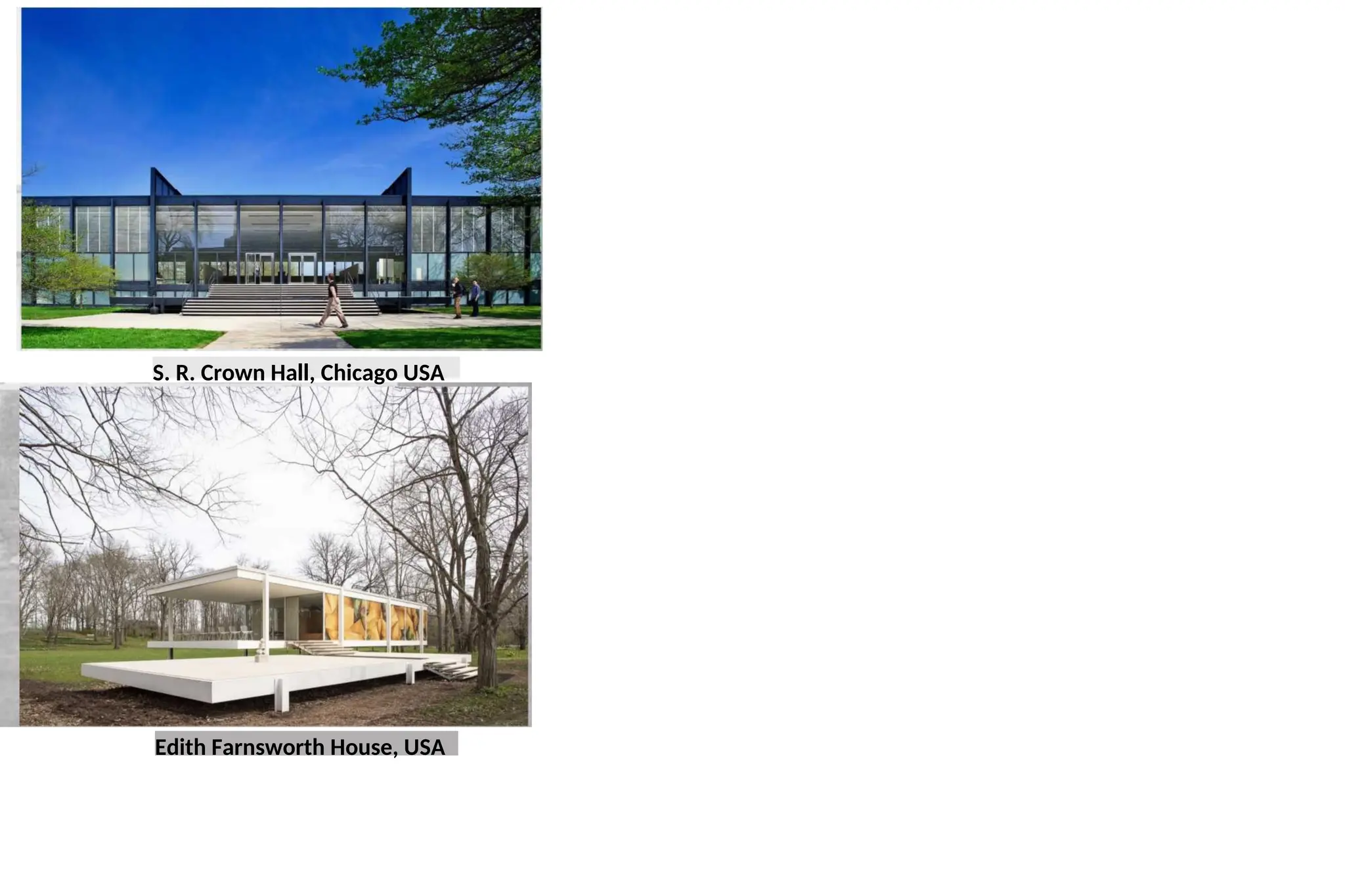
S. R. Crown Hall, Chicago USA
Edith Farnsworth House, USA
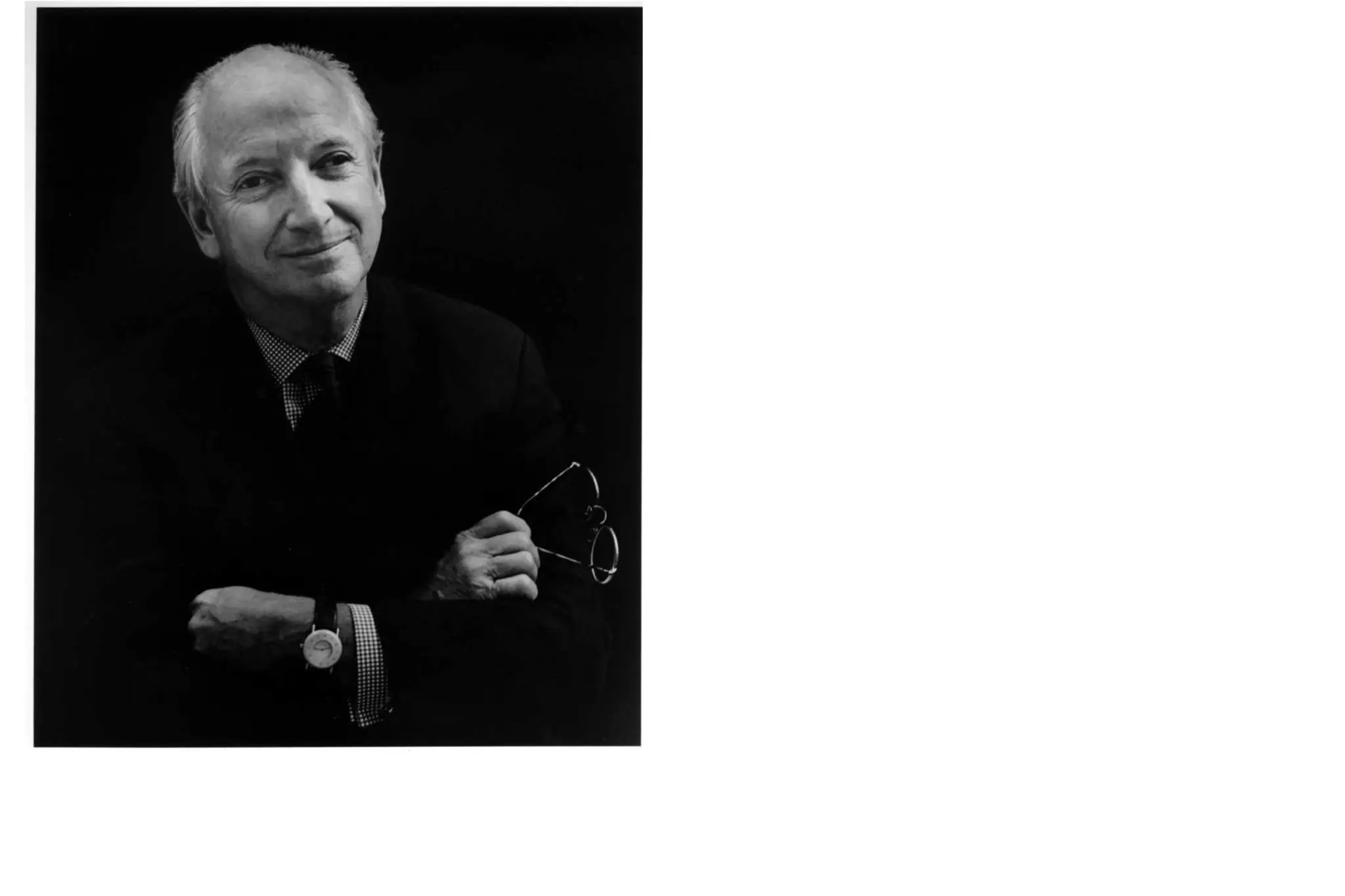
MICHAEL GRAVES
Michael Graves was born in Indianapolis, Indiana in 1934
He became a professor at Princeton University in 1972
A member of the “New York Five”, Graves re-interpreted the
rational style that had been introduced by Le Corbusier in the
1920s into Neo-Classical Style.
He generates an ironic, vision of Classicism in which his buildings
have become classical in their mass and order.
“My favorite project is always the next one”
CO
DC
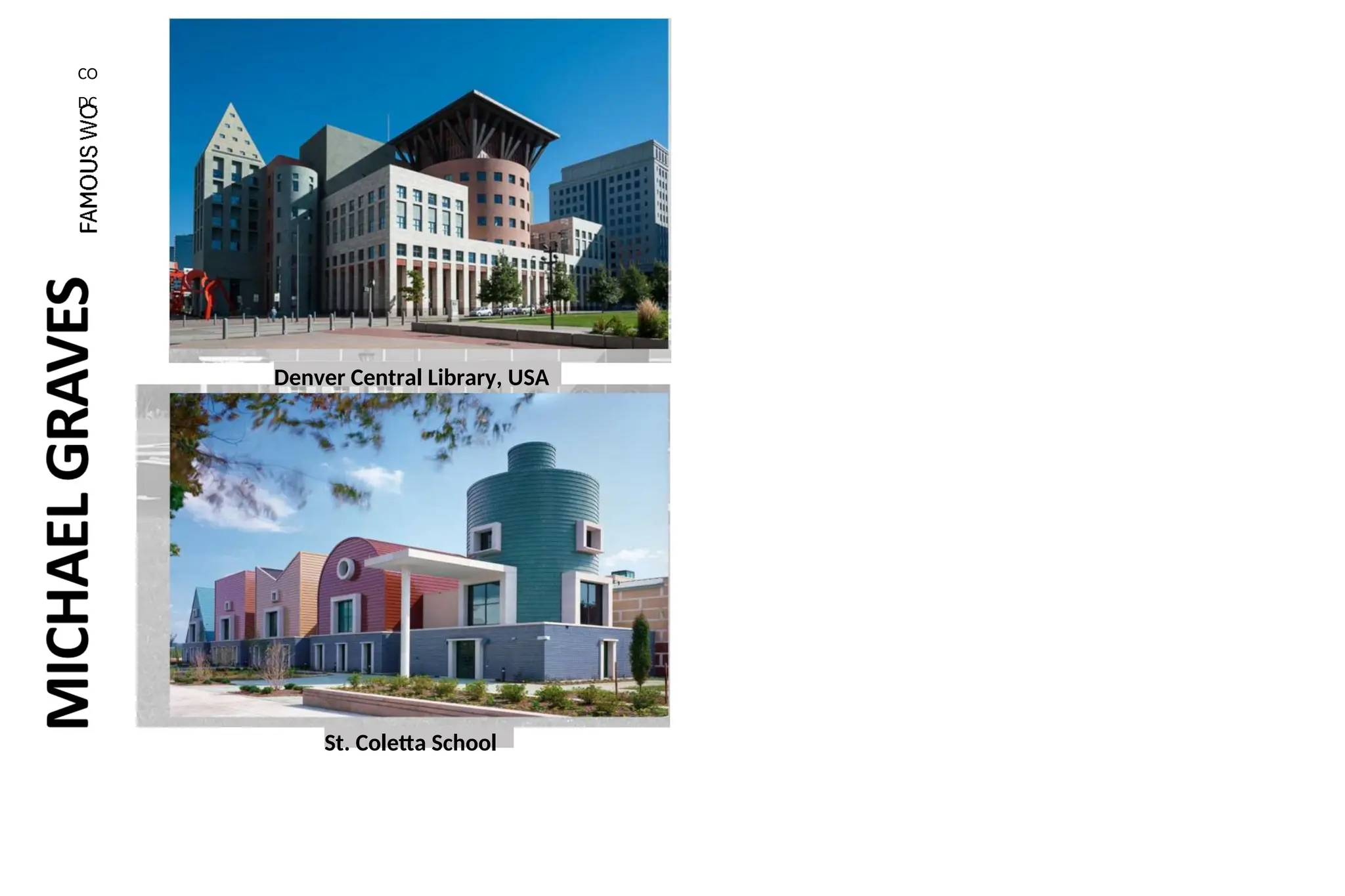
Denver Central Library, USA
St. Coletta School
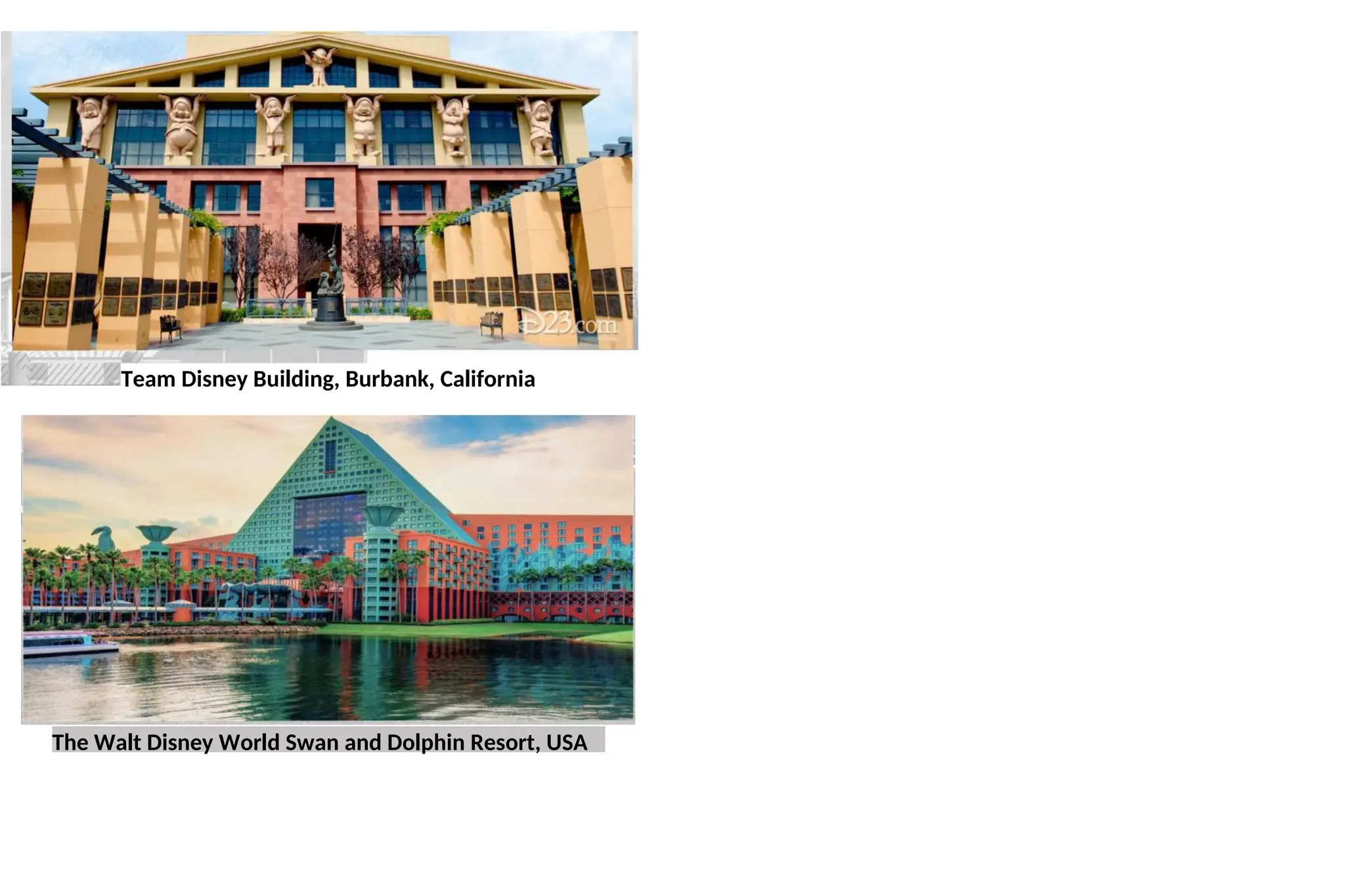
Team Disney Building, Burbank, California
The Walt Disney World Swan and Dolphin Resort, USA
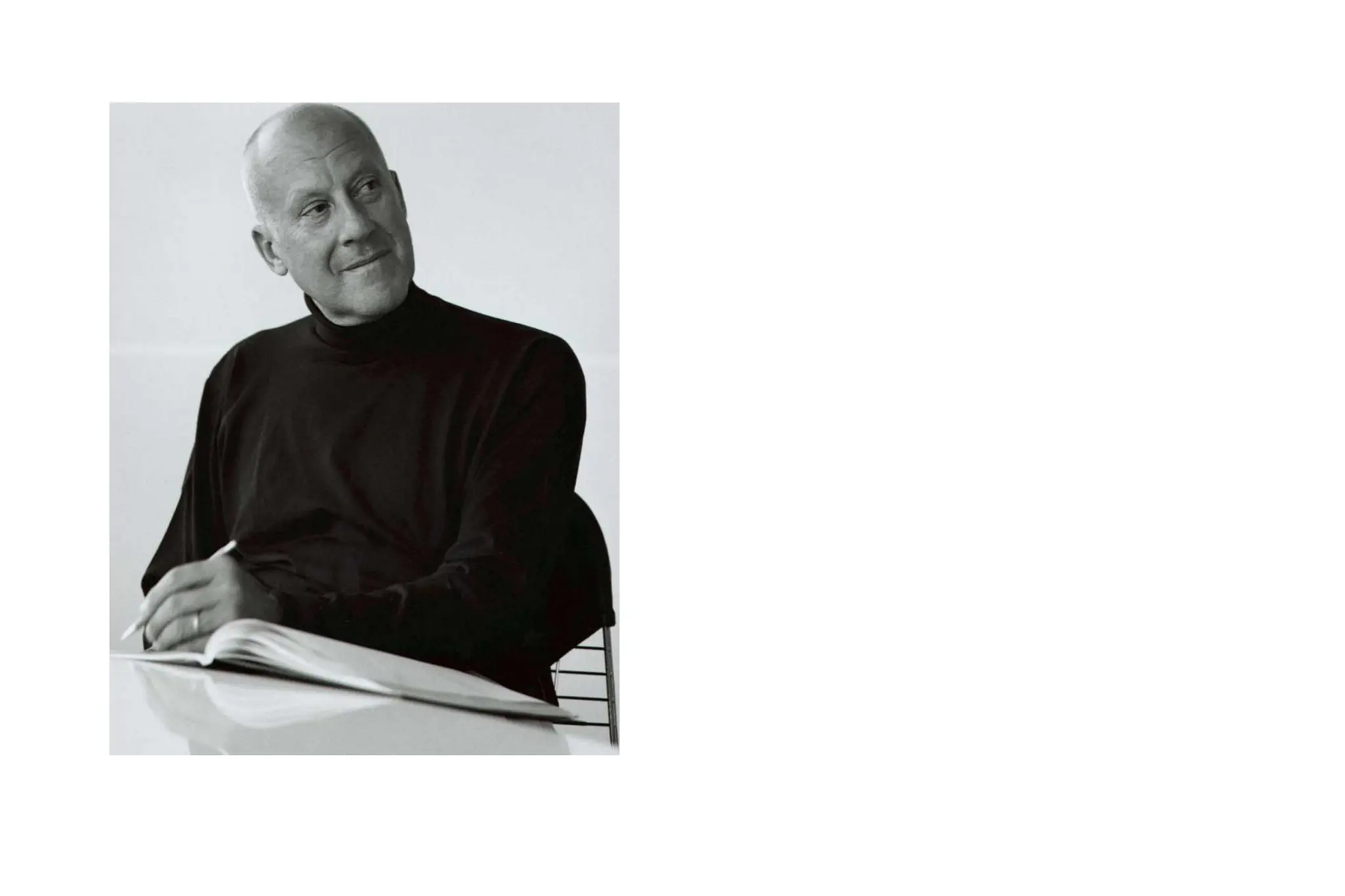
NORMAN FOSTER
Norman Foster was born in Manchester, England in 1935 The
Hero of High-tech
The “High tech” vocabulary of Foster Associates show an
uncompromising exploration of technological innovations and
forms.
Their design emphasize the repetition of industrialized modular
units in which prefabricated off-site-manufactured elements are
frequently employed
He was awarded in RIBA Royal Gold Medal in 1938 and in 1990
the RIBA Trustees Medal.
Gold Medal of the AIA in 1994
Pritzker Architecture Prize 1999
“As an architect, you design for the present, with an
awareness of the past, for a future which is essentially
unknown”
CO
DC
a:
LU
l—
t
o
O
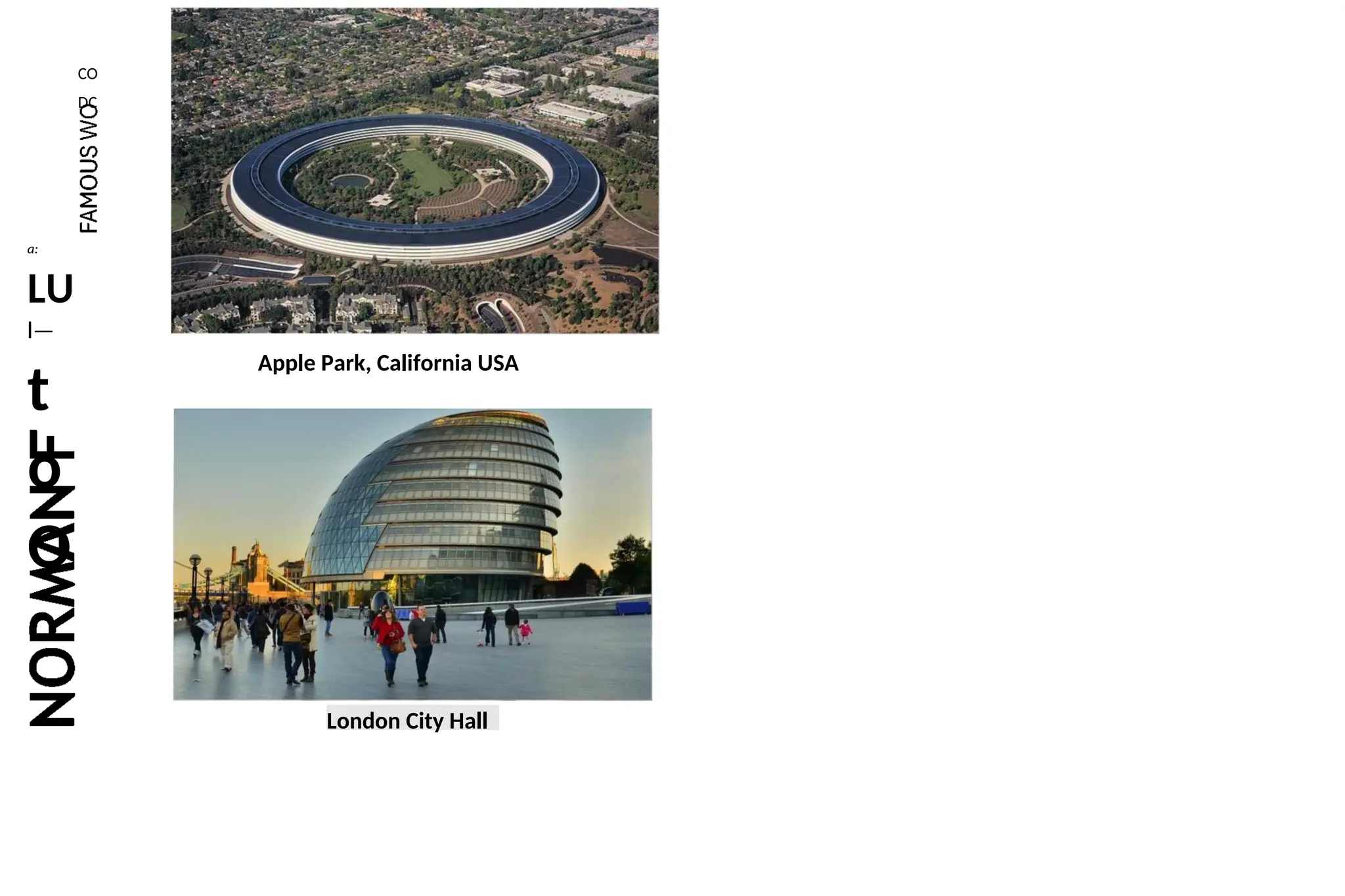
Apple Park, California USA
London City Hall
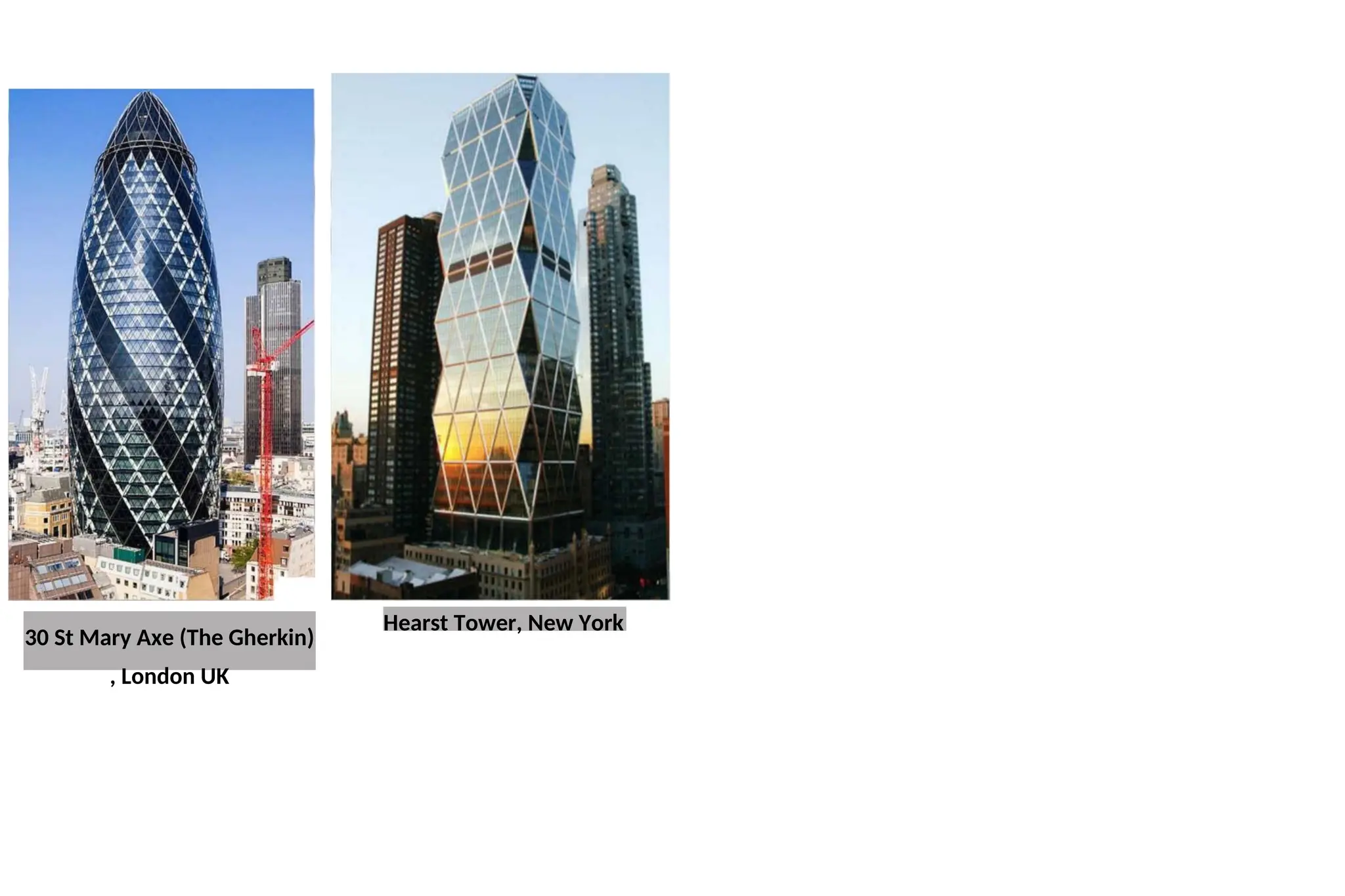
30 St Mary Axe (The Gherkin)
, London UK
Hearst Tower, New York
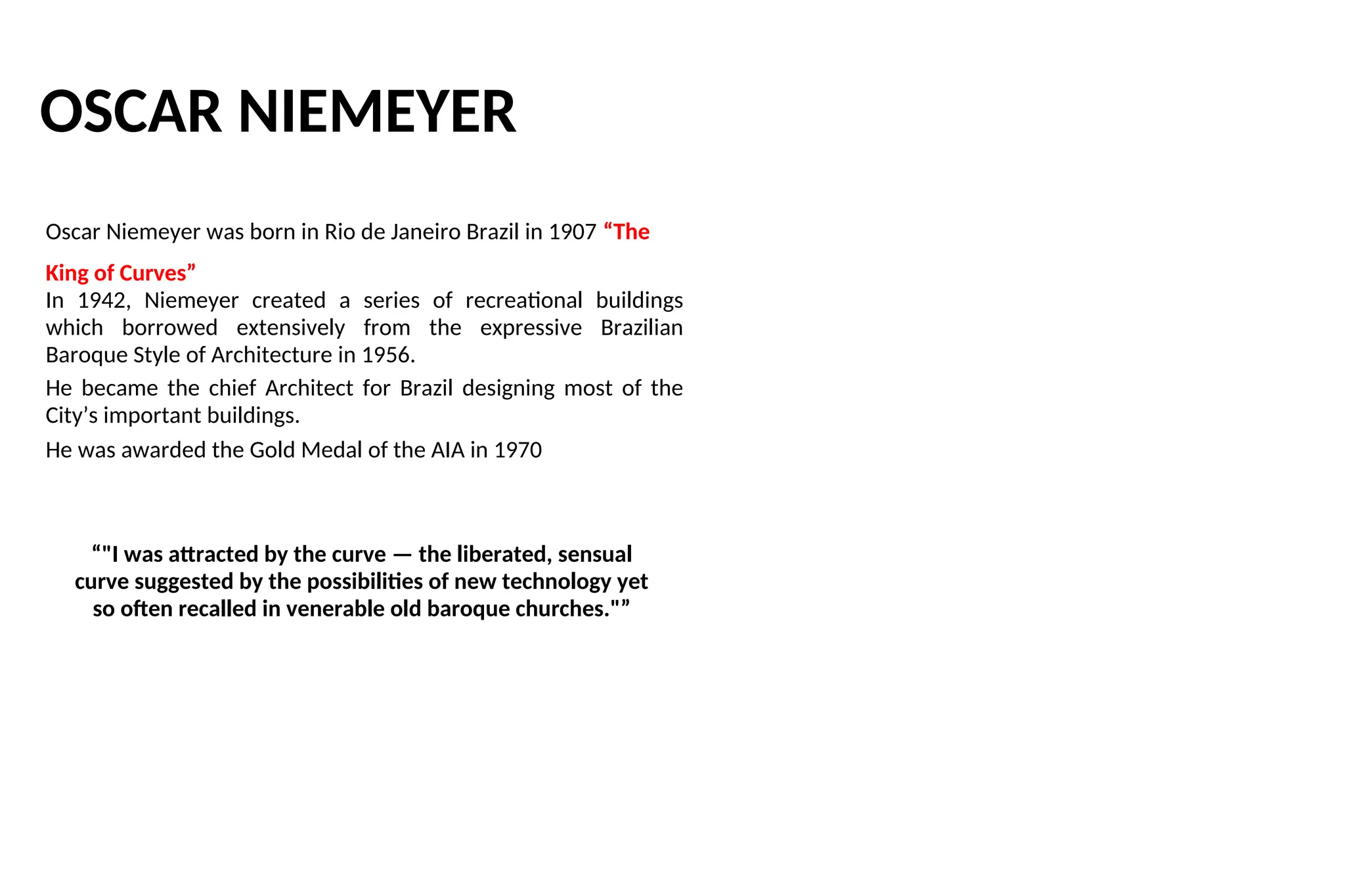
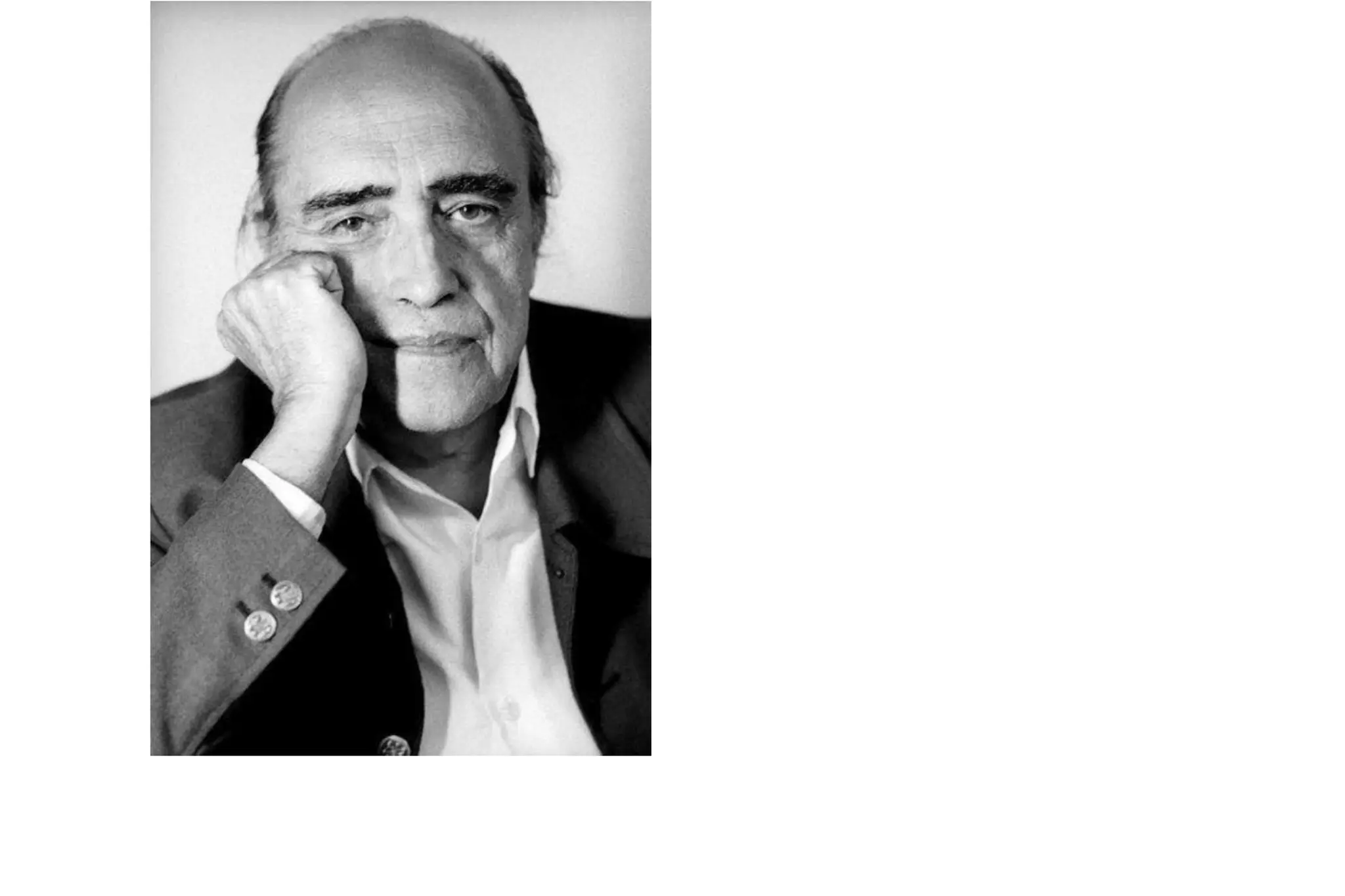
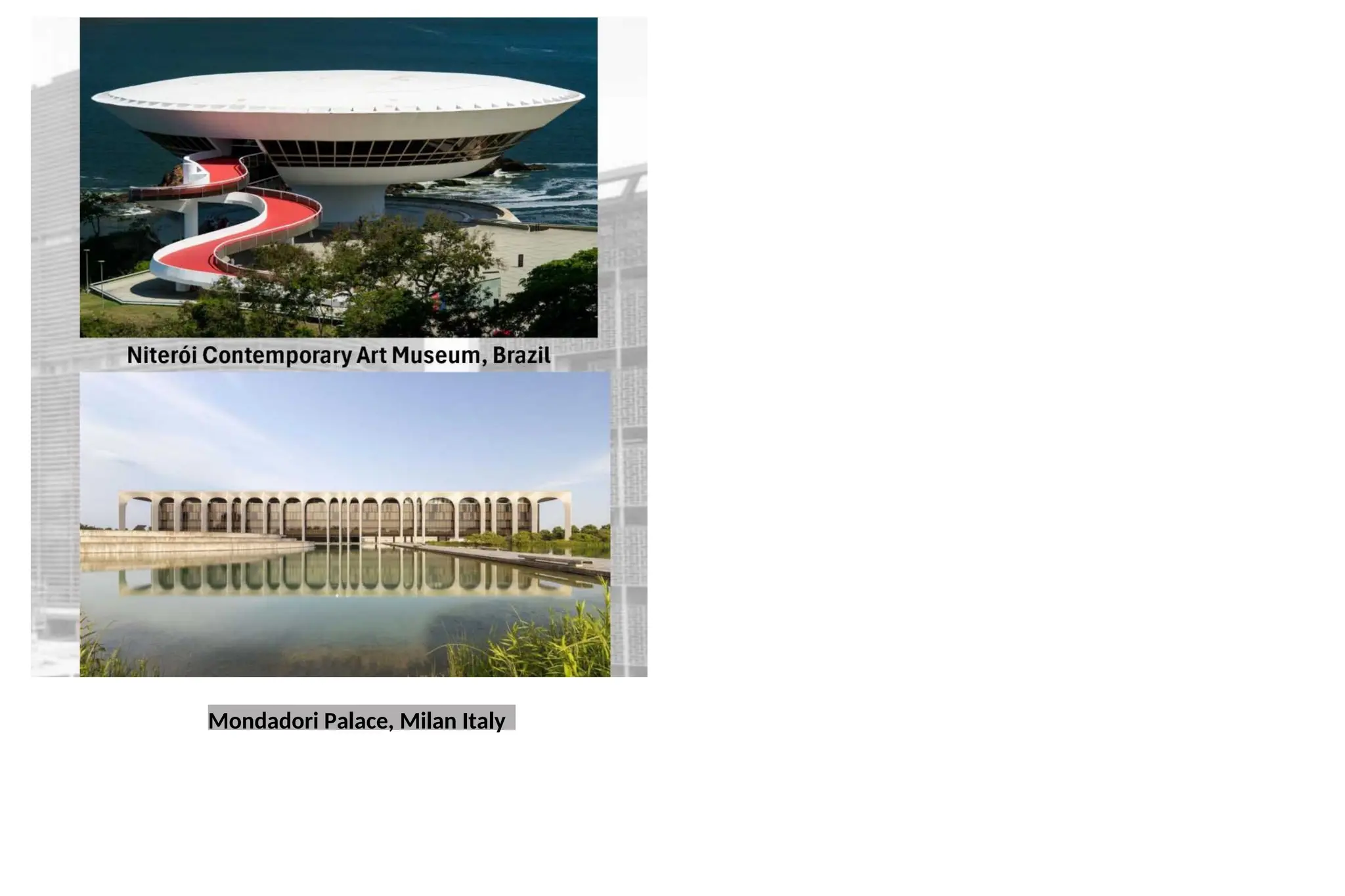
OSCAR NIEMEYER
Oscar Niemeyer was born in Rio de Janeiro Brazil in 1907 “The
King of Curves”
In 1942, Niemeyer created a series of recreational buildings
which borrowed extensively from the expressive Brazilian
Baroque Style of Architecture in 1956.
He became the chief Architect for Brazil designing most of the
City’s important buildings.
He was awarded the Gold Medal of the AIA in 1970
“"I was attracted by the curve — the liberated, sensual
curve suggested by the possibilities of new technology yet
so often recalled in venerable old baroque churches."”
CO
DC
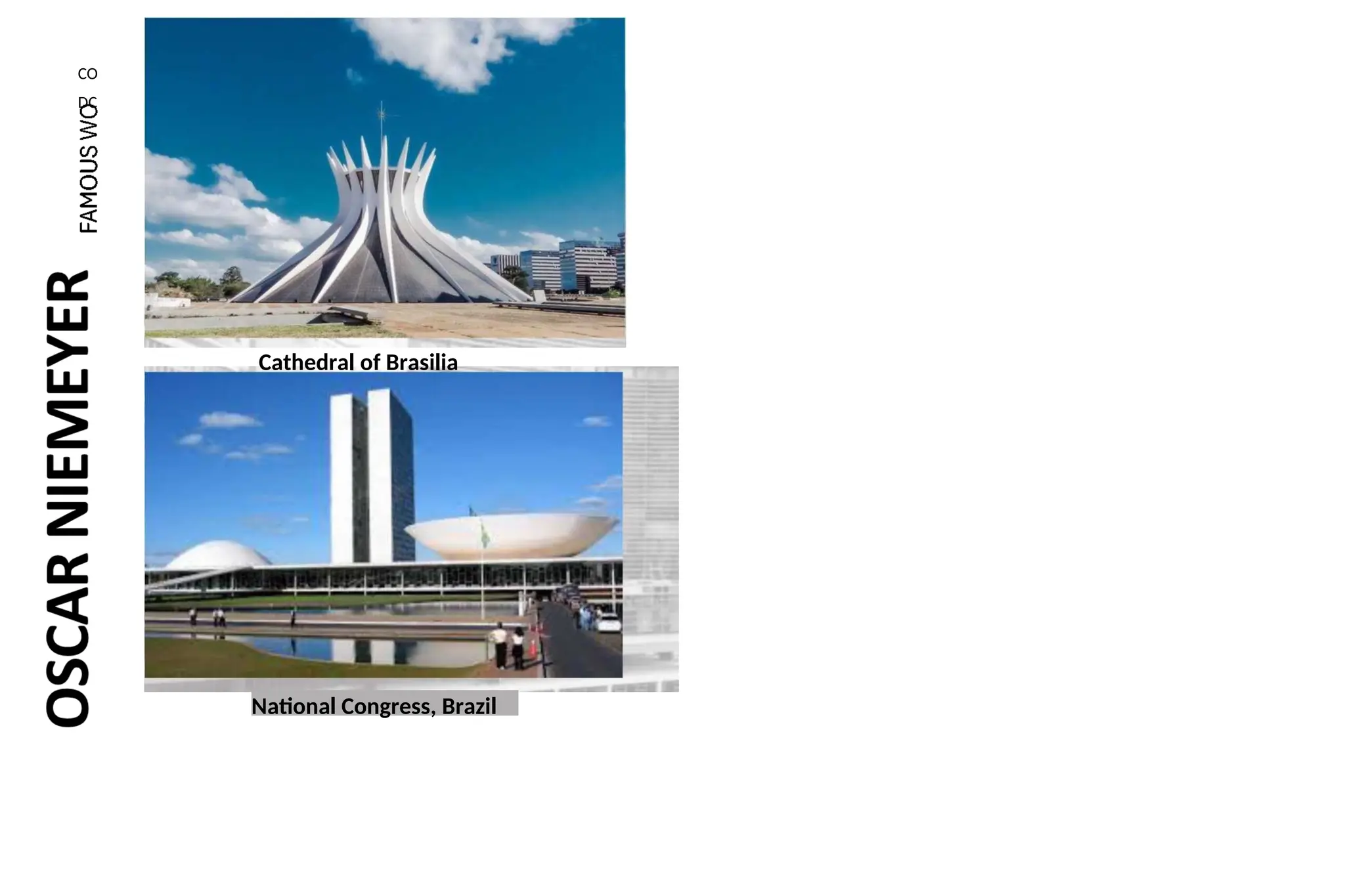
Cathedral of Brasilia
National Congress, Brazil
Mondadori Palace, Milan Italy
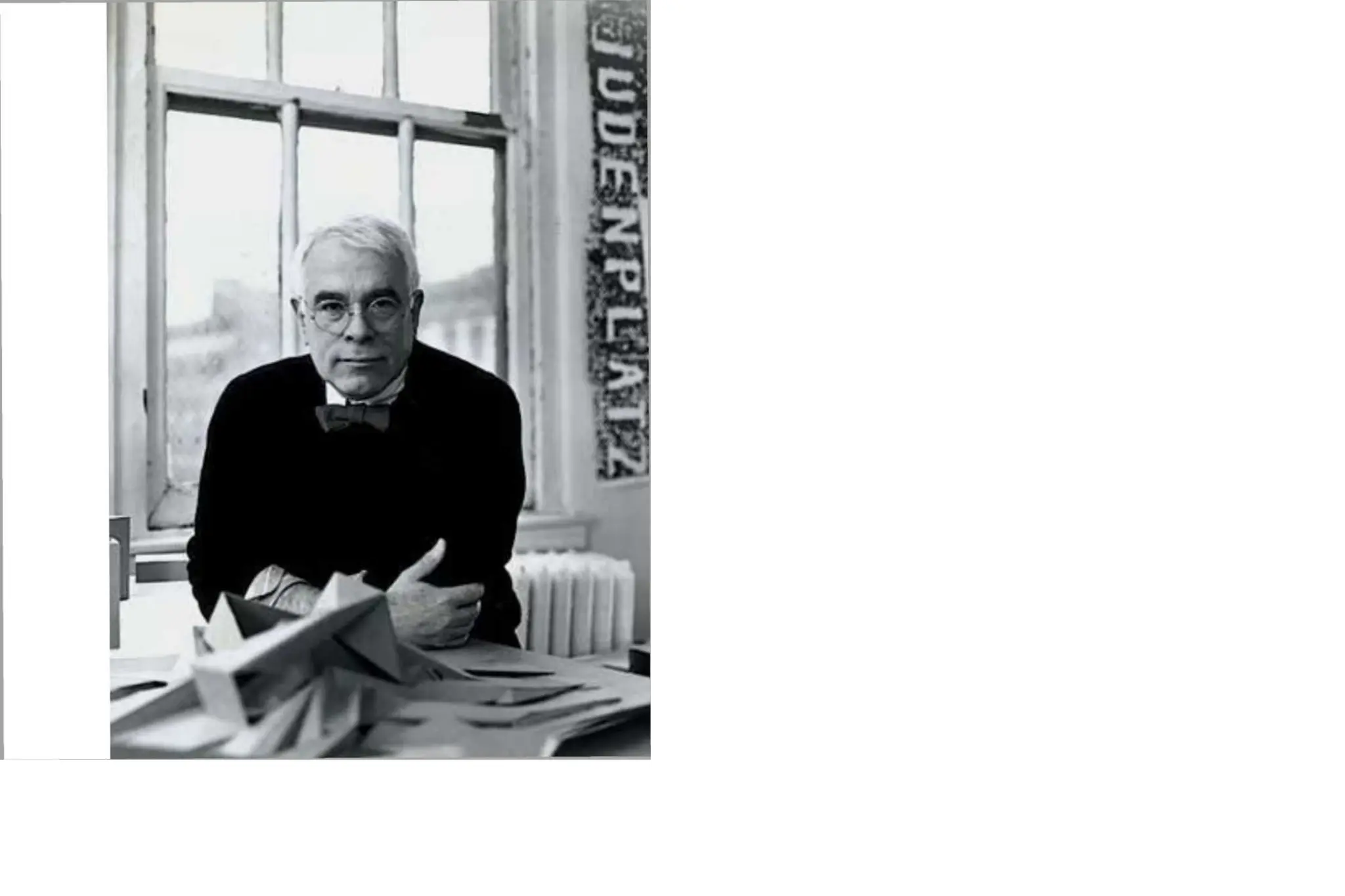
PETER EISENMAN
• Peter Eisenman was born in Newark, New Jersey 1932
• He is one of the key proponent of Deconstructivism
• Most attention has focused on his architectural ideas which
attempt to create contextually disconnected architecture
• He has always sought somewhat obscure parallels between his
architectural works and philosophical or literary theory.
• Eisenman latter works show a sympathy with the “anti-
humanist” ideas of deconstructivism
“The best architecture was incongruous and
disharmonious”
CO
DC
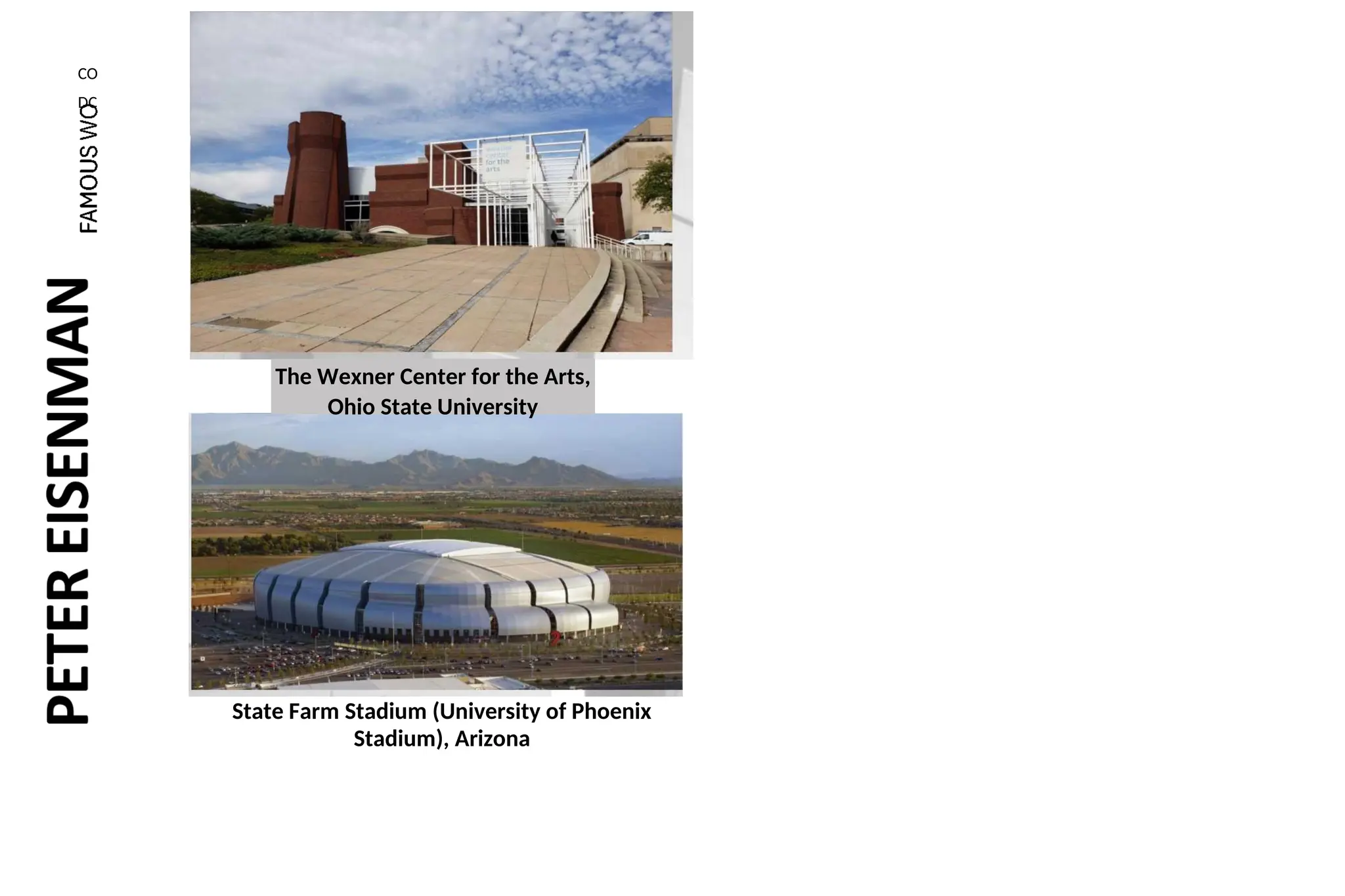
The Wexner Center for the Arts,
Ohio State University
State Farm Stadium (University of Phoenix
Stadium), Arizona
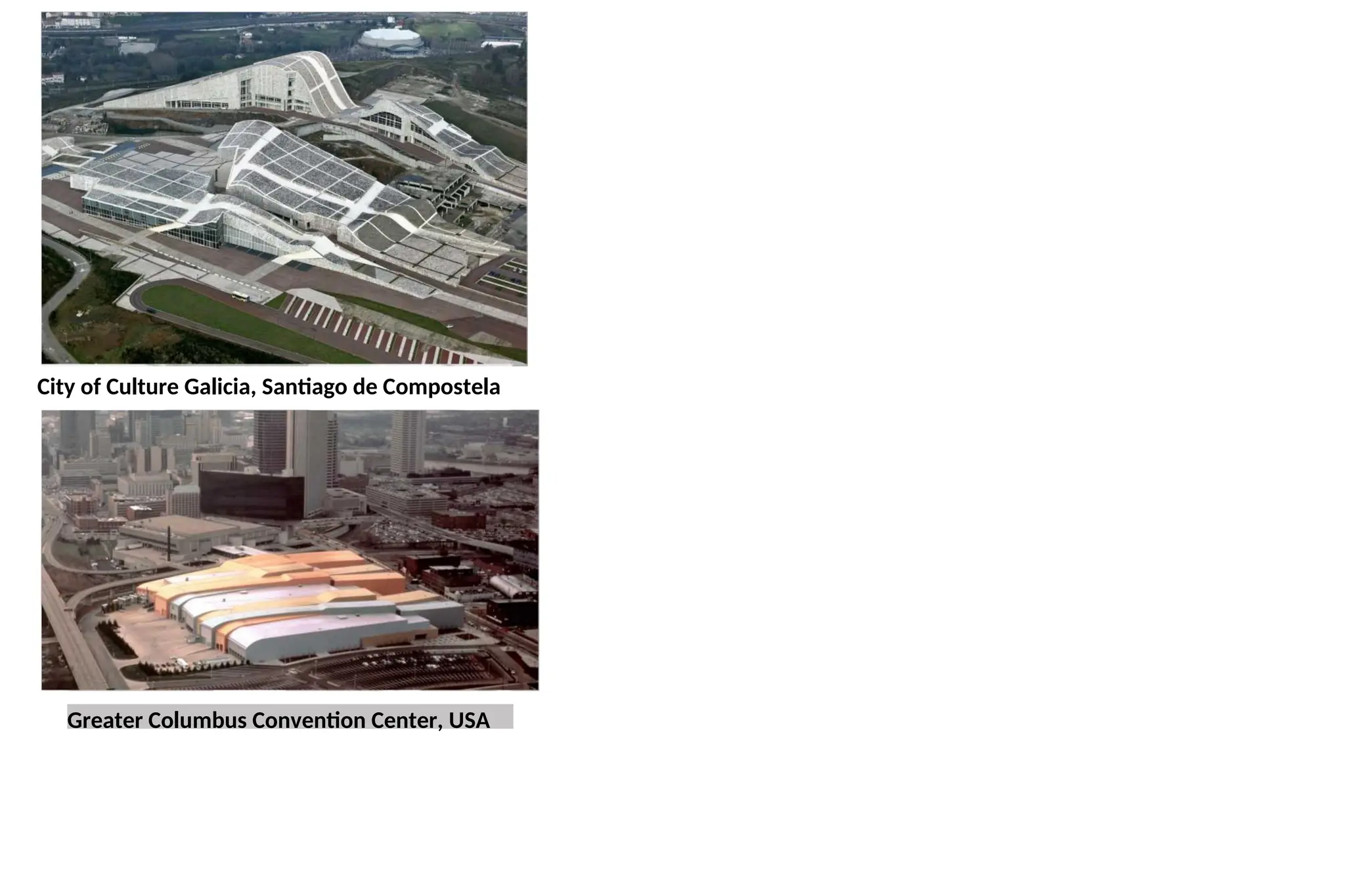
Greater Columbus Convention Center, USA
City of Culture Galicia, Santiago de Compostela
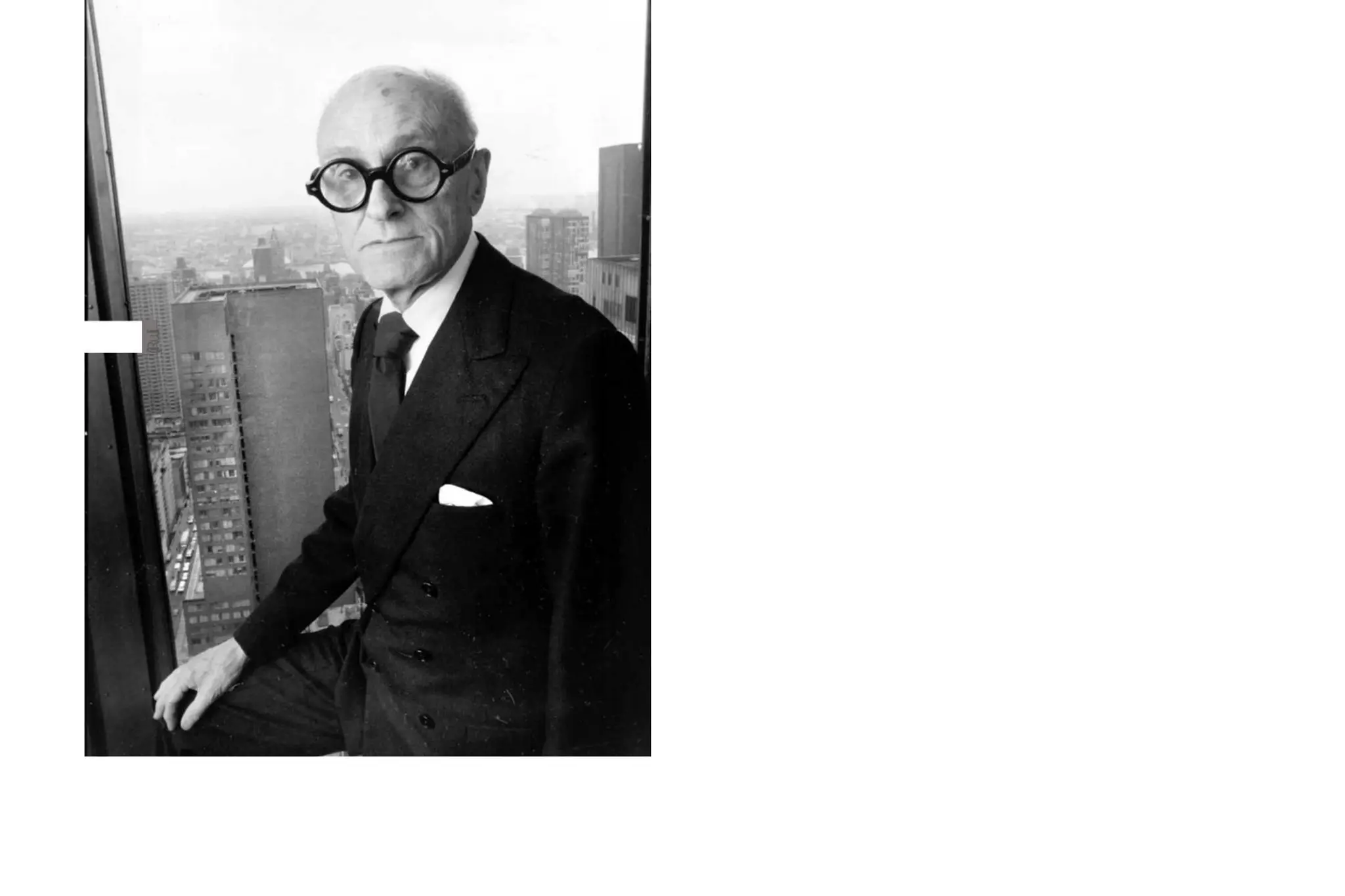
PHILIP JOHNSON
• Philip Johnson was born in Cleveland, Ohio in 1906
• During the 1930’s, Johnson used his personal wealth to
champion the cause of many modern architects most notably
Ludwig Mies Van Der Rohe
• He was the first receiver of a Pritzker Architecture Prize in 1979
• He altered his architectural principles from Modernist to Post-
Modernist to anti -Post Modernist at will. This had led to the
criticism that he shows more interest in style than in substance.
“Architecture is the art of howto waste space.”
CO
DC
o
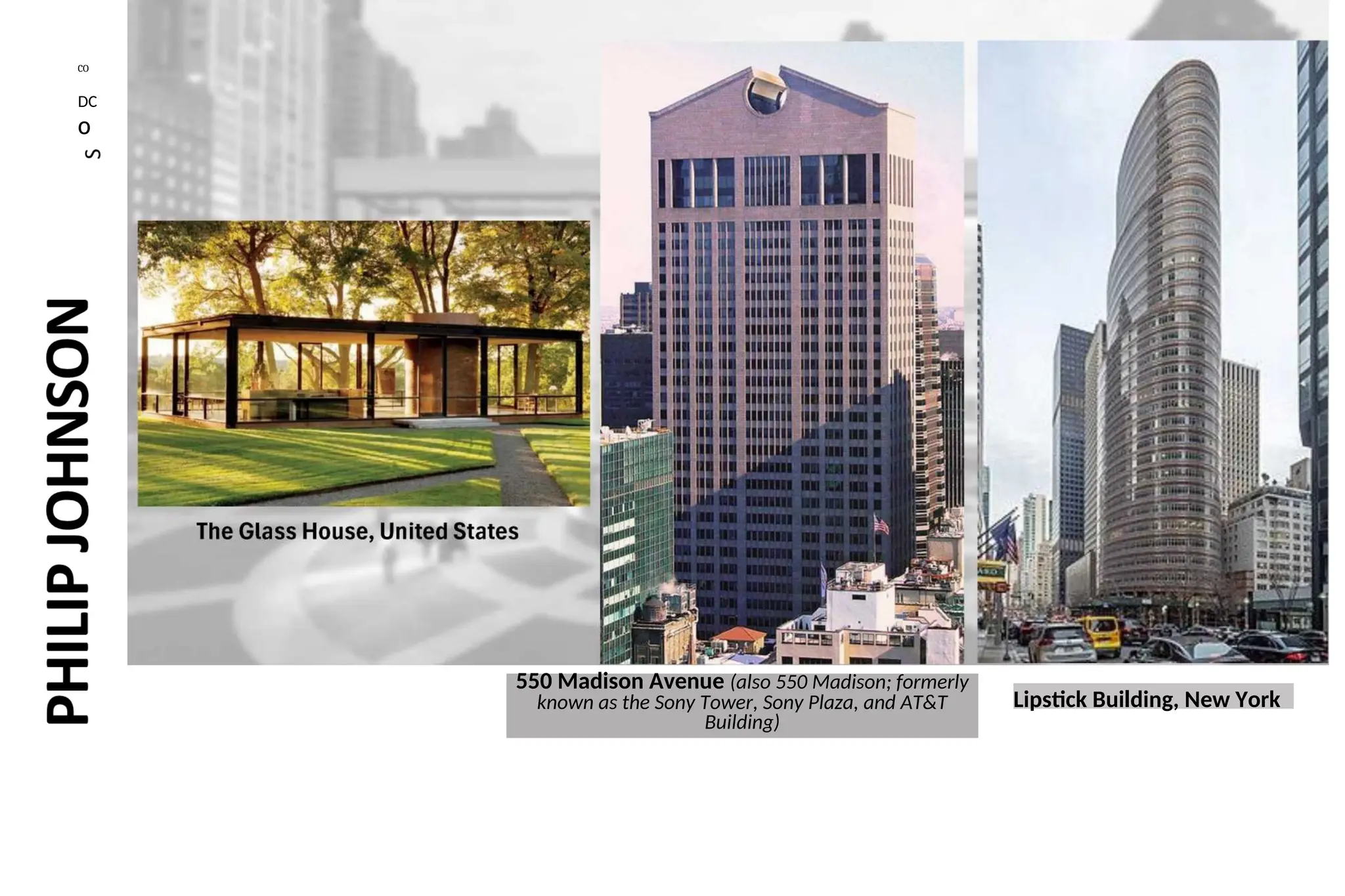
550 Madison Avenue (also 550 Madison; formerly
known as the Sony Tower, Sony Plaza, and AT&T
Building)
Lipstick Building, New York
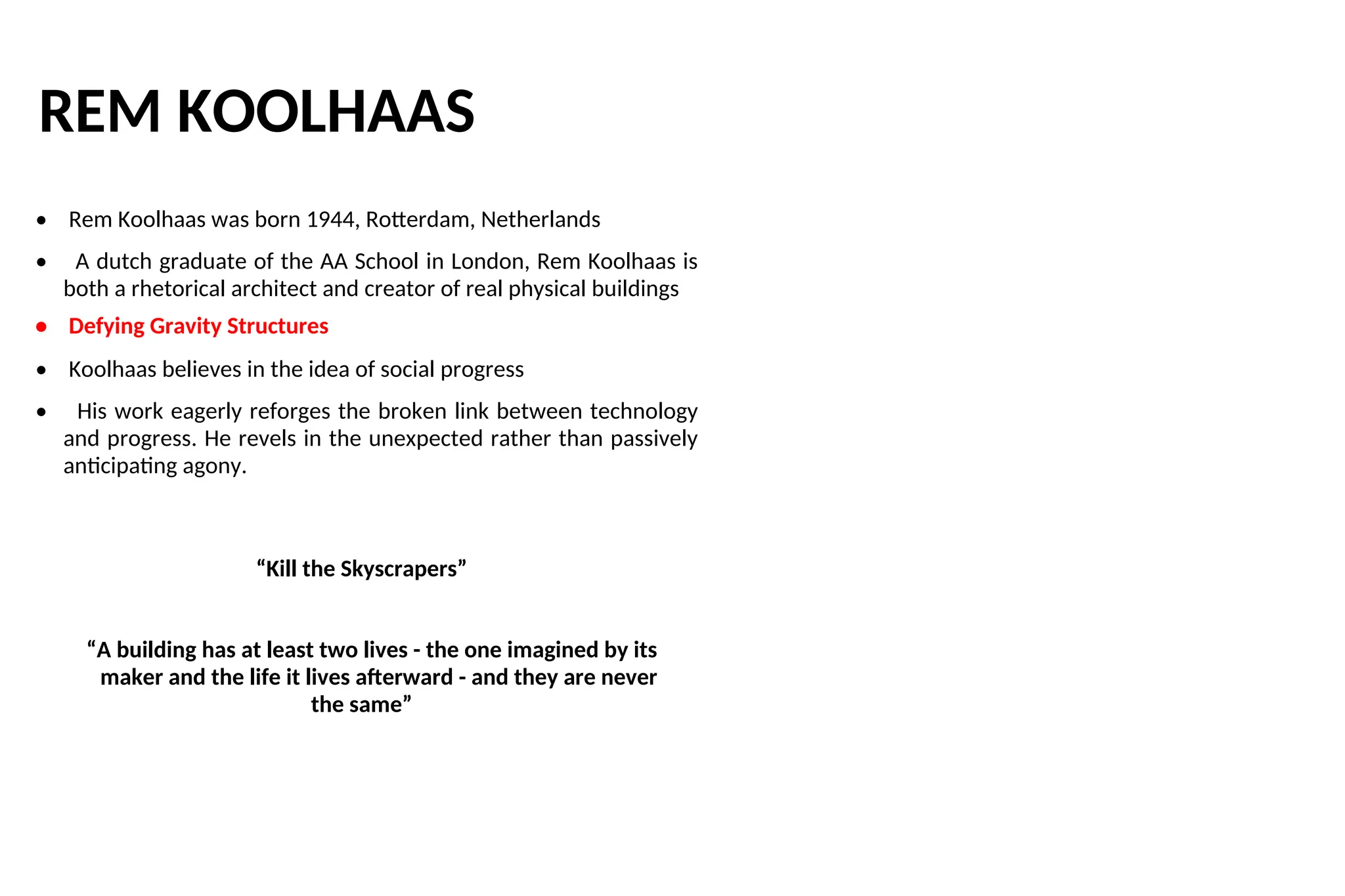
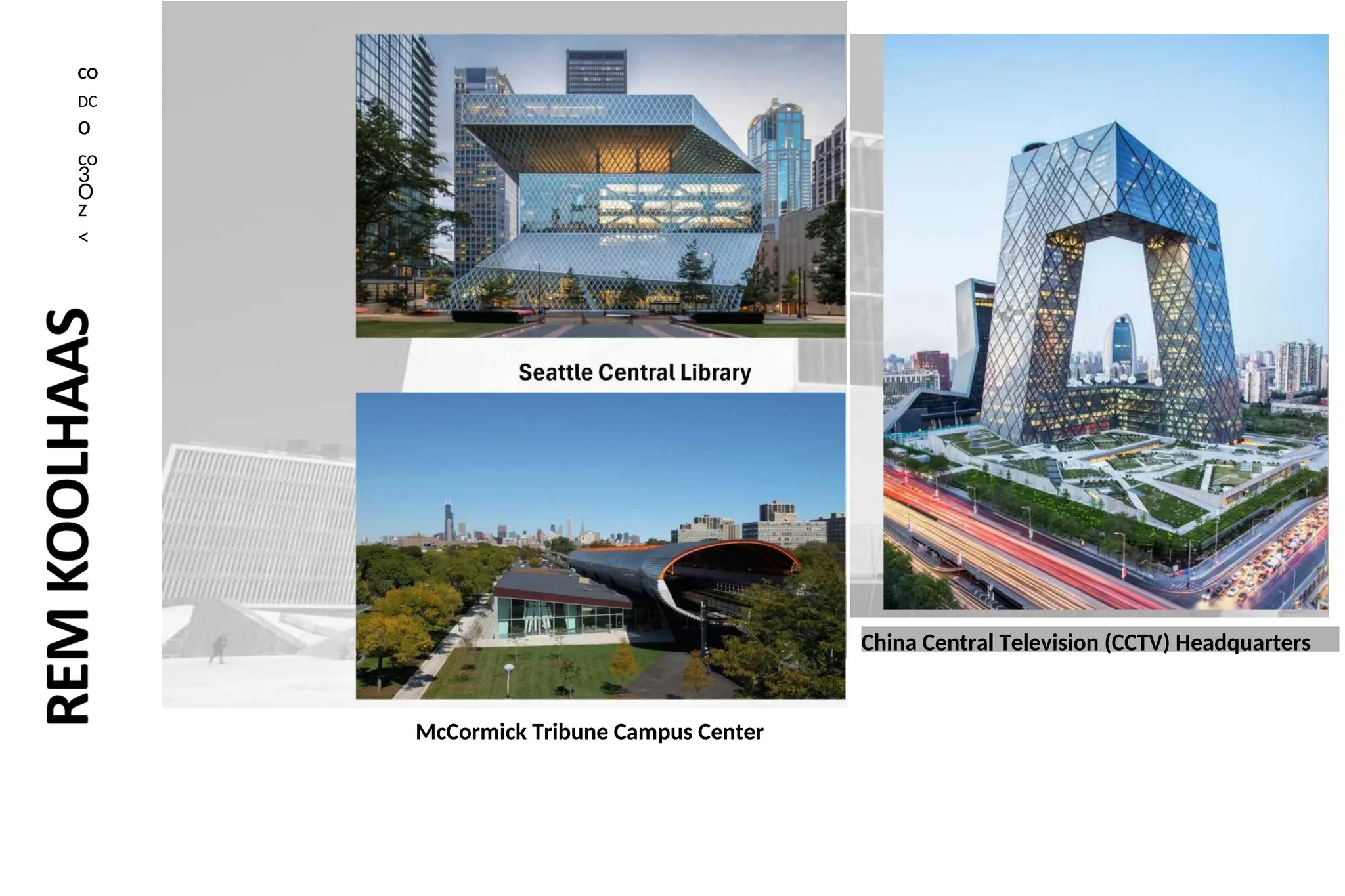
REM KOOLHAAS
• Rem Koolhaas was born 1944, Rotterdam, Netherlands
• A dutch graduate of the AA School in London, Rem Koolhaas is
both a rhetorical architect and creator of real physical buildings
• Defying Gravity Structures
• Koolhaas believes in the idea of social progress
• His work eagerly reforges the broken link between technology
and progress. He revels in the unexpected rather than passively
anticipating agony.
“Kill the Skyscrapers”
“A building has at least two lives - the one imagined by its
maker and the life it lives afterward - and they are never
the same”
CO
DC
o
co
3
O
z
<
China Central Television (CCTV) Headquarters
McCormick Tribune Campus Center
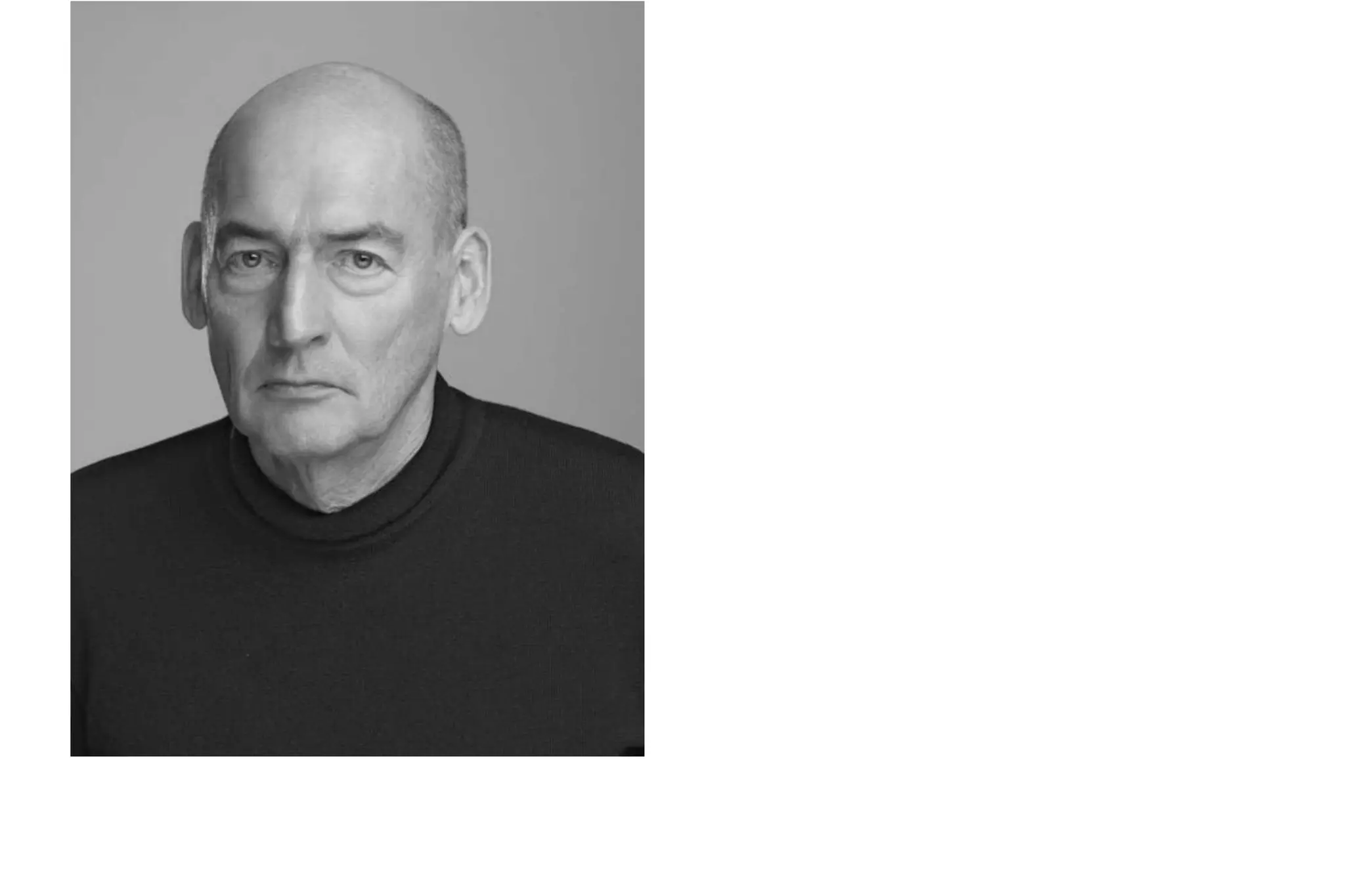
RENZO PIANO
• Renzo Piano was born in Genoa, Italy in 1937
• In 1970 Piano established a partnership with the English
Architect Richard Rogers
• Together Roger and Piano designed a number of buildings in
Italy and England
• Like most works designed by members of the “High Tech”
movement, Piano established technology as a starting point for
his designs.
• In his more recent works, Piano has applied his structural
experiments to a range of social and civic projects.
Architecture is art, but art vastly contaminated by many
other things. Contaminated in the best sense of the word
—fed, fertilized by many things
CO
DC
O
CO
3
O
z
<
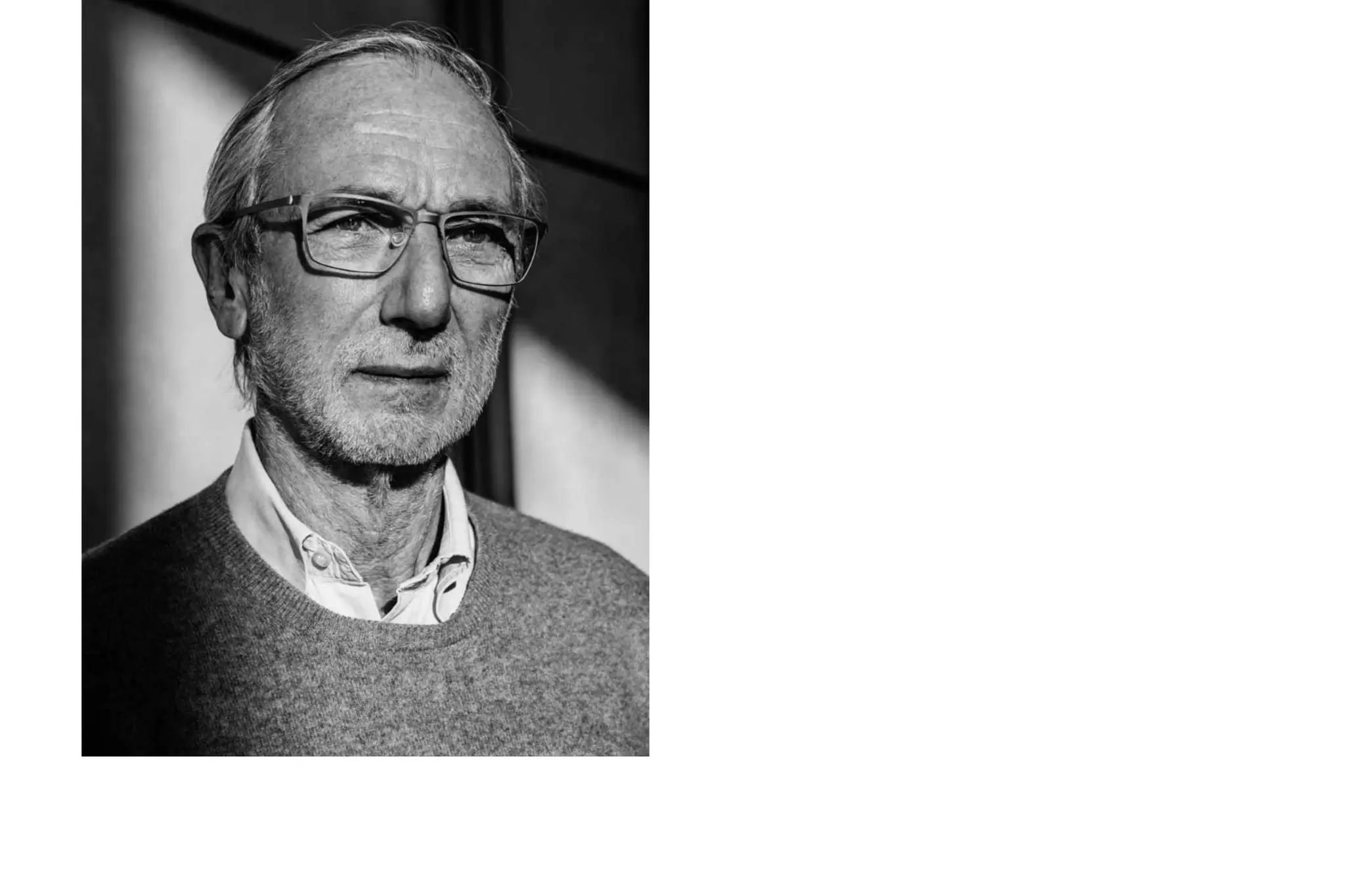
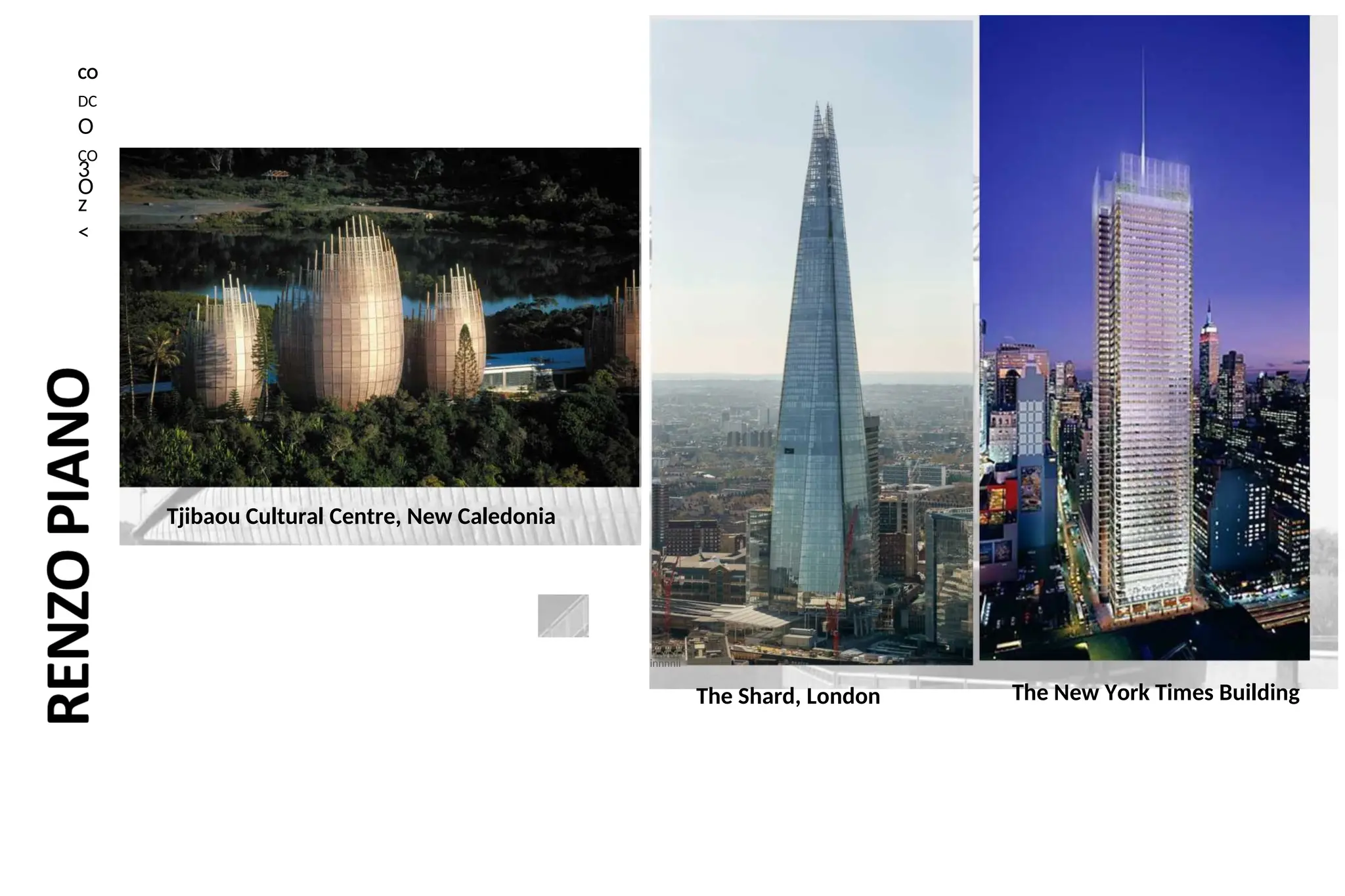
Tjibaou Cultural Centre, New Caledonia
innnnii
The Shard, London The New York Times Building
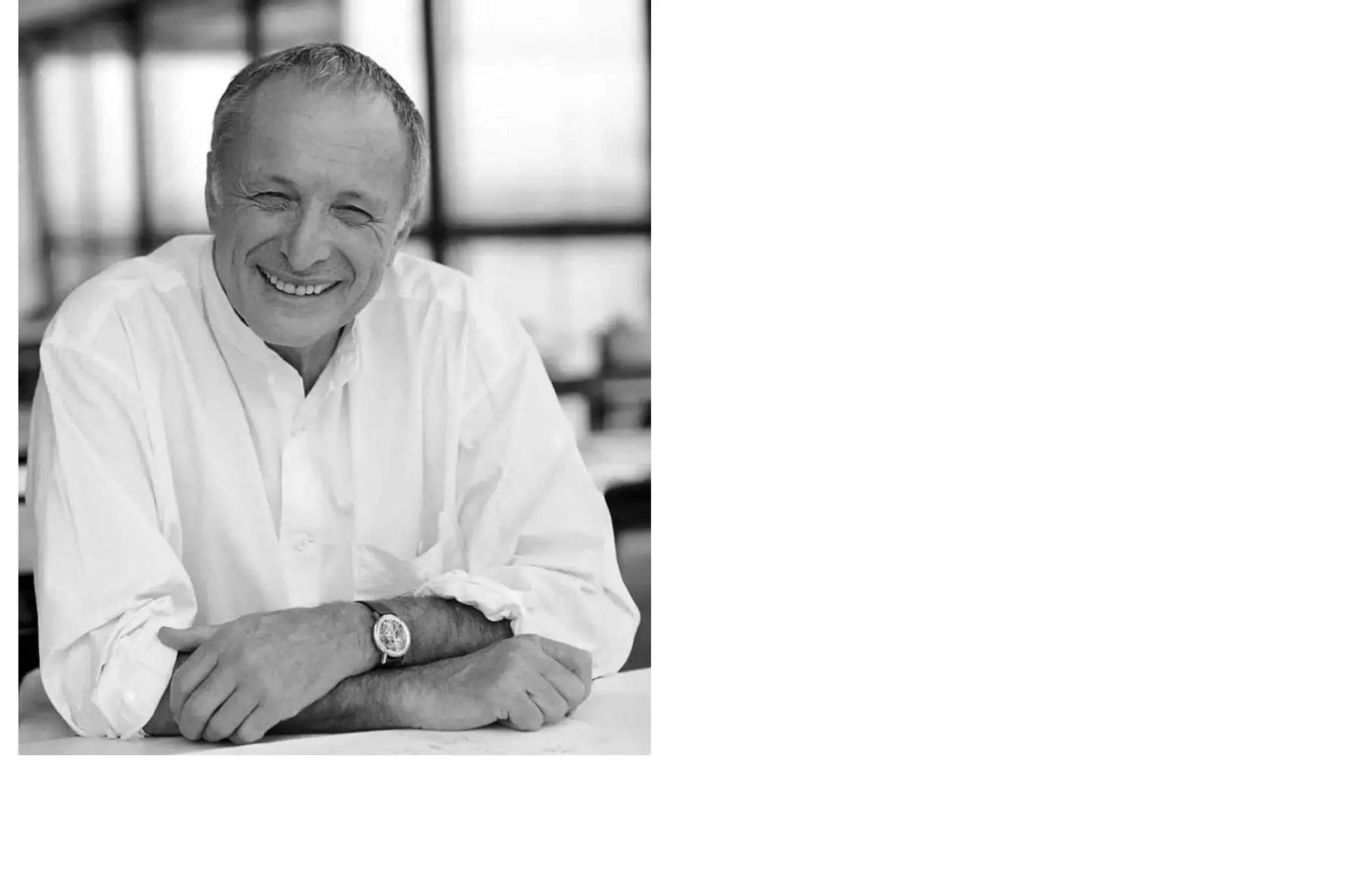
RICHARD ROGERS
Richard Rogers was born in Florence Italy in 1933
His works rejects classical past, while enthusiastically embracing
a technologocial future with its accompanying aesthetic.
Although he places emphasis on technology, he believes that it
cannot be an end in itself, but must attempt to solve existing
social and ecological problems
“Architecture a place for all people”
DC
O
i/
>!
o'
LU
o
O
O'
o
O'
<
u
o'
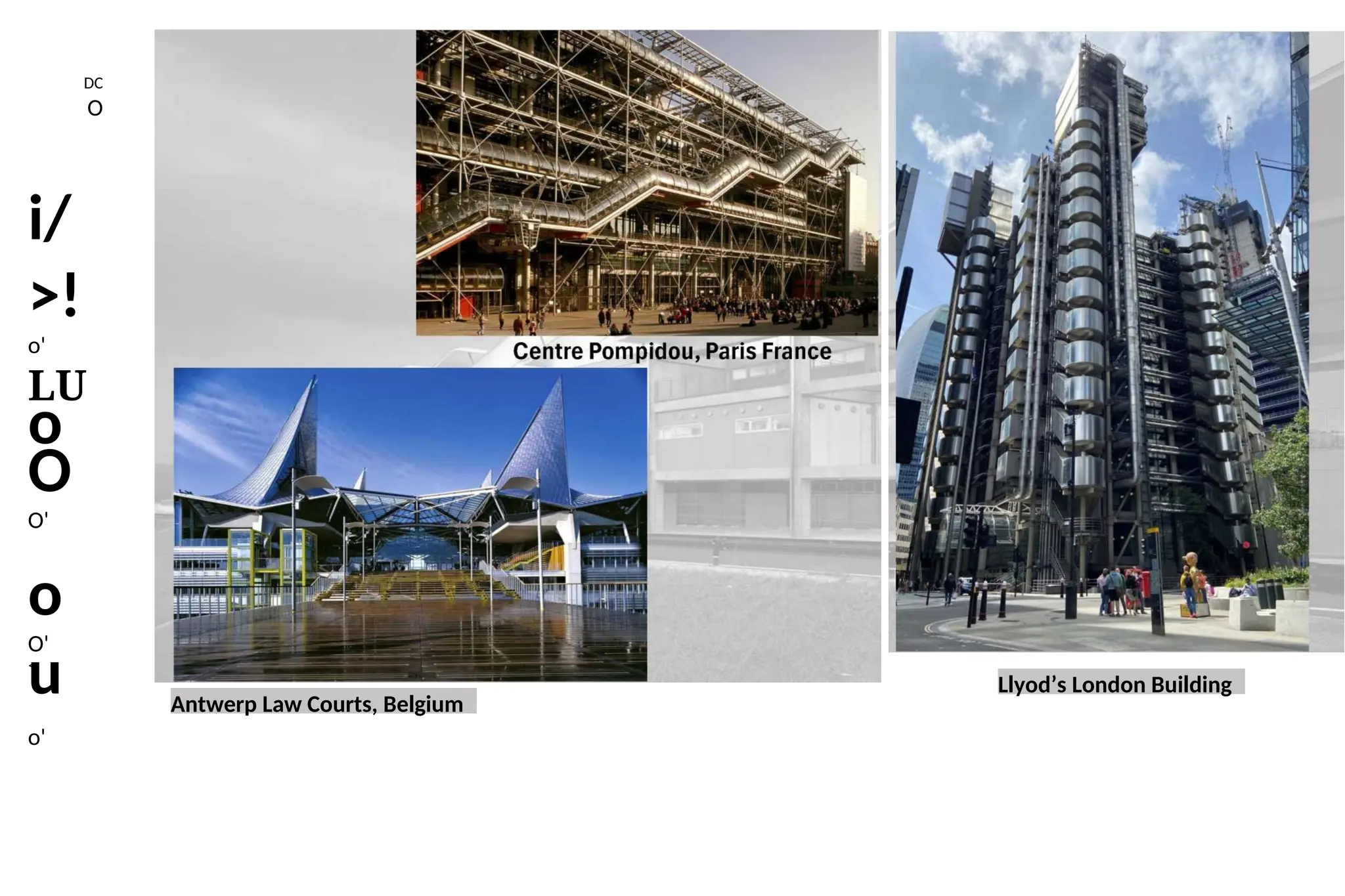
Antwerp Law Courts, Belgium
Llyod’s London Building
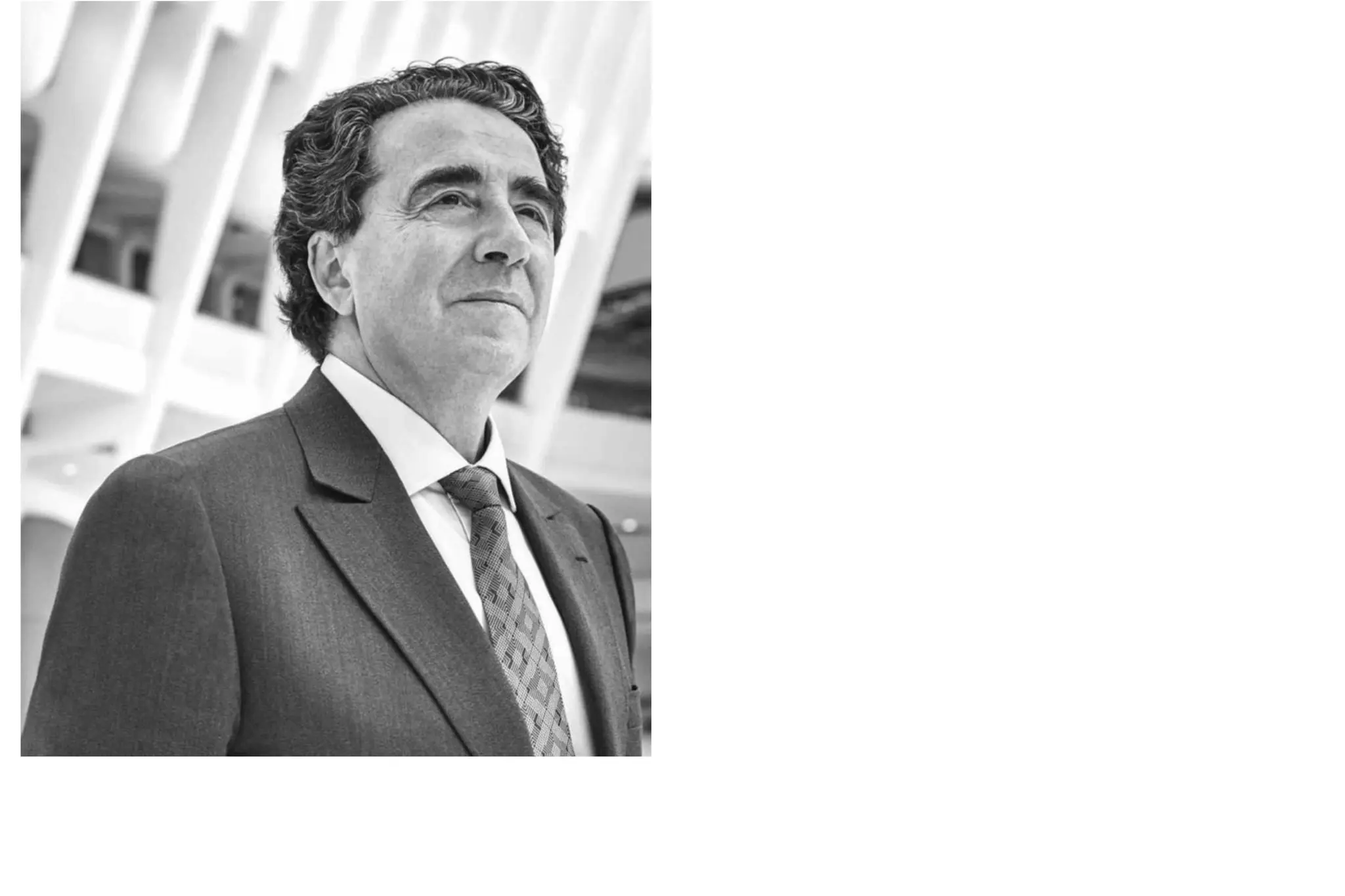
SANTIAGO CALATRAVA
Santiago Calatrava was born in 1951, Benimamet, Spain
Spanish architect widely known for his sculptural bridges and
buildings.
As both an architect and an engineer, he easily
In his architectural commissions, Calatrava used his knowledge of
engineering to create innovative, sculptural structures, often in
concrete and steel.
He stated that nature served as his guide, inspiring him to create
buildings that reflected natural shapes and rhythms
“I have tried to get close to the frontier between
architecture and sculpture and to understand
architecture as an art.”
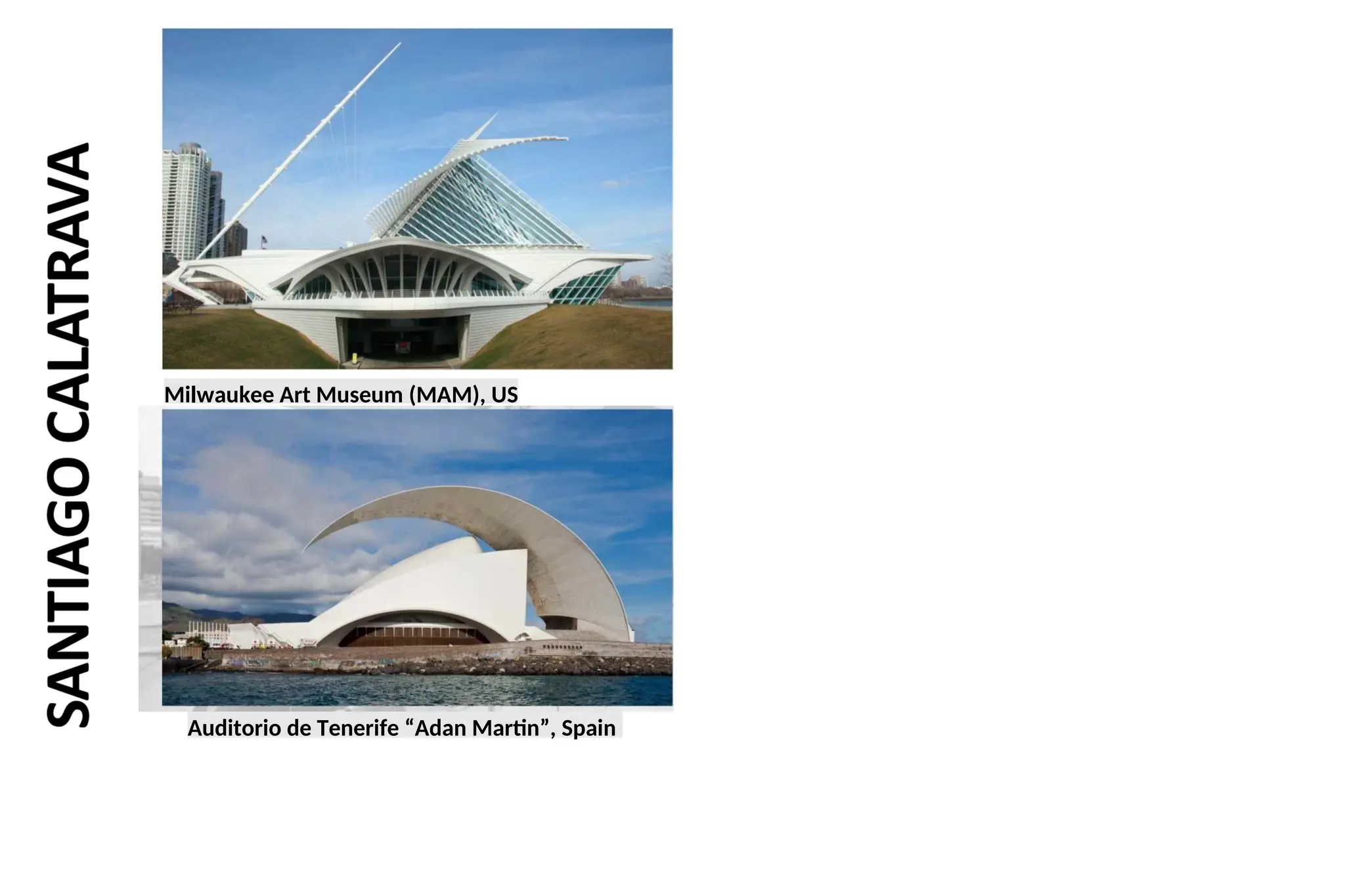
Milwaukee Art Museum (MAM), US
Auditorio de Tenerife “Adan Martin”, Spain
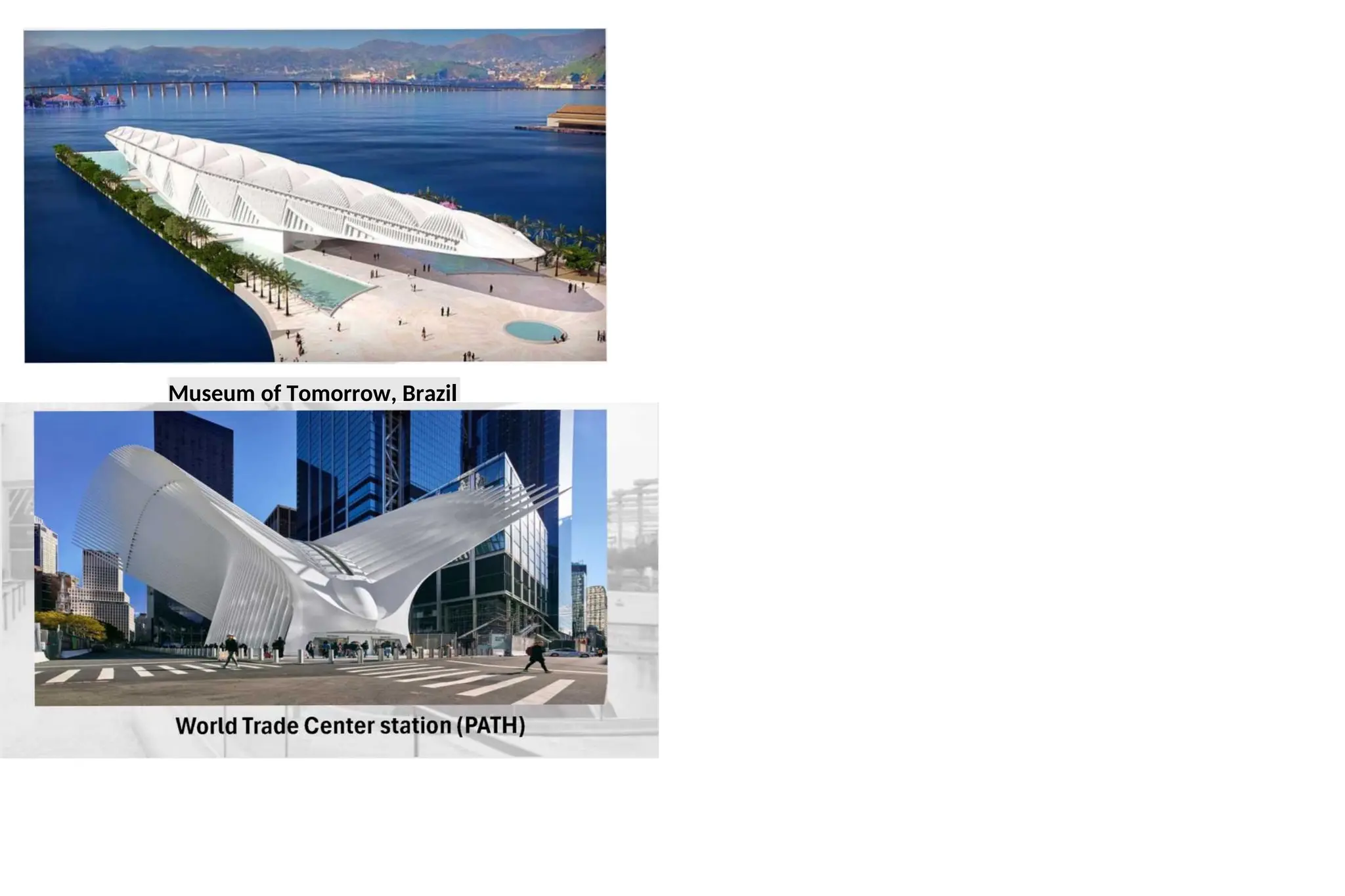
Museum of Tomorrow, Brazil
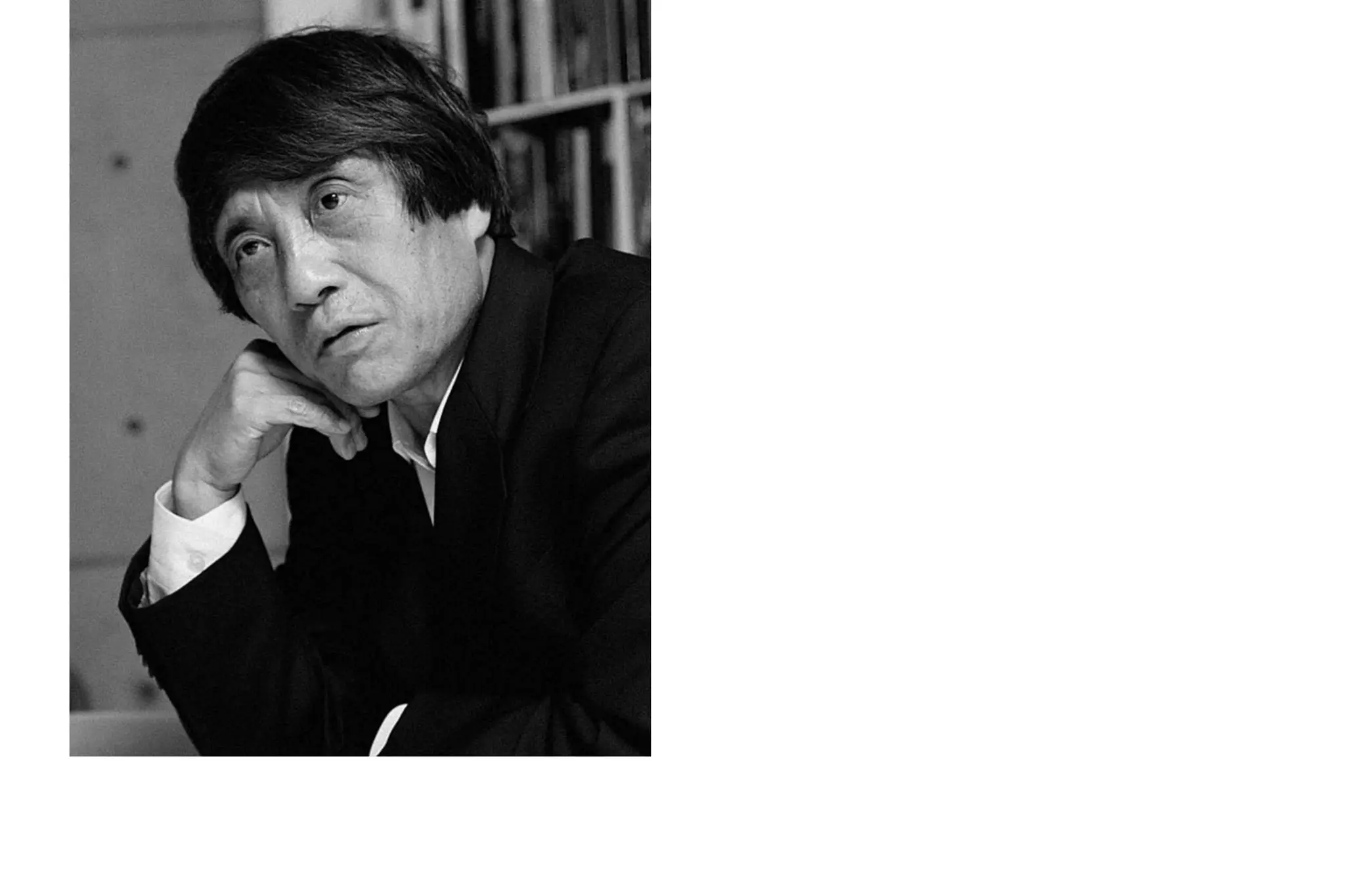
TAD AO ANDO
Tadao Ando was born 1941, Osaka, Japan
He is one of Japan’s leading contemporary architects. He is best
known for his minimalist concrete buildings.
Ando had various careers, including professional boxer, before
he became a self-taught architect and opened his own practice in
Osaka in 1969
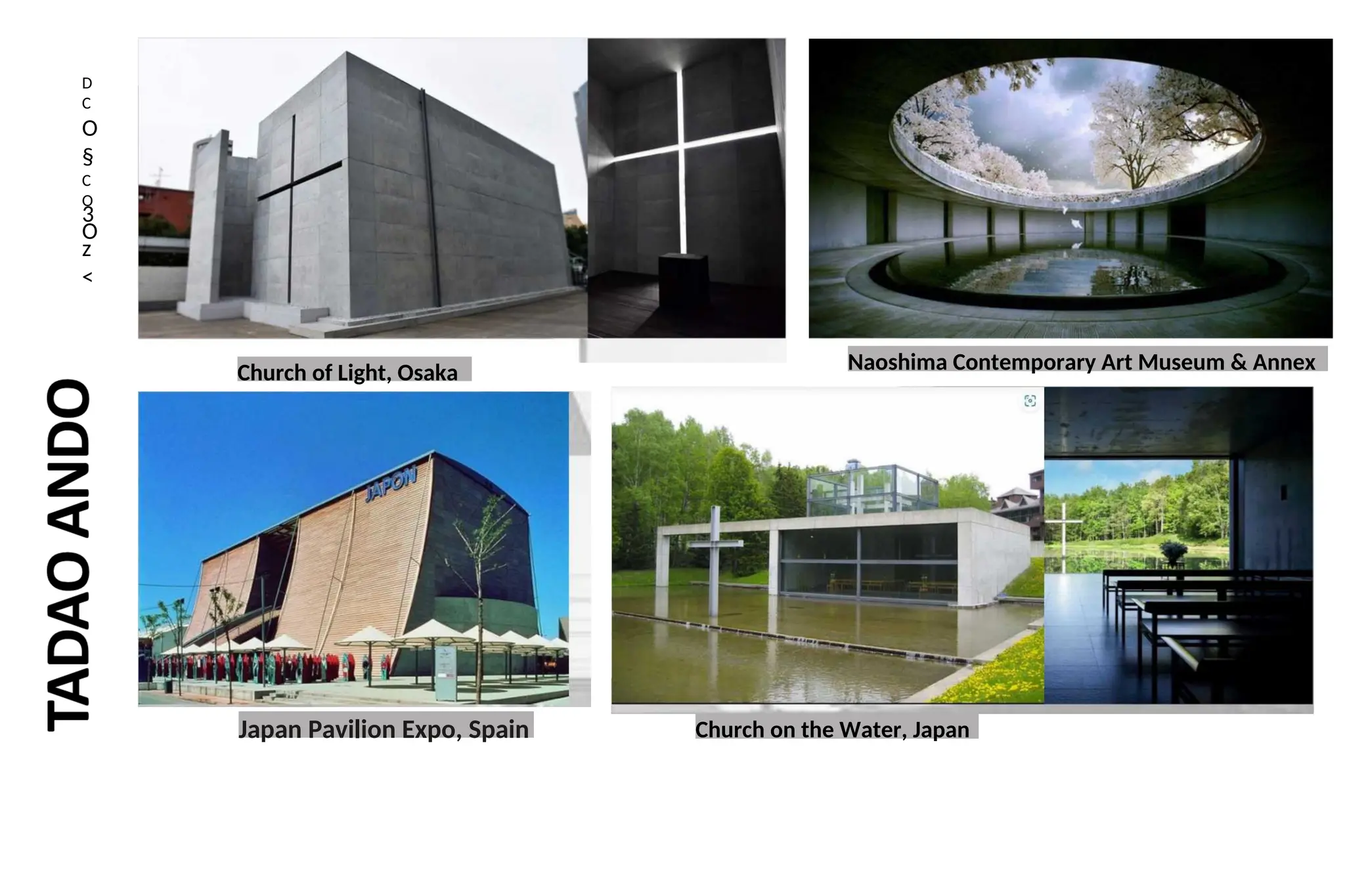
Ando’s structures were often in harmony with their natural
environments, taking advantage of natural light in a dramatically
expressive way
“The essence of Minimalism is simplicity, but simplicity
without depth is merely cheap. It is not enough”
D
C
O
§
C
O
3
O
z
<
Church of Light, Osaka Naoshima Contemporary Art Museum & Annex
Japan Pavilion Expo, Spain Church on the Water, Japan
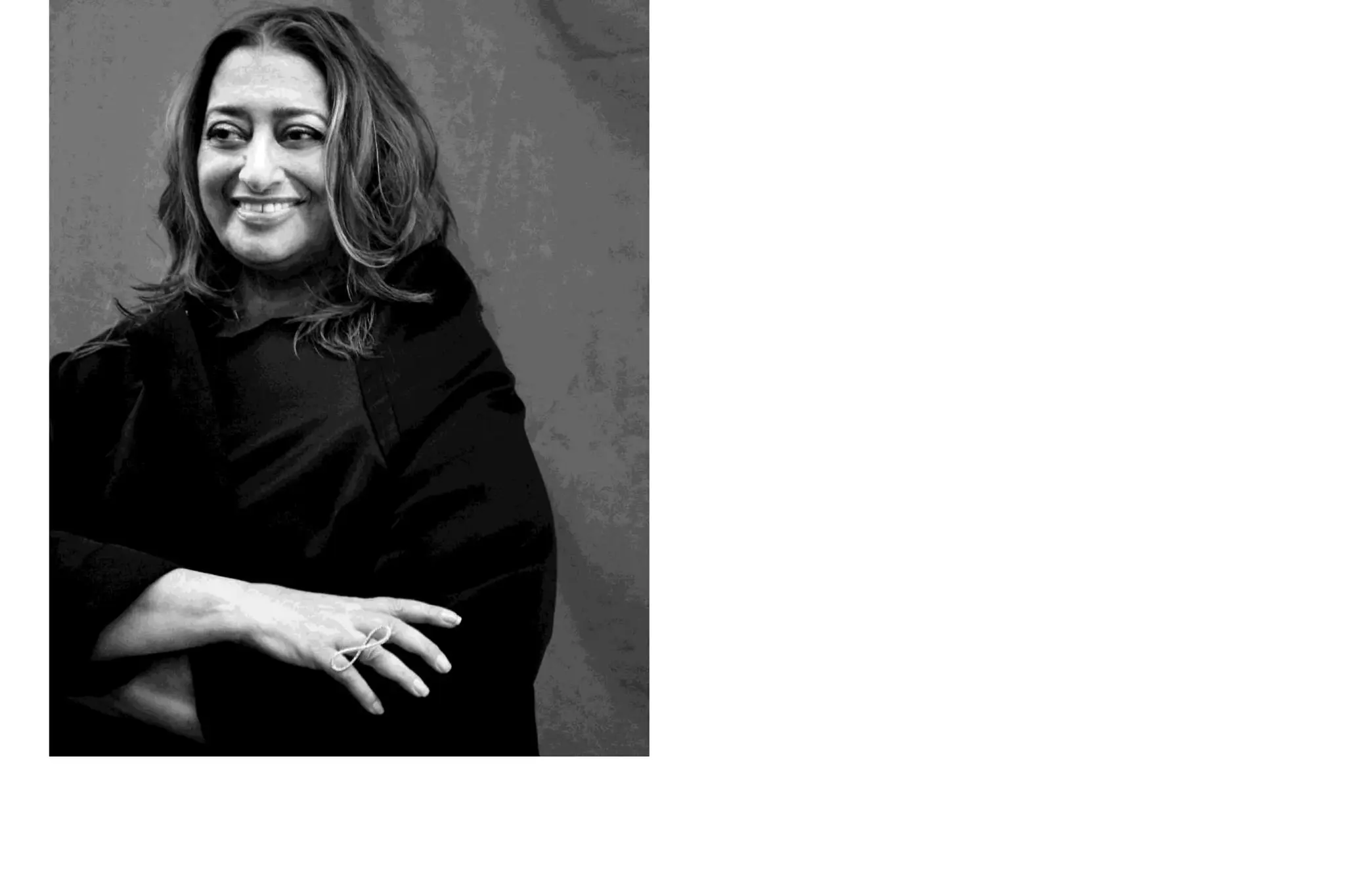
ZAHA HADID
Zaha Hadid (born October 31,1950, Baghdad, Iraq—died March
31, 2016, Miami, Florida, U.S.)
Iraqi-born British architect known for her radical deconstructivist
designs
“Queen of the Curve”
World’s greatest female Architect
First woman to receive Pritzker Architecture Prize 2004
UK’ most prestigious architectural Award
First woman to win RIBA Gold Medal
"There are 360 degrees, so why stick to one?"
CO
DC
CO
o
Q
<
N
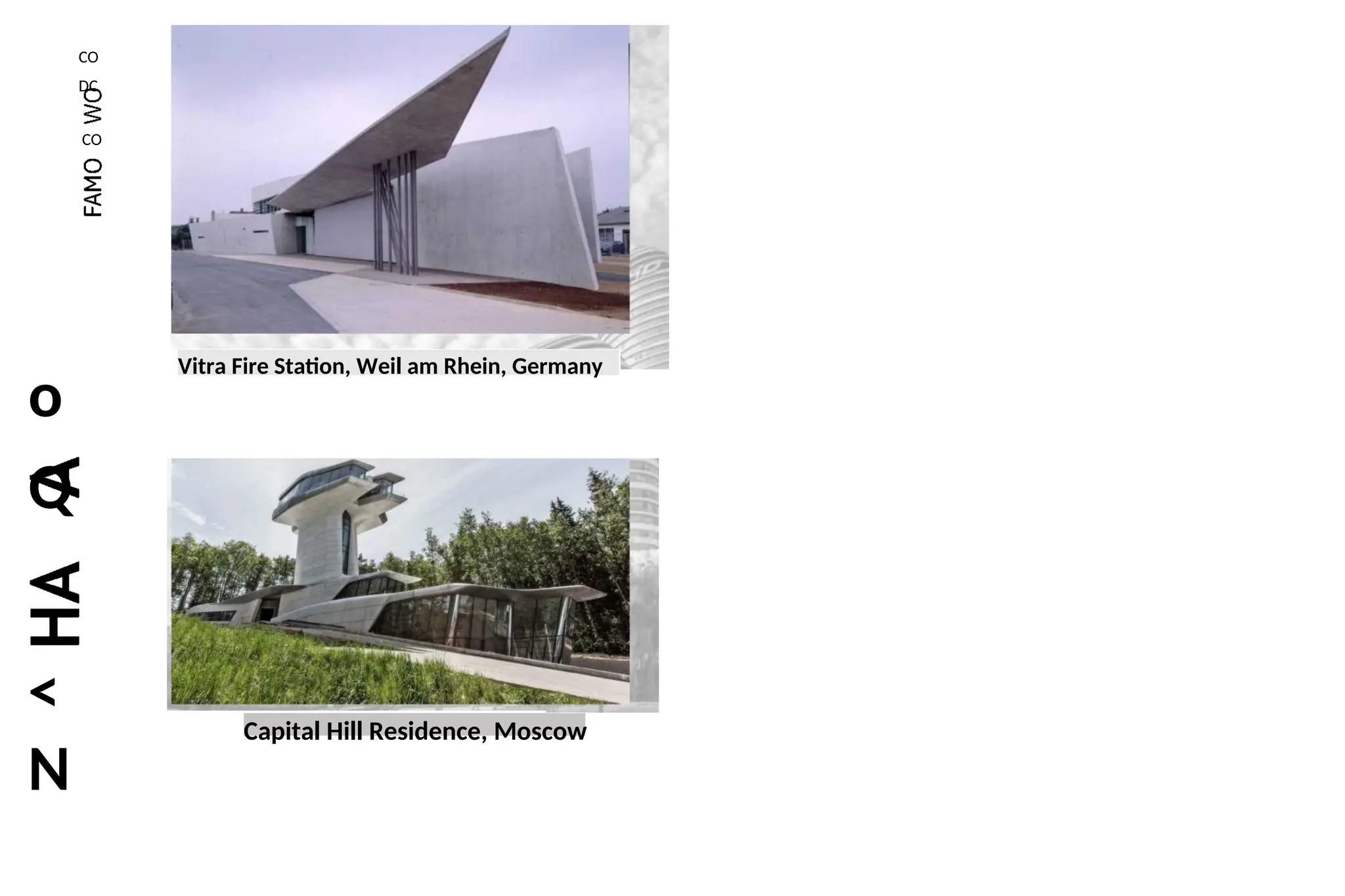
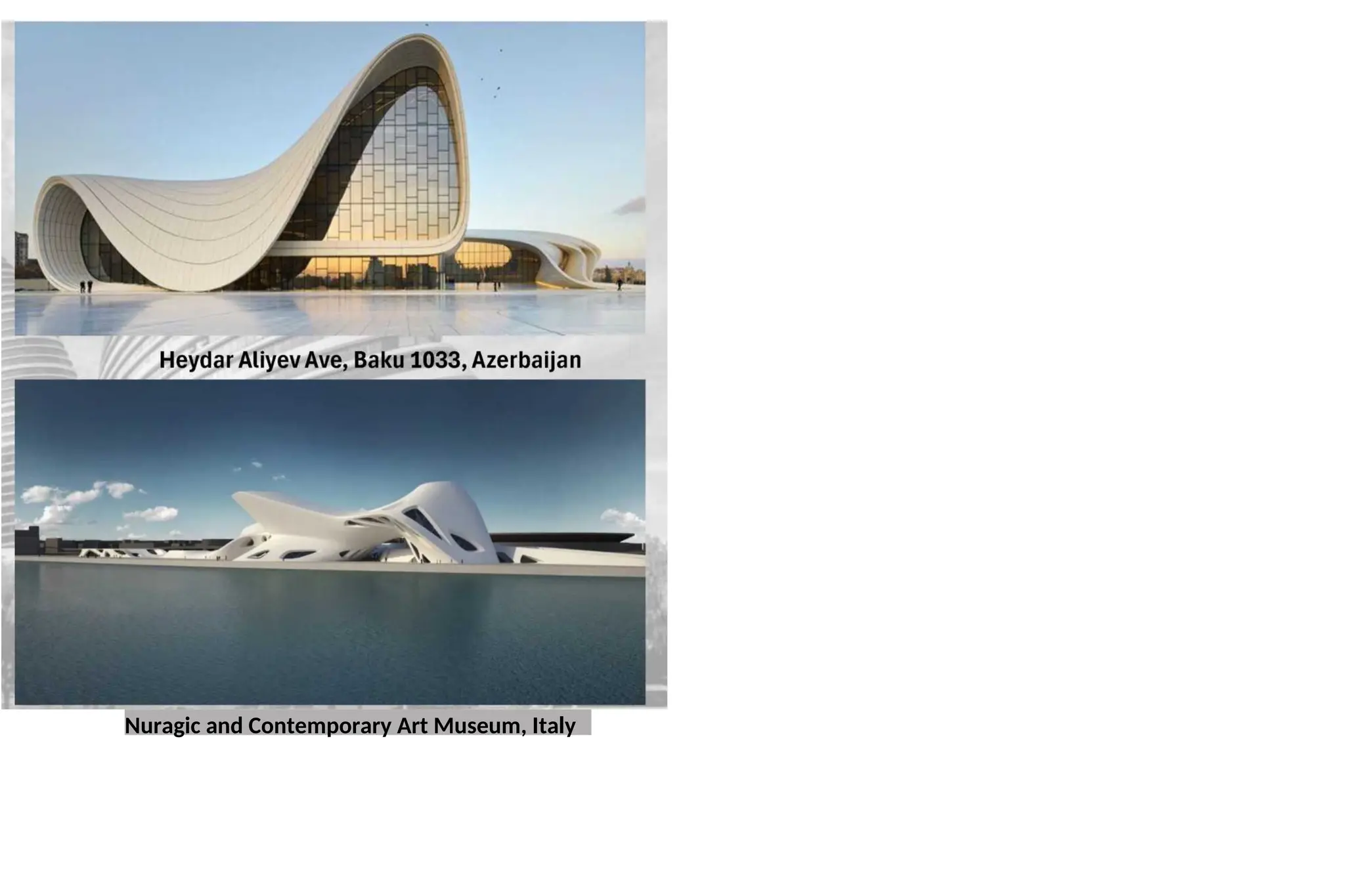
Vitra Fire Station, Weil am Rhein, Germany
Capital Hill Residence, Moscow
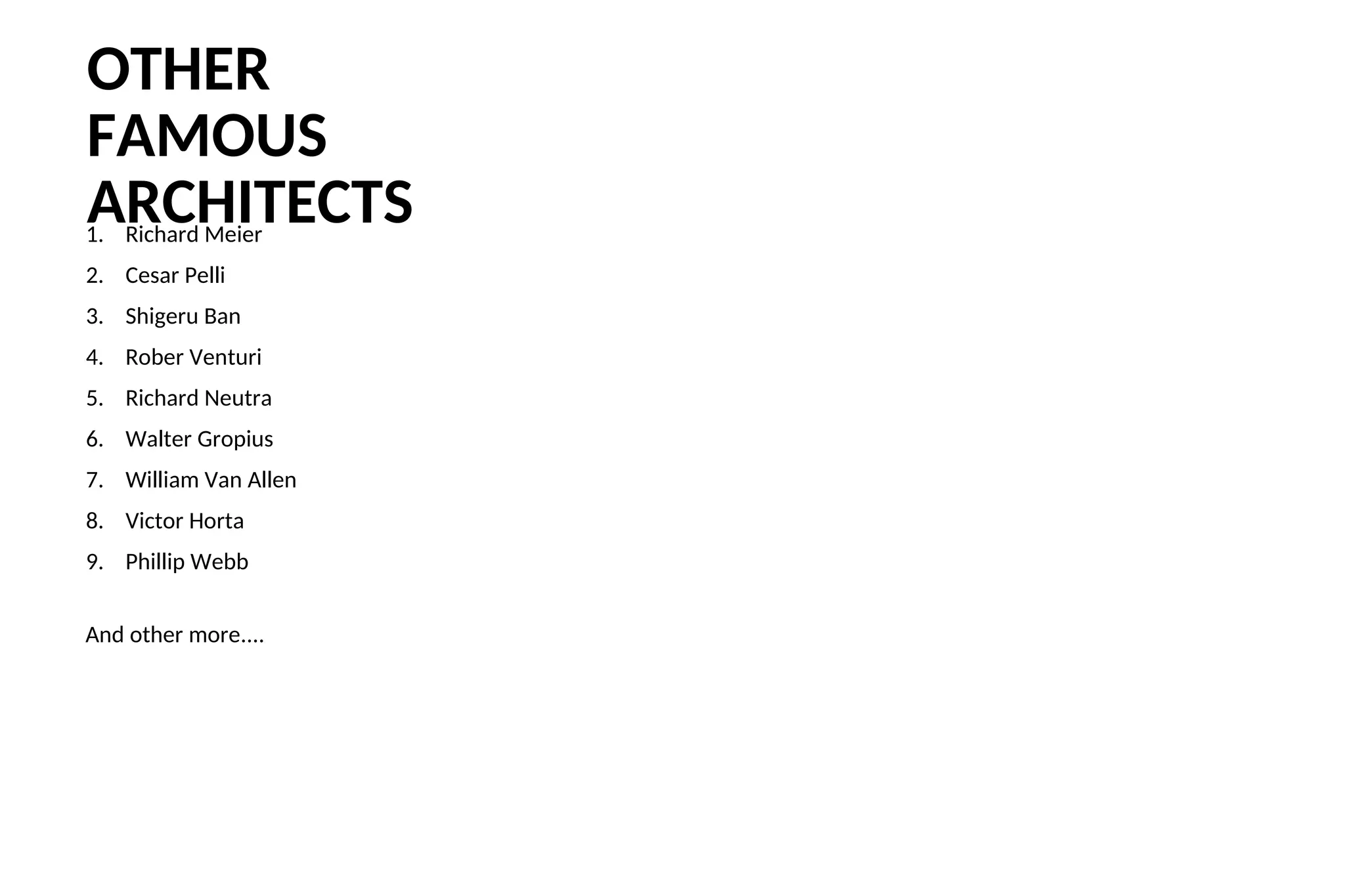
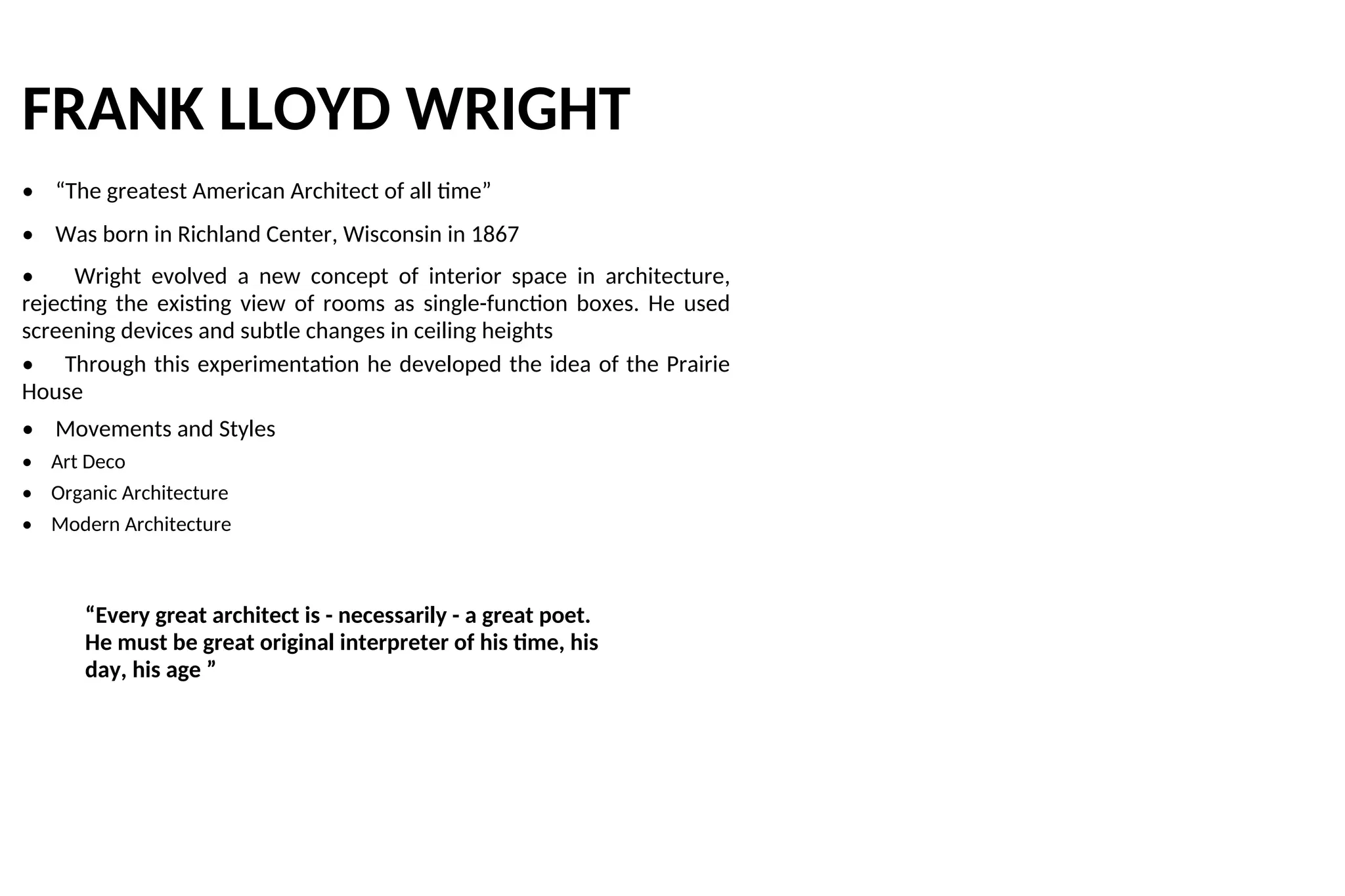
Nuragic and Contemporary Art Museum, Italy
OTHER
FAMOUS
ARCHITECTS
1. Richard Meier
2. Cesar Pelli
3. Shigeru Ban
4. Rober Venturi
5. Richard Neutra
6. Walter Gropius
7. William Van Allen
8. Victor Horta
9. Phillip Webb
And other more....
Architectural Masters: Visionaries & Legacy

Architectural Masters: Visionaries & Legacy

  • 1.
  • 3.
    ADOLF LOOS Aldolf Looswas born in Burnn, Czechoslovakia in 1870 He gained greater notoriety for his writing than for his buildings Loos recommended pure forms for economy and effectiveness. He believed that culture resulted from the renunciation of passions and that which brings man to the absence of ornamentation generates spiritual power. Loos attacked contemporary design as well as the imitative styling of the 19th century. “ORNAMENT EQUALS CRIME”
  • 5.
    ADOLF LOOS FAMOUS WORKS lEN B A N K LOOSHAUS The Steiner House in Vienna, Austria - Looshaus is one of the central buildings of Viennese Modernism
  • 6.
    ALVAR AALTO Alvar Aaltowas born in Kuortane, Finland in 1898, the son of a surveyor Although his early work borrowed from the neoclassical movement , he eventually adapted the symbolism and functionalism of the Modern Movement to generate his plans and forms. He generated a style of functionalism which avoided romantic excess and neoclassical monotony Aalto’s designs were particularly significant because of their response to site. Material and form. He died in Helsinki in May 1976 “BEAUTY IS THE HARMONY OF PURPOSE AND FORM”
  • 8.
    ALVAR AALTO FAMOUS WORKS HouseOf Culture - Finland, Helsinki
  • 9.
    Stephanuskirche translated to theEvangelical Lutheran Church
  • 10.
    ANTONIO GAUDI Antonio Gaudiwas born in Reus, Spain in 1852, son of a coppersmith Over the course of his career, Gaudi developed a sensuous curving, almost surreal design style which established him as the innovative leader of the Spanish Art Nouveau movement. With little regard for formal order, he juxtaposed unrelated systems and altered established visual order. Although characterized with the Art Nouveau, he created and entirely original style. Catalan Architect He died in Barcelona in 1926 “The straight line belongs to men, the curved one to God”. “There are no straight lines or sharp corners in nature. Therefore, buildings must have no straight lines or sharp corners”
  • 12.
    ANTONI GAUDI FAMOUS WORKS Mmuijun SAGRADAFAMILIA , Barcelona Spain It is the largest unfinished Catholic church in the world Casa Batllo, Barcelona Spain The local name for the building is Casa dels ossos (House of Bones), as it has a visceral, skeletal organic quality. Casa Milla, Barcelona Spain popularly known as La Pedrera
  • 13.
    BENJAMIN HENRY LATROBE Born theson of a Moravian minister in Leeds, Yorks England in 1764. He initially interest in engineering and he developed interest in architecture while travelling through Germany. The architectural style in which he specialized fit nicely with Thomas Jefferson’s philosophy of politically relevant architecture and made him quite popularwith the president. He was the first fully trained architect to work and teach in America He died in 1820, New Orleans Louisiana Four houses still stand that Latrobe designed: the Decatur House in Washington, D.C.; Adena in Chillicothe, Ohio; the Pope Villa in Lexington, Kentucky; and the Sedgeley Porter's house in Philadelphia
  • 15.
    BERNARD TSCHUMI From 1970- 1979 he taught at the Architectural Association in London 1976 in Institute for Architecture and Urban Studies in Princeton University, NY In 1975 He organized the exhibition “ A space, A Thousand Words” in New York After his move from London to New York, Tschumi produce the “Manhattan Transcripts” designs and collages in which he tackles new forms of “architectonic notations” including such ideas as “form follows function” “Architecture is not so much a knowledge of form, but a form of knowledge”.
  • 17.
    BERNARD TSCHUMI FAMOUSWORKS Binhai Science Museum, China Acropolis Museum, Greece
  • 18.
    CHARLES RENNIE MACKINTOSH Mackintosh wasborn in Glasgow, Scotland in 1868 With a design philosophy solidly rooted in Scootish Tradition, Mackintosh disregarded the architecture of Greece and Rome as unsuitable for the climate or needs Scotland. He believed that a revival of the Scottish Baronial Style, adapted to modern society would meet contemporary needs. His buildings clearly demonstrate this belief An outstanding architect, furniture designer, and painter who pioneered the Modern Movement in Scotland Died in London in 1928
  • 20.
    CHARLES RENNIE MACKINTOSH FAMOUSWORKS Scotland Street School Museum Hill House, Helensburgh
  • 21.
    DANIEL LIBESKIND • Wasborn in 1946, Poland • Famous for his complex ideas and emotions • One the famous Deconstructivism Architect • Libeskind’s international reputation as an architect was solidified when in 1989 he won the competition to build an addition to the Berlin Museum that would house the city museum’s collection of objects related to Jewish history. “To provide meaningful architecture is not to parody history but to articulate it.”
  • 23.
  • 24.
  • 25.
    EERO SAARINEN Eero Saarinenwas born in Kirkonummi Finland in 1910. He initially pursued sculpture as his art of choice. After a year in art school, he decided to become an Architect Much of his works shows a relation to sculpture He developed a remarkable range which depended on color, form and materials. He moved back and forth between the International Style and Expressionism, utilizing a vocabulary of curves and cantilevered forms He died in Ann Arbour, Michigan in 1961 “Function influence, but does not dictate form”.
  • 26.
  • 27.
    EERO SAARINEN FAMOUS WORKS TheTWA Flight Center, also known as the Trans World Flight Center
  • 28.
    The Gateway Arch 630-foot-tallmonument in St. Louis, Missouri, United States David S. Ingalls Rink a hockey rink in New Haven, Connecticut
  • 29.
    ELIEL SAARINEN Eliel Saarinenwas born in Rantasalmi, Finland 1873 His son Eero became his partner in 1937 His early monumentality owes much to the Vienna Secession movement. His designs expressed a Nordic refinement of the European Art Nouveau. His work depended on the integration of cultural symbolism with material and form. By 1902 his buildings began to exhibit the clean massing and heaviness of traditional Finnish Buildings because of simplicity of his designs he was linked to minimalism. “Always design a thing by considering it in its next larger context”.
  • 31.
    ELIEL SAARINEN FAMOUS WORKS ChristChurch Lutheran, Minneapolis
  • 32.
  • 33.
    EUGENE FREYSSINET Eugene Freyssinetwas born in Corneze France 1879 Freysinnet created innovative architecture using reinforced concrete as his main material More an engineer than an architect. He still managed to introduce several collaborative architectural works. Father of pre-stressed concrete
  • 35.
    FRANK GEHRY Frank Gehrywas born in Toronto, Ontario Canada in 1929 Over the years, Gehry has moved away from a conventional commercial practice to artistically directed atelier. His deconstructed architectural style began to emerge in the late 1970 Gehry was directed by a personal vision of architecture, created collage-like composition out of found materials. Architectural evolution from plywood and corrugated metal to distorted but pristine concrete. Most recently, Gehry has combined sensuous curving forms with complex deconstructive massing, achieving significant new results. “Architecture should speak of its time and place, but yearn for timelessness.”
  • 37.
    FRANK GEHRY FAMOUS WORKS WaltDisney Concert Hall, Los Angeles, California The Dancing House, or Ginger and Fred, Praque Czech Republic Guggenheim Bilbao Museum, Spain _ .
  • 38.
    FRANK LLOYD WRIGHT •“The greatest American Architect of all time” • Was born in Richland Center, Wisconsin in 1867 • Wright evolved a new concept of interior space in architecture, rejecting the existing view of rooms as single-function boxes. He used screening devices and subtle changes in ceiling heights • Through this experimentation he developed the idea of the Prairie House • Movements and Styles • Art Deco • Organic Architecture • Modern Architecture “Every great architect is - necessarily - a great poet. He must be great original interpreter of his time, his day, his age ”
  • 39.
  • 40.
    Robie House, Chicago,Illinois, United States, Solomon R. Guggenheim Museum, Manhattan New York
  • 41.
  • 42.
    FREI OTTO • Wasborn in Siegmar, Saxiny in 1925 • Otto exhibited a special gift for creating lightweight tent-like structures. • He pioneered a computer-based procedure for determining their shape and behavior. He also developed a convertible roof with a variable geometry • Since 1972, Otto has studied biological structures and researched grid shells. An atypical architect, Otto usually acts as a catalyst for and provides research support to other architects. “My hope is that light, flexible architecture might bring about a new and open society.”
  • 43.
    Olympic Stadium, MunichThe German Pavilion The Tuwaiq Palace Institute For Lightweight Structures
  • 44.
    FUMIHIKO MAKI • Wasborn in Tokyo in 1928 • With an obsessive interest in new technology and rational design , Maki uses modular systems in planning and standardized building components in construction. • His favorite materials are metal, glass and poured concrete. • Maki’s designs exhibit carefully manipulated shapes and textures that humanize their total effect. • He has been studying traditional Japanese Architecture which he has begun incorporating into his design work “I understand that, today, some developers are asking architects to design eye-catching, iconic buildings. Fortunately, I’ve not had that kind of client so far.”
  • 46.
    Shimizu Performing ArtsCentre, Shizuoka, Japan
  • 47.
    Shenzhen Sea WorldCulture and Arts Centre, China Floating Pavilion, Groningen, Netherlands
  • 48.
    HELMUT JAHN • Wasborn in Nuremberg in 1940 • He spent a year at the Illinois Institute Technology studying under Ludwig Mies Van de Rohe • In later works, Jahn rigid adherence to pure modernist doctrine lessened as he began to embrace an architectural philosophy which stressed the intuitive nature of creative rationalism. “Every building is a prototype, no two are alike.”
  • 50.
    CO DC O CO 3 O z < James R. ThompsonCenter, Chicago USA Post Tower, GermanyS The Messeturm, or Trade Fair Tower
  • 51.
    I.M. PEI • IeohMing Pei was born in Canton, China in 1917 • Pei worked as an instructor and then as an assistant professor at Harvard before he joined Webb & Kapp Inc. in New York in 1948 • 1960 he founded his own architectural firm office I.M. Pei &Partners, New York which became 1979 became Pei, Cobb Free & Partners • Pei generally designs sophisticated glass clad loosely related to the high-tech movement. • He frequently works on a large scale and is renowned for his sharp, geometric designs “Life is Architecture, and Architecture is the mirror of life.”
  • 53.
    Le Grand Louvre,Paris, France
  • 54.
    Rock and RollHall of Fame, Cleveland, Ohio Suzhou Museum, Suzhou, China
  • 55.
    JORN UTZON • Wasborn in Copenhagen in 1918 • Utzon has created a style marked by monumental civic buildings and unobstrusive housing projects. • He incorporates the balanced discipline of Asplund, the sculptural quality of Alvar Aalto and the organic structure of Frank Lloyd Wright in his designs • Utzon has always considers site conditions and program requirement before he designs each building. • He transcends architecture as art and develops his forms into poetic inventions that possess thoughtful programming, structural integrity and sculptural harmony. “I like to be on the edge of the possible.”
  • 57.
    Q C O CO O Z < O N Bagsv^rd Church, CopenhagenDenmark National Assembly of Kuwait
  • 58.
    KENZO TANGE • Wasborn in Osaka Japa in 1913 • Tange’s early design attempted to combine modernism with traditionaUapanese forms of architecture • Although his styles have transformed overtime, he has consistently generated designs based on a clear structural order • Influential as a teacher of modern architecture, Tange received the gold medals of the RIBA, the AIA and the French Academy of Architecture, He also received the Pritzker Architecture Prize “There is a powerful need for symbolism, and that means the architecture must have something that appeals to the human heart”
  • 60.
    CO DC O CO 3 O z < M LU '^naasiiy! St. Mary Cathedral,Tokyo Mode Gakuen Cocoon Tower, Tokyo
  • 61.
    LE CORBUSIER • Charles-EdourdJeanneret-Gris was born in La Chauz de Fonds, Switzerland in 1887 • Trained as an artist, he travelled extensively through Germany and the East. • He adopted the name Le Corbusier in the early 1920 • Le Corbusier’s early work was related to nature but as his ideas matured, he developed the Maison-Domino, a basic building prototype for mass production with free-standing pillars and rigid floors. • His ideas began to take physical form mainly as houses which he created as “ a machine for living in” and which incorporated his trademark five points of architecture • In 1947, he started his Unite d’habitation. “A house is a machine for living in”
  • 63.
  • 64.
    Saint-Pierre, Firminy Notre Damedu Haut, Ronchamp, France
  • 65.
    LOUIS H. SULLIVAN •Louis Sullivan was born in Boston Massachusetts in 1856. • The father of Skyscrapers • The first modernist Architecture • Sullivan’s designs generally involved a simple geometric form decorated with ornamentation based on organic symbolism. • Considered one of the most influential forces in Chicago School his philosophy that form should always follow function went beyond functional and structural expressions • Considered the “Dean of American Architects” • He died in Chicago, Illinois 1924 “Form follows Function”
  • 67.
    Wainwright Building, St.Louis, Missouri, USA
  • 68.
    Van Allen Building,Clinton, Iowa, USA Carson, Pirie, Scott and Company Building, Chicago, Illinois, USA Union Trust Building
  • 69.
    LOUIS I.KAHN • LouisKhan was born in Saarama Estonia in 1901 • Kahn worked with a series of partners but form 1948 until his death in 1974, Kahn worked alone. • From 1974 to 1957 he was Design Critic and Professor of Architecture at Yale University, after which he was Dean at the University of Pennsylvania. • His architecture is notable for its simple, platonic forms and compositions. • Through the use of brick and poured-in place concrete masonry he developed a contemporary and monumental architecture that maintained a sympathy for the site. • Considered one of the foremost architects of the late 20th century “Architecture is the reaching out for the truth” “Even a brick wants to be something”
  • 71.
    Kimbell Art Museum,Fort Worth, Texas
  • 72.
    National Assembly ofBangladesh Indian Institute of Management, Amedabad, India
  • 73.
    LUDWIG MIES VANDER ROHE • Ludwig Mies Van der Rohe was born in Aachen, Germany in 1886 • Under Peter Behren influence he developed a design approach based on advanced structural techniques and Prussian Classicism • He also developed a sympathy for the aesthetic credos of both Russian Constructivism and the Dutch De Stilj group • He borrowed from the post and lintel construction of Karl Friedrich Schinkel his designs in steel and glass • Mies attempted to create contemplative, neutral spaces through an architecture based on material honesty and structural integrity. • He achieved his vision of a monumental “skin and bone architecture” • He died in Chicago Illinois in 1969 “Less is more” “God is in the details”
  • 75.
    giilii «« :::::: •»« <«. sissi:! S ! ■■ ■■■> .... ................ li mi mi mi mi mi mi mi II mi nil mi mi mi.....in .............. "" ' '!!!!' ■ ...................... |SsBSsa§ H mm mi Hi'zCm !!!!!!! !!!!!!! !! •'!!!!!!!! The Seagram Building, New York
  • 76.
    S. R. CrownHall, Chicago USA Edith Farnsworth House, USA
  • 77.
    MICHAEL GRAVES Michael Graveswas born in Indianapolis, Indiana in 1934 He became a professor at Princeton University in 1972 A member of the “New York Five”, Graves re-interpreted the rational style that had been introduced by Le Corbusier in the 1920s into Neo-Classical Style. He generates an ironic, vision of Classicism in which his buildings have become classical in their mass and order. “My favorite project is always the next one”
  • 79.
    CO DC Denver Central Library,USA St. Coletta School
  • 80.
    Team Disney Building,Burbank, California The Walt Disney World Swan and Dolphin Resort, USA
  • 81.
    NORMAN FOSTER Norman Fosterwas born in Manchester, England in 1935 The Hero of High-tech The “High tech” vocabulary of Foster Associates show an uncompromising exploration of technological innovations and forms. Their design emphasize the repetition of industrialized modular units in which prefabricated off-site-manufactured elements are frequently employed He was awarded in RIBA Royal Gold Medal in 1938 and in 1990 the RIBA Trustees Medal. Gold Medal of the AIA in 1994 Pritzker Architecture Prize 1999 “As an architect, you design for the present, with an awareness of the past, for a future which is essentially unknown”
  • 83.
  • 84.
    30 St MaryAxe (The Gherkin) , London UK Hearst Tower, New York
  • 85.
    OSCAR NIEMEYER Oscar Niemeyerwas born in Rio de Janeiro Brazil in 1907 “The King of Curves” In 1942, Niemeyer created a series of recreational buildings which borrowed extensively from the expressive Brazilian Baroque Style of Architecture in 1956. He became the chief Architect for Brazil designing most of the City’s important buildings. He was awarded the Gold Medal of the AIA in 1970 “"I was attracted by the curve — the liberated, sensual curve suggested by the possibilities of new technology yet so often recalled in venerable old baroque churches."”
  • 87.
  • 88.
  • 89.
    PETER EISENMAN • PeterEisenman was born in Newark, New Jersey 1932 • He is one of the key proponent of Deconstructivism • Most attention has focused on his architectural ideas which attempt to create contextually disconnected architecture • He has always sought somewhat obscure parallels between his architectural works and philosophical or literary theory. • Eisenman latter works show a sympathy with the “anti- humanist” ideas of deconstructivism “The best architecture was incongruous and disharmonious”
  • 91.
    CO DC The Wexner Centerfor the Arts, Ohio State University State Farm Stadium (University of Phoenix Stadium), Arizona
  • 92.
    Greater Columbus ConventionCenter, USA City of Culture Galicia, Santiago de Compostela
  • 93.
    PHILIP JOHNSON • PhilipJohnson was born in Cleveland, Ohio in 1906 • During the 1930’s, Johnson used his personal wealth to champion the cause of many modern architects most notably Ludwig Mies Van Der Rohe • He was the first receiver of a Pritzker Architecture Prize in 1979 • He altered his architectural principles from Modernist to Post- Modernist to anti -Post Modernist at will. This had led to the criticism that he shows more interest in style than in substance. “Architecture is the art of howto waste space.”
  • 95.
    CO DC o 550 Madison Avenue(also 550 Madison; formerly known as the Sony Tower, Sony Plaza, and AT&T Building) Lipstick Building, New York
  • 96.
    REM KOOLHAAS • RemKoolhaas was born 1944, Rotterdam, Netherlands • A dutch graduate of the AA School in London, Rem Koolhaas is both a rhetorical architect and creator of real physical buildings • Defying Gravity Structures • Koolhaas believes in the idea of social progress • His work eagerly reforges the broken link between technology and progress. He revels in the unexpected rather than passively anticipating agony. “Kill the Skyscrapers” “A building has at least two lives - the one imagined by its maker and the life it lives afterward - and they are never the same”
  • 98.
    CO DC o co 3 O z < China Central Television(CCTV) Headquarters McCormick Tribune Campus Center
  • 99.
    RENZO PIANO • RenzoPiano was born in Genoa, Italy in 1937 • In 1970 Piano established a partnership with the English Architect Richard Rogers • Together Roger and Piano designed a number of buildings in Italy and England • Like most works designed by members of the “High Tech” movement, Piano established technology as a starting point for his designs. • In his more recent works, Piano has applied his structural experiments to a range of social and civic projects. Architecture is art, but art vastly contaminated by many other things. Contaminated in the best sense of the word —fed, fertilized by many things
  • 101.
    CO DC O CO 3 O z < Tjibaou Cultural Centre,New Caledonia innnnii The Shard, London The New York Times Building
  • 102.
    RICHARD ROGERS Richard Rogerswas born in Florence Italy in 1933 His works rejects classical past, while enthusiastically embracing a technologocial future with its accompanying aesthetic. Although he places emphasis on technology, he believes that it cannot be an end in itself, but must attempt to solve existing social and ecological problems “Architecture a place for all people”
  • 104.
  • 105.
    SANTIAGO CALATRAVA Santiago Calatravawas born in 1951, Benimamet, Spain Spanish architect widely known for his sculptural bridges and buildings. As both an architect and an engineer, he easily In his architectural commissions, Calatrava used his knowledge of engineering to create innovative, sculptural structures, often in concrete and steel. He stated that nature served as his guide, inspiring him to create buildings that reflected natural shapes and rhythms “I have tried to get close to the frontier between architecture and sculpture and to understand architecture as an art.”
  • 107.
    Milwaukee Art Museum(MAM), US Auditorio de Tenerife “Adan Martin”, Spain
  • 108.
  • 109.
    TAD AO ANDO TadaoAndo was born 1941, Osaka, Japan He is one of Japan’s leading contemporary architects. He is best known for his minimalist concrete buildings. Ando had various careers, including professional boxer, before he became a self-taught architect and opened his own practice in Osaka in 1969 Ando’s structures were often in harmony with their natural environments, taking advantage of natural light in a dramatically expressive way “The essence of Minimalism is simplicity, but simplicity without depth is merely cheap. It is not enough”
  • 111.
    D C O § C O 3 O z < Church of Light,Osaka Naoshima Contemporary Art Museum & Annex Japan Pavilion Expo, Spain Church on the Water, Japan
  • 112.
    ZAHA HADID Zaha Hadid(born October 31,1950, Baghdad, Iraq—died March 31, 2016, Miami, Florida, U.S.) Iraqi-born British architect known for her radical deconstructivist designs “Queen of the Curve” World’s greatest female Architect First woman to receive Pritzker Architecture Prize 2004 UK’ most prestigious architectural Award First woman to win RIBA Gold Medal "There are 360 degrees, so why stick to one?"
  • 114.
    CO DC CO o Q < N Vitra Fire Station,Weil am Rhein, Germany Capital Hill Residence, Moscow
  • 115.
    Nuragic and ContemporaryArt Museum, Italy
  • 116.
    OTHER FAMOUS ARCHITECTS 1. Richard Meier 2.Cesar Pelli 3. Shigeru Ban 4. Rober Venturi 5. Richard Neutra 6. Walter Gropius 7. William Van Allen 8. Victor Horta 9. Phillip Webb And other more....