ATTITUDES
What is it???
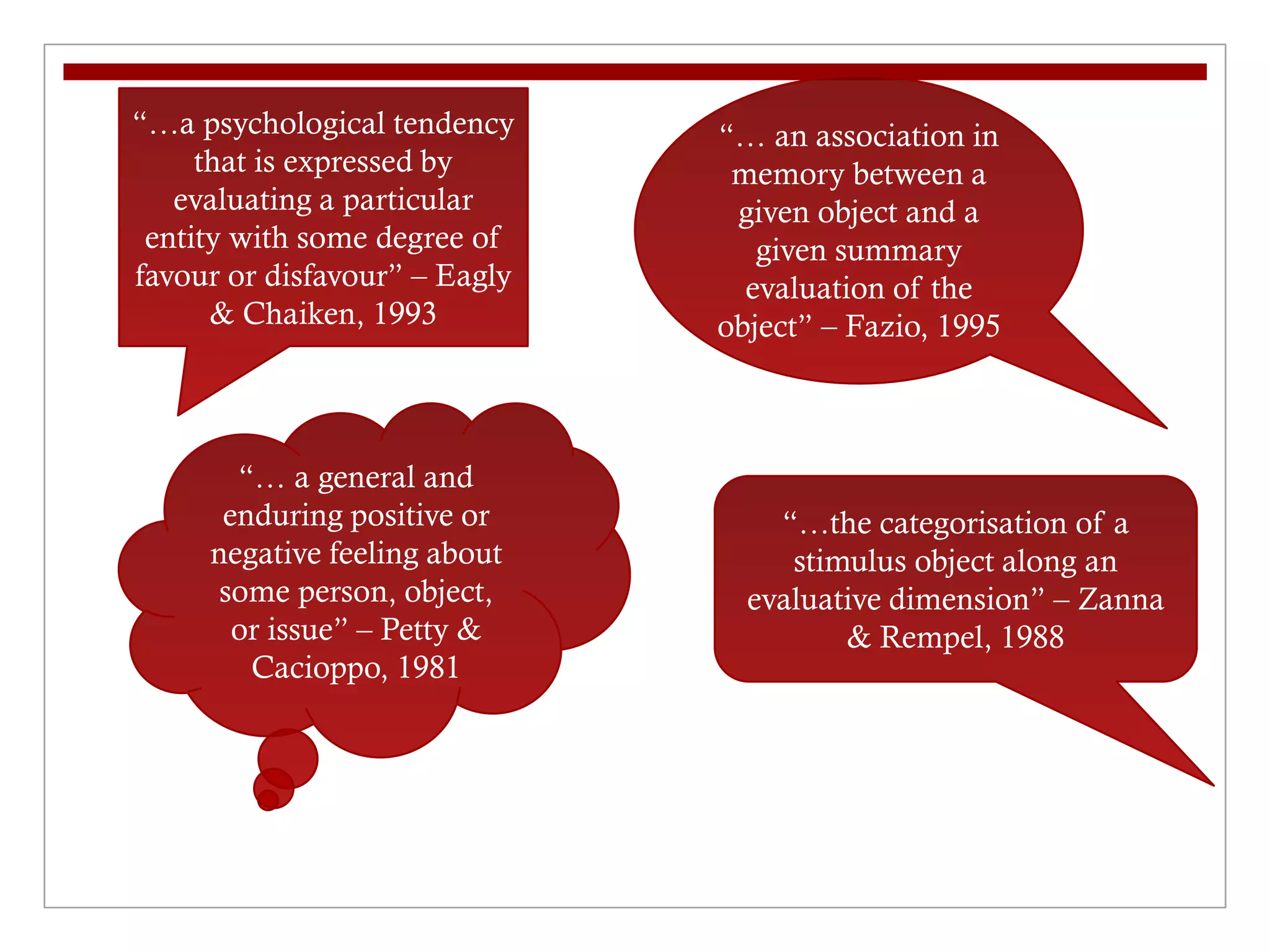
“…a psychological tendency
that is expressed by
evaluating a particular
entity with some degree of
favour or disfavour” – Eagly
& Chaiken, 1993
“… an association in
memory between a
given object and a
given summary
evaluation of the
object” – Fazio, 1995
“… a general and
enduring positive or
negative feeling about
some person, object,
or issue” – Petty &
Cacioppo, 1981
“…the categorisation of a
stimulus object along an
evaluative dimension” – Zanna
& Rempel, 1988
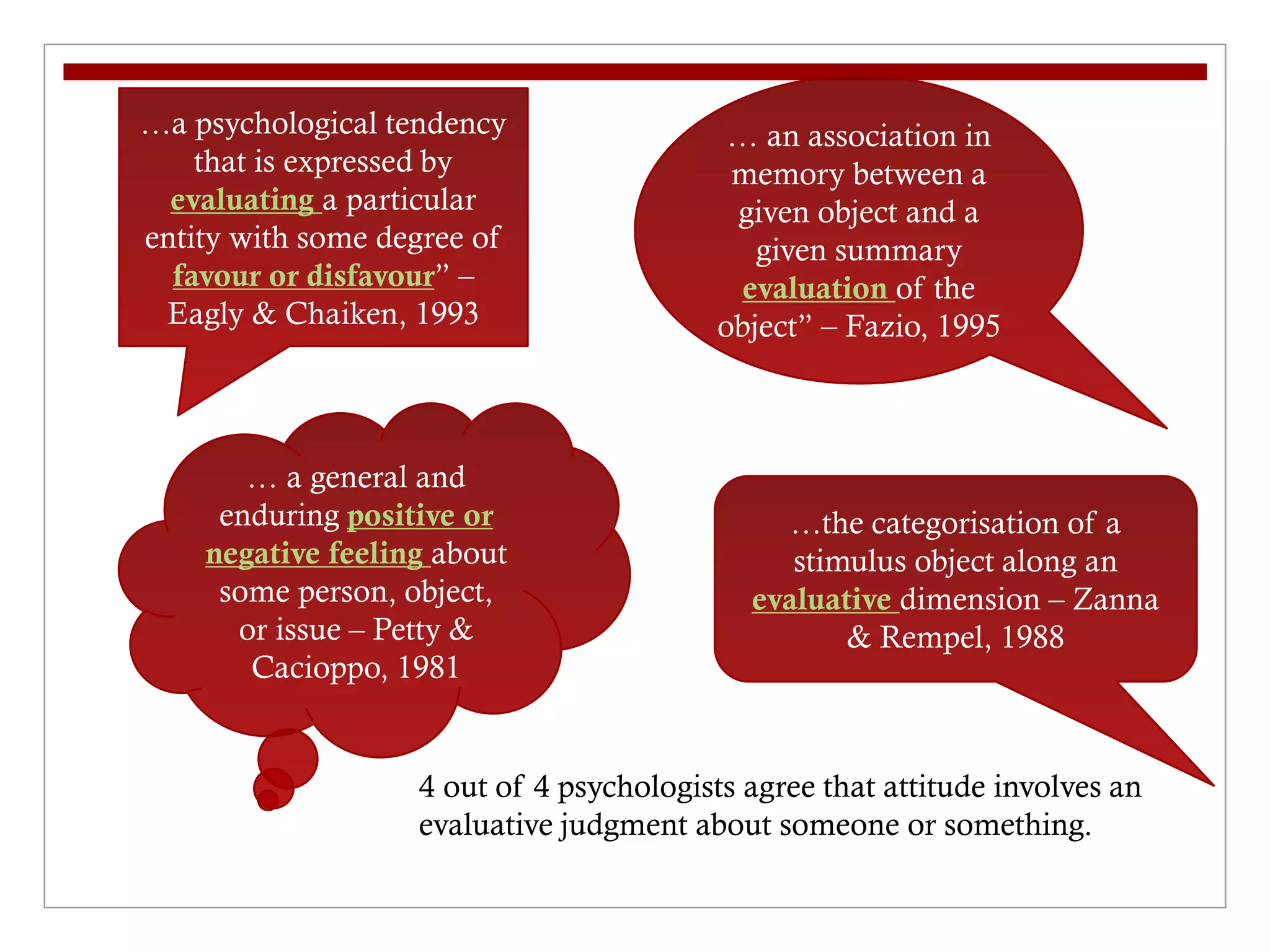
…a psychological tendency
that is expressed by
evaluating a particular
entity with some degree of
favour or disfavour” –
Eagly & Chaiken, 1993
… an association in
memory between a
given object and a
given summary
evaluation of the
object” – Fazio, 1995
… a general and
enduring positive or
negative feeling about
some person, object,
or issue – Petty &
Cacioppo, 1981
…the categorisation of a
stimulus object along an
evaluative dimension – Zanna
& Rempel, 1988
4 out of 4 psychologists agree that attitude involves an
evaluative judgment about someone or something.
Therefore…
We define an attitude as…
an overall evaluation of an object
that is based on cognitive,
affective, and behavioural
information
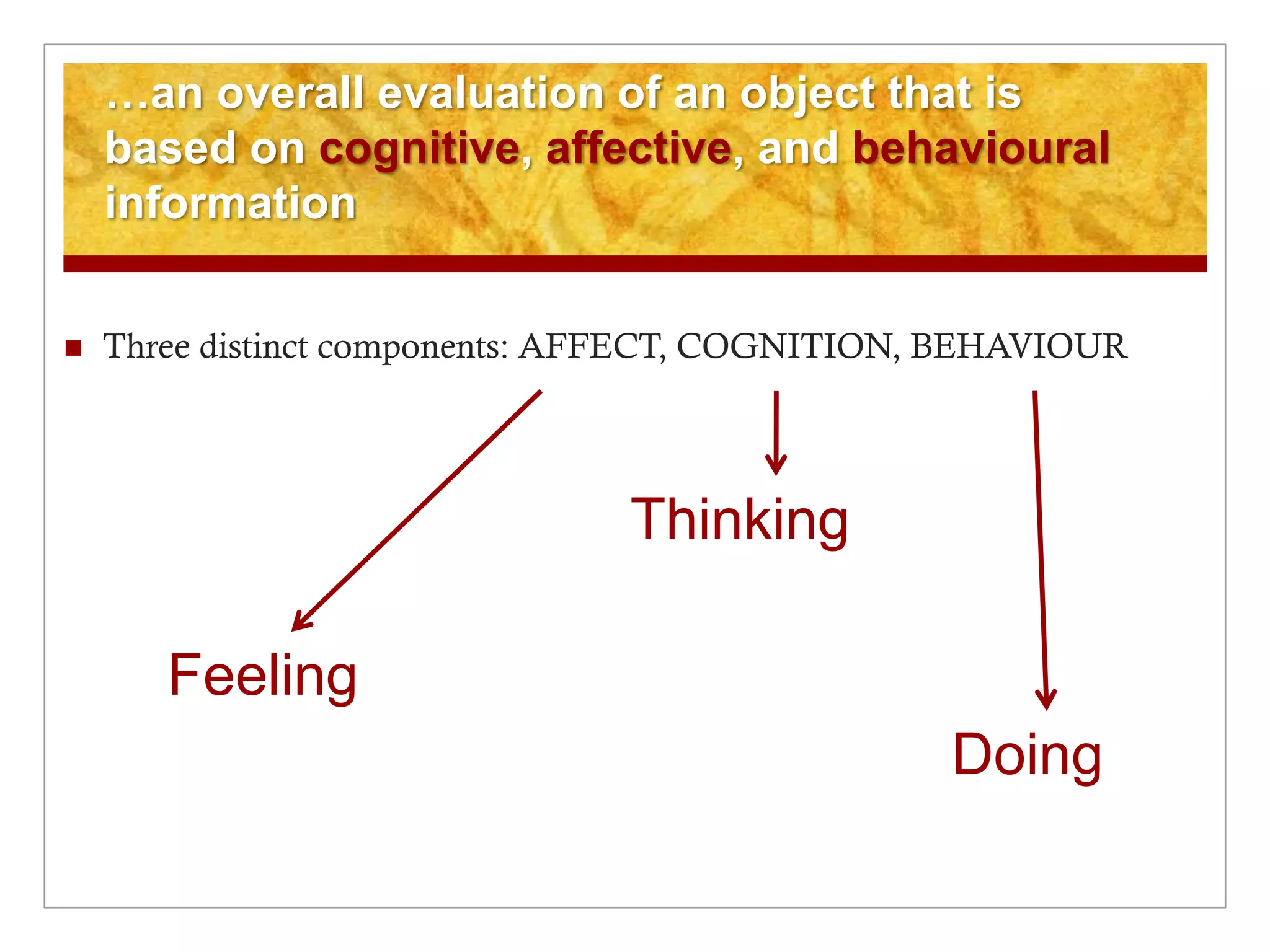
…an overall evaluation of an object that is
based on cognitive, affective, and behavioural
information
 Three distinct components: AFFECT, COGNITION, BEHAVIOUR
Feeling
Thinking
Doing
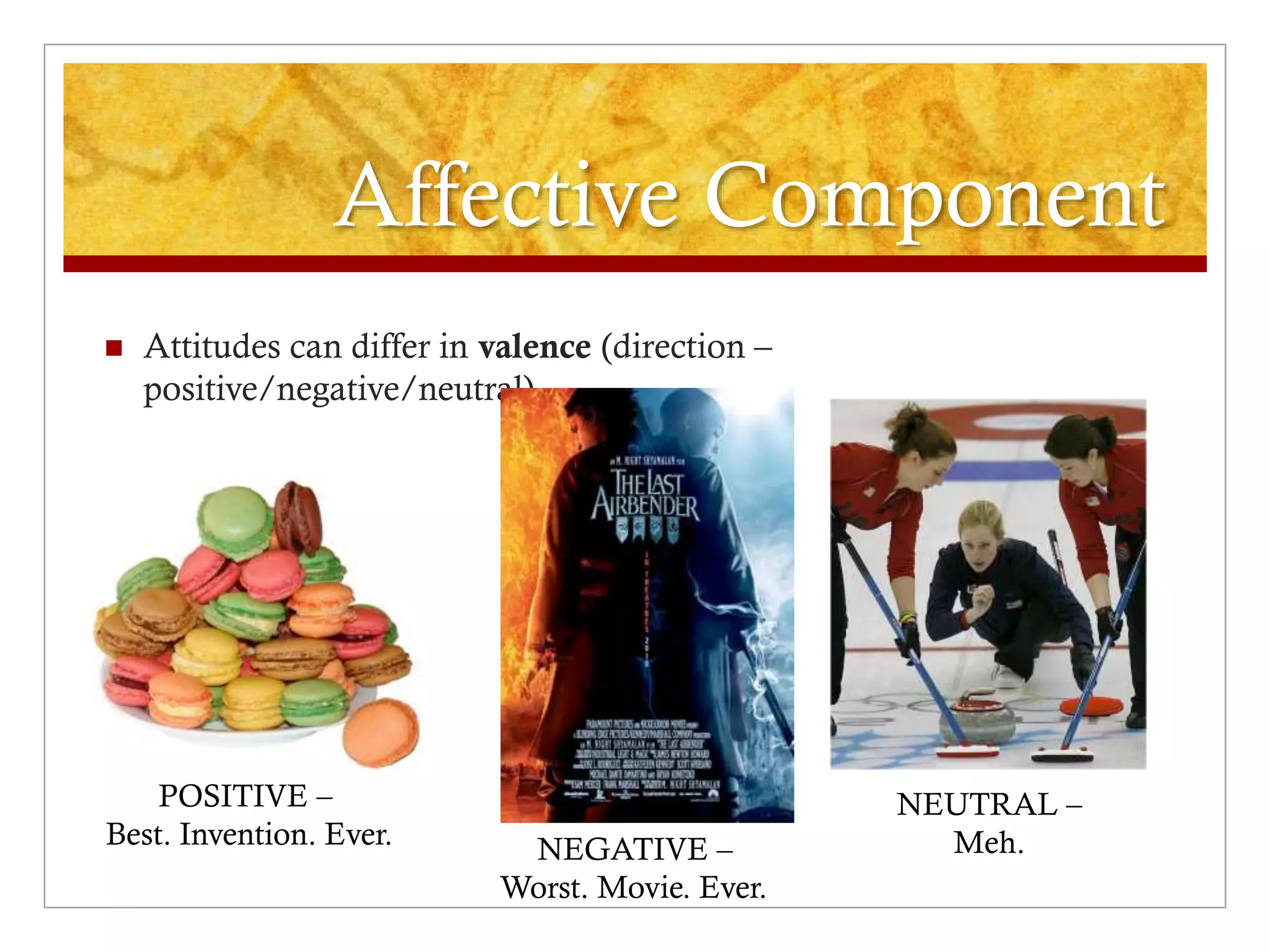
Affective Component
 Attitudes can differ in valence (direction –
positive/negative/neutral)
POSITIVE –
Best. Invention. Ever. NEGATIVE –
Worst. Movie. Ever.
NEUTRAL –
Meh.
Affective Component
(cont’d)
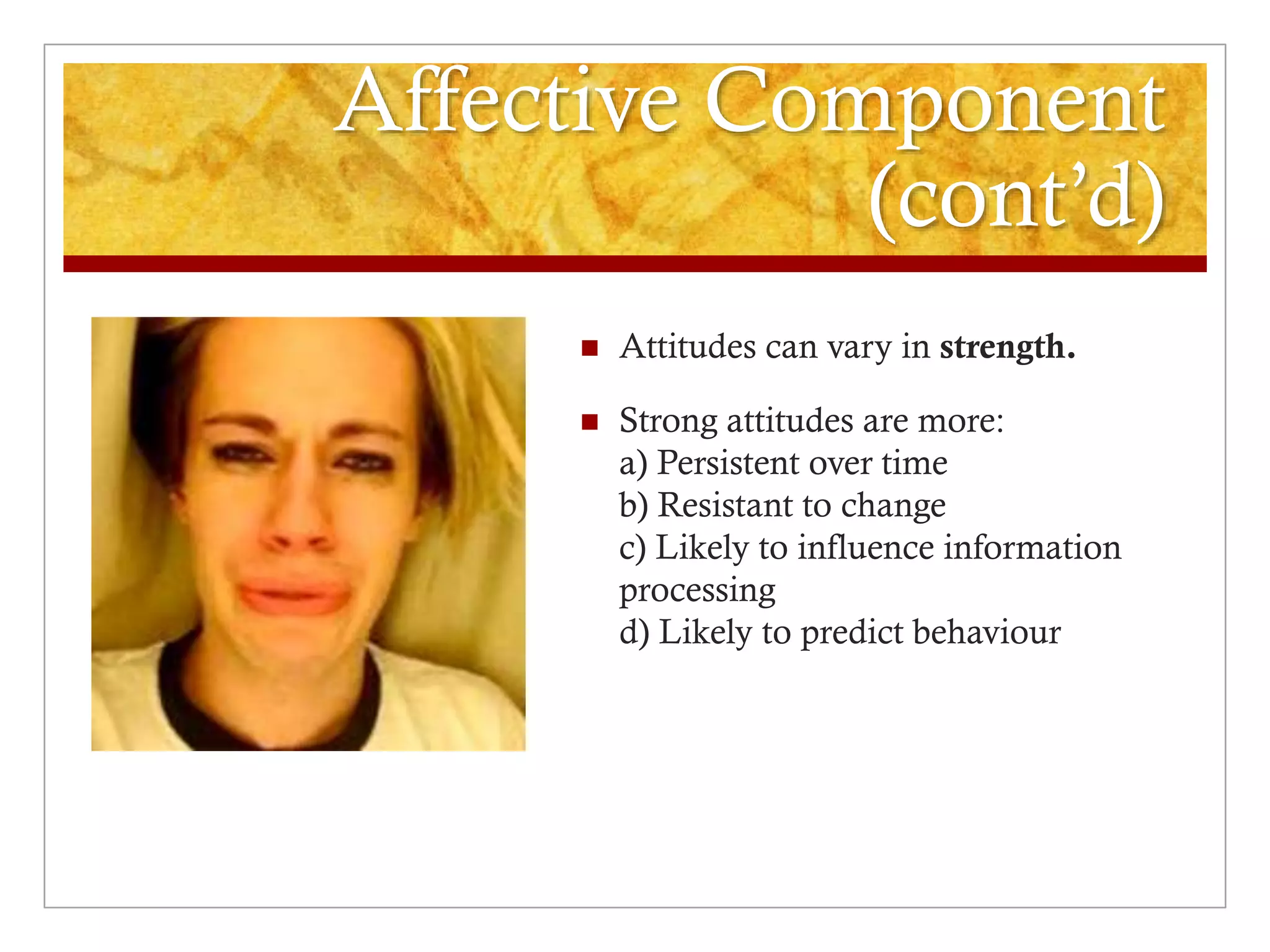
 Attitudes can vary in strength.
 Strong attitudes are more:
a) Persistent over time
b) Resistant to change
c) Likely to influence information
processing
d) Likely to predict behaviour
TASK
Imagine that you have been given, as a
graduation present, a choice between
ten brand new cars. You have been told
that this car will be the only car you will
get to drive for the next twenty years, so
you want to pick the car that is the most
reliable. Which one of the following
brands will you choose?
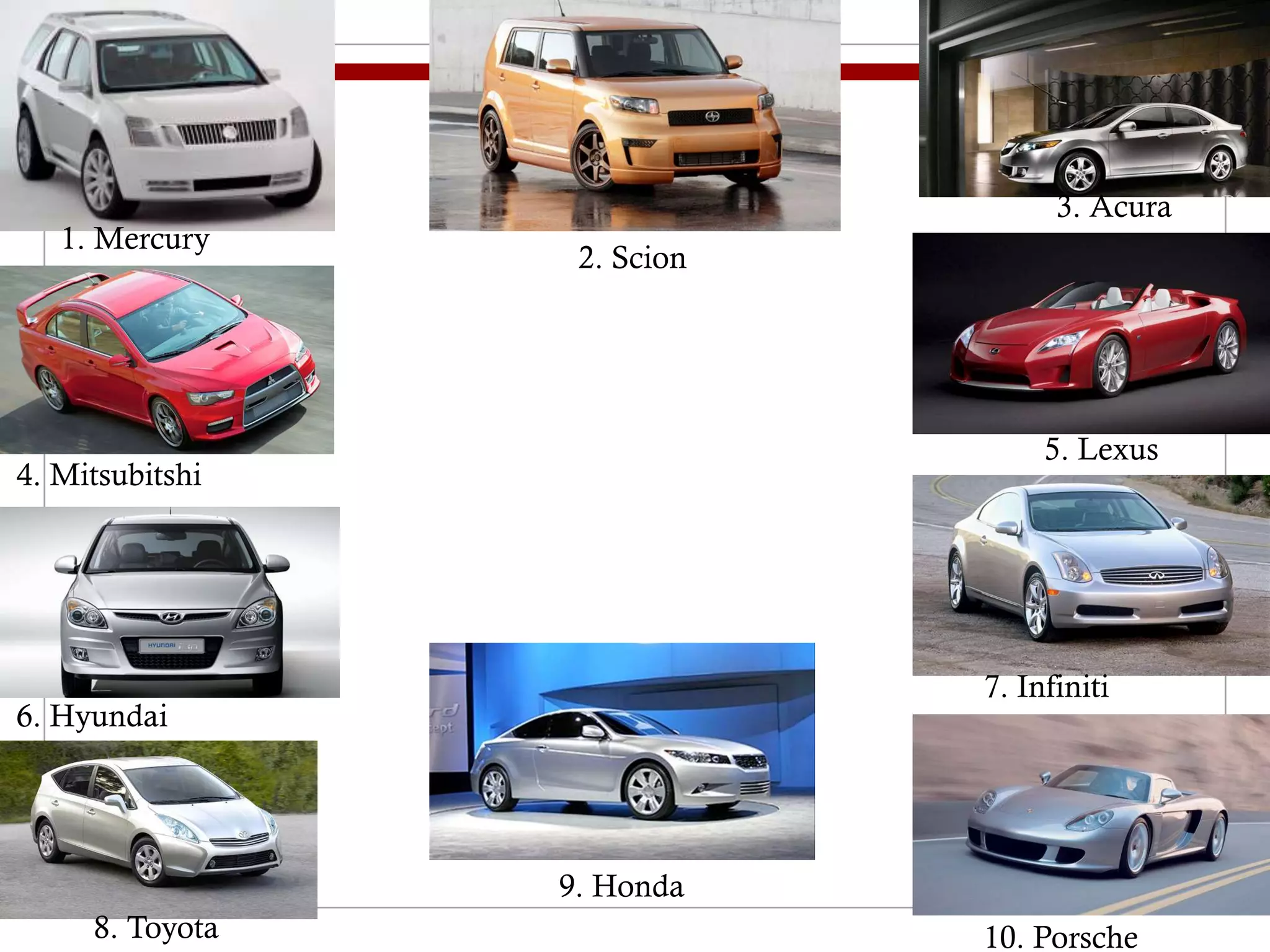
1. Mercury
2. Scion
9. Honda
8. Toyota
7. Infiniti
3. Acura
4. Mitsubitshi
5. Lexus
6. Hyundai
10. Porsche
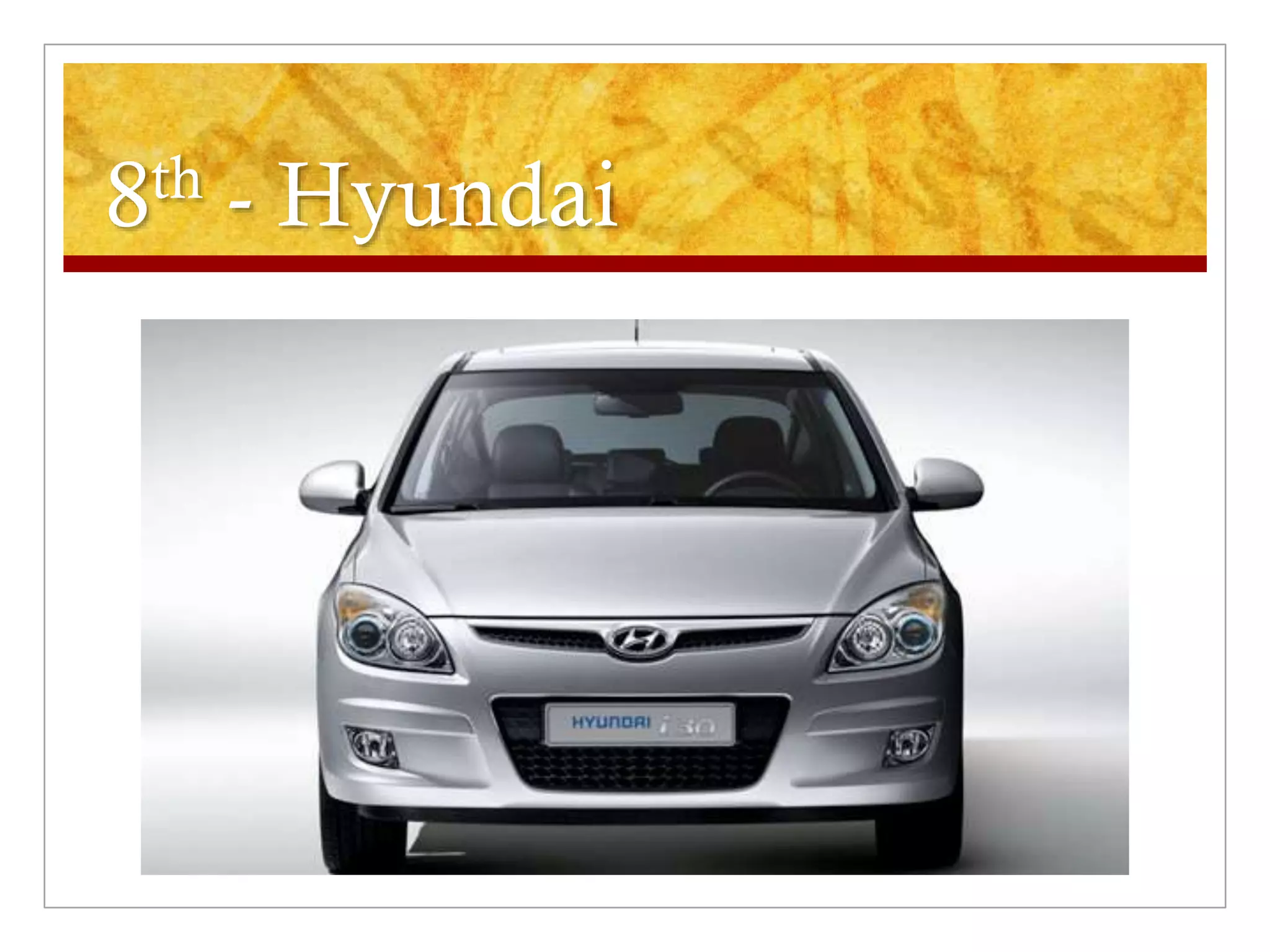
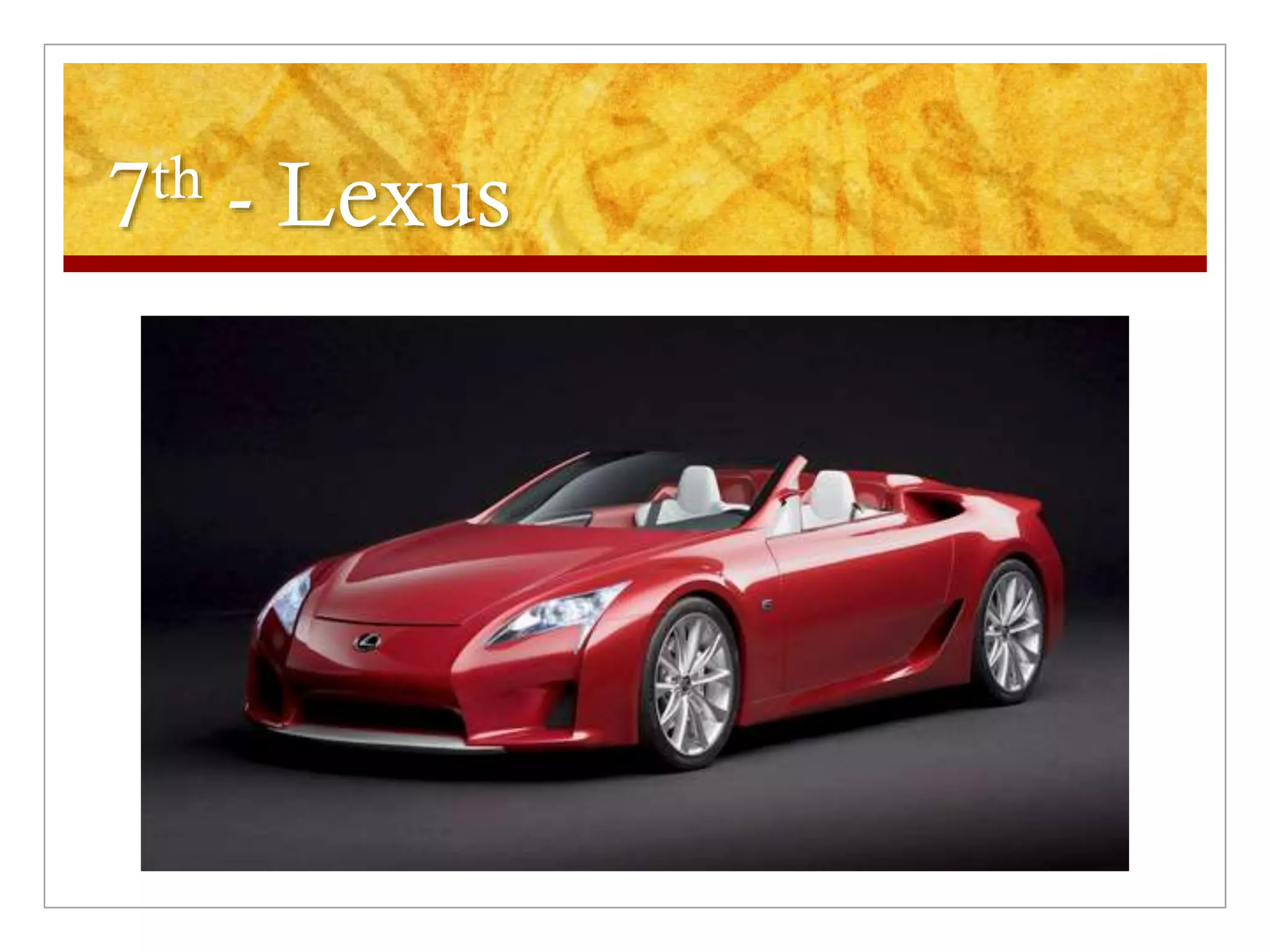
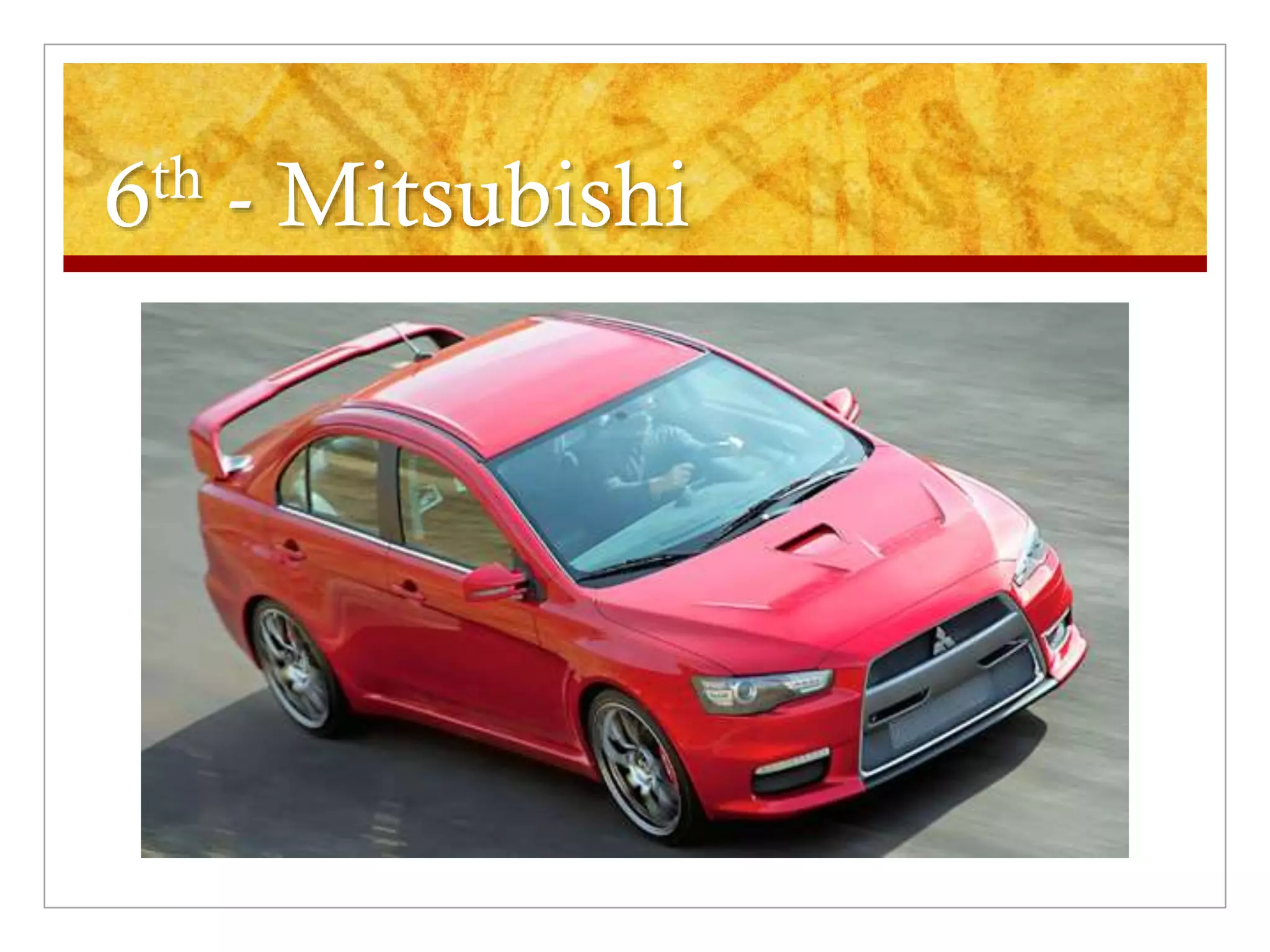
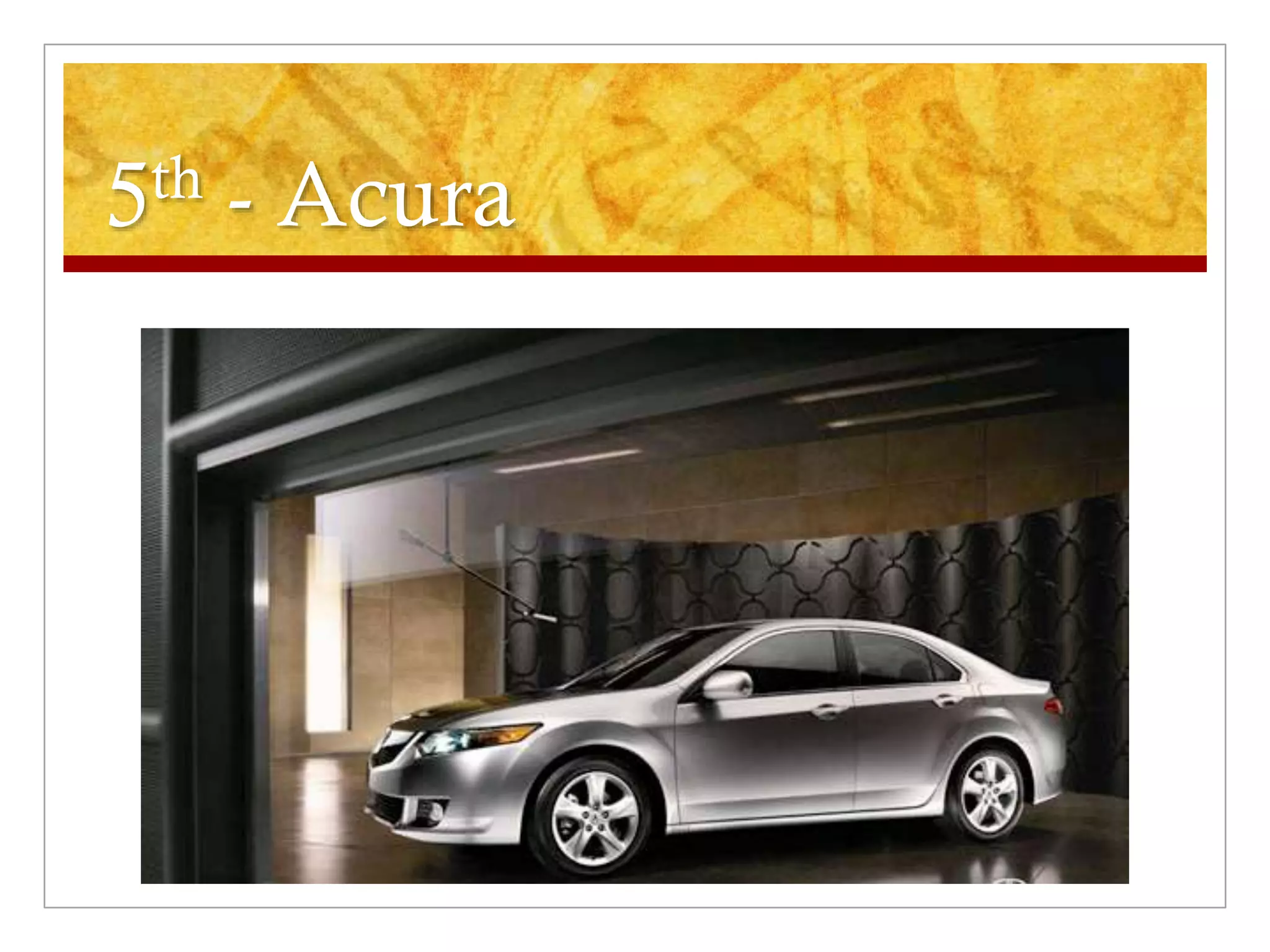
Based on surveys filled out by more
than 1.4 million people, the
following were deemed as the most
reliable brands in the 2009
Consumer Reports Annual Car
Reliability Survey in ascending
order…
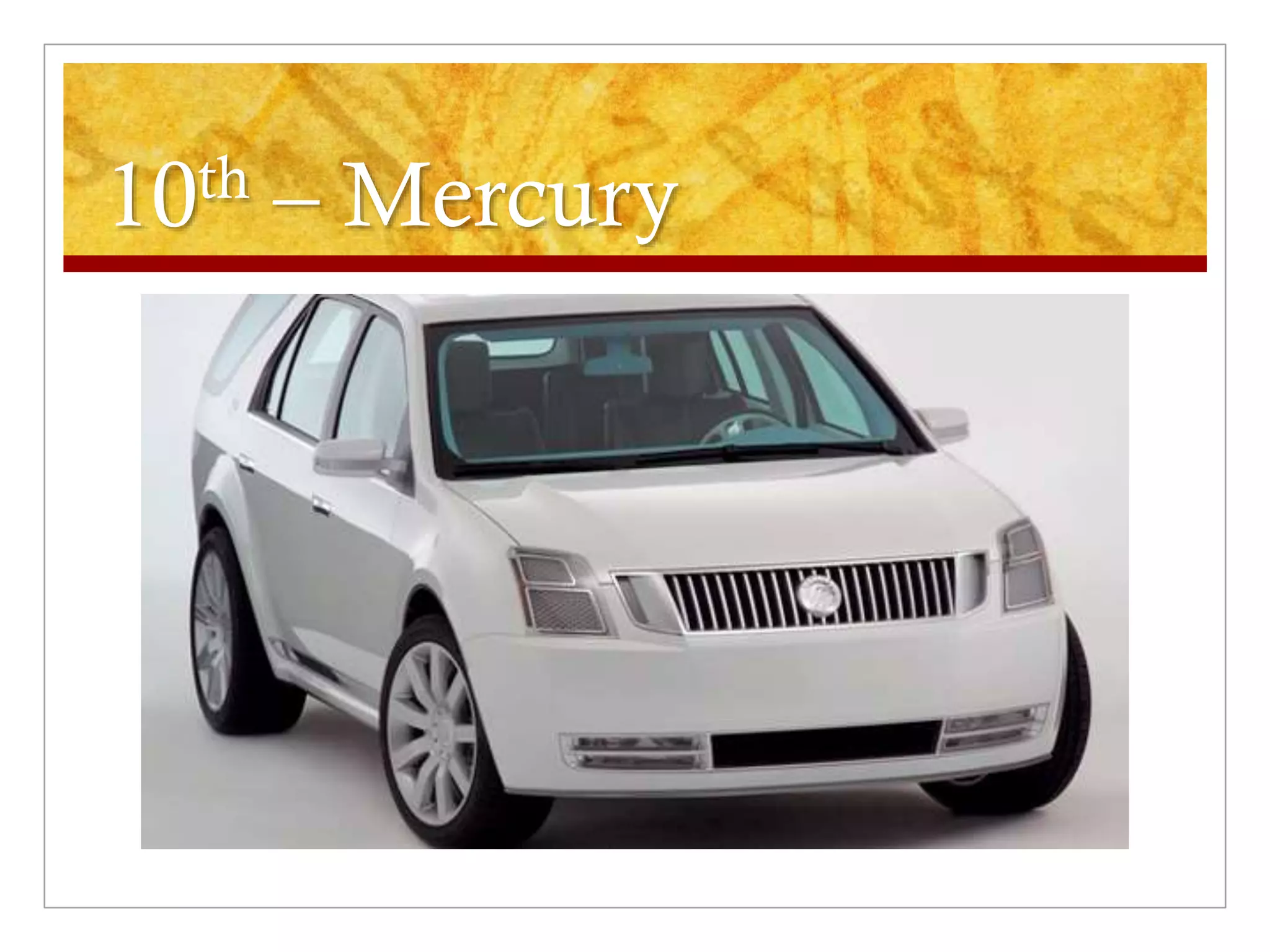
10th – Mercury
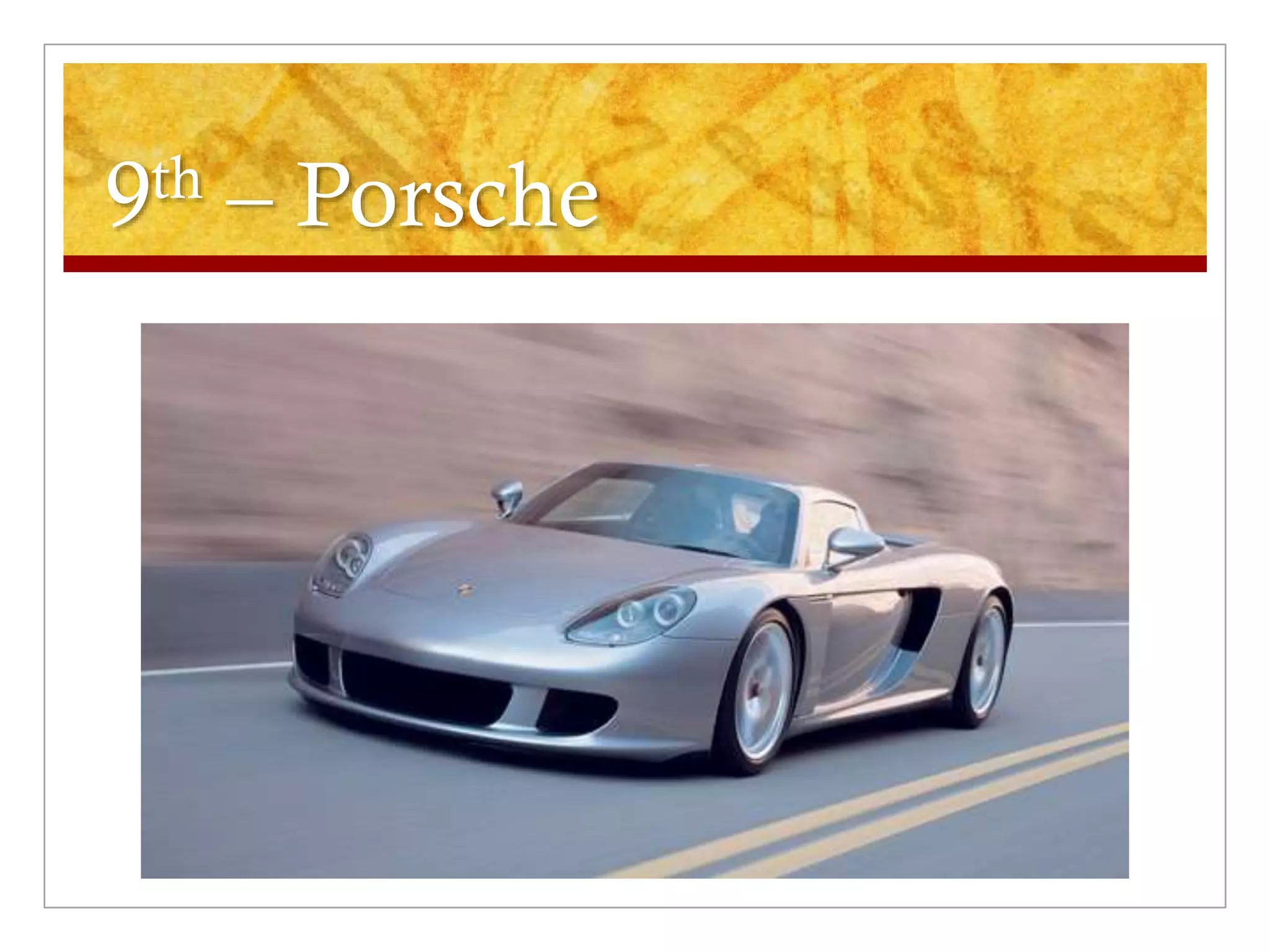
9th – Porsche
8th - Hyundai
7th - Lexus
6th - Mitsubishi
5th - Acura
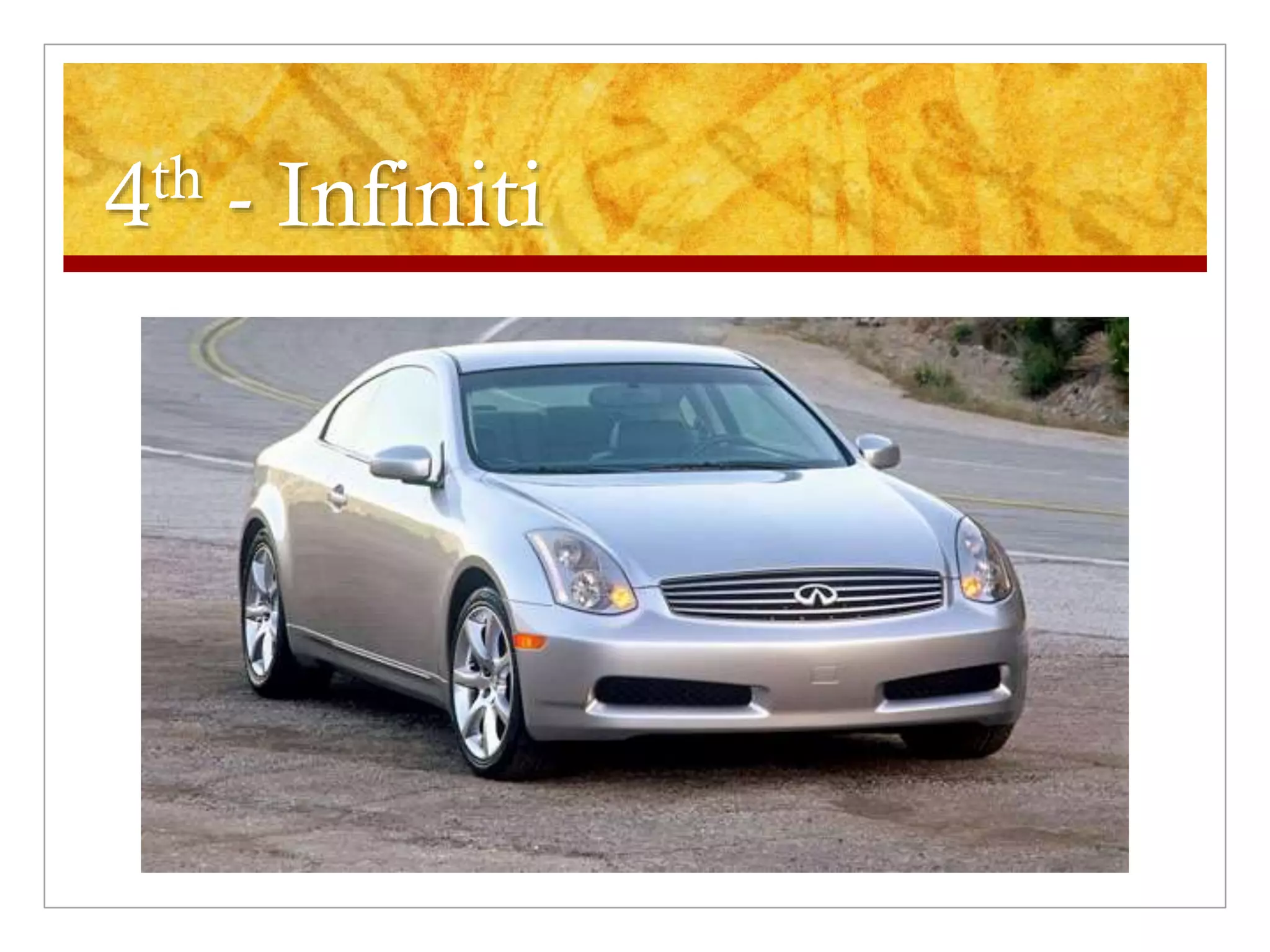
4th - Infiniti
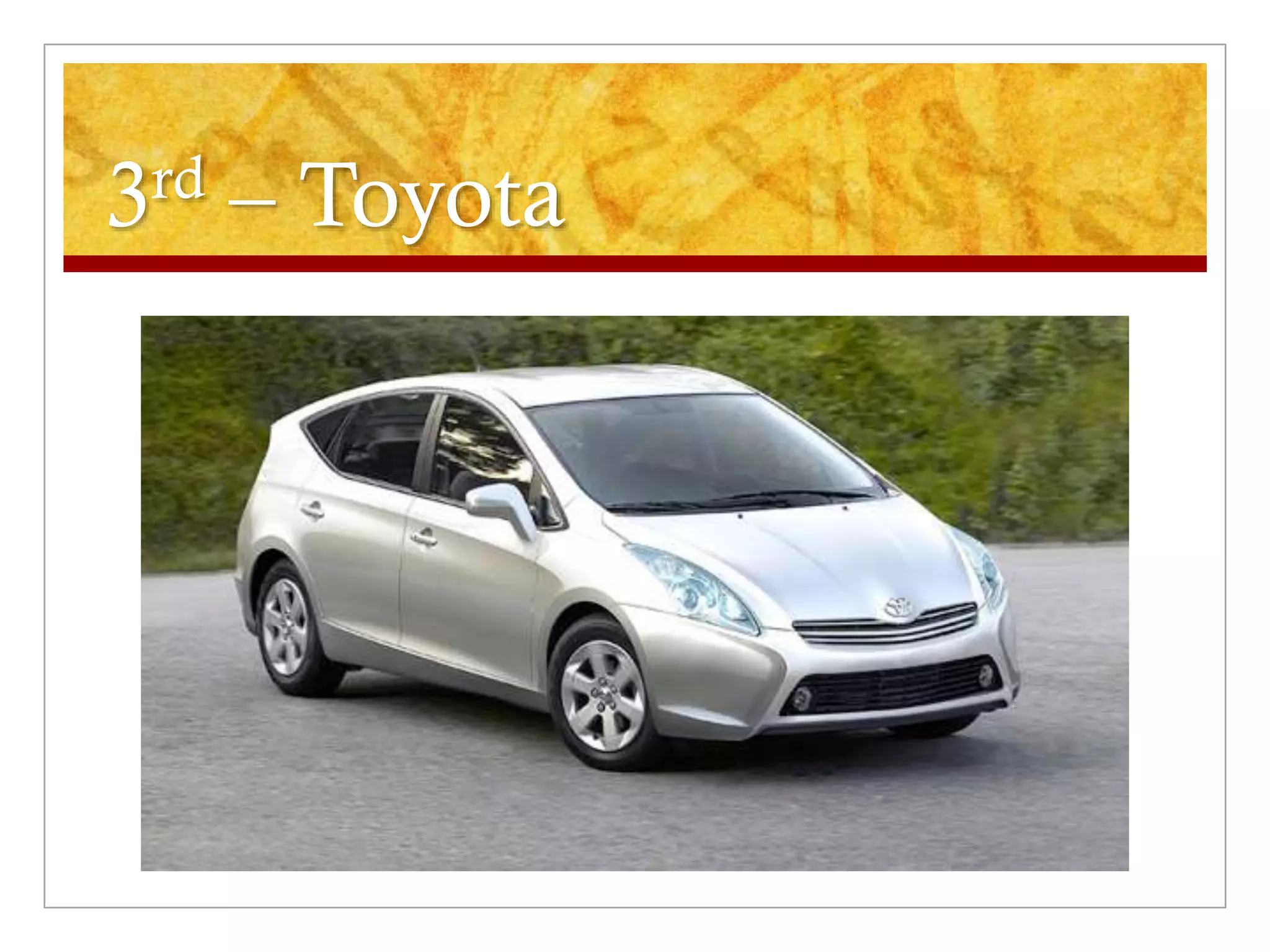
3rd – Toyota
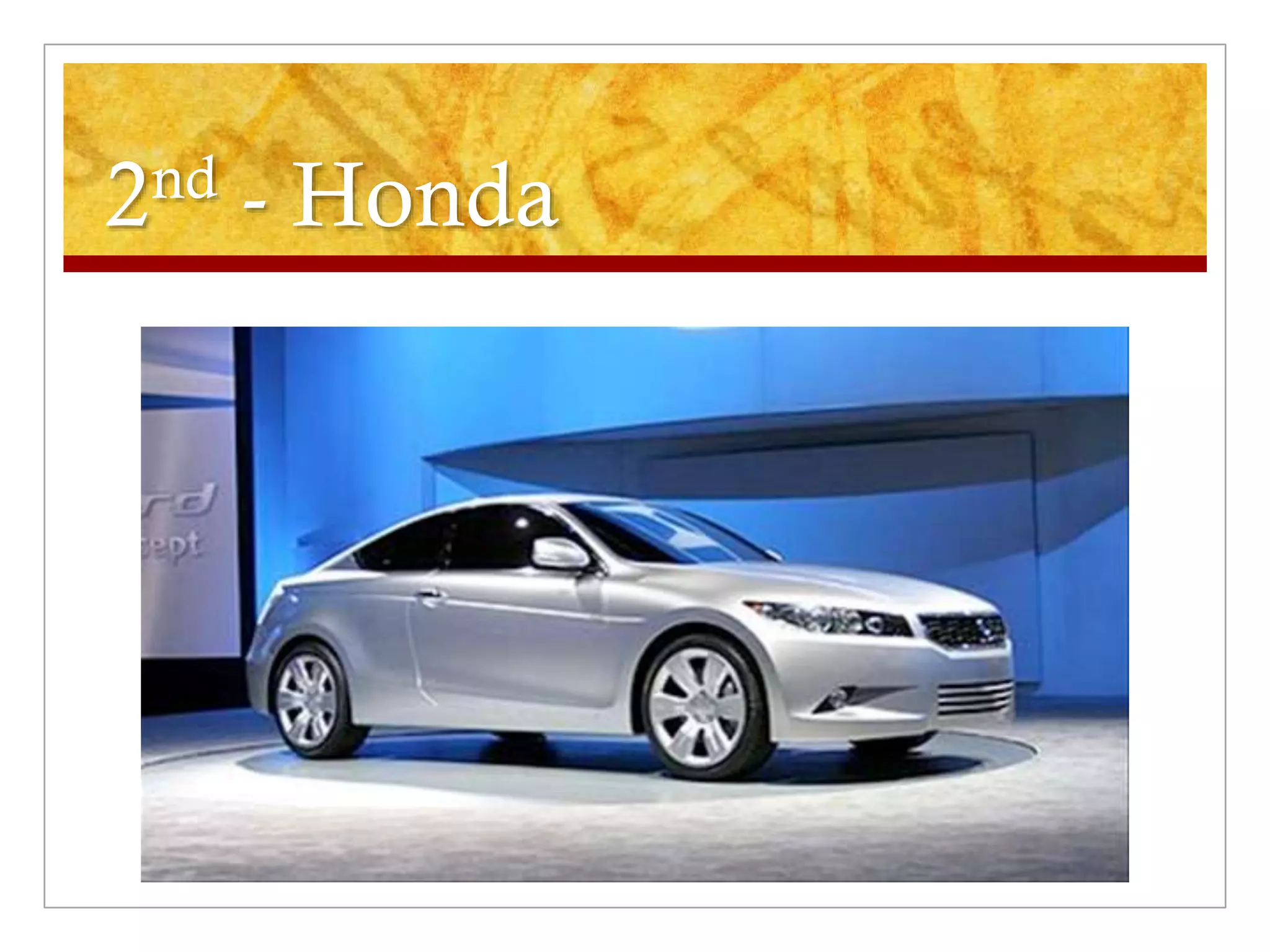
2nd - Honda
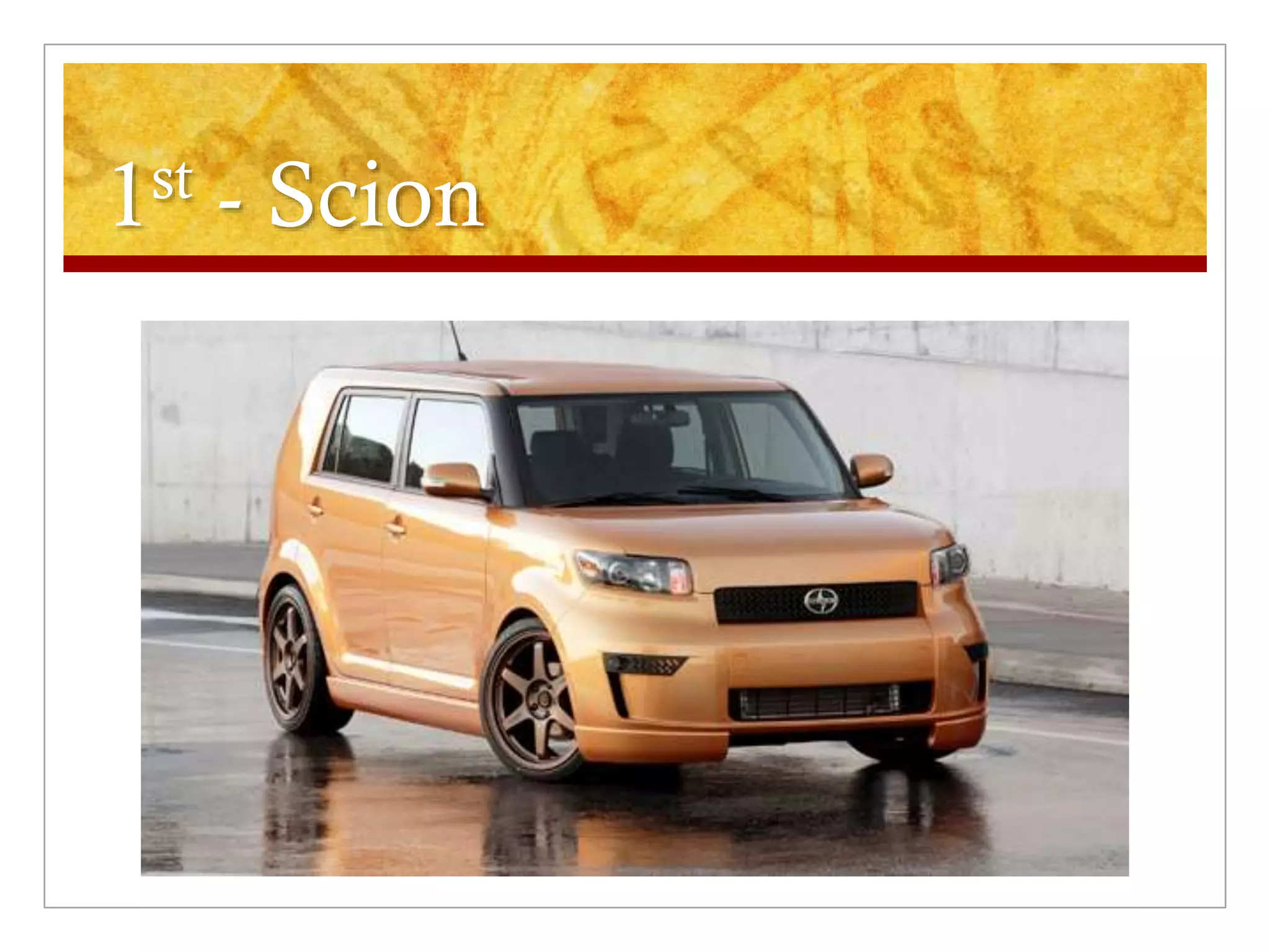
1st - Scion
Cognitive Component
 Refers to the beliefs, thoughts and attributes we associate with an
object.
 May be based primarily upon +ve and –ve attributes associated with
the object.
 E.g. Belief #1. More expensive = better quality.
Porsche/Lexus = $$$ = more reliable
 Belief #2. More popular = more people use it = more reliable
Never heard of Scion, therefore probably unreliable.
Behavioural Component
 Refers to past behaviours or experiences regarding an attitude object.
 E.g. People might guess that they must have a negative attitude
toward caged eggs if they remember having signed a petition against
unethical treatment of animals
What’s the difference? Is
there one?
 Breckler (1984) had participants report their cognitive, affective and
behavioural responses about snakes.
 With a real snake in the room, participants indicated whether:
i) snakes are kind/cruel (cognition)
ii) snakes make them feel anxious/happy (affect)
iii) they like to handle snakes (behaviour)
 Scores for each response was computed, showing only moderate
correlation.
 Does not mean they are completely independent of each other.
For example…
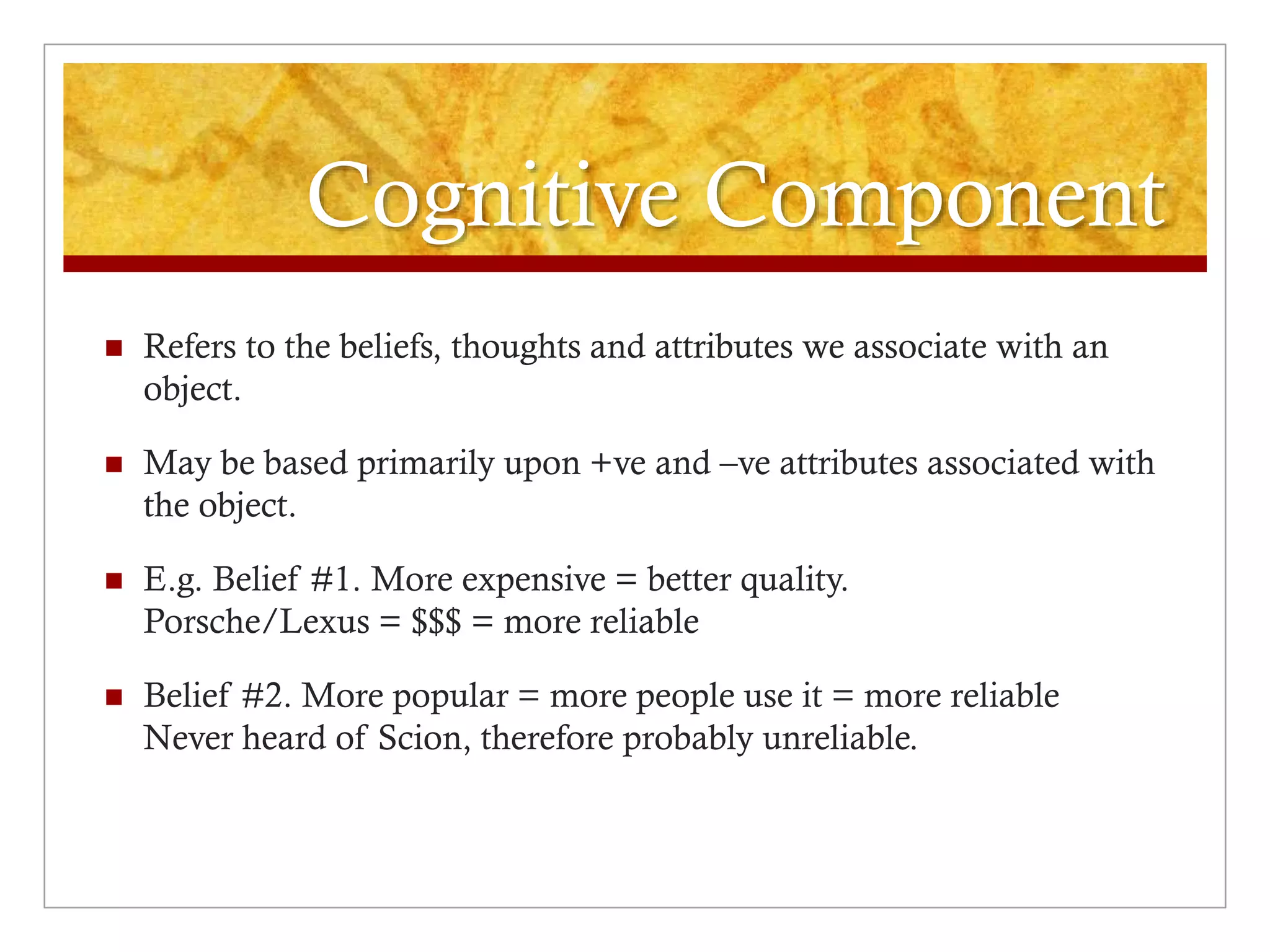
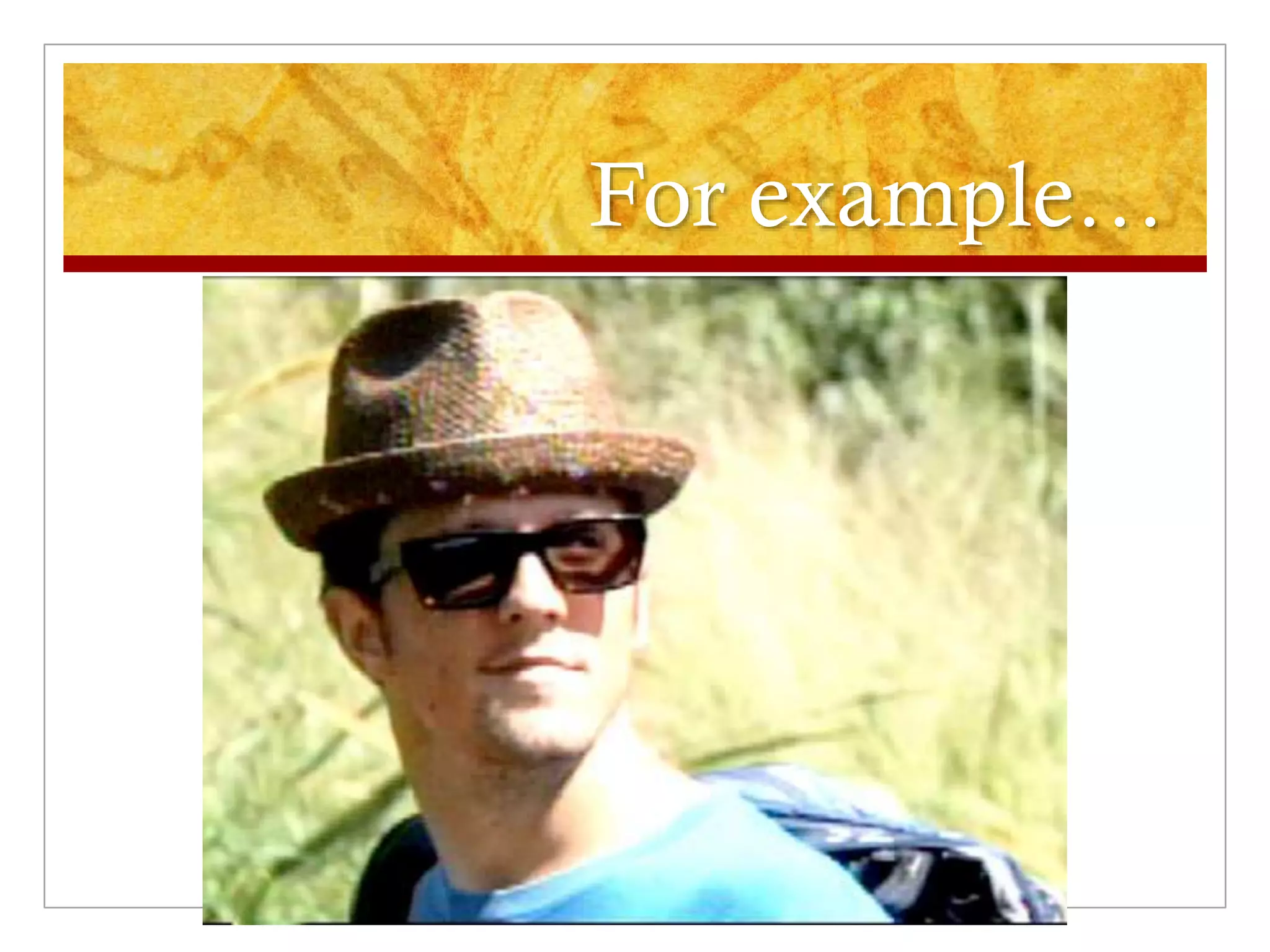
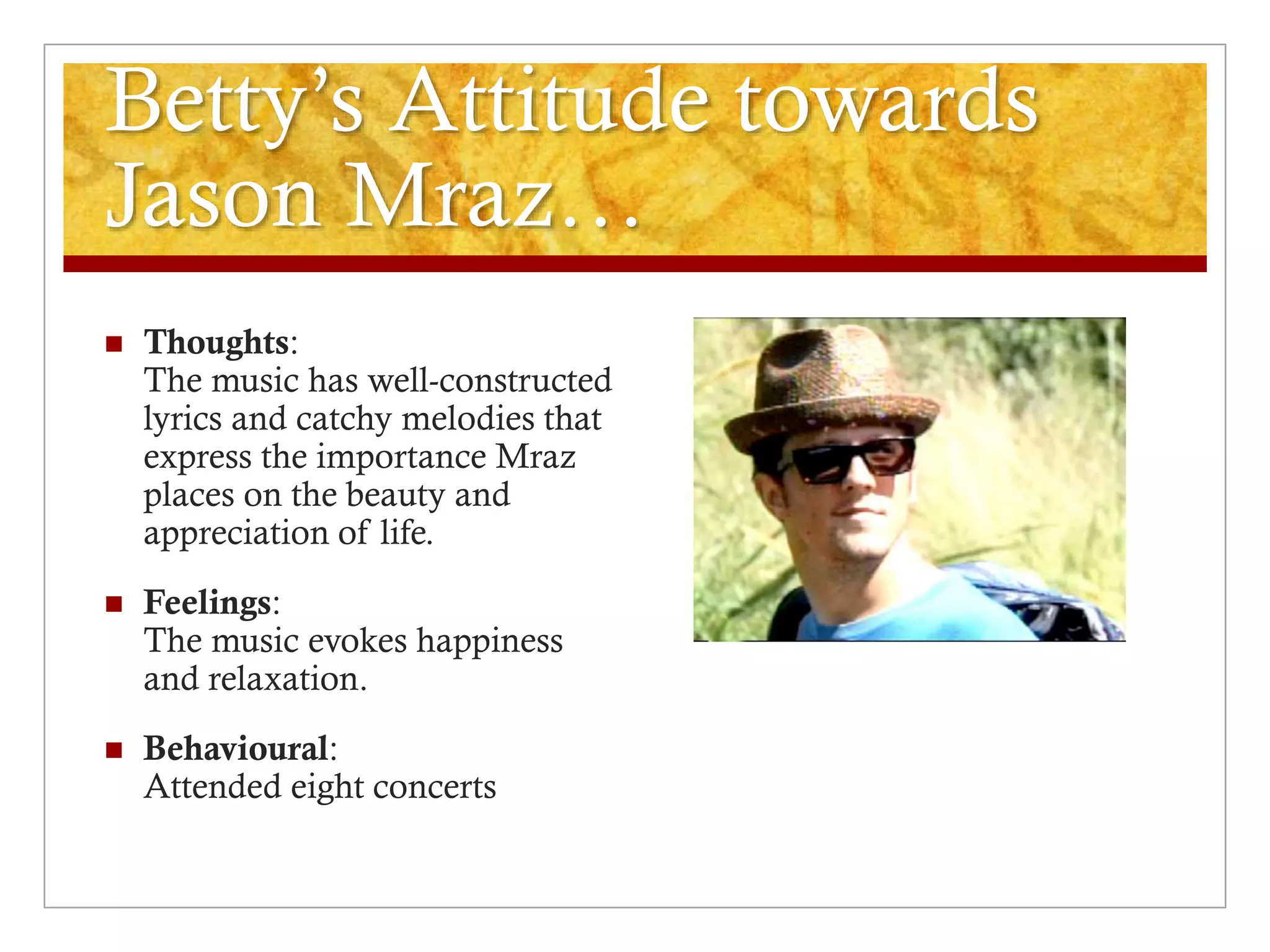
Betty’s Attitude towards
Jason Mraz…
 Thoughts:
The music has well-constructed
lyrics and catchy melodies that
express the importance Mraz
places on the beauty and
appreciation of life.
 Feelings:
The music evokes happiness
and relaxation.
 Behavioural:
Attended eight concerts
Therefore…
 The positive cognitions, affects and behaviours all contribute to
Betty’s arguably unhealthy positive attitude toward Jason Mraz.
 BUT…
 Components do not always have the same evaluative implications…
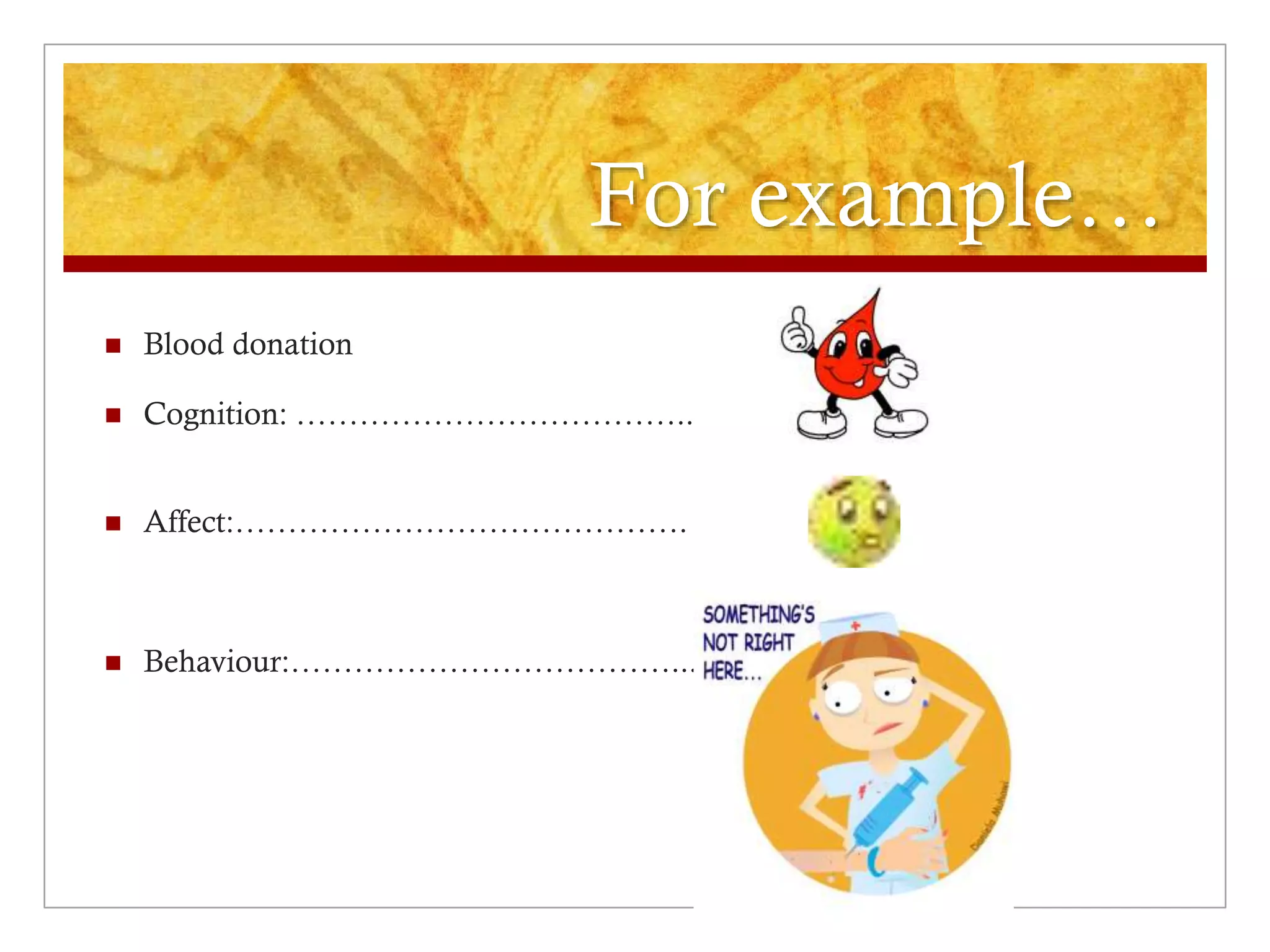
For example…
 Blood donation
 Cognition: ………………………………..
 Affect:…………………………………….
 Behaviour:………………………………...
Quick Task:
 1) Think of something you have
a positive/negative attitude
towards that are similar in
valence across the three
components. Write down how
each of the components
influence this attitude.
 2) Think of something you have
a positive/negative attitude
towards that differ in valence
across the components. Write
down how each of the
components influence this
attitude.
FUNCTION OF
ATTITUDES
Functions
 Katz (1960) proposed that functions include:
1) Knowledge
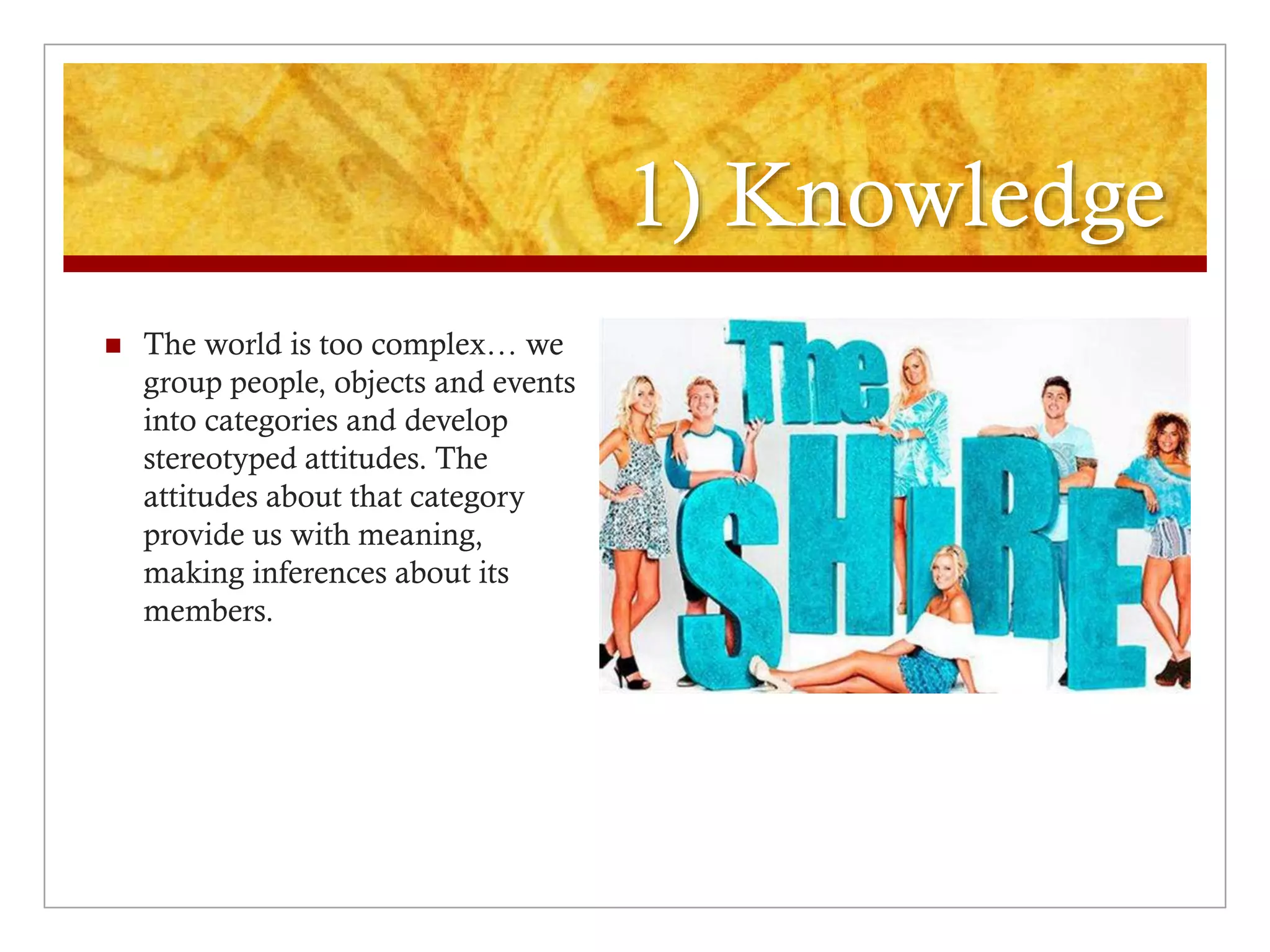
 The world is too complex… we
group people, objects and events
into categories and develop
stereotyped attitudes. The
attitudes about that category
provide us with meaning,
making inferences about its
members.
2) Instrumentality
 Means to an end
 We develop favourable attitudes towards objects that reward us and
unfavourable attitudes towards punishment. Once developed, it provides a
simple means of evaluating objects.
3) Ego defence
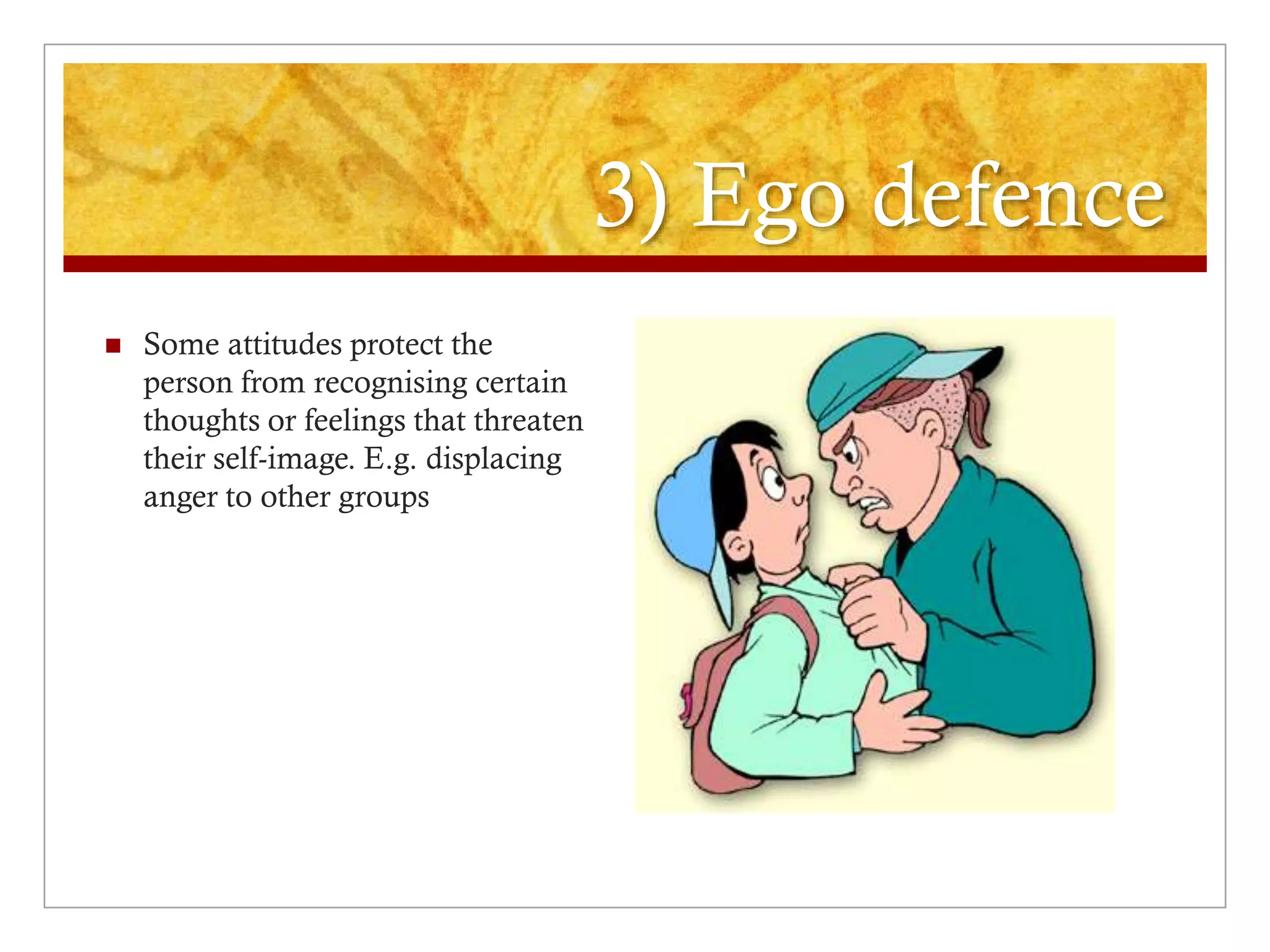
 Some attitudes protect the
person from recognising certain
thoughts or feelings that threaten
their self-image. E.g. displacing
anger to other groups
4) Value expressiveness
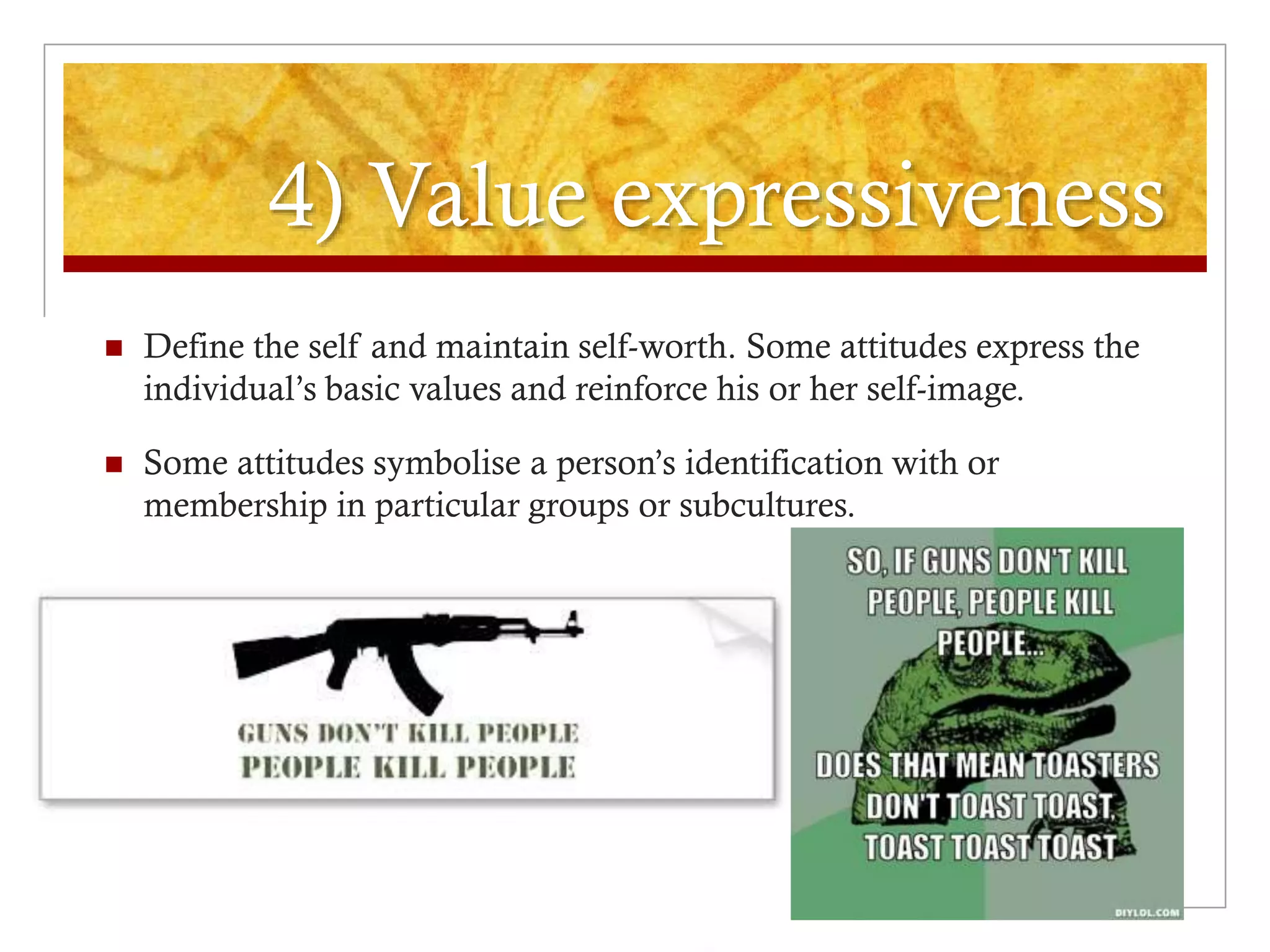
 Define the self and maintain self-worth. Some attitudes express the
individual’s basic values and reinforce his or her self-image.
 Some attitudes symbolise a person’s identification with or
membership in particular groups or subcultures.
IN SUM
 An attitude is an overall evaluation of an object that is based on
cognitive, affective, and behavioural information.
 The three components: cognition, affect, behaviour
 Affect can vary in valence and strength; Cognition influenced by
+ve and –ve attributes associated with the object; behaviour is based
on past experiences and actions.
 Functions of attitudes: knowledge, instrumentality, ego defence,
value expressiveness.

Apl01

  • 1.
  • 2.
  • 3.
    “…a psychological tendency thatis expressed by evaluating a particular entity with some degree of favour or disfavour” – Eagly & Chaiken, 1993 “… an association in memory between a given object and a given summary evaluation of the object” – Fazio, 1995 “… a general and enduring positive or negative feeling about some person, object, or issue” – Petty & Cacioppo, 1981 “…the categorisation of a stimulus object along an evaluative dimension” – Zanna & Rempel, 1988
  • 4.
    …a psychological tendency thatis expressed by evaluating a particular entity with some degree of favour or disfavour” – Eagly & Chaiken, 1993 … an association in memory between a given object and a given summary evaluation of the object” – Fazio, 1995 … a general and enduring positive or negative feeling about some person, object, or issue – Petty & Cacioppo, 1981 …the categorisation of a stimulus object along an evaluative dimension – Zanna & Rempel, 1988 4 out of 4 psychologists agree that attitude involves an evaluative judgment about someone or something.
  • 5.
    Therefore… We define anattitude as… an overall evaluation of an object that is based on cognitive, affective, and behavioural information
  • 6.
    …an overall evaluationof an object that is based on cognitive, affective, and behavioural information  Three distinct components: AFFECT, COGNITION, BEHAVIOUR Feeling Thinking Doing
  • 7.
    Affective Component  Attitudescan differ in valence (direction – positive/negative/neutral) POSITIVE – Best. Invention. Ever. NEGATIVE – Worst. Movie. Ever. NEUTRAL – Meh.
  • 8.
    Affective Component (cont’d)  Attitudescan vary in strength.  Strong attitudes are more: a) Persistent over time b) Resistant to change c) Likely to influence information processing d) Likely to predict behaviour
  • 9.
    TASK Imagine that youhave been given, as a graduation present, a choice between ten brand new cars. You have been told that this car will be the only car you will get to drive for the next twenty years, so you want to pick the car that is the most reliable. Which one of the following brands will you choose?
  • 10.
    1. Mercury 2. Scion 9.Honda 8. Toyota 7. Infiniti 3. Acura 4. Mitsubitshi 5. Lexus 6. Hyundai 10. Porsche
  • 11.
    Based on surveysfilled out by more than 1.4 million people, the following were deemed as the most reliable brands in the 2009 Consumer Reports Annual Car Reliability Survey in ascending order…
  • 12.
  • 13.
  • 14.
  • 15.
  • 16.
  • 17.
  • 18.
  • 19.
  • 20.
  • 21.
  • 22.
    Cognitive Component  Refersto the beliefs, thoughts and attributes we associate with an object.  May be based primarily upon +ve and –ve attributes associated with the object.  E.g. Belief #1. More expensive = better quality. Porsche/Lexus = $$$ = more reliable  Belief #2. More popular = more people use it = more reliable Never heard of Scion, therefore probably unreliable.
  • 23.
    Behavioural Component  Refersto past behaviours or experiences regarding an attitude object.  E.g. People might guess that they must have a negative attitude toward caged eggs if they remember having signed a petition against unethical treatment of animals

  • 24.
    What’s the difference?Is there one?  Breckler (1984) had participants report their cognitive, affective and behavioural responses about snakes.  With a real snake in the room, participants indicated whether: i) snakes are kind/cruel (cognition) ii) snakes make them feel anxious/happy (affect) iii) they like to handle snakes (behaviour)  Scores for each response was computed, showing only moderate correlation.  Does not mean they are completely independent of each other.
  • 25.
  • 26.
    Betty’s Attitude towards JasonMraz…  Thoughts: The music has well-constructed lyrics and catchy melodies that express the importance Mraz places on the beauty and appreciation of life.  Feelings: The music evokes happiness and relaxation.  Behavioural: Attended eight concerts
  • 28.
    Therefore…  The positivecognitions, affects and behaviours all contribute to Betty’s arguably unhealthy positive attitude toward Jason Mraz.  BUT…  Components do not always have the same evaluative implications…
  • 29.
    For example…  Blooddonation  Cognition: ………………………………..  Affect:…………………………………….  Behaviour:………………………………...
  • 30.
    Quick Task:  1)Think of something you have a positive/negative attitude towards that are similar in valence across the three components. Write down how each of the components influence this attitude.  2) Think of something you have a positive/negative attitude towards that differ in valence across the components. Write down how each of the components influence this attitude.
  • 31.
  • 32.
    Functions  Katz (1960)proposed that functions include:
  • 33.
    1) Knowledge  Theworld is too complex… we group people, objects and events into categories and develop stereotyped attitudes. The attitudes about that category provide us with meaning, making inferences about its members.
  • 34.
    2) Instrumentality  Meansto an end  We develop favourable attitudes towards objects that reward us and unfavourable attitudes towards punishment. Once developed, it provides a simple means of evaluating objects.
  • 35.
    3) Ego defence Some attitudes protect the person from recognising certain thoughts or feelings that threaten their self-image. E.g. displacing anger to other groups
  • 36.
    4) Value expressiveness Define the self and maintain self-worth. Some attitudes express the individual’s basic values and reinforce his or her self-image.  Some attitudes symbolise a person’s identification with or membership in particular groups or subcultures.
  • 37.
    IN SUM  Anattitude is an overall evaluation of an object that is based on cognitive, affective, and behavioural information.  The three components: cognition, affect, behaviour  Affect can vary in valence and strength; Cognition influenced by +ve and –ve attributes associated with the object; behaviour is based on past experiences and actions.  Functions of attitudes: knowledge, instrumentality, ego defence, value expressiveness.