Let’s Analyze
“Language may be a
source of
misunderstanding”
◦-Marshall McLuhan, 1964
Is it possible that a different individual derives
a different meaning from the message?
Explain.
Does the user’s/audience’s own background or
experience affect the interpretation of
messages? How?
MEDIA AND
INFORMATION
LANGUAGES
• CODES, CONVENTION, AND MESSAGES
• AUDIENCES, PRODUCERS, AND OTHER STAKEHOLDERS
Learning Objectives
At the end of the lesson, the learners must be
able to;
a. Identify codes, convention, and how they
affect the audience, producers, and other
stake holders
b. Reflect on how important information can be
conveyed to create the desired impression.
Languages
- pertains to the technical and symbolic
ingredients or codes and conventions that
media and information professionals may
select and use in an effort to communicate
ideas, information and knowledge.
Media Languages
-codes, conventions, formats,
symbols and narrative structures
that indicate the meaning of media
messages to an audience
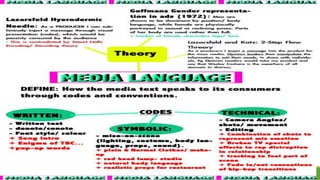
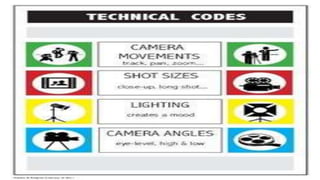
include sound, camera angles,
types of shots and lighting. They may
include, for example, ominous music
to communicate danger in a feature
film, or high-angle camera shots to
create a feeling of power in a
photograph
Technical codes
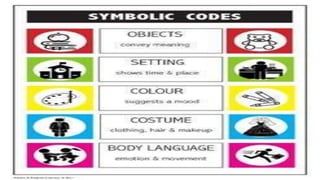
include the language, dress or
actions of characters, or iconic
symbols that are easily understood.
For example, a red rose may be used
symbolically to convey romance, or a
clenched fist may be used to
communicate anger
Symbolic codes
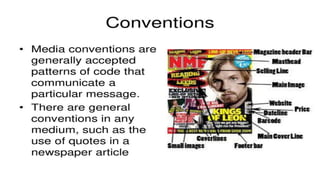
Convention - In the media context,
refers to a standard or norm that
acts as a rule governing behaviour
Messages - the information sent
from a source to a receiver.
Audience - the group of
consumers for whom a media
message was constructed as well
as anyone else who is exposed to
the message.
Producers - People engaged in the
process of creating and putting
together media content to make a
finished media product.
Other stakeholders - Libraries,
archives, museums, internet and
other relevant information
providers.

440614087-L2-Media-and-Information-Languages-ppt.pptx

  • 1.
    Let’s Analyze “Language maybe a source of misunderstanding” ◦-Marshall McLuhan, 1964
  • 2.
    Is it possiblethat a different individual derives a different meaning from the message? Explain. Does the user’s/audience’s own background or experience affect the interpretation of messages? How?
  • 3.
    MEDIA AND INFORMATION LANGUAGES • CODES,CONVENTION, AND MESSAGES • AUDIENCES, PRODUCERS, AND OTHER STAKEHOLDERS
  • 4.
    Learning Objectives At theend of the lesson, the learners must be able to; a. Identify codes, convention, and how they affect the audience, producers, and other stake holders b. Reflect on how important information can be conveyed to create the desired impression.
  • 5.
    Languages - pertains tothe technical and symbolic ingredients or codes and conventions that media and information professionals may select and use in an effort to communicate ideas, information and knowledge.
  • 6.
    Media Languages -codes, conventions,formats, symbols and narrative structures that indicate the meaning of media messages to an audience
  • 8.
    include sound, cameraangles, types of shots and lighting. They may include, for example, ominous music to communicate danger in a feature film, or high-angle camera shots to create a feeling of power in a photograph Technical codes
  • 10.
    include the language,dress or actions of characters, or iconic symbols that are easily understood. For example, a red rose may be used symbolically to convey romance, or a clenched fist may be used to communicate anger Symbolic codes
  • 12.
    Convention - Inthe media context, refers to a standard or norm that acts as a rule governing behaviour
  • 14.
    Messages - theinformation sent from a source to a receiver.
  • 15.
    Audience - thegroup of consumers for whom a media message was constructed as well as anyone else who is exposed to the message.
  • 16.
    Producers - Peopleengaged in the process of creating and putting together media content to make a finished media product.
  • 17.
    Other stakeholders -Libraries, archives, museums, internet and other relevant information providers.