Neither public nor private: Baldio*
* common land, commons
Anselmo Canha (Universidade do Porto)
Sara Moreira (Independent Researcher)
Apresentação
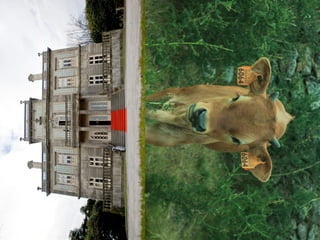
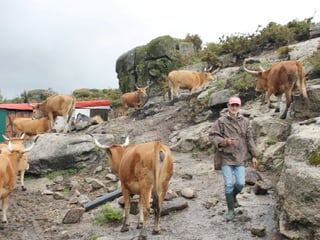
O boi e o palácio
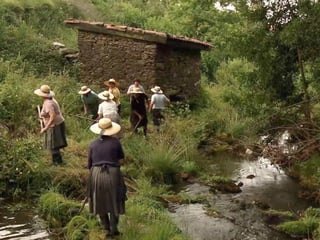
Screen filme águas
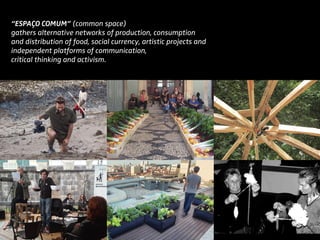
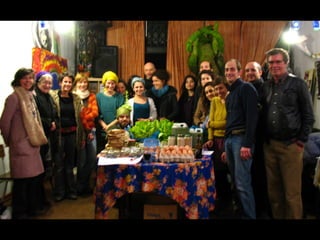
“Espaço Comum” (common space)
gathers alternative networks of production, consumption
and distribution of food, social currency, artistic projects and
independent platforms of communication,
critical thinking and activism.
Abhi
Baldio
“The land does not belong to us.
Rather we belong to it.”
Xesús Balboa Lopez
*Governance (o jogo dos pauzinhos)
*Livelihood (?)
Baldio and Porto
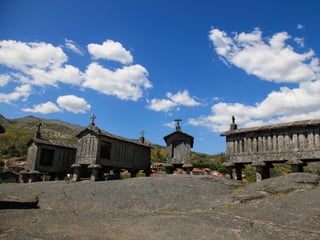
*Foto de entrada (realidade vs utopia)
Espigueiros? (debate no Soajo)
Contrastes:
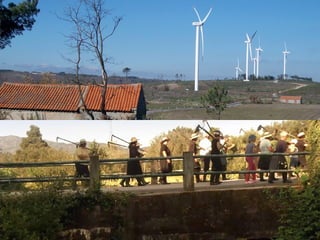
*Eólicas vs grupo de trabalho
*Evolução - ditadura e democracia floresta em névoa?
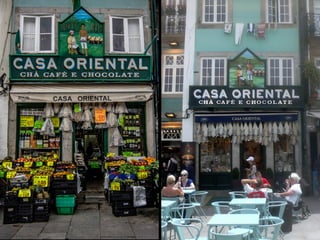
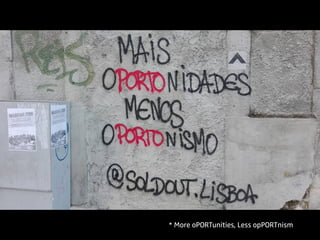
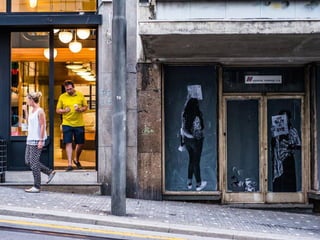
*Oportunity Porto (bacalhaus)
* More oPORTunities, Less opPORTnism
In face of this scenario,
the hypothesis unfolds in two:
›› the reality of Baldios may allow
the clarification of pathologies in Porto,
since it follows the same ever-present trend.
›› the utopia of Baldios may inform
the definition of the group Espaço Comum,
its model and its action.
Discussion:
Territory and property
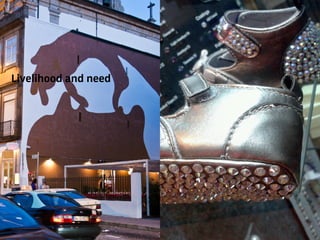
Livelihood and need
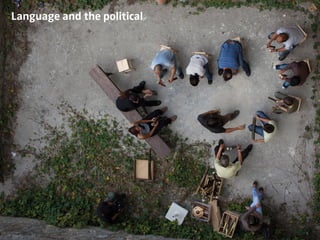
Language and the political
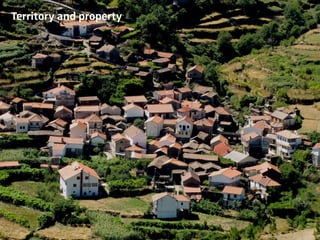
Land and Property:
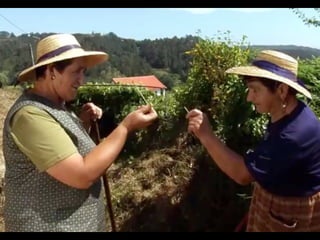
(geometria da aldeia)
Territory and property
(acção Januário)
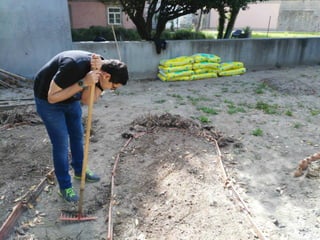
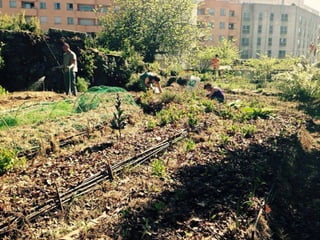
(Horta da partilha com cidade ao fundo)
Livelihood and need:
(sapatinhos?…)
Livelihood and need
(AMEP)
Politics and language
( ? participação natural )
Language and the political
(antifluffy)
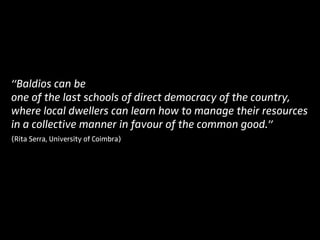
“Baldios can be
one of the last schools of direct democracy of the country,
where local dwellers can learn how to manage their resources
in a collective manner in favour of the common good.”
(Rita Serra, University of Coimbra)
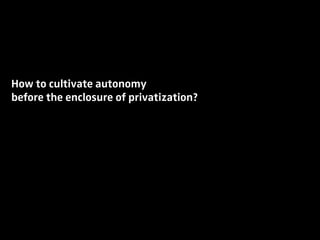
How to cultivate autonomy
before the enclosure of privatization?
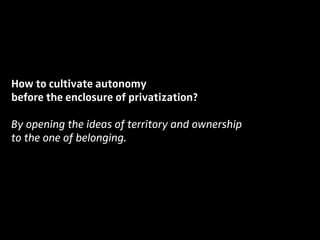
How to cultivate autonomy
before the enclosure of privatization?
By opening the ideas of territory and ownership
to the one of belonging.
How to assure survival and vitality
while remaining aside from the mercantilist logic?
How to assure survival and vitality
while remaining aside from mercantilist logic?
You don’t. You do.
How to envisage identity and language
as tools of change, which means, without curtailing
future possibilities?
How to envisage identity and language
as tools of change, which means, without curtailing
future possibilities?
By keeping language away from the enclosures it fights.
In short, how to maintain a fruitful,
rooted state of questioning, that does not deplete itself
as an entrenched result, model, dead law?
In short, how to maintain a fruitful,
rooted state of questioning, that does not deplete itself
as an entrenched result, model, dead law?
Yes.
Thank You.
anselmocanha@gmail.com
saritamoreira@gmail.com
AUTONOMA - Anselmo Canha, Sara Moreira - Neither public nor private: “Baldio”

AUTONOMA - Anselmo Canha, Sara Moreira - Neither public nor private: “Baldio”