DAY TWO
COMMUNITY PROSECUTION &
GRANT FUNDING:
A LOOK AT DALLAS’ GROWTH
 Maureen Milligan, Chief of Community
Prosecution & Community Courts, Dallas City
Attorney’s Office
 Juan “Johnny” Ramos, Community Prosecution
Code Supervisor, Dallas Department of Code
Compliance
DALLAS COMMUNITY PROSECUTION TEAM:
STAFFING MODEL
Community Prosecutor
Fire Prevention OfficerCode Officer
DEFINITION OF COMMUNITY PROSECUTION
“Community prosecution focuses on targeted areas and involves a long
term, proactive partnership among the prosecutor’s office, law
enforcement, the community, and public and private organizations,
whereby the authority of the prosecutor’s office is used to solve
problems, improve public safety, and enhance the quality of life in
the community.”
---American Prosecutors Research Institute/Bureau of Justice Assistance
Community Prosecution Focus Group, 1995
FOUR KEY PRINCIPLES
OF COMMUNITY PROSECUTION
1. Recognizing the community’s role in public
safety
2. Engaging in problem solving
3. Establishing and maintaining partnerships
4. Evaluating outcomes of activities
Source: http://www.ndaa.org/nccp_home.html
DALLAS COMMUNITY PROSECUTION TEAM: MISSION
STATEMENT
Mission:
 The mission of the Community Prosecution Team is to proactively improve public
safety and the quality of life within the City of Dallas by:
 Engaging the community to identify and solve nuisance-related problems,
 Strategically collaborating with other city departments and local agencies to
more effectively deploy city resources,
 Seeking voluntary compliance from property owners who maintain substandard
or hazardous properties or illegal land uses, and
 Using all available legal tools to gain compliance from non-compliant property
owners.
FIRST PRINCIPLE:
RECOGNIZING THE COMMUNITY’S ROLE IN PUBLIC
SAFETY
Proactively invite stakeholders
to express their concerns
Work together to identify and
define problems
Develop and implement
solutions
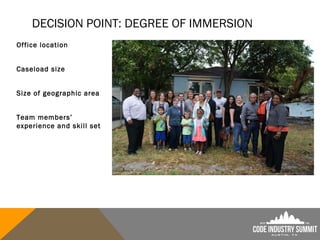
DECISION POINT: DEGREE OF IMMERSION
Office location
Caseload size
Size of geographic area
Team members’
experience and skill set
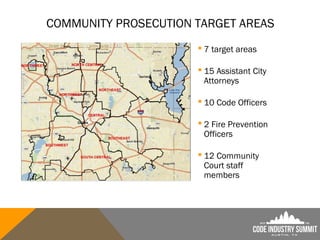
 7 target areas
 15 Assistant City
Attorneys
 10 Code Officers
 2 Fire Prevention
Officers
 12 Community
Court staff
members
COMMUNITY PROSECUTION TARGET AREAS
SECOND PRINCIPLE:
ENGAGING IN PROBLEM SOLVING
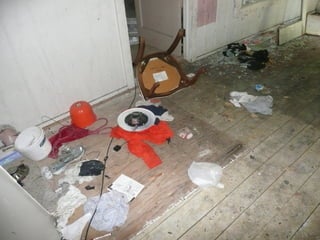
PROBLEM PROPERTIES
What do we usually do?
“It’s not my problem”
“I am only responsible for…”
“I’d like to help, but I don’t have the resources”
“It is a house at 123 Main Street. It is owned by John Smith.”
STRATEGIC GUIDELINES
Initial visit to property
Identify type of problem property
Identify type of owner
Develop strategy & timeline for addressing problems
 Who/what is part of the problem?
 Who can be part of the solution?
 What needs to happen first? Next? Last?
Make personal contact with owner
Seek voluntary compliance
Enforcement
TYPES OF PROBLEM PROPERTIES
Active drug/prostitution house
Stash house (drugs or stolen goods)
Smokehouse
Gang hangout/Hangout for teenagers
Homeless encampment
Potential location for crime
 Theft, burglary
 Graffiti
 Place to take a victim
Home for dogs, cats, wildlife
Substandard & dangerous
Illegal (zoning; lack of licenses/permits)
TYPES OF “OWNERS” OF
PROBLEM PROPERTIES
Deceased owner
 No will, no identifiable heirs
 No will, identifiable heirs, unwilling to care for property
 Drug-addicted/mentally ill heirs
Investor
 Not local, no property management or unqualified management
 Local, high-volume of properties, money is sole focus
 Local, no funds
 Local, unmotivated
Bank-owned
Fraudulent owner
City Owned
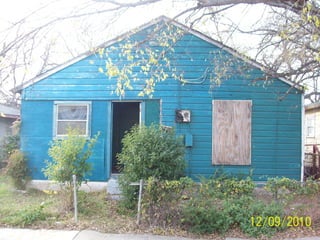
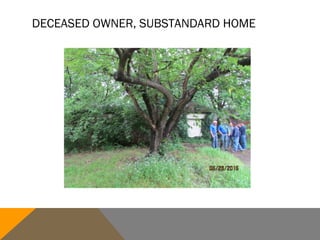
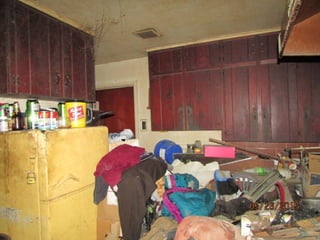
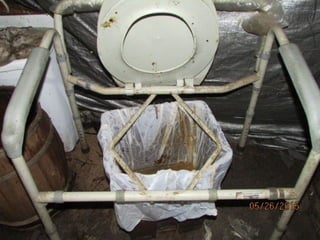
DECEASED OWNER, SUBSTANDARD HOME
WHAT WAS THE PROBLEM?
Reportedly mentally unstable occupant with an alleged history of
engaging in criminal mischief and violence
 Slashed neighbors’ tires and broke windows
 Racist statements
 Walked through neighborhood shouting and screaming
Occupant would have remained in neighborhood and house would have
continued to deteriorate
HOW HAD WE PREVIOUSLY TRIED TO SOLVE THE
PROBLEM?
Code inspections
Notices of violation
Outreach by neighbors
Social Services
Referral to tax collection law firm for outstanding property taxes
But then it becomes city-owned…
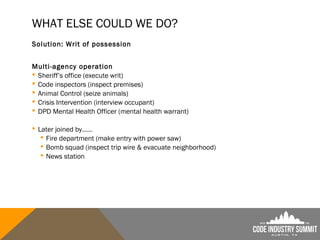
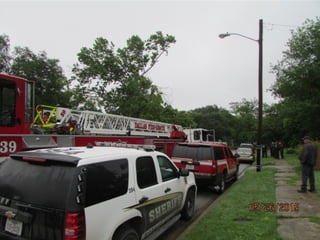
WHAT ELSE COULD WE DO?
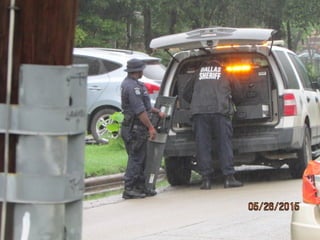
Solution: Writ of possession
Multi-agency operation
 Sheriff’s office (execute writ)
 Code inspectors (inspect premises)
 Animal Control (seize animals)
 Crisis Intervention (interview occupant)
 DPD Mental Health Officer (mental health warrant)
 Later joined by……
 Fire department (make entry with power saw)
 Bomb squad (inspect trip wire & evacuate neighborhood)
 News station
FINAL OUTCOME?
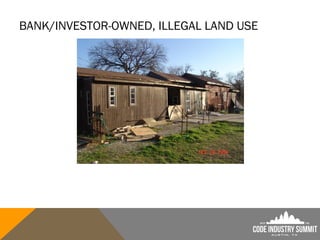
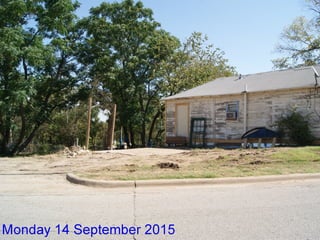
BANK/INVESTOR-OWNED, ILLEGAL LAND USE
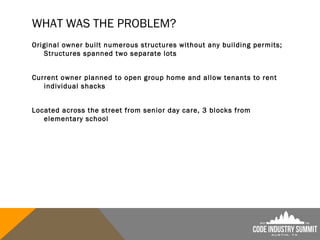
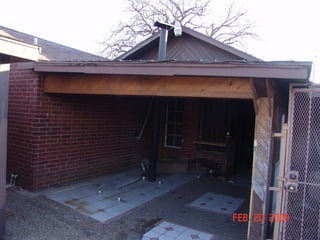
WHAT WAS THE PROBLEM?
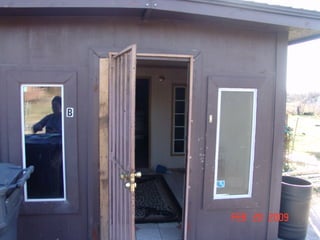
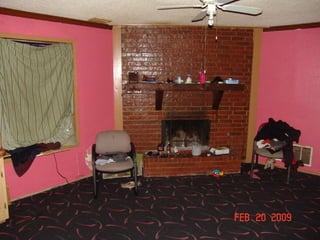
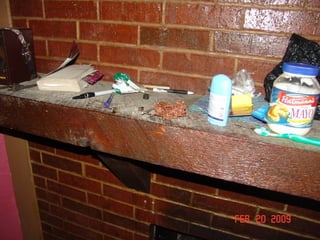
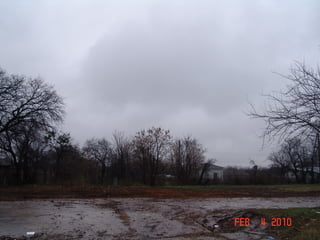
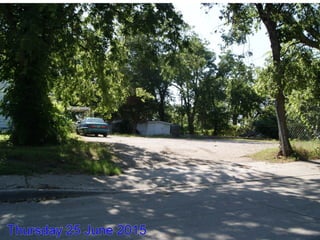
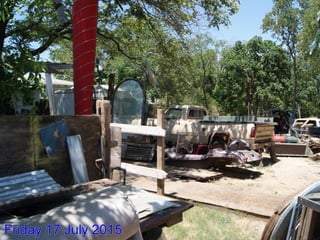
Original owner built numerous structures without any building permits;
Structures spanned two separate lots
Current owner planned to open group home and allow tenants to rent
individual shacks
Located across the street from senior day care, 3 blocks from
elementary school
HOW HAD WE TRIED TO SOLVE THE PROBLEM?
We hadn’t
One of the most dangerous streets in Dallas; officers wouldn’t exit their
vehicle without AR-15
Newspaper had published an article decrying the lack of zoning
enforcement in this residential neighborhood
City Attorney’s office was wary of filing lawsuits related to single-family
properties in District Court
WHAT ELSE COULD WE DO?
Solution:
 Make contact with bank representatives
 Track down new owners after the bank sold it
 Document, document, document
 Become a private investigator as the property kept being flipped
 ***New Tool: Municipal Repair Docket
FINAL OUTCOME?
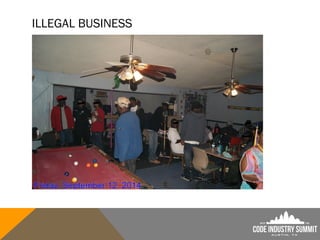
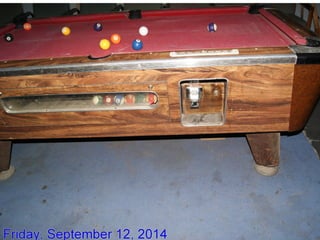
ILLEGAL BUSINESS
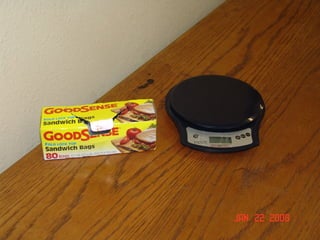
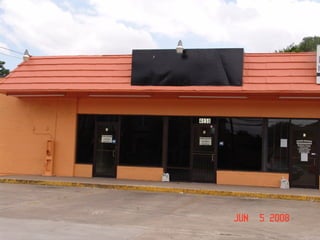
WHAT WAS THE PROBLEM?
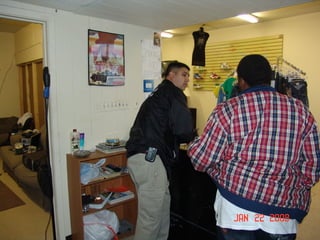
New business located directly across the street from elementary school
Blacked out windows, all customers had to be buzzed in
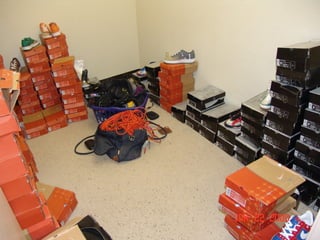
Virtually no retail products
Uncooperative business owners
HOW HAD WE TRIED TO SOLVE THE PROBLEM?
Visited property the day after receiving a complaint from the principal
WHAT ELSE COULD WE DO?
Solution:
 Revisited numerous times to attempt inspection
 Enforced all applicable codes
 Contacted property owner and required him to attend inspections
FINAL OUTCOME?
ILLEGAL BUSINESS
FINAL OUTCOME?
SOLVING MORE THAN ONE PROBLEM
CITY
OF
DALLAS
COM
M
UNITY
COURTS
COMMUNITY COURTS
The Community Court has jurisdiction to adjudicate quality of life offenses
The Community Court is a “plea court”
 If a defendant pleads “Not Guilty” his case is referred to the main municipal courthouse at
2014 Main
Defendants who plead “Guilty” or “No Contest” may be ordered to:
 perform community service in lieu of paying a fine
 attend rehabilitative or educational programs (if necessary)
 abate the violation (for code citations)
 All City of Dallas citations are dismissed after successful completion of program (except for
theft & assault offenses)
COMMUNITY COURT LOCATIONS
South Dallas
West Dallas
South Oak Cliff
Potential community service sites:
 vacant lots
 landscaping/minor repair for elderly or disabled
 trash pick-up after a community event
 graffiti wipe-outs
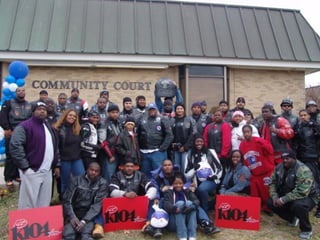
COMMUNITY COURT: SUCCESS STORIES
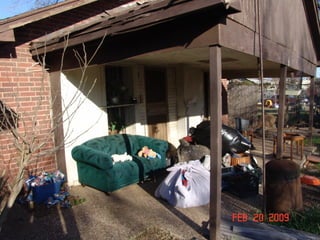
Problem: Substandard house near a convenience store. Owner, a drug addict, allowed drug
users and prostitutes to use the property.
Community Court Solution: Owner was cited for litter. He agreed to enter an inpatient
substance abuse program. He is currently clean & sober, has his own apartment and
regularly attends his sister’s church.
Problem: Substandard house occupied by a hoarder. Located across a playing field from an
elementary school.
Community Court Solution: Community Prosecutor obtained permission from the property
owner to have Community Court defendants and community volunteers clean the
property.
Problem: Widespread prostitution at truck stops near I-20.
Community Court Solution: DPD Vice Unit, Community Court and social service agencies
target truck stop prostitutes once a month through the New Life Opportunities Initiative.
ADDITIONAL OPPORTUNITIES
Dedicate percentage of code enforcement fines to a home repair
program
Operation Goodwill
Operation Crackdown
Landlord Hall of Shame
New/modified ordinances and laws
Food Trust
Community Toolkit
FUNDING YOUR PROGRAM
First Step: Identify a research partner & technical assistance provider
 Local higher education institution or private research institute
 Center for Community Progress—Technical Assistance Scholarship Program
 National Crime Prevention Council—Crime Prevention Through Environmental
Design training
Community Development Block Grants
 Objective Category: Suitable Living Environment; Outcome Category: Sustainability
Office of Justice Programs
 SMART Prosecution—promote effective data-driven, research-based approaches to
prosecution
 JAG Grant—specifically allows for personnel costs related to prosecution/courts &
strategic planning; funding allocation is based on statutory formula
BUILDING & RETAINING SUPPORT FOR YOUR PROGRAM
Celebrate small and big success
 Social media
 Council briefings
 Presentations at neighborhood meetings
Include the community in your efforts
 When possible, include community stakeholders (neighborhood &
for-profit/non-profit leaders) in the planning process
 Meet regularly with all stakeholders & meet them on their own turf
 Be accessible and transparent
CLOSING WORDS
SEE YOU NEXT YEAR!

2015 Code Industry Summit Day Two - Keynote Speaker

  • 1.
  • 2.
    COMMUNITY PROSECUTION & GRANTFUNDING: A LOOK AT DALLAS’ GROWTH  Maureen Milligan, Chief of Community Prosecution & Community Courts, Dallas City Attorney’s Office  Juan “Johnny” Ramos, Community Prosecution Code Supervisor, Dallas Department of Code Compliance
  • 3.
    DALLAS COMMUNITY PROSECUTIONTEAM: STAFFING MODEL Community Prosecutor Fire Prevention OfficerCode Officer
  • 4.
    DEFINITION OF COMMUNITYPROSECUTION “Community prosecution focuses on targeted areas and involves a long term, proactive partnership among the prosecutor’s office, law enforcement, the community, and public and private organizations, whereby the authority of the prosecutor’s office is used to solve problems, improve public safety, and enhance the quality of life in the community.” ---American Prosecutors Research Institute/Bureau of Justice Assistance Community Prosecution Focus Group, 1995
  • 5.
    FOUR KEY PRINCIPLES OFCOMMUNITY PROSECUTION 1. Recognizing the community’s role in public safety 2. Engaging in problem solving 3. Establishing and maintaining partnerships 4. Evaluating outcomes of activities Source: http://www.ndaa.org/nccp_home.html
  • 6.
    DALLAS COMMUNITY PROSECUTIONTEAM: MISSION STATEMENT Mission:  The mission of the Community Prosecution Team is to proactively improve public safety and the quality of life within the City of Dallas by:  Engaging the community to identify and solve nuisance-related problems,  Strategically collaborating with other city departments and local agencies to more effectively deploy city resources,  Seeking voluntary compliance from property owners who maintain substandard or hazardous properties or illegal land uses, and  Using all available legal tools to gain compliance from non-compliant property owners.
  • 7.
    FIRST PRINCIPLE: RECOGNIZING THECOMMUNITY’S ROLE IN PUBLIC SAFETY Proactively invite stakeholders to express their concerns Work together to identify and define problems Develop and implement solutions
  • 8.
    DECISION POINT: DEGREEOF IMMERSION Office location Caseload size Size of geographic area Team members’ experience and skill set
  • 9.
     7 targetareas  15 Assistant City Attorneys  10 Code Officers  2 Fire Prevention Officers  12 Community Court staff members COMMUNITY PROSECUTION TARGET AREAS
  • 10.
  • 15.
    PROBLEM PROPERTIES What dowe usually do? “It’s not my problem” “I am only responsible for…” “I’d like to help, but I don’t have the resources” “It is a house at 123 Main Street. It is owned by John Smith.”
  • 16.
    STRATEGIC GUIDELINES Initial visitto property Identify type of problem property Identify type of owner Develop strategy & timeline for addressing problems  Who/what is part of the problem?  Who can be part of the solution?  What needs to happen first? Next? Last? Make personal contact with owner Seek voluntary compliance Enforcement
  • 17.
    TYPES OF PROBLEMPROPERTIES Active drug/prostitution house Stash house (drugs or stolen goods) Smokehouse Gang hangout/Hangout for teenagers Homeless encampment Potential location for crime  Theft, burglary  Graffiti  Place to take a victim Home for dogs, cats, wildlife Substandard & dangerous Illegal (zoning; lack of licenses/permits)
  • 18.
    TYPES OF “OWNERS”OF PROBLEM PROPERTIES Deceased owner  No will, no identifiable heirs  No will, identifiable heirs, unwilling to care for property  Drug-addicted/mentally ill heirs Investor  Not local, no property management or unqualified management  Local, high-volume of properties, money is sole focus  Local, no funds  Local, unmotivated Bank-owned Fraudulent owner City Owned
  • 19.
  • 20.
    WHAT WAS THEPROBLEM? Reportedly mentally unstable occupant with an alleged history of engaging in criminal mischief and violence  Slashed neighbors’ tires and broke windows  Racist statements  Walked through neighborhood shouting and screaming Occupant would have remained in neighborhood and house would have continued to deteriorate
  • 21.
    HOW HAD WEPREVIOUSLY TRIED TO SOLVE THE PROBLEM? Code inspections Notices of violation Outreach by neighbors Social Services Referral to tax collection law firm for outstanding property taxes But then it becomes city-owned…
  • 22.
    WHAT ELSE COULDWE DO? Solution: Writ of possession Multi-agency operation  Sheriff’s office (execute writ)  Code inspectors (inspect premises)  Animal Control (seize animals)  Crisis Intervention (interview occupant)  DPD Mental Health Officer (mental health warrant)  Later joined by……  Fire department (make entry with power saw)  Bomb squad (inspect trip wire & evacuate neighborhood)  News station
  • 32.
  • 34.
  • 35.
    WHAT WAS THEPROBLEM? Original owner built numerous structures without any building permits; Structures spanned two separate lots Current owner planned to open group home and allow tenants to rent individual shacks Located across the street from senior day care, 3 blocks from elementary school
  • 36.
    HOW HAD WETRIED TO SOLVE THE PROBLEM? We hadn’t One of the most dangerous streets in Dallas; officers wouldn’t exit their vehicle without AR-15 Newspaper had published an article decrying the lack of zoning enforcement in this residential neighborhood City Attorney’s office was wary of filing lawsuits related to single-family properties in District Court
  • 37.
    WHAT ELSE COULDWE DO? Solution:  Make contact with bank representatives  Track down new owners after the bank sold it  Document, document, document  Become a private investigator as the property kept being flipped  ***New Tool: Municipal Repair Docket
  • 43.
  • 45.
  • 46.
    WHAT WAS THEPROBLEM? New business located directly across the street from elementary school Blacked out windows, all customers had to be buzzed in Virtually no retail products Uncooperative business owners
  • 47.
    HOW HAD WETRIED TO SOLVE THE PROBLEM? Visited property the day after receiving a complaint from the principal
  • 48.
    WHAT ELSE COULDWE DO? Solution:  Revisited numerous times to attempt inspection  Enforced all applicable codes  Contacted property owner and required him to attend inspections
  • 55.
  • 57.
  • 62.
  • 64.
    SOLVING MORE THANONE PROBLEM
  • 68.
  • 69.
    COMMUNITY COURTS The CommunityCourt has jurisdiction to adjudicate quality of life offenses The Community Court is a “plea court”  If a defendant pleads “Not Guilty” his case is referred to the main municipal courthouse at 2014 Main Defendants who plead “Guilty” or “No Contest” may be ordered to:  perform community service in lieu of paying a fine  attend rehabilitative or educational programs (if necessary)  abate the violation (for code citations)  All City of Dallas citations are dismissed after successful completion of program (except for theft & assault offenses)
  • 70.
    COMMUNITY COURT LOCATIONS SouthDallas West Dallas South Oak Cliff Potential community service sites:  vacant lots  landscaping/minor repair for elderly or disabled  trash pick-up after a community event  graffiti wipe-outs
  • 74.
    COMMUNITY COURT: SUCCESSSTORIES Problem: Substandard house near a convenience store. Owner, a drug addict, allowed drug users and prostitutes to use the property. Community Court Solution: Owner was cited for litter. He agreed to enter an inpatient substance abuse program. He is currently clean & sober, has his own apartment and regularly attends his sister’s church. Problem: Substandard house occupied by a hoarder. Located across a playing field from an elementary school. Community Court Solution: Community Prosecutor obtained permission from the property owner to have Community Court defendants and community volunteers clean the property. Problem: Widespread prostitution at truck stops near I-20. Community Court Solution: DPD Vice Unit, Community Court and social service agencies target truck stop prostitutes once a month through the New Life Opportunities Initiative.
  • 75.
    ADDITIONAL OPPORTUNITIES Dedicate percentageof code enforcement fines to a home repair program Operation Goodwill Operation Crackdown Landlord Hall of Shame New/modified ordinances and laws Food Trust Community Toolkit
  • 76.
    FUNDING YOUR PROGRAM FirstStep: Identify a research partner & technical assistance provider  Local higher education institution or private research institute  Center for Community Progress—Technical Assistance Scholarship Program  National Crime Prevention Council—Crime Prevention Through Environmental Design training Community Development Block Grants  Objective Category: Suitable Living Environment; Outcome Category: Sustainability Office of Justice Programs  SMART Prosecution—promote effective data-driven, research-based approaches to prosecution  JAG Grant—specifically allows for personnel costs related to prosecution/courts & strategic planning; funding allocation is based on statutory formula
  • 77.
    BUILDING & RETAININGSUPPORT FOR YOUR PROGRAM Celebrate small and big success  Social media  Council briefings  Presentations at neighborhood meetings Include the community in your efforts  When possible, include community stakeholders (neighborhood & for-profit/non-profit leaders) in the planning process  Meet regularly with all stakeholders & meet them on their own turf  Be accessible and transparent
  • 78.
  • 79.

Editor's Notes

  • #10 Population of 1.2 million; 385 sq. miles