YOUTH, MEDIA
CONSUMPTION
AND
CONVERGENCE
NILDA JACKS
UNIVERSIDADE FEDERAL DO RIO GRANDE DO SUL/
BRAZIL
• 1) state- of- the- art Brazilian Reception Studies
collected from PhD dissertation and Master
Thesis (meta-research);
• 2)Data from OBITEL (Ibero-American television
fiction observatory) about social networks and
transmedia storytelling;
BACKGROUND
FOR THIS
PROJECT
BACKGROUND
FOR THIS
PROJECT
• 3) Statistics from IBGE about mobile and
internet access
• 4) Martin- Barbero´s commentary about
Brazilian Reception Studies presented in the
book Meios e Audiências (Jacks, 2008)
ONE BY ONE
• 1) Reception Studies in Brazil (1990-2000):
there are very few about youth and media,
including the more recent internet/convergence
studies;
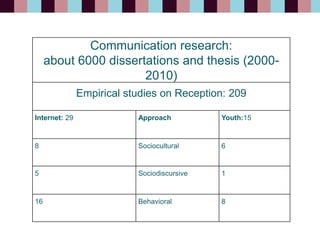
Communication research:
about 6000 dissertations and thesis (2000-
2010)
Empirical studies on Reception: 209
Internet: 29 Approach Youth:15
8 Sociocultural 6
5 Sociodiscursive 1
16 Behavioral 8
ONE BY ONE
• 2) OBITEL results (focus group/ virtual
observation): follow celebrities; share specific
themes from TELENOVELA (fashion, social
behavior, slang, etc. no politics and citizenship
participation in strictu sensu);
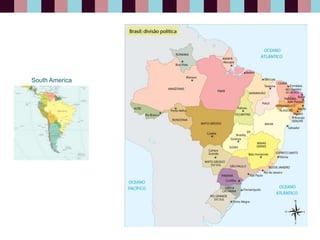
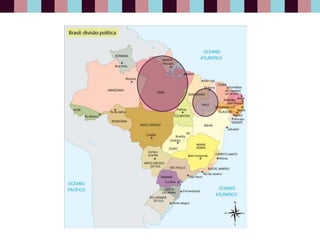
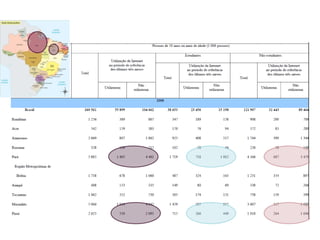
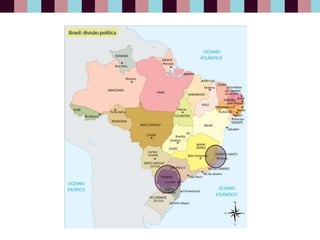
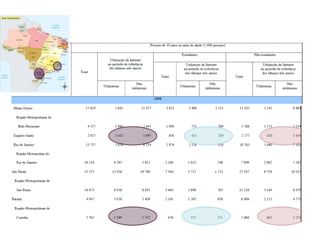
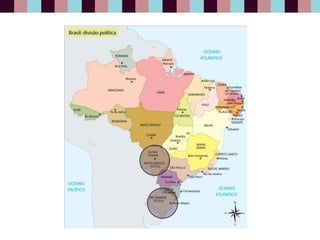
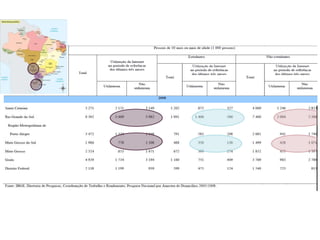
• 3) IBGE´s statistics (2008):
South America
ONE BY ONE
4) Martin- Barbero´s argument: “a country, Brazil,
is studied at the same time through everyday
practices – media reception- and through a
complex network of processes involving more
than various media, the national culture, the
regional culture, kids
and adolescents, women, educators, the rural
world and the diversified urban world” (in Jacks,
2008)
INSPIRATION
• Brazil “seen” by Martin- Barbero through
Reception Studies analyses grew out of a wish
to know the Brazilian youth more closely. I want
to understand the differences and similarities
among the 26 Brazilian states
SUMMARIZIN
G
• A) few studies about youth and media
convergence
• B) a lack of national and comparative research
• C) increase of mobile ownership and computers
among Brazilians (colocar dado)
• D) gap among different regions concerning the
access and use of internet
SUBJECT/
THEME
• To Know and understand media practices by
young people using multiplatforms in different
contexts and through different kinds of access.
QUESTION
• What kinds of content and how does it circulate
in multiplatform networks such as Facebook and
Orkut?
• To what extent do these media practices provide
elements to understand emerging identities
among the youth?
STRATEGIES
• Map the statistical data about the national
contexts using internet and mobile phones
• Explore qualitative and quantitative data about
media consumption amoung youth
• Identify the circulation of themes and subjects
through the social networks
• Explore how these practices make sense for
them
OTHER
POSSIBILITIE
S
EXPLORING:
a) Political culture
b) Sport
c) Gender roles
d) Fashion
e) Religion
f) Homossexuality
g) Ethnicity

2012 Youth, Media Consumption and Convergence

  • 1.
  • 2.
    • 1) state-of- the- art Brazilian Reception Studies collected from PhD dissertation and Master Thesis (meta-research); • 2)Data from OBITEL (Ibero-American television fiction observatory) about social networks and transmedia storytelling; BACKGROUND FOR THIS PROJECT
  • 3.
    BACKGROUND FOR THIS PROJECT • 3)Statistics from IBGE about mobile and internet access • 4) Martin- Barbero´s commentary about Brazilian Reception Studies presented in the book Meios e Audiências (Jacks, 2008)
  • 4.
    ONE BY ONE •1) Reception Studies in Brazil (1990-2000): there are very few about youth and media, including the more recent internet/convergence studies;
  • 5.
    Communication research: about 6000dissertations and thesis (2000- 2010) Empirical studies on Reception: 209 Internet: 29 Approach Youth:15 8 Sociocultural 6 5 Sociodiscursive 1 16 Behavioral 8
  • 6.
    ONE BY ONE •2) OBITEL results (focus group/ virtual observation): follow celebrities; share specific themes from TELENOVELA (fashion, social behavior, slang, etc. no politics and citizenship participation in strictu sensu); • 3) IBGE´s statistics (2008):
  • 7.
  • 14.
    ONE BY ONE 4)Martin- Barbero´s argument: “a country, Brazil, is studied at the same time through everyday practices – media reception- and through a complex network of processes involving more than various media, the national culture, the regional culture, kids and adolescents, women, educators, the rural world and the diversified urban world” (in Jacks, 2008)
  • 15.
    INSPIRATION • Brazil “seen”by Martin- Barbero through Reception Studies analyses grew out of a wish to know the Brazilian youth more closely. I want to understand the differences and similarities among the 26 Brazilian states
  • 16.
    SUMMARIZIN G • A) fewstudies about youth and media convergence • B) a lack of national and comparative research • C) increase of mobile ownership and computers among Brazilians (colocar dado) • D) gap among different regions concerning the access and use of internet
  • 17.
    SUBJECT/ THEME • To Knowand understand media practices by young people using multiplatforms in different contexts and through different kinds of access.
  • 18.
    QUESTION • What kindsof content and how does it circulate in multiplatform networks such as Facebook and Orkut? • To what extent do these media practices provide elements to understand emerging identities among the youth?
  • 19.
    STRATEGIES • Map thestatistical data about the national contexts using internet and mobile phones • Explore qualitative and quantitative data about media consumption amoung youth • Identify the circulation of themes and subjects through the social networks • Explore how these practices make sense for them
  • 20.
    OTHER POSSIBILITIE S EXPLORING: a) Political culture b)Sport c) Gender roles d) Fashion e) Religion f) Homossexuality g) Ethnicity