1st Semester Concepts ReviewJonathan AbesamisRoss University School of MedicineAugust 15, 2010
Suboccipital TriangleFloorPosterior Atlanto-occipital MembranePosterior Arch of AtlasCeilingSemispinalisCapitis
Attachments of Forearm Muscles (Deepest)Deepest LayerSupinator - Lateral epicondyle of humerus, radial collateral and anular ligaments, supinatorfossa and crest of ulna.PronatorQuadratus - Distal fourth of anterior surface of ulna.
Attachments of Forearm Muscles (Deep)Deep LayerFlexor DigitorumProfundus - Proximal 3/4 of medial and anterior surfaces of the ulna and interosseous membrane.Flexor PollicisLongus - Anterior surface of the radius and adjacent interosseous membrane.
Attachments of Forearm Muscles (Intermediate)Intermediate LayerFlexor DigitorumSuperficialis- Humeroulnar head-medial epicondyle of humerus, ulnar collateral ligament, and coronoid process of the ulna, radial head-superior half of anterior border of radius.
Attachments of Forearm Muscles (Superficial)Superficial LayerPronatorTeres Muscle - Medial epicondyle of humerus and coronoid process of ulna.Flexor Carpi Radialis - Medial epicondyle of the humerus.Palmaris Longus - Medial epicondyle of humerus.Flexor Carpi Ulnaris - Humeral head-medial epicondyle of humerus, ulnar head-olecranon and posterior border of ulna.
Innervation of Forearm MusclesAll MedianExceptions:Supinator – RadialFlexor Carpi Ulnaris - Ulnar
Endoplasmic Reticulum DetoxificationAlcohol  Increase in Smooth ERCytochrome p450Detoxification of foreign substances.
CaspasesCysteine-aspartic ProteasesNecessary for apoptosis, necrosis, and inflammation.↓Apoptosis = Tumor↑Apoptosis = Ischemia or Alzheimer’s Disease
Receptor-mediated EndocytosisClatherin Assembles on MembraneLDL  Adaptin  Clatherin
CentrosomeMicrotubule Organizing Center (MTOC)2 Perpendicular Centrioles
Definition of IncidenceThe rate or range of occurrence or influence of something, esp. of something unwanted: the high incidence of heart disease in men over 40.
Monosaccharide ClassificationAldose Sugar = Primary CarbonKetose Sugar = Secondary CarbonContain one or more chiral centers—therefore exist as two distinct enantiomers.All biologically relevant monosaccharides are in the D-configuration.D-GlucoseC2, 4, 5 = Chiral
Peptide BondA peptide bond (amide bond) is a covalent chemical bond formed between two molecules when the carboxyl group of one molecule reacts with the amine group of the other molecule, thereby releasing a molecule of water (H2O).
Conjugation in ProkaryotesBacterial conjugation is the transfer of genetic material between bacterial cells by direct cell-to-cell contact or by a bridge-like connection between two cells.Bacterial conjugation is often incorrectly regarded as the bacterial equivalent of sexual reproduction or mating since it involves the exchange of genetic material.During conjugation the donor cell provides a conjugative or mobilizable genetic element that is most often a plasmid or transposon.
Herniated DiskProtrusion of the nucleus pulposusthrough the annulus fibrosus of the intervertebral disk into the intervertebral foramen or vertebral canal, compressing the spinal nerve root.Commonly occurs posterolaterally where the annulus fibrosus is not reinforced by the posterior longitudinal ligament.Frequently affects the lumbar region.
Sympathetic TrunkThe sympathetic trunk travels in a downward direction from the skull, just lateral to the vertebral bodies. It interacts with the spinal nerves or their ventral rami by way of ramicommunicantes.The inferior part travels in front of the coccyx, where it converges with the other trunk at a structure known as the ganglion impar.Along the length of the sympathetic trunk are ganglia known as paravertebral ganglia.
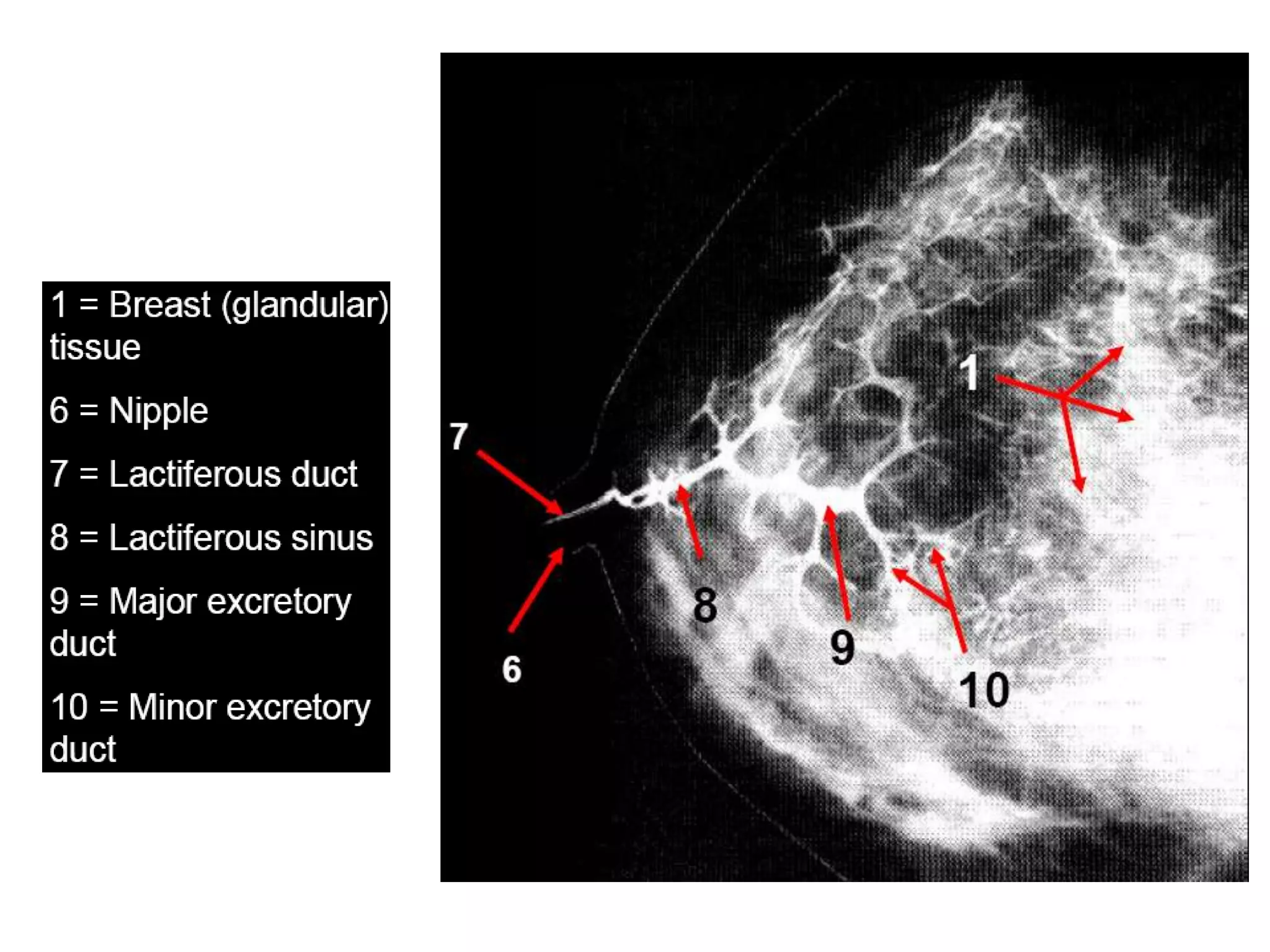
Innervation of BreastSensory innervation of the breast is dermatomal in nature. It is mainly derived from the anterolateral and anteromedial branches of thoracic intercostal nerves T3-T5.
Contraindication of MRIElectronically, magnetically, and mechanically activated implants:  other pacemakers, e.g., For the carotid sinus;Insulin pumps and nerve stimulators; Lead wires or similar wires
Repolarization of Action PotentialIn neuroscience, repolarization refers to the change in membrane potential that returns the membrane potential to a negative value after the depolarization phase of an action potential has just previously changed the membrane potential to a positive value.Repolarization results from the movement of positively charged potassiumions out of the cell.
Hypoventilation and Cervical InjuryIn medicine, hypoventilation (also known as respiratory depression) occurs when ventilation is inadequate.By definition it causes an increased concentration of carbon dioxide (hypercapnia) and respiratory acidosis.May be caused by spinal cord injury to cervical region.
VSD & FASFetal/Foetal alcohol syndrome (FAS) is a pattern of mental and physical defects which develops in some unborn babies when the mother drinks excessive alcohol during pregnancy.May cause Ventricular Septal Defect
Sequence of Eukaryotic Gene ExpressionInitiationPromoter region of gene attracts RNA polyermase.RNA polymerase combines with σ factor to create RNA polymerase holoenzyme.ElongationTerminationType I (Rho-independent) G-C rich area forms hairpin.Type II (Rho-dependent) Rho factor proteins break H-bonds between template DNA and RNA
Risk for Robertsonian TranslocationRobertsonian translocation (ROB) is a common form of chromosomal rearrangement that in humans occurs in the five acrocentricchromosome pairs, namely 13, 14, 15, 21, and 22. Among life born, ~1/10 survive.
Down’s Syndrome95% Trisomy 21 (47XX, +21 or 47XY, +21)4% Robertsonian (46XY,rob(14;21),+21 )1% MosaicismMental RetardationSpecific shape of head, feet, and hands.40% Heart MalformationsHyperthyroidism
Treatment of Androgen InsensitivityAndrogen insensitivity syndrome (AIS), also referred to as androgen resistance syndrome, is a set of disorders of sex development caused by mutations of the gene encoding the androgenreceptor.Treatment with cortisol, surgical reconstruction when needed.
Dx of Cockayne SyndromeCockayne syndrome (also called Weber-Cockayne syndrome, or Neill-Dingwall Syndrome) is a rare autosomalrecessive[1]congenital disorder characterized by growth failure, impaired development of the nervous system, abnormal sensitivity to sunlight (photosensitivity), and premature aging.Hearing loss and eye abnormalities (pigmentary retinopathy) are other common features, but problems with any or all of the internal organs are possible.It is associated with a group of disorders called leukodystrophies.The underlying disorder is a defect in a DNA repair mechanism.
Identify Frameshift MutationDue to the triplet nature of gene expression by codons, the insertion or deletion can change the reading frame (the grouping of the codons), resulting in a completely different translation from the original.
Diphteria Toxin Interferes with TranslocationIt catalyzes the ADP-ribosylation of eukaryotic elongation factor-2 (eEF2), inactivating this protein. It does so by ADP-ribosylating the unusual amino aciddiphthamide. In this way, it acts as a RNA translational inhibitor.
Functions of GolgiOrganelle where proteins and lipids transferred from ER are modified and sorted.Site of synthesis of extracellular matrix GAGsClips N-Linked carbs from proteins and replaces with O-linked sugars (Ser or Thr)Location where glycolipids are formed.Default path out of golgi is constitutive secretion.Regulated Secretion (Insulin & Neurotransmitters)Signal Mediated Diversion to Lysosomes (M6P on an N-linked sugar)Retention Signals (KDEL/BIP sequence)
DNA PolymeraseAlways polymerizes on a free 3’ OH using a deoxyribonucleosidetriphosphate.Needs a RNA primer to initiate replication.
αAmanitinInhibits RNA polymerase II in eukaryotic cells.
PuromycinInhibits protein synthesis (translation) by virtue of its similarity to aminoacyltRNA.
Review of Inheritance PatternsEvery generation, gender equal = ADSkips a generation, gender equal = ARLess males, more females = X-linked DominantMore males, less females = X-linked Recessive
Renal DisorderProteins Found in Urine
Function of IntegrinsIntegrins are receptors that mediate attachment between a cell and the tissues surrounding it, which may be other cells or the extracellular matrix (ECM). They also play a role in cell signaling and thereby define cellular shape, mobility, and regulate the cell cycle.
Prune Belly SyndromePrune belly syndrome is a congenital disorder of the urinary system, characterized by a triad of symptoms.Complete lack of abdominal muscles. There may be wrinkly folds of skin covering the abdomen.Undescended testicles in malesUrinary tract abnormality such as unusually large ureters, distended bladder, accumulation and backflow of urine from the bladder to the ureters and the kidneysFrequent urinary tract infections due to the inability to properly expel urine.
Causes of ScoliosisIn some cases, scoliosis exists at birth due to a congenital vertebral anomaly. Most often the cause is unknown or idiopathic, having been inherited through multiple factors, including genetics.Scoliosis often presents itself, or worsens, during the adolescence growth spurt.
Development of the SkullFontanels are the spaces between the cranial bones in infants. The bones are joined by membranes, which later ossify into bone. There are six fontanels: one anterior, one posterior, two sphenoid (or anterolateral) and two mastoid (or posterolateral). Most fuse by the first year, but the largest, the anterior fontanel, can be felt until age 2.
Derivatives of the DiencephalonPart of ForebrainThalamusHypothalamus3rd Ventricle
Compartment Syndrome of Anterior CompartmentInnervationDeep PeronealMuscles InvolvedTibialis anteriorExtensor hallucis longusExtensor digitorum longus
Excitation-Contraction CouplingAcetylcholine is released.Action Potential is generated in the T tubules.Voltage-sensing dihydropyridine receptors activated.Transmitted to the voltage-mediated signal to ryanodine receptors, resulting in a conformational change, opening the channel.Calcium ions released.Troponin C on actin filaments.Myosin forms a cross bridge.
Lactic Acidosis↑Ethanol Consumption = Lactic Acidosis
Sickle Cell HeterozygotesThe heterozygous form (sickle cell trait) is almost always asymptomatic, and the only usual significant manifestation is the renal concentrating defect presenting with isosthenuria.Isosthenuria refers to the excretion of urine whose specific gravity (concentration) is neither greater (more concentrated) nor less (more dilute) than that of protein-free plasma.
SirenomeliaSirenomelia, alternatively known as Mermaid Syndrome, is a very rare congenital deformity in which the legs are fused together, giving them the appearance of a mermaid's tail.
Heart Axis DeviationRADRAD is common in taller individuals, as the apex of the heart generally moves lower into the thorax.This can also be seen in individuals with SitusInversusLADCommon causes include left ventricular hypertrophy, left anterior fascicular block, inferior myocardial infarction, hypertension and emphysema.
Referred Pain in ThoraxAs a general rule, in the thorax and abdomen, general visceral afferent (GVA) pain fibers follow sympathetic fibers back to the same spinal cord segments that gave rise to the preganglionic sympathetic fibers.
PneumothoraxPneumothorax (plural pneumothoraces) is a collection of air or gas in the pleural cavity of the chest between the lung and the chest wall. It may occur spontaneously in people without chronic lung conditions ("primary") as well as in those with lung disease ("secondary"), and many pneumothoraces occur after physical trauma to the chest, blast injury, or as a complication of medical treatment.
PyruvateDehydrogenase DeficiencyIt most commonly follows an X-linked inheritance pattern, but is approximately equally prevalent in both males and females.This is because heterozygote females commonly manifest severe symptoms.It affects a gene which codes for a critical enzyme complex, the Pyruvatedehydrogenase complex (PDC) which links the metabolic pathways of glycolysis and the citric acid cycle by transforming pyruvate into Acetyl CoA
Cytochrome c OxidaseThe enzymecytochrome c oxidase or Complex IV (PDB2OCC, EC1.9.3.1) is a large transmembrane protein complex found in bacteria and the mitochondrion.It is the last enzyme in the respiratory electron transport chain of mitochondria (or bacteria) located in the mitochondrial (or bacterial) membrane.It receives an electron from each of four cytochrome c molecules, and transfers them to one oxygen molecule, converting molecular oxygen to two molecules of water.Cyanide, sulfide, azide, and carbon monoxide[3] all bind to cytochrome c oxidase, thus competitively inhibiting the protein from functioning which results in chemical asphyxiation of cells.
OligomycinInhibition of ATP Synthase
Aortic AneurysmAn aortic aneurysm is a general term for any swelling (dilation or aneurysm) of the aorta, usually representing an underlying weakness in the wall of the aorta at that location. While the stretched vessel may occasionally cause discomfort, a greater concern is the risk of rupture, which causes severe pain; massive internal hemorrhage; and, without prompt treatment, results in a quick death.
Thoracic DuctIn human anatomy, the thoracic duct (aka left lymphatic duct) is an important part of the lymphatic system—it is the largest lymphatic vessel in the body.It collects most of the lymph in the body (except that from the right arm and the right side of the chest, neck and head, and lower left lobe of the lung, which is collected by the right lymphatic duct) and drains into the systemic (blood) circulation at the left brachiocephalic vein, right between where the left subclavian vein and left internal jugular connect.
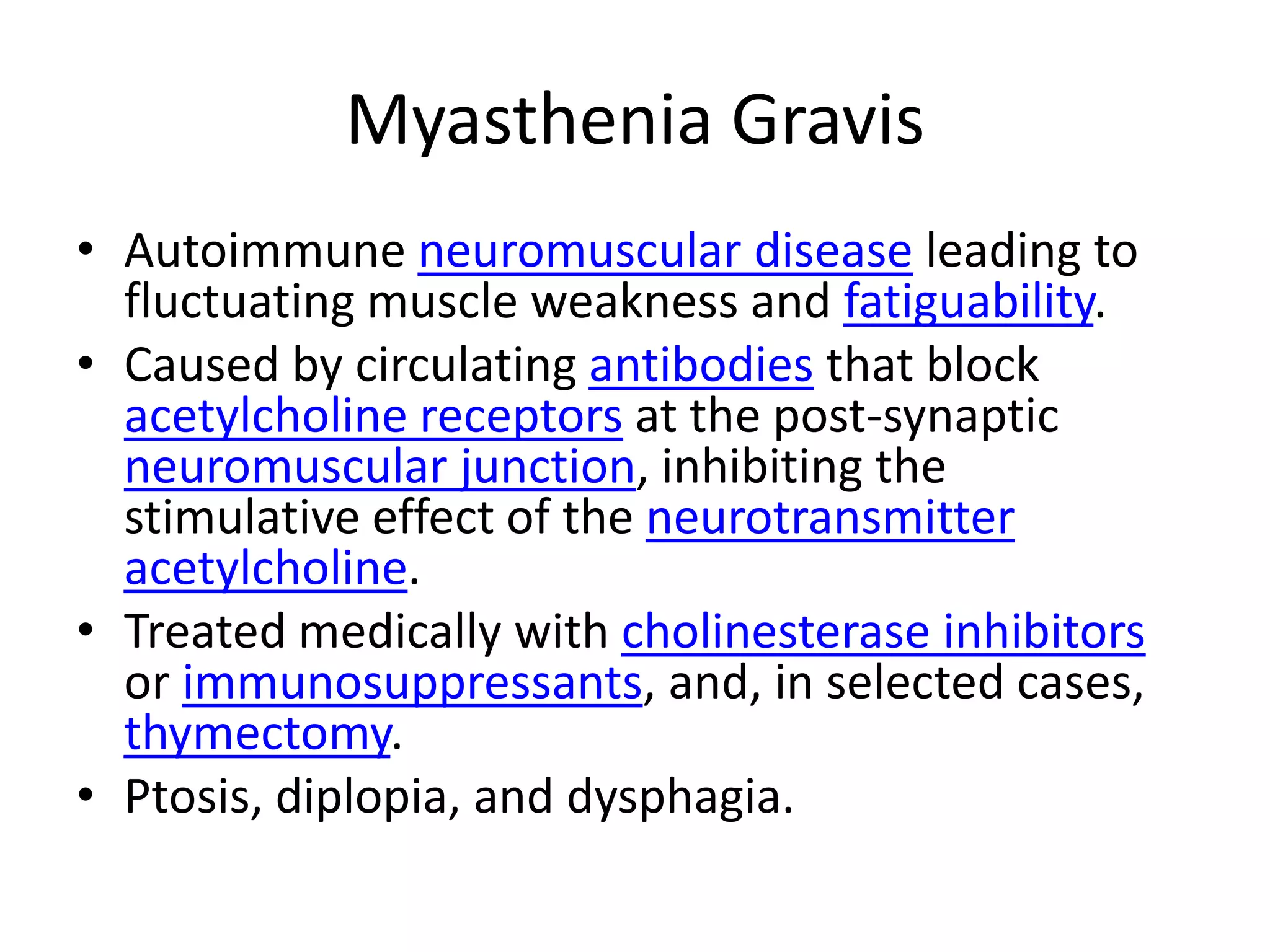
Myasthenia GravisAutoimmune neuromuscular disease leading to fluctuating muscle weakness and fatiguability.Caused by circulating antibodies that block acetylcholine receptors at the post-synaptic neuromuscular junction, inhibiting the stimulative effect of the neurotransmitteracetylcholine. Treated medically with cholinesterase inhibitors or immunosuppressants, and, in selected cases, thymectomy.Ptosis, diplopia, and dysphagia.
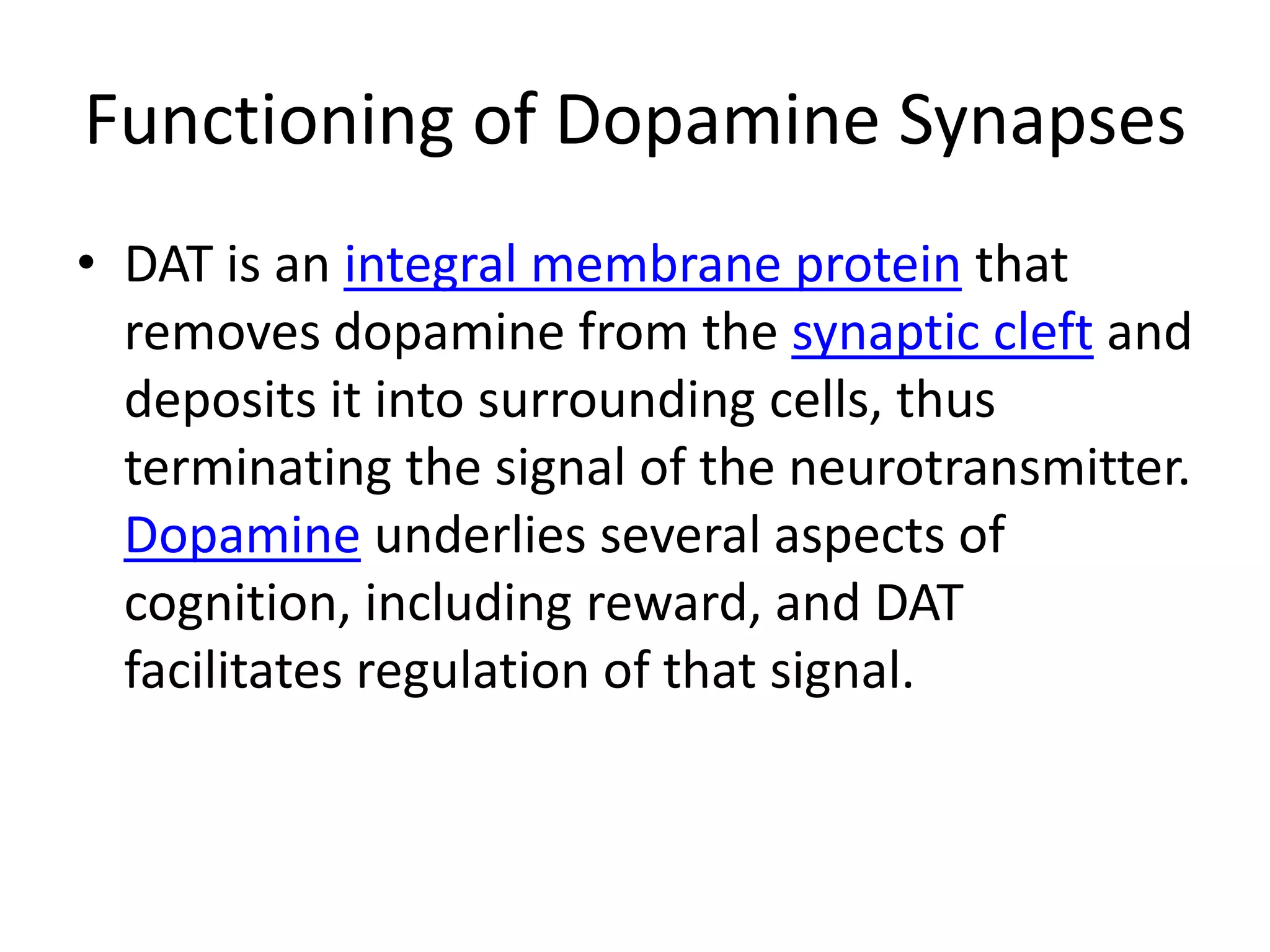
Functioning of Dopamine SynapsesDAT is an integral membrane protein that removes dopamine from the synaptic cleft and deposits it into surrounding cells, thus terminating the signal of the neurotransmitter. Dopamine underlies several aspects of cognition, including reward, and DAT facilitates regulation of that signal.
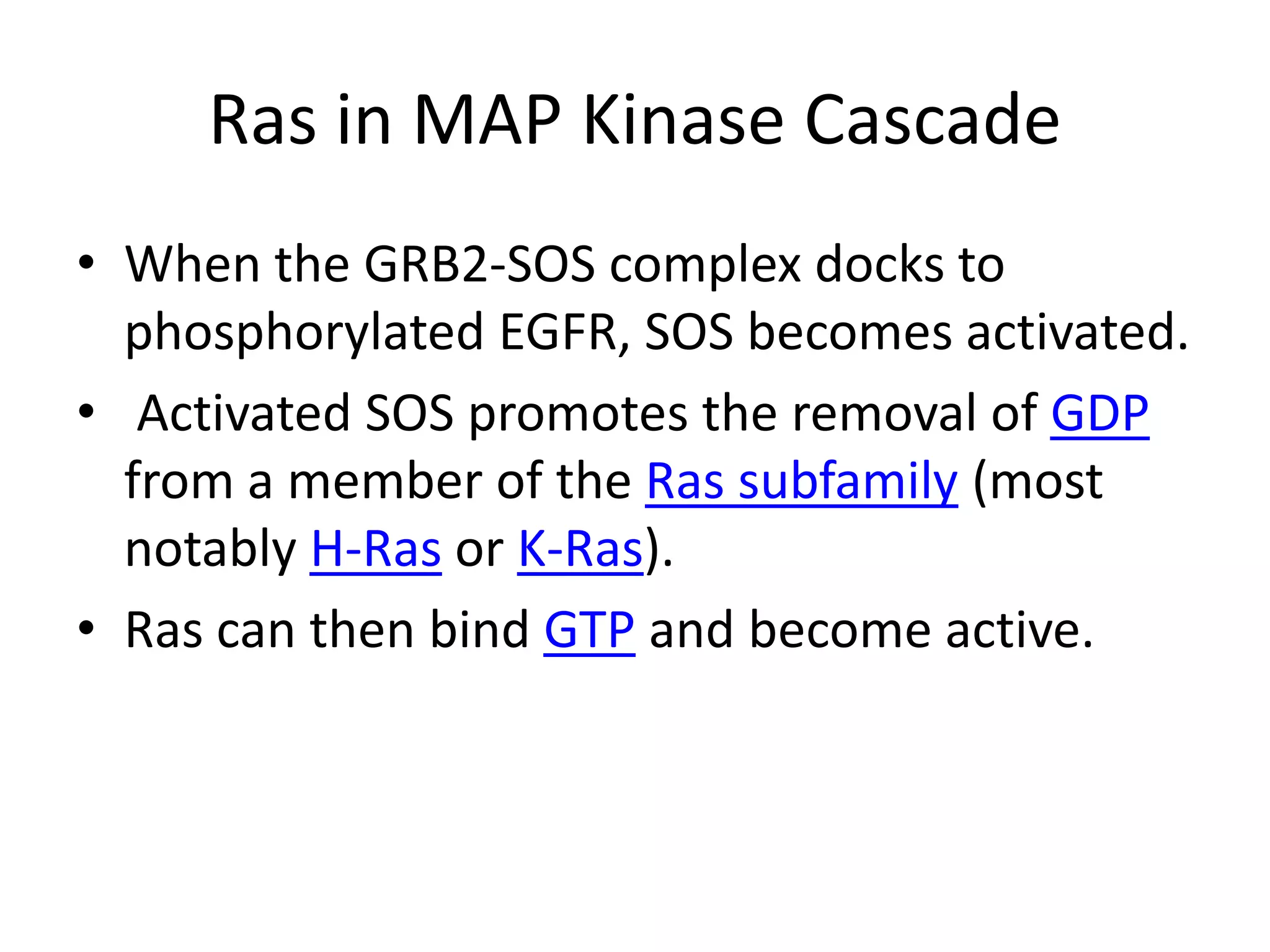
Ras in MAP Kinase CascadeWhen the GRB2-SOS complex docks to phosphorylated EGFR, SOS becomes activated. Activated SOS promotes the removal of GDP from a member of the Ras subfamily (most notably H-Ras or K-Ras). Ras can then bind GTP and become active.
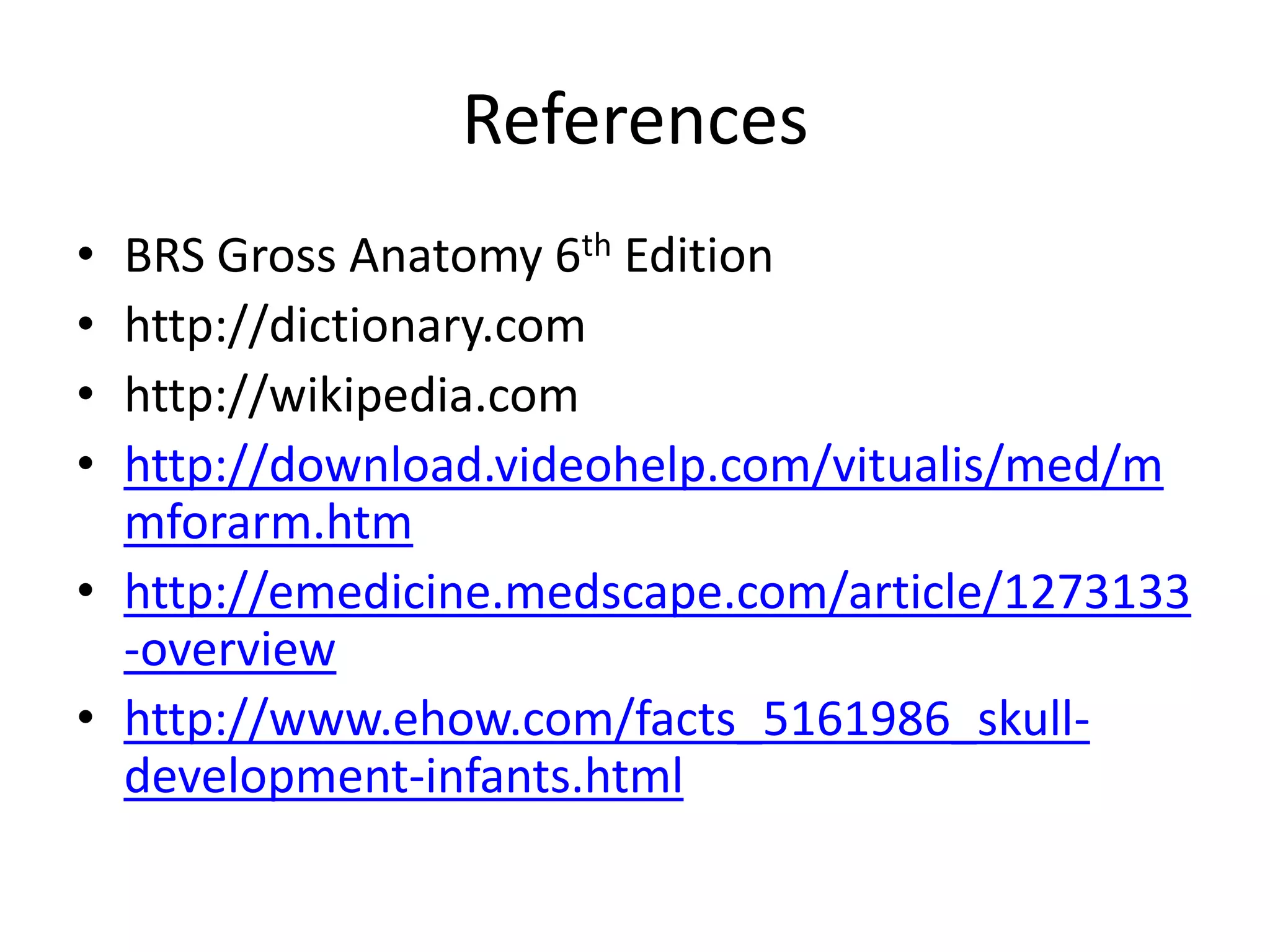
ReferencesBRS Gross Anatomy 6th Editionhttp://dictionary.comhttp://wikipedia.comhttp://download.videohelp.com/vitualis/med/mmforarm.htmhttp://emedicine.medscape.com/article/1273133-overviewhttp://www.ehow.com/facts_5161986_skull-development-infants.html

1st Semester Concepts Review

  • 1.
    1st Semester ConceptsReviewJonathan AbesamisRoss University School of MedicineAugust 15, 2010
  • 2.
    Suboccipital TriangleFloorPosterior Atlanto-occipitalMembranePosterior Arch of AtlasCeilingSemispinalisCapitis
  • 3.
    Attachments of ForearmMuscles (Deepest)Deepest LayerSupinator - Lateral epicondyle of humerus, radial collateral and anular ligaments, supinatorfossa and crest of ulna.PronatorQuadratus - Distal fourth of anterior surface of ulna.
  • 4.
    Attachments of ForearmMuscles (Deep)Deep LayerFlexor DigitorumProfundus - Proximal 3/4 of medial and anterior surfaces of the ulna and interosseous membrane.Flexor PollicisLongus - Anterior surface of the radius and adjacent interosseous membrane.
  • 5.
    Attachments of ForearmMuscles (Intermediate)Intermediate LayerFlexor DigitorumSuperficialis- Humeroulnar head-medial epicondyle of humerus, ulnar collateral ligament, and coronoid process of the ulna, radial head-superior half of anterior border of radius.
  • 6.
    Attachments of ForearmMuscles (Superficial)Superficial LayerPronatorTeres Muscle - Medial epicondyle of humerus and coronoid process of ulna.Flexor Carpi Radialis - Medial epicondyle of the humerus.Palmaris Longus - Medial epicondyle of humerus.Flexor Carpi Ulnaris - Humeral head-medial epicondyle of humerus, ulnar head-olecranon and posterior border of ulna.
  • 7.
    Innervation of ForearmMusclesAll MedianExceptions:Supinator – RadialFlexor Carpi Ulnaris - Ulnar
  • 8.
    Endoplasmic Reticulum DetoxificationAlcohol Increase in Smooth ERCytochrome p450Detoxification of foreign substances.
  • 9.
    CaspasesCysteine-aspartic ProteasesNecessary forapoptosis, necrosis, and inflammation.↓Apoptosis = Tumor↑Apoptosis = Ischemia or Alzheimer’s Disease
  • 10.
    Receptor-mediated EndocytosisClatherin Assembleson MembraneLDL  Adaptin  Clatherin
  • 11.
    CentrosomeMicrotubule Organizing Center(MTOC)2 Perpendicular Centrioles
  • 12.
    Definition of IncidenceTherate or range of occurrence or influence of something, esp. of something unwanted: the high incidence of heart disease in men over 40.
  • 13.
    Monosaccharide ClassificationAldose Sugar= Primary CarbonKetose Sugar = Secondary CarbonContain one or more chiral centers—therefore exist as two distinct enantiomers.All biologically relevant monosaccharides are in the D-configuration.D-GlucoseC2, 4, 5 = Chiral
  • 14.
    Peptide BondA peptidebond (amide bond) is a covalent chemical bond formed between two molecules when the carboxyl group of one molecule reacts with the amine group of the other molecule, thereby releasing a molecule of water (H2O).
  • 15.
    Conjugation in ProkaryotesBacterialconjugation is the transfer of genetic material between bacterial cells by direct cell-to-cell contact or by a bridge-like connection between two cells.Bacterial conjugation is often incorrectly regarded as the bacterial equivalent of sexual reproduction or mating since it involves the exchange of genetic material.During conjugation the donor cell provides a conjugative or mobilizable genetic element that is most often a plasmid or transposon.
  • 16.
    Herniated DiskProtrusion ofthe nucleus pulposusthrough the annulus fibrosus of the intervertebral disk into the intervertebral foramen or vertebral canal, compressing the spinal nerve root.Commonly occurs posterolaterally where the annulus fibrosus is not reinforced by the posterior longitudinal ligament.Frequently affects the lumbar region.
  • 17.
    Sympathetic TrunkThe sympathetictrunk travels in a downward direction from the skull, just lateral to the vertebral bodies. It interacts with the spinal nerves or their ventral rami by way of ramicommunicantes.The inferior part travels in front of the coccyx, where it converges with the other trunk at a structure known as the ganglion impar.Along the length of the sympathetic trunk are ganglia known as paravertebral ganglia.
  • 18.
    Innervation of BreastSensoryinnervation of the breast is dermatomal in nature. It is mainly derived from the anterolateral and anteromedial branches of thoracic intercostal nerves T3-T5.
  • 19.
    Contraindication of MRIElectronically,magnetically, and mechanically activated implants: other pacemakers, e.g., For the carotid sinus;Insulin pumps and nerve stimulators; Lead wires or similar wires
  • 21.
    Repolarization of ActionPotentialIn neuroscience, repolarization refers to the change in membrane potential that returns the membrane potential to a negative value after the depolarization phase of an action potential has just previously changed the membrane potential to a positive value.Repolarization results from the movement of positively charged potassiumions out of the cell.
  • 22.
    Hypoventilation and CervicalInjuryIn medicine, hypoventilation (also known as respiratory depression) occurs when ventilation is inadequate.By definition it causes an increased concentration of carbon dioxide (hypercapnia) and respiratory acidosis.May be caused by spinal cord injury to cervical region.
  • 23.
    VSD & FASFetal/Foetalalcohol syndrome (FAS) is a pattern of mental and physical defects which develops in some unborn babies when the mother drinks excessive alcohol during pregnancy.May cause Ventricular Septal Defect
  • 24.
    Sequence of EukaryoticGene ExpressionInitiationPromoter region of gene attracts RNA polyermase.RNA polymerase combines with σ factor to create RNA polymerase holoenzyme.ElongationTerminationType I (Rho-independent) G-C rich area forms hairpin.Type II (Rho-dependent) Rho factor proteins break H-bonds between template DNA and RNA
  • 25.
    Risk for RobertsonianTranslocationRobertsonian translocation (ROB) is a common form of chromosomal rearrangement that in humans occurs in the five acrocentricchromosome pairs, namely 13, 14, 15, 21, and 22. Among life born, ~1/10 survive.
  • 26.
    Down’s Syndrome95% Trisomy21 (47XX, +21 or 47XY, +21)4% Robertsonian (46XY,rob(14;21),+21 )1% MosaicismMental RetardationSpecific shape of head, feet, and hands.40% Heart MalformationsHyperthyroidism
  • 27.
    Treatment of AndrogenInsensitivityAndrogen insensitivity syndrome (AIS), also referred to as androgen resistance syndrome, is a set of disorders of sex development caused by mutations of the gene encoding the androgenreceptor.Treatment with cortisol, surgical reconstruction when needed.
  • 28.
    Dx of CockayneSyndromeCockayne syndrome (also called Weber-Cockayne syndrome, or Neill-Dingwall Syndrome) is a rare autosomalrecessive[1]congenital disorder characterized by growth failure, impaired development of the nervous system, abnormal sensitivity to sunlight (photosensitivity), and premature aging.Hearing loss and eye abnormalities (pigmentary retinopathy) are other common features, but problems with any or all of the internal organs are possible.It is associated with a group of disorders called leukodystrophies.The underlying disorder is a defect in a DNA repair mechanism.
  • 29.
    Identify Frameshift MutationDueto the triplet nature of gene expression by codons, the insertion or deletion can change the reading frame (the grouping of the codons), resulting in a completely different translation from the original.
  • 30.
    Diphteria Toxin Interfereswith TranslocationIt catalyzes the ADP-ribosylation of eukaryotic elongation factor-2 (eEF2), inactivating this protein. It does so by ADP-ribosylating the unusual amino aciddiphthamide. In this way, it acts as a RNA translational inhibitor.
  • 31.
    Functions of GolgiOrganellewhere proteins and lipids transferred from ER are modified and sorted.Site of synthesis of extracellular matrix GAGsClips N-Linked carbs from proteins and replaces with O-linked sugars (Ser or Thr)Location where glycolipids are formed.Default path out of golgi is constitutive secretion.Regulated Secretion (Insulin & Neurotransmitters)Signal Mediated Diversion to Lysosomes (M6P on an N-linked sugar)Retention Signals (KDEL/BIP sequence)
  • 32.
    DNA PolymeraseAlways polymerizeson a free 3’ OH using a deoxyribonucleosidetriphosphate.Needs a RNA primer to initiate replication.
  • 33.
    αAmanitinInhibits RNA polymeraseII in eukaryotic cells.
  • 34.
    PuromycinInhibits protein synthesis(translation) by virtue of its similarity to aminoacyltRNA.
  • 35.
    Review of InheritancePatternsEvery generation, gender equal = ADSkips a generation, gender equal = ARLess males, more females = X-linked DominantMore males, less females = X-linked Recessive
  • 36.
  • 37.
    Function of IntegrinsIntegrinsare receptors that mediate attachment between a cell and the tissues surrounding it, which may be other cells or the extracellular matrix (ECM). They also play a role in cell signaling and thereby define cellular shape, mobility, and regulate the cell cycle.
  • 38.
    Prune Belly SyndromePrunebelly syndrome is a congenital disorder of the urinary system, characterized by a triad of symptoms.Complete lack of abdominal muscles. There may be wrinkly folds of skin covering the abdomen.Undescended testicles in malesUrinary tract abnormality such as unusually large ureters, distended bladder, accumulation and backflow of urine from the bladder to the ureters and the kidneysFrequent urinary tract infections due to the inability to properly expel urine.
  • 39.
    Causes of ScoliosisInsome cases, scoliosis exists at birth due to a congenital vertebral anomaly. Most often the cause is unknown or idiopathic, having been inherited through multiple factors, including genetics.Scoliosis often presents itself, or worsens, during the adolescence growth spurt.
  • 40.
    Development of theSkullFontanels are the spaces between the cranial bones in infants. The bones are joined by membranes, which later ossify into bone. There are six fontanels: one anterior, one posterior, two sphenoid (or anterolateral) and two mastoid (or posterolateral). Most fuse by the first year, but the largest, the anterior fontanel, can be felt until age 2.
  • 41.
    Derivatives of theDiencephalonPart of ForebrainThalamusHypothalamus3rd Ventricle
  • 42.
    Compartment Syndrome ofAnterior CompartmentInnervationDeep PeronealMuscles InvolvedTibialis anteriorExtensor hallucis longusExtensor digitorum longus
  • 43.
    Excitation-Contraction CouplingAcetylcholine isreleased.Action Potential is generated in the T tubules.Voltage-sensing dihydropyridine receptors activated.Transmitted to the voltage-mediated signal to ryanodine receptors, resulting in a conformational change, opening the channel.Calcium ions released.Troponin C on actin filaments.Myosin forms a cross bridge.
  • 44.
  • 45.
    Sickle Cell HeterozygotesTheheterozygous form (sickle cell trait) is almost always asymptomatic, and the only usual significant manifestation is the renal concentrating defect presenting with isosthenuria.Isosthenuria refers to the excretion of urine whose specific gravity (concentration) is neither greater (more concentrated) nor less (more dilute) than that of protein-free plasma.
  • 46.
    SirenomeliaSirenomelia, alternatively knownas Mermaid Syndrome, is a very rare congenital deformity in which the legs are fused together, giving them the appearance of a mermaid's tail.
  • 47.
    Heart Axis DeviationRADRADis common in taller individuals, as the apex of the heart generally moves lower into the thorax.This can also be seen in individuals with SitusInversusLADCommon causes include left ventricular hypertrophy, left anterior fascicular block, inferior myocardial infarction, hypertension and emphysema.
  • 48.
    Referred Pain inThoraxAs a general rule, in the thorax and abdomen, general visceral afferent (GVA) pain fibers follow sympathetic fibers back to the same spinal cord segments that gave rise to the preganglionic sympathetic fibers.
  • 49.
    PneumothoraxPneumothorax (plural pneumothoraces)is a collection of air or gas in the pleural cavity of the chest between the lung and the chest wall. It may occur spontaneously in people without chronic lung conditions ("primary") as well as in those with lung disease ("secondary"), and many pneumothoraces occur after physical trauma to the chest, blast injury, or as a complication of medical treatment.
  • 50.
    PyruvateDehydrogenase DeficiencyIt mostcommonly follows an X-linked inheritance pattern, but is approximately equally prevalent in both males and females.This is because heterozygote females commonly manifest severe symptoms.It affects a gene which codes for a critical enzyme complex, the Pyruvatedehydrogenase complex (PDC) which links the metabolic pathways of glycolysis and the citric acid cycle by transforming pyruvate into Acetyl CoA
  • 51.
    Cytochrome c OxidaseTheenzymecytochrome c oxidase or Complex IV (PDB2OCC, EC1.9.3.1) is a large transmembrane protein complex found in bacteria and the mitochondrion.It is the last enzyme in the respiratory electron transport chain of mitochondria (or bacteria) located in the mitochondrial (or bacterial) membrane.It receives an electron from each of four cytochrome c molecules, and transfers them to one oxygen molecule, converting molecular oxygen to two molecules of water.Cyanide, sulfide, azide, and carbon monoxide[3] all bind to cytochrome c oxidase, thus competitively inhibiting the protein from functioning which results in chemical asphyxiation of cells.
  • 52.
  • 53.
    Aortic AneurysmAn aorticaneurysm is a general term for any swelling (dilation or aneurysm) of the aorta, usually representing an underlying weakness in the wall of the aorta at that location. While the stretched vessel may occasionally cause discomfort, a greater concern is the risk of rupture, which causes severe pain; massive internal hemorrhage; and, without prompt treatment, results in a quick death.
  • 54.
    Thoracic DuctIn humananatomy, the thoracic duct (aka left lymphatic duct) is an important part of the lymphatic system—it is the largest lymphatic vessel in the body.It collects most of the lymph in the body (except that from the right arm and the right side of the chest, neck and head, and lower left lobe of the lung, which is collected by the right lymphatic duct) and drains into the systemic (blood) circulation at the left brachiocephalic vein, right between where the left subclavian vein and left internal jugular connect.
  • 55.
    Myasthenia GravisAutoimmune neuromusculardisease leading to fluctuating muscle weakness and fatiguability.Caused by circulating antibodies that block acetylcholine receptors at the post-synaptic neuromuscular junction, inhibiting the stimulative effect of the neurotransmitteracetylcholine. Treated medically with cholinesterase inhibitors or immunosuppressants, and, in selected cases, thymectomy.Ptosis, diplopia, and dysphagia.
  • 56.
    Functioning of DopamineSynapsesDAT is an integral membrane protein that removes dopamine from the synaptic cleft and deposits it into surrounding cells, thus terminating the signal of the neurotransmitter. Dopamine underlies several aspects of cognition, including reward, and DAT facilitates regulation of that signal.
  • 57.
    Ras in MAPKinase CascadeWhen the GRB2-SOS complex docks to phosphorylated EGFR, SOS becomes activated. Activated SOS promotes the removal of GDP from a member of the Ras subfamily (most notably H-Ras or K-Ras). Ras can then bind GTP and become active.
  • 58.
    ReferencesBRS Gross Anatomy6th Editionhttp://dictionary.comhttp://wikipedia.comhttp://download.videohelp.com/vitualis/med/mmforarm.htmhttp://emedicine.medscape.com/article/1273133-overviewhttp://www.ehow.com/facts_5161986_skull-development-infants.html