Download to read offline
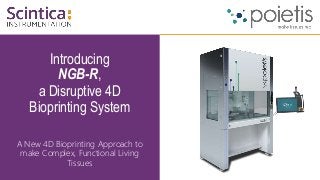

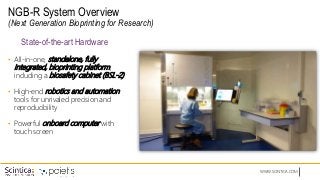
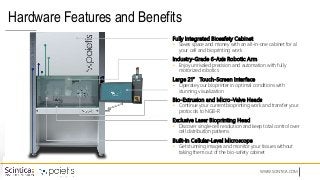
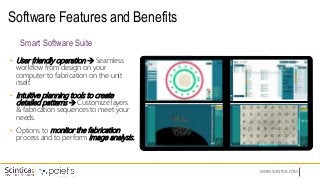
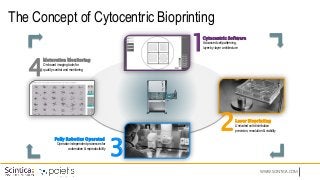
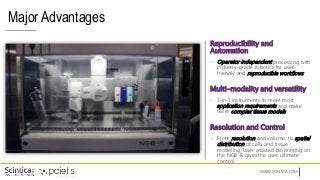

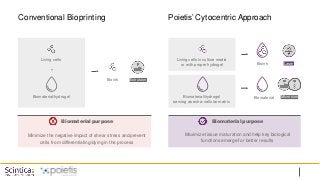
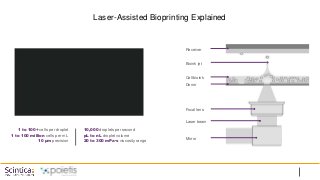
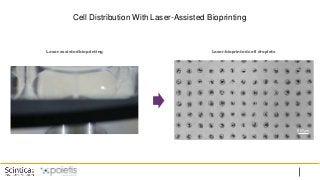
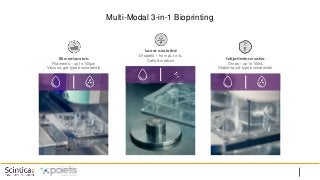
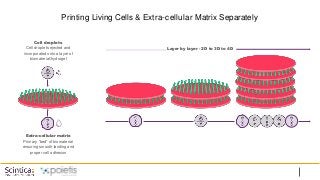
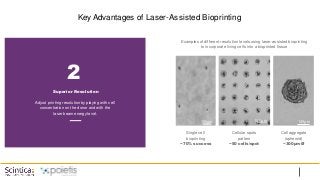
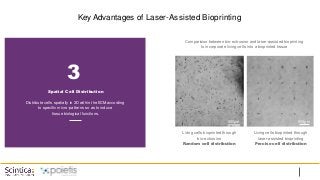
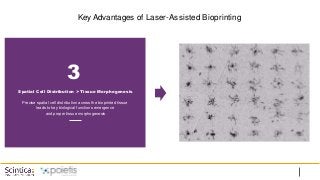

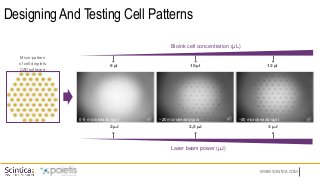
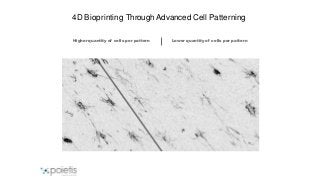
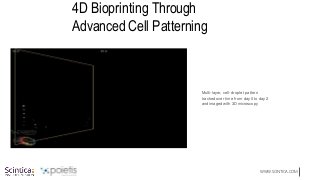
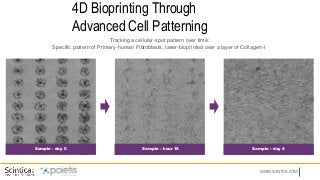
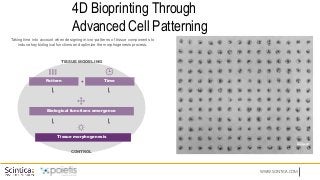

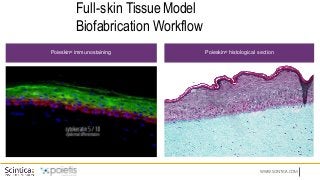
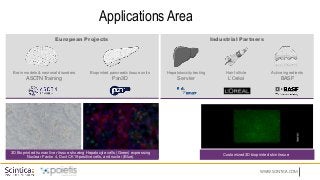



Join us on February 25, 2021, to learn more about a state-of-the-art, one-of-a-kind, disruptive 4D bioprinting technology from Poietis. Focusing on a cytocentric approach, tissues grow in a more natural environment, leading to proper morphogenesis and predictable biological processes, including cell differentiation, migration, multiplication, and metabolic processes. The NGB-R platform integrates automation and robotics, numerous online sensors, and Artificial Intelligence processing. In addition, it integrates all bioprinting techniques (laser-assisted bioprinting, bioextrusion, and micro-valve bioprinting), a world’s first in the bioprinting market. This is a first of a 3-part series that will provide an introduction and overview to the technology, a survey of various 4D bioprinting applications, and a live hands-on demonstration of the hardware and software.” In this first of three sessions in this series, we will introduce the NGB-R system and delve more into the idea of disruptive 4D bioprinting technology – focusing on the cytocentric approach which allows tissues to grow in a more natural environment, leading to proper morphogenesis and predictable biological processes including cell differentiation, migration, multiplication and metabolic processes. We will review the features and benefits of the system, along with the system components. The NGB-R system has been designed for advanced bioprinting applications, including novel laser-assisted bioprinting technology, along with more conventional extrusion and inkjet techniques. Fabrication plans can include any combination of all three techniques to ensure optimal design and patterning of cells, bioinks, and extracellular matrix compounds REGISTER FOR SESSION #1 REGISTER FOR SESSION #2 REGISTER FOR SESSION #3 This webinar will include a workflow video showing the NGB-R system in action, including the robotic arm, the laser-assisted printing head, as well as the integrated microscope to help visualize the progression of the fabrication process. A few key examples will be shown to highlight full capabilities of the NGB-R system in 4D bioprinting of tissues such as skin. Please make sure to join us for the second session in this series for a more detailed review of this and other successful applications of the NGB-R system, including pancreatic and liver tissues, brain organoids, as well as cartilaginous tissue. In the third and final session in this series a live virtual demo will be provided showing a detailed overview of both the software and hardware components of the NGB-R system.


