Lumina and Design Thinking
Creative Problem Solving in Action
© Lumina Learning. All rights reserved.
• Systems approach to Creative Problem Solving – Principles:
- Human-Centred
- Collaborative
- Discovery Based
- Creative
- Action Orientated
• Creating the right environment for innovation:
- The People
- The Physical
- The Process
- The Product
Session Overview
© Lumina Learning. All rights reserved.
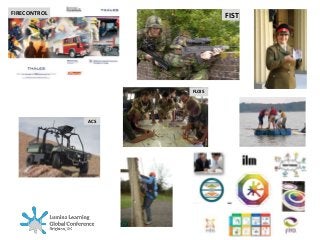
FIRECONTROL
FIST
ACS
FLOIS
© Lumina Learning. All rights reserved.
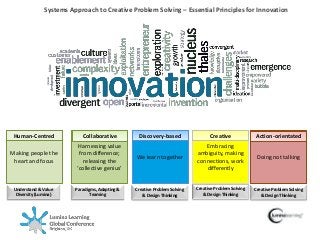
Systems Approach to Creative Problem Solving – Essential Principles for Innovation
Making people the
heart and focus
Human-Centred
Embracing
ambiguity, making
connections, work
differently
Creative
Harnessing value
from difference;
releasing the
‘collective genius’
Collaborative
Doing not talking
Action-orientated
We learn together
Discovery-based
Understand & Value
Diversity (Lumina)
Paradigms, Adapting &
Teaming
Creative Problem Solving
& Design Thinking
Creative Problem Solving
& Design Thinking
Creative Problem Solving
& Design Thinking
© Lumina Learning. All rights reserved.
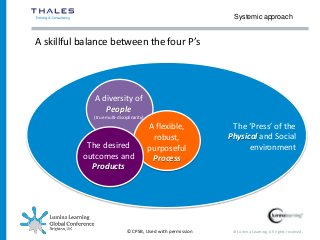
Systemic approach
The ‘Press’ of the
Physical and Social
environment
A diversity of
People
(true multi-disciplinarity)
A flexible,
robust,
purposeful
Process
The desired
outcomes and
Products
A skillful balance between the four P’s
© CPSB, Used with permission
© Lumina Learning. All rights reserved.
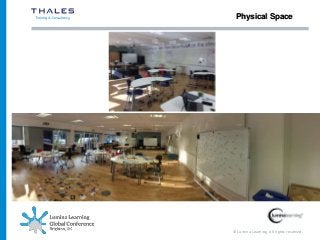
Physical Space
© Lumina Learning. All rights reserved.
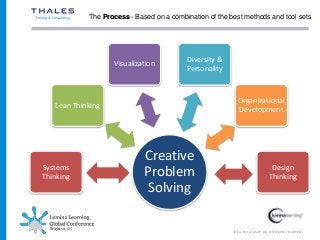
The Process - Based on a combination of the best methods and tool sets
Creative
Problem
Solving
Systems
Thinking
Lean Thinking
Visualization
Diversity &
Personality
Organizational
Development
Design
Thinking
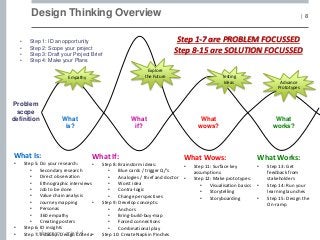
Design Thinking Overview | 8
What
is?
What
if?
What
wows?
What
works?
• Step 1: ID an opportunity
• Step 2: Scope your project
• Step 3: Draft your Project Brief
• Step 4: Make your Plans
What Is:
• Step 5: Do your research:
• Secondary research
• Direct observation
• Ethnographic interviews
• Job to be done
• Value chain analysis
• Journey mapping
• Personas
• 360 empathy
• Creating posters
• Step 6: ID insights
• Step 7: Establish Design Criteria
What If:
• Step 8: Brainstorm ideas:
• Blue cards / trigger Q/’s
• Analogies / thief and doctor
• Worst idea
• Contra-logic
• Change perspectives
• Step 9: Develop concepts:
• Anchors
• Bring-build-buy-map
• Forced connections
• Combinational play
• Step 10: Create Napkin Pinches
What Wows:
• Step 11: Surface key
assumptions
• Step 12: Make prototypes:
• Visualisation basics
• Storytelling
• Storyboarding
What Works:
• Step 13: Get
feedback from
stakeholders
• Step 14: Run your
learning launches
• Step 15: Design the
On-ramp
Problem
scope
definition
Step 1-7 are PROBLEM FOCUSSED
Step 8-15 are SOLUTION FOCUSSED
Empathy Testing
Ideas
Explore
the Future
Advance
Prototypes
© Lumina Learning. All rights reserved.
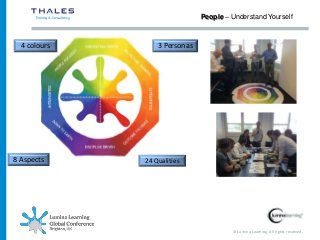
4 colours
8 Aspects
3 Personas
People – Understand Yourself
24 Qualities
© Lumina Learning. All rights reserved.
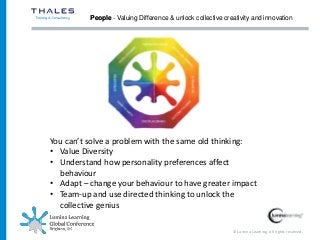
People - Valuing Difference & unlock collective creativity and innovation
You can’t solve a problem with the same old thinking:
• Value Diversity
• Understand how personality preferences affect
behaviour
• Adapt – change your behaviour to have greater impact
• Team-up and use directed thinking to unlock the
collective genius
© Lumina Learning. All rights reserved.
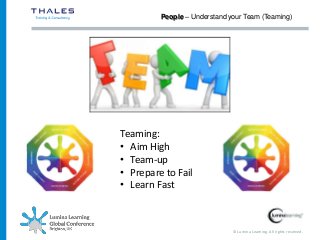
People – Understand your Team (Teaming)
Teaming:
• Aim High
• Team-up
• Prepare to Fail
• Learn Fast
© Lumina Learning. All rights reserved.
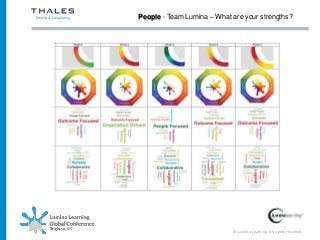
People - Team Lumina – What are your strengths?
© Lumina Learning. All rights reserved.
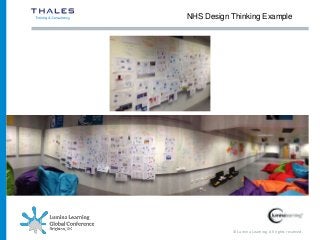
NHS Design Thinking Example
© Lumina Learning. All rights reserved.

Lumina Learning and Design Thinking - Creative Problem Solving in Action by Lucy Finney MBE

  • 1.
    Lumina and DesignThinking Creative Problem Solving in Action
  • 2.
    © Lumina Learning.All rights reserved. • Systems approach to Creative Problem Solving – Principles: - Human-Centred - Collaborative - Discovery Based - Creative - Action Orientated • Creating the right environment for innovation: - The People - The Physical - The Process - The Product Session Overview
  • 3.
    © Lumina Learning.All rights reserved. FIRECONTROL FIST ACS FLOIS
  • 4.
    © Lumina Learning.All rights reserved. Systems Approach to Creative Problem Solving – Essential Principles for Innovation Making people the heart and focus Human-Centred Embracing ambiguity, making connections, work differently Creative Harnessing value from difference; releasing the ‘collective genius’ Collaborative Doing not talking Action-orientated We learn together Discovery-based Understand & Value Diversity (Lumina) Paradigms, Adapting & Teaming Creative Problem Solving & Design Thinking Creative Problem Solving & Design Thinking Creative Problem Solving & Design Thinking
  • 5.
    © Lumina Learning.All rights reserved. Systemic approach The ‘Press’ of the Physical and Social environment A diversity of People (true multi-disciplinarity) A flexible, robust, purposeful Process The desired outcomes and Products A skillful balance between the four P’s © CPSB, Used with permission
  • 6.
    © Lumina Learning.All rights reserved. Physical Space
  • 7.
    © Lumina Learning.All rights reserved. The Process - Based on a combination of the best methods and tool sets Creative Problem Solving Systems Thinking Lean Thinking Visualization Diversity & Personality Organizational Development Design Thinking
  • 8.
    Design Thinking Overview| 8 What is? What if? What wows? What works? • Step 1: ID an opportunity • Step 2: Scope your project • Step 3: Draft your Project Brief • Step 4: Make your Plans What Is: • Step 5: Do your research: • Secondary research • Direct observation • Ethnographic interviews • Job to be done • Value chain analysis • Journey mapping • Personas • 360 empathy • Creating posters • Step 6: ID insights • Step 7: Establish Design Criteria What If: • Step 8: Brainstorm ideas: • Blue cards / trigger Q/’s • Analogies / thief and doctor • Worst idea • Contra-logic • Change perspectives • Step 9: Develop concepts: • Anchors • Bring-build-buy-map • Forced connections • Combinational play • Step 10: Create Napkin Pinches What Wows: • Step 11: Surface key assumptions • Step 12: Make prototypes: • Visualisation basics • Storytelling • Storyboarding What Works: • Step 13: Get feedback from stakeholders • Step 14: Run your learning launches • Step 15: Design the On-ramp Problem scope definition Step 1-7 are PROBLEM FOCUSSED Step 8-15 are SOLUTION FOCUSSED Empathy Testing Ideas Explore the Future Advance Prototypes
  • 9.
    © Lumina Learning.All rights reserved. 4 colours 8 Aspects 3 Personas People – Understand Yourself 24 Qualities
  • 10.
    © Lumina Learning.All rights reserved. People - Valuing Difference & unlock collective creativity and innovation You can’t solve a problem with the same old thinking: • Value Diversity • Understand how personality preferences affect behaviour • Adapt – change your behaviour to have greater impact • Team-up and use directed thinking to unlock the collective genius
  • 11.
    © Lumina Learning.All rights reserved. People – Understand your Team (Teaming) Teaming: • Aim High • Team-up • Prepare to Fail • Learn Fast
  • 12.
    © Lumina Learning.All rights reserved. People - Team Lumina – What are your strengths?
  • 13.
    © Lumina Learning.All rights reserved. NHS Design Thinking Example
  • 14.
    © Lumina Learning.All rights reserved.

Editor's Notes