INDIANA COMMERCIAL COURT
STATE OF INDIANA ) IN THE MARION SUPERIOR COURT
) SS:
COUNTY OF MARION ) CAUSE NO.
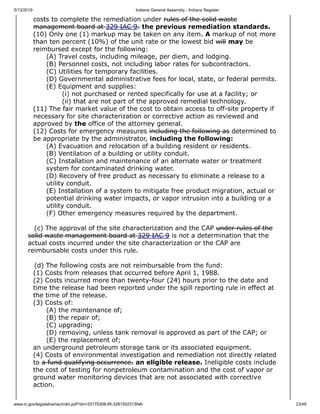
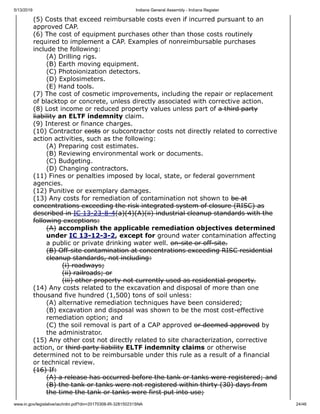
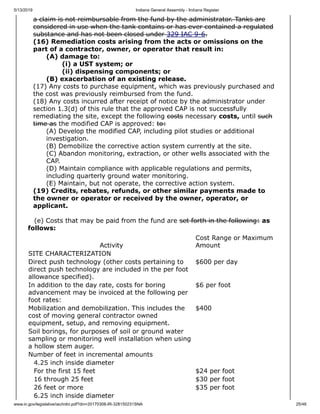
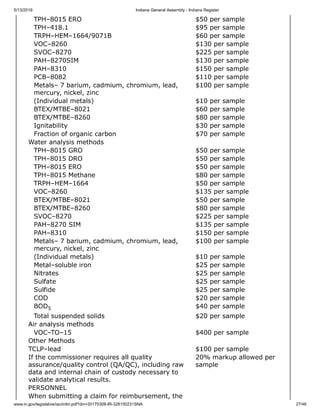
GOLARS, LLC, DALEEN1, INC., SAIL )
CAPITAL INVESTMENTS, LLC, WARREN )
TRAVEL PLAZA, INC., and UNITED STATES )
SMALL BUSINESS OWNERS ASSOCIATION )
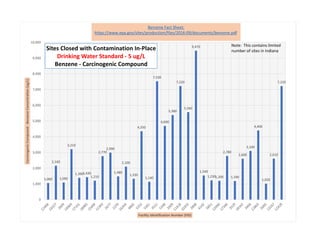
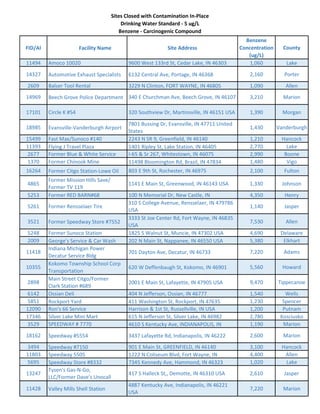
LLC, on behalf of themselves, and all others )
similarly situated, )
)
Plaintiffs, )
)
-vs- )
)
THE INDIANA DEPARTMENT OF )
ENVIRONMENTAL MANAGEMENT and )
DOUGLAS R. LOUKS, individually and in his )
official capacity as IDEM OFFICE OF LAND )
QUALITY, DEPUTY ASSISTANT )
COMMISSIONER, )
)
Defendants. )
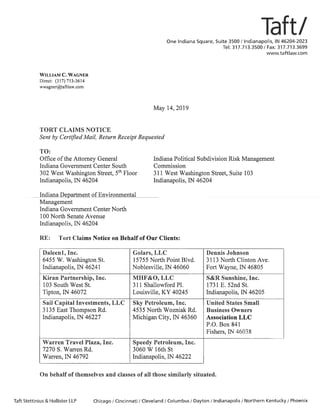
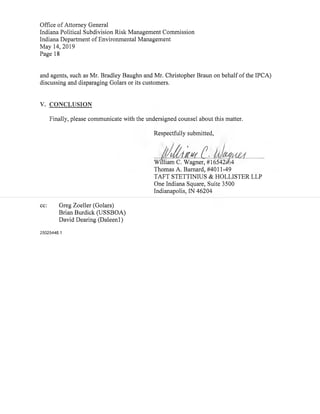
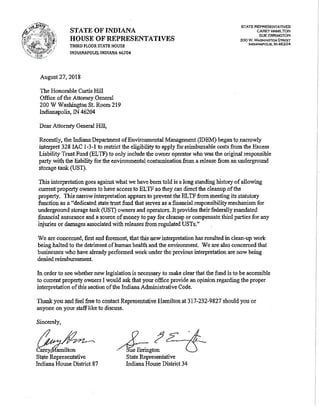
CLASS ACTION COMPLAINT FOR INJUNCTIVE RELIEF AND DAMAGES
AND DEMAND FOR JURY TRIAL
William C. Wagner, #16542-64 Gregory F. Zoeller, # 1958-98
Thomas A. Barnard, #4011-49 General Counsel
Seth M. Smoker, # 35369-49 Golars Environmental Engineering
TAFT STETTINIUS & HOLLISTER LLP 15755 North Point Blvd
One Indiana Square, Suite 3500 Noblesville, IN 46060
Indianapolis, Indiana 46204-2023 Telephone: (317) 500-0000
Telephone: (317) 713-3500
Counsel for Plaintiff Golars, LLC
Counsel for Plaintiffs
i
Table of Contents
INTRODUCTION .......................................................................................................................... 1
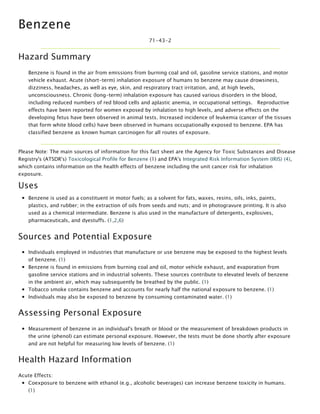
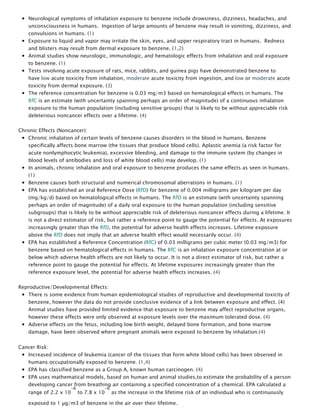
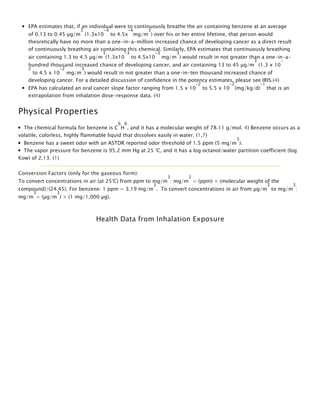
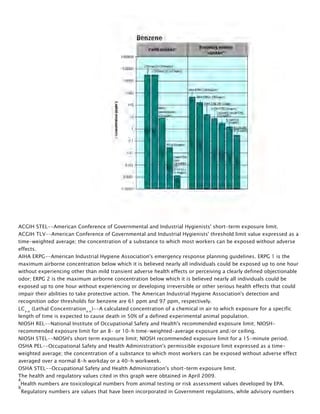
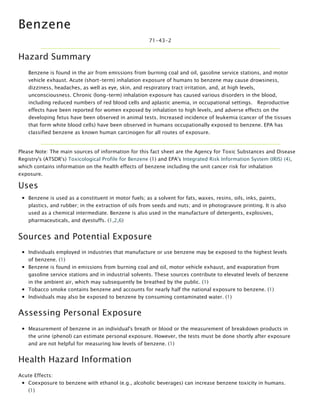
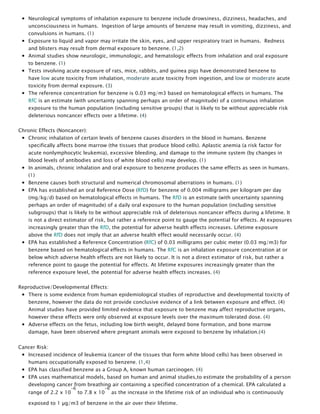
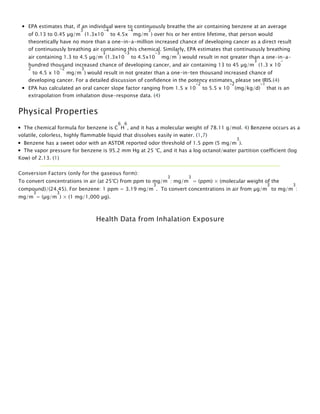
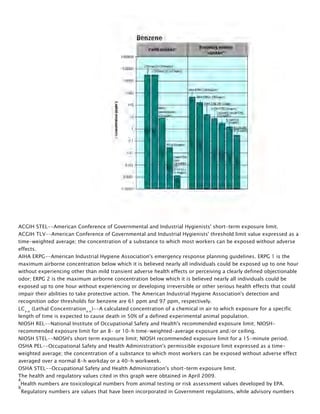
PARTIES ........................................................................................................................................ 5
JURISDICTION AND VENUE ..................................................................................................... 8
STATEMENT OF FACTS ............................................................................................................. 9
A. The Excess Liability Trust Fund, which pays for the cost to clean up gasoline leaks from
registered underground storage tanks, is supposed to operate in an open, transparent, and orderly
manner............................................................................................................................................. 9
B. Louks maliciously targeted Golars by claiming that its clients (new Americans of Indian
descent) were not eligible for ELTF reimbursement unless they signed Agreed Orders to be
personally liable for the cleanup costs (contrary to existing law), including all costs in excess of
the Fund’s $2,500,000 cap per site. .............................................................................................. 14
C. Louks maliciously targeted Golars by denying 100% of more than 40 claims on the
grounds that Golars failed to demonstrate that its work was “reasonable and cost effective,” even
though IDEM had a long history of reimbursing close to 100% of all of Golars’ claims before
Louks became UST Branch Chief; Golars submitted its work plans to IDEM, which approved
the proposed work as reasonable and necessary; and Golars performed the work according to the
pre-approved plans, the work was reasonable and cost effective, and Golars performed the work
on the expectation of reimbursement............................................................................................ 21
D. Louks maliciously targeted Golars in a dispute between Golars and a former gas station
owner over ELTF reimbursement eligibility, even though Louks previously wrote that IDEM
should not pick sides and IDEM did not have the legal authority to enforce an agreement
between the parties........................................................................................................................ 26
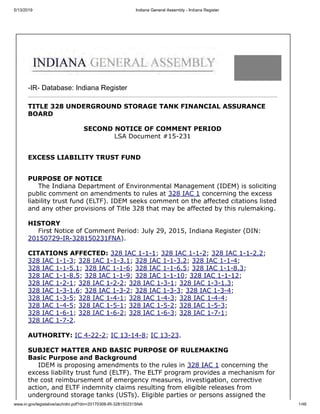
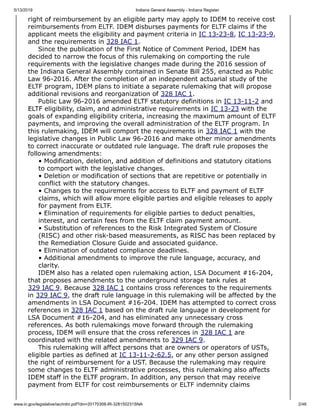
E. Louks maliciously targeted Golars by preemptively issuing “No Further Action” orders in
an effort to cut off Golars’ cleanup activities, which resulted in high levels of hazardous
substances and known human carcinogens from leaking USTs at 30 sites, in direct contravention
to IDEM’s purpose of protecting human health and the environment.......................................... 28
F. IDEM has deprived Golars’ access to Louks’ emails, texts, and other records concerning
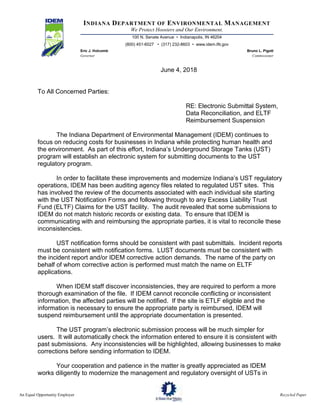
his malicious targeting of Golars and its clients regarding the allegations of this complaint. ..... 32
CLASS ALLEGATIONS ............................................................................................................. 34
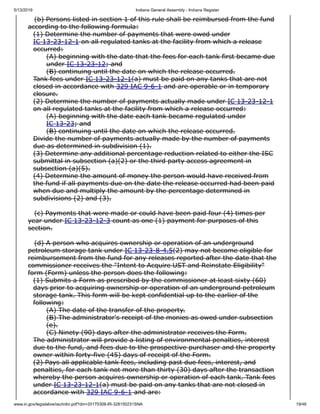
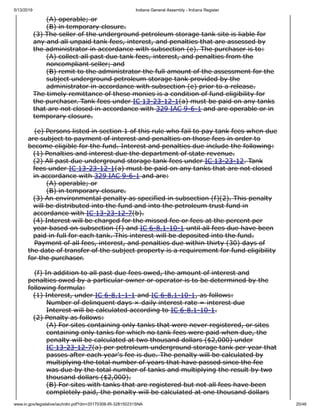
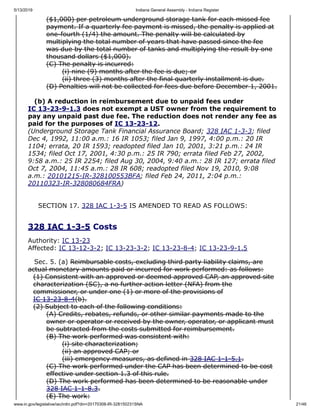
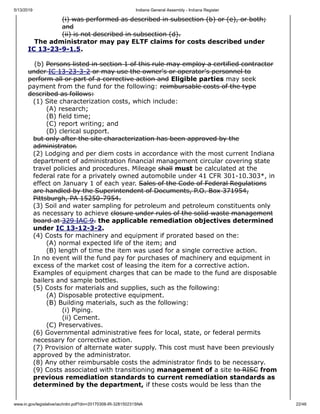
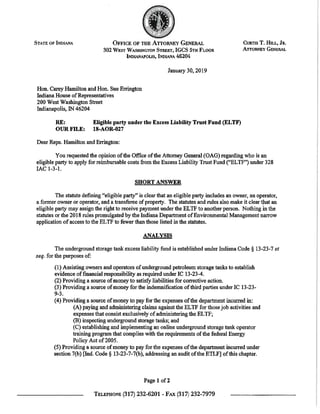
Five Distinct Classes..................................................................................................................... 34
Issue Classes ................................................................................................................................. 40
CLAIMS FOR RELIEF ................................................................................................................ 42
Count I – Injunctive Relief ........................................................................................................... 42
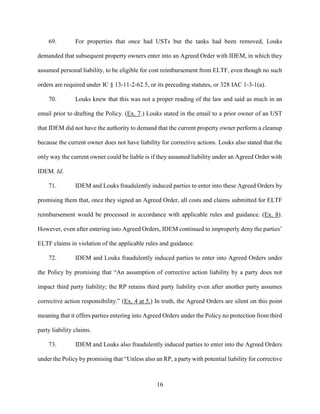
Count II – 42 U.S.C. § 1983 Equal Protection.............................................................................. 43
Count III – 42 U.S.C. § 1983 Equal Protection ............................................................................ 44
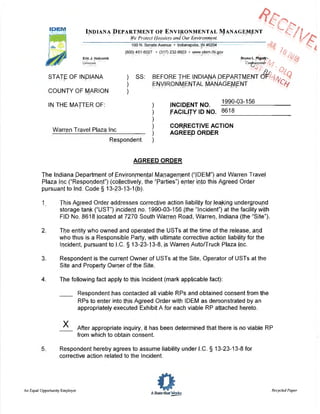
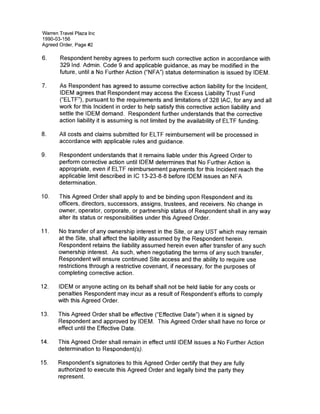
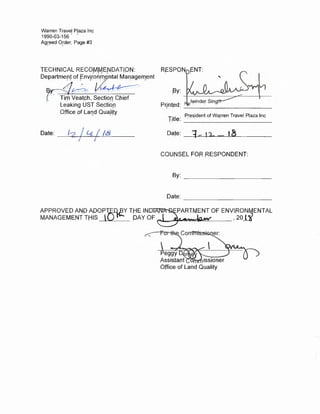
Count IV – Defamation................................................................................................................. 45
Count V – Commercial Disparagement........................................................................................ 46
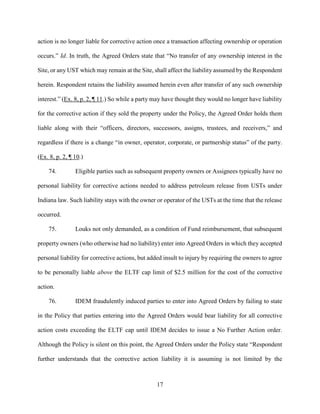
ii
Count VI – Fraudulent Inducement .............................................................................................. 46
Count VII – Tortious Interference with Contractual Relationships.............................................. 48
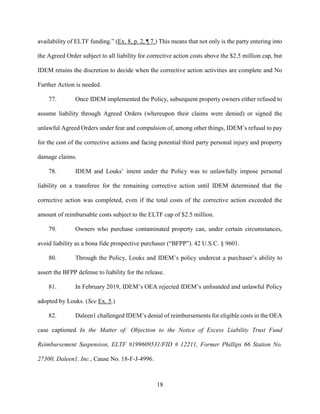
Count VIII – Tortious Interference with Prospective Business Relationships ............................. 49
Count IX – In the Alternative, Punitive Damages Against Louks................................................ 50
PRAYER FOR RELIEF ............................................................................................................... 50
JURY DEMAND.......................................................................................................................... 51
iii
INDEX OF EXHIBITS
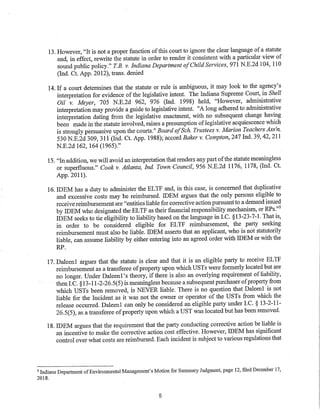
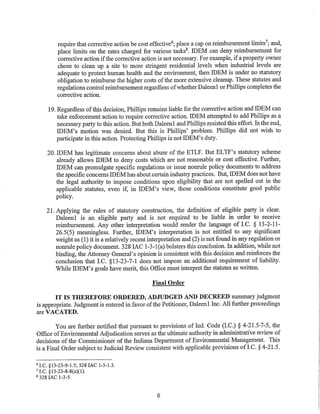
1 Tort Claims Notice
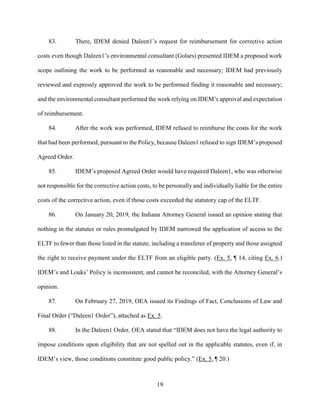
2 EPA Benzene Hazard Summary
3
Excess Liability Trust Fund, Second Notice of Comment Period, LSA Doc.
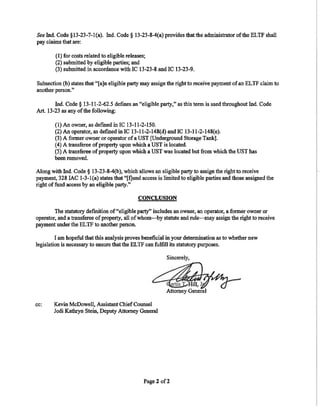
No. 15-231
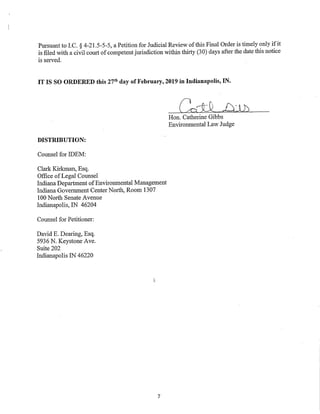
4 ELTF Reimbursement Suspension Policy
5 OEA Daleen1 Inc. Decision
6 Attorney General Opinion on Eligible Party Issue
7 Louks' Email Dated February 15, 2018
8 Warren Travel Plaza Inc. Agreed Order (Signed)
9 OEA Keystone Petroleum Inc Decision
10 Site Contamination Left In Place
1
Plaintiffs Golars, LLC (“Golars”), Daleen1, Inc. (“Daleen1”), Sail Capital Investments,
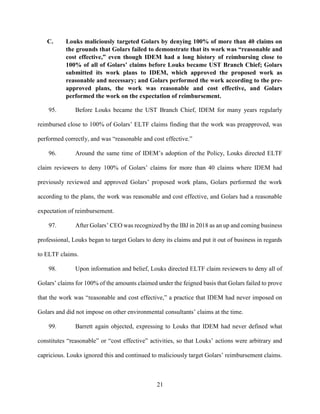
LLC (“Sail”), Warren Travel Plaza, Inc. (“Warren”), and United States Small Business Owners
Association LLC (“USSBOA”), individually and on behalf of other similarly situated individuals
(collectively “Plaintiffs”), by counsel, bring this Class Action Complaint for Injunctive Relief and
Damages and Demand for Jury Trial against Defendants Indiana Department of Environmental
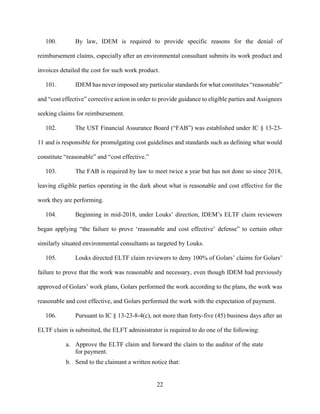
Management (“IDEM”) and Douglas R. Louks (“Louks”), individually and in his official capacity
as IDEM Office of Land Quality (“OLQ”) Deputy Assistant Commissioner. Plaintiffs seek to
obtain redress for all persons injured by Defendants’ conduct. Plaintiffs allege as follows based on
personal knowledge as to their own actions and experiences, and as to all other matters, upon
information and belief, including an investigation conducted by their attorneys and their review of
publicly available information:
INTRODUCTION
1. This case arises out of business related torts and environmental claims arising from
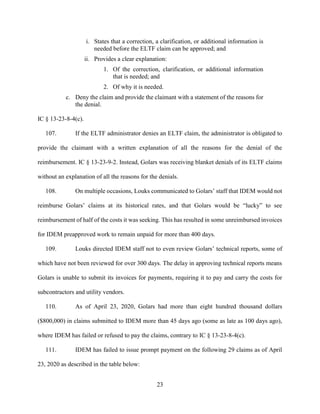
a breach of legal obligations between the Plaintiff business entities and a State entity and employee
trusted in overseeing and administrating State trust assets.
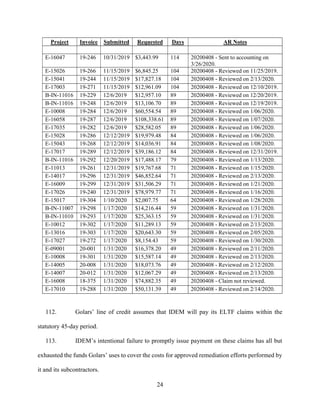
2. Golars is an environmental engineering and consulting firm that is certified by the
State of Indiana as a Minority and Women’s Business Enterprise (MBE/WBE). Golars combines
the experience and expertise of veteran engineers, geologists, scientists, environmental risk
managers, and project specialists to serve its clients’ needs. Many of Golars’ clients are new
Americans of Indian descent, who own and operate independent retail gas stations and
convenience stores. These owner-operators provide “essential services” under Governor
Holcomb’s Executive Orders for the Coronavirus Disease 2019 Outbreak, as they provide vital
access to gasoline and food to rural and low income Hoosiers during the current pandemic.
2
3. Beginning in early 2018 and continuing through the filing of this lawsuit, Louks, in
his individual capacity and in his official capacity as IDEM OLQ Branch Chief of the Underground
Storage Tank Branch and later as Assistant Deputy Commissioner, has maliciously targeted Golars
and its clients by depriving them of their due process rights to seek reimbursement for the
reasonable and necessary cost of corrective action to pay for the investigation and remediation of
soil, groundwater, and vapor contamination resulting from gasoline released from leaking
registered underground storage tank (“UST”) systems from the Excess Liability Trust Fund
(“ELTF or “Fund”).
4. The first thing Louks did to maliciously target Golars and its clients, many of whom
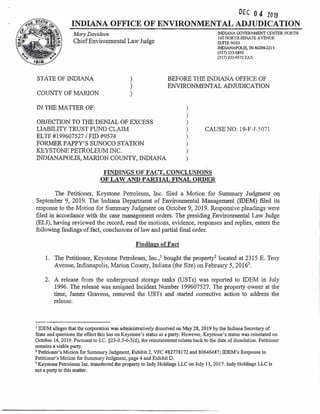
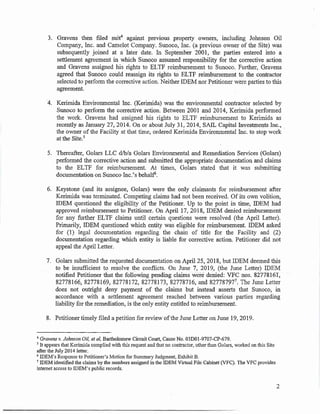
are new Americans of Indian descent, was to demand that the clients sign an agreement (Agreed
Orders) to accept personal liability for the corrective actions, including any costs in excess of the
ELTF cap, when these clients had no statutory liability or responsibility for the corrective actions.
When Golars objected to IDEM’s demands on behalf of its clients because IDEM’s actions were
arbitrary and capricious and had not been published or adopted through the proper rule making
process, Louks did not relent but instead had the new and unlawful “ELTF Reimbursement
Suspension Policy” (the “Policy”), published on IDEM’s website. (The Policy was published on
June 4, 2018, see https://www.in.gov/idem/tanks/2349.htm, last visited May 13, 2020.)
5. Some of Golars’ clients, including some of the named Plaintiffs, and members of
the Class entered into such Agreed Orders because of IDEM’s and Louks’ coercive demands and
fraudulent misrepresentations even though they knew IDEM’s Policy was unlawful, while others
refused and had their ELTF claims improperly denied. Golars’ client, Daleen1, challenged IDEM’s
application of the Policy by appealing IDEM’s claims denial to the IDEM Office of Environmental
Adjudication (“OEA”). Not only did the OEA declare that IDEM’s Policy was unlawful, but the
3
Indiana Attorney General also issued an opinion that the Policy was unlawful under Indiana law.
IDEM did not appeal the OEA ruling.
6. Despite the OEA ruling and Attorney General opinion declaring the Policy to be
unlawful, IDEM has not rescinded the Policy, removed the Policy from its website, or rescinded
the Agreed Orders that were signed by Golars’ clients and other members of the Class, and IDEM
has only made partial payments of ELTF claims for Golars’ clients and other members of the Class
who refused to enter into the Agreed Orders..
7. The second thing Louks did to maliciously target Golars and its clients was to deny
100% of their claims on grounds that Golars failed to prove that its work was “reasonable and cost
effective.” Existing case law holds that when a consultant submits its invoices and work product,
e.g., a site investigation report or a corrective action work plan, the consultant has established a
prima facie case for payment from the ELTF. If the administrator denies the ELTF claim, they
administrator is required to provide the claimant with a written explanation of all the reasons for
the denial of reimbursement. IDEM rejected Golars’ invoices and work product, including work
for activities expressly made known to and approved by IDEM, in a completely arbitrary and
capricious manner, depriving Golars and its clients of thousands of dollars for services performed
over the past two years. This pre-approved work was important and necessary to investigate and/or
remediate environmental contamination at UST-related sites, yet IDEM rejected Golars’ claims.
8. The third thing Louks did to maliciously target Golars and its clients was to issue
“No Further Action” orders and take other administrative actions, such as demanding that the
clients agree to the recording of Environmental Restrictive Covenants (“ERCs”) limiting their use
of their own properties, and to immediately stop cleanups of sites where substantial contamination
remains and where licensed professionals recommended that additional work be performed to
4
protect people working at the properties and adjacent property owners and tenants. Gasoline
contains many hazardous substances including benzene, which is a known human carcinogen.
IDEM has strict regulations in place for remediating properties with benzene contamination in soil,
groundwater, and vapor, including imposing a residential groundwater screening limit of 5 parts
per billion (“ppb”). Louks has directed IDEM project managers to issue No Further Action orders
on 30 sites owned by Golars’ clients where the amount of known benzene groundwater
contamination is greater than 1,000 ppb, with one site having more than 9,000 ppb of benzene
contamination in groundwater, including significant benzene contamination at the border of an
adjacent residential property. Many of these properties are in low income areas of Indiana. These
improper No Further Action orders have effectively and substantially eliminated Golars and class
members’ ability to recover corrective action expenses from the ELTF.
9. The fourth thing Louks did to maliciously target Golars and its clients was to delay
the payment of claims for projects where IDEM claim reviewers have already decided that
payment is owed. Under Indiana law, approved ELTF claims must be paid within 45 days. Golars
and its clients have more than 30 claims totaling over $800,000 where IDEM has refused to comply
with the law and issue timely payment.
10. Golars and its clients have exhausted their administrative remedies. And as a result
of Louks’ actions, IDEM’s ELTF claim reviewers have applied tactics that Louks used to
maliciously target Golars and its clients to other ELTF applicants and their environmental
consultants. USSBOA, which represents more than 900 of Indiana’s 1,400 independently owned
and operated retail gas stations and convenience stores, has joined this lawsuit for itself and others
similarly situated, to seek injunctive relief and damages against Louks and IDEM for their actions.
5
11. As discussed further below, numerous defined classes have been harmed by the
Defendants’ conduct. As a result, Plaintiffs seek injunctive relief and to recover damages from
IDEM’s unlawful suspension of ELTF reimbursement payments; baseless and vindictive denials
and delays of reimbursement claims; and violations of their rights to equal protection under the
law. Golars, Daleen1, Sail, Warren, and USSBOA also seek damages for defamation, commercial
disparagement, fraudulent inducement, tortious interference with their contractual relationships,
and tortious interference with their business relationships as a result of Louks and IDEM’s actions
described below.
12. This action is brought against IDEM under the Indiana Tort Claims Act. This action
is also brought against Louks personally pursuant to Ind. Code § 34-13-3-5 for his malicious,
willful, and wanton actions that have caused losses to the plaintiffs, and against Louks under 42
U.S.C. § 1983 for retrospective relief (in his individual capacity) and future injunctive relief (in
his official capacity as Deputy Assistant Commissioner of the OLQ that oversees the Fund). On
behalf of themselves and the proposed classes defined below, Plaintiffs seek injunctive relief as
well as an award of statutory damages to the class members and monetary damages to be
determined at trial, together with costs and reasonable attorneys’ fees.
PARTIES
13. Plaintiff Golars is an Indiana limited liability company located at 15755 North Point
Blvd., Noblesville, IN 46060.
14. Plaintiff Daleen1 in an Indiana corporation located at 6455 W. Washington St.,
Indianapolis, IN 46241. The owner during the relevant time period, Jayesh Patel, is an independent
gas station owner of Indian origin. The remediation on Daleen1’s site has been held up for a year.
IDEM shut down the remediation system, stopped the cleanup, and demanded that Daleen1 agree
6
to the filing of an ERC on the property. IDEM requested that Mr. Patel enter into an Agreed Order
with IDEM in order to be eligible for reimbursement from the ELTF, but Mr. Patel refused. Mr.
Patel was not able to refinance or sell the gas station due to the contamination on the site. In the
end, he had to sell the property on a land contract because the buyer could not obtain a mortgage
due to the contamination on the property. IDEM is now asking for a No Further Action order on
the site even though there is over 1,370 ppb of benzene in the groundwater at the border of the
property.
15. Plaintiff Sail is an Indiana Limited Liability Company located at 3135 East
Thompson Rd., Indianapolis, IN 46227. The owner during the relevant time period, Om Narla, is
an independent gas station owner of Indian origin. The remediation on Sail’s site has been held up
for a year, and IDEM has now demanded that the remediation work be stopped permanently. IDEM
stopped the cleanup and demanded that Sail agree to the filing of an ERC on the property. IDEM
requested that Mr. Narla enter into an Agreed Order with IDEM in order to be eligible for
reimbursement from the ELTF, but Mr. Narla refused. Mr. Narla has not been able to refinance or
sell the gas station due to the contamination on site. IDEM is now asking for No Further Action
order for the site even though there is over 5,640 ppb of benzene in groundwater at the border of
the property.
16. Plaintiff Warren is an Indiana corporation located at 7270 S. Warren Rd., Warren,
IN 46792. The owner during the relevant time period, Kulwinder Singh, is an independent gas
station owner of Indian origin. The remediation on Warren’s site has been held up for a year. IDEM
has stopped the cleanup, and demanded that Warren agree to the filing of an ERC on the property.
IDEM requested that Mr. Singh enter into an Agreed Order with IDEM in order to be eligible for
reimbursement from the ELTF and he agreed. Mr. Singh was led to believe that entering into this
7
Agreed Order would allow for full ELTF cost reimbursement and would not impact third party
liability, neither of which was true. Mr. Singh has not been able to refinance or sell the gas station
due to the contamination on site. IDEM has refused to allow the site to be remediated, and has
instead recommended a strategy of leaving the contamination in place with monitoring even
though the site has a groundwater concentration for benzene of 2,840 ppb.
17. Plaintiff USSBOA is an Indiana Limited Liability Company located at 15755 North
Point Blvd, Noblesville, IN 46060. USSBOA advocates for the professional growth of gas station
and convenience store owner-operators by focusing on three core principles: collaboration,
education, and advocacy. It works to promote the entrepreneurial success of its members and
economic development of their communities. Its members include over 900 of the 1,400
independently owned gas stations/convenience stores in Indiana. USSBOA brings this suit on
behalf of its members. Its members would otherwise have standing in their own right having been
harmed by the Defendants’ actions. Its members includes Plaintiffs Daleen1, Sail, and Warren.
The interests that USSBOA seeks are germane to the organization’s purpose of promoting the
entrepreneurial success of their members. Neither the claims asserted, nor the relief requested
requires the participation of individual members in this lawsuit.
18. Defendant IDEM is an Indiana governmental entity that is headquartered at Indiana
Government Center North 100 North Senate Avenue, Indianapolis, IN 46204 and carries out its
functions throughout the State of Indiana.
19. Defendant Louks at all relevant times has been a resident and citizen of the State of
Indiana. At all relevant times, Defendant Louks was engaged in the complained of conduct while
acting within the scope of his employment and under color of state law. Defendant Louks is sued
in his individual capacity and as agent and/or employee of Defendant IDEM.
8
JURISDICTION AND VENUE
20. IDEM is an agency of the State of Indiana and Louks, through his individual and
official capacity at IDEM, has caused damage and violated Plaintiffs’ rights through actions and
omissions occurring in the State of Indiana. Therefore, this Court has jurisdiction over Defendants
pursuant to Indiana Trial Rules 4.4(A)(1) and 4.4(A)(2).
21. Venue is proper because IDEM is a governmental organization with its principal
office located within this county pursuant to Indiana Trial Rule 75(A)(5).
22. This Court has jurisdiction to hear the case because Plaintiffs have fulfilled the
requirements under the Indiana Tort Claims Act by providing a Tort Claims Notice to the
Defendants.
23. On May 14, 2019, the Tort Claims Notice was sent to the Office of the Attorney
General, the Indiana Political Subdivision Risk Management Commission, and the Indiana
Department of Environmental Management. (See Ex. 1.)
24. The Notice asked, among other things, for IDEM to declare the Policy invalid. Id.
at 17.
25. A denial of this tort claim is a prerequisite to suit.
26. To date, there has been no approval of Plaintiffs’ tort claim.
27. A tort claim is deemed denied if the government entity fails to approve the claim in
its entirety within ninety days. IC § 34-13-3-11.
28. Suit cannot be initiated against a governmental entity unless the claim has been
denied in whole or in part. IC § 34-13-3-13.
9
29. The Indiana Tort Claims Act “operates as an unequivocal statement of Indiana’s
consent to be sued in tort provided certain qualifications—including notice—are fulfilled.”
Oshinski v. N. Ind. Commuter Transp. Dist., 843 N.E.2d 536, 544 (Ind. Ct. App. 2006).
30. Plaintiffs attempted to work with the Defendants to resolve their dispute without
filing suit, but it was to no avail.
31. Plaintiffs have fulfilled the necessary prerequisites under the Indiana Tort Claims
Act in order to file suit.
32. Plaintiffs have exhausted their administrative remedies and are entitled to file suit.
STATEMENT OF FACTS
A. The Excess Liability Trust Fund, which pays for the cost to clean up gasoline leaks
from registered underground storage tanks, is supposed to operate in an open,
transparent, and orderly manner.
33. Many businesses, including gas stations, use USTs to store gasoline. Tanks made
of steel can corrode and leak over time, and any tank and associated piping can impact the
environment and affect Hoosiers if it is not properly installed, operated, and maintained. Leaking
USTs and their associated piping can not only contaminate soil, surface water, and ground water,
but can also release dangerous vapors into overhead buildings.
34. Benzene, Toluene, Ethylbenzene and Xylenes (collectively known as BTEX) are
constituent chemicals found mainly in petroleum products such as gasoline.
35. Large amounts of BTEX can enter into the environment from leaking USTs,
overfills of storage tanks, fuel spills from auto accidents, and from landfills.
36. BTEX compounds easily move through soils and can make their way into the
groundwater, contaminating public and private sewer and water systems, and the soils.
10
37. The USEPA has classified benzene as a known human carcinogen for all routes of
exposure. (Ex. 2.)
38. Acute (short-term) inhalation exposure of benzene in humans may cause
drowsiness, dizziness, headaches, as well as eye, skin, and respiratory tract irritation, and, at high
levels, unconsciousness. Id.
39. Chronic (long-term) inhalation exposure of benzene in humans has caused various
disorders in the blood, including reduced numbers of red blood cells and aplastic anemia, in
occupational settings. Id.
40. Reproductive effects have been reported for women exposed by inhalation of
benzene, and adverse effects on the developing fetus have been observed in animal tests. Id.
41. Increased incidence of leukemia have been observed in humans occupationally
exposed to benzene. Id.
42. Benzene is a volatile organic compound that can generate vapors.
43. Vapor intrusion occurs when sub-slab contaminants enter into overhead buildings.
44. Vapor intrusion can result in building residents being exposed to dangerous levels
of contaminants. (See https://www.in.gov/idem/cleanups/2357.htm &
https://www.epa.gov/vaporintrusion/what-vapor-intrusion.)
45. The United States Environmental Protection Agency (“USEPA”) has established 5
ppb as the Maximum Contaminant Level (“MCL”) for benzene in groundwater.
46. Federal and state regulations for USTs promote the safe storage and handling of
these products. The IDEM OLQ enforces Indiana’s UST regulations, and is supposed to ensure
adequate cleanup of contamination from leaks and spills. See https://www.in.gov/idem/tanks/.
11
47. IDEM, through the OLQ, manages ELTF. ELTF is a dedicated state trust fund that
serves, in part, as a financial responsibility mechanism for owners and operators of regulated
USTs, to satisfy liabilities for corrective actions, and to provide a source of money for the
indemnification of third party claims. IC § 13-23-7-1(a). ETLF is funded, in part, by fees collected
from owners and operators of registered USTs.
48. The owner or operator of an UST is liable to the state for the actual costs of any
corrective action from a leaking UST. IC § 13-23-13-8(a). And, IC § 13-23-13-8(b) provides, in
relevant part, that a person who “(1) pays to the state the costs described under subsection (a); or
(2) undertakes corrective action resulting from a release from an UST, regardless of whether the
corrective action is undertaken voluntarily or under an order issued is entitled to receive a
contribution from the person who owned or operated the UST at the time the release occurred.”
49. The ELTF program provides a mechanism for the cost reimbursement of
emergency measures, investigations, corrective actions, and ELTF indemnity claims resulting
from eligible releases from USTs. Eligible parties and persons assigned the right of reimbursement
by an eligible party may apply to IDEM to receive cost reimbursements from ELTF.
50. The OLQ is supposed to manage ELTF in accordance with Indiana statutes and
regulations promulgated by the Underground Storage Tank Financial Assurance Board at 328 IAC
1.
51. Over the past 28 years, ELTF has promulgated regulations governing what
expenses the Fund covers, the types and number of claims for corrective actions that may be paid
from the Fund, and eligibility requirements. Originally, the regulations granted access to the Fund
to only tank owners or operators. However, subsequent regulations granted access to the Fund to
property owners and environmental consultants who were assigned the right to access the Fund by
12
eligible tank owners or operators. 328 IAC 1-3-1 (1992). This was important because at many
sites, corrective action is still required even if the tanks have been closed or removed.
52. ELTF has a regimented process and requirements that corrective actions be cost
effective (328 IAC 1-3-1.3); provide for prioritization of claims (328 IAC 1-4-1); and is supposed
to provide complete fairness and transparency in the processing, review, and payment of claims,
e.g. 328 IAC 1-2-3 [“claims shall be paid in the order received…”]; 328 IAC 1-4-1(c)(6) [“Claims
in the same category will be paid in chronological order according to the date and time received
by the administrator as indicated by the date and time stamped by the administrator on the claim
submitted to the administrator.”]; and 328 IAC 1-4-1(e) [“Claims determined to be unreimbursable
may be revised and resubmitted to the fund. The date and time of the revised claim for the purposes
of subsection (c)(6) shall be based on the date and time that the fund administrator received the
revised claim as indicated by the date and time stamped by the administrator on the claim submitted
to the administrator.”].
53. At all relevant times of this action, under IC § 13-23-4-4(a), the OLQ, as the
administrator of ELTF, was required to pay claims that are: (1) for costs related to eligible releases;
(2) submitted by eligible parties; and (3) submitted in accordance with IC § 13-23-8 and IC § 13-
23-9. For purposes of IC § 13-23, an “eligible” party means:
a. an owner, as defined in IC § 13-11-2-150;
b. an operator, as defined in IC § 13-11-2-148(d) and IC § 13-11-2-148(e);
c. a former owner or operator of an UST;
d. a transferee of property upon which an UST is located; and
e. a transferee of property upon which an UST was located but from which
the UST has been removed.
13
IC § 13-11-2-62.5.
54. For purposes of ELTF reimbursement, an eligible party may assign the right to
receive payment of an ELTF claim to another person (“Assignee”). IC § 13-23-8-4(b). The
regulations state that “Fund access [to ELTF reimbursement] is limited to eligible parties and those
assigned the right of fund access by an eligible party.” 328 IAC 1-3-1(a). In other words, eligible
parties and persons assigned the right to reimbursement by an eligible party, such as environmental
consultants, may apply to IDEM to receive cost reimbursements from ELTF to pay for corrective
actions resulting from leaking USTs. The intent of Indiana’s UST and ELTF statutes is to
encourage remediation of petroleum-contaminated sites.
55. Under ELTF, eligible parties and Assignees may seek reimbursement for their
cleanup costs up to the ELTF cap of $2,500,000 per site. Eligible parties are required to pay a
deductible (an amount that varies based on a number of factors) and are then eligible for
reimbursement of their corrective action costs up to the $2,500,000 cap.
56. Under ELTF, current property owners, including owners of sites from which
leaking UST systems had been removed, are eligible for reimbursement of their cleanup costs
without the current property owner having any personal liability for the corrective action.
57. During the 2016 session of the Indiana General Assembly, the Indiana legislature
amended the ELTF program through Senate Bill 255, enacted as Public Law 96-2016, with the
intended goals, in part, of expanding eligibility criteria and increasing the maximum amount of
ELTF payments.
58. According to IDEM, “Public Law 96-2016 amended ELTF statutory definitions in
IC § 13-11-2 and ELTF eligibility, claim, and administrative requirements in IC § 13-23 with the
goals of expanding eligibility criteria, increasing the maximum amount of ELTF payments, and
14
improving the overall administration of the ELTF program.” (Excess Liability Trust Fund, Second
Notice of Comment Period, LSA Doc. No. 15-231, a copy of which is attached as Ex. 3.)
59. After enactment of P.L. 96-2016, IDEM then proposed modifying its rules to have
“[c]hanges to the requirements for access to ELTF and payment of ELTF claims, which will allow
more eligible parties and eligible releases to apply for payment from ELTF.” Id. (discussing the
basic purpose and background of the proposed rulemaking).
60. However, in early to mid-2018, IDEM, acting at the direction of Louks, who was
then the IDEM Branch Chief for the Underground Storage Tank Branch of OLQ, began to
unlawfully withhold Fund access to eligible parties and Assignees.
B. Louks maliciously targeted Golars by claiming that its clients (new Americans of
Indian descent) were not eligible for ELTF reimbursement unless they signed
Agreed Orders to be personally liable for the cleanup costs (contrary to existing
law), including all costs in excess of the Fund’s $2,500,000 cap per site.
61. In early 2018, Louks began to maliciously target Golars by twisting existing law to
unlawfully cut off ELTF claims from Golars’ clientele, who are primarily new Americans of Indian
descent. Louks unilaterally redefined the qualifications for Fund reimbursement and claimed that
Golars’ clientele did not qualify.
62. Justin Barrett, then Golars’ Deputy General Counsel (and former IDEM lawyer),
objected to Louks’ actions for failure to follow the proper rulemaking process.
63. In response, Louks published what became known as IDEM’s “ELTF
Reimbursement Suspension Policy” (the “Policy”) to the IDEM OLQ ELTF announcements page.
See https://www.in.gov/idem/tanks/2349.htm, last visited April 29, 2020. (A copy of the ELTF
Reimbursement Suspension Policy is attached as Ex. 4.)
64. IDEM, acting by and through Louks, began to fraudulently induce parties to enter
into Agreed Orders under the Policy by stating that they had to do so under existing law.
15
65. The Policy states that “a Party applying for ELTF reimbursement must be the
[Responsible Party or “RP”] or someone assigned the rights to ELTF reimbursement from an RP.”
Id at 4. This was not true because Indiana Code § 13-11-2-62.5 (4) and (5) defines an “eligible
party” permitted access to the ELTF as “a transferee of property upon which a UST is located,”
and “a transferee of property upon which a UST was located from which the UST has been
removed.” There is no statutory obligation that a responsible party must assign its rights to ELTF
reimbursement to a transferee under IC 13-11-2-62.5 (4) and (5) to be entitled to reimbursement.
(See Exs. 5 & 6.)
66. IDEM, acting by and through Louks, sought to undermine the legislature’s intent
as expressed in Public Law 96-2016 and the effect of IDEM’s new rules as expressed in LSA
Document # 15-231, attached as Ex. 3, in order to reduce the number of eligible parties, curtail the
amounts of ELTF payments, and in particular drive Golars out of business.
67. Under the pretense of wanting “[t]o ensure that IDEM is communicating with and
reimbursing the appropriate parties,” IDEM began unilaterally to impose new standards on ELTF
eligibility that undermined Indiana law and IDEM’s previously stated intentions. IDEM through
Louks unilaterally changed the rules on ELTF eligibility and communicated those changes through
the June 2018 letter attached as Ex. 3.
68. To reach his misguided and unlawful goals, Louks decided to purposely
misinterpret the clear and unmistakable words in the legal definition of an “eligible party.” Louks,
acting under IDEM’s authority, wrote:
The rule for ELTF access (328 IAC 1-3-1) and “eligible party” definition
(IC 13-11-2-62.5) identify the parties IDEM could possibly reimburse; not
the parties that will appropriately be reimbursed in every circumstance.
(Ex. 3, p. 4) (Italics and bold in original).
16
69. For properties that once had USTs but the tanks had been removed, Louks
demanded that subsequent property owners enter into an Agreed Order with IDEM, in which they
assumed personal liability, to be eligible for cost reimbursement from ELTF, even though no such
orders are required under IC § 13-11-2-62.5, or its preceding statutes, or 328 IAC 1-3-1(a).
70. Louks knew that this was not a proper reading of the law and said as much in an
email prior to drafting the Policy. (Ex. 7.) Louks stated in the email to a prior owner of an UST
that IDEM did not have the authority to demand that the current property owner perform a cleanup
because the current owner does not have liability for corrective actions. Louks also stated that the
only way the current owner could be liable is if they assumed liability under an Agreed Order with
IDEM. Id.
71. IDEM and Louks fraudulently induced parties to enter into these Agreed Orders by
promising them that, once they signed an Agreed Order, all costs and claims submitted for ELTF
reimbursement would be processed in accordance with applicable rules and guidance. (Ex. 8).
However, even after entering into Agreed Orders, IDEM continued to improperly deny the parties’
ELTF claims in violation of the applicable rules and guidance.
72. IDEM and Louks fraudulently induced parties to enter into Agreed Orders under
the Policy by promising that “An assumption of corrective action liability by a party does not
impact third party liability; the RP retains third party liability even after another party assumes
corrective action responsibility.” (Ex. 4 at 5.) In truth, the Agreed Orders are silent on this point
meaning that it offers parties entering into Agreed Orders under the Policy no protection from third
party liability claims.
73. IDEM and Louks also fraudulently induced parties to enter into the Agreed Orders
under the Policy by promising that “Unless also an RP, a party with potential liability for corrective
17
action is no longer liable for corrective action once a transaction affecting ownership or operation
occurs.” Id. In truth, the Agreed Orders state that “No transfer of any ownership interest in the
Site, or any UST which may remain at the Site, shall affect the liability assumed by the Respondent
herein. Respondent retains the liability assumed herein even after transfer of any such ownership
interest.” (Ex. 8, p. 2, ¶ 11.) So while a party may have thought they would no longer have liability
for the corrective action if they sold the property under the Policy, the Agreed Order holds them
liable along with their “officers, directors, successors, assigns, trustees, and receivers,” and
regardless if there is a change “in owner, operator, corporate, or partnership status” of the party.
(Ex. 8, p. 2, ¶ 10.)
74. Eligible parties such as subsequent property owners or Assignees typically have no
personal liability for corrective actions needed to address petroleum release from USTs under
Indiana law. Such liability stays with the owner or operator of the USTs at the time that the release
occurred.
75. Louks not only demanded, as a condition of Fund reimbursement, that subsequent
property owners (who otherwise had no liability) enter into Agreed Orders in which they accepted
personal liability for corrective actions, but added insult to injury by requiring the owners to agree
to be personally liable above the ELTF cap limit of $2.5 million for the cost of the corrective
action.
76. IDEM fraudulently induced parties to enter into Agreed Orders by failing to state
in the Policy that parties entering into the Agreed Orders would bear liability for all corrective
action costs exceeding the ELTF cap until IDEM decides to issue a No Further Action order.
Although the Policy is silent on this point, the Agreed Orders under the Policy state “Respondent
further understands that the corrective action liability it is assuming is not limited by the
18
availability of ELTF funding.” (Ex. 8, p. 2, ¶ 7.) This means that not only is the party entering into
the Agreed Order subject to all liability for corrective action costs above the $2.5 million cap, but
IDEM retains the discretion to decide when the corrective action activities are complete and No
Further Action is needed.
77. Once IDEM implemented the Policy, subsequent property owners either refused to
assume liability through Agreed Orders (whereupon their claims were denied) or signed the
unlawful Agreed Orders under fear and compulsion of, among other things, IDEM’s refusal to pay
for the cost of the corrective actions and facing potential third party personal injury and property
damage claims.
78. IDEM and Louks’ intent under the Policy was to unlawfully impose personal
liability on a transferee for the remaining corrective action until IDEM determined that the
corrective action was completed, even if the total costs of the corrective action exceeded the
amount of reimbursable costs subject to the ELTF cap of $2.5 million.
79. Owners who purchase contaminated property can, under certain circumstances,
avoid liability as a bona fide prospective purchaser (“BFPP”). 42 U.S.C. § 9601.
80. Through the Policy, Louks and IDEM’s policy undercut a purchaser’s ability to
assert the BFPP defense to liability for the release.
81. In February 2019, IDEM’s OEA rejected IDEM’s unfounded and unlawful Policy
adopted by Louks. (See Ex. 5.)
82. Daleen1 challenged IDEM’s denial of reimbursements for eligible costs in the OEA
case captioned In the Matter of: Objection to the Notice of Excess Liability Trust Fund
Reimbursement Suspension, ELTF #199609531/FID # 12211, Former Phillips 66 Station No.
27300, Daleen1, Inc., Cause No. 18-F-J-4996.
19
83. There, IDEM denied Daleen1’s request for reimbursement for corrective action
costs even though Daleen1’s environmental consultant (Golars) presented IDEM a proposed work
scope outlining the work to be performed as reasonable and necessary; IDEM had previously
reviewed and expressly approved the work to be performed finding it reasonable and necessary;
and the environmental consultant performed the work relying on IDEM’s approval and expectation
of reimbursement.
84. After the work was performed, IDEM refused to reimburse the costs for the work
that had been performed, pursuant to the Policy, because Daleen1 refused to sign IDEM’s proposed
Agreed Order.
85. IDEM’s proposed Agreed Order would have required Daleen1, who was otherwise
not responsible for the corrective action costs, to be personally and individually liable for the entire
costs of the corrective action, even if those costs exceeded the statutory cap of the ELTF.
86. On January 20, 2019, the Indiana Attorney General issued an opinion stating that
nothing in the statutes or rules promulgated by IDEM narrowed the application of access to the
ELTF to fewer than those listed in the statute, including a transferee of property and those assigned
the right to receive payment under the ELTF from an eligible party. (Ex. 5, ¶ 14, citing Ex. 6.)
IDEM’s and Louks’ Policy is inconsistent, and cannot be reconciled, with the Attorney General’s
opinion.
87. On February 27, 2019, OEA issued its Findings of Fact, Conclusions of Law and
Final Order (“Daleen1 Order”), attached as Ex. 5.
88. In the Daleen1 Order, OEA stated that “IDEM does not have the legal authority to
impose conditions upon eligibility that are not spelled out in the applicable statutes, even if, in
IDEM’s view, those conditions constitute good public policy.” (Ex. 5, ¶ 20.)
20
89. Further, in the Daleen1 Order, OEA stated:
Applying the rules of statutory construction, the definition of eligible party
is clear. Daleen1 is an eligible party and is not required to be liable in order to
receive reimbursement. Any other interpretation would render the language of [IC
§ 13-2-11-62.5] meaningless. Further, IDEM’s interpretation is not entitled to any
significant weight as (1) it is a relatively recent interpretation and (2) is not found
in any regulation or nonrule policy document. 328 IAC 1-3-1(a) bolsters this
conclusion. In addition, while not binding, the Attorney General’s opinion is
consistent with this decision and reinforces the conclusion that I.C. § 13-23-7-1
does not impose an additional requirement of liability. While IDEM’s goals have
merit, this Office must interpret the statutes as written.
(Ex. 8, ¶ 21.)
90. IDEM chose not to ask the Office of the Attorney General to seek judicial review
of the Daleen1 Order and is now bound by the OEA Daleen1 Order.
91. In Plaintiffs’ Notice of Tort Claim, Plaintiffs formally requested IDEM to rescind
its Policy. (Ex. 1, p. 17.)
92. Despite the OEA’s Daleen1 Order finding that the Policy was unlawful, IDEM has
refused to rescind the Policy.
93. To date, IDEM has not rescinded its Policy, which is still available on its website.
(See https://www.in.gov/idem/tanks/files/eltf_announcement_20180604.pdf, last reviewed on
April 29, 2020.)
94. To date, IDEM has taken no action to rescind any of the Agreed Orders entered into
by eligible parties as a result of the Policy.
21
C. Louks maliciously targeted Golars by denying 100% of more than 40 claims on
the grounds that Golars failed to demonstrate that its work was “reasonable and
cost effective,” even though IDEM had a long history of reimbursing close to
100% of all of Golars’ claims before Louks became UST Branch Chief; Golars
submitted its work plans to IDEM, which approved the proposed work as
reasonable and necessary; and Golars performed the work according to the pre-
approved plans, the work was reasonable and cost effective, and Golars
performed the work on the expectation of reimbursement.
95. Before Louks became the UST Branch Chief, IDEM for many years regularly
reimbursed close to 100% of Golars’ ELTF claims finding that the work was preapproved, was
performed correctly, and was “reasonable and cost effective.”
96. Around the same time of IDEM’s adoption of the Policy, Louks directed ELTF
claim reviewers to deny 100% of Golars’ claims for more than 40 claims where IDEM had
previously reviewed and approved Golars’ proposed work plans, Golars performed the work
according to the plans, the work was reasonable and cost effective, and Golars had a reasonable
expectation of reimbursement.
97. After Golars’ CEO was recognized by the IBJ in 2018 as an up and coming business
professional, Louks began to target Golars to deny its claims and put it out of business in regards
to ELTF claims.
98. Upon information and belief, Louks directed ELTF claim reviewers to deny all of
Golars’ claims for 100% of the amounts claimed under the feigned basis that Golars failed to prove
that the work was “reasonable and cost effective,” a practice that IDEM had never imposed on
Golars and did not impose on other environmental consultants’ claims at the time.
99. Barrett again objected, expressing to Louks that IDEM had never defined what
constitutes “reasonable” or “cost effective” activities, so that Louks’ actions were arbitrary and
capricious. Louks ignored this and continued to maliciously target Golars’ reimbursement claims.
22
100. By law, IDEM is required to provide specific reasons for the denial of
reimbursement claims, especially after an environmental consultant submits its work product and
invoices detailed the cost for such work product.
101. IDEM has never imposed any particular standards for what constitutes “reasonable”
and “cost effective” corrective action in order to provide guidance to eligible parties and Assignees
seeking claims for reimbursement.
102. The UST Financial Assurance Board (“FAB”) was established under IC § 13-23-
11 and is responsible for promulgating cost guidelines and standards such as defining what would
constitute “reasonable” and “cost effective.”
103. The FAB is required by law to meet twice a year but has not done so since 2018,
leaving eligible parties operating in the dark about what is reasonable and cost effective for the
work they are performing.
104. Beginning in mid-2018, under Louks’ direction, IDEM’s ELTF claim reviewers
began applying “the failure to prove ‘reasonable and cost effective’ defense” to certain other
similarly situated environmental consultants as targeted by Louks.
105. Louks directed ELTF claim reviewers to deny 100% of Golars’ claims for Golars’
failure to prove that the work was reasonable and necessary, even though IDEM had previously
approved of Golars’ work plans, Golars performed the work according to the plans, the work was
reasonable and cost effective, and Golars performed the work with the expectation of payment.
106. Pursuant to IC § 13-23-8-4(c), not more than forty-five (45) business days after an
ELTF claim is submitted, the ELFT administrator is required to do one of the following:
a. Approve the ELTF claim and forward the claim to the auditor of the state
for payment.
b. Send to the claimant a written notice that:
23
i. States that a correction, a clarification, or additional information is
needed before the ELTF claim can be approved; and
ii. Provides a clear explanation:
1. Of the correction, clarification, or additional information
that is needed; and
2. Of why it is needed.
c. Deny the claim and provide the claimant with a statement of the reasons for
the denial.
IC § 13-23-8-4(c).
107. If the ELTF administrator denies an ELTF claim, the administrator is obligated to
provide the claimant with a written explanation of all the reasons for the denial of the
reimbursement. IC § 13-23-9-2. Instead, Golars was receiving blanket denials of its ELTF claims
without an explanation of all the reasons for the denials.
108. On multiple occasions, Louks communicated to Golars’ staff that IDEM would not
reimburse Golars’ claims at its historical rates, and that Golars would be “lucky” to see
reimbursement of half of the costs it was seeking. This has resulted in some unreimbursed invoices
for IDEM preapproved work to remain unpaid for more than 400 days.
109. Louks directed IDEM staff not to even review Golars’ technical reports, some of
which have not been reviewed for over 300 days. The delay in approving technical reports means
Golars is unable to submit its invoices for payments, requiring it to pay and carry the costs for
subcontractors and utility vendors.
110. As of April 23, 2020, Golars had more than eight hundred thousand dollars
($800,000) in claims submitted to IDEM more than 45 days ago (some as late as 100 days ago),
where IDEM has failed or refused to pay the claims, contrary to IC § 13-23-8-4(c).
111. IDEM has failed to issue prompt payment on the following 29 claims as of April
23, 2020 as described in the table below:
24
Project Invoice Submitted Requested Days AR Notes
E-16047 19-246 10/31/2019 $3,443.99 114 20200408 - Sent to accounting on
3/26/2020.
E-15026 19-266 11/15/2019 $6,845.25 104 20200408 - Reviewed on 11/25/2019.
E-15041 19-244 11/15/2019 $17,827.18 104 20200408 - Reviewed on 2/13/2020.
E-17003 19-271 11/15/2019 $12,961.09 104 20200408 - Reviewed on 12/10/2019.
B-IN-11016 19-229 12/6/2019 $12,957.10 89 20200408 - Reviewed on 12/20/2019.
B-IN-11016 19-248 12/6/2019 $13,106.70 89 20200408 - Reviewed on 12/19/2019.
E-10008 19-284 12/6/2019 $60,554.54 89 20200408 - Reviewed on 1/06/2020.
E-16058 19-287 12/6/2019 $108,338.61 89 20200408 - Reviewed on 1/07/2020.
E-17035 19-282 12/6/2019 $28,582.05 89 20200408 - Reviewed on 1/06/2020.
E-15028 19-286 12/12/2019 $19,979.48 84 20200408 - Reviewed on 1/06/2020.
E-15043 19-268 12/12/2019 $14,036.91 84 20200408 - Reviewed on 1/08/2020.
E-17017 19-289 12/12/2019 $39,186.12 84 20200408 - Reviewed on 12/31/2019.
B-IN-11016 19-292 12/20/2019 $17,488.17 79 20200408 - Reviewed on 1/13/2020.
E-11013 19-261 12/31/2019 $19,767.68 71 20200408 - Reviewed on 1/15/2020.
E-14017 19-296 12/31/2019 $46,852.64 71 20200408 - Reviewed on 2/13/2020.
E-16009 19-299 12/31/2019 $31,506.29 71 20200408 - Reviewed on 1/21/2020.
E-17026 19-240 12/31/2019 $78,979.77 71 20200408 - Reviewed on 1/16/2020.
E-15017 19-304 1/10/2020 $2,007.75 64 20200408 - Reviewed on 1/28/2020.
B-IN-11007 19-298 1/17/2020 $14,216.44 59 20200408 - Reviewed on 1/31/2020.
B-IN-11010 19-293 1/17/2020 $25,363.15 59 20200408 - Reviewed on 1/31/2020.
E-10012 19-302 1/17/2020 $11,289.13 59 20200408 - Reviewed on 2/13/2020.
E-13016 19-303 1/17/2020 $20,643.30 59 20200408 - Reviewed on 2/05/2020.
E-17027 19-272 1/17/2020 $8,154.43 59 20200408 - Reviewed on 1/30/2020.
E-09001 20-001 1/31/2020 $16,378.20 49 20200408 - Reviewed on 2/11/2020.
E-10008 19-301 1/31/2020 $15,587.14 49 20200408 - Reviewed on 2/13/2020.
E-14005 20-008 1/31/2020 $18,073.76 49 20200408 - Reviewed on 2/12/2020.
E-14007 20-012 1/31/2020 $12,067.29 49 20200408 - Reviewed on 2/13/2020.
E-16008 18-375 1/31/2020 $74,882.35 49 20200408 - Claim not reviewed.
E-17010 19-288 1/31/2020 $50,131.39 49 20200408 - Reviewed on 2/14/2020.
112. Golars’ line of credit assumes that IDEM will pay its ELTF claims within the
statutory 45-day period.
113. IDEM’s intentional failure to promptly issue payment on these claims has all but
exhausted the funds Golars’ uses to cover the costs for approved remediation efforts performed by
it and its subcontractors.
25
114. Golars continues to receive denials of entire claims by IDEM while some other
consultants are having most or all of their claims paid.
115. Golars has raised its concerns to IDEM program staff. IDEM’s response has been
to stop posting payments on its publicly available electronic file cabinet, the Virtual File Cabinet
(“VFC”), so that Golars would no longer be able to see when other consultants are paid their
reimbursement claims.
116. Upon information and belief, Louks made false statements about Golars to former
owners and operators of UST systems, environmental consultants, and others. Louks’ false
statements included his assertion that Golars had engaged in criminal activity by submitting ELTF
claims in which it was not entitled to reimbursement and in violation of the False Claims Act. As
a result of Louks’ defamatory statements, Golars suffered public humiliation, loss of its
professional reputation, and damages.
117. When Golars submitted status letters to IDEM requesting updates on
reimbursement requests for filing in VFC, IDEM would retaliate against Golars by instead posting
to the VFC erroneous and defamatory communications about Golars.
118. On one occasion, when Golars tried to submit VFC status letters, Louks came out
of his office, told the receptionist to stop time-stamping the status letters, and to not accept any of
Golars’ letters, even those letters previously time-stamped as “Received”.
119. Louks further threatened the receptionist that she would lose her job if she
continued to time-stamp the Golars’ status letters as “Received” or otherwise accept them for filing
in the VFC.
120. Louks’ threats to the receptionist were made in front of a Golars employee who was
delivering the status letters to IDEM for filing in the VFC.
26
121. IDEM’s refusal to accept Golars’ filings damaged Golars because it unlawfully
interfered with Golars’ ability to be reimbursed from the Fund.
122. ELTF rules are designed to process reimbursement claims in a fair and transparent
manner, with preference for priority claims, and all similarly situated claims must be processed in
chronological order.
123. Under Louks’ direction, IDEM has instead managed the Fund in an unlawful
manner with the intent to deprive Golars and the named Plaintiffs of their rights to due process to
access the Fund for reimbursement of the costs of corrective actions.
124. Louks’ actions are especially damaging to Golars and other similarly situated
environmental consultants, who are small business owners, because, as former UST Branch
Section Chief and present OLQ Deputy Assistant Commissioner, Louks influences and controls
the manner and speed at which work plan submissions, corrective action activities, claims for
reimbursement of costs, and the ultimate site cleanup goals are processed, reviewed, and approved
or denied.
125. IDEM has maliciously targeted Golars and, more recently, other environmental
consultants not of Louks’ liking for the arbitrary and capricious denial of 100% of their claims in
an effort to deny their claims and prevent them from doing work covered by the ELTF.
D. Louks maliciously targeted Golars in a dispute between Golars and a former gas
station owner over ELTF reimbursement eligibility, even though Louks
previously wrote that IDEM should not pick sides and IDEM did not have the
legal authority to enforce an agreement between the parties.
126. Upon information and belief, Louks disparaged Golars by claiming that Golars’
conduct of seeking reimbursement for corrective actions was not only unlawful, but criminal under
Louks’ unlawful interpretation of the ELTF statutes.
27
127. Louks knew IDEM did not have the authority to pick sides or enforce agreements
between private parties per his own written correspondence, but still chose to maliciously target
Golars to squelch its ELTF claims at a site formerly owned and operated by Sunoco Inc.
(“Sunoco”). (Ex. 4.)
128. Louks and IDEM intentionally denied Golars’ ELTF claims for corrective action at
a property formerly owned and operated by Sunoco. Golars had been assigned the right to seek
reimbursement of its claims by an eligible party, Keystone Petroleum Inc. (“Keystone”). Keystone
appealed IDEM’s actions as being against the law. The OEA agreed with Keystone and held that
IDEM could not deprive Keystone, or Golars as their Assignee, of its right to seek reimbursement
from the Fund on the basis claimed by IDEM. In the Matter of: Objection to the Denial of Excess
Liability Trust Fund Claim, ELTF #199607527/FID #9574, Former Pappy’s Sunoco Station,
Keystone Petroleum Inc., Cause No. 19-F-J-5071. (See Ex. 9.) Not only did IDEM intentionally
interfere with Golars’ attempt to seek reimbursement, but it sought to intentionally interfere with
Golars’ contractual relationship with its client, who had assigned Golars the right to
reimbursement. Id.
129. The OEA ultimately ruled that IDEM did not have the authority to enforce the prior
agreement between private parties and that Golars’ client, Keystone, clearly fell under the
definition of “eligible party” as a “transferee of property” and therefore had the right to seek
reimbursement. Id.
130. IDEM, again, did not appeal the OEA’s decision in the Sunoco matter and is now
bound by the decision.
131. Golars and its client suffered damages as a result of IDEM’s unlawful actions in
the Sunoco matter, including delayed payment of its ELTF claims and having to incur thousands
28
of dollars in attorneys’ fees and expenses that it should not have incurred but for IDEM’s malicious
conduct toward Golars and its client.
E. Louks maliciously targeted Golars by preemptively issuing “No Further Action”
orders in an effort to cut off Golars’ cleanup activities, which resulted in high
levels of hazardous substances and known human carcinogens from leaking USTs
at 30 sites, in direct contravention to IDEM’s purpose of protecting human health
and the environment.
132. Louks, acting in his individual capacity and/or official capacity as then-Branch
Chief for the OLQ UST Branch and presently in his role as OLQ Deputy Assistant Commissioner,
has implemented policies and procedures at IDEM to prevent Golars from performing corrective
actions to address soil, groundwater, and/or vapor contamination at 30 ELTF sites by causing
program managers to issue “No Further Action” orders for those sites.
133. No Further Action letters are supposed to be issued by IDEM when no further
corrective action is required. Specifically, IDEM is supposed to issue No Further Action Letters
after the successful implementation of a remediation work plan that brings contamination within
acceptable risk-based levels, or the exposure resulting from the contamination is adequately
controlled.
134. In 2009, Indiana House Enrolled Act 1162 was enacted into law, pursuant to which
IC § 13-25-5-8.5 was amended (effective July 1, 2009) to allow IDEM to authorize site closures
based on site specific risk assessments that take into account site specific factors, including
remedial measures, restrictive covenants, and environmental restrictive ordinances that: (A)
manage risks; and (B) control completed or potentially exposure pathways.
135. Upon information and belief, between 2009 and 2017, IDEM rarely if ever issued
No Further Action orders on ELTF sites where contaminants on-site, including benzene, were at
or above residential screening levels in groundwater at the boundary of an adjacent property,
29
especially where an Indiana-licensed geologist or environmental engineer provided a professional
opinion that additional remediation activities were necessary to reduce the risks to human health
and the environment for either on-site or off-site human receptors exposed to the contamination.
136. Before 2018, when Louks began to aggressively close ELTF sites through the
issuance of No Further Action orders, IDEM would rarely grant a consultant’s request to close an
ELTF site where the groundwater concentration of benzene at the boundary of an adjacent property
was at or above 28 ppb, with greater reluctance to grant such a request where the adjacent property
was used for residential purposes.
137. IDEM’s pre-2018 reasoning for requiring ELTF sites to be remediated to the extent
that benzene concentrations at an adjacent property line is at or below screening levels was to
ensure that adjacent property owners and residents were not exposed to contamination that
presented an unacceptable risk to human health or the environment.
138. Prior to Louks’ practice of encouraging the issuance of No Further Action orders
for ELTF sites, IDEM relied on the opinions of its geologists, environmental engineers, and risk
assessors to calculate site specific risks to be used in determining the acceptability of site closures.
139. Louks is not qualified as an environmental engineer, geologist, or risk assessor to
decide from a scientific basis whether a contaminated site should be issued a No Further Action
order.
140. Louks has no college degrees or professional certifications in biology, chemistry,
the fate and transport of contaminants in the environment, microbiology, immunology, toxicology,
neurology, or medicine. Louks earned college degrees in classical and medieval studies, business,
and law.
30
141. Louks has instituted policies and procedures to mandate the issuance of No Further
Action orders at ELTF sites even where licensed geologists and environmental engineers have
expressed their professional opinions that additional environmental remediation is necessary to
mitigate the risk to human health and the environment from contaminants. (See Ex. 10.)
142. The impact from IDEM’s issuance of a No Further Action orders is to prevent any
additional cleanup of contamination. The impact of IDEM’s issuance of No Further Action orders
to Golars is that it is intended to prevent Golars from doing any additional work at a site, even
when that work is reasonably necessary. The impact of IDEM’s issuance of a No Further Action
order to Golars’ clients is that IDEM is leaving their sites with high levels of contamination placing
them at risk for third party lawsuits and diminishing the expected values of their property as they
are being deprived of appropriately conducted corrective actions to which they are entitled as
eligible parties under Indiana law.
143. Louks has demanded the issuance of No Further Action orders at ELTF sites where
Golars is acting as the environmental consultant for the property owner where benzene
contamination in on-site groundwater is present at unacceptable levels. (See
https://www.in.gov/idem/cleanups/files/remediation_closure_guide.pdf). This includes a site
where over 10,000 ppb of benzene exists in groundwater, and the concentration at the boundary of
the adjacent property has exceeded hundreds of ppb.
144. Louks’ actions in demanding the issuance of these No Further Action orders has
resulted in the improper closures of remediation efforts at 30 ELTF sites in Indiana, placing
Hoosiers’ health and environment at risk, for the sole purpose of closing sites where Golars is the
property owners’ consultant of choice in an effort to cause economic harm to Golars.
31
145. Pursuant to IC § 13-25-5-8.5(b), the remediation objectives for each hazardous
substance and any petroleum on a site is to be based on:
a. Background levels of hazardous substances and petroleum that occur
naturally on the site; or
b. An assessment of the risks pursuant to subsection (d) posed by the
hazardous substance or petroleum presently found on the site taking into
consideration the following:
i. Expected future use of the site.
ii. Measurable risks to human health, natural resources, or the
environment based on the:
3. The activities that take place; and
4. Environmental impact;
on the site.
IC § 13-25-5-8.5(b).
146. For IDEM, under IC § 13-25-5-8.5(d), the risk based remediation objectives shall
be based on one (1) of the following:
a. Levels of hazardous substances and petroleum calculated by the department using
standard equations and default values for particular hazardous substances or
petroleum.
b. Levels of hazardous substances and petroleum calculated using site specific data
for the default values in the department's standard equations.
c. Levels of hazardous substances and petroleum developed based on site specific risk
assessments that take into account site specific factors, including remedial
measures, restrictive covenants, and environmental restrictive ordinances that:
i. Manage risk; and
ii. Control completed or potential exposure pathways.
IC § 13-25-5-8.5(d).
147. In passing these statutes, the Legislature clearly envisioned a data and
scientifically-driven analysis when deciding whether a site warranted No Further Action.
148. Despite lacking any scientific college degrees and certifications, Louks took it upon
himself to judge that many sites were deemed suitable for No Further Action orders contrary to
32
the levels of contamination still present at the sites, and contrary to the opinions of licensed
geologists, environmental engineers, and risk assessors.
149. On one or more occasions, despite the recommendations from licensed engineers,
geologists, and other professionals that additional cleanup work was necessary, Louks directed
IDEM staff to improperly stop all cleanup and monitoring activities and issue “No Further Action”
orders and Environmental Restrictive Covenants to cut off Golars’ ELTF claims.
150. These sites that have been improperly deemed to need No Further Action are
located throughout the State of Indiana.
151. IDEM knows of the dangers of leaving these contaminants on ELTF sites, yet
Louks has insisted closing these sites through No Further Action orders, which has prevented those
sites from being appropriately remediated.
152. Louks’ decision to direct the issuance of “No Further Action” orders (in an effort
to put Golars out of business for ELTF claims) and leave high levels of contamination from
hazardous substances, including those known to cause cancer in people, at 30 Indiana sites presents
an unacceptable health risk to Hoosiers.
153. Many of the 30 sites that Louks targeted for the issuance of “No Further Action”
orders are in areas where the populations have limited means and resources and are deserving of
environmental justice.
F. IDEM has deprived Golars’ access to Louks’ emails, texts, and other records
concerning his malicious targeting of Golars and its clients regarding the
allegations of this complaint.
154. On September 5, 2019, Plaintiffs, through counsel, requested public records of
email correspondence from IDEM pursuant to Indiana’s Access to Public Records Act.
33
155. On information and belief, Louks has stated to one or more people that Golars was
“raping the Fund” and he falsely accused Golars of criminal conduct based on Louks’ unlawful
interpretation of the ELTF reimbursement statute.
156. Plaintiffs have submitted a public access to information request for Louks’
communications that reference the word “raped” with third parties and internally at IDEM. The
latter request was based on Plaintiffs’ reasonable belief that IDEM representatives may have
similarly used such language in discussions with other environmental consultants. Other
consultants are reluctant to speak up out of fear of being targeted by Louks and IDEM.
157. Plaintiffs provided IDEM the names of the senders and recipients, the keywords or
topics of the emails expecting to receive, and a time frame of when the emails would have been
sent.
158. Plaintiffs have no assurance that the search for responsive documents will be
performed adequately. Plaintiffs expected IDEM’s Office of Legal Counsel or some other
independent person would perform the search for responsive documents, but were told that Louks,
who has orchestrated the campaign of official harassment to Golars, would be tasked to search his
own emails for responsive communications and that no one would review the adequacy of his
search. IDEM has said Louks pulled “responsive” communications, which were being reviewed
by IDEM’s Office of Legal Counsel, yet no documents have been produced.
159. Plaintiffs have followed up numerous times requesting updates from IDEM as to
the status of the request.
160. Two hundred and fifty two (252) days have lapsed since the information request
was submitted and the filing of this Complaint, and Plaintiffs have not received any of the
requested public records.
34
161. On April 6, 2020, Plaintiffs, through counsel, filed a formal complaint with the
Office of the Public Access Counselor stating that IDEM’s unreasonable delay is as a violation of
the Public Records Act.
162. While the Public Access Counselor is supposed to decide the merits of Golars’
request and IDEM’s objections, Golars has in the meantime, been deprived of relevant records
that, upon information and belief, may have been wrongfully withheld or destroyed.
CLASS ALLEGATIONS
163. Plaintiffs bring this action under Rule 23 of the Indiana Rules of Trial Procedure
on behalf of themselves and all others similarly situated. Plaintiffs seek to represent five distinct
classes defined as follows.
164. Pursuant to Indiana Trial Rule 23(A), Plaintiffs bring this action on behalf of
themselves and on behalf of the following classes:
Five Distinct Classes
 Class 1: All eligible parties, as defined in IC § 13-11-2-62.5 (4)1
and (5)2
, from January
1, 2018 to present, who entered into Agreed Orders, as required by the Policy3
, and have
not had their Agreed Orders rescinded by IDEM.
 Class 2: All eligible parties, as defined in IC § 13-11-2-62.5 (4) and (5), from January 1,
2018 to present, who had their ELTF claims denied because they refused to enter into
Agreed Orders, as required by the Policy.
1
A transferee of property upon which a UST is located.
2
A transferee of property upon which a UST was located but from which the UST has been removed.
3
The use of Policy in each of the class definitions refers to The ELTF Reimbursement Suspension Policy.
35
 Class 3: All Assignees, as permitted under IC § 13-23-8-4(b)4
, from January 1, 2018 to
present, who had their ELTF claims denied because of the Policy.
 Class 4: All eligible parties, as defined in IC § 13-11-2-62.5 (4) and (5), and Assignees,
as permitted under IC § 13-23-8-4(b), from January 1, 2018 to present, who had their ELTF
claims for technical report preparation costs denied as not being “reasonable and cost
effective.”
 Class 5: All eligible parties, as defined in IC § 13-11-2-62.5 (4) and (5), and Assignees, as
permitted under IC § 13-23-8-4(b), from January 1, 2018 to present, who received No
Further Action orders from IDEM without having requested the issuance of such No
Further Action orders.
165. Excluded from each defined Class are any employees of IDEM. Plaintiffs reserve
the right to modify or amend each of the Class definitions, as appropriate, during the course of this
litigation.
166. Numerosity. The members of each Class are so numerous that individual joinder of
all Class members is impracticable. While Plaintiffs are informed and believe that there are
hundreds of class members that are eligible parties and more than a dozen class members that are
Assignees, the precise number of Class members is unknown to Plaintiffs but may be ascertained
from IDEM’s books and records. Class members may be notified of the pendency of this action
by recognized, Court-approved notice dissemination methods, which may include U.S. Mail,
electronic mail, internet postings, and/or published notice.
167. Existence and Predominance of Common Questions of Law and Fact. This action
involves common questions of law and fact, which predominate over questions affecting individual
4
An eligible party may assign the right to receive payment of an ELTF claim to another person.
36
Class members. Some of the questions of law or fact that predominate in this matter include, but
are not limited to, the following:
a. Whether IDEM’s demand that eligible parties, as defined in IC § 13-11-2-
62.5 (4) and (5), enter into Agreed Orders, as required by the Policy, was
unlawful;
b. Whether eligible parties, as defined in IC § 13-11-2-62.5 (4) and (5), who
entered into Agreed Orders, as required by the Policy, are entitled to have
those Agreed Orders rescinded because the Policy was unlawful;
c. Whether IDEM’s denial of ELTF claims presented by eligible parties, as
defined in IC § 13-11-2-62.5 (4) and (5), who refused to enter into Agreed
Orders, as required by the Policy, was unlawful;
d. Whether eligible parties, as defined in IC § 13-11-2-62.5 (4) and (5), who
refused to enter into Agreed Orders, as required by the Policy, are entitled
to have their ELTF claims processed;
e. Whether IDEM’s denial of ELTF claims presented by Assignees, as
permitted under IC § 13-23-8-4(b), because of the Policy was unlawful;
f. Whether Assignees, as permitted under IC § 13-23-8-4(b), who had their
ELTF claims denied because of the Policy are entitled to have their ELTF
claims processed;
g. Whether IDEM’s denial of ELTF claims presented by eligible parties, as
defined in IC § 13-11-2-62.5 (4) and (5), and Assignees, as permitted under
IC § 13-23-8-4(b), from January 1, 2018 to present, who had their ELTF
37
claims for technical report preparation costs denied as not being “reasonable
and cost effective” was unlawful;
h. Whether eligible parties, as defined in IC § 13-11-2-62.5 (4) and (5), and
Assignees, as permitted under IC § 13-23-8-4(b), from January 1, 2018 to
present, who had the entirety of their ELTF claim report preparation costs
denied as not being “reasonable and cost effective” are entitled to have their
ELTF claims re-evaluated;
i. Whether IDEM’s issuance of No Further Action orders to eligible parties,
as defined in IC § 13-11-2-62.5 (4) and (5), and Assignees, as permitted
under IC § 13-23-8-4(b), who did not request issuance of such No Further
Action orders was unlawful;
j. Whether eligible parties and Assignees, who received but did not request
the issuance of No Further Action orders are entitled to have the issuance
of the No Further Action orders re-evaluated;
k. Whether Louks’ actions were taken within the course and scope of his
official capacity at IDEM;
l. Whether any of the Classes suffered Class-wide damages;
m. Whether there is a mathematical formula to award such Class-wide
damages; and
n. Whether Plaintiffs and the Class are entitled to an award of reasonable
attorneys’ fees, interests, and costs.
168. Typicality. Plaintiffs’ claims are typical of the claims of the Class members for each
Class because Plaintiffs and other Class members are all similarly affected by Defendants’
38
issuance of the Policy. This includes the refusal to rescind Agreed Orders and the refusal to process
claims of eligible parties and Assignees; denying the entirety of eligible parties’ and Assignees’
ELTF claim report preparation costs for not being “reasonable and cost effective;” and issuance of
No Further Action orders where eligible parties and Assignees did not ask for the issuance of No
Further Actions orders.
169. Plaintiffs are advancing the same claims and legal theories on behalf of themselves
and all the Class members. Plaintiffs are representative of the Class and have standing to advance
these claims because they were subject to and damaged by the Defendants’ conduct as set forth in
greater detail throughout this Complaint.
170. Adequacy of Representation. Plaintiffs are adequate Class representatives because
Plaintiffs have been harmed by the unlawful actions of the Defendants, wish to obtain redress for
the wrongs that have been done to Plaintiffs and Class members, and also want to ensure that the
Defendants are not allowed to continue this unlawful conduct towards others that are similarly
situated. Plaintiffs will fairly and adequately protect the interests of the Class members and do not
have interests that conflict with or are antagonistic to the interests of other Class members.
Plaintiffs have retained competent counsel that have substantial experience in complex class action
litigation, including experience acting as class counsel in environmental litigation.
 Class 1 Representatives. Plaintiff Warren is an adequate class representative because it
was an eligible party as defined IC § 13-11-2-62.5 (4) and (5) during the relevant time
period and entered into Agreed Orders with IDEM due to the Policy. Warren’s Agreed
Order has not been rescinded.
 Class 2 Representatives. Plaintiffs Daleen1 and Sail are adequate class representatives
because they were eligible parties as defined in IC § 13-11-2-62.5 (4) and (5) during the
39
relevant time period and had their ELTF claims denied because they refused to enter into
Agreed Orders, as required by the Policy.
 Class 3 Representatives. Plaintiff Golars is an adequate class representative because it
was an Assignee, as permitted under IC § 13-23-8-4(b), during the relevant time period,
and had its ELTF claims denied because of the Policy.
 Class 4 Representatives. Plaintiffs Golars, Daleen1, Sail, and Warren are adequate class
representatives because they were eligible parties, as defined in IC § 13-11-2-62.5 (4) and
(5), or were Assignees, as permitted under IC § 13-23-8-4(b), during the relevant time
period who had their ELTF claims for technical report preparation costs denied as not being
“reasonable and cost effective.”
 Class 5 Representatives. Plaintiffs Golars, Daleen1, Sail, and Warren are adequate class
representatives because they were eligible parties, as defined in IC § 13-11-2-62.5 (4) and
(5), or were Assignees, as permitted under IC § 13-23-8-4(b), during the relevant time
period and received No Further Action orders from IDEM without having requested the
issuance of such No Further Action orders.
171. Superiority. A class action is superior to all other available means for the fair and
efficient adjudication of this controversy, and no unusual difficulties are likely to be encountered
in the management of this class action. Individual litigation creates a potential for inconsistent or
contradictory judgments and increases the delay and expense to all parties and the court system.
Furthermore, even if Class members could afford such individualized litigation, the court system
would be overwhelmed by such redundant litigation of the same factual and legal issues set forth
in the Complaint. Separate actions by individual members of the Class would risk inconsistent or
varying adjudications with respect to individual members of the Class which would establish
40
incompatible standards of conduct for Defendants. Separate actions would also risk adjudications
with respect to individual Class members which would, as a practical matter, be dispositive of the
interest of other Class members not parties to the adjudication, or substantially impair or impede
their ability to protect their interests. By contrast, the class action device provides the benefits of
adjudication of these issues in a single proceeding, economies of scale, and comprehensive
supervision by a single court, and presents no unusual management difficulties under the
circumstances here.
Issue Classes
172. Pursuant to Indiana Trial Rule 23(C)(4)(a), Plaintiffs in the alternative seek
certification of the following issues:
 Class Issue 1. Whether the Policy was unlawful.
 Class Issue 2. Whether IDEM’s demand that eligible parties, as defined in IC § 13-11-2-
62.5 (4) and (5), enter into Agreed Orders, as required by the Policy, was unlawful.
 Class Issue 3. Whether eligible parties, as defined in IC § 13-11-2-62.5 (4) and (5), who
entered into Agreed Orders, as required by the Policy, are entitled to have those Agreed
Orders rescinded because the Policy was unlawful.
 Class Issue 4. Whether IDEM’s denial of ELTF claims presented by eligible parties, as
defined in IC § 13-11-2-62.5 (4) and (5), who refused to enter into Agreed Orders, as
required by the Policy, was unlawful.
 Class Issue 5. Whether eligible parties, as defined in IC § 13-11-2-62.5 (4) and (5), who
refused to enter into Agreed Orders, as required by the Policy, are entitled to have their
ELTF claims processed.
41
 Class Issue 6. Whether IDEM’s denial of ELTF claims presented by Assignees, as
permitted under IC § 13-23-8-4(b), because of the Policy was unlawful.
 Class Issue 7. Whether Assignees, as permitted under IC § 13-23-8-4(b), who had their
ELTF claims denied because of the Policy are entitled to have their ELTF claims processed.
 Class Issue 8. Whether IDEM’s denial of ELTF claims presented by eligible parties, as
defined in IC § 13-11-2-62.5 (4) and (5), and Assignees, as permitted under IC § 13-23-8-
4(b), who had their ELTF claims for technical report preparation costs denied as not being
“reasonable and cost effective” was unlawful.
 Class Issue 9. Whether eligible parties, as defined in IC § 13-11-2-62.5 (4) and (5), and
Assignees, as permitted under IC § 13-23-8-4(b), who had their ELTF claims for technical
report preparation costs denied as not being “reasonable and cost effective” are entitled to
have their ELTF claims re-evaluated.
 Class Issue 10. Whether IDEM’s issuance of No Further Action orders to eligible parties,
as defined in IC § 13-11-2-62.5 (4) and (5), and Assignees, as permitted under IC § 13-23-
8-4(b), who did not ask for the issuance of such No Further Action orders was unlawful.
 Class Issue 11. Whether eligible parties and Assignees, who received but did not request
the issuance of No Further Action orders are entitled to have the issuance of the No Further
Action orders re-evaluated.
 Class Issue 12. Whether Louks’ actions were taken within the course and scope of his
official capacity at IDEM.
 Class Issue 13. Whether any of the Classes suffered Class-wide damages.
 Class Issue 14. Whether there is a mathematical formula to award such Class-wide
damages.
42
 Class Issue 15. Whether Plaintiffs and the Class are entitled to an award of reasonable
attorneys’ fees, interests, and costs.
173. Maintaining this action as a class action to adjudicate these particular issues is
advantageous and economic because these issues are common to each of the five Classes even if
other issues in the case need to be litigated separately by each Class or Class member.
174. A class action is best suited to resolve this controversy because the cause of the
damages is a single course of conduct by the Defendants which is identical for each of the
Plaintiffs.
CLAIMS FOR RELIEF
Count I – Injunctive Relief
175. Each preceding paragraph is incorporated herein by reference.
176. Plaintiffs seek injunctive relief in the form of an Order requiring that:
a. IDEM formally rescind the Policy;
b. IDEM remove the unlawful Policy from its website or prominently indicate that the
Policy has been declared unlawful and has been rescinded;
c. IDEM formally rescind each Agreed Order that IDEM wrongfully required from
eligible parties, as defined in IC § 13-11-2-62.5 (4) and (5), under the Policy;
d. IDEM process ELTF claims submitted by eligible parties, as defined in IC § 13-11-
2-62.5 (4) and (5), and Assignees, as permitted under IC § 13-23-8-4(b), that IDEM
refused to process under its Policy;
e. IDEM re-evaluate ELTF claims submitted by eligible parties, as defined in IC § 13-
11-2-62.5 (4) and (5), and Assignees, as permitted under IC § 13-23-8-4(b), who
43
had their ELTF claims for technical report preparation costs denied as not being
“reasonable and cost effective;”
f. IDEM re-evaluate its issuance of No Further Action orders where No Further
Action orders were not requested;
g. IDEM declare that it will not take retribution against Plaintiffs and the Class
members for their lawful actions of challenging IDEM’s unlawful policy and
practices; and
h. IDEM follow all regulatory and statutory procedures for implementing
determinations for reasonableness and cost effectiveness, including notice and
public comment.
177. Accordingly, with respect to the injunctive relief, Plaintiffs, on behalf of themselves
and the proposed Classes, prays for the relief set forth below.
Count II – 42 U.S.C. § 1983 Equal Protection
178. Each preceding paragraph is incorporated herein by reference.
179. Plaintiff Golars brings this Equal Protection claim under 42 U.S.C. §1983 for
retrospective relief as a class of one against Defendant Louks in his individual capacity for his
actions taken to deliberately deprive Golars and its clients (mostly new Americans of Indian
descent) from their ability to receive payment from the ELTF.
180. Louks is a powerful public employee and has singled out Golars in particular for
disparate treatment out of sheer vindictiveness and has orchestrated a campaign of official
harassment directed against Golars out of sheer malice unrelated to any legitimate state objective.
181. Louks intentionally treated Golars vindictively and differently from other similarly
situated environmental consultants. There are environmental consultants who routinely receive
44
100% of their claims for reimbursement even though Golars, employing the same practices, has
had 100% of its claims rejected.
182. Louks refused to accept Golars’ status letters for filing purely because they were
from Golars and has made a number of vindictive and false accusations about Golars’ business
practices, including that Golars was engaging in criminal acts, had violated the False Claims Act,
and was “raping the Fund.”
183. Louks has targeted Golars because of the number of claims it submitted to ELTF
for reimbursement and because of personal animosity towards its owners being new Americans of
Indian descent.
184. The pattern of conduct by Louks towards Golars was not a legitimate exercise of
discretion, but rather was undertaken with malice, willfulness, and reckless indifference to Golars’
rights.
185. Louks’ mistreatment of Golars has damaged its reputation in the industry and
damaged it financially.
186. Accordingly, with respect to Count II, Plaintiff Golars prays for the relief set forth
below.
Count III – 42 U.S.C. § 1983 Equal Protection
187. Each preceding paragraph is incorporated herein by reference.
188. Plaintiffs Daleen1, Sail, Warren, and USSBOA bring this Equal Protection claim
under 42 U.S.C. § 1983 for retrospective relief against Defendant Louks in his individual capacity
for his actions taken.
189. Daleen1, Sail, Warren, and many of USSBOA members are clients of Golars.
190. Louks has singled out members of a vulnerable class for unequal treatment.
45
191. Golars’ clientele, listed above in paragraph 191, consists primarily of owner-
operators of Indian descent. As a result of Louks’ vindictiveness and animosity towards Golars,
Louks has also singled out Golars’ clientele for unequal treatment.
192. Louks victimized Daleen1, Sail, Warren, and USSBOA based on their membership
in a certain class of individuals.
193. Louks treated Daleen1, Sail, Warren, and USSBOA differently than other
similarly-situated individuals not belonging to the class of Daleen1, Sail, Warren, and USSBOA.
194. The differential treatment of Daleen1, Sail, Warren, and USSBOA was intentional
and arbitrary, motivated by nefarious and discriminatory purposes, and was not rationally-related
to any governmental interest.
195. Louks’ actions were objectively unreasonable, and undertaken with malice,
willfulness, and reckless indifference to the rights of others, including Daleen1, Sail, Warren, and
USSBOA.
196. Louks’ mistreatment of Golars’ clientele was vindictive and damaged their
reputations in the industry and damaged them financially.
197. As a direct and proximate result of the foregoing conduct of Louks, Daleen1, Sail,
Warren, and USSBOA suffered harm.
198. Accordingly, with respect to Count III, Plaintiffs Daleen1, Sail, Warren, and
USSBOA pray for the relief set forth below.
Count IV – Defamation
199. Each preceding paragraph is incorporated herein by reference.
200. Plaintiff Golars bring this claim against Defendants IDEM and Louks.
46
201. Defendants made false statements of material fact about Golars with the intent to
defame its reputation within IDEM, within its industry of environmental consultants, and with is
clientele, including that it engaged in criminal acts, it violated the False Claims Act, and that it
“raped the Fund.”
202. Defendants’ communications set forth in rhetorical paragraph 204 were made with
malice and were intended to cause financial damage to Golars.
203. Upon information and belief, Louks’ communications set forth in rhetorical
paragraph 204 were published in emails by Louks and on IDEM’s VFC.
204. Accordingly, with respect to Count IV, Plaintiff Golars prays for the relief set forth
below.
Count V – Commercial Disparagement
205. Each preceding paragraph is incorporated herein by reference.
206. Plaintiff Golars brings this claim against Defendants IDEM and Louks.
207. Defendants published false statements about Golars, including that it had engaged
in criminal conduct, violated the False Claims Act, and it “raped the Fund,” with the intent to harm
Golars’ economic interests and cause it to lose business and suffer financial and reputational
damages.
208. Defendants knew or should have known that the published false statements were
likely to harm Golars’ economic interests.
209. Accordingly, with respect to Count V, Plaintiff Golars prays for the relief set forth
below.
Count VI – Fraudulent Inducement
210. Each preceding paragraph is incorporated herein by reference.
47
211. Plaintiffs Warren and USSBOA bring this claim against Defendants IDEM and
Louks.
212. Defendants fraudulently induced Warren and USSBOA members to enter into
Agreed Orders under the Policy by stating they had to do so under existing law.
213. Warren and USSBOA members were not required by law to enter into the Agreed
Orders.
214. Defendants promised Warren and USSBOA members that after they entered into
the Agreed Orders that all of their costs and claims submitted for ELTF reimbursement would be
processed in accordance with applicable rules and guidance.
215. Defendants promised Warren and USSBOA members that after the entered into the
Agreed Orders that the assumption of corrective action liability would not impact third party
liability and that the responsible party would retain third party liability even after another party
assumes corrective action responsibility.
216. Defendants promised Warren and USSBOA members that after the entered into the
Agreed Orders that, unless they were also a responsible party, a party with potential liability for
corrective action would no longer be liable for corrective action once a transaction affecting
ownership or operation occurs.
217. Defendants failed to state in the Policy to Warren and USSBOA members that after
they entered into the Agreed Orders they would bear liability for all corrective action costs
exceeding the ELTF cap until IDEM decides to issue a No Further Action order.
218. Defendants’ promises were fraudulent misrepresentations specifically meant to
induce Warren and USSBOA members into entering into the Agreed Orders.
48
219. As a result of Defendants’ conduct, Warren and USSBOA members have been
harmed.
220. Accordingly, with respect to Count VI, Plaintiffs Warren and USSBOA pray for
the relief set forth below.
Count VII – Tortious Interference with Contractual Relationships
221. Each preceding paragraph is incorporated herein by reference.
222. Plaintiffs Golars, Daleen1, Sail, Warren, and USSBOA bring this claim against
Defendants IDEM and Louks.
223. Golars, Daleen1, Sail, Warren, and USSBOA had valid and enforceable contracts
with suppliers, customers, financial institutions, and/or governmental entities.
224. Defendants knew of the existence of these valid and enforceable contracts.
225. Defendants’ actions of refusing to reimburse ELTF claims IDEM was legally
required to pay and forcing Golars, Daleen1, Sail, Warren, and USSBOA into Agreed Orders that
were contrary to law intentionally intended to induce breaches of these contracts.
226. Defendants’ actions were contrary to law and unjustified because they were based
on an unlawful interpretation of what constitutes an eligible party for ELTF reimbursement.
227. Defendants’ actions forcing those who should not have been liable for corrective
actions to enter into the Agreed Orders making them liable was also contrary to law and unjustified.
228. Golars, Daleen1, Sail, Warren, and USSBOA suffered damages as a result of
Defendants’ wrongful inducement of breaches of these contracts.
229. Accordingly, with respect to Count VII, Plaintiffs Golars, Daleen1, Sail, Warren,
and USSBOA pray for the relief set forth below.
49
Count VIII – Tortious Interference with Prospective Business Relationships
230. Each preceding paragraph is incorporated herein by reference.
231. Plaintiffs Golars, Daleen1, Sail, Warren, and USSBOA bring this claim against
Defendants IDEM and Louks.
232. Golars, Daleen1, Sail, Warren, and USSBOA had valid business relationships with
suppliers, customers, financial institutions, and/or governmental entities.
233. Defendants knew of the existence of these relationships through their dealings with
each of the Plaintiffs.
234. Defendants’ actions of refusing to reimburse ELTF claims IDEM was legally
required to pay and forcing Golars, Daleen1, Sail, Warren, and USSBOA into Agreed Orders that
were contrary to law intentional interfered with these relationships.
235. Golars, Daleen1, Sail, Warren, and USSBOA relied on the reimbursement that was
already approved by in order to continue conducting their business with suppliers and customers.
236. The Agreed Orders caused interference with their relationships with financial
institutions because those that agreed to enter into them took on liabilities on the property that
adversely affected the value of that asset.
237. Defendants’ actions were contrary to law and unjustified because they were based
on an unlawful interpretation of what constitutes an eligible party for ELTF reimbursement.
238. Defendants’ actions forcing those who should not have been liable for corrective
actions to enter into the Agreed Orders making them liable was also contrary to law and unjustified.
239. Golars, Daleen1, Sail, Warren, and USSBOA suffered damages as a result of
Defendants’ wrongful interference with these relationships.
50
240. Accordingly, with respect to Count VIII, Plaintiffs Golars, Daleen1, Sail, Warren,
and USSBOA pray for the relief set forth below.
Count IX – In the Alternative, Punitive Damages Against Louks
241. Each preceding paragraph is incorporated herein by reference.
242. While Plaintiffs Golars, Daleen1, Sail, Warren, and USSBOA allege and maintain
that Louks was acting within the scope of his employment with IDEM when he decided to engage
in the malicious conduct described above, if this Court rules that Louks was acting outside of the
scope of his employment Plaintiffs alternatively allege as follows:
243. Louks at all time was acting outside the scope of his employment with IDEM when
he purposely decided to engage in the malicious conduct aimed at Golars, Daleen1, Sail, Warren,
and USSBOA, as described in this Complaint.
244. Louks’ actions were willful and wanton and displayed reckless disregard for the
health and safety of Hoosiers throughout the State of Indiana.
245. Accordingly, with respect to Count IX, Plaintiffs Golars, Daleen1, Sail, Warren,
and USSBOA pray for punitive damages and relief set forth below.
PRAYER FOR RELIEF
WHEREFORE, Plaintiffs, by counsel, respectfully request that this Court enter judgment
against Defendants and in favor of Plaintiffs and each Class, and that the Court:
1. Certify each of the Classes as defined above, appointing Plaintiffs as class
representatives and the undersigned as class counsel, and order that Notice of this action be given
to the Classes;
2. Declare that the Policy is unlawful;
51
3. Award injunctive and equitable relief as necessary to protect the interests of the
Plaintiffs, including:
a. Rescinding the fraudulently induced Agreed Orders demanded by IDEM
under the Policy;
b. Ordering IDEM to process the ELTF claims of eligible parties Assignees
whose claims were refused by IDEM because of the Policy;
c. Ordering IDEM to re-evaluate ELTF claims who had their ELTF claims for
technical report preparation costs denied as not being “reasonable and cost effective;” and
d. Ordering IDEM to re-evaluate its issuance of No Further Action orders
where No Further Action orders were not requested;
4. Order Defendants to pay Plaintiffs and the Classes an amount that will fully and
fairly compensate them for their past and prospective damages;
5. Order Defendants to pay Plaintiffs and the Classes pre- and post-judgment interest,
as allowable by law, and their reasonable attorneys’ fees, costs, and other litigation expenses;
6. Enjoin IDEM from taking retribution against Plaintiffs for their lawful actions of
challenging IDEM’s unlawful policy and practices;
7. Follow all regulatory and statutory procedures for implementing determinations for
reasonableness and cost effectiveness, including notice and public comment; and
8. Award Plaintiffs all further relief that is just and proper.
JURY DEMAND
Plaintiffs respectfully demand trial by jury on all issues so triable.
[SIGNATURE NEXT PAGE]
52
Respectfully Submitted,
/s/ William C. Wagner
William C. Wagner, #16542-64
Thomas A. Barnard, #4011-49
Seth M. Smoker, # 35369-49
TAFT STETTINIUS & HOLLISTER LLP
One Indiana Square, Suite 3500
Indianapolis, Indiana 46204-2023
Telephone: (317) 713-3500
Email: wwagner@taftlaw.com
Email: tbarnard@taftlaw.com
Email: ssmoker@taftlaw.com
Counsel for Plaintiffs
/s/ Gregory F. Zoeller
Gregory F. Zoeller, # 1958-98
General Counsel
Golars Environmental Engineering
15755 North Point Blvd
Noblesville, IN 46060
Telephone: (317) 500-0000
Email: gzoeller@golars.com
Counsel for Plaintiff Golars, LLC
EXHIBIT 1
WILLIAM C.WAGNER
Direct: (317)713-3614
wwagner@taftlaw.com
Taft/One Indiana Square,Suite 3500/ Indianapolis, IN 46204-2023
Tel: 317.713.3500/ Fax: 317.713.3699
www.taftlaw.com
May 14,2019
TORT CLAIMS NOTICE
Sent by Certified Mail, Return ReceiptRequested
TO:
Office ofthe Attorney General
Indiana Government Center South
302 West Washington Street,5th Floor
Indianapolis,IN 46204
Indiana Department ofEnvironmental
Management
Indiana Government Center North
100 North Senate Avenue
Indianapolis,IN 46204
Indiana Political Subdivision Risk Management
Commission
311 West Washington Street, Suite 103
Indianapolis,IN 46204
RE: Tort Claims Notice on BehalfofOur Clients:
Daleenl,Inc.
6455 W.Washington St.
Indianapolis,IN 46241
Golars,LLC
15755 North Point Blvd.
Noblesville,IN 46060
Dennis Johnson
3113 North Clinton Ave.
Fort Wayne,IN 46805
Kiran Partnership,Inc.
103 South West St.
Tipton,IN 46072
MHF&O,LLC
311 Shallowford Pl.
Louisville,KY 40245
S&R Sunshine,Inc.
1731 E.52nd St.
Indianapolis,IN 46205
Sail CapitalInvestments,LLC
3135 East Thompson Rd.
Indianapolis,IN 46227
Sky Petroleum,Inc.
4535 North Wozniak Rd.
Michigan City,IN 46360
United States Small
Business Owners
Association LLC
P.O.Box 841
Fishers,IN 46038
Warren Travel Plaza,Inc.
7270 S. Warren Rd.
Warren,IN 46792
Speedy Petroleum,Inc.
3060 W 16th St
Indianapolis,IN 46222
On behalfofthemselves and classes ofall those similarly situated.
Taft Stettinius & Hollister LLP Chicago / Cincinnati / Cleveland / Columbus/ Dayton / Indianapolis/ Northern Kentucky/ Phoenix
Office ofAttorney General
Indiana Political Subdivision Risk Management Commission
Indiana Department ofEnvironmental Management
May 14,2019
Page 2
I. INTRODUCTION
This tort claims notice arises from the Indiana Department ofEnvironmental Management's
("IDEM")unlawful suspension ofreimbursement payments to eligible parties under the Excess
Liability Trust Fund("ELTF"),and IDEM's baseless and vindictive denials,delays,and
disparagement ofcontractor submissions ofcorrective action work plans and valid
reimbursement claims. The reimbursement claims seek the payment ofreasonable and cost
effective corrective actions necessary to investigate and remediate the environmental
contamination resulting from leaking underground storage tanks("USTs"),all ofwhich were
preapproved by IDEM's technical staff. The tort claims include,without limitation,tortious
interference with contracts,tortious interference with business relationships,defamation,and
commercial disparagement. The conduct at issue also gives rise to claims for violating the Due
Process and Equal Privileges and Immunities Clauses ofthe Indiana Constitution.
In early 2018,Douglas R.Louks,then IDEM Branch Chiefofthe Underground Storage Tank
Branch,' decided to ignore the plain and unmistakable language ofIndiana statutes and
regulations-governing-the-reimbursement ofcorrective action costs-to "eligible parties'underthe
ELTF. Mr.Louks,a licensed attorney not serving as part ofthe IDEM Office ofLegal Counsel,
decided to apply his own added requirements to constrict eligibility,in his misguided view that
his actions,even ifillegal, were necessary to protectthe fund. For properties that once had
underground storage tanks but the tanks had been removed,Mr.Louks demanded that
subsequent property owners enter into an Agreed Order with IDEM to be eligible for cost
reimbursementfrom the fund,even though no such orders are required under Indiana Code § 13-
11-2-62.5,or its preceding statutes,or 328 Indiana Administrative Code 1-3-1(a). These
subsequent property owners are not liable for the costs to complete the corrective actions
necessary to clean up the petroleum contamination from the tank owners or operators. Mr.
Louks not only demanded that subsequent property owners enter into Agreed Orders in which
they accept personal liability to engage in such corrective actions to have access to the fund,but
added insult to injury by requiring the owners to agree to be personally liable above the ELTF
cap limit of$2 million for the cost ofthe corrective action and any third party liability.
In June 2018,Mr.Louks published what became known asIDEM's"ELTF Reimbursement
Suspension Policy"to the IDEM Office ofLand Quality("OLQ")ELTF announcements page.
(A copy ofthe ELTF Reimbursement Suspension Policy is attached as Exhibit 1.) Subsequent
property owners either refused to enter into such Agreed Orders or signed the illegal orders
under fear and compulsion of,among other things,having to pay for the cost ofthe corrective
actions out ofpocket and facing potential third party personal injury and property damage claims
resulting from the tank owners or operators' contamination.
Mr. Louks is presently employed by IDEM as the Deputy Assistant Commissioner for the Office ofLand Quality.
Office ofAttorney General
Indiana Political Subdivision Risk Management Commission
Indiana Department ofEnvironmental Management
May 14,2019
Page 3
In January 2019,the Office ofthe Indiana Attorney General,the State ofIndiana's highest
legal officer,issued an opinion reiterating the statutory and regulatory definitions ofan eligible
party, which in essence declared that Mr.Louks'interpretation and ELTF Reimbursement
Suspension Policy was baseless and unlawful. (A copy ofthe Attorney General's opinion is
attached as Exhibit 2.)
In February 2019,the Office ofEnvironmental Adjudication("OEA"),which serves as the
ultimate authority in administrative review ofIDEM decisions,declared that Mr.Louks'ELTF
Reimbursement Suspension Policy was invalid because"IDEM does not have the legal authority
to impose[such]conditions upon eligibility that[were]not spelled out in the applicable
statutes."(A copy ofthe OEA order is attached as Exhibit 3,I.20.) The OEA decision matches
the Indiana Attorney General's opinion. (See Ex.3,¶ 14.) IDEM did not appeal the OEA
decision because it is a correct statement ofIndiana law. That said, Mr.Louks application ofthe
policy and his actions to deny,delay,and disparage contractor submissions have continued
unbridled.
II. IDENTIFICATION OF CLIENTS
This notice oftort claims is issued on behalfofour clients pursuantto Ind. Code § 34-13-3.
My law firm,Taft Stettinius & Hollister LLP("Taft"),represents property owners Dennis
Johnson;MHF&O,LLC;S&R Sunshine,Inc.; Sail Capital Investments,LLC;Baljinder Ben
Singh; Jasvir Singh;Sky Petroleum,Inc.;and Warren Travel Plaza,Inc.;the United States Small
Business Owners Association LLC("USSBOA"),which includes over 900 ofthe 1,400
independently owned gas station/convenience stores in Indiana; and environmental engineering
consultant Golars,LLC("Golars"). Golars is a Minority and Women's Business Enterprise
(MBE/WBE)certified by the State ofIndiana. We represent the property owners,USSBOA,and
the environmental engineering consultant individually and as representative members ofa class
action on behalfofthe following classes ofall those similarly situated(the"Classes"):
1. All property owners who submitted ELTF claims from 2018 to present that
IDEM denied on the grounds of its ELTF Reimbursement Suspension Policy
because the property owners refused to enter into Agreed Orders assuming liability
for the resulting corrective action and any third party liability related to the
underlying ELTF claim.
2. All property owners who were not the owners or operators of the leaking
underground storage tanks("USTs")that gave rise to their ELTF claims and who
entered into such Agreed Orders assuming liability for the resulting corrective
action and third party liability related to the underlying ELTF claim because of
IDEM's ELTF Reimbursement Suspension Policy.
Office ofAttorney General
Indiana Political Subdivision Risk Management Commission
Indiana Department ofEnvironmental Management
May 14,2019
Page 4
3. All eligible parties who submitted ELTF claimsfrom 2018to presentthatIDEM
has failed or refused to process because of IDEM's ELTF Reimbursement
Suspension Policy or under directions from Mr.Louks.
4. All environmental engineering consultants who submitted ELTF claims from
2018 to present thatIDEM denied,failed or refused to process,or both because of
IDEM's ELTF Reimbursement Suspension Policy or under directions from Mr.
Louks.
III. TORT CLAIMS NOTICE SPECIFICS
1. CIRCUMSTANCES WHICH BROUGHT ABOUT THE LOSS:
A. The Excess Liability Trust Fund
IDEM,through the Office ofLand Quality,manages the Excess Liability Trust Fund. The
ELTF is a-dedicated state trust-fund. It serves,in part;asafinancial-responsibility-mechanism
for owners and operators ofregulated underground storage tanks. In addition,it more broadly
provides a source ofmoney to pay for cleanups ofreleases from USTs. Ind. Code § 13-23-7-
1(a). The ELTF program provides a mechanism for the cost reimbursement ofemergency
measures,investigations,corrective action,and ELTF indemnity claims resulting from eligible
releasesfrom USTs. Eligible parties or persons assigned the right ofreimbursement by an
eligible party may apply to IDEM to receive cost reimbursements from ELTF.
The Office ofLand Quality is supposed to manage the ELTF in accordance with Indiana
statutes and with the regulations promulgated by the Underground Storage Tank Financial
Assurance Board at 328 IAC 1. For 27 years,the ELTF has had rules and regulations governing
what the fund covers,the types and amount ofclaims for corrective actions that may be paid
from the fund,and eligibility requirements. The earliest statute granted fund access to tank
owners or operators and subsequent property owners assigned the rightto access the fund by
eligible tank owners or operators. 328 IAC 1-3-1 (1992). The fund also has a regimented
process and requirements that corrective actions be cost effective. 328 IAC 1-3-1.3. The rules
and regulations outline what constitutes recoverable costs(328IAC 1-3-5); it provides for
prioritization ofclaims(328IAC 1-4-1),and complete fairness and transparency in the
processing,review,and payment ofclaims,e.g.328 IAC 1-2-3["claims shall be paid in the order
received ..."];328 IAC 1-4-1(c)(6)["Claims in the same category will be paid in chronological
order according to the date and time received by the administrator as indicated by the date and
time stamped by the administrator on the claim submitted to the administrator."];and 328IAC 1-
4-1(e)["Claims determined to be unreimburseable may be revised and resubmitted to the fund.
The date and time ofthe revised claim for the purposes ofsubsection(c)(6)shall be based on the
Office ofAttorney General
Indiana Political Subdivision Risk Management Commission
Indiana Department ofEnvironmental Management
May 14,2019
Page 5
date and time thatthe fund administrator received the revised claim as indicated by the date and
time stamped by the administrator on the claim submitted to the administrator."]).
Under I.C.§ 13-23-8-4(a),the OLQ,as the administrator ofthe ELTF,shall pay claims that
are: (1)for costs related to eligible releases;(2)submitted by eligible parties; and(3)submitted
in accordance with I.C. § 13-23-8 and I.C. § 13-23-9. For purposes ofI.C. § 13-23,an "eligible
party" means:
(1)an owner,as defined in I.C.§ 13-11-2-150;
(2)an operator,as defined in I.C.§ 13-11-2-148(d)and I.C. § 13-11-2-148(e);
(3)aformer owner or operator ofan UST;
(4)a transferee ofproperty upon which a UST is located;and
(5)a transferee ofproperty upon which a UST was located butfrom which the UST has
been removed.
I.C.§ 13-11-2-62.5.
Outside ofour environmental engineering clients,the remainder ofour clients fall into the
various categories above.
The regulations state that"Fund access[to ELTF reimbursement]is limited to eligible parties
and those assigned the right offund access by an eligible party." 328 I.A.C. 1-3-1(a). In other
words,eligible parties or persons assigned the right to reimbursement by an eligible party,such
as our environmental engineering consultants,may apply to IDEM to receive cost
reimbursementsfrom the ELTF.
B. Public Law 96-2016's Goals ofExpanding ELTF Eligibility and Payments
During the 2016 session ofthe Indiana General Assembly,the Indiana legislature amended
the ELTF program through Senate Bill 255,enacted as Public Law 96-2016,with the intended
goals,in part,ofexpanding eligibility criteria and increasing the maximum amount ofELTF
payments. According to IDEM,"Public Law 96-2016 amended ELTF statutory definitions in IC
13-11-2 and ELTF eligibility,claim,and administrative requirements in IC 13-23 with the goals
ofexpanding eligibility criteria,increasing the maximum amount ofELTF payments,and
improving the overall administration ofthe ELTF program."(Excess Liability Trust Fund,
Second Notice ofCommentPeriod,LSA Doc.No. 15-231,a copy ofwhich is attached as
Exhibit 4.) IDEM then proposed modifying its rules to have"[c]hanges to the requirements for
access to ELTF and payment ofELTF claims,which will allow more eligible parties and eligible
releases to apply for paymentfrom ELTF." Id.(discussing the basic purpose and background of
the proposed rulemaking).
Office ofAttorney General
Indiana Political Subdivision Risk Management Commission
Indiana Department ofEnvironmental Management
May 14,2019
Page6
C. IDEM's Illegal Withholding ofFund Access
In early to mid-2018,IDEM began to illegally withhold fund access to eligible parties and
those persons assigned the right ofreimbursement by an eligible party. (See infra Section D.)
On June 4,2018,IDEM published its ELTF Reimbursement Suspension notice,attached as Ex.
1. IDEM,by and through its OLQ Underground Storage Tanks Branch,Branch ChiefDouglas
R. Louks,began requiring eligible parties,such as transferees,to assume liability for corrective
actions based on IDEM's unlawful misinterpretation ofthe statutory definition ofan "eligible
party." Namely,IDEM demanded thattransferees, who were otherwise eligible parties,enter
into agreed orders and assume full liability for any previous release on the transferees' property,
including an assumption ofthird party liability,in order to be entitled to ELTF reimbursement of
costs. IDEM had no basis to demand that property owners enter into such orders.
IDEM,acting by and through Mr.Louks,sought to undermine the legislature's intent as
expressed in Public Law 96-2016 and the effect ofIDEM's new rules as expressed in LSA
Document# 15-231,Ex.4,in order to reduce the number ofeligible parties,curtail the amounts
ofELTF payments,and drive Golars out ofbusiness. Under the pretense ofwanting"No ensure
that-IDEM is-communicating-with and reimbursing the appropriate-parties,"-IDEM began
unilaterally to impose new standards on ELTF eligibility that undermined Indiana law and
IDEM's previously stated intentions. IDEM through Mr.Louks unilaterally changed the rules on
ELTF eligibility and communicated those changes through the June 4,2018 letter.2
To do this, Mr.Louks decided to misinterpret purposely the clear and unmistakable words in
the law. Despite the specific legal definitions ofan "eligible party,"IDEM wrote:
The rule for ELTF access(328 IAC 1-3-1)and "eligible party" definition(IC 13-
11-2-62.5)identify the parties IDEM couldpossibly reimburse;notthe parties that
will appropriately be reimbursed in every circumstance.
(Ex. 1,p.4)(italics and bold in original).
There are no such limitations under I.C.§ 12-11-2-62.5. Instead,Mr.Louks unilateral re-
interpretation ofthe law conjures up Humpty Dumpty's assertion in Lewis Carroll's Through
the Looking-Glass:"[w]hen I use a word ... it meansjust what I choose it to mean—neither more
nor less." Lewis Carroll(Charles L.Dodgson),Through the Looking-Glass, Chapter 6,p.205
(1934).
2 IDEM attempted to change Indiana law to allow its ELTF Reimbursement Suspension Policy through Senate Bill
592,introduced on January 15,2019.The bill underwent a first reading before the Senate's Committee on
Environmental Affairs. Following strong opposition,the Committee decided not to advance the bill.
Office ofAttorney General
Indiana Political Subdivision Risk Management Commission
Indiana Department ofEnvironmental Management
May 14,2019
Page 7
Mr. Louks letter continued:
Ifa party wishes to access the ELTF and that party is not the RP[Responsible
Party], that party must have entered into an Agreed Order with IDEM,assuming
corrective action liability for the release. ... That liability is not necessarily
assumed through a property transaction alone. A party's liability for corrective
action exists even ifthe source(s)offunding is exhausted.
A party that is not the RP may "assume the liability" for corrective action
related to the release and "step into the shoes" of the RP. If the RP is a viable
person/entity,in addition to the Agreed Order withIDEM,a private agreement may
still be necessary to allocate liabilities and rights ofthe parties....
Ifthe RP is not a viable entity,the right to access ELTF as the FR [Financial
Responsibility] mechanism for a given release may be assumed by another eligible
party by entering into an Agreed Order with IDEM agreeing to assume corrective
action liability in lieu ofthe non-viable RP.
(Ex. 1,pp.4-5)(emphasis added).
IDEM's intent wasto impose personal liability on a transferee for the remaining corrective
action until IDEM determines the corrective action to be complete even ifthe total costs for the
corrective action exceeds the amount ofreimbursable costs subjectto the ELTF cap of$2
million. Id. In addition,IDEM's intent wasto cause the transferee to incur third-party liability
even though the transferee did not cause or contribute to the contamination. Id. And,it was
IDEM's intent to undercut a transferee's ability to assertthe bona fide prospective purchaser
defense to liability for the release. Id.
IDEM's purported excuse for this illegal policy was that it had no ability to decide between
two parties pursuing similar ELTF claims. Butthis is pure sophistry. For this hypothetical,
IDEM argued that it needed the statutory flexibility created through its illegal re-interpretation of
the term "eligible party"in case there were competing claims between a prior owner(from which
a release occurred and the UST was removed)and a new owner(a transferee). Yetsuch a
situation is already addressed under 328 IAC 1-3-1. Ifmore than one eligible party submits a
claim for reimbursement,the administrator shall determine the appropriate reimbursement based
on the applicable remediation objectives and the reasonableness and cost effectiveness ofthe
claims. The administrator may not reimburse costs related to duplicative acts performed by
multiple eligible parties. 328 IAC 1-3-1(c).
Office ofAttorney General
Indiana Political Subdivision Risk Management Commission
Indiana Department ofEnvironmental Management
May 14,2019
Page 8
D. IDEM's Office ofEnvironmental Adjudication Rejected IDEM's Unfounded
Reinterpretation ofthe Rules and Regulations.
In February 2019,IDEM's Office ofEnvironmental Adjudication soundly rejected IDEM's
unfounded and illegal ELTF Reimbursement Suspension Policy adopted by Mr.Louks. (See Ex.
3.) Daleenl,Inc.("Daleenl")challenged IDEM's denial ofreimbursements for eligible costs in
the case captioned In the Matter of Objection to the Notice ofExcess Liability TrustFund
ReimbursementSuspension, ELTF#199609531/FID # 12211,Former Phillips 66Station No.
27300, Daleenl, Inc.,Cause No.18-F-J-4996,before the Indiana Office ofEnvironmental
Adjudication. There,IDEM denied Daleenl's request for reimbursementfor corrective action
costs even though Daleenl's environmental consultant(Golars)presented IDEM a proposed
work scope outlining the work to be performed as reasonable and necessary;IDEM reviewed and
expressly approved the work to be performed finding it reasonable and necessary;and the
environmental consultant performed the work relying on IDEM's approval and expectation of
reimbursement. After the work was performed,IDEM refused to reimburse the costs for the
work that had been performed pursuant to its ELTF Reimbursement Suspension because Daleenl
refused to sign IDEM's proposed Agreed Order.3 The Agreed Order required Daleenl,who was
otherwise notresponsible-forthe corrective action costs as-a-bona-fi-de-prospective-purchaser,to
be personally and individually liable for the entire costs ofthe corrective action,even ifthose
costs exceeded the statutory cap ofthe ELTF,and to assume third-party liability for any and all
indemnification claims,again even ifthose costs exceeded the statutory cap ofthe ELTF.
Indeed,on January 20,2019,the Indiana Attorney General issued an opinion stating that
nothing in the statutes or rules promulgated byIDEM narrowed the application ofaccess to the
ELTF to fewer than those listed in the statute,including a transferee ofproperty and those
assigned the rightto receive payment under the ELTF from an eligible party.(Ex. 3,¶ 14,citing
Ex. 2.) IDEM chose notto appeal the Office ofEnvironmental Adjudication's Daleenl ruling.
The OEA decision states that"IDEM does not have the legal authority to impose conditions
upon eligibility that are not spelled out in the applicable statutes,even if,in IDEM's view,those
conditions constitute good public policy."(Ex.3,¶20.) And the decision stated:
Applying the rules ofstatutory construction,the definition ofeligible party is clear.
Daleenl is an eligible party and is not required to be liable in order to receive
reimbursement. Any other interpretation would render the language of[I.C. § 13-
3 In IDEM's February 14,2018 denial letter, Mr.Louks wrote"Accordingly,to access the ELTF,the party must be
liable for the release(e.g. an owner)or willing to step into the shoes ofan owner in the instance an owner is not
willing or capable ofperforming corrective action. As ELTF is the UST owner's mechanism,Phillips must either
assign its rights to Daleenl for reimbursement or enter some other agreement with Daleenl wherein it is agreed that
Daleenl will continue corrective action on Phillip's behalf." Daleenl appealed IDEM's denial on February 21,
2018.
Office ofAttorney General
Indiana Political Subdivision Risk Management Commission
Indiana Department ofEnvironmental Management
May 14,2019
Page 9
2-11-62.5] meaningless. Further, IDEM's interpretation is not entitled to any
significant weight as(1)it is a relatively recent interpretation and(2)is not found
in any regulation or nonrule policy document. 328 IAC 1-3-1(a) bolsters this
conclusion. In addition, while not binding, the Attorney General's opinion is
consistent with this decision and reinforces the conclusion that I.C. § 13-23-7-1
does not impose an additional requirement ofliability. While IDEM's goals have
merit,this Office must interpretthe statutes as written.
(Ex.3,¶21.)
IDEM chose not to appeal the OEA ruling because it represents a correct statement of
Indiana law. The agency is now bound to this decision.
E. IDEM Doubles Down and Refuses to Reimburse Costs Feigning Concern Over
Reasonableness and Cost Effectiveness for WorkIDEM Already Approved.
To date,IDEM has not retracted its unlawful ELTF Reimbursement Suspension Policy.
Instead,IDEM through MrAJouks has doubled-down on policy and has displayed baseless
and vindictive responses to our clients,including Golars and members ofthe USSBOA. For
instance,on multiple occasions,Mr.Louks has communicated to Golars thatIDEM would not
reimburse Golars' claims at its historical rates,but that Golars would be lucky to see halfofcosts
it is seeking for reimbursement. Indeed,Mr.Louks,individually and through his management
status as then UST Section Chiefand present OLQ Deputy Assistant Commissioner,purposely
set in motion activities to illegally deny claims presented by Golars and its clients,delay IDEM's
review ofGolars'corrective action work plans and requests for reimbursement,tortiously
interfere with Golars' business,and disparage Golars.
Mr. Louks' actions are especially damaging to Golars and other similarly situated
environmental consultants because,as the former UST Section Chiefand present OLQ Deputy
Assistant Commissioner,Mr.Louks influences and controls the manner and speed at which work
plan submissions,corrective action activities,claims for reimbursement ofcosts,and the ultimate
site cleanup goals are processed,reviewed,and approved or denied. These consultants operate at
the mercy ofMr.Louks,who controls every aspect ofthe UST program and ELTF
reimbursement. On aforward-looking basis,these consultants seek fair,equitable,and
transparenttreatmentfor themselves,their clients, and their respective claims. For 25 ofthe
UST program's 27 years,IDEM has been a partner to the regulated community as opposed to the
last2 years under the iron fist ofMr.Louks. Below are but afew ofthe many examples ofMr.
Louks'actions involving denials, delays,and disparagement.
Office ofAttorney General
Indiana Political Subdivision Risk Management Commission
Indiana Department ofEnvironmental Management
May 14,2019
Page 10
1. Feigned Inability to Assess Cost Effectiveness.
The Romney Food Mart case,OEA Cause No.19-F-J-5057,provides a clear example of
IDEM's vexatious conduct,now carried outthrough a challenge to the reasonableness and cost
effectiveness ofGolars' actions. When Golars submitted its request for reimbursementfor the
cost ofcompleting and preparing the first Quarterly Monitoring Report("QMR"),IDEM
approved 99% ofsubmitted costs. This was before IDEM's ELTF Reimbursement Suspension
Policy. Then,following the February 27,2019 Office ofEnvironmental Adjudication's decision
finding the ELTF Reimbursement Suspension was illegal,IDEM feigned that it could not make a
reasonableness and cost effectiveness determination for Golars'second and third QMRs. IDEM
simply rejected outright 100% ofthe costs sought by Golars for reimbursement. This is,of
course,was after the proposed work scopes were submitted to IDEM to complete the second and
third QMRs;IDEM approved the work scopes;and Golars completed the work on the
expectation ofreimbursementfrom the ELTF. Instead,IDEM wrote:
As noted in IC 13-23-9-1.5(a), costs which ELTF claims may be paid must be
reasonable and cost effective. Please provide documentation or a demonstration
regarding the reasonableness and cost effectiveness of [the total] hours-for-the
preparation ofthe [...] Quarter QMR.
(Exhibit 5,Romney Food MartFID 12463,April 4,2019.)
Over the past27 years thatthe ELTF has existed,IDEM employees have been presented and
reviewed thousands ofcorrective action work plans detailing the activities anticipated and
performed to investigate and remediate environmental contamination resulting from leaking
underground storage tanks. IDEM has detailed cost schedules outlining the reimbursement rates
for samples,investigative activities,cleanup activities,and hourly rates for various employees of
environmental consultants. See 328 IAC 1-3-5. Indeed,eligible parties that may apply to the
fund for payment ofreimbursable costs are also entitled to submit a requestfor preapproval of
projected work to be performed under an approved corrective action plan. Pursuantto 328 IAC
1-3-1.6(a),the administrator's preapproval will be based on a determination ofcost effectiveness
and that the costs are reasonable. Pursuantto 328IAC 1-3-1.6,the administrator will send a
preapproval letter stating how much ofthe work is preapproved as reasonable and cost effective.
So to receive a letter from IDEM stating that Golars'claim will be processed only ifGolars'
"provides documentation or a demonstration regarding the reasonableness and cost effectiveness
of[the total] hours"shows vindictiveness at worst,and is specious and unreasonable at best.
This certainly appears to be a practice ofsingling out any environmental consultantthat appeals
anIDEM decision for vindictive treatment.
Office ofAttorney General
Indiana Political Subdivision Risk Management Commission
Indiana Department ofEnvironmental Management
May 14,2019
Page 11
Curiously,a year ago,Mr.Louks was lamenting that Indiana was one ofthe few states that
lacked guidelines on reasonable and cost effectiveness ofproposed work.
14 But the other part of it is we're one of
15 the only functioning states without cost
16 guidelines, and that details exactly -- we have
17 rates, which is fine, but we don't have any
18 guidelines whatsoever that says, "Ten hours is
19 cost effective, but 50 is not." And that is
20 something that's unique to this state. So, I
21 think -- I do believe that that is a huge part of
22 the problem.
(Exhibit6,Excerptfrom the Transcript ofPublic Meeting ofMarch 8,2018 before the
Indiana Financial Assurance Board,p. 34.)
This-statement-ignares-that the UST Sectian employees have years-oftraining,edwation,.
knowledge,and experience reviewing corrective action plans(including pre-work plans and
post-work reports and summaries)for thousands ofsites often submitted by dozens and dozens
ofenvironmental consultants from Indiana and across the country,and knowledge and
experience gained through their interactions with other state and federal regulators. To feign the
ability suddenly to review a corrective action plan for reasonableness and cost effectiveness is
disingenuous at best. To Golars,this appears as an improper attack to deny and further delay
payment ofreimbursable costs.
2. Refusal to Process Claim Requests.
The ELTF rules are designed to process reimbursement claims in a fair and transparent
manner,with preference for priority claims,but that all similarly situated claims be processed in
chronological order. Pursuant to 328IAC 1-4-1(c)(6),"claims in the same category will be paid
in chronological order according to the date and time received by the administrator as indicated
by the date and time stamped by the administrator on the claim submitted to the administrator."
Pursuantto 328 IAC 1-4-1(e),"Claims determined to be unreimburseable may be revised and
resubmitted to the fund. The date and time ofthe revised claim ... shall be based on the date and
time thatthe fund administrator receives the revised claim as indicated by the date and time
stamped by the administrator on the claim submitted to the administrator."
On September 21,2018,Golars sent to IDEM Commissioner Bruno Pigott a summary of
work that had been approved by IDEM before being undertaken by Golars that for the most part
had not been paid for five months. (Three percent(3%)ofthe invoices had been paid.) In the
correspondence,Golars advised IDEM that it had to let 10 employees go in response to IDEM's
Office ofAttorney General
Indiana Political Subdivision Risk Management Commission
Indiana Department ofEnvironmental Management
May 14,2019
Page 12
refusal to timely process and pay Golars'invoices. The list ofinvoices were for sites that met
Mr. Louks illegal interpretation that only the owner atthe time ofthe release was eligible for
ELTF reimbursement. The claimsfor the IDEM-preapproved work were between 45 to 285
days old, without a peep from IDEM about when the invoices would be reviewed and processed.
Golars also had several technical reports submitted to IDEM that had not been reviewed for over
200 days. Because ofIDEM's delay in approving the technical reports, Golars was again unable
to submit its invoices for the work to complete the report to the ELTF for reimbursement.
IDEM's actions. As a result ofIDEM's refusal to fairly,equitably,and timely process Golars'
and its clients' requests for reimbursement,Golars has been damaged by having to pay interest
and finance charges to pay subcontractors and utility bills that should have been timely paid by
IDEM. While IDEM is not normally responsible for interest or finance charges pursuant to 328
IAC 1-3-5(d)(9),its vexatious and tortious actions against Golars and our clients deserves full
reimbursement ofsuch costs.
As another example,on or about October 5,2018,Golars submitted 75 to 80 status letters to
IDEM requesting updates on reimbursement requests for filing in IDEM's Virtual File Cabinet
("VFC"). The IDEM receptionist stamped some letters as received. Then,Mr.Louks came out
ofhis ice, the receptionist tcp-stamphig-the status letters,and-to-not accept-any-ofthe
letters,even those previously stamped as received. Mr.Louks further threatened the receptionist
that she would lose herjob ifshe continued to stamp the status letters or accept them for filing in
the VFC.
3. IDEM's Posting ofDefamatory Statements.
Rather than postthe status letters mentioned above to the VFC,IDEM decided to retaliate
against Golars by instead posting to the VFC defamatory communications,like those below.
• "This[updated status report] has likely been affected by the ongoing criminal
investigation into an unauthorized consultant submitting claims for reimbursement to the
UST Fund ...." (Feb. 14,2019 filing at VFC# 82709050.)
• "As you can probably tellfrom the VFC documents on this site,issues with Golars
delayed the normal course ofquarterly monitoring. As part ofthe solution to the
problems created by Golars,James Gravens terminated his assignment ofELTF
reimbursement rights to Golars and Golars eventually decommissioned their(sic)
remediation system at the site." (Feb. 15,2019filing at VFC#82721690.)
• "Sunoco will be reassigning its ELTF reimbursement rights to ATC so that ATC can
submit its requests for reimbursement directly to IDEM." (Mar.7,2019 filing at VFC #
82722645.)
Office ofAttorney.General
Indiana Political Subdivision Risk Management Commission
Indiana Department ofEnvironmental Management
May 14,2019
Page 13
• On February 18,2019,IDEM notified Sunoco's counsel thatIDEM"was notified that
the Marion County Health Dept.received a complaint ofodors at the residence southeast
ofthe former Sunoco(3015 South Keystone). The Marion County Health Dept.is
working with the home owner to investigate the complaint...." (Feb. 18,2019 filing at
VFC#82722715.)
Upon information and belief,through Mr.Louks communications and correspondence,
IDEM has defamed Golars resulting in significant damages.Under Indiana law,to defame
someone is to diminish the person's esteem,respect,goodwill,or confidence in the person,or to
excite derogatory feelings or opinions aboutthe person.Davidson v. Perron,716 N.E.2d 29(Ind.
Ct. App. 1999).The ELTF program has existed since the 1990s. Throughout its existence,an
"eligible party" entitled to reimbursementfrom the ELTF has included"a transferee ofproperty
upon which a UST was located butfrom which the UST has been removed." The definition is
I.C.§ 13-2-11-26.5(1995)was essentially recodified in 2016 at I.C. § 13-11-2-62.5. Mr.Louks
has ignored 27 years ofstatutory interpretation to twist the statute to decide that the eligible party
definition "identifies the parties IDEM couldpossibly reimburse; not the parties that will
appropriately be reimbursed in every circumstance."(Ex. 1,p.4)(emphasis in original).
After Mr.Louks changed IDEM's interpretation ofthis long-standing law,Mr.Louksthen
told owners and operators,environmental consultants,and others that Golars,which had been
assigned the rightto reimbursement by a property owner that otherwise qualified as an eligible
party, was engaging in illegal conduct. This is,ofcourse,the same conduct that has always been
legal. We believe that Mr.Louks has maliciously targeted Golars.
The full extent ofthe circumstances that brought about this loss will be the subject of
discovery in the class action litigation.
2. THE EXTENT OF LOSS
The amount ofdamages is presently underdetermined. That said,the types oflosses suffered
by our clients are outlined below.
A. The Property Owners Who Refused to Sign the Agreed Orders Were Damaged
by IDEM's Illegal and Vexatious Actions.
As a result ofIDEM's willful and unlawful misinterpretation ofthe statutory definition ofan
"eligible party,"transferees who refused to sign Agreed Orders suffered losses,including,but
not limited to,the following:
• One transferee could not obtain financing on the equity value ofits property.
Office ofAttorney General
Indiana Political Subdivision Risk Management Commission
Indiana Department ofEnvironmental Management
May 14,2019
Page 14
• One transferee had a sale ofits property fall through because the purchaser was fearful of
bearing liability for the loss even though the purchaser may have otherwise qualified for
the bona fide prospective purchaser defense.
• One transferee had the redevelopment ofits proposed gas station delayed.
• The transferees also have been placed at an increased risk ofindemnity claims because
IDEM has refused to pay for the investigation and corrective actions to remove
contamination that poses a risk to human health and the environment. IDEM's refusal to
pay for corrective actions,in the guise ofprotecting the fund,has placed Hoosiers at risk
ofpersonal injuries and property damage from unaddressed and migrating contaminants.
For the Owners and similarly situated transferees who were wrongfully denied ELTF
reimbursements,they suffered losses including loss in the value oftheir properties,loss in the
use oftheir properties,and increased expenses as a result ofIDEM's wrongful denial of
reimbursement ofcleanup costs,such as increased insurance costs,inability to obtain loans on
the equity values oftheir properties,and other damages.
B. The Property Owners WWSigned-the Agreed-Or Damaged by
IDEM's Illegal and Vexatious Actions.
The property owners who signed the illegal Agreed Orders were likewise damaged in various
ways,including,but not limited to,the following:
• The owners agreed to personal liability for the investigation and corrective action for
releases for which they bore no responsibility.
• The owners agreed to be liable for these costs even ifthe costs exceeded the liability
limits cap ofthe ELTF.
• The owners agreed to be liable for third-party indemnity claims arising out ofthe releases
even though they bore no responsibility for the release and even ifthe indemnity costs
exceeded the liability limits cap ofthe ELTF.
IDEM has,thus far,refused to rescind its ELTF Reimbursement Suspension Policy and
refused to rescind the Agreed Orders. Damages therefore are ongoing and continue until IDEM
remedies this situation. The Agreed Orders were premised on an illegal policy stricken down by
the Office ofEnvironmental Adjudication. IDEM chose not to appeal the ruling. Thus,to avoid
liability for costs ofremediation previously performed,owners were forced/coerced to enter into
these illegal Agreed Orders.
Office ofAttorney General
Indiana Political Subdivision Risk Management Commission
Indiana Department ofEnvironmental Management
May 14,2019
Page 15
C. The Eligible Parties Who Submitted ELFT Claims ThatIDEM Failed or
Refused to Process Were Damaged by IDEM's Illegal And Vexatious Actions.
The eligible parties who submitted ELTF claims that Mr.Louks directed to not be processed
or be processes slowly were damaged in various ways,including,but not limited to the
following:
• The parties have suffered the lost time value ofmoney by way ofinterest and finance
charges for goods and services that the eligible parties have had to pay out ofpocket
while waiting for reimbursementfrom IDEM,including the costs for subcontractors and
utilities.
• IDEM's failure or refusal to promptly review,process,and pay reimbursement claims has
damaged the credit worthiness ofthe eligible parties who have had to pay for these costs
out ofpocket,and in some cases resulting in higher interest rates or greater demandsfor
collateral for IDEM's delayed or denied payments.
• As a result ofIDEM's actions,the eligible parties have had to delay orforego plans to
expand or improve their businesses and hire new employees.
The full extent ofthese damages will be ascertained during discovery.
D. The Environmental Consultants Who Were Assigned the Right of
Reimbursement by Eligible Parties Were Damaged by IDEM's Illegal and
Vexatious Actions.
Environmental consultants,like Golars, were severely damaged by IDEM's illegal and
vexatious actions. Golars is a MBE and WBE certified business by the State ofIndiana. Golars
prepared work scopes for the work it intended to perform and submitted those work scopes to
IDEM for approval. IDEM reviewed and approved the work scopes. Golars then performed the
work thatIDEM had approved with the expectation that its services and expenses would be
reimbursed pursuant to the ELTF rules and regulations. As a result ofIDEM's ELTF
Reimbursement Suspension Policy,Golars was illegally denied reimbursement ofits costs and
expenses. Through the Daleenl decision,Golars has a right to be reimbursed. This should
include prejudgment interest atIndiana's statutory rate of8% for all amounts that it is rightfully
due,to offsetthe significant holding costs and lines ofcredit that Golars obtained while IDEM
continued to pursue its illegal policy. Golars has also had to incur tens ofthousands ofdollars in
the fees for staff, attorneys,and consultants,interest loan payments and lines ofcredit,all
proximately resulting from IDEM's ELTF Reimbursement Suspension Policy.
Golars must be made whole in response to IDEM's unlawful and vexatious conduct. Upon
information and belief, Golars expects evidence to be produced thatIDEM,through the actions
ofits employees,including the former UST Branch Manager and present OLQ Deputy Assistant
Office ofAttorney General
Indiana Political Subdivision Risk Management Commission
Indiana Department ofEnvironmental Management
May 14,2019
Page 16
Commissioner,has disparaged Golars'professional reputation for honesty and integrity in the
performance ofits professional services. IDEM's actions were intended to drive Golars out of
business. IDEM's disparagement ofGolars has threatened Golars' ability to secure work outside
the ELTF context. These disparaging remarks have soiled Golars professional reputation and
caused lost business opportunities and income.
For Golars and similarly situated environmental consultants who were wrongfully denied
ELTF reimbursements,they suffered losses including excessive interest and holding costs to
carry the reimbursements costs for many months pending the Office ofEnvironmental
Adjudication's ruling, which IDEM chose not to appeal. In addition,upon information and
belief,representatives ofIDEM disparaged Golars' professional reputation as having improperly
sought reimbursement ofcleanup costs even though Golars was rightfully entitled to this
reimbursement having been assigned the right to reimbursement by eligible parties.
3. THE TIME AND PLACE OF LOSS
The losses occurred began to incur in early 2018,following IDEM's decision to re-interpret
the party" and as explained in IDEM's-ELT-F-Reimbursement-S-uspension
Policy. That said,the time and place ofthe loss varied for each ofour clients based on their
submissions ofELTF reimbursement requests to IDEM. The locations on which the claims
occurred are the addresses the property owners,Golars,and the Class members who submitted
ELTF claims to IDEM seeking reimbursement as eligible parties.
4. THE NAMES OF PERSONSINVOLVED
The persons involved in the losses include,and are not limited to,IDEM and its officers and
employees,including former UST Branch Chiefand present OLQ Deputy Assistant
Commissioner Douglas R.Louks and former OLQ Deputy Assistant Commissioner Amy Smith.
5. THE AMOUNT OF DAMAGES SOUGHT
The demand is made for a fair settlement ofthe property owners'and environmental
consultants' individual and class claims for the full extent oftheir losses,not to exceed the
maximum allowed pursuantto statute. Monetary damages are being sought in connection with
the above facts and claims,including,but not limited to,claims for tortious interference with
business relationships,tortious interference with contractual relationships,defamation,and
commercial disparagement.
Office ofAttorney General
Indiana Political Subdivision Risk Management Commission
Indiana Department ofEnvironmental Management
May 14,2019
Page 17
My clients also seek non-monetary injunctive relief. My clients seek to have IDEM:
• formally rescind its ELTF Reimbursement Suspension Policy;
• revoke each Agreed Order thatIDEM required the property owners to sign agreeing to
personal liability for releases with a new instrumentsigned byIDEM explaining thatthe
Office ofEnvironmental Adjudication declared the ELTF Reimbursement Suspension
Policy illegal and clearly recognizing the property owners as(1)an eligible party for
purposes ofELTF reimbursement,and(2)not being liable for the release giving rise to
their claims;
• state its intentions to follow the Office ofEnvironmental Adjudication's decision in
Daleenl,especially since IDEM did not appeal that decision;
• declare that it will nottake retribution against my clients for their lawful actions of
challenging IDEM's illegal policy and practices;and
• follow all regulatory and statutory procedures for implementing determinations for
reasonableness and cost effectiveness,including notice and public comment.
6. THE RESIDENCE OF THEPERSON(S)MAKING THE CLAIM
At the time ofthe loss and at the time offiling this notice,the property owners and
environmental consultant resided atthe addresses noted above.
IV. IDEM'S DUTY TO PRESERVE DOCUMENTS AND ELECTRONIC
INFORMATION
Please ensure thatIDEM preserves and maintains any and all documents and electronic
information related to the issues and legal claims identified in this letter,including,but not
limited to,any documents and communications ofany kind,including,but not limited to,
correspondence,emails,text messages,and Cisco Jabber instant messaging,as the destruction or
failure to preserve this evidence will be considered spoliation ofevidence.
Please ensure that any document retention policy providing for the destruction ofthis
evidence is immediately suspended,and ensure that a litigation hold is provided to all individuals
who possess relevant evidence. This includes the electronic files associated with former UST
Branch Chiefand present OLQ Deputy Assistant Commissioner Douglas R.Louks,and the
electronic files offormer employees such as former OLQ Deputy Assistant Commissioner,Ms.
Amy Smith. We are specifically interested in communications between IDEM employees and
communications between IDEM employees and third parties(e.g., American Environmental
Corporation,Creek Run,LLC,Terra Vitae Environmental Solutions,LLC,and the Indiana
Petroleum Marketers and Convenience Store Association("IPCA"),including their employees
Office ofAttorney General
Indiana Political Subdivision Risk Management Commission
Indiana Department ofEnvironmental Management
May 14,2019
Page 18
and agents,such as Mr.Bradley Baughn and Mr.Christopher Braun on behalfofthe IPCA)
discussing and disparaging Golars or its customers.
V. CONCLUSION
Finally, please communicate with the undersigned counsel about this matter.
Respectfully submitted,
1r"William C. Wagner,#16542 4
Thomas A.Barnard,#4011-49
TAFT STETTINIUS & HOLLISTER LLP
One Indiana Square,Suite 3500
Indianapolis,IN 46204
cc: Greg Zoeller(Golars)
Brian Burdick(USSBOA)
David Dearing(Daleenl)
25025446.1
EXHIBIT 2
Benzene
71-43-2
Hazard Summary
Benzene is found in the air from emissions from burning coal and oil, gasoline service stations, and motor
vehicle exhaust. Acute (short-term) inhalation exposure of humans to benzene may cause drowsiness,
dizziness, headaches, as well as eye, skin, and respiratory tract irritation, and, at high levels,
unconsciousness. Chronic (long-term) inhalation exposure has caused various disorders in the blood,
including reduced numbers of red blood cells and aplastic anemia, in occupational settings.   Reproductive
effects have been reported for women exposed by inhalation to high levels, and adverse effects on the
developing fetus have been observed in animal tests. Increased incidence of leukemia (cancer of the tissues
that form white blood cells) have been observed in humans occupationally exposed to benzene. EPA has
classified benzene as known human carcinogen for all routes of exposure.
Please Note: The main sources of information for this fact sheet are the Agency for Toxic Substances and Disease
Registry's (ATSDR's) Toxicological Profile for Benzene (1) and EPA's Integrated Risk Information System (IRIS) (4),
which contains information on the health effects of benzene including the unit cancer risk for inhalation
exposure.
Uses
Benzene is used as a constituent in motor fuels; as a solvent for fats, waxes, resins, oils, inks, paints,
plastics, and rubber; in the extraction of oils from seeds and nuts; and in photogravure printing. It is also
used as a chemical intermediate. Benzene is also used in the manufacture of detergents, explosives,
pharmaceuticals, and dyestuffs. (1,2,6)
Sources and Potential Exposure
Individuals employed in industries that manufacture or use benzene may be exposed to the highest levels
of benzene. (1)
Benzene is found in emissions from burning coal and oil, motor vehicle exhaust, and evaporation from
gasoline service stations and in industrial solvents. These sources contribute to elevated levels of benzene
in the ambient air, which may subsequently be breathed by the public. (1)
Tobacco smoke contains benzene and accounts for nearly half the national exposure to benzene. (1)
Individuals may also be exposed to benzene by consuming contaminated water. (1)
Assessing Personal Exposure
Measurement of benzene in an individual's breath or blood or the measurement of breakdown products in
the urine (phenol) can estimate personal exposure. However, the tests must be done shortly after exposure
and are not helpful for measuring low levels of benzene. (1)
Health Hazard Information
Acute Effects:
Coexposure to benzene with ethanol (e.g., alcoholic beverages) can increase benzene toxicity in humans.
(1)
Neurological symptoms of inhalation exposure to benzene include drowsiness, dizziness, headaches, and
unconsciousness in humans.  Ingestion of large amounts of benzene may result in vomiting, dizziness, and
convulsions in humans. (1)
Exposure to liquid and vapor may irritate the skin, eyes, and upper respiratory tract in humans.  Redness
and blisters may result from dermal exposure to benzene. (1,2)
Animal studies show neurologic, immunologic, and hematologic effects from inhalation and oral exposure
to benzene. (1)
Tests involving acute exposure of rats, mice, rabbits, and guinea pigs have demonstrated benzene to
have low acute toxicity from inhalation, moderate acute toxicity from ingestion, and low or moderate acute
toxicity from dermal exposure. (3)
The reference concentration for benzene is 0.03 mg/m3 based on hematological effects in humans. The
RfC is an estimate (with uncertainty spanning perhaps an order of magnitude) of a continuous inhalation
exposure to the human population (including sensitive groups) that is likely to be without appreciable risk
deleterious noncancer effects over a lifetime. (4)
Chronic Effects (Noncancer):
Chronic inhalation of certain levels of benzene causes disorders in the blood in humans. Benzene
specifically affects bone marrow (the tissues that produce blood cells). Aplastic anemia (a risk factor for
acute nonlymphocytic leukemia), excessive bleeding, and damage to the immune system (by changes in
blood levels of antibodies and loss of white blood cells) may develop. (1)
In animals, chronic inhalation and oral exposure to benzene produces the same effects as seen in humans.
(1)
Benzene causes both structural and numerical chromosomal aberrations in humans. (1)
EPA has established an oral Reference Dose (RfD) for benzene of 0.004 milligrams per kilogram per day
(mg/kg/d) based on hematological effects in humans. The RfD is an estimate (with uncertainty spanning
perhaps an order of magnitude) of a daily oral exposure to the human population (including sensitive
subgroups) that is likely to be without appreciable risk of deleterious noncancer effects during a lifetime. It
is not a direct estimator of risk, but rather a reference point to gauge the potential for effects. At exposures
increasingly greater than the RfD, the potential for adverse health effects increases. Lifetime exposure
above the RfD does not imply that an adverse health effect would necessarily occur. (4)
EPA has established a Reference Concentration (RfC) of 0.03 milligrams per cubic meter (0.03 mg/m3) for
benzene based on hematological effects in humans. The RfC is an inhalation exposure concentration at or
below which adverse health effects are not likely to occur. It is not a direct estimator of risk, but rather a
reference point to gauge the potential for effects. At lifetime exposures increasingly greater than the
reference exposure level, the potential for adverse health effects increases. (4)
Reproductive/Developmental Effects:
There is some evidence from human epidemiological studies of reproductive and developmental toxicity of
benzene, however the data do not provide conclusive evidence of a link between exposure and effect. (4)
Animal studies have provided limited evidence that exposure to benzene may affect reproductive organs,
however these effects were only observed at exposure levels over the maximum tolerated dose. (4)
Adverse effects on the fetus, including low birth weight, delayed bone formation, and bone marrow
damage, have been observed where pregnant animals were exposed to benzene by inhalation.(4)
Cancer Risk:
Increased incidence of leukemia (cancer of the tissues that form white blood cells) has been observed in
humans occupationally exposed to benzene. (1,4)
EPA has classified benzene as a Group A, known human carcinogen. (4)
EPA uses mathematical models, based on human and animal studies,to estimate the probability of a person
developing cancer from breathing air containing a specified concentration of a chemical. EPA calculated a
range of 2.2 x 10
-6
 to 7.8 x 10
-6
 as the increase in the lifetime risk of an individual who is continuously
exposed to 1 µg/m3 of benzene in the air over their lifetime.
EPA estimates that, if an individual were to continuously breathe the air containing benzene at an average
of 0.13 to 0.45 µg/m
3
 (1.3x10
-4
 to 4.5x
-4
mg/m
3
) over his or her entire lifetime, that person would
theoretically have no more than a one-in-a-million increased chance of developing cancer as a direct result
of continuously breathing air containing this chemical. Similarly, EPA estimates that continuously breathing
air containing 1.3 to 4.5 µg/m
3
(1.3x10
-3
 to 4.5x10
-3 
mg/m
3
) would result in not greater than a one-in-a-
hundred thousand increased chance of developing cancer, and air containing 13 to 45 µg/m
3
 (1.3 x 10
-
2
 to 4.5 x 10
-2
 mg/m
3
) would result in not greater than a one-in-ten thousand increased chance of
developing cancer. For a detailed discussion of confidence in the potency estimates, please see IRIS.(4)
EPA has calculated an oral cancer slope factor ranging from 1.5 x 10
-2
 to 5.5 x 10
-2
(mg/kg/d)
-1 
that is an
extrapolation from inhalation dose-response data. (4)
Physical Properties
The chemical formula for benzene is C
6
H
6
, and it has a molecular weight of 78.11 g/mol. 4) Benzene occurs as a
volatile, colorless, highly flammable liquid that dissolves easily in water. (1,7)
Benzene has a sweet odor with an ASTDR reported odor threshold of 1.5 ppm (5 mg/m
3
).
The vapor pressure for benzene is 95.2 mm Hg at 25 °C, and it has a log octanol/water partition coefficient (log
Kow) of 2.13. (1)
Conversion Factors (only for the gaseous form): 
To convert concentrations in air (at 25°C) from ppm to mg/m
3
: mg/m
3
 = (ppm) × (molecular weight of the
compound)/(24.45). For benzene: 1 ppm = 3.19 mg/m
3
.  To convert concentrations in air from µg/m
3
 to mg/m
3
:
mg/m
3
= (µg/m
3
) × (1 mg/1,000 µg). 
 
Health Data from Inhalation Exposure
ACGIH STEL--American Conference of Governmental and Industrial Hygienists' short-term exposure limit. 
ACGIH TLV--American Conference of Governmental and Industrial Hygienists' threshold limit value expressed as a
time-weighted average; the concentration of a substance to which most workers can be exposed without adverse
effects. 
AIHA ERPG--American Industrial Hygiene Association's emergency response planning guidelines. ERPG 1 is the
maximum airborne concentration below which it is believed nearly all individuals could be exposed up to one hour
without experiencing other than mild transient adverse health effects or perceiving a clearly defined objectionable
odor; ERPG 2 is the maximum airborne concentration below which it is believed nearly all individuals could be
exposed up to one hour without experiencing or developing irreversible or other serious health effects that could
impair their abilities to take protective action. The American Industrial Hygiene Association's detection and
recognition odor thresholds for benzene are 61 ppm and 97 ppm, respectively. 
LC
50
 (Lethal Concentration
50
)--A calculated concentration of a chemical in air to which exposure for a specific
length of time is expected to cause death in 50% of a defined experimental animal population. 
NIOSH REL--National Institute of Occupational Safety and Health's recommended exposure limit; NIOSH-
recommended exposure limit for an 8- or 10-h time-weighted-average exposure and/or ceiling. 
NIOSH STEL--NIOSH's short term exposure limit; NIOSH recommended exposure limit for a 15-minute period. 
OSHA PEL--Occupational Safety and Health Administration's permissible exposure limit expressed as a time-
weighted average; the concentration of a substance to which most workers can be exposed without adverse effect
averaged over a normal 8-h workday or a 40-h workweek. 
OSHA STEL--Occupational Safety and Health Administration's short-term exposure limit.
The health and regulatory values cited in this graph were obtained in April 2009.
a
Health numbers are toxicological numbers from animal testing or risk assessment values developed by EPA.
b
Regulatory numbers are values that have been incorporated in Government regulations, while advisory numbers
are nonregulatory values provided by the Government or other groups as advice. OSHA numbers are regulatory,
whereas NIOSH, ACGIH, and AIHA numbers are advisory.
c
 The BMCL (statistical lower confidence limit on the concentration at the benchmark concentration, which is the
concentration producing a specified change in a response rate that is considered a critical effect) was used as the
point of departure for the RfC derivation. The BMCL for benzene is for hematological effects (reduction in absolute
lymphocyte count) in humans (4).
Summary created in April 1992, updated in January 2000 and January 2012.
References
1. Agency for Toxic Substances and Disease Registry (ATSDR). Toxicological Profile for Benzene. U.S. Public
Health Service, U.S. Department of Health and Human Services, Atlanta, GA. 2007.
2. M. Sittig. Handbook of Toxic and Hazardous Chemicals and Carcinogens. 2nd ed. Noyes Publications, Park
Ridge, NJ. 1985.
3. U.S. Department of Health and Human Services. Registry of Toxic Effects of Chemical Substances (RTECS,
online database). National Toxicology Information Program, National Library of Medicine, Bethesda, MD.
1993.
4. U.S. Environmental Protection Agency. Integrated Risk Information System (IRIS) on Benzene. National
Center for Environmental Assessment, Office of Research and Development, Washington, DC. 2009.
5. California Environmental Protection Agency(CalEPA). Air Toxics Hot Spots Program Risk Assessment
Guidelines: Part III. Technical Support Document for the Determination of Noncancer Chronic Reference
Exposure Levels. SRP Draft. Office of Environmental Health Hazard Assessment, Berkeley, CA. 1999.
6. The Merck Index.An Encyclopedia of Chemicals, Drugs, and Biologicals. 11th ed. Ed. S. Budavari. Merck and
Co. Inc., Rahway, NJ. 1989.
7. American Conference of Governmental Industrial Hygienists (ACGIH). 1999 TLVs and BEIs. Threshold Limit
Values for Chemical Substances and Physical Agents. Biological Exposure Indices. Cincinnati, OH. 1999.
8. 8. Occupational Safety and Health Administration (OSHA). Occupational Safety and Health Standards, Toxic
and Hazardous Substances. Code of Federal Regulations. 29 CFR 1910.1000. 1998.
9. National Institute for Occupational Safety and Health (NIOSH). Pocket Guide to Chemical Hazards. U.S.
Department of Health and Human Services, Public Health Service, Centers for Disease Control and
Prevention. Cincinnati, OH. 1997.
EXHIBIT 3
EXHIBIT 4
INDIANA DEPARTMENT OF ENVIRONMENTAL MANAGEMENT
We Protect Hoosiers and Our Environment.
100 N. Senate Avenue • Indianapolis, IN 46204
(800) 451-6027 • (317) 232-8603 • www.idem.IN.gov
Eric J. Holcomb Bruno L. Pigott
Governor Commissioner
An Equal Opportunity Employer Recycled Paper
June 4, 2018
To All Concerned Parties:
RE: Electronic Submittal System,
Data Reconciliation, and ELTF
Reimbursement Suspension
The Indiana Department of Environmental Management (IDEM) continues to
focus on reducing costs for businesses in Indiana while protecting human health and
the environment. As part of this effort, Indiana’s Underground Storage Tanks (UST)
program will establish an electronic system for submitting documents to the UST
regulatory program.
In order to facilitate these improvements and modernize Indiana’s UST regulatory
operations, IDEM has been auditing agency files related to regulated UST sites. This
has involved the review of the documents associated with each individual site starting
with the UST Notification Forms and following through to any Excess Liability Trust
Fund (ELTF) Claims for the UST facility. The audit revealed that some submissions to
IDEM do not match historic records or existing data. To ensure that IDEM is
communicating with and reimbursing the appropriate parties, it is vital to reconcile these
inconsistencies.
UST notification forms should be consistent with past submittals. Incident reports
must be consistent with notification forms. LUST documents must be consistent with
the incident report and/or IDEM corrective action demands. The name of the party on
behalf of whom corrective action is performed must match the name on ELTF
applications.
When IDEM staff discover inconsistencies, they are required to perform a more
thorough examination of the file. If IDEM cannot reconcile conflicting or inconsistent
information, the affected parties will be notified. If the site is ETLF eligible and the
information is necessary to ensure the appropriate party is reimbursed, IDEM will
suspend reimbursement until the appropriate documentation is presented.
The UST program’s electronic submission process will be much simpler for
users. It will automatically check the information entered to ensure it is consistent with
past submissions. Any inconsistencies will be highlighted, allowing businesses to make
corrections before sending information to IDEM.
Your cooperation and patience in the matter is greatly appreciated as IDEM
works diligently to modernize the management and regulatory oversight of USTs in
Page 2 of 5
Indiana. If you have any questions or comments, please feel free to contact me. Thank
you.
Sincerely,
Douglas R. Louks
Branch Chief
Underground Storage Tank Branch
Office of Land Quality
dlouks@idem.in.gov
Page 3 of 5
UST Documentation and ELTF Reimbursement Guidelines
• Party(s) and Status Must be Consistent Throughout Documents
o A party must be listed on a notification form approved by IDEM or
otherwise legally affiliated with the site (i.e. subject to an IDEM Agreed
Order).
• Notification Forms must be consistent with previously submitted
documents or if not, supportive legal documentation to the contrary
must be provided to IDEM.
o Party(s) must be consistent throughout submissions to IDEM
• Same party listed in corrective action documents as in ELTF
application.
 Example - CAPR: "work on behalf of ABC, Inc." = ELTF
application eligible party: ABC, Inc.
• Party(s) and party status identified in notification form(s) must be
consistent with those identified in corrective action documents.
• Party status denoted in ELTF application must be consistent with
status identified in notification form(s) and corrective action
documents
 Current = currently owns/operates the same USTs that caused
release.
 Former = No longer owner/operator but still liable for corrective
action.
• Eligible Party listed in ELTF application must match party listed in
invoice(s).
• Eligible Party listed in ELTF application must also match power of
attorney (POA) and assignment of rights (AOR).
• Corporations/LLCs/Etc. Must be Consistent and Legally Sufficient
o Persons signing on behalf of entity must have legal authority to bind that
entity.
• Registered agents do not have authority to bind a business entity
unless delegated in a separate legal document.
o A business entity is a distinct legal entity separate from the person
signing on its behalf.
• John Smith, President of ABC, Inc. does not mean John Smith is the
eligible party/liable party/owner/etc.
• All documentation sent to IDEM must reflect appropriate legal status
of entity(s).
o Entities must be registered to conduct business in Indiana with the
Secretary of State
• Information provided to IDEM must match information provided to
Secretary of State.
• Dissolution – IDEM requires further information if an entity is
voluntarily, involuntarily, or administratively dissolved with the
Secretary of State. Namely:
Page 4 of 5
 Legal documentation that corrective action is pursuant to
winding up business affairs of the entity
 Entity currently authorizes and provides oversight of corrective
action being performed on their behalf (e.g. receives/reviews
invoices, provides decision-making for corrective action to
address their liability(s), responds to agency demands, etc.)
• Owner/Operator Responsible for Corrective Action (“RP”)
o In the absence of a legally binding document, enforceable by IDEM,
involving an assumption of corrective action liability (see below), a Party
applying for ELTF reimbursement must be the RP or someone assigned
the rights to ELTF reimbursement from an RP.
• ELTF is a financial responsibility (FR) mechanism required by the
federal UST law (RCRA). An FR mechanism belongs to the
owner/operator to whom it is issued, or in the case of ELTF, to the
owner/operator claiming it as their FR mechanism at the time a
release occurs.
 IDEM cannot release an RP from their FR mechanism until
corrective action for a release occurring during their
ownership/operation is complete.
• Buying property with an active incident does not transfer the RP’s
FR mechanism (ELTF access) automatically
 The rule for ELTF access (328 IAC 1-3-1) and "eligible party"
definition (IC 13-11-2-62.5) identify the parties IDEM could
possibly reimburse; not the parties that will appropriately be
reimbursed in every circumstance.
• Assumption of Corrective Action Liability by a non-RP
o If a party wishes to access the ELTF and that party is not the RP, that
party must have entered into an Agreed Order with IDEM, assuming
corrective action liability for the release.
• IDEM must be able to issue a demand for corrective action; the party
accessing the ELTF under an RP’s FR mechanism must be subject
to corrective action demands issued by IDEM. That liability is not
necessarily assumed through a property transaction alone.
 A party’s liability for corrective action exists even if the
source(s) of funding is exhausted.
o A party that is not the RP may “assume the liability” for corrective action
related to the release and “step into the shoes” of the RP.
• If the RP is a viable person/entity, in addition to an Agreed Order
with IDEM, a private agreement may still be necessary to allocate
liabilities and rights of the parties.
 For example, an assignment of rights would be necessary to
access the RP’s FR mechanism (ELTF);
 The RP should be aware and any agreement should make clear
that IDEM may require the RP to resume corrective action if the
Page 5 of 5
party assuming liability fails to complete corrective action for any
reason.
• If the RP is not a viable entity, the right to access ELTF as the FR
mechanism for a given release may be assumed by another eligible
party by entering into an Agreed Order with IDEM agreeing to
assume corrective action liability in lieu of the non-viable RP.
• An assumption of corrective action liability by a party does not
impact third party liability; the RP retains third party liability even
after another party assumes corrective action responsibility.
• Important Concepts:
o Party Responsible for Corrective Action (“RP”) under IC 13-23-13
• UST Owner, UST operator, and/or property owner at the time a
release is reported.
• Liable to IDEM/EPA for corrective action until completed
• Incurs 3rd party liability
o UST Owner
• Owner of UST system at the site as denoted by a valid notification
form. The agency may request legal documents as necessary to
confirm ownership.
• When a UST system is closed, the UST system owner at the time of
closure is the last owner of those USTs.
 If a party buys a property without tanks, that party cannot be a
UST system owner or operator
o Party with Potential Liability for Corrective Action
• UST owner/operator/property owner not involved at the time of the
release but who now owns/operates the UST that caused the
release or the site
• Current UST owner/operator may be ordered to perform corrective
action even if not an RP
 However, current UST owner/operator may quality for CERCLA
107(q) and (r) exclusions which apply to the definition of UST
owner/operator for corrective action purposes.
• RPs are liable parties from time a release is reported until a No
Further Action (NFA) determination is issued by IDEM
• Unless also an RP, a party with potential liability for corrective action
is no longer liable for corrective action once a transaction affecting
ownership or operatorship occurs.
EXHIBIT 5
EXHIBIT 6
EXHIBIT 7
SANDERS, ROXANN F/ -2//6--//
From: Louks, Douglas
Sent Thursday, February 1S, 2018 1:08 PM
To: Daniel.Petzold@arcadis.com
Cc: VEATCH, TIM; SANDERS, ROXANN; Mark.Fisherkeller@arcadis.com
Subject RE: FID 1034 Tipton BP#226 aka one stop
Attachments: 20171010144133260.pdf
Mr. Petzold,
As stated in the letter attached, there is not a question as to the party responsible for corrective action related to the release
on the Site. Amoco (BP) was the UST owner at the time of the release and when the USTs were removed and are
therefore liable for the associated corrective action. Given that, IDEM demands must be issued to BP unless the current
owner (of an UST system other than the one which caused the release) enters into an Agreed Order in which they assume
that liability. To date, PB BRO, Inc. has not approached IDEM to enter into such an AO.
I can understand BP's anxiety in this situation, but they still have the obligation to perform corrective action necessary
and required by IDEM. BP will have to negotiate access to the property to fulfill this obligation. IDEM can't, and
shouldn't, intermediate such a dispute and will continue to allow private parties to negotiate.
Please feel free to contact me if you have any further questions or concerns. Thanks.
Douglas Louks
UST Branch Chief
IDEM
From: Petzold, Daniel [mailto:Daniel.Petzold@arcadis.com]
Sent: Monday, February 05, 2018 4:18 PM
To: SANDERS, ROXANN <RSANDERS@idem.IN.gov>
Cc: Fisherkeller, Mark <Mark.Fisherkeller@arcadis.com>
Subject: RE: FID 1034
**** This is an EXTERNAL email. Exercise caution. DO NOT open attachments or click links from
unknown senders or unexpected email.'"
Roxann,
I want to check in and see if IDEM has had any further contact with the owner or representatives of this site regarding the
responsible party question.
BP is anxious for some resolution to the issue and is especially concerned that they will be held in non-compliance with
the LUST requirements.
Please let me know if there is anything new that we can relay to our client regarding the site.
Dan Petzold
Daniel Petzold I Senior Geologist I panjellet?old©ARC,ADIS.cp_
Arcadis
150 W. Market Street, Suite 728, Indianapolis, IN 46204
T. +1 317 231 6500 I M. +1 317 709 0081
Connect with us! wvArtarcadis.com I Linkedln 1:Twitter Eacebook
ARCADIS
Be green, it on the screen.
CaSY
nalserallaal
butasses
From: SANDERS, ROXANN [mailto:RSANDERS(Widem.IN.gov]
Sent: Thursday, August 31, 2017 11:16 AM
To: Petzold, Daniel <Daniel.Petzold@arcadis.com>
Cc: Louks, Douglas <DLouks@idemAN.gov>
Subject: RE: FID 1034
Daniel:
Thank you for checking in. We are aware of the situation and are still trying to work it out. We do not view BP
as being non-compliant with their corrective action obligations at this time.
Please feel free to check in anytime. I will also let you know when there a decision, as well.
Roxann Klika Sanders
Senior Environmental Project Manager
Leaking Underground Storage Tank Section
Underground Storage Tank Branch
Office of Land Quality
Indiana Department of Environmental Management
317-234-0977
From: Petzold, Daniel fmailto:Daniel.Petzold@arcadis.com]
Sent Wednesday, August 30, 2017 11:20 AM
To: SANDERS, ROXANN <RSANDERS@idem.IN.gov>
Cc: Fisherkeller, Mark <Mark.Fisherkeller@arcadis.com>
Subject: RE: FID 1034
This is an EXTERNAL email. Exercise caution. DO NOT open attachments or click links from
unknown senders or unexpected email. n**
Hi again,
Just checking in to see if there has been any decision as to the responsible party at this site.
I see from the VFC that Golars has performed the second quarter sampling event and they say they are working on the
CAPA.
Arcadis' concern is that BP not be judged to be in non-compliance with this site.
Any new info is appreciated
Thanks
Dan Petzold
2
*Our office moved on June 26th! Please note updated address info below.*
Daniel Petzold I Senior Geologist IDaniel.Petzold(WARCADIS.com
Arcadis
150 W. Market Street, Suite 728, Indianapolis, IN 46204
T +1 317 231 65001M. +1 317 709 0081
Connect with us! wwwarcadis.com I Linkedln I Twitter I Facebook
ARCADIS
Be green, leave it on the screen
Nit" &Ctauttan
Womanly.'
hams
From:SANDERS, ROXANN [mailto:RSANDERS@idem.IN.gov]
Sent: Friday, July 14, 2017 12:04 PM
To: Petzold, Daniel <Daniel.Petzold@arcadis.com>
Subject: RE: FID 1034
Daniel
Oh yes, we have discussed. New owner's consultant has discussed what they want to do as well. It is out of
my realm and I have sent it on to more appropriate staff.
Roxann Klika Sanders
Senior Environmental Project Manager
Leaking Underground Storage Tank Section
Underground Storage Tank Branch
Office of Land Quality
Indiana Department of Environmental Management
317-234-0977
From: Petzold, Daniel [mailto:Daniel.Petzold@arcadis.corn]
Sent: Friday, July 14, 2017 11:31AM
To: SANDERS, ROXANN <RSANDERS@idem.IN.gov>
Subject: RE: FID 1034
**** This is an EXTERNAL email. Exercise caution. DO NOT open attachments or click links from
unknown senders or unexpected email. ****
I am just checking to make sure you received the e-mail about the situation with the current owner of this site.
If so, has there been any discussion about it?
thanks
*Our office moved on June 26th! Please note updated address info below.*
Daniel Petzold I Senior Geologist I paniel.Petzold(ARCADIS.com
Arcadis
150 W. Market Street, Suite 728, Indianapolis, IN 46204
T. +1 317 231 6500 1 M. +1 317 709 0081
Connect with us! www.arcadis.com !linkedIn Twitter I facebook
ARCADIS
Be green, leave it on the screen.
This email and any files transmitted with it are the property of Arcadis and its affiliates. All rights, including without limitation copyright, are reserved. This
email contains information that may be confidential and may also be privileged. It is for the exclusive use of the intended recipient(s). If you are not an
intended recipient, please note that any form of distribution, copying or use of this communication or the information in it is strictly prohibited and may be
unlawful. If you have received this communication in error, please return it to the sender and then delete the email and destroy any copies of it. While
reasonable precautions have been taken to ensure that no software or viruses are present in our emails, we cannot guarantee that this email or any
attachment is virus free or has not been intercepted or changed. Any opinions or other information in this email that do not relate to the official business
of Arcadis are neither given nor endorsed by it.
4
EXHIBIT 8
EXHIBIT 9
EXHIBIT 10
1,060
2,160
1,090
3,210
1,3901,430
1,210
2,770
2,990
1,480
2,100
1,330
4,350
1,140
7,530
4,690
5,380
7,220
5,560
9,470
1,540
1,2301,200
2,780
1,190
2,600
3,100
4,400
1,020
2,610
7,220
0
1,000
2,000
3,000
4,000
5,000
6,000
7,000
8,000
9,000
10,000
CarcinogenicCompound-BenzeneConcentration(ug/L)
Facility Identification Number (FID)
Sites Closed with Contamination In-Place
Drinking Water Standard - 5 ug/L
Benzene - Carcinogenic Compound
Benzene Fact Sheet:
https://www.epa.gov/sites/production/files/2016-09/documents/benzene.pdf
Note: This contains limited
number of sites in Indiana
Sites Closed with Contamination In-Place
Drinking Water Standard - 5 ug/L
Benzene - Carcinogenic Compound
FID/AI Facility Name Site Address
Benzene
Concentration
(ug/L)
County
11494 Amoco 10020 9600 West 133rd St, Cedar Lake, IN 46303 1,060 Lake
14327 Automotive Exhaust Specialists 6132 Central Ave, Portage, IN 46368 2,160 Porter
2609 Balser Tool Rental 3229 N Clinton, FORT WAYNE, IN 46805 1,090 Allen
14969 Beech Grove Police Department 340 E Churchman Ave, Beech Grove, IN 46107 3,210 Marion
17101 Circle K #54 320 Southview Dr, Martinsville, IN 46151 USA 1,390 Morgan
18985 Evansville-Vanderburgh Airport
7801 Bussing Dr, Evansville, IN 47711 United
States
1,430 Vanderburgh
15499 Fast Max/Sunoco #140 2243 N SR 9, Greenfield, IN 46140 1,210 Hancock
11393 Flying J Travel Plaza 1401 Ripley St, Lake Station, IN 46405 2,770 Lake
2677 Former Blue & White Service I-65 & Sr 267, Whitestown, IN 46075 2,990 Boone
1370 Former Chinook Mine 11498 Bloomington Rd, Brazil, IN 47834 1,480 Vigo
16264 Former Citgo Station-Lowe Oil 803 E 9th St, Rochester, IN 46975 2,100 Fulton
4865
Former Mission Hills Save/
Former TV 119
1141 E Main St, Greenwood, IN 46143 USA 1,330 Johnson
5253 Former RED BARN#68 100 N Memorial Dr, New Castle, IN 4,350 Henry
5261 Former Rensselaer Tire
310 S College Avenue, Rensselaer, IN 479786
USA
1,140 Jasper
3521 Former Speedway Store #7552
3333 St Joe Center Rd, Fort Wayne, IN 46835
USA
7,530 Allen
5248 Former Sunoco Station 1825 S Walnut St, Muncie, IN 47302 USA 4,690 Delaware
2009 George's Service & Car Wash 202 N Main St, Nappanee, IN 46550 USA 5,380 Elkhart
11418
Indiana Michigan Power
Decatur Service Bldg
701 Dayton Ave, Decatur, IN 46733 7,220 Adams
10355
Kokomo Township School Corp
Transportation
620 W Deffenbaugh St, Kokomo, IN 46901 5,560 Howard
2898
Main Street Citgo/Former
Clark Station #689
2001 E Main St, Lafayette, IN 47905 USA 9,470 Tippecanoe
6142 Ossian Deli 404 N Jefferson, Ossian, IN 46777 1,540 Wells
5851 Rockport Yard 411 Washington St, Rockport, IN 47635 1,230 Spencer
12090 Ron's 66 Service Harrison & 1st St, Russellville, IN USA 1,200 Putnam
17346 Silver Lake Mini Mart 615 N Jefferson St, Silver Lake, IN 46982 2,780 Kosciusko
3529 SPEEDWAY # 7770 4610 S Kentucky Ave, INDIANAPOLIS, IN 1,190 Marion
18162 Speedway #5554 3437 Lafayette Rd, Indianapolis, IN 46222 2,600 Marion
3494 Speedway #7150 901 E Main St, GREENFIELD, IN 46140 3,100 Hancock
11803 Speedway 5505 1222 N Coliseum Blvd, Fort Wayne, IN 4,400 Allen
5695 Speedway Store #8332 7345 Kennedy Ave, Hammond, IN 46323 1,020 Lake
13247
Tysen's Gas-N-Go,
LLC/Former Dave's Unocall
417 S Halleck St,, Demotte, IN 46310 USA 2,610 Jasper
11428 Valley Mills Shell Station
4887 Kentucky Ave, Indianapolis, IN 46221
USA
7,220 Marion
Benzene
71-43-2
Hazard Summary
Benzene is found in the air from emissions from burning coal and oil, gasoline service stations, and motor
vehicle exhaust. Acute (short-term) inhalation exposure of humans to benzene may cause drowsiness,
dizziness, headaches, as well as eye, skin, and respiratory tract irritation, and, at high levels,
unconsciousness. Chronic (long-term) inhalation exposure has caused various disorders in the blood,
including reduced numbers of red blood cells and aplastic anemia, in occupational settings.   Reproductive
effects have been reported for women exposed by inhalation to high levels, and adverse effects on the
developing fetus have been observed in animal tests. Increased incidence of leukemia (cancer of the tissues
that form white blood cells) have been observed in humans occupationally exposed to benzene. EPA has
classified benzene as known human carcinogen for all routes of exposure.
Please Note: The main sources of information for this fact sheet are the Agency for Toxic Substances and Disease
Registry's (ATSDR's) Toxicological Profile for Benzene (1) and EPA's Integrated Risk Information System (IRIS) (4),
which contains information on the health effects of benzene including the unit cancer risk for inhalation
exposure.
Uses
Benzene is used as a constituent in motor fuels; as a solvent for fats, waxes, resins, oils, inks, paints,
plastics, and rubber; in the extraction of oils from seeds and nuts; and in photogravure printing. It is also
used as a chemical intermediate. Benzene is also used in the manufacture of detergents, explosives,
pharmaceuticals, and dyestuffs. (1,2,6)
Sources and Potential Exposure
Individuals employed in industries that manufacture or use benzene may be exposed to the highest levels
of benzene. (1)
Benzene is found in emissions from burning coal and oil, motor vehicle exhaust, and evaporation from
gasoline service stations and in industrial solvents. These sources contribute to elevated levels of benzene
in the ambient air, which may subsequently be breathed by the public. (1)
Tobacco smoke contains benzene and accounts for nearly half the national exposure to benzene. (1)
Individuals may also be exposed to benzene by consuming contaminated water. (1)
Assessing Personal Exposure
Measurement of benzene in an individual's breath or blood or the measurement of breakdown products in
the urine (phenol) can estimate personal exposure. However, the tests must be done shortly after exposure
and are not helpful for measuring low levels of benzene. (1)
Health Hazard Information
Acute Effects:
Coexposure to benzene with ethanol (e.g., alcoholic beverages) can increase benzene toxicity in humans.
(1)
Neurological symptoms of inhalation exposure to benzene include drowsiness, dizziness, headaches, and
unconsciousness in humans.  Ingestion of large amounts of benzene may result in vomiting, dizziness, and
convulsions in humans. (1)
Exposure to liquid and vapor may irritate the skin, eyes, and upper respiratory tract in humans.  Redness
and blisters may result from dermal exposure to benzene. (1,2)
Animal studies show neurologic, immunologic, and hematologic effects from inhalation and oral exposure
to benzene. (1)
Tests involving acute exposure of rats, mice, rabbits, and guinea pigs have demonstrated benzene to
have low acute toxicity from inhalation, moderate acute toxicity from ingestion, and low or moderate acute
toxicity from dermal exposure. (3)
The reference concentration for benzene is 0.03 mg/m3 based on hematological effects in humans. The
RfC is an estimate (with uncertainty spanning perhaps an order of magnitude) of a continuous inhalation
exposure to the human population (including sensitive groups) that is likely to be without appreciable risk
deleterious noncancer effects over a lifetime. (4)
Chronic Effects (Noncancer):
Chronic inhalation of certain levels of benzene causes disorders in the blood in humans. Benzene
specifically affects bone marrow (the tissues that produce blood cells). Aplastic anemia (a risk factor for
acute nonlymphocytic leukemia), excessive bleeding, and damage to the immune system (by changes in
blood levels of antibodies and loss of white blood cells) may develop. (1)
In animals, chronic inhalation and oral exposure to benzene produces the same effects as seen in humans.
(1)
Benzene causes both structural and numerical chromosomal aberrations in humans. (1)
EPA has established an oral Reference Dose (RfD) for benzene of 0.004 milligrams per kilogram per day
(mg/kg/d) based on hematological effects in humans. The RfD is an estimate (with uncertainty spanning
perhaps an order of magnitude) of a daily oral exposure to the human population (including sensitive
subgroups) that is likely to be without appreciable risk of deleterious noncancer effects during a lifetime. It
is not a direct estimator of risk, but rather a reference point to gauge the potential for effects. At exposures
increasingly greater than the RfD, the potential for adverse health effects increases. Lifetime exposure
above the RfD does not imply that an adverse health effect would necessarily occur. (4)
EPA has established a Reference Concentration (RfC) of 0.03 milligrams per cubic meter (0.03 mg/m3) for
benzene based on hematological effects in humans. The RfC is an inhalation exposure concentration at or
below which adverse health effects are not likely to occur. It is not a direct estimator of risk, but rather a
reference point to gauge the potential for effects. At lifetime exposures increasingly greater than the
reference exposure level, the potential for adverse health effects increases. (4)
Reproductive/Developmental Effects:
There is some evidence from human epidemiological studies of reproductive and developmental toxicity of
benzene, however the data do not provide conclusive evidence of a link between exposure and effect. (4)
Animal studies have provided limited evidence that exposure to benzene may affect reproductive organs,
however these effects were only observed at exposure levels over the maximum tolerated dose. (4)
Adverse effects on the fetus, including low birth weight, delayed bone formation, and bone marrow
damage, have been observed where pregnant animals were exposed to benzene by inhalation.(4)
Cancer Risk:
Increased incidence of leukemia (cancer of the tissues that form white blood cells) has been observed in
humans occupationally exposed to benzene. (1,4)
EPA has classified benzene as a Group A, known human carcinogen. (4)
EPA uses mathematical models, based on human and animal studies,to estimate the probability of a person
developing cancer from breathing air containing a specified concentration of a chemical. EPA calculated a
range of 2.2 x 10
-6
 to 7.8 x 10
-6
 as the increase in the lifetime risk of an individual who is continuously
exposed to 1 µg/m3 of benzene in the air over their lifetime.
EPA estimates that, if an individual were to continuously breathe the air containing benzene at an average
of 0.13 to 0.45 µg/m
3
 (1.3x10
-4
 to 4.5x
-4
mg/m
3
) over his or her entire lifetime, that person would
theoretically have no more than a one-in-a-million increased chance of developing cancer as a direct result
of continuously breathing air containing this chemical. Similarly, EPA estimates that continuously breathing
air containing 1.3 to 4.5 µg/m
3
(1.3x10
-3
 to 4.5x10
-3 
mg/m
3
) would result in not greater than a one-in-a-
hundred thousand increased chance of developing cancer, and air containing 13 to 45 µg/m
3
 (1.3 x 10
-
2
 to 4.5 x 10
-2
 mg/m
3
) would result in not greater than a one-in-ten thousand increased chance of
developing cancer. For a detailed discussion of confidence in the potency estimates, please see IRIS.(4)
EPA has calculated an oral cancer slope factor ranging from 1.5 x 10
-2
 to 5.5 x 10
-2
(mg/kg/d)
-1 
that is an
extrapolation from inhalation dose-response data. (4)
Physical Properties
The chemical formula for benzene is C
6
H
6
, and it has a molecular weight of 78.11 g/mol. 4) Benzene occurs as a
volatile, colorless, highly flammable liquid that dissolves easily in water. (1,7)
Benzene has a sweet odor with an ASTDR reported odor threshold of 1.5 ppm (5 mg/m
3
).
The vapor pressure for benzene is 95.2 mm Hg at 25 °C, and it has a log octanol/water partition coefficient (log
Kow) of 2.13. (1)
Conversion Factors (only for the gaseous form): 
To convert concentrations in air (at 25°C) from ppm to mg/m
3
: mg/m
3
 = (ppm) × (molecular weight of the
compound)/(24.45). For benzene: 1 ppm = 3.19 mg/m
3
.  To convert concentrations in air from µg/m
3
 to mg/m
3
:
mg/m
3
= (µg/m
3
) × (1 mg/1,000 µg). 
 
Health Data from Inhalation Exposure
ACGIH STEL--American Conference of Governmental and Industrial Hygienists' short-term exposure limit. 
ACGIH TLV--American Conference of Governmental and Industrial Hygienists' threshold limit value expressed as a
time-weighted average; the concentration of a substance to which most workers can be exposed without adverse
effects. 
AIHA ERPG--American Industrial Hygiene Association's emergency response planning guidelines. ERPG 1 is the
maximum airborne concentration below which it is believed nearly all individuals could be exposed up to one hour
without experiencing other than mild transient adverse health effects or perceiving a clearly defined objectionable
odor; ERPG 2 is the maximum airborne concentration below which it is believed nearly all individuals could be
exposed up to one hour without experiencing or developing irreversible or other serious health effects that could
impair their abilities to take protective action. The American Industrial Hygiene Association's detection and
recognition odor thresholds for benzene are 61 ppm and 97 ppm, respectively. 
LC
50
 (Lethal Concentration
50
)--A calculated concentration of a chemical in air to which exposure for a specific
length of time is expected to cause death in 50% of a defined experimental animal population. 
NIOSH REL--National Institute of Occupational Safety and Health's recommended exposure limit; NIOSH-
recommended exposure limit for an 8- or 10-h time-weighted-average exposure and/or ceiling. 
NIOSH STEL--NIOSH's short term exposure limit; NIOSH recommended exposure limit for a 15-minute period. 
OSHA PEL--Occupational Safety and Health Administration's permissible exposure limit expressed as a time-
weighted average; the concentration of a substance to which most workers can be exposed without adverse effect
averaged over a normal 8-h workday or a 40-h workweek. 
OSHA STEL--Occupational Safety and Health Administration's short-term exposure limit.
The health and regulatory values cited in this graph were obtained in April 2009.
a
Health numbers are toxicological numbers from animal testing or risk assessment values developed by EPA.
b
Regulatory numbers are values that have been incorporated in Government regulations, while advisory numbers
are nonregulatory values provided by the Government or other groups as advice. OSHA numbers are regulatory,
whereas NIOSH, ACGIH, and AIHA numbers are advisory.
c
 The BMCL (statistical lower confidence limit on the concentration at the benchmark concentration, which is the
concentration producing a specified change in a response rate that is considered a critical effect) was used as the
point of departure for the RfC derivation. The BMCL for benzene is for hematological effects (reduction in absolute
lymphocyte count) in humans (4).
Summary created in April 1992, updated in January 2000 and January 2012.
References
1. Agency for Toxic Substances and Disease Registry (ATSDR). Toxicological Profile for Benzene. U.S. Public
Health Service, U.S. Department of Health and Human Services, Atlanta, GA. 2007.
2. M. Sittig. Handbook of Toxic and Hazardous Chemicals and Carcinogens. 2nd ed. Noyes Publications, Park
Ridge, NJ. 1985.
3. U.S. Department of Health and Human Services. Registry of Toxic Effects of Chemical Substances (RTECS,
online database). National Toxicology Information Program, National Library of Medicine, Bethesda, MD.
1993.
4. U.S. Environmental Protection Agency. Integrated Risk Information System (IRIS) on Benzene. National
Center for Environmental Assessment, Office of Research and Development, Washington, DC. 2009.
5. California Environmental Protection Agency(CalEPA). Air Toxics Hot Spots Program Risk Assessment
Guidelines: Part III. Technical Support Document for the Determination of Noncancer Chronic Reference
Exposure Levels. SRP Draft. Office of Environmental Health Hazard Assessment, Berkeley, CA. 1999.
6. The Merck Index.An Encyclopedia of Chemicals, Drugs, and Biologicals. 11th ed. Ed. S. Budavari. Merck and
Co. Inc., Rahway, NJ. 1989.
7. American Conference of Governmental Industrial Hygienists (ACGIH). 1999 TLVs and BEIs. Threshold Limit
Values for Chemical Substances and Physical Agents. Biological Exposure Indices. Cincinnati, OH. 1999.
8. 8. Occupational Safety and Health Administration (OSHA). Occupational Safety and Health Standards, Toxic
and Hazardous Substances. Code of Federal Regulations. 29 CFR 1910.1000. 1998.
9. National Institute for Occupational Safety and Health (NIOSH). Pocket Guide to Chemical Hazards. U.S.
Department of Health and Human Services, Public Health Service, Centers for Disease Control and
Prevention. Cincinnati, OH. 1997.

IDEM Lawsuit

  • 1.
    INDIANA COMMERCIAL COURT STATEOF INDIANA ) IN THE MARION SUPERIOR COURT ) SS: COUNTY OF MARION ) CAUSE NO. GOLARS, LLC, DALEEN1, INC., SAIL ) CAPITAL INVESTMENTS, LLC, WARREN ) TRAVEL PLAZA, INC., and UNITED STATES ) SMALL BUSINESS OWNERS ASSOCIATION ) LLC, on behalf of themselves, and all others ) similarly situated, ) ) Plaintiffs, ) ) -vs- ) ) THE INDIANA DEPARTMENT OF ) ENVIRONMENTAL MANAGEMENT and ) DOUGLAS R. LOUKS, individually and in his ) official capacity as IDEM OFFICE OF LAND ) QUALITY, DEPUTY ASSISTANT ) COMMISSIONER, ) ) Defendants. ) CLASS ACTION COMPLAINT FOR INJUNCTIVE RELIEF AND DAMAGES AND DEMAND FOR JURY TRIAL William C. Wagner, #16542-64 Gregory F. Zoeller, # 1958-98 Thomas A. Barnard, #4011-49 General Counsel Seth M. Smoker, # 35369-49 Golars Environmental Engineering TAFT STETTINIUS & HOLLISTER LLP 15755 North Point Blvd One Indiana Square, Suite 3500 Noblesville, IN 46060 Indianapolis, Indiana 46204-2023 Telephone: (317) 500-0000 Telephone: (317) 713-3500 Counsel for Plaintiff Golars, LLC Counsel for Plaintiffs
  • 2.
    i Table of Contents INTRODUCTION.......................................................................................................................... 1 PARTIES ........................................................................................................................................ 5 JURISDICTION AND VENUE ..................................................................................................... 8 STATEMENT OF FACTS ............................................................................................................. 9 A. The Excess Liability Trust Fund, which pays for the cost to clean up gasoline leaks from registered underground storage tanks, is supposed to operate in an open, transparent, and orderly manner............................................................................................................................................. 9 B. Louks maliciously targeted Golars by claiming that its clients (new Americans of Indian descent) were not eligible for ELTF reimbursement unless they signed Agreed Orders to be personally liable for the cleanup costs (contrary to existing law), including all costs in excess of the Fund’s $2,500,000 cap per site. .............................................................................................. 14 C. Louks maliciously targeted Golars by denying 100% of more than 40 claims on the grounds that Golars failed to demonstrate that its work was “reasonable and cost effective,” even though IDEM had a long history of reimbursing close to 100% of all of Golars’ claims before Louks became UST Branch Chief; Golars submitted its work plans to IDEM, which approved the proposed work as reasonable and necessary; and Golars performed the work according to the pre-approved plans, the work was reasonable and cost effective, and Golars performed the work on the expectation of reimbursement............................................................................................ 21 D. Louks maliciously targeted Golars in a dispute between Golars and a former gas station owner over ELTF reimbursement eligibility, even though Louks previously wrote that IDEM should not pick sides and IDEM did not have the legal authority to enforce an agreement between the parties........................................................................................................................ 26 E. Louks maliciously targeted Golars by preemptively issuing “No Further Action” orders in an effort to cut off Golars’ cleanup activities, which resulted in high levels of hazardous substances and known human carcinogens from leaking USTs at 30 sites, in direct contravention to IDEM’s purpose of protecting human health and the environment.......................................... 28 F. IDEM has deprived Golars’ access to Louks’ emails, texts, and other records concerning his malicious targeting of Golars and its clients regarding the allegations of this complaint. ..... 32 CLASS ALLEGATIONS ............................................................................................................. 34 Five Distinct Classes..................................................................................................................... 34 Issue Classes ................................................................................................................................. 40 CLAIMS FOR RELIEF ................................................................................................................ 42 Count I – Injunctive Relief ........................................................................................................... 42 Count II – 42 U.S.C. § 1983 Equal Protection.............................................................................. 43 Count III – 42 U.S.C. § 1983 Equal Protection ............................................................................ 44 Count IV – Defamation................................................................................................................. 45 Count V – Commercial Disparagement........................................................................................ 46
  • 3.
    ii Count VI –Fraudulent Inducement .............................................................................................. 46 Count VII – Tortious Interference with Contractual Relationships.............................................. 48 Count VIII – Tortious Interference with Prospective Business Relationships ............................. 49 Count IX – In the Alternative, Punitive Damages Against Louks................................................ 50 PRAYER FOR RELIEF ............................................................................................................... 50 JURY DEMAND.......................................................................................................................... 51
  • 4.
    iii INDEX OF EXHIBITS 1Tort Claims Notice 2 EPA Benzene Hazard Summary 3 Excess Liability Trust Fund, Second Notice of Comment Period, LSA Doc. No. 15-231 4 ELTF Reimbursement Suspension Policy 5 OEA Daleen1 Inc. Decision 6 Attorney General Opinion on Eligible Party Issue 7 Louks' Email Dated February 15, 2018 8 Warren Travel Plaza Inc. Agreed Order (Signed) 9 OEA Keystone Petroleum Inc Decision 10 Site Contamination Left In Place
  • 5.
    1 Plaintiffs Golars, LLC(“Golars”), Daleen1, Inc. (“Daleen1”), Sail Capital Investments, LLC (“Sail”), Warren Travel Plaza, Inc. (“Warren”), and United States Small Business Owners Association LLC (“USSBOA”), individually and on behalf of other similarly situated individuals (collectively “Plaintiffs”), by counsel, bring this Class Action Complaint for Injunctive Relief and Damages and Demand for Jury Trial against Defendants Indiana Department of Environmental Management (“IDEM”) and Douglas R. Louks (“Louks”), individually and in his official capacity as IDEM Office of Land Quality (“OLQ”) Deputy Assistant Commissioner. Plaintiffs seek to obtain redress for all persons injured by Defendants’ conduct. Plaintiffs allege as follows based on personal knowledge as to their own actions and experiences, and as to all other matters, upon information and belief, including an investigation conducted by their attorneys and their review of publicly available information: INTRODUCTION 1. This case arises out of business related torts and environmental claims arising from a breach of legal obligations between the Plaintiff business entities and a State entity and employee trusted in overseeing and administrating State trust assets. 2. Golars is an environmental engineering and consulting firm that is certified by the State of Indiana as a Minority and Women’s Business Enterprise (MBE/WBE). Golars combines the experience and expertise of veteran engineers, geologists, scientists, environmental risk managers, and project specialists to serve its clients’ needs. Many of Golars’ clients are new Americans of Indian descent, who own and operate independent retail gas stations and convenience stores. These owner-operators provide “essential services” under Governor Holcomb’s Executive Orders for the Coronavirus Disease 2019 Outbreak, as they provide vital access to gasoline and food to rural and low income Hoosiers during the current pandemic.
  • 6.
    2 3. Beginning inearly 2018 and continuing through the filing of this lawsuit, Louks, in his individual capacity and in his official capacity as IDEM OLQ Branch Chief of the Underground Storage Tank Branch and later as Assistant Deputy Commissioner, has maliciously targeted Golars and its clients by depriving them of their due process rights to seek reimbursement for the reasonable and necessary cost of corrective action to pay for the investigation and remediation of soil, groundwater, and vapor contamination resulting from gasoline released from leaking registered underground storage tank (“UST”) systems from the Excess Liability Trust Fund (“ELTF or “Fund”). 4. The first thing Louks did to maliciously target Golars and its clients, many of whom are new Americans of Indian descent, was to demand that the clients sign an agreement (Agreed Orders) to accept personal liability for the corrective actions, including any costs in excess of the ELTF cap, when these clients had no statutory liability or responsibility for the corrective actions. When Golars objected to IDEM’s demands on behalf of its clients because IDEM’s actions were arbitrary and capricious and had not been published or adopted through the proper rule making process, Louks did not relent but instead had the new and unlawful “ELTF Reimbursement Suspension Policy” (the “Policy”), published on IDEM’s website. (The Policy was published on June 4, 2018, see https://www.in.gov/idem/tanks/2349.htm, last visited May 13, 2020.) 5. Some of Golars’ clients, including some of the named Plaintiffs, and members of the Class entered into such Agreed Orders because of IDEM’s and Louks’ coercive demands and fraudulent misrepresentations even though they knew IDEM’s Policy was unlawful, while others refused and had their ELTF claims improperly denied. Golars’ client, Daleen1, challenged IDEM’s application of the Policy by appealing IDEM’s claims denial to the IDEM Office of Environmental Adjudication (“OEA”). Not only did the OEA declare that IDEM’s Policy was unlawful, but the
  • 7.
    3 Indiana Attorney Generalalso issued an opinion that the Policy was unlawful under Indiana law. IDEM did not appeal the OEA ruling. 6. Despite the OEA ruling and Attorney General opinion declaring the Policy to be unlawful, IDEM has not rescinded the Policy, removed the Policy from its website, or rescinded the Agreed Orders that were signed by Golars’ clients and other members of the Class, and IDEM has only made partial payments of ELTF claims for Golars’ clients and other members of the Class who refused to enter into the Agreed Orders.. 7. The second thing Louks did to maliciously target Golars and its clients was to deny 100% of their claims on grounds that Golars failed to prove that its work was “reasonable and cost effective.” Existing case law holds that when a consultant submits its invoices and work product, e.g., a site investigation report or a corrective action work plan, the consultant has established a prima facie case for payment from the ELTF. If the administrator denies the ELTF claim, they administrator is required to provide the claimant with a written explanation of all the reasons for the denial of reimbursement. IDEM rejected Golars’ invoices and work product, including work for activities expressly made known to and approved by IDEM, in a completely arbitrary and capricious manner, depriving Golars and its clients of thousands of dollars for services performed over the past two years. This pre-approved work was important and necessary to investigate and/or remediate environmental contamination at UST-related sites, yet IDEM rejected Golars’ claims. 8. The third thing Louks did to maliciously target Golars and its clients was to issue “No Further Action” orders and take other administrative actions, such as demanding that the clients agree to the recording of Environmental Restrictive Covenants (“ERCs”) limiting their use of their own properties, and to immediately stop cleanups of sites where substantial contamination remains and where licensed professionals recommended that additional work be performed to
  • 8.
    4 protect people workingat the properties and adjacent property owners and tenants. Gasoline contains many hazardous substances including benzene, which is a known human carcinogen. IDEM has strict regulations in place for remediating properties with benzene contamination in soil, groundwater, and vapor, including imposing a residential groundwater screening limit of 5 parts per billion (“ppb”). Louks has directed IDEM project managers to issue No Further Action orders on 30 sites owned by Golars’ clients where the amount of known benzene groundwater contamination is greater than 1,000 ppb, with one site having more than 9,000 ppb of benzene contamination in groundwater, including significant benzene contamination at the border of an adjacent residential property. Many of these properties are in low income areas of Indiana. These improper No Further Action orders have effectively and substantially eliminated Golars and class members’ ability to recover corrective action expenses from the ELTF. 9. The fourth thing Louks did to maliciously target Golars and its clients was to delay the payment of claims for projects where IDEM claim reviewers have already decided that payment is owed. Under Indiana law, approved ELTF claims must be paid within 45 days. Golars and its clients have more than 30 claims totaling over $800,000 where IDEM has refused to comply with the law and issue timely payment. 10. Golars and its clients have exhausted their administrative remedies. And as a result of Louks’ actions, IDEM’s ELTF claim reviewers have applied tactics that Louks used to maliciously target Golars and its clients to other ELTF applicants and their environmental consultants. USSBOA, which represents more than 900 of Indiana’s 1,400 independently owned and operated retail gas stations and convenience stores, has joined this lawsuit for itself and others similarly situated, to seek injunctive relief and damages against Louks and IDEM for their actions.
  • 9.
    5 11. As discussedfurther below, numerous defined classes have been harmed by the Defendants’ conduct. As a result, Plaintiffs seek injunctive relief and to recover damages from IDEM’s unlawful suspension of ELTF reimbursement payments; baseless and vindictive denials and delays of reimbursement claims; and violations of their rights to equal protection under the law. Golars, Daleen1, Sail, Warren, and USSBOA also seek damages for defamation, commercial disparagement, fraudulent inducement, tortious interference with their contractual relationships, and tortious interference with their business relationships as a result of Louks and IDEM’s actions described below. 12. This action is brought against IDEM under the Indiana Tort Claims Act. This action is also brought against Louks personally pursuant to Ind. Code § 34-13-3-5 for his malicious, willful, and wanton actions that have caused losses to the plaintiffs, and against Louks under 42 U.S.C. § 1983 for retrospective relief (in his individual capacity) and future injunctive relief (in his official capacity as Deputy Assistant Commissioner of the OLQ that oversees the Fund). On behalf of themselves and the proposed classes defined below, Plaintiffs seek injunctive relief as well as an award of statutory damages to the class members and monetary damages to be determined at trial, together with costs and reasonable attorneys’ fees. PARTIES 13. Plaintiff Golars is an Indiana limited liability company located at 15755 North Point Blvd., Noblesville, IN 46060. 14. Plaintiff Daleen1 in an Indiana corporation located at 6455 W. Washington St., Indianapolis, IN 46241. The owner during the relevant time period, Jayesh Patel, is an independent gas station owner of Indian origin. The remediation on Daleen1’s site has been held up for a year. IDEM shut down the remediation system, stopped the cleanup, and demanded that Daleen1 agree
  • 10.
    6 to the filingof an ERC on the property. IDEM requested that Mr. Patel enter into an Agreed Order with IDEM in order to be eligible for reimbursement from the ELTF, but Mr. Patel refused. Mr. Patel was not able to refinance or sell the gas station due to the contamination on the site. In the end, he had to sell the property on a land contract because the buyer could not obtain a mortgage due to the contamination on the property. IDEM is now asking for a No Further Action order on the site even though there is over 1,370 ppb of benzene in the groundwater at the border of the property. 15. Plaintiff Sail is an Indiana Limited Liability Company located at 3135 East Thompson Rd., Indianapolis, IN 46227. The owner during the relevant time period, Om Narla, is an independent gas station owner of Indian origin. The remediation on Sail’s site has been held up for a year, and IDEM has now demanded that the remediation work be stopped permanently. IDEM stopped the cleanup and demanded that Sail agree to the filing of an ERC on the property. IDEM requested that Mr. Narla enter into an Agreed Order with IDEM in order to be eligible for reimbursement from the ELTF, but Mr. Narla refused. Mr. Narla has not been able to refinance or sell the gas station due to the contamination on site. IDEM is now asking for No Further Action order for the site even though there is over 5,640 ppb of benzene in groundwater at the border of the property. 16. Plaintiff Warren is an Indiana corporation located at 7270 S. Warren Rd., Warren, IN 46792. The owner during the relevant time period, Kulwinder Singh, is an independent gas station owner of Indian origin. The remediation on Warren’s site has been held up for a year. IDEM has stopped the cleanup, and demanded that Warren agree to the filing of an ERC on the property. IDEM requested that Mr. Singh enter into an Agreed Order with IDEM in order to be eligible for reimbursement from the ELTF and he agreed. Mr. Singh was led to believe that entering into this
  • 11.
    7 Agreed Order wouldallow for full ELTF cost reimbursement and would not impact third party liability, neither of which was true. Mr. Singh has not been able to refinance or sell the gas station due to the contamination on site. IDEM has refused to allow the site to be remediated, and has instead recommended a strategy of leaving the contamination in place with monitoring even though the site has a groundwater concentration for benzene of 2,840 ppb. 17. Plaintiff USSBOA is an Indiana Limited Liability Company located at 15755 North Point Blvd, Noblesville, IN 46060. USSBOA advocates for the professional growth of gas station and convenience store owner-operators by focusing on three core principles: collaboration, education, and advocacy. It works to promote the entrepreneurial success of its members and economic development of their communities. Its members include over 900 of the 1,400 independently owned gas stations/convenience stores in Indiana. USSBOA brings this suit on behalf of its members. Its members would otherwise have standing in their own right having been harmed by the Defendants’ actions. Its members includes Plaintiffs Daleen1, Sail, and Warren. The interests that USSBOA seeks are germane to the organization’s purpose of promoting the entrepreneurial success of their members. Neither the claims asserted, nor the relief requested requires the participation of individual members in this lawsuit. 18. Defendant IDEM is an Indiana governmental entity that is headquartered at Indiana Government Center North 100 North Senate Avenue, Indianapolis, IN 46204 and carries out its functions throughout the State of Indiana. 19. Defendant Louks at all relevant times has been a resident and citizen of the State of Indiana. At all relevant times, Defendant Louks was engaged in the complained of conduct while acting within the scope of his employment and under color of state law. Defendant Louks is sued in his individual capacity and as agent and/or employee of Defendant IDEM.
  • 12.
    8 JURISDICTION AND VENUE 20.IDEM is an agency of the State of Indiana and Louks, through his individual and official capacity at IDEM, has caused damage and violated Plaintiffs’ rights through actions and omissions occurring in the State of Indiana. Therefore, this Court has jurisdiction over Defendants pursuant to Indiana Trial Rules 4.4(A)(1) and 4.4(A)(2). 21. Venue is proper because IDEM is a governmental organization with its principal office located within this county pursuant to Indiana Trial Rule 75(A)(5). 22. This Court has jurisdiction to hear the case because Plaintiffs have fulfilled the requirements under the Indiana Tort Claims Act by providing a Tort Claims Notice to the Defendants. 23. On May 14, 2019, the Tort Claims Notice was sent to the Office of the Attorney General, the Indiana Political Subdivision Risk Management Commission, and the Indiana Department of Environmental Management. (See Ex. 1.) 24. The Notice asked, among other things, for IDEM to declare the Policy invalid. Id. at 17. 25. A denial of this tort claim is a prerequisite to suit. 26. To date, there has been no approval of Plaintiffs’ tort claim. 27. A tort claim is deemed denied if the government entity fails to approve the claim in its entirety within ninety days. IC § 34-13-3-11. 28. Suit cannot be initiated against a governmental entity unless the claim has been denied in whole or in part. IC § 34-13-3-13.
  • 13.
    9 29. The IndianaTort Claims Act “operates as an unequivocal statement of Indiana’s consent to be sued in tort provided certain qualifications—including notice—are fulfilled.” Oshinski v. N. Ind. Commuter Transp. Dist., 843 N.E.2d 536, 544 (Ind. Ct. App. 2006). 30. Plaintiffs attempted to work with the Defendants to resolve their dispute without filing suit, but it was to no avail. 31. Plaintiffs have fulfilled the necessary prerequisites under the Indiana Tort Claims Act in order to file suit. 32. Plaintiffs have exhausted their administrative remedies and are entitled to file suit. STATEMENT OF FACTS A. The Excess Liability Trust Fund, which pays for the cost to clean up gasoline leaks from registered underground storage tanks, is supposed to operate in an open, transparent, and orderly manner. 33. Many businesses, including gas stations, use USTs to store gasoline. Tanks made of steel can corrode and leak over time, and any tank and associated piping can impact the environment and affect Hoosiers if it is not properly installed, operated, and maintained. Leaking USTs and their associated piping can not only contaminate soil, surface water, and ground water, but can also release dangerous vapors into overhead buildings. 34. Benzene, Toluene, Ethylbenzene and Xylenes (collectively known as BTEX) are constituent chemicals found mainly in petroleum products such as gasoline. 35. Large amounts of BTEX can enter into the environment from leaking USTs, overfills of storage tanks, fuel spills from auto accidents, and from landfills. 36. BTEX compounds easily move through soils and can make their way into the groundwater, contaminating public and private sewer and water systems, and the soils.
  • 14.
    10 37. The USEPAhas classified benzene as a known human carcinogen for all routes of exposure. (Ex. 2.) 38. Acute (short-term) inhalation exposure of benzene in humans may cause drowsiness, dizziness, headaches, as well as eye, skin, and respiratory tract irritation, and, at high levels, unconsciousness. Id. 39. Chronic (long-term) inhalation exposure of benzene in humans has caused various disorders in the blood, including reduced numbers of red blood cells and aplastic anemia, in occupational settings. Id. 40. Reproductive effects have been reported for women exposed by inhalation of benzene, and adverse effects on the developing fetus have been observed in animal tests. Id. 41. Increased incidence of leukemia have been observed in humans occupationally exposed to benzene. Id. 42. Benzene is a volatile organic compound that can generate vapors. 43. Vapor intrusion occurs when sub-slab contaminants enter into overhead buildings. 44. Vapor intrusion can result in building residents being exposed to dangerous levels of contaminants. (See https://www.in.gov/idem/cleanups/2357.htm & https://www.epa.gov/vaporintrusion/what-vapor-intrusion.) 45. The United States Environmental Protection Agency (“USEPA”) has established 5 ppb as the Maximum Contaminant Level (“MCL”) for benzene in groundwater. 46. Federal and state regulations for USTs promote the safe storage and handling of these products. The IDEM OLQ enforces Indiana’s UST regulations, and is supposed to ensure adequate cleanup of contamination from leaks and spills. See https://www.in.gov/idem/tanks/.
  • 15.
    11 47. IDEM, throughthe OLQ, manages ELTF. ELTF is a dedicated state trust fund that serves, in part, as a financial responsibility mechanism for owners and operators of regulated USTs, to satisfy liabilities for corrective actions, and to provide a source of money for the indemnification of third party claims. IC § 13-23-7-1(a). ETLF is funded, in part, by fees collected from owners and operators of registered USTs. 48. The owner or operator of an UST is liable to the state for the actual costs of any corrective action from a leaking UST. IC § 13-23-13-8(a). And, IC § 13-23-13-8(b) provides, in relevant part, that a person who “(1) pays to the state the costs described under subsection (a); or (2) undertakes corrective action resulting from a release from an UST, regardless of whether the corrective action is undertaken voluntarily or under an order issued is entitled to receive a contribution from the person who owned or operated the UST at the time the release occurred.” 49. The ELTF program provides a mechanism for the cost reimbursement of emergency measures, investigations, corrective actions, and ELTF indemnity claims resulting from eligible releases from USTs. Eligible parties and persons assigned the right of reimbursement by an eligible party may apply to IDEM to receive cost reimbursements from ELTF. 50. The OLQ is supposed to manage ELTF in accordance with Indiana statutes and regulations promulgated by the Underground Storage Tank Financial Assurance Board at 328 IAC 1. 51. Over the past 28 years, ELTF has promulgated regulations governing what expenses the Fund covers, the types and number of claims for corrective actions that may be paid from the Fund, and eligibility requirements. Originally, the regulations granted access to the Fund to only tank owners or operators. However, subsequent regulations granted access to the Fund to property owners and environmental consultants who were assigned the right to access the Fund by
  • 16.
    12 eligible tank ownersor operators. 328 IAC 1-3-1 (1992). This was important because at many sites, corrective action is still required even if the tanks have been closed or removed. 52. ELTF has a regimented process and requirements that corrective actions be cost effective (328 IAC 1-3-1.3); provide for prioritization of claims (328 IAC 1-4-1); and is supposed to provide complete fairness and transparency in the processing, review, and payment of claims, e.g. 328 IAC 1-2-3 [“claims shall be paid in the order received…”]; 328 IAC 1-4-1(c)(6) [“Claims in the same category will be paid in chronological order according to the date and time received by the administrator as indicated by the date and time stamped by the administrator on the claim submitted to the administrator.”]; and 328 IAC 1-4-1(e) [“Claims determined to be unreimbursable may be revised and resubmitted to the fund. The date and time of the revised claim for the purposes of subsection (c)(6) shall be based on the date and time that the fund administrator received the revised claim as indicated by the date and time stamped by the administrator on the claim submitted to the administrator.”]. 53. At all relevant times of this action, under IC § 13-23-4-4(a), the OLQ, as the administrator of ELTF, was required to pay claims that are: (1) for costs related to eligible releases; (2) submitted by eligible parties; and (3) submitted in accordance with IC § 13-23-8 and IC § 13- 23-9. For purposes of IC § 13-23, an “eligible” party means: a. an owner, as defined in IC § 13-11-2-150; b. an operator, as defined in IC § 13-11-2-148(d) and IC § 13-11-2-148(e); c. a former owner or operator of an UST; d. a transferee of property upon which an UST is located; and e. a transferee of property upon which an UST was located but from which the UST has been removed.
  • 17.
    13 IC § 13-11-2-62.5. 54.For purposes of ELTF reimbursement, an eligible party may assign the right to receive payment of an ELTF claim to another person (“Assignee”). IC § 13-23-8-4(b). The regulations state that “Fund access [to ELTF reimbursement] is limited to eligible parties and those assigned the right of fund access by an eligible party.” 328 IAC 1-3-1(a). In other words, eligible parties and persons assigned the right to reimbursement by an eligible party, such as environmental consultants, may apply to IDEM to receive cost reimbursements from ELTF to pay for corrective actions resulting from leaking USTs. The intent of Indiana’s UST and ELTF statutes is to encourage remediation of petroleum-contaminated sites. 55. Under ELTF, eligible parties and Assignees may seek reimbursement for their cleanup costs up to the ELTF cap of $2,500,000 per site. Eligible parties are required to pay a deductible (an amount that varies based on a number of factors) and are then eligible for reimbursement of their corrective action costs up to the $2,500,000 cap. 56. Under ELTF, current property owners, including owners of sites from which leaking UST systems had been removed, are eligible for reimbursement of their cleanup costs without the current property owner having any personal liability for the corrective action. 57. During the 2016 session of the Indiana General Assembly, the Indiana legislature amended the ELTF program through Senate Bill 255, enacted as Public Law 96-2016, with the intended goals, in part, of expanding eligibility criteria and increasing the maximum amount of ELTF payments. 58. According to IDEM, “Public Law 96-2016 amended ELTF statutory definitions in IC § 13-11-2 and ELTF eligibility, claim, and administrative requirements in IC § 13-23 with the goals of expanding eligibility criteria, increasing the maximum amount of ELTF payments, and
  • 18.
    14 improving the overalladministration of the ELTF program.” (Excess Liability Trust Fund, Second Notice of Comment Period, LSA Doc. No. 15-231, a copy of which is attached as Ex. 3.) 59. After enactment of P.L. 96-2016, IDEM then proposed modifying its rules to have “[c]hanges to the requirements for access to ELTF and payment of ELTF claims, which will allow more eligible parties and eligible releases to apply for payment from ELTF.” Id. (discussing the basic purpose and background of the proposed rulemaking). 60. However, in early to mid-2018, IDEM, acting at the direction of Louks, who was then the IDEM Branch Chief for the Underground Storage Tank Branch of OLQ, began to unlawfully withhold Fund access to eligible parties and Assignees. B. Louks maliciously targeted Golars by claiming that its clients (new Americans of Indian descent) were not eligible for ELTF reimbursement unless they signed Agreed Orders to be personally liable for the cleanup costs (contrary to existing law), including all costs in excess of the Fund’s $2,500,000 cap per site. 61. In early 2018, Louks began to maliciously target Golars by twisting existing law to unlawfully cut off ELTF claims from Golars’ clientele, who are primarily new Americans of Indian descent. Louks unilaterally redefined the qualifications for Fund reimbursement and claimed that Golars’ clientele did not qualify. 62. Justin Barrett, then Golars’ Deputy General Counsel (and former IDEM lawyer), objected to Louks’ actions for failure to follow the proper rulemaking process. 63. In response, Louks published what became known as IDEM’s “ELTF Reimbursement Suspension Policy” (the “Policy”) to the IDEM OLQ ELTF announcements page. See https://www.in.gov/idem/tanks/2349.htm, last visited April 29, 2020. (A copy of the ELTF Reimbursement Suspension Policy is attached as Ex. 4.) 64. IDEM, acting by and through Louks, began to fraudulently induce parties to enter into Agreed Orders under the Policy by stating that they had to do so under existing law.
  • 19.
    15 65. The Policystates that “a Party applying for ELTF reimbursement must be the [Responsible Party or “RP”] or someone assigned the rights to ELTF reimbursement from an RP.” Id at 4. This was not true because Indiana Code § 13-11-2-62.5 (4) and (5) defines an “eligible party” permitted access to the ELTF as “a transferee of property upon which a UST is located,” and “a transferee of property upon which a UST was located from which the UST has been removed.” There is no statutory obligation that a responsible party must assign its rights to ELTF reimbursement to a transferee under IC 13-11-2-62.5 (4) and (5) to be entitled to reimbursement. (See Exs. 5 & 6.) 66. IDEM, acting by and through Louks, sought to undermine the legislature’s intent as expressed in Public Law 96-2016 and the effect of IDEM’s new rules as expressed in LSA Document # 15-231, attached as Ex. 3, in order to reduce the number of eligible parties, curtail the amounts of ELTF payments, and in particular drive Golars out of business. 67. Under the pretense of wanting “[t]o ensure that IDEM is communicating with and reimbursing the appropriate parties,” IDEM began unilaterally to impose new standards on ELTF eligibility that undermined Indiana law and IDEM’s previously stated intentions. IDEM through Louks unilaterally changed the rules on ELTF eligibility and communicated those changes through the June 2018 letter attached as Ex. 3. 68. To reach his misguided and unlawful goals, Louks decided to purposely misinterpret the clear and unmistakable words in the legal definition of an “eligible party.” Louks, acting under IDEM’s authority, wrote: The rule for ELTF access (328 IAC 1-3-1) and “eligible party” definition (IC 13-11-2-62.5) identify the parties IDEM could possibly reimburse; not the parties that will appropriately be reimbursed in every circumstance. (Ex. 3, p. 4) (Italics and bold in original).
  • 20.
    16 69. For propertiesthat once had USTs but the tanks had been removed, Louks demanded that subsequent property owners enter into an Agreed Order with IDEM, in which they assumed personal liability, to be eligible for cost reimbursement from ELTF, even though no such orders are required under IC § 13-11-2-62.5, or its preceding statutes, or 328 IAC 1-3-1(a). 70. Louks knew that this was not a proper reading of the law and said as much in an email prior to drafting the Policy. (Ex. 7.) Louks stated in the email to a prior owner of an UST that IDEM did not have the authority to demand that the current property owner perform a cleanup because the current owner does not have liability for corrective actions. Louks also stated that the only way the current owner could be liable is if they assumed liability under an Agreed Order with IDEM. Id. 71. IDEM and Louks fraudulently induced parties to enter into these Agreed Orders by promising them that, once they signed an Agreed Order, all costs and claims submitted for ELTF reimbursement would be processed in accordance with applicable rules and guidance. (Ex. 8). However, even after entering into Agreed Orders, IDEM continued to improperly deny the parties’ ELTF claims in violation of the applicable rules and guidance. 72. IDEM and Louks fraudulently induced parties to enter into Agreed Orders under the Policy by promising that “An assumption of corrective action liability by a party does not impact third party liability; the RP retains third party liability even after another party assumes corrective action responsibility.” (Ex. 4 at 5.) In truth, the Agreed Orders are silent on this point meaning that it offers parties entering into Agreed Orders under the Policy no protection from third party liability claims. 73. IDEM and Louks also fraudulently induced parties to enter into the Agreed Orders under the Policy by promising that “Unless also an RP, a party with potential liability for corrective
  • 21.
    17 action is nolonger liable for corrective action once a transaction affecting ownership or operation occurs.” Id. In truth, the Agreed Orders state that “No transfer of any ownership interest in the Site, or any UST which may remain at the Site, shall affect the liability assumed by the Respondent herein. Respondent retains the liability assumed herein even after transfer of any such ownership interest.” (Ex. 8, p. 2, ¶ 11.) So while a party may have thought they would no longer have liability for the corrective action if they sold the property under the Policy, the Agreed Order holds them liable along with their “officers, directors, successors, assigns, trustees, and receivers,” and regardless if there is a change “in owner, operator, corporate, or partnership status” of the party. (Ex. 8, p. 2, ¶ 10.) 74. Eligible parties such as subsequent property owners or Assignees typically have no personal liability for corrective actions needed to address petroleum release from USTs under Indiana law. Such liability stays with the owner or operator of the USTs at the time that the release occurred. 75. Louks not only demanded, as a condition of Fund reimbursement, that subsequent property owners (who otherwise had no liability) enter into Agreed Orders in which they accepted personal liability for corrective actions, but added insult to injury by requiring the owners to agree to be personally liable above the ELTF cap limit of $2.5 million for the cost of the corrective action. 76. IDEM fraudulently induced parties to enter into Agreed Orders by failing to state in the Policy that parties entering into the Agreed Orders would bear liability for all corrective action costs exceeding the ELTF cap until IDEM decides to issue a No Further Action order. Although the Policy is silent on this point, the Agreed Orders under the Policy state “Respondent further understands that the corrective action liability it is assuming is not limited by the
  • 22.
    18 availability of ELTFfunding.” (Ex. 8, p. 2, ¶ 7.) This means that not only is the party entering into the Agreed Order subject to all liability for corrective action costs above the $2.5 million cap, but IDEM retains the discretion to decide when the corrective action activities are complete and No Further Action is needed. 77. Once IDEM implemented the Policy, subsequent property owners either refused to assume liability through Agreed Orders (whereupon their claims were denied) or signed the unlawful Agreed Orders under fear and compulsion of, among other things, IDEM’s refusal to pay for the cost of the corrective actions and facing potential third party personal injury and property damage claims. 78. IDEM and Louks’ intent under the Policy was to unlawfully impose personal liability on a transferee for the remaining corrective action until IDEM determined that the corrective action was completed, even if the total costs of the corrective action exceeded the amount of reimbursable costs subject to the ELTF cap of $2.5 million. 79. Owners who purchase contaminated property can, under certain circumstances, avoid liability as a bona fide prospective purchaser (“BFPP”). 42 U.S.C. § 9601. 80. Through the Policy, Louks and IDEM’s policy undercut a purchaser’s ability to assert the BFPP defense to liability for the release. 81. In February 2019, IDEM’s OEA rejected IDEM’s unfounded and unlawful Policy adopted by Louks. (See Ex. 5.) 82. Daleen1 challenged IDEM’s denial of reimbursements for eligible costs in the OEA case captioned In the Matter of: Objection to the Notice of Excess Liability Trust Fund Reimbursement Suspension, ELTF #199609531/FID # 12211, Former Phillips 66 Station No. 27300, Daleen1, Inc., Cause No. 18-F-J-4996.
  • 23.
    19 83. There, IDEMdenied Daleen1’s request for reimbursement for corrective action costs even though Daleen1’s environmental consultant (Golars) presented IDEM a proposed work scope outlining the work to be performed as reasonable and necessary; IDEM had previously reviewed and expressly approved the work to be performed finding it reasonable and necessary; and the environmental consultant performed the work relying on IDEM’s approval and expectation of reimbursement. 84. After the work was performed, IDEM refused to reimburse the costs for the work that had been performed, pursuant to the Policy, because Daleen1 refused to sign IDEM’s proposed Agreed Order. 85. IDEM’s proposed Agreed Order would have required Daleen1, who was otherwise not responsible for the corrective action costs, to be personally and individually liable for the entire costs of the corrective action, even if those costs exceeded the statutory cap of the ELTF. 86. On January 20, 2019, the Indiana Attorney General issued an opinion stating that nothing in the statutes or rules promulgated by IDEM narrowed the application of access to the ELTF to fewer than those listed in the statute, including a transferee of property and those assigned the right to receive payment under the ELTF from an eligible party. (Ex. 5, ¶ 14, citing Ex. 6.) IDEM’s and Louks’ Policy is inconsistent, and cannot be reconciled, with the Attorney General’s opinion. 87. On February 27, 2019, OEA issued its Findings of Fact, Conclusions of Law and Final Order (“Daleen1 Order”), attached as Ex. 5. 88. In the Daleen1 Order, OEA stated that “IDEM does not have the legal authority to impose conditions upon eligibility that are not spelled out in the applicable statutes, even if, in IDEM’s view, those conditions constitute good public policy.” (Ex. 5, ¶ 20.)
  • 24.
    20 89. Further, inthe Daleen1 Order, OEA stated: Applying the rules of statutory construction, the definition of eligible party is clear. Daleen1 is an eligible party and is not required to be liable in order to receive reimbursement. Any other interpretation would render the language of [IC § 13-2-11-62.5] meaningless. Further, IDEM’s interpretation is not entitled to any significant weight as (1) it is a relatively recent interpretation and (2) is not found in any regulation or nonrule policy document. 328 IAC 1-3-1(a) bolsters this conclusion. In addition, while not binding, the Attorney General’s opinion is consistent with this decision and reinforces the conclusion that I.C. § 13-23-7-1 does not impose an additional requirement of liability. While IDEM’s goals have merit, this Office must interpret the statutes as written. (Ex. 8, ¶ 21.) 90. IDEM chose not to ask the Office of the Attorney General to seek judicial review of the Daleen1 Order and is now bound by the OEA Daleen1 Order. 91. In Plaintiffs’ Notice of Tort Claim, Plaintiffs formally requested IDEM to rescind its Policy. (Ex. 1, p. 17.) 92. Despite the OEA’s Daleen1 Order finding that the Policy was unlawful, IDEM has refused to rescind the Policy. 93. To date, IDEM has not rescinded its Policy, which is still available on its website. (See https://www.in.gov/idem/tanks/files/eltf_announcement_20180604.pdf, last reviewed on April 29, 2020.) 94. To date, IDEM has taken no action to rescind any of the Agreed Orders entered into by eligible parties as a result of the Policy.
  • 25.
    21 C. Louks maliciouslytargeted Golars by denying 100% of more than 40 claims on the grounds that Golars failed to demonstrate that its work was “reasonable and cost effective,” even though IDEM had a long history of reimbursing close to 100% of all of Golars’ claims before Louks became UST Branch Chief; Golars submitted its work plans to IDEM, which approved the proposed work as reasonable and necessary; and Golars performed the work according to the pre- approved plans, the work was reasonable and cost effective, and Golars performed the work on the expectation of reimbursement. 95. Before Louks became the UST Branch Chief, IDEM for many years regularly reimbursed close to 100% of Golars’ ELTF claims finding that the work was preapproved, was performed correctly, and was “reasonable and cost effective.” 96. Around the same time of IDEM’s adoption of the Policy, Louks directed ELTF claim reviewers to deny 100% of Golars’ claims for more than 40 claims where IDEM had previously reviewed and approved Golars’ proposed work plans, Golars performed the work according to the plans, the work was reasonable and cost effective, and Golars had a reasonable expectation of reimbursement. 97. After Golars’ CEO was recognized by the IBJ in 2018 as an up and coming business professional, Louks began to target Golars to deny its claims and put it out of business in regards to ELTF claims. 98. Upon information and belief, Louks directed ELTF claim reviewers to deny all of Golars’ claims for 100% of the amounts claimed under the feigned basis that Golars failed to prove that the work was “reasonable and cost effective,” a practice that IDEM had never imposed on Golars and did not impose on other environmental consultants’ claims at the time. 99. Barrett again objected, expressing to Louks that IDEM had never defined what constitutes “reasonable” or “cost effective” activities, so that Louks’ actions were arbitrary and capricious. Louks ignored this and continued to maliciously target Golars’ reimbursement claims.
  • 26.
    22 100. By law,IDEM is required to provide specific reasons for the denial of reimbursement claims, especially after an environmental consultant submits its work product and invoices detailed the cost for such work product. 101. IDEM has never imposed any particular standards for what constitutes “reasonable” and “cost effective” corrective action in order to provide guidance to eligible parties and Assignees seeking claims for reimbursement. 102. The UST Financial Assurance Board (“FAB”) was established under IC § 13-23- 11 and is responsible for promulgating cost guidelines and standards such as defining what would constitute “reasonable” and “cost effective.” 103. The FAB is required by law to meet twice a year but has not done so since 2018, leaving eligible parties operating in the dark about what is reasonable and cost effective for the work they are performing. 104. Beginning in mid-2018, under Louks’ direction, IDEM’s ELTF claim reviewers began applying “the failure to prove ‘reasonable and cost effective’ defense” to certain other similarly situated environmental consultants as targeted by Louks. 105. Louks directed ELTF claim reviewers to deny 100% of Golars’ claims for Golars’ failure to prove that the work was reasonable and necessary, even though IDEM had previously approved of Golars’ work plans, Golars performed the work according to the plans, the work was reasonable and cost effective, and Golars performed the work with the expectation of payment. 106. Pursuant to IC § 13-23-8-4(c), not more than forty-five (45) business days after an ELTF claim is submitted, the ELFT administrator is required to do one of the following: a. Approve the ELTF claim and forward the claim to the auditor of the state for payment. b. Send to the claimant a written notice that:
  • 27.
    23 i. States thata correction, a clarification, or additional information is needed before the ELTF claim can be approved; and ii. Provides a clear explanation: 1. Of the correction, clarification, or additional information that is needed; and 2. Of why it is needed. c. Deny the claim and provide the claimant with a statement of the reasons for the denial. IC § 13-23-8-4(c). 107. If the ELTF administrator denies an ELTF claim, the administrator is obligated to provide the claimant with a written explanation of all the reasons for the denial of the reimbursement. IC § 13-23-9-2. Instead, Golars was receiving blanket denials of its ELTF claims without an explanation of all the reasons for the denials. 108. On multiple occasions, Louks communicated to Golars’ staff that IDEM would not reimburse Golars’ claims at its historical rates, and that Golars would be “lucky” to see reimbursement of half of the costs it was seeking. This has resulted in some unreimbursed invoices for IDEM preapproved work to remain unpaid for more than 400 days. 109. Louks directed IDEM staff not to even review Golars’ technical reports, some of which have not been reviewed for over 300 days. The delay in approving technical reports means Golars is unable to submit its invoices for payments, requiring it to pay and carry the costs for subcontractors and utility vendors. 110. As of April 23, 2020, Golars had more than eight hundred thousand dollars ($800,000) in claims submitted to IDEM more than 45 days ago (some as late as 100 days ago), where IDEM has failed or refused to pay the claims, contrary to IC § 13-23-8-4(c). 111. IDEM has failed to issue prompt payment on the following 29 claims as of April 23, 2020 as described in the table below:
  • 28.
    24 Project Invoice SubmittedRequested Days AR Notes E-16047 19-246 10/31/2019 $3,443.99 114 20200408 - Sent to accounting on 3/26/2020. E-15026 19-266 11/15/2019 $6,845.25 104 20200408 - Reviewed on 11/25/2019. E-15041 19-244 11/15/2019 $17,827.18 104 20200408 - Reviewed on 2/13/2020. E-17003 19-271 11/15/2019 $12,961.09 104 20200408 - Reviewed on 12/10/2019. B-IN-11016 19-229 12/6/2019 $12,957.10 89 20200408 - Reviewed on 12/20/2019. B-IN-11016 19-248 12/6/2019 $13,106.70 89 20200408 - Reviewed on 12/19/2019. E-10008 19-284 12/6/2019 $60,554.54 89 20200408 - Reviewed on 1/06/2020. E-16058 19-287 12/6/2019 $108,338.61 89 20200408 - Reviewed on 1/07/2020. E-17035 19-282 12/6/2019 $28,582.05 89 20200408 - Reviewed on 1/06/2020. E-15028 19-286 12/12/2019 $19,979.48 84 20200408 - Reviewed on 1/06/2020. E-15043 19-268 12/12/2019 $14,036.91 84 20200408 - Reviewed on 1/08/2020. E-17017 19-289 12/12/2019 $39,186.12 84 20200408 - Reviewed on 12/31/2019. B-IN-11016 19-292 12/20/2019 $17,488.17 79 20200408 - Reviewed on 1/13/2020. E-11013 19-261 12/31/2019 $19,767.68 71 20200408 - Reviewed on 1/15/2020. E-14017 19-296 12/31/2019 $46,852.64 71 20200408 - Reviewed on 2/13/2020. E-16009 19-299 12/31/2019 $31,506.29 71 20200408 - Reviewed on 1/21/2020. E-17026 19-240 12/31/2019 $78,979.77 71 20200408 - Reviewed on 1/16/2020. E-15017 19-304 1/10/2020 $2,007.75 64 20200408 - Reviewed on 1/28/2020. B-IN-11007 19-298 1/17/2020 $14,216.44 59 20200408 - Reviewed on 1/31/2020. B-IN-11010 19-293 1/17/2020 $25,363.15 59 20200408 - Reviewed on 1/31/2020. E-10012 19-302 1/17/2020 $11,289.13 59 20200408 - Reviewed on 2/13/2020. E-13016 19-303 1/17/2020 $20,643.30 59 20200408 - Reviewed on 2/05/2020. E-17027 19-272 1/17/2020 $8,154.43 59 20200408 - Reviewed on 1/30/2020. E-09001 20-001 1/31/2020 $16,378.20 49 20200408 - Reviewed on 2/11/2020. E-10008 19-301 1/31/2020 $15,587.14 49 20200408 - Reviewed on 2/13/2020. E-14005 20-008 1/31/2020 $18,073.76 49 20200408 - Reviewed on 2/12/2020. E-14007 20-012 1/31/2020 $12,067.29 49 20200408 - Reviewed on 2/13/2020. E-16008 18-375 1/31/2020 $74,882.35 49 20200408 - Claim not reviewed. E-17010 19-288 1/31/2020 $50,131.39 49 20200408 - Reviewed on 2/14/2020. 112. Golars’ line of credit assumes that IDEM will pay its ELTF claims within the statutory 45-day period. 113. IDEM’s intentional failure to promptly issue payment on these claims has all but exhausted the funds Golars’ uses to cover the costs for approved remediation efforts performed by it and its subcontractors.
  • 29.
    25 114. Golars continuesto receive denials of entire claims by IDEM while some other consultants are having most or all of their claims paid. 115. Golars has raised its concerns to IDEM program staff. IDEM’s response has been to stop posting payments on its publicly available electronic file cabinet, the Virtual File Cabinet (“VFC”), so that Golars would no longer be able to see when other consultants are paid their reimbursement claims. 116. Upon information and belief, Louks made false statements about Golars to former owners and operators of UST systems, environmental consultants, and others. Louks’ false statements included his assertion that Golars had engaged in criminal activity by submitting ELTF claims in which it was not entitled to reimbursement and in violation of the False Claims Act. As a result of Louks’ defamatory statements, Golars suffered public humiliation, loss of its professional reputation, and damages. 117. When Golars submitted status letters to IDEM requesting updates on reimbursement requests for filing in VFC, IDEM would retaliate against Golars by instead posting to the VFC erroneous and defamatory communications about Golars. 118. On one occasion, when Golars tried to submit VFC status letters, Louks came out of his office, told the receptionist to stop time-stamping the status letters, and to not accept any of Golars’ letters, even those letters previously time-stamped as “Received”. 119. Louks further threatened the receptionist that she would lose her job if she continued to time-stamp the Golars’ status letters as “Received” or otherwise accept them for filing in the VFC. 120. Louks’ threats to the receptionist were made in front of a Golars employee who was delivering the status letters to IDEM for filing in the VFC.
  • 30.
    26 121. IDEM’s refusalto accept Golars’ filings damaged Golars because it unlawfully interfered with Golars’ ability to be reimbursed from the Fund. 122. ELTF rules are designed to process reimbursement claims in a fair and transparent manner, with preference for priority claims, and all similarly situated claims must be processed in chronological order. 123. Under Louks’ direction, IDEM has instead managed the Fund in an unlawful manner with the intent to deprive Golars and the named Plaintiffs of their rights to due process to access the Fund for reimbursement of the costs of corrective actions. 124. Louks’ actions are especially damaging to Golars and other similarly situated environmental consultants, who are small business owners, because, as former UST Branch Section Chief and present OLQ Deputy Assistant Commissioner, Louks influences and controls the manner and speed at which work plan submissions, corrective action activities, claims for reimbursement of costs, and the ultimate site cleanup goals are processed, reviewed, and approved or denied. 125. IDEM has maliciously targeted Golars and, more recently, other environmental consultants not of Louks’ liking for the arbitrary and capricious denial of 100% of their claims in an effort to deny their claims and prevent them from doing work covered by the ELTF. D. Louks maliciously targeted Golars in a dispute between Golars and a former gas station owner over ELTF reimbursement eligibility, even though Louks previously wrote that IDEM should not pick sides and IDEM did not have the legal authority to enforce an agreement between the parties. 126. Upon information and belief, Louks disparaged Golars by claiming that Golars’ conduct of seeking reimbursement for corrective actions was not only unlawful, but criminal under Louks’ unlawful interpretation of the ELTF statutes.
  • 31.
    27 127. Louks knewIDEM did not have the authority to pick sides or enforce agreements between private parties per his own written correspondence, but still chose to maliciously target Golars to squelch its ELTF claims at a site formerly owned and operated by Sunoco Inc. (“Sunoco”). (Ex. 4.) 128. Louks and IDEM intentionally denied Golars’ ELTF claims for corrective action at a property formerly owned and operated by Sunoco. Golars had been assigned the right to seek reimbursement of its claims by an eligible party, Keystone Petroleum Inc. (“Keystone”). Keystone appealed IDEM’s actions as being against the law. The OEA agreed with Keystone and held that IDEM could not deprive Keystone, or Golars as their Assignee, of its right to seek reimbursement from the Fund on the basis claimed by IDEM. In the Matter of: Objection to the Denial of Excess Liability Trust Fund Claim, ELTF #199607527/FID #9574, Former Pappy’s Sunoco Station, Keystone Petroleum Inc., Cause No. 19-F-J-5071. (See Ex. 9.) Not only did IDEM intentionally interfere with Golars’ attempt to seek reimbursement, but it sought to intentionally interfere with Golars’ contractual relationship with its client, who had assigned Golars the right to reimbursement. Id. 129. The OEA ultimately ruled that IDEM did not have the authority to enforce the prior agreement between private parties and that Golars’ client, Keystone, clearly fell under the definition of “eligible party” as a “transferee of property” and therefore had the right to seek reimbursement. Id. 130. IDEM, again, did not appeal the OEA’s decision in the Sunoco matter and is now bound by the decision. 131. Golars and its client suffered damages as a result of IDEM’s unlawful actions in the Sunoco matter, including delayed payment of its ELTF claims and having to incur thousands
  • 32.
    28 of dollars inattorneys’ fees and expenses that it should not have incurred but for IDEM’s malicious conduct toward Golars and its client. E. Louks maliciously targeted Golars by preemptively issuing “No Further Action” orders in an effort to cut off Golars’ cleanup activities, which resulted in high levels of hazardous substances and known human carcinogens from leaking USTs at 30 sites, in direct contravention to IDEM’s purpose of protecting human health and the environment. 132. Louks, acting in his individual capacity and/or official capacity as then-Branch Chief for the OLQ UST Branch and presently in his role as OLQ Deputy Assistant Commissioner, has implemented policies and procedures at IDEM to prevent Golars from performing corrective actions to address soil, groundwater, and/or vapor contamination at 30 ELTF sites by causing program managers to issue “No Further Action” orders for those sites. 133. No Further Action letters are supposed to be issued by IDEM when no further corrective action is required. Specifically, IDEM is supposed to issue No Further Action Letters after the successful implementation of a remediation work plan that brings contamination within acceptable risk-based levels, or the exposure resulting from the contamination is adequately controlled. 134. In 2009, Indiana House Enrolled Act 1162 was enacted into law, pursuant to which IC § 13-25-5-8.5 was amended (effective July 1, 2009) to allow IDEM to authorize site closures based on site specific risk assessments that take into account site specific factors, including remedial measures, restrictive covenants, and environmental restrictive ordinances that: (A) manage risks; and (B) control completed or potentially exposure pathways. 135. Upon information and belief, between 2009 and 2017, IDEM rarely if ever issued No Further Action orders on ELTF sites where contaminants on-site, including benzene, were at or above residential screening levels in groundwater at the boundary of an adjacent property,
  • 33.
    29 especially where anIndiana-licensed geologist or environmental engineer provided a professional opinion that additional remediation activities were necessary to reduce the risks to human health and the environment for either on-site or off-site human receptors exposed to the contamination. 136. Before 2018, when Louks began to aggressively close ELTF sites through the issuance of No Further Action orders, IDEM would rarely grant a consultant’s request to close an ELTF site where the groundwater concentration of benzene at the boundary of an adjacent property was at or above 28 ppb, with greater reluctance to grant such a request where the adjacent property was used for residential purposes. 137. IDEM’s pre-2018 reasoning for requiring ELTF sites to be remediated to the extent that benzene concentrations at an adjacent property line is at or below screening levels was to ensure that adjacent property owners and residents were not exposed to contamination that presented an unacceptable risk to human health or the environment. 138. Prior to Louks’ practice of encouraging the issuance of No Further Action orders for ELTF sites, IDEM relied on the opinions of its geologists, environmental engineers, and risk assessors to calculate site specific risks to be used in determining the acceptability of site closures. 139. Louks is not qualified as an environmental engineer, geologist, or risk assessor to decide from a scientific basis whether a contaminated site should be issued a No Further Action order. 140. Louks has no college degrees or professional certifications in biology, chemistry, the fate and transport of contaminants in the environment, microbiology, immunology, toxicology, neurology, or medicine. Louks earned college degrees in classical and medieval studies, business, and law.
  • 34.
    30 141. Louks hasinstituted policies and procedures to mandate the issuance of No Further Action orders at ELTF sites even where licensed geologists and environmental engineers have expressed their professional opinions that additional environmental remediation is necessary to mitigate the risk to human health and the environment from contaminants. (See Ex. 10.) 142. The impact from IDEM’s issuance of a No Further Action orders is to prevent any additional cleanup of contamination. The impact of IDEM’s issuance of No Further Action orders to Golars is that it is intended to prevent Golars from doing any additional work at a site, even when that work is reasonably necessary. The impact of IDEM’s issuance of a No Further Action order to Golars’ clients is that IDEM is leaving their sites with high levels of contamination placing them at risk for third party lawsuits and diminishing the expected values of their property as they are being deprived of appropriately conducted corrective actions to which they are entitled as eligible parties under Indiana law. 143. Louks has demanded the issuance of No Further Action orders at ELTF sites where Golars is acting as the environmental consultant for the property owner where benzene contamination in on-site groundwater is present at unacceptable levels. (See https://www.in.gov/idem/cleanups/files/remediation_closure_guide.pdf). This includes a site where over 10,000 ppb of benzene exists in groundwater, and the concentration at the boundary of the adjacent property has exceeded hundreds of ppb. 144. Louks’ actions in demanding the issuance of these No Further Action orders has resulted in the improper closures of remediation efforts at 30 ELTF sites in Indiana, placing Hoosiers’ health and environment at risk, for the sole purpose of closing sites where Golars is the property owners’ consultant of choice in an effort to cause economic harm to Golars.
  • 35.
    31 145. Pursuant toIC § 13-25-5-8.5(b), the remediation objectives for each hazardous substance and any petroleum on a site is to be based on: a. Background levels of hazardous substances and petroleum that occur naturally on the site; or b. An assessment of the risks pursuant to subsection (d) posed by the hazardous substance or petroleum presently found on the site taking into consideration the following: i. Expected future use of the site. ii. Measurable risks to human health, natural resources, or the environment based on the: 3. The activities that take place; and 4. Environmental impact; on the site. IC § 13-25-5-8.5(b). 146. For IDEM, under IC § 13-25-5-8.5(d), the risk based remediation objectives shall be based on one (1) of the following: a. Levels of hazardous substances and petroleum calculated by the department using standard equations and default values for particular hazardous substances or petroleum. b. Levels of hazardous substances and petroleum calculated using site specific data for the default values in the department's standard equations. c. Levels of hazardous substances and petroleum developed based on site specific risk assessments that take into account site specific factors, including remedial measures, restrictive covenants, and environmental restrictive ordinances that: i. Manage risk; and ii. Control completed or potential exposure pathways. IC § 13-25-5-8.5(d). 147. In passing these statutes, the Legislature clearly envisioned a data and scientifically-driven analysis when deciding whether a site warranted No Further Action. 148. Despite lacking any scientific college degrees and certifications, Louks took it upon himself to judge that many sites were deemed suitable for No Further Action orders contrary to
  • 36.
    32 the levels ofcontamination still present at the sites, and contrary to the opinions of licensed geologists, environmental engineers, and risk assessors. 149. On one or more occasions, despite the recommendations from licensed engineers, geologists, and other professionals that additional cleanup work was necessary, Louks directed IDEM staff to improperly stop all cleanup and monitoring activities and issue “No Further Action” orders and Environmental Restrictive Covenants to cut off Golars’ ELTF claims. 150. These sites that have been improperly deemed to need No Further Action are located throughout the State of Indiana. 151. IDEM knows of the dangers of leaving these contaminants on ELTF sites, yet Louks has insisted closing these sites through No Further Action orders, which has prevented those sites from being appropriately remediated. 152. Louks’ decision to direct the issuance of “No Further Action” orders (in an effort to put Golars out of business for ELTF claims) and leave high levels of contamination from hazardous substances, including those known to cause cancer in people, at 30 Indiana sites presents an unacceptable health risk to Hoosiers. 153. Many of the 30 sites that Louks targeted for the issuance of “No Further Action” orders are in areas where the populations have limited means and resources and are deserving of environmental justice. F. IDEM has deprived Golars’ access to Louks’ emails, texts, and other records concerning his malicious targeting of Golars and its clients regarding the allegations of this complaint. 154. On September 5, 2019, Plaintiffs, through counsel, requested public records of email correspondence from IDEM pursuant to Indiana’s Access to Public Records Act.
  • 37.
    33 155. On informationand belief, Louks has stated to one or more people that Golars was “raping the Fund” and he falsely accused Golars of criminal conduct based on Louks’ unlawful interpretation of the ELTF reimbursement statute. 156. Plaintiffs have submitted a public access to information request for Louks’ communications that reference the word “raped” with third parties and internally at IDEM. The latter request was based on Plaintiffs’ reasonable belief that IDEM representatives may have similarly used such language in discussions with other environmental consultants. Other consultants are reluctant to speak up out of fear of being targeted by Louks and IDEM. 157. Plaintiffs provided IDEM the names of the senders and recipients, the keywords or topics of the emails expecting to receive, and a time frame of when the emails would have been sent. 158. Plaintiffs have no assurance that the search for responsive documents will be performed adequately. Plaintiffs expected IDEM’s Office of Legal Counsel or some other independent person would perform the search for responsive documents, but were told that Louks, who has orchestrated the campaign of official harassment to Golars, would be tasked to search his own emails for responsive communications and that no one would review the adequacy of his search. IDEM has said Louks pulled “responsive” communications, which were being reviewed by IDEM’s Office of Legal Counsel, yet no documents have been produced. 159. Plaintiffs have followed up numerous times requesting updates from IDEM as to the status of the request. 160. Two hundred and fifty two (252) days have lapsed since the information request was submitted and the filing of this Complaint, and Plaintiffs have not received any of the requested public records.
  • 38.
    34 161. On April6, 2020, Plaintiffs, through counsel, filed a formal complaint with the Office of the Public Access Counselor stating that IDEM’s unreasonable delay is as a violation of the Public Records Act. 162. While the Public Access Counselor is supposed to decide the merits of Golars’ request and IDEM’s objections, Golars has in the meantime, been deprived of relevant records that, upon information and belief, may have been wrongfully withheld or destroyed. CLASS ALLEGATIONS 163. Plaintiffs bring this action under Rule 23 of the Indiana Rules of Trial Procedure on behalf of themselves and all others similarly situated. Plaintiffs seek to represent five distinct classes defined as follows. 164. Pursuant to Indiana Trial Rule 23(A), Plaintiffs bring this action on behalf of themselves and on behalf of the following classes: Five Distinct Classes  Class 1: All eligible parties, as defined in IC § 13-11-2-62.5 (4)1 and (5)2 , from January 1, 2018 to present, who entered into Agreed Orders, as required by the Policy3 , and have not had their Agreed Orders rescinded by IDEM.  Class 2: All eligible parties, as defined in IC § 13-11-2-62.5 (4) and (5), from January 1, 2018 to present, who had their ELTF claims denied because they refused to enter into Agreed Orders, as required by the Policy. 1 A transferee of property upon which a UST is located. 2 A transferee of property upon which a UST was located but from which the UST has been removed. 3 The use of Policy in each of the class definitions refers to The ELTF Reimbursement Suspension Policy.
  • 39.
    35  Class 3:All Assignees, as permitted under IC § 13-23-8-4(b)4 , from January 1, 2018 to present, who had their ELTF claims denied because of the Policy.  Class 4: All eligible parties, as defined in IC § 13-11-2-62.5 (4) and (5), and Assignees, as permitted under IC § 13-23-8-4(b), from January 1, 2018 to present, who had their ELTF claims for technical report preparation costs denied as not being “reasonable and cost effective.”  Class 5: All eligible parties, as defined in IC § 13-11-2-62.5 (4) and (5), and Assignees, as permitted under IC § 13-23-8-4(b), from January 1, 2018 to present, who received No Further Action orders from IDEM without having requested the issuance of such No Further Action orders. 165. Excluded from each defined Class are any employees of IDEM. Plaintiffs reserve the right to modify or amend each of the Class definitions, as appropriate, during the course of this litigation. 166. Numerosity. The members of each Class are so numerous that individual joinder of all Class members is impracticable. While Plaintiffs are informed and believe that there are hundreds of class members that are eligible parties and more than a dozen class members that are Assignees, the precise number of Class members is unknown to Plaintiffs but may be ascertained from IDEM’s books and records. Class members may be notified of the pendency of this action by recognized, Court-approved notice dissemination methods, which may include U.S. Mail, electronic mail, internet postings, and/or published notice. 167. Existence and Predominance of Common Questions of Law and Fact. This action involves common questions of law and fact, which predominate over questions affecting individual 4 An eligible party may assign the right to receive payment of an ELTF claim to another person.
  • 40.
    36 Class members. Someof the questions of law or fact that predominate in this matter include, but are not limited to, the following: a. Whether IDEM’s demand that eligible parties, as defined in IC § 13-11-2- 62.5 (4) and (5), enter into Agreed Orders, as required by the Policy, was unlawful; b. Whether eligible parties, as defined in IC § 13-11-2-62.5 (4) and (5), who entered into Agreed Orders, as required by the Policy, are entitled to have those Agreed Orders rescinded because the Policy was unlawful; c. Whether IDEM’s denial of ELTF claims presented by eligible parties, as defined in IC § 13-11-2-62.5 (4) and (5), who refused to enter into Agreed Orders, as required by the Policy, was unlawful; d. Whether eligible parties, as defined in IC § 13-11-2-62.5 (4) and (5), who refused to enter into Agreed Orders, as required by the Policy, are entitled to have their ELTF claims processed; e. Whether IDEM’s denial of ELTF claims presented by Assignees, as permitted under IC § 13-23-8-4(b), because of the Policy was unlawful; f. Whether Assignees, as permitted under IC § 13-23-8-4(b), who had their ELTF claims denied because of the Policy are entitled to have their ELTF claims processed; g. Whether IDEM’s denial of ELTF claims presented by eligible parties, as defined in IC § 13-11-2-62.5 (4) and (5), and Assignees, as permitted under IC § 13-23-8-4(b), from January 1, 2018 to present, who had their ELTF
  • 41.
    37 claims for technicalreport preparation costs denied as not being “reasonable and cost effective” was unlawful; h. Whether eligible parties, as defined in IC § 13-11-2-62.5 (4) and (5), and Assignees, as permitted under IC § 13-23-8-4(b), from January 1, 2018 to present, who had the entirety of their ELTF claim report preparation costs denied as not being “reasonable and cost effective” are entitled to have their ELTF claims re-evaluated; i. Whether IDEM’s issuance of No Further Action orders to eligible parties, as defined in IC § 13-11-2-62.5 (4) and (5), and Assignees, as permitted under IC § 13-23-8-4(b), who did not request issuance of such No Further Action orders was unlawful; j. Whether eligible parties and Assignees, who received but did not request the issuance of No Further Action orders are entitled to have the issuance of the No Further Action orders re-evaluated; k. Whether Louks’ actions were taken within the course and scope of his official capacity at IDEM; l. Whether any of the Classes suffered Class-wide damages; m. Whether there is a mathematical formula to award such Class-wide damages; and n. Whether Plaintiffs and the Class are entitled to an award of reasonable attorneys’ fees, interests, and costs. 168. Typicality. Plaintiffs’ claims are typical of the claims of the Class members for each Class because Plaintiffs and other Class members are all similarly affected by Defendants’
  • 42.
    38 issuance of thePolicy. This includes the refusal to rescind Agreed Orders and the refusal to process claims of eligible parties and Assignees; denying the entirety of eligible parties’ and Assignees’ ELTF claim report preparation costs for not being “reasonable and cost effective;” and issuance of No Further Action orders where eligible parties and Assignees did not ask for the issuance of No Further Actions orders. 169. Plaintiffs are advancing the same claims and legal theories on behalf of themselves and all the Class members. Plaintiffs are representative of the Class and have standing to advance these claims because they were subject to and damaged by the Defendants’ conduct as set forth in greater detail throughout this Complaint. 170. Adequacy of Representation. Plaintiffs are adequate Class representatives because Plaintiffs have been harmed by the unlawful actions of the Defendants, wish to obtain redress for the wrongs that have been done to Plaintiffs and Class members, and also want to ensure that the Defendants are not allowed to continue this unlawful conduct towards others that are similarly situated. Plaintiffs will fairly and adequately protect the interests of the Class members and do not have interests that conflict with or are antagonistic to the interests of other Class members. Plaintiffs have retained competent counsel that have substantial experience in complex class action litigation, including experience acting as class counsel in environmental litigation.  Class 1 Representatives. Plaintiff Warren is an adequate class representative because it was an eligible party as defined IC § 13-11-2-62.5 (4) and (5) during the relevant time period and entered into Agreed Orders with IDEM due to the Policy. Warren’s Agreed Order has not been rescinded.  Class 2 Representatives. Plaintiffs Daleen1 and Sail are adequate class representatives because they were eligible parties as defined in IC § 13-11-2-62.5 (4) and (5) during the
  • 43.
    39 relevant time periodand had their ELTF claims denied because they refused to enter into Agreed Orders, as required by the Policy.  Class 3 Representatives. Plaintiff Golars is an adequate class representative because it was an Assignee, as permitted under IC § 13-23-8-4(b), during the relevant time period, and had its ELTF claims denied because of the Policy.  Class 4 Representatives. Plaintiffs Golars, Daleen1, Sail, and Warren are adequate class representatives because they were eligible parties, as defined in IC § 13-11-2-62.5 (4) and (5), or were Assignees, as permitted under IC § 13-23-8-4(b), during the relevant time period who had their ELTF claims for technical report preparation costs denied as not being “reasonable and cost effective.”  Class 5 Representatives. Plaintiffs Golars, Daleen1, Sail, and Warren are adequate class representatives because they were eligible parties, as defined in IC § 13-11-2-62.5 (4) and (5), or were Assignees, as permitted under IC § 13-23-8-4(b), during the relevant time period and received No Further Action orders from IDEM without having requested the issuance of such No Further Action orders. 171. Superiority. A class action is superior to all other available means for the fair and efficient adjudication of this controversy, and no unusual difficulties are likely to be encountered in the management of this class action. Individual litigation creates a potential for inconsistent or contradictory judgments and increases the delay and expense to all parties and the court system. Furthermore, even if Class members could afford such individualized litigation, the court system would be overwhelmed by such redundant litigation of the same factual and legal issues set forth in the Complaint. Separate actions by individual members of the Class would risk inconsistent or varying adjudications with respect to individual members of the Class which would establish
  • 44.
    40 incompatible standards ofconduct for Defendants. Separate actions would also risk adjudications with respect to individual Class members which would, as a practical matter, be dispositive of the interest of other Class members not parties to the adjudication, or substantially impair or impede their ability to protect their interests. By contrast, the class action device provides the benefits of adjudication of these issues in a single proceeding, economies of scale, and comprehensive supervision by a single court, and presents no unusual management difficulties under the circumstances here. Issue Classes 172. Pursuant to Indiana Trial Rule 23(C)(4)(a), Plaintiffs in the alternative seek certification of the following issues:  Class Issue 1. Whether the Policy was unlawful.  Class Issue 2. Whether IDEM’s demand that eligible parties, as defined in IC § 13-11-2- 62.5 (4) and (5), enter into Agreed Orders, as required by the Policy, was unlawful.  Class Issue 3. Whether eligible parties, as defined in IC § 13-11-2-62.5 (4) and (5), who entered into Agreed Orders, as required by the Policy, are entitled to have those Agreed Orders rescinded because the Policy was unlawful.  Class Issue 4. Whether IDEM’s denial of ELTF claims presented by eligible parties, as defined in IC § 13-11-2-62.5 (4) and (5), who refused to enter into Agreed Orders, as required by the Policy, was unlawful.  Class Issue 5. Whether eligible parties, as defined in IC § 13-11-2-62.5 (4) and (5), who refused to enter into Agreed Orders, as required by the Policy, are entitled to have their ELTF claims processed.
  • 45.
    41  Class Issue6. Whether IDEM’s denial of ELTF claims presented by Assignees, as permitted under IC § 13-23-8-4(b), because of the Policy was unlawful.  Class Issue 7. Whether Assignees, as permitted under IC § 13-23-8-4(b), who had their ELTF claims denied because of the Policy are entitled to have their ELTF claims processed.  Class Issue 8. Whether IDEM’s denial of ELTF claims presented by eligible parties, as defined in IC § 13-11-2-62.5 (4) and (5), and Assignees, as permitted under IC § 13-23-8- 4(b), who had their ELTF claims for technical report preparation costs denied as not being “reasonable and cost effective” was unlawful.  Class Issue 9. Whether eligible parties, as defined in IC § 13-11-2-62.5 (4) and (5), and Assignees, as permitted under IC § 13-23-8-4(b), who had their ELTF claims for technical report preparation costs denied as not being “reasonable and cost effective” are entitled to have their ELTF claims re-evaluated.  Class Issue 10. Whether IDEM’s issuance of No Further Action orders to eligible parties, as defined in IC § 13-11-2-62.5 (4) and (5), and Assignees, as permitted under IC § 13-23- 8-4(b), who did not ask for the issuance of such No Further Action orders was unlawful.  Class Issue 11. Whether eligible parties and Assignees, who received but did not request the issuance of No Further Action orders are entitled to have the issuance of the No Further Action orders re-evaluated.  Class Issue 12. Whether Louks’ actions were taken within the course and scope of his official capacity at IDEM.  Class Issue 13. Whether any of the Classes suffered Class-wide damages.  Class Issue 14. Whether there is a mathematical formula to award such Class-wide damages.
  • 46.
    42  Class Issue15. Whether Plaintiffs and the Class are entitled to an award of reasonable attorneys’ fees, interests, and costs. 173. Maintaining this action as a class action to adjudicate these particular issues is advantageous and economic because these issues are common to each of the five Classes even if other issues in the case need to be litigated separately by each Class or Class member. 174. A class action is best suited to resolve this controversy because the cause of the damages is a single course of conduct by the Defendants which is identical for each of the Plaintiffs. CLAIMS FOR RELIEF Count I – Injunctive Relief 175. Each preceding paragraph is incorporated herein by reference. 176. Plaintiffs seek injunctive relief in the form of an Order requiring that: a. IDEM formally rescind the Policy; b. IDEM remove the unlawful Policy from its website or prominently indicate that the Policy has been declared unlawful and has been rescinded; c. IDEM formally rescind each Agreed Order that IDEM wrongfully required from eligible parties, as defined in IC § 13-11-2-62.5 (4) and (5), under the Policy; d. IDEM process ELTF claims submitted by eligible parties, as defined in IC § 13-11- 2-62.5 (4) and (5), and Assignees, as permitted under IC § 13-23-8-4(b), that IDEM refused to process under its Policy; e. IDEM re-evaluate ELTF claims submitted by eligible parties, as defined in IC § 13- 11-2-62.5 (4) and (5), and Assignees, as permitted under IC § 13-23-8-4(b), who
  • 47.
    43 had their ELTFclaims for technical report preparation costs denied as not being “reasonable and cost effective;” f. IDEM re-evaluate its issuance of No Further Action orders where No Further Action orders were not requested; g. IDEM declare that it will not take retribution against Plaintiffs and the Class members for their lawful actions of challenging IDEM’s unlawful policy and practices; and h. IDEM follow all regulatory and statutory procedures for implementing determinations for reasonableness and cost effectiveness, including notice and public comment. 177. Accordingly, with respect to the injunctive relief, Plaintiffs, on behalf of themselves and the proposed Classes, prays for the relief set forth below. Count II – 42 U.S.C. § 1983 Equal Protection 178. Each preceding paragraph is incorporated herein by reference. 179. Plaintiff Golars brings this Equal Protection claim under 42 U.S.C. §1983 for retrospective relief as a class of one against Defendant Louks in his individual capacity for his actions taken to deliberately deprive Golars and its clients (mostly new Americans of Indian descent) from their ability to receive payment from the ELTF. 180. Louks is a powerful public employee and has singled out Golars in particular for disparate treatment out of sheer vindictiveness and has orchestrated a campaign of official harassment directed against Golars out of sheer malice unrelated to any legitimate state objective. 181. Louks intentionally treated Golars vindictively and differently from other similarly situated environmental consultants. There are environmental consultants who routinely receive
  • 48.
    44 100% of theirclaims for reimbursement even though Golars, employing the same practices, has had 100% of its claims rejected. 182. Louks refused to accept Golars’ status letters for filing purely because they were from Golars and has made a number of vindictive and false accusations about Golars’ business practices, including that Golars was engaging in criminal acts, had violated the False Claims Act, and was “raping the Fund.” 183. Louks has targeted Golars because of the number of claims it submitted to ELTF for reimbursement and because of personal animosity towards its owners being new Americans of Indian descent. 184. The pattern of conduct by Louks towards Golars was not a legitimate exercise of discretion, but rather was undertaken with malice, willfulness, and reckless indifference to Golars’ rights. 185. Louks’ mistreatment of Golars has damaged its reputation in the industry and damaged it financially. 186. Accordingly, with respect to Count II, Plaintiff Golars prays for the relief set forth below. Count III – 42 U.S.C. § 1983 Equal Protection 187. Each preceding paragraph is incorporated herein by reference. 188. Plaintiffs Daleen1, Sail, Warren, and USSBOA bring this Equal Protection claim under 42 U.S.C. § 1983 for retrospective relief against Defendant Louks in his individual capacity for his actions taken. 189. Daleen1, Sail, Warren, and many of USSBOA members are clients of Golars. 190. Louks has singled out members of a vulnerable class for unequal treatment.
  • 49.
    45 191. Golars’ clientele,listed above in paragraph 191, consists primarily of owner- operators of Indian descent. As a result of Louks’ vindictiveness and animosity towards Golars, Louks has also singled out Golars’ clientele for unequal treatment. 192. Louks victimized Daleen1, Sail, Warren, and USSBOA based on their membership in a certain class of individuals. 193. Louks treated Daleen1, Sail, Warren, and USSBOA differently than other similarly-situated individuals not belonging to the class of Daleen1, Sail, Warren, and USSBOA. 194. The differential treatment of Daleen1, Sail, Warren, and USSBOA was intentional and arbitrary, motivated by nefarious and discriminatory purposes, and was not rationally-related to any governmental interest. 195. Louks’ actions were objectively unreasonable, and undertaken with malice, willfulness, and reckless indifference to the rights of others, including Daleen1, Sail, Warren, and USSBOA. 196. Louks’ mistreatment of Golars’ clientele was vindictive and damaged their reputations in the industry and damaged them financially. 197. As a direct and proximate result of the foregoing conduct of Louks, Daleen1, Sail, Warren, and USSBOA suffered harm. 198. Accordingly, with respect to Count III, Plaintiffs Daleen1, Sail, Warren, and USSBOA pray for the relief set forth below. Count IV – Defamation 199. Each preceding paragraph is incorporated herein by reference. 200. Plaintiff Golars bring this claim against Defendants IDEM and Louks.
  • 50.
    46 201. Defendants madefalse statements of material fact about Golars with the intent to defame its reputation within IDEM, within its industry of environmental consultants, and with is clientele, including that it engaged in criminal acts, it violated the False Claims Act, and that it “raped the Fund.” 202. Defendants’ communications set forth in rhetorical paragraph 204 were made with malice and were intended to cause financial damage to Golars. 203. Upon information and belief, Louks’ communications set forth in rhetorical paragraph 204 were published in emails by Louks and on IDEM’s VFC. 204. Accordingly, with respect to Count IV, Plaintiff Golars prays for the relief set forth below. Count V – Commercial Disparagement 205. Each preceding paragraph is incorporated herein by reference. 206. Plaintiff Golars brings this claim against Defendants IDEM and Louks. 207. Defendants published false statements about Golars, including that it had engaged in criminal conduct, violated the False Claims Act, and it “raped the Fund,” with the intent to harm Golars’ economic interests and cause it to lose business and suffer financial and reputational damages. 208. Defendants knew or should have known that the published false statements were likely to harm Golars’ economic interests. 209. Accordingly, with respect to Count V, Plaintiff Golars prays for the relief set forth below. Count VI – Fraudulent Inducement 210. Each preceding paragraph is incorporated herein by reference.
  • 51.
    47 211. Plaintiffs Warrenand USSBOA bring this claim against Defendants IDEM and Louks. 212. Defendants fraudulently induced Warren and USSBOA members to enter into Agreed Orders under the Policy by stating they had to do so under existing law. 213. Warren and USSBOA members were not required by law to enter into the Agreed Orders. 214. Defendants promised Warren and USSBOA members that after they entered into the Agreed Orders that all of their costs and claims submitted for ELTF reimbursement would be processed in accordance with applicable rules and guidance. 215. Defendants promised Warren and USSBOA members that after the entered into the Agreed Orders that the assumption of corrective action liability would not impact third party liability and that the responsible party would retain third party liability even after another party assumes corrective action responsibility. 216. Defendants promised Warren and USSBOA members that after the entered into the Agreed Orders that, unless they were also a responsible party, a party with potential liability for corrective action would no longer be liable for corrective action once a transaction affecting ownership or operation occurs. 217. Defendants failed to state in the Policy to Warren and USSBOA members that after they entered into the Agreed Orders they would bear liability for all corrective action costs exceeding the ELTF cap until IDEM decides to issue a No Further Action order. 218. Defendants’ promises were fraudulent misrepresentations specifically meant to induce Warren and USSBOA members into entering into the Agreed Orders.
  • 52.
    48 219. As aresult of Defendants’ conduct, Warren and USSBOA members have been harmed. 220. Accordingly, with respect to Count VI, Plaintiffs Warren and USSBOA pray for the relief set forth below. Count VII – Tortious Interference with Contractual Relationships 221. Each preceding paragraph is incorporated herein by reference. 222. Plaintiffs Golars, Daleen1, Sail, Warren, and USSBOA bring this claim against Defendants IDEM and Louks. 223. Golars, Daleen1, Sail, Warren, and USSBOA had valid and enforceable contracts with suppliers, customers, financial institutions, and/or governmental entities. 224. Defendants knew of the existence of these valid and enforceable contracts. 225. Defendants’ actions of refusing to reimburse ELTF claims IDEM was legally required to pay and forcing Golars, Daleen1, Sail, Warren, and USSBOA into Agreed Orders that were contrary to law intentionally intended to induce breaches of these contracts. 226. Defendants’ actions were contrary to law and unjustified because they were based on an unlawful interpretation of what constitutes an eligible party for ELTF reimbursement. 227. Defendants’ actions forcing those who should not have been liable for corrective actions to enter into the Agreed Orders making them liable was also contrary to law and unjustified. 228. Golars, Daleen1, Sail, Warren, and USSBOA suffered damages as a result of Defendants’ wrongful inducement of breaches of these contracts. 229. Accordingly, with respect to Count VII, Plaintiffs Golars, Daleen1, Sail, Warren, and USSBOA pray for the relief set forth below.
  • 53.
    49 Count VIII –Tortious Interference with Prospective Business Relationships 230. Each preceding paragraph is incorporated herein by reference. 231. Plaintiffs Golars, Daleen1, Sail, Warren, and USSBOA bring this claim against Defendants IDEM and Louks. 232. Golars, Daleen1, Sail, Warren, and USSBOA had valid business relationships with suppliers, customers, financial institutions, and/or governmental entities. 233. Defendants knew of the existence of these relationships through their dealings with each of the Plaintiffs. 234. Defendants’ actions of refusing to reimburse ELTF claims IDEM was legally required to pay and forcing Golars, Daleen1, Sail, Warren, and USSBOA into Agreed Orders that were contrary to law intentional interfered with these relationships. 235. Golars, Daleen1, Sail, Warren, and USSBOA relied on the reimbursement that was already approved by in order to continue conducting their business with suppliers and customers. 236. The Agreed Orders caused interference with their relationships with financial institutions because those that agreed to enter into them took on liabilities on the property that adversely affected the value of that asset. 237. Defendants’ actions were contrary to law and unjustified because they were based on an unlawful interpretation of what constitutes an eligible party for ELTF reimbursement. 238. Defendants’ actions forcing those who should not have been liable for corrective actions to enter into the Agreed Orders making them liable was also contrary to law and unjustified. 239. Golars, Daleen1, Sail, Warren, and USSBOA suffered damages as a result of Defendants’ wrongful interference with these relationships.
  • 54.
    50 240. Accordingly, withrespect to Count VIII, Plaintiffs Golars, Daleen1, Sail, Warren, and USSBOA pray for the relief set forth below. Count IX – In the Alternative, Punitive Damages Against Louks 241. Each preceding paragraph is incorporated herein by reference. 242. While Plaintiffs Golars, Daleen1, Sail, Warren, and USSBOA allege and maintain that Louks was acting within the scope of his employment with IDEM when he decided to engage in the malicious conduct described above, if this Court rules that Louks was acting outside of the scope of his employment Plaintiffs alternatively allege as follows: 243. Louks at all time was acting outside the scope of his employment with IDEM when he purposely decided to engage in the malicious conduct aimed at Golars, Daleen1, Sail, Warren, and USSBOA, as described in this Complaint. 244. Louks’ actions were willful and wanton and displayed reckless disregard for the health and safety of Hoosiers throughout the State of Indiana. 245. Accordingly, with respect to Count IX, Plaintiffs Golars, Daleen1, Sail, Warren, and USSBOA pray for punitive damages and relief set forth below. PRAYER FOR RELIEF WHEREFORE, Plaintiffs, by counsel, respectfully request that this Court enter judgment against Defendants and in favor of Plaintiffs and each Class, and that the Court: 1. Certify each of the Classes as defined above, appointing Plaintiffs as class representatives and the undersigned as class counsel, and order that Notice of this action be given to the Classes; 2. Declare that the Policy is unlawful;
  • 55.
    51 3. Award injunctiveand equitable relief as necessary to protect the interests of the Plaintiffs, including: a. Rescinding the fraudulently induced Agreed Orders demanded by IDEM under the Policy; b. Ordering IDEM to process the ELTF claims of eligible parties Assignees whose claims were refused by IDEM because of the Policy; c. Ordering IDEM to re-evaluate ELTF claims who had their ELTF claims for technical report preparation costs denied as not being “reasonable and cost effective;” and d. Ordering IDEM to re-evaluate its issuance of No Further Action orders where No Further Action orders were not requested; 4. Order Defendants to pay Plaintiffs and the Classes an amount that will fully and fairly compensate them for their past and prospective damages; 5. Order Defendants to pay Plaintiffs and the Classes pre- and post-judgment interest, as allowable by law, and their reasonable attorneys’ fees, costs, and other litigation expenses; 6. Enjoin IDEM from taking retribution against Plaintiffs for their lawful actions of challenging IDEM’s unlawful policy and practices; 7. Follow all regulatory and statutory procedures for implementing determinations for reasonableness and cost effectiveness, including notice and public comment; and 8. Award Plaintiffs all further relief that is just and proper. JURY DEMAND Plaintiffs respectfully demand trial by jury on all issues so triable. [SIGNATURE NEXT PAGE]
  • 56.
    52 Respectfully Submitted, /s/ WilliamC. Wagner William C. Wagner, #16542-64 Thomas A. Barnard, #4011-49 Seth M. Smoker, # 35369-49 TAFT STETTINIUS & HOLLISTER LLP One Indiana Square, Suite 3500 Indianapolis, Indiana 46204-2023 Telephone: (317) 713-3500 Email: wwagner@taftlaw.com Email: tbarnard@taftlaw.com Email: ssmoker@taftlaw.com Counsel for Plaintiffs /s/ Gregory F. Zoeller Gregory F. Zoeller, # 1958-98 General Counsel Golars Environmental Engineering 15755 North Point Blvd Noblesville, IN 46060 Telephone: (317) 500-0000 Email: gzoeller@golars.com Counsel for Plaintiff Golars, LLC
  • 57.
  • 58.
    WILLIAM C.WAGNER Direct: (317)713-3614 wwagner@taftlaw.com Taft/OneIndiana Square,Suite 3500/ Indianapolis, IN 46204-2023 Tel: 317.713.3500/ Fax: 317.713.3699 www.taftlaw.com May 14,2019 TORT CLAIMS NOTICE Sent by Certified Mail, Return ReceiptRequested TO: Office ofthe Attorney General Indiana Government Center South 302 West Washington Street,5th Floor Indianapolis,IN 46204 Indiana Department ofEnvironmental Management Indiana Government Center North 100 North Senate Avenue Indianapolis,IN 46204 Indiana Political Subdivision Risk Management Commission 311 West Washington Street, Suite 103 Indianapolis,IN 46204 RE: Tort Claims Notice on BehalfofOur Clients: Daleenl,Inc. 6455 W.Washington St. Indianapolis,IN 46241 Golars,LLC 15755 North Point Blvd. Noblesville,IN 46060 Dennis Johnson 3113 North Clinton Ave. Fort Wayne,IN 46805 Kiran Partnership,Inc. 103 South West St. Tipton,IN 46072 MHF&O,LLC 311 Shallowford Pl. Louisville,KY 40245 S&R Sunshine,Inc. 1731 E.52nd St. Indianapolis,IN 46205 Sail CapitalInvestments,LLC 3135 East Thompson Rd. Indianapolis,IN 46227 Sky Petroleum,Inc. 4535 North Wozniak Rd. Michigan City,IN 46360 United States Small Business Owners Association LLC P.O.Box 841 Fishers,IN 46038 Warren Travel Plaza,Inc. 7270 S. Warren Rd. Warren,IN 46792 Speedy Petroleum,Inc. 3060 W 16th St Indianapolis,IN 46222 On behalfofthemselves and classes ofall those similarly situated. Taft Stettinius & Hollister LLP Chicago / Cincinnati / Cleveland / Columbus/ Dayton / Indianapolis/ Northern Kentucky/ Phoenix
  • 59.
    Office ofAttorney General IndianaPolitical Subdivision Risk Management Commission Indiana Department ofEnvironmental Management May 14,2019 Page 2 I. INTRODUCTION This tort claims notice arises from the Indiana Department ofEnvironmental Management's ("IDEM")unlawful suspension ofreimbursement payments to eligible parties under the Excess Liability Trust Fund("ELTF"),and IDEM's baseless and vindictive denials,delays,and disparagement ofcontractor submissions ofcorrective action work plans and valid reimbursement claims. The reimbursement claims seek the payment ofreasonable and cost effective corrective actions necessary to investigate and remediate the environmental contamination resulting from leaking underground storage tanks("USTs"),all ofwhich were preapproved by IDEM's technical staff. The tort claims include,without limitation,tortious interference with contracts,tortious interference with business relationships,defamation,and commercial disparagement. The conduct at issue also gives rise to claims for violating the Due Process and Equal Privileges and Immunities Clauses ofthe Indiana Constitution. In early 2018,Douglas R.Louks,then IDEM Branch Chiefofthe Underground Storage Tank Branch,' decided to ignore the plain and unmistakable language ofIndiana statutes and regulations-governing-the-reimbursement ofcorrective action costs-to "eligible parties'underthe ELTF. Mr.Louks,a licensed attorney not serving as part ofthe IDEM Office ofLegal Counsel, decided to apply his own added requirements to constrict eligibility,in his misguided view that his actions,even ifillegal, were necessary to protectthe fund. For properties that once had underground storage tanks but the tanks had been removed,Mr.Louks demanded that subsequent property owners enter into an Agreed Order with IDEM to be eligible for cost reimbursementfrom the fund,even though no such orders are required under Indiana Code § 13- 11-2-62.5,or its preceding statutes,or 328 Indiana Administrative Code 1-3-1(a). These subsequent property owners are not liable for the costs to complete the corrective actions necessary to clean up the petroleum contamination from the tank owners or operators. Mr. Louks not only demanded that subsequent property owners enter into Agreed Orders in which they accept personal liability to engage in such corrective actions to have access to the fund,but added insult to injury by requiring the owners to agree to be personally liable above the ELTF cap limit of$2 million for the cost ofthe corrective action and any third party liability. In June 2018,Mr.Louks published what became known asIDEM's"ELTF Reimbursement Suspension Policy"to the IDEM Office ofLand Quality("OLQ")ELTF announcements page. (A copy ofthe ELTF Reimbursement Suspension Policy is attached as Exhibit 1.) Subsequent property owners either refused to enter into such Agreed Orders or signed the illegal orders under fear and compulsion of,among other things,having to pay for the cost ofthe corrective actions out ofpocket and facing potential third party personal injury and property damage claims resulting from the tank owners or operators' contamination. Mr. Louks is presently employed by IDEM as the Deputy Assistant Commissioner for the Office ofLand Quality.
  • 60.
    Office ofAttorney General IndianaPolitical Subdivision Risk Management Commission Indiana Department ofEnvironmental Management May 14,2019 Page 3 In January 2019,the Office ofthe Indiana Attorney General,the State ofIndiana's highest legal officer,issued an opinion reiterating the statutory and regulatory definitions ofan eligible party, which in essence declared that Mr.Louks'interpretation and ELTF Reimbursement Suspension Policy was baseless and unlawful. (A copy ofthe Attorney General's opinion is attached as Exhibit 2.) In February 2019,the Office ofEnvironmental Adjudication("OEA"),which serves as the ultimate authority in administrative review ofIDEM decisions,declared that Mr.Louks'ELTF Reimbursement Suspension Policy was invalid because"IDEM does not have the legal authority to impose[such]conditions upon eligibility that[were]not spelled out in the applicable statutes."(A copy ofthe OEA order is attached as Exhibit 3,I.20.) The OEA decision matches the Indiana Attorney General's opinion. (See Ex.3,¶ 14.) IDEM did not appeal the OEA decision because it is a correct statement ofIndiana law. That said, Mr.Louks application ofthe policy and his actions to deny,delay,and disparage contractor submissions have continued unbridled. II. IDENTIFICATION OF CLIENTS This notice oftort claims is issued on behalfofour clients pursuantto Ind. Code § 34-13-3. My law firm,Taft Stettinius & Hollister LLP("Taft"),represents property owners Dennis Johnson;MHF&O,LLC;S&R Sunshine,Inc.; Sail Capital Investments,LLC;Baljinder Ben Singh; Jasvir Singh;Sky Petroleum,Inc.;and Warren Travel Plaza,Inc.;the United States Small Business Owners Association LLC("USSBOA"),which includes over 900 ofthe 1,400 independently owned gas station/convenience stores in Indiana; and environmental engineering consultant Golars,LLC("Golars"). Golars is a Minority and Women's Business Enterprise (MBE/WBE)certified by the State ofIndiana. We represent the property owners,USSBOA,and the environmental engineering consultant individually and as representative members ofa class action on behalfofthe following classes ofall those similarly situated(the"Classes"): 1. All property owners who submitted ELTF claims from 2018 to present that IDEM denied on the grounds of its ELTF Reimbursement Suspension Policy because the property owners refused to enter into Agreed Orders assuming liability for the resulting corrective action and any third party liability related to the underlying ELTF claim. 2. All property owners who were not the owners or operators of the leaking underground storage tanks("USTs")that gave rise to their ELTF claims and who entered into such Agreed Orders assuming liability for the resulting corrective action and third party liability related to the underlying ELTF claim because of IDEM's ELTF Reimbursement Suspension Policy.
  • 61.
    Office ofAttorney General IndianaPolitical Subdivision Risk Management Commission Indiana Department ofEnvironmental Management May 14,2019 Page 4 3. All eligible parties who submitted ELTF claimsfrom 2018to presentthatIDEM has failed or refused to process because of IDEM's ELTF Reimbursement Suspension Policy or under directions from Mr.Louks. 4. All environmental engineering consultants who submitted ELTF claims from 2018 to present thatIDEM denied,failed or refused to process,or both because of IDEM's ELTF Reimbursement Suspension Policy or under directions from Mr. Louks. III. TORT CLAIMS NOTICE SPECIFICS 1. CIRCUMSTANCES WHICH BROUGHT ABOUT THE LOSS: A. The Excess Liability Trust Fund IDEM,through the Office ofLand Quality,manages the Excess Liability Trust Fund. The ELTF is a-dedicated state trust-fund. It serves,in part;asafinancial-responsibility-mechanism for owners and operators ofregulated underground storage tanks. In addition,it more broadly provides a source ofmoney to pay for cleanups ofreleases from USTs. Ind. Code § 13-23-7- 1(a). The ELTF program provides a mechanism for the cost reimbursement ofemergency measures,investigations,corrective action,and ELTF indemnity claims resulting from eligible releasesfrom USTs. Eligible parties or persons assigned the right ofreimbursement by an eligible party may apply to IDEM to receive cost reimbursements from ELTF. The Office ofLand Quality is supposed to manage the ELTF in accordance with Indiana statutes and with the regulations promulgated by the Underground Storage Tank Financial Assurance Board at 328 IAC 1. For 27 years,the ELTF has had rules and regulations governing what the fund covers,the types and amount ofclaims for corrective actions that may be paid from the fund,and eligibility requirements. The earliest statute granted fund access to tank owners or operators and subsequent property owners assigned the rightto access the fund by eligible tank owners or operators. 328 IAC 1-3-1 (1992). The fund also has a regimented process and requirements that corrective actions be cost effective. 328 IAC 1-3-1.3. The rules and regulations outline what constitutes recoverable costs(328IAC 1-3-5); it provides for prioritization ofclaims(328IAC 1-4-1),and complete fairness and transparency in the processing,review,and payment ofclaims,e.g.328 IAC 1-2-3["claims shall be paid in the order received ..."];328 IAC 1-4-1(c)(6)["Claims in the same category will be paid in chronological order according to the date and time received by the administrator as indicated by the date and time stamped by the administrator on the claim submitted to the administrator."];and 328IAC 1- 4-1(e)["Claims determined to be unreimburseable may be revised and resubmitted to the fund. The date and time ofthe revised claim for the purposes ofsubsection(c)(6)shall be based on the
  • 62.
    Office ofAttorney General IndianaPolitical Subdivision Risk Management Commission Indiana Department ofEnvironmental Management May 14,2019 Page 5 date and time thatthe fund administrator received the revised claim as indicated by the date and time stamped by the administrator on the claim submitted to the administrator."]). Under I.C.§ 13-23-8-4(a),the OLQ,as the administrator ofthe ELTF,shall pay claims that are: (1)for costs related to eligible releases;(2)submitted by eligible parties; and(3)submitted in accordance with I.C. § 13-23-8 and I.C. § 13-23-9. For purposes ofI.C. § 13-23,an "eligible party" means: (1)an owner,as defined in I.C.§ 13-11-2-150; (2)an operator,as defined in I.C.§ 13-11-2-148(d)and I.C. § 13-11-2-148(e); (3)aformer owner or operator ofan UST; (4)a transferee ofproperty upon which a UST is located;and (5)a transferee ofproperty upon which a UST was located butfrom which the UST has been removed. I.C.§ 13-11-2-62.5. Outside ofour environmental engineering clients,the remainder ofour clients fall into the various categories above. The regulations state that"Fund access[to ELTF reimbursement]is limited to eligible parties and those assigned the right offund access by an eligible party." 328 I.A.C. 1-3-1(a). In other words,eligible parties or persons assigned the right to reimbursement by an eligible party,such as our environmental engineering consultants,may apply to IDEM to receive cost reimbursementsfrom the ELTF. B. Public Law 96-2016's Goals ofExpanding ELTF Eligibility and Payments During the 2016 session ofthe Indiana General Assembly,the Indiana legislature amended the ELTF program through Senate Bill 255,enacted as Public Law 96-2016,with the intended goals,in part,ofexpanding eligibility criteria and increasing the maximum amount ofELTF payments. According to IDEM,"Public Law 96-2016 amended ELTF statutory definitions in IC 13-11-2 and ELTF eligibility,claim,and administrative requirements in IC 13-23 with the goals ofexpanding eligibility criteria,increasing the maximum amount ofELTF payments,and improving the overall administration ofthe ELTF program."(Excess Liability Trust Fund, Second Notice ofCommentPeriod,LSA Doc.No. 15-231,a copy ofwhich is attached as Exhibit 4.) IDEM then proposed modifying its rules to have"[c]hanges to the requirements for access to ELTF and payment ofELTF claims,which will allow more eligible parties and eligible releases to apply for paymentfrom ELTF." Id.(discussing the basic purpose and background of the proposed rulemaking).
  • 63.
    Office ofAttorney General IndianaPolitical Subdivision Risk Management Commission Indiana Department ofEnvironmental Management May 14,2019 Page6 C. IDEM's Illegal Withholding ofFund Access In early to mid-2018,IDEM began to illegally withhold fund access to eligible parties and those persons assigned the right ofreimbursement by an eligible party. (See infra Section D.) On June 4,2018,IDEM published its ELTF Reimbursement Suspension notice,attached as Ex. 1. IDEM,by and through its OLQ Underground Storage Tanks Branch,Branch ChiefDouglas R. Louks,began requiring eligible parties,such as transferees,to assume liability for corrective actions based on IDEM's unlawful misinterpretation ofthe statutory definition ofan "eligible party." Namely,IDEM demanded thattransferees, who were otherwise eligible parties,enter into agreed orders and assume full liability for any previous release on the transferees' property, including an assumption ofthird party liability,in order to be entitled to ELTF reimbursement of costs. IDEM had no basis to demand that property owners enter into such orders. IDEM,acting by and through Mr.Louks,sought to undermine the legislature's intent as expressed in Public Law 96-2016 and the effect ofIDEM's new rules as expressed in LSA Document# 15-231,Ex.4,in order to reduce the number ofeligible parties,curtail the amounts ofELTF payments,and drive Golars out ofbusiness. Under the pretense ofwanting"No ensure that-IDEM is-communicating-with and reimbursing the appropriate-parties,"-IDEM began unilaterally to impose new standards on ELTF eligibility that undermined Indiana law and IDEM's previously stated intentions. IDEM through Mr.Louks unilaterally changed the rules on ELTF eligibility and communicated those changes through the June 4,2018 letter.2 To do this, Mr.Louks decided to misinterpret purposely the clear and unmistakable words in the law. Despite the specific legal definitions ofan "eligible party,"IDEM wrote: The rule for ELTF access(328 IAC 1-3-1)and "eligible party" definition(IC 13- 11-2-62.5)identify the parties IDEM couldpossibly reimburse;notthe parties that will appropriately be reimbursed in every circumstance. (Ex. 1,p.4)(italics and bold in original). There are no such limitations under I.C.§ 12-11-2-62.5. Instead,Mr.Louks unilateral re- interpretation ofthe law conjures up Humpty Dumpty's assertion in Lewis Carroll's Through the Looking-Glass:"[w]hen I use a word ... it meansjust what I choose it to mean—neither more nor less." Lewis Carroll(Charles L.Dodgson),Through the Looking-Glass, Chapter 6,p.205 (1934). 2 IDEM attempted to change Indiana law to allow its ELTF Reimbursement Suspension Policy through Senate Bill 592,introduced on January 15,2019.The bill underwent a first reading before the Senate's Committee on Environmental Affairs. Following strong opposition,the Committee decided not to advance the bill.
  • 64.
    Office ofAttorney General IndianaPolitical Subdivision Risk Management Commission Indiana Department ofEnvironmental Management May 14,2019 Page 7 Mr. Louks letter continued: Ifa party wishes to access the ELTF and that party is not the RP[Responsible Party], that party must have entered into an Agreed Order with IDEM,assuming corrective action liability for the release. ... That liability is not necessarily assumed through a property transaction alone. A party's liability for corrective action exists even ifthe source(s)offunding is exhausted. A party that is not the RP may "assume the liability" for corrective action related to the release and "step into the shoes" of the RP. If the RP is a viable person/entity,in addition to the Agreed Order withIDEM,a private agreement may still be necessary to allocate liabilities and rights ofthe parties.... Ifthe RP is not a viable entity,the right to access ELTF as the FR [Financial Responsibility] mechanism for a given release may be assumed by another eligible party by entering into an Agreed Order with IDEM agreeing to assume corrective action liability in lieu ofthe non-viable RP. (Ex. 1,pp.4-5)(emphasis added). IDEM's intent wasto impose personal liability on a transferee for the remaining corrective action until IDEM determines the corrective action to be complete even ifthe total costs for the corrective action exceeds the amount ofreimbursable costs subjectto the ELTF cap of$2 million. Id. In addition,IDEM's intent wasto cause the transferee to incur third-party liability even though the transferee did not cause or contribute to the contamination. Id. And,it was IDEM's intent to undercut a transferee's ability to assertthe bona fide prospective purchaser defense to liability for the release. Id. IDEM's purported excuse for this illegal policy was that it had no ability to decide between two parties pursuing similar ELTF claims. Butthis is pure sophistry. For this hypothetical, IDEM argued that it needed the statutory flexibility created through its illegal re-interpretation of the term "eligible party"in case there were competing claims between a prior owner(from which a release occurred and the UST was removed)and a new owner(a transferee). Yetsuch a situation is already addressed under 328 IAC 1-3-1. Ifmore than one eligible party submits a claim for reimbursement,the administrator shall determine the appropriate reimbursement based on the applicable remediation objectives and the reasonableness and cost effectiveness ofthe claims. The administrator may not reimburse costs related to duplicative acts performed by multiple eligible parties. 328 IAC 1-3-1(c).
  • 65.
    Office ofAttorney General IndianaPolitical Subdivision Risk Management Commission Indiana Department ofEnvironmental Management May 14,2019 Page 8 D. IDEM's Office ofEnvironmental Adjudication Rejected IDEM's Unfounded Reinterpretation ofthe Rules and Regulations. In February 2019,IDEM's Office ofEnvironmental Adjudication soundly rejected IDEM's unfounded and illegal ELTF Reimbursement Suspension Policy adopted by Mr.Louks. (See Ex. 3.) Daleenl,Inc.("Daleenl")challenged IDEM's denial ofreimbursements for eligible costs in the case captioned In the Matter of Objection to the Notice ofExcess Liability TrustFund ReimbursementSuspension, ELTF#199609531/FID # 12211,Former Phillips 66Station No. 27300, Daleenl, Inc.,Cause No.18-F-J-4996,before the Indiana Office ofEnvironmental Adjudication. There,IDEM denied Daleenl's request for reimbursementfor corrective action costs even though Daleenl's environmental consultant(Golars)presented IDEM a proposed work scope outlining the work to be performed as reasonable and necessary;IDEM reviewed and expressly approved the work to be performed finding it reasonable and necessary;and the environmental consultant performed the work relying on IDEM's approval and expectation of reimbursement. After the work was performed,IDEM refused to reimburse the costs for the work that had been performed pursuant to its ELTF Reimbursement Suspension because Daleenl refused to sign IDEM's proposed Agreed Order.3 The Agreed Order required Daleenl,who was otherwise notresponsible-forthe corrective action costs as-a-bona-fi-de-prospective-purchaser,to be personally and individually liable for the entire costs ofthe corrective action,even ifthose costs exceeded the statutory cap ofthe ELTF,and to assume third-party liability for any and all indemnification claims,again even ifthose costs exceeded the statutory cap ofthe ELTF. Indeed,on January 20,2019,the Indiana Attorney General issued an opinion stating that nothing in the statutes or rules promulgated byIDEM narrowed the application ofaccess to the ELTF to fewer than those listed in the statute,including a transferee ofproperty and those assigned the rightto receive payment under the ELTF from an eligible party.(Ex. 3,¶ 14,citing Ex. 2.) IDEM chose notto appeal the Office ofEnvironmental Adjudication's Daleenl ruling. The OEA decision states that"IDEM does not have the legal authority to impose conditions upon eligibility that are not spelled out in the applicable statutes,even if,in IDEM's view,those conditions constitute good public policy."(Ex.3,¶20.) And the decision stated: Applying the rules ofstatutory construction,the definition ofeligible party is clear. Daleenl is an eligible party and is not required to be liable in order to receive reimbursement. Any other interpretation would render the language of[I.C. § 13- 3 In IDEM's February 14,2018 denial letter, Mr.Louks wrote"Accordingly,to access the ELTF,the party must be liable for the release(e.g. an owner)or willing to step into the shoes ofan owner in the instance an owner is not willing or capable ofperforming corrective action. As ELTF is the UST owner's mechanism,Phillips must either assign its rights to Daleenl for reimbursement or enter some other agreement with Daleenl wherein it is agreed that Daleenl will continue corrective action on Phillip's behalf." Daleenl appealed IDEM's denial on February 21, 2018.
  • 66.
    Office ofAttorney General IndianaPolitical Subdivision Risk Management Commission Indiana Department ofEnvironmental Management May 14,2019 Page 9 2-11-62.5] meaningless. Further, IDEM's interpretation is not entitled to any significant weight as(1)it is a relatively recent interpretation and(2)is not found in any regulation or nonrule policy document. 328 IAC 1-3-1(a) bolsters this conclusion. In addition, while not binding, the Attorney General's opinion is consistent with this decision and reinforces the conclusion that I.C. § 13-23-7-1 does not impose an additional requirement ofliability. While IDEM's goals have merit,this Office must interpretthe statutes as written. (Ex.3,¶21.) IDEM chose not to appeal the OEA ruling because it represents a correct statement of Indiana law. The agency is now bound to this decision. E. IDEM Doubles Down and Refuses to Reimburse Costs Feigning Concern Over Reasonableness and Cost Effectiveness for WorkIDEM Already Approved. To date,IDEM has not retracted its unlawful ELTF Reimbursement Suspension Policy. Instead,IDEM through MrAJouks has doubled-down on policy and has displayed baseless and vindictive responses to our clients,including Golars and members ofthe USSBOA. For instance,on multiple occasions,Mr.Louks has communicated to Golars thatIDEM would not reimburse Golars' claims at its historical rates,but that Golars would be lucky to see halfofcosts it is seeking for reimbursement. Indeed,Mr.Louks,individually and through his management status as then UST Section Chiefand present OLQ Deputy Assistant Commissioner,purposely set in motion activities to illegally deny claims presented by Golars and its clients,delay IDEM's review ofGolars'corrective action work plans and requests for reimbursement,tortiously interfere with Golars' business,and disparage Golars. Mr. Louks' actions are especially damaging to Golars and other similarly situated environmental consultants because,as the former UST Section Chiefand present OLQ Deputy Assistant Commissioner,Mr.Louks influences and controls the manner and speed at which work plan submissions,corrective action activities,claims for reimbursement ofcosts,and the ultimate site cleanup goals are processed,reviewed,and approved or denied. These consultants operate at the mercy ofMr.Louks,who controls every aspect ofthe UST program and ELTF reimbursement. On aforward-looking basis,these consultants seek fair,equitable,and transparenttreatmentfor themselves,their clients, and their respective claims. For 25 ofthe UST program's 27 years,IDEM has been a partner to the regulated community as opposed to the last2 years under the iron fist ofMr.Louks. Below are but afew ofthe many examples ofMr. Louks'actions involving denials, delays,and disparagement.
  • 67.
    Office ofAttorney General IndianaPolitical Subdivision Risk Management Commission Indiana Department ofEnvironmental Management May 14,2019 Page 10 1. Feigned Inability to Assess Cost Effectiveness. The Romney Food Mart case,OEA Cause No.19-F-J-5057,provides a clear example of IDEM's vexatious conduct,now carried outthrough a challenge to the reasonableness and cost effectiveness ofGolars' actions. When Golars submitted its request for reimbursementfor the cost ofcompleting and preparing the first Quarterly Monitoring Report("QMR"),IDEM approved 99% ofsubmitted costs. This was before IDEM's ELTF Reimbursement Suspension Policy. Then,following the February 27,2019 Office ofEnvironmental Adjudication's decision finding the ELTF Reimbursement Suspension was illegal,IDEM feigned that it could not make a reasonableness and cost effectiveness determination for Golars'second and third QMRs. IDEM simply rejected outright 100% ofthe costs sought by Golars for reimbursement. This is,of course,was after the proposed work scopes were submitted to IDEM to complete the second and third QMRs;IDEM approved the work scopes;and Golars completed the work on the expectation ofreimbursementfrom the ELTF. Instead,IDEM wrote: As noted in IC 13-23-9-1.5(a), costs which ELTF claims may be paid must be reasonable and cost effective. Please provide documentation or a demonstration regarding the reasonableness and cost effectiveness of [the total] hours-for-the preparation ofthe [...] Quarter QMR. (Exhibit 5,Romney Food MartFID 12463,April 4,2019.) Over the past27 years thatthe ELTF has existed,IDEM employees have been presented and reviewed thousands ofcorrective action work plans detailing the activities anticipated and performed to investigate and remediate environmental contamination resulting from leaking underground storage tanks. IDEM has detailed cost schedules outlining the reimbursement rates for samples,investigative activities,cleanup activities,and hourly rates for various employees of environmental consultants. See 328 IAC 1-3-5. Indeed,eligible parties that may apply to the fund for payment ofreimbursable costs are also entitled to submit a requestfor preapproval of projected work to be performed under an approved corrective action plan. Pursuantto 328 IAC 1-3-1.6(a),the administrator's preapproval will be based on a determination ofcost effectiveness and that the costs are reasonable. Pursuantto 328IAC 1-3-1.6,the administrator will send a preapproval letter stating how much ofthe work is preapproved as reasonable and cost effective. So to receive a letter from IDEM stating that Golars'claim will be processed only ifGolars' "provides documentation or a demonstration regarding the reasonableness and cost effectiveness of[the total] hours"shows vindictiveness at worst,and is specious and unreasonable at best. This certainly appears to be a practice ofsingling out any environmental consultantthat appeals anIDEM decision for vindictive treatment.
  • 68.
    Office ofAttorney General IndianaPolitical Subdivision Risk Management Commission Indiana Department ofEnvironmental Management May 14,2019 Page 11 Curiously,a year ago,Mr.Louks was lamenting that Indiana was one ofthe few states that lacked guidelines on reasonable and cost effectiveness ofproposed work. 14 But the other part of it is we're one of 15 the only functioning states without cost 16 guidelines, and that details exactly -- we have 17 rates, which is fine, but we don't have any 18 guidelines whatsoever that says, "Ten hours is 19 cost effective, but 50 is not." And that is 20 something that's unique to this state. So, I 21 think -- I do believe that that is a huge part of 22 the problem. (Exhibit6,Excerptfrom the Transcript ofPublic Meeting ofMarch 8,2018 before the Indiana Financial Assurance Board,p. 34.) This-statement-ignares-that the UST Sectian employees have years-oftraining,edwation,. knowledge,and experience reviewing corrective action plans(including pre-work plans and post-work reports and summaries)for thousands ofsites often submitted by dozens and dozens ofenvironmental consultants from Indiana and across the country,and knowledge and experience gained through their interactions with other state and federal regulators. To feign the ability suddenly to review a corrective action plan for reasonableness and cost effectiveness is disingenuous at best. To Golars,this appears as an improper attack to deny and further delay payment ofreimbursable costs. 2. Refusal to Process Claim Requests. The ELTF rules are designed to process reimbursement claims in a fair and transparent manner,with preference for priority claims,but that all similarly situated claims be processed in chronological order. Pursuant to 328IAC 1-4-1(c)(6),"claims in the same category will be paid in chronological order according to the date and time received by the administrator as indicated by the date and time stamped by the administrator on the claim submitted to the administrator." Pursuantto 328 IAC 1-4-1(e),"Claims determined to be unreimburseable may be revised and resubmitted to the fund. The date and time ofthe revised claim ... shall be based on the date and time thatthe fund administrator receives the revised claim as indicated by the date and time stamped by the administrator on the claim submitted to the administrator." On September 21,2018,Golars sent to IDEM Commissioner Bruno Pigott a summary of work that had been approved by IDEM before being undertaken by Golars that for the most part had not been paid for five months. (Three percent(3%)ofthe invoices had been paid.) In the correspondence,Golars advised IDEM that it had to let 10 employees go in response to IDEM's
  • 69.
    Office ofAttorney General IndianaPolitical Subdivision Risk Management Commission Indiana Department ofEnvironmental Management May 14,2019 Page 12 refusal to timely process and pay Golars'invoices. The list ofinvoices were for sites that met Mr. Louks illegal interpretation that only the owner atthe time ofthe release was eligible for ELTF reimbursement. The claimsfor the IDEM-preapproved work were between 45 to 285 days old, without a peep from IDEM about when the invoices would be reviewed and processed. Golars also had several technical reports submitted to IDEM that had not been reviewed for over 200 days. Because ofIDEM's delay in approving the technical reports, Golars was again unable to submit its invoices for the work to complete the report to the ELTF for reimbursement. IDEM's actions. As a result ofIDEM's refusal to fairly,equitably,and timely process Golars' and its clients' requests for reimbursement,Golars has been damaged by having to pay interest and finance charges to pay subcontractors and utility bills that should have been timely paid by IDEM. While IDEM is not normally responsible for interest or finance charges pursuant to 328 IAC 1-3-5(d)(9),its vexatious and tortious actions against Golars and our clients deserves full reimbursement ofsuch costs. As another example,on or about October 5,2018,Golars submitted 75 to 80 status letters to IDEM requesting updates on reimbursement requests for filing in IDEM's Virtual File Cabinet ("VFC"). The IDEM receptionist stamped some letters as received. Then,Mr.Louks came out ofhis ice, the receptionist tcp-stamphig-the status letters,and-to-not accept-any-ofthe letters,even those previously stamped as received. Mr.Louks further threatened the receptionist that she would lose herjob ifshe continued to stamp the status letters or accept them for filing in the VFC. 3. IDEM's Posting ofDefamatory Statements. Rather than postthe status letters mentioned above to the VFC,IDEM decided to retaliate against Golars by instead posting to the VFC defamatory communications,like those below. • "This[updated status report] has likely been affected by the ongoing criminal investigation into an unauthorized consultant submitting claims for reimbursement to the UST Fund ...." (Feb. 14,2019 filing at VFC# 82709050.) • "As you can probably tellfrom the VFC documents on this site,issues with Golars delayed the normal course ofquarterly monitoring. As part ofthe solution to the problems created by Golars,James Gravens terminated his assignment ofELTF reimbursement rights to Golars and Golars eventually decommissioned their(sic) remediation system at the site." (Feb. 15,2019filing at VFC#82721690.) • "Sunoco will be reassigning its ELTF reimbursement rights to ATC so that ATC can submit its requests for reimbursement directly to IDEM." (Mar.7,2019 filing at VFC # 82722645.)
  • 70.
    Office ofAttorney.General Indiana PoliticalSubdivision Risk Management Commission Indiana Department ofEnvironmental Management May 14,2019 Page 13 • On February 18,2019,IDEM notified Sunoco's counsel thatIDEM"was notified that the Marion County Health Dept.received a complaint ofodors at the residence southeast ofthe former Sunoco(3015 South Keystone). The Marion County Health Dept.is working with the home owner to investigate the complaint...." (Feb. 18,2019 filing at VFC#82722715.) Upon information and belief,through Mr.Louks communications and correspondence, IDEM has defamed Golars resulting in significant damages.Under Indiana law,to defame someone is to diminish the person's esteem,respect,goodwill,or confidence in the person,or to excite derogatory feelings or opinions aboutthe person.Davidson v. Perron,716 N.E.2d 29(Ind. Ct. App. 1999).The ELTF program has existed since the 1990s. Throughout its existence,an "eligible party" entitled to reimbursementfrom the ELTF has included"a transferee ofproperty upon which a UST was located butfrom which the UST has been removed." The definition is I.C.§ 13-2-11-26.5(1995)was essentially recodified in 2016 at I.C. § 13-11-2-62.5. Mr.Louks has ignored 27 years ofstatutory interpretation to twist the statute to decide that the eligible party definition "identifies the parties IDEM couldpossibly reimburse; not the parties that will appropriately be reimbursed in every circumstance."(Ex. 1,p.4)(emphasis in original). After Mr.Louks changed IDEM's interpretation ofthis long-standing law,Mr.Louksthen told owners and operators,environmental consultants,and others that Golars,which had been assigned the rightto reimbursement by a property owner that otherwise qualified as an eligible party, was engaging in illegal conduct. This is,ofcourse,the same conduct that has always been legal. We believe that Mr.Louks has maliciously targeted Golars. The full extent ofthe circumstances that brought about this loss will be the subject of discovery in the class action litigation. 2. THE EXTENT OF LOSS The amount ofdamages is presently underdetermined. That said,the types oflosses suffered by our clients are outlined below. A. The Property Owners Who Refused to Sign the Agreed Orders Were Damaged by IDEM's Illegal and Vexatious Actions. As a result ofIDEM's willful and unlawful misinterpretation ofthe statutory definition ofan "eligible party,"transferees who refused to sign Agreed Orders suffered losses,including,but not limited to,the following: • One transferee could not obtain financing on the equity value ofits property.
  • 71.
    Office ofAttorney General IndianaPolitical Subdivision Risk Management Commission Indiana Department ofEnvironmental Management May 14,2019 Page 14 • One transferee had a sale ofits property fall through because the purchaser was fearful of bearing liability for the loss even though the purchaser may have otherwise qualified for the bona fide prospective purchaser defense. • One transferee had the redevelopment ofits proposed gas station delayed. • The transferees also have been placed at an increased risk ofindemnity claims because IDEM has refused to pay for the investigation and corrective actions to remove contamination that poses a risk to human health and the environment. IDEM's refusal to pay for corrective actions,in the guise ofprotecting the fund,has placed Hoosiers at risk ofpersonal injuries and property damage from unaddressed and migrating contaminants. For the Owners and similarly situated transferees who were wrongfully denied ELTF reimbursements,they suffered losses including loss in the value oftheir properties,loss in the use oftheir properties,and increased expenses as a result ofIDEM's wrongful denial of reimbursement ofcleanup costs,such as increased insurance costs,inability to obtain loans on the equity values oftheir properties,and other damages. B. The Property Owners WWSigned-the Agreed-Or Damaged by IDEM's Illegal and Vexatious Actions. The property owners who signed the illegal Agreed Orders were likewise damaged in various ways,including,but not limited to,the following: • The owners agreed to personal liability for the investigation and corrective action for releases for which they bore no responsibility. • The owners agreed to be liable for these costs even ifthe costs exceeded the liability limits cap ofthe ELTF. • The owners agreed to be liable for third-party indemnity claims arising out ofthe releases even though they bore no responsibility for the release and even ifthe indemnity costs exceeded the liability limits cap ofthe ELTF. IDEM has,thus far,refused to rescind its ELTF Reimbursement Suspension Policy and refused to rescind the Agreed Orders. Damages therefore are ongoing and continue until IDEM remedies this situation. The Agreed Orders were premised on an illegal policy stricken down by the Office ofEnvironmental Adjudication. IDEM chose not to appeal the ruling. Thus,to avoid liability for costs ofremediation previously performed,owners were forced/coerced to enter into these illegal Agreed Orders.
  • 72.
    Office ofAttorney General IndianaPolitical Subdivision Risk Management Commission Indiana Department ofEnvironmental Management May 14,2019 Page 15 C. The Eligible Parties Who Submitted ELFT Claims ThatIDEM Failed or Refused to Process Were Damaged by IDEM's Illegal And Vexatious Actions. The eligible parties who submitted ELTF claims that Mr.Louks directed to not be processed or be processes slowly were damaged in various ways,including,but not limited to the following: • The parties have suffered the lost time value ofmoney by way ofinterest and finance charges for goods and services that the eligible parties have had to pay out ofpocket while waiting for reimbursementfrom IDEM,including the costs for subcontractors and utilities. • IDEM's failure or refusal to promptly review,process,and pay reimbursement claims has damaged the credit worthiness ofthe eligible parties who have had to pay for these costs out ofpocket,and in some cases resulting in higher interest rates or greater demandsfor collateral for IDEM's delayed or denied payments. • As a result ofIDEM's actions,the eligible parties have had to delay orforego plans to expand or improve their businesses and hire new employees. The full extent ofthese damages will be ascertained during discovery. D. The Environmental Consultants Who Were Assigned the Right of Reimbursement by Eligible Parties Were Damaged by IDEM's Illegal and Vexatious Actions. Environmental consultants,like Golars, were severely damaged by IDEM's illegal and vexatious actions. Golars is a MBE and WBE certified business by the State ofIndiana. Golars prepared work scopes for the work it intended to perform and submitted those work scopes to IDEM for approval. IDEM reviewed and approved the work scopes. Golars then performed the work thatIDEM had approved with the expectation that its services and expenses would be reimbursed pursuant to the ELTF rules and regulations. As a result ofIDEM's ELTF Reimbursement Suspension Policy,Golars was illegally denied reimbursement ofits costs and expenses. Through the Daleenl decision,Golars has a right to be reimbursed. This should include prejudgment interest atIndiana's statutory rate of8% for all amounts that it is rightfully due,to offsetthe significant holding costs and lines ofcredit that Golars obtained while IDEM continued to pursue its illegal policy. Golars has also had to incur tens ofthousands ofdollars in the fees for staff, attorneys,and consultants,interest loan payments and lines ofcredit,all proximately resulting from IDEM's ELTF Reimbursement Suspension Policy. Golars must be made whole in response to IDEM's unlawful and vexatious conduct. Upon information and belief, Golars expects evidence to be produced thatIDEM,through the actions ofits employees,including the former UST Branch Manager and present OLQ Deputy Assistant
  • 73.
    Office ofAttorney General IndianaPolitical Subdivision Risk Management Commission Indiana Department ofEnvironmental Management May 14,2019 Page 16 Commissioner,has disparaged Golars'professional reputation for honesty and integrity in the performance ofits professional services. IDEM's actions were intended to drive Golars out of business. IDEM's disparagement ofGolars has threatened Golars' ability to secure work outside the ELTF context. These disparaging remarks have soiled Golars professional reputation and caused lost business opportunities and income. For Golars and similarly situated environmental consultants who were wrongfully denied ELTF reimbursements,they suffered losses including excessive interest and holding costs to carry the reimbursements costs for many months pending the Office ofEnvironmental Adjudication's ruling, which IDEM chose not to appeal. In addition,upon information and belief,representatives ofIDEM disparaged Golars' professional reputation as having improperly sought reimbursement ofcleanup costs even though Golars was rightfully entitled to this reimbursement having been assigned the right to reimbursement by eligible parties. 3. THE TIME AND PLACE OF LOSS The losses occurred began to incur in early 2018,following IDEM's decision to re-interpret the party" and as explained in IDEM's-ELT-F-Reimbursement-S-uspension Policy. That said,the time and place ofthe loss varied for each ofour clients based on their submissions ofELTF reimbursement requests to IDEM. The locations on which the claims occurred are the addresses the property owners,Golars,and the Class members who submitted ELTF claims to IDEM seeking reimbursement as eligible parties. 4. THE NAMES OF PERSONSINVOLVED The persons involved in the losses include,and are not limited to,IDEM and its officers and employees,including former UST Branch Chiefand present OLQ Deputy Assistant Commissioner Douglas R.Louks and former OLQ Deputy Assistant Commissioner Amy Smith. 5. THE AMOUNT OF DAMAGES SOUGHT The demand is made for a fair settlement ofthe property owners'and environmental consultants' individual and class claims for the full extent oftheir losses,not to exceed the maximum allowed pursuantto statute. Monetary damages are being sought in connection with the above facts and claims,including,but not limited to,claims for tortious interference with business relationships,tortious interference with contractual relationships,defamation,and commercial disparagement.
  • 74.
    Office ofAttorney General IndianaPolitical Subdivision Risk Management Commission Indiana Department ofEnvironmental Management May 14,2019 Page 17 My clients also seek non-monetary injunctive relief. My clients seek to have IDEM: • formally rescind its ELTF Reimbursement Suspension Policy; • revoke each Agreed Order thatIDEM required the property owners to sign agreeing to personal liability for releases with a new instrumentsigned byIDEM explaining thatthe Office ofEnvironmental Adjudication declared the ELTF Reimbursement Suspension Policy illegal and clearly recognizing the property owners as(1)an eligible party for purposes ofELTF reimbursement,and(2)not being liable for the release giving rise to their claims; • state its intentions to follow the Office ofEnvironmental Adjudication's decision in Daleenl,especially since IDEM did not appeal that decision; • declare that it will nottake retribution against my clients for their lawful actions of challenging IDEM's illegal policy and practices;and • follow all regulatory and statutory procedures for implementing determinations for reasonableness and cost effectiveness,including notice and public comment. 6. THE RESIDENCE OF THEPERSON(S)MAKING THE CLAIM At the time ofthe loss and at the time offiling this notice,the property owners and environmental consultant resided atthe addresses noted above. IV. IDEM'S DUTY TO PRESERVE DOCUMENTS AND ELECTRONIC INFORMATION Please ensure thatIDEM preserves and maintains any and all documents and electronic information related to the issues and legal claims identified in this letter,including,but not limited to,any documents and communications ofany kind,including,but not limited to, correspondence,emails,text messages,and Cisco Jabber instant messaging,as the destruction or failure to preserve this evidence will be considered spoliation ofevidence. Please ensure that any document retention policy providing for the destruction ofthis evidence is immediately suspended,and ensure that a litigation hold is provided to all individuals who possess relevant evidence. This includes the electronic files associated with former UST Branch Chiefand present OLQ Deputy Assistant Commissioner Douglas R.Louks,and the electronic files offormer employees such as former OLQ Deputy Assistant Commissioner,Ms. Amy Smith. We are specifically interested in communications between IDEM employees and communications between IDEM employees and third parties(e.g., American Environmental Corporation,Creek Run,LLC,Terra Vitae Environmental Solutions,LLC,and the Indiana Petroleum Marketers and Convenience Store Association("IPCA"),including their employees
  • 75.
    Office ofAttorney General IndianaPolitical Subdivision Risk Management Commission Indiana Department ofEnvironmental Management May 14,2019 Page 18 and agents,such as Mr.Bradley Baughn and Mr.Christopher Braun on behalfofthe IPCA) discussing and disparaging Golars or its customers. V. CONCLUSION Finally, please communicate with the undersigned counsel about this matter. Respectfully submitted, 1r"William C. Wagner,#16542 4 Thomas A.Barnard,#4011-49 TAFT STETTINIUS & HOLLISTER LLP One Indiana Square,Suite 3500 Indianapolis,IN 46204 cc: Greg Zoeller(Golars) Brian Burdick(USSBOA) David Dearing(Daleenl) 25025446.1
  • 76.
  • 77.
    Benzene 71-43-2 Hazard Summary Benzene isfound in the air from emissions from burning coal and oil, gasoline service stations, and motor vehicle exhaust. Acute (short-term) inhalation exposure of humans to benzene may cause drowsiness, dizziness, headaches, as well as eye, skin, and respiratory tract irritation, and, at high levels, unconsciousness. Chronic (long-term) inhalation exposure has caused various disorders in the blood, including reduced numbers of red blood cells and aplastic anemia, in occupational settings.   Reproductive effects have been reported for women exposed by inhalation to high levels, and adverse effects on the developing fetus have been observed in animal tests. Increased incidence of leukemia (cancer of the tissues that form white blood cells) have been observed in humans occupationally exposed to benzene. EPA has classified benzene as known human carcinogen for all routes of exposure. Please Note: The main sources of information for this fact sheet are the Agency for Toxic Substances and Disease Registry's (ATSDR's) Toxicological Profile for Benzene (1) and EPA's Integrated Risk Information System (IRIS) (4), which contains information on the health effects of benzene including the unit cancer risk for inhalation exposure. Uses Benzene is used as a constituent in motor fuels; as a solvent for fats, waxes, resins, oils, inks, paints, plastics, and rubber; in the extraction of oils from seeds and nuts; and in photogravure printing. It is also used as a chemical intermediate. Benzene is also used in the manufacture of detergents, explosives, pharmaceuticals, and dyestuffs. (1,2,6) Sources and Potential Exposure Individuals employed in industries that manufacture or use benzene may be exposed to the highest levels of benzene. (1) Benzene is found in emissions from burning coal and oil, motor vehicle exhaust, and evaporation from gasoline service stations and in industrial solvents. These sources contribute to elevated levels of benzene in the ambient air, which may subsequently be breathed by the public. (1) Tobacco smoke contains benzene and accounts for nearly half the national exposure to benzene. (1) Individuals may also be exposed to benzene by consuming contaminated water. (1) Assessing Personal Exposure Measurement of benzene in an individual's breath or blood or the measurement of breakdown products in the urine (phenol) can estimate personal exposure. However, the tests must be done shortly after exposure and are not helpful for measuring low levels of benzene. (1) Health Hazard Information Acute Effects: Coexposure to benzene with ethanol (e.g., alcoholic beverages) can increase benzene toxicity in humans. (1) Neurological symptoms of inhalation exposure to benzene include drowsiness, dizziness, headaches, and
  • 78.
    Neurological symptoms ofinhalation exposure to benzene include drowsiness, dizziness, headaches, and unconsciousness in humans.  Ingestion of large amounts of benzene may result in vomiting, dizziness, and convulsions in humans. (1) Exposure to liquid and vapor may irritate the skin, eyes, and upper respiratory tract in humans.  Redness and blisters may result from dermal exposure to benzene. (1,2) Animal studies show neurologic, immunologic, and hematologic effects from inhalation and oral exposure to benzene. (1) Tests involving acute exposure of rats, mice, rabbits, and guinea pigs have demonstrated benzene to have low acute toxicity from inhalation, moderate acute toxicity from ingestion, and low or moderate acute toxicity from dermal exposure. (3) The reference concentration for benzene is 0.03 mg/m3 based on hematological effects in humans. The RfC is an estimate (with uncertainty spanning perhaps an order of magnitude) of a continuous inhalation exposure to the human population (including sensitive groups) that is likely to be without appreciable risk deleterious noncancer effects over a lifetime. (4) Chronic Effects (Noncancer): Chronic inhalation of certain levels of benzene causes disorders in the blood in humans. Benzene specifically affects bone marrow (the tissues that produce blood cells). Aplastic anemia (a risk factor for acute nonlymphocytic leukemia), excessive bleeding, and damage to the immune system (by changes in blood levels of antibodies and loss of white blood cells) may develop. (1) In animals, chronic inhalation and oral exposure to benzene produces the same effects as seen in humans. (1) Benzene causes both structural and numerical chromosomal aberrations in humans. (1) EPA has established an oral Reference Dose (RfD) for benzene of 0.004 milligrams per kilogram per day (mg/kg/d) based on hematological effects in humans. The RfD is an estimate (with uncertainty spanning perhaps an order of magnitude) of a daily oral exposure to the human population (including sensitive subgroups) that is likely to be without appreciable risk of deleterious noncancer effects during a lifetime. It is not a direct estimator of risk, but rather a reference point to gauge the potential for effects. At exposures increasingly greater than the RfD, the potential for adverse health effects increases. Lifetime exposure above the RfD does not imply that an adverse health effect would necessarily occur. (4) EPA has established a Reference Concentration (RfC) of 0.03 milligrams per cubic meter (0.03 mg/m3) for benzene based on hematological effects in humans. The RfC is an inhalation exposure concentration at or below which adverse health effects are not likely to occur. It is not a direct estimator of risk, but rather a reference point to gauge the potential for effects. At lifetime exposures increasingly greater than the reference exposure level, the potential for adverse health effects increases. (4) Reproductive/Developmental Effects: There is some evidence from human epidemiological studies of reproductive and developmental toxicity of benzene, however the data do not provide conclusive evidence of a link between exposure and effect. (4) Animal studies have provided limited evidence that exposure to benzene may affect reproductive organs, however these effects were only observed at exposure levels over the maximum tolerated dose. (4) Adverse effects on the fetus, including low birth weight, delayed bone formation, and bone marrow damage, have been observed where pregnant animals were exposed to benzene by inhalation.(4) Cancer Risk: Increased incidence of leukemia (cancer of the tissues that form white blood cells) has been observed in humans occupationally exposed to benzene. (1,4) EPA has classified benzene as a Group A, known human carcinogen. (4) EPA uses mathematical models, based on human and animal studies,to estimate the probability of a person developing cancer from breathing air containing a specified concentration of a chemical. EPA calculated a range of 2.2 x 10 -6  to 7.8 x 10 -6  as the increase in the lifetime risk of an individual who is continuously exposed to 1 µg/m3 of benzene in the air over their lifetime.
  • 79.
    EPA estimates that,if an individual were to continuously breathe the air containing benzene at an average of 0.13 to 0.45 µg/m 3  (1.3x10 -4  to 4.5x -4 mg/m 3 ) over his or her entire lifetime, that person would theoretically have no more than a one-in-a-million increased chance of developing cancer as a direct result of continuously breathing air containing this chemical. Similarly, EPA estimates that continuously breathing air containing 1.3 to 4.5 µg/m 3 (1.3x10 -3  to 4.5x10 -3  mg/m 3 ) would result in not greater than a one-in-a- hundred thousand increased chance of developing cancer, and air containing 13 to 45 µg/m 3  (1.3 x 10 - 2  to 4.5 x 10 -2  mg/m 3 ) would result in not greater than a one-in-ten thousand increased chance of developing cancer. For a detailed discussion of confidence in the potency estimates, please see IRIS.(4) EPA has calculated an oral cancer slope factor ranging from 1.5 x 10 -2  to 5.5 x 10 -2 (mg/kg/d) -1  that is an extrapolation from inhalation dose-response data. (4) Physical Properties The chemical formula for benzene is C 6 H 6 , and it has a molecular weight of 78.11 g/mol. 4) Benzene occurs as a volatile, colorless, highly flammable liquid that dissolves easily in water. (1,7) Benzene has a sweet odor with an ASTDR reported odor threshold of 1.5 ppm (5 mg/m 3 ). The vapor pressure for benzene is 95.2 mm Hg at 25 °C, and it has a log octanol/water partition coefficient (log Kow) of 2.13. (1) Conversion Factors (only for the gaseous form):  To convert concentrations in air (at 25°C) from ppm to mg/m 3 : mg/m 3  = (ppm) × (molecular weight of the compound)/(24.45). For benzene: 1 ppm = 3.19 mg/m 3 .  To convert concentrations in air from µg/m 3  to mg/m 3 : mg/m 3 = (µg/m 3 ) × (1 mg/1,000 µg).    Health Data from Inhalation Exposure
  • 80.
    ACGIH STEL--American Conferenceof Governmental and Industrial Hygienists' short-term exposure limit.  ACGIH TLV--American Conference of Governmental and Industrial Hygienists' threshold limit value expressed as a time-weighted average; the concentration of a substance to which most workers can be exposed without adverse effects.  AIHA ERPG--American Industrial Hygiene Association's emergency response planning guidelines. ERPG 1 is the maximum airborne concentration below which it is believed nearly all individuals could be exposed up to one hour without experiencing other than mild transient adverse health effects or perceiving a clearly defined objectionable odor; ERPG 2 is the maximum airborne concentration below which it is believed nearly all individuals could be exposed up to one hour without experiencing or developing irreversible or other serious health effects that could impair their abilities to take protective action. The American Industrial Hygiene Association's detection and recognition odor thresholds for benzene are 61 ppm and 97 ppm, respectively.  LC 50  (Lethal Concentration 50 )--A calculated concentration of a chemical in air to which exposure for a specific length of time is expected to cause death in 50% of a defined experimental animal population.  NIOSH REL--National Institute of Occupational Safety and Health's recommended exposure limit; NIOSH- recommended exposure limit for an 8- or 10-h time-weighted-average exposure and/or ceiling.  NIOSH STEL--NIOSH's short term exposure limit; NIOSH recommended exposure limit for a 15-minute period.  OSHA PEL--Occupational Safety and Health Administration's permissible exposure limit expressed as a time- weighted average; the concentration of a substance to which most workers can be exposed without adverse effect averaged over a normal 8-h workday or a 40-h workweek.  OSHA STEL--Occupational Safety and Health Administration's short-term exposure limit. The health and regulatory values cited in this graph were obtained in April 2009. a Health numbers are toxicological numbers from animal testing or risk assessment values developed by EPA. b Regulatory numbers are values that have been incorporated in Government regulations, while advisory numbers are nonregulatory values provided by the Government or other groups as advice. OSHA numbers are regulatory,
  • 81.
    are nonregulatory valuesprovided by the Government or other groups as advice. OSHA numbers are regulatory, whereas NIOSH, ACGIH, and AIHA numbers are advisory. c  The BMCL (statistical lower confidence limit on the concentration at the benchmark concentration, which is the concentration producing a specified change in a response rate that is considered a critical effect) was used as the point of departure for the RfC derivation. The BMCL for benzene is for hematological effects (reduction in absolute lymphocyte count) in humans (4). Summary created in April 1992, updated in January 2000 and January 2012. References 1. Agency for Toxic Substances and Disease Registry (ATSDR). Toxicological Profile for Benzene. U.S. Public Health Service, U.S. Department of Health and Human Services, Atlanta, GA. 2007. 2. M. Sittig. Handbook of Toxic and Hazardous Chemicals and Carcinogens. 2nd ed. Noyes Publications, Park Ridge, NJ. 1985. 3. U.S. Department of Health and Human Services. Registry of Toxic Effects of Chemical Substances (RTECS, online database). National Toxicology Information Program, National Library of Medicine, Bethesda, MD. 1993. 4. U.S. Environmental Protection Agency. Integrated Risk Information System (IRIS) on Benzene. National Center for Environmental Assessment, Office of Research and Development, Washington, DC. 2009. 5. California Environmental Protection Agency(CalEPA). Air Toxics Hot Spots Program Risk Assessment Guidelines: Part III. Technical Support Document for the Determination of Noncancer Chronic Reference Exposure Levels. SRP Draft. Office of Environmental Health Hazard Assessment, Berkeley, CA. 1999. 6. The Merck Index.An Encyclopedia of Chemicals, Drugs, and Biologicals. 11th ed. Ed. S. Budavari. Merck and Co. Inc., Rahway, NJ. 1989. 7. American Conference of Governmental Industrial Hygienists (ACGIH). 1999 TLVs and BEIs. Threshold Limit Values for Chemical Substances and Physical Agents. Biological Exposure Indices. Cincinnati, OH. 1999. 8. 8. Occupational Safety and Health Administration (OSHA). Occupational Safety and Health Standards, Toxic and Hazardous Substances. Code of Federal Regulations. 29 CFR 1910.1000. 1998. 9. National Institute for Occupational Safety and Health (NIOSH). Pocket Guide to Chemical Hazards. U.S. Department of Health and Human Services, Public Health Service, Centers for Disease Control and Prevention. Cincinnati, OH. 1997.
  • 82.
  • 129.
  • 130.
    INDIANA DEPARTMENT OFENVIRONMENTAL MANAGEMENT We Protect Hoosiers and Our Environment. 100 N. Senate Avenue • Indianapolis, IN 46204 (800) 451-6027 • (317) 232-8603 • www.idem.IN.gov Eric J. Holcomb Bruno L. Pigott Governor Commissioner An Equal Opportunity Employer Recycled Paper June 4, 2018 To All Concerned Parties: RE: Electronic Submittal System, Data Reconciliation, and ELTF Reimbursement Suspension The Indiana Department of Environmental Management (IDEM) continues to focus on reducing costs for businesses in Indiana while protecting human health and the environment. As part of this effort, Indiana’s Underground Storage Tanks (UST) program will establish an electronic system for submitting documents to the UST regulatory program. In order to facilitate these improvements and modernize Indiana’s UST regulatory operations, IDEM has been auditing agency files related to regulated UST sites. This has involved the review of the documents associated with each individual site starting with the UST Notification Forms and following through to any Excess Liability Trust Fund (ELTF) Claims for the UST facility. The audit revealed that some submissions to IDEM do not match historic records or existing data. To ensure that IDEM is communicating with and reimbursing the appropriate parties, it is vital to reconcile these inconsistencies. UST notification forms should be consistent with past submittals. Incident reports must be consistent with notification forms. LUST documents must be consistent with the incident report and/or IDEM corrective action demands. The name of the party on behalf of whom corrective action is performed must match the name on ELTF applications. When IDEM staff discover inconsistencies, they are required to perform a more thorough examination of the file. If IDEM cannot reconcile conflicting or inconsistent information, the affected parties will be notified. If the site is ETLF eligible and the information is necessary to ensure the appropriate party is reimbursed, IDEM will suspend reimbursement until the appropriate documentation is presented. The UST program’s electronic submission process will be much simpler for users. It will automatically check the information entered to ensure it is consistent with past submissions. Any inconsistencies will be highlighted, allowing businesses to make corrections before sending information to IDEM. Your cooperation and patience in the matter is greatly appreciated as IDEM works diligently to modernize the management and regulatory oversight of USTs in
  • 131.
    Page 2 of5 Indiana. If you have any questions or comments, please feel free to contact me. Thank you. Sincerely, Douglas R. Louks Branch Chief Underground Storage Tank Branch Office of Land Quality dlouks@idem.in.gov
  • 132.
    Page 3 of5 UST Documentation and ELTF Reimbursement Guidelines • Party(s) and Status Must be Consistent Throughout Documents o A party must be listed on a notification form approved by IDEM or otherwise legally affiliated with the site (i.e. subject to an IDEM Agreed Order). • Notification Forms must be consistent with previously submitted documents or if not, supportive legal documentation to the contrary must be provided to IDEM. o Party(s) must be consistent throughout submissions to IDEM • Same party listed in corrective action documents as in ELTF application.  Example - CAPR: "work on behalf of ABC, Inc." = ELTF application eligible party: ABC, Inc. • Party(s) and party status identified in notification form(s) must be consistent with those identified in corrective action documents. • Party status denoted in ELTF application must be consistent with status identified in notification form(s) and corrective action documents  Current = currently owns/operates the same USTs that caused release.  Former = No longer owner/operator but still liable for corrective action. • Eligible Party listed in ELTF application must match party listed in invoice(s). • Eligible Party listed in ELTF application must also match power of attorney (POA) and assignment of rights (AOR). • Corporations/LLCs/Etc. Must be Consistent and Legally Sufficient o Persons signing on behalf of entity must have legal authority to bind that entity. • Registered agents do not have authority to bind a business entity unless delegated in a separate legal document. o A business entity is a distinct legal entity separate from the person signing on its behalf. • John Smith, President of ABC, Inc. does not mean John Smith is the eligible party/liable party/owner/etc. • All documentation sent to IDEM must reflect appropriate legal status of entity(s). o Entities must be registered to conduct business in Indiana with the Secretary of State • Information provided to IDEM must match information provided to Secretary of State. • Dissolution – IDEM requires further information if an entity is voluntarily, involuntarily, or administratively dissolved with the Secretary of State. Namely:
  • 133.
    Page 4 of5  Legal documentation that corrective action is pursuant to winding up business affairs of the entity  Entity currently authorizes and provides oversight of corrective action being performed on their behalf (e.g. receives/reviews invoices, provides decision-making for corrective action to address their liability(s), responds to agency demands, etc.) • Owner/Operator Responsible for Corrective Action (“RP”) o In the absence of a legally binding document, enforceable by IDEM, involving an assumption of corrective action liability (see below), a Party applying for ELTF reimbursement must be the RP or someone assigned the rights to ELTF reimbursement from an RP. • ELTF is a financial responsibility (FR) mechanism required by the federal UST law (RCRA). An FR mechanism belongs to the owner/operator to whom it is issued, or in the case of ELTF, to the owner/operator claiming it as their FR mechanism at the time a release occurs.  IDEM cannot release an RP from their FR mechanism until corrective action for a release occurring during their ownership/operation is complete. • Buying property with an active incident does not transfer the RP’s FR mechanism (ELTF access) automatically  The rule for ELTF access (328 IAC 1-3-1) and "eligible party" definition (IC 13-11-2-62.5) identify the parties IDEM could possibly reimburse; not the parties that will appropriately be reimbursed in every circumstance. • Assumption of Corrective Action Liability by a non-RP o If a party wishes to access the ELTF and that party is not the RP, that party must have entered into an Agreed Order with IDEM, assuming corrective action liability for the release. • IDEM must be able to issue a demand for corrective action; the party accessing the ELTF under an RP’s FR mechanism must be subject to corrective action demands issued by IDEM. That liability is not necessarily assumed through a property transaction alone.  A party’s liability for corrective action exists even if the source(s) of funding is exhausted. o A party that is not the RP may “assume the liability” for corrective action related to the release and “step into the shoes” of the RP. • If the RP is a viable person/entity, in addition to an Agreed Order with IDEM, a private agreement may still be necessary to allocate liabilities and rights of the parties.  For example, an assignment of rights would be necessary to access the RP’s FR mechanism (ELTF);  The RP should be aware and any agreement should make clear that IDEM may require the RP to resume corrective action if the
  • 134.
    Page 5 of5 party assuming liability fails to complete corrective action for any reason. • If the RP is not a viable entity, the right to access ELTF as the FR mechanism for a given release may be assumed by another eligible party by entering into an Agreed Order with IDEM agreeing to assume corrective action liability in lieu of the non-viable RP. • An assumption of corrective action liability by a party does not impact third party liability; the RP retains third party liability even after another party assumes corrective action responsibility. • Important Concepts: o Party Responsible for Corrective Action (“RP”) under IC 13-23-13 • UST Owner, UST operator, and/or property owner at the time a release is reported. • Liable to IDEM/EPA for corrective action until completed • Incurs 3rd party liability o UST Owner • Owner of UST system at the site as denoted by a valid notification form. The agency may request legal documents as necessary to confirm ownership. • When a UST system is closed, the UST system owner at the time of closure is the last owner of those USTs.  If a party buys a property without tanks, that party cannot be a UST system owner or operator o Party with Potential Liability for Corrective Action • UST owner/operator/property owner not involved at the time of the release but who now owns/operates the UST that caused the release or the site • Current UST owner/operator may be ordered to perform corrective action even if not an RP  However, current UST owner/operator may quality for CERCLA 107(q) and (r) exclusions which apply to the definition of UST owner/operator for corrective action purposes. • RPs are liable parties from time a release is reported until a No Further Action (NFA) determination is issued by IDEM • Unless also an RP, a party with potential liability for corrective action is no longer liable for corrective action once a transaction affecting ownership or operatorship occurs.
  • 135.
  • 143.
  • 147.
  • 148.
    SANDERS, ROXANN F/-2//6--// From: Louks, Douglas Sent Thursday, February 1S, 2018 1:08 PM To: Daniel.Petzold@arcadis.com Cc: VEATCH, TIM; SANDERS, ROXANN; Mark.Fisherkeller@arcadis.com Subject RE: FID 1034 Tipton BP#226 aka one stop Attachments: 20171010144133260.pdf Mr. Petzold, As stated in the letter attached, there is not a question as to the party responsible for corrective action related to the release on the Site. Amoco (BP) was the UST owner at the time of the release and when the USTs were removed and are therefore liable for the associated corrective action. Given that, IDEM demands must be issued to BP unless the current owner (of an UST system other than the one which caused the release) enters into an Agreed Order in which they assume that liability. To date, PB BRO, Inc. has not approached IDEM to enter into such an AO. I can understand BP's anxiety in this situation, but they still have the obligation to perform corrective action necessary and required by IDEM. BP will have to negotiate access to the property to fulfill this obligation. IDEM can't, and shouldn't, intermediate such a dispute and will continue to allow private parties to negotiate. Please feel free to contact me if you have any further questions or concerns. Thanks. Douglas Louks UST Branch Chief IDEM From: Petzold, Daniel [mailto:Daniel.Petzold@arcadis.com] Sent: Monday, February 05, 2018 4:18 PM To: SANDERS, ROXANN <RSANDERS@idem.IN.gov> Cc: Fisherkeller, Mark <Mark.Fisherkeller@arcadis.com> Subject: RE: FID 1034 **** This is an EXTERNAL email. Exercise caution. DO NOT open attachments or click links from unknown senders or unexpected email.'" Roxann, I want to check in and see if IDEM has had any further contact with the owner or representatives of this site regarding the responsible party question. BP is anxious for some resolution to the issue and is especially concerned that they will be held in non-compliance with the LUST requirements. Please let me know if there is anything new that we can relay to our client regarding the site. Dan Petzold
  • 149.
    Daniel Petzold ISenior Geologist I panjellet?old©ARC,ADIS.cp_ Arcadis 150 W. Market Street, Suite 728, Indianapolis, IN 46204 T. +1 317 231 6500 I M. +1 317 709 0081 Connect with us! wvArtarcadis.com I Linkedln 1:Twitter Eacebook ARCADIS Be green, it on the screen. CaSY nalserallaal butasses From: SANDERS, ROXANN [mailto:RSANDERS(Widem.IN.gov] Sent: Thursday, August 31, 2017 11:16 AM To: Petzold, Daniel <Daniel.Petzold@arcadis.com> Cc: Louks, Douglas <DLouks@idemAN.gov> Subject: RE: FID 1034 Daniel: Thank you for checking in. We are aware of the situation and are still trying to work it out. We do not view BP as being non-compliant with their corrective action obligations at this time. Please feel free to check in anytime. I will also let you know when there a decision, as well. Roxann Klika Sanders Senior Environmental Project Manager Leaking Underground Storage Tank Section Underground Storage Tank Branch Office of Land Quality Indiana Department of Environmental Management 317-234-0977 From: Petzold, Daniel fmailto:Daniel.Petzold@arcadis.com] Sent Wednesday, August 30, 2017 11:20 AM To: SANDERS, ROXANN <RSANDERS@idem.IN.gov> Cc: Fisherkeller, Mark <Mark.Fisherkeller@arcadis.com> Subject: RE: FID 1034 This is an EXTERNAL email. Exercise caution. DO NOT open attachments or click links from unknown senders or unexpected email. n** Hi again, Just checking in to see if there has been any decision as to the responsible party at this site. I see from the VFC that Golars has performed the second quarter sampling event and they say they are working on the CAPA. Arcadis' concern is that BP not be judged to be in non-compliance with this site. Any new info is appreciated Thanks Dan Petzold 2
  • 150.
    *Our office movedon June 26th! Please note updated address info below.* Daniel Petzold I Senior Geologist IDaniel.Petzold(WARCADIS.com Arcadis 150 W. Market Street, Suite 728, Indianapolis, IN 46204 T +1 317 231 65001M. +1 317 709 0081 Connect with us! wwwarcadis.com I Linkedln I Twitter I Facebook ARCADIS Be green, leave it on the screen Nit" &Ctauttan Womanly.' hams From:SANDERS, ROXANN [mailto:RSANDERS@idem.IN.gov] Sent: Friday, July 14, 2017 12:04 PM To: Petzold, Daniel <Daniel.Petzold@arcadis.com> Subject: RE: FID 1034 Daniel Oh yes, we have discussed. New owner's consultant has discussed what they want to do as well. It is out of my realm and I have sent it on to more appropriate staff. Roxann Klika Sanders Senior Environmental Project Manager Leaking Underground Storage Tank Section Underground Storage Tank Branch Office of Land Quality Indiana Department of Environmental Management 317-234-0977 From: Petzold, Daniel [mailto:Daniel.Petzold@arcadis.corn] Sent: Friday, July 14, 2017 11:31AM To: SANDERS, ROXANN <RSANDERS@idem.IN.gov> Subject: RE: FID 1034 **** This is an EXTERNAL email. Exercise caution. DO NOT open attachments or click links from unknown senders or unexpected email. **** I am just checking to make sure you received the e-mail about the situation with the current owner of this site. If so, has there been any discussion about it? thanks *Our office moved on June 26th! Please note updated address info below.* Daniel Petzold I Senior Geologist I paniel.Petzold(ARCADIS.com Arcadis 150 W. Market Street, Suite 728, Indianapolis, IN 46204 T. +1 317 231 6500 1 M. +1 317 709 0081
  • 151.
    Connect with us!www.arcadis.com !linkedIn Twitter I facebook ARCADIS Be green, leave it on the screen. This email and any files transmitted with it are the property of Arcadis and its affiliates. All rights, including without limitation copyright, are reserved. This email contains information that may be confidential and may also be privileged. It is for the exclusive use of the intended recipient(s). If you are not an intended recipient, please note that any form of distribution, copying or use of this communication or the information in it is strictly prohibited and may be unlawful. If you have received this communication in error, please return it to the sender and then delete the email and destroy any copies of it. While reasonable precautions have been taken to ensure that no software or viruses are present in our emails, we cannot guarantee that this email or any attachment is virus free or has not been intercepted or changed. Any opinions or other information in this email that do not relate to the official business of Arcadis are neither given nor endorsed by it. 4
  • 152.
  • 156.
  • 165.
  • 166.
    1,060 2,160 1,090 3,210 1,3901,430 1,210 2,770 2,990 1,480 2,100 1,330 4,350 1,140 7,530 4,690 5,380 7,220 5,560 9,470 1,540 1,2301,200 2,780 1,190 2,600 3,100 4,400 1,020 2,610 7,220 0 1,000 2,000 3,000 4,000 5,000 6,000 7,000 8,000 9,000 10,000 CarcinogenicCompound-BenzeneConcentration(ug/L) Facility Identification Number(FID) Sites Closed with Contamination In-Place Drinking Water Standard - 5 ug/L Benzene - Carcinogenic Compound Benzene Fact Sheet: https://www.epa.gov/sites/production/files/2016-09/documents/benzene.pdf Note: This contains limited number of sites in Indiana
  • 167.
    Sites Closed withContamination In-Place Drinking Water Standard - 5 ug/L Benzene - Carcinogenic Compound FID/AI Facility Name Site Address Benzene Concentration (ug/L) County 11494 Amoco 10020 9600 West 133rd St, Cedar Lake, IN 46303 1,060 Lake 14327 Automotive Exhaust Specialists 6132 Central Ave, Portage, IN 46368 2,160 Porter 2609 Balser Tool Rental 3229 N Clinton, FORT WAYNE, IN 46805 1,090 Allen 14969 Beech Grove Police Department 340 E Churchman Ave, Beech Grove, IN 46107 3,210 Marion 17101 Circle K #54 320 Southview Dr, Martinsville, IN 46151 USA 1,390 Morgan 18985 Evansville-Vanderburgh Airport 7801 Bussing Dr, Evansville, IN 47711 United States 1,430 Vanderburgh 15499 Fast Max/Sunoco #140 2243 N SR 9, Greenfield, IN 46140 1,210 Hancock 11393 Flying J Travel Plaza 1401 Ripley St, Lake Station, IN 46405 2,770 Lake 2677 Former Blue & White Service I-65 & Sr 267, Whitestown, IN 46075 2,990 Boone 1370 Former Chinook Mine 11498 Bloomington Rd, Brazil, IN 47834 1,480 Vigo 16264 Former Citgo Station-Lowe Oil 803 E 9th St, Rochester, IN 46975 2,100 Fulton 4865 Former Mission Hills Save/ Former TV 119 1141 E Main St, Greenwood, IN 46143 USA 1,330 Johnson 5253 Former RED BARN#68 100 N Memorial Dr, New Castle, IN 4,350 Henry 5261 Former Rensselaer Tire 310 S College Avenue, Rensselaer, IN 479786 USA 1,140 Jasper 3521 Former Speedway Store #7552 3333 St Joe Center Rd, Fort Wayne, IN 46835 USA 7,530 Allen 5248 Former Sunoco Station 1825 S Walnut St, Muncie, IN 47302 USA 4,690 Delaware 2009 George's Service & Car Wash 202 N Main St, Nappanee, IN 46550 USA 5,380 Elkhart 11418 Indiana Michigan Power Decatur Service Bldg 701 Dayton Ave, Decatur, IN 46733 7,220 Adams 10355 Kokomo Township School Corp Transportation 620 W Deffenbaugh St, Kokomo, IN 46901 5,560 Howard 2898 Main Street Citgo/Former Clark Station #689 2001 E Main St, Lafayette, IN 47905 USA 9,470 Tippecanoe 6142 Ossian Deli 404 N Jefferson, Ossian, IN 46777 1,540 Wells 5851 Rockport Yard 411 Washington St, Rockport, IN 47635 1,230 Spencer 12090 Ron's 66 Service Harrison & 1st St, Russellville, IN USA 1,200 Putnam 17346 Silver Lake Mini Mart 615 N Jefferson St, Silver Lake, IN 46982 2,780 Kosciusko 3529 SPEEDWAY # 7770 4610 S Kentucky Ave, INDIANAPOLIS, IN 1,190 Marion 18162 Speedway #5554 3437 Lafayette Rd, Indianapolis, IN 46222 2,600 Marion 3494 Speedway #7150 901 E Main St, GREENFIELD, IN 46140 3,100 Hancock 11803 Speedway 5505 1222 N Coliseum Blvd, Fort Wayne, IN 4,400 Allen 5695 Speedway Store #8332 7345 Kennedy Ave, Hammond, IN 46323 1,020 Lake 13247 Tysen's Gas-N-Go, LLC/Former Dave's Unocall 417 S Halleck St,, Demotte, IN 46310 USA 2,610 Jasper 11428 Valley Mills Shell Station 4887 Kentucky Ave, Indianapolis, IN 46221 USA 7,220 Marion
  • 168.
    Benzene 71-43-2 Hazard Summary Benzene isfound in the air from emissions from burning coal and oil, gasoline service stations, and motor vehicle exhaust. Acute (short-term) inhalation exposure of humans to benzene may cause drowsiness, dizziness, headaches, as well as eye, skin, and respiratory tract irritation, and, at high levels, unconsciousness. Chronic (long-term) inhalation exposure has caused various disorders in the blood, including reduced numbers of red blood cells and aplastic anemia, in occupational settings.   Reproductive effects have been reported for women exposed by inhalation to high levels, and adverse effects on the developing fetus have been observed in animal tests. Increased incidence of leukemia (cancer of the tissues that form white blood cells) have been observed in humans occupationally exposed to benzene. EPA has classified benzene as known human carcinogen for all routes of exposure. Please Note: The main sources of information for this fact sheet are the Agency for Toxic Substances and Disease Registry's (ATSDR's) Toxicological Profile for Benzene (1) and EPA's Integrated Risk Information System (IRIS) (4), which contains information on the health effects of benzene including the unit cancer risk for inhalation exposure. Uses Benzene is used as a constituent in motor fuels; as a solvent for fats, waxes, resins, oils, inks, paints, plastics, and rubber; in the extraction of oils from seeds and nuts; and in photogravure printing. It is also used as a chemical intermediate. Benzene is also used in the manufacture of detergents, explosives, pharmaceuticals, and dyestuffs. (1,2,6) Sources and Potential Exposure Individuals employed in industries that manufacture or use benzene may be exposed to the highest levels of benzene. (1) Benzene is found in emissions from burning coal and oil, motor vehicle exhaust, and evaporation from gasoline service stations and in industrial solvents. These sources contribute to elevated levels of benzene in the ambient air, which may subsequently be breathed by the public. (1) Tobacco smoke contains benzene and accounts for nearly half the national exposure to benzene. (1) Individuals may also be exposed to benzene by consuming contaminated water. (1) Assessing Personal Exposure Measurement of benzene in an individual's breath or blood or the measurement of breakdown products in the urine (phenol) can estimate personal exposure. However, the tests must be done shortly after exposure and are not helpful for measuring low levels of benzene. (1) Health Hazard Information Acute Effects: Coexposure to benzene with ethanol (e.g., alcoholic beverages) can increase benzene toxicity in humans. (1) Neurological symptoms of inhalation exposure to benzene include drowsiness, dizziness, headaches, and
  • 169.
    Neurological symptoms ofinhalation exposure to benzene include drowsiness, dizziness, headaches, and unconsciousness in humans.  Ingestion of large amounts of benzene may result in vomiting, dizziness, and convulsions in humans. (1) Exposure to liquid and vapor may irritate the skin, eyes, and upper respiratory tract in humans.  Redness and blisters may result from dermal exposure to benzene. (1,2) Animal studies show neurologic, immunologic, and hematologic effects from inhalation and oral exposure to benzene. (1) Tests involving acute exposure of rats, mice, rabbits, and guinea pigs have demonstrated benzene to have low acute toxicity from inhalation, moderate acute toxicity from ingestion, and low or moderate acute toxicity from dermal exposure. (3) The reference concentration for benzene is 0.03 mg/m3 based on hematological effects in humans. The RfC is an estimate (with uncertainty spanning perhaps an order of magnitude) of a continuous inhalation exposure to the human population (including sensitive groups) that is likely to be without appreciable risk deleterious noncancer effects over a lifetime. (4) Chronic Effects (Noncancer): Chronic inhalation of certain levels of benzene causes disorders in the blood in humans. Benzene specifically affects bone marrow (the tissues that produce blood cells). Aplastic anemia (a risk factor for acute nonlymphocytic leukemia), excessive bleeding, and damage to the immune system (by changes in blood levels of antibodies and loss of white blood cells) may develop. (1) In animals, chronic inhalation and oral exposure to benzene produces the same effects as seen in humans. (1) Benzene causes both structural and numerical chromosomal aberrations in humans. (1) EPA has established an oral Reference Dose (RfD) for benzene of 0.004 milligrams per kilogram per day (mg/kg/d) based on hematological effects in humans. The RfD is an estimate (with uncertainty spanning perhaps an order of magnitude) of a daily oral exposure to the human population (including sensitive subgroups) that is likely to be without appreciable risk of deleterious noncancer effects during a lifetime. It is not a direct estimator of risk, but rather a reference point to gauge the potential for effects. At exposures increasingly greater than the RfD, the potential for adverse health effects increases. Lifetime exposure above the RfD does not imply that an adverse health effect would necessarily occur. (4) EPA has established a Reference Concentration (RfC) of 0.03 milligrams per cubic meter (0.03 mg/m3) for benzene based on hematological effects in humans. The RfC is an inhalation exposure concentration at or below which adverse health effects are not likely to occur. It is not a direct estimator of risk, but rather a reference point to gauge the potential for effects. At lifetime exposures increasingly greater than the reference exposure level, the potential for adverse health effects increases. (4) Reproductive/Developmental Effects: There is some evidence from human epidemiological studies of reproductive and developmental toxicity of benzene, however the data do not provide conclusive evidence of a link between exposure and effect. (4) Animal studies have provided limited evidence that exposure to benzene may affect reproductive organs, however these effects were only observed at exposure levels over the maximum tolerated dose. (4) Adverse effects on the fetus, including low birth weight, delayed bone formation, and bone marrow damage, have been observed where pregnant animals were exposed to benzene by inhalation.(4) Cancer Risk: Increased incidence of leukemia (cancer of the tissues that form white blood cells) has been observed in humans occupationally exposed to benzene. (1,4) EPA has classified benzene as a Group A, known human carcinogen. (4) EPA uses mathematical models, based on human and animal studies,to estimate the probability of a person developing cancer from breathing air containing a specified concentration of a chemical. EPA calculated a range of 2.2 x 10 -6  to 7.8 x 10 -6  as the increase in the lifetime risk of an individual who is continuously exposed to 1 µg/m3 of benzene in the air over their lifetime.
  • 170.
    EPA estimates that,if an individual were to continuously breathe the air containing benzene at an average of 0.13 to 0.45 µg/m 3  (1.3x10 -4  to 4.5x -4 mg/m 3 ) over his or her entire lifetime, that person would theoretically have no more than a one-in-a-million increased chance of developing cancer as a direct result of continuously breathing air containing this chemical. Similarly, EPA estimates that continuously breathing air containing 1.3 to 4.5 µg/m 3 (1.3x10 -3  to 4.5x10 -3  mg/m 3 ) would result in not greater than a one-in-a- hundred thousand increased chance of developing cancer, and air containing 13 to 45 µg/m 3  (1.3 x 10 - 2  to 4.5 x 10 -2  mg/m 3 ) would result in not greater than a one-in-ten thousand increased chance of developing cancer. For a detailed discussion of confidence in the potency estimates, please see IRIS.(4) EPA has calculated an oral cancer slope factor ranging from 1.5 x 10 -2  to 5.5 x 10 -2 (mg/kg/d) -1  that is an extrapolation from inhalation dose-response data. (4) Physical Properties The chemical formula for benzene is C 6 H 6 , and it has a molecular weight of 78.11 g/mol. 4) Benzene occurs as a volatile, colorless, highly flammable liquid that dissolves easily in water. (1,7) Benzene has a sweet odor with an ASTDR reported odor threshold of 1.5 ppm (5 mg/m 3 ). The vapor pressure for benzene is 95.2 mm Hg at 25 °C, and it has a log octanol/water partition coefficient (log Kow) of 2.13. (1) Conversion Factors (only for the gaseous form):  To convert concentrations in air (at 25°C) from ppm to mg/m 3 : mg/m 3  = (ppm) × (molecular weight of the compound)/(24.45). For benzene: 1 ppm = 3.19 mg/m 3 .  To convert concentrations in air from µg/m 3  to mg/m 3 : mg/m 3 = (µg/m 3 ) × (1 mg/1,000 µg).    Health Data from Inhalation Exposure
  • 171.
    ACGIH STEL--American Conferenceof Governmental and Industrial Hygienists' short-term exposure limit.  ACGIH TLV--American Conference of Governmental and Industrial Hygienists' threshold limit value expressed as a time-weighted average; the concentration of a substance to which most workers can be exposed without adverse effects.  AIHA ERPG--American Industrial Hygiene Association's emergency response planning guidelines. ERPG 1 is the maximum airborne concentration below which it is believed nearly all individuals could be exposed up to one hour without experiencing other than mild transient adverse health effects or perceiving a clearly defined objectionable odor; ERPG 2 is the maximum airborne concentration below which it is believed nearly all individuals could be exposed up to one hour without experiencing or developing irreversible or other serious health effects that could impair their abilities to take protective action. The American Industrial Hygiene Association's detection and recognition odor thresholds for benzene are 61 ppm and 97 ppm, respectively.  LC 50  (Lethal Concentration 50 )--A calculated concentration of a chemical in air to which exposure for a specific length of time is expected to cause death in 50% of a defined experimental animal population.  NIOSH REL--National Institute of Occupational Safety and Health's recommended exposure limit; NIOSH- recommended exposure limit for an 8- or 10-h time-weighted-average exposure and/or ceiling.  NIOSH STEL--NIOSH's short term exposure limit; NIOSH recommended exposure limit for a 15-minute period.  OSHA PEL--Occupational Safety and Health Administration's permissible exposure limit expressed as a time- weighted average; the concentration of a substance to which most workers can be exposed without adverse effect averaged over a normal 8-h workday or a 40-h workweek.  OSHA STEL--Occupational Safety and Health Administration's short-term exposure limit. The health and regulatory values cited in this graph were obtained in April 2009. a Health numbers are toxicological numbers from animal testing or risk assessment values developed by EPA. b Regulatory numbers are values that have been incorporated in Government regulations, while advisory numbers are nonregulatory values provided by the Government or other groups as advice. OSHA numbers are regulatory,
  • 172.
    are nonregulatory valuesprovided by the Government or other groups as advice. OSHA numbers are regulatory, whereas NIOSH, ACGIH, and AIHA numbers are advisory. c  The BMCL (statistical lower confidence limit on the concentration at the benchmark concentration, which is the concentration producing a specified change in a response rate that is considered a critical effect) was used as the point of departure for the RfC derivation. The BMCL for benzene is for hematological effects (reduction in absolute lymphocyte count) in humans (4). Summary created in April 1992, updated in January 2000 and January 2012. References 1. Agency for Toxic Substances and Disease Registry (ATSDR). Toxicological Profile for Benzene. U.S. Public Health Service, U.S. Department of Health and Human Services, Atlanta, GA. 2007. 2. M. Sittig. Handbook of Toxic and Hazardous Chemicals and Carcinogens. 2nd ed. Noyes Publications, Park Ridge, NJ. 1985. 3. U.S. Department of Health and Human Services. Registry of Toxic Effects of Chemical Substances (RTECS, online database). National Toxicology Information Program, National Library of Medicine, Bethesda, MD. 1993. 4. U.S. Environmental Protection Agency. Integrated Risk Information System (IRIS) on Benzene. National Center for Environmental Assessment, Office of Research and Development, Washington, DC. 2009. 5. California Environmental Protection Agency(CalEPA). Air Toxics Hot Spots Program Risk Assessment Guidelines: Part III. Technical Support Document for the Determination of Noncancer Chronic Reference Exposure Levels. SRP Draft. Office of Environmental Health Hazard Assessment, Berkeley, CA. 1999. 6. The Merck Index.An Encyclopedia of Chemicals, Drugs, and Biologicals. 11th ed. Ed. S. Budavari. Merck and Co. Inc., Rahway, NJ. 1989. 7. American Conference of Governmental Industrial Hygienists (ACGIH). 1999 TLVs and BEIs. Threshold Limit Values for Chemical Substances and Physical Agents. Biological Exposure Indices. Cincinnati, OH. 1999. 8. 8. Occupational Safety and Health Administration (OSHA). Occupational Safety and Health Standards, Toxic and Hazardous Substances. Code of Federal Regulations. 29 CFR 1910.1000. 1998. 9. National Institute for Occupational Safety and Health (NIOSH). Pocket Guide to Chemical Hazards. U.S. Department of Health and Human Services, Public Health Service, Centers for Disease Control and Prevention. Cincinnati, OH. 1997.