Architectural Design - III
Case Study on Restaurants
Group – 5
Roll – 1523025
1523026
1523027
1523028
1523029
1523030
Case Study No -1
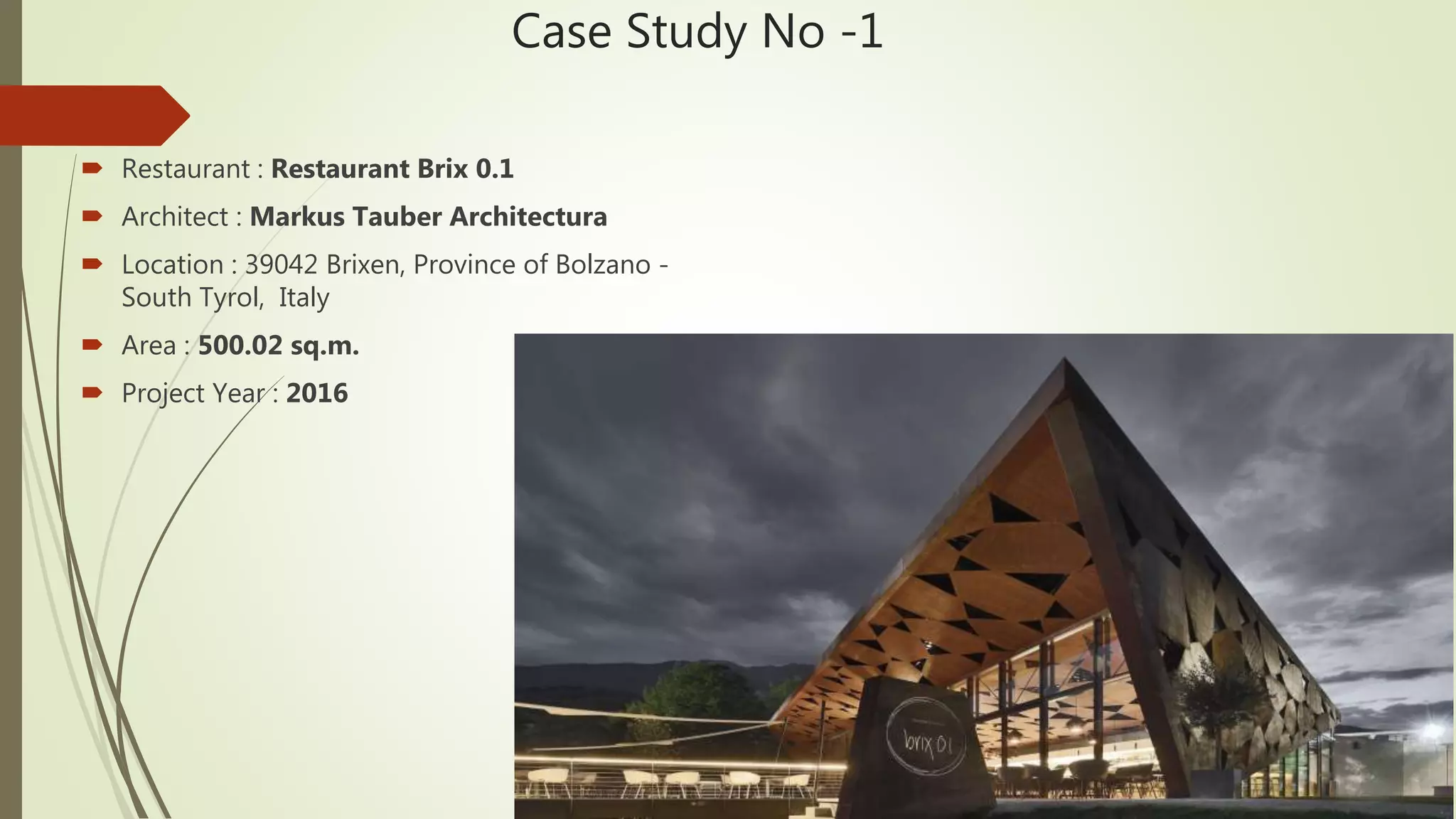
 Restaurant : Restaurant Brix 0.1
 Architect : Markus Tauber Architectura
 Location : 39042 Brixen, Province of Bolzano -
South Tyrol, Italy
 Area : 500.02 sq.m.
 Project Year : 2016
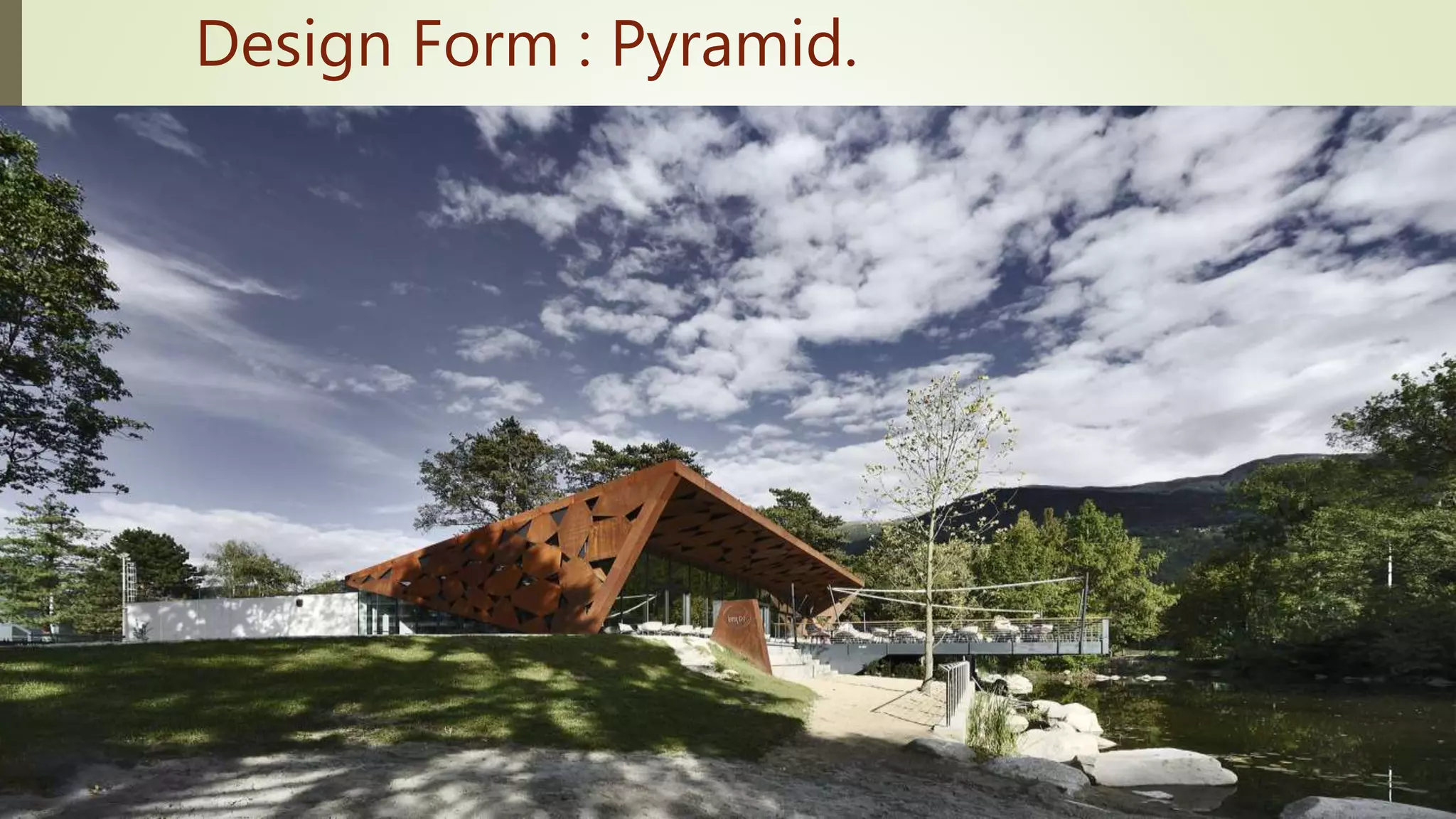
Design Form : Pyramid.
Approach
Approach with Site Plan
Entry
Two entry. One from South ,
Other from the North. South
Entry is prime entry while
North entry is for pedestrian.
Interior Spaces
Case Study No – 02
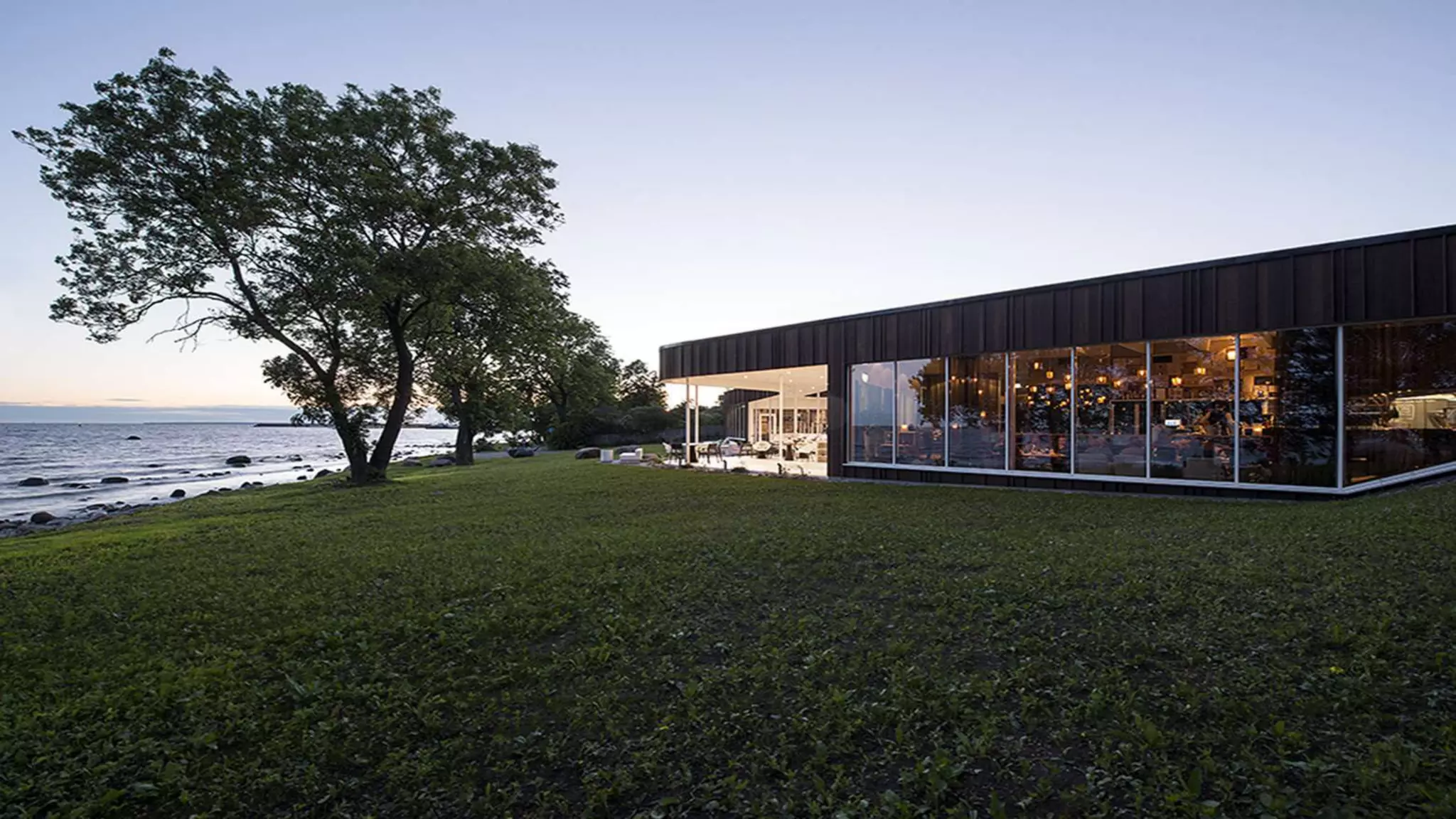
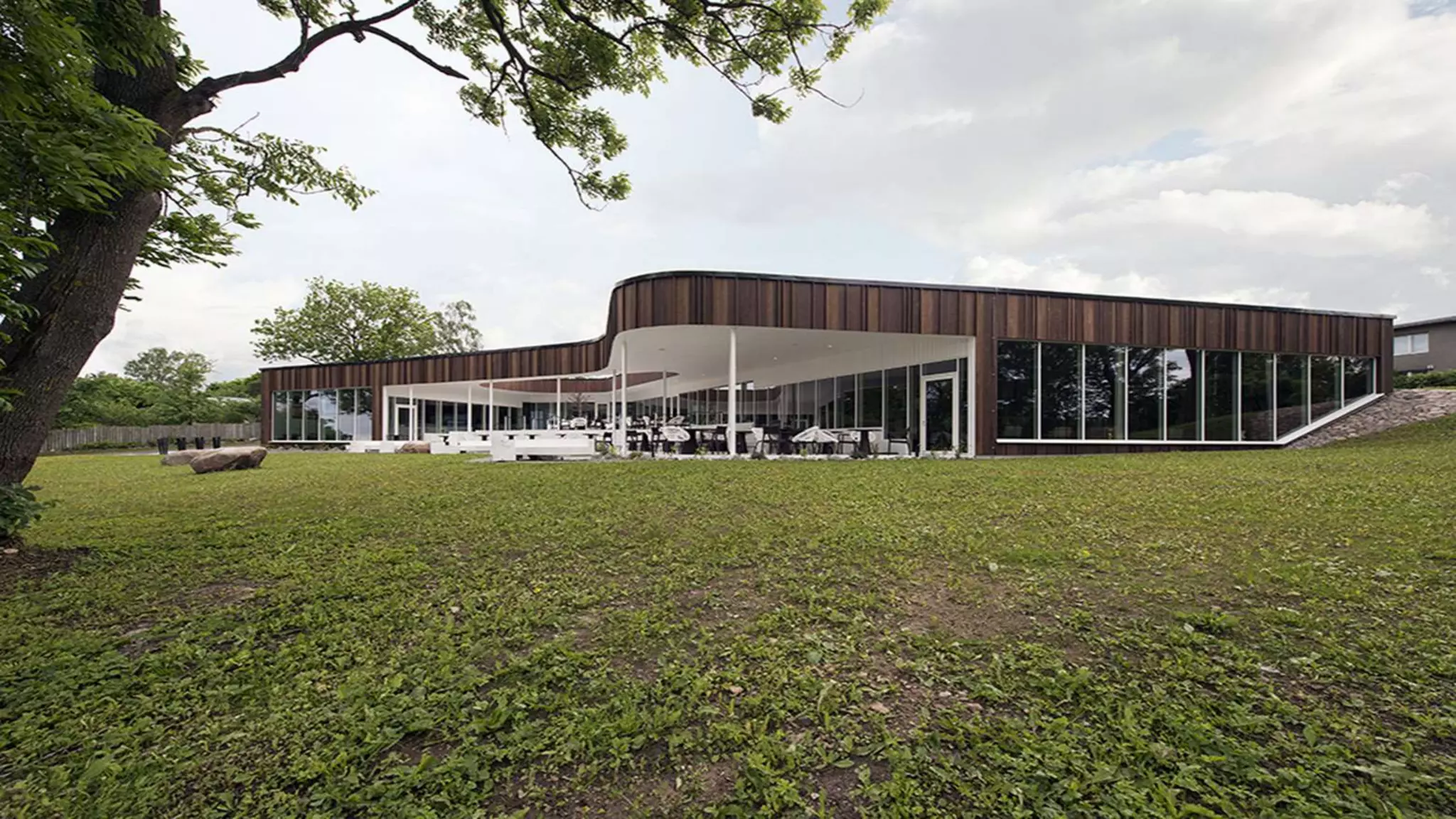
Restaurant : NOA Restaurant
Architect : Kamp Arhitektid
Location : Tallin, Estonia
Area : 544.0 sqm
Proejct Year : 2014
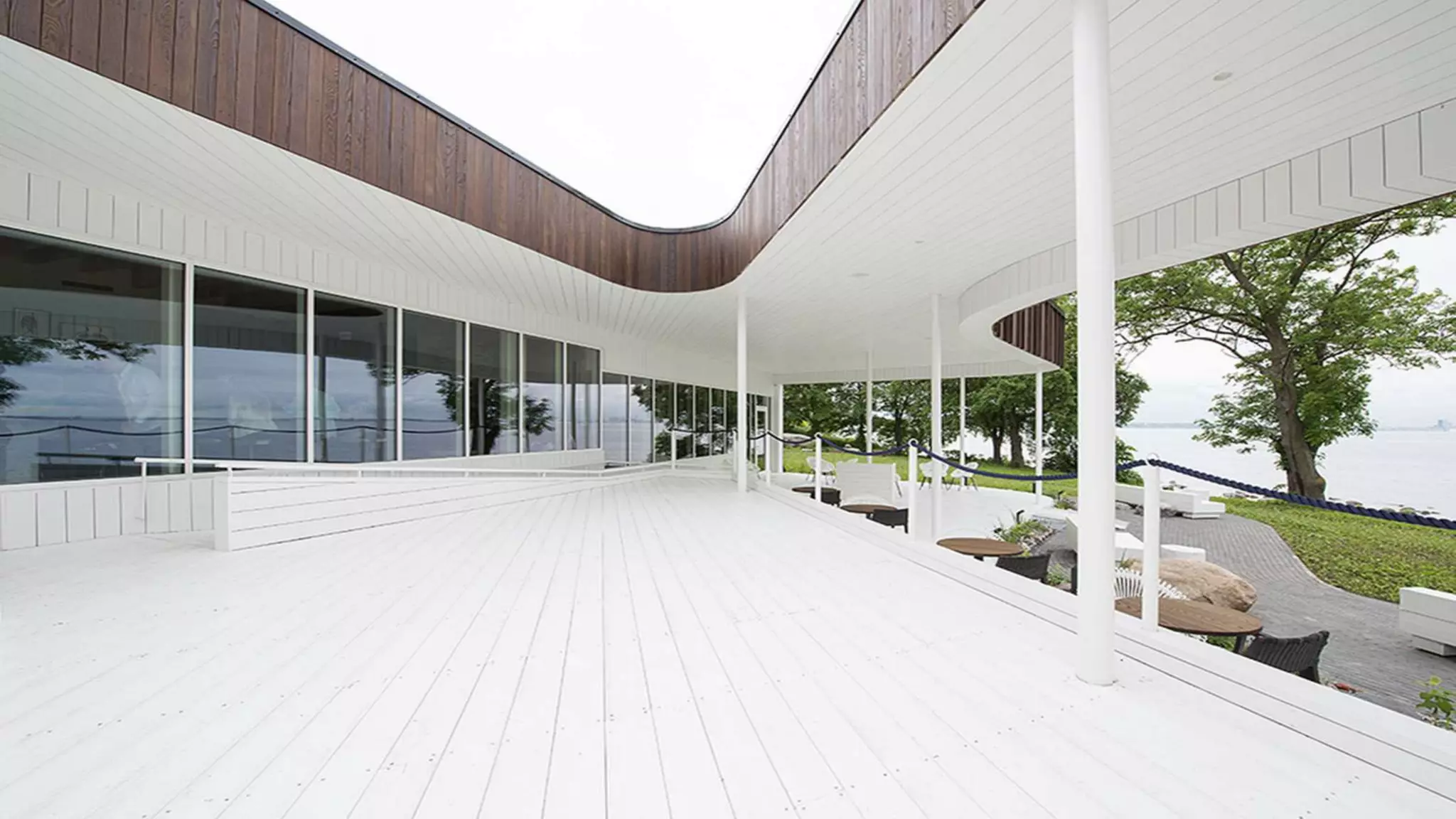
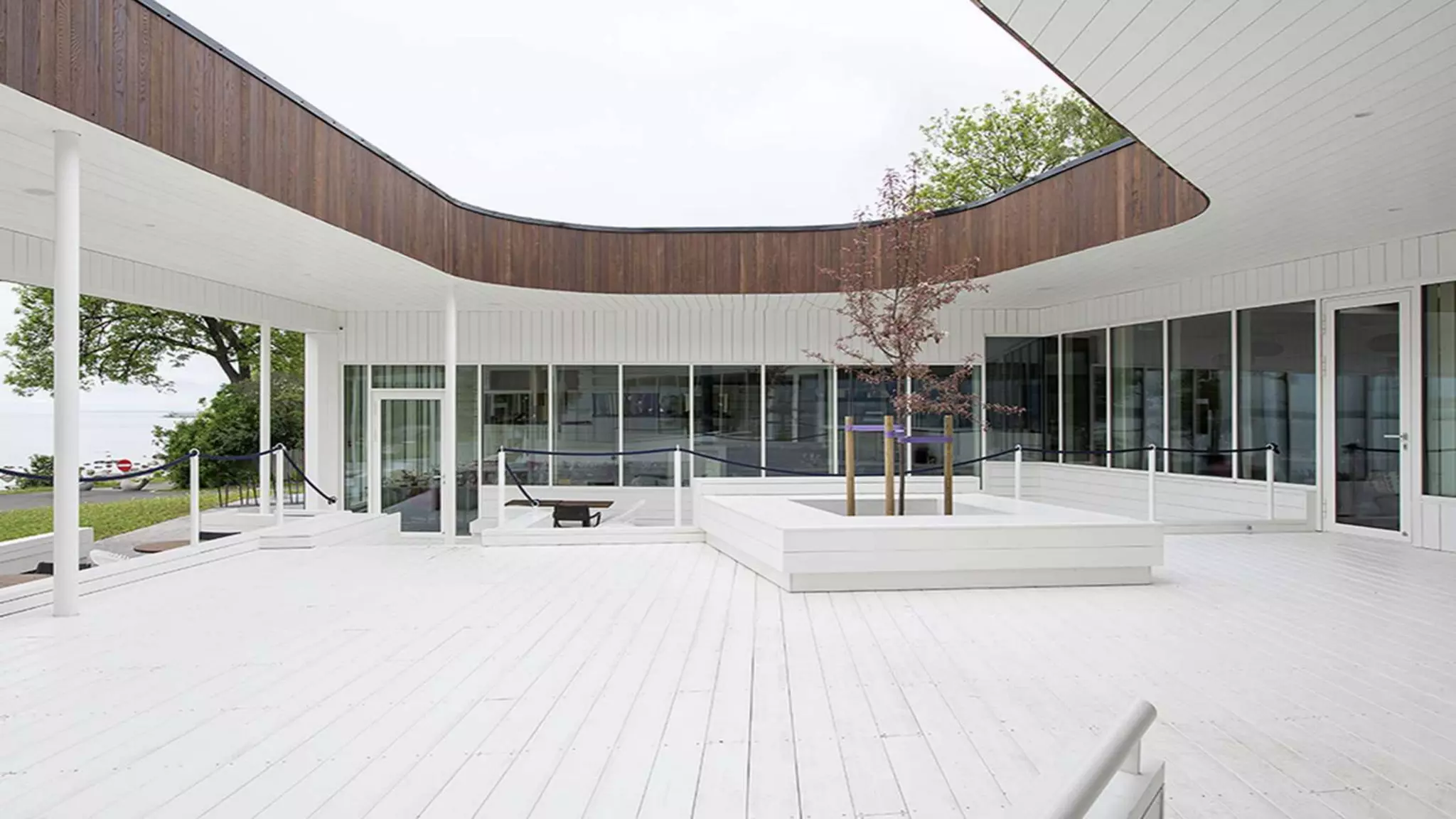
At the opening, it has ROUNDED CORNERS. It express continuity of
Surface, compactness of volume and softness of form.
It is mainly in the Clustered form.
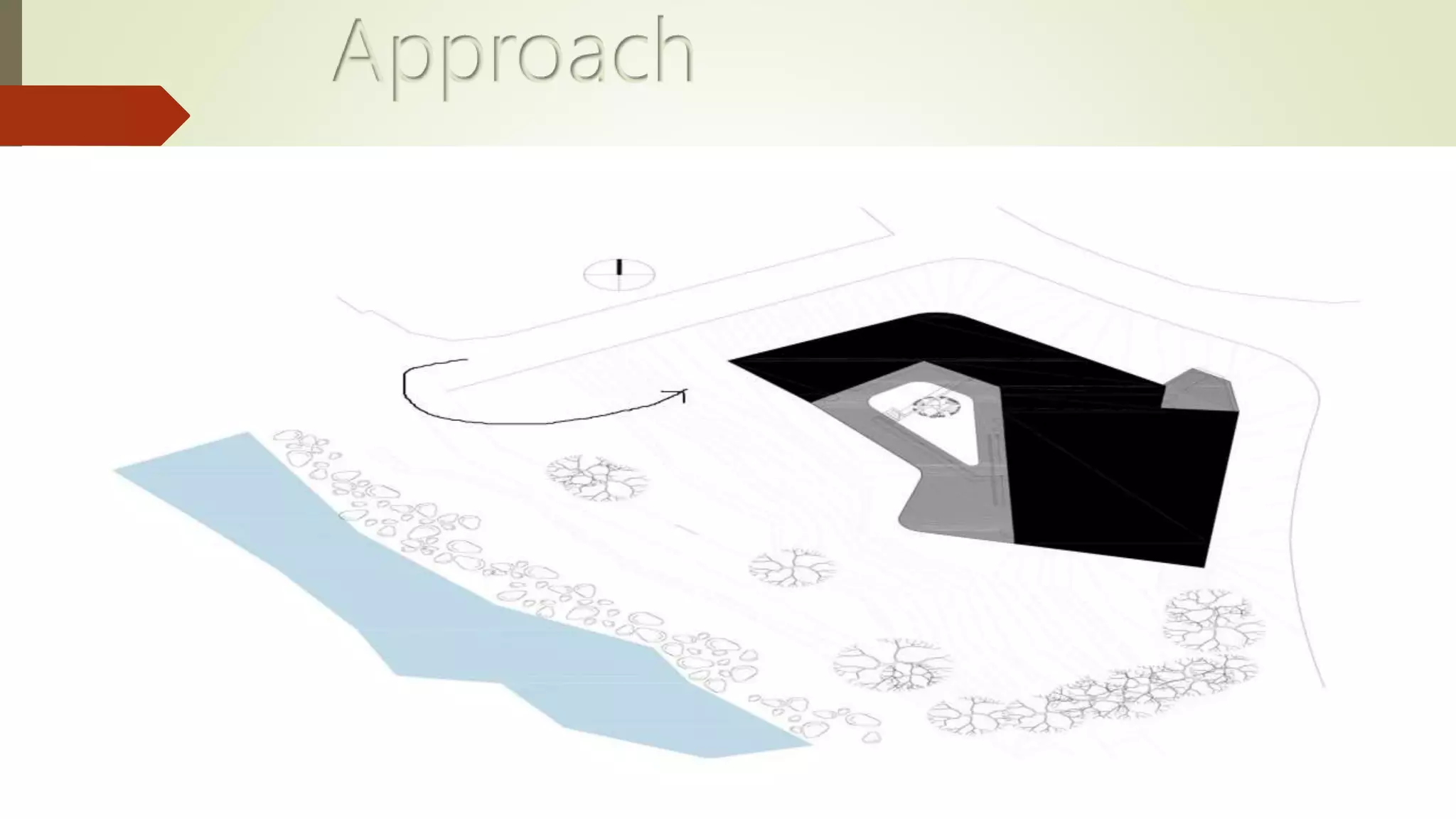
Approach
Case Study no - 03
Restaurant : Plate
Architect : TAKUYOHOSOKAI
Location : Niigata, Japan
Area : 267.0 sqm
Project Year : 2015
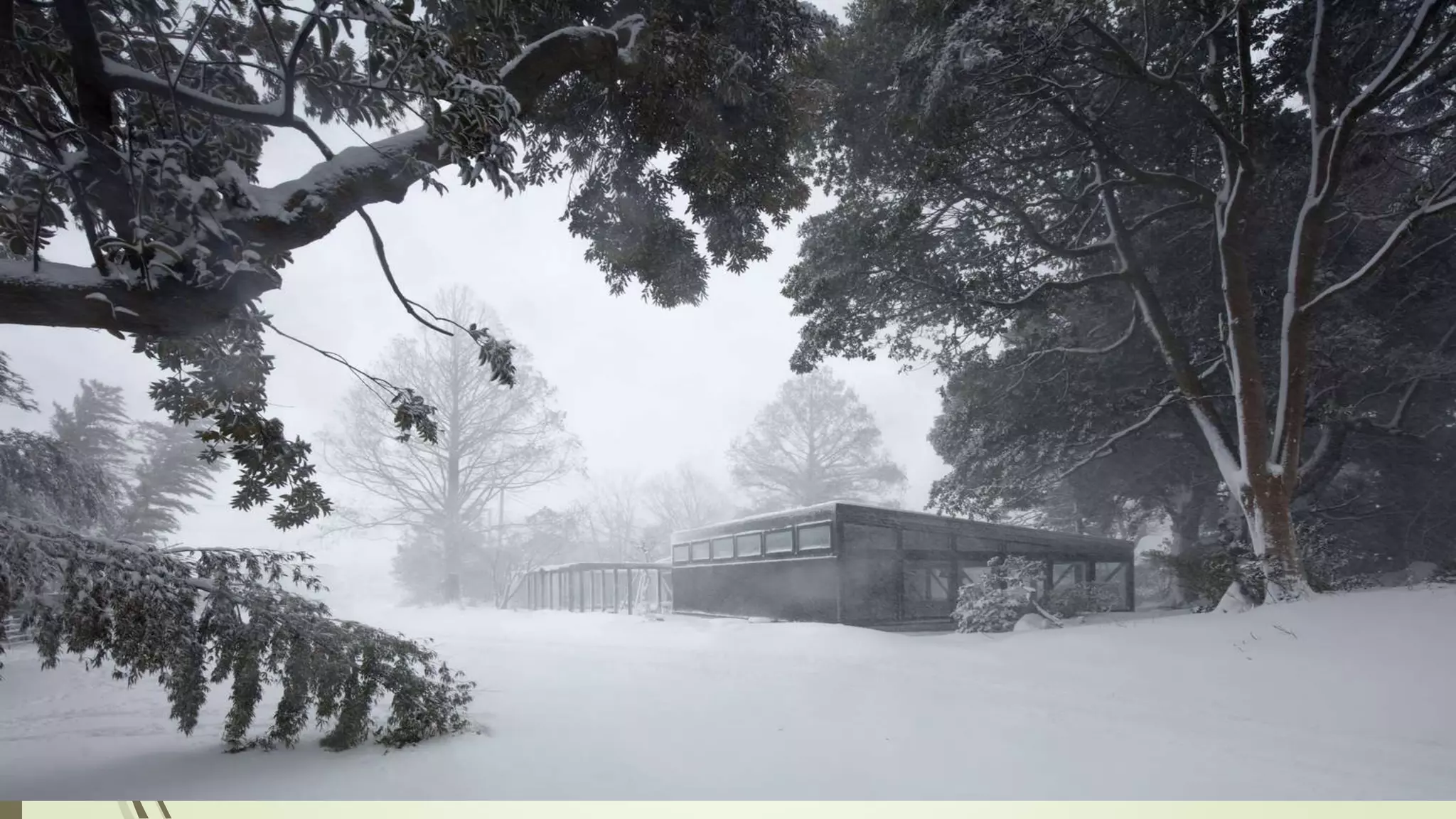
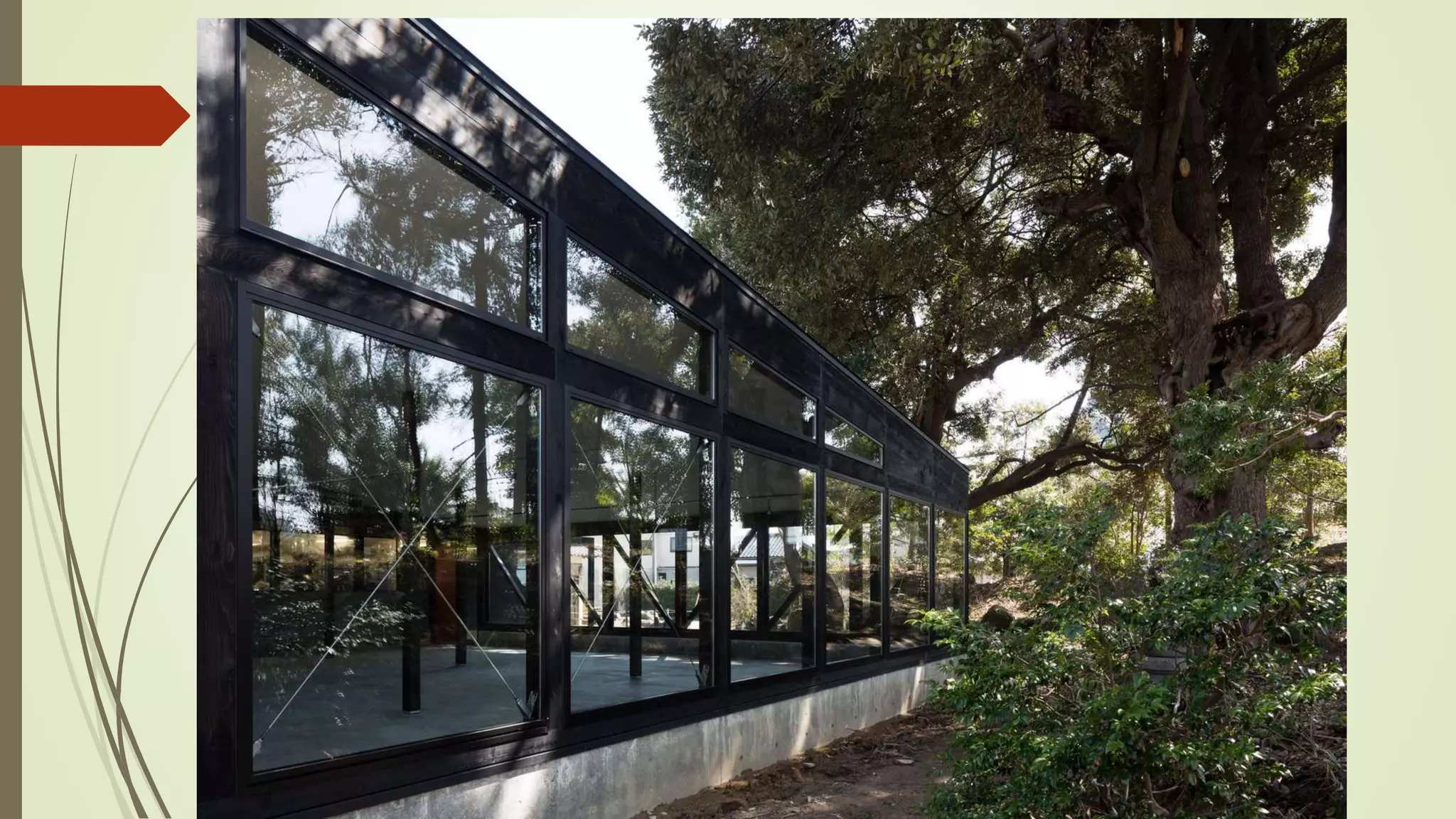
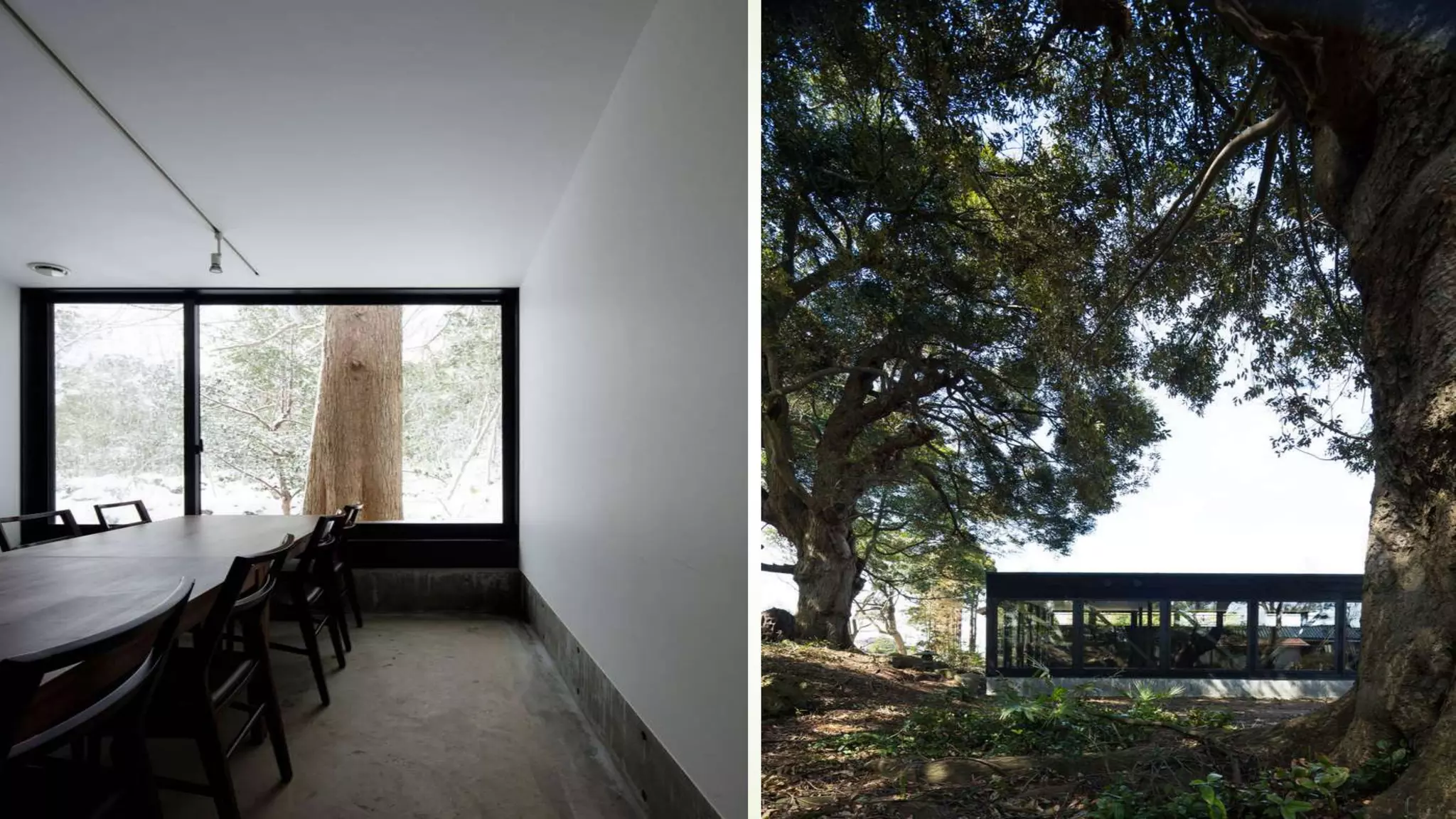
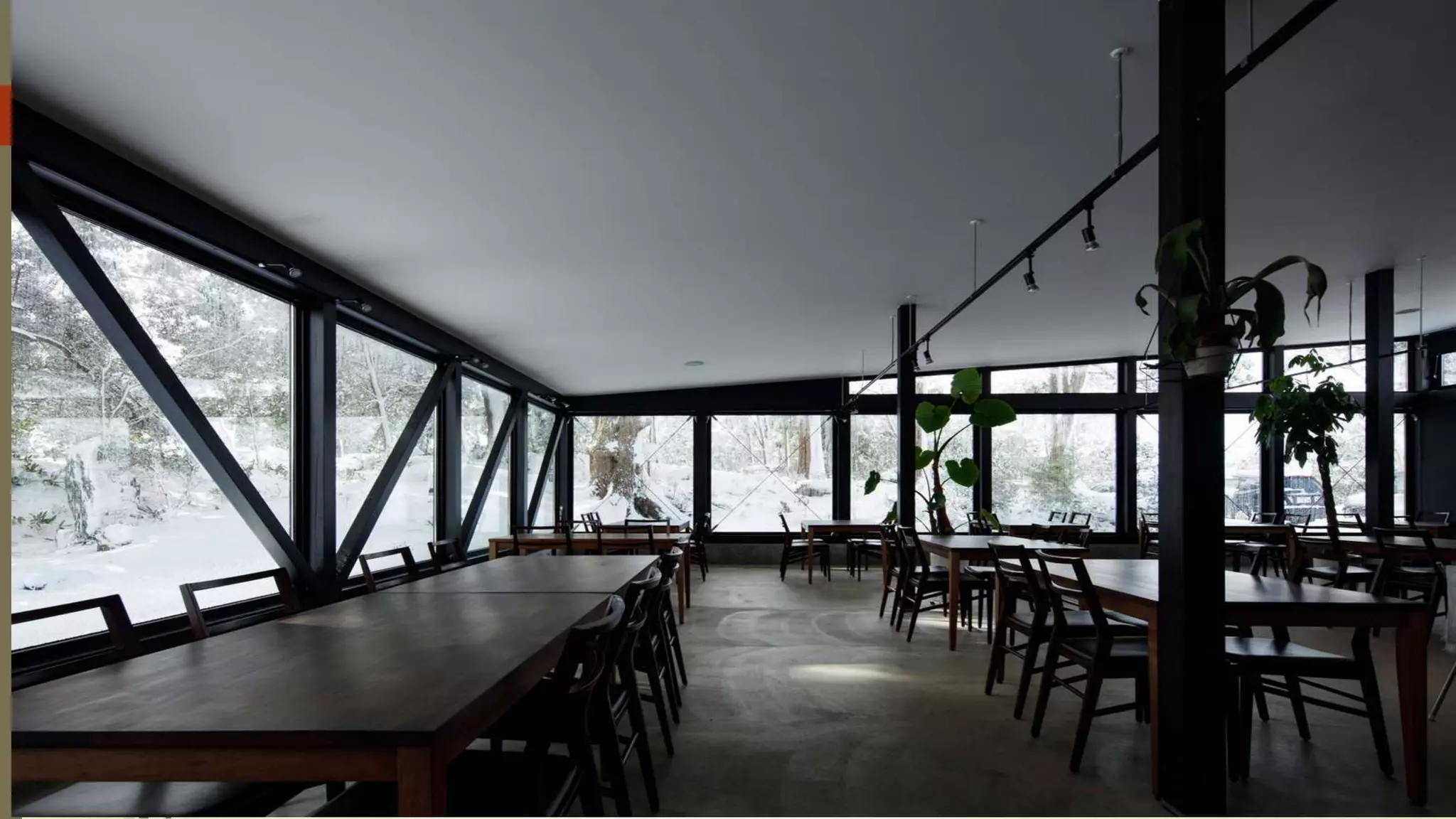
Isolated within a seemingly endless stretch of flat,
idyllic countryside, a small but dense forest emerges into view.
Occupying 4500 square meters , the ancient copse has been
preserved and nurtured in its rural setting. Nestled within this
unique environment the project acts as small museum.
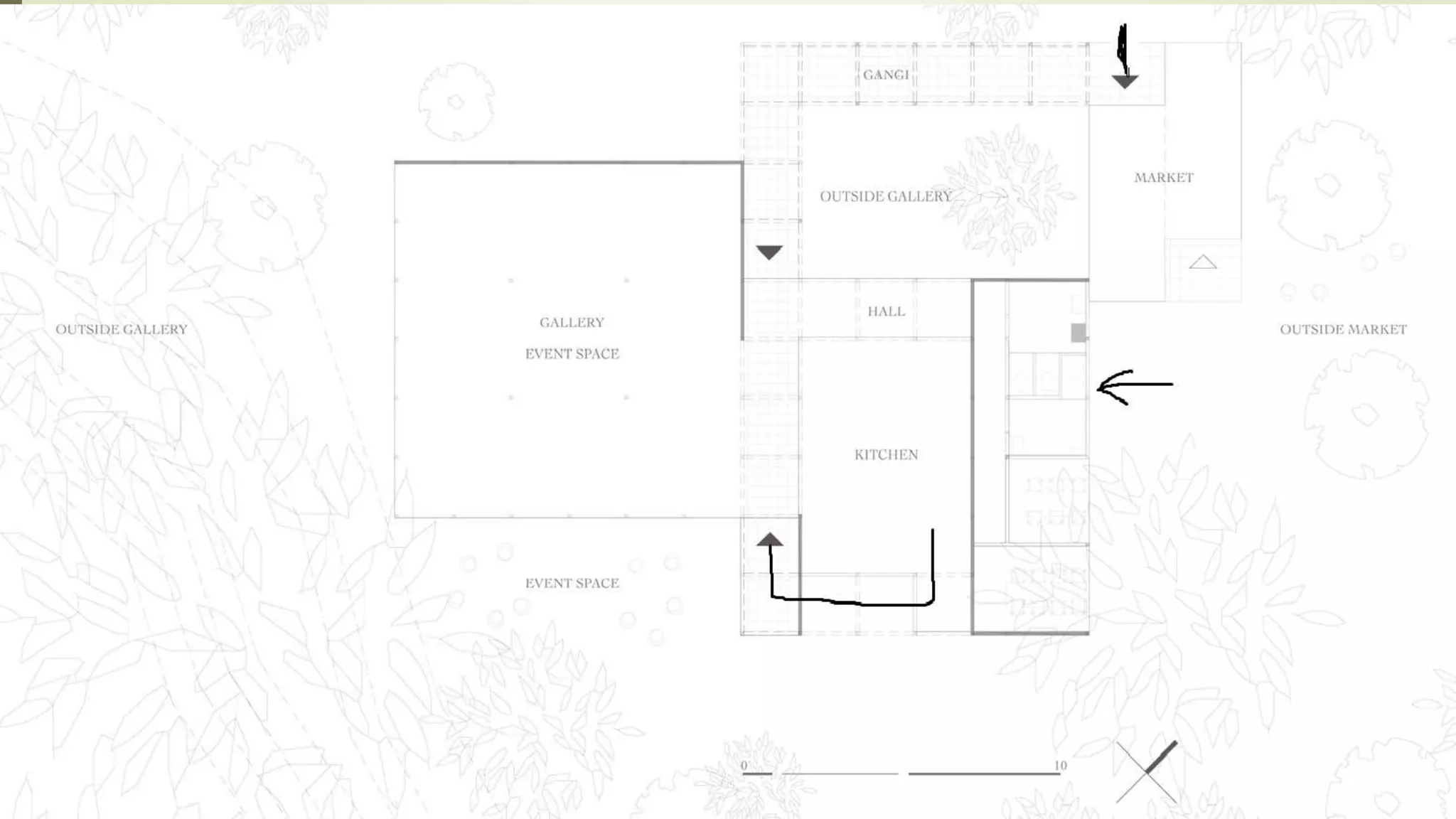
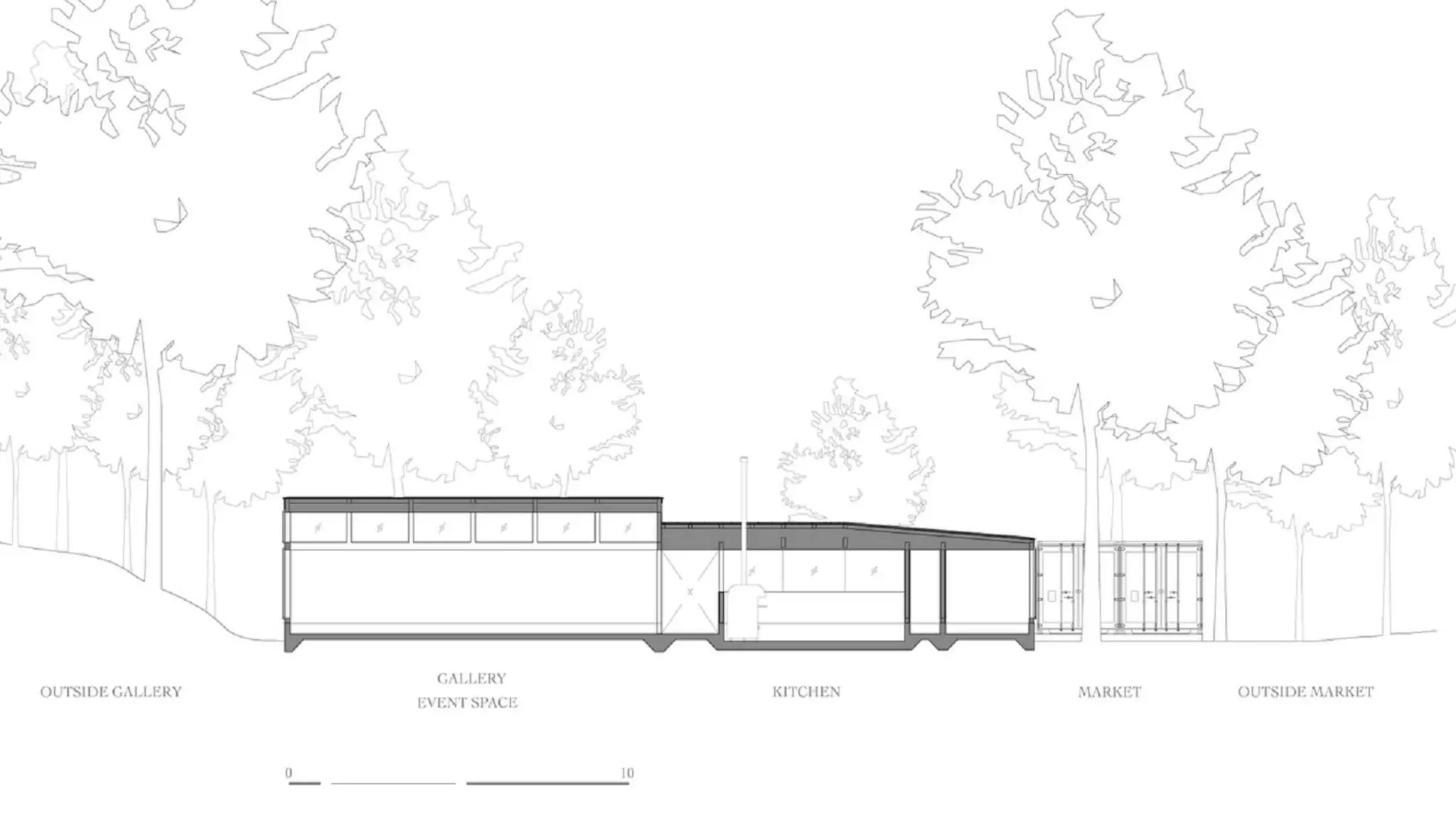
It is in the Form of Linear Rectangular .
It has 3 rectangular .
Case Study No - 04
Restaurant : House Denk
Architect : AB Objekt d.o.o
Location : Zgornja Kungota 11a,
2201 Zgornja Kungota, Slovenia
Area : 850.0 sqm
Project Year : 2015
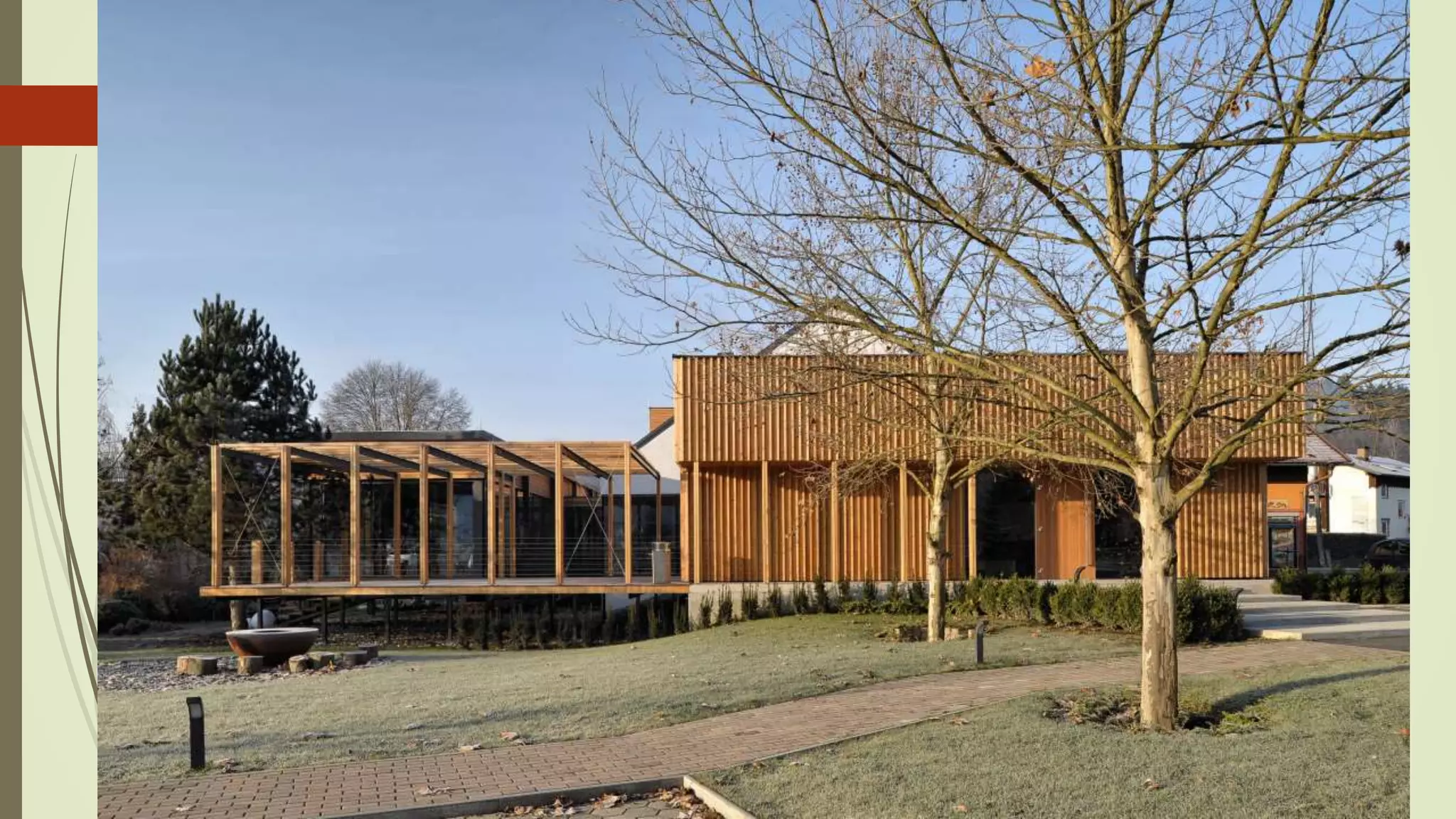
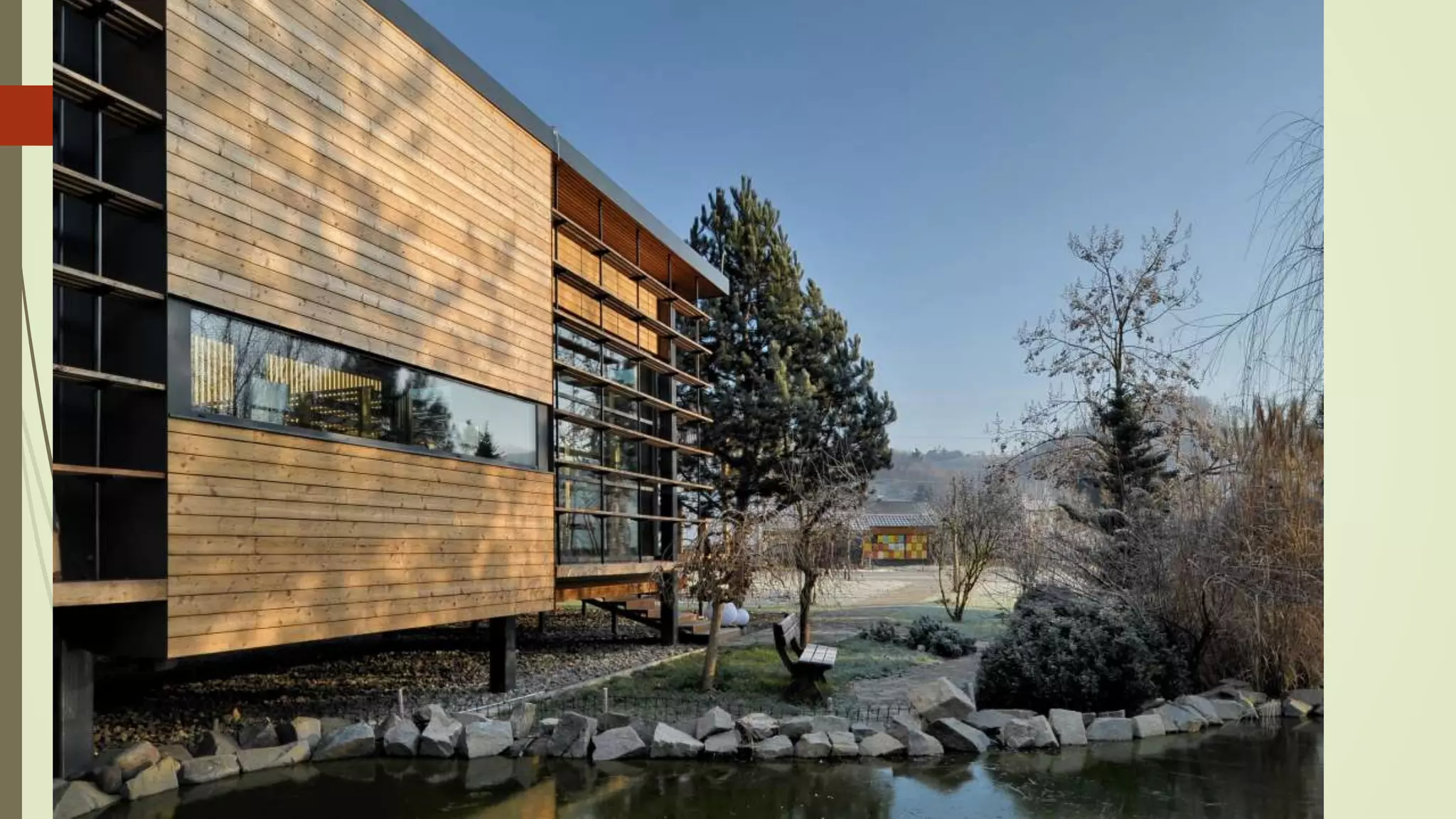
It is divided into two cube form and one rectangular. All
Of them are LINEAR.
Approach
The first volume is facing the street, inviting the guests to come closer,
whereas the second offers an intimate meal with boundless views
of the surrounding garden.
The two volumes comprise and subtly
hide the existing building;
their appearanceis on the edge of being only an extension
Architectural design - Case Study on Restaurants

Architectural design - Case Study on Restaurants

  • 1.
    Architectural Design -III Case Study on Restaurants Group – 5 Roll – 1523025 1523026 1523027 1523028 1523029 1523030
  • 2.
    Case Study No-1  Restaurant : Restaurant Brix 0.1  Architect : Markus Tauber Architectura  Location : 39042 Brixen, Province of Bolzano - South Tyrol, Italy  Area : 500.02 sq.m.  Project Year : 2016
  • 3.
    Design Form :Pyramid.
  • 5.
  • 6.
  • 7.
    Entry Two entry. Onefrom South , Other from the North. South Entry is prime entry while North entry is for pedestrian.
  • 9.
  • 11.
    Case Study No– 02 Restaurant : NOA Restaurant Architect : Kamp Arhitektid Location : Tallin, Estonia Area : 544.0 sqm Proejct Year : 2014
  • 14.
    At the opening,it has ROUNDED CORNERS. It express continuity of Surface, compactness of volume and softness of form. It is mainly in the Clustered form.
  • 15.
  • 22.
    Case Study no- 03 Restaurant : Plate Architect : TAKUYOHOSOKAI Location : Niigata, Japan Area : 267.0 sqm Project Year : 2015
  • 25.
    Isolated within aseemingly endless stretch of flat, idyllic countryside, a small but dense forest emerges into view. Occupying 4500 square meters , the ancient copse has been preserved and nurtured in its rural setting. Nestled within this unique environment the project acts as small museum.
  • 26.
    It is inthe Form of Linear Rectangular . It has 3 rectangular .
  • 37.
    Case Study No- 04 Restaurant : House Denk Architect : AB Objekt d.o.o Location : Zgornja Kungota 11a, 2201 Zgornja Kungota, Slovenia Area : 850.0 sqm Project Year : 2015
  • 38.
    It is dividedinto two cube form and one rectangular. All Of them are LINEAR.
  • 39.
    Approach The first volumeis facing the street, inviting the guests to come closer, whereas the second offers an intimate meal with boundless views of the surrounding garden. The two volumes comprise and subtly hide the existing building; their appearanceis on the edge of being only an extension