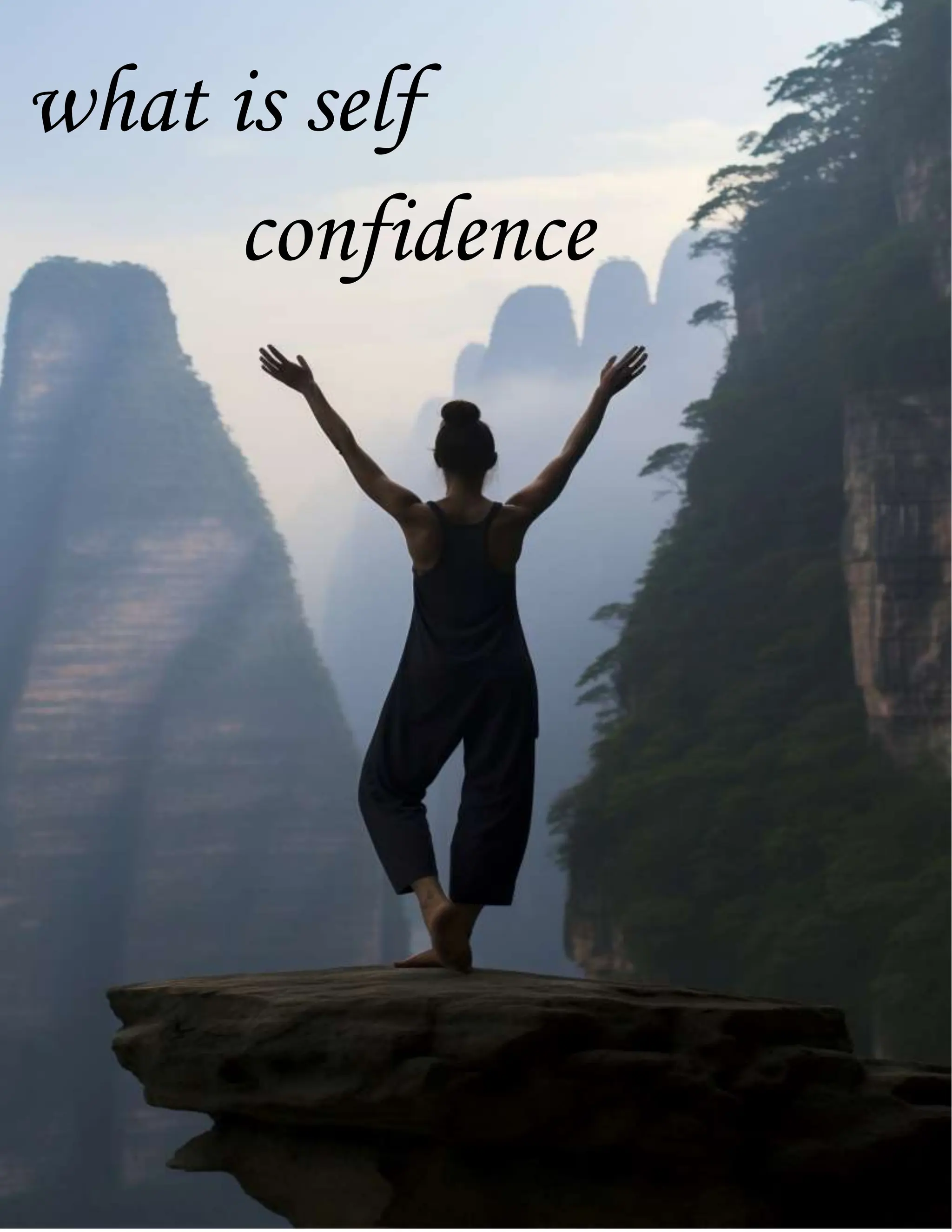
what is self
confidence
Embracing Self-Confidence: The Key to Personal Empowerment
Self-confidence is often hailed as the cornerstone of success, personal fulfillment, and resilience in the
face of challenges. It is that intangible quality that allows individuals to believe in their abilities, navigate
uncertainties with poise, and pursue their aspirations with unwavering determination. While often
viewed as a natural trait, self-confidence is a dynamic skill that can be cultivated and nurtured
throughout one’s life. In this article, we delve into the essence of self-confidence, explore its
components, understand its significance, and provide practical strategies for enhancing it.
Top 5 FREE videos to boost your confidence :
 https://linktr.ee/ravi2008
Defining Self-Confidence
At its core, self-confidence refers to a belief in one’s own abilities and judgment. It encompasses a deep-
seated trust in oneself, allowing individuals to take risks, embrace challenges, and persevere in the face
of setbacks. Unlike arrogance, which stems from an exaggerated sense of superiority, genuine self-
confidence is rooted in competence, experience, and a realistic assessment of one’s strengths and
weaknesses.
Components of Self-Confidence
Self-confidence is multifaceted, influenced by various factors that shape an individual’s perception of
themselves and their capabilities:
1. Self-Efficacy : This is the belief in one’s ability to accomplish specific tasks and goals. It involves
setting realistic expectations, developing skills, and garnering experiences that reinforce competence.
2. Self-Image : How individuals perceive themselves plays a crucial role in their confidence levels. A
positive self-image involves accepting oneself, acknowledging strengths, and actively working on areas
for improvement without self-criticism.
3. Resilience : The ability to bounce back from setbacks and failures is closely tied to self-confidence.
Resilient individuals view challenges as opportunities for growth rather than as insurmountable
obstacles.
4. Self-Acceptance : Embracing one’s imperfections and vulnerabilities fosters genuine self-confidence.
It allows individuals to focus on their strengths while acknowledging and learning from their
weaknesses.
Significance of Self-Confidence
The importance of self-confidence extends far beyond individual perception; it influences various
aspects of personal and professional life:
1. Career Advancement : Confident individuals are more likely to pursue career opportunities, take on
leadership roles, and assert their ideas effectively in the workplace.
2. Interpersonal Relationships : Self-assured individuals tend to establish healthier relationships,
communicate assertively, and set boundaries effectively.
3. Mental Well-being : Enhanced self-confidence contributes to improved mental health by reducing
anxiety, fostering optimism, and promoting a sense of control over one’s life.
4. Achievement of Goals : Individuals with strong self-confidence are more motivated to set ambitious
goals and persist in their pursuit despite challenges or setbacks.
Cultivating Self-Confidence
While some individuals may naturally exude confidence, it is a skill that can be developed and
strengthened through deliberate efforts and self-awareness:
1. Set Realistic Goals : Break down larger goals into smaller, achievable tasks. Celebrate successes along
the way to build momentum and reinforce belief in your capabilities.
2. Challenge Negative Thoughts : Recognize and challenge self-limiting beliefs and negative self-talk.
Replace them with affirmations and positive reframing techniques.
3. Expand Your Comfort Zone : Step outside familiar routines and embrace new experiences. Each small
accomplishment outside your comfort zone contributes to building confidence.
4. Seek Feedback and Learn : Actively seek constructive feedback to identify areas for improvement and
refine your skills. Use setbacks as learning opportunities rather than validations of inadequacy.
5. Practice Self-Compassion : Treat yourself with kindness and understanding during challenging times.
Remember that everyone faces setbacks, and they do not define your worth or capabilities.
6. Visualize Success : Use visualization techniques to mentally rehearse successful outcomes. Visualizing
yourself overcoming challenges and achieving goals enhances belief in your abilities.
7. Develop Competence : Continuously develop skills and knowledge in areas important to you.
Competence breeds confidence, as it provides a solid foundation for believing in your capabilities.
Overcoming Challenges to Self-Confidence
Building and maintaining self-confidence is not without its challenges. Common obstacles include fear of
failure, comparison with others, and external validation-seeking behavior. Addressing these challenges
involves:
1. Managing Fear of Failure : Embrace failure as a natural part of growth and learning. Focus on efforts
and improvements rather than solely on outcomes.
2. Avoiding Comparison Traps : Recognize that everyone’s journey is unique. Instead of comparing
yourself to others, focus on your progress and celebrate your individual strengths.
3. Reducing Dependence on External Validation : Rely on internal validation and self-assessment to
gauge your progress and success. Seek feedback but ultimately trust your own judgment.
The Role of Environment and Support Systems
The environment in which individuals grow and develop significantly influences their self-confidence.
Supportive relationships, encouragement from mentors, and exposure to positive role models can foster
a healthy sense of self-assurance. Conversely, negative experiences, criticism, and lack of support can
undermine confidence levels. Creating a nurturing environment and surrounding oneself with
supportive individuals who believe in your potential can provide the encouragement needed to cultivate
and sustain self-confidence.
Conclusion
Self-confidence is a powerful attribute that empowers individuals to navigate life’s challenges with
resilience, pursue their dreams with determination, and embrace their full potential. While it may
fluctuate in response to experiences and circumstances, it is a skill that can be cultivated and
strengthened over time. By understanding its components, recognizing its significance, and employing
practical strategies for enhancement, individuals can embark on a journey toward greater self-
confidence and personal empowerment. Embrace the belief in your abilities, for self-confidence is not
just a trait but a transformative force that propels you toward fulfillment and success in all aspects of
life.

What is self confidence, and make yourself confidence

  • 1.
  • 2.
    Embracing Self-Confidence: TheKey to Personal Empowerment Self-confidence is often hailed as the cornerstone of success, personal fulfillment, and resilience in the face of challenges. It is that intangible quality that allows individuals to believe in their abilities, navigate uncertainties with poise, and pursue their aspirations with unwavering determination. While often viewed as a natural trait, self-confidence is a dynamic skill that can be cultivated and nurtured throughout one’s life. In this article, we delve into the essence of self-confidence, explore its components, understand its significance, and provide practical strategies for enhancing it. Top 5 FREE videos to boost your confidence :  https://linktr.ee/ravi2008 Defining Self-Confidence At its core, self-confidence refers to a belief in one’s own abilities and judgment. It encompasses a deep- seated trust in oneself, allowing individuals to take risks, embrace challenges, and persevere in the face of setbacks. Unlike arrogance, which stems from an exaggerated sense of superiority, genuine self- confidence is rooted in competence, experience, and a realistic assessment of one’s strengths and weaknesses. Components of Self-Confidence Self-confidence is multifaceted, influenced by various factors that shape an individual’s perception of themselves and their capabilities: 1. Self-Efficacy : This is the belief in one’s ability to accomplish specific tasks and goals. It involves setting realistic expectations, developing skills, and garnering experiences that reinforce competence. 2. Self-Image : How individuals perceive themselves plays a crucial role in their confidence levels. A positive self-image involves accepting oneself, acknowledging strengths, and actively working on areas for improvement without self-criticism. 3. Resilience : The ability to bounce back from setbacks and failures is closely tied to self-confidence. Resilient individuals view challenges as opportunities for growth rather than as insurmountable obstacles. 4. Self-Acceptance : Embracing one’s imperfections and vulnerabilities fosters genuine self-confidence. It allows individuals to focus on their strengths while acknowledging and learning from their weaknesses.
  • 3.
    Significance of Self-Confidence Theimportance of self-confidence extends far beyond individual perception; it influences various aspects of personal and professional life: 1. Career Advancement : Confident individuals are more likely to pursue career opportunities, take on leadership roles, and assert their ideas effectively in the workplace. 2. Interpersonal Relationships : Self-assured individuals tend to establish healthier relationships, communicate assertively, and set boundaries effectively. 3. Mental Well-being : Enhanced self-confidence contributes to improved mental health by reducing anxiety, fostering optimism, and promoting a sense of control over one’s life. 4. Achievement of Goals : Individuals with strong self-confidence are more motivated to set ambitious goals and persist in their pursuit despite challenges or setbacks. Cultivating Self-Confidence While some individuals may naturally exude confidence, it is a skill that can be developed and strengthened through deliberate efforts and self-awareness: 1. Set Realistic Goals : Break down larger goals into smaller, achievable tasks. Celebrate successes along the way to build momentum and reinforce belief in your capabilities. 2. Challenge Negative Thoughts : Recognize and challenge self-limiting beliefs and negative self-talk. Replace them with affirmations and positive reframing techniques. 3. Expand Your Comfort Zone : Step outside familiar routines and embrace new experiences. Each small accomplishment outside your comfort zone contributes to building confidence. 4. Seek Feedback and Learn : Actively seek constructive feedback to identify areas for improvement and refine your skills. Use setbacks as learning opportunities rather than validations of inadequacy. 5. Practice Self-Compassion : Treat yourself with kindness and understanding during challenging times. Remember that everyone faces setbacks, and they do not define your worth or capabilities. 6. Visualize Success : Use visualization techniques to mentally rehearse successful outcomes. Visualizing yourself overcoming challenges and achieving goals enhances belief in your abilities. 7. Develop Competence : Continuously develop skills and knowledge in areas important to you. Competence breeds confidence, as it provides a solid foundation for believing in your capabilities.
  • 4.
    Overcoming Challenges toSelf-Confidence Building and maintaining self-confidence is not without its challenges. Common obstacles include fear of failure, comparison with others, and external validation-seeking behavior. Addressing these challenges involves: 1. Managing Fear of Failure : Embrace failure as a natural part of growth and learning. Focus on efforts and improvements rather than solely on outcomes. 2. Avoiding Comparison Traps : Recognize that everyone’s journey is unique. Instead of comparing yourself to others, focus on your progress and celebrate your individual strengths. 3. Reducing Dependence on External Validation : Rely on internal validation and self-assessment to gauge your progress and success. Seek feedback but ultimately trust your own judgment. The Role of Environment and Support Systems The environment in which individuals grow and develop significantly influences their self-confidence. Supportive relationships, encouragement from mentors, and exposure to positive role models can foster a healthy sense of self-assurance. Conversely, negative experiences, criticism, and lack of support can undermine confidence levels. Creating a nurturing environment and surrounding oneself with supportive individuals who believe in your potential can provide the encouragement needed to cultivate and sustain self-confidence. Conclusion Self-confidence is a powerful attribute that empowers individuals to navigate life’s challenges with resilience, pursue their dreams with determination, and embrace their full potential. While it may fluctuate in response to experiences and circumstances, it is a skill that can be cultivated and strengthened over time. By understanding its components, recognizing its significance, and employing practical strategies for enhancement, individuals can embark on a journey toward greater self- confidence and personal empowerment. Embrace the belief in your abilities, for self-confidence is not just a trait but a transformative force that propels you toward fulfillment and success in all aspects of life.