What is IPTV &
How Does IPTV
Server Work?
Internet Protocol
Television (IPTV) is the
method of delivering
content to your
television over the
internet.
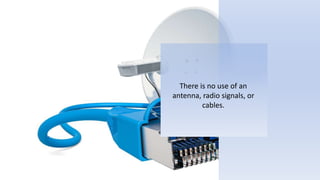
There is no use of an
antenna, radio signals, or
cables.
IPTV uses your home's
own internet signal to
bring content to your
television through some
sort of content delivery
system.
Working of IPTV
Internet Protocol
Television, on the other
hand, does things a little
differently.
From storage to
preparation to delivery,
IPTV is quickly
changing the way that
people think about
media.
Below, we have
discussed the steps
involved in the working
of IPTV.
Storing programs
One of the most
important aspects of
VOD (video on demand)
services is storage.
Live programs are
streamed as they're
produced, but
prerecorded programs
and movies need to be
stored.
VOD services must
limit the amount of
content they have
available in order to
conserve storage and
overall bandwidth use.
It provides secure and
flawless access to
stored content based
on the demand of a
specific user.
Preparing
programs
With IPTV, certain steps
have to be taken before a
program can be delivered
to an audience.
The program must be
converted into a digital
format that can be
delivered using the
Internet Protocol.
When the program is
confirmed to be in a
digital format, it must
be compressed.
Compression ensures
that the programs stream
smoothly without having
to constantly buffer.
Streaming programs
When you stream
something from the
internet, you are
essentially pulling
information from one
computer to another.
When you browse a
website, you're effectively
making a temporary link
between two computers.
Servers help for streaming
video over the internet
and the IPTV network is
largely built around these
machines.
Servers are so fast and
powerful that many
clients can download in
this way simultaneously.
Source
https://www.vidovation.com/

What is IPTV & How Does IPTV Server Work