• A Guide to Choosing the Right
ERP Solution for Your
Business
What Features to Look
for in ERP Software
Introduction
This presentation explores key features to
consider when choosing ERP software, focusing
on integration, customization, and user
experience.
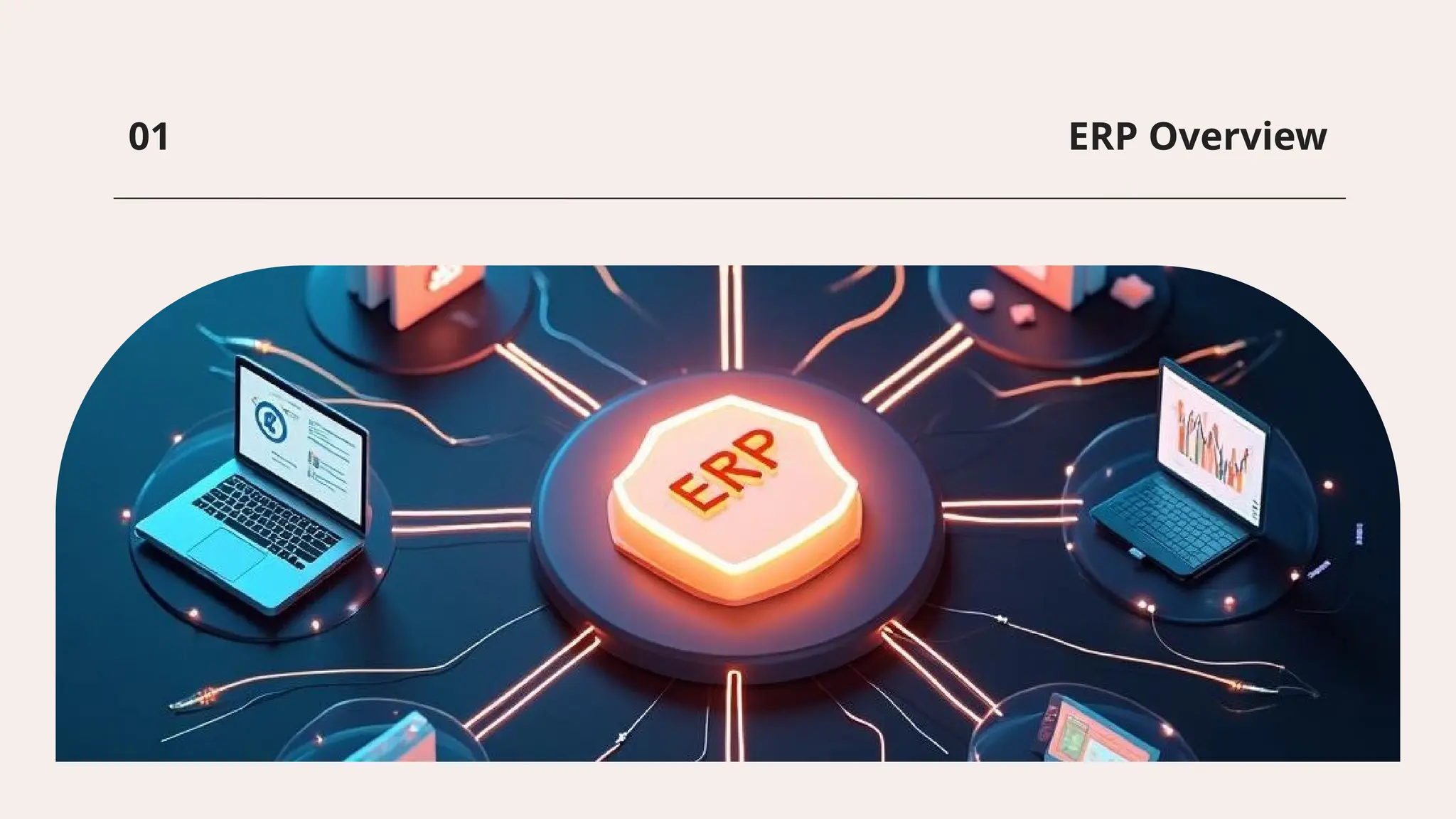
ERP Overview
01
Definition of ERP software
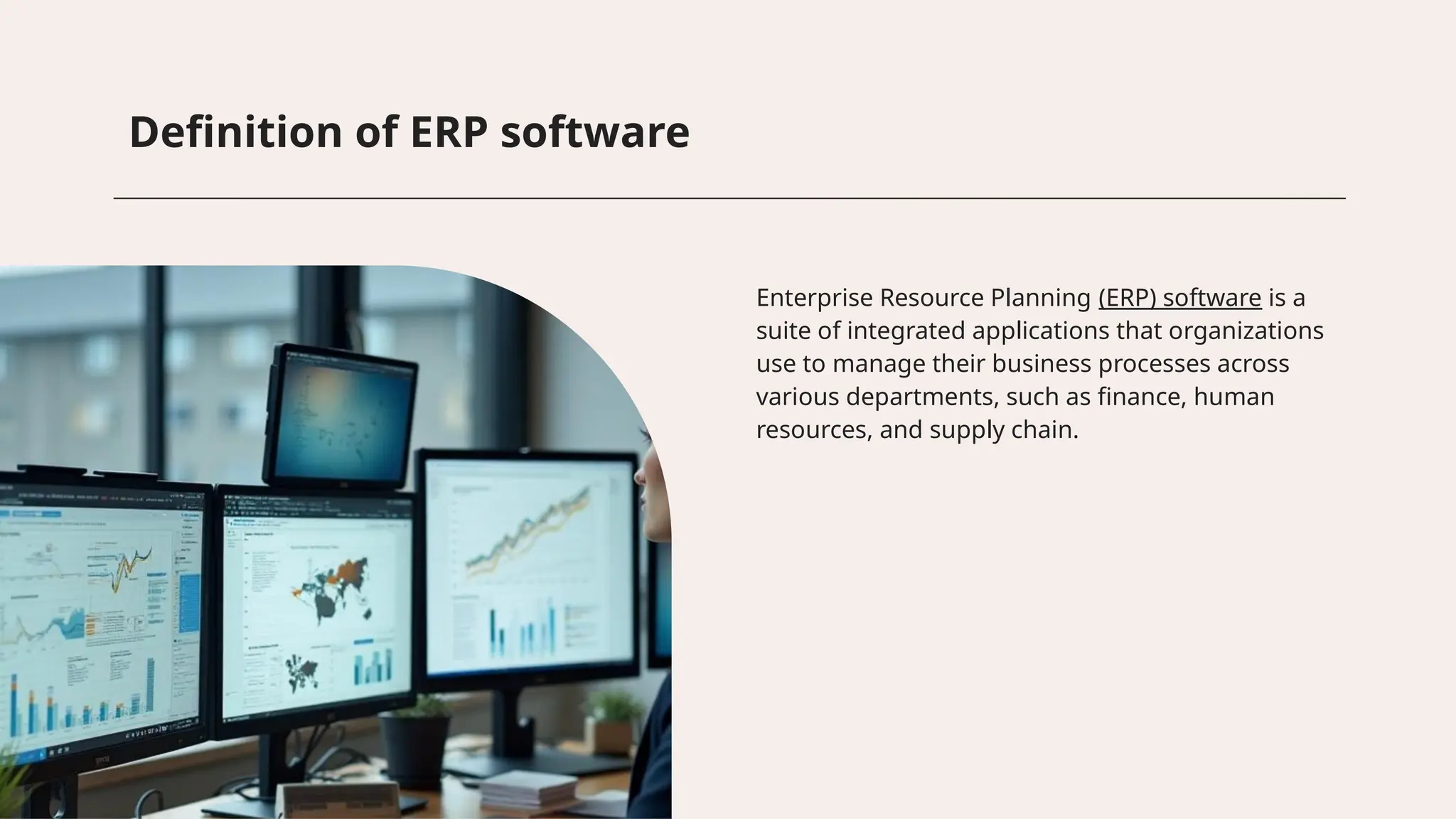
Enterprise Resource Planning (ERP) software is a
suite of integrated applications that organizations
use to manage their business processes across
various departments, such as finance, human
resources, and supply chain.
Importance
in modern
businesses
ERP systems enable organizations to streamline operations,
enhance data accuracy, and improve decision-making
processes by providing real-time insights across all functions,
thereby increasing overall efficiency and productivity.
Purpose of
selecting ERP
The primary purpose of selecting the right ERP system is to
ensure it meets the unique needs of the organization,
supports scalability and customization, and facilitates
seamless integration with existing systems to optimize
operations.
Integration
02
Importance
of seamless
integration
Seamless integration is critical for ERP software as it allows
for the smooth flow of information between different
business systems, minimizing data silos and reducing errors,
leading to more efficient operations.
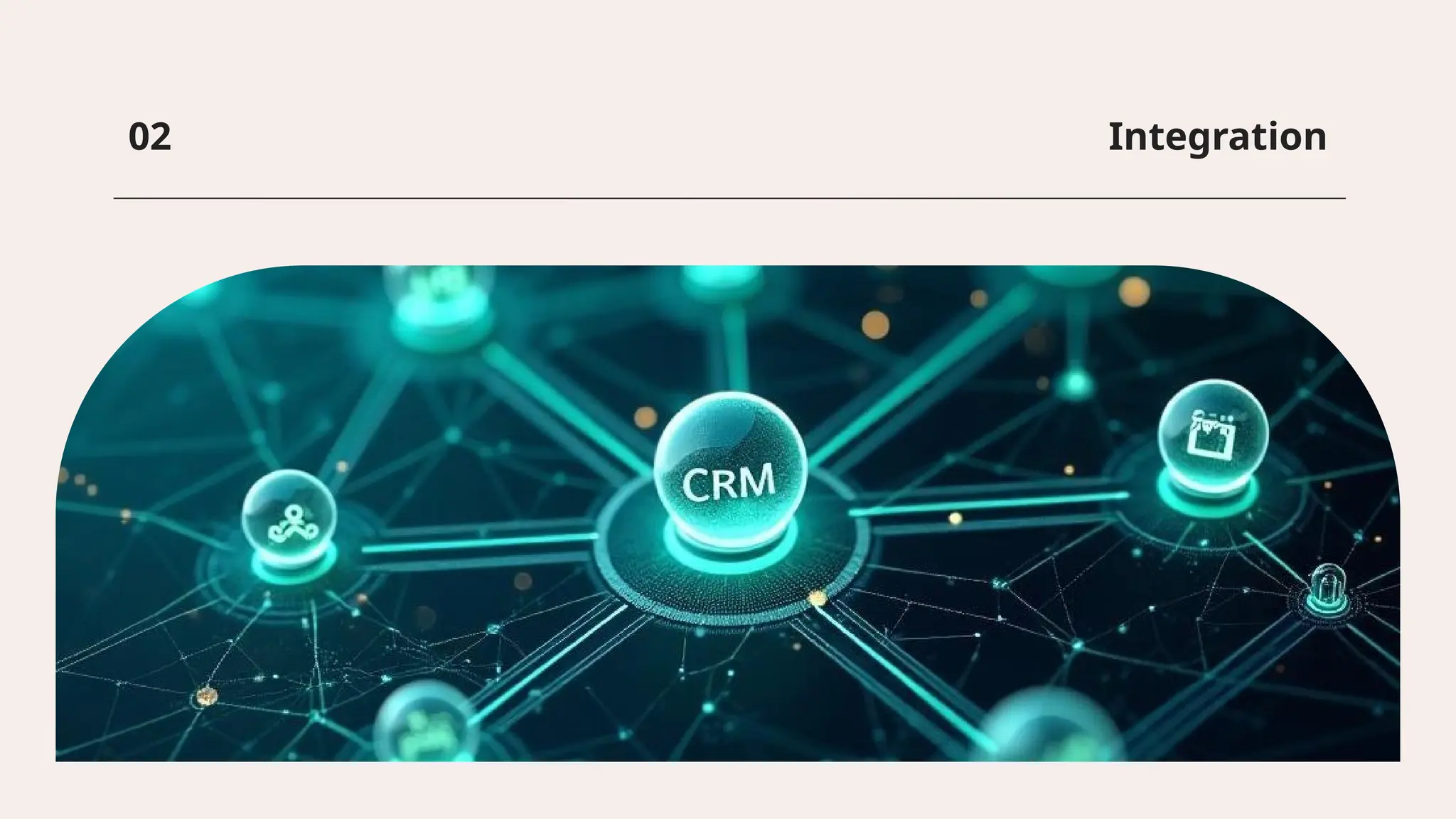
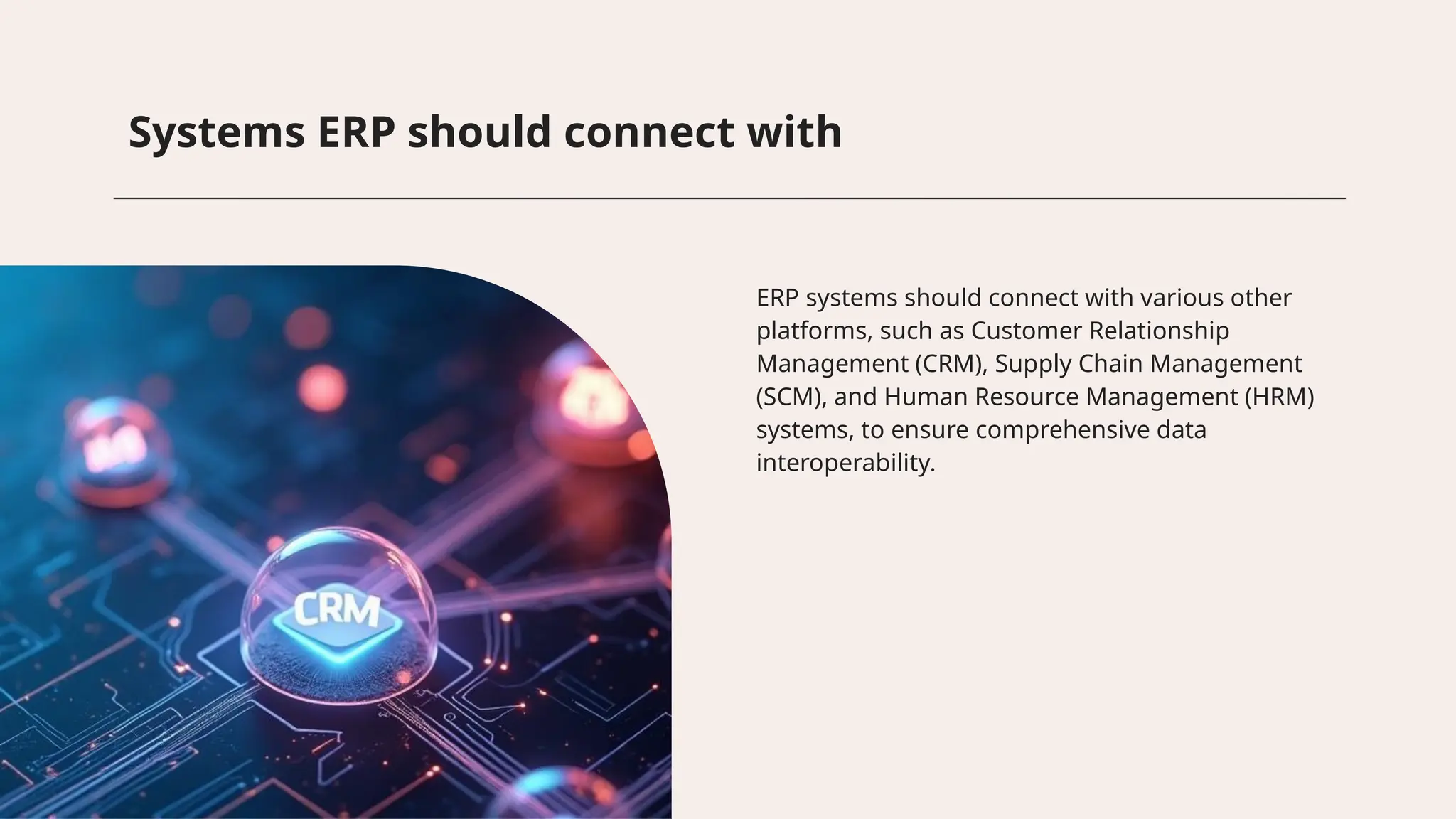
Systems ERP should connect with
ERP systems should connect with various other
platforms, such as Customer Relationship
Management (CRM), Supply Chain Management
(SCM), and Human Resource Management (HRM)
systems, to ensure comprehensive data
interoperability.
Benefits of
integrated
operations
Integrated operations provide several benefits, including
improved data accuracy, better collaboration among
departments, streamlined workflows, and enhanced visibility
into business performance, ultimately driving overall
business success.
Customization
03
Tailoring ERP
to business
needs
Customizing ERP solutions to align with specific business
processes ensures that organizations can leverage the
software's full potential, catering to unique operational
requirements and enhancing efficiency.
Scalability
for growth
A scalable ERP system supports business growth by allowing
the addition of new functionalities and users without
compromising performance, enabling organizations to adapt
to changing market conditions and expanding operations
seamlessly.
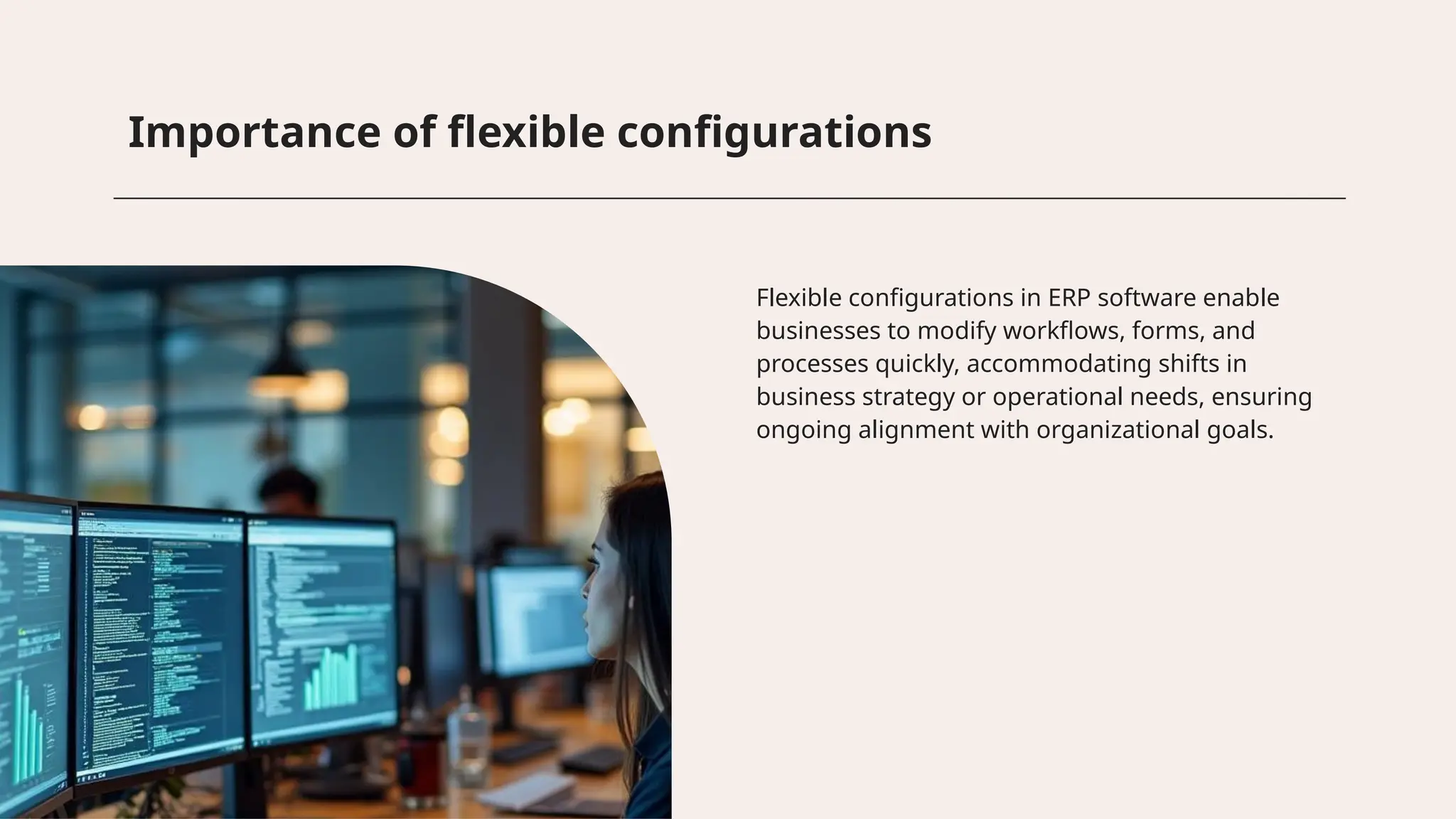
Importance of flexible configurations
Flexible configurations in ERP software enable
businesses to modify workflows, forms, and
processes quickly, accommodating shifts in
business strategy or operational needs, ensuring
ongoing alignment with organizational goals.
Data Management
04
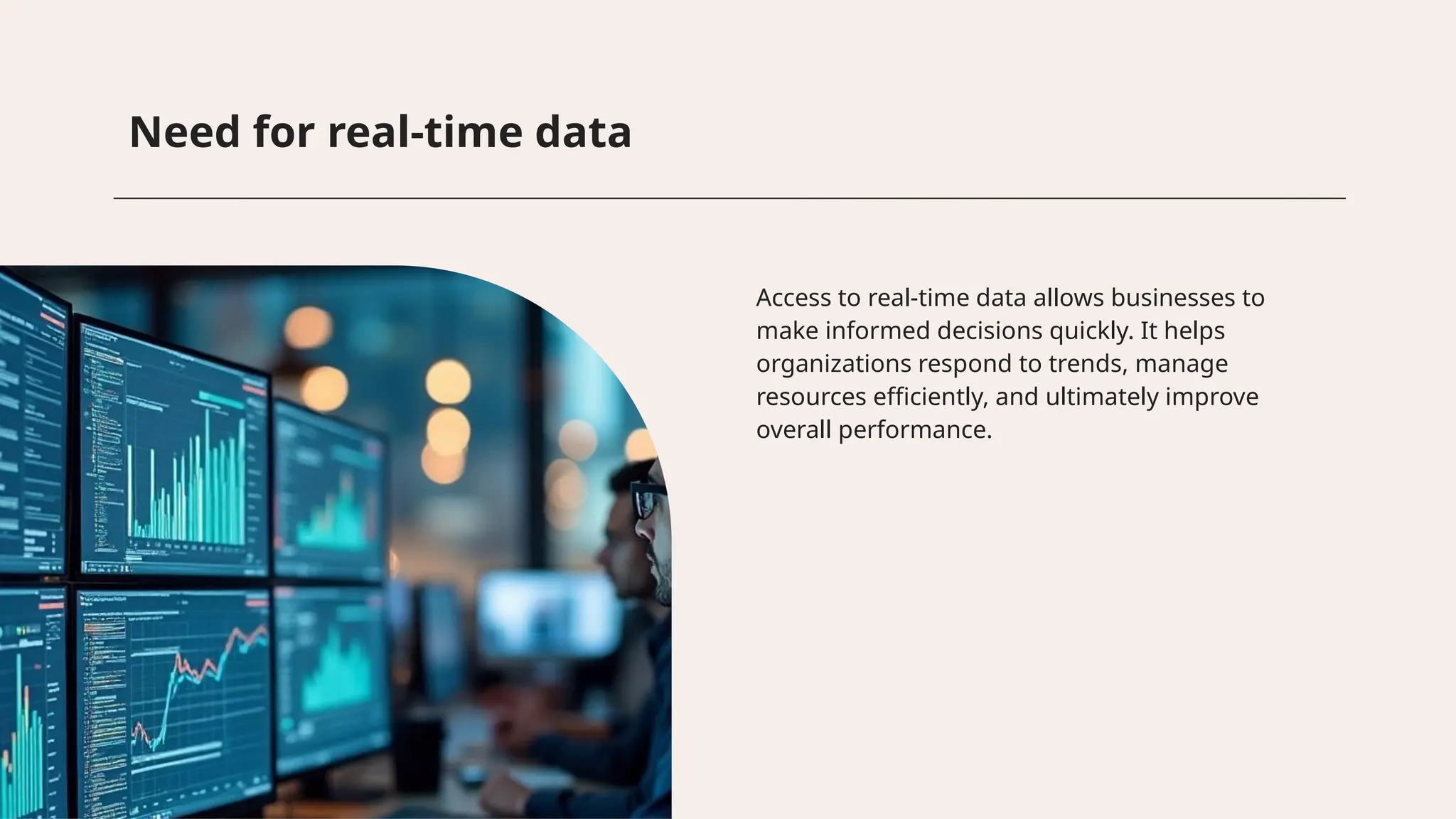
Need for real-time data
Access to real-time data allows businesses to
make informed decisions quickly. It helps
organizations respond to trends, manage
resources efficiently, and ultimately improve
overall performance.
Key
reporting
features
Effective ERP systems offer advanced reporting features,
including customizable dashboards and automated report
generation, which provide meaningful insights into
performance metrics and facilitate strategic planning.
Impact of
accurate
data analysis
Accurate data analysis within ERP systems enhances decision-
making processes, enabling organizations to identify areas
for improvement, optimize resource allocation, and capitalize
on growth opportunities with confidence.
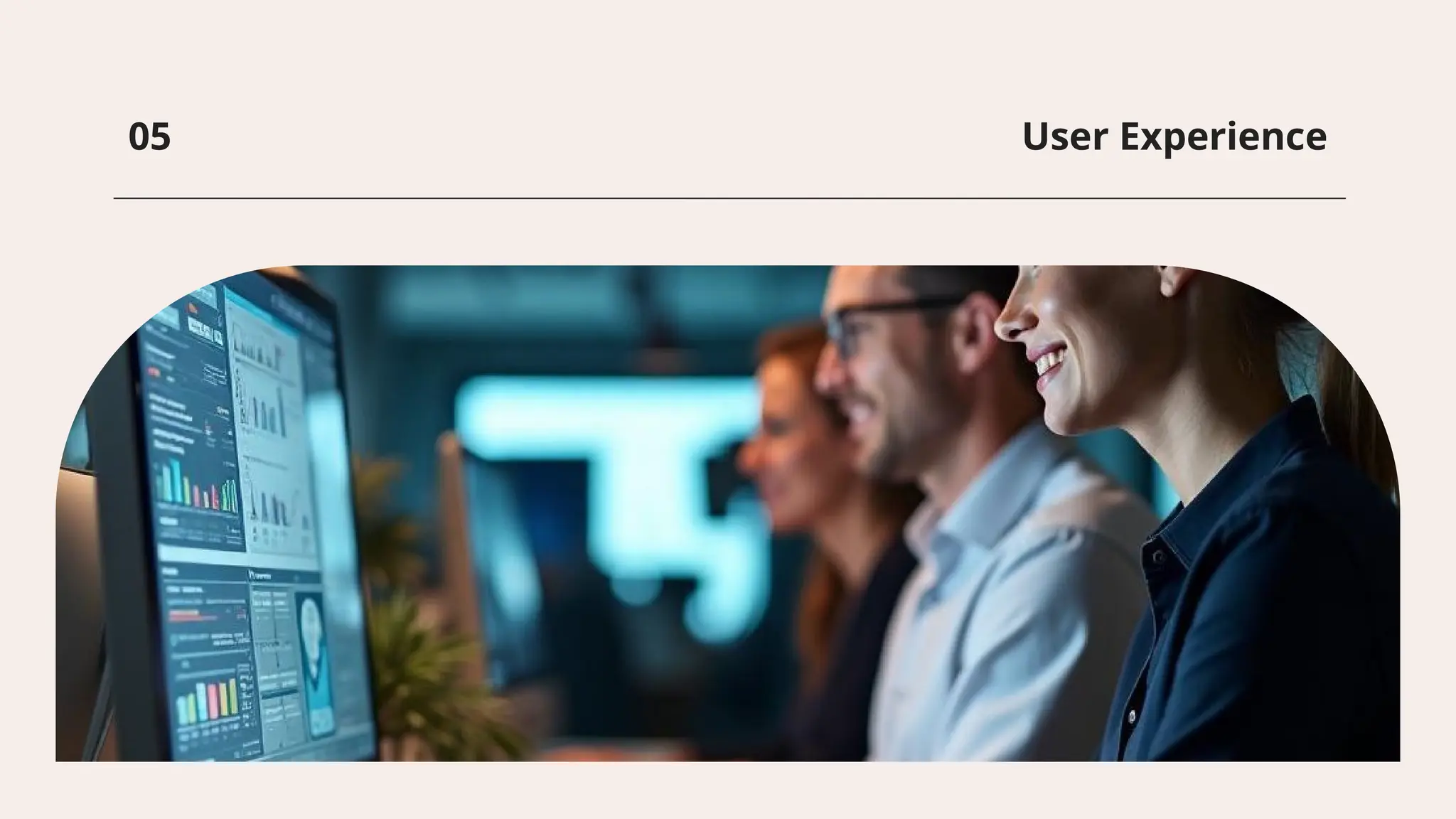
User Experience
05
Benefits of a
user-friendly
interface
A user-friendly interface minimizes the learning curve for
employees, enhancing their productivity and satisfaction
while contributing to smoother interactions with the ERP
system.
Impact on
user
adoption
An intuitive design in ERP software fosters higher user
adoption rates, reducing resistance to change and ensuring
that employees effectively utilize the system's capabilities,
leading to improved operational outcomes.
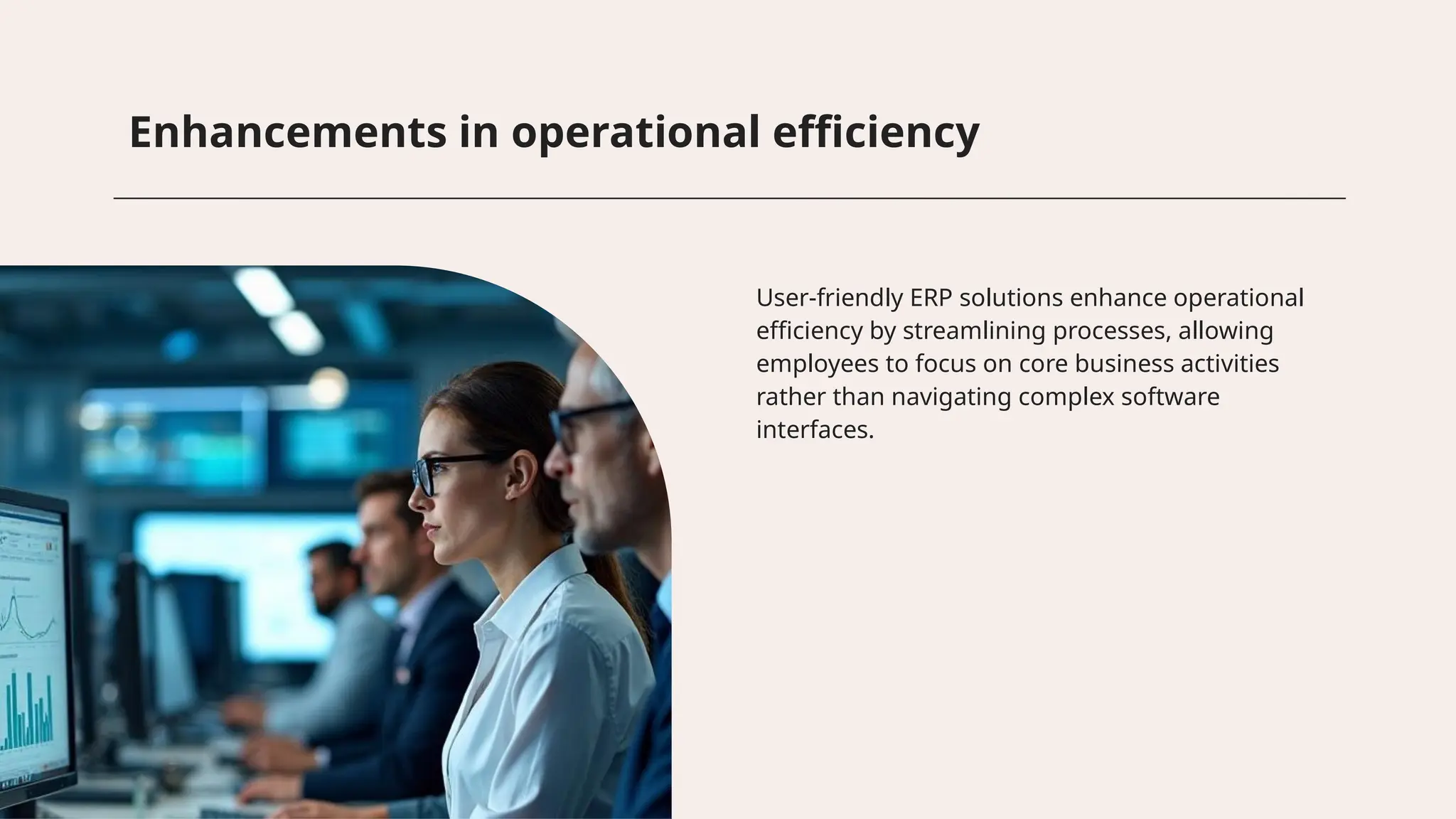
Enhancements in operational efficiency
User-friendly ERP solutions enhance operational
efficiency by streamlining processes, allowing
employees to focus on core business activities
rather than navigating complex software
interfaces.
Conclusions
In selecting an ERP system, it is crucial to prioritize
integration capabilities, customization options, real-time data
management, and a user-friendly interface, ensuring the
system aligns with organizational goals and enhances overall
performance.

What Features to Look for in ERP Software.pptx

  • 1.
    • A Guideto Choosing the Right ERP Solution for Your Business What Features to Look for in ERP Software
  • 2.
    Introduction This presentation exploreskey features to consider when choosing ERP software, focusing on integration, customization, and user experience.
  • 3.
  • 4.
    Definition of ERPsoftware Enterprise Resource Planning (ERP) software is a suite of integrated applications that organizations use to manage their business processes across various departments, such as finance, human resources, and supply chain.
  • 5.
    Importance in modern businesses ERP systemsenable organizations to streamline operations, enhance data accuracy, and improve decision-making processes by providing real-time insights across all functions, thereby increasing overall efficiency and productivity.
  • 6.
    Purpose of selecting ERP Theprimary purpose of selecting the right ERP system is to ensure it meets the unique needs of the organization, supports scalability and customization, and facilitates seamless integration with existing systems to optimize operations.
  • 7.
  • 8.
    Importance of seamless integration Seamless integrationis critical for ERP software as it allows for the smooth flow of information between different business systems, minimizing data silos and reducing errors, leading to more efficient operations.
  • 9.
    Systems ERP shouldconnect with ERP systems should connect with various other platforms, such as Customer Relationship Management (CRM), Supply Chain Management (SCM), and Human Resource Management (HRM) systems, to ensure comprehensive data interoperability.
  • 10.
    Benefits of integrated operations Integrated operationsprovide several benefits, including improved data accuracy, better collaboration among departments, streamlined workflows, and enhanced visibility into business performance, ultimately driving overall business success.
  • 11.
  • 12.
    Tailoring ERP to business needs CustomizingERP solutions to align with specific business processes ensures that organizations can leverage the software's full potential, catering to unique operational requirements and enhancing efficiency.
  • 13.
    Scalability for growth A scalableERP system supports business growth by allowing the addition of new functionalities and users without compromising performance, enabling organizations to adapt to changing market conditions and expanding operations seamlessly.
  • 14.
    Importance of flexibleconfigurations Flexible configurations in ERP software enable businesses to modify workflows, forms, and processes quickly, accommodating shifts in business strategy or operational needs, ensuring ongoing alignment with organizational goals.
  • 15.
  • 16.
    Need for real-timedata Access to real-time data allows businesses to make informed decisions quickly. It helps organizations respond to trends, manage resources efficiently, and ultimately improve overall performance.
  • 17.
    Key reporting features Effective ERP systemsoffer advanced reporting features, including customizable dashboards and automated report generation, which provide meaningful insights into performance metrics and facilitate strategic planning.
  • 18.
    Impact of accurate data analysis Accuratedata analysis within ERP systems enhances decision- making processes, enabling organizations to identify areas for improvement, optimize resource allocation, and capitalize on growth opportunities with confidence.
  • 19.
  • 20.
    Benefits of a user-friendly interface Auser-friendly interface minimizes the learning curve for employees, enhancing their productivity and satisfaction while contributing to smoother interactions with the ERP system.
  • 21.
    Impact on user adoption An intuitivedesign in ERP software fosters higher user adoption rates, reducing resistance to change and ensuring that employees effectively utilize the system's capabilities, leading to improved operational outcomes.
  • 22.
    Enhancements in operationalefficiency User-friendly ERP solutions enhance operational efficiency by streamlining processes, allowing employees to focus on core business activities rather than navigating complex software interfaces.
  • 23.
    Conclusions In selecting anERP system, it is crucial to prioritize integration capabilities, customization options, real-time data management, and a user-friendly interface, ensuring the system aligns with organizational goals and enhances overall performance.