1. Utilized behavioral data field notes from the Michigan State University Mara
Hyena Project
1. Selected 40 adult females, from two clans (North Serena and Talek), who
survived to at least 5 years of age
2. Coded aggressive and unsolicited submissive behaviors for 2 years of life to
calculate rates of aggression and submission
2. Applied a simple linear correlation to determine the relationship between
aggressiveness and submissiveness within an individual (R-Base package)
3. Used linear mixed-effects models to determine if submissive and aggressive
rates presented consistent individual variation over time and across contexts
(R: lme4-package)
1. Aggressiveness served as the positive control for the analysis.
2. Controlled for rank (number of acts / number of potential targets) / observation
time), age and sex.
METHODS
-4
-2
0
2
4
6
8
10
LogRateofAggressiveBehaviors
Aggressiveness
Aggression_Rate_2009 Aggression_Rate_2010
Aggressive and Submissive Behavior in Female Spotted
Hyenas (Crocuta Crocuta)
Wangui Hymes1, Kevin McCormick2, Kay E. Holekamp2
1Department of Chemistry and Biochemistry, Spelman College, Atlanta, GA and
2 Department of Integrative Biology, Michigan State University, East Lansing, MI
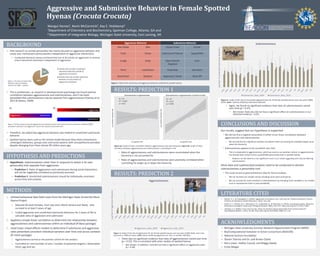
Figure 4a. Graph of linear correlation between aggressiveness and submissiveness. Figure 4b. Graph of linear
correlation between aggressiveness and submissiveness, controlling for rank
 Rates of aggressiveness and submissiveness were uncorrelated when the
hierarchy is not accounted for
 Rates of aggressiveness and submissiveness were positively correlated when
controlling for target up or down the hierarchy
 Nelson, R. J., & Chiavegatto, S. (2000). Aggression in knockout mice. ILAR Journal / National Research Council,
Institute of Laboratory Animal Resources, 41(3), 153–162.
 Carter, A. J., Feeney, W. E., Marshall, H. H., Cowlishaw, G., & Heinsohn, R. (2013). Animal personality: What are
behavioural ecologists measuring? Biological Reviews, 88(2), 465–475. http://doi.org/10.1111/brv.12007
 Gosling, S. D. (2001). From mice to men: what can we learn about personality from animal research?
Psychological Bulletin, 127(1), 45–86. http://doi.org/10.1037/0033-2909.127.1.45
Our results, suggest that our hypothesis is supported.
 We did not find a negative association in either of our linear correlations between
aggressiveness and submissiveness
o We actually found a significant positive correlation when accounting for available targets up or
down the hierarchy.
 Submissiveness appears to be consistent over time
o This is comparable to aggressiveness, which we used as our positive control, as aggressiveness
has already been shown to be a quantifiable personality trait in spotted hyenas
• However, we did observe a non-significant trend in our model suggesting rank may be effecting
submissiveness
More data and sophisticated analyses need to be conducted to declare
submissiveness a personality trait
 This study served as good preliminary data for future analyses
o We can increase our sample size by including more years and hyenas
o We can account for more variation in submissiveness by including more variables in our model,
such as reproductive state or prey availability
 Michigan State University Summer Research Opportunities Program (SROP)
 Bio/Computational Evolution in Action Consortium (BEACON)
 National Science Foundation
 Steven Thomas and Dr. Judi Brown Clarke
 Nora Lewin, Hadley Courad, and Maggy Sawdy
 Emily Weigel
CONCLUSIONS AND DISCUSSION
LITERATURE CITED
ACKNOWLEDGMENTS
Aggressive Behavior Submissive Behavior
Bite Shake Bite Carpal Crawl Grovel
Push Chase Submissive Posture Squeal/Yell
Lunge Snap Open Mouth
Appease
Grin
Point Look/Glare Head Bob Ears Back
Stand Over Displace Approach/ Avoid Back Off
Figure 3. Table of the submissive and aggressive behaviors exhibited by spotted hyenas.
RESULTS: PREDICTION 1
0
1
2
3
4
5
6
7
LogRateofUnsolicitedSubmissiveBehaviors
Submissiveness
Submissive_Rate_2009 Submissive_Rate_2010
Figure 6. Graph of the rate of aggressions for 20 female spotted hyenas over two years (2009-2010). Each color
represents a different hyena. Inset: Hyena exhibiting aggressive act, bite, on another individual.
 There was no significant evidence that rates of aggressiveness varied over time
(p = 0.52). This is consistent with prior studies of spotted hyenas
 Not shown: In addition, rank did not have a significant effect on aggression rates
(p = 0.18)
Figure 6. Graph of the rate of unsolicited appeasements for 20 female spotted hyenas over two years (2009-
2010). Inset: Hyenas exhibiting submissive behavior.
 Again, we found no significant evidence that rates of submissiveness varied
over time (p = 0.47).
 Not shown: Rank also did not have a significant effect on submissiveness in our
statistical model (p = 0.07)
RESULTS: PREDICTION 2
 Past research on animal personality has mainly focused on aggressive behavior and
rarely ever mentioned submissiveness independent of aggressive interactions.
 Conducted literature review and found that out of 30 articles on aggression in animals,
only 6 mentioned submission independent of aggression.
 This is problematic, as research in developmental psychology has found positive
correlations between aggressiveness and submissiveness, and it has been
postulated that submissiveness may be separate from aggressiveness (Feeney et al,
2013 & Nelson, 2000).
 Therefore, we asked how aggressive behavior was related to unsolicited submissive
behavior.
 Spotted hyenas were used as the animal model because they share evolutionary
convergent behaviors, groups sizes and social systems with cercopithecine primates
despite diverging from them almost 90 million years ago.
 Hypothesis: Submissiveness other than in response to attack is its own
personality trait separate from aggression.
 Prediction 1: Rates of aggressions and submissions during social interactions
will not be negatively correlated as previously assumed
 Prediction 2: Unsolicited submissiveness should be individually consistent
across time and contexts.
Submission
Aggression
Aggression
HYPOTHESIS AND PREDICTIONS
BACKGROUND
Articles that consider unsolicited
submissive behavior outside of
aggressive encounters
Articles that only include submissive
behavior as a by product of
aggressive encounters
20%
80%Figure 1. Pie chart of results from
literature view on behavior
articles from 2005 – present.
Figure 2. A) Past research assumed aggression and submission were two extremes of one continuum. B) Nelson (2000)
postulated submission and aggression may be two separate personality traits
Submission
A) B)
N = 53
R2 = 0.007
p = 0.51
N = 23
R2 = 0.41
p < 0.001

Wangui mid-SURE poster final

  • 1.
    1. Utilized behavioraldata field notes from the Michigan State University Mara Hyena Project 1. Selected 40 adult females, from two clans (North Serena and Talek), who survived to at least 5 years of age 2. Coded aggressive and unsolicited submissive behaviors for 2 years of life to calculate rates of aggression and submission 2. Applied a simple linear correlation to determine the relationship between aggressiveness and submissiveness within an individual (R-Base package) 3. Used linear mixed-effects models to determine if submissive and aggressive rates presented consistent individual variation over time and across contexts (R: lme4-package) 1. Aggressiveness served as the positive control for the analysis. 2. Controlled for rank (number of acts / number of potential targets) / observation time), age and sex. METHODS -4 -2 0 2 4 6 8 10 LogRateofAggressiveBehaviors Aggressiveness Aggression_Rate_2009 Aggression_Rate_2010 Aggressive and Submissive Behavior in Female Spotted Hyenas (Crocuta Crocuta) Wangui Hymes1, Kevin McCormick2, Kay E. Holekamp2 1Department of Chemistry and Biochemistry, Spelman College, Atlanta, GA and 2 Department of Integrative Biology, Michigan State University, East Lansing, MI Figure 4a. Graph of linear correlation between aggressiveness and submissiveness. Figure 4b. Graph of linear correlation between aggressiveness and submissiveness, controlling for rank  Rates of aggressiveness and submissiveness were uncorrelated when the hierarchy is not accounted for  Rates of aggressiveness and submissiveness were positively correlated when controlling for target up or down the hierarchy  Nelson, R. J., & Chiavegatto, S. (2000). Aggression in knockout mice. ILAR Journal / National Research Council, Institute of Laboratory Animal Resources, 41(3), 153–162.  Carter, A. J., Feeney, W. E., Marshall, H. H., Cowlishaw, G., & Heinsohn, R. (2013). Animal personality: What are behavioural ecologists measuring? Biological Reviews, 88(2), 465–475. http://doi.org/10.1111/brv.12007  Gosling, S. D. (2001). From mice to men: what can we learn about personality from animal research? Psychological Bulletin, 127(1), 45–86. http://doi.org/10.1037/0033-2909.127.1.45 Our results, suggest that our hypothesis is supported.  We did not find a negative association in either of our linear correlations between aggressiveness and submissiveness o We actually found a significant positive correlation when accounting for available targets up or down the hierarchy.  Submissiveness appears to be consistent over time o This is comparable to aggressiveness, which we used as our positive control, as aggressiveness has already been shown to be a quantifiable personality trait in spotted hyenas • However, we did observe a non-significant trend in our model suggesting rank may be effecting submissiveness More data and sophisticated analyses need to be conducted to declare submissiveness a personality trait  This study served as good preliminary data for future analyses o We can increase our sample size by including more years and hyenas o We can account for more variation in submissiveness by including more variables in our model, such as reproductive state or prey availability  Michigan State University Summer Research Opportunities Program (SROP)  Bio/Computational Evolution in Action Consortium (BEACON)  National Science Foundation  Steven Thomas and Dr. Judi Brown Clarke  Nora Lewin, Hadley Courad, and Maggy Sawdy  Emily Weigel CONCLUSIONS AND DISCUSSION LITERATURE CITED ACKNOWLEDGMENTS Aggressive Behavior Submissive Behavior Bite Shake Bite Carpal Crawl Grovel Push Chase Submissive Posture Squeal/Yell Lunge Snap Open Mouth Appease Grin Point Look/Glare Head Bob Ears Back Stand Over Displace Approach/ Avoid Back Off Figure 3. Table of the submissive and aggressive behaviors exhibited by spotted hyenas. RESULTS: PREDICTION 1 0 1 2 3 4 5 6 7 LogRateofUnsolicitedSubmissiveBehaviors Submissiveness Submissive_Rate_2009 Submissive_Rate_2010 Figure 6. Graph of the rate of aggressions for 20 female spotted hyenas over two years (2009-2010). Each color represents a different hyena. Inset: Hyena exhibiting aggressive act, bite, on another individual.  There was no significant evidence that rates of aggressiveness varied over time (p = 0.52). This is consistent with prior studies of spotted hyenas  Not shown: In addition, rank did not have a significant effect on aggression rates (p = 0.18) Figure 6. Graph of the rate of unsolicited appeasements for 20 female spotted hyenas over two years (2009- 2010). Inset: Hyenas exhibiting submissive behavior.  Again, we found no significant evidence that rates of submissiveness varied over time (p = 0.47).  Not shown: Rank also did not have a significant effect on submissiveness in our statistical model (p = 0.07) RESULTS: PREDICTION 2  Past research on animal personality has mainly focused on aggressive behavior and rarely ever mentioned submissiveness independent of aggressive interactions.  Conducted literature review and found that out of 30 articles on aggression in animals, only 6 mentioned submission independent of aggression.  This is problematic, as research in developmental psychology has found positive correlations between aggressiveness and submissiveness, and it has been postulated that submissiveness may be separate from aggressiveness (Feeney et al, 2013 & Nelson, 2000).  Therefore, we asked how aggressive behavior was related to unsolicited submissive behavior.  Spotted hyenas were used as the animal model because they share evolutionary convergent behaviors, groups sizes and social systems with cercopithecine primates despite diverging from them almost 90 million years ago.  Hypothesis: Submissiveness other than in response to attack is its own personality trait separate from aggression.  Prediction 1: Rates of aggressions and submissions during social interactions will not be negatively correlated as previously assumed  Prediction 2: Unsolicited submissiveness should be individually consistent across time and contexts. Submission Aggression Aggression HYPOTHESIS AND PREDICTIONS BACKGROUND Articles that consider unsolicited submissive behavior outside of aggressive encounters Articles that only include submissive behavior as a by product of aggressive encounters 20% 80%Figure 1. Pie chart of results from literature view on behavior articles from 2005 – present. Figure 2. A) Past research assumed aggression and submission were two extremes of one continuum. B) Nelson (2000) postulated submission and aggression may be two separate personality traits Submission A) B) N = 53 R2 = 0.007 p = 0.51 N = 23 R2 = 0.41 p < 0.001