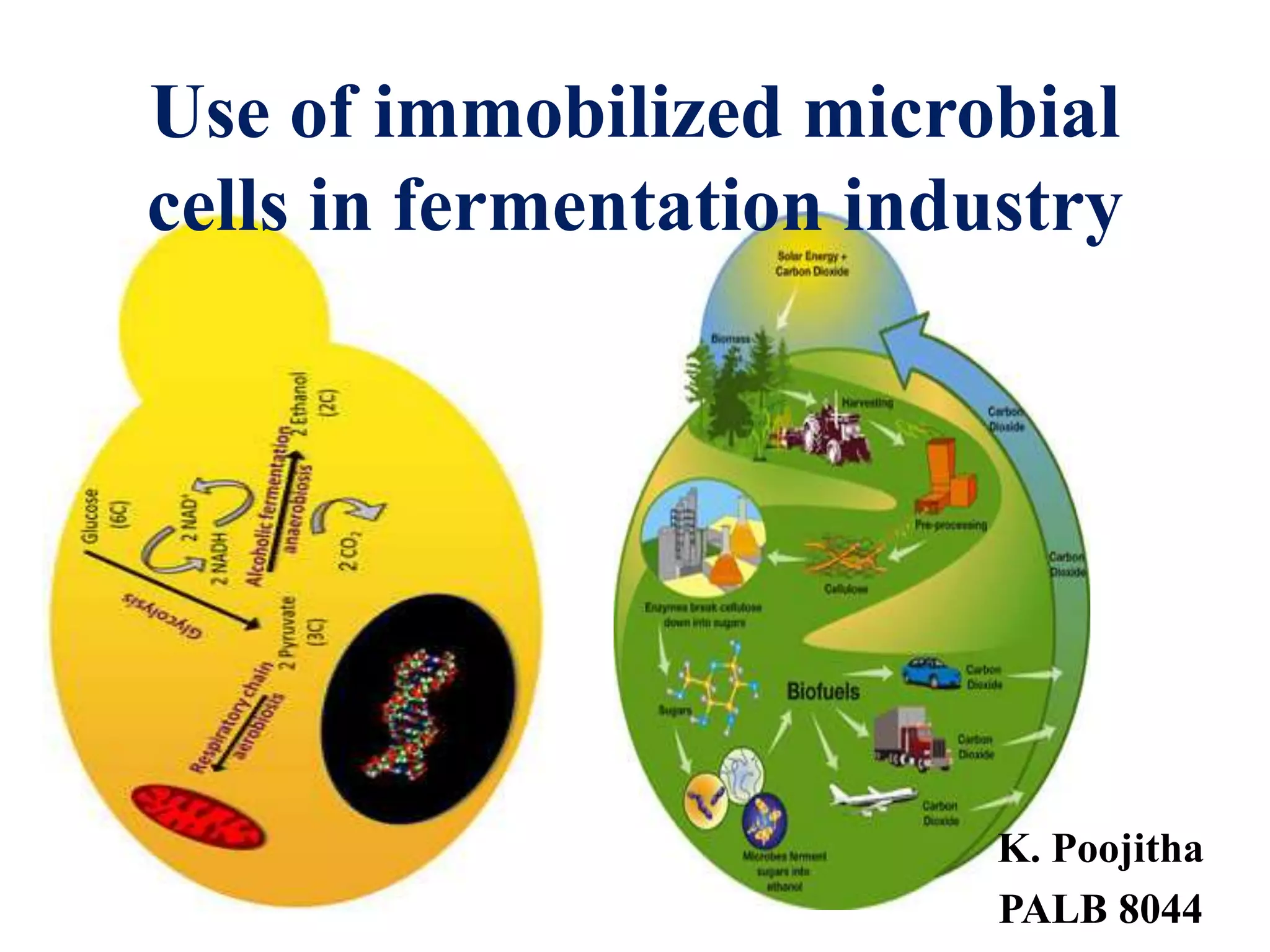
Use of immobilized microbial
cells in fermentation industry
K. Poojitha
PALB 8044
Among renewable energies, priority was given to
liquid biofuels as it represents about 40 % of the
total.
Bioethanol has been identified as the mostly used
biofuel worldwide since it significantly contributes to
the reduction of crude oil consumption and
environmental pollution.
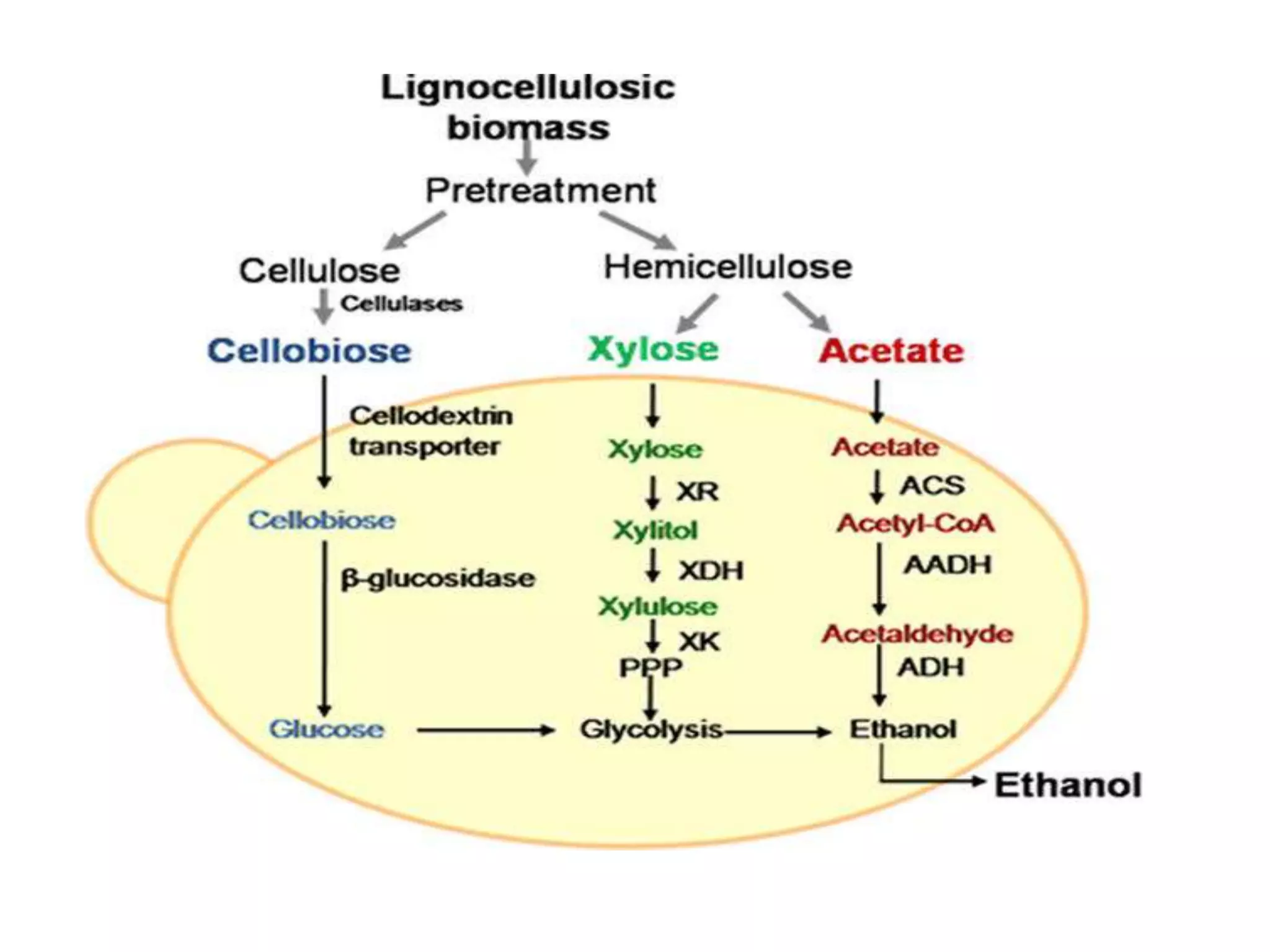
Bioethanol can be produced from various types of
feedstocks such as sucrose, starch, lignocellulosic and
algal biomass through fermentation process by
microorganisms.
The yeast cell factory Saccharomyces cerevisiae is a
well-known producer of ethanol.
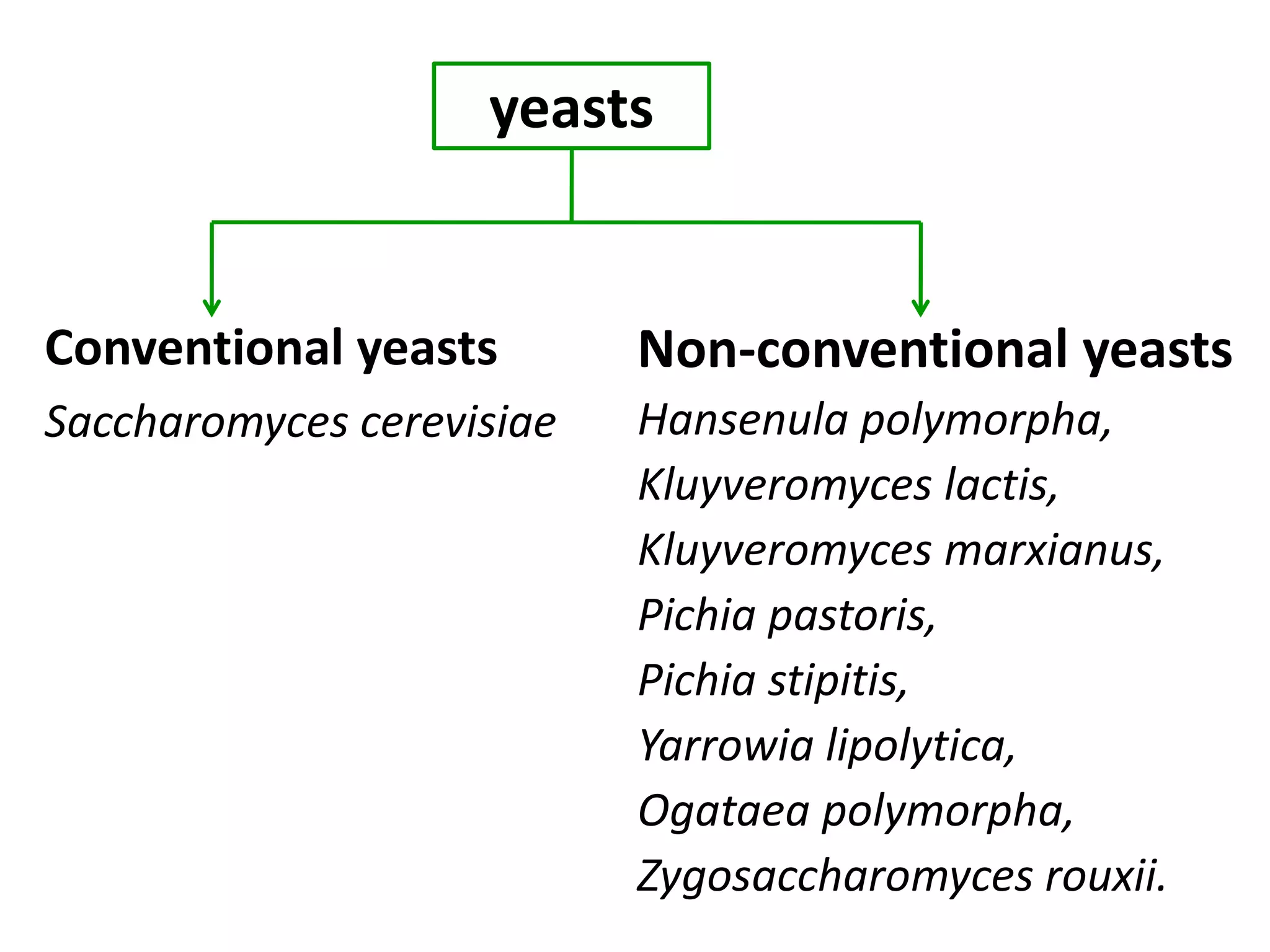
yeasts
Non-conventional yeasts
Hansenula polymorpha,
Kluyveromyces lactis,
Kluyveromyces marxianus,
Pichia pastoris,
Pichia stipitis,
Yarrowia lipolytica,
Ogataea polymorpha,
Zygosaccharomyces rouxii.
Conventional yeasts
Saccharomyces cerevisiae
Yeast
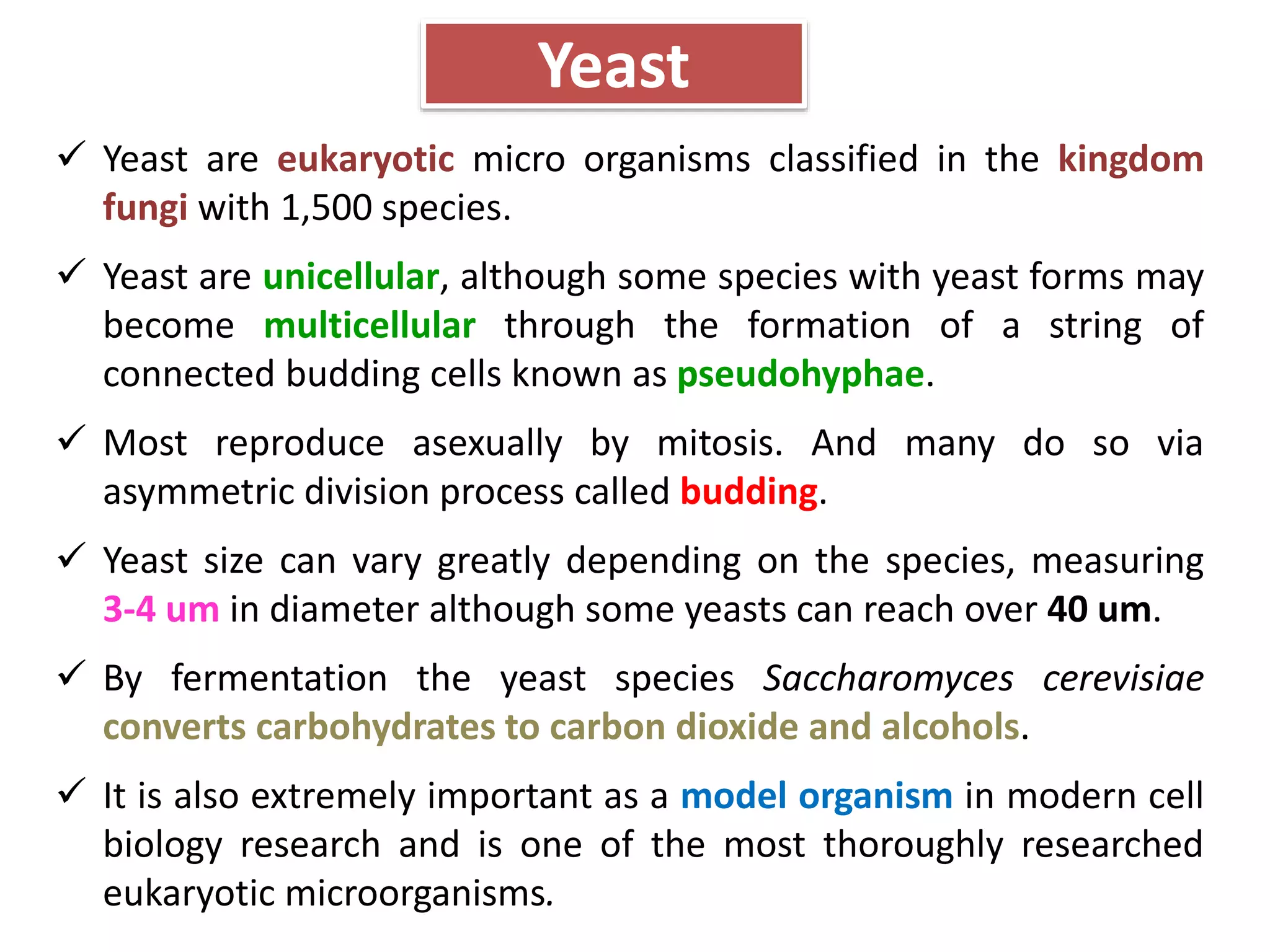
 Yeast are eukaryotic micro organisms classified in the kingdom
fungi with 1,500 species.
 Yeast are unicellular, although some species with yeast forms may
become multicellular through the formation of a string of
connected budding cells known as pseudohyphae.
 Most reproduce asexually by mitosis. And many do so via
asymmetric division process called budding.
 Yeast size can vary greatly depending on the species, measuring
3-4 um in diameter although some yeasts can reach over 40 um.
 By fermentation the yeast species Saccharomyces cerevisiae
converts carbohydrates to carbon dioxide and alcohols.
 It is also extremely important as a model organism in modern cell
biology research and is one of the most thoroughly researched
eukaryotic microorganisms.
Immobilization
 Immobilization of enzymes for cells refers to the
technique of confining/anchoring the enzymes/cells in or
an inert support for their stability and functional reuse.
 By employing this technique enzymes are made more
efficient and cost effective for their industrial use.
 Some workers regard immobilization as a goose with
golden egg in enzyme technology.
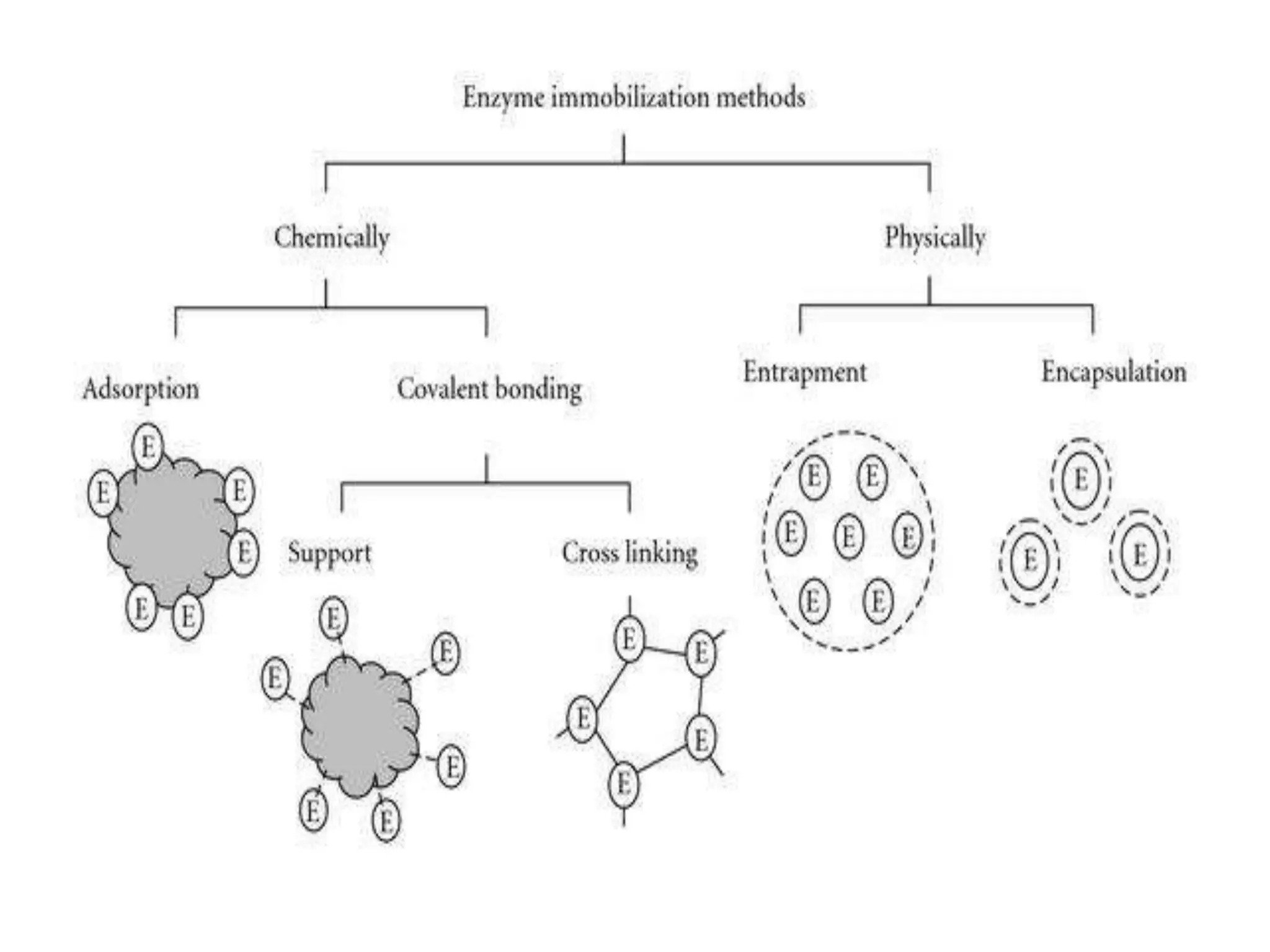
 Method of Immobilization
The commonly employed techniques for immobilization
of enzymes are Adsorption, Entrapment, Cross-linking,
encapsulation and Covalent bonding.
Carriers for yeast immobilization
Perspective techniques for yeasts immobilization are as follows:
 Adsorption to solid surfaces (wood chips, delignified brewer’s
spent grains, DEAE cellulose and porous glass)
 Entrapment within a porous matrix (calcium alginate, k-
carrageenan, poly vinyl alcohol, agar, gelatine, chitosan, and
polyacrylamide)
 Covalent bonding (chitosan, cellulose)
 Mechanical retention behind a barrier (microporous
membrane filters, and microcapsules) and
 Self-aggregation of the cells by flocculation.
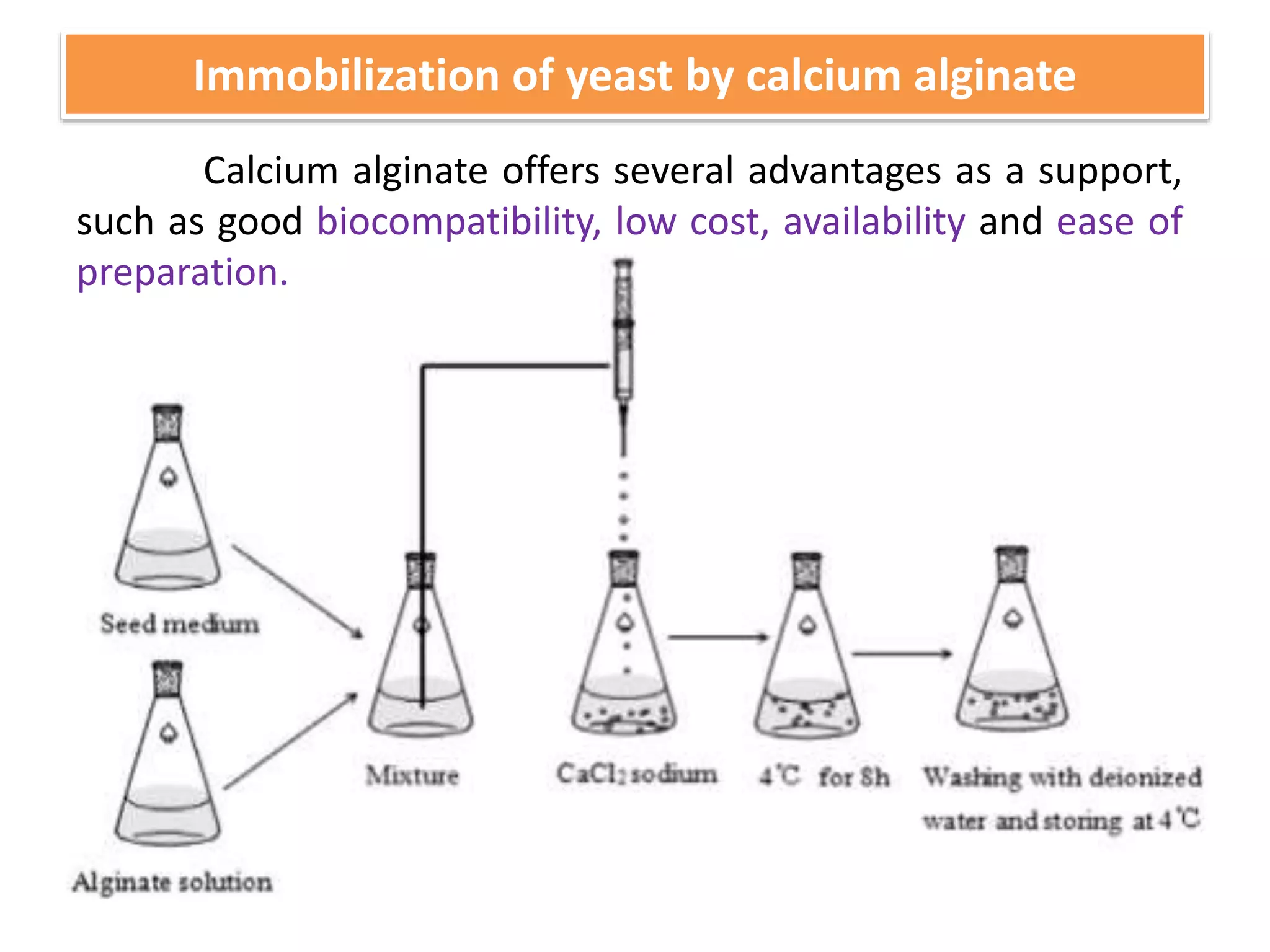
Immobilization of yeast by calcium alginate
Calcium alginate offers several advantages as a support,
such as good biocompatibility, low cost, availability and ease of
preparation.
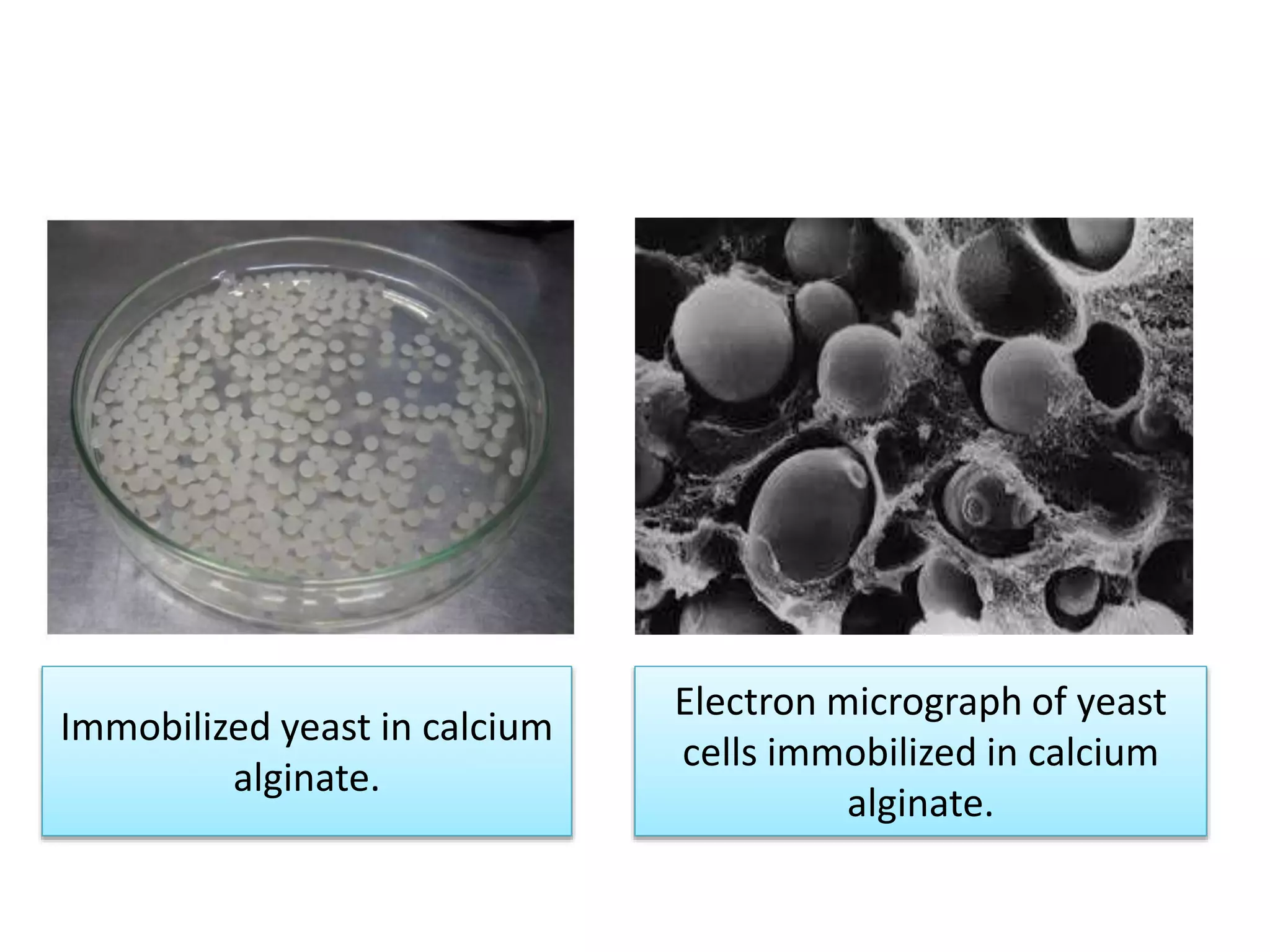
Electron micrograph of yeast
cells immobilized in calcium
alginate.
Immobilized yeast in calcium
alginate.
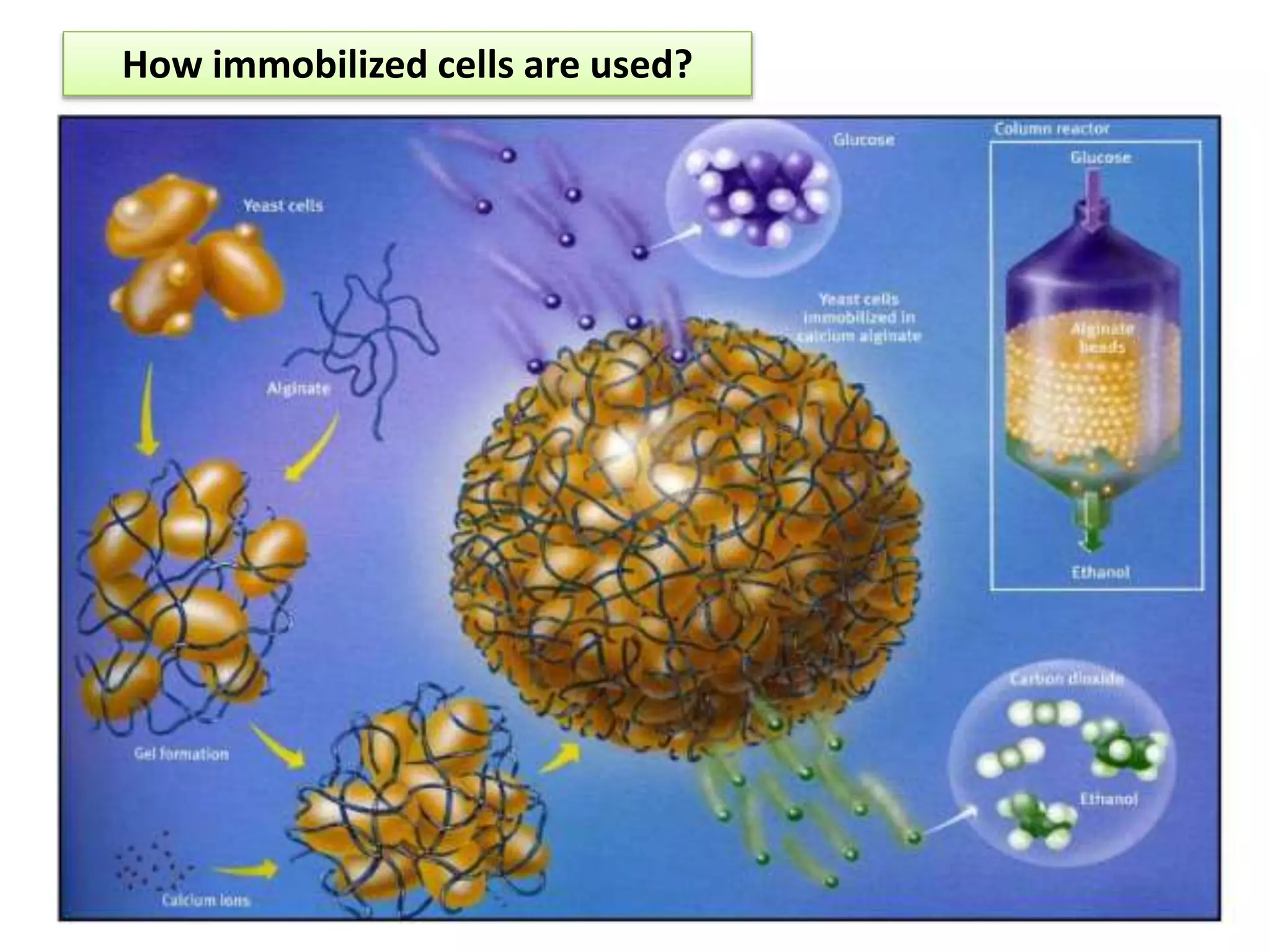
How immobilized cells are used?
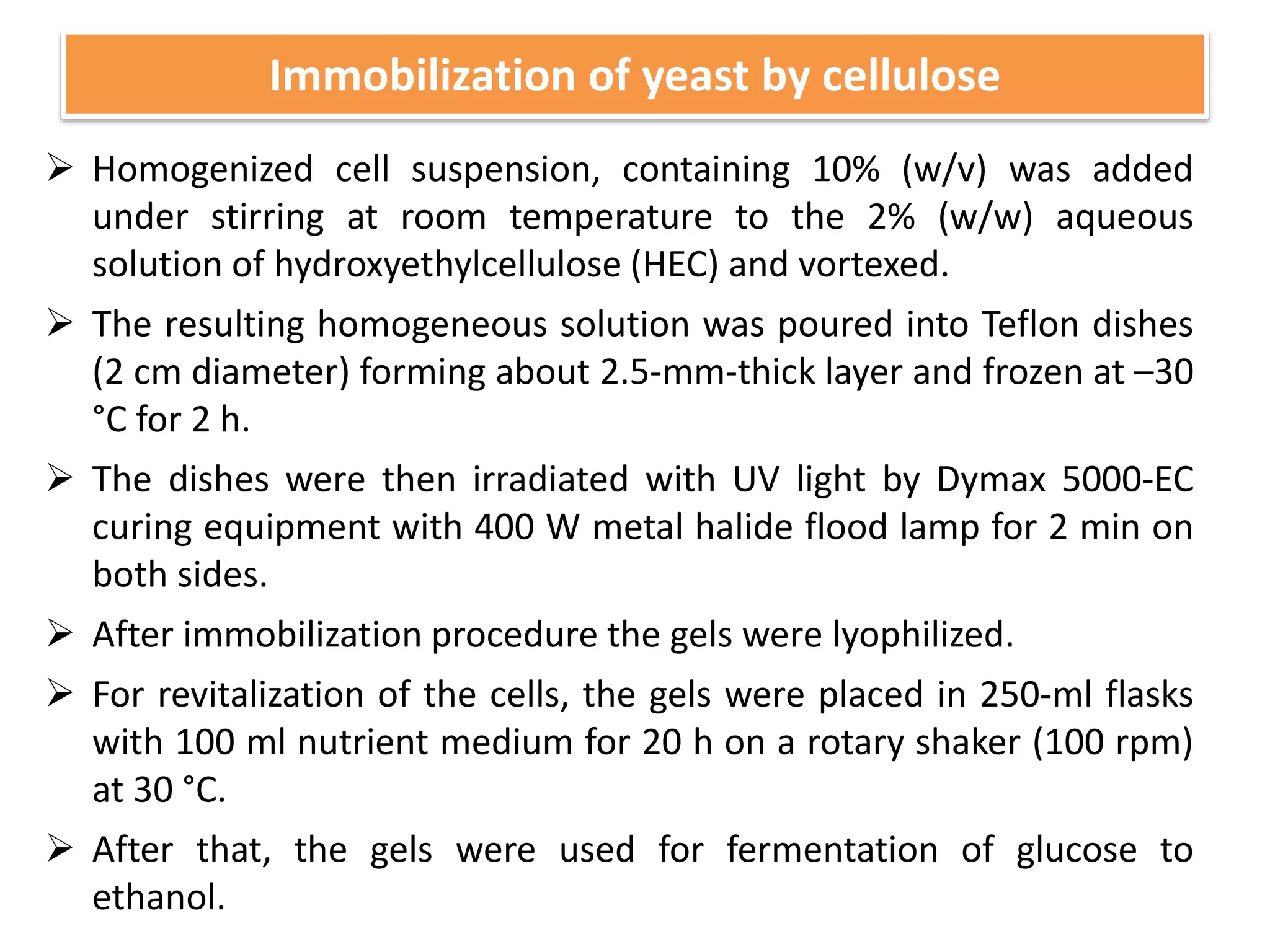
 Homogenized cell suspension, containing 10% (w/v) was added
under stirring at room temperature to the 2% (w/w) aqueous
solution of hydroxyethylcellulose (HEC) and vortexed.
 The resulting homogeneous solution was poured into Teflon dishes
(2 cm diameter) forming about 2.5-mm-thick layer and frozen at –30
°C for 2 h.
 The dishes were then irradiated with UV light by Dymax 5000-EC
curing equipment with 400 W metal halide flood lamp for 2 min on
both sides.
 After immobilization procedure the gels were lyophilized.
 For revitalization of the cells, the gels were placed in 250-ml flasks
with 100 ml nutrient medium for 20 h on a rotary shaker (100 rpm)
at 30 °C.
 After that, the gels were used for fermentation of glucose to
ethanol.
Immobilization of yeast by cellulose
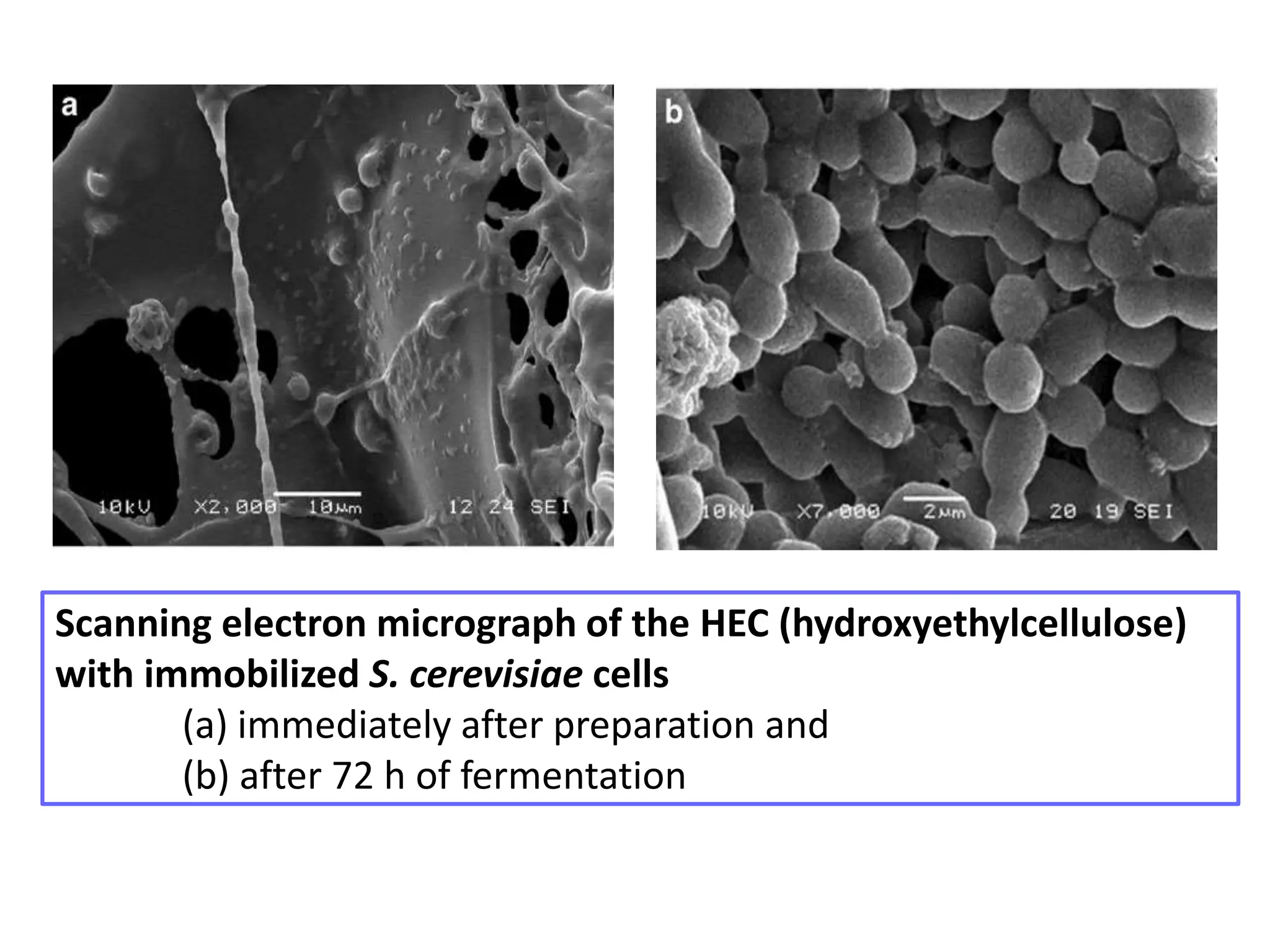
Scanning electron micrograph of the HEC (hydroxyethylcellulose)
with immobilized S. cerevisiae cells
(a) immediately after preparation and
(b) after 72 h of fermentation
 Powdered chitosan was dissolved in 2% acetic acid.
 Into 20 mL of 1% chitosan solution, containing 50-150 mg
of magnetite powder, 13.2 mL of 0.5M KOH was added
gradually at 50°C under stirring.
 After 10 minutes 0.5 g of glutaraldehyde was added.
 A solution of yeast cells (250 ml) was added and the
mixture was stirred at 20°C for 30 min and then left at 4°C
overnight.
 Next day the particles were washed until no cells were
detected in the washes. Immobilized yeasts were stored at
4°C in 0.1 M Na acetate buffer, pH 5.0.
Immobilization of yeasts on chitosan-magnetite
microparticles
 An aqueous solution (75 ml), containing acrylamide monomer (12.5
g), methylenebisacrylamide (0.6 g), alginate (0.5 g),
tetramethylethylenediamine (TEMED - 1 ml), and a suspension of
yeast cells (20 g packed cells) in 0.9% NaCl solution (25 ml) were
separately cooled in ice baths to 4°C and pumped continuously into
a cooled mixing chamber through a double walled tubular device.
 The cell suspension was conveyed along the internal tube and the
acrylamide solution though the outer annulus.
 The flow rates were adjusted to maintain a ratio of 5:3 (v/v) of
acrylamide solution and cell suspension, respectively.
 The cells and monomer were mixed rapidly and remained in
contact only briefly before passing into a gently stirred calcium
formate solution (3%) containing ammonium persulphate (0.5%)
cooled to 4°C.
 The beads were uniform and about 3 mm in diameter.
Immobilization of yeast by polyacrylamide
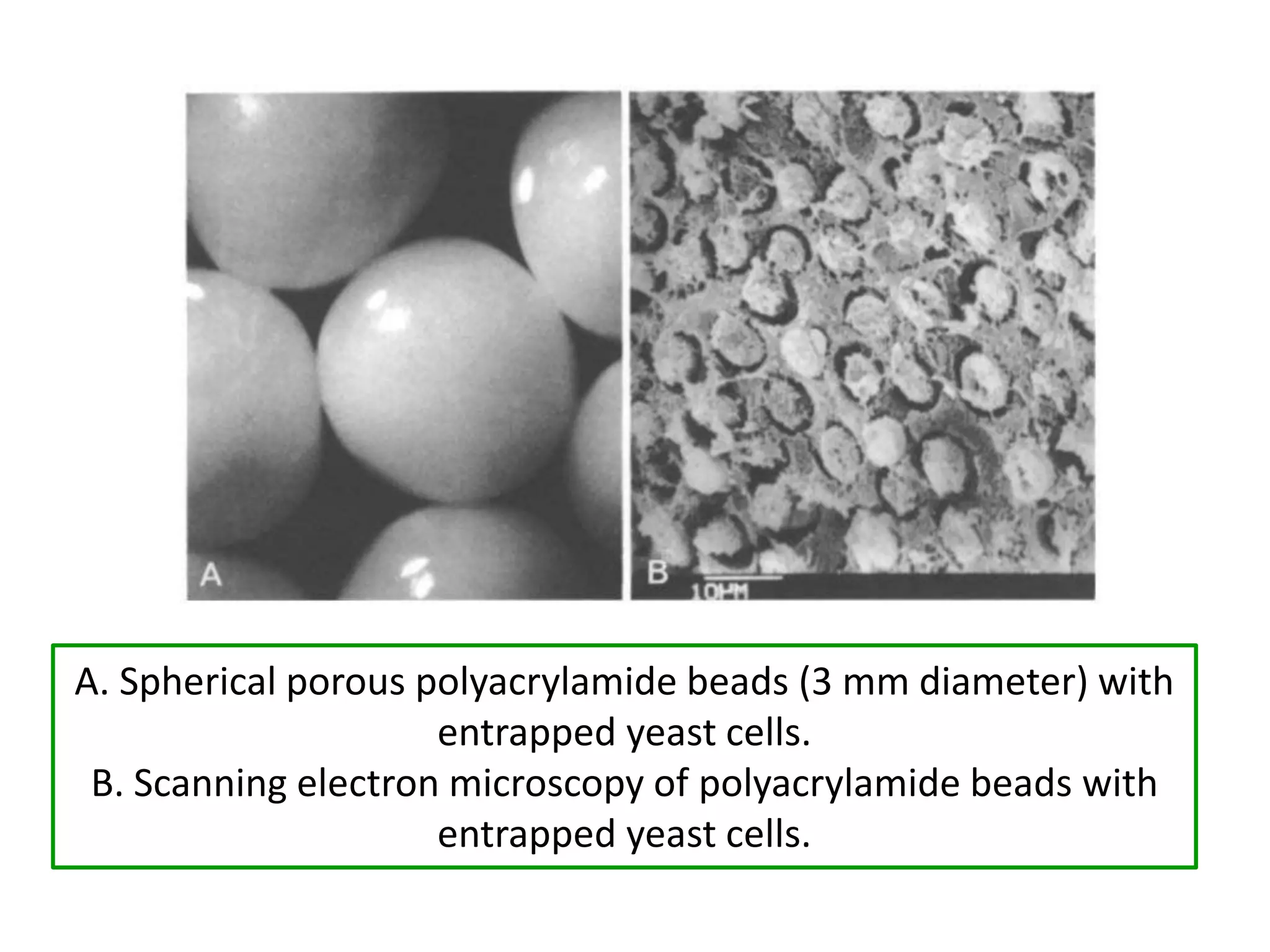
A. Spherical porous polyacrylamide beads (3 mm diameter) with
entrapped yeast cells.
B. Scanning electron microscopy of polyacrylamide beads with
entrapped yeast cells.
Factors affecting fermentation
Temperature:
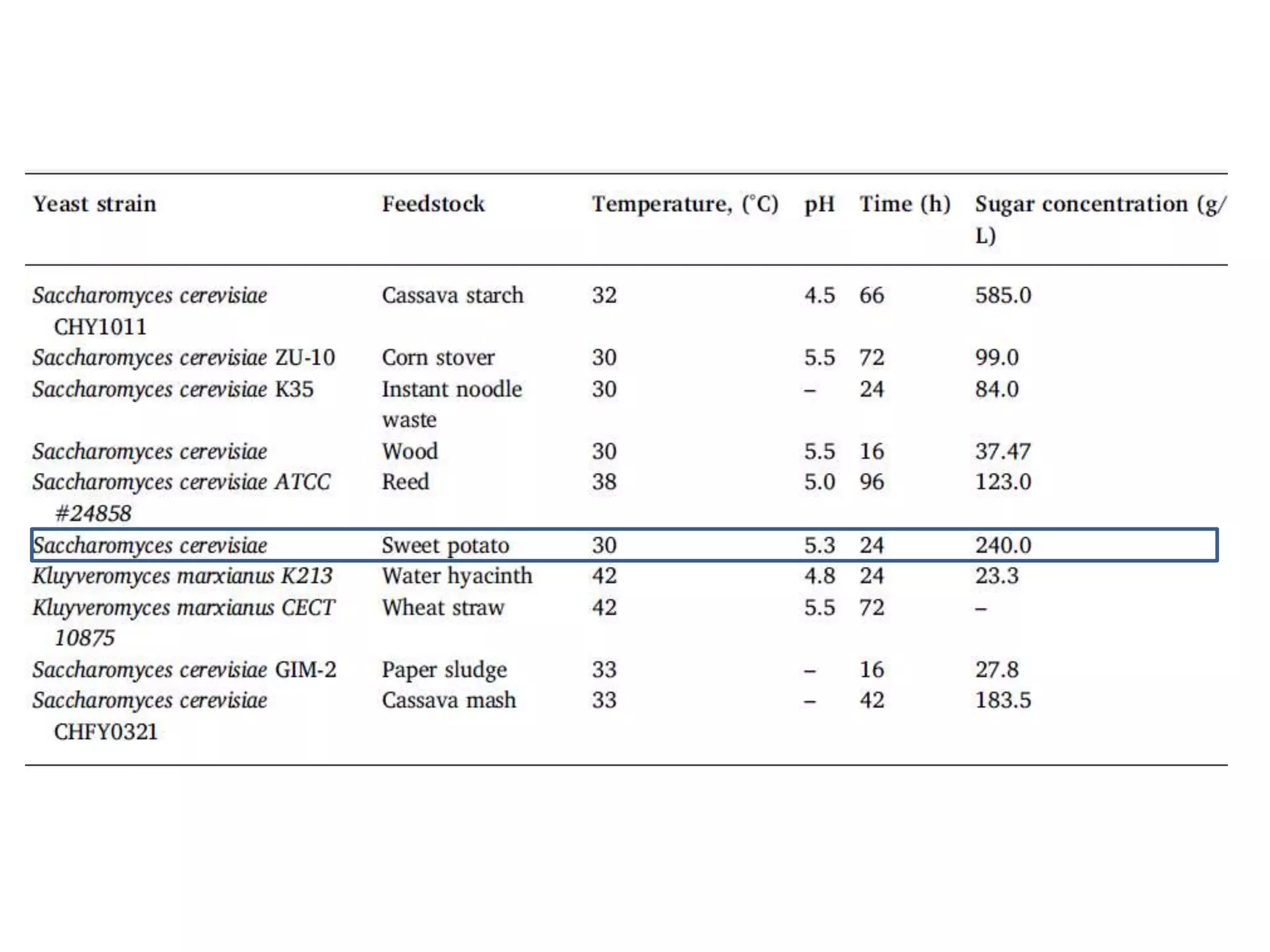
 The ideal temperature range for fermentation is 20-35 °C.
 Free cells of S. cerevisiae have an optimum temperature of 30 °C
whereas immobilized cells have slightly higher optimum
temperature due to its ability to transfer heat from particle
surface to inside the cells.
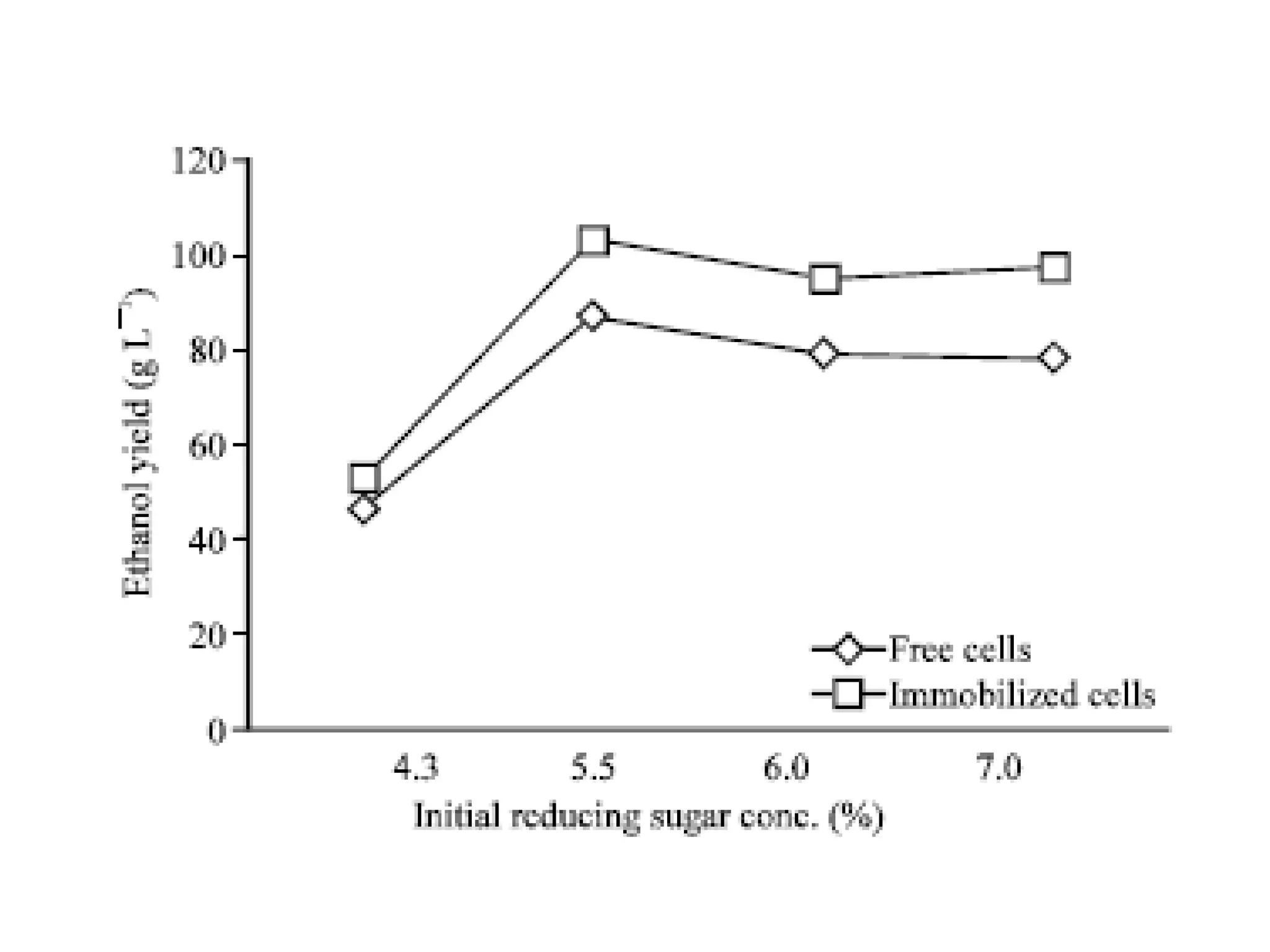
Sugar concentration:
 The increase in sugar concentration up to a certain level caused
fermentation rate to increase.
 However, the use of excessive sugar concentration will cause
steady fermentation rate. This is because the concentration of
sugar use is beyond the uptake capacity of the microbial cells.
 Generally, the maximum rate of ethanol production is achieved
when using sugars at the concentration of 150 g/L.
pH:
 pH of the broth as it affects bacterial contamination, yeast
growth, fermentation rate and byproduct formation.
 In fermentation for ethanol production, the optimum pH range of
S. cerevisiae is 4.0–5.0.
 When the pH was below than 4.0, a longer incubation period is
required but the ethanol concentration was not reduced
significantly.
 However, when then pH was above 5.0, the concentration of
ethanol reduced substantially.
Fermentation time:
 Shorter fermentation time causes inefficient fermentation due to
inadequate growth of microorganisms.
 On the other hand, longer fermentation time gives toxic effect on
microbial growth especially in batch mode due to the high
concentration of ethanol in the fermented broth.
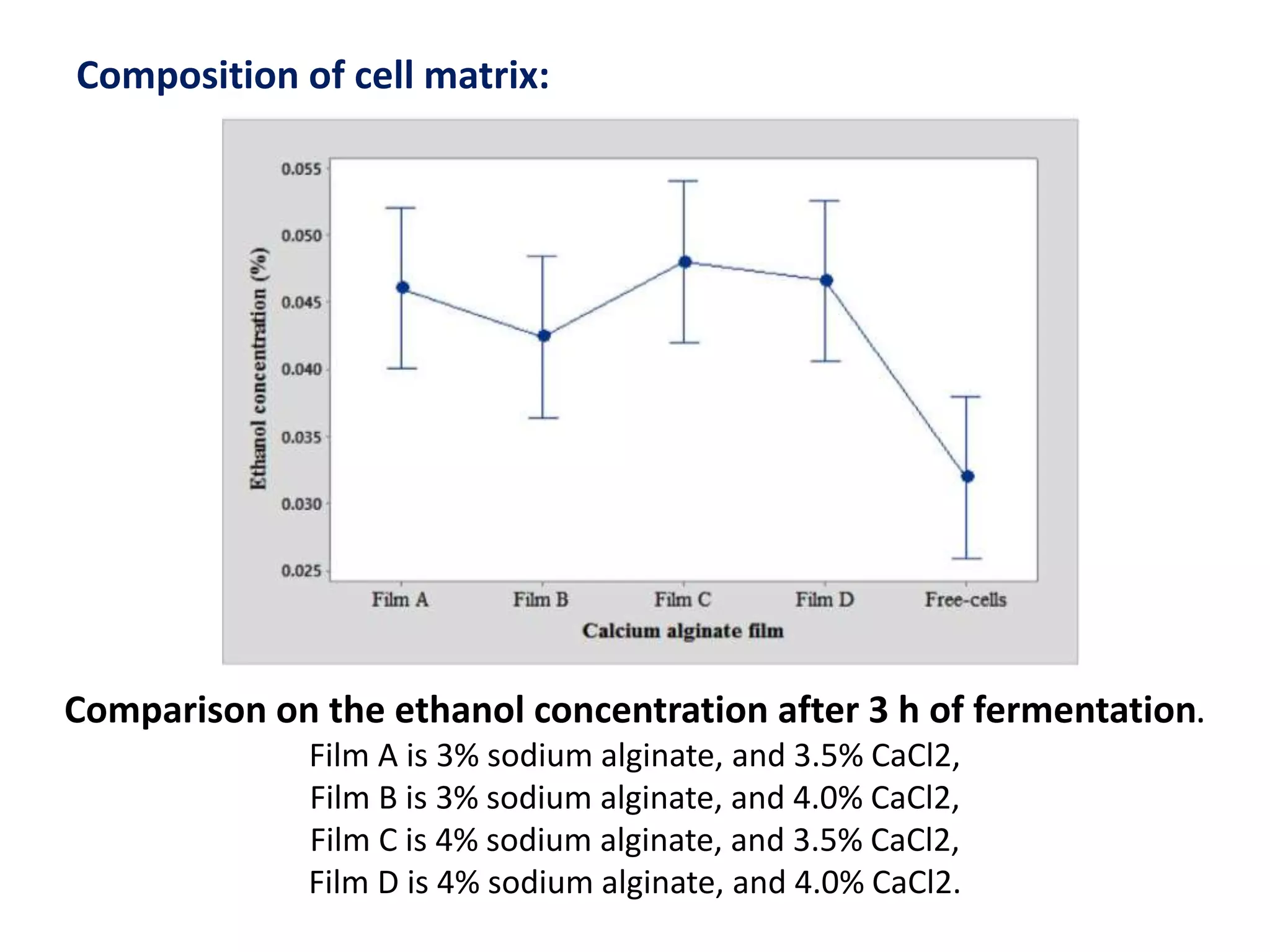
Comparison on the ethanol concentration after 3 h of fermentation.
Film A is 3% sodium alginate, and 3.5% CaCl2,
Film B is 3% sodium alginate, and 4.0% CaCl2,
Film C is 4% sodium alginate, and 3.5% CaCl2,
Film D is 4% sodium alginate, and 4.0% CaCl2.
Composition of cell matrix:
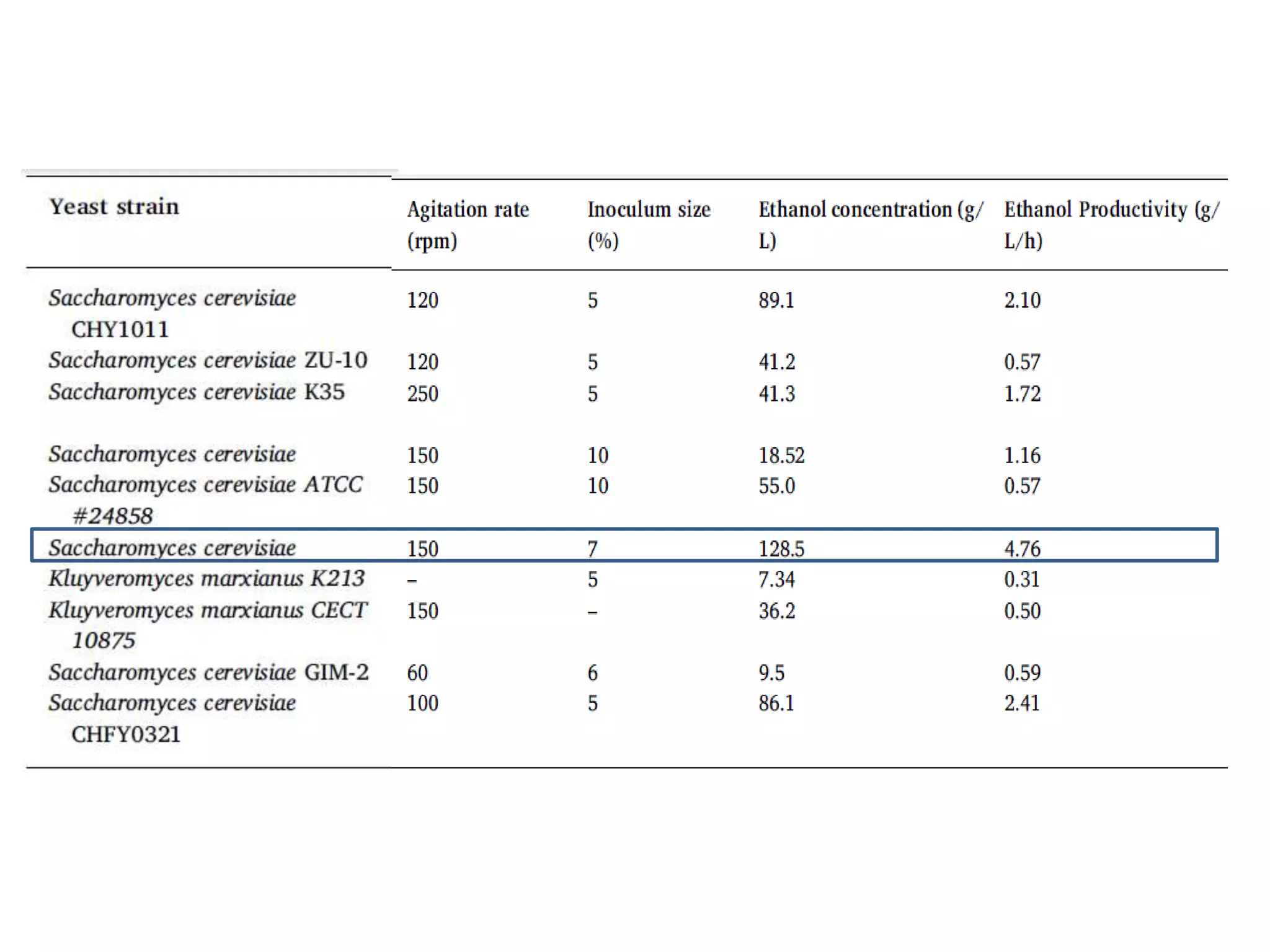
Agitation rate:
 Agitation rate controls the permeability of nutrients from the
fermentation broth to inside the cells and removal of ethanol
from the cell to the fermentation broth.
 The greater the agitation rate, the higher the amount of ethanol
produced. Besides, it increases the amount of sugar consumption
and reduces the inhibition of ethanol on cells.
 The common agitation rate for fermentation by yeast cells is 150–
200 rpm.
Inoculum size:
 Inoculum concentration does not give significant effects on the
final ethanol concentration but it affects the consumption rate of
sugar and ethanol productivity.
 The production of ethanol was seen to be increased with the
increase in cell numbers from 1×10⁴ to 1×10⁷ cells per ml.
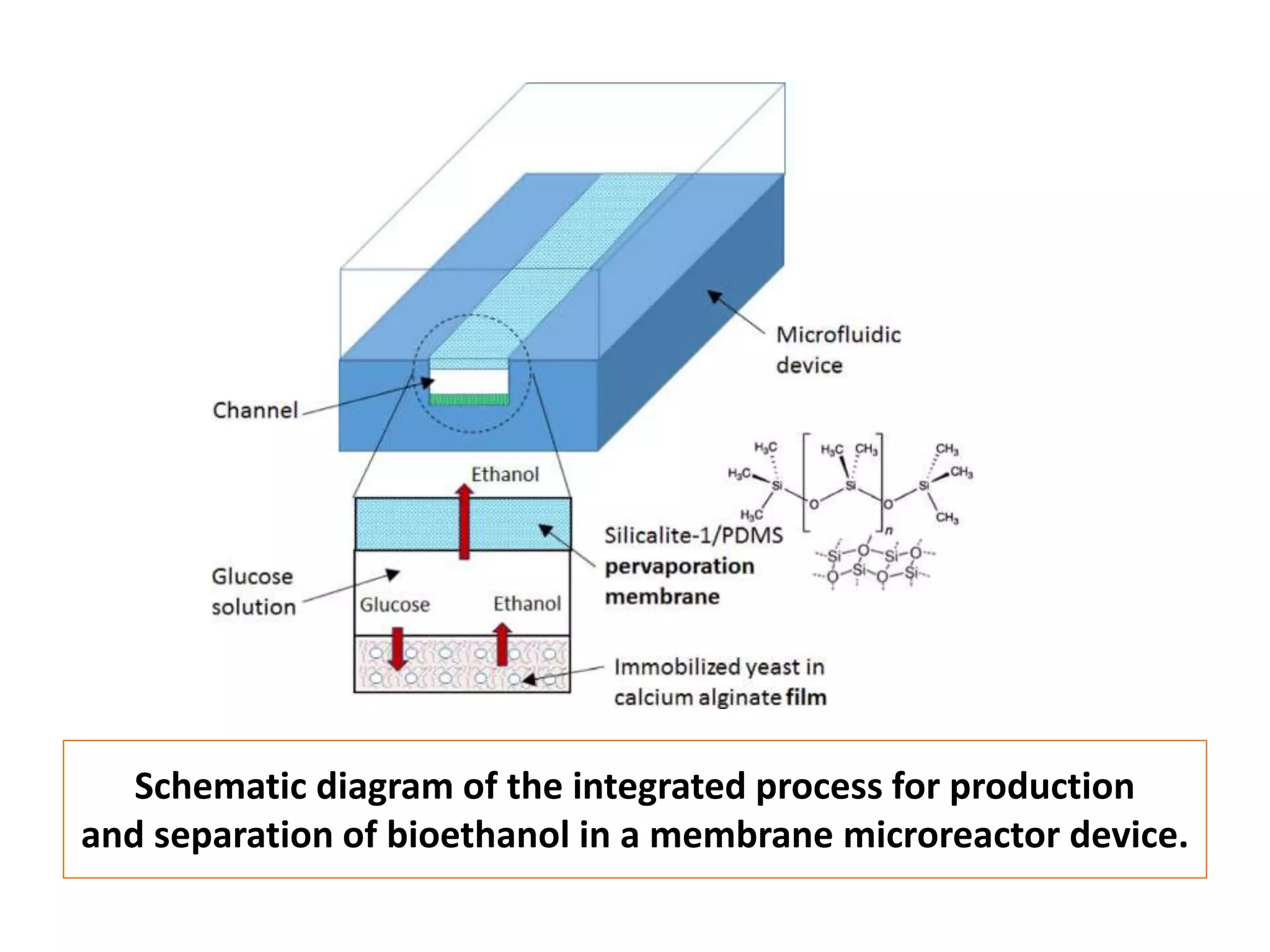
Schematic diagram of the integrated process for production
and separation of bioethanol in a membrane microreactor device.
Use of immobilized cells in fermentation industry

Use of immobilized cells in fermentation industry

  • 1.
    Use of immobilizedmicrobial cells in fermentation industry K. Poojitha PALB 8044
  • 4.
    Among renewable energies,priority was given to liquid biofuels as it represents about 40 % of the total. Bioethanol has been identified as the mostly used biofuel worldwide since it significantly contributes to the reduction of crude oil consumption and environmental pollution. Bioethanol can be produced from various types of feedstocks such as sucrose, starch, lignocellulosic and algal biomass through fermentation process by microorganisms. The yeast cell factory Saccharomyces cerevisiae is a well-known producer of ethanol.
  • 5.
    yeasts Non-conventional yeasts Hansenula polymorpha, Kluyveromyceslactis, Kluyveromyces marxianus, Pichia pastoris, Pichia stipitis, Yarrowia lipolytica, Ogataea polymorpha, Zygosaccharomyces rouxii. Conventional yeasts Saccharomyces cerevisiae
  • 6.
    Yeast  Yeast areeukaryotic micro organisms classified in the kingdom fungi with 1,500 species.  Yeast are unicellular, although some species with yeast forms may become multicellular through the formation of a string of connected budding cells known as pseudohyphae.  Most reproduce asexually by mitosis. And many do so via asymmetric division process called budding.  Yeast size can vary greatly depending on the species, measuring 3-4 um in diameter although some yeasts can reach over 40 um.  By fermentation the yeast species Saccharomyces cerevisiae converts carbohydrates to carbon dioxide and alcohols.  It is also extremely important as a model organism in modern cell biology research and is one of the most thoroughly researched eukaryotic microorganisms.
  • 9.
    Immobilization  Immobilization ofenzymes for cells refers to the technique of confining/anchoring the enzymes/cells in or an inert support for their stability and functional reuse.  By employing this technique enzymes are made more efficient and cost effective for their industrial use.  Some workers regard immobilization as a goose with golden egg in enzyme technology.  Method of Immobilization The commonly employed techniques for immobilization of enzymes are Adsorption, Entrapment, Cross-linking, encapsulation and Covalent bonding.
  • 11.
    Carriers for yeastimmobilization Perspective techniques for yeasts immobilization are as follows:  Adsorption to solid surfaces (wood chips, delignified brewer’s spent grains, DEAE cellulose and porous glass)  Entrapment within a porous matrix (calcium alginate, k- carrageenan, poly vinyl alcohol, agar, gelatine, chitosan, and polyacrylamide)  Covalent bonding (chitosan, cellulose)  Mechanical retention behind a barrier (microporous membrane filters, and microcapsules) and  Self-aggregation of the cells by flocculation.
  • 12.
    Immobilization of yeastby calcium alginate Calcium alginate offers several advantages as a support, such as good biocompatibility, low cost, availability and ease of preparation.
  • 13.
    Electron micrograph ofyeast cells immobilized in calcium alginate. Immobilized yeast in calcium alginate.
  • 14.
  • 15.
     Homogenized cellsuspension, containing 10% (w/v) was added under stirring at room temperature to the 2% (w/w) aqueous solution of hydroxyethylcellulose (HEC) and vortexed.  The resulting homogeneous solution was poured into Teflon dishes (2 cm diameter) forming about 2.5-mm-thick layer and frozen at –30 °C for 2 h.  The dishes were then irradiated with UV light by Dymax 5000-EC curing equipment with 400 W metal halide flood lamp for 2 min on both sides.  After immobilization procedure the gels were lyophilized.  For revitalization of the cells, the gels were placed in 250-ml flasks with 100 ml nutrient medium for 20 h on a rotary shaker (100 rpm) at 30 °C.  After that, the gels were used for fermentation of glucose to ethanol. Immobilization of yeast by cellulose
  • 16.
    Scanning electron micrographof the HEC (hydroxyethylcellulose) with immobilized S. cerevisiae cells (a) immediately after preparation and (b) after 72 h of fermentation
  • 17.
     Powdered chitosanwas dissolved in 2% acetic acid.  Into 20 mL of 1% chitosan solution, containing 50-150 mg of magnetite powder, 13.2 mL of 0.5M KOH was added gradually at 50°C under stirring.  After 10 minutes 0.5 g of glutaraldehyde was added.  A solution of yeast cells (250 ml) was added and the mixture was stirred at 20°C for 30 min and then left at 4°C overnight.  Next day the particles were washed until no cells were detected in the washes. Immobilized yeasts were stored at 4°C in 0.1 M Na acetate buffer, pH 5.0. Immobilization of yeasts on chitosan-magnetite microparticles
  • 18.
     An aqueoussolution (75 ml), containing acrylamide monomer (12.5 g), methylenebisacrylamide (0.6 g), alginate (0.5 g), tetramethylethylenediamine (TEMED - 1 ml), and a suspension of yeast cells (20 g packed cells) in 0.9% NaCl solution (25 ml) were separately cooled in ice baths to 4°C and pumped continuously into a cooled mixing chamber through a double walled tubular device.  The cell suspension was conveyed along the internal tube and the acrylamide solution though the outer annulus.  The flow rates were adjusted to maintain a ratio of 5:3 (v/v) of acrylamide solution and cell suspension, respectively.  The cells and monomer were mixed rapidly and remained in contact only briefly before passing into a gently stirred calcium formate solution (3%) containing ammonium persulphate (0.5%) cooled to 4°C.  The beads were uniform and about 3 mm in diameter. Immobilization of yeast by polyacrylamide
  • 19.
    A. Spherical porouspolyacrylamide beads (3 mm diameter) with entrapped yeast cells. B. Scanning electron microscopy of polyacrylamide beads with entrapped yeast cells.
  • 20.
    Factors affecting fermentation Temperature: The ideal temperature range for fermentation is 20-35 °C.  Free cells of S. cerevisiae have an optimum temperature of 30 °C whereas immobilized cells have slightly higher optimum temperature due to its ability to transfer heat from particle surface to inside the cells. Sugar concentration:  The increase in sugar concentration up to a certain level caused fermentation rate to increase.  However, the use of excessive sugar concentration will cause steady fermentation rate. This is because the concentration of sugar use is beyond the uptake capacity of the microbial cells.  Generally, the maximum rate of ethanol production is achieved when using sugars at the concentration of 150 g/L.
  • 21.
    pH:  pH ofthe broth as it affects bacterial contamination, yeast growth, fermentation rate and byproduct formation.  In fermentation for ethanol production, the optimum pH range of S. cerevisiae is 4.0–5.0.  When the pH was below than 4.0, a longer incubation period is required but the ethanol concentration was not reduced significantly.  However, when then pH was above 5.0, the concentration of ethanol reduced substantially. Fermentation time:  Shorter fermentation time causes inefficient fermentation due to inadequate growth of microorganisms.  On the other hand, longer fermentation time gives toxic effect on microbial growth especially in batch mode due to the high concentration of ethanol in the fermented broth.
  • 22.
    Comparison on theethanol concentration after 3 h of fermentation. Film A is 3% sodium alginate, and 3.5% CaCl2, Film B is 3% sodium alginate, and 4.0% CaCl2, Film C is 4% sodium alginate, and 3.5% CaCl2, Film D is 4% sodium alginate, and 4.0% CaCl2. Composition of cell matrix:
  • 23.
    Agitation rate:  Agitationrate controls the permeability of nutrients from the fermentation broth to inside the cells and removal of ethanol from the cell to the fermentation broth.  The greater the agitation rate, the higher the amount of ethanol produced. Besides, it increases the amount of sugar consumption and reduces the inhibition of ethanol on cells.  The common agitation rate for fermentation by yeast cells is 150– 200 rpm. Inoculum size:  Inoculum concentration does not give significant effects on the final ethanol concentration but it affects the consumption rate of sugar and ethanol productivity.  The production of ethanol was seen to be increased with the increase in cell numbers from 1×10⁴ to 1×10⁷ cells per ml.
  • 26.
    Schematic diagram ofthe integrated process for production and separation of bioethanol in a membrane microreactor device.