by: Keichie R. Quimco, MaVEd
ED
711
INSTRUCTIONAL
MATERIALS
DEVELOPMENT
Lesson Objectives:
• Analyze and discuss the ethical considerations
surrounding the use of generated artificial intelligence in
writing instructional materials.
• Apply ethics in creating instructional materials with the
use of artificial intelligence
• Demonstrate appreciation towards learning
Ethical considerations in instructional materials
are crucial in ensuring that educational content
is fair, inclusive, and respectful of diverse
perspectives.
right or wrong?
• Representation of Information
Instructional materials must present facts
and concepts truthfully, avoiding any form
of misinformation or bias.
right or wrong?
• Inclusivity
Instructional materials should reflect the
diversity of the student population and the
global society.
right or wrong?
• Accessibility
Accessibility is a third key ethical
consideration. All students, regardless of
their physical, cognitive, or emotional
abilities, should have equal access to
learning materials.
In summary, ethical considerations in instructional
materials are foundational to fostering an
educational environment that is honest, inclusive,
and accessible for every learner.
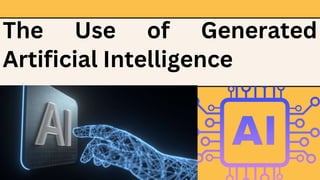
The Use of Generated
Artificial Intelligence
right or wrong?
The use of generated artificial intelligence
(AI) has drastically transformed various
sectors, including healthcare, education,
finance, and entertainment.
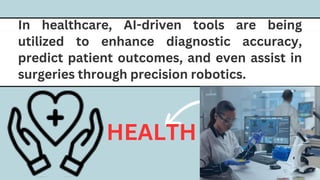
In healthcare, AI-driven tools are being
utilized to enhance diagnostic accuracy,
predict patient outcomes, and even assist in
surgeries through precision robotics.
HEALTH
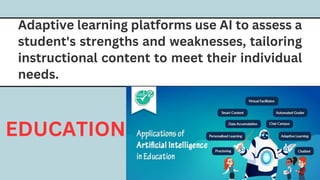
Adaptive learning platforms use AI to assess a
student's strengths and weaknesses, tailoring
instructional content to meet their individual
needs.
EDUCATION
The financial industry benefits significantly from AI
applications. Automated trading systems use AI to
analyze market trends and execute trades at
optimal times, often outperforming human traders.
FINANCE
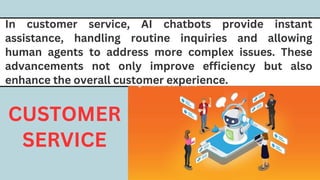
In customer service, AI chatbots provide instant
assistance, handling routine inquiries and allowing
human agents to address more complex issues. These
advancements not only improve efficiency but also
enhance the overall customer experience.
CUSTOMER
SERVICE
Ethical Issues on the Use of
Generated Artificial Intelligence
• Bias in AI Systems
These biases can arise from the data used
to train the algorithms, often reflecting
existing prejudices present in society.
• Impact of AI on employment
Automation powered by AI has the potential to
displace a large number of jobs, particularly
those involving routine and repetitive tasks.
• Privacy
The ability of AI systems to process vast
amounts of data can lead to unprecedented
levels of surveillance and data collection.
• Privacy
Post Test Link:
https://forms.gle/d9D6HEEBeWaYhmDC6
THANK YOU!
Prepared by:
KEICHIE R. QUIMCO
MaVEd
keichiequimco@gmail.com

Unit II Lesson 3 Ethical Considerations in Making IMs

  • 1.
    by: Keichie R.Quimco, MaVEd ED 711 INSTRUCTIONAL MATERIALS DEVELOPMENT
  • 2.
    Lesson Objectives: • Analyzeand discuss the ethical considerations surrounding the use of generated artificial intelligence in writing instructional materials. • Apply ethics in creating instructional materials with the use of artificial intelligence • Demonstrate appreciation towards learning
  • 3.
    Ethical considerations ininstructional materials are crucial in ensuring that educational content is fair, inclusive, and respectful of diverse perspectives.
  • 4.
    right or wrong? •Representation of Information Instructional materials must present facts and concepts truthfully, avoiding any form of misinformation or bias.
  • 5.
    right or wrong? •Inclusivity Instructional materials should reflect the diversity of the student population and the global society.
  • 6.
    right or wrong? •Accessibility Accessibility is a third key ethical consideration. All students, regardless of their physical, cognitive, or emotional abilities, should have equal access to learning materials.
  • 7.
    In summary, ethicalconsiderations in instructional materials are foundational to fostering an educational environment that is honest, inclusive, and accessible for every learner.
  • 8.
    The Use ofGenerated Artificial Intelligence
  • 9.
    right or wrong? Theuse of generated artificial intelligence (AI) has drastically transformed various sectors, including healthcare, education, finance, and entertainment.
  • 10.
    In healthcare, AI-driventools are being utilized to enhance diagnostic accuracy, predict patient outcomes, and even assist in surgeries through precision robotics. HEALTH
  • 11.
    Adaptive learning platformsuse AI to assess a student's strengths and weaknesses, tailoring instructional content to meet their individual needs. EDUCATION
  • 12.
    The financial industrybenefits significantly from AI applications. Automated trading systems use AI to analyze market trends and execute trades at optimal times, often outperforming human traders. FINANCE
  • 13.
    In customer service,AI chatbots provide instant assistance, handling routine inquiries and allowing human agents to address more complex issues. These advancements not only improve efficiency but also enhance the overall customer experience. CUSTOMER SERVICE
  • 14.
    Ethical Issues onthe Use of Generated Artificial Intelligence
  • 15.
    • Bias inAI Systems These biases can arise from the data used to train the algorithms, often reflecting existing prejudices present in society.
  • 16.
    • Impact ofAI on employment Automation powered by AI has the potential to displace a large number of jobs, particularly those involving routine and repetitive tasks.
  • 17.
    • Privacy The abilityof AI systems to process vast amounts of data can lead to unprecedented levels of surveillance and data collection.
  • 18.
    • Privacy Post TestLink: https://forms.gle/d9D6HEEBeWaYhmDC6
  • 19.
    THANK YOU! Prepared by: KEICHIER. QUIMCO MaVEd keichiequimco@gmail.com