The Superpower
Tauheed Ahmed
Digital Product Leader | Mentor
thatsetsapart
Highly Effective
Product Managers from the rest
● Product managers need superpower
● The power that makes you super-PM
● What is really means
● When and how to apply it
● Cheat sheet
The Plot
Product managers need superpower
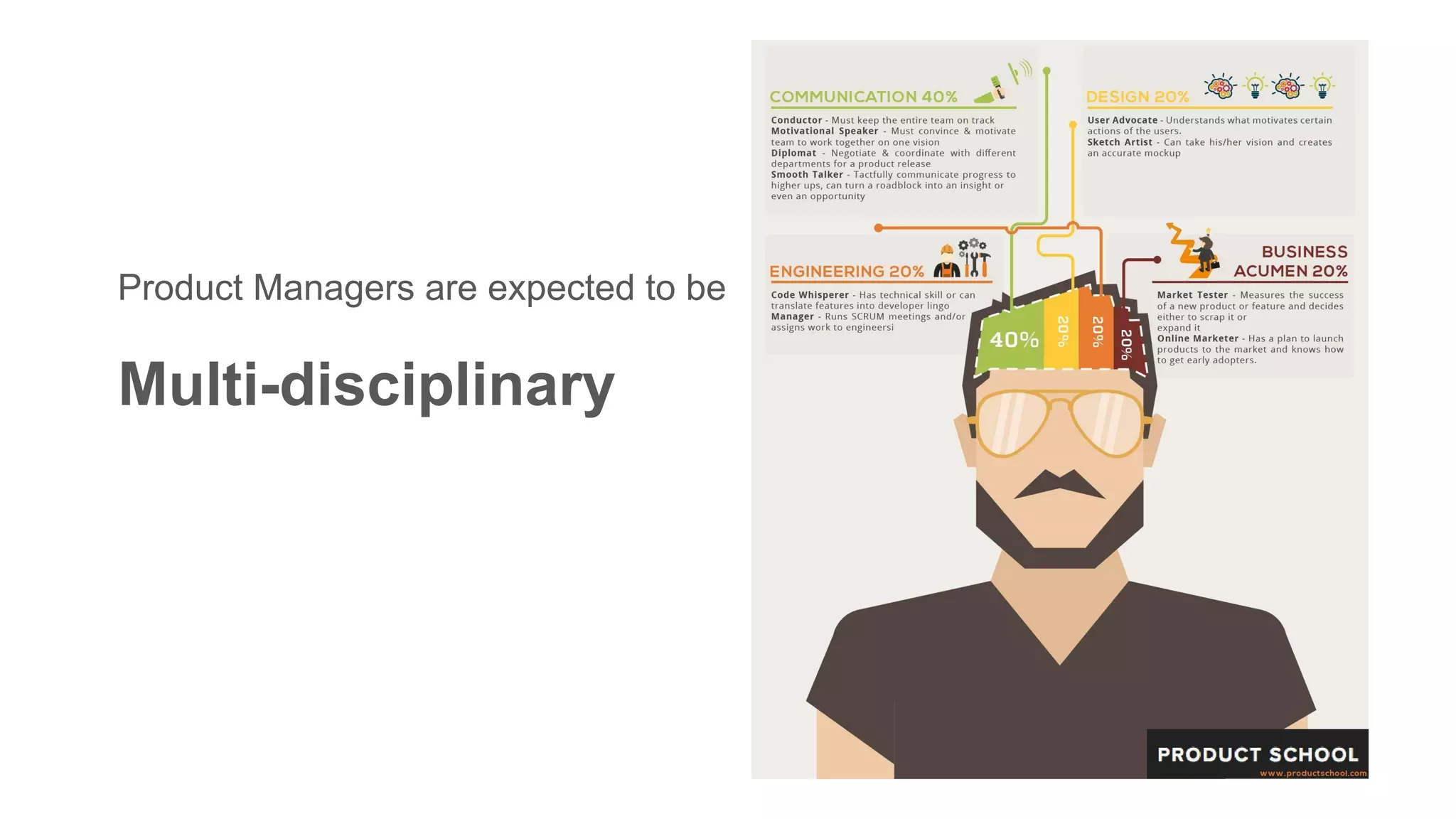
Product Managers are expected to be
Multi-disciplinary
Product Managers wear
Many Hats
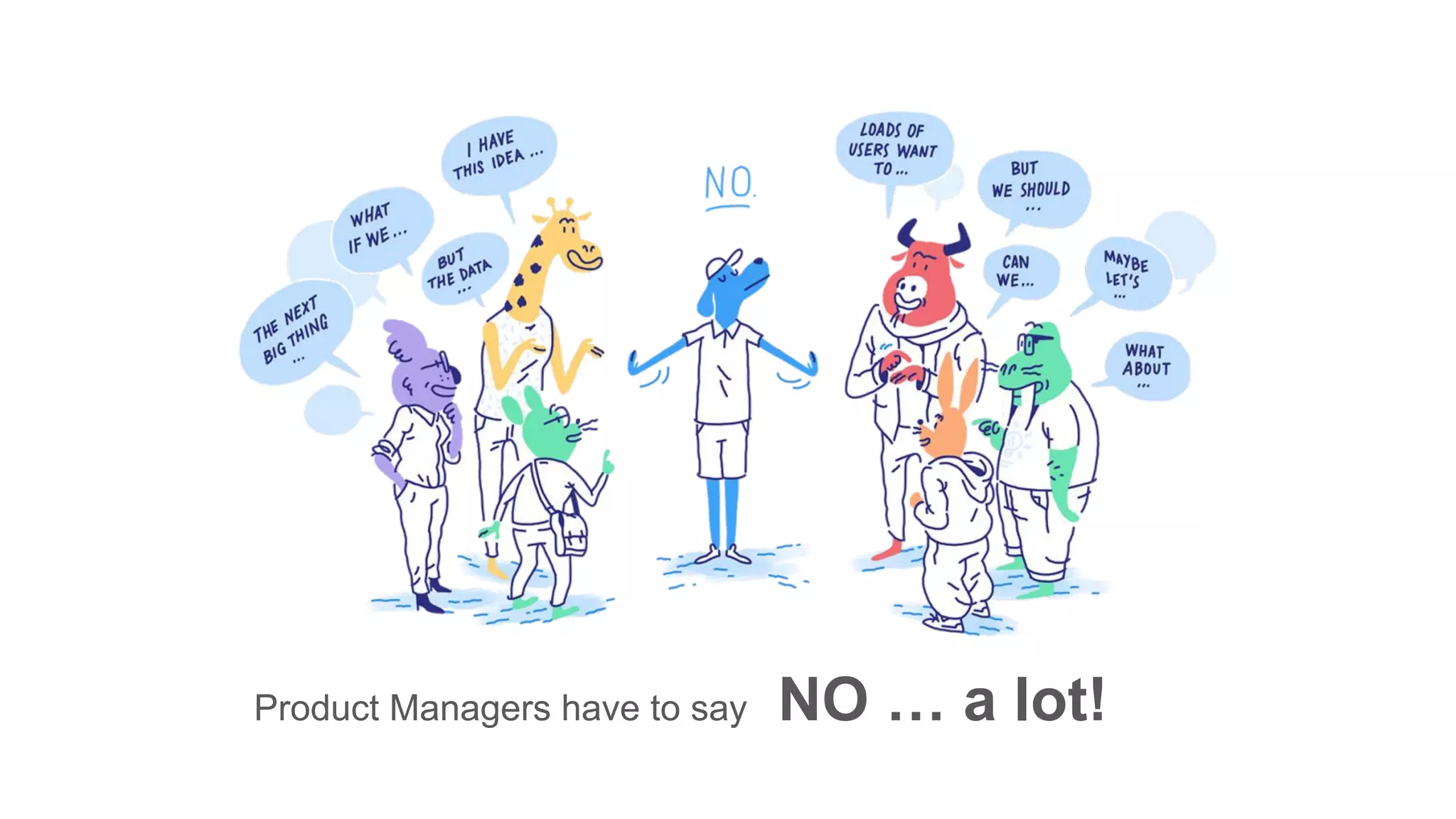
Product Managers have to say NO … a lot!
Awesome
PM
but unfortunately...
You Wish!
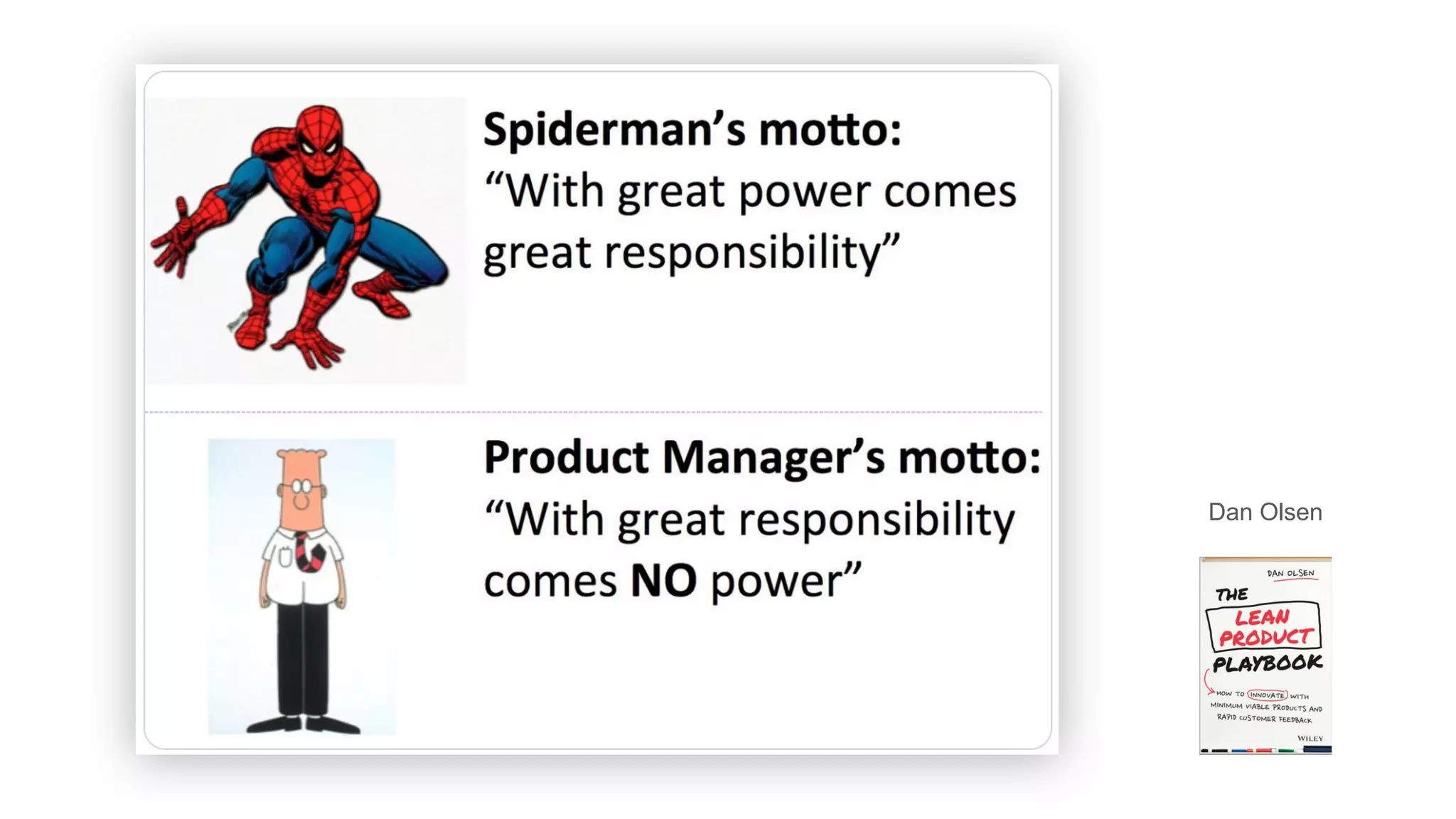
Dan Olsen
then ...
How do you lead cross-functional teams to build
amazing products when you have no formal authority?
But they got superpowers...
Produce force
fields and turn
invisible
Just
Incredible!
Super
fast
Grow and
shrink to
any size
Shape
shifter
PMs could REALLY use these powers but...
?
What can make you Super-PM?
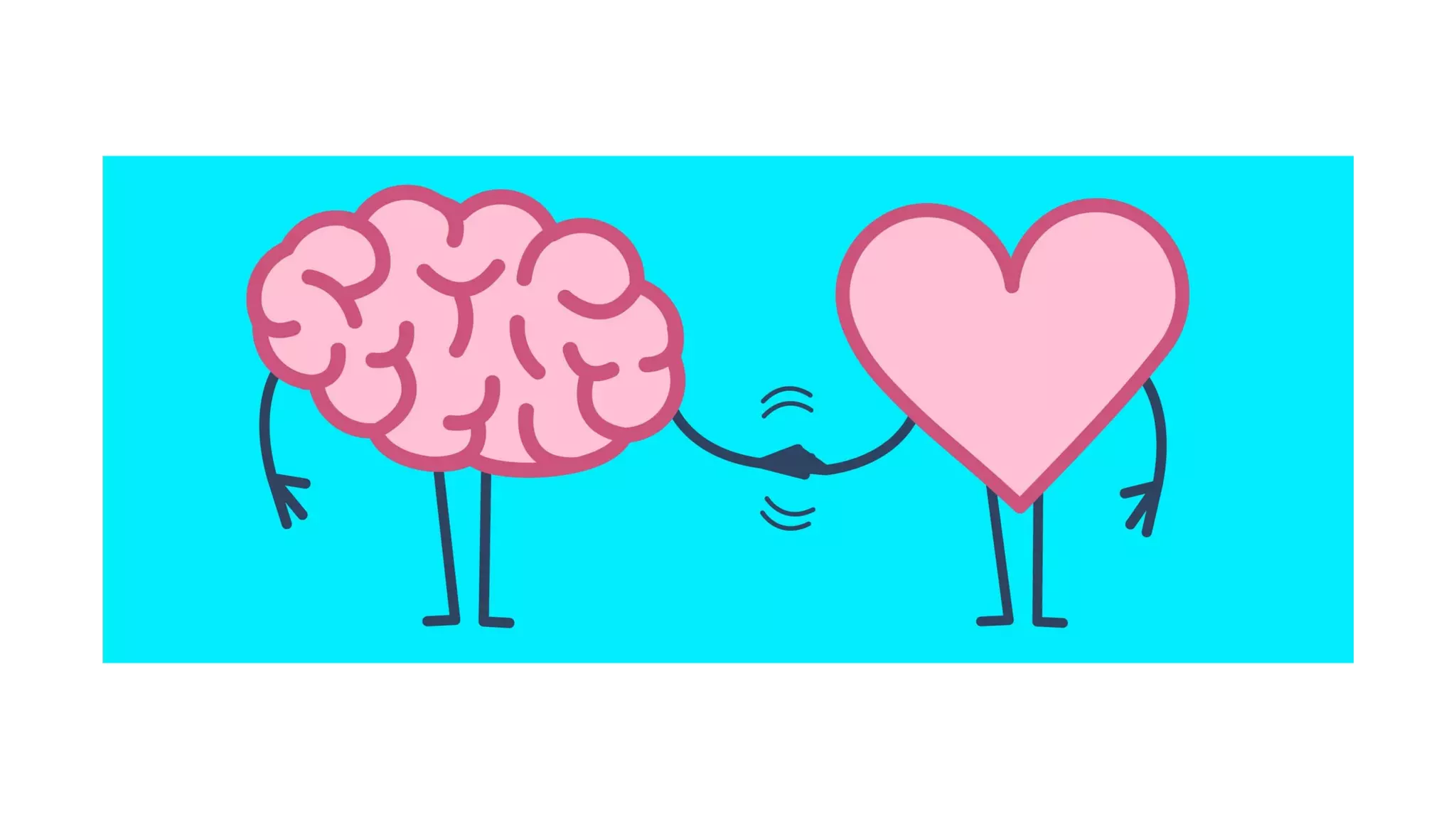
High Empathy
Product Manager’s
Superpower
Em
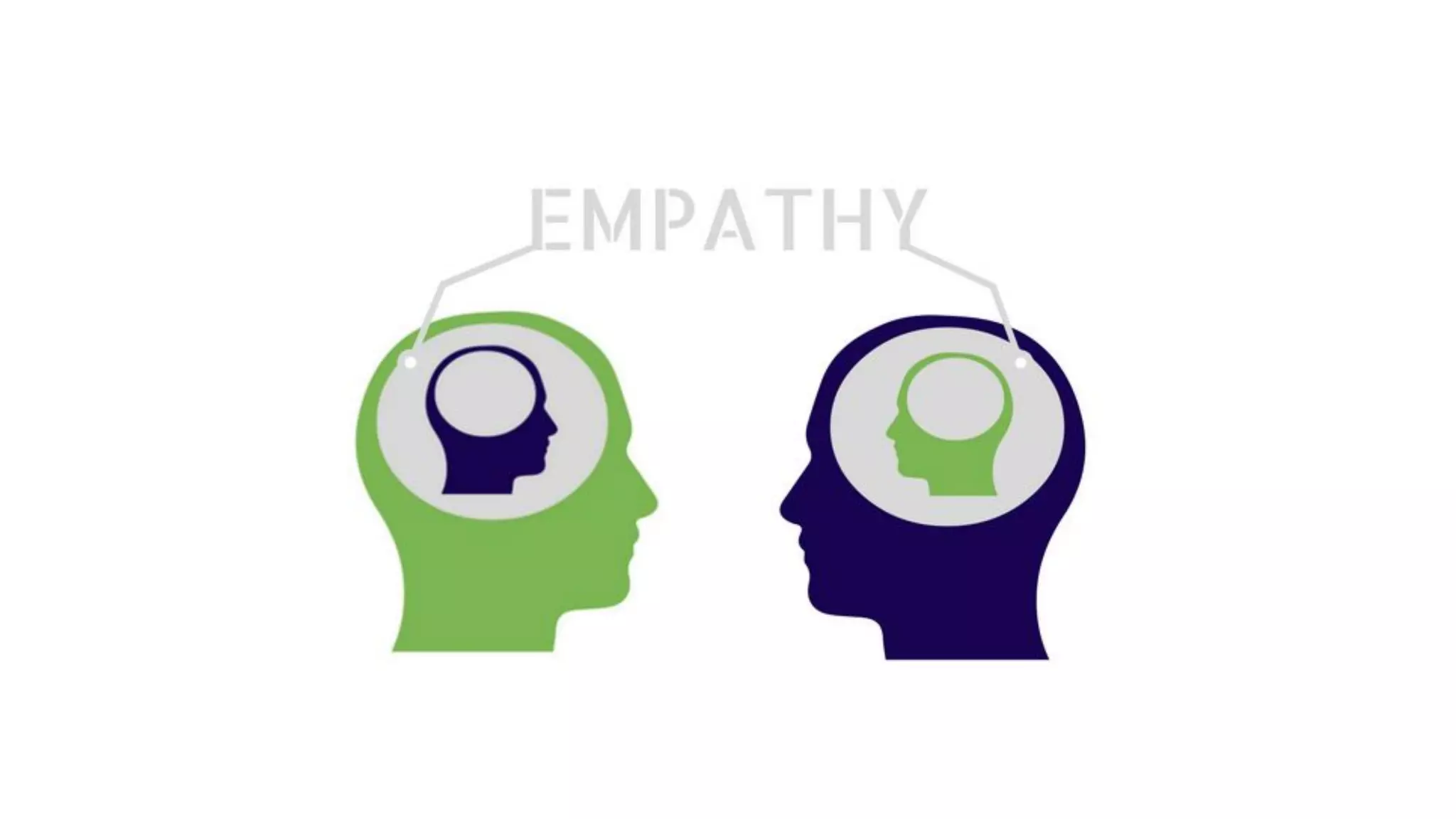
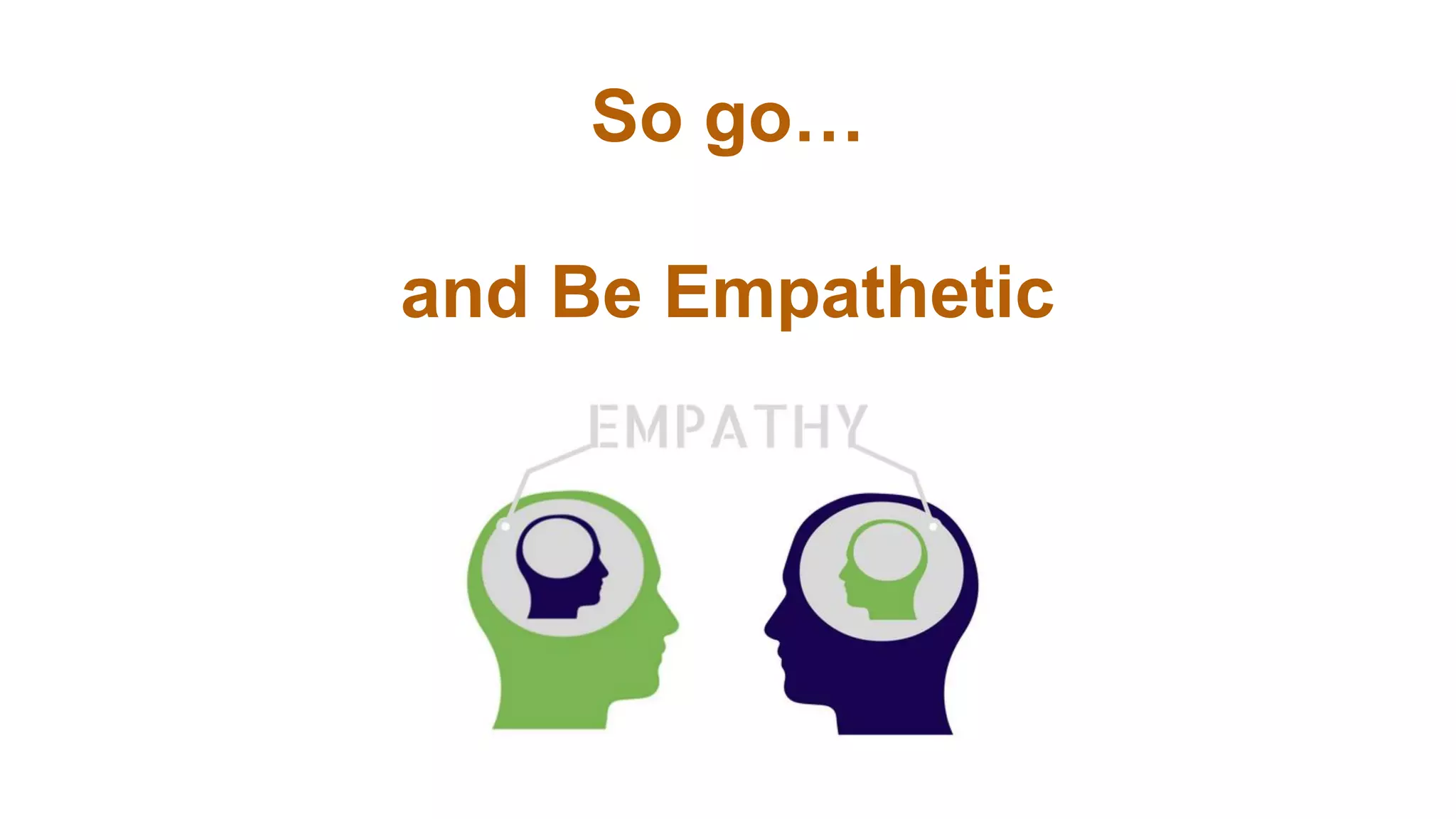
Empathy...what it really means
Applying Empathy
Applying Empathy
To Win Customers
Empathy Map
Helps to understand
the ‘why’ behind users
needs and actions
But that’s Not Enough…
Just having customer empathy
doesn’t guarantee product success
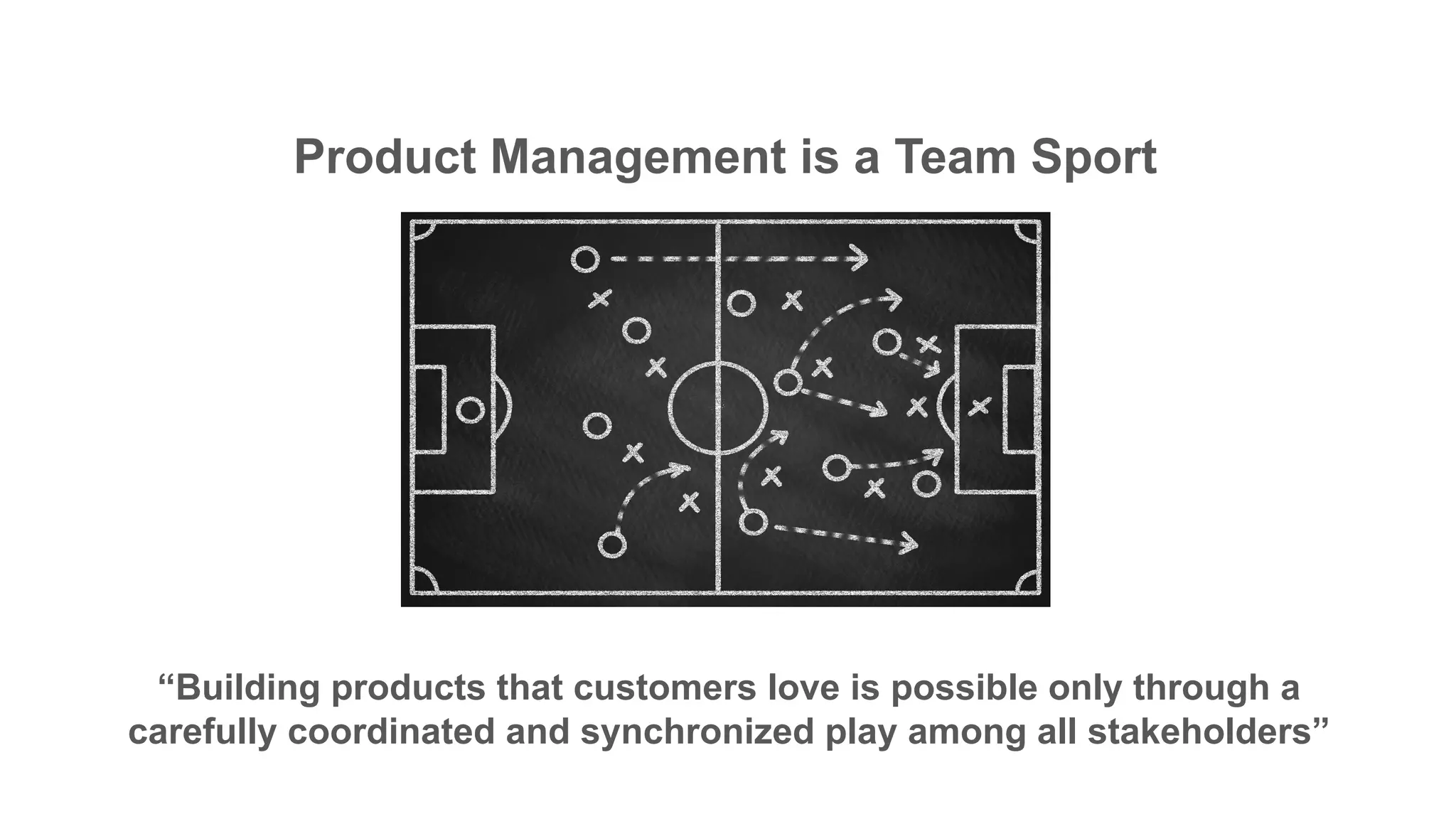
“Building products that customers love is possible only through a
carefully coordinated and synchronized play among all stakeholders”
Product Management is a Team Sport
Product managers can achieve that ‘coordinated
and synchronized play’ by Practicing empathy.
...as it allows them to cultivate a support network
that’s indispensable to launching amazing
products.
The most effective PMs have the most effective
support network.
● Their managers trust, support, back them and are
invested in their success
● Their stakeholders and colleagues have faith in
them, equally care about each others success and
collaborate towards achieving a common goal
Remember...
PM have to first EARN that trust and support.
And the best way to earn it is by applying
empathy at every interaction in your PM journey.
Applying Empathy
Applying Empathy
To Get Hired
● Empathize with the recruiter (needs, pain points)
● You are the “Product” and the recruiter is your
main “Customer”
● What features is the recruiter looking for in the
product/you?
● How do I present myself in a resume?
You = ‘Product’ ; Recruiter = ‘Customer’
Now What?
Applying Empathy
To Make Good First Impressions
● Acknowledge - you probably know the least
● Don’t rush to judgement, listen first.
● Ask questions, show your willingness to learn
● Provide value within the existing working model
● If you see opportunities to improve, don’t rush, do it
gradually
● Before proposing a new way of working, make them
see how/why it’s better
Applying Empathy
To Manage Stakeholders
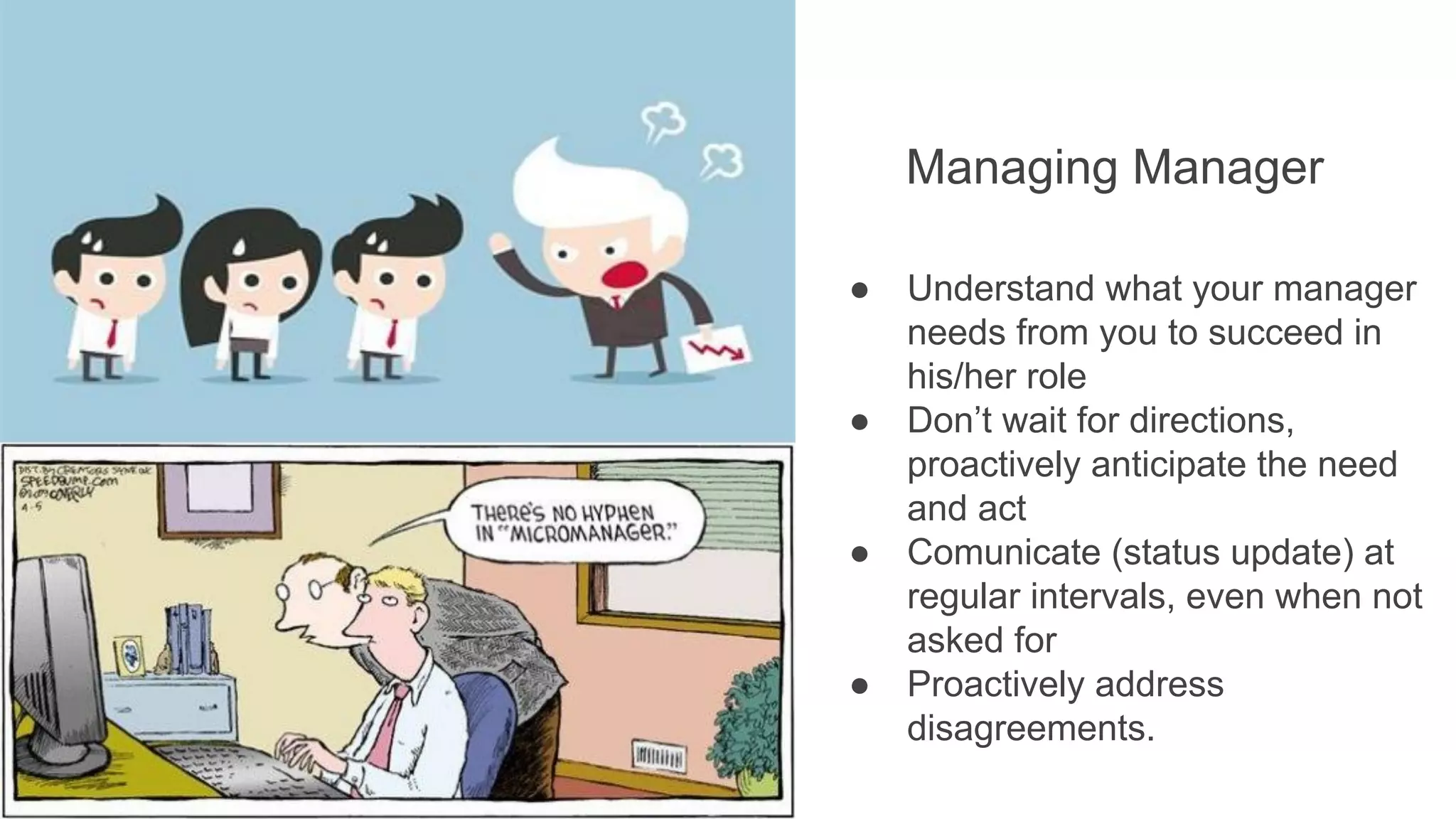
Managing Manager
● Understand what your manager
needs from you to succeed in
his/her role
● Don’t wait for directions,
proactively anticipate the need
and act
● Comunicate (status update) at
regular intervals, even when not
asked for
● Proactively address
disagreements.
Software Developers
● Knows the best technology to use
● Knows the best way to architect
the solution
● Knows the best programming
language to use
So
● PM decides what to build, not how
to build
● Take a programming class
Designers (UX)
● Skills most overlap
with PMs
● Creative process,
sometimes lack
structure
So
● Allow room for
creative exploration
● Take a UX design
class
PM DESIGNER
Marketing Manager
● Amazing product without a good GTM
strategy always fails
● Agree on ownership and product goal
● Rely on PMM to understand effective
marketing strategy, then tweak the
product as necessary
● Rely on their expertise to ‘sell’ and
‘communicate’
Apply the same thought process in dealing
with all stakeholders
Cheat Sheet
Scenario Empathetic product manager’s approach
Customer
development
Empathize with the target personas. Understand their needs,
wants and frustrations to identify the gap that your product can
solve.
Looking for a
PM job
Understand the recruiter and the hiring manager’s needs and
pain points in hiring. Be thoughtful while creating your resume
and cover letters to cater to their specific need. Highlight your
experiences and skill that’s most relevant to the job posting.
Anticipate their questions and concerns and be proactive in
addressing them.
When new to
the job
Don’t rush to judgement. Listen first. Understand why things are
the way they are, before suggesting improvements. Show
willingness to learn and ask questions. Over communicate.
Empathy Cheat Sheet for Product Managers - 1
Scenario Empathetic product manager’s approach
Working
with
engineers
Understand the ownerships and boundaries. Engineers own the final
decision on implementation (architecture, infrastructure, language
etc)...how to build. PMs own and dictate the functional requirements
and overall direction of the product...what to build and why. Build
empathy by learning about the development process.
Working
with
designers
The role with the most overlap (UX specially), so agree on ownerships
and working model early on. Allow designers autonomy/space needed
for creative thinking. Collaborate on most decisions and use data to
resolve disagreements. Learn about the design process.
Working
with
marketing
Understand the criticality of a GTM strategy and marketing campaigns
and partner with PMMs to define product goal and KPIs early on.
Develop your own knowledge on marketing/selling tactics, so your
products decisions are informed by them.
Empathy Cheat Sheet for Product Managers - 2
So go…
and Be Empathetic
The Superpower for Highly Effective Product Managers

The Superpower for Highly Effective Product Managers

  • 1.
    The Superpower Tauheed Ahmed DigitalProduct Leader | Mentor thatsetsapart Highly Effective Product Managers from the rest
  • 2.
    ● Product managersneed superpower ● The power that makes you super-PM ● What is really means ● When and how to apply it ● Cheat sheet The Plot
  • 3.
  • 4.
    Product Managers areexpected to be Multi-disciplinary
  • 5.
  • 6.
    Product Managers haveto say NO … a lot!
  • 7.
  • 8.
  • 9.
  • 11.
    then ... How doyou lead cross-functional teams to build amazing products when you have no formal authority?
  • 13.
    But they gotsuperpowers...
  • 14.
    Produce force fields andturn invisible Just Incredible! Super fast Grow and shrink to any size Shape shifter PMs could REALLY use these powers but...
  • 15.
    ? What can makeyou Super-PM?
  • 16.
  • 17.
  • 23.
  • 24.
  • 25.
    Empathy Map Helps tounderstand the ‘why’ behind users needs and actions
  • 26.
    But that’s NotEnough… Just having customer empathy doesn’t guarantee product success
  • 27.
    “Building products thatcustomers love is possible only through a carefully coordinated and synchronized play among all stakeholders” Product Management is a Team Sport
  • 28.
    Product managers canachieve that ‘coordinated and synchronized play’ by Practicing empathy. ...as it allows them to cultivate a support network that’s indispensable to launching amazing products.
  • 29.
    The most effectivePMs have the most effective support network. ● Their managers trust, support, back them and are invested in their success ● Their stakeholders and colleagues have faith in them, equally care about each others success and collaborate towards achieving a common goal Remember...
  • 30.
    PM have tofirst EARN that trust and support. And the best way to earn it is by applying empathy at every interaction in your PM journey.
  • 31.
  • 32.
  • 33.
    ● Empathize withthe recruiter (needs, pain points) ● You are the “Product” and the recruiter is your main “Customer” ● What features is the recruiter looking for in the product/you? ● How do I present myself in a resume? You = ‘Product’ ; Recruiter = ‘Customer’
  • 34.
  • 35.
    Applying Empathy To MakeGood First Impressions
  • 36.
    ● Acknowledge -you probably know the least ● Don’t rush to judgement, listen first. ● Ask questions, show your willingness to learn ● Provide value within the existing working model ● If you see opportunities to improve, don’t rush, do it gradually ● Before proposing a new way of working, make them see how/why it’s better
  • 37.
  • 38.
    Managing Manager ● Understandwhat your manager needs from you to succeed in his/her role ● Don’t wait for directions, proactively anticipate the need and act ● Comunicate (status update) at regular intervals, even when not asked for ● Proactively address disagreements.
  • 39.
    Software Developers ● Knowsthe best technology to use ● Knows the best way to architect the solution ● Knows the best programming language to use So ● PM decides what to build, not how to build ● Take a programming class
  • 40.
    Designers (UX) ● Skillsmost overlap with PMs ● Creative process, sometimes lack structure So ● Allow room for creative exploration ● Take a UX design class PM DESIGNER
  • 41.
    Marketing Manager ● Amazingproduct without a good GTM strategy always fails ● Agree on ownership and product goal ● Rely on PMM to understand effective marketing strategy, then tweak the product as necessary ● Rely on their expertise to ‘sell’ and ‘communicate’
  • 42.
    Apply the samethought process in dealing with all stakeholders
  • 43.
  • 44.
    Scenario Empathetic productmanager’s approach Customer development Empathize with the target personas. Understand their needs, wants and frustrations to identify the gap that your product can solve. Looking for a PM job Understand the recruiter and the hiring manager’s needs and pain points in hiring. Be thoughtful while creating your resume and cover letters to cater to their specific need. Highlight your experiences and skill that’s most relevant to the job posting. Anticipate their questions and concerns and be proactive in addressing them. When new to the job Don’t rush to judgement. Listen first. Understand why things are the way they are, before suggesting improvements. Show willingness to learn and ask questions. Over communicate. Empathy Cheat Sheet for Product Managers - 1
  • 45.
    Scenario Empathetic productmanager’s approach Working with engineers Understand the ownerships and boundaries. Engineers own the final decision on implementation (architecture, infrastructure, language etc)...how to build. PMs own and dictate the functional requirements and overall direction of the product...what to build and why. Build empathy by learning about the development process. Working with designers The role with the most overlap (UX specially), so agree on ownerships and working model early on. Allow designers autonomy/space needed for creative thinking. Collaborate on most decisions and use data to resolve disagreements. Learn about the design process. Working with marketing Understand the criticality of a GTM strategy and marketing campaigns and partner with PMMs to define product goal and KPIs early on. Develop your own knowledge on marketing/selling tactics, so your products decisions are informed by them. Empathy Cheat Sheet for Product Managers - 2
  • 46.
    So go… and BeEmpathetic