9.1
Using Telephone
and Cable Networks
for Data Transmission
9.2
9-1 TELEPHONE NETWORK
Telephone networks use circuit switching. The
telephone network had its beginnings in the late
1800s. The entire network, which is referred to
as the plain old telephone system (POTS), was
originally an analog system using analog
signals to transmit voice.
9.3
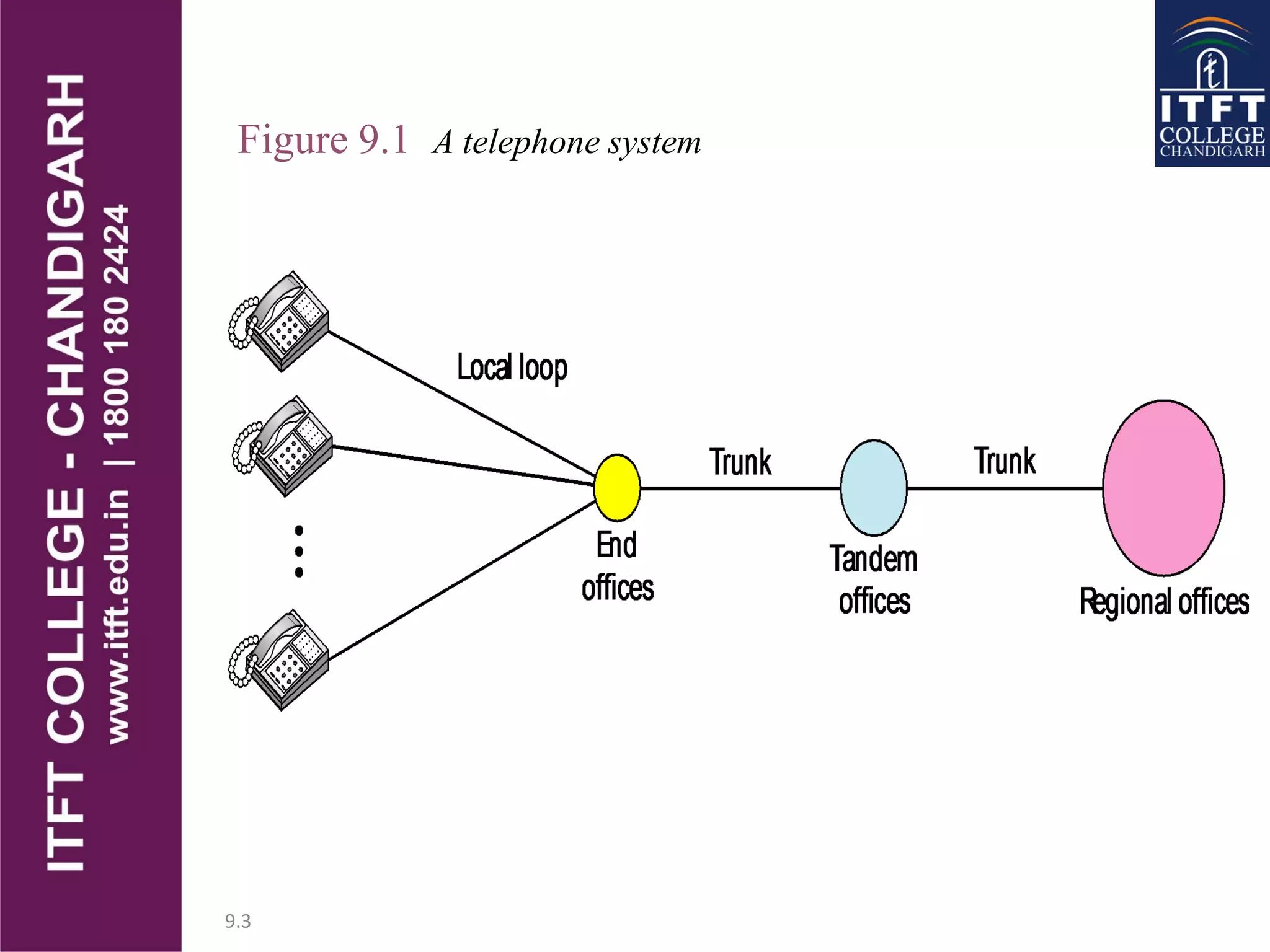
Figure 9.1 A telephone system
9.4
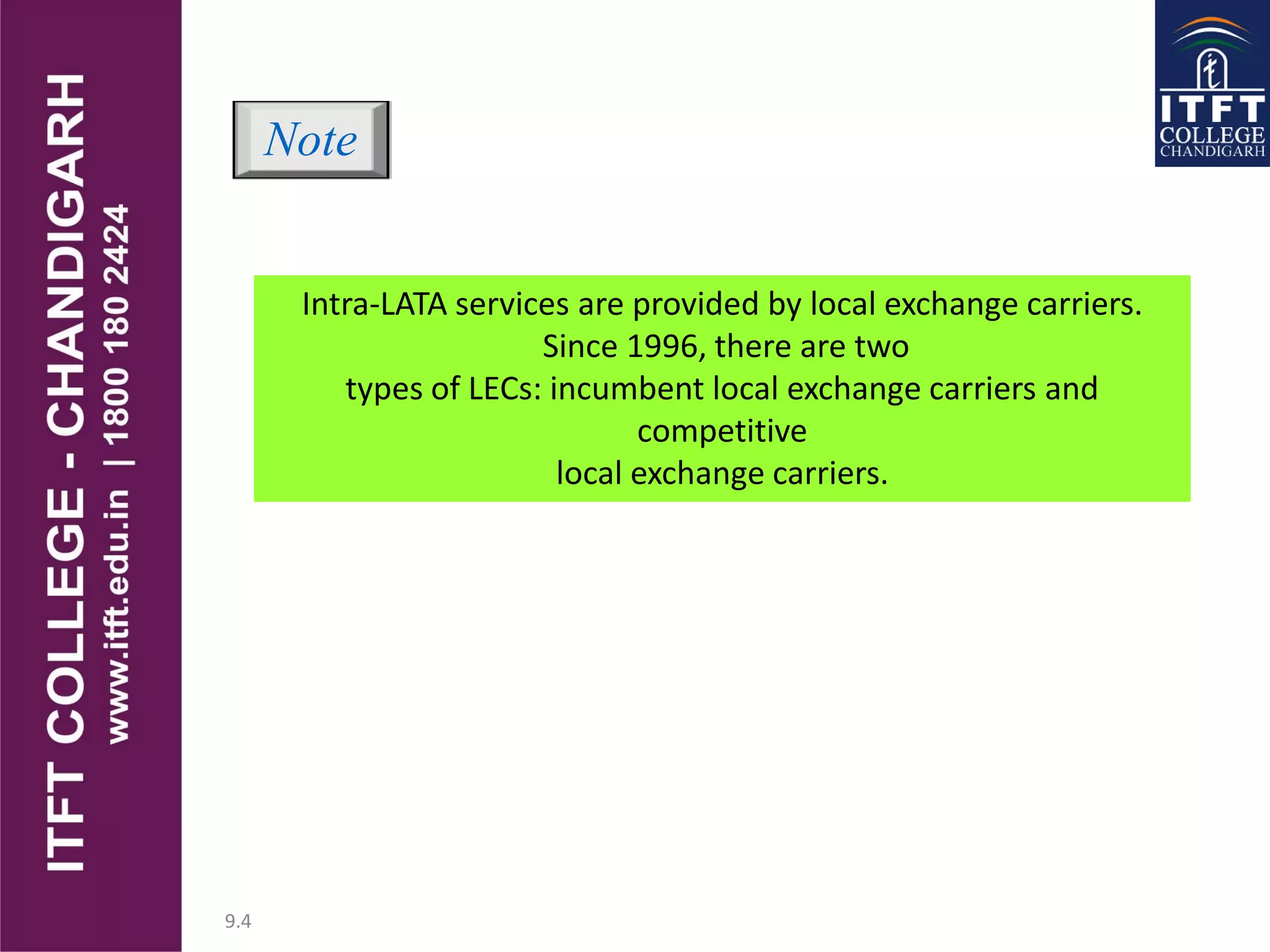
Intra-LATA services are provided by local exchange carriers.
Since 1996, there are two
types of LECs: incumbent local exchange carriers and
competitive
local exchange carriers.
Note
9.5
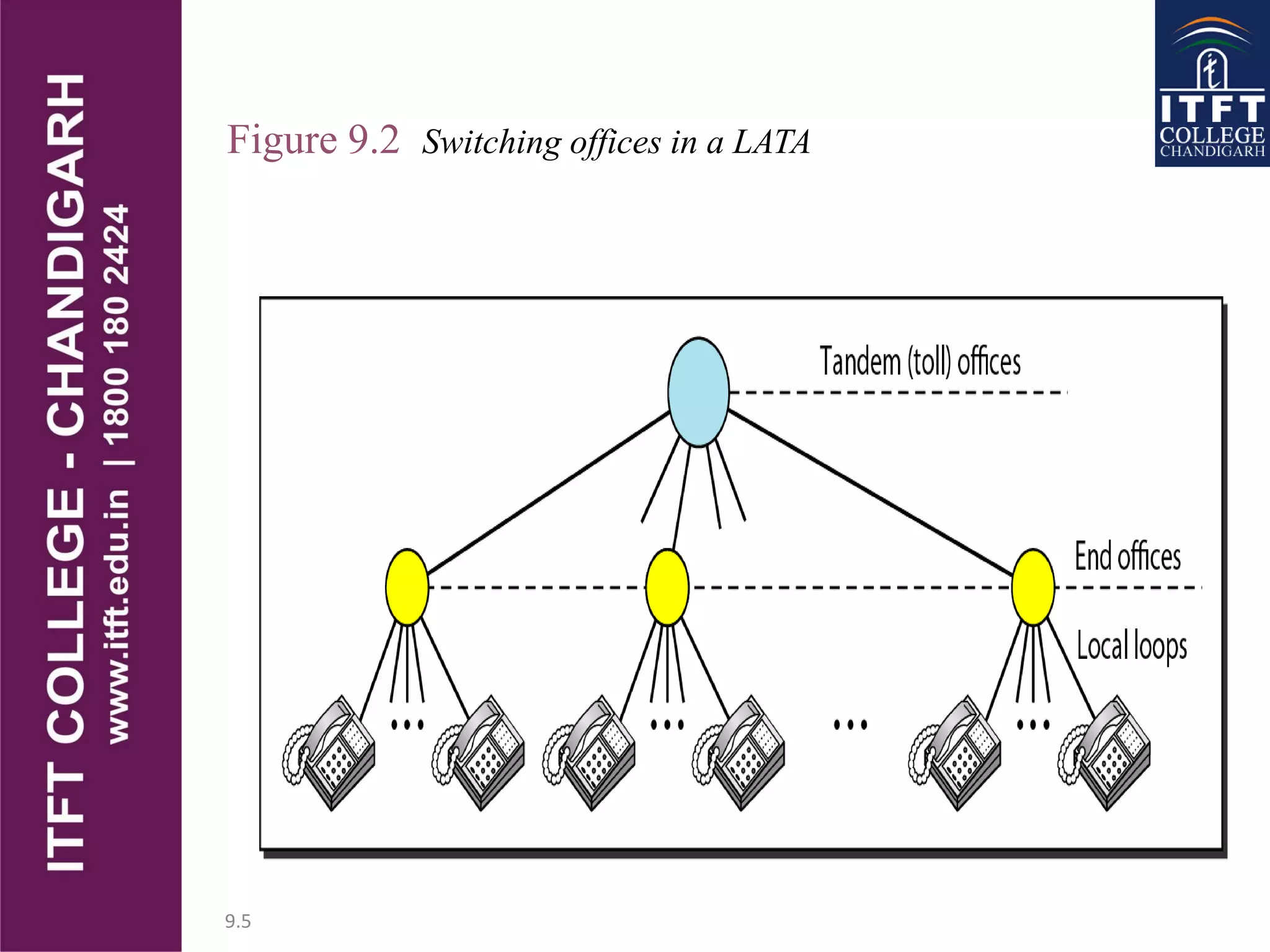
Figure 9.2 Switching offices in a LATA
9.6
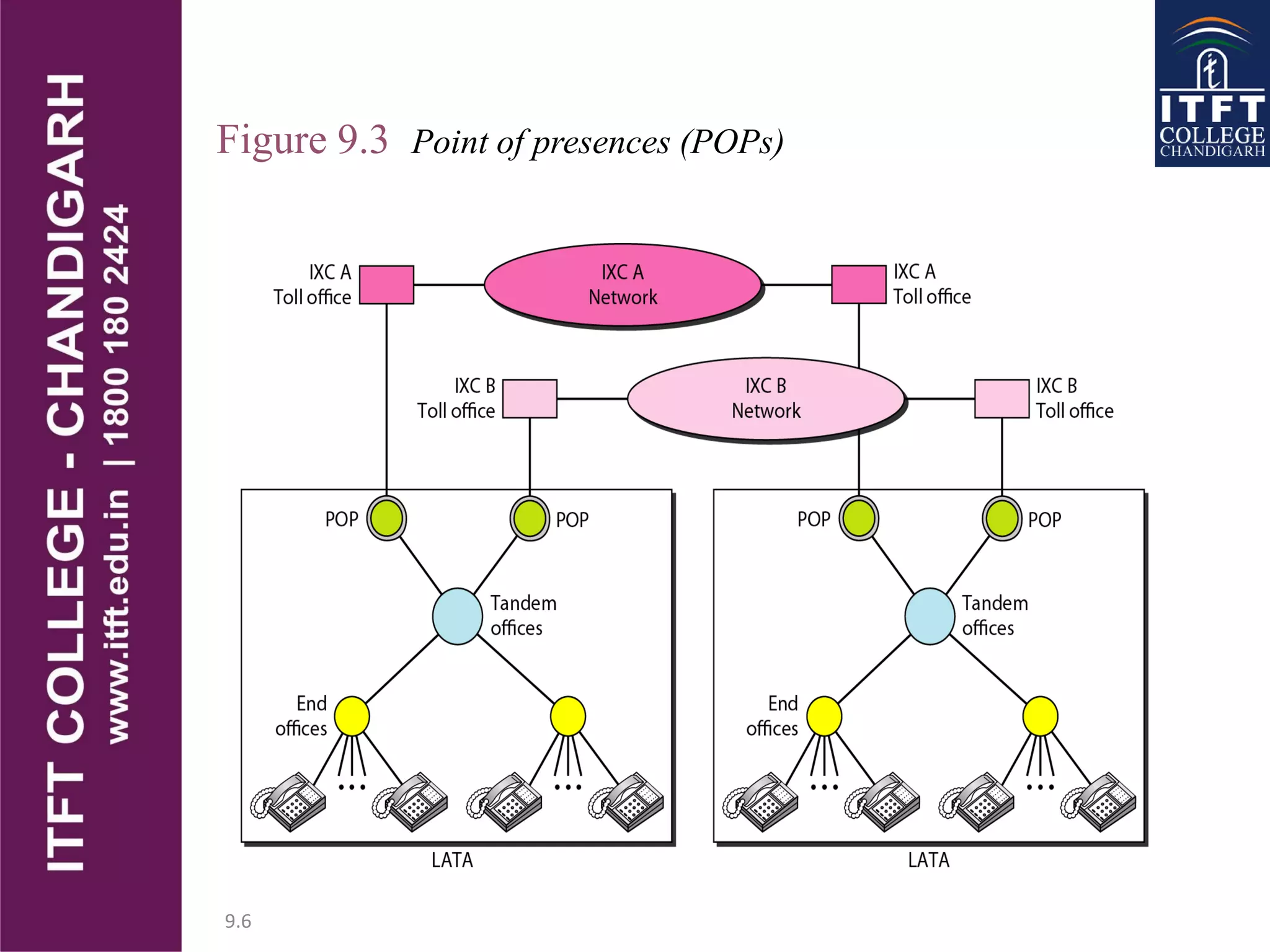
Figure 9.3 Point of presences (POPs)
9.7
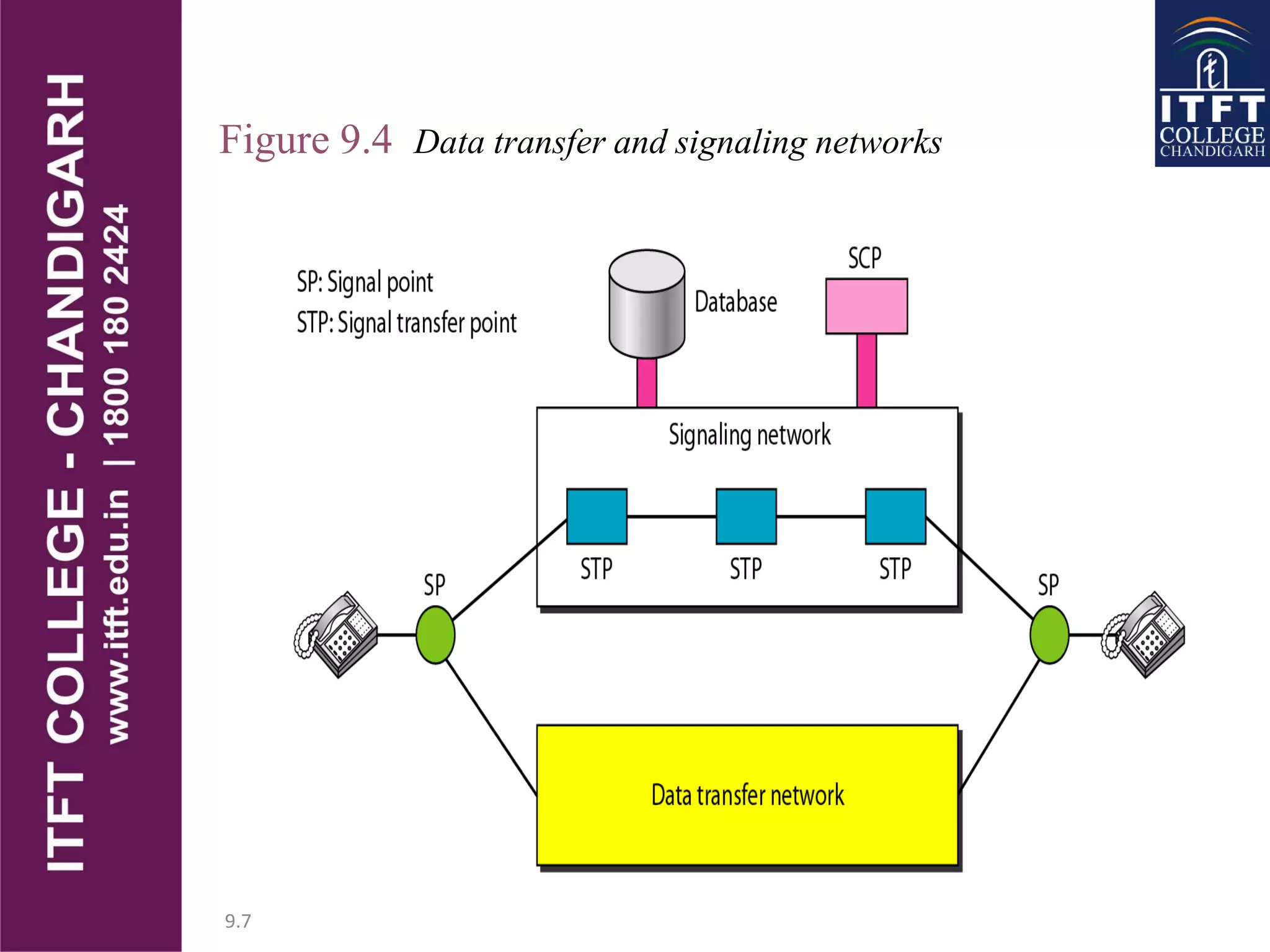
Figure 9.4 Data transfer and signaling networks
9.8
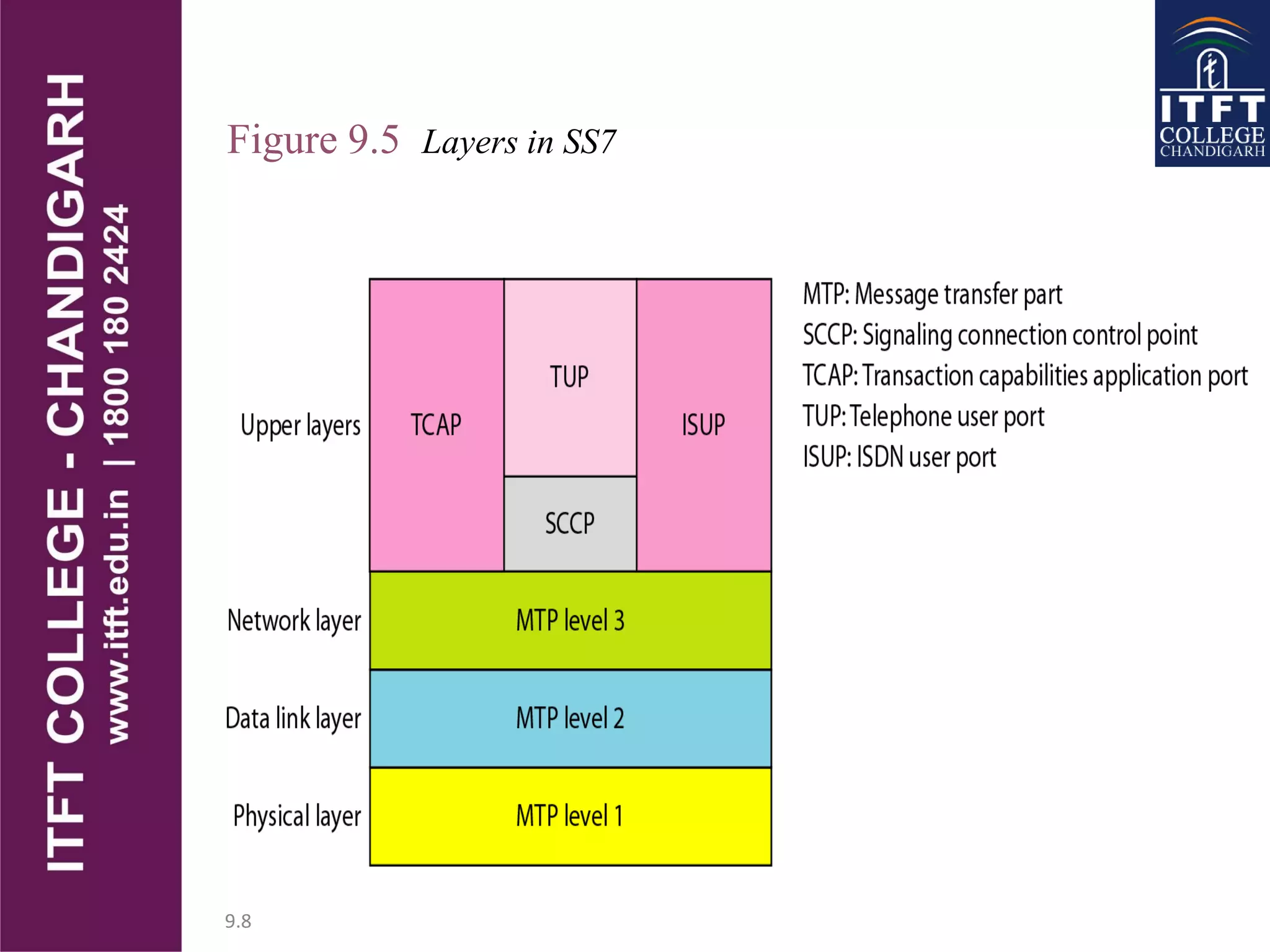
Figure 9.5 Layers in SS7
9.9
9-2 DIAL-UP MODEMS
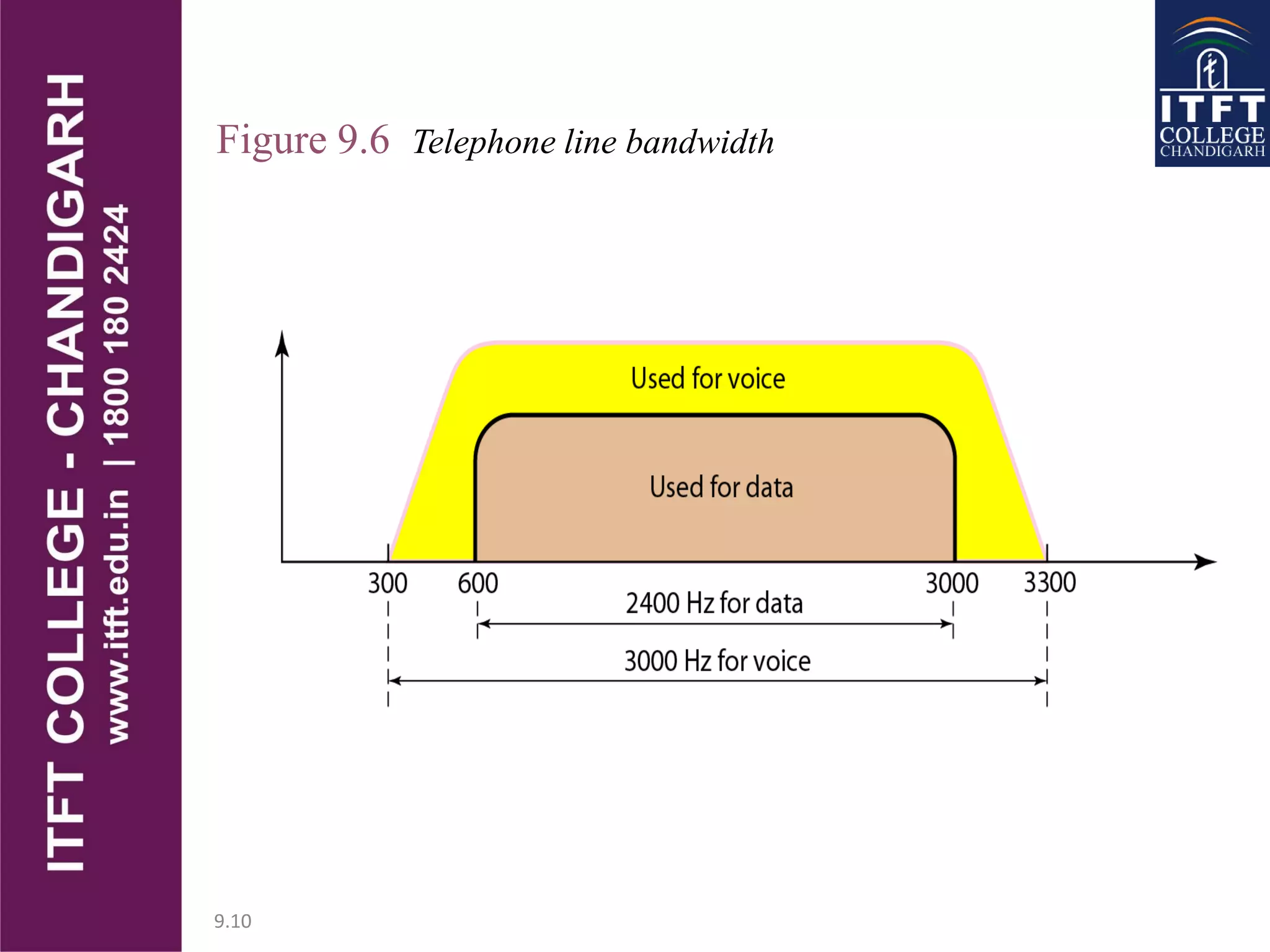
Traditional telephone lines can carry
frequencies between 300 and 3300 Hz, giving
them a bandwidth of 3000 Hz. All this range is
used for transmitting voice, where a great deal
of interference and distortion can be accepted
without loss of intelligibility.
9.10
Figure 9.6 Telephone line bandwidth
9.11
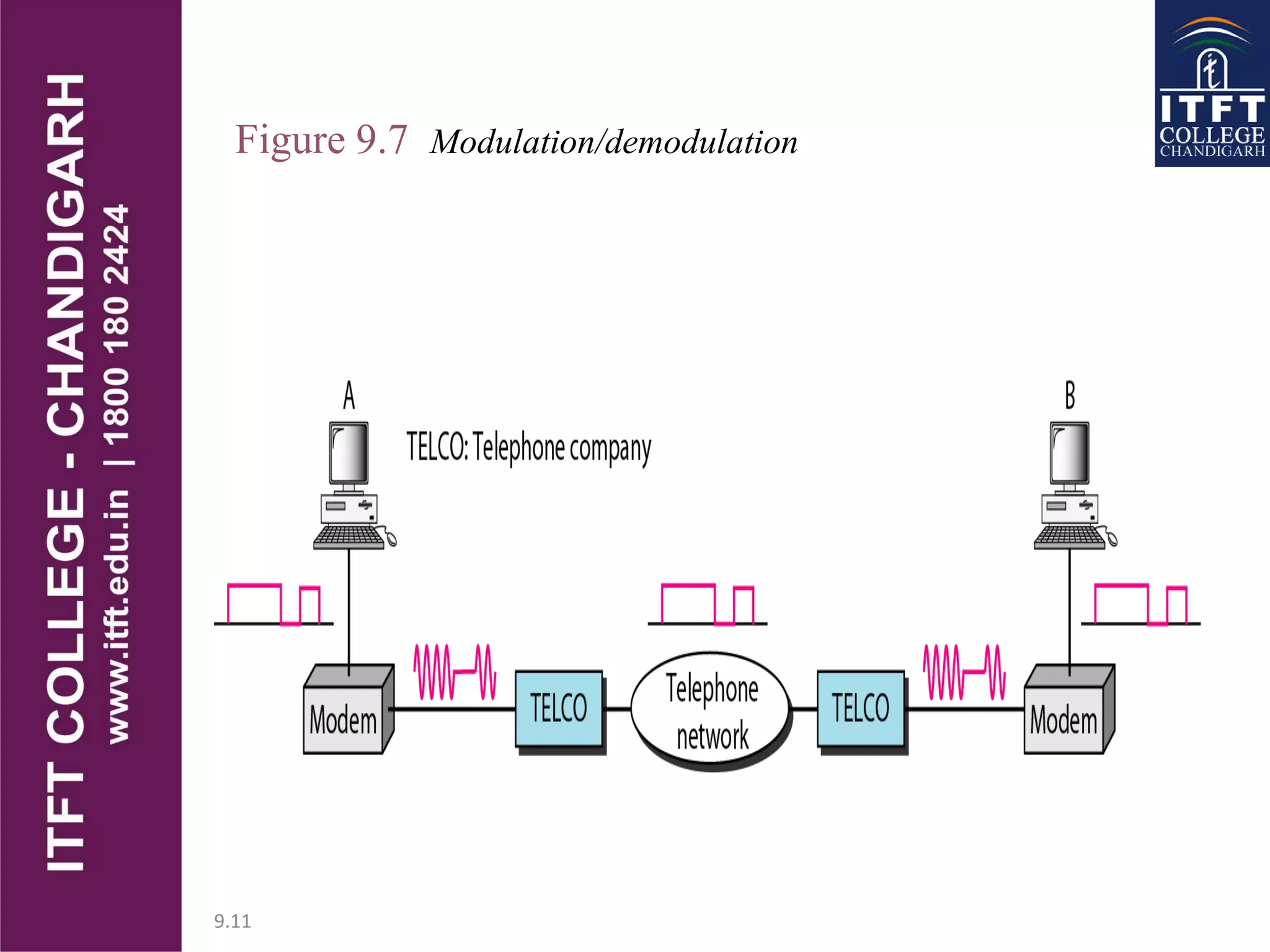
Figure 9.7 Modulation/demodulation
9.12
9-3 DIGITAL SUBSCRIBER LINE
After traditional modems reached their peak
data rate, telephone companies developed
another technology, DSL, to provide higher-
speed access to the Internet. Digital subscriber
line (DSL) technology is one of the most
promising for supporting high-speed digital
communication over the existing local loops.
9.13
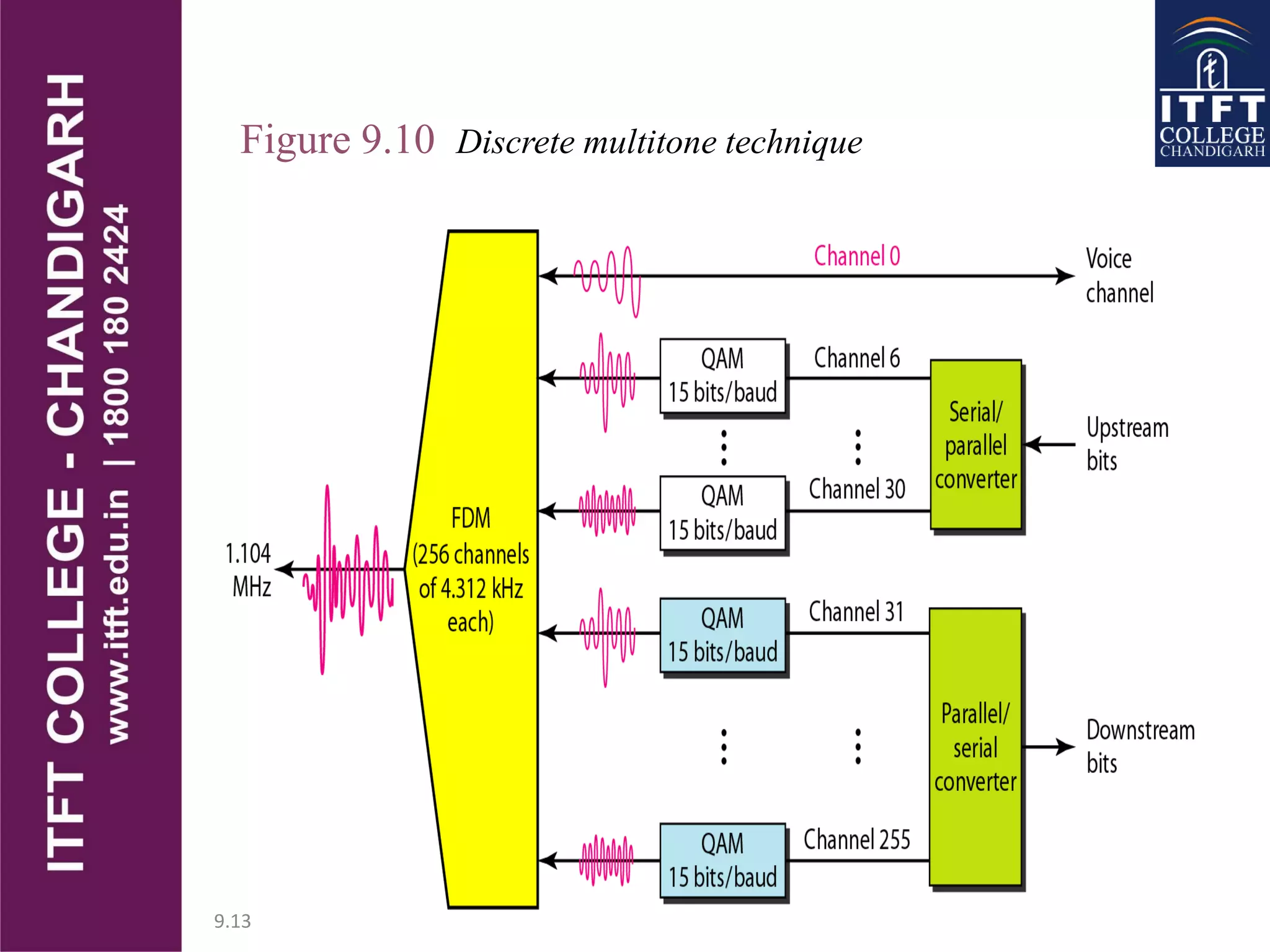
Figure 9.10 Discrete multitone technique
9.14
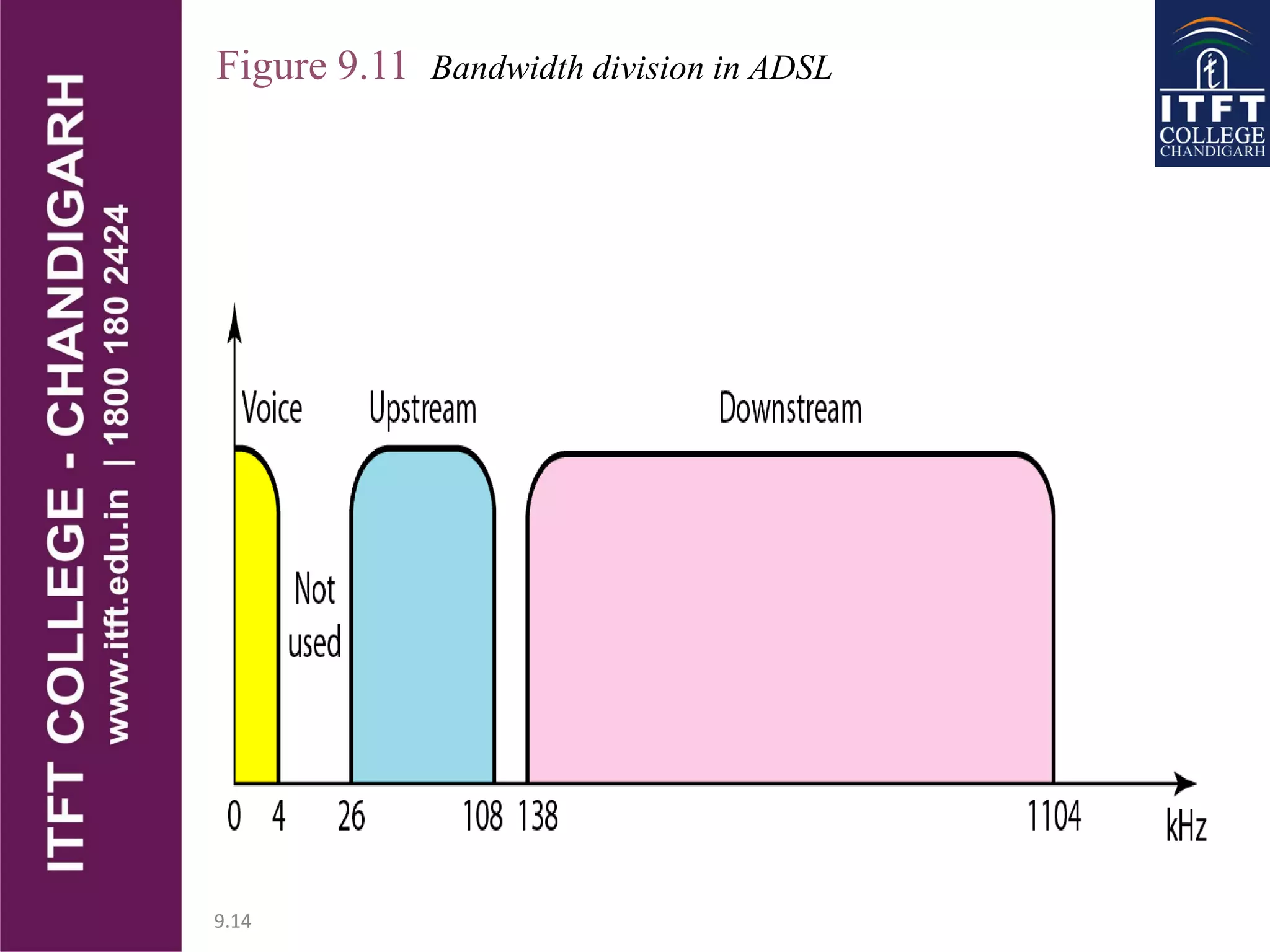
Figure 9.11 Bandwidth division in ADSL
9.15
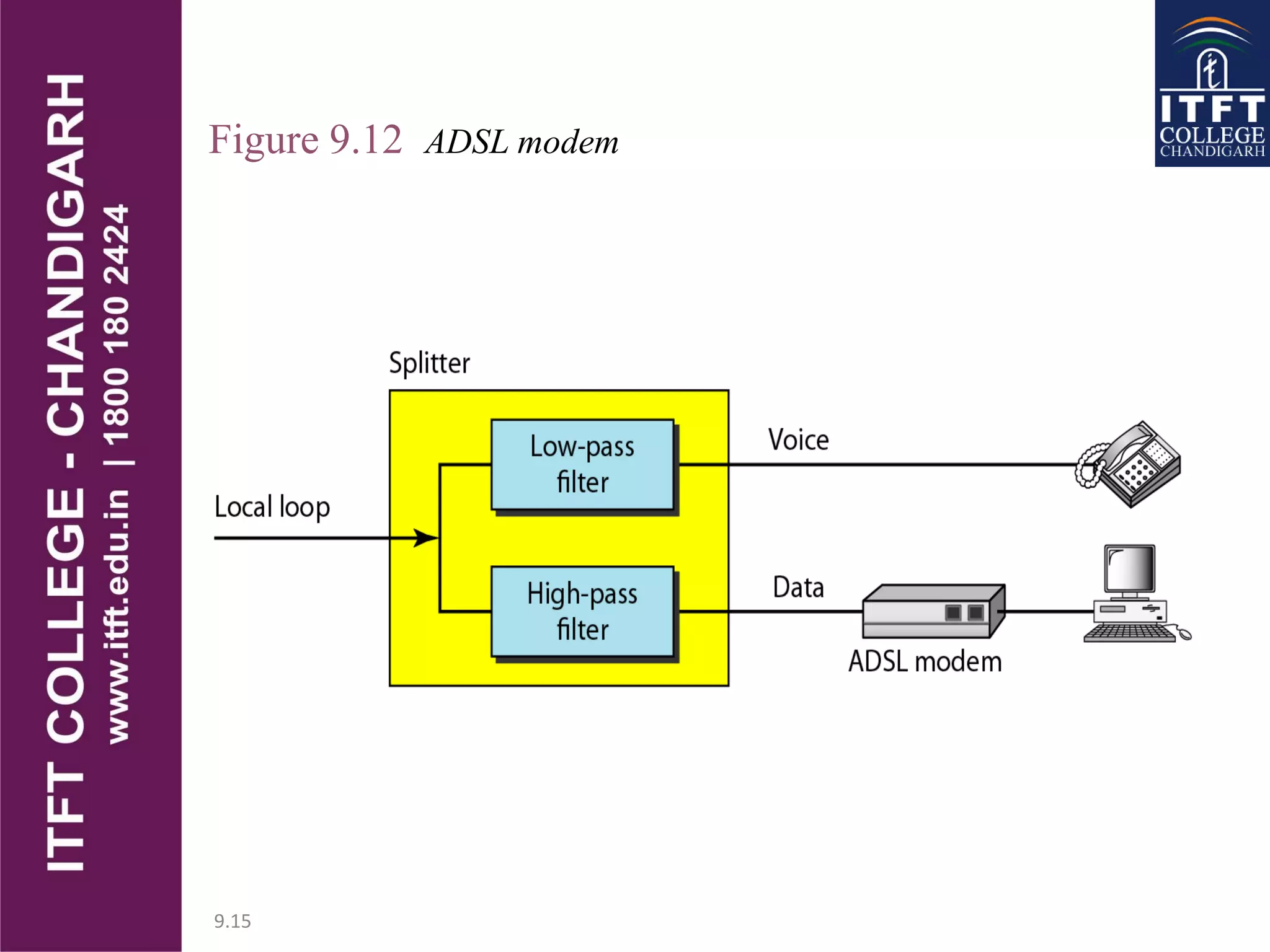
Figure 9.12 ADSL modem
9.16
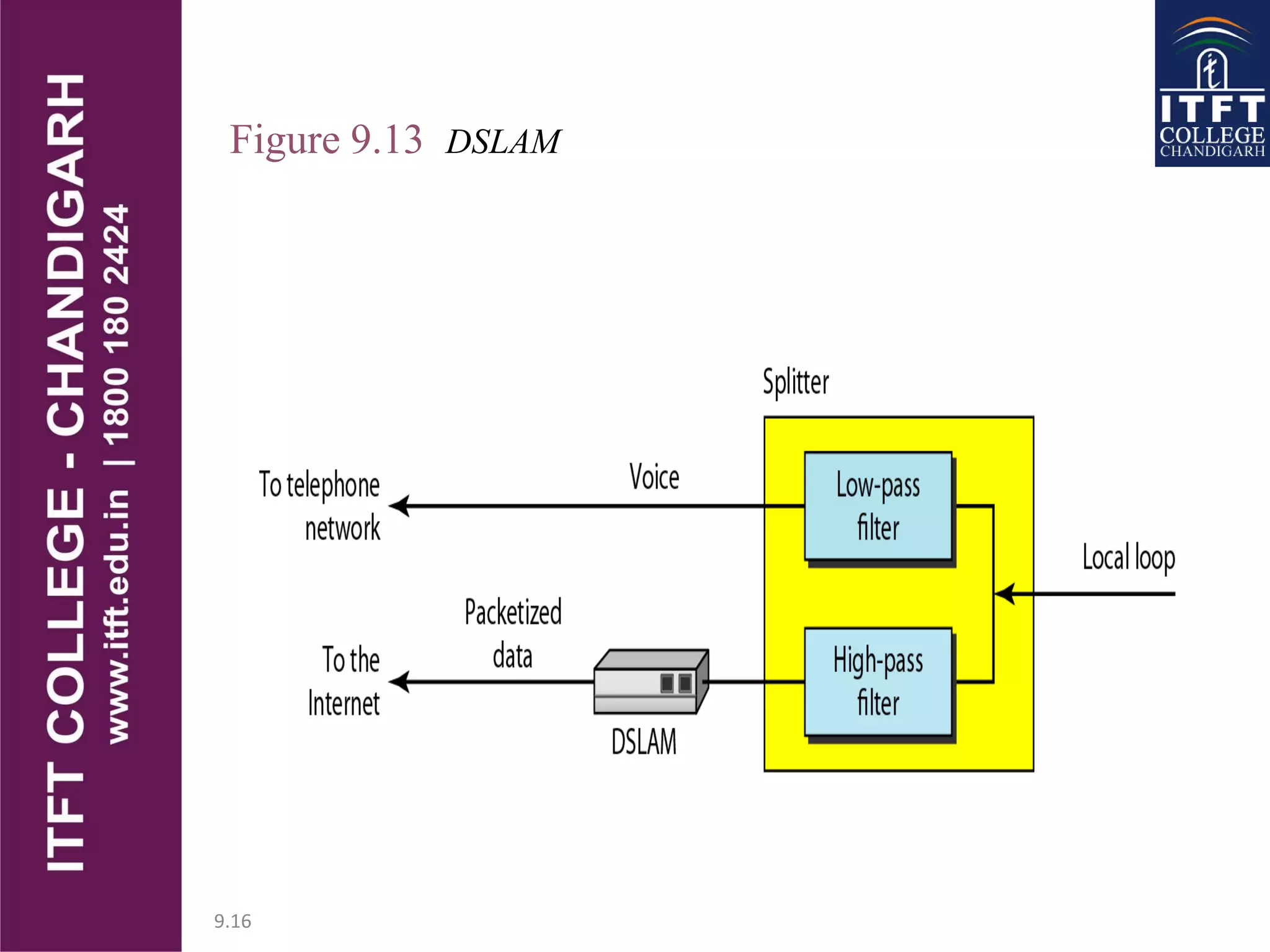
Figure 9.13 DSLAM
9.17
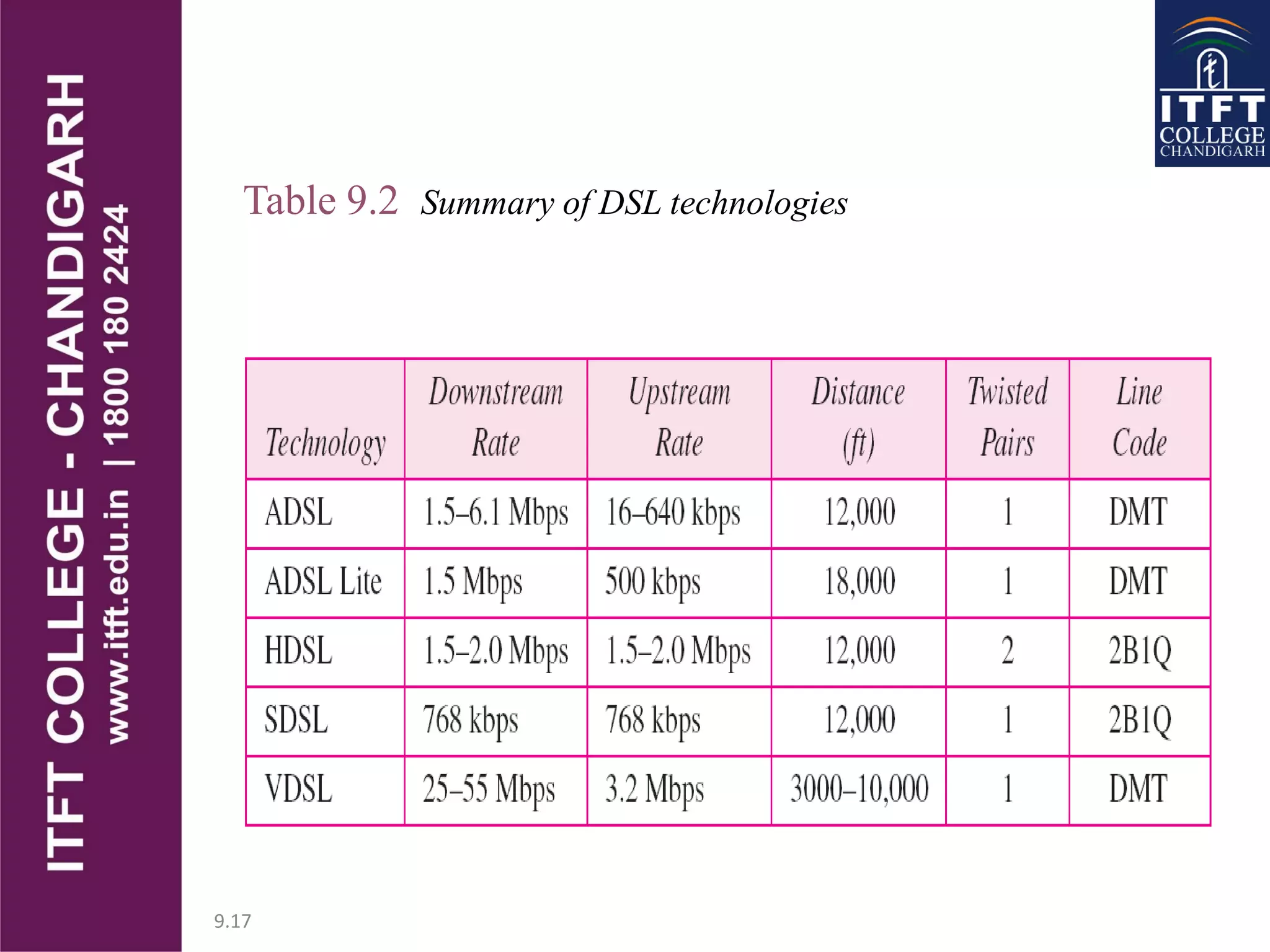
Table 9.2 Summary of DSL technologies
9.18
9-4 CABLE TV NETWORKS
The cable TV network started as a video service
provider, but it has moved to the business of
Internet access. In this section, we discuss
cable TV networks per se; in Section 9.5 we
discuss how this network can be used to
provide high-speed access to the Internet.

ITFT_Telephone network