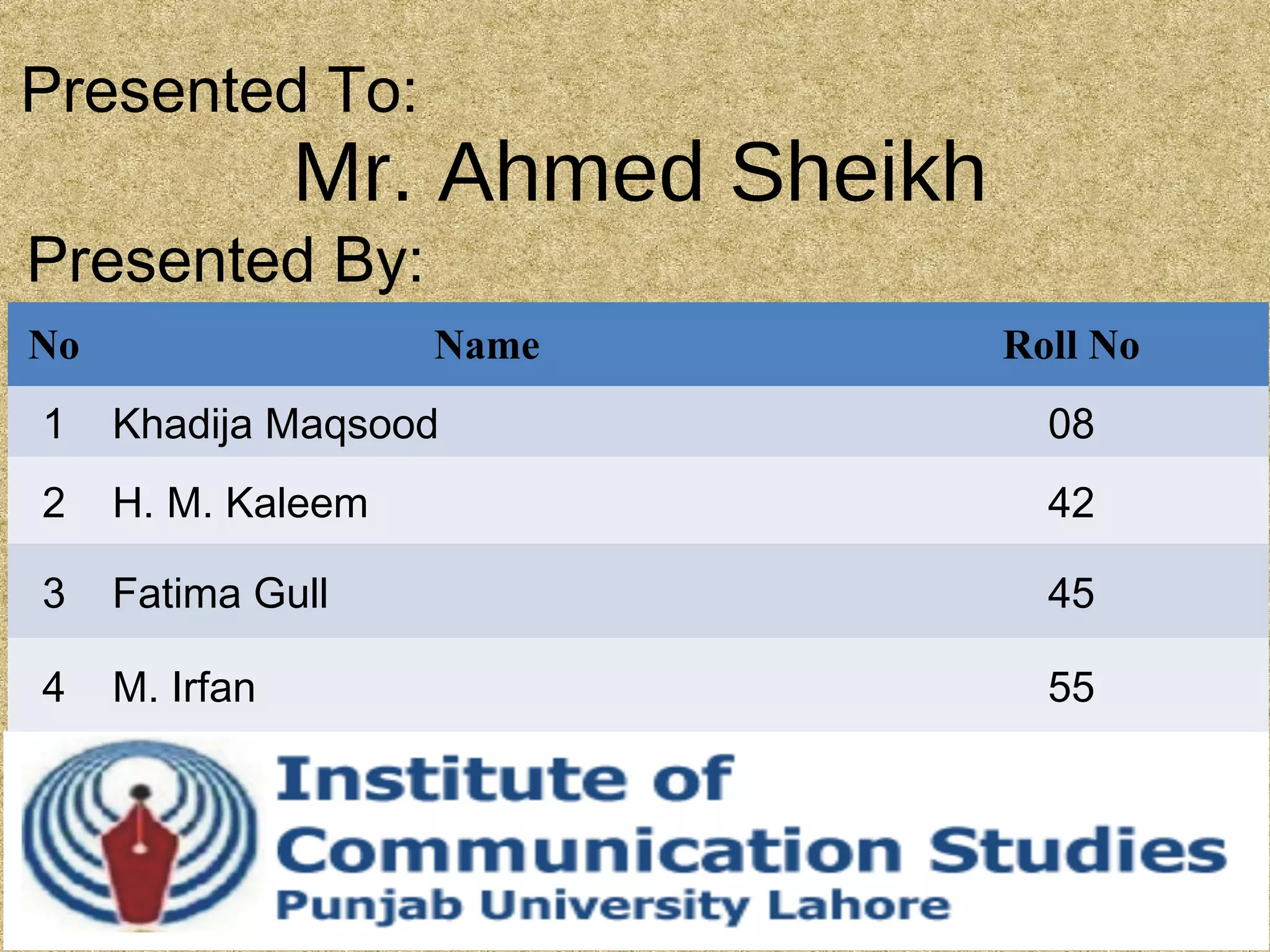

Presented To:
                Mr. Ahmed Sheikh
Presented By:
No                  Name           Roll No
1    Khadija Maqsood                 08
2    H. M. Kaleem                    42

3    Fatima Gull                     45

4    M. Irfan                        55
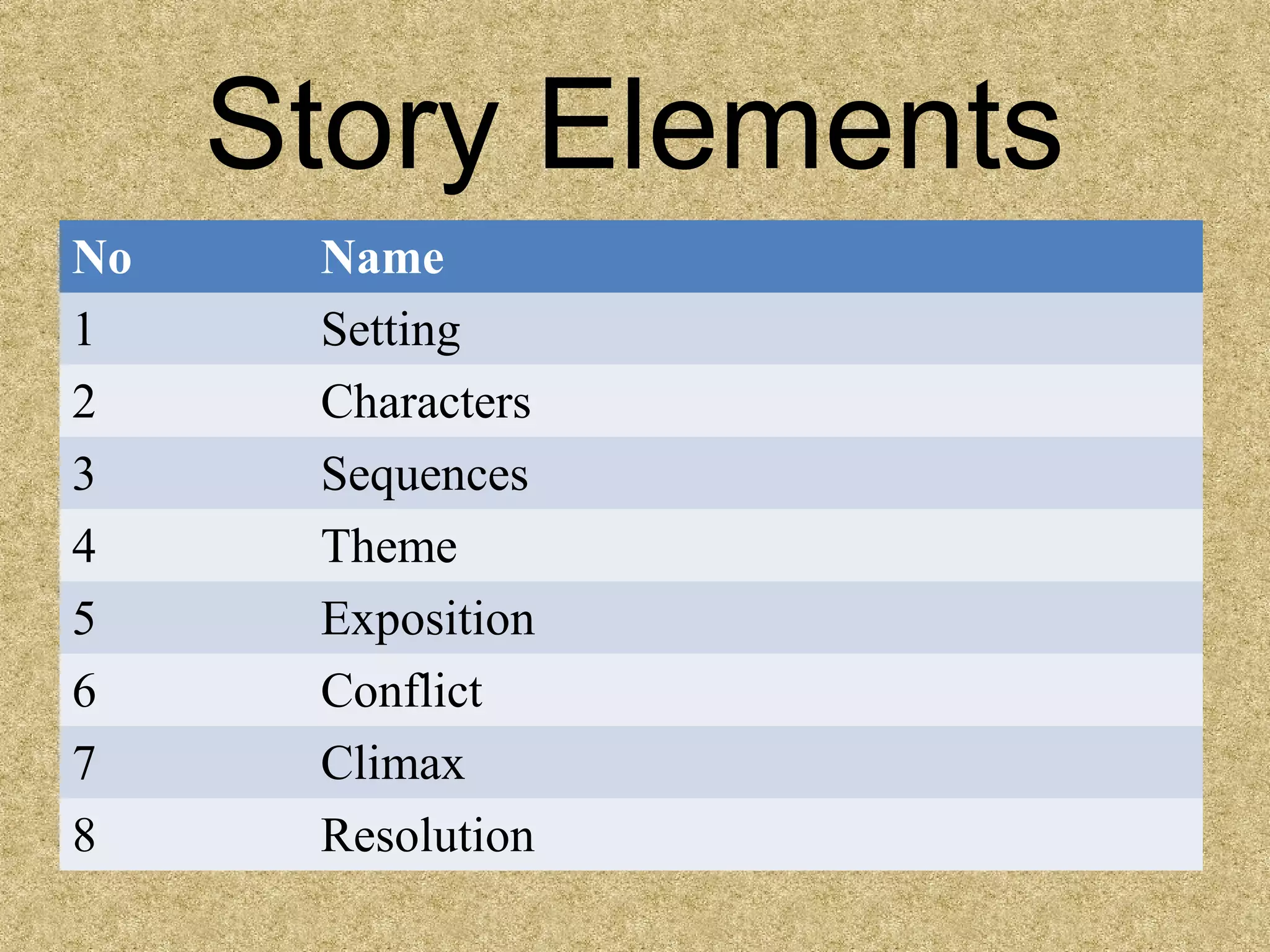
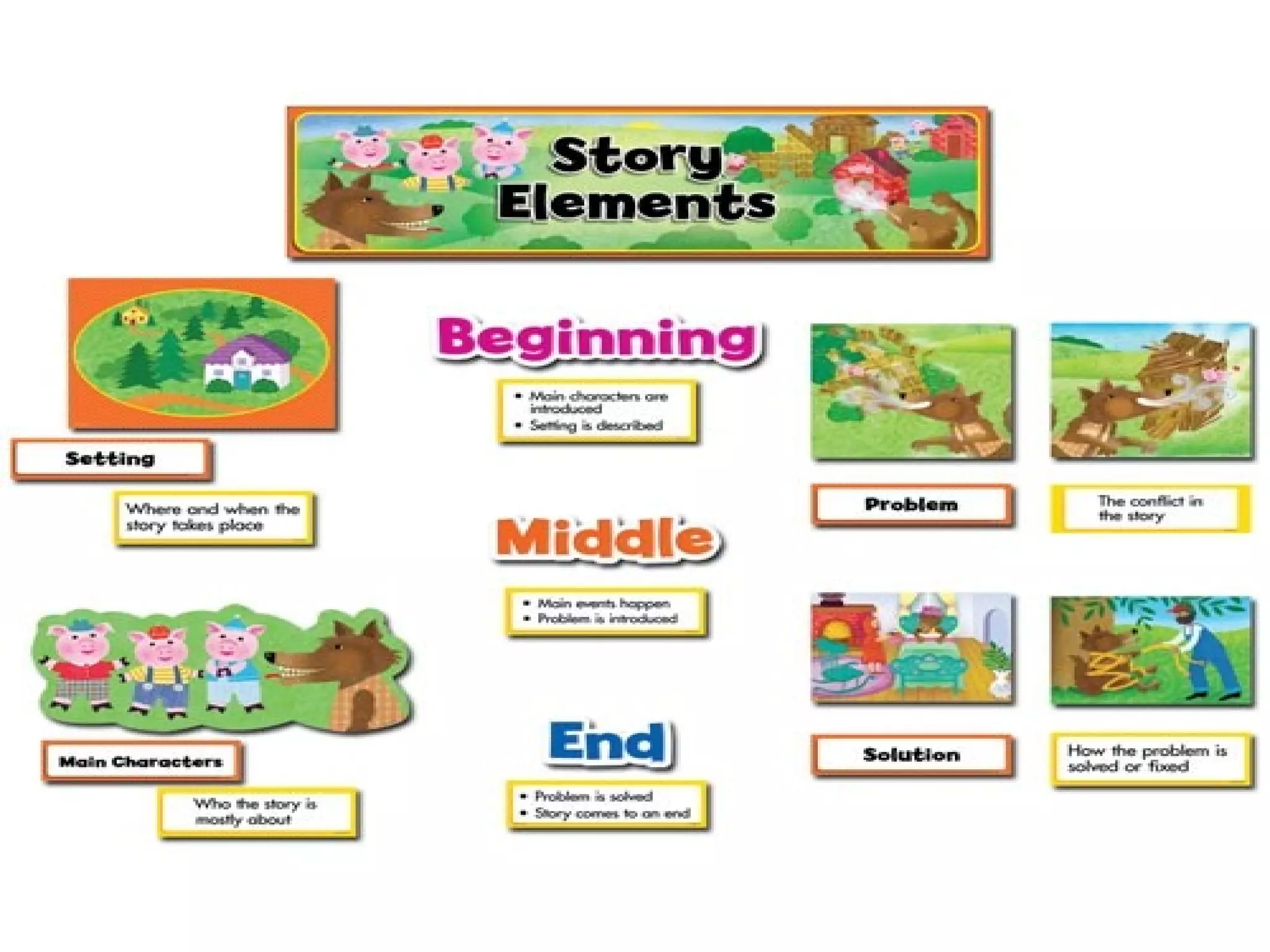
Story Elements
No    Name
1     Setting
2     Characters
3     Sequences
4     Theme
5     Exposition
6     Conflict
7     Climax
8     Resolution
Setting
The time and location in which a story
 takes place is called the setting. Does it
 occur in the past, present or future? There
 are several aspects of a story's setting to
 consider when examining how setting
 contributes to a story (some, or all, may
 be present in a story)
1.Place: Geographical location. Where is the
  action of the story taking place?
2.Time: When is the story taking place?
  (historical period, time of day, year, etc)
3.Weather conditions: Is it rainy, sunny, stormy,
  etc?
4.Social conditions: What is the daily life of the
  characters like?
5.Mood or atmosphere: What feeling is created at
  the beginning of the story? Is it bright and
  cheerful or dark and frightening?
Characters
There are two meanings for the word
  character:
1) The person in a work of fiction.
2) The characteristics of a person.
Persons in a work of fiction:
The characters are who the story is about.
  Characters can be real or make believe.
  They can also be animals or things.
All scripts need interesting main and supporting
 characters.
A good story includes:
*What the character looks like.
*How the character acts
*How a character changes
Characters include the people and other creatures
 like animal and their role/action (negative,
 positive or natural) in the story. Characters
 have many types with different functions.
 Some most common types are given below.
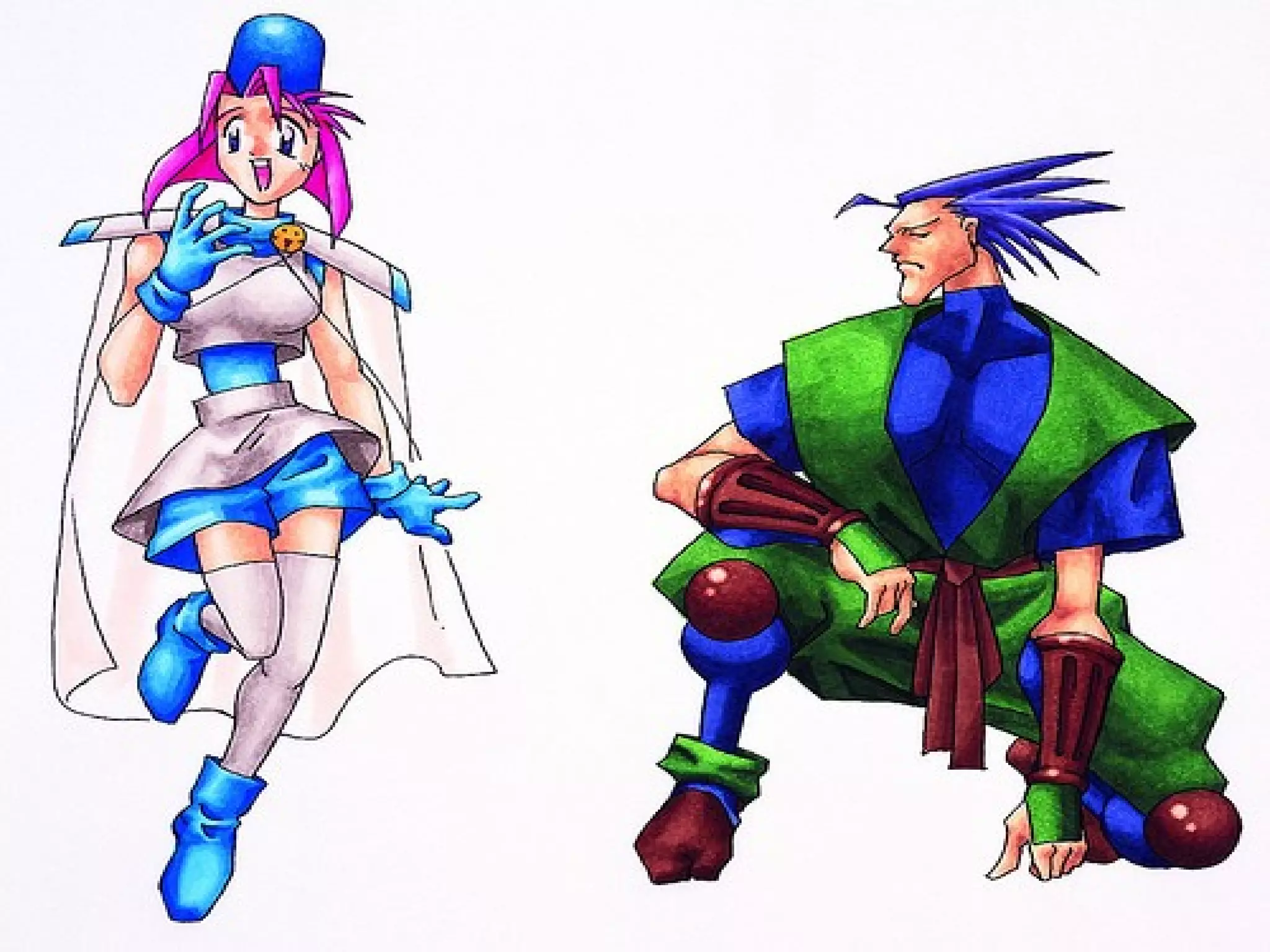
Hero
• Beyond the standard definition the Hero is always
  bears good character and is considered main
  character. It is called of protagonist. Hero is always
  cheerful, smart, kind and hardworking. Heroic
  characters have strong values, working for higher
  ideals and often putting others first.
• We admire heroic characters and wish that we were
  more like them. Protagonist- he or she (or they) is
  faced with a conflict that must be resolved.
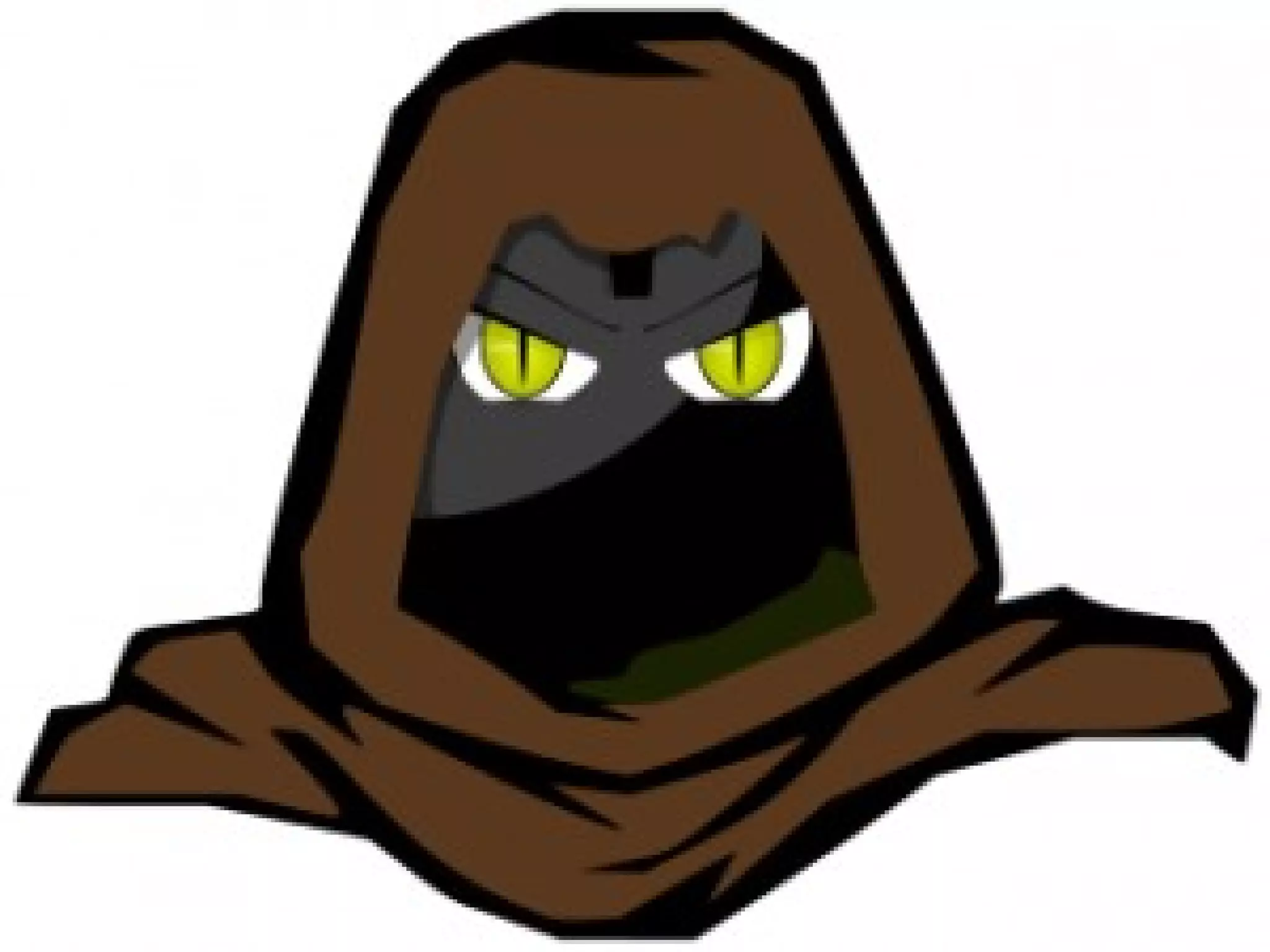
Villain
• Villainous characters are those who
  deliberately break laws, serving an often-
  selfish purpose in which others may well
  be harmed or abused in some way
• These characters apply all force to
  opposes the protagonist and thus called
  antagonist. We feel satisfied when they
  are punished. Villain is mean, lazy and
  nasty.
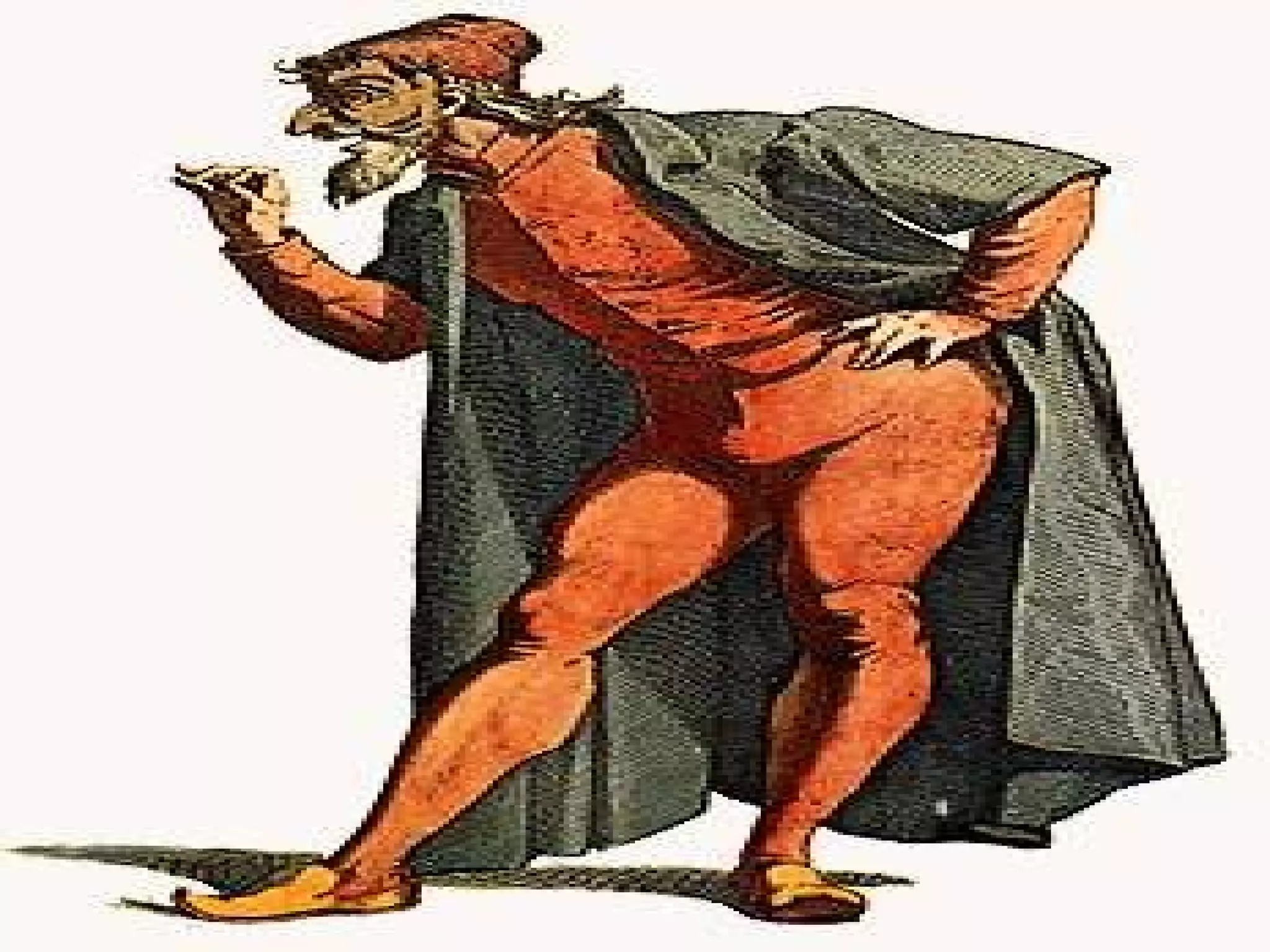
Stock Characters
Stock characters are those types of characters wo
  have become conventional or stereotypical
  through repeated use in particular types of
  stories. Stock characters are instantly
  recognized to readers or audience members.
  Stock characters are normally one-dimensional
  flat characters, but sometimes stock
  personalities are deeply conflicted, rounded
  characters. Stock characters remain in the
  story till end.
Ambiguous Characters
Ambiguous characters keep us on
 our toes as we guess whether they
 will be good or bad. Heroes can
 also be ambiguous as their very
 human internal struggles reflect
 the outer conflict.
Minor Characters
They serve to complement the major
 characters and help move the plot
 events forward.
Dynamic Characters
A dynamic character is a person who
 changes over time, usually as a result of
 resolving a central conflict or facing a
 major crises. Most dynamic characters
 tend to be central rather than peripheral
 characters because resolving the conflict
 is the major role of central characters.
Static Characters
A static character is someone who does
 not change over time. He or she is
 often portrayed as a conflicted and
 contradictory person.
Round Characters
A rounded character is anyone who has
 a complex personality. He or she is
 often portrayed as a conflicted and
 contradictory person.
Flat Characters
A flat character is the opposite of a
 round character. This literary
 personality is notable for one kind of
 personality trait or characteristic.
Plot/ Sequence of Events
The plot is the events that help the
 character solve the or deal with a
 problem. Usually a character has a
 problem or conflict.
To identify the plot:
 1. Find the problem in the story.
  2. Sequence the events that lead to the
 character solving their problem.
Theme
The theme of a story is a lesson or message
 the story is trying to tell us. Some stories
 have only one theme or message. Other
 stories have many lessons or messages.
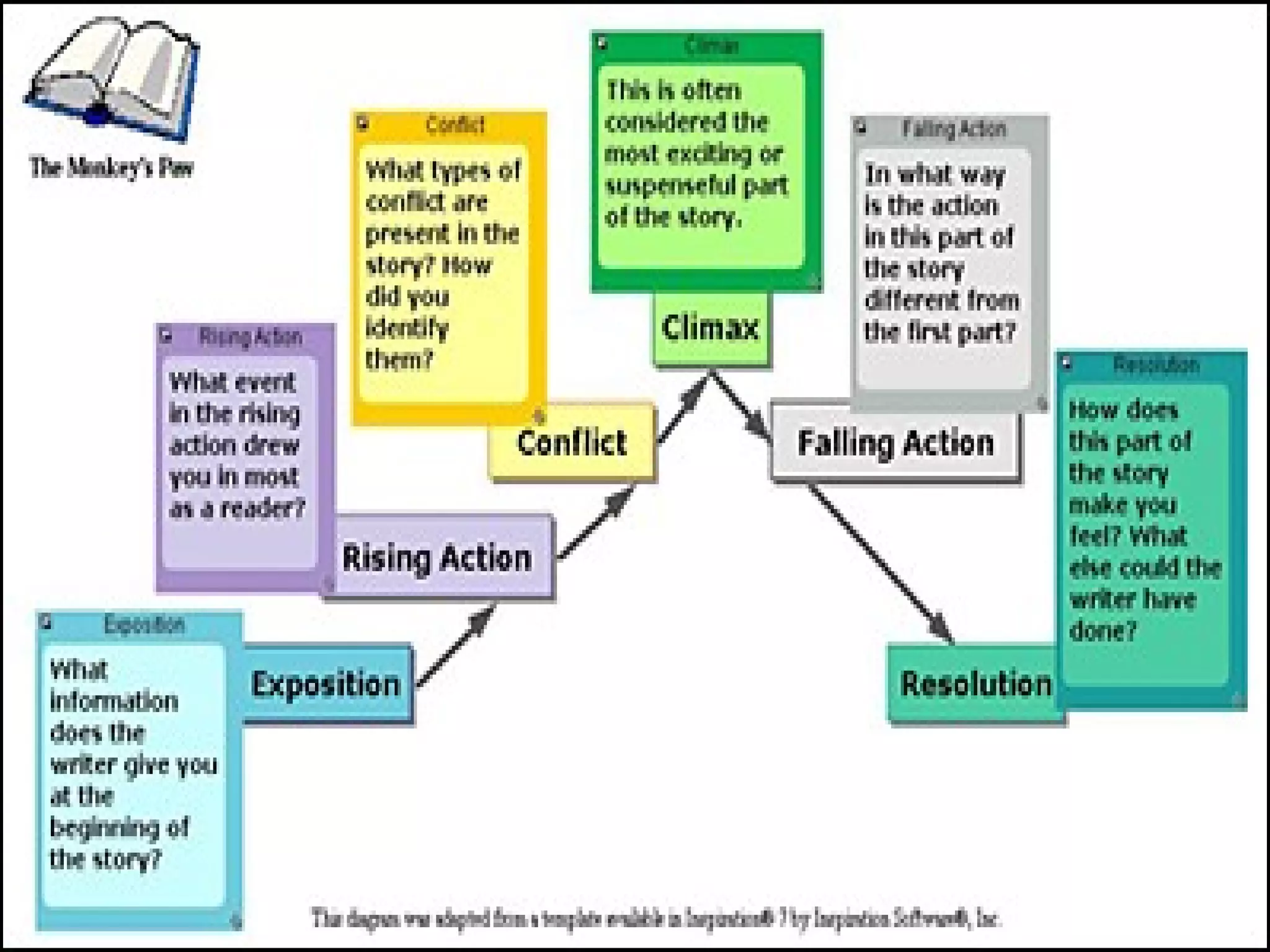
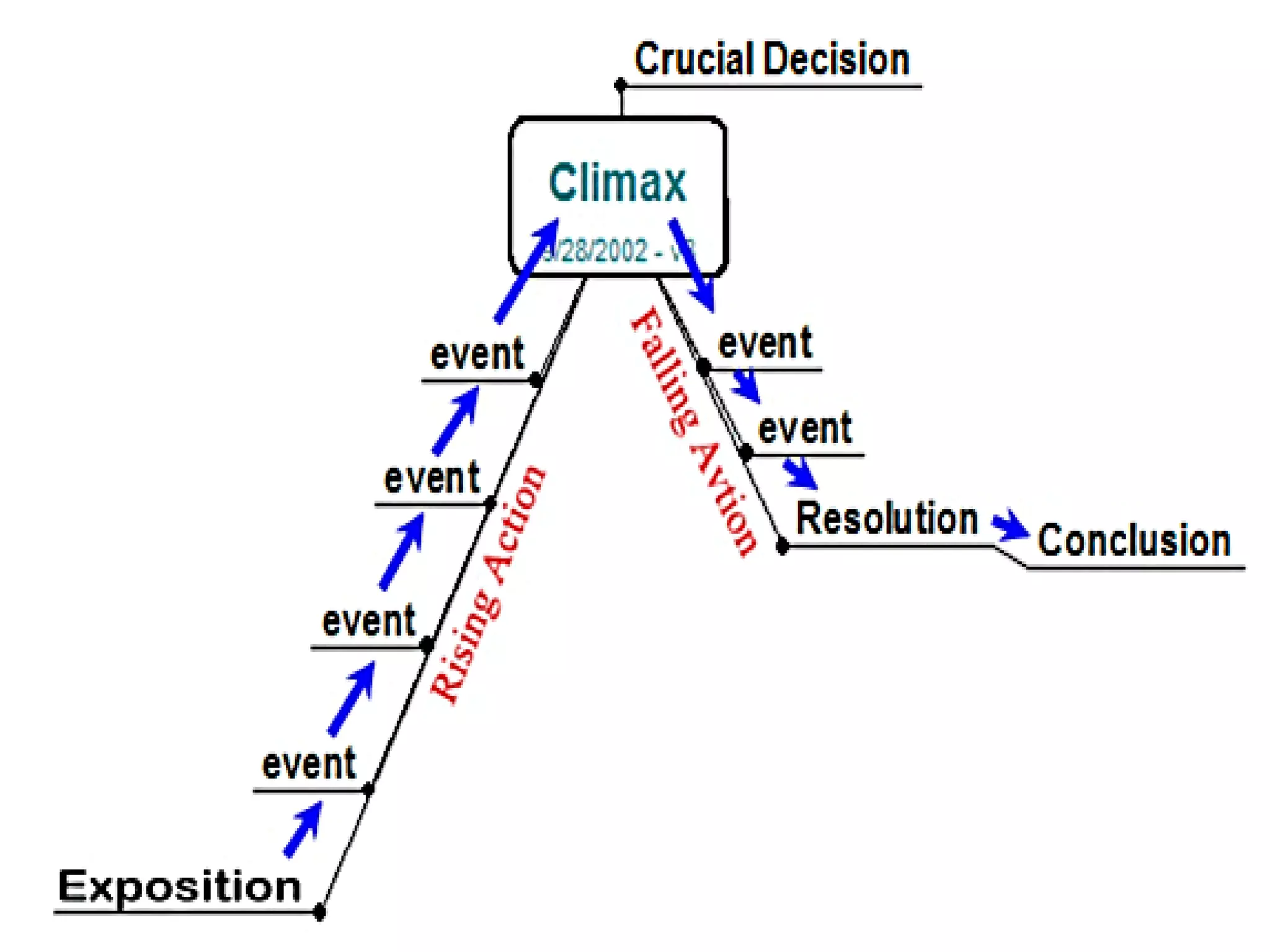
Exposition
• All the characters in a story have a history
  comprise their action about past that are
  important to understand their personality and
  their present lives. It is important that reader
  must know some of its detail to understand the
  story. This is called exposition. In fact it is
  background information provided by the script
  writer to make it uncomplicated for his reader.
• The exposition will have the information about
  event that happened before the story began. It
  is first part of the plot.
Conflict
• This is an other element of the plot. It occurs when
  problem arises among the characters and they turned
  against each other. Like team in a game or two groups
  fighting with each other.
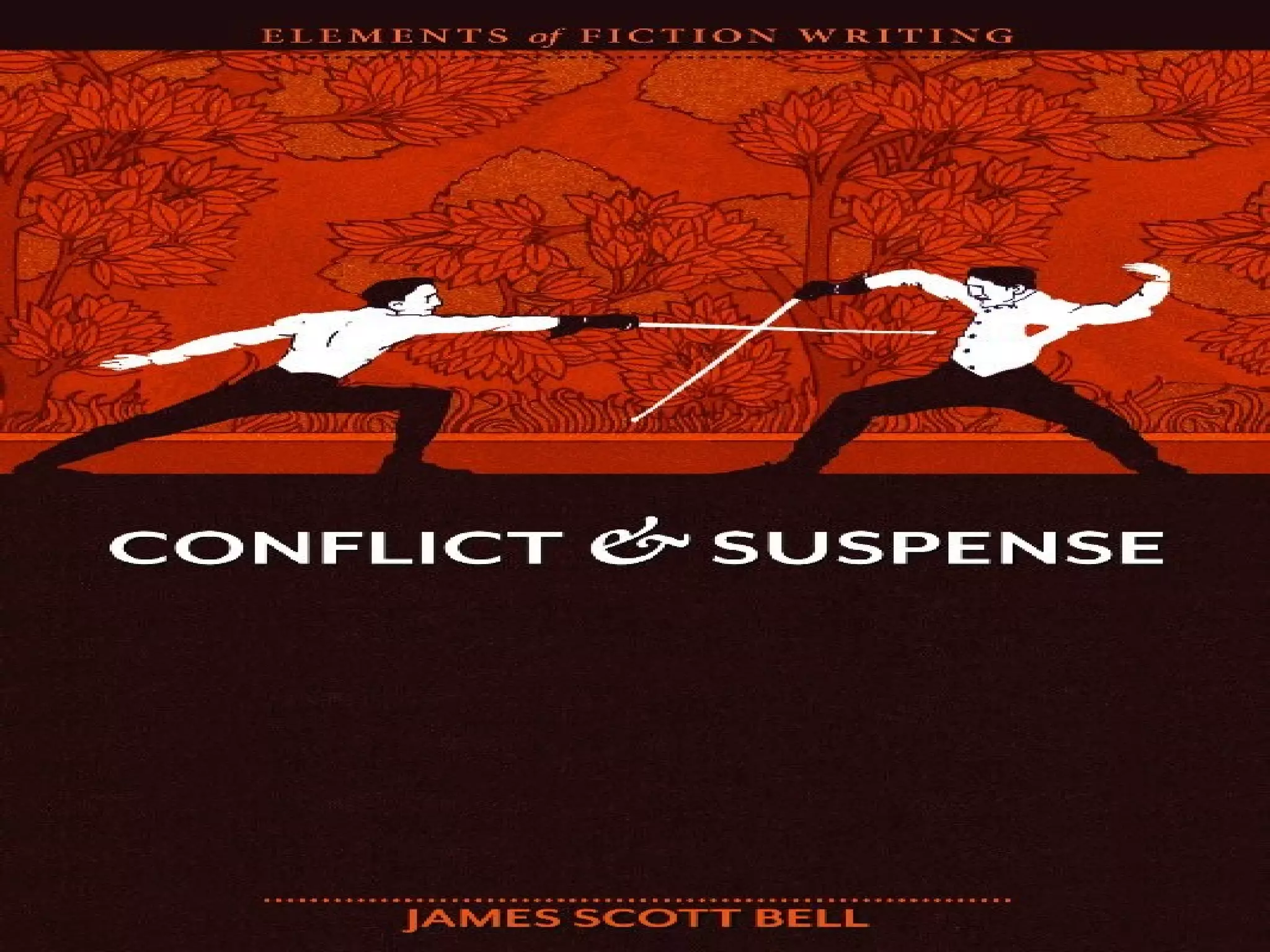
• A common conflict is that Hero wishes to do
  something good, whereas Villain tries to stop him.
  The conflict is the most important that happens in the
  story. It is what makes the story exciting. Usually the
  story does not end till the conflict is resolved.
Climax
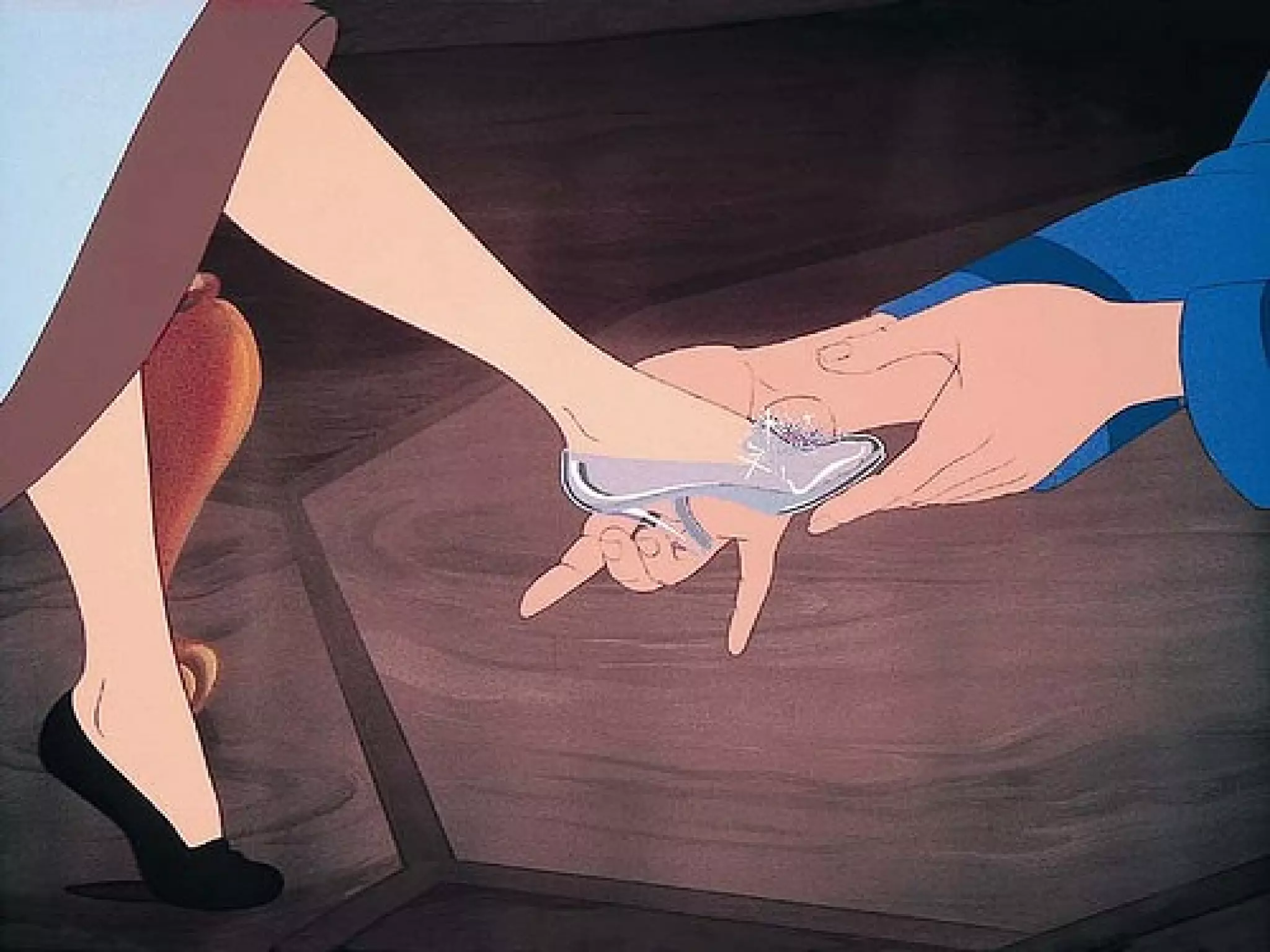
Climax of the story is when conflict of the plot is
  resolved. It is one of the exciting part of the
  story when the hero save the princess or
  discovered buried treasure or kill the dragon or
  invent something unmatchable. The climax is
  mountain peak. It is something referred as
  turning point of the story when plot changes
  for better. More often the villain is defeated in
  the climax.
Resolution
Resolution is the end of story. It occurs
 after the climax. It is when you learn
 what happen to the characters after
 the conflict is resolved.
STORY ELEMENT BY GROUP OF PU, ICS STUDENTS

STORY ELEMENT BY GROUP OF PU, ICS STUDENTS

  • 2.
    Presented To: Mr. Ahmed Sheikh Presented By: No Name Roll No 1 Khadija Maqsood 08 2 H. M. Kaleem 42 3 Fatima Gull 45 4 M. Irfan 55
  • 4.
    Story Elements No Name 1 Setting 2 Characters 3 Sequences 4 Theme 5 Exposition 6 Conflict 7 Climax 8 Resolution
  • 6.
    Setting The time andlocation in which a story takes place is called the setting. Does it occur in the past, present or future? There are several aspects of a story's setting to consider when examining how setting contributes to a story (some, or all, may be present in a story)
  • 8.
    1.Place: Geographical location.Where is the action of the story taking place? 2.Time: When is the story taking place? (historical period, time of day, year, etc) 3.Weather conditions: Is it rainy, sunny, stormy, etc? 4.Social conditions: What is the daily life of the characters like? 5.Mood or atmosphere: What feeling is created at the beginning of the story? Is it bright and cheerful or dark and frightening?
  • 9.
    Characters There are twomeanings for the word character: 1) The person in a work of fiction. 2) The characteristics of a person. Persons in a work of fiction: The characters are who the story is about. Characters can be real or make believe. They can also be animals or things.
  • 10.
    All scripts needinteresting main and supporting characters. A good story includes: *What the character looks like. *How the character acts *How a character changes Characters include the people and other creatures like animal and their role/action (negative, positive or natural) in the story. Characters have many types with different functions. Some most common types are given below.
  • 11.
    Hero • Beyond thestandard definition the Hero is always bears good character and is considered main character. It is called of protagonist. Hero is always cheerful, smart, kind and hardworking. Heroic characters have strong values, working for higher ideals and often putting others first. • We admire heroic characters and wish that we were more like them. Protagonist- he or she (or they) is faced with a conflict that must be resolved.
  • 13.
    Villain • Villainous charactersare those who deliberately break laws, serving an often- selfish purpose in which others may well be harmed or abused in some way • These characters apply all force to opposes the protagonist and thus called antagonist. We feel satisfied when they are punished. Villain is mean, lazy and nasty.
  • 15.
    Stock Characters Stock charactersare those types of characters wo have become conventional or stereotypical through repeated use in particular types of stories. Stock characters are instantly recognized to readers or audience members. Stock characters are normally one-dimensional flat characters, but sometimes stock personalities are deeply conflicted, rounded characters. Stock characters remain in the story till end.
  • 17.
    Ambiguous Characters Ambiguous characterskeep us on our toes as we guess whether they will be good or bad. Heroes can also be ambiguous as their very human internal struggles reflect the outer conflict.
  • 18.
    Minor Characters They serveto complement the major characters and help move the plot events forward.
  • 19.
    Dynamic Characters A dynamiccharacter is a person who changes over time, usually as a result of resolving a central conflict or facing a major crises. Most dynamic characters tend to be central rather than peripheral characters because resolving the conflict is the major role of central characters.
  • 20.
    Static Characters A staticcharacter is someone who does not change over time. He or she is often portrayed as a conflicted and contradictory person.
  • 21.
    Round Characters A roundedcharacter is anyone who has a complex personality. He or she is often portrayed as a conflicted and contradictory person.
  • 22.
    Flat Characters A flatcharacter is the opposite of a round character. This literary personality is notable for one kind of personality trait or characteristic.
  • 23.
    Plot/ Sequence ofEvents The plot is the events that help the character solve the or deal with a problem. Usually a character has a problem or conflict. To identify the plot: 1. Find the problem in the story. 2. Sequence the events that lead to the character solving their problem.
  • 25.
    Theme The theme ofa story is a lesson or message the story is trying to tell us. Some stories have only one theme or message. Other stories have many lessons or messages.
  • 26.
    Exposition • All thecharacters in a story have a history comprise their action about past that are important to understand their personality and their present lives. It is important that reader must know some of its detail to understand the story. This is called exposition. In fact it is background information provided by the script writer to make it uncomplicated for his reader. • The exposition will have the information about event that happened before the story began. It is first part of the plot.
  • 27.
    Conflict • This isan other element of the plot. It occurs when problem arises among the characters and they turned against each other. Like team in a game or two groups fighting with each other. • A common conflict is that Hero wishes to do something good, whereas Villain tries to stop him. The conflict is the most important that happens in the story. It is what makes the story exciting. Usually the story does not end till the conflict is resolved.
  • 29.
    Climax Climax of thestory is when conflict of the plot is resolved. It is one of the exciting part of the story when the hero save the princess or discovered buried treasure or kill the dragon or invent something unmatchable. The climax is mountain peak. It is something referred as turning point of the story when plot changes for better. More often the villain is defeated in the climax.
  • 31.
    Resolution Resolution is theend of story. It occurs after the climax. It is when you learn what happen to the characters after the conflict is resolved.