Stem Cell Migration Methods and Protocols 1st Edition Claire Magnon
1.
Instant Ebook Access,One Click Away – Begin at ebookgate.com
Stem Cell Migration Methods and Protocols 1st
Edition Claire Magnon
https://ebookgate.com/product/stem-cell-migration-methods-
and-protocols-1st-edition-claire-magnon/
OR CLICK BUTTON
DOWLOAD EBOOK
Get Instant Ebook Downloads – Browse at https://ebookgate.com
Click here to visit ebookgate.com and download ebook now
2.
Instant digital products(PDF, ePub, MOBI) available
Download now and explore formats that suit you...
Embryonic Stem Cell Immunobiology Methods and Protocols
1st Edition Naoki Ichiryu
https://ebookgate.com/product/embryonic-stem-cell-immunobiology-
methods-and-protocols-1st-edition-naoki-ichiryu/
ebookgate.com
Cell Migration Developmental Methods and Protocols 2nd
Edition Miguel Vicente-Manzanares
https://ebookgate.com/product/cell-migration-developmental-methods-
and-protocols-2nd-edition-miguel-vicente-manzanares/
ebookgate.com
Hematopoietic Stem Cell Protocols 1st Edition Kevin D.
Bunting
https://ebookgate.com/product/hematopoietic-stem-cell-protocols-1st-
edition-kevin-d-bunting/
ebookgate.com
Current Protocols in Stem Cell Biology 1st Edition Mick
Bhatia
https://ebookgate.com/product/current-protocols-in-stem-cell-
biology-1st-edition-mick-bhatia/
ebookgate.com
3.
Stem Cells andAging Methods and Protocols 1st Edition
Kyle Rector
https://ebookgate.com/product/stem-cells-and-aging-methods-and-
protocols-1st-edition-kyle-rector/
ebookgate.com
Human Embryonic Stem Cell Protocols 3rd ed. 2016 Edition
Kursad Turksen
https://ebookgate.com/product/human-embryonic-stem-cell-protocols-3rd-
ed-2016-edition-kursad-turksen/
ebookgate.com
Cell Cell Interactions Methods and Protocols Methods in
Molecular Biology Vol 341 1st Edition Sean P. Colgan
https://ebookgate.com/product/cell-cell-interactions-methods-and-
protocols-methods-in-molecular-biology-vol-341-1st-edition-sean-p-
colgan/
ebookgate.com
Plant Cell Morphogenesis Methods and Protocols 1st Edition
Aleš Soukup
https://ebookgate.com/product/plant-cell-morphogenesis-methods-and-
protocols-1st-edition-ales-soukup/
ebookgate.com
T Cell Trafficking Methods and Protocols 1st Edition Alf
Hamann (Auth.)
https://ebookgate.com/product/t-cell-trafficking-methods-and-
protocols-1st-edition-alf-hamann-auth/
ebookgate.com
6.
Me t ho d s i n Mo l e c u l a r Bi o l o g y ™
Series Editor
John M. Walker
School of Life Sciences
University of Hertfordshire
Hatfield, Hertfordshire, AL10 9AB, UK
For further volumes:
http://www.springer.com/series/7651
v
Preface
Migration of stemcells is critical during early development and adult life for the
organization
of the embryonic body as well as tissue homeostasis and regeneration of organ function.
During early development, the formation of functional organs depends on the migration
of stem cells from the site of their specification toward the region where the correspond-
ing organ develops. Similarly, the ontogeny of hematopoiesis is characterized by a tempo-
ral migration and thus spatial distribution of hematopoietic stem cells throughout
embryogenesis until adulthood. During adult life, stem cells mostly migrate in response to
tissue regeneration and thus are regarded as being central to regenerative medicine.
Hematopoietic stem cells are the best characterized adult type of migrating stem cells.
However, although still controversial, it is believed that in general tissue regeneration via
stem cell migration and differentiation to a site of tissue injury is not limited to the
hematopoietic system. Based on the concept of cancer stem cells, metastatic/migrating
cancer stem cell might assume a critical role in the dissemination of the disease. Therefore,
stem cell migration represents a great area of research in the fields of development, regen-
erative medicine, and cancer.
In spite of its importance in development, regeneration, and disease, research on
migration of especially adult stem cells remained, until recently, difficult. This owes to the
low frequency of these cells in vivo, problems in identifying and prospectively purifying
tissue-specific stem cells near homogeneity, and mostly because of a lack of adequate tech-
nologies and protocols to study stem cell migration in vivo.
It is therefore the focus of this book to compile and highlight the standard and novel
techniques that allow the studying of the migration of stem cells in a succinct manual.
It includes protocols with respect to germ, neuronal, and hematopoietic stem cells, during
development and adulthood with a clear emphasis on in vivo technologies. In addition,
several developmentally conserved signaling pathways that have emerged as important
control devices of stem cell migration are discussed, and the book reviews the in vitro
approaches that are available to study these pathways. In summary, this book provides
state of the art information on experimental techniques for studying stem cell migration
both at a cellular and molecular level in development, regeneration, and disease.
We would like to thank Jessica Williams for her great administrative assistance.
Marie-Dominique Filippi
Hartmut Geiger
12.
vii
Contents
Preface . . . . . . . . . . . . . . . . . . . . . . . . . . . . . . . . . . . . . . . . . . . . . . . . . . . . . . . . . . . . . . . . . v
Contributors . . . . . . . . . . . . . . . . . . . . . . . . . . . . . . . . . . . . . . . . . . . . . . . . . . . . . . . . . . . . ix
Part I Stem Cell and Migration: An Overview
1 Trafficking of Stem Cells . . . . . . . . . . . . . . . . . . . . . . . . . . . . . . . . . . . . . . . . . . . 3
Claire Magnon, Daniel Lucas, and Paul S. Frenette
2 Migratory Strategies of Normal and Malignant Stem Cells . . . . . . . . . . . . . . . . . . 25
David A. Hess and Alison L. Allan
Part II
Stem Cell Identification and Microscopic
Technologies to Track Transplanted Stem Cells In Vivo
3 Hematopoietic Stem Cell Characterization and Isolation . . . . . . . . . . . . . . . . . . . 47
Lara Rossi, Grant A. Challen, Olga Sirin, Karen Kuan-Yin Lin,
and Margaret A. Goodell
4 Isolation and Characterization of Adult Neural Stem Cells . . . . . . . . . . . . . . . . . . 61
Florian A. Siebzehnrubl, Vinata Vedam-Mai, Hassan Azari,
Brent A. Reynolds, and Loic P. Deleyrolle
5 Magnetic Resonance Imaging of Stem Cell Migration . . . . . . . . . . . . . . . . . . . . . 79
Eva Syková, Pavla Jendelová, and Vít Herynek
6 Imaging of Schwann Cells In Vivo . . . . . . . . . . . . . . . . . . . . . . . . . . . . . . . . . . . . 91
Rahul Kasukurthi and Terence M. Myckatyn
7 Imaging of Embryonic Stem Cell Migration In Vivo . . . . . . . . . . . . . . . . . . . . . . 101
Andrew S. Lee and Joseph C. Wu
Part III Stem Cell Migration During Development
8 In Vivo Germ Line Stem Cell Migration: A Mouse Model . . . . . . . . . . . . . . . . . . 117
Brian Dudley and Kathleen Molyneaux
9 Live Microscopy of Neural Stem Cell Migration in Brain Slices . . . . . . . . . . . . . . 131
Jin-Wu Tsai and Richard B. Vallee
10 Whole Embryo Imaging of Hematopoietic Cell Emergence and Migration . . . . . 143
Michael J. Ferkowicz and Mervin C. Yoder
11 Stem Cell Migration: A Zebrafish Model . . . . . . . . . . . . . . . . . . . . . . . . . . . . . . . 157
Pulin Li and Leonard I. Zon
12 Imaging Pluripotent Cell Migration in Drosophila . . . . . . . . . . . . . . . . . . . . . . . . 169
Michael J. Murray and Robert Saint
Part IV Adult Hematopoietic Stem Cell Migration
13 Adhesion, Migration, and Homing of Murine Hematopoietic Stem Cells
and Progenitors . . . . . . . . . . . . . . . . . . . . . . . . . . . . . . . . . . . . . . . . . . . . . . . . . . 187
Jose A. Cancelas
13.
viii Contents
14 Methodsto Analyze the Homing Efficiency and Spatial Distribution
of Hematopoietic Stem and Progenitor Cells and Their Relationship
to the Bone Marrow Endosteum and Vascular Endothelium . . . . . . . . . . . . . . . . . 197
Jochen Grassinger and Susie K. Nilsson
15 Imaging Hematopoietic Stem Cells in the Marrow of Long Bones In Vivo . . . . . . 215
Anja Köhler, Hartmut Geiger, and Matthias Gunzer
Part V Nonhematopoietic Stem Cell Migration
16 Studies of Adult Neural Stem Cell Migration . . . . . . . . . . . . . . . . . . . . . . . . . . . . 227
Adam C. Puche and Serena Bovetti
17 Dissecting Mesenchymal Stem Cell Movement: Migration Assays
for Tracing and Deducing Cell Migration . . . . . . . . . . . . . . . . . . . . . . . . . . . . . . 241
Erika L. Spaeth and Frank C. Marini
18 Epithelial Stem Cells . . . . . . . . . . . . . . . . . . . . . . . . . . . . . . . . . . . . . . . . . . . . . . 261
Kyle M. Draheim and Stephen Lyle
Part VI Pathways Implicated in Stem Cell Migration
19 Pathways Implicated in Stem Cell Migration: The SDF-1/CXCR4 Axis . . . . . . . . 277
Yaron Vagima, Kfir Lapid, Orit Kollet, Polina Goichberg,
Ronen Alon, and Tsvee Lapidot
20 The Role of Receptor Tyrosine Kinases in Primordial Germ Cell Migration . . . . . 291
Louise Silver-Morse and Willis X. Li
21 Rho GTPases in Hematopoietic Stem/Progenitor Cell Migration . . . . . . . . . . . . 307
Wei Liu, Yuxin Feng, Xun Shang, and Yi Zheng
Index . . . . . . . . . . . . . . . . . . . . . . . . . . . . . . . . . . . . . . . . . . . . . . . . . . . . . . . . . . . . . . . . . . 321
14.
ix
Contributors
Alison L. Allan• London Regional Cancer Program, London Health Sciences
Centre, London, ON, Canada
Ronen Alon • Immunology Department, The Weizmann Institute of Science,
Rehovot, Israel
Hassan Azari • McKnight Brain Institute, University of Florida,
Department of Anatomical Sciences, Shiraz University of Medical Sciences,
Gainesville, FL, USA
Serena Bovetti • Department of Human and Animal Biology,
University of Torino, Torino, Italy
Jose A. Cancelas • Division of Experimental Hematology and Cancer Biology,
Cincinnati Children’s Hospital Medical Center, University of Cincinnati,
Cincinnati, OH, USA
Grant A. Challen • Center for Cell and Gene Therapy, Baylor College
of Medicine, Houston, TX, USA
Loic P. Deleyrolle • McKnight Brain Institute, University of Florida,
Gainesville, FL, USA
Kyle M. Draheim • Department of Cancer Biology, UMass Medical School,
Worcester, MA, USA
Brian Dudley • Department of Genetics, School of Medicine, Case Western
Reserve University, Cleveland, OH, USA
Yuxin Feng • Division of Experimental Hematology and Cancer Biology,
Cincinnati Children’s Hospital Medical Center, University of Cincinnati,
Cincinnati, OH, USA
Michael J. Ferkowicz • Wells Center for Pediatric Research, Indiana University
School of Medicine, Indianapolis, IN, USA
Paul S. Frenette • Departments of Medicine, Gene and Cell Medicine,
Tisch Cancer Institute, Immunology Institute and Black Family Stem
Cell Institute, Mount Sinai School of Medicine, New York, NY, USA; Albert
Einstein College of Medicine, Bronx, NY, USA
Hartmut Geiger • Division of Experimental Hematology
and Cancer Biology, Cincinnati Children’s Hospital Medical Center,
Cincinnati, OH, USA; Department of Dermatology and Allergic Diseases,
Aging Research, University of Ulm, Ulm, Germany
Polina Goichberg • Immunology Department, The Weizmann Institute of Science,
Rehovot, Israel
Margaret A. Goodell • Center for Cell and Gene Therapy, Baylor College
of Medicine, Houston, TX, USA
Jochen Grassinger • Australian Stem Cell Centre, Clayton, VIC, Australia
Matthias Gunzer • Institute for Molecular and Clinical Immunology,
Otto von Guericke University, Magdeburg, Germany
15.
x Contributors
Vít Herynek• Department of Radiodiagnostic and Interventional Radiology,
MR-Unit, Institute for Clinical and Experimental Medicine, Prague,
Czech Republic
David A. Hess • Robarts Research Institute, University of Western Ontario,
London, ON, Canada
Pavla Jendelová • Institute of Experimental Medicine ASCR, Prague,
Czech Republic; Department of Neuroscience and Center for Cell Therapy
and Tissue Repair, Charles University, Second Medical Faculty, Prague,
Czech Republic
Rahul Kasukurthi • Division of Plastic and Reconstructive Surgery,
School of Medicine, Washington University in St. Louis, St. Louis, MO, USA
Anja Köhler • Institute for Molecular and Clinical Immunology,
Otto von Guericke University, Magdeburg, Germany
Orit Kollet • Immunology Department, The Weizmann Institute of Science,
Rehovot, Israel
Kfir Lapid • Immunology Department, The Weizmann Institute of Science,
Rehovot, Israel
Tsvee Lapidot • Immunology Department, The Weizmann Institute of Science,
Rehovot, Israel
Andrew S. Lee • Molecular Imaging Program at Stanford (MIPS),
Stanford University School of Medicine, Stanford, CA, USA
Pulin Li • Howard Hughes Medical Institute, Harvard Stem Cell Institute,
Children’s Hospital Boston, Harvard Medical School, Boston, MA, USA
Willis X. Li • Department of Medicine, University of California,
San Diego, CA, USA
Karen Kuan-Yin Lin • Center for Cell and Gene Therapy, Baylor College of Medicine,
Houston, TX, USA
Wei Liu • Division of Experimental Hematology and Cancer Biology,
Cincinnati Children’s Hospital Medical Center, University of Cincinnati, Cincinnati,
OH, USA
Daniel Lucas • Departments of Medicine, Gene and Cell Medicine, Tisch Cancer
Institute, Immunology Institute and Black Family Stem Cell Institute,
Mount Sinai School of Medicine, New York, NY, USA
Stephen Lyle • Department of Cancer Biology, UMass Medical School,
Worcester, MA, USA
Claire Magnon • Departments of Medicine, Gene and Cell Medicine,
Tisch Cancer Institute, Immunology Institute and Black Family Stem
Cell Institute, Mount Sinai School of Medicine, New York, NY, USA
Frank C. Marini • Department of Stem Cell Transplantation
and Cellular Therapy, Section of Molecular Hematology
and Therapy, The University of Texas M. D. Anderson Cancer Center,
Houston, TX, USA
Kathleen Molyneaux • Department of Genetics, School of Medicine, Case Western
Reserve University, Cleveland, OH, USA
Michael J. Murray • Molecular Genetics and Evolution, Research School
of Biological Sciences, Australian National University, Acton, ACT, Australia
16.
xi
Contributors
Terence M. Myckatyn• Division of Plastic and Reconstructive Surgery,
School of Medicine, Washington University in St. Louis, St. Louis, MO, USA
Susie K. Nilsson • CSIRO Molecular and Health Technologies,
C/O Australian Stem Cell Centre, Monash University, Clayton,
VIC, Australia
Adam C. Puche • Department of Anatomy and Neurobiology, School of Medicine,
University of Maryland, Baltimore, MD, USA
Brent A. Reynolds • McKnight Brain Institute, University of Florida,
Gainesville, FL, USA
Lara Rossi • Center for Cell and Gene Therapy, Baylor College of Medicine,
Houston, TX, USA; Institute of Hematology and Medical Oncology
“L. A. Seràgnoli”, University of Bologna, Bologna, Italy
Robert Saint • Molecular Genetics and Evolution, Research School
of Biological Sciences, Australian National University, Acton, ACT, Australia
Xun Shang • Division of Experimental Hematology and Cancer Biology,
Cincinnati Children’s Hospital Medical Center, University of Cincinnati,
Cincinnati, OH, USA
Florian A. Siebzehnrubl • McKnight Brain Institute, University of Florida,
Gainesville, FL, USA
Louise Silver-Morse • Department of Biomedical Genetics, University of Rochester
Medical Center, Rochester, NY, USA
Olga Sirin • Center for Cell and Gene Therapy, Baylor College of Medicine,
Houston, TX, USA
Erika L. Spaeth • Department of Stem Cell Transplantation
and Cellular Therapy, Section of Molecular Hematology and Therapy,
The University of Texas M. D. Anderson Cancer Center, Houston, TX, USA
Eva Syková • Institute of Experimental Medicine ASCR, Prague,
Czech Republic; Department of Neuroscience and Center for Cell Therapy
and Tissue Repair, Second Medical Faculty, Charles University, Prague,
Czech Republic
Jin-Wu Tsai • Integrated Program in Cellular, Molecular and Biophysical Studies,
Department of Pathology and Cell Biology, Center for Neurobiology and Behavior,
College of Physicians Surgeons, Columbia University, New York, NY, USA
Yaron Vagima • Immunology Department, The Weizmann Institute of Science,
Rehovot, Israel
Richard B. Vallee • Integrated Program in Cellular, Molecular and Biophysical
Studies, Department of Pathology and Cell Biology, Center for Neurobiology
and Behavior, College of Physicians Surgeons, Columbia University,
New York, NY, USA
Vinata Vedam-Mai • McKnight Brain Institute, University of Florida, Gainesville,
FL, USA
Joseph C. Wu • Division of Cardiology, Department of Medicine,
Molecular Imaging Program at Stanford (MIPS), Stanford University School of
Medicine, Stanford, CA, USA
Mervin C. Yoder • Department of Pediatrics, Wells Center for Pediatric Research,
Indiana University School of Medicine, Indianapolis, IN, USA
17.
xii Contributors
Yi Zheng• Division of Experimental Hematology and Cancer Biology,
Cincinnati Children’s Hospital Medical Center, University of Cincinnati,
Cincinnati, OH, USA
Leonard I. Zon • Howard Hughes Medical Institute, Harvard Stem Cell Institute,
Children’s Hospital Boston, Harvard Medical School, Boston, MA, USA
4 Magnon, Lucas,and Frenette
stem cell therapies (1–3). Here, we provide a brief overview about
the migration of three stem cell types that will be discussed fur-
ther in subsequent chapters, namely HSC, neural stem cells
(NSC), and primordial germ cells (PGC).
During development, both HSC and PGC originate at a distant
location from their definitive niches. They must migrate to appro-
priate locations to maintain themselves and sustain differentiated
progeny throughout the life of the organism. By contrast, NSC
do not migrate by themselves but rather direct the migration of
immature neurons to their proper location in the cortex.
Generation and expansion of HSC and their precursors occur during
embryogenesis in a developmental process involving different sites
at distinct times (4–6). Surprisingly, the site where the first HSC
are formed remains controversial (7, 8). At embryonic day 7 (E7.5)
in the mouse, the extra-embryonic yolk sac (YS) is a primitive
hematopoietic site capable to produce hematopoietic precursors
with short-term reconstitution capacity and to generate differenti-
ated hematopoietic cells in situ (Fig. 1a) (4, 9, 10). A second wave
of multilineage hematopoietic precursors emergence takes place in
the intra-embryonic compartment, starting at E7-8 in the splanch-
nopleura (Sp) (Fig. 1a) and subsequently in the para-aortic splanch-
nopleura which becomes the aorta-gonad-mesonephros (P-Sp/
AGM (Fig. 1a), E8.5-13) (11–13). It has been shown that multilin-
eage precursors with long-term reconstitution capacity are gener-
ated in the Sp, rather than in the YS, which confers to the
intra-embryonic hemogenic site the feature to carry out definitive
hematopoiesis (12, 13). Later, at E9.5, the placenta harbors a larger
pool of multipotential progenitors and HSCs than does the P-Sp/
AGM and the YS (14–17). Finally, when the circulatory system
becomes functional at E10.5, myeloerythroid progenitors and HSC
may egress from the embryonic sites to seed the fetal liver (FL)
(Fig. 1a) where they are nurtured temporally before homing defi-
nitely in the bone marrow (BM) at birth (18, 19).
The molecular mechanisms underlying the journey of HSC
during development are still unclear. The presence of mesenchy-
mal stem cells (MSC) in embryonic and fetal hematopoietic organs
suggests their putative role in generation, maintenance, and dif-
ferentiation of HSC in certain niches (19). The migration of HSC
is thought to be controlled by chemoattractant and adhesive
molecules. During development, deficiency in the chemokine
stromal-cell-derived factor 1 (SDF-1, also named CXCL12) or its
cognate receptor CXCR4 induces defects in hematopoiesis
in the fetal liver and the bone marrow (20–22). Further,
2. Stem Cell
Migration During
Ontogeny
2.1. Emergence
and Migration of
Hematopoietic Stem
Cells During Ontogeny
22.
5
Trafficking of StemCells
CXCL12-mediated
signaling may regulate cell trafficking since its
pattern of gene expressions correlates with the migration of
hematopoietic progenitors between different hematopoietic
organs (23, 24). The migratory response to CXCL12 toward the
fetal liver is also enhanced in the presence of kit ligand (Ktl, also
known as Steel Factor) (25). In parallel, HSC lose partially the
expression of VE-cadherin, an endothelial adhesive protein, along
their migration from the embryonic sites toward the fetal liver and
the bone marrow (26). In addition, b1 integrins, cell-surface adhe-
sion receptors which regulate cell migration, have been shown to
be crucial for HSC traffic and homing upon the fetal liver coloni-
zation (27–29). Beta-6 integrins may be essential as a homing
receptor only for fetal hematopoietic progenitors in the BM (29).
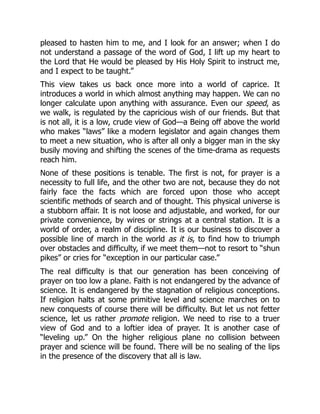
Fig. 1. Migration of HSC and PGC during development and role of radial glia. (a) Representation of the major organs
containing HSC in the embryo (with the exception of the placenta), as well as the pathway of PGC migration at different
developmental stages. PGC primordial germ cell, SP splancnopleura, AGM aorta-gonad-mesonephros, AL allantois.
(b) Scheme showing the role of radial glia in directing neuroblast migration during development. Radial glia cells touch
the surface of the ventricle and with a long basal process the pial surface. Newborn neuroblast can inherit this radial
process and “pull up” through soma translocation to the pial region. In locomotion they do not inherit the radial process
but will use it as a guideline to migrate toward the pial surface.
23.
6 Magnon, Lucas,and Frenette
Primordial germ cells can be readily identified and tracked in vivo,
making them an excellent model to study cell migration during
development. In Oct4(DPE):GFP and Stella-GFP transgenic
mice, GFP expression, at early embryonic stages, is restricted to
PGC (30–32). Combined with the use of living embryo slices and
time-lapse microscopy, these animal models permit a precise
tracking of PGC cells during development.
Germ cell specification is the process in which somatic cells in
the embryo become committed to the germ cell lineage (for review,
see ref. 33). PGC are first detected at approximately E6.25 when
the release of the bone morphogenetic factors (BMP)-2, -4 and -8
from the extraembryonic endoderm, induces PGC specification in
a group of pluripotent cells in the proximal epiblast of the embryo
(34–36). The first lineage-restricted PGC are a group of approxi-
mately six cells that express Blimp1 (37). After proliferation and
additional specification at E7.25, approximately 40 PGC are
detected in the extraembryonic mesoderm in the posterior end of
the primitive streak, at the base of the allantois (Fig. 1a) (37, 38).
Blimp1 is a transcriptional repressor that targets the somatic cell
program in PGC by repression of Homeobox genes (37), allowing
the initiation of a germ-cell-specific molecular program (33).
During the migratory period, PGC continue to expand, reaching
~25,000 stem cells at E13 in the gonad (39).
At E7.25, PGC initiate their migration and they will reach
what will become the gonads at day E11.5 (40, 41). PGC first
migrate from the allantois toward the posterior epiblast (38, 42).
PGC start entering the hindgut through the most posterior endo-
derm around E7.75, with the majority of PGC inside the hindgut
at E8.5 (Fig. 1a) (42). The mechanism that regulates this part of
the migration process is poorly understood. Expression of kit
ligand by somatic cells in the allantois is necessary for both pre-
vention of apoptosis and migration of PGC toward the hindgut.
Although kit ligand is a chemotactic factor for PGC in vitro (43),
PGC in Kitl-null embryos, albeit reduced in number and mobility,
still migrate and enter the hindgut. This suggests that Kitl partici-
pates in, but does not direct, migration (38).
Concomitant with PGC migration the hindgut expands.
Using Sox17 null mice, in which hindgut expansion does not
occur, Hara et al. demonstrated that PGC cannot migrate into
the hindgut of Sox17 null mice (42). These authors propose that
morphogenetic changes in the hindgut results in the inclusion of
the PGC within it (42). However, it is also possible that lack of
hindgut expansion prevents the expression of one (or more) PGC
chemoattractant(s).
Interferon-induced transmembrane proteins (IFTIM) have
also been suggested to regulate PGC migration. Expression of
the protein IFTIM1 in endodermal cells resulted in PGC
chemorepulsion. On the contrary, expression of IFTIM3 on the
same cells caused the migration of these cells toward PGC-rich
2.2. Migration of
Primordial Germ Cells
During Ontogeny
24.
7
Trafficking of StemCells
regions (44). These data suggested that the activity of IFTIM
proteins regulated the migration of the PGCs. However, the
genetic deletion of the entire Iftim loci did not affect PGC migra-
tion or survival (45) suggesting the IFTIMs were not required
for PGC migration.
Between E8.5–9.0, PGC move randomly inside the hindgut
although they do not leave it (40). Between E9.0–9.5 PGC divide
into two groups and start migrating toward the developing genital
ridges (Fig. 1a), which contain the somatic precursors of the
gonad, forming a network of migrating cells (41, 46). The PGC
exit the hindgut from its dorsal part, and between E10.5 and
E11.5 they reach the genital ridges (Fig. 1a) where they will
coalesce with somatic cells to form the gonads (40). PGC remain-
ing in the hindgut do not receive survival signals from steel-c-kit
signaling and die through Bax-mediated apoptosis (47).
Several molecules participate in the regulation of these steps of
migration. Again, Kitl-c-kit signaling is critical for migration and
survival of PGC; at day 10.5 Kitl is downregulated in the hindgut
but is expressed in the genital ridges (47). Kitl is also required
for PGC mobility, but not directionality, in the hindgut (38).
This suggests that upregulation and downregulation of Kitl by
somatic cells may create a moving PGC niche throughout devel-
opment (38). The chemokine CXCL12 and its receptor CXCR4
also regulate the colonization of the germinal ridge. CXCR4 is
expressed by PGC (48) and deficiency in either CXCL12 or
CXCR4 results in a delay in the speed of migration toward the
genital ridges, causing a reduction on the number of PGC that
will form the gonad (48, 49). However, PGC still migrate toward
the genital ridges in Cxcl12−/−
and Cxcr4−/−
mice (48, 49), sug-
gesting that although they promote migration they are not the
sole molecular mechanism recruiting the PGC. Similarly, fibro-
blast growth factor (FGF), signaling through the FGFR2IIIb in
the PGC is necessary for survival (50). In contrast, transforming
growth factor a (TGF-a) signaling seems to negatively affect
migration; PGC colonize more efficiently the genital ridges in
TGF-a receptor-deficient mice (51).
Some of the adhesion mechanisms mediating PGC migration
have been characterized. PGC deficient in integrin b1 do not colo-
nize the hindgut (30). Mice deficient in connexin43 also show
reduced migration speed and survival throughout the migration
process, probably through b1 integrin dysfunction (52). E-cadherin
also appears to be necessary for PGC specification and migration.
Blockade of E-cadherin function in embryo cultures inhibits PGC
appearance at E6.75 (53) and PGC condensation in the gonads at
E11.5 after migration toward the genital ridges (54).
Despite the fact that several factors regulating migration have
been identified, the identity of the molecule(s) that directs PGC
migration in the mouse remain unknown suggesting that more
than one factor may be acting in concert.
25.
8 Magnon, Lucas,and Frenette
Neural stem cells (NSC) are a population of cells residing in the
central nervous system (CNS), that contribute to neuronal, astro-
glial, and olygodendrocytic lineages. NSC activity during develop-
ment is found within a population of cells called “radial glia”
(55) that has a dual function: cell production and direction of
migration for newborn neurons (reviewed in refs. 56, 57). Radial
glia cells have a bipolar cell body with processes interacting api-
cally with the ventricle and basally with pial surface (Fig. 1a).
During development, radial glia cells gives rise by asymmetric
division to a new radial glia cell and a differentiated cell or com-
mitted progenitor. These cells are called basal progenitors or
intermediate progenitor cells when they generate neurons (58–60),
and olygodendrocyte progenitor cells (OPC) when they are com-
mitted to the oligondendrocytic lineage (61).
The radial process of the glia is used by the newborn neu-
ron as a guide to climb from the ventricles toward the pial sur-
face in a process called radial migration (reviewed in ref. 62).
Disruption of the radial processes results in impaired migration
without affecting neurogenesis (63, 64). Neuroblasts also
use glia-independent pathways to move long distances during
development in what is called “tangential migration” where
cells move parallel to the surface of the ventricles (reviewed in
ref. 62). Radial migration can be subdivided into two different
modes of migration: locomotion (55, 65) and somal transloca-
tion (65, 66). In somal translocation, following the asymmetric
division of the radial glia cells, the daughter neuroblast inherits
the radial process that contacts the pial surface (Fig. 1b). The
neuroblast then translocates its cell body toward the pial surface
by “pulling” its soma up the radial process (65, 66). In locomo-
tion (Fig. 1b), the neuroblast becomes multipolar and uses the
radial process of the radial glia cell as a guideline toward the pial
surface (65). Several molecules regulate this process: adhesion to
the glial cells is mediated by astrotactin (67) and connexins 26
and 43 (68, 69). Signals mediated by reelin (70) and neuregulin
(71, 72) direct migration, and cytoskeleton proteins like LIS1,
dynein (73), and doublecortin (74) are also required for normal
migration (for review, see refs. 62, 75). In contrast to other spe-
cies, mammal radial glia cells are lost at the last stages of embryo-
genesis (76) and thus cannot direct migration in the adult.
During adulthood, blood cell homeostasis depends on HSC
capacities of self-renewal, proliferation, and differentiation. The
bone marrow is commonly known to be the physiologic reservoir
of HSC, providing specialized niches where HSC lodge and
engraft. However, HSC constitutively migrate out the BM toward
2.3. Radial Glia Cells
Direct Neuronal
Migration During
Central Nervous
System Development
3. Stem Cell
Trafficking
During Adulthood
3.1. HSC Trafficking
During the Adult Life
26.
9
Trafficking of StemCells
the bloodstream in a circadian manner under steady state (77, 78).
Conversely, circulating HSC have the unique skill to recirculate
from the periphery and extravasate into the BM according to a
process called “homing” (79–81). Specific trafficking and tropism
of HSC toward the BM has been successfully used in clinical prac-
tice for hematopoietic stem cell transplantation (1–3).
Stem cell homing to the BM involves a complex sequence of
molecular events mediating first the recognition of stem cells by
bone marrow endothelial cells of sinusoids (tethering, rolling, and
arrest). Later, stem cells migrate through the endothelium and the
bone marrow parenchyma toward their niches where they can sur-
vive for the entire life of the organism (Fig. 2). We will briefly
overview the main molecular mechanisms related to this process.
3.1.1. Molecular Basis
of HSC Homing
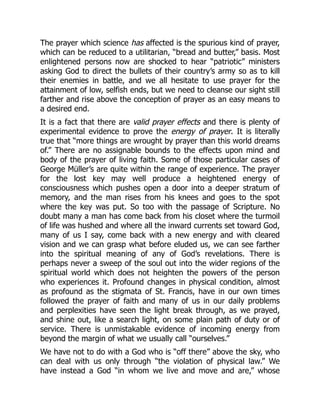
Fig. 2. Trafficking of HSC in the adult mice. HSC homing to the bone marrow is initiated by tethering and rolling interac-
tions with bone marrow sinusoidal vessels. This allows HSC to arrest on the endothelium before migrating through bone
marrow parenchyma under the guidance of chemoattractant signals.Then HSC are retained within endosteal and vascular
niches where they lodge and engraft for survival and proliferation. During adult life, HSC continuously leave the bone
marrow and re-enter the bloodstream to reach peripheral organs through the hematogenous or lymphatic circulation.
27.
10 Magnon, Lucas,and Frenette
The initial steps involve a set of endothelial-progenitor cell
receptor–counterreceptor interactions similar to those that govern
the recruitment of mature leukocytes to sites of inflammation
(82–85). Indeed, parallel contributions of P- and E-selectins,
expressed on endothelial cells of the BM sinusoids, is known to be
critical determinants of the HSC tethering and rolling along the
endothelium (86, 87). This step requires an active fucosylation of
the selectin ligand (PSGL-1) expressed on the surface of progeni-
tors to augment their binding to E- and P-selectins on BM vascu-
lature (88, 89). Importantly, it has been shown that the inhibition
of the a4b1/VCAM-1 interaction highly compromises the proper
rolling of progenitor cells, their arrest, and definitive homing
within the BM (86, 87, 90). Further integrin-dependent interac-
tions (a4b7 and b6) with endothelial cells regulate HSC homing
significantly (91, 92).
The chemokine CXCL12 and its cognate receptor CXCR4
play key roles in homing to BM. CXC12 expression on the sur-
face of endothelial cells controls adhesiveness of the integrins
a4b1 and aLb2 (also known as lymphocyte function-associated
antigen-1, LFA-1, or CD11a/CD18) to their respective recep-
tors VCAM-1 and ICAM-1 (93). Once HSC are arrested on the
endothelial wall, CXCL12 expressed by BM stromal cells, may
guide HSC migration through endothelial cells in cooperation
with a4b1/VCAM-1, LFA-1/ICAM-1, CD44/hyaluronic acid
molecular pathways, and Flt3 (94–96). Combined blockade of
a4b1/VCAM-1 and CXCR4/CXCL12 interactions dramatically
compromises HSC homing (97). These studies highlight the
cooperative role of various cell adhesion molecules and the
CXCL12 chemokine in orchestrating the initial interactions of
HSC and progenitors with the BM vasculature.
The mechanisms controlling the migration of HSC in the BM paren-
chyma are still unclear. After homing to the BM, HSC migrate to
specific regions, described as endosteal or vascular niches that
insure their maintenance (98–101). The endosteal location of
progenitors was suggested by seminal studies published more than
30 years ago (102, 103). This concept was further supported by
genetic analyses where the number and function of osteoblastic
cells, were found to influence HSC numbers (99, 100, 104).
HSC, which express the calcium-sensing receptor (CaR), respond
to the high calcium ion concentration in the endosteal niche,
allowing HSC lodgment close to osteoblasts (105). Osteopontin
interacts with CD44 and b1integrins on HSC restricting the pres-
ence and proliferation of HSC on the endosteum (106, 107).
CXCR4/CXCL12 axis and the angiopoietin/Tie2 signaling
pathway may also contribute to the quiescence of HSC in the
endosteal niches (108, 109). In addition, HSC engraftment in
niches may require the guanine-nucleotide-binding stimulatory
3.1.2. HSC Lodgment
and Retention
28.
11
Trafficking of StemCells
a (Gas) subunit (110), suggesting that decision making about
mobilization or retention/homing may result from the integration
of a tightly controlled balance of Gas (undefined receptor) and
Gai (CXCR4-mediated) activities (111). Concomitantly, the
transmembrane form of stem cell factor (tm-SCF) may drive the
lodgment of HSC in the endosteal niche (112). It has been argued
that HSC, identified using the signaling lymphocyte attractant
molecule (SLAM) family of markers (CD150+, CD244−, and
CD48−), are instead located near sinusoids (113, 114). Recent
imaging studies suggest a close relationship between blood vessels
and endosteal surface (115, 116), blurring the lines between
physical niches in the bone marrow.
In adult homeostasis, HSC continuously traffic from the BM
niches throughout the peripheral circulation (Fig. 2). This phe-
nomenon was highlighted using the parabiotic mouse model
which lead to functional cross-engraftment of the BM of a lethally
irradiated partner surgically conjoined with a nonirradiated
mouse (117, 118). The role of HSC trafficking under steady state
is not understood. It might supply and restore the local produc-
tion of innate immune cells in peripheral organs under steady-
state conditions, as shown in a study where HSC recirculated
through the lymph to peripheral extramedullary tissues (119).
This might also explain why HSC constitutively egress from the
bone marrow to the bloodstream in a circadian manner reaching
a peak during the resting period to potentially refill local
hematopoietic niches (78). This phenomenon is tightly con-
trolled by a local and cyclical release of noradrenaline from nerve
terminals of the sympathetic innervation in the bone marrow.
The adrenergic cues act on the b3 adrenergic receptor expressed
on stromal cells, leading to a local downregulation of CXCL12
inducing HSC release (Fig. 3).
Successful autologous and allogeneic hematopoietic trans-
plantations require large infusion of HSC capable to home,
engraft, proliferate, and differentiate in the BM (1–3). For this
reason, any further explorations of mechanisms underlying HSC
egress under steady state or during mobilization might be valu-
able to improve the efficiency of clinical transplantations. Rather
than harvesting HSC directly in the bone marrow, the vast major-
ity of stem cell transplantation procedures use HSC and progeni-
tors mobilized in the circulation using the hematopoietic cytokine
granulocyte colony stimulating factor (G-CSF). Studies in mice
have revealed that the G-CSF receptor (encoded by Csf3r)
expression on the surface of HSC was not required to induce
their release from the BM during a G-CSF regimen, suggesting
that CSF3R-dependent signals act in trans (120). Subsequently,
several other studies suggested that different enzymes (metallo-
and/or serine proteases, or elastases) might represent the soluble
3.1.3. Bone Marrow
HSC Egress
29.
12
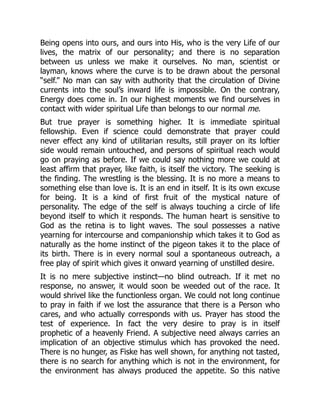
Fig.3.Circadian regulation ofHSC egress from bone marrow to the circulation.Physiological trafficking of HSC is regulated by the
sympathetic nervous system in a circadian manner. Rhythmic secretion of noradrenaline activates the b3
-adrenergic receptor
(Adrb3) expressed on stromal cells in the BM, inducing degradation of Sp1 transcription factor, and downregulation of Cxcl12
transcription.Reproduced with permission from Magnon,C.and Frenette,P.S.,Hematopoietic stem cell trafficking (July 14,2008),
StemBook, ed.The Stem Cell Research Community, StemBook, doi/10.3824/stembook.1.8.1, http://www.stembook.org.
30.
13
Trafficking of StemCells
“signal” released in G-CSF-induced mobilization (121–123).
However, mobilization by G-CSF was normal in mice lacking
virtually all neutrophil serine protease activity suggesting that
other mechanisms must be involved (124). Recently, further
studies have revealed that G-CSF-dependent mobilization of
HSC is mediated by an adrenergic signal (125). Whether G-CSF
modulates neural activity directly is currently unclear but possible
since CSF3R is expressed on neurons. Additionally, G-CSF pro-
motes neuronal survival (126) and protects dopaminergic
neurons
in a model of Parkinson’s disease (127).
In contrast to HSC where prospectively isolated cell subsets have
clearly been shown at the clonal level to self-renew, it is not clear
if the cells migrating in the adult central nervous system are bona
fide NSC or more committed neuroblast progenitors. In the sub-
ventricular zone (SVZ), NSC give rise to neuroblasts that migrate
toward the olfactory bulb following the rostral migratory stream
(RMS) (Fig. 4). Neuroblasts in the RMS first migrate tangentially
toward the olfactory bulb and once in it, they migrate radially. In
this long journey, two different types of migration mechanisms
have been identified: homophilic and vasophilic migration. In
homophilic migration, chains of migrating neuroblasts move
from the SVZ toward the olfactory bulb. Instead of using glia or
axons as the substrate for migration, they use each others somas
(128, 129). The migrating RMS neuroblasts are enclosed in spe-
cialized glial tubes composed from GFAP+ astrocytes (128).
Several molecules have been implicated in facilitating cell–cell
adhesion in homophilic migration. Deficiency in PSA-NCAM
(polysialylated neural cell adhesion molecule) (130, 131) or
b1 integrins (132) results in deficient migration. RMS migration
is controlled by both chemorepulsion and chemoattraction. A gradi-
ent of the chemorepulsive factors Slit1 and 2 secreted by the
3.2. Migration
of Neural Progenitors
in the Adult Brain
Fig.4. NSC migration in adult brain. Sagittal representation of an adult mouse brain
showing the subgranular zone (SGZ) of the hippocampus and the subventricular zone
(SVZ) that contain NSC; the rostral migratory stream (RMS) is also exhibited.
31.
14 Magnon, Lucas,and Frenette
lateral septum and the SVZ impulses the neuroblasts out of the
SVZ toward the olfactory bulb (133–135) and is maintained by
flow of the cerebrospinal fluid that directs the orientation of the
migratory chains (136). Several factors act as chemoattractants for
the migrating neuroblasts in the olfactory bulb, including netrin
(137), neuregulin (138), ephrin (139), and brain-derived neu-
rotrophic factor (BDNF) (140), although this last molecule is
also involved in the regulation of vasophilic migration.
In vasophilic migration, as the name implies, the neural pro-
genitors use blood vessels as guides for locomotion. Vasophilic
migration was first reported in the olfactory bulb (141), and then
detected in the RMS (142). The neuroblasts follow the vascula-
ture although they never touch the endothelial cell; they are sepa-
ratedfromitbyverythinastrocyticend-feetthatcompartmentalize
the migrating cells (141). BDNF, released by the endothelial
cells, was shown to be one of the molecules that attracts neurons
to the RMS (142).
In the subgranular zone (SGZ) of the hippocampus, newly
formed neuroblasts are very close to their final destination and
proliferate in clusters (143, 144). For migration, the neuroblast
emits lateral processes allowing them to migrate tangentially.
Then the neuroblast retracts the tangential process and emits
radial processes that will become dendritic processes (143). This
migration appears to depend on PSA (polysialic acid) expression
by the neuroblast (144).
The migration of cells with NSC properties is better characterized
after brain injury. The discovery of multipotent murine (145, 146)
and human (147) NSC opened the door to the possibility of using
them for CNS regeneration. When transplanted into adult recipients
these cells generated abundant astrocytes and olygodendrocytes,
but very rarely neurons (146, 148, 149). Only when the recipient
has received a CNS injury were these cells able to differentiate into
neurons (149). In addition, NSC transplanted at distant places
from an injury were able to migrate to the lesion and differentiate
(150). Hence the lesion created an environment that recruited
exogenous NSC and promoted their differentiation to neurons. In
addition, lesions also recruit endogenous cells. Neurogenesis is
activated in humans and rats in the SGZ (151, 152) and the SVZ
(153, 154) after injury. In the mouse, endogenous newborn neurons
appeared in the damaged areas of the cortex (155). These cells orig-
inated in the SVZ and migrated toward the area of damage where
they differentiated into neurons (156).
Brain injury induces a neuroinflammatory response that causes
generation of reactive astrocytes, activation of microglia (157, 158),
and angiogenesis in the affected area (159). These events result in
the release of chemokines and growth factors like CXCL12, angio-
poietin-1, erythropoietin, MCP-1, BDNF, GDNF (160, 161), and
3.2.1. Migration of Neural
Progenitors in the Adult
Brain After Injury
32.
15
Trafficking of StemCells
VEGF (162) that will increase neurogenesis in the SVZ and increase
migration of neuroprogenitors toward the inflamed area.
The most common model for brain injury is stroke-induced
ischemia (for review, see ref. 161). After ischemia, BrdU-labeling
experiments indicate that proliferation is increased in the SVZ zone
for approximately 2 weeks (155, 156). Neuroblast migration is
detected approximately 1-week after the stroke. Reactive astrocytes
extend processes that facilitate neuroblast migration (162–164).
As in the RMS during normal neurogenesis, neuroblasts can
form chains (156) and follow blood vessels toward the lesion
(165, 166). Many of these blood vessels are generated de novo by
angiogenesis after the stroke (166) and will release neurotrophic
factors and chemokines to facilitate migration (160, 161).
The best characterized molecule that directs migration of
NSC toward the site of injury is the chemokine CXCL12. Its
receptor, CXCR4, is expressed in NSC in the SVZ and SGZ
(167). After stroke injury, NSC migrate toward the ischemic area
following a gradient of CXCL12 secreted by reactive astrocytes
and endothelial cells in the ischemic areas (168). The role of
CXCL12 in the migration of endogenous NSC was confirmed
by administration of AMD3100, a CXCR4 antagonist, which
partially blocked neuroblast migration toward the site of injury.
This suggests that additional molecules are involved in directing
this migration (164, 169). Another molecule that acts as a
chemoattractant is angiopoietin-1 and its receptor Tie-2. Ang-1
is upregulated in the remodeling blood vessels after the lesion and
its blockade reduces neuroblast migration from the SVZ (169),
erythropoietin (73), MCP-1 (160), MIP-1a, GRO-a (170), and
stem cell factor (162, 171) also act as chemoattractants for
migrating neuroblasts.
One of the main limitations for the use of NSC in regenerative
medicine is that only a minor fraction of the cells that reach the
lesion are able to survive and differentiate into neurons (149,
156). A better understanding of the mechanisms that promote
neuroblast recruitment and differentiation will be necessary before
NSC therapy can be used to restore damaged neuronal circuits.
During development and adult life, some populations of stem
cells have to migrate to distant locations to accomplish their
functions in the establishment of embryonic tissues or in the
regeneration of adult ones. This phenomenon involves chemoat-
tractants, adhesion molecules, and specific pathways that direct
migration to defined sites or niches. Among these molecules,
the CXCL12/CXCR4 signaling pathway is arguably the most
4. Stem Cell
Trafficking:
Different Cell
Origins, Common
Molecular
Pathways
33.
16 Magnon, Lucas,and Frenette
conserved mechanism in directing stem cell migration in the
embryo and adult mammals (20–22). CXCL12 and its receptor
CXCR4 are necessary for HSC migration and retention in the
bone marrow throughout the life (23). CXCL12/CXCR4 axis
also contributes to PGC migration in the mouse (48, 49) as well as
in zebrafish (172–174). Similarly, during brain injury, NSC migrate
toward CXCL12 released by reactive astrocytes (168). In addition
to CXCL12 and CXCR4, other molecules have similar roles in dif-
ferent stem cells. Similarly, kit ligand and its receptor c-kit that
contributes both to HSC (25) and PGC (38, 47) migration, and
Angiopoietin-1 with its receptor Tie-2 regulate both HSC function
(108) and NSC recruitment to vascular injuries (169). Under
standing the molecular pathways that govern the complex trafficking
of stem cells throughout the organism opens novel perspectives for
clinical application of targeted stem cell therapies.
References
1. Bensinger, W., DiPersio, J.F., and McCarty,
J.M. (2009) Improving stem cell mobiliza-
tion strategies: future directions. Bone Marrow
Transplant 43, 181–95.
2. Cartier, N., Hacein-Bey-Abina, S.,
Bartholomae, C.C., Veres, G., Schmidt, M.,
Kutschera, I., Vidaud, M., Abel, U., Dal-
Cortivo, L., Caccavelli, L., Mahlaoui, N.,
Kiermer, V., Mittelstaedt, D., Bellesme, C.,
Lahlou, N., Lefrere, F., Blanche, S., Audit,
M., Payen, E., Leboulch, P., l’Homme, B.,
Bougneres, P., Von Kalle, C. Fischer, A.,
Cavazzana-Calvo, M., and Aubourg, P.
(2009) Hematopoietic stem cell gene ther-
apy with a lentiviral vector in X-linked adre-
noleukodystrophy Science 326, 818–23.
3. Cavazzana-Calvo, M., Hacein-Bey, S., de
Saint Basile, G., Gross, F., Yvon, E.,
Nusbaum, P., Selz, F., Hue, C., Certain, S.,
Casanova, J.L., Bousso, P., Deist, F.L.,
and Fischer, A. (2000) Gene therapy of
human severe combined immunodeficiency
(SCID)-X1 disease Science 288, 669–72.
4. Godin, I., and Cumano, A. (2002) The hare
and the tortoise: an embryonic haematopoi-
etic race Nat Rev Immunol 2, 593–604.
5. Mikkola, H.K., and Orkin, S.H. (2006) The
journey of developing hematopoietic stem
cells Development 133, 3733–44.
6. Orkin, S.H., and Zon, L.I. (2008)
Hematopoiesis: an evolving paradigm for
stem cell biology Cell 132, 631–44.
7. Samokhvalov, I.M., Samokhvalova, N.I., and
Nishikawa, S. (2007) Cell tracing shows the
contribution of the yolk sac to adult hae-
matopoiesis Nature 446, 1056–61.
8. Medvinsky, A., and Dzierzak, E. (1996)
Definitive hematopoiesis is autonomously ini-
tiated by the AGM region Cell 86, 897–906.
9. Moore, M.A., and Metcalf, D. (1970)
Ontogeny of the haemopoietic system: yolk
sac origin of in vivo and in vitro colony forming
cells in the developing mouse embryo Br
J Haematol 18, 279–96.
10. Toles, J.F., Chui, D.H., Belbeck, L.W., Starr,
E., and Barker, J.E. (1989) Hemopoietic
stem cells in murine embryonic yolk sac and
peripheral blood Proc Natl Acad Sci USA
86, 7456–59.
11. Muller, A.M., Medvinsky, A., Strouboulis, J.,
Grosveld, F., and Dzierzak, E. (1994)
Development of hematopoietic stem cell activity
in the mouse embryo Immunity 1, 291–301.
12. Cumano ,A., Ferraz, J.C., Klaine, M., Di
Santo, J.P., and Godin, I. (2001)
Intraembryonic, but not yolk sac hematopoi-
etic precursors, isolated before circulation,
provide long-term multilineage reconstitu-
tion Immunity 15, 477–85.
13. Cumano, A., Dieterlen-Lievre, F., and
Godin, I. (1996) Lymphoid potential,
probed before circulation in mouse, is
restricted to caudal intraembryonic splanch-
nopleura Cell 86, 907–16.
14. Gekas, C., Dieterlen-Lievre, F., Orkin, S.H.,
and Mikkola, H.K. (2005) The placenta is a
niche for hematopoietic stem cells Dev Cell
8, 365–75.
15. Ottersbach, K., and Dzierzak, E. (2005) The
murine placenta contains hematopoietic stem
cells within the vascular labyrinth region Dev
Cell 8, 377–87.
34.
17
Trafficking of StemCells
16. Rhodes, K.E., Gekas, C., Wang, Y., Lux,
C.T., Francis, C.S., Chan, D.N., Conway, S.,
Orkin, S.H., Yoder, M.C., and Mikkola,
H.K. (2008) The emergence of hematopoi-
etic stem cells is initiated in the placental vas-
culature in the absence of circulation Cell
Stem Cell 2, 252–63.
17. Robin, C., Bollerot, K., Mendes, S., Haak,
E., Crisan, M., Cerisoli, F., Lauw, I.,
Kaimakis, P., Jorna, R., Vermeulen, M.,
Kayser, M., van der Linden, R., Imanirad, P.,
Verstegen, M., Nawaz-Yousaf, H., Papazian,
N., Steegers, E., Cupedo, T., and Dzierzak,
E. (2009) Human placenta is a potent
hematopoietic niche containing hematopoietic
stem and progenitor cells throughout devel-
opment Cell Stem Cell 5, 385–95.
18. Johnson, G.R., and Moore, M.A. (1975)
Role of stem cell migration in initiation of
mouse foetal liver haemopoiesis Nature 258,
726–8.
19. Mendes, S.C., Robin, C., and Dzierzak, E.
(2005) Mesenchymal progenitor cells localize
within hematopoietic sites throughout
ontogeny Development 132, 1127–36.
20. Ma, Q., Jones, D., Borghesani, P.R., Segal,
R.A., Nagasawa, T., Kishimoto, T., Bronson,
R.T., and Springer, T.A. (1998) Impaired
B-lymphopoiesis, myelopoiesis, and derailed
cerebellar neuron migration in CXCR4- and
SDF-1-deficient mice Proc Natl Acad Sci USA
95, 9448–53.
21. Nagasawa, T., Hirota, S., Tachibana, K.,
Takakura, N., Nishikawa, S., Kitamura, Y.,
Yoshida, N., Kikutani, H., and Kishimoto, T.
(1996) Defects of B-cell lymphopoiesis and
bone-marrow myelopoiesis in mice lacking
the CXC chemokine PBSF/SDF-1 Nature
382, 635–8.
22. Zou, Y.R., Kottmann, A.H., Kuroda, M.,
Taniuchi, I., and Littman, D.R. (1998)
Function of the chemokine receptor CXCR4
in haematopoiesis and in cerebellar develop-
ment Nature 393, 595–9.
23. McGrath, K.E., Koniski, A.D., Maltby, K.M.,
McGann,J.K.,andPalis,J.(1999)Embryonic
expression and function of the chemokine
SDF-1 and its receptor, CXCR4 Dev Biol
213, 442–56.
24. Aiuti, A., Tavian, M., Cipponi, A., Ficara, F.,
Zappone, E., Hoxie, J., Peault, B., and
Bordignon, C. (1999) Expression of
CXCR4, the receptor for stromal cell-derived
factor-1 on fetal and adult human lympho-
hematopoietic progenitors Eur J Immunol
29, 1823–31.
25. Christensen, J.L., Wright, D.E., Wagers,
A.J., and Weissman, I.L. (2004) Circulation
and chemotaxis of fetal hematopoietic stem
cells PLoS Biol 2, E75.
26. Taoudi, S., Morrison, A.M., Inoue, H.,
Gribi, R., Ure, J., and Medvinsky, A. (2005)
Progressive divergence of definitive hae-
matopoietic stem cells from the endothelial
compartment does not depend on contact
with the foetal liver Development 132,
4179–91.
27. Hirsch, E., Iglesias, A., Potocnik, A.J.,
Hartmann, U., and Fassler, R. (1996)
Impaired migration but not differentiation
of haematopoietic stem cells in the absence
of beta1 integrins Nature 380, 171–5.
28. Potocnik, A.J., Brakebusch, C., and Fassler, R.
(2000) Fetal and adult hematopoietic stem
cells require beta1 integrin function for colo-
nizing fetal liver, spleen, and bone marrow
Immunity 12, 653–63.
29. Qian, H., Georges-Labouesse, E. Nystrom,
A., Domogatskaya, A., Tryggvason, K.,
Jacobsen, S.E., and Ekblom, M. (2007)
Distinct roles of integrins alpha6 and alpha4 in
homing of fetal liver hematopoietic stem and
progenitor cells Blood 110, 2399–407.
30. Anderson,R.,Fassler,R.,Georges-Labouesse,
E., Hynes, R.O., Bader, B.L., Kreidberg,
J.A., Schaible, K., Heasman, J., and Wylie, C.
(1999) Mouse primordial germ cells lacking
beta1 integrins enter the germline but fail to
migrate normally to the gonads Development
126, 1655–64.
31. Yoshimizu, T., Sugiyama, N., De Felice, M.,
Yeom, Y.I., Ohbo, K., Masuko, K., Obinata,
M., Abe, K., Scholer, H.R., and Matsui ,Y.
(1999) Germline-specific expression of the
Oct-4/green fluorescent protein (GFP)
transgene in mice Dev Growth Differ 41,
675–84.
32. Payer, B., Chuva de Sousa Lopes, S.M.,
Barton, S.C., Lee, C., Saitou, M., and Surani,
M.A. (2006) Generation of stella-GFP trans-
genic mice: a novel tool to study germ cell
development Genesis 44, 75–83.
33. Hayashi, K., de Sousa Lopes, S.M., and
Surani, M.A. (2007) Germ cell specification
in mice Science 316, 394–6.
34. Lawson, K.A., Dunn, N.R., Roelen, B.A.,
Zeinstra, L.M., Davis, A.M., Wright, C.V.,
Korving, J.P., and Hogan, B.L. (1999) Bmp4
is required for the generation of primordial
germ cells in the mouse embryo Genes Dev
13, 424–36.
35. Ying, Y., Liu, X.M., Marble, A., Lawson,
K.A., and Zhao, G.Q. (2000) Requirement
of Bmp8b for the generation of primordial
germ cells in the mouse Mol Endocrinol 14,
1053–63.
35.
18 Magnon, Lucas,and Frenette
36. Ying, Y., and Zhao, G.Q. (2001) Cooperation
of endoderm-derived BMP2 and extraem-
bryonic ectoderm-derived BMP4 in primor-
dial germ cell generation in the mouse Dev
Biol 232, 484–92.
37. Ohinata, Y., Payer, B., O’Carroll, D., Ancelin,
K., Ono, Y., Sano, M., Barton, S.C.,
Obukhanych, T., Nussenzweig, M.,
Tarakhovsky, A., Saitou, M., and Surani,
M.A. (2005) Blimp1 is a critical determinant
of the germ cell lineage in mice Nature 436,
207–13.
38. Gu, Y., Runyan, C., Shoemaker, A., Surani,
A., and and Wylie, C. (2009) Steel factor con-
trols primordial germ cell survival and motility
from the time of their specification in the
allantois, and provides a continuous niche
throughout their migration Development 136,
1295–303.
39. Tam,P..P,andSnow,M.H.(1981)Proliferation
and migration of primordial germ cells during
compensatory growth in mouse embryos
J Embryol Exp Morphol 64, 133–47.
40. Molyneaux, K.A., Stallock, J., Schaible, K.,
and Wylie, C. (2001) Time-lapse analysis of
living mouse germ cell migration Dev Biol
240, 488–98.
41. MolyneauxK,andWylieC.(2004)Primordial
germ cell migration Int J Dev Biol 48,
537–44.
42. Hara, K., Kanai-Azuma, M., Uemura, M.,
Shitara, H., Taya, C., Yonekawa, H.,
Kawakami, H., Tsunekawa, N., Kurohmaru,
M., and Kanai, Y. (2009) Evidence for crucial
role of hindgut expansion in directing proper
migration of primordial germ cells in mouse
early embryogenesis Dev Biol 330, 427–39.
43. Farini, D., La Sala, G., Tedesco, M., and De
Felici, M. (2007) Chemoattractant action
and molecular signaling pathways of Kit
ligand on mouse primordial germ cells Dev
Biol 306, 572–83.
44. Tanaka, S.S., Yamaguchi, Y.L., Tsoi, B., Lickert,
H., and Tam, P.P. (2005) IFITM/Mil/fragilis
family proteins IFITM1 and IFITM3 play dis-
tinct roles in mouse primordial germ cell hom-
ing and repulsion Dev Cell 9, 745–56.
45. Lange, U.C., Adams, D.J., Lee, C., Barton, S.,
Schneider, R., Bradley, A., and Surani, M.A.
(2008) Normal germ line establishment in
mice carrying a deletion of the Ifitm/Fragilis
gene family cluster Mol Cell Biol 28, 4688–96.
46. Gomperts, M., Garcia-Castro, M., Wylie, C.,
and Heasman, J. (1994) Interactions between
primordial germ cells play a role in their
migration in mouse embryos Development
120, 135–41.
47. Runyan, C., Schaible, K. Molyneaux, K.,
Wang, Z., Levin, L., and Wylie, C. (2006)
Steel factor controls midline cell death of pri-
mordial germ cells and is essential for their
normal proliferation and migration
Development 133, 4861–69.
48. Molyneaux, K.A., Zinszner, H., Kunwar,
P.S., Schaible, K., Stebler, J., Sunshine, M.J.,
O’Brien, W., Raz, E., Littman, D., Wylie, C.,
and Lehmann, R. (2003) The chemokine
SDF1/CXCL12 and its receptor CXCR4
regulate mouse germ cell migration and sur-
vival Development 130, 4279–86.
49. Ara, T., Nakamura, Y., Egawa, T., Sugiyama,
T., Abe, K., Kishimoto, T., Matsui, Y., and
Nagasawa, T. (2003) Impaired colonization
of the gonads by primordial germ cells in
mice lacking a chemokine, stromal cell-
derived factor-1 (SDF-1) Proc Natl Acad Sci
USA 100, 5319–23.
50. Takeuchi, Y., Molyneaux, K., Runyan, C.,
Schaible, K., and Wylie, C. (2005) The roles
of FGF signaling in germ cell migration in
the mouse Development 132, 5399–409.
51. Chuva de Sousa Lopes, S.M., van den
Driesche, S., Carvalho, R.L., Larsson, J.,
Eggen, B., Surani, M.A., and Mummery,
C.L. (2005) Altered primordial germ cell
migration in the absence of transforming
growth factor beta signaling via ALK5 Dev
Biol 284, 194–203.
52. Francis, R.J., and Lo, C.W. (2006) Primordial
germ cell deficiency in the connexin 43
knockout mouse arises from apoptosis associ-
ated with abnormal p53 activation
Development 133, 3451–60.
53. Okamura, D., Kimura, T., Nakano, T., and
Matsui Y. (2003) Cadherin-mediated cell
interaction regulates germ cell determination
in mice Development 130, 6423–6430.
54. Bendel-Stenzel, M.R., Gomperts, M.,
Anderson, R., Heasman, J., and Wylie, C.
(2000) The role of cadherins during primor-
dial germ cell migration and early gonad for-
mation in the mouse Mech Dev 91, 143–152.
55. Rakic, P. (1972) Mode of cell migration to
the superficial layers of fetal monkey neocor-
tex J Comp Neurol 145, 61–83.
56. Kriegstein, A., and Alvarez-Buylla, A. (2009)
The glial nature of embryonic and adult neural
stem cells Annu Rev Neurosci 32, 149–84.
57. Malatesta, P., Appolloni, I., and Calzolari, F.
(2008) Radial glia and neural stem cells Cell
Tissue Res 331, 165–178.
58. Haubensak, W., Attardo, A., Denk, W., and
Huttner, W.B. (2004) Neurons arise in the
basal neuroepithelium of the early mammalian
36.
19
Trafficking of StemCells
telencephalon: a major site of neurogenesis
Proc Natl Acad Sci USA 101, 3196–201.
59. Miyata, T., Kawaguchi, A., Saito, K., Kawano,
M., Muto, T., and Ogaw, M. (2004)
Asymmetric production of surface-dividing
and non-surface-dividing cortical progenitor
cells Development 131, 3133–45.
60. Noctor, S.C., Martinez-Cerdeno, V., Ivic,
L., and Kriegstein, A.R. (2004) Cortical
neurons arise in symmetric and asymmetric
division zones and migrate through specific
phases Nat Neurosci 7, 136–44.
61. Noble, M. (2000) Precursor cell transitions
in oligodendrocyte development J Cell Biol
148, 839–42.
62. Marin, O., and Rubenstein, J.L. (2003) Cell
migration in the forebrain Annu Rev Neurosci
26, 441–83.
63. Miyata, T., and Ogawa, M. (2007) Twisting
of neocortical progenitor cells underlies a
spring-like mechanism for daughter-cell
migration Curr Biol 17, 146–51.
64. Haubst N, Georges-Labouesse E, De
Arcangelis A, Mayer U, and Gotz M. (2006)
Basement membrane attachment is dispens-
able for radial glial cell fate and for prolifera-
tion, but affects positioning of neuronal
subtypes Development 133, 3245–54.
65. Nadarajah, B., Brunstrom, J.E., Grutzendler,
J., Wong, R.O., and Pearlman, A.L. (2001)
Two modes of radial migration in early devel-
opment of the cerebral cortex Nat Neurosci
4, 143–50.
66. Miyata, T., Kawaguchi, A., Okano, H., and
Ogawa, M. (2001) Asymmetric inheritance
of radial glial fibers by cortical neurons
Neuron 31, 727–41.
67. Adams, N.C., Tomoda, T., Cooper, M.,
Dietz, G., and Hatten, M.E. (2002) Mice
that lack astrotactin have slowed neuronal
migration Development 129, 965–72.
68. Elias, L.A., Wang, D.D., and Kriegstein, A.R.
(2007) Gap junction adhesion is necessary
for radial migration in the neocortex Nature
448, 901–7.
69. Cina, C., Maass, K., Theis, M., Willecke, K.,
Bechberger, J.F., and Naus, C.C. (2009)
Involvement of the cytoplasmic C-terminal
domain of connexin43 in neuronal migration
J Neurosci 29, 2009–21.
70. Rice, D.S., and Curran, T. (2001) Role of
the reelin signaling pathway in central ner-
vous system development Annu Rev Neurosci
24, 1005–39.
71. Rio, C., Rieff, H.I., Qi, P., Khurana, T.S.,
and Corfas, G. (1997) Neuregulin and erbB
receptors play a critical role in neuronal
migration Neuron 19, 39–50.
72. Anton, E.S., Marchionni, M.A., Lee, K.F.,
and Rakic, P. (1997) Role of GGF/neuregu-
lin signaling in interactions between migrat-
ing neurons and radial glia in the developing
cerebral cortex Development 124, 3501–10.
73. Tsai, J.W., Bremner, K.H., and Vallee, R.B.
(2007) Dual subcellular roles for LIS1 and
dynein in radial neuronal migration in live
brain tissue Nat Neurosci 10, 970–9.
74. Gleeson, J.G., Allen, K.M., Fox, J.W.,
Lamperti, E.D., Berkovic, S., Scheffer, I.,
Cooper, E.C., Dobyns, W.B., Minnerath,
S.R., Ross, M.E., and Walsh, C.A. (1998)
Doublecortin, a brain-specific gene mutated
in human X-linked lissencephaly and double
cortex syndrome, encodes a putative signal-
ing protein Cell 92, 63–72.
75. Metin, C., Vallee, R.B., Rakic, P., and Bhide,
P.G. (2008) Modes and mishaps of neuronal
migration in the mammalian brain J Neurosci
28, 11746–52.
76. Noctor, S.C., Martinez-Cerdeno, V., and
Kriegstein, A.R. (2008) Distinct behaviors of
neural stem and progenitor cells underlie corti-
cal neurogenesis J Comp Neurol 508, 28–44.
77. Wright, D.E., Wagers, A.J., Gulati, A.P.,
Johnson, F.L, and Weissman IL. (2001)
Physiological migration of hematopoietic stem
and progenitor cell. Science 294, 1933–36.
78. Mendez-Ferrer, S., Lucas, D., Battista, M.,
and Frenette, P.S. (2008) Haematopoietic
stem cell release is regulated by circadian
oscillations Nature 452, 442–7.
79. Jacobson, L.O., Marks, E.K., et al. (1949)
The role of the spleen in radiation injury Proc
Soc Exp Biol Med 70, 740–2.
80. Barnes, D.W., Corp, M.J., Loutit, J.F., and
Nea,l F.E. (1956) Treatment of murine leu-
kaemia with X rays and homologous bone
marrow; preliminary communication Br Med J
2, 626–7.
81. Lorenz, E., Uphoff, D., Reid, T.R., and
Shelton, E. (1951) Modification of irradiation
injury in mice and guinea pigs by bone marrow
injections J Natl Cancer Inst 12, 197–201.
82. Frenette, P.S., and Wagner, D.D. (1996)
Adhesion molecules--Part 1 N Engl J Med
334, 1526–29.
83. Frenette, P.S., and Wagner, D.D. (1996)
Adhesion molecules--Part II: Blood vessels
and blood cells N Engl J Med 335, 43–5.
84. Labow, M.A., Norton, C.R., Rumberger,
J.M., Lombard-Gillooly, K.M., Shuster, D.J.,
Hubbard, J., Bertko, R., Knaack, P.A., Terry,
R.W., and Harbison, M.L., et al. (1994)
Characterization of E-selectin-deficient mice:
demonstration of overlapping function of the
endothelial selectins Immunity 1, 709–20.
37.
20 Magnon, Lucas,and Frenette
85. Yang, J., Hirata, T., Croce, K., Merrill-
Skoloff, G., Tchernychev, B., Williams, E.,
Flaumenhaft, R., Furie, B.C., and Furie, B.
(1999) Targeted gene disruption demon-
strates that P-selectin glycoprotein ligand 1
(PSGL-1) is required for P-selectin-mediated
but not E-selectin-mediated neutrophil roll-
ing and migration J Exp Med 190,
1769–82.
86. Frenette, P.S., Subbarao, S., Mazo, I.B., von
Andrian, U.H., and Wagner, D.D. (1998)
Endothelial selectins and vascular cell adhe-
sion molecule-1 promote hematopoietic pro-
genitor homing to bone marrow Proc Natl
Acad Sci USA 95, 14423–28.
87. Mazo, I.B., Gutierrez-Ramos, J.C., Frenette,
P.S., Hynes, R.O., Wagner, D.D., and von
Andrian, U.H. (1998) Hematopoietic pro-
genitor cell rolling in bone marrow microve-
ssels: parallel contributions by endothelial
selectins and vascular cell adhesion molecule
1 J Exp Med 188, 465–74.
88. Hidalgo, A., and Frenette, P.S. (2005)
Enforced fucosylation of neonatal CD34+ cells
generates selectin ligands that enhance the ini-
tial interactions with microvessels but not
homing to bone marrow Blood 105, 567–75.
89. Xia, L., McDaniel, J.M., Yago, T., Doeden,
A., and McEver, R.P. (2004) Surface fucosy-
lation of human cord blood cells augments
binding to P-selectin and E-selectin and
enhances engraftment in bone marrow Blood
104, 3091–96.
90. Papayannopoulou, T., Craddock, C.,
Nakamoto, B., Priestley, G.V., and Wolf, N.S.
(1995) The VLA4/VCAM-1 adhesion path-
way defines contrasting mechanisms of lodge-
ment of transplanted murine hemopoietic
progenitors between bone marrow and spleen
Proc Natl Acad Sci USA 92, 9647–51.
91. Katayama, Y., Hidalgo, A., Peired, A., and
Frenette, P.S. (2004) Integrin alpha4beta7
and its counterreceptor MAdCAM-1 contrib-
ute to hematopoietic progenitor recruitment
into bone marrow following transplantation
Blood 104, 2020–26.
92. Qian, H., Tryggvason, K., Jacobsen, S.E., and
Ekblom, M. (2006) Contribution of alpha6
integrins to hematopoietic stem and progenitor
cell homing to bone marrow and collaboration
with alpha4 integrins Blood 107, 3503–10.
93. Peled, A., Petit, I., Kollet, O., Magid, M.,
Ponomaryov, T., Byk, T., Nagler, A., Ben-
Hur, H., Many, A., Shultz, L., Lider, O.,
Alon, R., Zipori, D., and Lapidot, T. (1999)
Dependence of human stem cell engraftment
and repopulation of NOD/SCID mice on
CXCR4 Science 283, 845–8.
94. Peled, A., Kolle, O., Ponomaryov, T., Petit,
I., Franitza, S., Grabovsky, V., Slav, M.M.,
Nagler, A., Lider, O., Alon, R., Zipori, D.,
and Lapidot, T. (2000) The chemokine
SDF-1 activates the integrins LFA-1, VLA-4,
and VLA-5 on immature human CD34(+)
cells: role in transendothelial/stromal migra-
tion and engraftment of NOD/SCID mice
Blood 95, 3289–96.
95. Avigdor, A., Goichberg, P., Shivtiel, S., Dar,
A., Peled, A., Samira, S., Kollet, O.,
Hershkoviz, R., Alon, R., Hardan, I., Ben-
Hur, H., Naor, D., Nagler, A., and Lapidot,
T. (2004) CD44 and hyaluronic acid cooper-
ate with SDF-1 in the trafficking of human
CD34+ stem/progenitor cells to bone mar-
row Blood 103, 2981–89.
96. Fukuda, S., Broxmeyer, HE., and Pelus,
L.M. (2005) Flt3 ligand and the Flt3 recep-
tor regulate hematopoietic cell migration by
modulating the SDF-1alpha(CXCL12)/
CXCR4 axis Blood 105, 3117–26.
97. Bonig, H., Priestley, G.V., Nilsson, L.M.,
Jiang, Y., and Papayannopoulou, T. (2004)
PTX-sensitive signals in bone marrow hom-
ing of fetal and adult hematopoietic progeni-
tor cells Blood 104, 2299–306.
98. Nilsson, S.K., Johnston, H.M., and
Coverdale, J.A. (2001) Spatial localization of
transplanted hemopoietic stem cells: infer-
ences for the localization of stem cell niches
Blood 97, 2293–99.
99. Calvi, L.M., Adams, G.B., Weibrecht, K.W.,
Weber, J.M., Olson, D.P., Knight, M.C.,
Martin, R.P., Schipani, E., Divieti, P.,
Bringhurst, F.R., Milner, L.A., Kronenberg,
H.M.,andScadden,D.T.(2003)Osteoblastic
cells regulate the haematopoietic stem cell
niche Nature 425, 841–46.
100. Zhang, J., Niu, C., Ye, L., Huang, H., He,
X., Tong, W.G., Ross, J., Haug, J., Johnson,
T., Feng, J.Q., Harris, S., Wiedemann, L.M.,
Mishina, Y., and Li, L. (2003) Identification
of the haematopoietic stem cell niche and
control of the niche size Nature 425,
836–41.
101. Kopp, H.G., Avecilla, S.T., Hooper, A.T.,
Shmelkov, S.V., Ramos, C.A., Zhang, F., and
Rafii, S. (2005) Tie2 activation contributes
to hemangiogenic regeneration after myelo-
suppression Blood 106, 505–13.
102. Lord, B.I., Testa, N.G., and Hendry, J.H.
(1975) The relative spatial distributions of
CFUs and CFUc in the normal mouse femur
Blood 46, 65–72.
103. Gong, J.K. (1978) Endosteal marrow: a rich
source of hematopoietic stem cells Science
199, 1443–45.
38.
21
Trafficking of StemCells
104. Visnjic, D., Kalajzic, Z., Rowe, D.W., Katavic,
V., Lorenzo, J., and Aguila, H.L. (2004)
Hematopoiesis is severely altered in mice
with an induced osteoblast deficiency Blood
103, 3258–64.
105. Adams, G.B., Chabner, K.T., Alley, I.R.,
Olson, D.P., Szczepiorkowski, Z.M.,
Poznansky, M.C., Kos, C.H., Pollak, M.R.,
Brown, E.M., and Scadden, D.T. (2006)
Stem cell engraftment at the endosteal niche
is specified by the calcium-sensing receptor
Nature 439, 599–603.
106. Nilsson, S.K., Johnston, H.M., Whitty, G.A.,
Williams, B., Webb, R.J., Denhardt, D.T.,
Bertoncello, I., Bendall, L.J., Simmons, P.J.,
and Haylock, D.N. (2005) Osteopontin, a
key component of the hematopoietic stem cell
niche and regulator of primitive hematopoi-
etic progenitor cells Blood 106, 1232–39.
107. Stier, S., Ko, Y., Forkert, R., Lutz, C.,
Neuhaus, T., Grunewald, E., Cheng, T.,
Dombkowski, D., Calvi, L.M., Rittling, S.R.,
and Scadden, D.T. (2005) Osteopontin is a
hematopoietic stem cell niche component
that negatively regulates stem cell pool size
J Exp Med 201, 1781–91.
108. Arai, F., Hirao, A., Ohmura, M., Sato, H.,
Matsuoka, S., Takubo, K., Ito, K., Koh, G.Y.,
and Suda, T. (2004) Tie2/angiopoietin-1
signaling regulates hematopoietic stem cell
quiescence in the bone marrow niche Cell
118, 149–61.
109. Nie, Y., Han, Y.C., and Zou, Y.R. (2008)
CXCR4 is required for the quiescence of
primitive hematopoietic cells J Exp Med 205,
777–83.
110. Adams, G.B., Alley, I.R., Chung, U.I.,
Chabner, K.T., Jeanson, N.T., Lo Celso, C.,
Marsters, E.S., Chen, M., Weinstein, L.S.,
Lin, C.P., Kronenberg, H.M., and Scadden,
D.T. (2009) Haematopoietic stem cells
depend on Galpha(s)-mediated signalling to
engraft bone marrow Nature 459, 103–7.
111. Mendez-Ferrer, S., and Frenette, P.S. (2009)
Galpha(s) uncouples hematopoietic stem cell
homing and mobilization Cell Stem Cell 4,
379–80.
112. Driessen, R.L., Johnston, H.M., and Nilsson,
S.K. (2003) Membrane-bound stem cell fac-
tor is a key regulator in the initial lodgment
of stem cells within the endosteal marrow
region Exp Hematol 31, 1284–91.
113. Kiel, M.J., Yilmaz, O.H., Iwashita, T.,
Yilmaz, O.H., Terhorst, C., and Morrison,
S.J. (2005) SLAM family receptors distin-
guish hematopoietic stem and progenitor
cells and reveal endothelial niches for stem
cells Cell 121, 1109–21.
114. Sugiyama, T., Kohara, H., Noda, M., and
Nagasawa, T. (2006) Maintenance of the
hematopoietic stem cell pool by CXCL12-
CXCR4 chemokine signaling in bone mar-
row stromal cell niches Immunity 25,
977–88.
115. Lo Celso, C., Fleming, H.E., Wu, J.W.,
Zhao, C.X., Miake-Lye, S., Fujisaki, J., Cote,
D., Rowe, D.W., Lin, C.P., and Scadden,
D.T. (2009) Live-animal tracking of individ-
ual haematopoietic stem/progenitor cells in
their niche Nature 457, 92–6.
116. Xie, Y., Yin, T., Wiegraebe, W., He, X.C.,
Miller, D., Stark, D., Perko, K., Alexander,
R., Schwartz, J., Grindley, J.C., Park, J.,
Haug, J.S., Wunderlich, J.P., Li, H., Zhang,
S., Johnson, T., Feldman, R.A., and Li, L.
(2009) Detection of functional haematopoi-
etic stem cell niche using real-time imaging
Nature 457, 97–101.
117. Brecher, G., and Cronkite EP. (1951) Post-
radiation parabiosis and survival in rats Proc
Soc Exp Biol Med 77, 292–4.
118. Warren, S., Chute, R.N., and Farrington,
E.M. (1960) Protection of the hematopoietic
system by parabiosis Lab Invest 9, 191–8.
119. Massberg, S., Schaerli, P., Knezevic-Maramica,
I., Kollnberger, M., Tubo, N., Moseman,
E.A., Huff, I.V., Junt, T., Wagers, A.J., Mazo,
I.B., and von Andrian, U.H. (2007)
Immunosurveillance by hematopoietic pro-
genitor cells trafficking through blood, lymph,
and peripheral tissues Cell 131, 994–1008.
120. Liu, F., Poursine-Laurent, J., and Link, D.C.
(2000) Expression of the G-CSF receptor on
hematopoietic progenitor cells is not required
for their mobilization by G-CSF Blood 95,
3025–31.
121. Levesque, J.P., Takamatsu, Y., Nilsson, S.K.,
Haylock, D.N., and Simmons, P.J. (2001)
Vascular cell adhesion molecule-1 (CD106)
is cleaved by neutrophil proteases in the bone
marrow following hematopoietic progenitor
cell mobilization by granulocyte colony-
stimulating factor Blood 98, 1289–97.
122. Petit, I., Szyper-Kravitz, M., Nagler, A.,
Lahav,M.,Peled,A.,Habler,L.,Ponomaryov,
T., Taichman, R.S., Arenzana-Seisdedos, F.,
Fujii, N., Sandbank, J., Zipori, D., and
Lapidot, T. (2002) G-CSF induces stem cell
mobilization by decreasing bone marrow
SDF-1 and up-regulating CXCR4 Nat
Immunol 3, 687–94.
123. Heissig, B., Hattori, K., Dias, S., Friedrich,
M., Ferris, B., Hackett, N.R., Crystal, R.G.,
Besmer, P., Lyden, D., Moore, M.A., Werb,
Z., and Rafii, S. (2002) Recruitment of stem
and progenitor cells from the bone marrow
39.
22 Magnon, Lucas,and Frenette
niche requires MMP-9 mediated release of
kit-ligand Cell 109, 625–37.
124. Levesque, J.P., Liu, F., Simmons, P.J.,
Betsuyaku, T., Senior, R.M., Pham, C., and
Link, D.C. (2004) Characterization of
hematopoietic progenitor mobilization in
protease-deficient mice Blood 104, 65–72.
125. Katayama, Y., Battista, M., Kao, W.M.,
Hidalgo, A., Peired, A.J., Thomas, S.A., and
Frenette, P.S. (2006) Signals from the sym-
pathetic nervous system regulate hematopoi-
etic stem cell egress from bone marrow Cell
124, 407–21.
126. Schneider, A., Kruger, C., Steigleder, T.,
Weber, D., Pitzer, C., Laage, R., Aronowski,
J., Maurer, M.H., Gassler, N., Mier, W.,
Hasselblatt, M., Kollmar, R., Schwab, S.,
Sommer, C., Bach, A., Kuhn, H.G., and
Schabitz, W.R. (2005) The hematopoietic
factor G-CSF is a neuronal ligand that coun-
teracts programmed cell death and drives
neurogenesis J Clin Invest 115, 2083–98.
127. Meuer, K., Pitzer, C., Teismann, P., Kruger,
C., Goricke, B., Laage, R., Lingor, P., Peters, K.,
Schlachetzki, J.C., Kobayashi, K., Dietz,
G.P., Weber, D., Ferger, B., Schabitz, W.R.,
Bach, A., Schulz, J.B., Bahr, M., Schneider,
A., and Weishaupt, J.H. (2006) Granulocyte-
colony stimulating factor is neuroprotective
in a model of Parkinson’s disease J Neurochem
97, 675–86.
128. Lois, C., Garcia-Verdugo, J.M., and Alvarez-
Buylla, A. (1996) Chain migration of neu-
ronal precursors Science 271, 978–81.
129. Doetsch, F., and Alvarez-Buylla, A. (1996)
Network of tangential pathways for neuronal
migration in adult mammalian brain Proc
Natl Acad Sci USA 93, 14895–900.
130. Hu, H., Tomasiewicz, H., Magnuson, T.,
and Rutishauser, U. (1996) The role of poly-
sialic acid in migration of olfactory bulb
interneuron precursors in the subventricular
zone Neuron 16, 735–43.
131. Chazal, G., Durbec, P., Jankovski, A., Rougon,
G., and Cremer, H. (2000) Consequences of
neural cell adhesion molecule deficiency on
cell migration in the rostral migratory stream
of the mouse J Neurosci 20, 1446–57.
132. Belvindrah, R., Hankel, S., Walker, J., Patton,
B.L., and Muller, U. (2007) Beta1 integrins
control the formation of cell chains in the
adult rostral migratory stream J Neurosci 27,
2704–17.
133. Wu, W., Wong, K., Chen, J., Jiang, Z.,
Dupuis, S., Wu, J.Y., and Rao, Y. (1999)
Directional guidance of neuronal migration
in the olfactory system by the protein Slit
Nature 400, 331–6.
134. Hu, H. (2001) Cell-surface heparan sulfate is
involved in the repulsive guidance activities
of Slit2 protein Nat Neurosci 4, 695–701.
135. Nguyen-Ba-Charvet, K.T., Picard-Riera, N.,
Tessier-Lavigne, M., Baron-Van Evercooren,
A., Sotelo, C., and Chedotal, A. (2004)
Multiple roles for slits in the control of cell
migration in the rostral migratory stream
J Neurosci 24, 1497–506.
136. Sawamoto, K., Wichterle, H., Gonzalez-
Perez, O., Cholfin, J.A., Yamada, M., Spassky,
N., Murcia, N.S., Garcia-Verdugo, J.M.,
Marin, O., Rubenstein, J.L., Tessier-Lavigne,
M., Okano, H., and Alvarez-Buylla, A. (2006)
New neurons follow the flow of cerebrospinal
fluid in the adult brain. Science 311, 629–32.
137. Murase, S., and Horwitz, A.F. (2002) Deleted
in colorectal carcinoma and differentially
expressed integrins mediate the directional
migration of neural precursors in the rostral
migratory stream J Neurosci 22, 3568–79.
138. Anton, E.S., Ghashghaei, H.T., Weber, J.L.,
McCann, C., Fischer, T.M., Cheung, I.D.,
Gassmann, M., Messing, A., Klein, R.,
Schwab, M.H., Lloyd, K.C., and Lai ,C.
(2004) Receptor tyrosine kinase ErbB4 mod-
ulates neuroblast migration and placement in
the adult forebrain Nat Neurosci 7, 1319–28.
139. Conover, J.C., Doetsch, F., Garcia-Verdugo,
J.M., Gale, N.W., Yancopoulos, G.D., and
Alvarez-Buylla, A. (2000) Disruption of
Eph/ephrin signaling affects migration and
proliferation in the adult subventricular zone
Nat Neurosci 3, 1091–97.
140. Chiaramello, S., Dalmasso, G., Bezin, L.,
Marcel, D., Jourdan, F., Peretto, P., Fasolo,
A., and De Marchis, S. (2007) BDNF/ TrkB
interaction regulates migration of SVZ pre-
cursor cells via PI3-K and MAP-K signalling
pathways Eur J Neurosci 26, 1780–90.
141. Bovetti, S., Hsieh, Y.C., Bovolin, P.,
Perroteau, I., Kazunori, T., and Puche, A.C.
(2007) Blood vessels form a scaffold for neu-
roblast migration in the adult olfactory bulb
J Neurosci 27, 5976–80.
142. Snapyan, M., Lemasson, M., Brill, M.S.,
Blais, M., Massouh, M., Ninkovic, J., Gravel,
C., Berthod, F., Gotz, M., Barker, P.A.,
Parent, A., and Saghatelyan, A. (2009)
Vasculature guides migrating neuronal pre-
cursors in the adult mammalian forebrain via
brain-derived neurotrophic factor signaling
J Neurosci 29, 4172–88.
143. Seki, T., Namba, T., Mochizuki, H., and
Onodera, M. (2007) Clustering, migration,
and neurite formation of neural precursor
cells in the adult rat hippocampus J Comp
Neurol 502, 275–90.
40.
23
Trafficking of StemCells
144. Burgess, A., Wainwright, S.R., Shihabuddin,
L.S., Rutishauser, U., Seki, T., and Aubert, I.
(2008) Polysialic acid regulates the cluster-
ing, migration, and neuronal differentiation
of progenitor cells in the adult hippocampus
Dev Neurobiol 68, 1580–90.
145. Reynolds, B.A., Weiss, S. (1992) Generation
of neurons and astrocytes from isolated cells
of the adult mammalian central nervous sys-
tem Science 255, 1707–10.
146. Snyder, E.Y., Deitcher, D.L., Walsh, C.,
Arnold-Aldea, S., Hartwieg, E.A., and
Cepko, C.L. (1992) Multipotent neural cell
lines can engraft and participate in develop-
ment of mouse cerebellum Cell 68, 33–51.
147. Flax, J.D., Aurora, S., Yang, C., Simonin, C.,
Wills, A.M., Billinghurst, L.L., Jendoubi,
M., Sidman, R.L., Wolfe, J.H., Kim, S.U.,
and Snyder, E.Y. (1998) Engraftable human
neural stem cells respond to developmental
cues, replace neurons, and express foreign
genes Nat Biotechnol 16, 1033–39.
148. Snyder, E.Y., Taylor, R.M., and Wolfe, J.H.
(1995) Neural progenitor cell engraftment
corrects lysosomal storage throughout the
MPS VII mouse brain Nature 374, 367–70.
149. Snyder, E.Y., Yoon, C., Flax, J.D., and
Macklis, J.D. (1997) Multipotent neural pre-
cursors can differentiate toward replacement
of neurons undergoing targeted apoptotic
degeneration in adult mouse neocortex Proc
Natl Acad Sci USA 94, 11663–8.
150. Aboody, K.S., Brown, A., Rainov, N.G.,
Bower, K.A., Liu, S., Yang, W., Small, J.E.,
Herrlinger, U., Ourednik, V., Black, P.M.,
Breakefield, X.O., and Snyder, E.Y. (2000)
Neural stem cells display extensive tropism
for pathology in adult brain: evidence from
intracranial gliomas Proc Natl Acad Sci USA
97, 12846–51.
151. Parent, J.M., Yu, T.W., Leibowitz, R.T.,
Geschwind, D.H., Sloviter, R.S., and
Lowenstein, D.H. (1997) Dentate granule
cell neurogenesis is increased by seizures and
contributes to aberrant network reorganiza-
tion in the adult rat hippocampus J Neurosci
17, 3727–38.
152. Bengzon, J., Kokaia, Z., Elmer, E.,
Nanobashvili, A., Kokaia, M., and Lindvall, O.
(1997) Apoptosis and proliferation of den-
tate gyrus neurons after single and intermit-
tent limbic seizures Proc Natl Acad Sci USA
94, 10432–7.
153. Zhang, R.L., Zhang, Z.G., Zhang, L., and
Chopp, M. (2001) Proliferation and differen-
tiation of progenitor cells in the cortex and the
subventricular zone in the adult rat after focal
cerebral ischemia Neuroscience 105, 33–41.
154. Jin, K., Minami, M., Lan, J.Q., Mao, X.O.,
Batteur, S., Simon, R.P., and Greenberg,
D.A. (2001) Neurogenesis in dentate sub-
granular zone and rostral subventricular zone
after focal cerebral ischemia in the rat Proc
Natl Acad Sci USA 98, 4710–5.
155. Magavi, S.S., Leavitt, B.R., and Macklis, J.D.
(2000) Induction of neurogenesis in the neo-
cortex of adult mice Nature 405, 951–5.
156. Arvidsson, A., Collin, T., Kirik, D., Kokaia,
Z., and Lindvall, O. (2002) Neuronal
replacement from endogenous precursors in
the adult brain after stroke Nat Med 8,
963–70.
157. Huang, D., Han, Y., Rani, M.R., Glabinski,
A., Trebst, C., Sorensen, T., Tani, M., Wang,
J., Chien, P., O’Bryan, S., Bielecki, B., Zhou,
Z.L., Majumder, S., and Ransohoff, R.M.
(2000) Chemokines and chemokine recep-
tors in inflammation of the nervous system:
manifold roles and exquisite regulation
Immunol Rev 177, 52–67.
158. Aarum, J., Sandberg, K., Haeberlein, S.L.,
and Persson, M.A. (2003) Migration and
differentiation of neural precursor cells can
be directed by microglia Proc Natl Acad Sci
USA 100, 15983–8.
159. Hayashi, T., Noshita, N., Sugawara, T., and
Chan, P.H. (2003) Temporal profile of
angiogenesis and expression of related genes
in the brain after ischemia J Cereb Blood Flow
Metab 23, 166–80.
160. Belmadani, A., Tran, P.B., Ren, D., and
Miller, R.J. (2006) Chemokines regulate the
migration of neural progenitors to sites of
neuroinflammation J Neurosci 26, 3182–91.
161. Ohab, J.J., and Carmichael, S.T. (2008)
Poststroke neurogenesis: emerging principles
of migration and localization of immature
neurons Neuroscientist 14, 369–80.
162. Xu, Q., Wang, S., Jiang, X., Zhao, Y., Gao, M.,
Zhang, Y., Wang, X., Tano, K., Kanehara, M.,
Zhang, W., and Ishida, T. (2007) Hypoxia-
induced astrocytes promote the migration of
neural progenitor cells via vascular endothelial
factor, stem cell factor, stromal-derived factor-
1alpha and monocyte chemoattractant pro-
tein-1upregulationinvitroClinExpPharmacol
Physiol 34, 624–31.
163. Teramoto, T., Qiu, J., Plumier, J.C., and
Moskowitz, M.A. (2003) EGF amplifies the
replacement of parvalbumin-expressing stri-
atal interneurons after ischemia J Clin Invest
111, 1125–32.
164. Thored, P., Arvidsson, A., Cacci, E., Ahlenius,
H., Kallur, T., Darsalia, V., Ekdahl, C.T.,
Kokaia, Z., and Lindvall, O. (2006) Persistent
production of neurons from adult brain stem
41.
24 Magnon, Lucas,and Frenette
cells during recovery after stroke Stem Cells
24, 739–47.
165. Yamashita, T., Ninomiya, M., Hernandez
Acosta, P., Garcia-Verdugo, J.M., Sunabori, T.,
Sakaguchi, M., Adachi, K., Kojima, T., Hirota,
Y., Kawase,T., Araki, N., Abe, K., Okano, H.,
and Sawamoto, K. (2006) Subventricular zone-
derived neuroblasts migrate and differentiate
into mature neurons in the post-stroke adult
striatum J Neurosci 26, 6627–36.
166. Thored, P., Wood, J., Arvidsson, A.,
Cammenga, J., Kokaia, Z., and Lindvall, O.
(2007) Long-term neuroblast migration
along blood vessels in an area with transient
angiogenesis and increased vascularization
after stroke Stroke 38, 3032–9.
167. Tran, P.B., Banisadr, G., Ren, D., Chenn, A.,
and Miller, R.J. (2007) Chemokine receptor
expression by neural progenitor cells in neu-
rogenic regions of mouse brain J Comp
Neurol 500, 1007–33.
168. Imitola, J., Raddassi, K., Park, K.I., Mueller,
F.J., Nieto, M., Teng, Y.D., Frenkel, D., Li,
J., Sidman, R.L., Walsh, C.A., Snyder, E.Y.,
and Khoury, S.J. (2004) Directed migration
of neural stem cells to sites of CNS injury by
the stromal cell-derived factor 1alpha/CXC
chemokine receptor 4 pathway Proc Natl
Acad Sci USA 101, 18117–22.
169. Ohab, J.J., Fleming, S., Blesch, A., and
Carmichael, S.T. (2006) A neurovascular
niche for neurogenesis after stroke J Neurosci
26, 13007–16.
170. Gordon, R.J., McGregor, A.L., and Connor,
B. (2009) Chemokines direct neural progen-
itor cell migration following striatal cell loss
Mol Cell Neurosci 41, 219–32.
171. Sun, L., Lee, J., and Fine, H.A. (2004)
Neuronally expressed stem cell factor induces
neural stem cell migration to areas of brain
injury J Clin Invest 113, 1364–74.
172. Doitsidou, M., Reichman-Fried, M., Stebler,
J., Koprunner, M., Dorries, J., Meyer, D.,
Esguerra, C.V., Leung, T., and Raz, E.
(2002) Guidance of primordial germ cell
migration by the chemokine SDF-1 Cell
111, 647–59.
173. Knaut, H., Werz, C., Geisler, R., and
Nusslein-Volhard, C. (2003) A zebrafish
homologue of the chemokine receptor Cxcr4
is a germ-cell guidance receptor Nature 421,
279–82.
174. Boldajipour, B., Mahabaleshwar, H.,
Kardash, E., Reichman-Fried, M., Blaser,
H., Minina, S., Wilson, D., Xu, Q., and Raz,
E. (2008) Control of chemokine-guided cell
migration by ligand sequestration Cell 132,
463–73.
26 Hess andAllan
daughter cells. In addition, new studies provide increasing
support
for the notion that tissue-resident adult stem cells participate in
the formulation of defined microenvironments or “niches” to
support the endogenous regeneration or repair of diseased or
damaged organs (2, 3). An important consideration for the devel-
opment of cell-based strategies for regenerative medicine relies
on understanding the endogenous capacity of stem and progeni-
tor cells to migrate throughout the body in order to coordinate
cell replacement and/or tissue repair in response to disease and
injury. Recent evidence suggests that circulating and/or tissue-
resident stem cells from hematopoietic (4), endothelial (5, 6),
and/or mesenchymal lineages (7) participate directly in immune
modulation and surveillance (4, 8, 9), new blood vessel forma-
tion (5, 6, 10), and endogenous tissue repair (11, 12). Implicit in
the regenerative functions of tissue-specific stem cells is the proper
localization of precursor cells for tissue homeostasis and repair
that requires directed migration, engraftment, and retention
within supportive stem cell niches. Thus, achieving targeted hom-
ing of stem cells to damaged organs is critical for efficient tissue
regeneration from transplanted cells for the future development
of alternative clinical therapies.
In this chapter, we review stem cell migration and homing
during postnatal tissue homeostasis and regeneration, to specify
the molecular mechanisms and fundamental themes governing
the trafficking of various stem cells within the body (for review,
see ref. 13). In addition, we will focus on the identification of
conserved migratory strategies between these highly studied adult
stem cell subtypes and newly characterized malignant cancer stem
cells (CSC). Consistent with the notion that controlled mobiliza-
tion, homing, and tissue engraftment of malignant stem cells to a
pre-metastatic niche is important in the establishment of meta-
static tumors (14), targeted interference in conserved stem cell
migration or homing pathways may delay cancer progression and
metastasis.
Optimal tissue function during normal cell turnover and after
injury-induced repair relies on efficient stem cell homing. Homing
can be defined as the process whereby stem cells are disseminated
throughout the body passively via the bloodstream, and are ulti-
mately directed to a supportive anatomical niche within the target
organ (Fig. 1). Thus, stem cell trafficking via the circulation from
site of origin to peripheral tissues requires fundamental molecular
pathways governing (1) niche-specific deadhesion of progenitor
cells; (2) chemoattraction to guide progenitor cell homing; and
(3) interstitial navigation and adhesion/retention of recruited
2. Mechanisms
of Normal Stem
Cell Migration
44.
27
Migratory Strategies ofNormal and Malignant Stem Cells
progenitor cells. Blood to bone marrow homing is best described
for transplanted hematopoietic stem cells (HSC), but these pro-
cesses also apply to the trafficking of endogenous HSC and other
nonhematopoietic stem cell types including metastasizing CSC.
In the adult hematopoietic system, multipotent HSC or
committed
progenitors reside primarily in the bone marrow (BM) endos-
teum and/or vascular niche, respectively, (15–17), where they
replenish circulating pools of short-lived, mature red blood cells
2.1. Deadhesion
Mechanisms
and Stem Cell
Mobilization
Fig. 1. Migratory strategies of normal and malignant stem cells. HSC reside in the bone marrow (BM) endosteal niche
where interactions with mesenchymal-stromal cells, osteoblasts, and activated osteoclasts provide signals for prolifera-
tion, self-renewal and differentiation of mature hematopoietic cells. HSC are liberated from the endosteal niche through
the release of metalloproteinases (MMPs) that convert stem cell factor (SCF) from the membrane bound (mKitL) to the
soluble form (sKitL) of the ligand, resulting in deadhesion and migration to the vascular niche. Cathepsin K released from
activated osteoclasts, and dipeptidyl peptidases (DPPIV), or CD26, on HSC also degrade stem cell supportive niche com-
ponents resulting in deadhesion and mobilization of HSC to the peripheral circulation. Parathyroid hormone (PTH) binding
to the PTH receptor (PTHR) leads to increased expression of the notch-ligand, Jagged-1 in osteoblasts, resulting in the
overall expansion, and mobilization of BM-derived HSC pool via the Notch-signaling developmental pathway. Homing and
chemotaxis between the BM, the circulation, and the peripheral tissues relies on the stromal-derived factor-1 (SDF-1 or
CXCL12) and the CXC chemokine receptor, CXCR4. SDF-1 production by mesenchymal-stromal cells (MSC) in the BM in
response to irradiation is involved in the recruitment of transplanted hematopoietic progenitor cells (HPC) to the BM.
SDF-1 production by tissue-resident MSC and endothelial cells in hypoxic, damaged, or diseased tissues, including
tumors, results in the directed homing of multiple stem cell types. Extravasation from the peripheral circulation into
perivascular regions of tissues is mediated by adhesion and retention of HSC on the endothelium, through the activities
of the adhesion moieties, including the a and b integrins, and the hyaluronic acid receptor, CD44.
45.
28 Hess andAllan
and leukocytes (1). However, under both homeostatic and
mobilization-induced states, these cells can leave the marrow,
enter the peripheral circulation, and subsequently travel to vari-
ous tissues where they can divide and differentiate to replenish
tissue-resident myeloid cells that contribute to immune surveil-
lance (4) (Fig. 1). During hematopoiesis, stem cell migration
in vivo begins with deadhesion of HSC from the protective BM
endosteal niche via the induction of proteolytic enzymes by
hematopoietic, mesenchymal-stromal, and solid bone-derived
cells including osteoblasts and osteoclasts (2). These enzymes
include the matrix metalloproteinases (MMP-2, MMP-9),
cysteine proteases (cathepsin K), and stem cell surface-expressed
dipeptidases (CD26).
MMPs are zinc-dependent endopeptidases collectively capable
of degrading matrix proteins, and can also liberate a number of
bioactive cytokines contained within the membrane of hematopoi-
etic-niche associated cells (Fig. 1). In elegant studies performed
by Shahin Rafii and collaborators (16), MMP-9-mediated cleav-
age of membrane bound stem cell factor (SCF) or c-Kit ligand
(mKitL) resulted in the release of soluble Kit ligand (sKitL) or
stem cell factor (SCF), destabilizing the interaction between niche-
dependant mesenchymal-stromal cells or osteoblasts, and c-Kit-
expressingHSCorcirculatingendothelialprecursors.Subsequently,
sKitL conferred signals resulted in the translocation of these cells
from the endosteal surface into a vascular-enriched niche favoring
differentiation and release into the peripheral circulation (16).
In a similar manner, Cathepsin K production by activated osteo-
clasts during bone resorption (Fig. 1), has been shown to degrade
stem cell supportive niche components including stromal-derived
factor-1 (SDF-1 or CXCL12), SCF, and osteopontin (OPN)
resulting in HSC and progenitor cell mobilization (18). HSC also
control the expression of the cell surface dipeptidase IV, or CD26,
that contributes to the silencing of retention signals in part by
cleavage-mediated inactivation of SDF-1 (Fig. 1) (19–22). An
interesting role for parathyroid hormone (PTH) has also been
demonstrated in the activation of osteoblasts, leading to increased
expression of the notch-ligand, Jagged 1, and resulting in the
overall expansion, and mobilization of BM-derived HSC pool via
Notch-signaling developmental pathways (Fig. 1) (23, 24).
Mobilization of hematopoietic progenitor cells (HPC), and
subsequent harvest from the peripheral circulation has emerged
as the preferred strategy for the treatment of many hematological
malignancies. Previously, granulocyte colony stimulating factor
(G-CSF) was considered the gold standard for the mobilization
of HSC or HPC for leukaphoresis and transplantation. Following
G-CSF treatment, serine proteases including neutrophil elastase
(NE) accumulate in the BM, and their broad substrates include
vascular cell adhesion molecule-1 (VCAM-1), c-kit, CXCR4 and
46.
29
Migratory Strategies ofNormal and Malignant Stem Cells
its ligand SDF-1 (25, 26). However, G-CSF mobilization is
relatively inefficient, requiring 4–5 days treatment, and demon-
strates broad interindividual variation in circulating HPC num-
bers resulting in reduced CD34+ cell harvests. More recently,
AMD3100 or plerixafor, a potent CXCR4 antagonist, has been
shown to efficiently mobilize CD34+ HPC into the periphery
within 4 h (27) by selective blockade of CXCR4 binding to SDF-1
in the BM. AMD3100 in combination with G-CSF has been
shown to be superior to G-CSF alone in mobilizing CD34+ non-
obese diabetic/severe combined immune deficient (NOD/
SCID) repopulating cells (SRC) in mice and humans (28, 29).
Furthermore, interference in the CXCR4/SDF-1 axis has also
been shown to mobilize nonhematopoietic endothelial and mes-
enchymal-stromal progenitor cells (30–32), underscoring the
fundamental importance of this pathway in regulating stem and
progenitor cell migration.
Chemokines are cytokines that are best known for their ability to
direct the migration of distinct subsets of leukocytes to sites of tis-
sue inflammation. For HSC, functional interactions between the
chemokine receptor CXCR4 and its ligand SDF-1 (CXCL12) have
been implicated as the principle axis regulating survival (33–35),
directed chemotaxis (36–38), and BM engraftment (39–44) (for
review, see ref. 45). SDF-1 is expressed by vascular endothelium,
osteoblasts, and stromal cells (46). Total body irradiation prior to
transplantation into mice increases SDF-1 and SCF secretion within
24–28 h in the murine BM and spleen (46, 47). Human cell engraft-
ment after transplantation of human CD34+ HSC into immuno-
deficient NOD/SCID recipients is efficiently blocked using CXCR4
antibodies (43), indicating the importance of this pathway in coordi-
nated chemotaxis. However, murine CXCR4−/−
cells can home to
the BM, suggesting that other chemokine signaling mechanisms
likely contribute to BM cell migration (48, 49). Interestingly, the
SDF-1/CXCR4 axis is also active in the recruitment of HSC and
other cell types to damaged tissues in response to hypoxia. Hypoxia
inducible factor-1 (HIF-1) transcriptional activity is supported by
low-oxygen conditions, and results in the increased expression of
SDF-1 and vascular endothelial growth factor (VEGF) by endothe-
lial cells in the liver (50), heart (51), and brain (52) during hypoxic
stress (Fig. 1). SDF-1 secreted into the circulation from the injured
liver can cross the endothelium in the BM and further recruit
proangiogenic hematopoietic and progenitors into the circulation
(50). These stimuli, together with secretion of other cytokines,
chemokines, proteases, and adhesion molecules mediate stem cell
migration between bone marrow and tissue-specific stem cell
microenvironments (Fig. 1).
CXCR4 expression on stem cells is dynamically controlled by
several well-characterized hematopoietic cytokines. IL-6, SCF,
2.2. Guidance Factors
that Mediate
Chemoattraction
and Chemoretention
47.
30 Hess andAllan
and/or hepatocyte growth factor (HGF) rapidly increase CXCR4
surface expression by externalization of intracellular stores on
human CD34+ cells, leading to increased SDF-1-mediated migra-
tion and homing (43, 50). G-protein-coupled receptor signaling
via the activation of CXCR4 has pleiotropic effects on stem cell
function. Many of these effects are dependent on the activation
of the atypical protein kinase, PKCz, which co-localizes with
CXCR4 upon SDF-1-binding. PKCz-activation induces chemot-
axis, polarization, MMP-9 secretion, and upregulation of cell sur-
face adhesion molecules (53). CXCR4 signaling via the Rho
family of GTPases (Rac1 and Rac2) is required for HSC retention
and BM homing after transplantation, as deletion of Rac1 and
Rac2 or administration of small molecule inhibitors induces
immediate mobilization of progenitors in to the circulation (54,
55). A novel class of G-protein-coupled receptors, the lysophos-
pholipid shingosine-1 phosphate (S1P) and its receptors (S1PR)
act synergistically with SDF-1 via the Rho family kinases to
increase HSC migration from the tissues into the lymphatic sys-
tem, enabling their return to the blood via the thoracic duct (4).
Multipotent stromal/stem cells (MSC) are undifferentiated
cells of mesenchymal lineage that can be isolated from many adult
tissues including BM, kidney, liver, pancreas, adipose, and pla-
centa (7, 56). In addition to their ability to differentiate into
effector cells of mesodermal lineages (fat, bone, cartilage, and
muscle), MSC have been localized to the perivascular niche and
are precursors of smooth muscle cells (7). Their ubiquitous distri-
bution, high expansion potential ex vivo, and potential immuno-
modulatory properties make MSC ideal candidates in cellular
therapies for the repair and regeneration of a large variety of tis-
sues (for review, see ref. 57). Although resting MSC show vari-
able CXCR4 expression, exposure to low oxygen results in
externalization of intracellular CXCR4 (58) and increased migra-
tion in response to SDF-1 (56).
Once released into the bloodstream, circulating stem cells respond
to guidance factors through the upregulation of adherence
molecules that mediate the multistep process of adhesion to micro-
vascular endothelial cells, similar to that initially described for the
adhesion and homing of mature blood leukocytes. Initially, circu-
lating HSCs are tethered to the vessel wall by the action of primary
adhesion molecules (vascular selectins) that bind to sialyl-Lewisx
-
like carbohydrate moieties associated with p-selectin glycoprotein
ligand (PSGL-1) and the hyaluronic acid (HA) receptor CD44.
Selectin binding together with the interaction of vascular cell
adhesion molecule-1 (VCAM-1) and a4b1 integrin (very late
antigen 4, VLA-4), mediates further cell rolling and arrest in the
microvasculature. In the presence of chemoattractive factors such
as SDF-1 or CXCL12, G-protein-coupled receptor (CXCR4)
2.3. Cell Adhesion
and Retention
48.
31
Migratory Strategies ofNormal and Malignant Stem Cells
signaling on HSC upregulates integrin (VLA-4)
expression and
coordinates the extravasation of the HSC into the tissue mesen-
chyme in a VLA-4-dependent fashion (41, 42). SDF-1 and other
cytokines also induce HSC expression of proteolytic enzymes and
including MMP-2 and MMP-9, allowing tissue infiltration and
localization toward the SDF-1 gradient (Fig. 1).
Similar to HSC, MSC express a variety of cell surface adhesion
molecules including the b1 integrins and CD44 (56). mRNA
microarray analyses have shown that MSC express the cell surface
adhesion molecules CD54 (ICAM-1), CD56 (NCAM), CD106
(VCAM-1), CD49a, b, c, e, f (integrins a1, 2, 3, 4, 6), and
E-cadherin (56). However, MSC do not express significant levels
of ligands to endothelial selectins such as PSGL-1 or sialyl Lewisx
carbohydrates. Thus, MSC likely coordinate rolling and adhesion
to endothelial cells in a P-selectin and VCAM-1-dependent man-
ner, respectively (59). Accordingly, MSC migrate in response to
SDF-1/CXCR4 and HGF/c-met axes, and upregulate metallo-
proteinases (MMPs) that allow subsequent extravasation (60, 61).
In summary, given the adult HSC and MSC migration path-
ways described above, it is clear that a number of conserved adhe-
sive and chemotactic signaling pathways act in concert to allow
the trafficking of normal stem cells in the adult organism. Many
of these systems not only support stem cell migration in adult tis-
sues, but are utilized by stem cells during embryonic develop-
ment (for review, see ref. 2). This suggests that much can be
learned about the regenerative activities of adult stem cells
through the study of organogenesis from embryonic precursors.
As discussed in the remainder of this chapter, the majority of these
pathways are also shared by malignant CSC, providing potential
insights into metastatic progression.
Recently, there has been increasing support for the cancer stem
cell hypothesis, which postulates that cancer arises from a sub-
population of tumor-initiating cells or “cancer stem cells” (CSC)
(62–72). Similar to a normal stem cell, the term “cancer stem cell”
is an operational term defined as a cancer cell that has the ability to
both self-renew to give rise to another tumorigenic cell, as well as
undergo differentiation to give rise to the phenotypically diverse
(and nontumorigenic) cell population that makes up the rest of
the tumor (73). However, the definitive cellular origin of the CSC
has remained elusive and is currently the topic of intense debate
and experimental investigation. If these cells arise from mature,
differentiated cells, oncogenic mutations are required for de-
differentiation and self-renewal (73–77). On the other hand, if CSC
3. Mechanisms
of Malignant Stem
Cell Migration
49.
32 Hess andAllan
arise from adult stem cells, then cancer cells could appropriate the
existing stem cell regulatory pathways for self-renewal, migration,
and protection from cytotoxic drugs (78). The fact that multiple
mutations are necessary for a cell to become tumorigenic and met-
astatic (79) has implications for the cellular origin of CSC. It can
be argued that mature cells have a very limited lifespan, and thus
it is unlikely that all the necessary mutations could occur during
the relatively short life of these cells. In contrast, the infinite self-
renewal capacity of adult stem cells means that these cells may be
the only cells that are around long enough to accumulate the nec-
essary mutations (74–77, 80). There is some evidence to suggest
that many leukemias arise from mutation of normal hematopoietic
stem/progenitor cells (81, 82), although the same has not yet
been definitively proven in solid cancers.
Although the majority of studies investigating CSC have
focused on the role of these cells in initiation and maintenance of
primary cancers, growing evidence from our group and others
(67, 78, 83–87) indicates that CSC may also be the cells respon-
sible for metastasis, the process whereby tumor cells disseminate
or migrate from the site of the primary tumor and establish them-
selves as secondary tumors in distant organs. Metastasis involves a
series of sequential steps, including escape from the primary
tumor (intravasation), migration and survival within the circula-
tion, homing to secondary organs, arrest and extravasation into
these organs, initiation of micrometastatic growth, and mainte-
nance of growth into clinically detectable macrometastases (88–90).
Given the onerous nature of this process, it is not surprising that
metastasis is highly inefficient, with the main rate-limiting steps
being initiation and maintenance of growth at secondary sites, a
process called colonization (89, 91–94). Taken together with the
heterogeneous nature of solid tumors, this metastatic inefficiency
suggests that only a small subset of cells (i.e., CSC) can success-
fully navigate the metastatic cascade and eventually re-initiate
tumor growth to form metastases. The successful metastatic CSC
must therefore possess several key functional properties, includ-
ing the ability to adhere, migrate, invade, stimulate angiogenesis,
and grow. Interestingly, many of these properties mirror those
used by adult stem cells for mobilization and homing to sites of
tissue damage, as presented in the first section of this chapter and
in Fig. 1. These similarities suggest that parallel and highly con-
served migratory mechanisms may be operational in both adult
stem cells and metastatic cancer stem cells, and this is discussed in
greater detail below.
Adult stem cells require a specific niche or microenvironment in
order to grow and survive (95–97). The stem cell niche is an
anatomically defined space that has been identified in many dif-
ferent tissue types, and it serves to regulate stem cell number and
3.1. The Metastatic
Niche
great divide” thegoal is in sight and the goal is an efficient factor in
the process of the evolution of the man within man.
But this pattern-aspect of the Christ life is only one aspect, and we
must not raise it out of due balance and perspective. Christ is God
humanly revealed. As soon as we realize that personality is always a
revelation of the ultimate reality of the universe there are no
metaphysical difficulties in the way of an actual incarnation of God.
It is rather what one would expect. There is no other conceivable
way in which God could be revealed to man. If He is a personal
being; if He is love and tenderness and sympathy, and not mere
force, only a Person can show Him. And if we are not kindred in
nature, if we have not something in common, in a word if we are not
conjunct, then it is hard to see how any revelation of Him could be
made which would mean anything to us. But if we are conjunct, as
our own self-consciousness implies, then an incarnation, a complete
manifestation in Personality, or as Paul puts it, “in the face of Jesus
Christ,” is merely the crown and pinnacle of the whole divine
process.
If we are wise we shall not bother ourselves too much over the
metaphysical puzzles which the schoolmen have formulated. We no
longer have the puzzle which was so urgent with them, how two
natures, pole-wide apart, could be united in one Person, for we now
know that divinity and humanity are not pole-wide apart. There is
something human in God and something divine in man and they
belong together.
We shall not, again, be over-anxious about the question of nativity.
Note the grandeur and the simplicity of Paul’s text about it: “God
sent forth His Son born of a woman,” and there he stops with no
attempt to furnish details. John is equally lofty: “The Word became
flesh and dwelt among us and we beheld His glory.” There is no
appeal to curiosity. There is no syllable about the how. Two synoptic
gospels have given us a simple story of the nativity which has
profoundly impressed men in all ages and which will always appeal
to the deepest instincts in us. But the method of Christ’s coming,
52.
embodied in thesetwo accounts, must not be forced. The devout
soul must be free, as both Paul and John were free, to leave the
how wrapped in mystery. That He came out of our humanity we
shall always believe. That He came down out of the highest divinity
we shall equally believe. That He was a babe and increased in
wisdom, that He learned as He grew, that He was tempted and
learned through temptation, are all necessary steps, for there is no
other path to spiritual Personality and He must have been “made
perfect through sufferings,” or He could not have been the Captain
of salvation.
Speculations and dogmas have taken men’s thoughts away from
verifiable facts. Here was a life which settled forever that the
ultimate reality is Love. He brought into focus, or rather He wove
into the living tissue of a personal life, the qualities of character
which belong to an infinitely good being and with quiet simplicity He
said, “If you see me you see the Father.”
I have spoken, perhaps, as though the revelation of the human goal,
and the unveiling of the divine Character were two different things.
Christ does both, but both are one. If you bring a diamond into the
light you occasion a double revelation. There is a revelation of the
glorious beauty of the jewel. While it lay in the dark you never knew
its possibilities. It was easily mistaken for a piece of glass. Now it
flashes and burns and reveals itself because it has found the
element for which it was meant. But there is also at the same time a
revelation of the mystery of light. You discover now new wonders
and new glories in light itself. Most objects absorb part of its rays
and imperfectly transmit it to the eye. Here is an object which tells
you its real nature. Now you see it as it is. So Christ shows us at
once man and God. In a definite historic setting and in the
limitations of a concrete personal life, Christ has unveiled the divine
nature and taught us to say “Father” and He has, in doing that,
showed us the goal and type of human life. The Son of God and the
Son of Man is one person.
53.
Now comes oursecond question how shall we think of the inward,
the spiritual, the eternal Christ? The first interpreters, notably Paul
and John, early in their experience, came to think of Christ as a
cosmic Being. They read the universe in the light of His revelation
and soon used His name to name the entire manifestation of God:
“In Him,” says Paul, “all things consist.” “All things were made by
Him,” says John, “and without Him was not anything made that was
made. In Him was life and the life was the light of men.” John 1, 2,
3. It was through Him that they first learned that God is Spirit, it was
through Him that their own spiritual life was heightened and that
they became conscious of a Spirit surging into their own souls and
they connected this whole wider manifestation of God with Him.
They were right too in doing so. Christ’s revelation of God had
produced such spiritual effects upon them that they could now find
Him within themselves, for God’s spiritual presence in us is always
proportioned to our capacity to have Him there. And then, too, they
were now for the first time able to interpret that which they felt
within themselves. If they found God, it was because they had found
Christ.
But they were right in a deeper sense. If we think of the historical
Christ, as I have tried to set forth, as the manifestation of the Divine
and the human in a single personal Life then wherever man finds
God humanly revealed he properly names the revelation with the
historic name. The historic incarnation was no final event. It was the
supreme instance of God and man in a single life—the type of
continuous Divine-human fellowship. God’s human revelation of
Himself is not limited to a single date. As Athanasius so boldly said:
He became man that we might become divine. Christ is the prophesy
of a new humanity—a humanity penetrated with the life and power
of God and this continued personal manifestation of God through
men is Christ inwardly and spiritually revealed.
It is a primary truth of Christianity that God reaches man directly. No
person is insulated. As ocean floods the inlets, as sunlight environs
the plant, so God enfolds and enwreathes the finite spirit. There is
this difference, however, inlet and plant are penetrated whether they
54.
will or not.Sea and sunshine crowd themselves in a tergo. Not so
with God. He can be received only through appreciation and
conscious appropriation. He comes only through doors that are
purposely opened for Him. A man may live as near God as the
bubble is to the ocean and yet not find Him. He may be “closer than
breathing, nearer than hands or feet,” and still be missed. Historical
Christianity is dry and formal when it lacks the immediate and
inward response to our Great Companion; but our spirits are trained
to know Him, to appreciate Him, by the mediation of historical
revelation. A person’s spiritual life is always dwarfed when cut apart
from history. Mysticism is empty unless it is enriched by outward and
historical revelation. The supreme education of the soul comes
through an intimate acquaintance with Jesus Christ of history. One
who wished to feel the power of beauty would go to some supreme
master of color and form who could exhibit them on canvas and not
merely lecture about them. One who desired to feel the power of
harmony would go, not to the boy with his harmonica, but to the
Beethovens or Mozarts of the race who have revealed what an
instrument and a human hand can do. So he who wishes to realize
and practice the presence of God must inform himself at the source
and fount, must come face to face with Him who was the highest
human revelation of God. No one of us can interpret his own
longings or purposes until he reads them off in the light of some
loftier type of personality. That person understands himself best who
grows intimate in fellowship with some noble character. And any
man who wishes to discover the meaning of the inward voice and to
interpret the divine breathings which come to human souls needs to
be informed and illuminated by the supreme revelation of the ages.
With perfect fitness, then, we speak of the inward Presence as the
spiritual Christ. It is the continuation of the same revelation which
was made under the “Syrian blue.”
The procession of the Holy Ghost is a continuous revelation and
exhibition of Christ within men. Whether we use the expression Holy
Spirit or Christ within or spiritual Christ, we mean God operating
upon human spirits and consciously witnessed and appreciated in
55.
them. “The Lordis the Spirit,” cries Paul when, with unveiled face,
he discovers that he is being transformed into His image from glory
to glory. “Joined to the Lord in one Spirit,” is another testimony of
the same sort.
Unfortunately the doctrine of the Christ within—“the real
presence”—has generally been held vaguely, and it has easily run
into error and even fanaticism. The most common error has come
from the prevalent view that when the Spirit—the inward Christ—
comes in, the man goes out. It has been supposed that the finite is
suppressed and the infinite supplants it and operates instead of it.
This view is not only contrary to Scripture, but also contrary to
psychological possibility. What really happens is that the human
spirit through its awakened appreciation appropriates into its own
life the divine Life which was always near and was always meant for
it. The true view has been well put by August Sabatier[6]: “It is not
enough to represent the Spirit of God as coming to the help of man’s
spirit, supplying strength which he lacks, an associate or juxtaposed
force, a supernatural auxiliary. Paul’s thought has no room for such a
moral and psychological dualism, although popular language easily
permits it. His thought is quite otherwise profound. There is no
simple addition of divine power and human power in the Christian
life. The Spirit of God identifies itself with the human me into which
it enters and whose life it becomes. If we may so speak, it is
individualized in the new moral personality which it creates. A sort of
metamorphosis, a transubstantiation, if the word may be permitted,
takes place in the human being. Having been carnal it has become
spiritual. A ‘new man’ arises from the old man by the creative act of
the spirit of God. Paul calls Christians πνευματικόι, properly
speaking, ‘the inspired.’ They are moved and guided by the Spirit of
God. The spirit dwells in them as an immanent virtue, whose fruits
are organically developed as those of the flesh. Supernatural gifts
become natural, or rather, at this mystical height, the antithesis
created by scholastic rationalism becomes meaningless and is
obliterated.” That is precisely my view and if I had not found it here
so well said I should have put the same idea into my own words.
56.
There are noknown limits to the possible translation of the Spirit of
God—the Eternal Christ—into human personality. There are all
degrees and varieties of it as there are all degrees and varieties of
physical life. One stands looking at a century-old oak tree and he
wonders how this marvelous thing ever rose out of the dead earth
where its roots are. As a matter of fact it did not. A tree is largely
transformed sunlight. There is from first to last an earth element to
be sure, but the tree is forever drawing upon the streams of sunlight
which flood it and it builds the intangible light energy into leaf and
blossom and fibre until there stands the old monarch, actually living
on sunshine! But the little daisy at its feet, modest and delicate, is
equally consolidated sunshine, though it pushes its face hardly six
inches from the soil in which it was born. So one spirit differs from
another spirit in glory. Some have but feebly drawn upon the
Spiritual Light out of which strong lives are builded, others have
raised the unveiled face to the supreme Light and have translated it
into a life of spiritual beauty and moral fibre. Thus the revelation of
God in the flesh goes on from age to age. The Christ-life propagates
itself like all life-types—the last Adam proves to be a life-giving spirit.
He is the first born among many brethren. The actual re-creation,
the genuine identification of self with Christ may go on until a man
may even say—“Christ lives in me;” “I bear in my body the marks of
the Lord Jesus;” “It has pleased God to reveal His Son in me.”
“See if, for every finger of thy hands,
There be not found, that day the world shall end
Hundreds of souls, each holding by Christ’s word,
That He will grow incorporate with all,
With me as Pamphylax, with him as John,
Groom for each bride! Can a mere man do this?
Yet Christ saith, this He lived and died to do.
Call Christ, then, the illimitable God.”
I DO.
57.
The Atonement
“Merely torepeat His words is not to continue His work; we
must reproduce His life, passion and death. He desires to live
again in each one of His disciples in order that He may continue
to suffer, to bestow Himself, and to labor in and through them
towards the redemption of humanity, until all prodigal and lost
children be found and brought back to their Father’s house.
Thus it is that, instead of being removed far from human
history, the life and death of Christ once more take their place in
history, setting forth the law that governs it, and, by ceaselessly
increasing the power of redemptive sacrifice, transform and
govern it, and direct it towards its divine end.”
Auguste Sabatier, “The Atonement,” p. 134.
58.
I
THE ATONEMENT.
T isa bold and hazardous task to say anything on this subject and
I must tread with bare, hushed feet, for it is a holy realm which
we are essaying to enter. It must be understood from the first that I
am not going to thresh over a heap of theological straw. I am not
going into that realm of abstract metaphysics where one can always
prove any thesis one may happen to assume at the start. I shall
keep close to human experience. The pillars of our faith must be
planted, not on some artificial construction of logic, but deep down
in the actual experience of Life. There are external principles of the
spiritual Life which are as irresistible and compelling as the laws of
physics or the propositions of Euclid. The task of the religious
teacher is to discover and proclaim these elemental truths, but we
always find it so much easier to fall back on dogma and theories
which have been spun out of men’s heads! In the Gospels and in
Paul’s letters the laboratory method prevails—the writers ground
their assertions on experienced facts, they tell what they have found
and verified, and they always ask their readers to put their truths to
the test of a personal experience like their own. Our modern method
must be a return to this inward laboratory method.
No one can carefully study the theories of the atonement which have
prevailed at the various epochs of Christian history without
discovering that there has been in them a very large mixture of
paganism. They have been deeply colored by mythology and by the
crude ideas of primitive sacrifice. They start, not with the idea of
God which Christ has revealed, but with a capricious sovereign,
angry at sorely tempted, sinning man, and forgiving only after a
sacrifice has satisfied Him. They treat sin not as a fact of experience,
but as the result of an ancestral fall, which piled up an infinite debt
against the race. They all move in the realm of law rather than in the
domain of personality. They are all, more or less, vitiated by abstract
59.
and mathematical reasoning,while sin and salvation are always
affairs of the inward life, and are of all things personal and concrete.
The first step to a coercive conception of the atonement is to get out
of the realm of legal phrases into the region of personality.
Sin is no abstract dogma. It is not a debt which somebody can pay
and so wash off the slate. Sin is a fact within our lives. It is a
condition of heart and will. There is no sin apart from a sinner.
Wherever sin exists there is a conscious deviation from a standard—
a sag of the nature, and it produces an effect upon the entire
personality. The person who sins disobeys a sense of right. He falls
below his vision of the good. He sees a path, but he does not walk
in it. He hears a voice, but he says “no” instead of “yes.” He is aware
of a higher self which makes its appeal, but he lets the lower have
the reins. There is no description of sin anywhere to compare with
the powerful narrative out of the actual life of the Apostle Paul,
found in Romans VII: 9-25. The thing which moves us as we read it
is the picture here drawn of our own state. A lower nature
dominates us and spoils our life. “What I would I do not; what I
would not that I do.”
The most solemn fact of sin is its accumulation of consequences in
the life of the person. Each sin tends to produce a set of the nature.
It weaves a mesh of habit. It makes toward a dominion, or as Paul
calls it, a law of sin in the man—“Wretched Man,” who sees a shining
possible life, but stays below, chained to a body of sin. Sin, real sin,
and not the fictitious abstraction which figures in theories, is a
condition of personal will and action much more than a debt to be
paid or forgiven. The problem is far deeper. The only possible
remedy here is to get a new man, a transformation of personality.
Relief from penalty will not stead. Forgiveness is not enough. Relief
from penalty, forgiveness alone, might spoil us, and make us think
too lightly of our own sin. No, it is not a judicial relief which our
panting, sin-defeated hearts cry out for. We want more than the
knowledge that the past is covered and will not count on the books
against us. We want blackness replaced by whiteness, we want
weakness replaced by power, we want to experience a new set of
60.
our innermost naturewhich will make us more than conquerors. We
seek deliverance not from penalty and debt—but deliverance from
the life of sin into a life of holy will.
There is still another aspect to sin which must be considered before
we can fully appreciate the way of salvation which the Gospel
reveals. Sin not only spoils the sinner’s life and drags him into
slavery. It separates him from God. It opens a chasm between him
and his heavenly Father, or to vary the figure it casts a shadow on
God’s face. God seems far away and stern. The sense of warmth and
tenderness vanishes. The sinner can see God only through the veil of
his sins. This is a universal experience. The same thing happens in
our relations with men. As soon as we have injured a person,
treated him unfairly, played him false, a chasm opens between our
life and his. We transfer our changed attitude to him. We dislike to
meet him. We have no comfort in his presence. We interpret all his
actions through the shadow which our deed has created. Our sense
of wrong-doing makes us afraid of the person wronged.
The conduct of little children offers a good illustration of this
subjective effect of sin, because in them one catches the attitude at
its primitive stage before reflection colors it. Some little child has
disobeyed his father and discovers, perhaps for the first time, that
he has “something inside which he cannot do what he wants to
with,” as a little boy said. When he begins to think of meeting his
father he grows uncomfortable. It is not punishment he is afraid of,
he has no anticipation of that. He is conscious of wrong doing and it
has made a chasm between himself and his father. He reads his
father’s attitude now in the shadow of his deed. He has no joy or
confidence in meeting him. Something strange has come between
them.
What does the little fellow do? He instinctively feels the need of
some sacrifice. He must soften his father by giving him something.
He breaks open his bank and brings his father his pennies, or he
brings in his hand the most precious plaything he owns, and acts out
his troubled inward condition. He wants the gap closed and he feels
61.
that it willcost something to get it closed.[7] That is human nature.
That feeling is deep-rooted in man wherever he is found. He is
conscious that sin separates and he feels that something costly and
precious is required to close the chasm. Sacrifice is one of the
deepest and most permanent facts of the budding spiritual life. Its
origin is far back in history. The tattered papyrus, the fragment of
baked clay, the pictorial inscription of the most primitive sort, all
bear witness to this immemorial custom. It is as old as smiling or
weeping, as hard to trace to a beginning as loving or hating. It is
bound up with man’s sense of guilt, and was born when conscience
was born. Dark and fantastic are many of the chapters of the long
story of man’s efforts to square the account. Priests have seized
upon this instinctive tendency and have twisted it into abnormal
shapes, but they did not create it—it is elemental. The idea of an
angry God who must be appeased and satisfied was born with this
consciousness of guilt, it is a natural product of the shadow of
human sin.[8] The historic theories of the atonement, inherited from
the Roman church, were all formulated under the sway of this idea.
The two fundamental aspects of sin, then, are (1) its inward moral
effect upon the soul, its enslaving power over the sinner, and (2) its
tendency to open a chasm between God and man, to make God
appear full of wrath. How does Christ meet this human situation?
What is the heart of the Gospel? First of all, Christ reverses the
entire pagan attitude. He reveals God as a Father whose very
inherent nature is love and tenderness and forgiveness. In place of a
sovereign demanding justice, He shows an infinite Lover. We must
either give up the parable of the Prodigal Son, or accept this view of
God. But this parable fits the entire Gospel. John was only uttering
what Jesus Christ taught by every act of His life and what He
exhibited supremely on His cross, when He said “God is Love.” To
surrender this truth, and to start with the assumption of a God who
must be appeased, or reconciled or changed in attitude is to
surrender the heart of the Gospel, and to weave the shining threads
of our message of salvation in with the black threads of a pagan
warp. He who came to show us the Father, has unmistakably showed
62.
Him full oflove, not only for the saint, for the actual son; but also
for the sinner, the potential son. Either God is Love, or we must
conclude that Christ has not revealed Him as He is.
But the great difficulty is that so many fail to see what Divine Love
and human sin involve when they come together. It has superficially
been assumed that if God is a loving Father He will lightly overlook
sin and cannot be hard upon the sinner. They catch at a soft view of
sin and patch up a rose water theory of its cure. This soft view has
appealed to those who like an easy religion, and it has often driven
the evangelical Christian to an opposite extreme, which finds no
support in the Gospel. To arrive at a deeper view we must go back
to Christ and go down into the deeps of love as we know it in actual
human life.
True love is never weak and thin, and unconcerned about the
character of the beloved. The father does not “lay aside” his love
when he punishes his erring boy, and keeps him impressed with the
reality of moral distinctions. It is the father’s intense love which
wields the rod. All true corrections and chastisements flow out of
love. Even Dante knew this, when he wrote on the door of Hell,
“Love was my maker.” It is an ignorant and mushy love that cannot
rise above kisses and sugar plums, and it is extremely superficial to
set up a schism between love and justice.
But that is not all. Love always involves vicarious suffering. Love is
an organic principle. It carries with it the necessity of sharing life
with other persons, and in a world of imperfect persons, it means
not only sharing gains and triumphs, it means, too, sharing losses
and defeats. No man can sin in a sin-tight compartment. Suffer for
his own sin the sinner assuredly will. But he does not stop there.
Many innocent persons will suffer for it, too. This is one of the tragic
aspects of life which has baffled many a lone sufferer like Job. Those
who are nearest and closest to the sufferer will suffer most, but his
sin has endless possibilities of causing suffering upon persons far
remote in time and space. That ancient figure of the ripples from the
little pebble, which sends rings to the farthest shores of the sea, is
63.
not overdrawn. Notone of us can estimate the havoc of his sin, or
forecast the trail of suffering which it will leave behind it. So long as
life remains organic there will be vicarious suffering.
But that is only one side of life. Holiness also involves a like
suffering. There are no holiness-tight compartments. No man can be
holy unto himself. Just as far as he has any rag of holiness he must
share it—he must feel himself a debtor to others who lack—he must
take up the task of making others holy. That costs something.
You cannot command or compel people into holiness, you cannot
increase their spiritual stature one cubit by any kind of force or
compulsion. You can do it only by sharing your life with them, by
making them feel your goodness, by your love and sacrifice for
them. When a martyr dies for some truth, men suddenly discover for
the first time how much it is worth and they eagerly pursue it over
all obstacles. In spiritual things we always make our appeal to the
cost of the truth or the principle. Think of the blood which has been
shed for freedom of conscience! Remember what a price has been
paid in blood for the principle of democracy! Thus we speak of all
the privileges of life. They are ours because somebody has felt that
they were worth the cost, because somebody has died that we
might freely have them. It is the tragedy of human life that we must
suffer through the sin of others, and we must suffer also if we would
carry goodness or holiness into other lives. Every bit of goodness
which ever prevails anywhere in this world has cost somebody
something.
This principle of vicarious suffering is no late arrival; it appears at
every scale of life, heightening as we go up—becoming less blind
and more voluntary. It was a central truth of Christ’s revelation that
this principle does not stop with man; it goes on up to the top of the
spiritual scale. It finds its complete and final expression in God
Himself. God’s life and our lives are bound together, as a vine with
branches, as a body with members. So corporate are we that no one
can give a cup of cold water to the least person in the world without
giving it to Him! But He is perfect and we are imperfect, He is holy
64.
and we sin.If the wayward boy, who wastes his life, pains the heart
of his mother whose life is wrapped up in him, can we fling our lives
away and not make our Heavenly Father suffer? The cross is the
answer. He has undertaken to make Sons of God out of such
creatures as we are, to take us out of the pit and the miry clay, to
put spiritual songs in our mouths and write His own name on our
foreheads, will that cost Him nothing? Again, the cross is the answer.
Here we discover—it is the main miracle of the Gospel—that the
original movement to bridge the chasm comes from the Divine side.
What man hoped to do, but could not, with his bleating lamb and
timid dove, God Himself has done. He has reached across the
chasm, taking on Himself the sacrifice and cost, to show the sinner
that the only obstruction to peace and reconciliation is in the sinner
himself. “This is love, not that we loved Him, but that He loved us,”
and this is sacrifice, not that we give our bulls and goats to please
Him, but that He gives Himself to draw us.
Browning puts it all in a line:
“Thou needs must love me who have died for thee.”
This is the key to Paul’s great message which won the Roman
Empire. It was not a new philosophy. It was the irresistible appeal to
love, exhibited in Christ crucified. “He loved me and gave Himself for
me;” “We are more than conquerors through Him that loved us.” “I
am persuaded that neither death, nor life, nor angels, nor
principalities, nor powers, nor things present, nor things to come,
nor height, nor depth, nor any other created thing, shall be able to
separate us from the love of God, which is in Christ Jesus our Lord.”
Sacrificing love, the Divine Heart suffering over sin, God Himself
taking up the infinite burden and cost of raising men like us into
sons of God like Himself; this is the revelation in the face of Jesus
Christ. The heart that can stand that untouched can stand anything.
The power unto salvation, the dynamic of the Gospel is in the cross,
which exhibits in temporal setting the eternal fact, that God suffers
over sin, that He takes upon Himself the cost of winning sons to
65.
glory and thatHis love reaches out to the most sin-scarred
wanderer, who clutches the swine husks in his lean hands.
But the appeal of love and sacrifice is not the whole of the truth
which this word atonement covers. We have been seeing, in some
feeble way, how God in Christ enters into human life, identifies
Himself with us, and reveals the energy of Grace. But we cannot
stop with “what has been done for us without us.” Sin, as has been
already said, is an affair of personal choice—it is a condition of
inward life. It is not an abstract entity, in a metaphysical realm. It is
the attitude of heart and will in a living, throbbing person who
cannot get free from the lower nature in himself. So too with
Salvation. It cannot be a transaction in some realm foreign to the
individual himself. It is not a plan, or scheme. It is an actual
deliverance, a new creation. It is nothing short of a redeemed
inward nature. Such a change cannot be wrought without the man
himself. It cannot come by a tergo compulsion. It must be by a
positive winning of the will. A dynamic faith in the man must
cooperate with that energy from God. Something comes down from
above, but something must also go up from below. Paul, who has
given the most vital interpretation of both sides of the truth of
redemption—the objective and the subjective—that has ever been
expressed, uses the word “faith” to name the human part of the
process.
Faith, in Paul’s sense of it, means an identification of ourselves with
Christ, by which we re-live His life. As He identified Himself with
sinning humanity, so, by the attraction of his love, we identify
ourselves with His victorious Life. We go down into death with Him—
a death to sin and the old self—and we rise with Him into newness
of life, to live henceforth unto Him who loved us.
There is no easy road out of a nature of sin into a holy nature. It is
vain to try and patch up a scheme which will relieve us of our share
of the tragedy of sin—or to put it another way, the travail for the
birth of the sons of God. The Redeemer suffers, but He does not
suffer in our stead—He suffers in our behalf, [ὑπέρ not άντι]. He
66.
makes His appealof love to us to share His life as He shares ours. It
is Paul’s goal—a flying goal, surely—“to know Him and the power of
His resurrection, and the fellowship of His sufferings, being made
conformable unto His death.” The boldest word which comes from
his pen was: “I rejoice in my sufferings on your behalf; and fill up
that which is lacking of the afflictions of Christ in my flesh, for His
body’s sake, which is the Church.” (Col. 1, 24.) It is not repeating His
words that saves us, it is reliving His life, co-dying, and co-rising
with Him, and entering with a radiant joy, caught from His face, into
the common task of redeeming a world of sin to a kingdom of love
and holiness.
In that great book of spiritual symbolism—the Book of Revelation—
those who overcome are builded, as pillars, into the Temple of God,
and He writes His new name upon them. The new name is
Redeemer. Those who have come up through great tribulation and
have washed their robes in the blood of the Lamb are builded in as a
permanent part of the Temple, where God reveals Himself, and they
share with Him in the great redeeming work of the ages.
Whatever it has meant in the past, in the ages when the races were
sloughing off their paganism, in the future the atonement must be
vital and dynamic. It must be put in language which grips the heart,
convinces the mind, and carries the will. It will name for us the
Divine-human travail for a redeemed humanity. It will cease to
signify a way by which God was appeased and it will come to
express, as it did in the apostolic days, the identification of God with
us in the person of Christ, and the identification, by the power of His
love, of ourselves with Him. We shall pass from the terms which
were inherited from magic and ancient sacerdotal rites and we shall
use instead the language of our riper experience. We shall abandon
illustrations drawn from law courts and judicial decisions and we
shall rise to conceptions which fit the actual facts of inward, personal
experience where higher and lower natures contend for the mastery.
The drama will not be in some foreign realm, apart from human
consciousness, it will rise in our thought into the supreme drama of
history—the tragedy of the spiritual universe—the battle of holiness
67.
with sin—the bloodand tears which tell the cost of sin and create in
response a passion for the Divine Lover who is our Father. It will
stop at no fictitious righteousness which is counted unto us, as
though it were ours. We shall demand an actual redemption of the
entire self which has become righteous, because it lives, in Christ’s
power, the life which He lived.
We shall learn to tell the story in such a way that the cross will not
seem to be brought in, as an afterthought, to repair the damage
wrought by an unforeseen catastrophe. It will stand as the
consummation of an elemental spiritual movement and it will be
organic with the entire process of the making of men. With charm
and power, Ruskin has told how the black dirt that soils the city
pavement is composed of four elements which make, when they
follow the law of their nature, the sapphire, the opal, the diamond
and the dew drop. The glory and splendor do not appear in the black
dirt, but the possibilities are there. When the law of the nature of
these elements has full sweep the glory comes out. Man was not
meant for a sinner, and to live a dark, chaotic life. There are far
other possibilities in him. He is a potential child of God. The full
nature has broken forth in one life and men beheld its glory. “To as
many as receive Him, to them gives He power to become the sons of
God.”
68.
Prayer
By prayer, Ido not mean any bodily exercise of the outward
man; but the going forth of the spirit of Life towards the
Fountain of Life, for fullness and satisfaction: The natural
tendency of the poor, rent, derived spirit, towards the Fountain
of Spirits.
Isaac Penington.
“I, that still pray at morning and at eve,
Loving those roots that feed us from the past,
And prizing more than Plato things I learned
At that best Academe, a mother’s knee,
Thrice in my life perhaps have truly prayed,
Thrice, stirred below my conscious self, have felt
That perfect disenthralment which is God.”
Lowell’s “Cathedral.”
“The aim of prayer is to attain to the habit of goodness, so as
no longer merely to have the things that are good, but rather to
be good.”
Clement of Alexandria.
69.
W
PRAYER.
E come nowto the human search for a divine fellowship and
companionship. Its complete history would be the whole story
of religion. In this little book I shall speak only of certain definite
human ways of seeking fellowship with God, namely, of prayer.
Prayer is an extraordinary act. The eyes close, the face lights up, the
body is moved with feeling, and (it may be in the presence of a
multitude) the person praying talks in perfect confidence with
somebody, invisible and intangible, and who articulates no single
word of response. It is astonishing. And yet it is a human custom as
old as marriage, as ancient as grave-making, older than any city on
the globe. There is no human activity which so stubbornly resists
being reduced to a bread and butter basis. Men have tried to explain
the origin of prayer by the straits of physical hunger, but it will no
more fit into utilitarian systems than joy over beauty will. It is an
elemental and unique attitude of the soul and it will not be
“explained” until we fathom the origin of the soul itself!
But is not the advance of science making prayer impossible? In
unscientific ages the universe presented no rigid order. It was easy
to believe that the ordinary course of material processes might be
altered or reversed. The world was conceived as full of invisible
beings who could affect the course of events at will, while above all,
there was a Being who might interfere with things at any moment, in
any way.
Our world to-day is not so conceived. Our universe is organized and
linked. Every event is caused. Caprice is banished. There is no such
thing in the physical world as an uncaused event. If we met a
person who told us that he had seen a train of cars drawn along
with no couplings and held together by the mutual affection of the
passengers in the different cars we should know that he was an
70.
escaped lunatic andwe should go on pinning our faith to couplings
as before. Even the weather is no more capricious than the course of
a planet in space. Every change of wind and the course of every
flying cloud is determined by previous conditions. Complex these
combinations of circumstances certainly are, but if the weather man
could get data enough he could foretell the storm, the rain, the
drought exactly as well as the astronomer can foretell the eclipse.
There is no little demon, there is no tall, bright angel, who holds
back the shower or who pushes the cloud before him; no being,
good or bad, who will capriciously alter the march of molecules
because it suits our fancy to ask that the chain of causes be
interrupted. What is true of the weather is true in every physical
realm. Our universe has no caprice in it. Every thing is linked, and
the forked lightning never consults our preferences, nor do cyclones
travel exclusively where bad men live. As of old the rain falls on just
and unjust alike, on saint and sinner. The knowledge of this iron
situation has had a desolating effect upon many minds. The heavens
have become as brass and the earth bars of iron. To ask for the
interruption of the march of atoms seems to the scientific thinker the
absurdest of delusions and all fanes of prayer appear fruitless.
Others resort to the faith that there are “gaps” in the causal system
and that in these unorganized regions—the domains so far
unexplored—there are realms for miracle and divine wonder. The
supernatural, on this theory is to be found out beyond the region of
the “natural,” and forcing itself through the “gaps.” Those of this
faith are filled with dread as they see the so called “gaps” closing,
somewhat as the pious Greek dreaded to see Olympus climbed.
There are still others who evade the difficulty by holding that God
has made the universe, is the Author of its “laws,” is Omnipotent and
therefore can change them at Will, or can admit exceptions in their
operation. This view is well illustrated in the faith of George Müller,
who writes: “When I lose such a thing as a key, I ask the Lord to
direct me to it, and I look for an answer; when a person with whom
I have made an appointment does not come, according to the fixed
time, and I begin to be inconvenienced by it, I ask the Lord to be
71.
pleased to hastenhim to me, and I look for an answer; when I do
not understand a passage of the word of God, I lift up my heart to
the Lord that He would be pleased by His Holy Spirit to instruct me,
and I expect to be taught.”
This view takes us back once more into a world of caprice. It
introduces a world in which almost anything may happen. We can no
longer calculate upon anything with assurance. Even our speed, as
we walk, is regulated by the capricious wish of our friends. But that
is not all, it is a low, crude view of God—a Being off above the world
who makes “laws” like a modern legislator and again changes them
to meet a new situation, who is after all only a bigger man in the sky
busily moving and shifting the scenes of the time-drama as requests
reach him.
None of these positions is tenable. The first is not, for prayer is a
necessity to full life, and the other two are not, because they do not
fairly face the facts which are forced upon those who accept
scientific methods of search and of thought. This physical universe is
a stubborn affair. It is not loose and adjustable, and worked, for our
private convenience, by wires or strings at a central station. It is a
world of order, a realm of discipline. It is our business to discover a
possible line of march in the world as it is, to find how to triumph
over obstacles and difficulty, if we meet them—not to resort to “shun
pikes” or cries for “exception in our particular case.”
The real difficulty is that our generation has been conceiving of
prayer on too low a plane. Faith is not endangered by the advance of
science. It is endangered by the stagnation of religious conceptions.
If religion halts at some primitive level and science marches on to
new conquests of course there will be difficulty. But let us not fetter
science, let us rather promote religion. We need to rise to a truer
view of God and to a loftier idea of prayer. It is another case of
“leveling up.” On the higher religious plane no collision between
prayer and science will be found. There will be no sealing of the lips
in the presence of the discovery that all is law.
72.
The prayer whichscience has affected is the spurious kind of prayer,
which can be reduced to a utilitarian, “bread and butter,” basis. Most
enlightened persons now are shocked to hear “patriotic” ministers
asking God to direct the bullets of their country’s army so as to kill
their enemies in battle, and we all hesitate to use prayer for the
attainment of low, selfish ends, but we need to cleanse our sight still
farther and rise above the conception of prayer as an easy means to
a desired end.
It is a fact that there are valid prayer effects and there is plenty of
experimental evidence to prove the energy of prayer. It is literally
true that “more things are wrought by prayer than this world dreams
of.” There are no assignable bounds to the effects upon mind and
body of the prayer of living faith. Some of those particular cases of
George Müller’s are quite within the range of experience. The prayer
for the lost key may well produce a heightened energy of
consciousness which pushes open a door into a deeper stratum of
memory, and the man rises from his knees and goes to the spot
where the key was put. So too with the passage of Scripture. No
doubt many a man has come back from his closet where the turmoil
of life was hushed and where all the inward currents set toward God,
many of us I say, come back with a new energy and with cleared
vision and we can grasp what before eluded us, we can see farther
into the spiritual meaning of any of God’s revelations. There is
perhaps never a sweep of the soul out into the wider regions of the
spiritual world which does not heighten the powers of the person
who experiences it. Profound changes in physical condition, almost
as profound as the stigmata of St. Francis, have in our own times
followed the prayer of faith and many of us in our daily problems
and perplexities have seen the light break through, as we prayed,
and shine out, like a search light, on some plain path of duty or of
service. There is unmistakable evidence of incoming energy from
beyond the margin of what we usually call “ourselves.”
We have not to do with a God who is “off there” above the sky, who
can deal with us only through “the violation of physical law.” We
have instead a God “in whom we live and move and are,” whose
73.
Being opens intoours, and ours into His, who is the very Life of our
lives, the matrix of our personality; and there is no separation
between us unless we make it ourselves. No man, scientist or
layman, knows where the curve is to be drawn about the personal
“self.” No man can say with authority that the circulation of Divine
currents into the soul’s inward life is impossible. On the contrary,
Energy does come in. In our highest moments we find ourselves in
contact with wider spiritual Life than belongs to our normal me.
But true prayer is something higher. It is immediate spiritual
fellowship. Even if science could demonstrate that prayer could
never effect any kind of utilitarian results, still prayer on its loftier
side would remain untouched, and persons of spiritual reach would
go on praying as before. If we could say nothing more we could at
least affirm that prayer, like faith, is itself the victory. The seeking is
the finding. The wrestling is the blessing. It is no more a means to
something else than love is. It is an end in itself. It is its own excuse
for being. It is a kind of first fruit of the mystical nature of
personality. The edge of the self is always touching a circle of life
beyond itself to which it responds. The human heart is sensitive to
God as the retina is to light waves. The soul possesses a native
yearning for intercourse and companionship which takes it to God as
naturally as the home instinct of the pigeon takes it to the place of
its birth. There is in every normal soul a spontaneous outreach, a
free play of spirit which gives it onward yearning of unstilled desire.
It is no mere subjective instinct—no blind outreach. If it met no
response, no answer, it would soon be weeded out of the race. It
would shrivel like the functionless organ. We could not long continue
to pray in faith if we lost the assurance that there is a Person who
cares, and who actually corresponds with us. Prayer has stood the
test of experience. In fact the very desire to pray is in itself
prophetic of a heavenly Friend. A subjective need always carries an
implication of an objective stimulus which has provoked the need.
There is no hunger, as Fiske has well shown, for anything not tasted,
there is no search for anything which is not in the environment, for
the environment has always produced the appetite. So this native
74.
need of thesoul rose out of the divine origin of the soul, and it has
steadily verified itself as a safe guide to reality.
What is at first a vague life-activity and spontaneous outreach of
inward energy—a feeling after companionship—remains in many
persons vague to the end. But in others it frequently rises to a
definite consciousness of a personal Presence and there comes back
into the soul a compelling evidence of a real Other Self who meets
all the Soul’s need. For such persons prayer is the way to fullness of
life. It is as natural as breathing. It is as normal an operation as
appreciation of beauty, or the pursuit of truth. The soul is made that
way, and as long as men are made with mystical deeps within,
unsatisfied with the finite and incomplete, they will pray and be
refreshed.
Vague and formless, in some degree, communion would always be, I
think, apart from the personal manifestation of God in Jesus Christ.
As soon as God is known as Father, as soon as we turn to Him as
identical in being with our own humanity, as suffering with us and
loving us even in our imperfection, this communion grows defined
and becomes actual social fellowship which is prayer at its best.
Paul’s great prayers of fellowship rise to the God and Father of our
Lord Jesus Christ, the God whom we know, because He has been
humanly revealed in a way that fits our life. We turn to Him as the
completeness and reality of all we want to be, the other Self whom
we have always sought. The vague impulse to reach beyond our
isolated and solitary self gives place to an actual experience of
relationship with a personal Friend and Companion and this
experience may become, and often does become, the loftiest and
most joyous activity of life. The soul is never at its best until it
enjoys God, and prays out of sheer love. Nobody who has learned to
pray in this deeper way and whose prayer is a prayer of communion
and fellowship, wants logical argument for the existence of God.
Such a want implies a fall from a higher to a lower level. It is like a
demand for a proof of the beauty one feels, or an evidence of love
other than the evidence of its experience.
75.
Prayer will alwaysrise or fall with the quality of one’s faith, like the
mercury in the tube which feels at once the change of pressure in
the atmosphere. It is only out of live faith that a living prayer
springs. When a man’s praying sinks into words, words, words, it
means that he is trying to get along with a dead conception of God.
The circuit no longer closes. He cannot heighten his prayer by raising
his voice. What he needs is a new revelation of the reality of God.
He needs to have the fresh sap of living faith in God push off the
dead leaves of an outgrown belief, so that once more prayer shall
break forth as naturally as buds in spring.
The conception of God as a lonely Sovereign, complete in Himself
and infinitely separated from us “poor worms of the dust,”
grasshoppers chirping our brief hour in the sun, is in the main a
dead notion. Prayer to such a God would not be easy with our
modern ideas of the universe. It would be as difficult to believe in its
efficiency as it would be to believe in the miracle of
transubstantiation in bread and wine. But that whole conception is
being supplanted by a live faith in an Infinite Person who is
corporate with our lives, from whom we have sprung, in whom we
live, as far as we spiritually do live, who needs us as we need him,
and who is sharing with us the travail and the tragedy as well as the
glory and the joy of bringing forth sons of God.
In such a kingdom—an organic fellowship of interrelated persons—
prayer is as normal an activity as gravitation is in a world of matter.
Personal spirits experience spiritual gravitation, soul reaches after
soul, hearts draw toward each other. We are no longer in the net of
blind fate, in the realm of impersonal force, we are in a love-system
where the aspiration of one member heightens the entire group, and
the need of one—even the least—draws upon the resources of the
whole—even the Infinite. We are in actual Divine-human fellowship.
The only obstacle to effectual praying, in this world of spiritual
fellowship, would be individual selfishness. To want to get just for
one’s own self, to ask for something which brings loss and injury to
others, would be to sever one’s self from the source of blessings,
76.
and to losenot only the thing sought but to lose, as well, one’s very
self.
This principle is true anywhere, even in ordinary human friendship.
It is true too, in art and in music. The artist may not force some
personal caprice into his creation. He must make himself the organ
of a universal reality which is beautiful not simply for this man or
that, but for man as man. If there is, as I believe, an inner kingdom
of spirit, a kingdom of love and fellowship, then it is a fact that a tiny
being like one of us can impress and influence the Divine Heart, and
we can make our personal contribution to the Will of the universe,
but we can do it only by wanting what everybody can share and by
seeking blessings which have a universal implication.
So far as prayer is real fellowship, it gives as well as receives. The
person who wants to receive God must first bring himself. If He
misses us, we miss Him. He is Spirit, and consequently He is found
only through true and genuine spiritual activity. In this
correspondence of fellowship there is no more “violation of natural
law” than there is in love wherever it appears. Love is itself the
principle of the spiritual universe, as gravitation is of the physical;
and as in the gravitate system the earth rises to meet the ball of the
child, without breaking any law, so God comes to meet and to
heighten the life of anyone who stretches up toward Him in
appreciation, and there is joy above as well as below.
All that I have said, and much more, gets vivid illustration in the
“Lord’s prayer,” which Christians have taken as a model form, though
they have not always penetrated its spirit. It is in every line a prayer
of fellowship and co-operation. It is a perfect illustration of the social
nature of prayer. The co-operation and fellowship are not here
confined, and they never are except in the lower stages, to the
inward communion of an individual and his God. There is no I or me
or mine in the whole prayer. The person who prays spiritually is
enmeshed in a living group and the reality of his vital union with
persons like himself clarifies his vision of that deeper Reality to
whom he prays. Divine Fatherhood and human brotherhood are born
77.
together. To sayFather to God involves saying “brother” to one’s
fellows, and the ground swell of either relationship naturally carries
the other with it, for no one can largely realize the significance of
brotherly love without going to Him in whom love is completed.
“Hallowed be thy name” is often taken in a very feeble sense to
mean “keep us from using thy name in vain,” or it is thought of as
synonymous with the easy and meaningless platitude, “Let thy name
be holy.” It is in reality a heart-cry for a full appreciation of the
meaning of the Divine name, i. e., the Divine character. It is an
uprising of the soul to an apprehension of the holiness of God and
the fullness of His life that the soul may return to its tasks with a
sense of infinite resources and under the sway of a vision of the true
ideal. This Lord’s prayer begins with a word of intimate relationship
and social union—“Our Father.” It then goes out beyond the familiar
boundaries of experience to feel the infinite sweep of God’s
completeness and perfectness and to become penetrated with
solemn awe and reverence which fit such companionship,—“Our
Father of the holy name.”
This is the prelude. The true melody of prayer, if I may say so,
begins with the positive facing of the task of life:—“Thy kingdom
come, Thy will be done on earth as it is in heaven.” Here again we
have the loftiest Fellowship. The person who prays this way is linked
with God in one mighty spiritual whole. The last vestige of atomic
selfishness is washed out. There are those who say these words of
prayer with folded hands and closed eyes, and then expect the
desired kingdom to come by miracle; they suppose that if the
request is made often enough a millennium age will drop out of the
skies. Ah, no! If God is Spirit and man is meant to be spiritual, such
a millennium is a sheer impossibility. This prayer involves the most
strenuous life that ever was lived. To pray seriously for the coming of
the kingdom of heaven means to contribute to its coming. It has
come in any life which is completely under the sway of the holy Will
and which is consecrated to the task of making that holy Will prevail
in society. It is no “far off Divine event.” It is always coming.
78.
“For an yeheard a music, like enow
They are building still, seeing the city is built
To music, therefore never built at all
And therefore built forever.”
In a plain word, it is the total task of humanity through the ages. It
is the embodiment in a temporal order of the eternal purpose. It is
the weaving in concrete figure and color of the Divine pattern. It is
the slow and somewhat painful work of making an actual Divine
society out of this rather stubborn and unpromising potential
material. But it is our main business, and this prayer is the girding of
the loins for the sublime task of helping God make His world.
“Man as yet is being made, and e’er the crowning age of ages,
Shall not aeon after aeon pass and touch him into shape?
All about him shadow still, but, while the races flower and fade,
Prophet eyes may catch a glory, slowly gaining on the shade,
Till the people all are one and all their voices blend in a choric
Hallelujah to the Maker, ‘It is finished; man is made.’”
Fellow laborers with God in truth we are. Prayer ends in labor and
labor ends in prayer. But it is not a cry for miracle. It is an inward
effort at co-operation.
There is a beautiful mingling of the great and the little, the cosmic
and the personal. The universal sweep of Divine ends does not
swallow up, or miss, the needs of the concrete individual. While the
spiritual universe is building, men must have daily bread and they
must constantly face the actual present with its routine and
monotony. Here again prayer is no miraculous method of turning
stones into bread. It is no easy substitute for toil. It is the joyous
insight that in the avenues of daily toil, God and man are co-
operating and that in very truth the bread for the day is as much
God given as it is won by the sweat of brow. The recently discovered
“saying of Jesus” best interprets this prayer. “Wherever any man
raises a stone or splits wood, there am I.” He consecrates honest
toil.
79.
Next we cometo the profound word which shows how completely
our lives are bound together in organic union, above and below:
“Forgive us as we forgive.” What a solemn thing to say. Dare we
pray it! And yet few words have ever so truly revealed the nature of
prayer. It is, one sees, no easy, lazy way to blessings. Once more, it
is co-operation. Forgiveness is not a gift which can fall upon us from
the skies, in return for a capricious request. The blessing depends on
us as much as it does on God. A cold, hard, unforgiving heart can no
more be forgiven than a lazy, slipshod student can have knowledge
given to him. Like all spiritual things, forgiveness can come only
when there is a person who appreciates its worth and meaning. The
deep cry for forgiveness must rise out of a forgiving spirit. It is
always more than a transaction, an event. It is an inward condition
of the personal life, and the soul that feels what it means to love and
forgive is so bound into the whole divine order that love and
forgiveness come in as naturally as light goes through the open
casement, or the tide into an inlet.
The next word is surely to be thought of as a human cry: “Take us
not into testing.” It is the natural shrinking of the tender, sensitive
soul, and it is the right attitude. Most of us know by hard experience
that trial, proving, testing, yes, even actual temptation, have a
marvelous ministry. No saint is made in the level plain, where the
waters are still and the pastures green.
“Never on custom’s oilëd grooves
The world to a higher level moves,
But grates and grinds with friction hard
On granite boulder and flinty shard.
The heart must bleed before it feels,
The pool be troubled before it heals.”
All this we know. We know that the stem battle makes the veteran.
But this prayer is the childlike cry, the shrinking fear, which are
always safer than the bold dash, the impetuous plunge. It is the
utterance of an instinctive wish to keep where safety lies, and,
humanly speaking, it is right, though, in a world whose highest fruit
80.
is character, wemay expect that bitter cups and hard baptisms will
be a part of our experience. Like all that has gone before, it is an
effort at co-operation. It is a sincere aspiration for green pastures
and still waters joined with a readiness to be fed at the table in
presence of the enemy, if need be, readiness for the perilous edge of
conflict, for “high strife and glorious hazard.”
Last of all there rises the cry for deliverance from the power of evil.
Once more we realize that this is not an occasion for magical
interference, no call for a fiery dart out of the sky to pierce a black
demon who is pushing us into sin. The drama is an inward one and
the enemy, called of many names, is a part of our own self. Each
soul has its own struggle with the immemorial tug of brute
inheritance—the sag of lower nature.
“When the fight begins within himself,
A man’s worth something. God stoops o’er his head,
Satan looks up between his feet—both tug—
He’s left, himself, i’ the middle: The soul wakes
And grows.”
But here supremely appears our principle of co-operation. Prayer for
deliverance from evil cannot end on the lips. There is no conquest of
the flesh, no killing out of ape and tiger, until we ourselves catch at
God’s skirts and rise to live for the Spirit and by the Spirit. There is
no deliverance till the soul says, “I will be free” and God and man
tug on the same side. Wherever any citadel of evil is battered God
and man are there together. God finds a human organ and man
draws on the inexhaustible resources of God.
Prayer, whether it be the lisp of a little child, or the wrestling of
some great soul in desperate contest with the coils of habit or the
evil customs of his generation is a testimony to a divine-human
fellowship. In hours of crisis the soul feels for its Companion, by a
natural gravitation, as the brook feels for the ocean. In times of joy
and strength, it reaches out to its source of Life, as the plant does to
the sun. And when it has learned the language of spiritual
communion and knows its Father, praying refreshes it as the greeting
81.
of a friendrefreshes one in a foreign land. We ought not to expect
that prayer, of the true and lofty sort, could be attained by easy
steps. It involves appreciation of God and co-operation with Him.
One comes not to it in a day. Even human friendship is a great
attainment. It calls for sacrifice of private wishes and for adjustment
to the purposes of another life. One cannot be an artist or a
musician without patient labor to make oneself an organ of the
reality which he fain would express. He must bring himself by slow
stages to a height of appreciation. Prayer is the highest human
function. It is the utterance of an infinite friendship, the expression
of our appreciation of that complete and perfect Person whom our
soul has found. “Lord, teach us how to pray.”
The United States a Christian
Nation.
BY
HON. DAVID J. BREWER,
Associate Justice of the Supreme Court United States.
Haverford College Library Lectures, 1905.
In this book the Distinguished Christian Jurist has discussed
three important topics:
First. “THE UNITED STATES A CHRISTIAN NATION,” in
which he shows why our Republic should be so classified,
basing his argument upon the Decisions of the Supreme
Court, Colonial Charters, Constitution of the United States,
and National and State Legislation.
Second. “OUR DUTY AS CITIZENS.” A strong plea for
Business Honesty and Integrity, for Liberty and the Rights
82.
of Man, forEducation, for Peace and Temperance.
Third. “THE PROMISE AND POSSIBILITIES OF THE
FUTURE.” An earnest and eloquent exhortation to the
young men of America to temper their devotion to country
with fidelity to the teachings of the Gospel.
Issued October 1, 1905.
12mo. 100 pp. Price, postpaid, $1.00.
THE JOHN C. WINSTON CO.
PHILADELPHIA, PA.
SOCIAL LAW IN THE
SPIRITUAL WORLD
Studies In Human and Divine Inter-
Relationship
BY
Rufus M. Jones, A.M., Litt. D.
Professor of Philosophy in Haverford College, Pa.
This is a fresh interpretation of the deepest problems of life. It
discusses the most interesting phases of recent psychological
investigation into spiritual subjects.
“Professor Jones offers here a series of studies on the nature
and meaning of Personality. He is at home in modern
psychology and tells it effectively for his purpose in freedom
from technicalities.”—The Outlook.
“The author has written the twelve chapters of this book dealing
with such subjects as The Meaning of Personality, The
83.
Welcome to OurBookstore - The Ultimate Destination for Book Lovers
Are you passionate about books and eager to explore new worlds of
knowledge? At our website, we offer a vast collection of books that
cater to every interest and age group. From classic literature to
specialized publications, self-help books, and children’s stories, we
have it all! Each book is a gateway to new adventures, helping you
expand your knowledge and nourish your soul
Experience Convenient and Enjoyable Book Shopping Our website is more
than just an online bookstore—it’s a bridge connecting readers to the
timeless values of culture and wisdom. With a sleek and user-friendly
interface and a smart search system, you can find your favorite books
quickly and easily. Enjoy special promotions, fast home delivery, and
a seamless shopping experience that saves you time and enhances your
love for reading.
Let us accompany you on the journey of exploring knowledge and
personal growth!
ebookgate.com








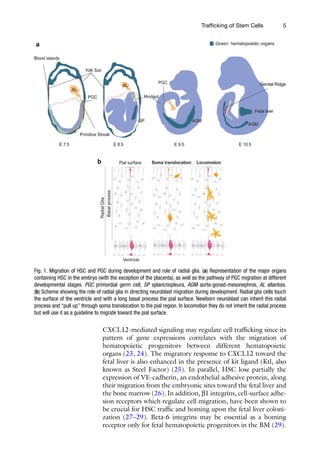
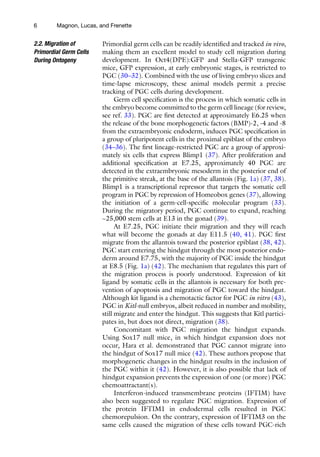
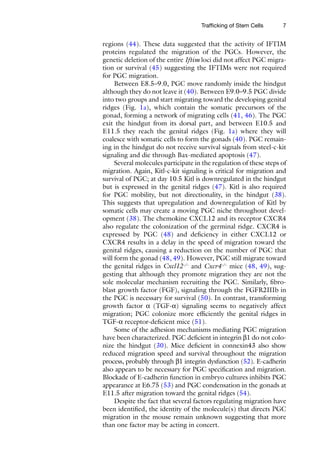
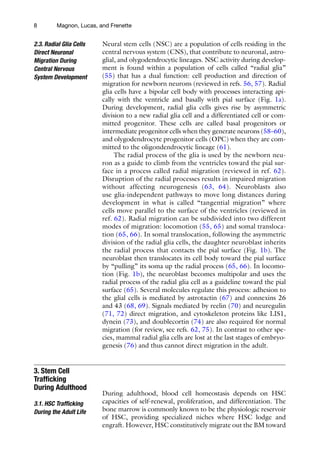
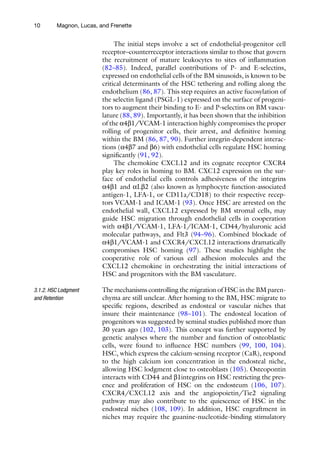
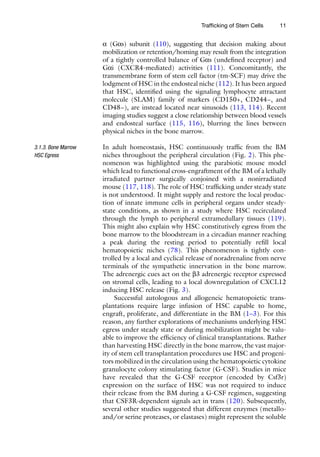
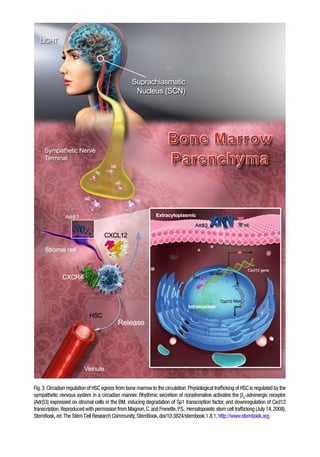
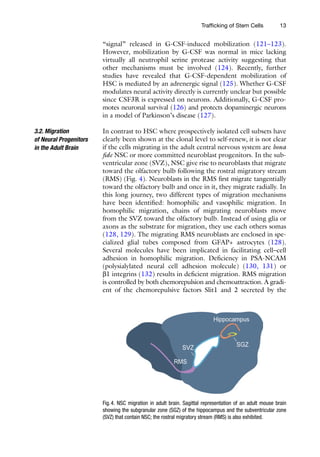
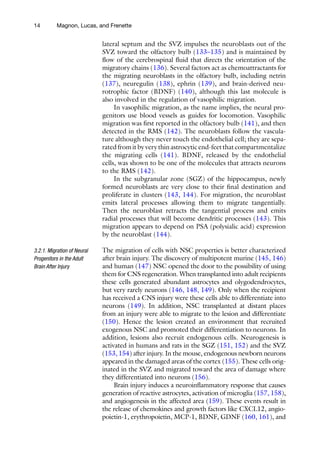
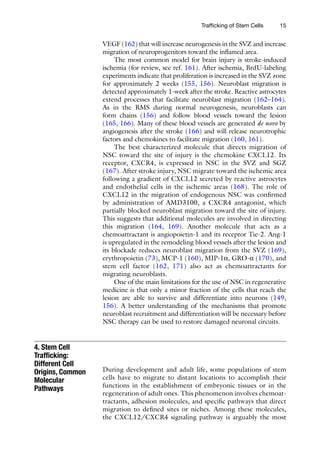
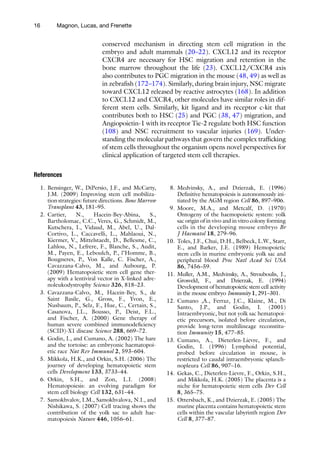
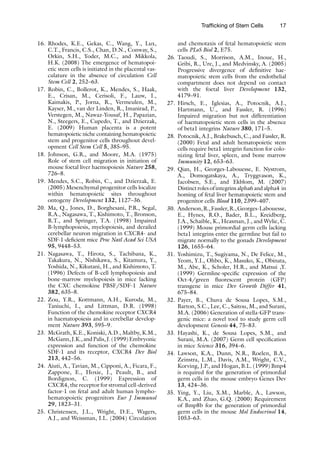
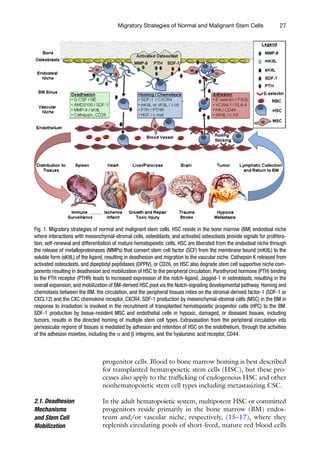

![them. “The Lord is the Spirit,” cries Paul when, with unveiled face,
he discovers that he is being transformed into His image from glory
to glory. “Joined to the Lord in one Spirit,” is another testimony of
the same sort.
Unfortunately the doctrine of the Christ within—“the real
presence”—has generally been held vaguely, and it has easily run
into error and even fanaticism. The most common error has come
from the prevalent view that when the Spirit—the inward Christ—
comes in, the man goes out. It has been supposed that the finite is
suppressed and the infinite supplants it and operates instead of it.
This view is not only contrary to Scripture, but also contrary to
psychological possibility. What really happens is that the human
spirit through its awakened appreciation appropriates into its own
life the divine Life which was always near and was always meant for
it. The true view has been well put by August Sabatier[6]: “It is not
enough to represent the Spirit of God as coming to the help of man’s
spirit, supplying strength which he lacks, an associate or juxtaposed
force, a supernatural auxiliary. Paul’s thought has no room for such a
moral and psychological dualism, although popular language easily
permits it. His thought is quite otherwise profound. There is no
simple addition of divine power and human power in the Christian
life. The Spirit of God identifies itself with the human me into which
it enters and whose life it becomes. If we may so speak, it is
individualized in the new moral personality which it creates. A sort of
metamorphosis, a transubstantiation, if the word may be permitted,
takes place in the human being. Having been carnal it has become
spiritual. A ‘new man’ arises from the old man by the creative act of
the spirit of God. Paul calls Christians πνευματικόι, properly
speaking, ‘the inspired.’ They are moved and guided by the Spirit of
God. The spirit dwells in them as an immanent virtue, whose fruits
are organically developed as those of the flesh. Supernatural gifts
become natural, or rather, at this mystical height, the antithesis
created by scholastic rationalism becomes meaningless and is
obliterated.” That is precisely my view and if I had not found it here
so well said I should have put the same idea into my own words.](https://image.slidesharecdn.com/9152-250319140616-4fd859f3/85/Stem-Cell-Migration-Methods-and-Protocols-1st-Edition-Claire-Magnon-55-320.jpg)
![that it will cost something to get it closed.[7] That is human nature.
That feeling is deep-rooted in man wherever he is found. He is
conscious that sin separates and he feels that something costly and
precious is required to close the chasm. Sacrifice is one of the
deepest and most permanent facts of the budding spiritual life. Its
origin is far back in history. The tattered papyrus, the fragment of
baked clay, the pictorial inscription of the most primitive sort, all
bear witness to this immemorial custom. It is as old as smiling or
weeping, as hard to trace to a beginning as loving or hating. It is
bound up with man’s sense of guilt, and was born when conscience
was born. Dark and fantastic are many of the chapters of the long
story of man’s efforts to square the account. Priests have seized
upon this instinctive tendency and have twisted it into abnormal
shapes, but they did not create it—it is elemental. The idea of an
angry God who must be appeased and satisfied was born with this
consciousness of guilt, it is a natural product of the shadow of
human sin.[8] The historic theories of the atonement, inherited from
the Roman church, were all formulated under the sway of this idea.
The two fundamental aspects of sin, then, are (1) its inward moral
effect upon the soul, its enslaving power over the sinner, and (2) its
tendency to open a chasm between God and man, to make God
appear full of wrath. How does Christ meet this human situation?
What is the heart of the Gospel? First of all, Christ reverses the
entire pagan attitude. He reveals God as a Father whose very
inherent nature is love and tenderness and forgiveness. In place of a
sovereign demanding justice, He shows an infinite Lover. We must
either give up the parable of the Prodigal Son, or accept this view of
God. But this parable fits the entire Gospel. John was only uttering
what Jesus Christ taught by every act of His life and what He
exhibited supremely on His cross, when He said “God is Love.” To
surrender this truth, and to start with the assumption of a God who
must be appeased, or reconciled or changed in attitude is to
surrender the heart of the Gospel, and to weave the shining threads
of our message of salvation in with the black threads of a pagan
warp. He who came to show us the Father, has unmistakably showed](https://image.slidesharecdn.com/9152-250319140616-4fd859f3/85/Stem-Cell-Migration-Methods-and-Protocols-1st-Edition-Claire-Magnon-61-320.jpg)
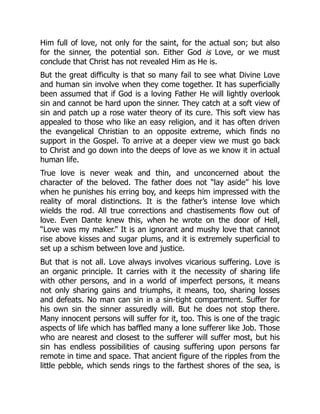
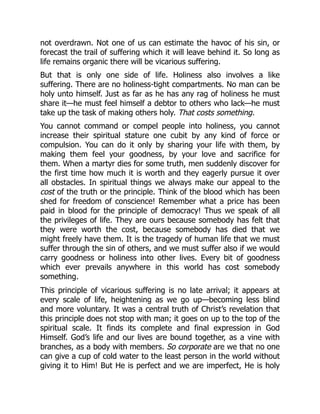
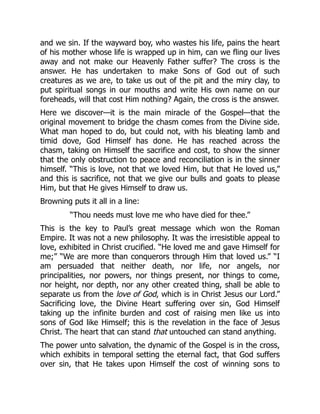
![glory and that His love reaches out to the most sin-scarred
wanderer, who clutches the swine husks in his lean hands.
But the appeal of love and sacrifice is not the whole of the truth
which this word atonement covers. We have been seeing, in some
feeble way, how God in Christ enters into human life, identifies
Himself with us, and reveals the energy of Grace. But we cannot
stop with “what has been done for us without us.” Sin, as has been
already said, is an affair of personal choice—it is a condition of
inward life. It is not an abstract entity, in a metaphysical realm. It is
the attitude of heart and will in a living, throbbing person who
cannot get free from the lower nature in himself. So too with
Salvation. It cannot be a transaction in some realm foreign to the
individual himself. It is not a plan, or scheme. It is an actual
deliverance, a new creation. It is nothing short of a redeemed
inward nature. Such a change cannot be wrought without the man
himself. It cannot come by a tergo compulsion. It must be by a
positive winning of the will. A dynamic faith in the man must
cooperate with that energy from God. Something comes down from
above, but something must also go up from below. Paul, who has
given the most vital interpretation of both sides of the truth of
redemption—the objective and the subjective—that has ever been
expressed, uses the word “faith” to name the human part of the
process.
Faith, in Paul’s sense of it, means an identification of ourselves with
Christ, by which we re-live His life. As He identified Himself with
sinning humanity, so, by the attraction of his love, we identify
ourselves with His victorious Life. We go down into death with Him—
a death to sin and the old self—and we rise with Him into newness
of life, to live henceforth unto Him who loved us.
There is no easy road out of a nature of sin into a holy nature. It is
vain to try and patch up a scheme which will relieve us of our share
of the tragedy of sin—or to put it another way, the travail for the
birth of the sons of God. The Redeemer suffers, but He does not
suffer in our stead—He suffers in our behalf, [ὑπέρ not άντι]. He](https://image.slidesharecdn.com/9152-250319140616-4fd859f3/85/Stem-Cell-Migration-Methods-and-Protocols-1st-Edition-Claire-Magnon-65-320.jpg)