Who we are?
1. Prom.ua
2. Marketplace
3. Using PostgreSQL since the start(2008?)
4. Self hosted infrastructure
5. Multiple(~243) postgres instances across 5
datacenters
What is even this pgbouncer?
1. Database Proxy for PostgreSQL
2. Single threaded
3. Can do load balance on DNS only
4. Cannot split READ/WRITE
5. Can multiplex inbound/outbound
connections
6. Very stable and robust
Some alternatives
1. PGPool II - can split read/write,
slow
2. PGCat - can do multi-core
3. Supavisor - can do multi-core,
web-scale
Why do we even *need* a db proxy?
1. Highload
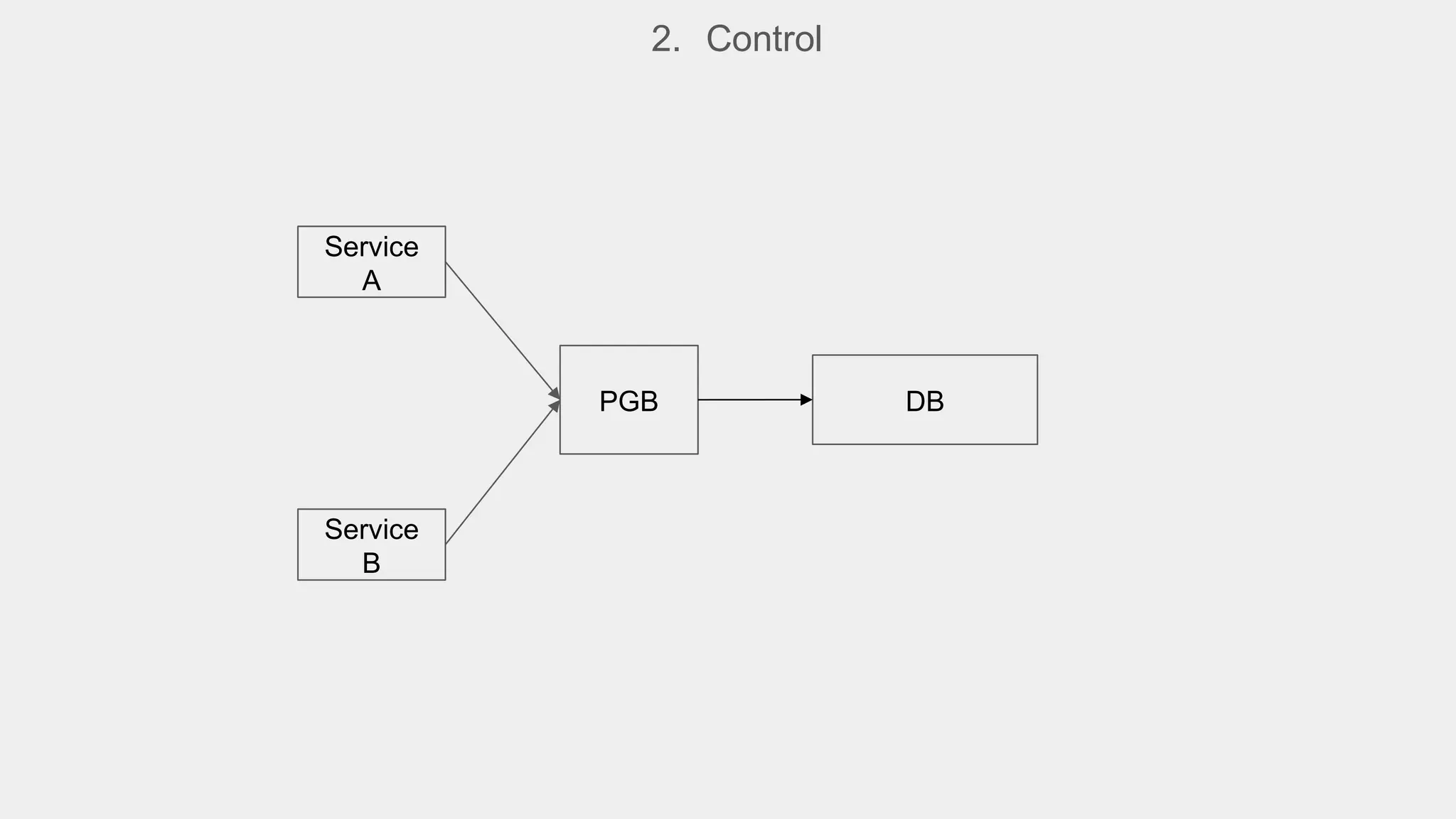
2. Control
1. Highload
PostgreSQL implements a “process per user” client/server model. In this model, every client process connects to
exactly one backend process. As we do not know ahead of time how many connections will be made, we have to use a
“supervisor process” that spawns a new backend process every time a connection is requested. This supervisor
process is called postmaster and listens at a specified TCP/IP port for incoming connections. Whenever it detects a
request for a connection, it spawns a new backend process. Those backend processes communicate with each other
and with other processes of the instance using semaphores and shared memory to ensure data integrity throughout
concurrent data access.
1. Highload
Session Pool Transaction Pool Statement Pool
Service
DB DB DB
Service Service
2. Control
Service
A
Service
B
Service
C
Service
D
DB
DB
DB
Pool
Pool
Pool
Pool
Pool
Pool
Service
A
DB
PGB
2. Control
Service
B
2. Control
Service
A
Old DB
New DB
PGB
2. Control
Service
A
Old DB
New DB
PGB
Deployment evolution
2011(?) - 2025- ?
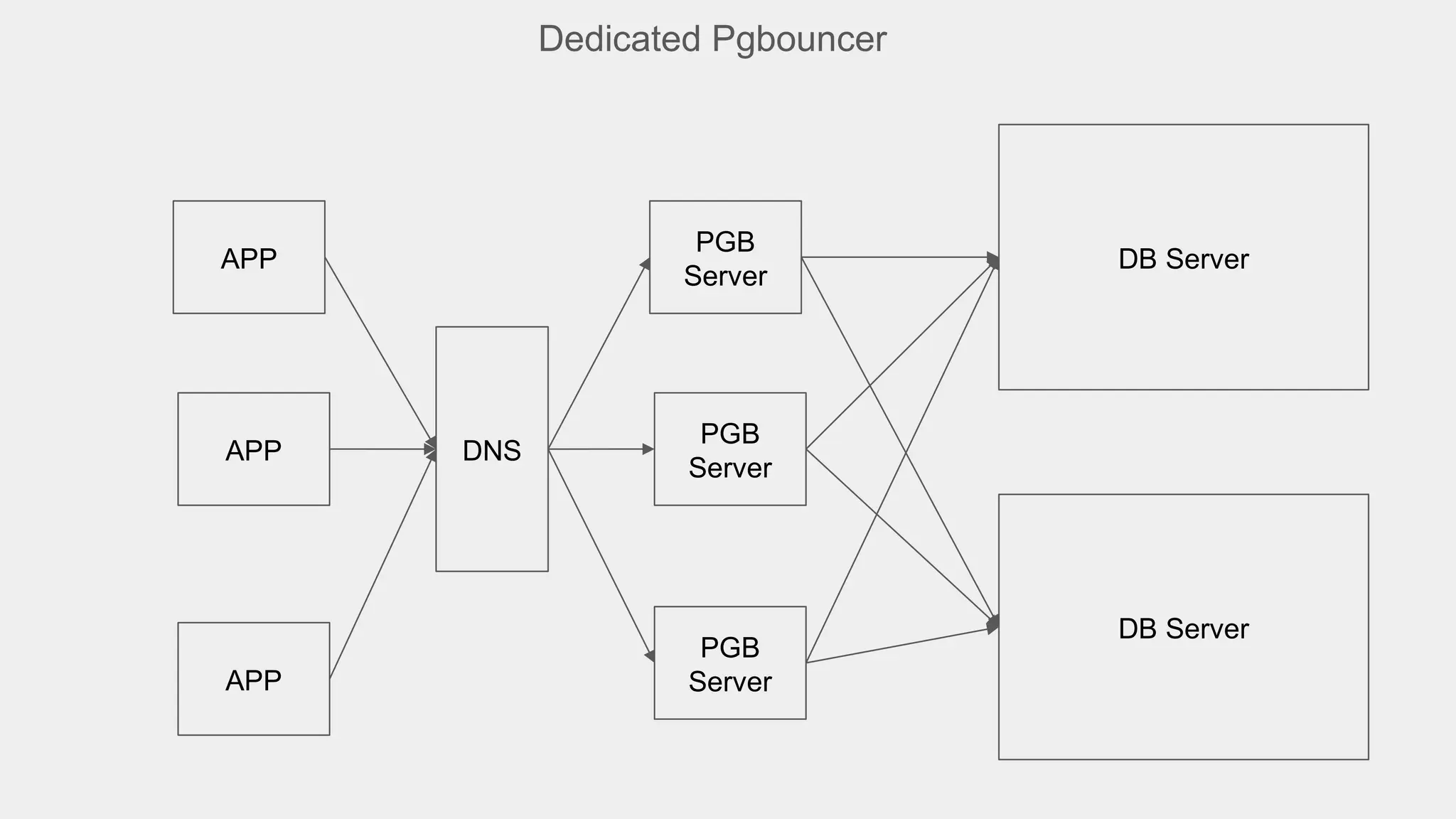
Dedicated Pgbouncer
APP
APP
APP
PGB
Server
PGB
Server
PGB
Server
DB Server
DB Server
DNS
Distributed Pgbouncer
DB Server
DB Server
DNS
App Server
App
PgB
App Server
App
PgB
App Server
App
PgB
DB Server
PG
PGB
DB Server
PG
PGB
Embedded Pgbouncer
APP
APP
APP
DNS
K8S Pgbouncer
APP Pod
APP Pod
APP Pod
PGB Pod
PGB Pod
PGB Pod
DB Server
DB Server
k8s
Service
DNS
Pod evolution
2018(?) - 2025- ?
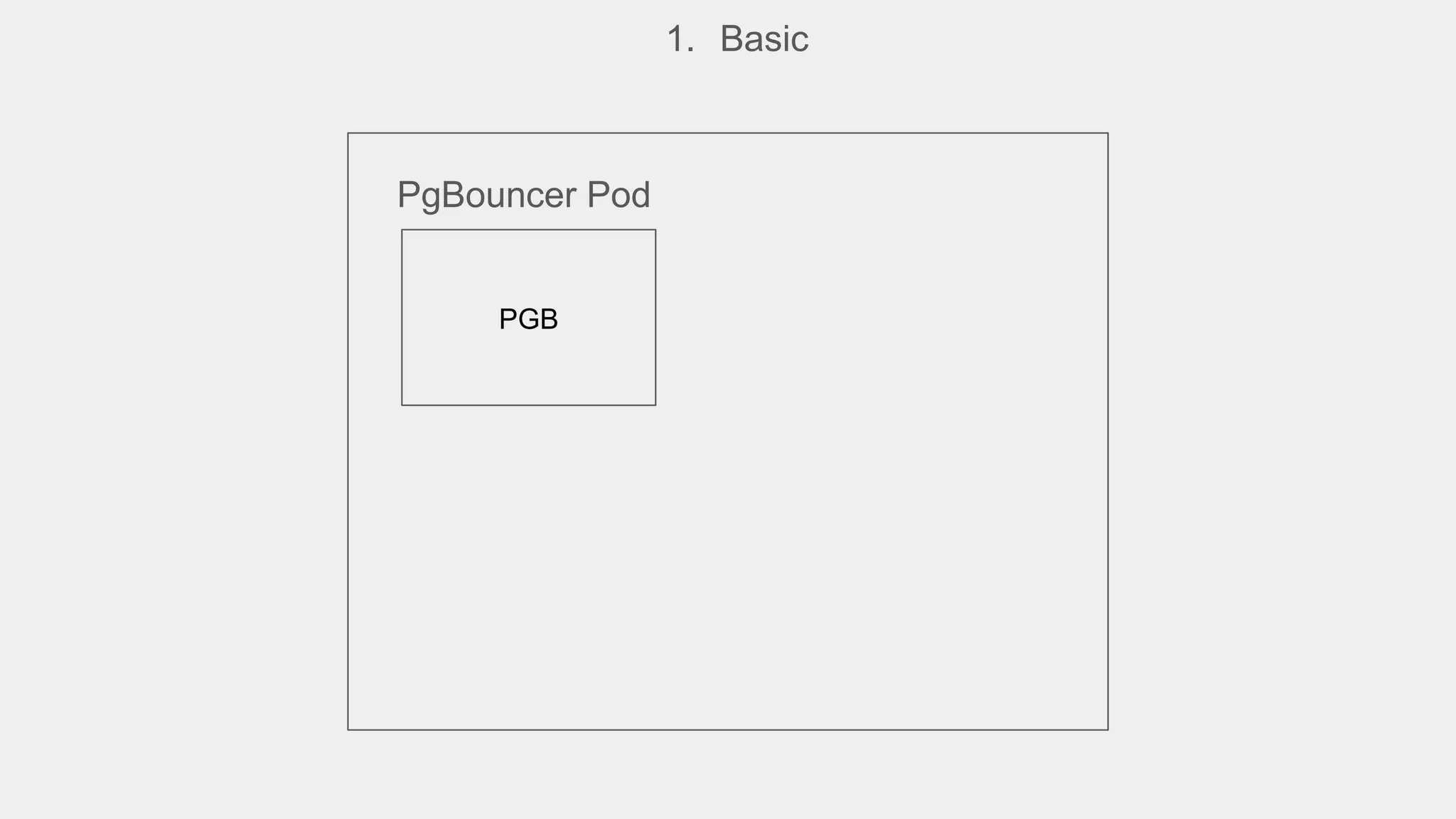
PgBouncer Pod
PGB
1. Basic
PgBouncer Pod
PGB ConfigWatcher
2. Add config watcher
logit "Starting config watcher"
sleep 10s
config_file=/etc/pgbouncer/pgbouncer.ini
while true; do
if [ -f ${config_file} ]; then
logit "Start monitoring config file ${config_file}"
inotifywait -e DELETE_SELF ${config_file} &
wait $!
sleep 1s
if [ -f ${config_file} ]; then
logit "Settings changed! Applying new settings"
cat ${config_file}
logit "Reloading pgbouncer"
psql --host=127.0.0.1 --port 6543 -U pgbadmin pgbouncer -c "reload"
psql --host=127.0.0.1 --port 6543 -U pgbadmin pgbouncer -c "show databases"
# reload the dns
curl 127.0.0.1:8081/reload | true
else
logit "Config file ${config_file} is missing. Skipping"
fi
else
logit "Config file ${config_file} is missing. Sleeping 10s"
sleep 10s
fi
done &
PgBouncer Pod
PGB ConfigWatcher
MetricsExporter
3. Add metrics exporter
pgbouncer=# show help;
NOTICE: Console usage
DETAIL:
SHOW HELP|CONFIG|DATABASES|POOLS|CLIENTS|SERVERS|USERS|
VERSION
SHOW PEERS|PEER_POOLS
SHOW FDS|SOCKETS|ACTIVE_SOCKETS|LISTS|MEM|STATE
SHOW DNS_HOSTS|DNS_ZONES
SHOW STATS|STATS_TOTALS|STATS_AVERAGES|TOTALS
SET key = arg
RELOAD
PAUSE [<db>]
RESUME [<db>]
DISABLE <db>
ENABLE <db>
RECONNECT [<db>]
KILL <db>
SUSPEND
SHUTDOWN
WAIT_CLOSE [<db>]
SHOW
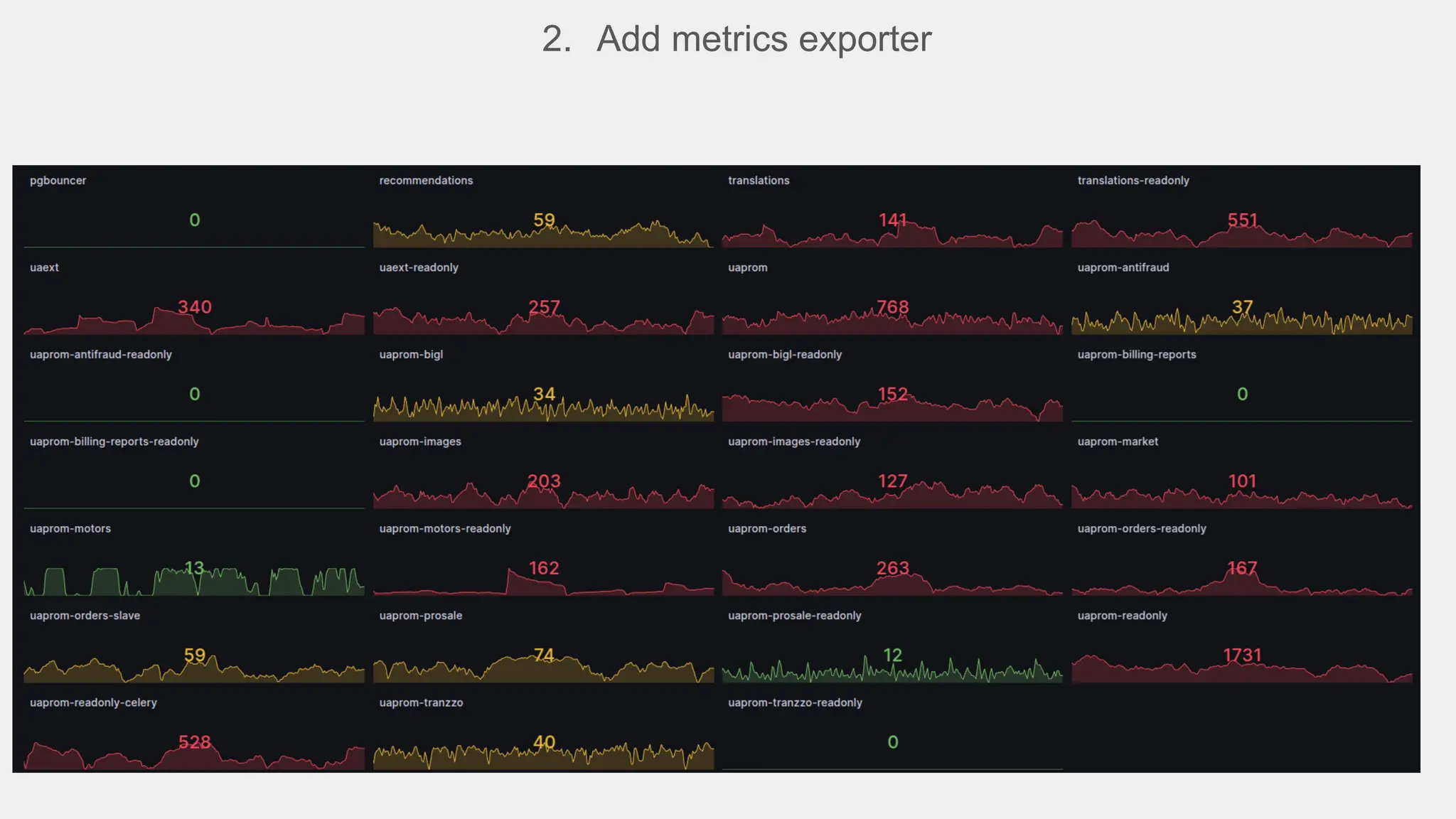
2. Add metrics exporter
4. Add health check
PgBouncer Pod
PGB ConfigWatcher
ConfigWatcher HealthCheck
PgBouncer Pod
PGB Config Watcher
Metrics exporter Healthcheck
HaProxy
5. Add HaProxy
K8S Pgbouncer
APP Pod
APP Pod
APP Pod
DB Server
DB Server
k8s
Service
PGB
Haproxy
PGB
Haproxy
PGB
Haproxy
resolvers mydns
nameserver dns1 $RESOLVER:53
accepted_payload_size 8192
{{- range .Values.haproxy.dbs }}
frontend {{ .name }}_frontend
mode tcp
bind :{{ .localPort }}
default_backend {{ .name }}_backend
backend {{ .name }}_backend
option pgsql-check user {{ .user }}
balance leastconn
server-template {{ .name }} 16 {{ .host }}:{{ .port }} check resolvers mydns
init-addr none
{{- end }}
https://www.haproxy.com/documentation/haproxy-configuration-tutorials/dns-resolution/
THIS IS WHAT PROXY REALLY IS
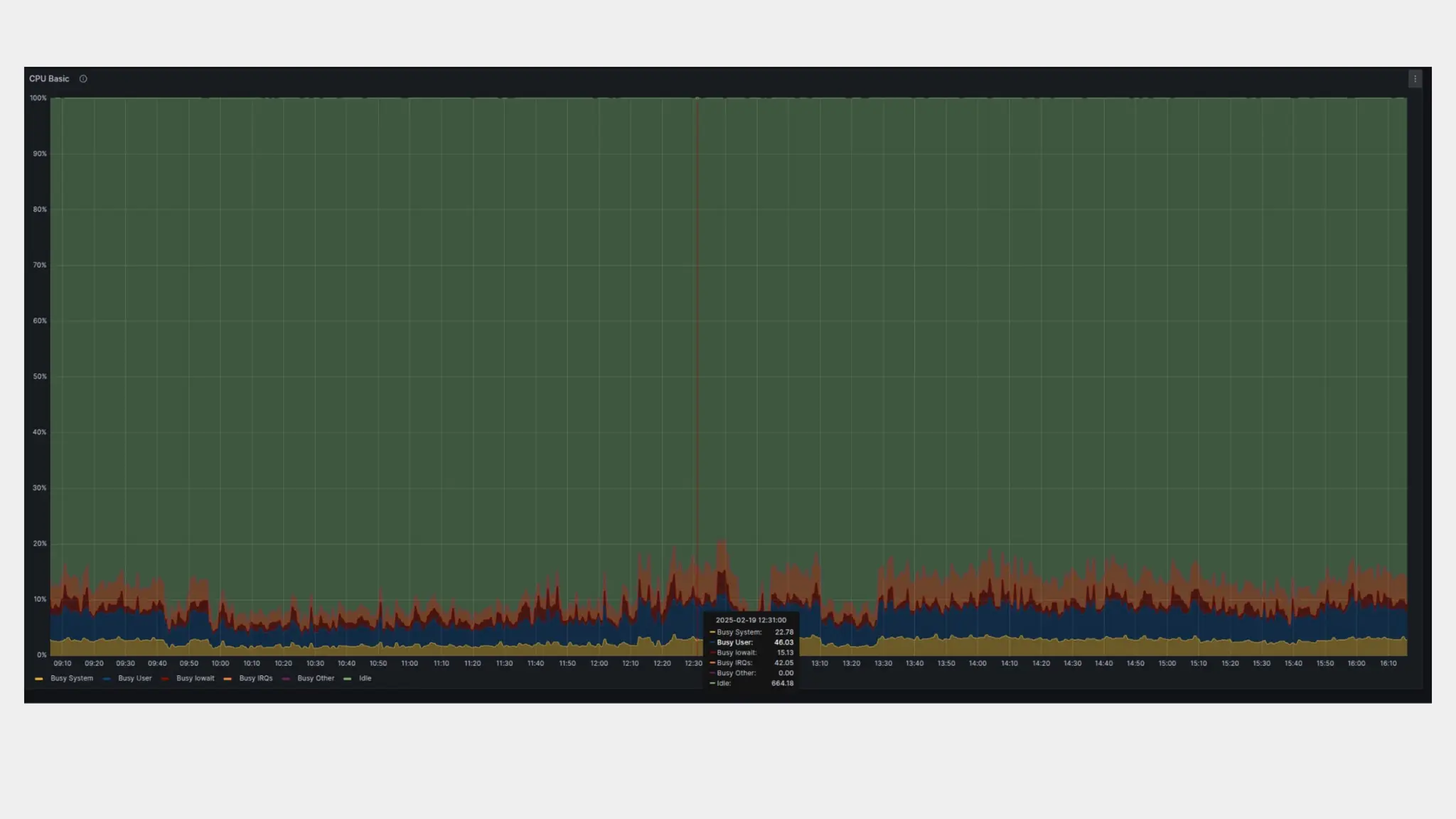
Softirqs (software interrupt requests) are similar to
interrupts, but they are generated by the kernel itself rather
than hardware devices. Softirqs are used for a variety of
purposes, such as network processing, task scheduling,
and disk I/O. Softirqs are generally less time-critical than
hardware interrupts, but they can still impact system
performance.
https://www.netdata.cloud/blog/understanding-interrupts-s
oftirqs-and-softnet-in-linux/
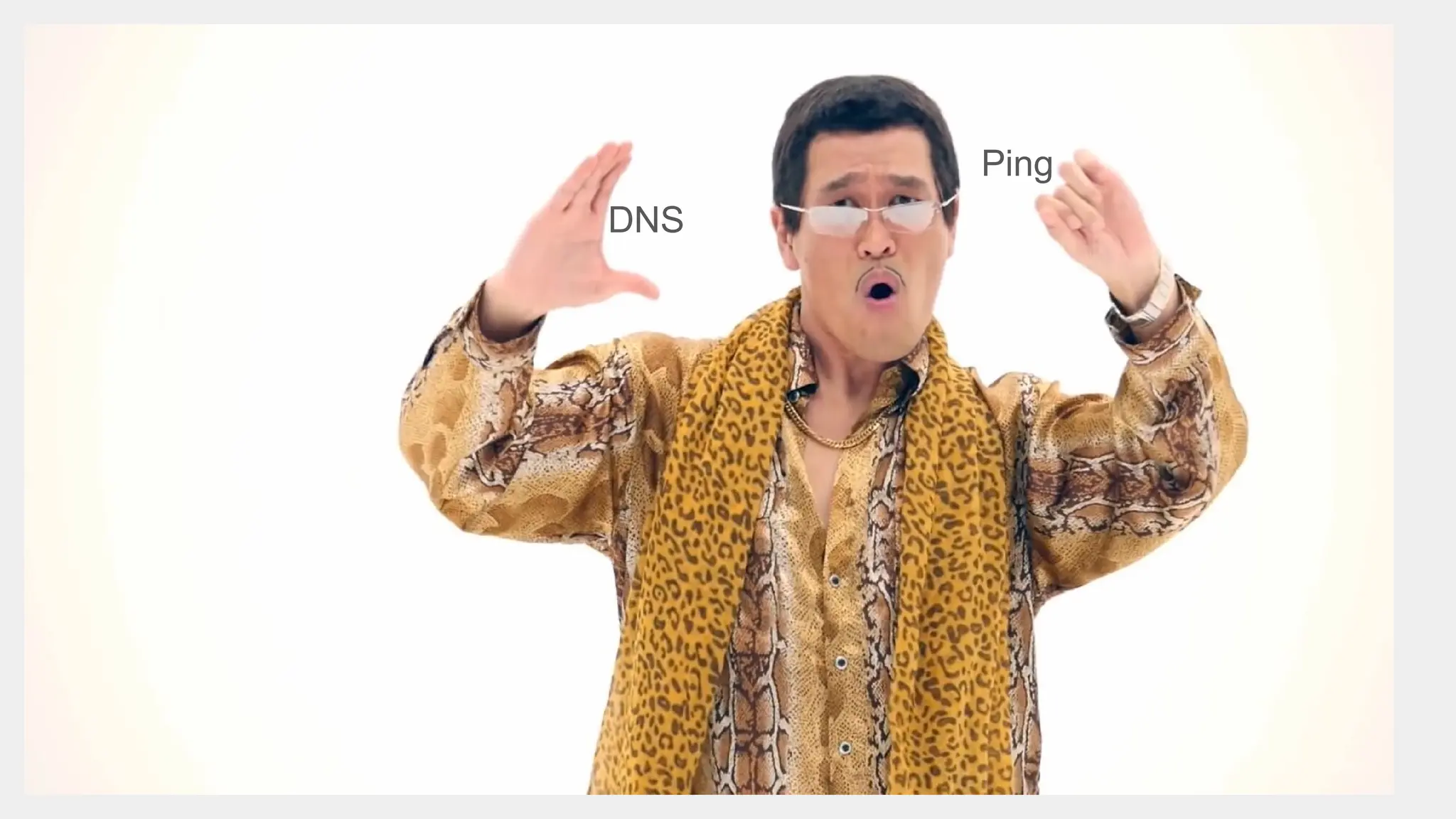
1. Haproxy uses DNS
2. Haproxy does ping
How do we achieve the same without proxy?
Ping
DNS
PgBouncer Pod
PGB Config Watcher
Metrics exporter Healthcheck
HaProxy
DNS Ping
5. Add DNS Ping, Remove HaProxy
K8S Pgbouncer
APP Pod
APP Pod
APP Pod
DB Server
DB Server
k8s
Service
PGB
DNS
Ping
PGB
DNS
Ping
PGB
DNS
Ping
PgBouncer Pod
PGB Config Watcher
Metrics exporter Healthcheck
DNS Ping
5. Plans: Add log Parser
LogParser
5. Plans: Better Circuit Breaker
DNS Ping
Postmaster
Real
connection
If we run out of connections, Postmaster still can reject auth, we need real
credentials to initiate connection and check for “no more connections allowed”
5. Plans: Investigate host_strategy
Add load_balance_hosts parameter, to support not load balancing between hosts. (#736)
"Spin-up pgbouncer for fun and profit", Vitaliy Kharytonskiy

"Spin-up pgbouncer for fun and profit", Vitaliy Kharytonskiy

  • 2.
  • 3.
    1. Prom.ua 2. Marketplace 3.Using PostgreSQL since the start(2008?) 4. Self hosted infrastructure 5. Multiple(~243) postgres instances across 5 datacenters
  • 4.
    What is eventhis pgbouncer?
  • 5.
    1. Database Proxyfor PostgreSQL 2. Single threaded 3. Can do load balance on DNS only 4. Cannot split READ/WRITE 5. Can multiplex inbound/outbound connections 6. Very stable and robust
  • 6.
    Some alternatives 1. PGPoolII - can split read/write, slow 2. PGCat - can do multi-core 3. Supavisor - can do multi-core, web-scale
  • 7.
    Why do weeven *need* a db proxy?
  • 8.
  • 9.
    1. Highload PostgreSQL implementsa “process per user” client/server model. In this model, every client process connects to exactly one backend process. As we do not know ahead of time how many connections will be made, we have to use a “supervisor process” that spawns a new backend process every time a connection is requested. This supervisor process is called postmaster and listens at a specified TCP/IP port for incoming connections. Whenever it detects a request for a connection, it spawns a new backend process. Those backend processes communicate with each other and with other processes of the instance using semaphores and shared memory to ensure data integrity throughout concurrent data access.
  • 10.
    1. Highload Session PoolTransaction Pool Statement Pool Service DB DB DB Service Service
  • 12.
  • 13.
  • 14.
  • 15.
  • 16.
  • 17.
  • 18.
    Distributed Pgbouncer DB Server DBServer DNS App Server App PgB App Server App PgB App Server App PgB
  • 19.
  • 20.
    K8S Pgbouncer APP Pod APPPod APP Pod PGB Pod PGB Pod PGB Pod DB Server DB Server k8s Service DNS
  • 21.
  • 22.
  • 23.
  • 24.
    logit "Starting configwatcher" sleep 10s config_file=/etc/pgbouncer/pgbouncer.ini while true; do if [ -f ${config_file} ]; then logit "Start monitoring config file ${config_file}" inotifywait -e DELETE_SELF ${config_file} & wait $! sleep 1s if [ -f ${config_file} ]; then logit "Settings changed! Applying new settings" cat ${config_file} logit "Reloading pgbouncer" psql --host=127.0.0.1 --port 6543 -U pgbadmin pgbouncer -c "reload" psql --host=127.0.0.1 --port 6543 -U pgbadmin pgbouncer -c "show databases" # reload the dns curl 127.0.0.1:8081/reload | true else logit "Config file ${config_file} is missing. Skipping" fi else logit "Config file ${config_file} is missing. Sleeping 10s" sleep 10s fi done &
  • 26.
  • 27.
    pgbouncer=# show help; NOTICE:Console usage DETAIL: SHOW HELP|CONFIG|DATABASES|POOLS|CLIENTS|SERVERS|USERS| VERSION SHOW PEERS|PEER_POOLS SHOW FDS|SOCKETS|ACTIVE_SOCKETS|LISTS|MEM|STATE SHOW DNS_HOSTS|DNS_ZONES SHOW STATS|STATS_TOTALS|STATS_AVERAGES|TOTALS SET key = arg RELOAD PAUSE [<db>] RESUME [<db>] DISABLE <db> ENABLE <db> RECONNECT [<db>] KILL <db> SUSPEND SHUTDOWN WAIT_CLOSE [<db>] SHOW
  • 28.
  • 29.
  • 30.
    4. Add healthcheck PgBouncer Pod PGB ConfigWatcher ConfigWatcher HealthCheck
  • 32.
    PgBouncer Pod PGB ConfigWatcher Metrics exporter Healthcheck HaProxy 5. Add HaProxy
  • 33.
    K8S Pgbouncer APP Pod APPPod APP Pod DB Server DB Server k8s Service PGB Haproxy PGB Haproxy PGB Haproxy
  • 34.
    resolvers mydns nameserver dns1$RESOLVER:53 accepted_payload_size 8192 {{- range .Values.haproxy.dbs }} frontend {{ .name }}_frontend mode tcp bind :{{ .localPort }} default_backend {{ .name }}_backend backend {{ .name }}_backend option pgsql-check user {{ .user }} balance leastconn server-template {{ .name }} 16 {{ .host }}:{{ .port }} check resolvers mydns init-addr none {{- end }} https://www.haproxy.com/documentation/haproxy-configuration-tutorials/dns-resolution/
  • 35.
    THIS IS WHATPROXY REALLY IS Softirqs (software interrupt requests) are similar to interrupts, but they are generated by the kernel itself rather than hardware devices. Softirqs are used for a variety of purposes, such as network processing, task scheduling, and disk I/O. Softirqs are generally less time-critical than hardware interrupts, but they can still impact system performance. https://www.netdata.cloud/blog/understanding-interrupts-s oftirqs-and-softnet-in-linux/
  • 39.
    1. Haproxy usesDNS 2. Haproxy does ping How do we achieve the same without proxy?
  • 40.
  • 41.
    PgBouncer Pod PGB ConfigWatcher Metrics exporter Healthcheck HaProxy DNS Ping 5. Add DNS Ping, Remove HaProxy
  • 42.
    K8S Pgbouncer APP Pod APPPod APP Pod DB Server DB Server k8s Service PGB DNS Ping PGB DNS Ping PGB DNS Ping
  • 44.
    PgBouncer Pod PGB ConfigWatcher Metrics exporter Healthcheck DNS Ping 5. Plans: Add log Parser LogParser
  • 46.
    5. Plans: BetterCircuit Breaker DNS Ping Postmaster Real connection If we run out of connections, Postmaster still can reject auth, we need real credentials to initiate connection and check for “no more connections allowed”
  • 47.
    5. Plans: Investigatehost_strategy Add load_balance_hosts parameter, to support not load balancing between hosts. (#736)