Restrictions on articles and
activities injurious to
Environment
Preeti Kana Sikder
Assistant Professor
Department of Law & Justice
Jahangirnagar University
Father Thames as
depicted in
England, 1855
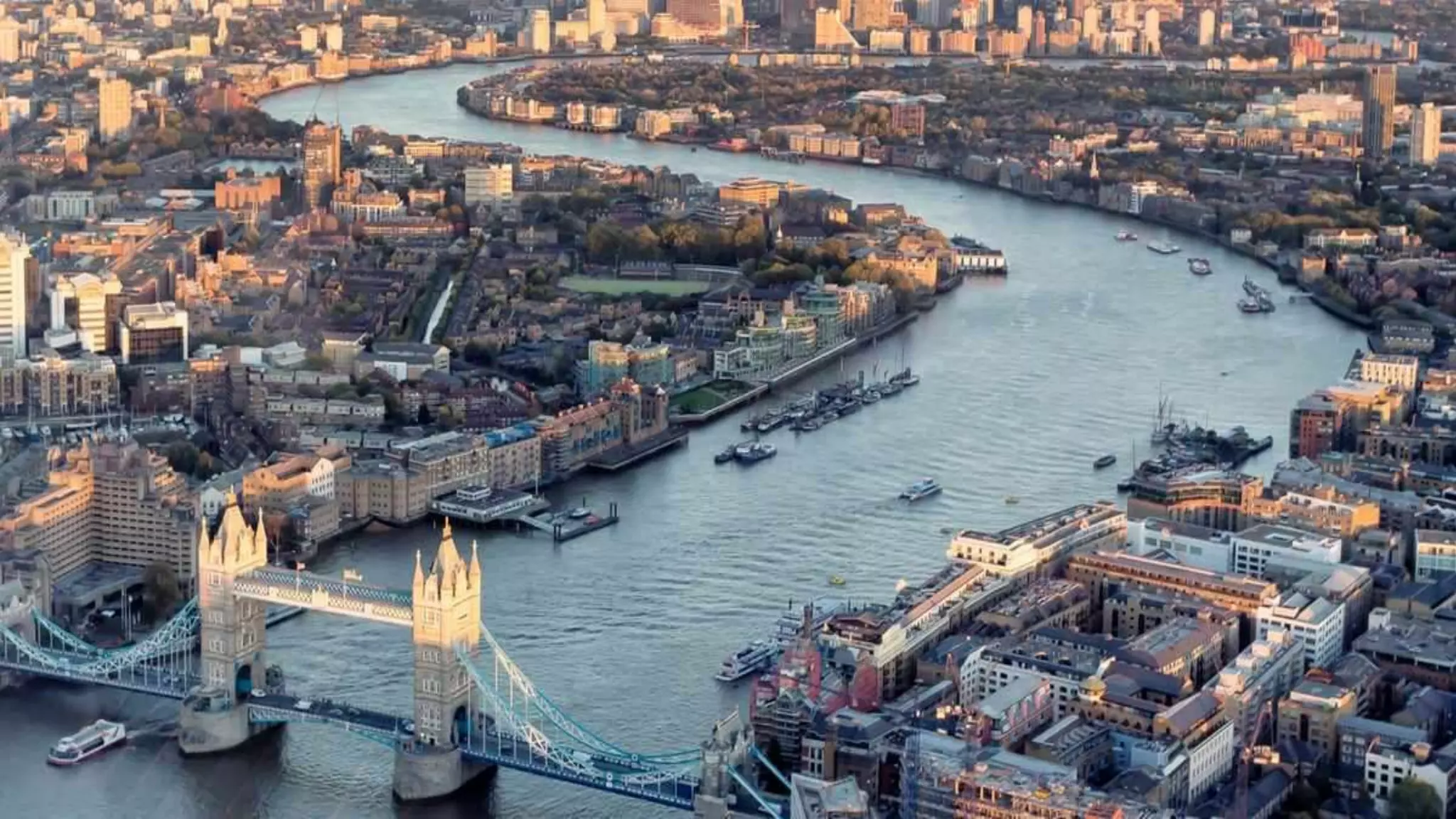
The 1858 Great Stink of London
 London was, then, a dirty, smelly city well before the summer of 1858, with poor
sanitation and a filthy main river running through it. So the last thing Londoners needed
was a heatwave. But that’s exactly what they got. In June of that year he temperatures in
the capital averaged 34–36 °C (93–97 °F) in the shade, rising to 48 °C (118 °F) in the sun.
far from being pleasant, this made things truly unbearable. Indeed, it was said that you
could smell the foulness of the Thames more than 8 miles away!
 The heatwave also caused water levels to fall. By July of 1858, the height of the Thames
had dropped significantly. While there was less dirty water flowing under London’s famous
bridges, this meant that raw effluent from the sewers started to pile up on the banks of
the river. In some places right in the heart of the city, these mounds of waste stood 6 feet
high. Most people avoided going down to the river if they could, but even then they
couldn’t escape the overpowering stench.
The 1858 Great Stink of London
 The Prime Minister Benjamin Disraeli succeeded in getting the Act passed through
Parliament. It gave the Metropolitan Board of Works (MBW) full responsibility for the state
of the Thames.
 In all, some 1,100 miles of additional sewers were constructed under the streets of
London. These would collect both rainwater and waste and then channel both into a
further 82 miles of main, interconnecting sewers.
 the Metropolitan Commission of Sewers (MCS) was set up to deal with the problem. It
soon appointed Joseph Bazalgette as its head.
 Some 400 draftsmen were employed to work on the designs and then thousands of day
laborers were brought in to build the tunnels and the pumping stations. The Prime
Minister approved an additional £1.2 million in funding, bringing the total up past the £4
million mark, making this one of the most expensive engineering projects ever carried
out, not just in England but anywhere in Europe.
Consequence of the Great Stink
 According to some estimates, Bazalgette’s sewerage system
extended the lifespan of the average Londoner by as much as
20 years.
 And it wasn’t just his contemporaries who benefited. One of
the most notable things about the system built as a result of
the Great Stink was that it was built to last.
 Indeed, while London had a population of around 2 million in
the 1860s, Bazalgette had the foresight to build his sewer
system for a population twice that number.
What is polythene?
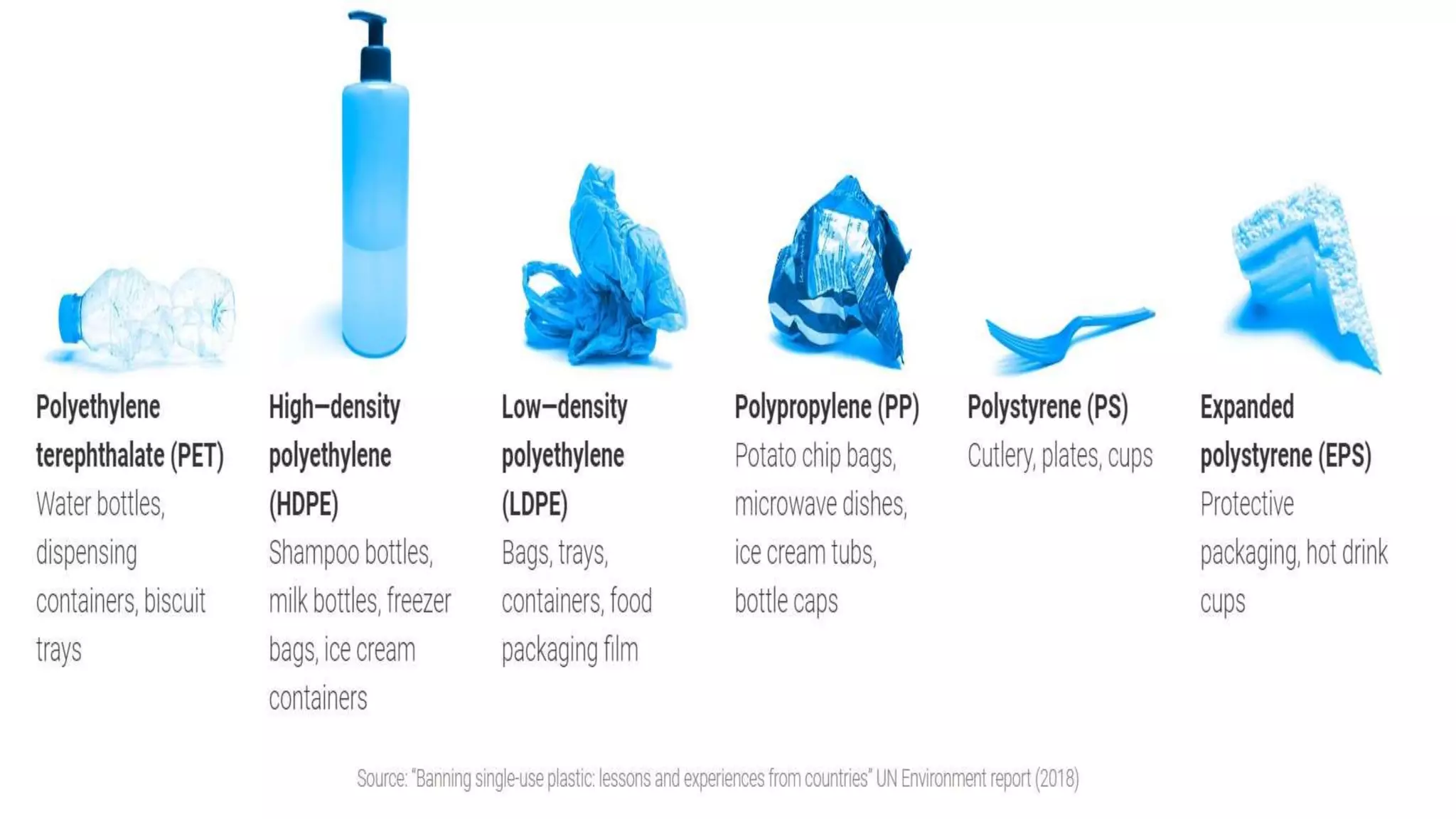
Polyethylene or polypropylene
Source: http://www.independent.co.uk/news/science/polythenes-story-
the-accidental-birth-of-plastic-bags-800602.html
It was at the end of the 19th century when a German
scientist, Hans von Pechmann, discovered a waxy
residue at the bottom of his test tube. He had little
idea of the material's significance; he was not to
know that the substance was an early form of what
we now use to bottle our shampoo, cocoon our
sandwiches and wrap our wires. He had, completely
by accident, made polythene, one of the world's most
widely used and controversial materials.
Polyethylene Grades
High density polyethylene
Linear low density polyethylene
Low density polyethylene
Measurement of thickness of Polythene bags
 Micron is shorthand for micromillimetre (mµ).
1 millimetre = 1,000 microns.
 Science and industry often require 50 micron as a
minimum and the heavy bags could be 100
microns or more.
What are the environmental and
economic implications of the increased
use of polythene?
A Study on Control & Management of Polythene
Bags in Bangladesh, SMEC Study, 2001
 New Legislations for control and management of
polythene bags in BD
 New Legislation to manage and control solid
waste in Bangladesh
 Legal Framework for alternative technology
Absolute ban on all kinds or any kind of
polythene shopping bag, or any other
article made of polyethylene or
polypropylene or any other article
injurious to the environment
Section 6A: Restrictions on manufacture, sale etc.
of articles injurious to environment (inserted in
2002)
Section 6A: imposes absolute ban on -
Manufacture
Import
Marketing
Sale
Demonstration
for sale
 Stock
 Distribution
 Commercial Carriage
 Allow the operation
or management of
such activities
However :
 Government may allow conditional operation and
management of the activities just mentioned
 Government may issue such direction mentioned above if it is
satisfied, on the advice of the DG or otherwise, that the
aforesaid articles are injurious to the environment and such
direction would be issued by notifications in the Offical
Gazette
 Such direction shall not be applicable to export items or to
any kind of polythene bags that would be exempted by the
direction itself from its application
‘Polythene shopping bag’ means a bag,
thonga or other container made of
polyethylene or polypropylene or any
compound or mixture thereof and is
used for purchasing, selling or carrying
another article
Polythene shopping bags were considered to be different from other
polythene products
Subsequent Exemptions
 Up to 20 micron is allowed generally
 100 micron bags were allowed for packaging of consumable items
by DoE
 MoEF allowed polythene of 35 micron for transporting pollen of
fish
 Allowed polythene of 55 micron for packaging of all goods
including mushrooms to preserve standard of quality
 Allowed polypropylene of 35-100 micron as packet for cultivation
and packaging of mushrooms
 Further allowed use of specialized polythene bags not less than
40 micron
Confusion in implementation
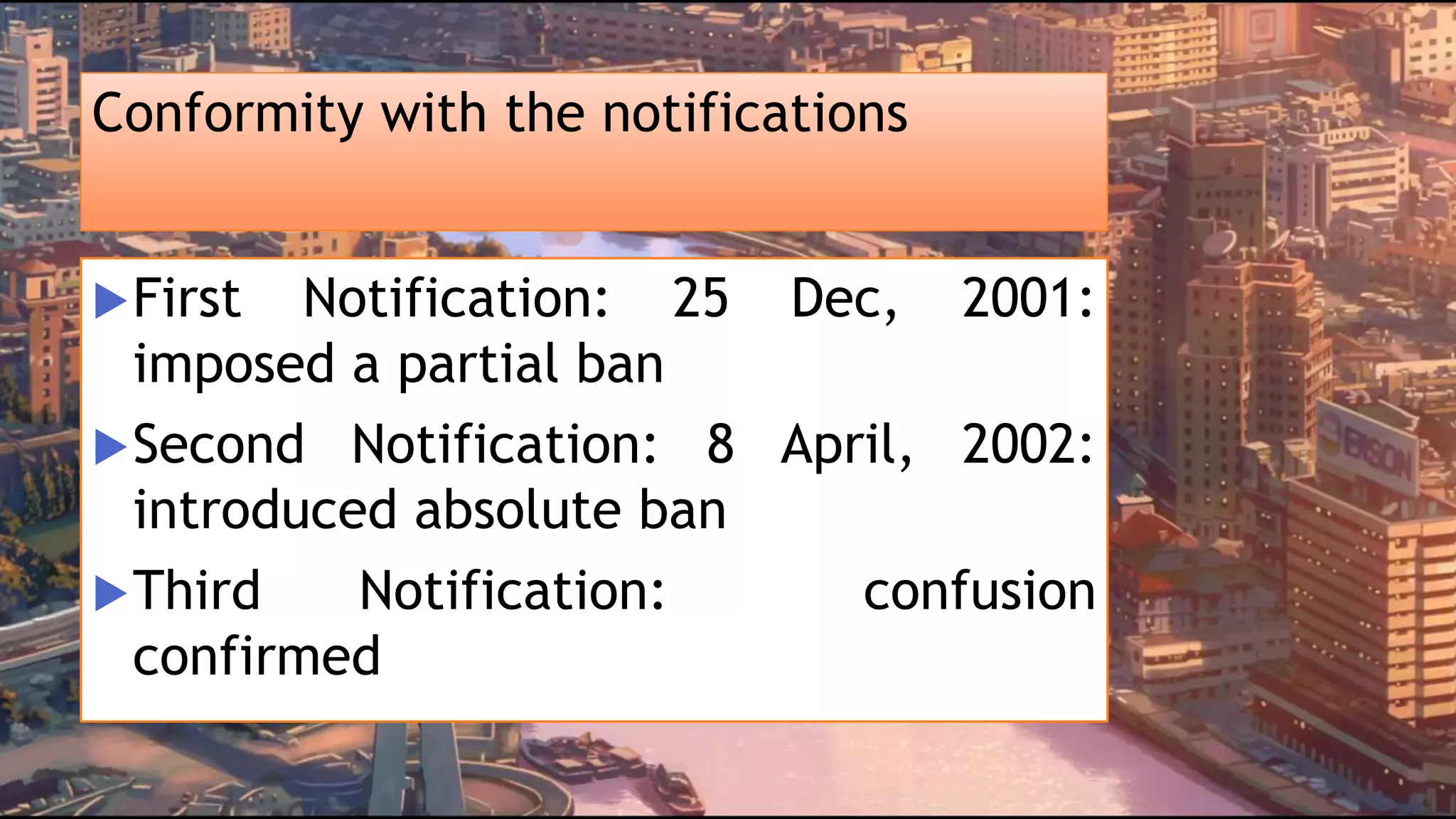
Conformity with the notifications
First Notification: 25 Dec, 2001:
imposed a partial ban
Second Notification: 8 April, 2002:
introduced absolute ban
Third Notification: confusion
confirmed
Penalty for polythene related offences
 Under S. 15(1) of BECA:
Penalty for manufacture, import or marketing
of polythene products in violation of bans –
imprisonment not exceeding 10 years or fine
not exceeding 10 lac or both
Penalty for sale, exhibit for sale, stock,
distribute, commercial use – imprisonment not
exceeding 6y months or fine not exceeding 10
thousand taka or both

Restrictions on Articles and Activities Injurious to Environment: Polythene Ban

  • 1.
    Restrictions on articlesand activities injurious to Environment Preeti Kana Sikder Assistant Professor Department of Law & Justice Jahangirnagar University
  • 3.
    Father Thames as depictedin England, 1855
  • 4.
    The 1858 GreatStink of London  London was, then, a dirty, smelly city well before the summer of 1858, with poor sanitation and a filthy main river running through it. So the last thing Londoners needed was a heatwave. But that’s exactly what they got. In June of that year he temperatures in the capital averaged 34–36 °C (93–97 °F) in the shade, rising to 48 °C (118 °F) in the sun. far from being pleasant, this made things truly unbearable. Indeed, it was said that you could smell the foulness of the Thames more than 8 miles away!  The heatwave also caused water levels to fall. By July of 1858, the height of the Thames had dropped significantly. While there was less dirty water flowing under London’s famous bridges, this meant that raw effluent from the sewers started to pile up on the banks of the river. In some places right in the heart of the city, these mounds of waste stood 6 feet high. Most people avoided going down to the river if they could, but even then they couldn’t escape the overpowering stench.
  • 5.
    The 1858 GreatStink of London  The Prime Minister Benjamin Disraeli succeeded in getting the Act passed through Parliament. It gave the Metropolitan Board of Works (MBW) full responsibility for the state of the Thames.  In all, some 1,100 miles of additional sewers were constructed under the streets of London. These would collect both rainwater and waste and then channel both into a further 82 miles of main, interconnecting sewers.  the Metropolitan Commission of Sewers (MCS) was set up to deal with the problem. It soon appointed Joseph Bazalgette as its head.  Some 400 draftsmen were employed to work on the designs and then thousands of day laborers were brought in to build the tunnels and the pumping stations. The Prime Minister approved an additional £1.2 million in funding, bringing the total up past the £4 million mark, making this one of the most expensive engineering projects ever carried out, not just in England but anywhere in Europe.
  • 6.
    Consequence of theGreat Stink  According to some estimates, Bazalgette’s sewerage system extended the lifespan of the average Londoner by as much as 20 years.  And it wasn’t just his contemporaries who benefited. One of the most notable things about the system built as a result of the Great Stink was that it was built to last.  Indeed, while London had a population of around 2 million in the 1860s, Bazalgette had the foresight to build his sewer system for a population twice that number.
  • 9.
  • 10.
    Source: http://www.independent.co.uk/news/science/polythenes-story- the-accidental-birth-of-plastic-bags-800602.html It wasat the end of the 19th century when a German scientist, Hans von Pechmann, discovered a waxy residue at the bottom of his test tube. He had little idea of the material's significance; he was not to know that the substance was an early form of what we now use to bottle our shampoo, cocoon our sandwiches and wrap our wires. He had, completely by accident, made polythene, one of the world's most widely used and controversial materials.
  • 11.
    Polyethylene Grades High densitypolyethylene Linear low density polyethylene Low density polyethylene
  • 12.
    Measurement of thicknessof Polythene bags  Micron is shorthand for micromillimetre (mµ). 1 millimetre = 1,000 microns.  Science and industry often require 50 micron as a minimum and the heavy bags could be 100 microns or more.
  • 14.
    What are theenvironmental and economic implications of the increased use of polythene?
  • 15.
    A Study onControl & Management of Polythene Bags in Bangladesh, SMEC Study, 2001  New Legislations for control and management of polythene bags in BD  New Legislation to manage and control solid waste in Bangladesh  Legal Framework for alternative technology
  • 16.
    Absolute ban onall kinds or any kind of polythene shopping bag, or any other article made of polyethylene or polypropylene or any other article injurious to the environment Section 6A: Restrictions on manufacture, sale etc. of articles injurious to environment (inserted in 2002)
  • 17.
    Section 6A: imposesabsolute ban on - Manufacture Import Marketing Sale Demonstration for sale  Stock  Distribution  Commercial Carriage  Allow the operation or management of such activities
  • 18.
    However :  Governmentmay allow conditional operation and management of the activities just mentioned  Government may issue such direction mentioned above if it is satisfied, on the advice of the DG or otherwise, that the aforesaid articles are injurious to the environment and such direction would be issued by notifications in the Offical Gazette  Such direction shall not be applicable to export items or to any kind of polythene bags that would be exempted by the direction itself from its application
  • 19.
    ‘Polythene shopping bag’means a bag, thonga or other container made of polyethylene or polypropylene or any compound or mixture thereof and is used for purchasing, selling or carrying another article Polythene shopping bags were considered to be different from other polythene products
  • 21.
    Subsequent Exemptions  Upto 20 micron is allowed generally  100 micron bags were allowed for packaging of consumable items by DoE  MoEF allowed polythene of 35 micron for transporting pollen of fish  Allowed polythene of 55 micron for packaging of all goods including mushrooms to preserve standard of quality  Allowed polypropylene of 35-100 micron as packet for cultivation and packaging of mushrooms  Further allowed use of specialized polythene bags not less than 40 micron
  • 22.
  • 23.
    Conformity with thenotifications First Notification: 25 Dec, 2001: imposed a partial ban Second Notification: 8 April, 2002: introduced absolute ban Third Notification: confusion confirmed
  • 25.
    Penalty for polythenerelated offences  Under S. 15(1) of BECA: Penalty for manufacture, import or marketing of polythene products in violation of bans – imprisonment not exceeding 10 years or fine not exceeding 10 lac or both Penalty for sale, exhibit for sale, stock, distribute, commercial use – imprisonment not exceeding 6y months or fine not exceeding 10 thousand taka or both