-Rakesh Sunari
Magar(77)
-Pawan Bhatta(65)
-Nirajan Dahal(58)
-Needesh
Budhathoki(56)
Prof. Dr. Padma Bahadur
Shahi
1
Background
 As per our syllabus, we fourth year students have to
present our final year project in our desired field of
interest. It is a vital part of IOE syllabus in order to
make students competent to work in the actual field.
 We have chosen rural road development project
among the number of options available in
transportation project.
 We want to experience the working technique with
new innovative concept of ours while designing a road
in a sense of future demand that is structurally, eco-
friendly and atheistically designed.2
Intro
T
R
A
N
S
P
O
R
T
A
T
I
O
N
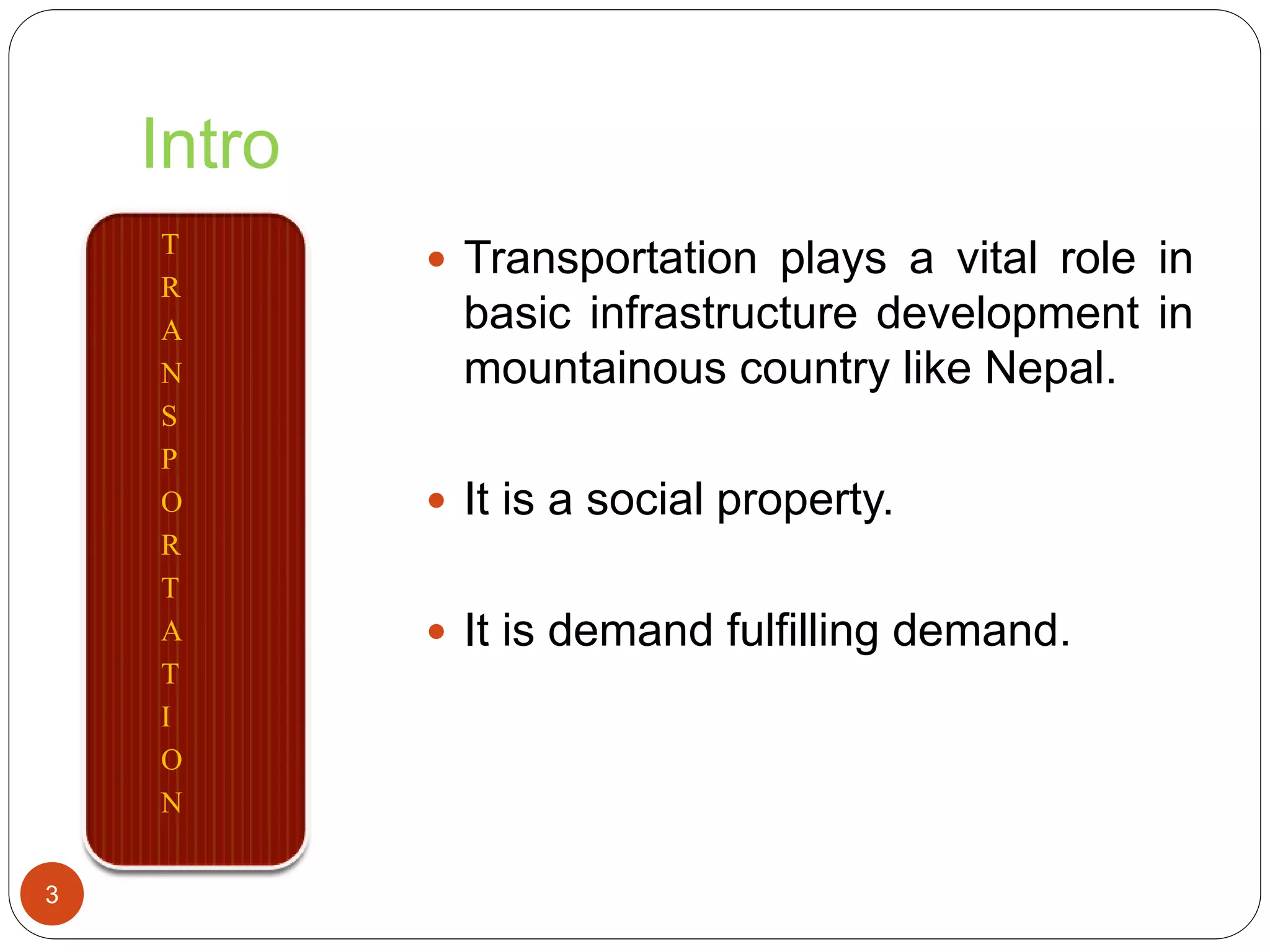
 Transportation plays a vital role in
basic infrastructure development in
mountainous country like Nepal.
 It is a social property.
 It is demand fulfilling demand.
3
Objectives and Scope
 To setup an alignment of a road as per the
environmental condition.
 To consider gradient, earthwork, road components
(drainage, retaining walls), geometric properties of the
road properly in the design.
 To prepare economical and stable road in rural areas.
 To link urban and rural areas with comfort, wide, safe,
smooth road.
4
Objectives and Scope
 For the overall development of country.
 To minimize the risk of loss of property and lives
by designing stable roads.
 To know the importance of team work.
 To design the road with innovative concept that is
structurally, atheistically and eco-friendly aspect.
5
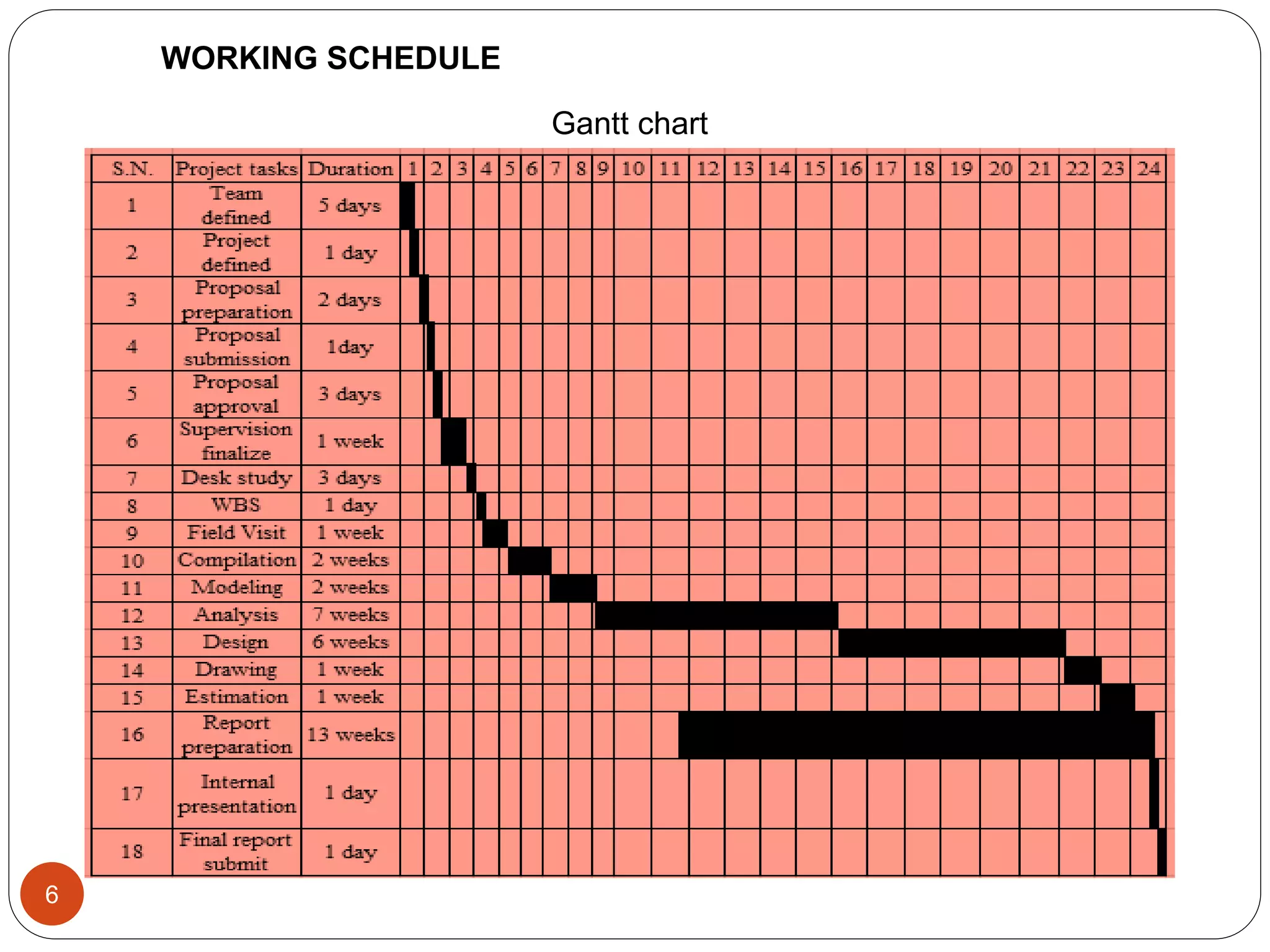
Gantt chart
WORKING SCHEDULE
6
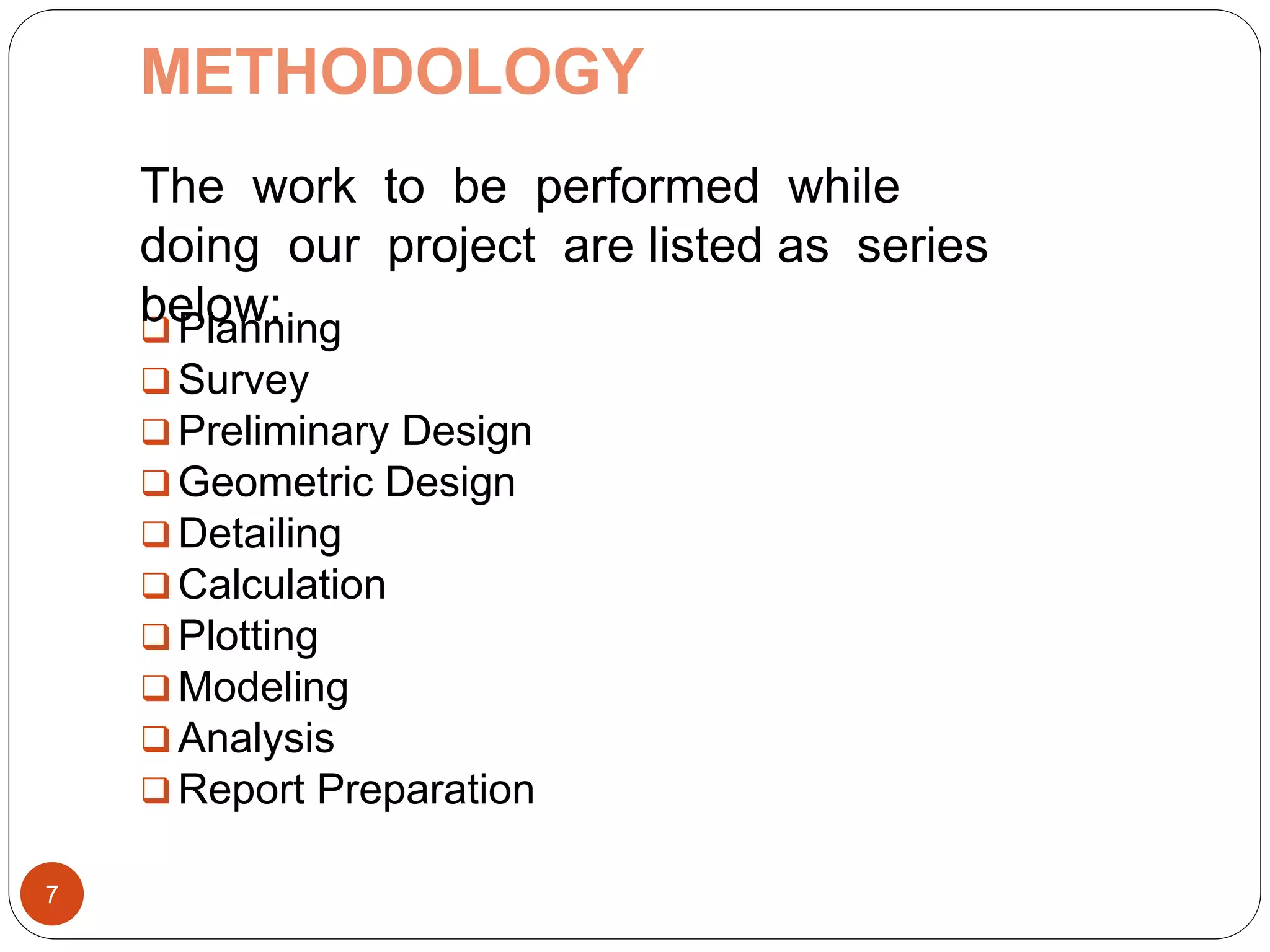
METHODOLOGY
 Planning
 Survey
 Preliminary Design
 Geometric Design
 Detailing
 Calculation
 Plotting
 Modeling
 Analysis
 Report Preparation
7
The work to be performed while
doing our project are listed as series
below:
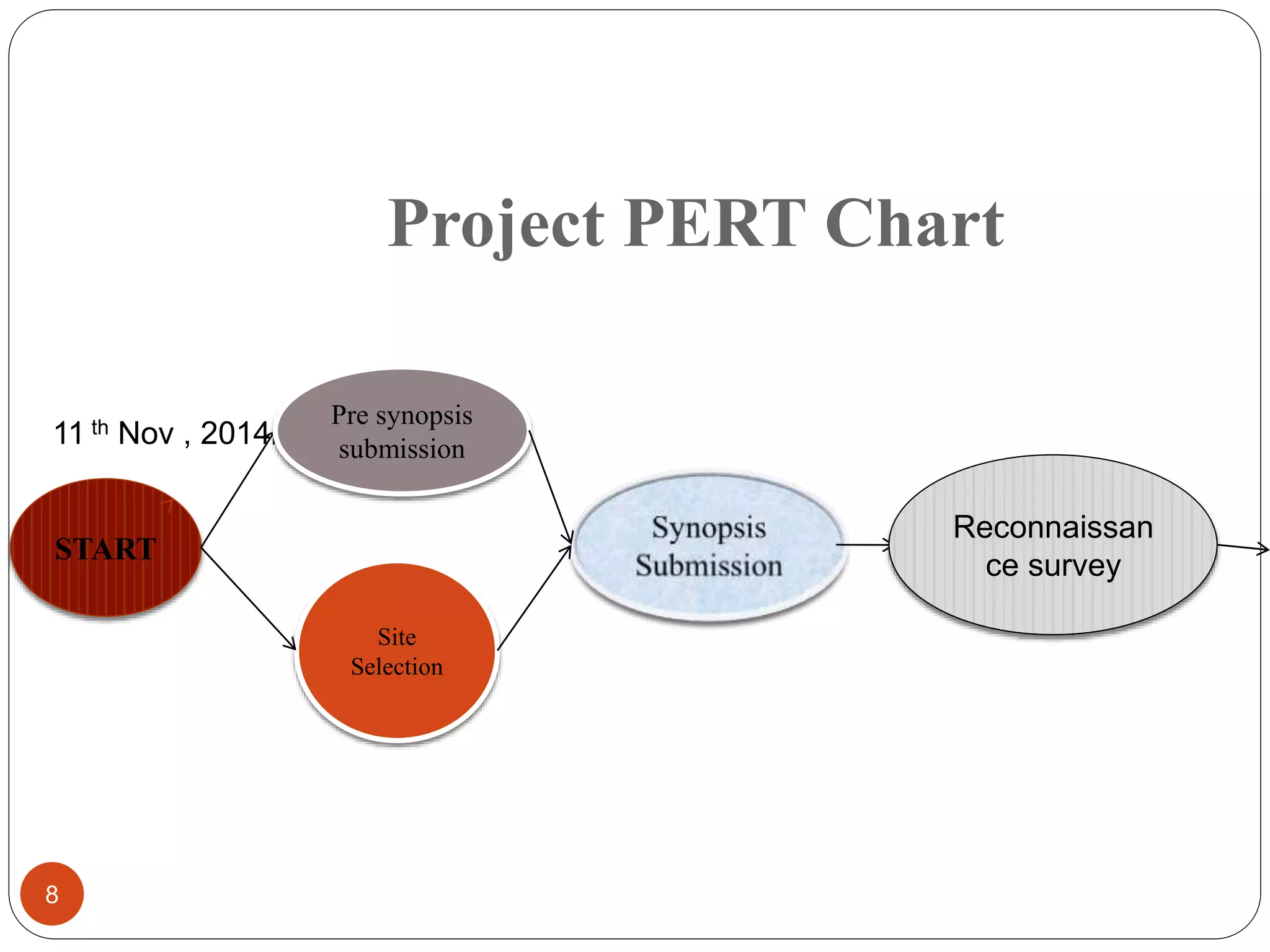
Project PERT Chart
START
Pre synopsis
submission
Site
Selection
Reconnaissan
ce survey
11 th Nov , 2014
8
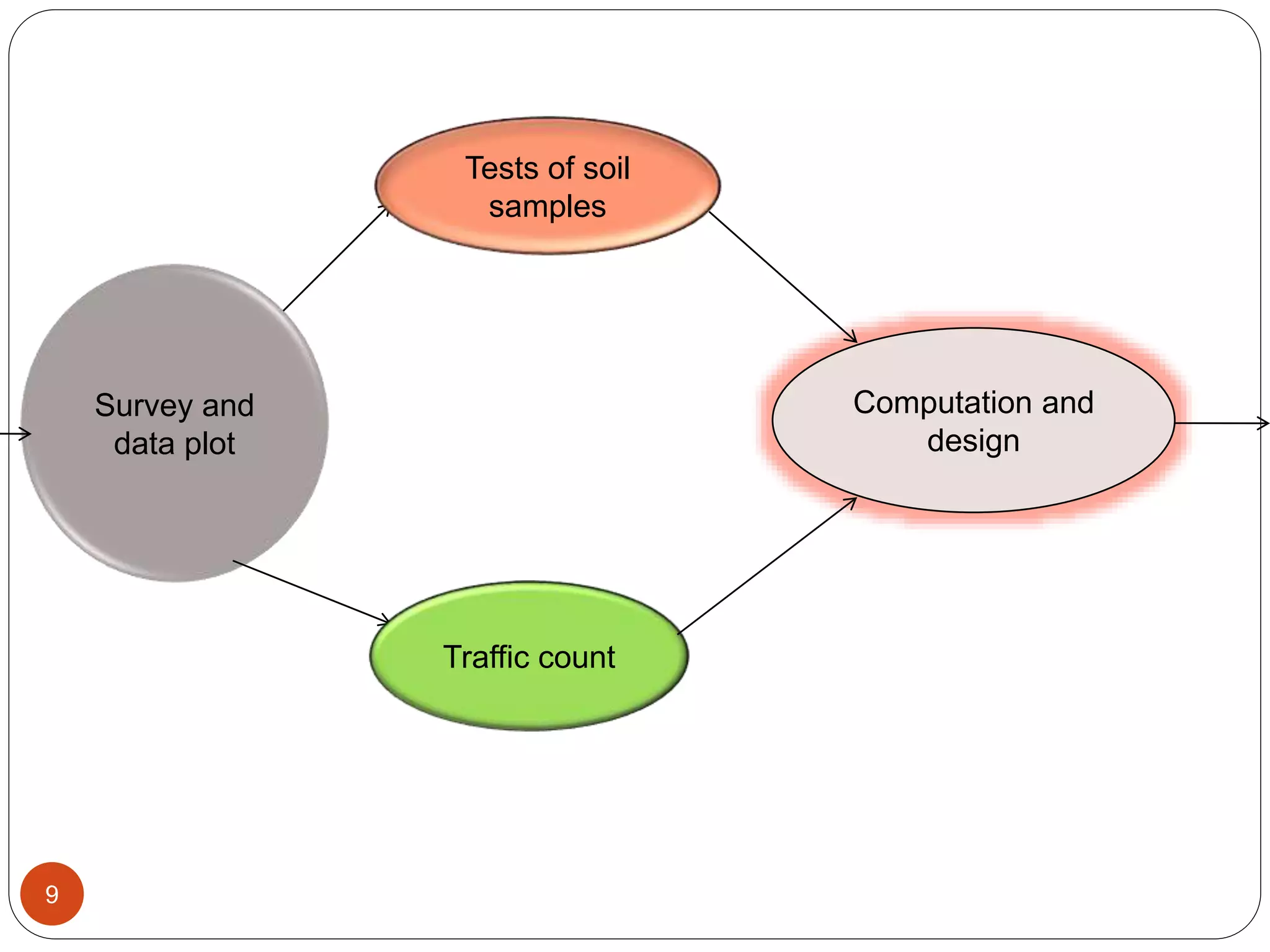
Survey and
data plot
Tests of soil
samples
Computation and
design
Traffic count
9
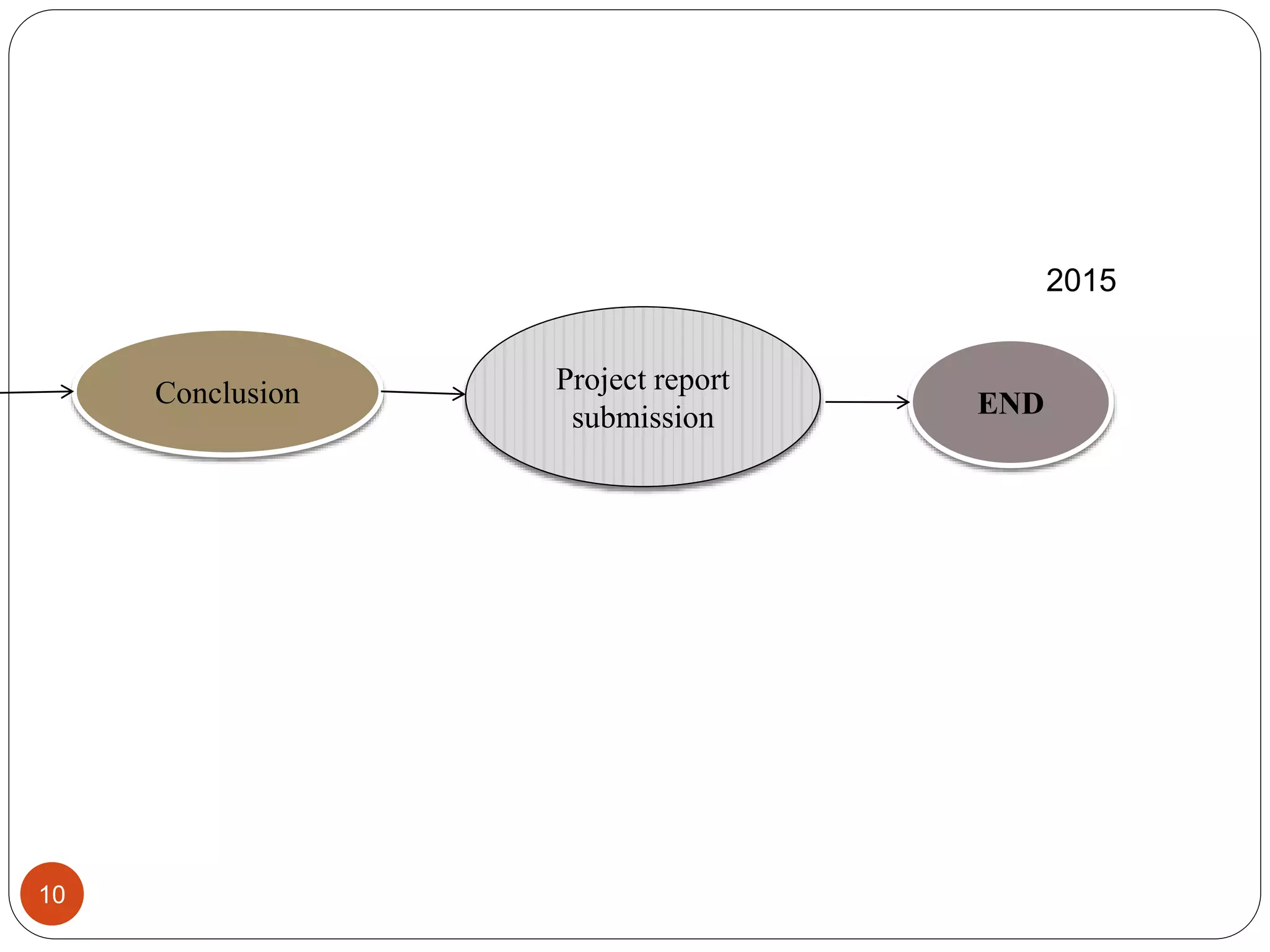
Project report
submission
Conclusion END
2015
10
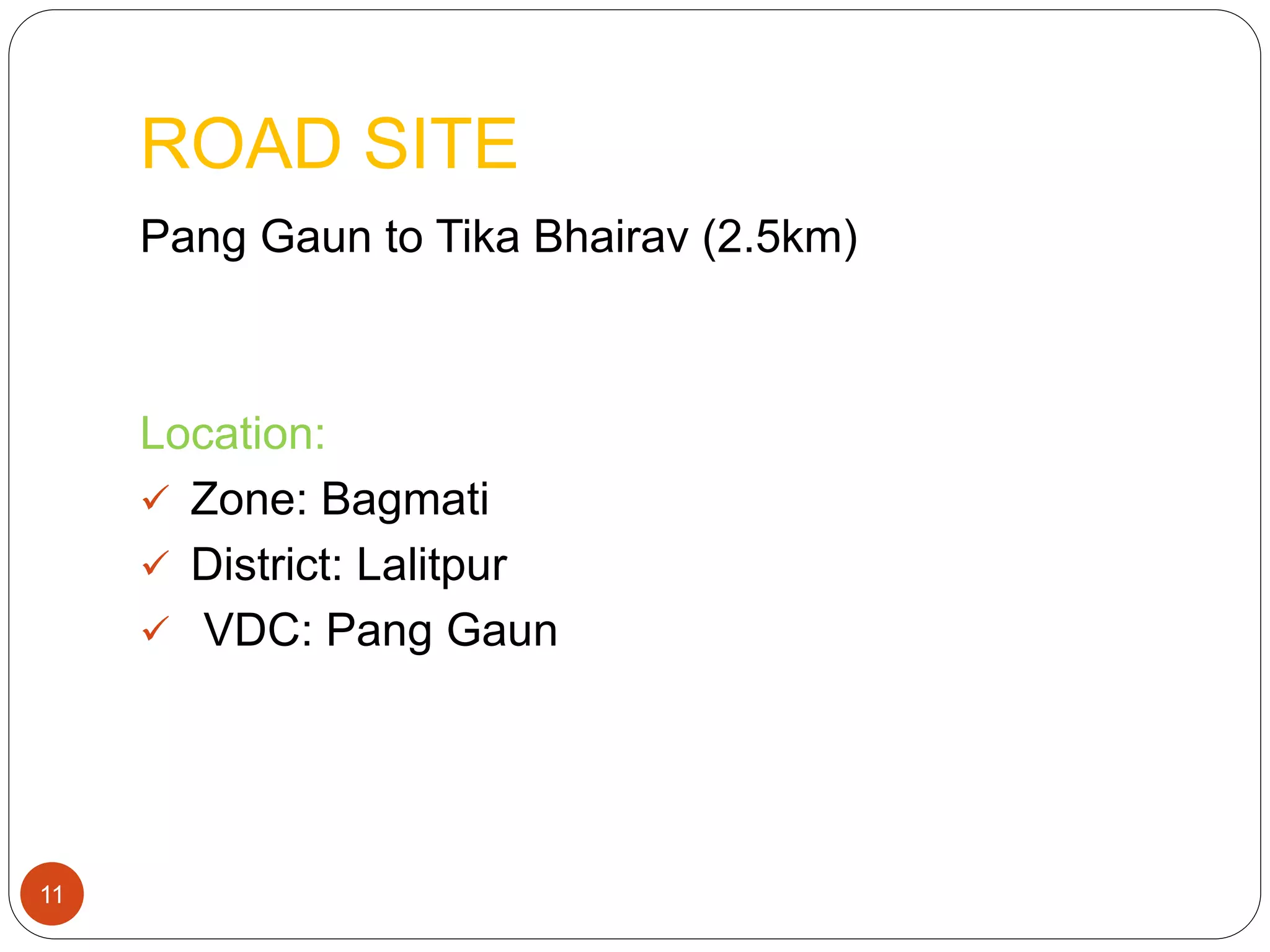
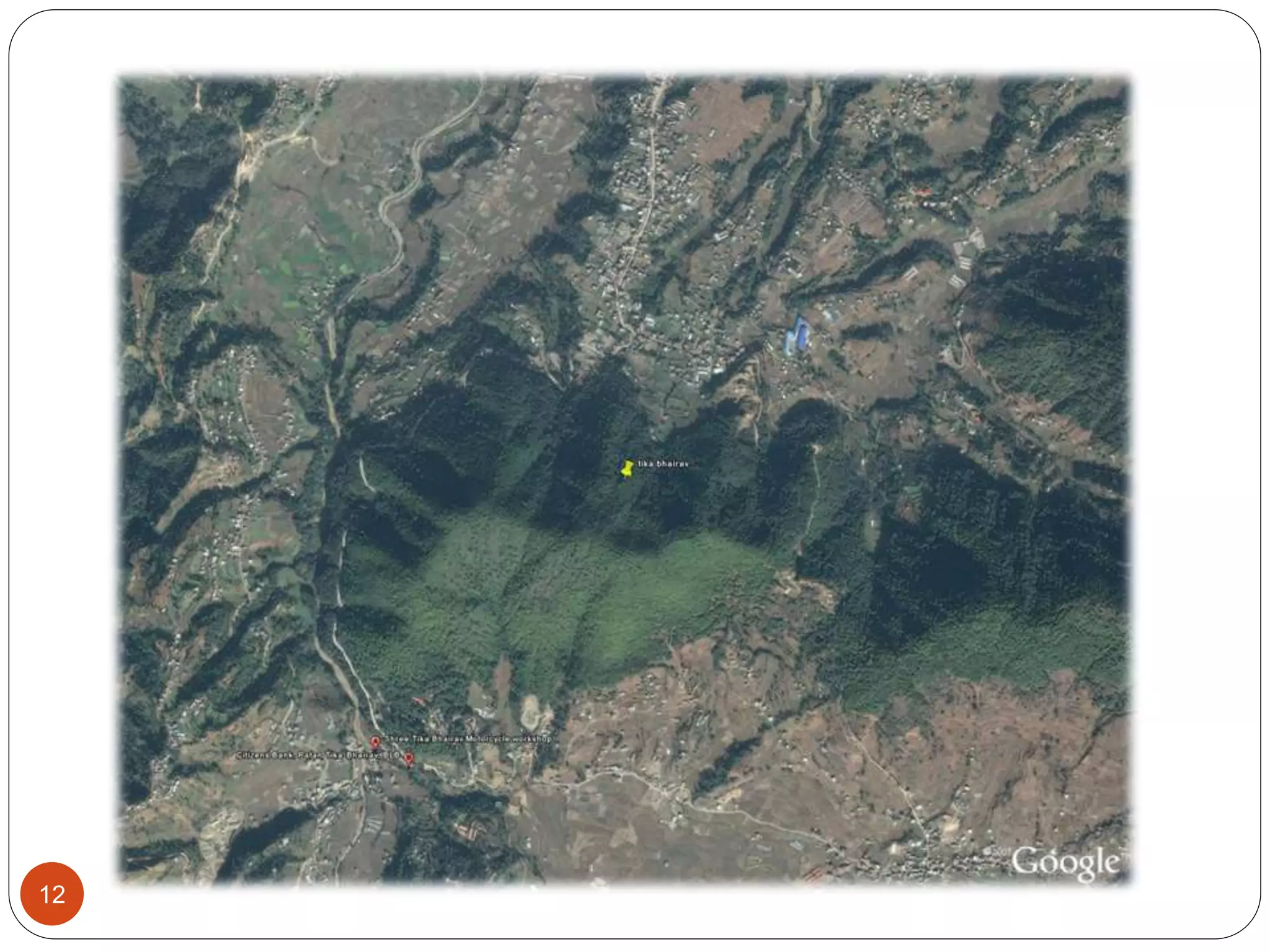
ROAD SITE
Pang Gaun to Tika Bhairav (2.5km)
Location:
 Zone: Bagmati
 District: Lalitpur
 VDC: Pang Gaun
11
12
MAP STUDY
Location :- Where are things situated?
 A location can be specific for example, it can be
stated as coordinates of longitude and latitude or as a
distance from one place to another place.
eg. In our case, road site’s location is south east from
the valley.
 Latitudes/easting are imaginary lines running parallel
to the Equator.
 Longitudes(departures)/northing are imaginary lines
running parallel to the Prime Meridian.
13
MAP STUDY
14
Place :- What makes a place different from other
places? Differences might be defined in terms of
climate, physical features, or the people who live
there and their traditions.
Human-environment interaction :- What are the
relationships among people and places? How
have people changed the environment to better
suit their needs?
SOCIO-ECONOMIC
CONDITION
 The major caste in this area are newars, brahmin,
chhetri, sarkis, etc.
 Mainly the people are involved in agriculture.
 People are not well educated.
 The economic condition is poor.
Equipments used in geometric
survey
GPS (Global Positioning System)
 2 numbers
 Principle:
Satellites based allocation of a position by
latitude, departure and elevation.
16
Geometric design
17
 Profile
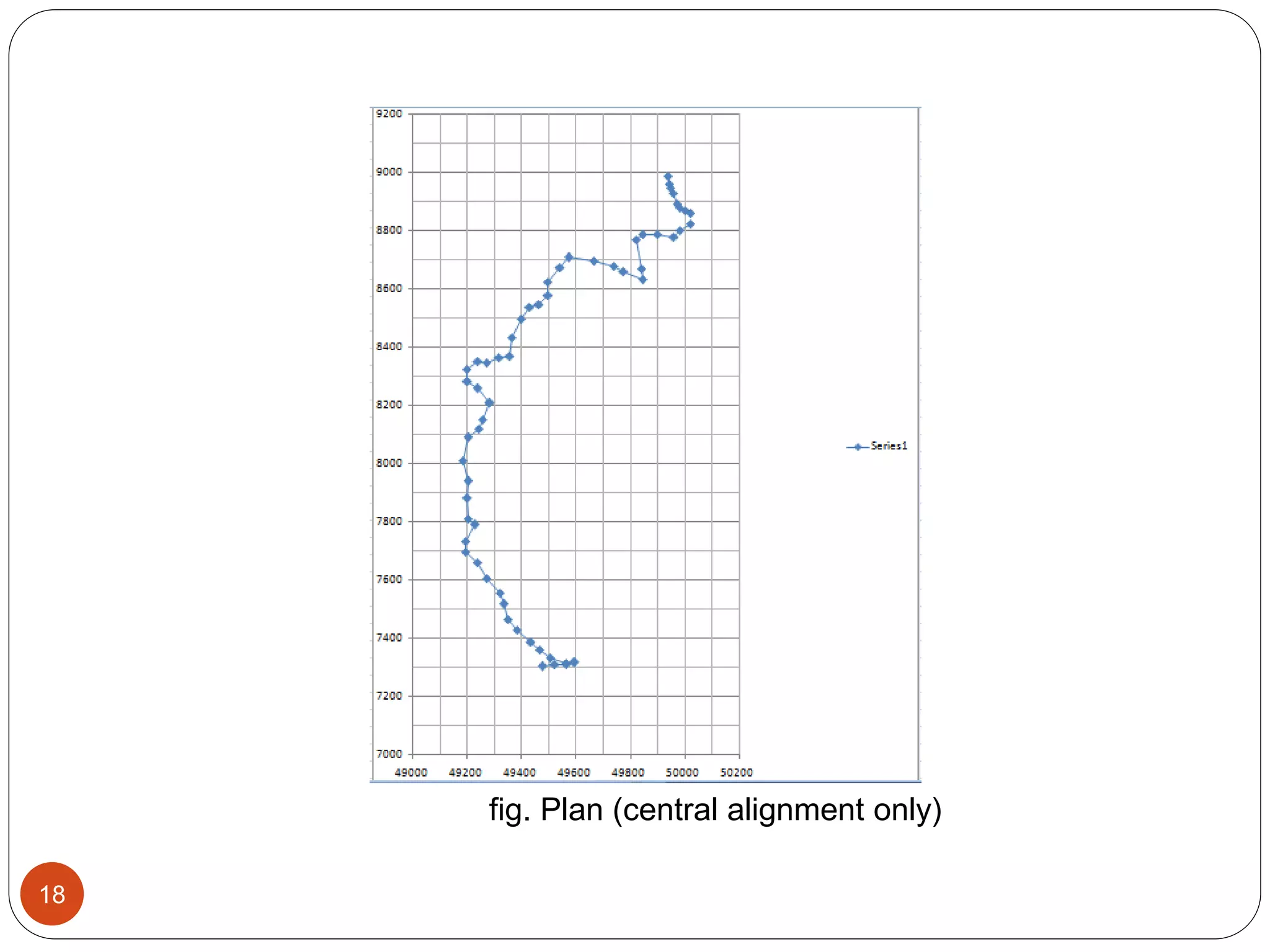
 Plan
 Cross section
18
fig. Plan (central alignment only)
Pavement design
 Traffic count
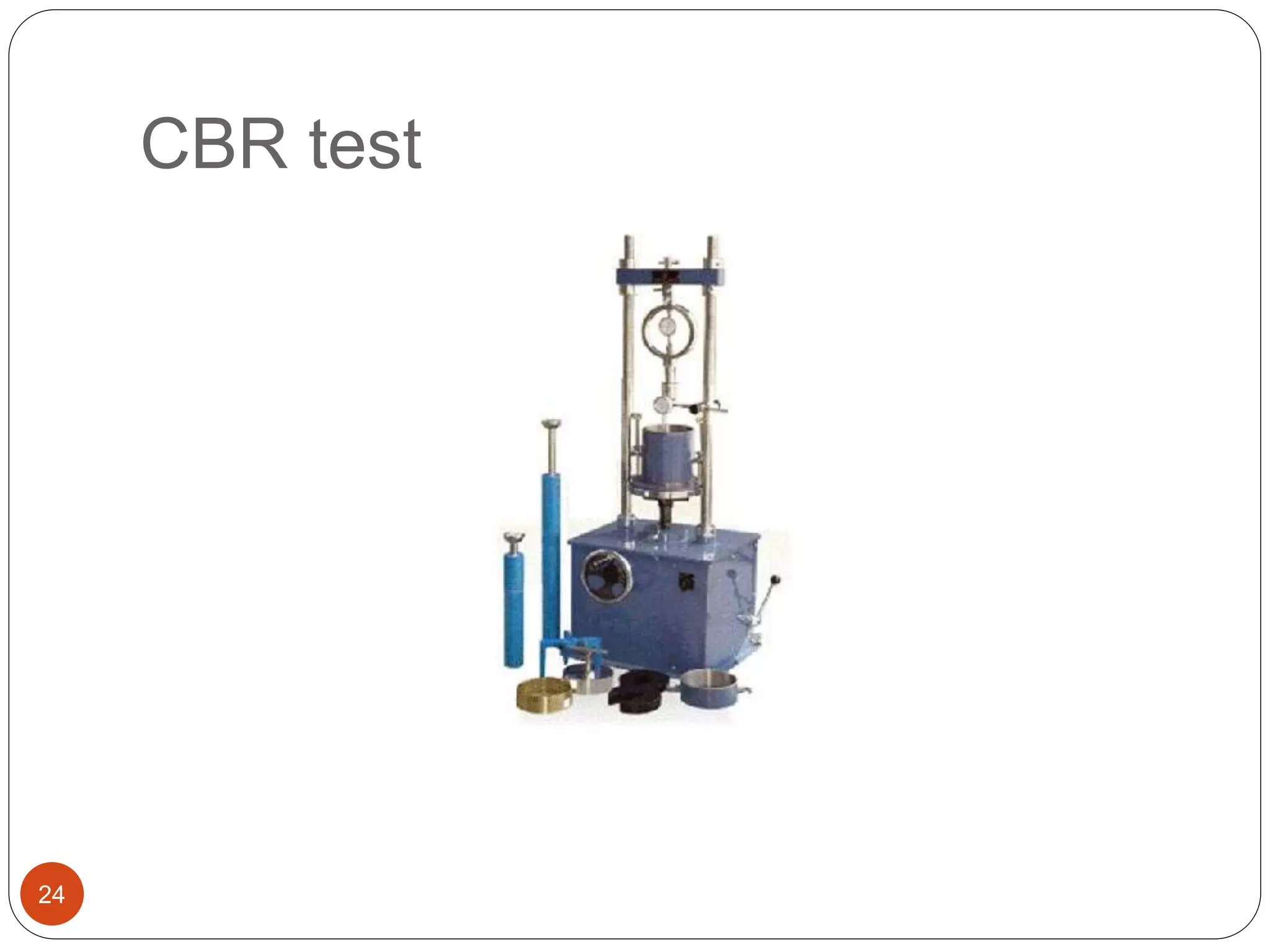
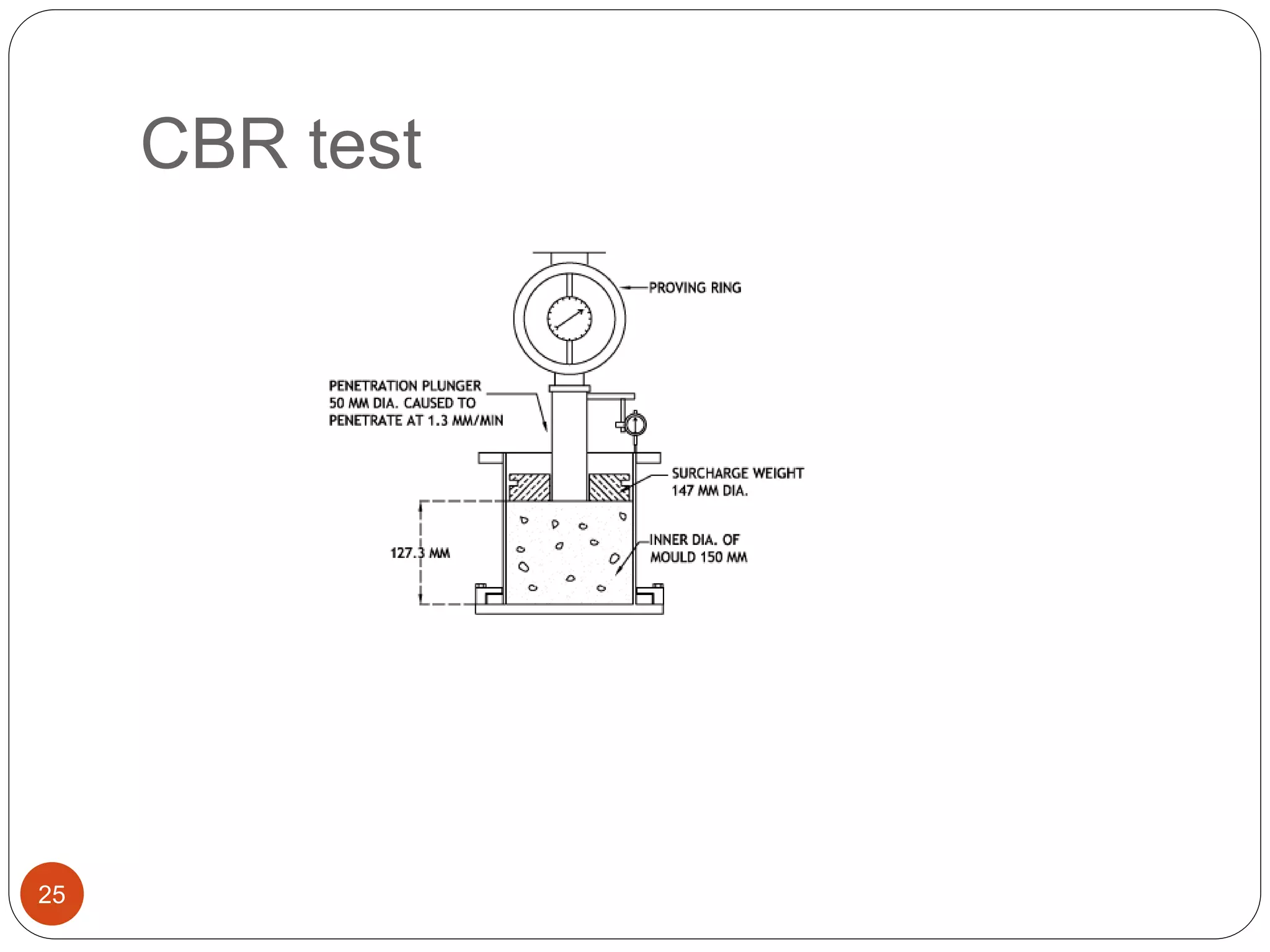
 CBR test
19
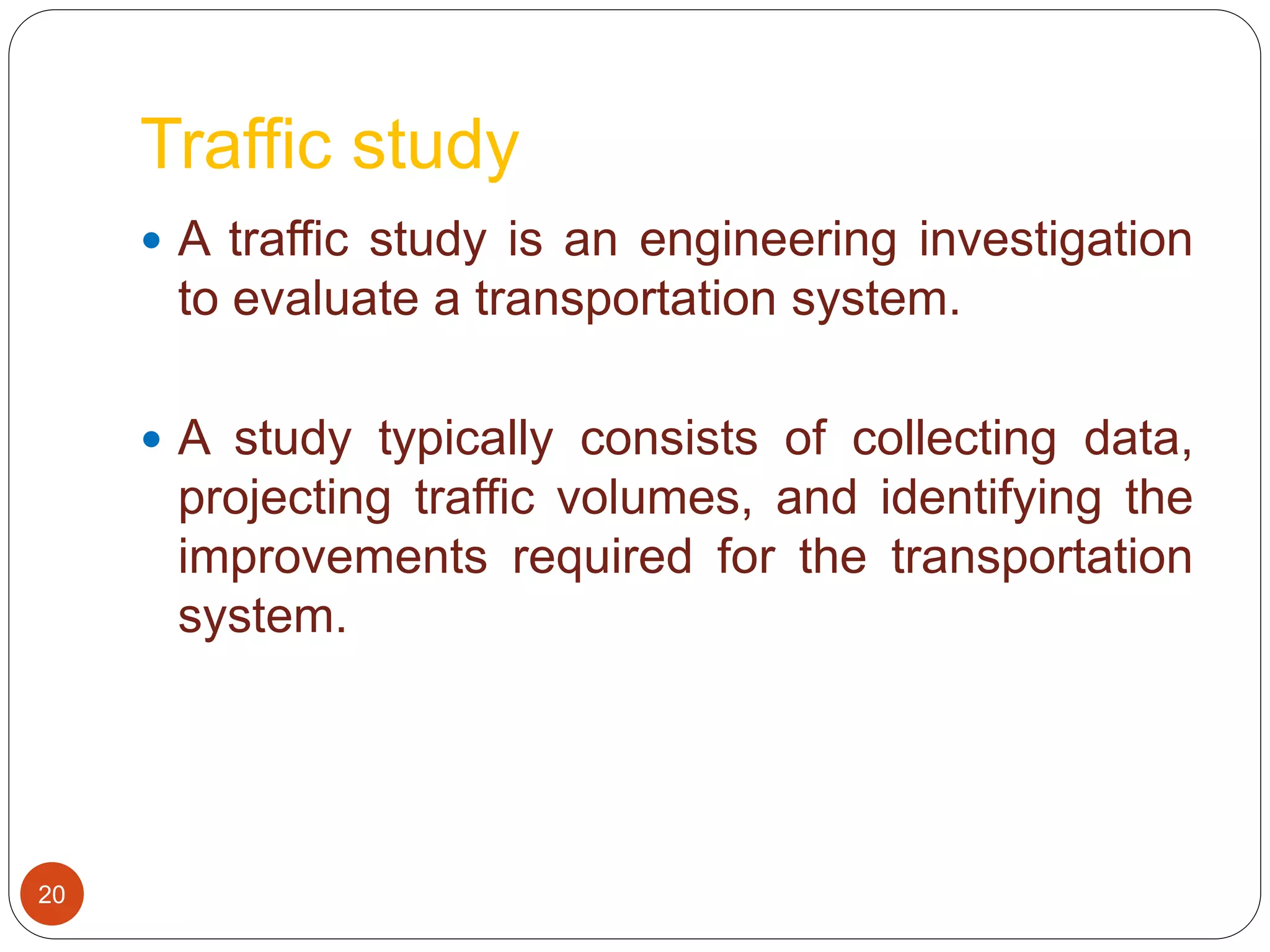
Traffic study
 A traffic study is an engineering investigation
to evaluate a transportation system.
 A study typically consists of collecting data,
projecting traffic volumes, and identifying the
improvements required for the transportation
system.
20
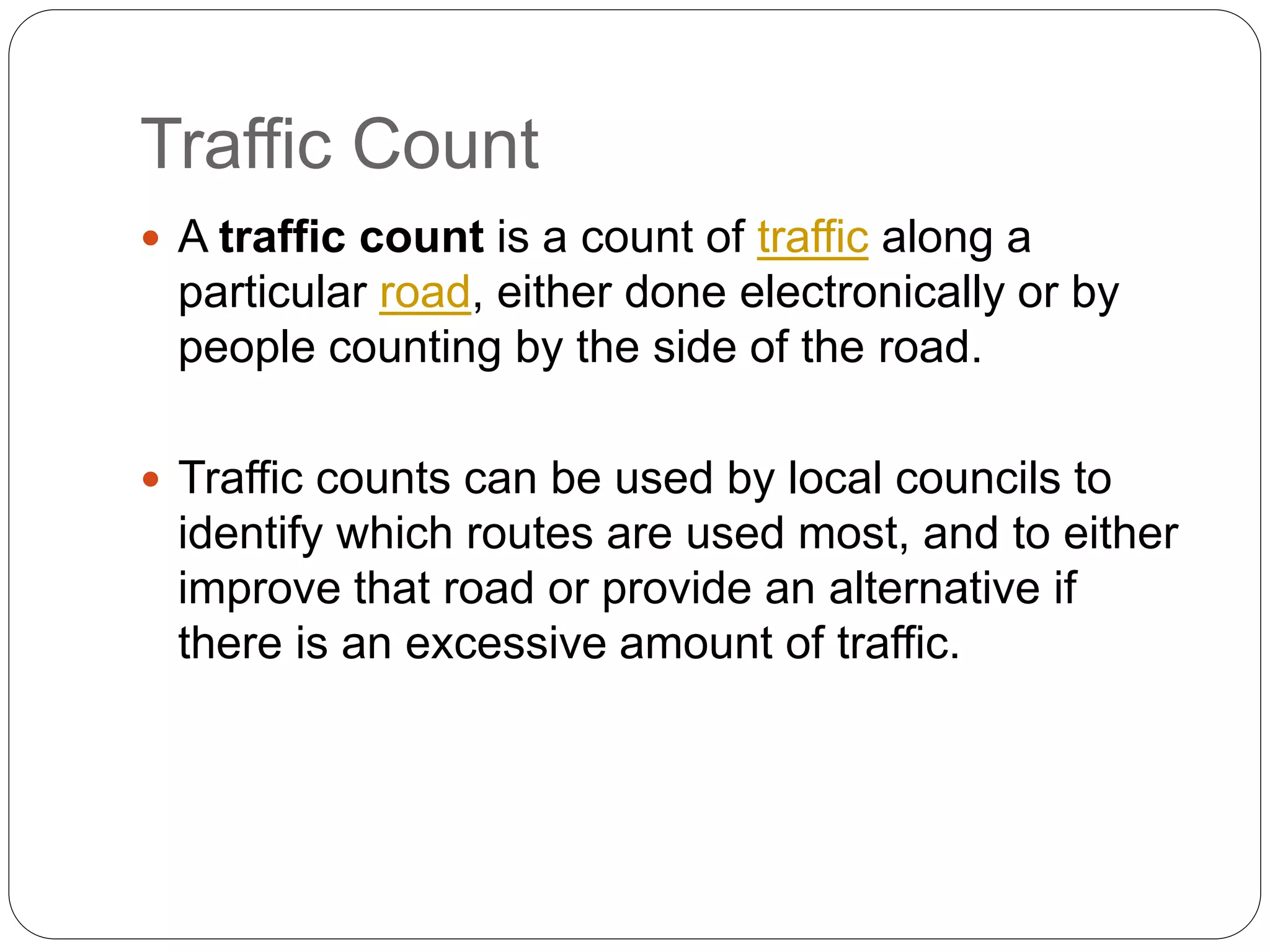
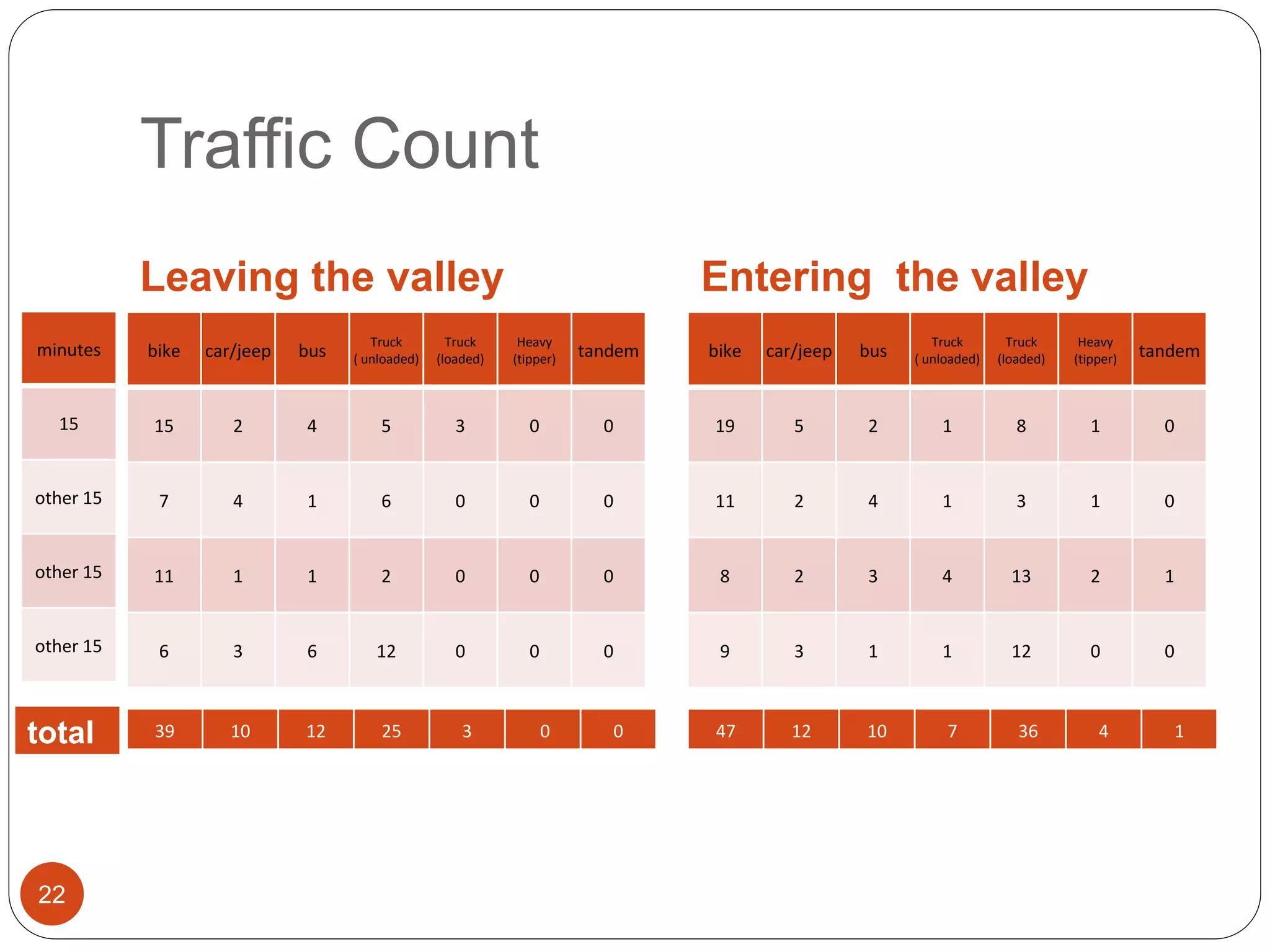
Traffic Count
 A traffic count is a count of traffic along a
particular road, either done electronically or by
people counting by the side of the road.
 Traffic counts can be used by local councils to
identify which routes are used most, and to either
improve that road or provide an alternative if
there is an excessive amount of traffic.
Traffic Count
Leaving the valley Entering the valley
22
bike car/jeep bus
Truck
( unloaded)
Truck
(loaded)
Heavy
(tipper) tandem
19 5 2 1 8 1 0
11 2 4 1 3 1 0
8 2 3 4 13 2 1
9 3 1 1 12 0 0
bike car/jeep bus
Truck
( unloaded)
Truck
(loaded)
Heavy
(tipper) tandem
15 2 4 5 3 0 0
7 4 1 6 0 0 0
11 1 1 2 0 0 0
6 3 6 12 0 0 0
minutes
15
other 15
other 15
other 15
39 10 12 25 3 0 0 47 12 10 7 36 4 1total
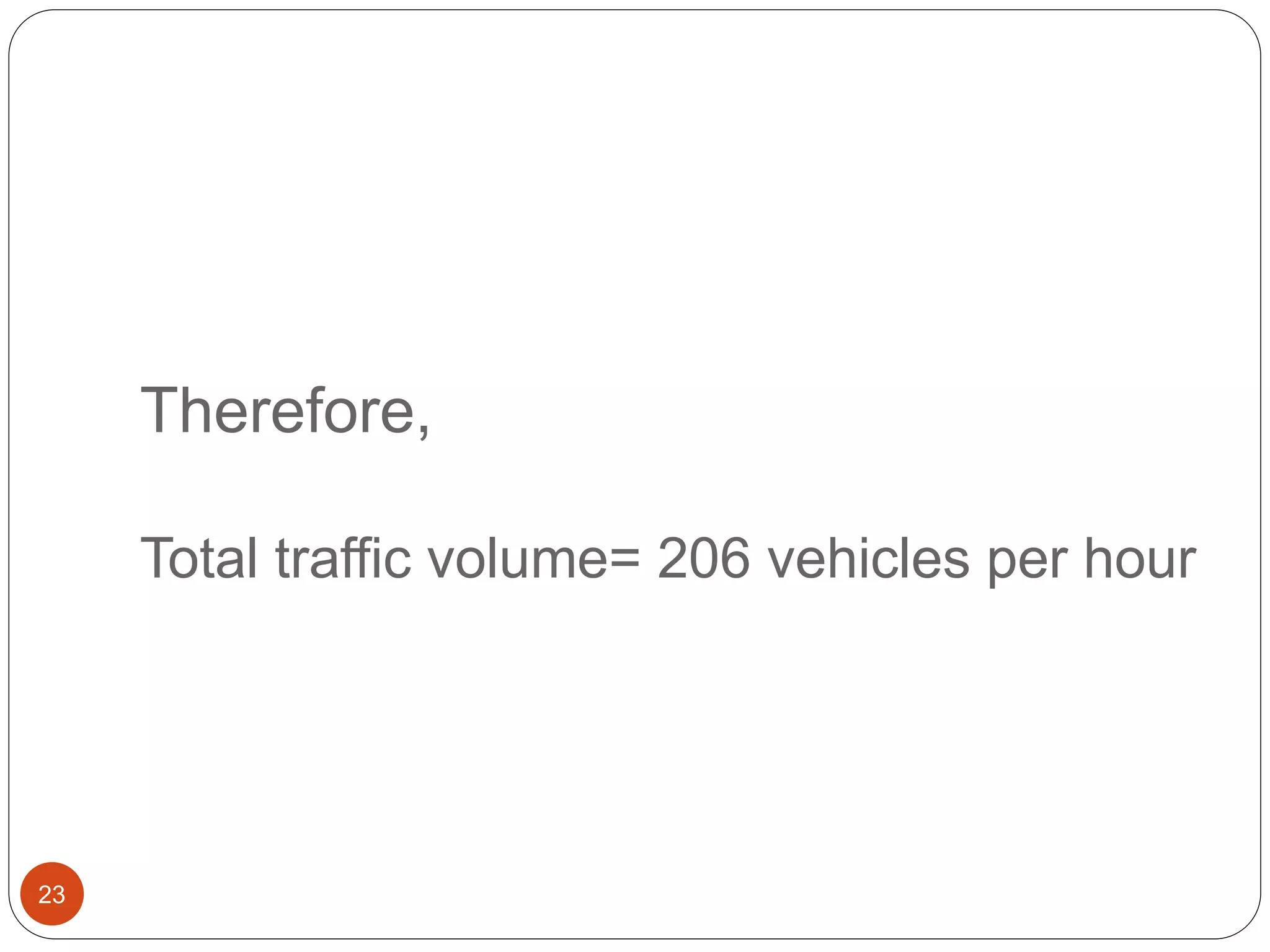
Therefore,
Total traffic volume= 206 vehicles per hour
23
CBR test
24
CBR test
25
26
CB
R
= CBR [%]
p = measured pressure for site soils [N/mm²]
ps
= pressure to achieve equal penetration on standard
soil [N/mm²]
27
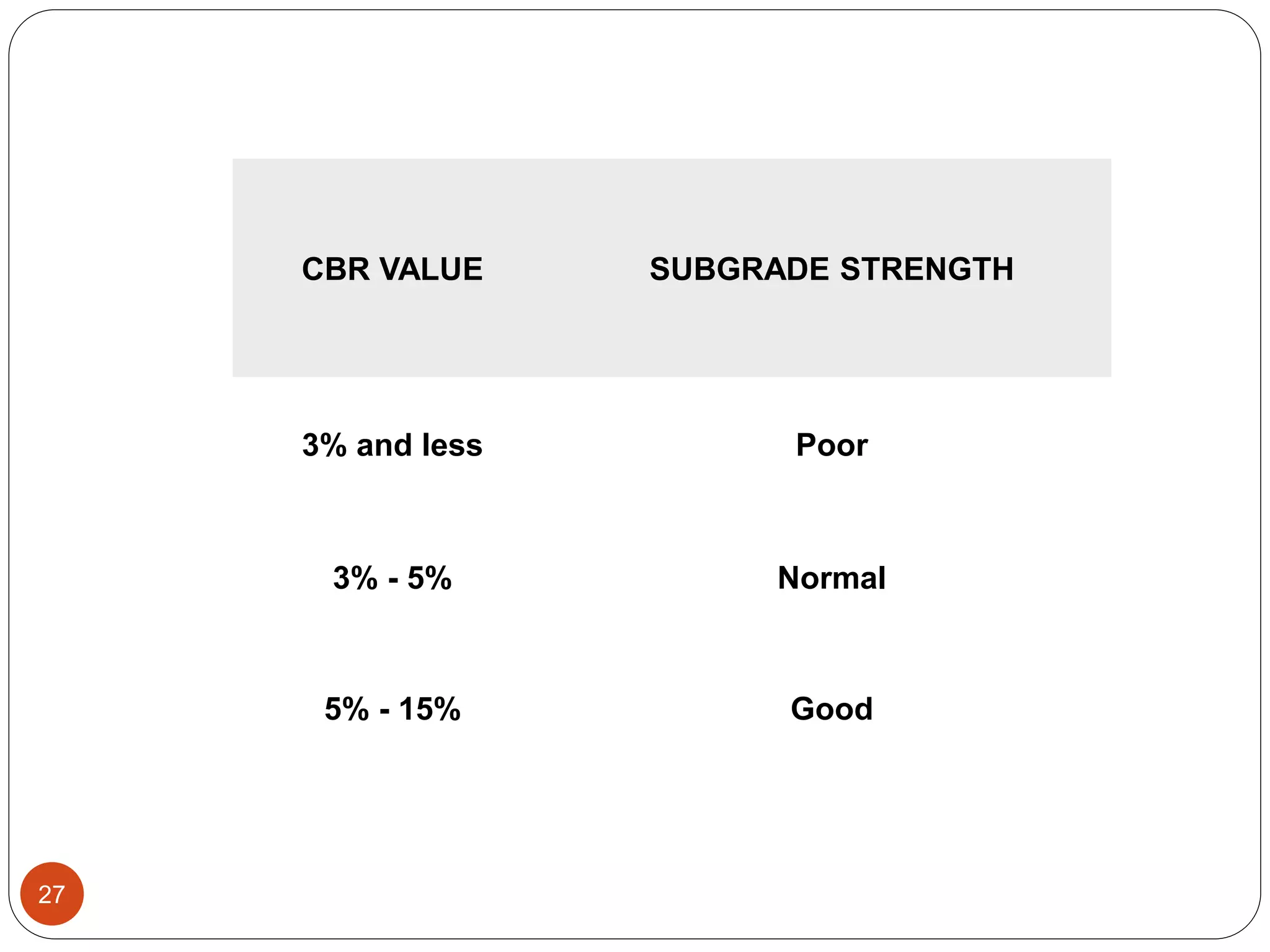
CBR VALUE SUBGRADE STRENGTH
3% and less Poor
3% - 5% Normal
5% - 15% Good
CONCLUSION
 Geometric analysis of different roads has become
evitable in today’s world. So, we are quite interested
in indulging us in this research as we have interest
towards this subject. Further in Nepal, geometric
analysis of roads are to be done and for this we want
to prepare ourselves.
 We believe that after the completion of this project we
are not only capable of geometrically analyzing
existing as well as newly prepared roads but also can
put forward our suggestions to ensure or increase the
safety, strength and durability of the roads.
28
design references
 Rural Road Standard, DOLIDAR
 Pavement Design Guidelines, DOR
29
Thank
You!!!
30

project work presentation on road feasibility study (need to be corrected but can be used as reference)

  • 1.
    -Rakesh Sunari Magar(77) -Pawan Bhatta(65) -NirajanDahal(58) -Needesh Budhathoki(56) Prof. Dr. Padma Bahadur Shahi 1
  • 2.
    Background  As perour syllabus, we fourth year students have to present our final year project in our desired field of interest. It is a vital part of IOE syllabus in order to make students competent to work in the actual field.  We have chosen rural road development project among the number of options available in transportation project.  We want to experience the working technique with new innovative concept of ours while designing a road in a sense of future demand that is structurally, eco- friendly and atheistically designed.2
  • 3.
    Intro T R A N S P O R T A T I O N  Transportation playsa vital role in basic infrastructure development in mountainous country like Nepal.  It is a social property.  It is demand fulfilling demand. 3
  • 4.
    Objectives and Scope To setup an alignment of a road as per the environmental condition.  To consider gradient, earthwork, road components (drainage, retaining walls), geometric properties of the road properly in the design.  To prepare economical and stable road in rural areas.  To link urban and rural areas with comfort, wide, safe, smooth road. 4
  • 5.
    Objectives and Scope For the overall development of country.  To minimize the risk of loss of property and lives by designing stable roads.  To know the importance of team work.  To design the road with innovative concept that is structurally, atheistically and eco-friendly aspect. 5
  • 6.
  • 7.
    METHODOLOGY  Planning  Survey Preliminary Design  Geometric Design  Detailing  Calculation  Plotting  Modeling  Analysis  Report Preparation 7 The work to be performed while doing our project are listed as series below:
  • 8.
    Project PERT Chart START Presynopsis submission Site Selection Reconnaissan ce survey 11 th Nov , 2014 8
  • 9.
    Survey and data plot Testsof soil samples Computation and design Traffic count 9
  • 10.
  • 11.
    ROAD SITE Pang Gaunto Tika Bhairav (2.5km) Location:  Zone: Bagmati  District: Lalitpur  VDC: Pang Gaun 11
  • 12.
  • 13.
    MAP STUDY Location :-Where are things situated?  A location can be specific for example, it can be stated as coordinates of longitude and latitude or as a distance from one place to another place. eg. In our case, road site’s location is south east from the valley.  Latitudes/easting are imaginary lines running parallel to the Equator.  Longitudes(departures)/northing are imaginary lines running parallel to the Prime Meridian. 13
  • 14.
    MAP STUDY 14 Place :-What makes a place different from other places? Differences might be defined in terms of climate, physical features, or the people who live there and their traditions. Human-environment interaction :- What are the relationships among people and places? How have people changed the environment to better suit their needs?
  • 15.
    SOCIO-ECONOMIC CONDITION  The majorcaste in this area are newars, brahmin, chhetri, sarkis, etc.  Mainly the people are involved in agriculture.  People are not well educated.  The economic condition is poor.
  • 16.
    Equipments used ingeometric survey GPS (Global Positioning System)  2 numbers  Principle: Satellites based allocation of a position by latitude, departure and elevation. 16
  • 17.
  • 18.
    18 fig. Plan (centralalignment only)
  • 19.
    Pavement design  Trafficcount  CBR test 19
  • 20.
    Traffic study  Atraffic study is an engineering investigation to evaluate a transportation system.  A study typically consists of collecting data, projecting traffic volumes, and identifying the improvements required for the transportation system. 20
  • 21.
    Traffic Count  Atraffic count is a count of traffic along a particular road, either done electronically or by people counting by the side of the road.  Traffic counts can be used by local councils to identify which routes are used most, and to either improve that road or provide an alternative if there is an excessive amount of traffic.
  • 22.
    Traffic Count Leaving thevalley Entering the valley 22 bike car/jeep bus Truck ( unloaded) Truck (loaded) Heavy (tipper) tandem 19 5 2 1 8 1 0 11 2 4 1 3 1 0 8 2 3 4 13 2 1 9 3 1 1 12 0 0 bike car/jeep bus Truck ( unloaded) Truck (loaded) Heavy (tipper) tandem 15 2 4 5 3 0 0 7 4 1 6 0 0 0 11 1 1 2 0 0 0 6 3 6 12 0 0 0 minutes 15 other 15 other 15 other 15 39 10 12 25 3 0 0 47 12 10 7 36 4 1total
  • 23.
    Therefore, Total traffic volume=206 vehicles per hour 23
  • 24.
  • 25.
  • 26.
    26 CB R = CBR [%] p= measured pressure for site soils [N/mm²] ps = pressure to achieve equal penetration on standard soil [N/mm²]
  • 27.
    27 CBR VALUE SUBGRADESTRENGTH 3% and less Poor 3% - 5% Normal 5% - 15% Good
  • 28.
    CONCLUSION  Geometric analysisof different roads has become evitable in today’s world. So, we are quite interested in indulging us in this research as we have interest towards this subject. Further in Nepal, geometric analysis of roads are to be done and for this we want to prepare ourselves.  We believe that after the completion of this project we are not only capable of geometrically analyzing existing as well as newly prepared roads but also can put forward our suggestions to ensure or increase the safety, strength and durability of the roads. 28
  • 29.
    design references  RuralRoad Standard, DOLIDAR  Pavement Design Guidelines, DOR 29
  • 30.